Martin Heidegger, Glenn Gould, Jacques-Louis David, Cy Twombly, Paul Engelmann and Ludwig Wittgenstein: characters that Francesco Arena has chosen or rediscovered in multiple contexts over the time recur in this book. Ranging from philosophy, to music, to visual arts, they embrace the whole world of knowledge.
This first institutional monograph on the multimedia practice of artist and director Ali Cherri aims to highlight the themes and formal concerns running through his most recent, highly significant projects at GAMeC, Bergamo; Frac Bretagne, Rennes; Swiss Institute, New York; Biennale Arte 2022, Venice; and the National Gallery, London.
The book highlights the main characteristics of the collective trauma that gave rise to Rachel Whiteread’s project for GAMeC. The psychoanalysts Angelo Antonio Moroni and Pietro Roberto Goisis map out a composite picture, starting from the sense of vulnerability and collective loss associated with the Covid-19 pandemic.
This book, with follows the eponymous exhibition at Mudam Luxembourg, is constructed as a story, with a prologue, four acts, and an epilogue: an intuitive journey through the voices of thirty-four artists from different generations who are experimenting with the idea of the performative.
Dreaming Alcestis is an artist’s book by artist and filmmaker Beatrice Gibson, conceived as an accompaniment to her holographic film installation of the same name. It features a commissioned essay by poet and translator Allison Grimaldi Donahue, as well as a reprint of the American poet Alice Notley’s 1991 essay What Can Be Learned From Dreams?
What if clay is the future and the future is clay? Curators Chus Martínez and Filipa Ramos brought together a group of artists to think and create through this old, maleable and fascinating matter. The result was materialized in an exhibition and book format entitled Feet of Clay.
Edited by Andrea Bellini
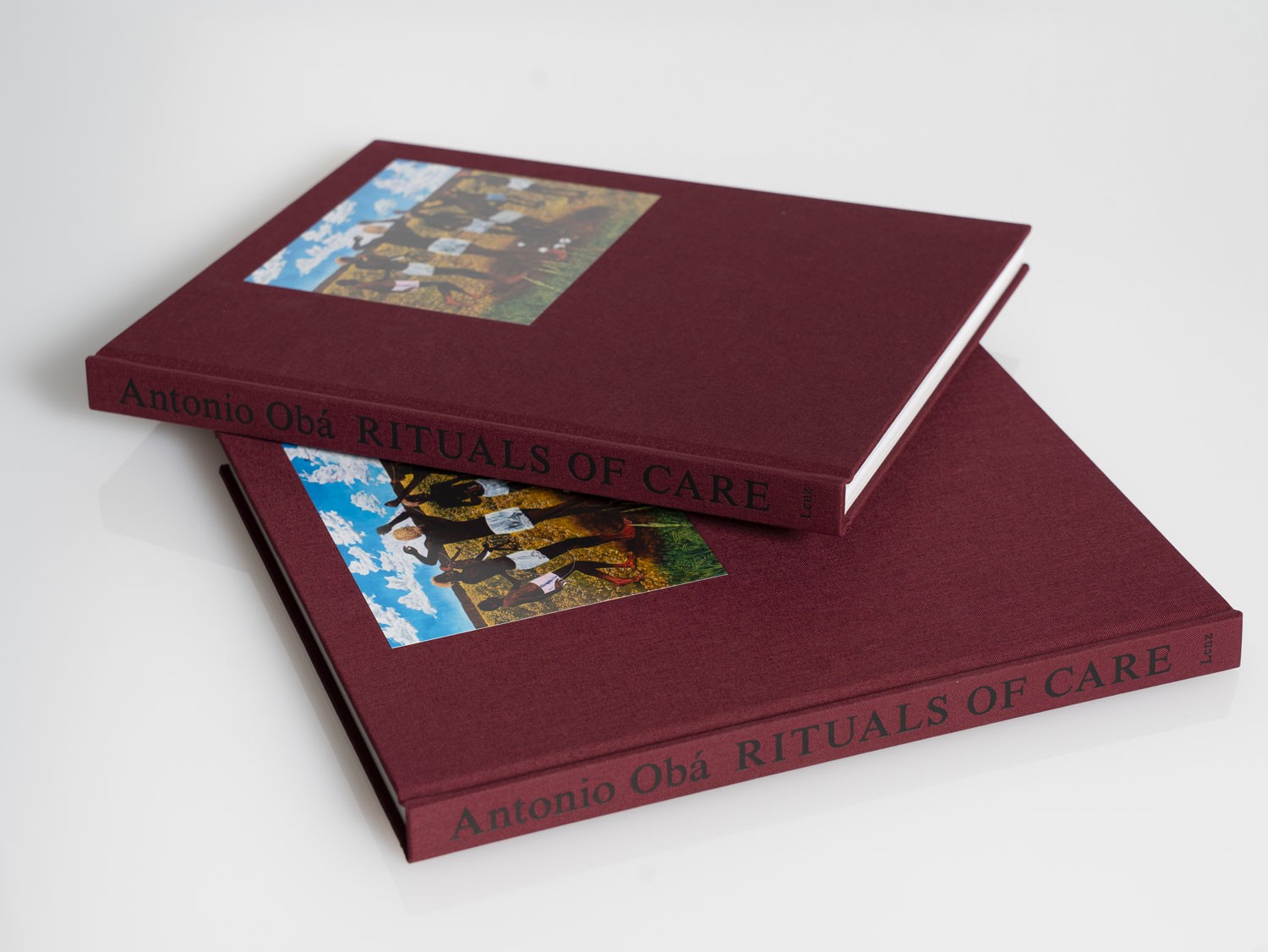
Texts by Andrea Bellini, Lorraine Mendes, Antonio Obá, Larry Ossei-Mensah
Designed by Lorenzo Mason Studio
2025, English, hardcover, 24 x 30 cm, 224 pages
ISBN 979-12-80579-74-4
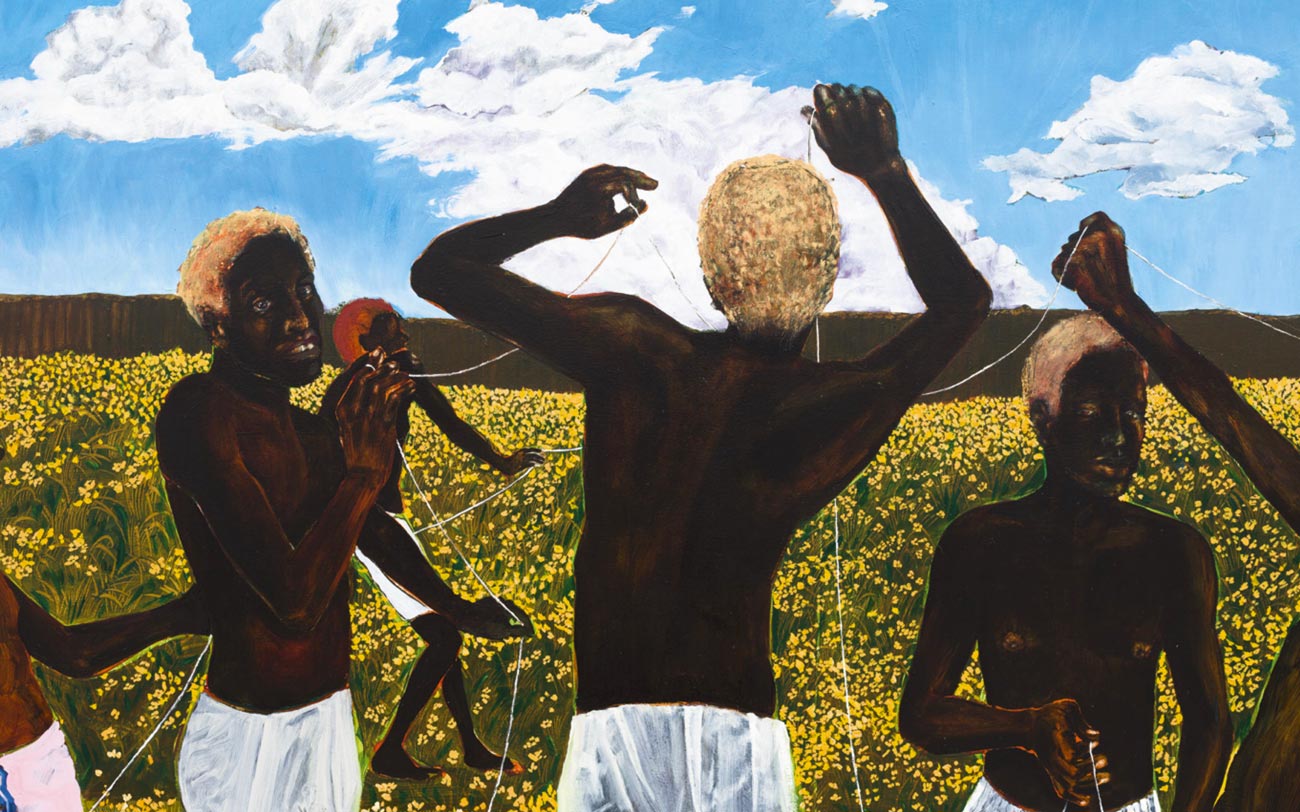
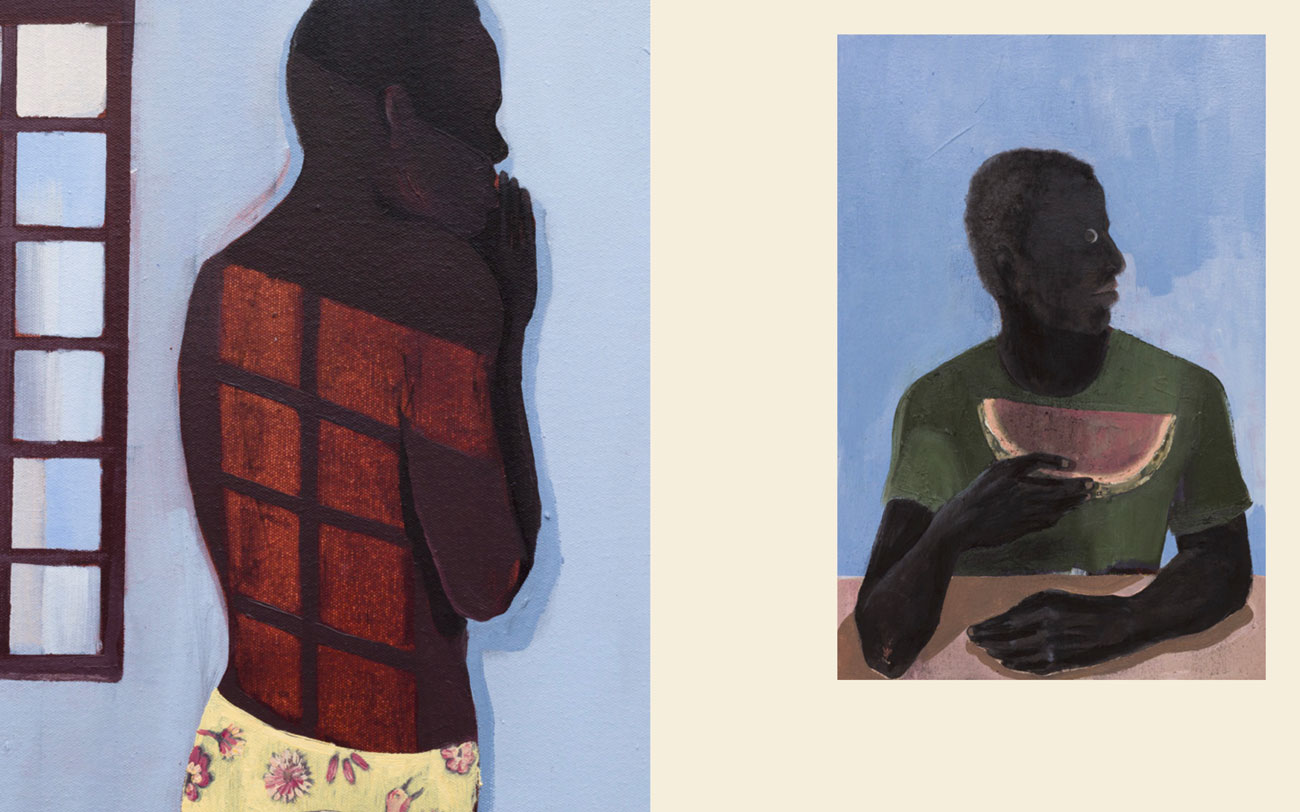
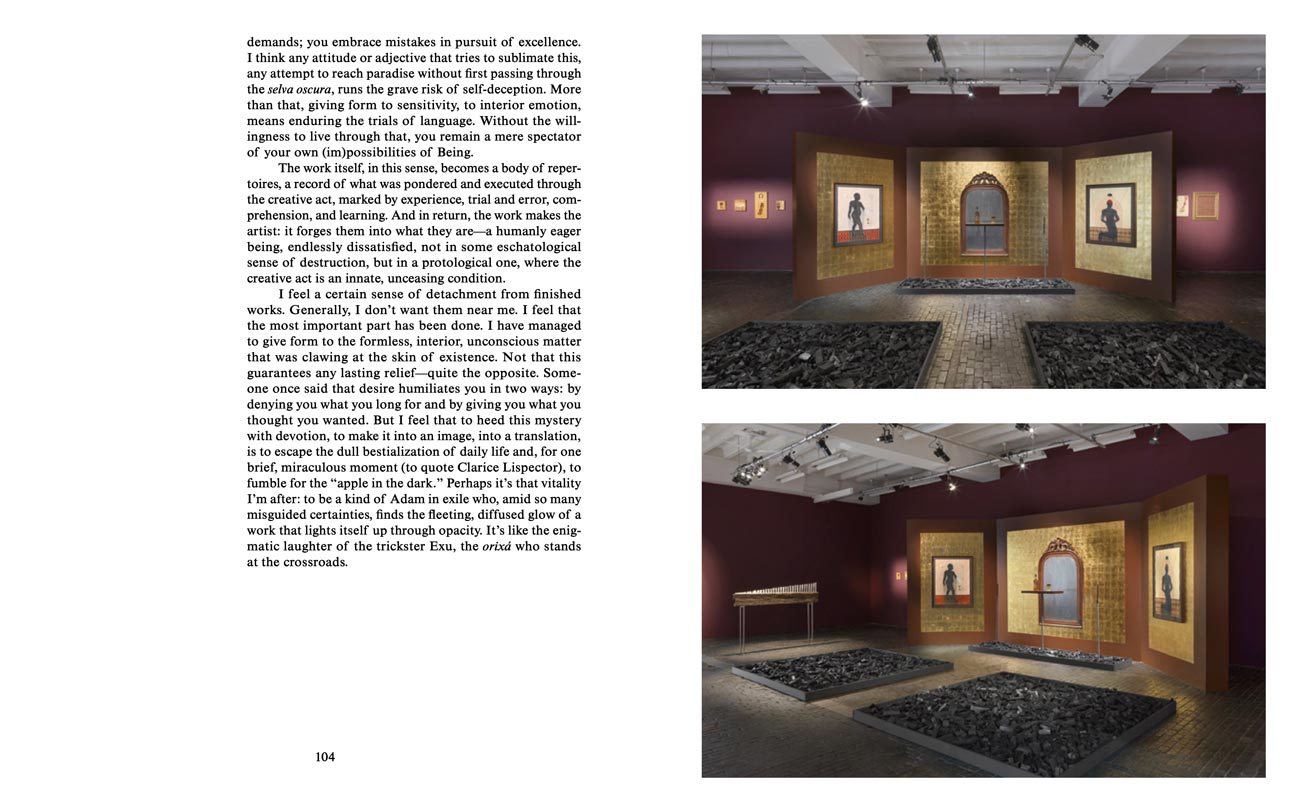
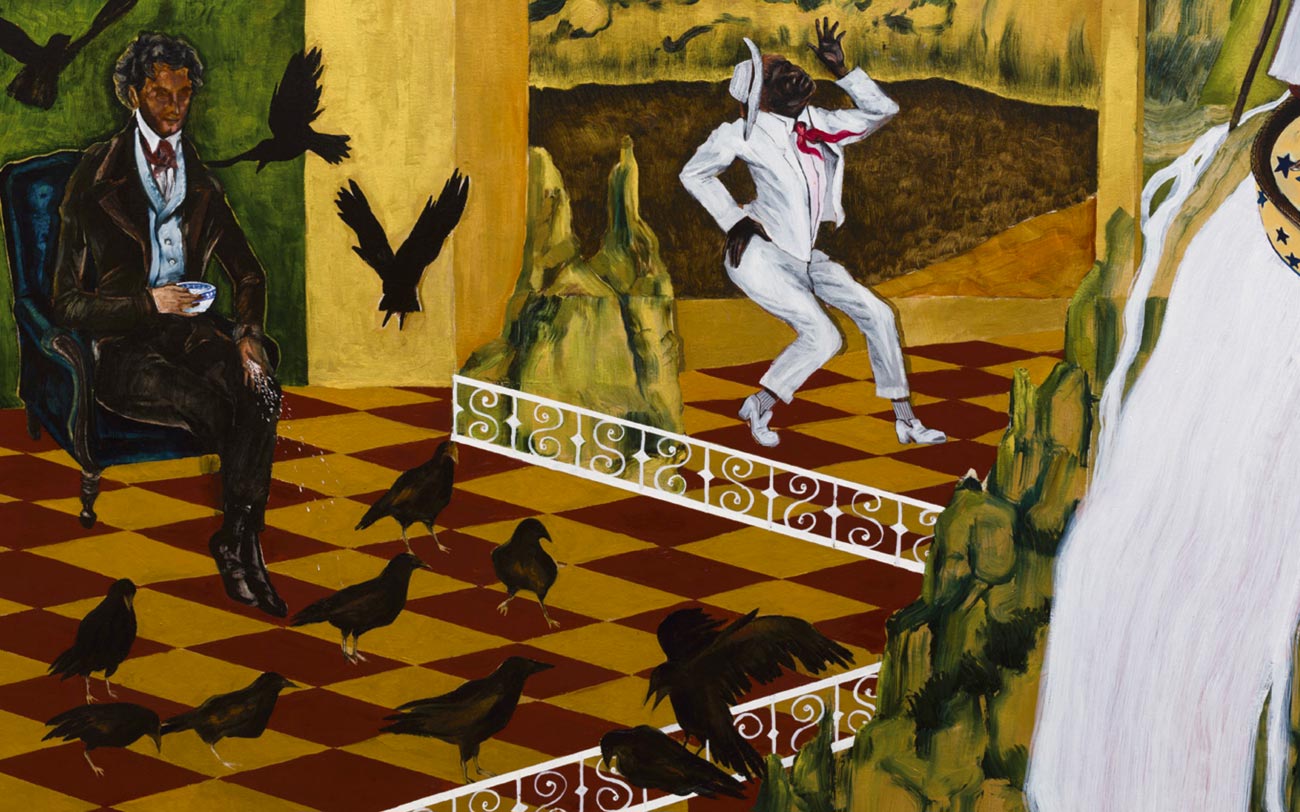
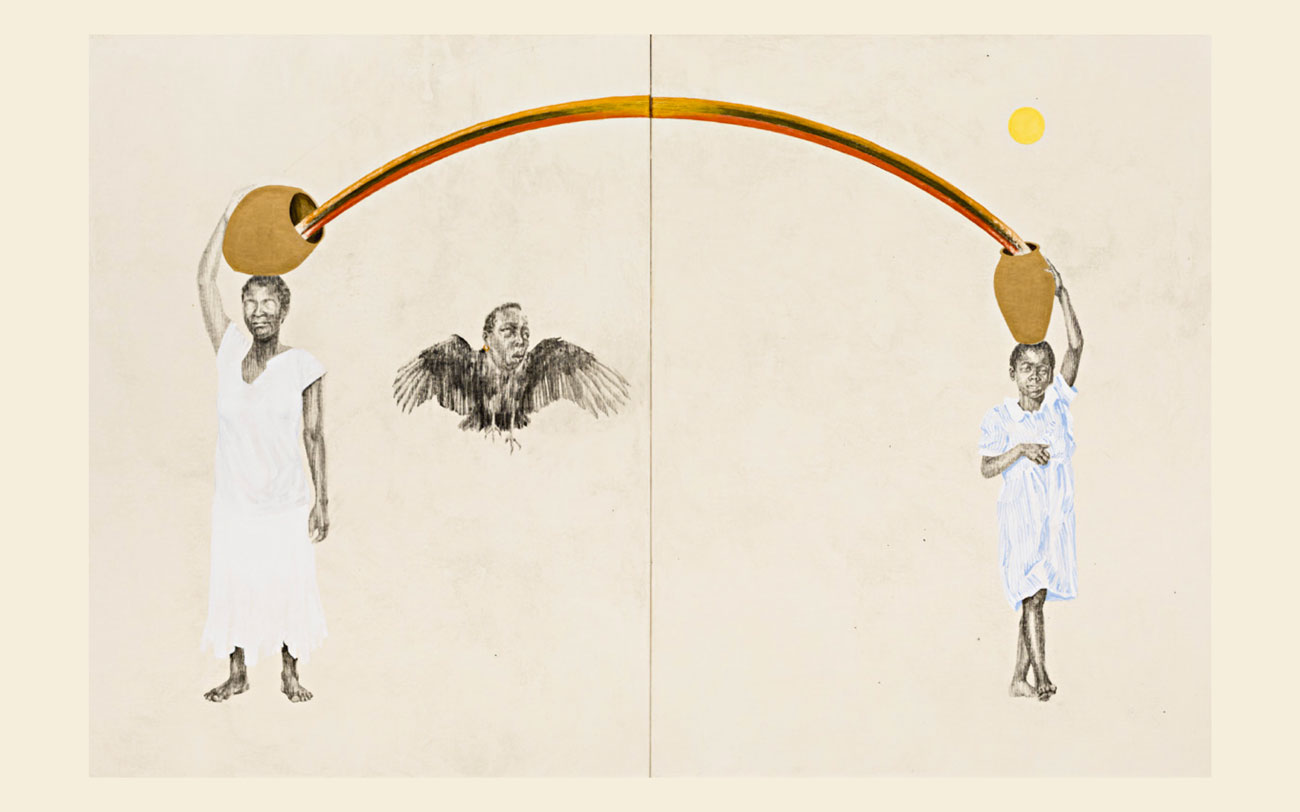
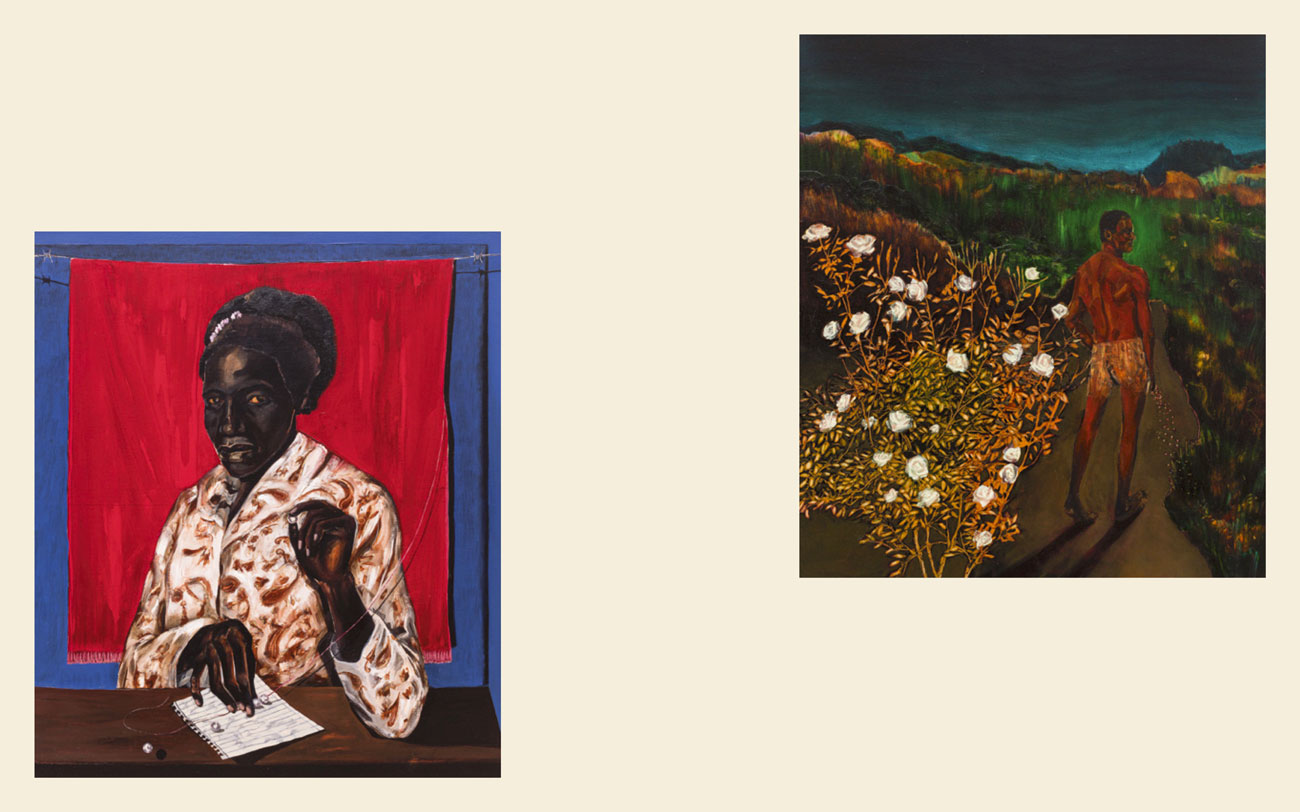
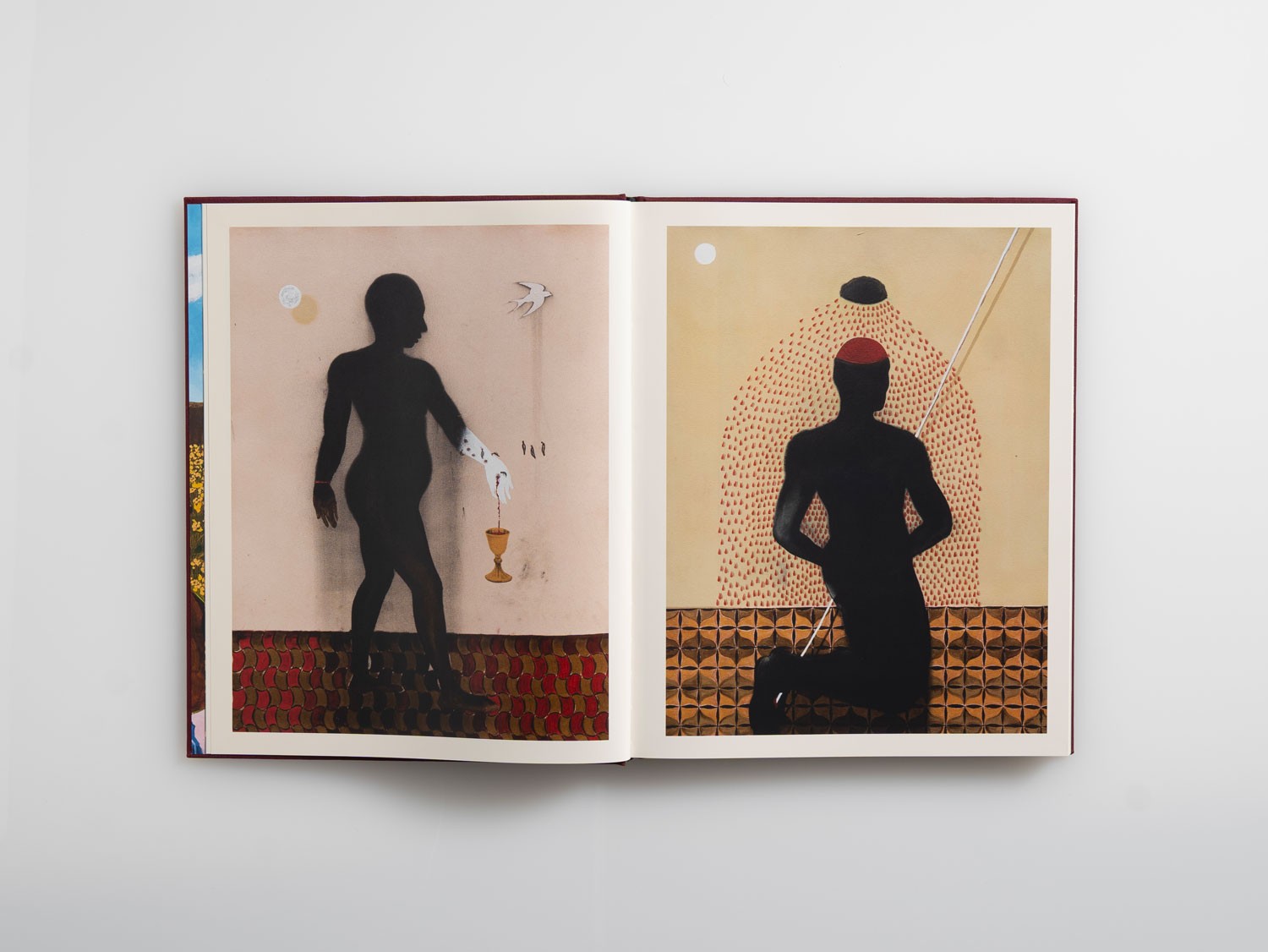
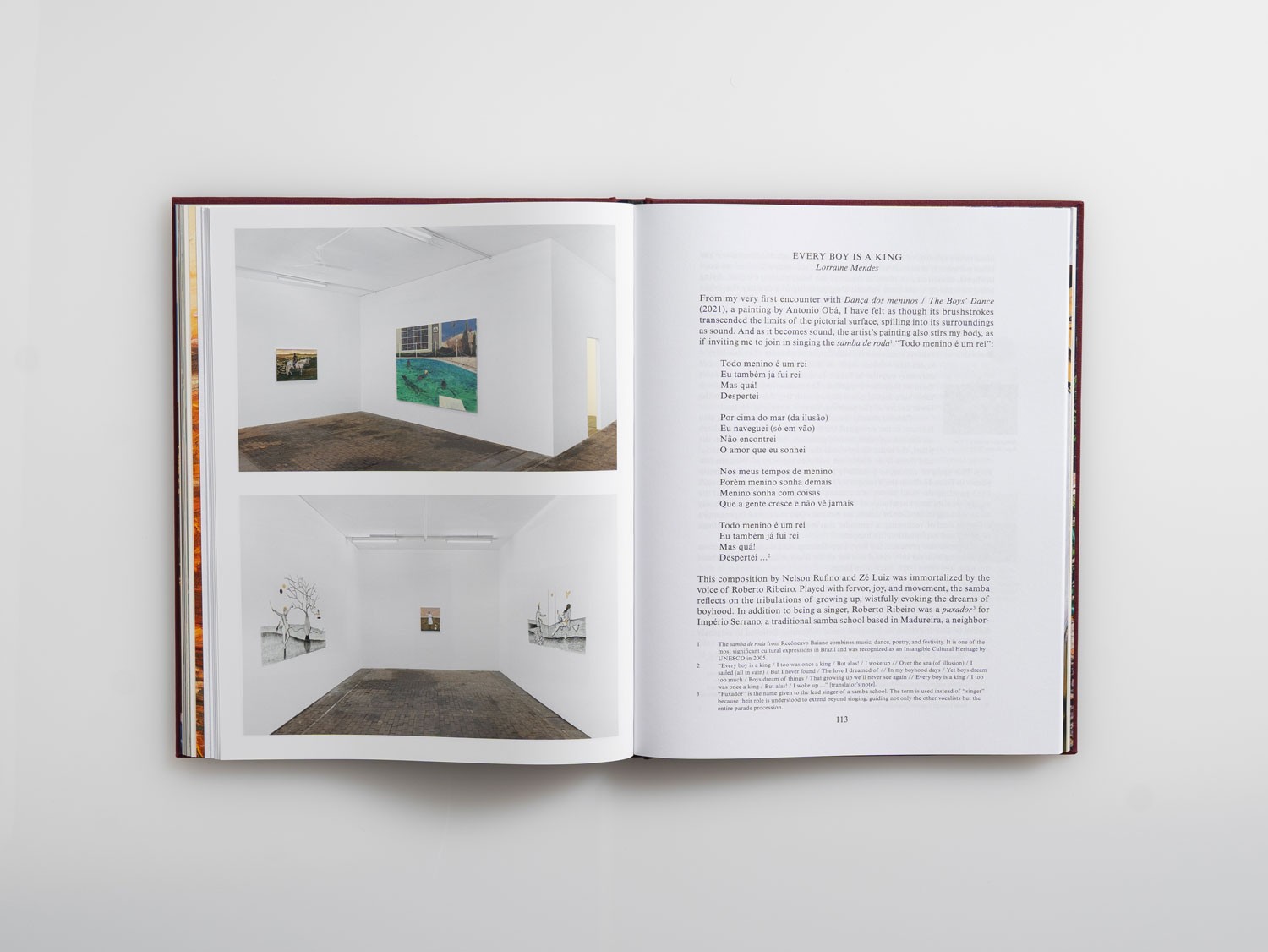
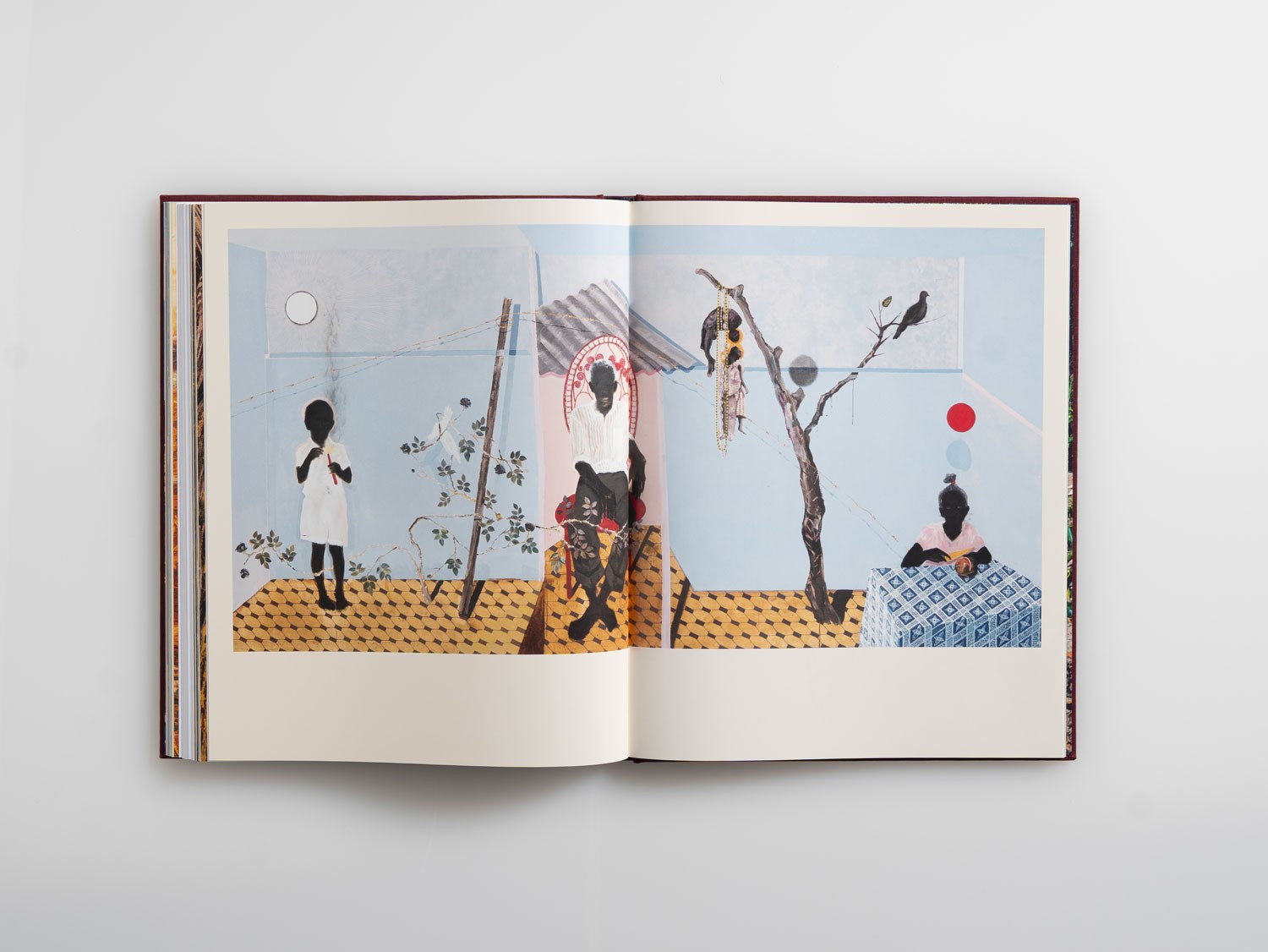
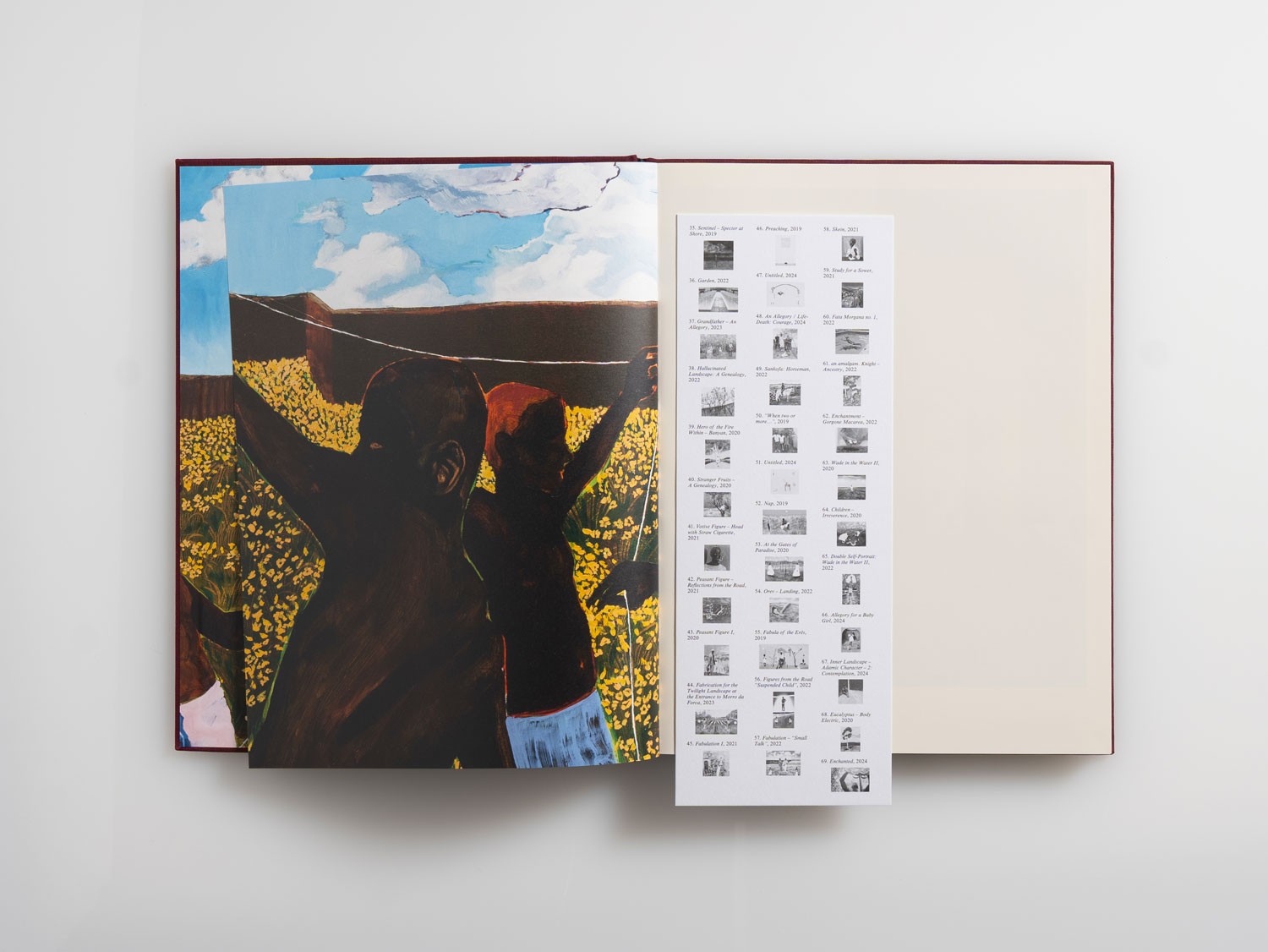
Antonio Obá: Rituals of Care traces the practice of the Brazilian artist from 2016 to the present, offering a broad survey of his recent work, dwelling on the recurring motifs and iconographic sources that feed the complex imagery of his painting. Extensively illustrated, the book returns the richness of Obá’s paintings, with enlargements on some of the details woven into the pictorial texture that, in addition to showing his masterful technique, make certain elements of his visual vocabulary stand out.
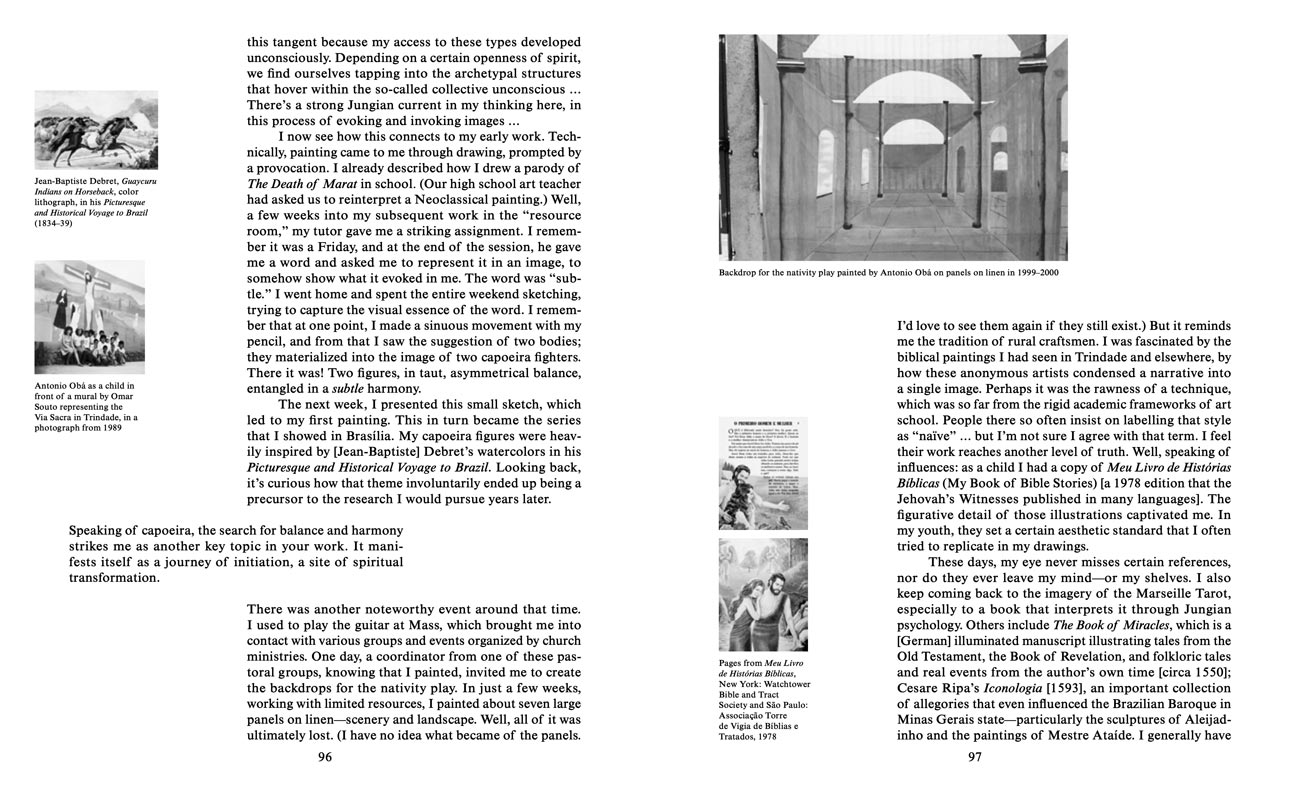
The conversation between Andrea Bellini and Antonio Obá that opens the book offers the opportunity to learn, through the artist’s voice, about the key passages of his research, and to examine his diverse cultural references—from the Baroque of Minas Gerais to traditional Chinese painting, from Rembrandt to the Catholic ex-votos—until we discover the Obá’s civic vocation, of painting as a spiritual practice.
The two essays commissioned for the occasion analyze the complexity of these layered signifiers. Lorraine Mendes’s essay “Every Boy Is a King” offers an in-depth analysis of Obá’s religious syncretism. It suggests an interpretation of its layered symbols, particularly the sankofa and the deity Exú, both of which pay tribute to the artist’s West African roots. Above and beyond the specific cultural contexts of this iconography, the author emphasizes the universal value of Obá’s work, its evocative, transformative, dynamic power, which—like music or dance—knows no national boundaries or barriers.
Larry Ossei-Mensah’s essay “Embodiment: The Art of Antonio Obá” investigates the complex cultural legacy that is intertwined with the artist’s practice, connected to his Afro-Brazilian roots, to the social and political realities of the Black diaspora, and to Christian, Candomblé, and Umbanda traditions. In addition to examining the context in which Obá’s work is rooted, the author situates it within a galaxy of artists who have focused on questions of identity, often using their own bodies as tools of social and cultural critique.
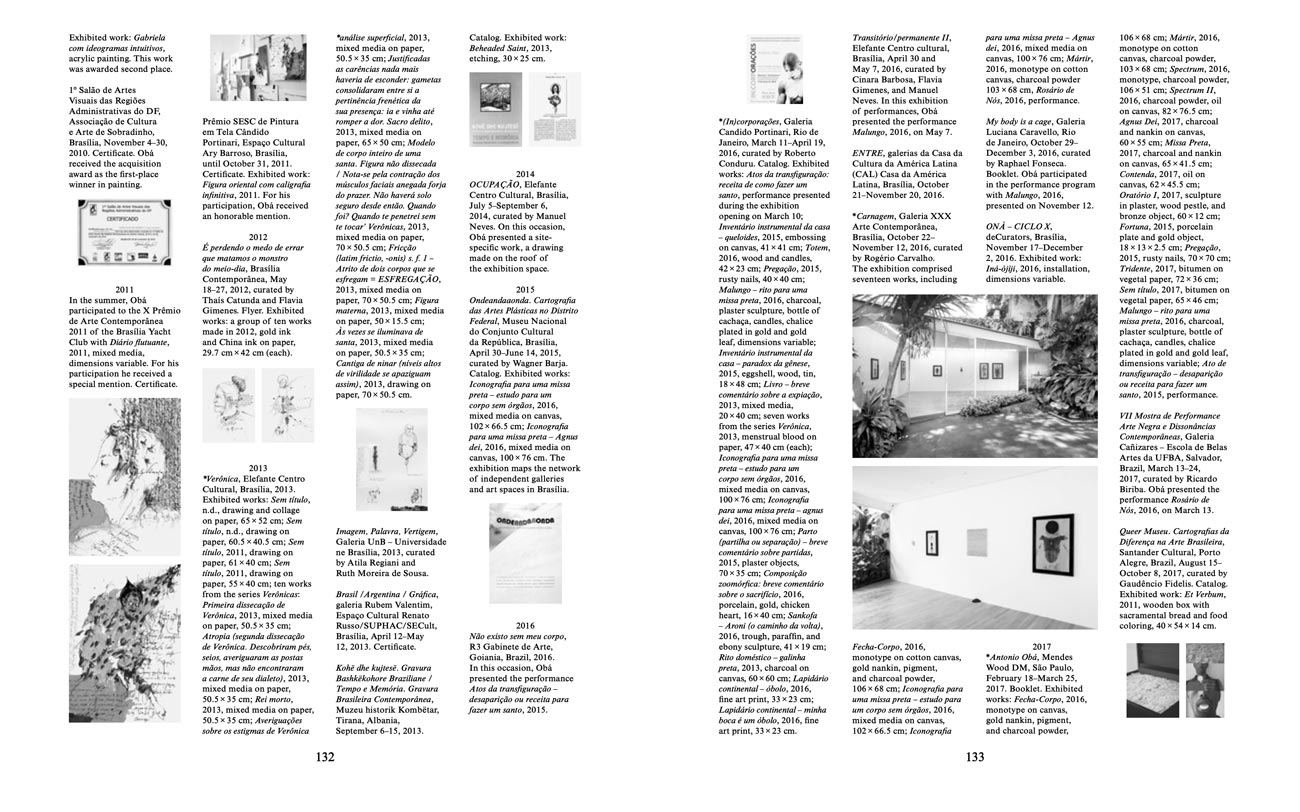
Completing the book is a chronology, compiled by Sara De Chiara, tracing the artist’s formative years and exhibition history, accompanied by rich documentary materials.
The book is published on the occasion of Antonio Obá: Rituals of Care, the first mid-career survey in Europe dedicated to the Brazilian artist, curated by Andrea Bellini, at the Centre d’Art Contemporain Genève.