Catalog of the eponymous exhibition, held at the Centre d’Art Contemporain Genève and curated by Andrea Bellini, this publication brings together a number of essays that explore the notion of metamorphosis from different perspectives. The catalog, like the exhibition, celebrates a world in constant transformation, where human nature is fluid and hybrid, open to change.
Ce catalogue de l’exposition éponyme, organisée au Centre d’Art Contemporain Genève sous la direction d’Andrea Bellini, rassemble plusieurs essais qui explorent la notion de métamorphose sous différentes perspectives. Le catalogue, comme l’exposition, célèbre un monde en constante transformation, où la nature humaine est fluide et hybride, ouverte au changement.
Fredrik Værslev: The Garden Paintings is the first publication dedicated solely to one specific body of work in the artist’s practice. It includes essays by Martha Kirszenbaum and Erlend Hammer, and gives a comprehensive and chronological account of the works from the series, showing their stylistic development as well as their exhibition history.
Between an artist’s book and a catalogue, this publication follows up on Armleder’s multidimensional exhibition at KANAL in 2020–21. Through archival pictures and in depth conversations, the book is designed to recreate the immersive experience of this collective experiment, and proposes a dive into something akin to a large self-portrait, conceived through the works of more than a hundred artists.
This artist’s book reflects Eva & Franco Mattes’ continued interest in the condition of displacement to be sensed in Fukushima. Borrowing the format of wrapping-paper catalogs, it contains twenty large pre-perforated sheets, each of which features a photographic texture—a seamlessly repeating motif captured by the camera amid the radioactive ruins of the contaminated towns and countryside.
The album brings together the music composed by Federico Chiari for various film and video works by Diego Marcon, including Monelle (2017), Ludwig (2018), The Parents’ Room (2021), and Dolle (2023). The album comes with a booklet containing lyrics and images that provide a deeper insight into this unique, profoundly intertwined collaboration between Chiari and Marcon.
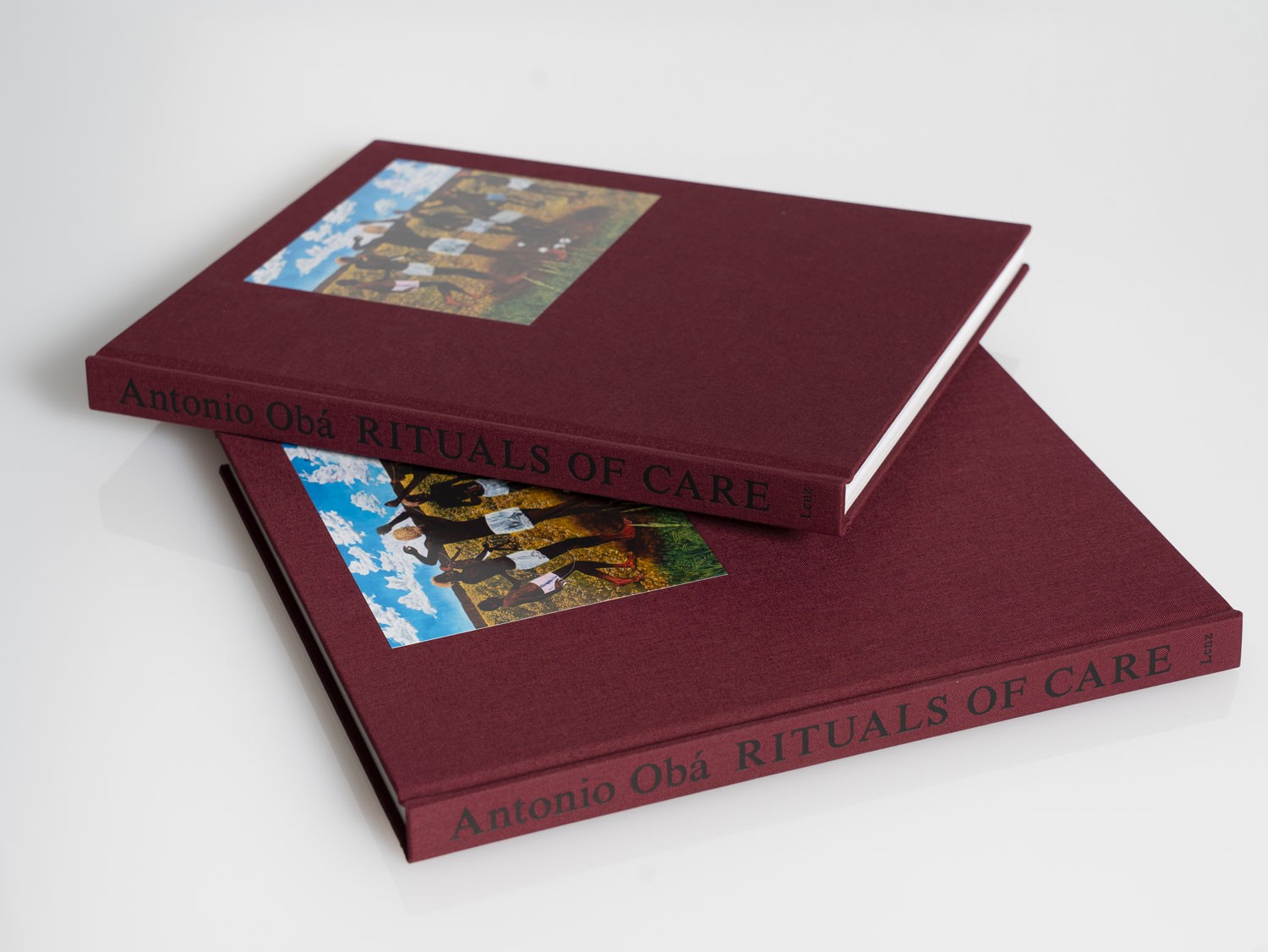
Edited by Andrea Bellini
Texts by Andrea Bellini, Lorraine Mendes, Antonio Obá, Larry Ossei-Mensah
Designed by Lorenzo Mason Studio
2025, English, hardcover, 24 x 30 cm, 224 pages
ISBN 979-12-80579-74-4
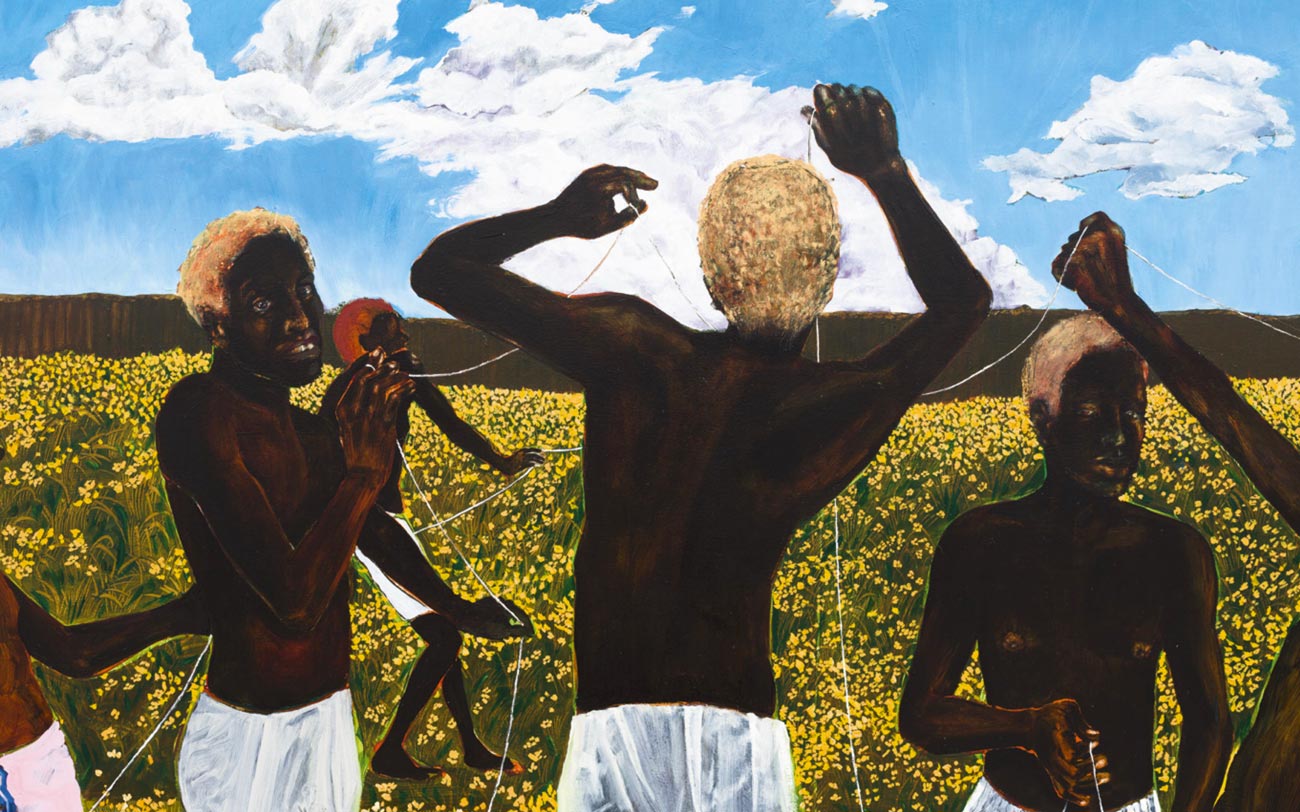
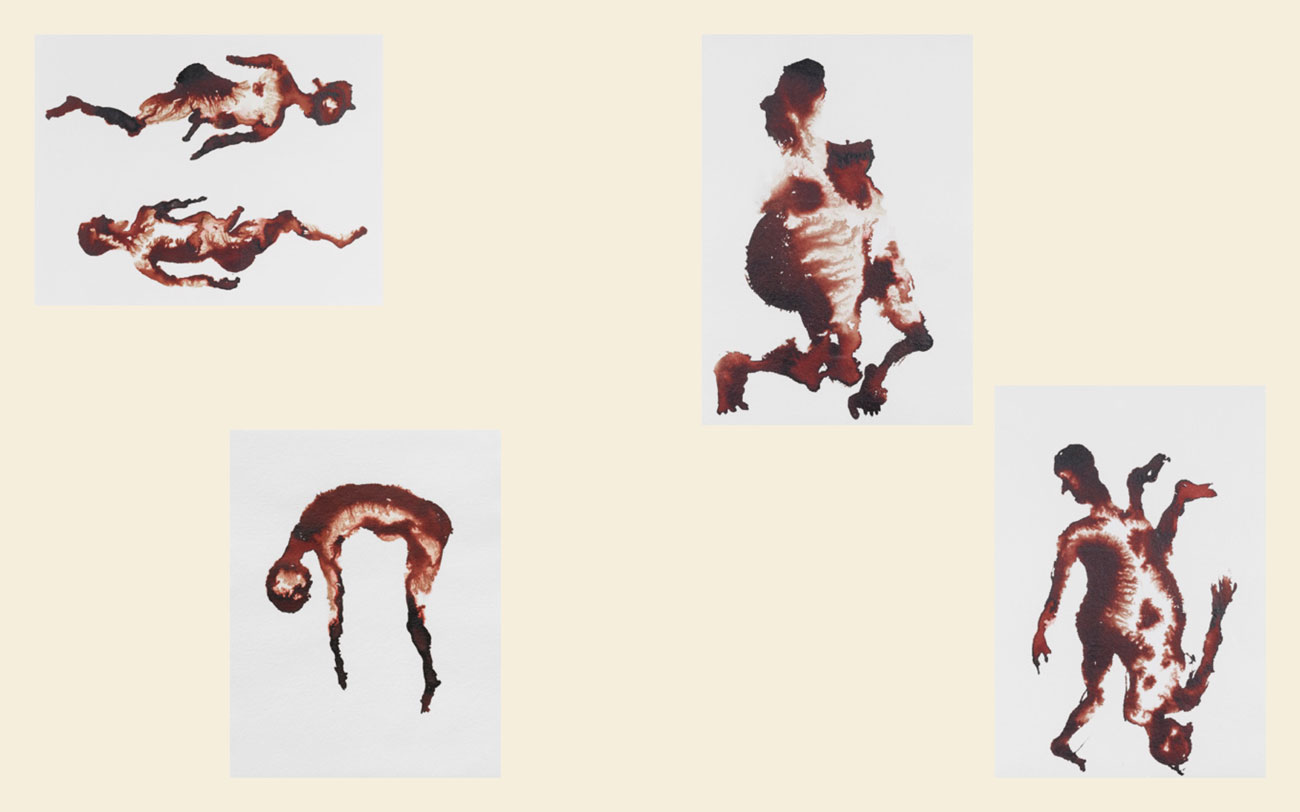
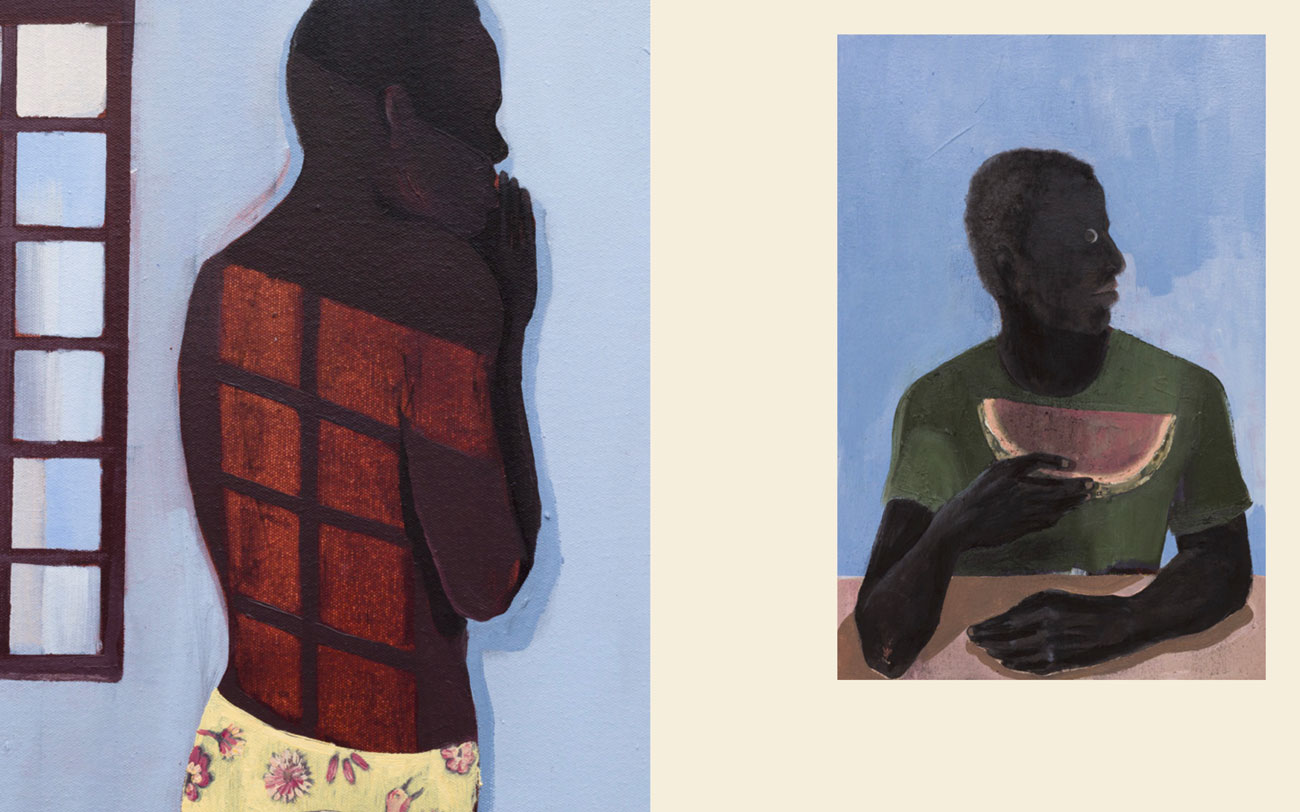
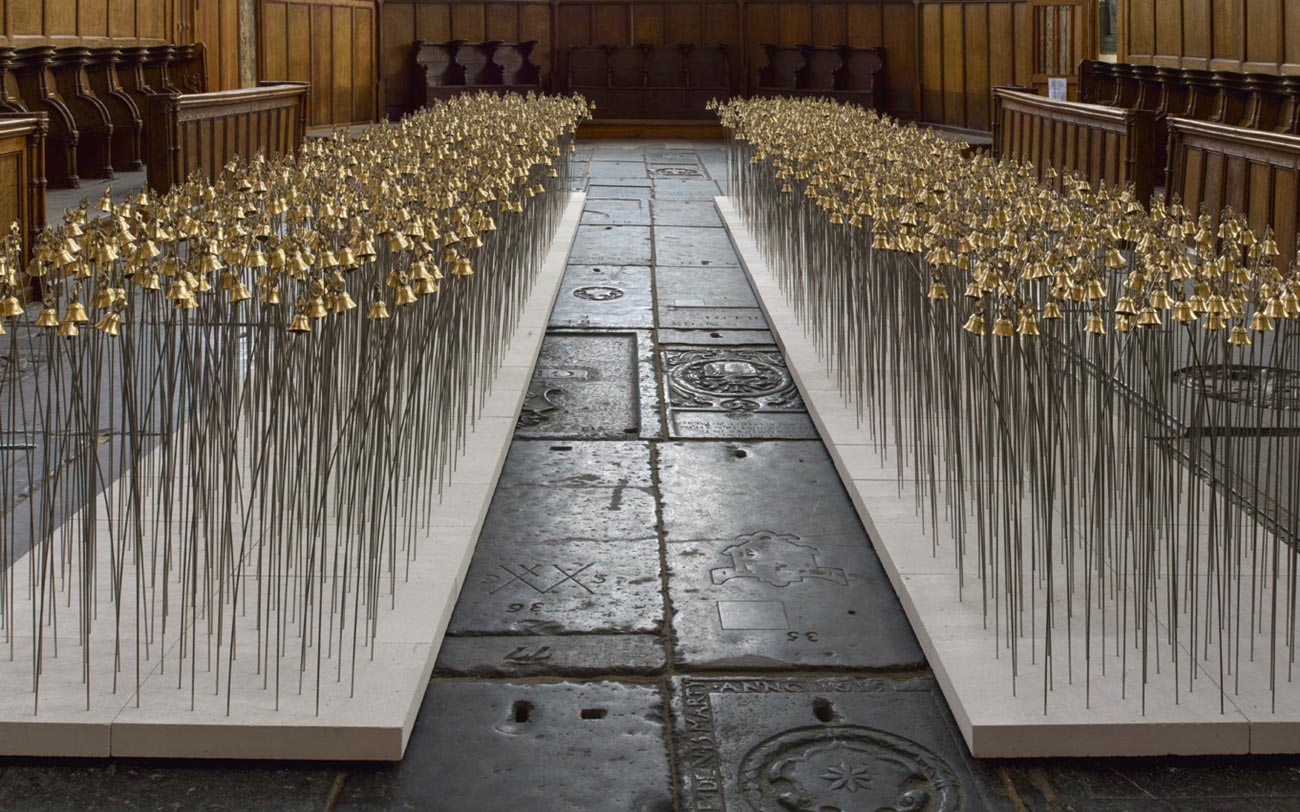
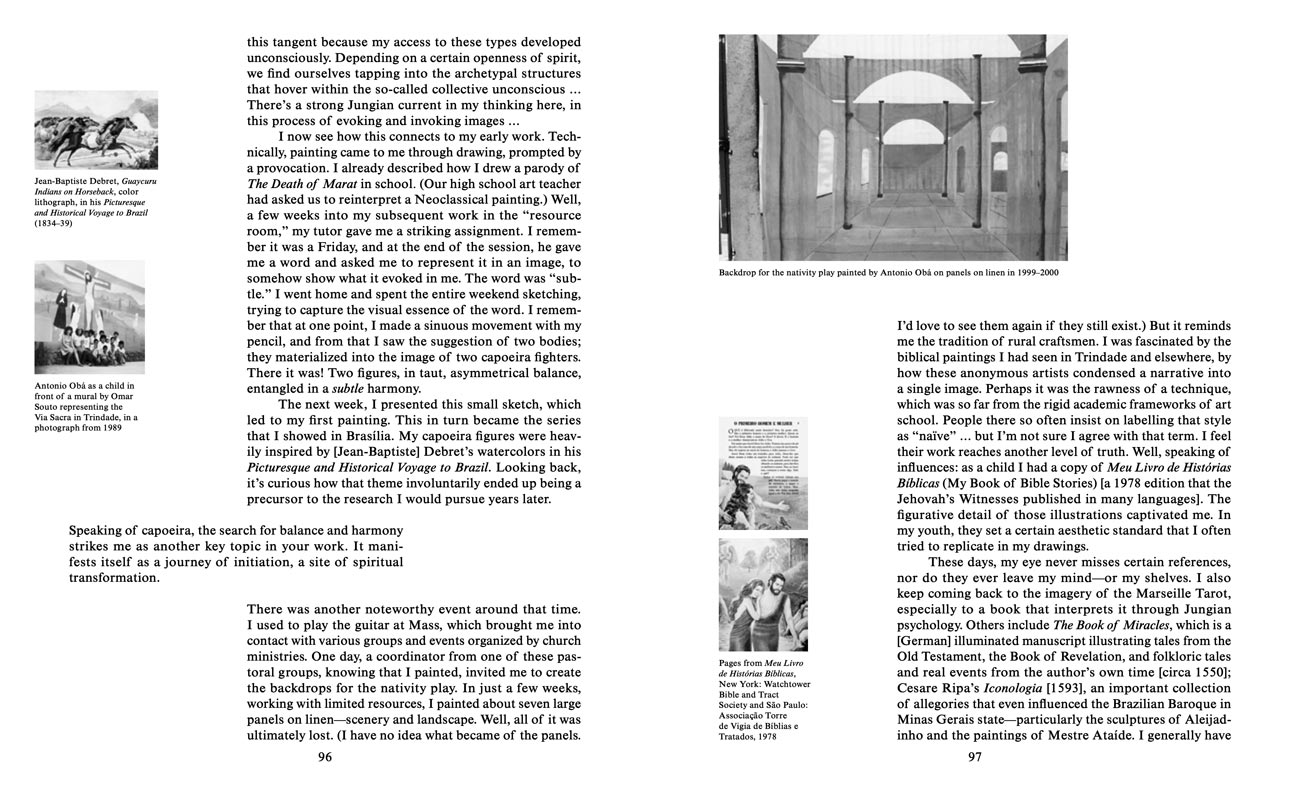
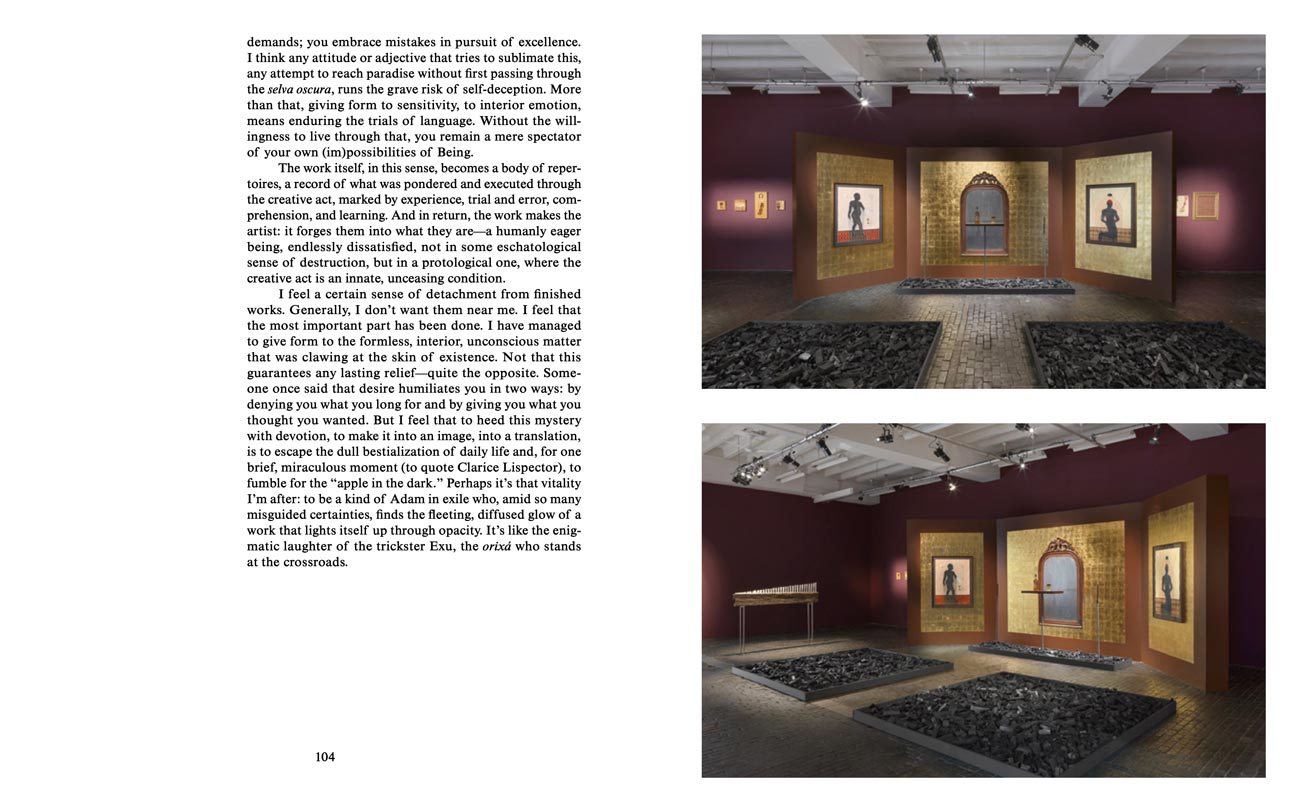
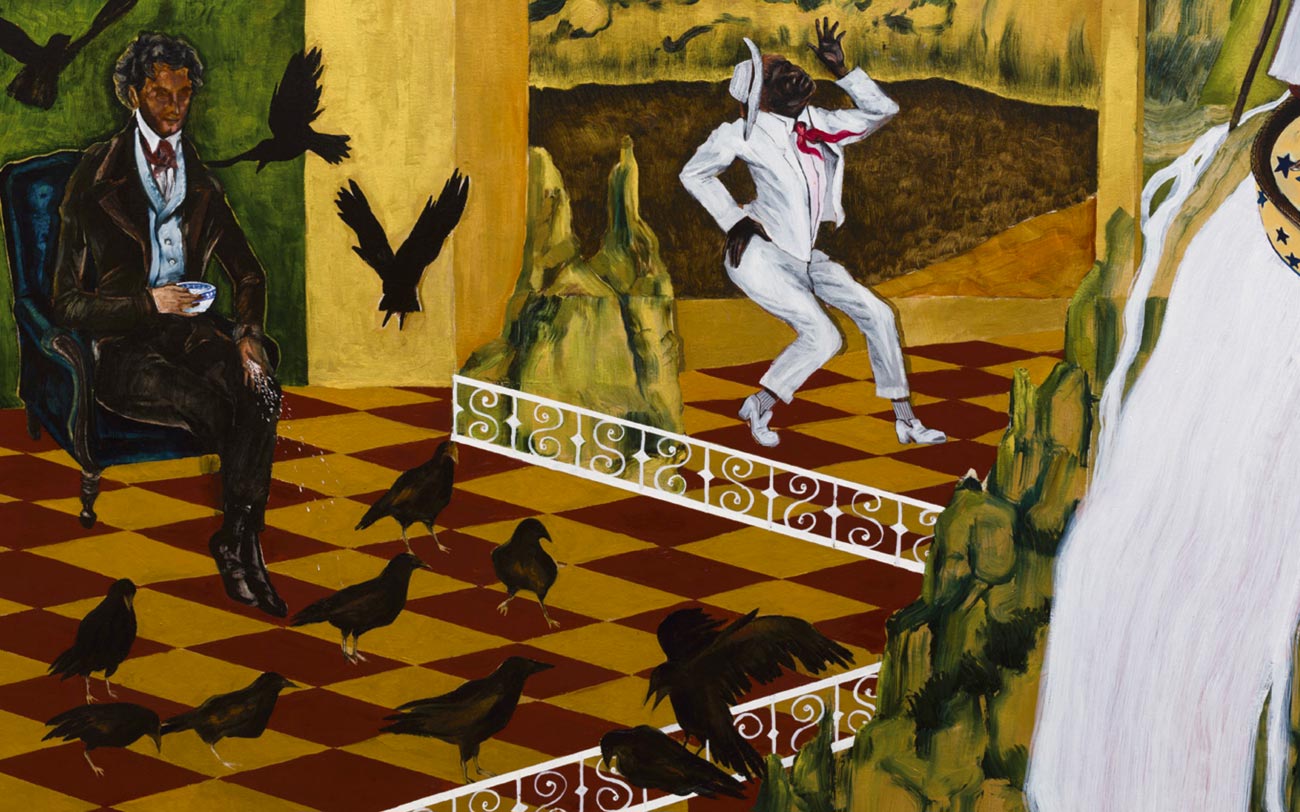
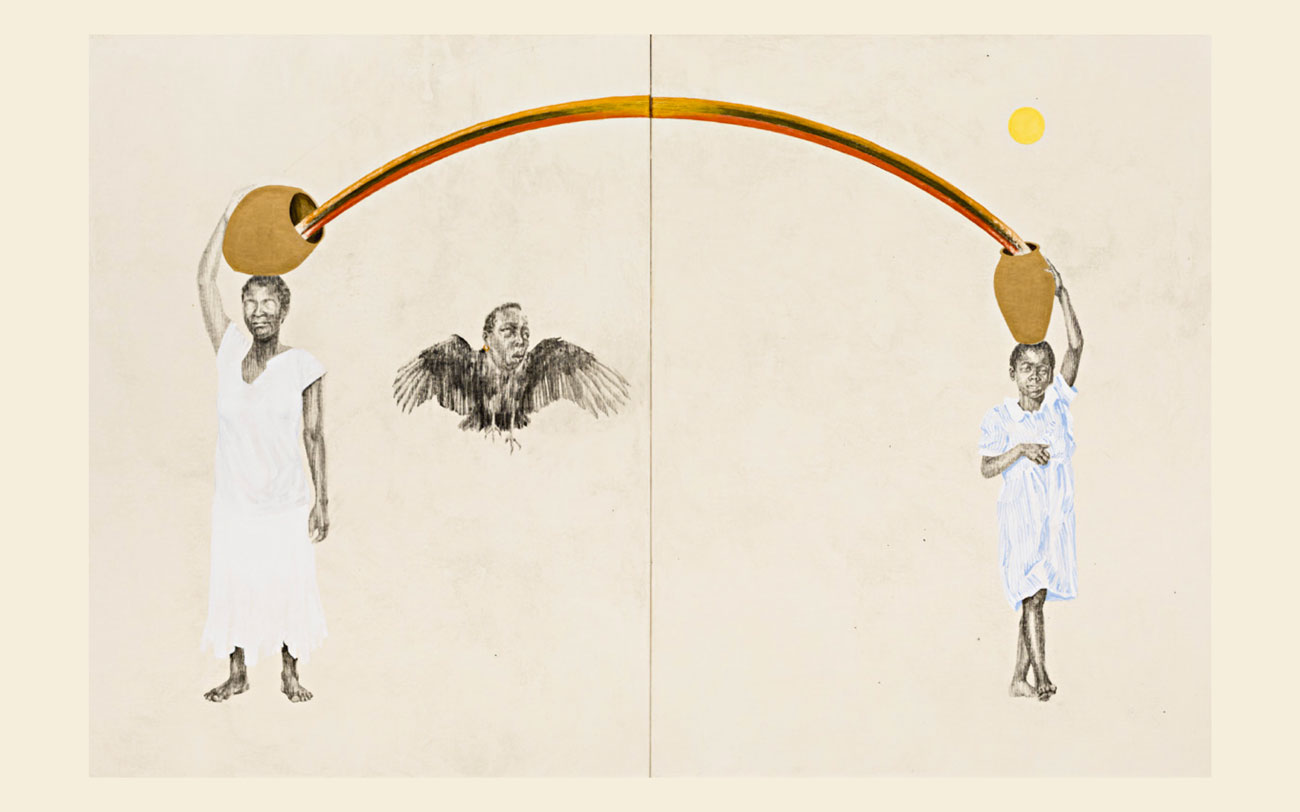
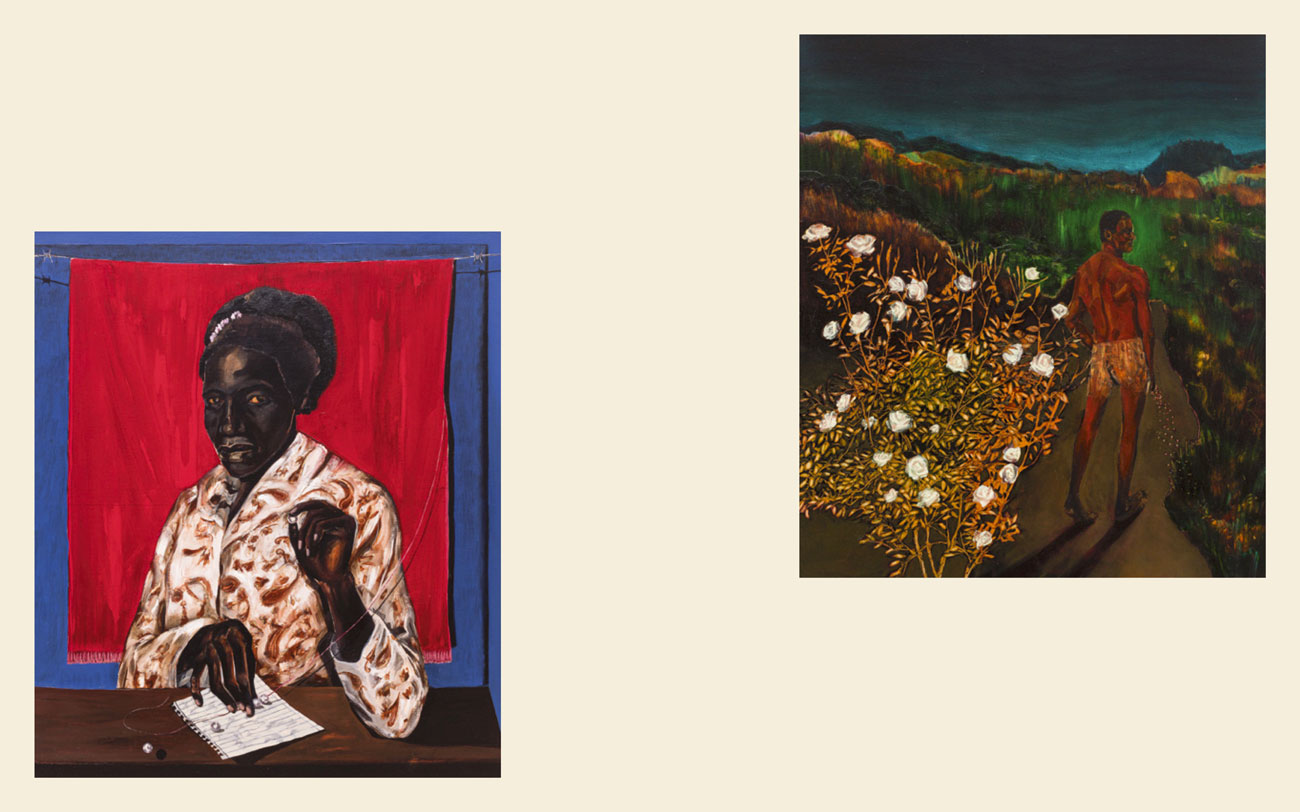
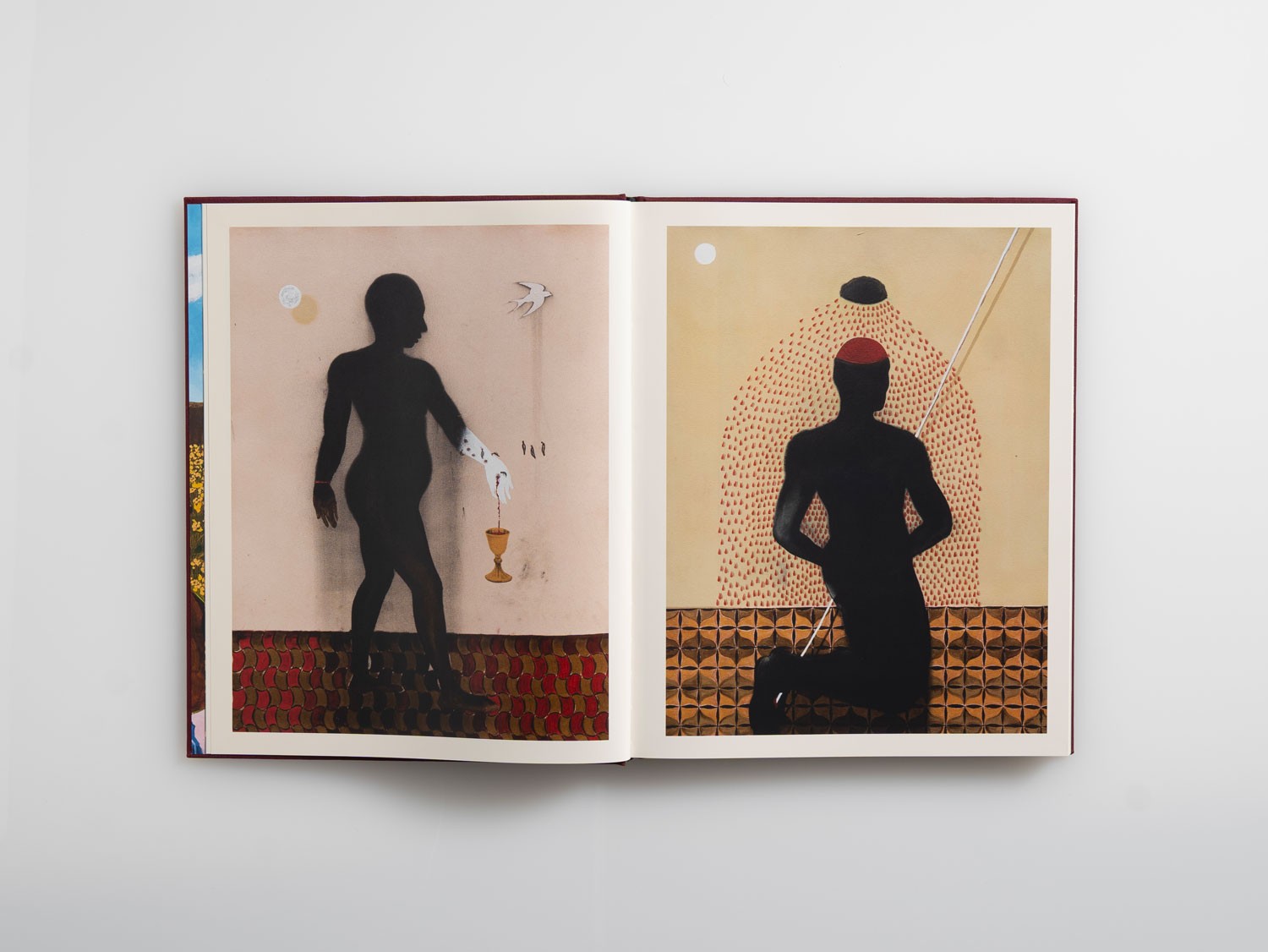
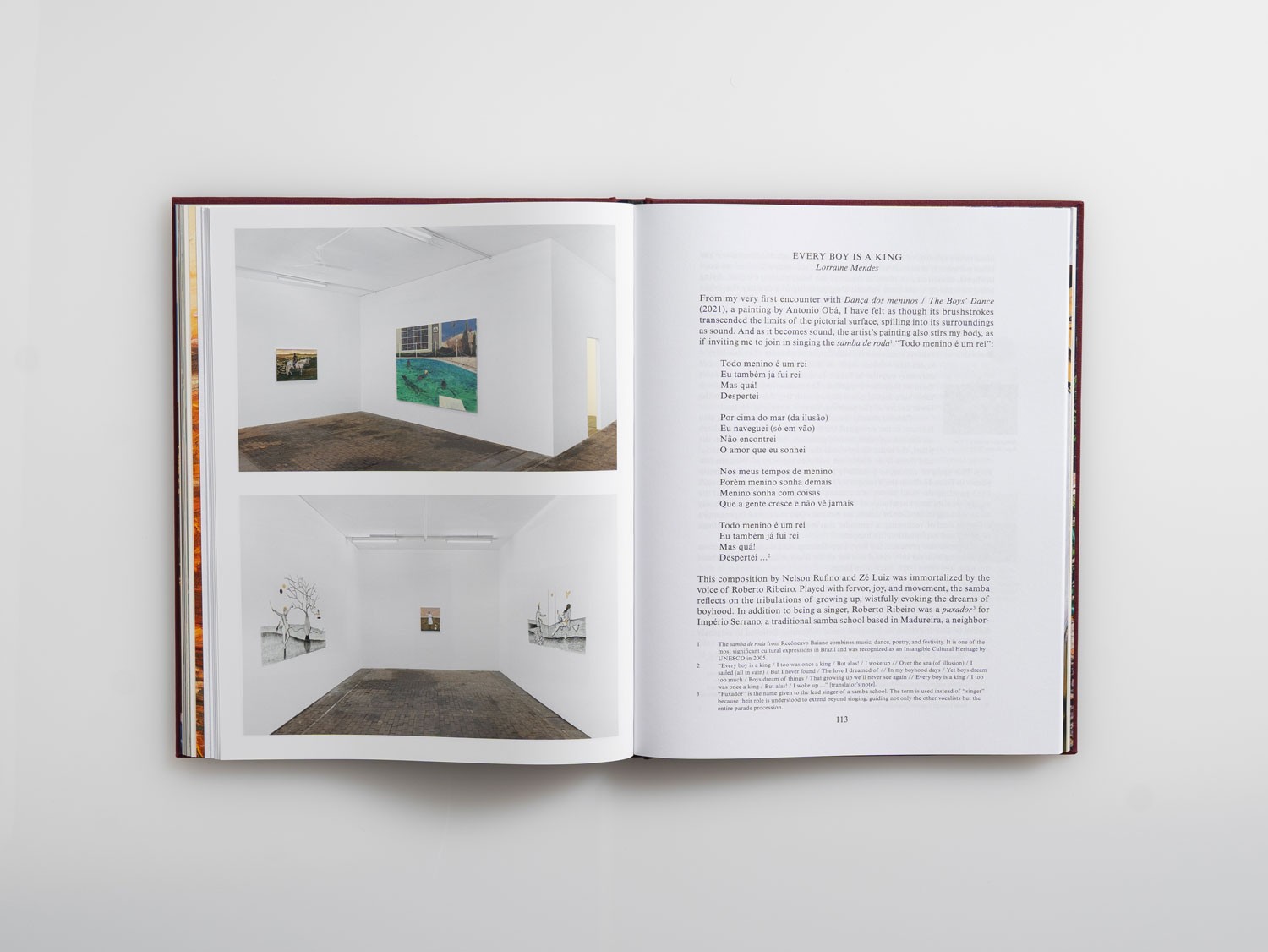
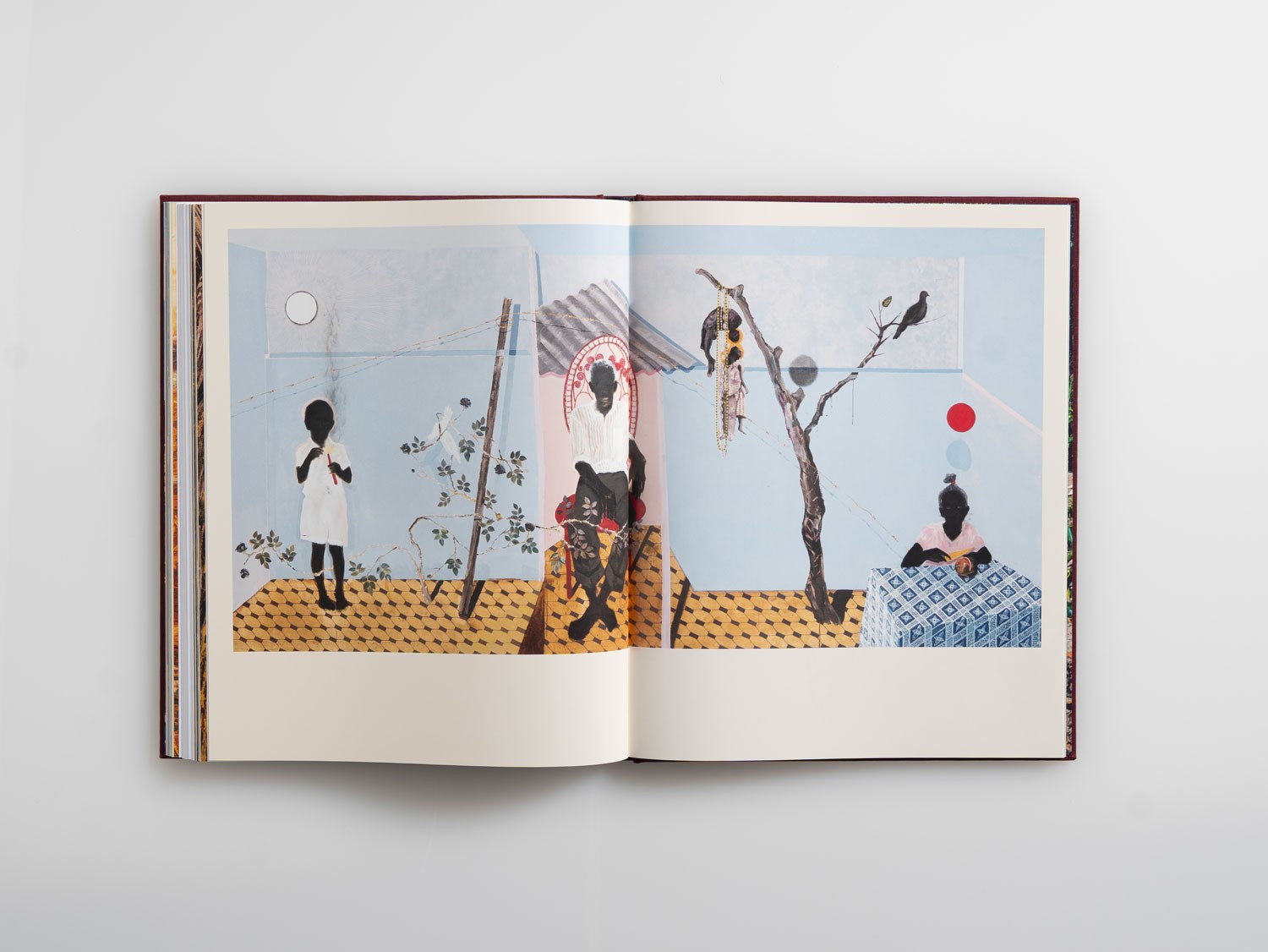
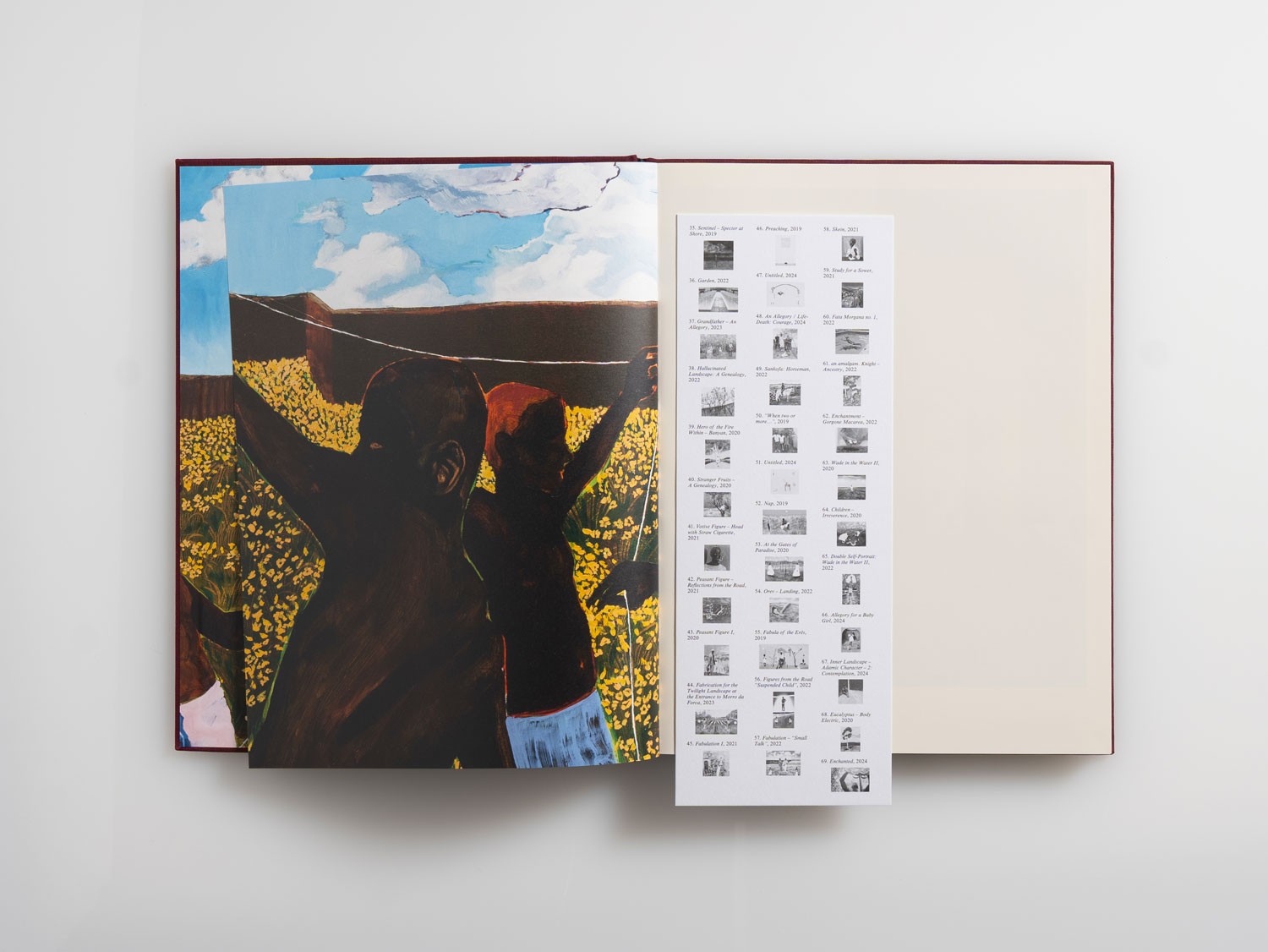
Antonio Obá: Rituals of Care traces the practice of the Brazilian artist from 2016 to the present, offering a broad survey of his recent work, dwelling on the recurring motifs and iconographic sources that feed the complex imagery of his painting. Extensively illustrated, the book returns the richness of Obá’s paintings, with enlargements on some of the details woven into the pictorial texture that, in addition to showing his masterful technique, make certain elements of his visual vocabulary stand out.
The conversation between Andrea Bellini and Antonio Obá that opens the book offers the opportunity to learn, through the artist’s voice, about the key passages of his research, and to examine his diverse cultural references—from the Baroque of Minas Gerais to traditional Chinese painting, from Rembrandt to the Catholic ex-votos—until we discover the Obá’s civic vocation, of painting as a spiritual practice.
The two essays commissioned for the occasion analyze the complexity of these layered signifiers. Lorraine Mendes’s essay “Every Boy Is a King” offers an in-depth analysis of Obá’s religious syncretism. It suggests an interpretation of its layered symbols, particularly the sankofa and the deity Exú, both of which pay tribute to the artist’s West African roots. Above and beyond the specific cultural contexts of this iconography, the author emphasizes the universal value of Obá’s work, its evocative, transformative, dynamic power, which—like music or dance—knows no national boundaries or barriers.
Larry Ossei-Mensah’s essay “Embodiment: The Art of Antonio Obá” investigates the complex cultural legacy that is intertwined with the artist’s practice, connected to his Afro-Brazilian roots, to the social and political realities of the Black diaspora, and to Christian, Candomblé, and Umbanda traditions. In addition to examining the context in which Obá’s work is rooted, the author situates it within a galaxy of artists who have focused on questions of identity, often using their own bodies as tools of social and cultural critique.
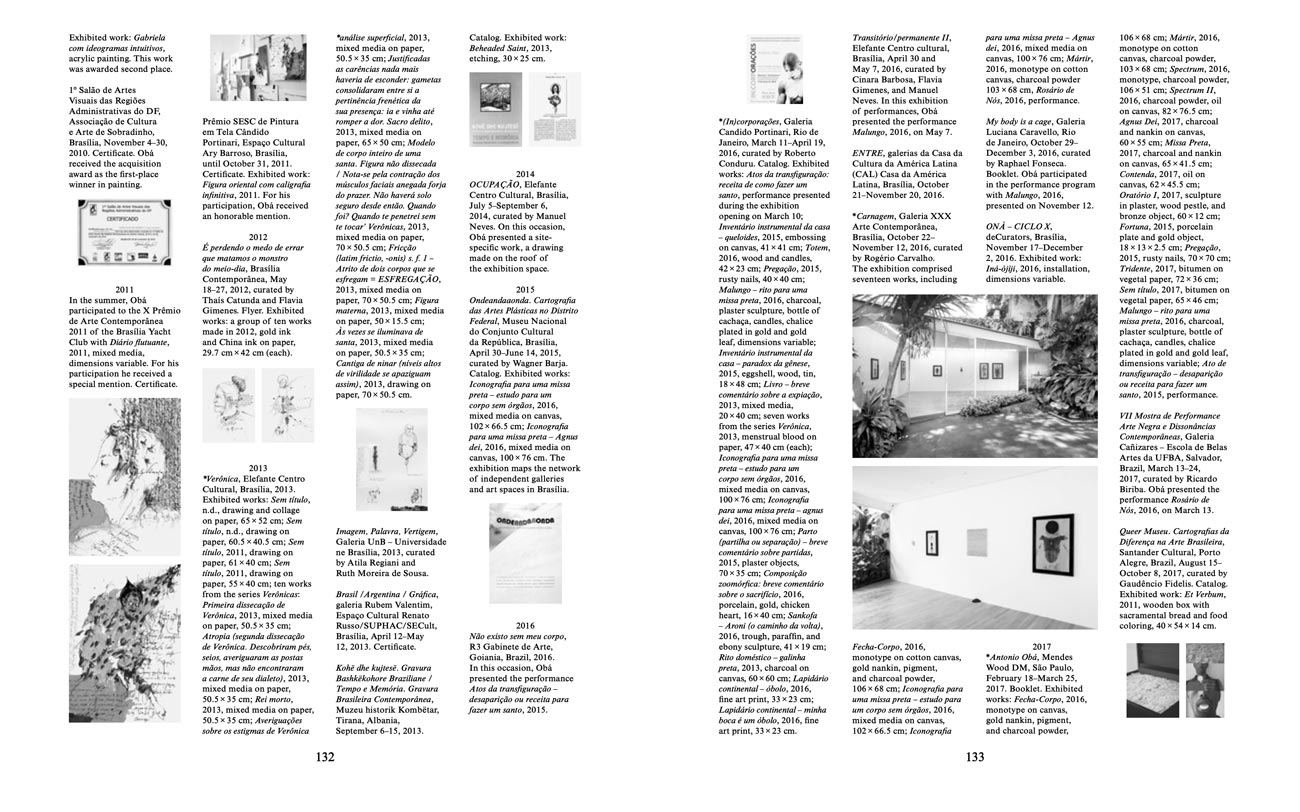
Completing the book is a chronology, compiled by Sara De Chiara, tracing the artist’s formative years and exhibition history, accompanied by rich documentary materials.
The book is published on the occasion of Antonio Obá: Rituals of Care, the first mid-career survey in Europe dedicated to the Brazilian artist, curated by Andrea Bellini, at the Centre d’Art Contemporain Genève.