Pavilion by multimedia artist Samson Young revisits THINK, the film created by Charles and Ray Eames for the IBM Pavilion at the 1964 New York World’s Fair. Reflecting on its legacy, the work explores the optimism and anxieties surrounding early database cinema in an age when generative AI has exponentially accelerated data patterning.
Nella prima monografia dedicata al collettivo femminista di arte concettuale Claire Fontaine, la teorica politica e operatrice somatica Anita Chari approfondisce le innovazioni concettuali e artistiche del collettivo, proponendo una prospettiva più aptica e incarnata nei confronti della teoria critica.
Full Rotation brings together texts and images to trace the forces that draw bodies beyond themselves. Moving between ecstasy, animal life, and light, the book explores heightened sensation, altered perception, and dissolution, where the human gives way to other forms of existence and boundaries between the physical, psychic, and cosmic begin to blur.
This is the first monograph on the influential American choreographer and dancer Trajal Harrell. In an entertaining, far-reaching conversation with curator Daniel Baumann, Harrell covers all of his choreographies and performances, as well as his influences, successes, and failures, addressing how he transforms and transgresses the history of dance.
Maxiprocesso brings together 360 photographs by Maria D. Rapicavoli, one for each of the archival folders documenting the largest mafia trial in history, held in Palermo from 1986 to 1987. The volume explores the relationship between memory, justice, and social responsibility, examining the material element of a landmark event in contemporary Italian history.
This book offers the first comprehensive overview of Anna Franceschini’s practice. Organized around recurring themes, it explores animation, the body, machines, ghosts, desire, and windows through commissioned contributions and selected writings. Its associative structure reflects her interest in repetition, transformation, and unstable images.
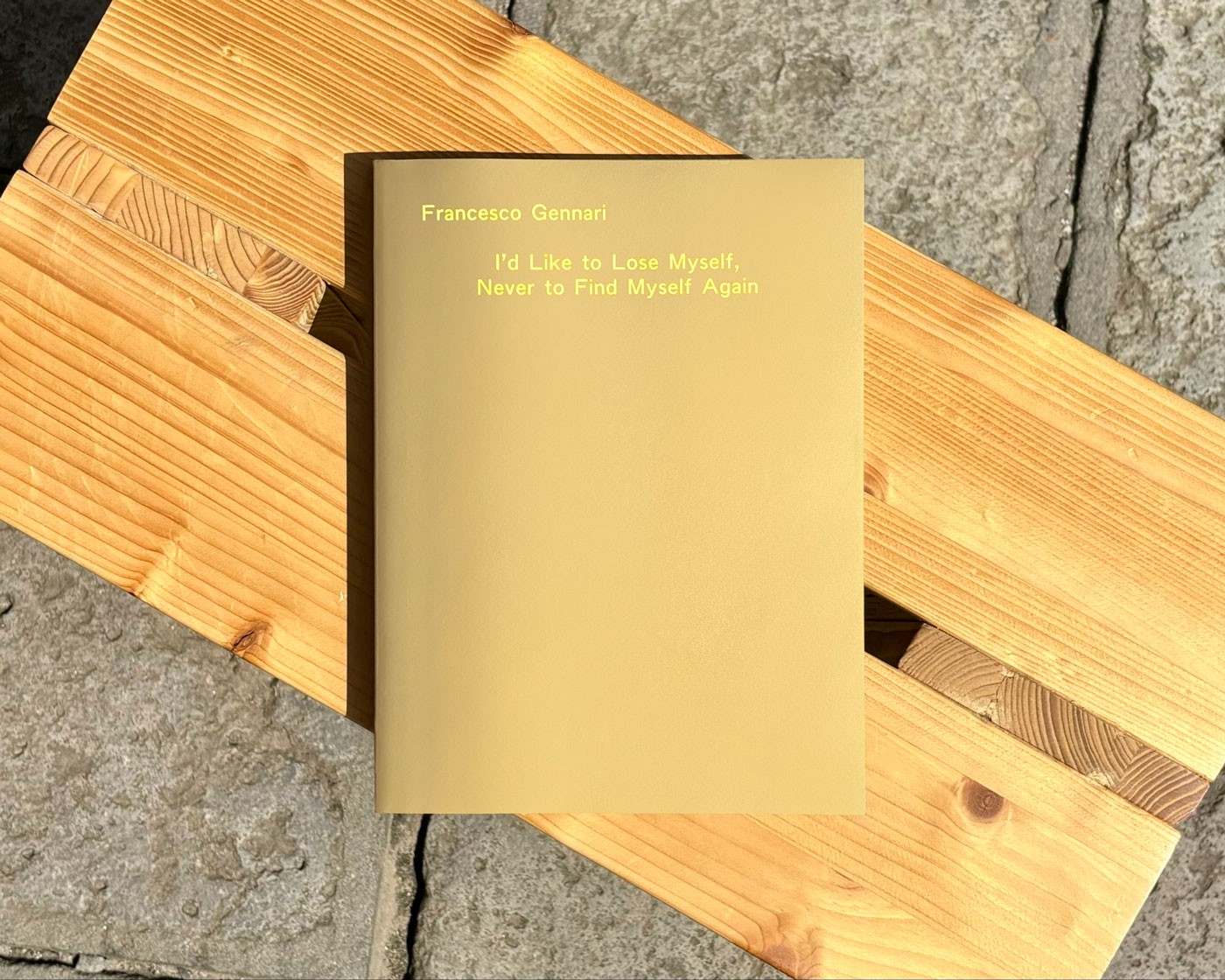
Francesco GennariI’d Like to Lose Myself, Never to Find Myself Again
Edited by Francesco Gennari and Edoardo Bonaspetti
Design by Lorenzo Mason Studio
2024, softcover, 15 x 20 cm, 320 pages
ISBN: 979-12-80579-55-3
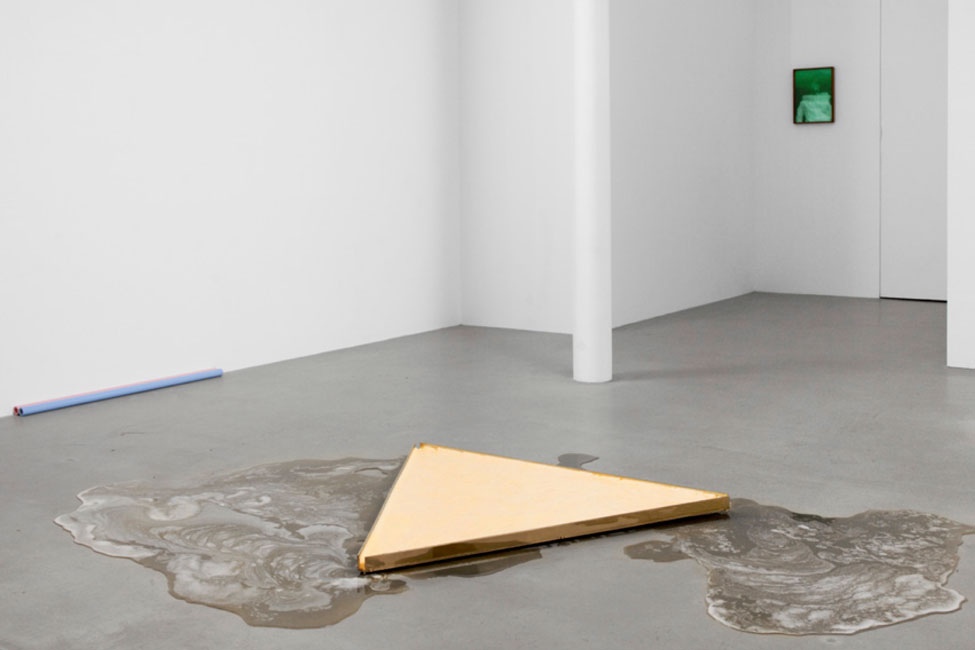
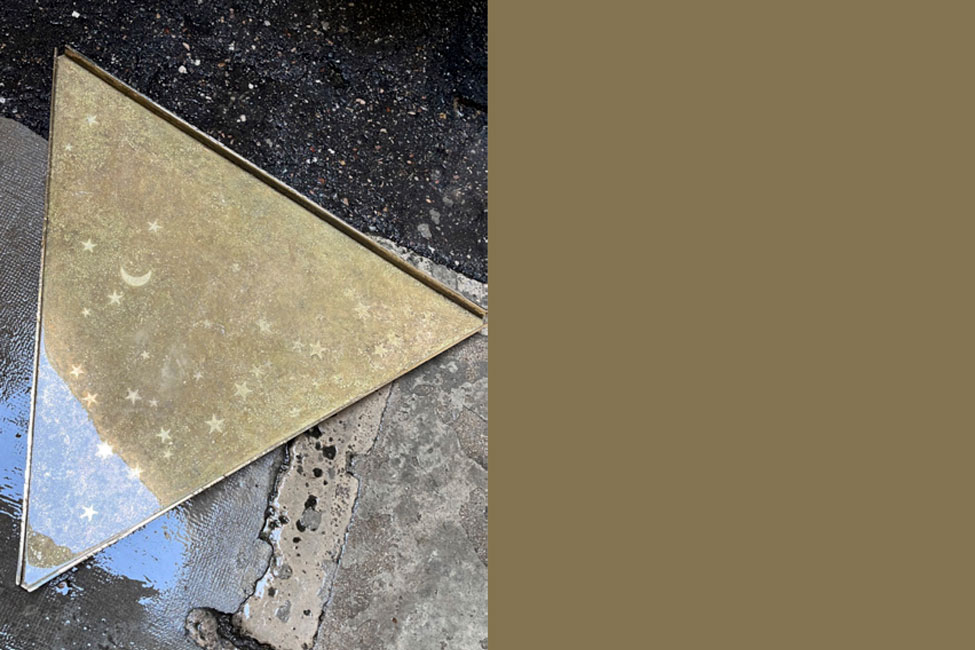
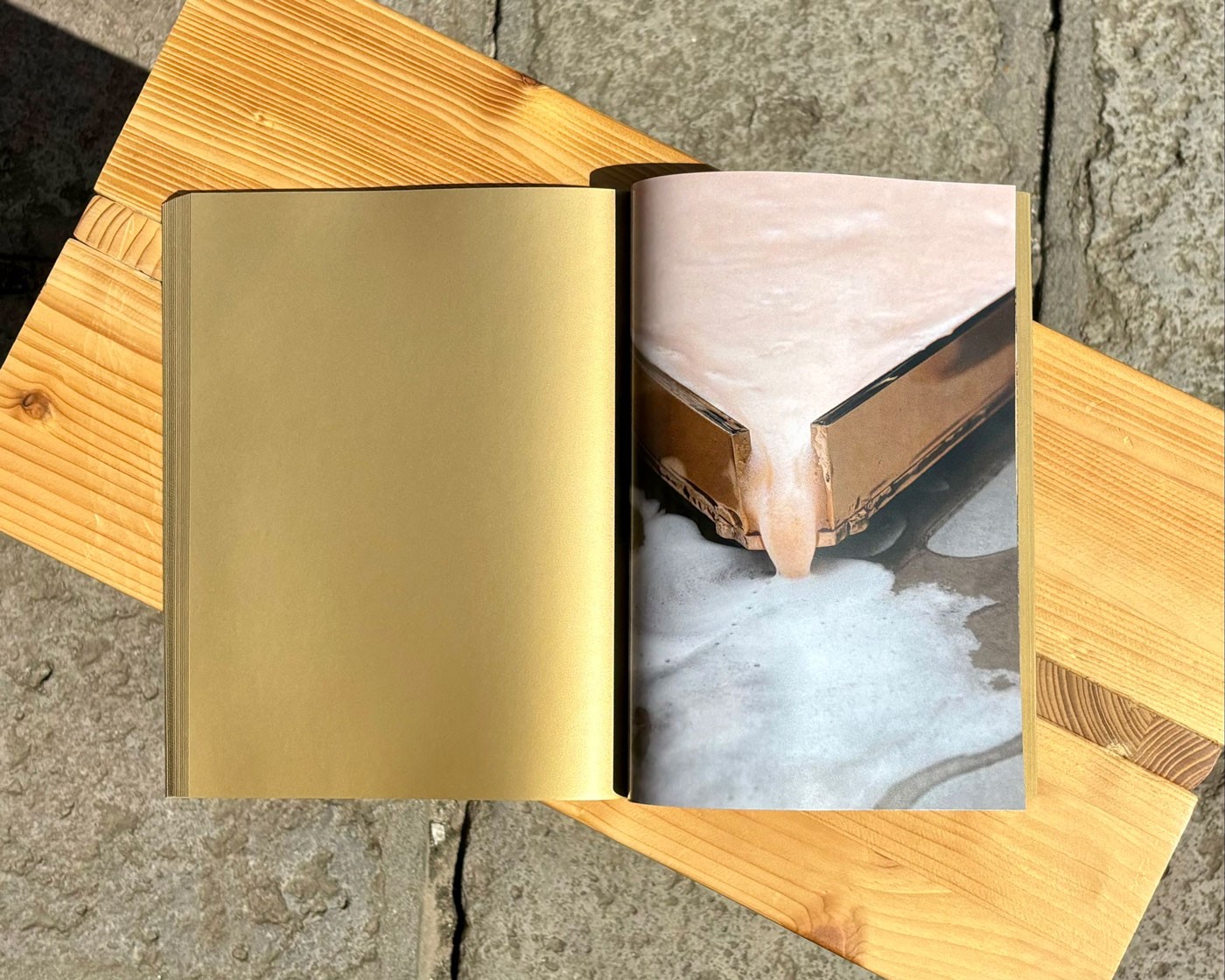
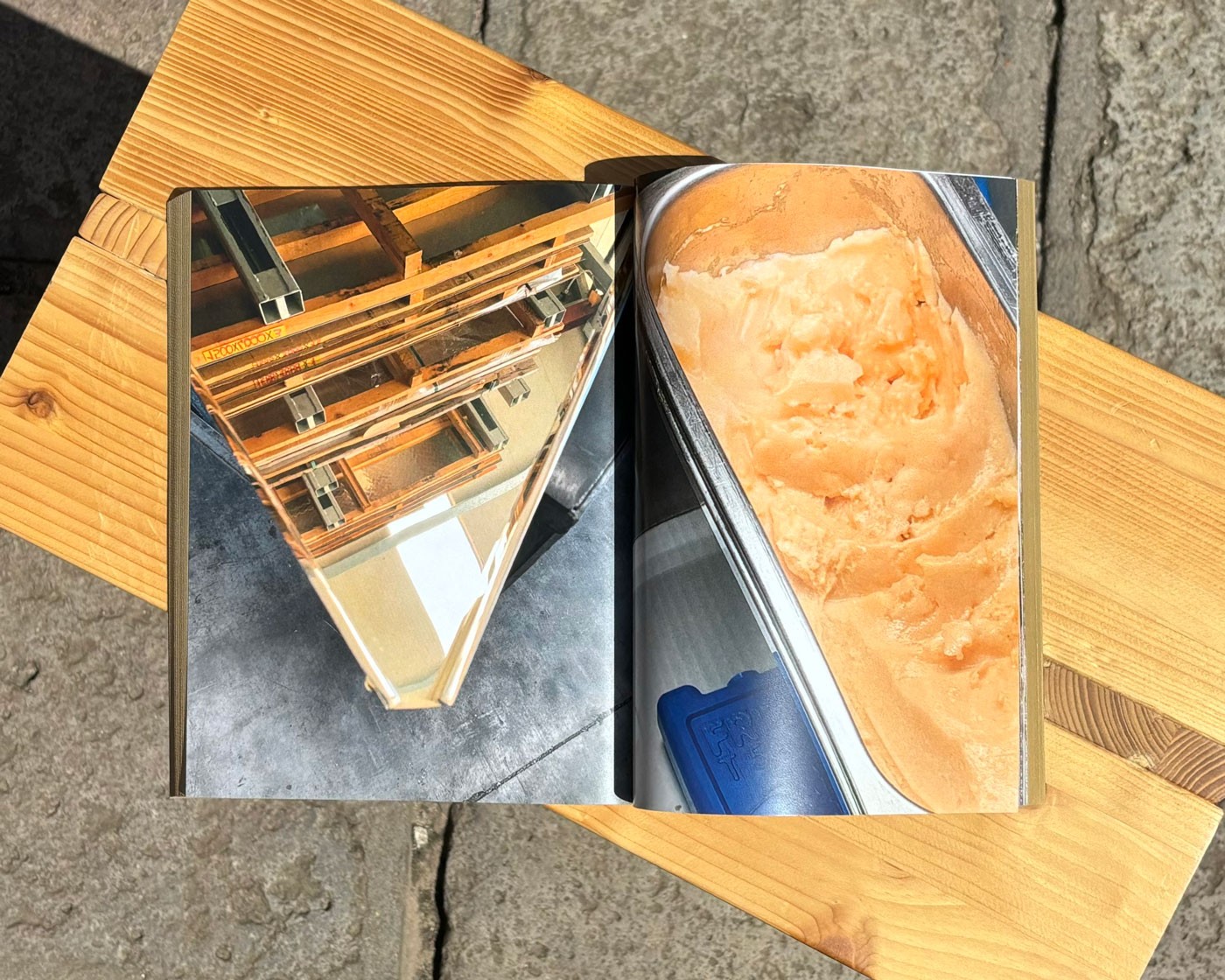
Through a rich selection of images, this artist’s book, published in two editions—gold and silver—explores the birth, life and death of Francesco Gennari’s work Vorrei perdermi e non trovarmi più, 2022, exhibited for the first time at the Ciaccia Levi Gallery in Paris.
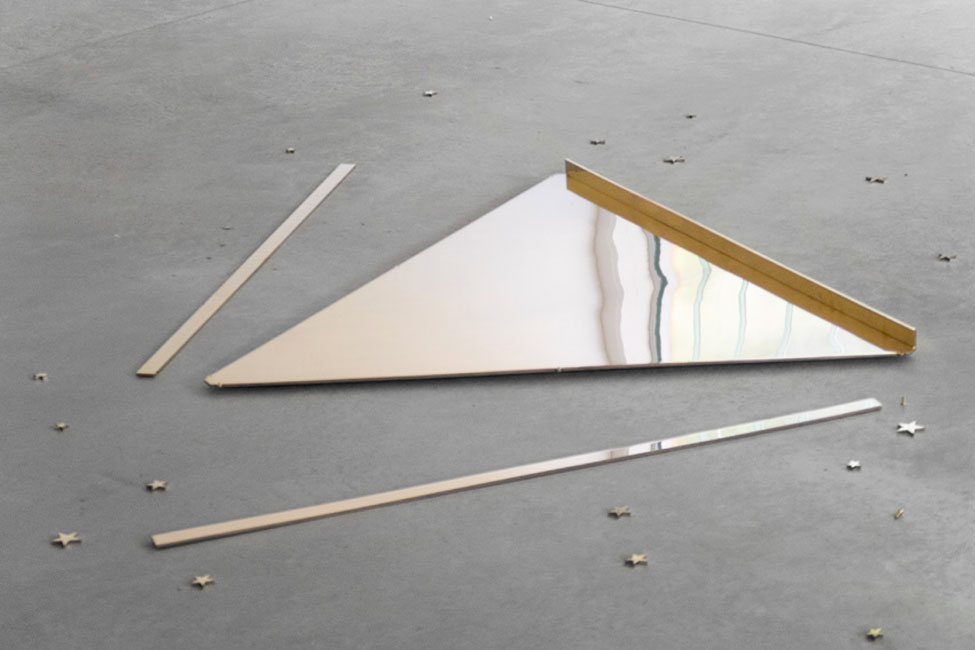
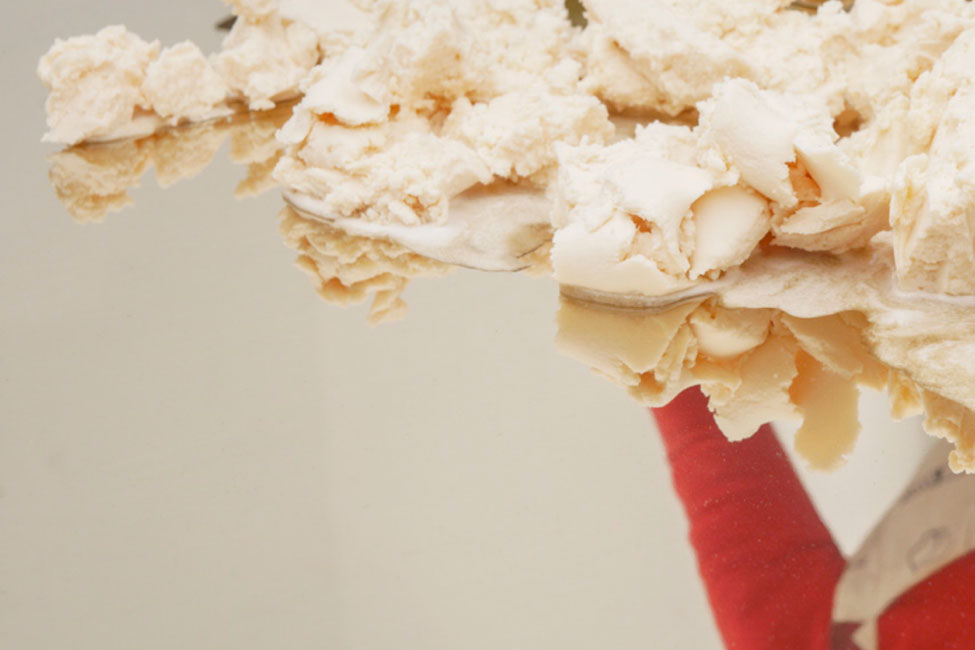
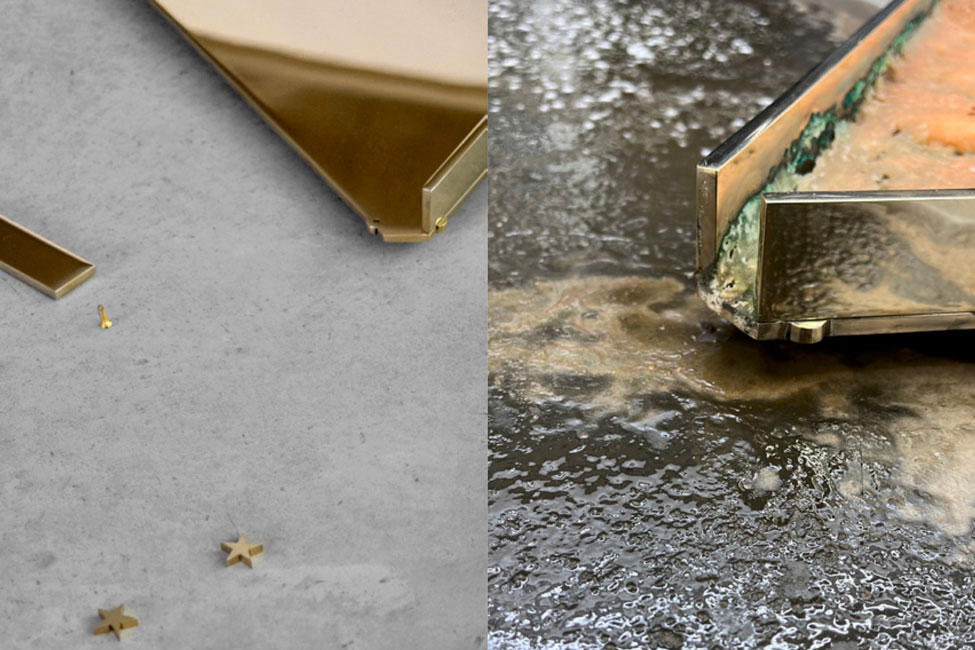
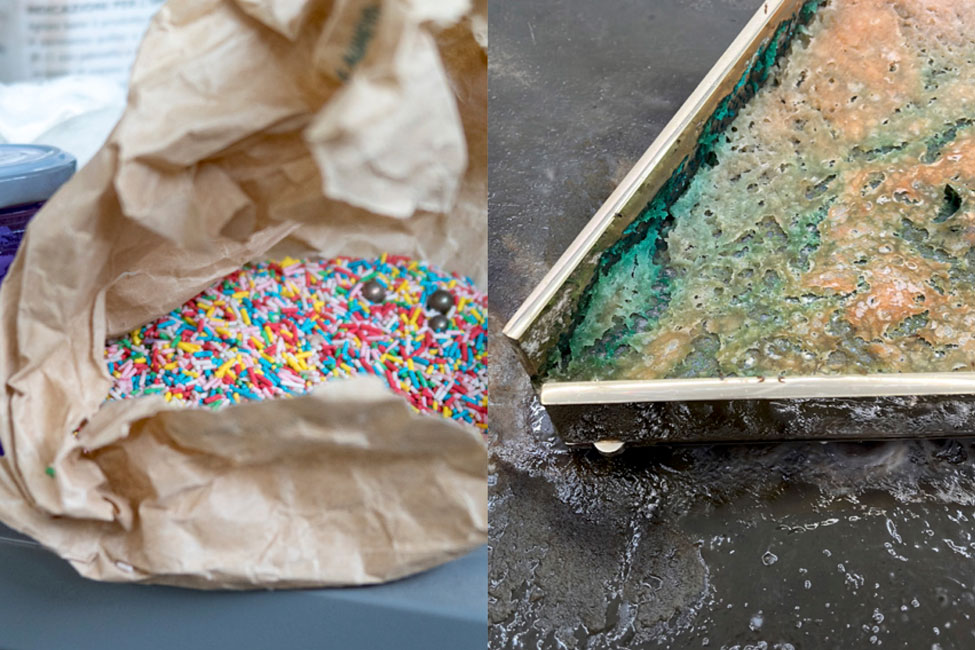
Almost twenty kilos of melon-flavored ice cream mixed with gin fill a triangular bronze prism, flooding the room with a pungent aroma, almost saturating the air and enveloping anyone who approaches in a feeling of freshness and vitality. Slits at the ends of the triangle allow the ice cream to melt and flow beyond the confines of the stainless bronze structure, dispersing into space yet leaving tangible traces of its passage. Hidden in the midst of the ice cream, a multitude of bronze stars emerge little by little. The disintegration of organic matter thus reflects its ephemeral and changeable nature, evoking a sensation of fluidity and transformation—a metaphor for the artist’s own approach to self-representation. By juxtaposing materials in unexpected and sometimes contradictory ways, Gennari generates a dialogue between form and concept that induces a profound sense of introspective reflection in the viewer.
Instinct, creativity, and loss of control also characterize the artist’s book, in which the artist further develops his research into the concept of “identity” along with the sense of the boundary and dispersion in space. This volume is created in two editions, one gold and one silver, and provides an escape from reality towards a broader and more mysterious experience, one in which the limits of human existence and the desire/need to go beyond them remain at the heart of the narrative.