Vogliamo tutto. Pratiche culturali e lavoro è una pubblicazione sul lavoro all’interno del contesto socio-culturale in evoluzione: dagli impatti della rivoluzione industriale, al declino post-industriale, fino alla rapida accelerazione dell’era digitale.
Divine Drudgery is an artist book with collages and artworks by James Richards and Leslie Thornton, and contributions by artists, writers and poets centred around liminality and the aesthetics and politics of the invisible.
The book is the first comprehensive monograph on the polymorphous work of Athanasios Argianas. It is published on the occasion of Hollowed Water, a major solo exhibition at Camden Arts Centre in 2020 and ARCH, Athens, in 2021.
Through exquisite craftsmanship, and with reference to romantic nationalism, Ann Böttcher explores how aesthetic and political projections characterize notions of nature, and how such conceptions are taken up by countries, political movements, and other institutions.
Voices (Towards Other Institutions) is the final act of the coral, multiform, articulated, two-year-long experiment carried out by Open, the Russian Federation Pavilion at the 17th International Architecture Exhibition.
The book deals with Diego Marcon’s practice through the analysis of three film and video works. Monelle (2017), Ludwig (2018), and The Parents’ Room (2020) are his most recent and complex projects, and they are all emblematic of central aspects of his production.
Edited by Samuele Piazza
Texts by Lorenzo Giusti, Felicia F. Leu, Samuele Piazza, Laura Preston
Design by Lorenzo Mason Studio
2022, English / Italian, softcover, 224 pages, 16.5 x 24 cm
ISBN: 979-12-80579-14-0
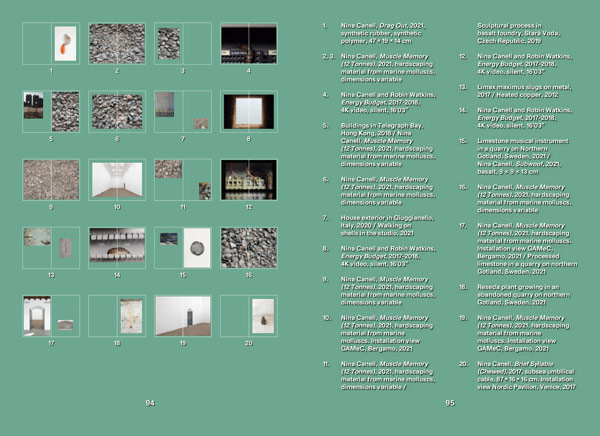
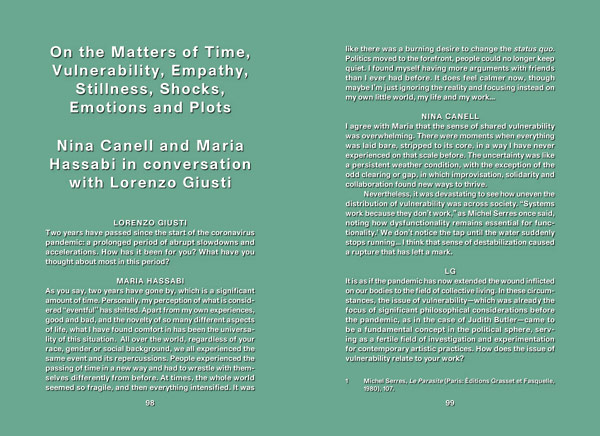
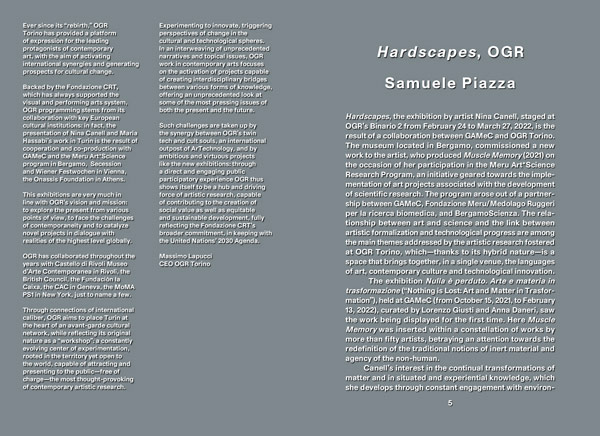
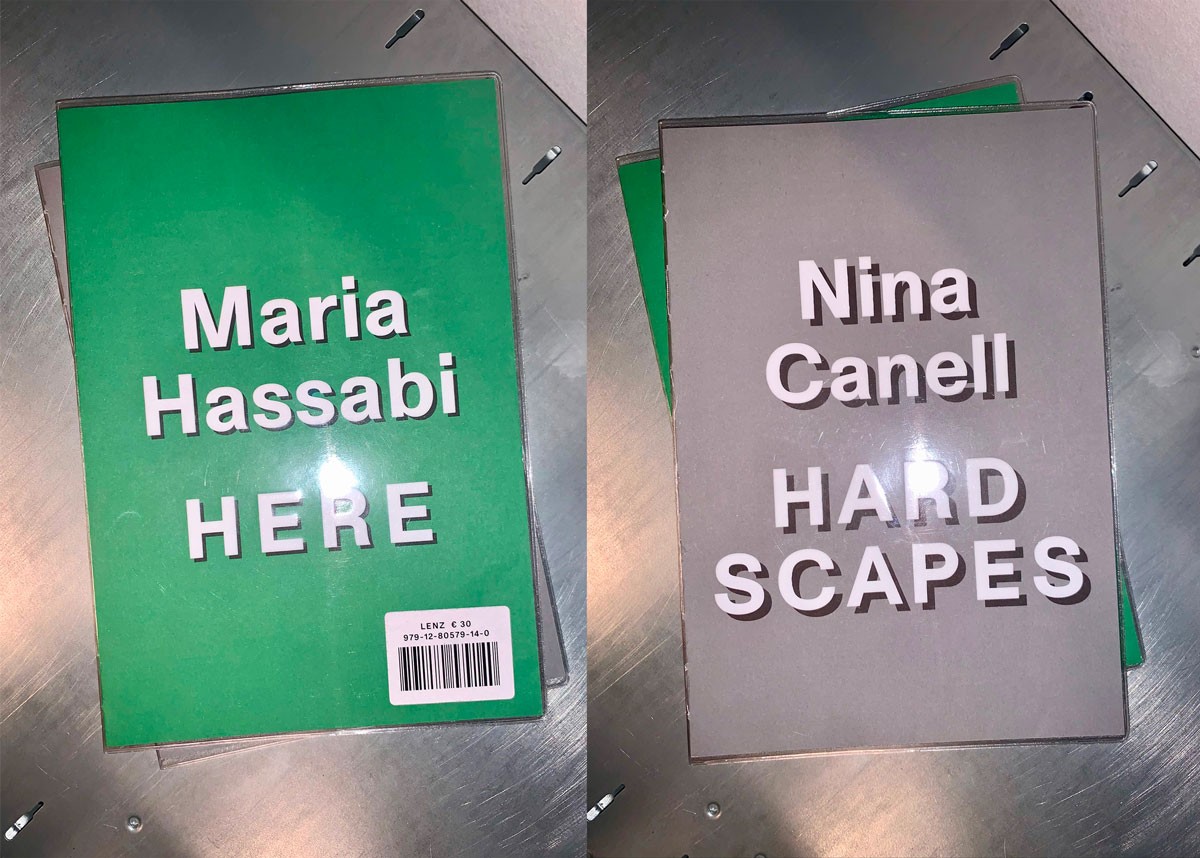
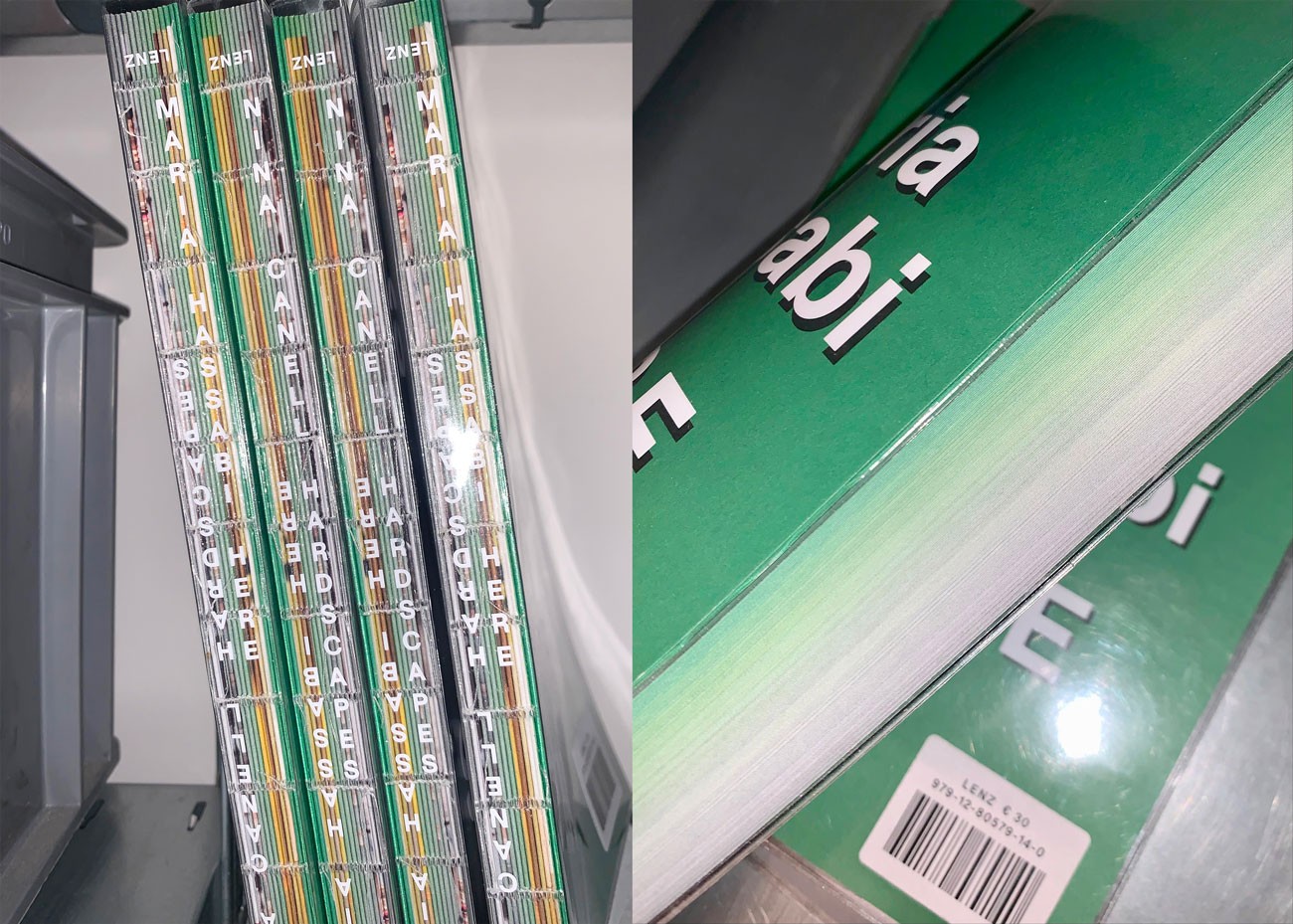
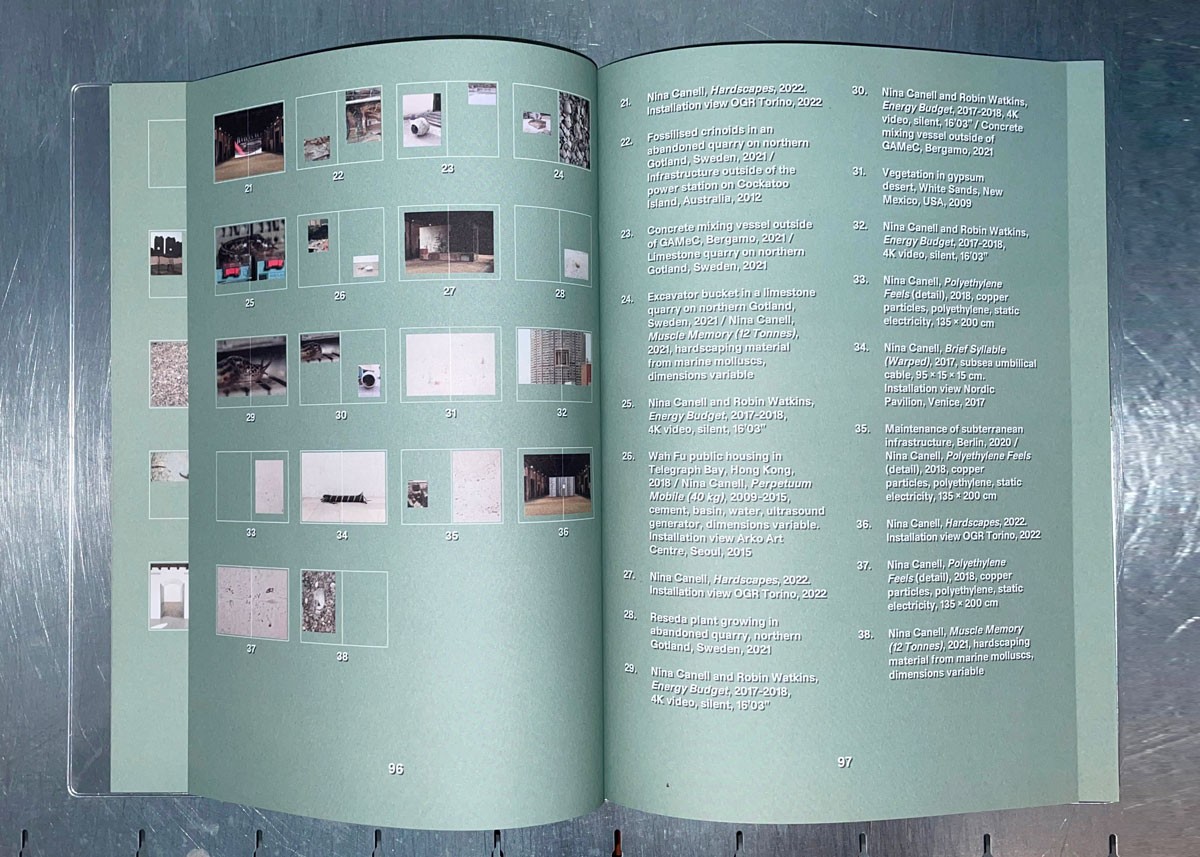
Hardscapes / HERE documents and brings together two exhibition projects by artists Nina Canell (Växjö, 1979) and Maria Hassabi (Cyprus, 1973). Produced on the occasion of the exhibitions of the same name curated by Samuele Piazza at the OGR Torino, the publication consists of two graphically specular books that merge into a single volume. Essays, unpublished materials and a rich set of photographic materials form the driving force behind two visual narratives that offer new keys to understanding the research of the two artists.
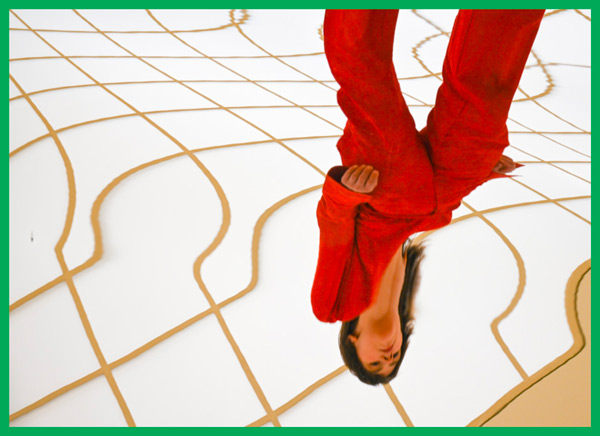
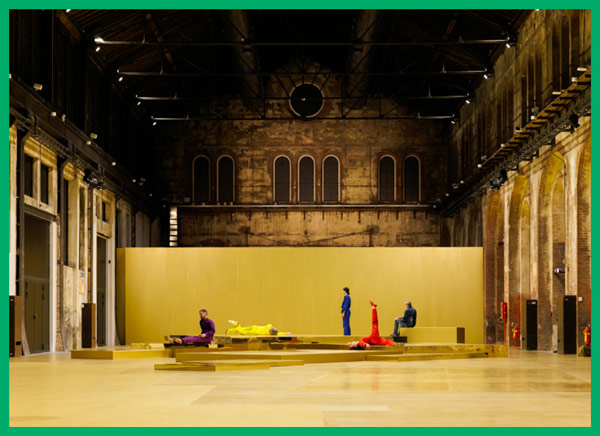
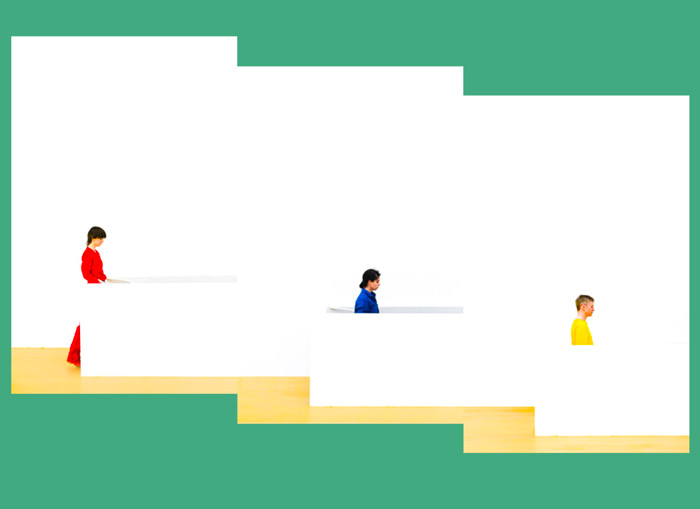
Hassabi’s live installation HERE calls on visitors to share space and spend time with six performers portrayed in a decelerated rhythmic choreography within a sculptural environment. In constant motion, the dancers contribute to a situation of shifting presence, demonstrating the contestable nature of the “here and now.” Immobility and slowing down are thus used both as techniques and as subjects of representation: the performing bodies oscillate between dance and sculpture, subject and object, living body and static image.
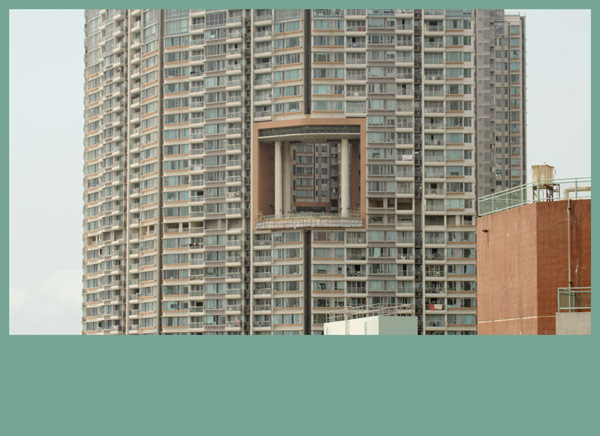
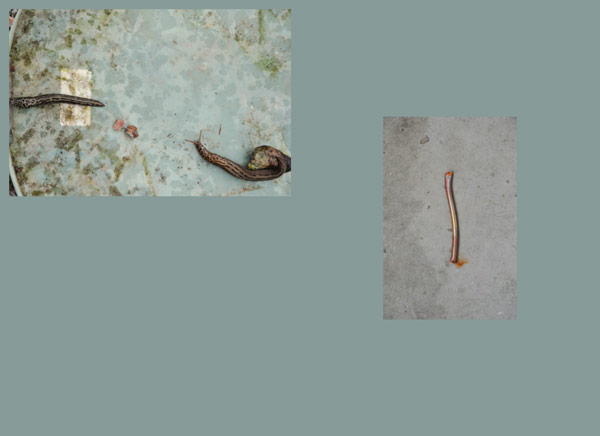
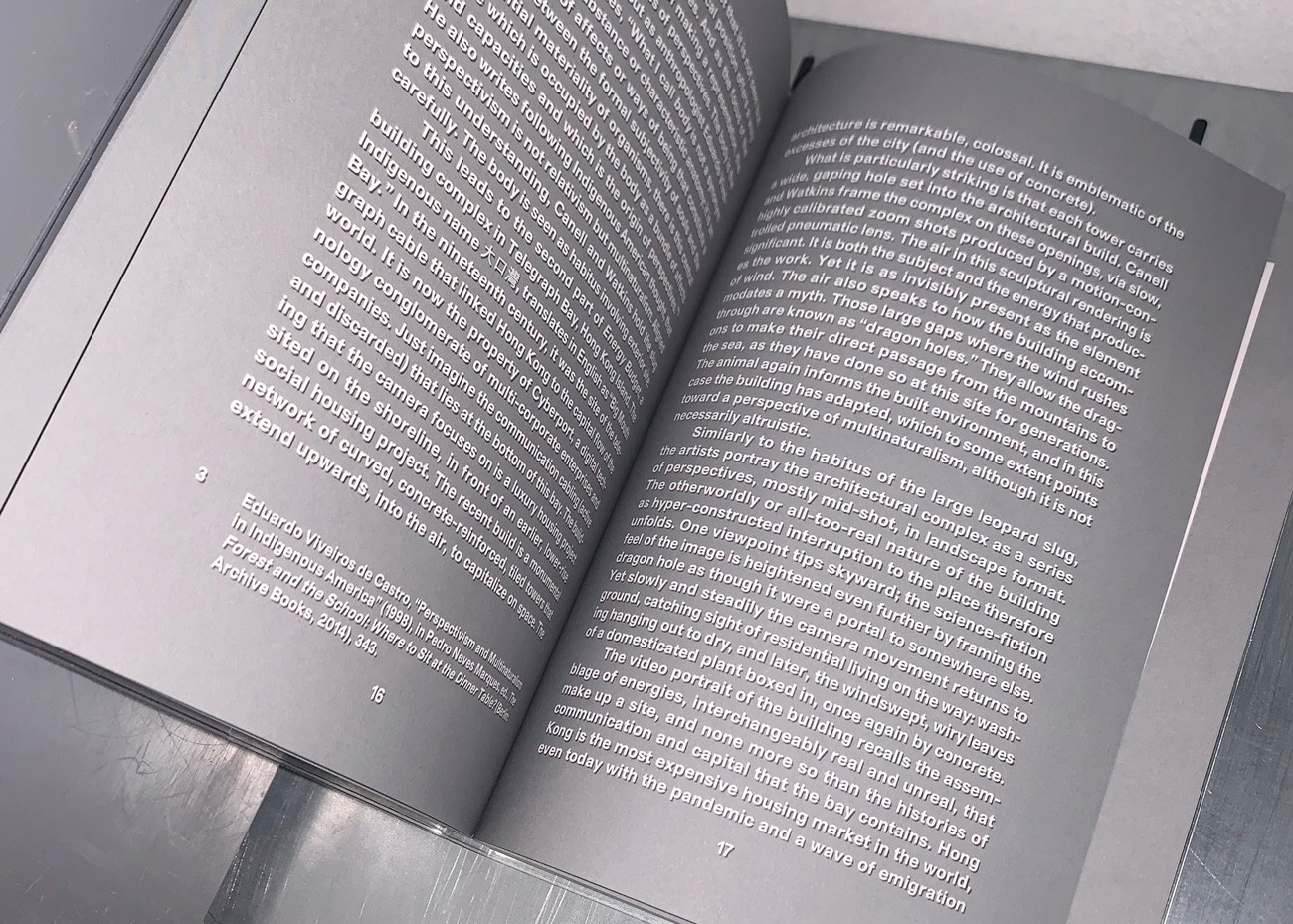
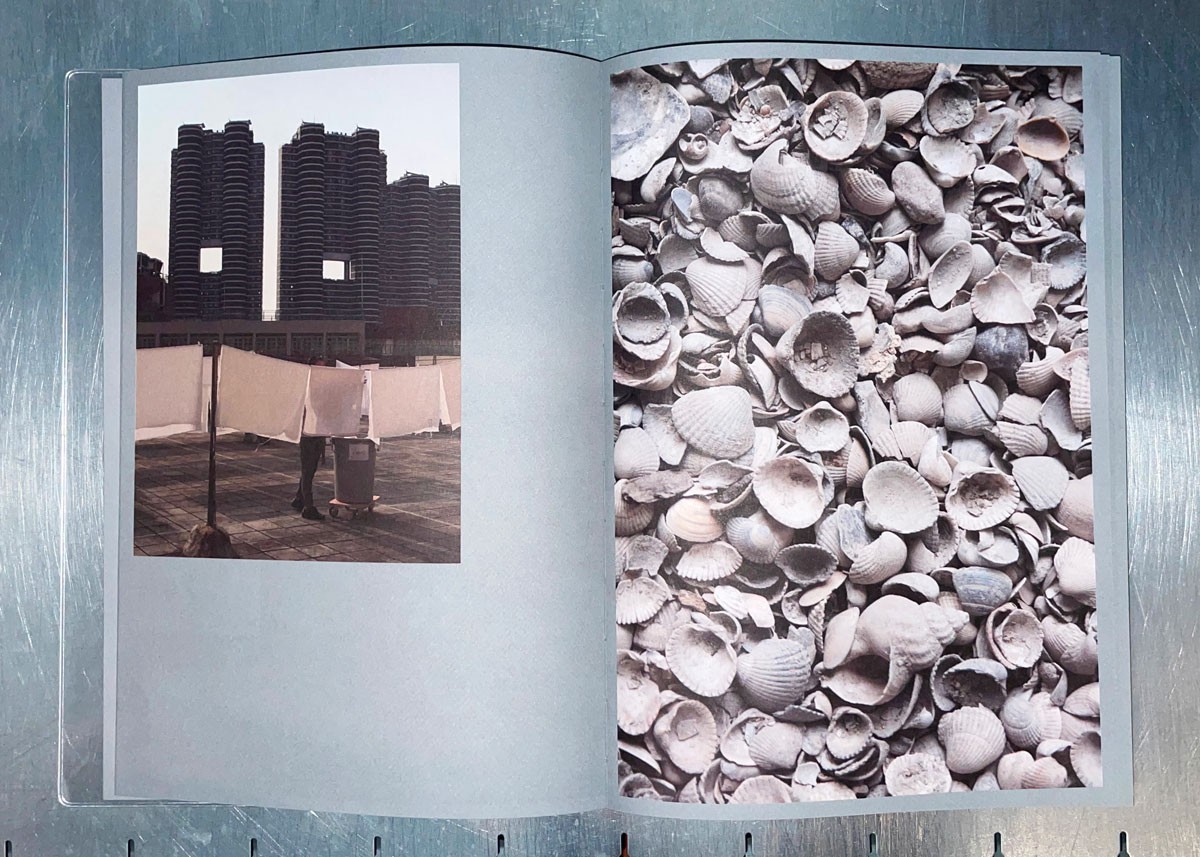
Canell’s Hardscapes combines two works that focus on the concepts of circulation and transformation as well as on unexpected forms of coexistence. Energy Budget (2017–18), a video that alternates between two subjects: a basement in which a leopard snail crawls over an electrical panel, and the gradual shifting of the frame away from “dragon gates”—portal-like openings in huge buildings on the Hong Kong waterfront. Muscle Memory (16 Tonnes) (2020–21) is a floor sculpture, decomposed and transformed by the density of moving bodies, which literally crumbles under the soles of passing visitors.
In addition to texts by the curator, the publication includes essays by Felicia Leu and Laura Preston, along with a conversation by Maria Hassabi and Nina Canell with Lorenzo Giusti.