Maxiprocesso brings together 360 photographs by Maria D. Rapicavoli, one for each of the archival folders documenting the largest mafia trial in history, held in Palermo from 1986 to 1987. The volume explores the relationship between memory, justice, and social responsibility, examining the material element of a landmark event in contemporary Italian history.
This is the first monograph on the influential American choreographer and dancer Trajal Harrell. In an entertaining, far-reaching conversation with curator Daniel Baumann, Harrell covers all of his choreographies and performances, as well as his influences, successes, and failures, addressing how he transforms and transgresses the history of dance.
This book offers the first comprehensive overview of Anna Franceschini’s practice. Organized around recurring themes, it explores animation, the body, machines, ghosts, desire, and windows through commissioned contributions and selected writings. Its associative structure reflects her interest in repetition, transformation, and unstable images.
This book accompanies 5 Works, Lydia Ourahmane’s first institutional solo show in Italy, staged at the Nicoletta Fiorucci Foundation in Venice and curated by Polly Staple, during the 61st Venice Biennale, and includes newly commissioned texts and images that further contextualize the artist’s practice and work.
Museums of Tears extends Francesco Vezzoli’s 2024 exhibition at Museo Correr, Venice, combining historical works and new commissions to explore antiquity, emotion and illusion. Conceived as an artist’s book rather than a catalogue, it transforms the museum guide into a hybrid archive and portable museum of memory, beauty and mourning.
A project by Fondazione In Between Art Film, edited by Carla Subrizi, Paola Ugolini, and Maria Alicata, this illustrated volume investigates the cinematic, documentary, and video output of women artists and filmmakers operating in Italy in the 1960s and 1970s, situating their research at the intersection of artistic experimentation, politics, society, and technology.
Edited by Omar Kholeif and Theodor Ringborg
Texts by Hannah Feldman, Marianne Hirsch, Omar Kholeif, Vali Mahlouji, Todd Reisz, and Theodor Ringborg
2021, English, softcover, 21.5 x 28 cm, 280 pages
ISBN: 979-12-80579-01-0
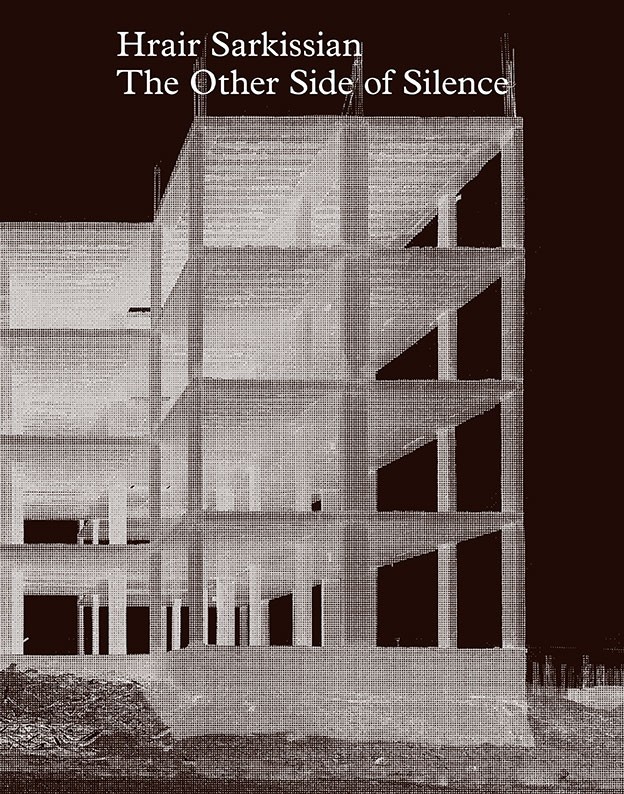
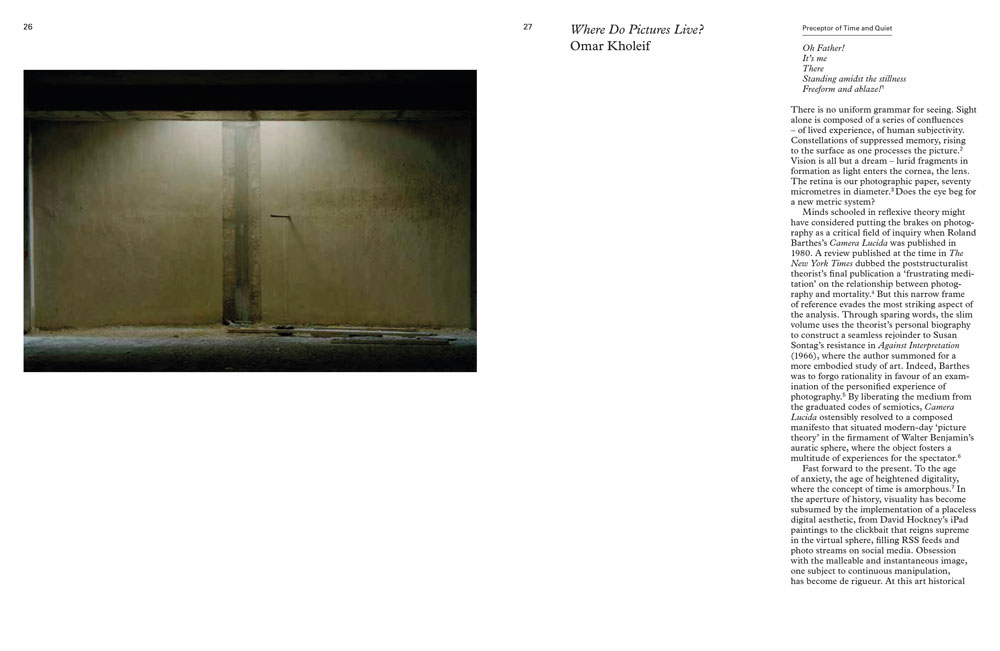
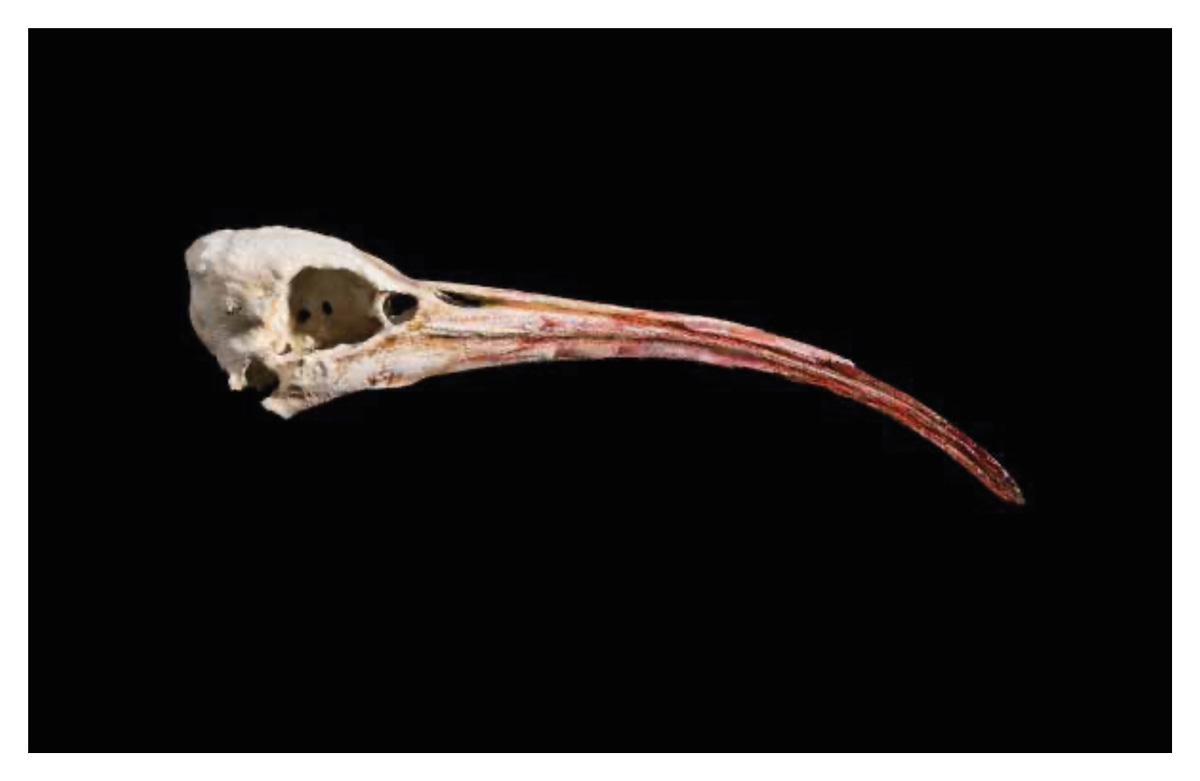
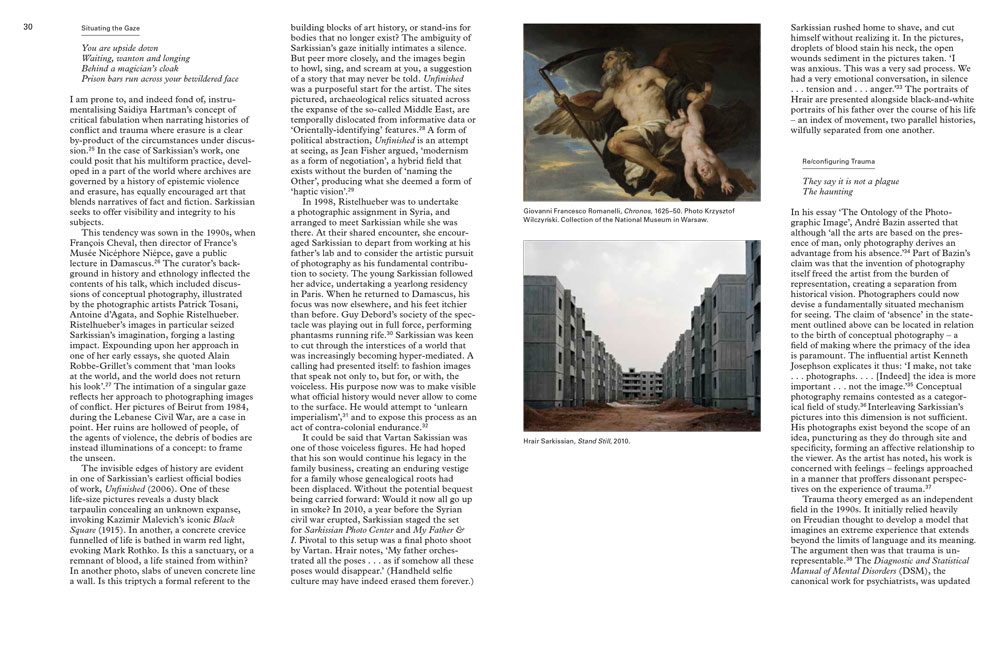
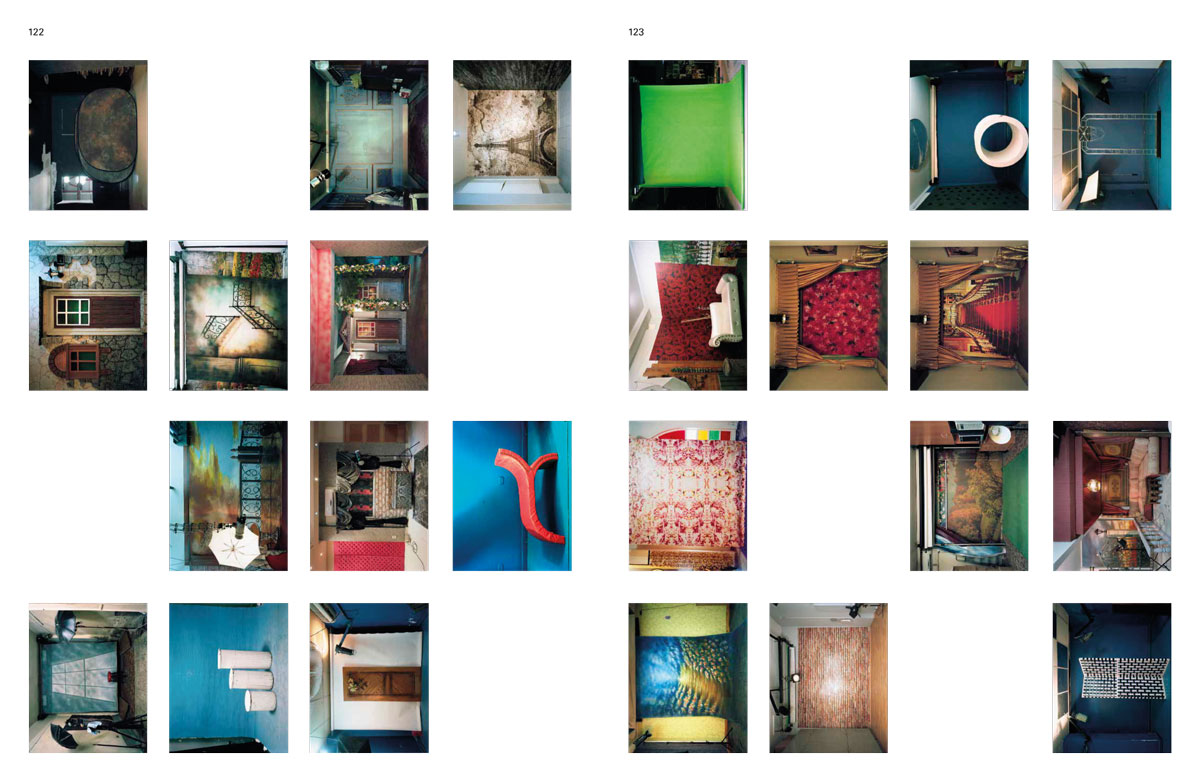
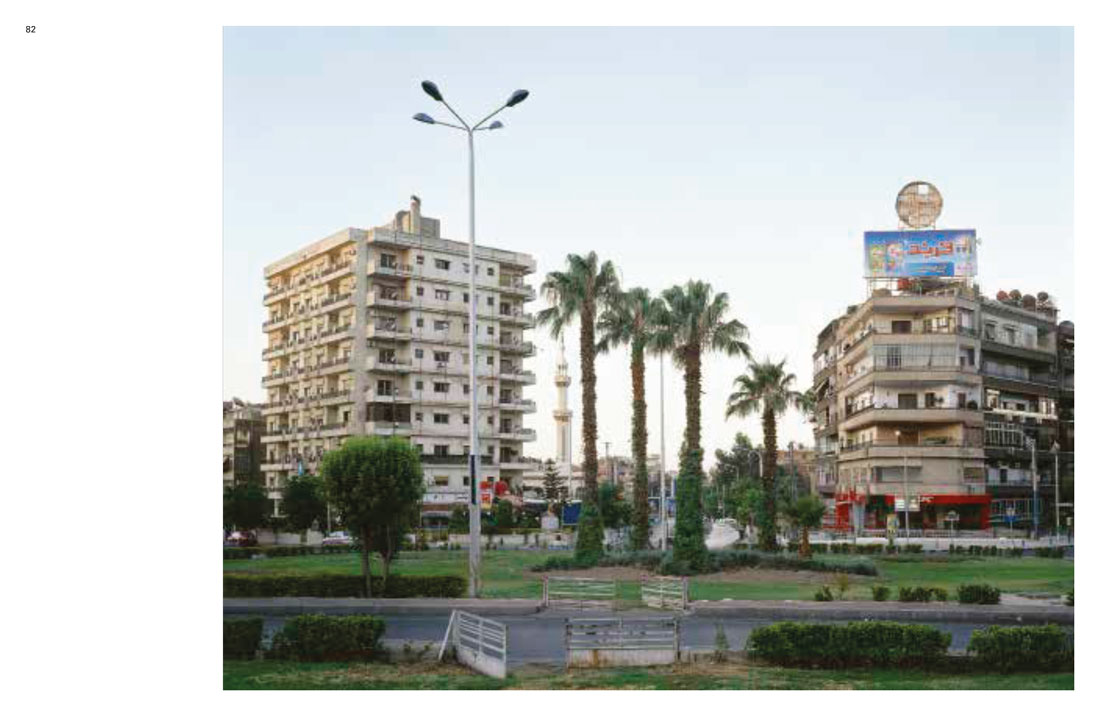
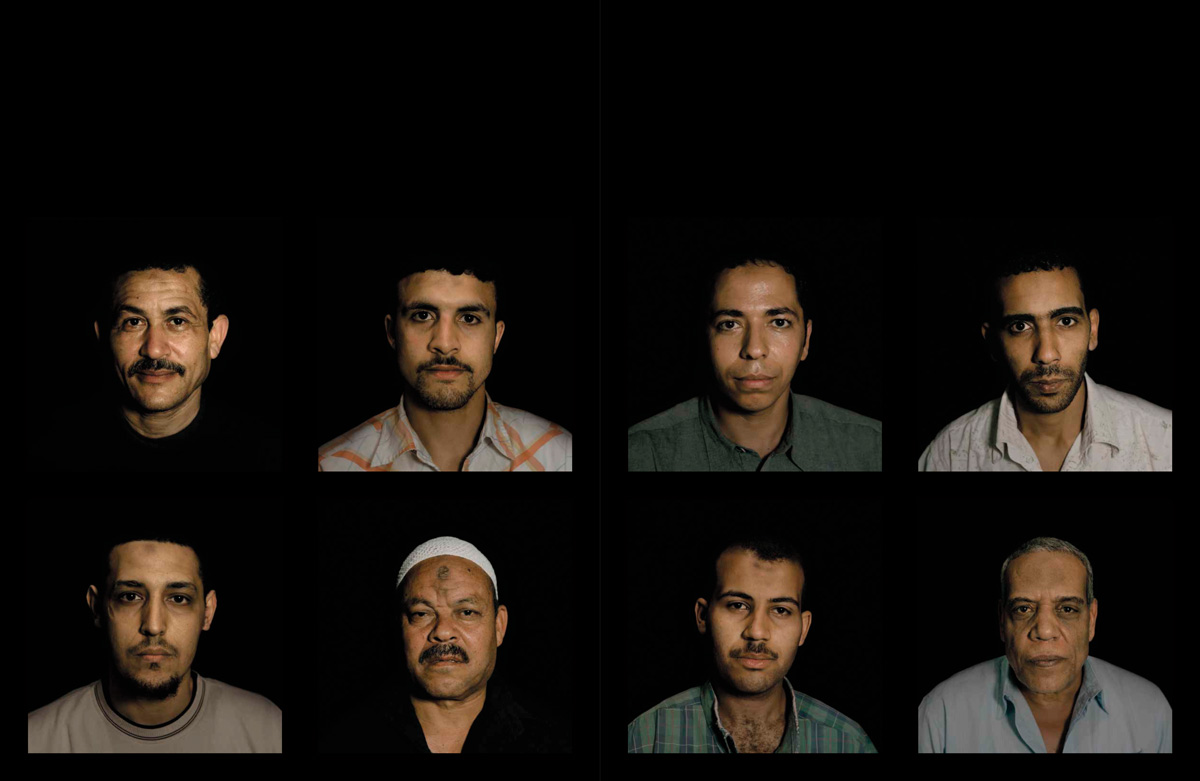
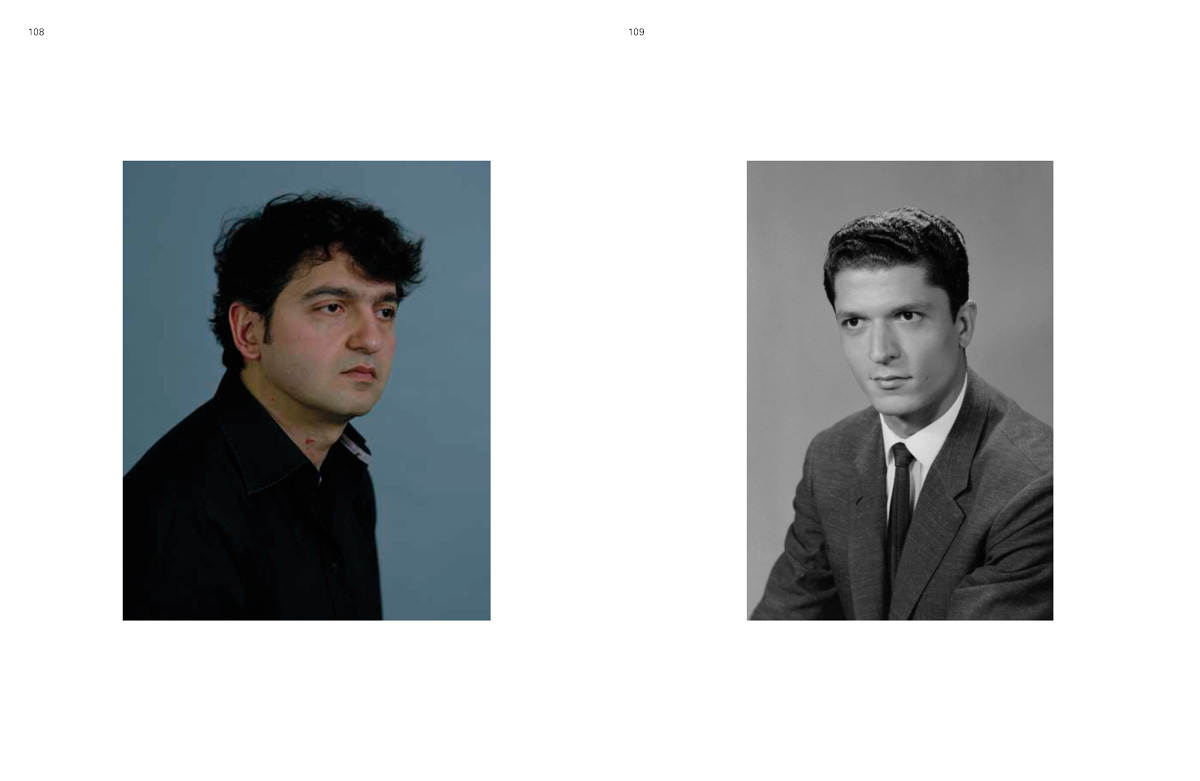
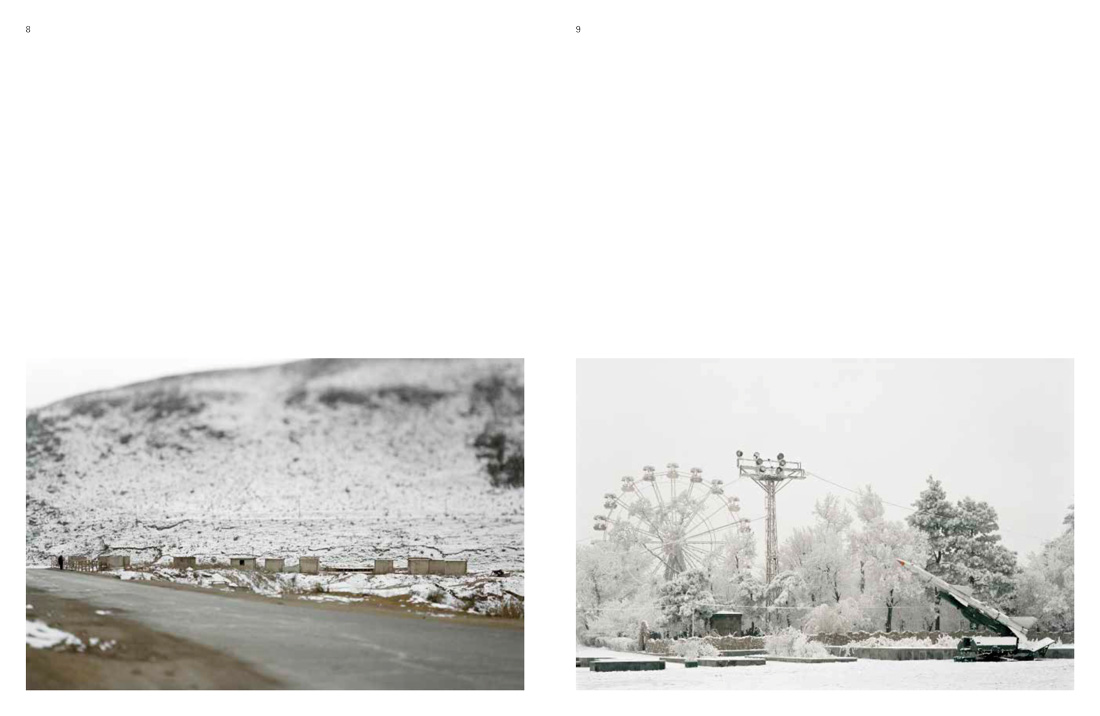
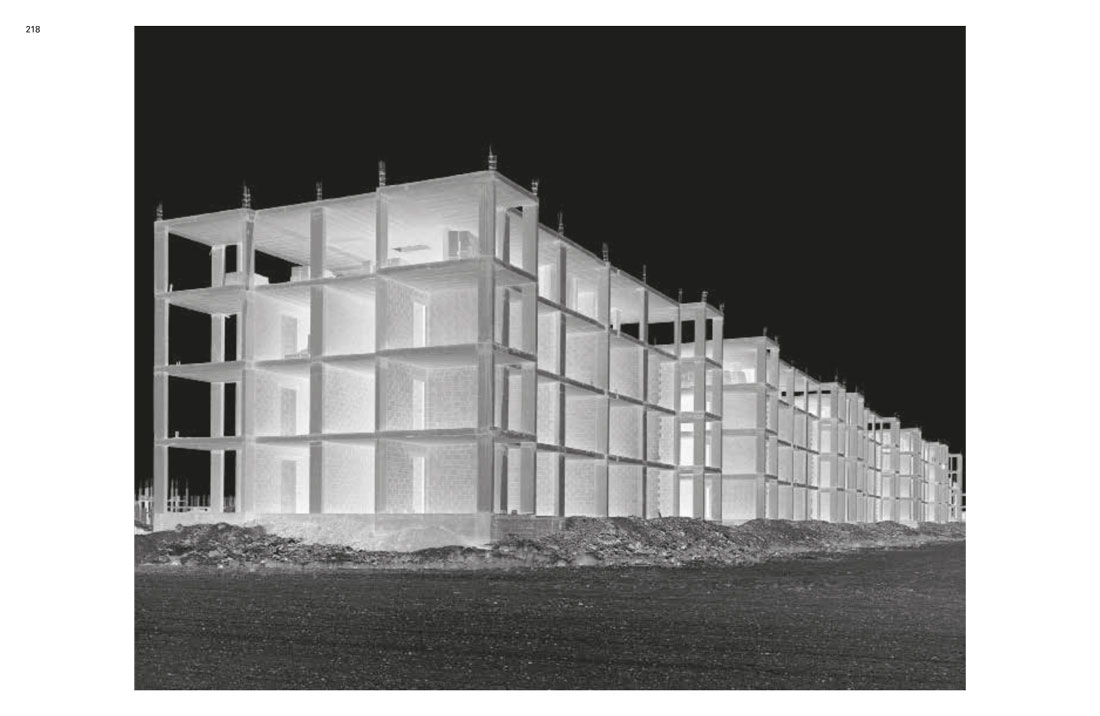
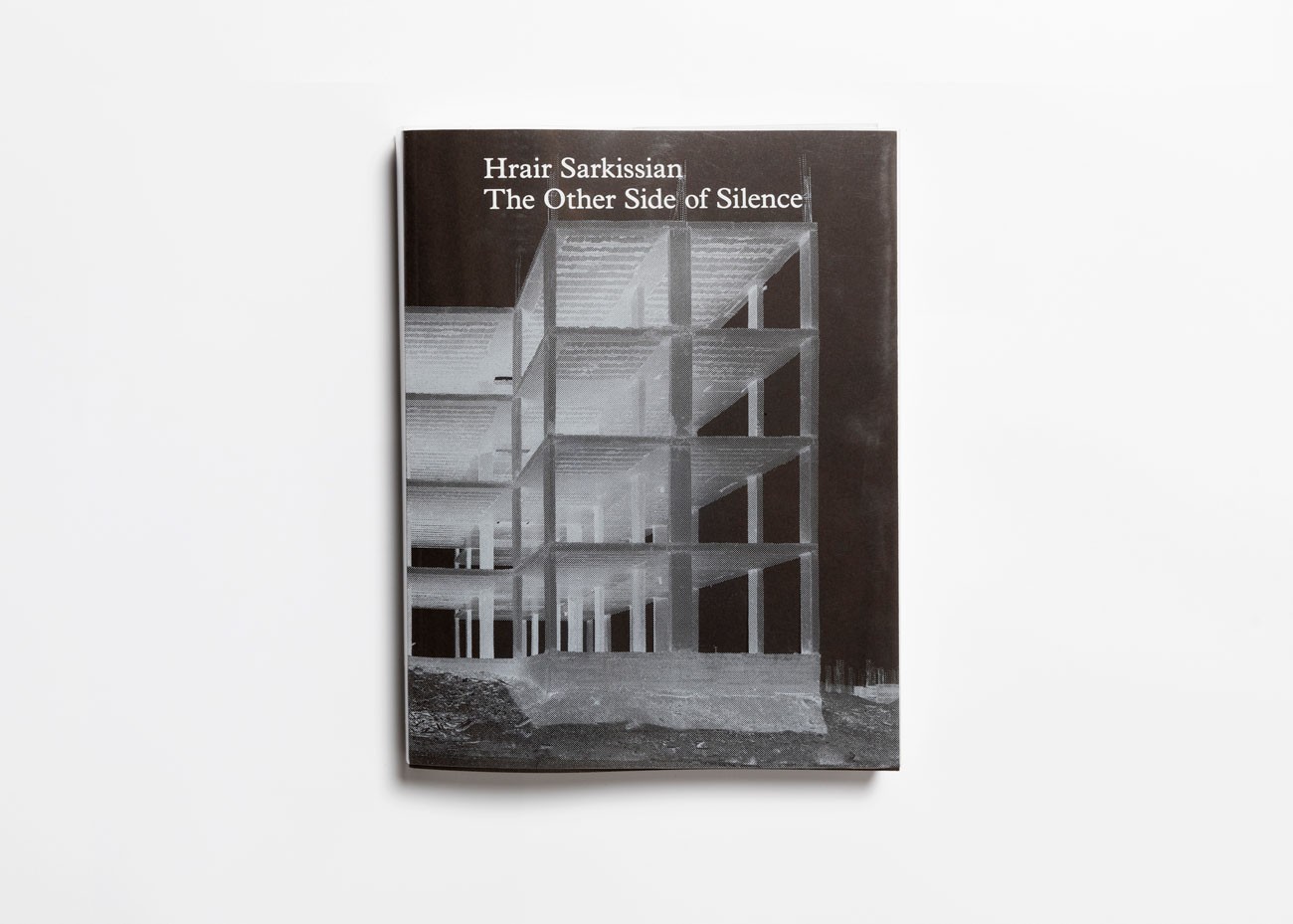
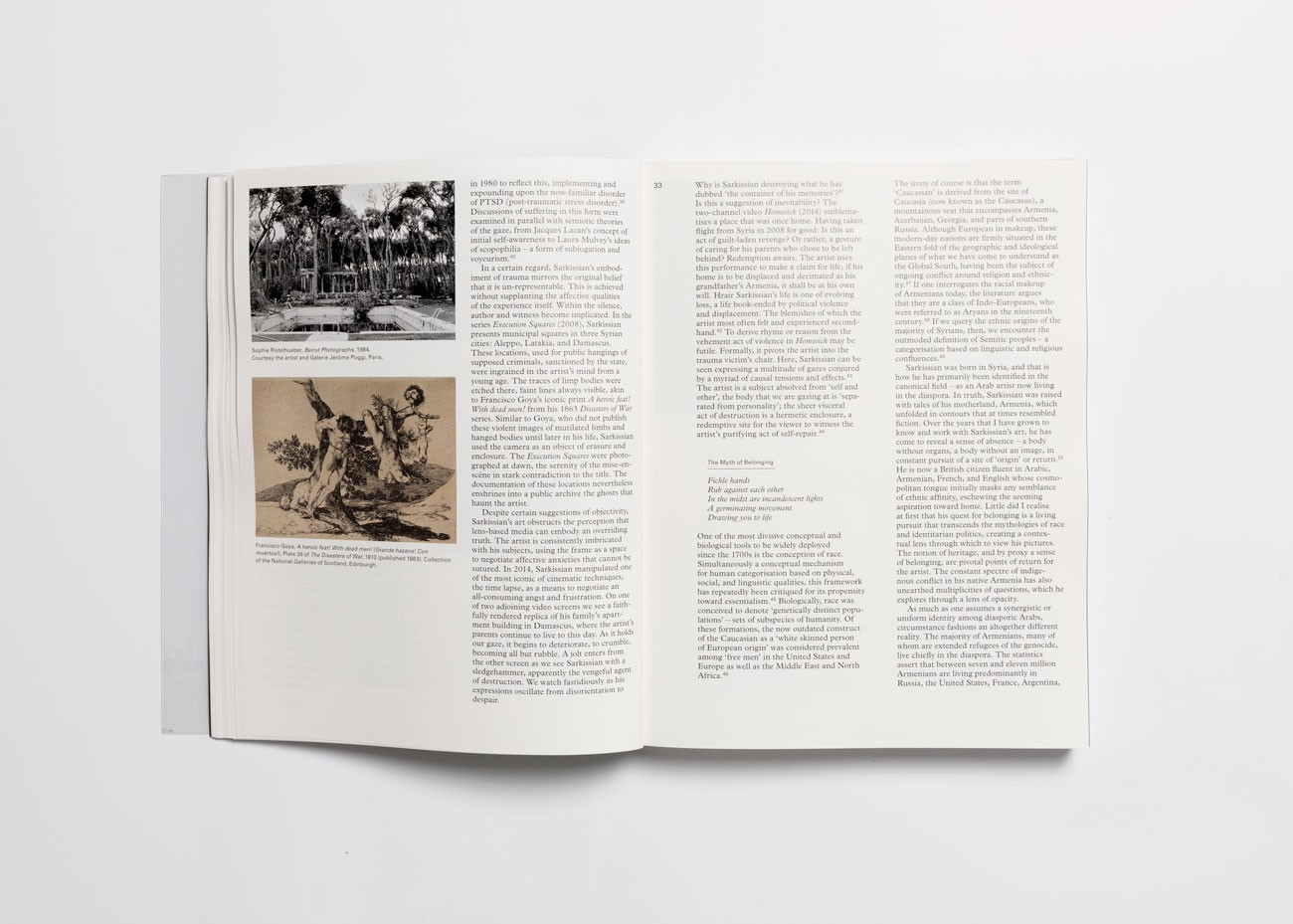
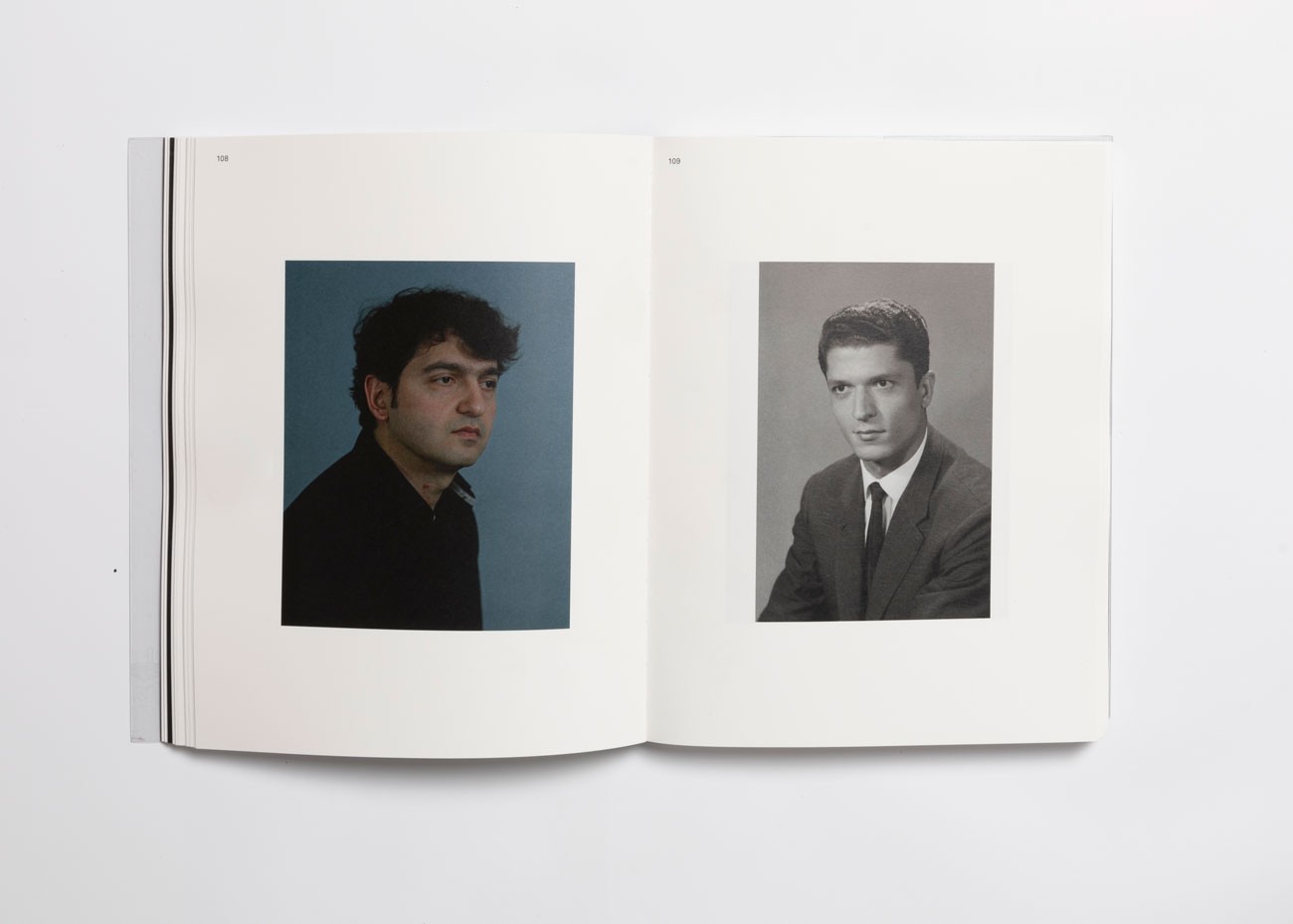
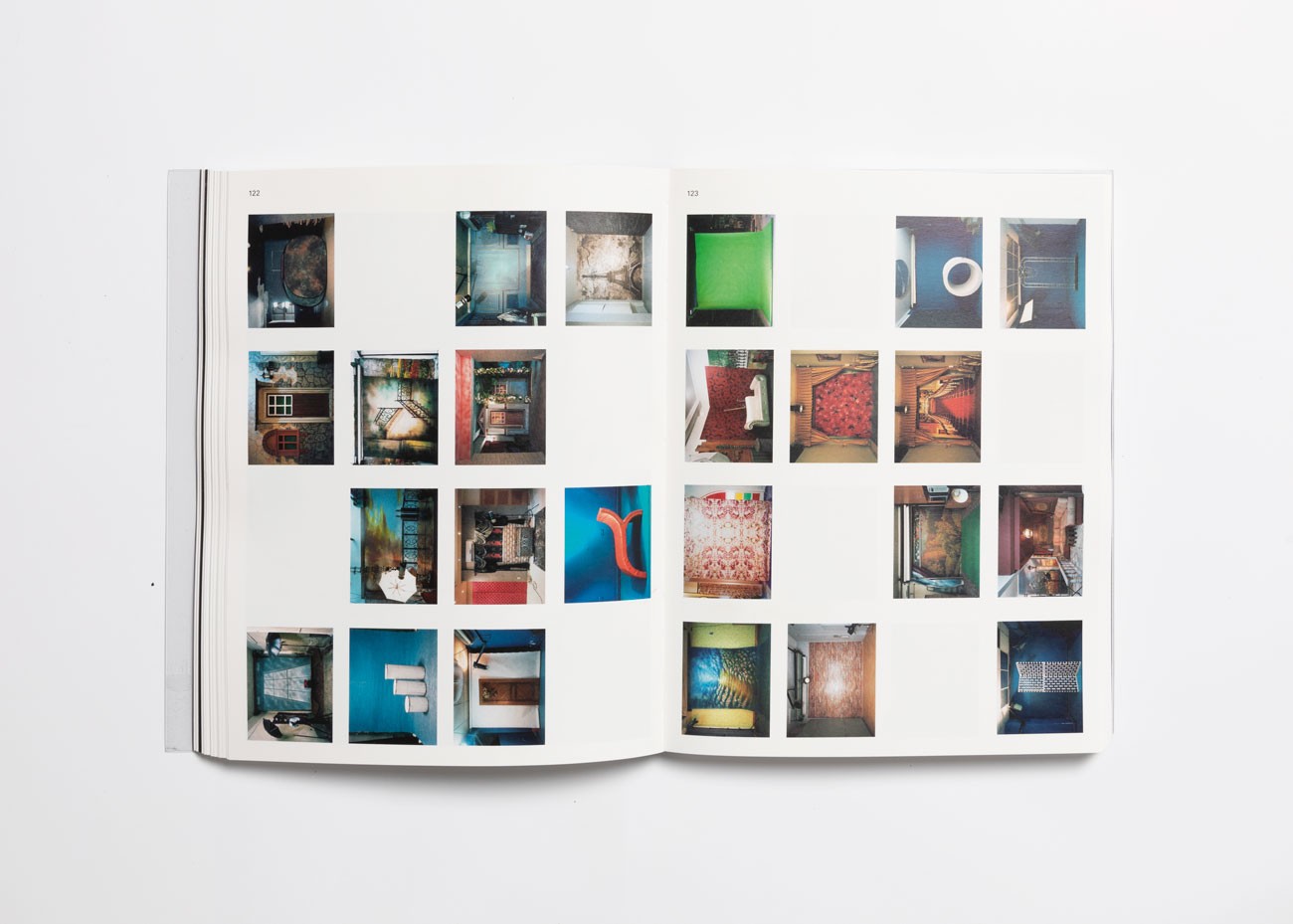
The Other Side of Silence is the first monograph of the artist Hrair Sarkissian—one of the leading figures working with photography globally today. This cerebral book of multi-disciplinary essays and images explores histories of disappearance, the architecture of violence, and the potential of the medium of photography itself. While encompassing the moving image, sculpture, sound, and installation, Sarkissian’s practice is rooted in his photographs. His lifelong use of a large-format camera relates to the artist’s interest in the role that chance plays in capturing hidden narratives of conflict, trauma, and displacement. Acting as an archaeologist and a storyteller, the artist draws upon personal and collective memory to reveal stories that official records cannot tell. The viewer is invited to consider the formal aspects of the image, to breathe in its silence and to interrogate what might live beneath its surface. This monograph accompanies Hrair Sarkissian’s eponymous touring exhibition organized by Bonniers Konsthall, Stockholm; the Bonnefanten, Maastricht; and Sharjah Art Foundation.
The artist
Born 1973 in Damascus, Syria, Hrair Sarkissian gained his foundational training at his father’s photographic studio in Damascus. In 2010 he completed a BFA in photography at the Gerrit Rietveld Academie, Amsterdam. He lives and works in London.