Through comprehensive and interdisciplinary readings of landscape, cinema, architecture, and visual culture, this first monograph builds on the storytelling dimensions that have always informed the photographic oeuvre of the Syrian artist.
The book is the outcome of an exhibition around the theme of the sacred. The resumption of historical figures, classical art-historical iconography, and everyday images intermingle in a reconstruction of reality that is dreamlike, painful, and sometimes grotesque.
Vogliamo tutto. Cultural Practices and Labor is a publication on work within a changing socio-cultural context: from the impact of the Industrial Revolution to post-industrial decline through to the rapid evolution of the digital era.
Vogliamo tutto. Pratiche culturali e lavoro è una pubblicazione sul lavoro all’interno del contesto socio-culturale in evoluzione: dagli impatti della rivoluzione industriale, al declino post-industriale, fino alla rapida accelerazione dell’era digitale.
Divine Drudgery is an artist book with collages and artworks by James Richards and Leslie Thornton, and contributions by artists, writers and poets centred around liminality and the aesthetics and politics of the invisible.
The book is the first comprehensive monograph on the polymorphous work of Athanasios Argianas. It is published on the occasion of Hollowed Water, a major solo exhibition at Camden Arts Centre in 2020 and ARCH, Athens, in 2021.
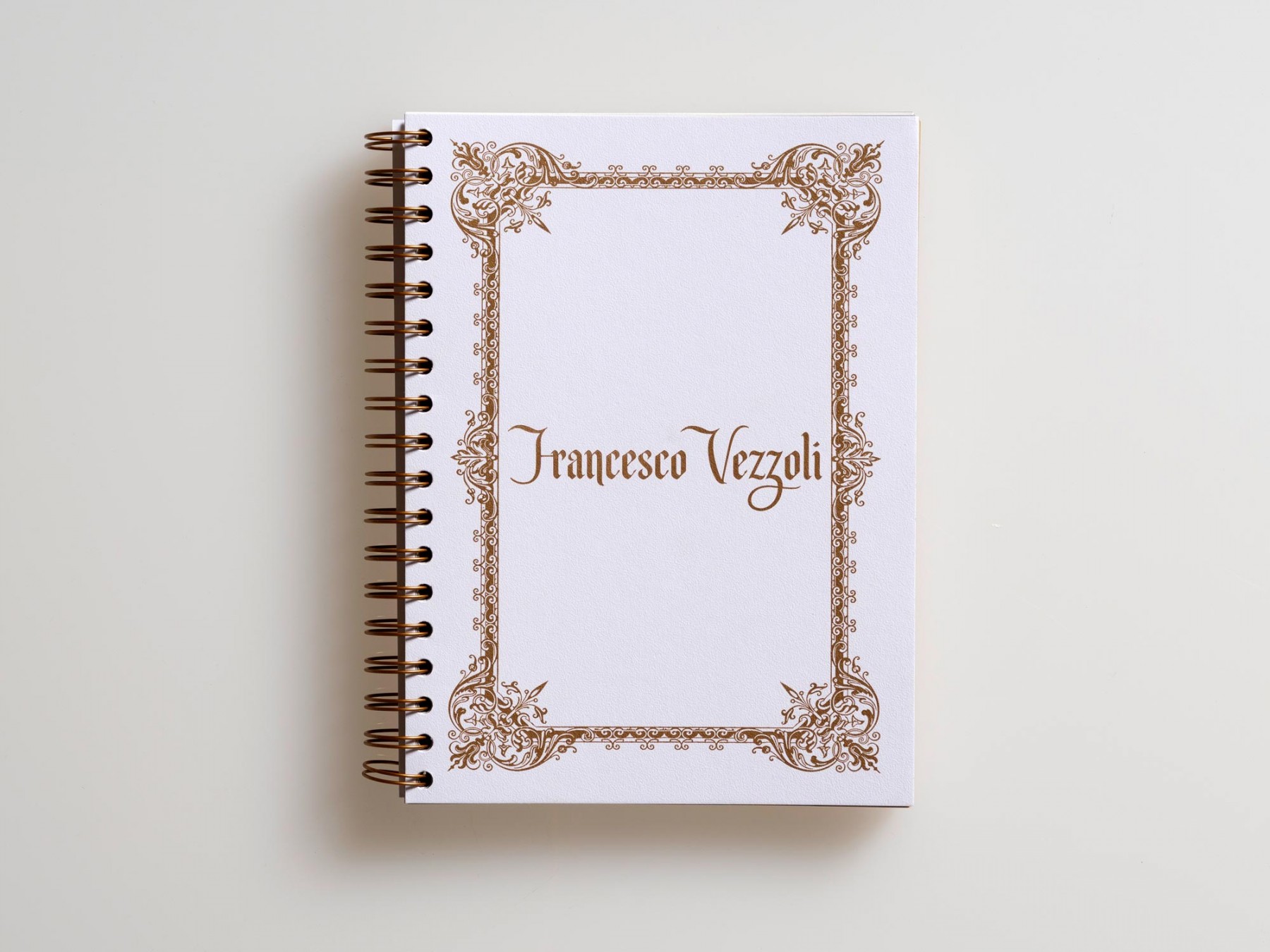
Edited by Francesco Vezzoli
Texts by Donatien Grau, Francesco Vezzoli, and FiIlippo Bisagni
Art direction: Alberto Agosti
Design: Leonardo Pertile
Published for ArchivorumxM
2026, English, spiral-bound, 23 x 17 cm, 206 pages
ISBN 979-12-80579-95-9
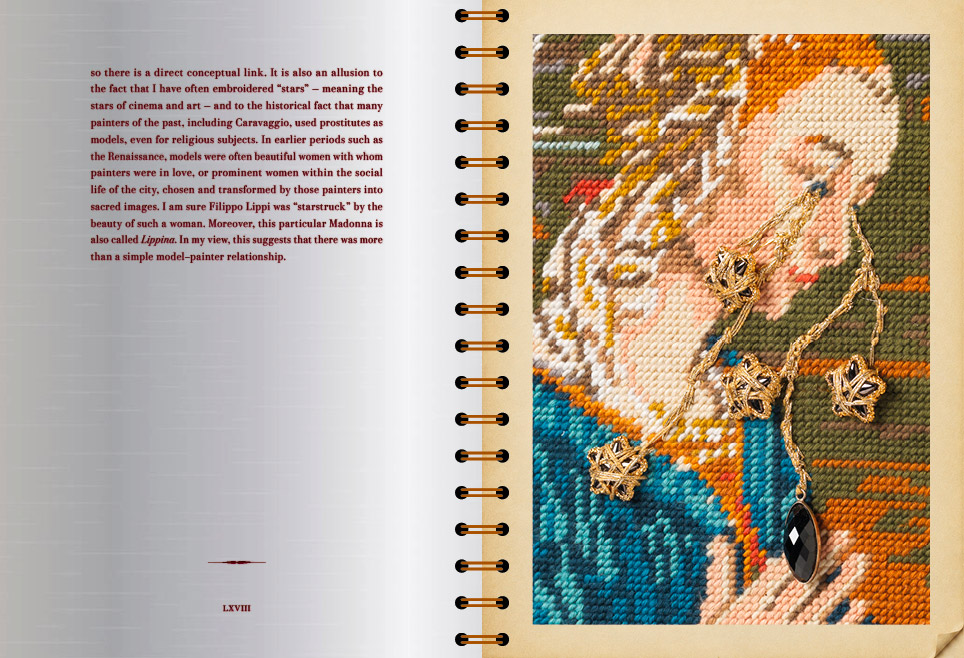
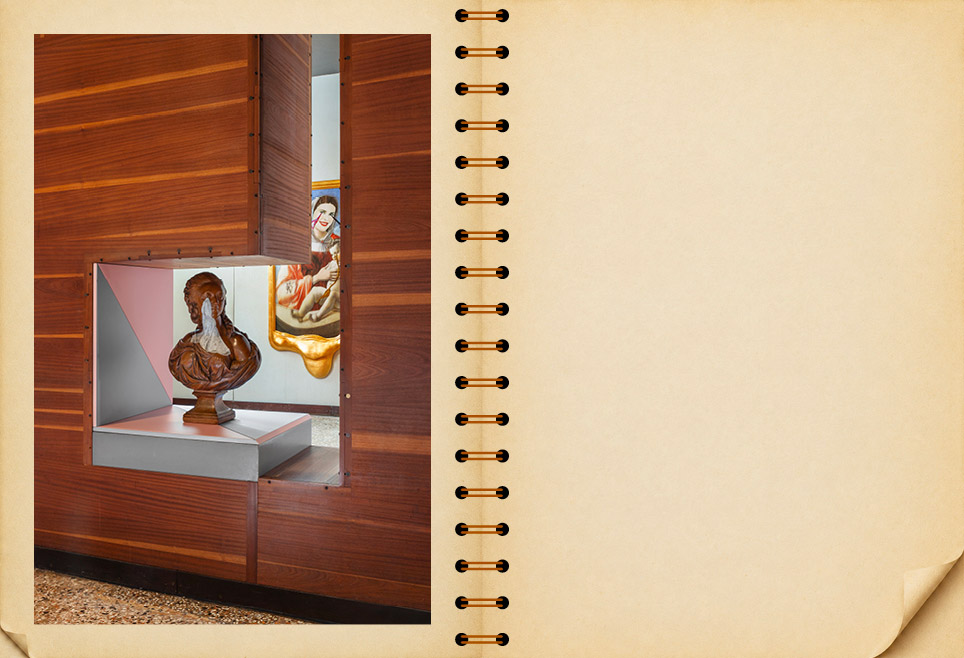
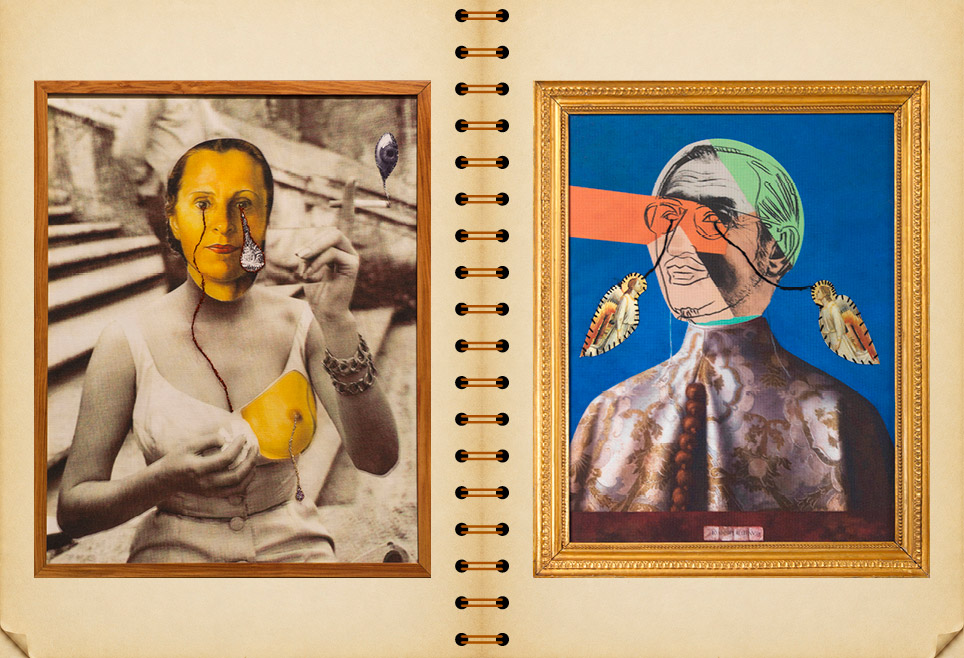
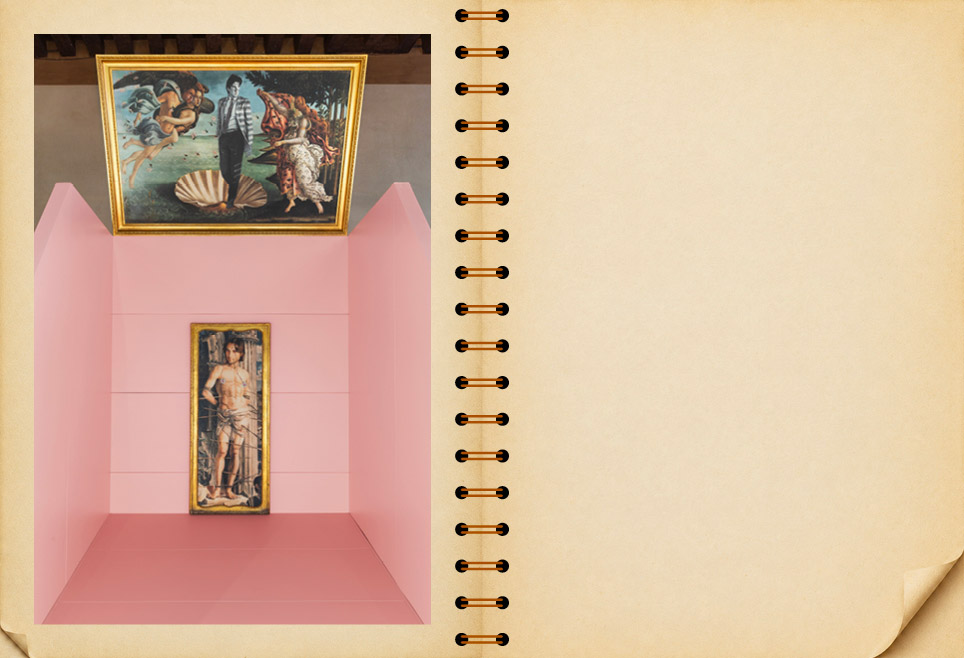
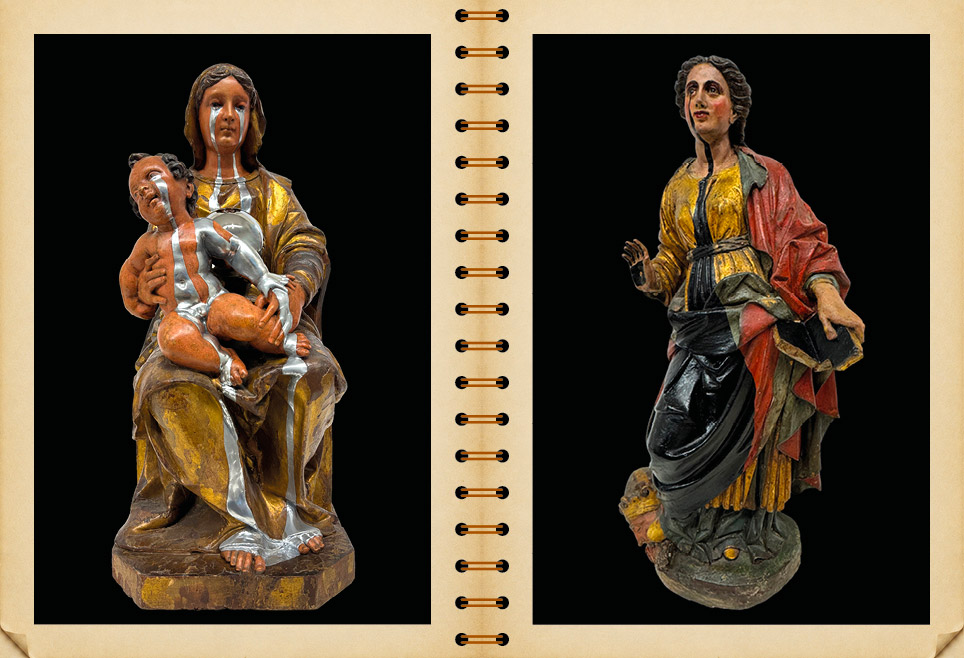
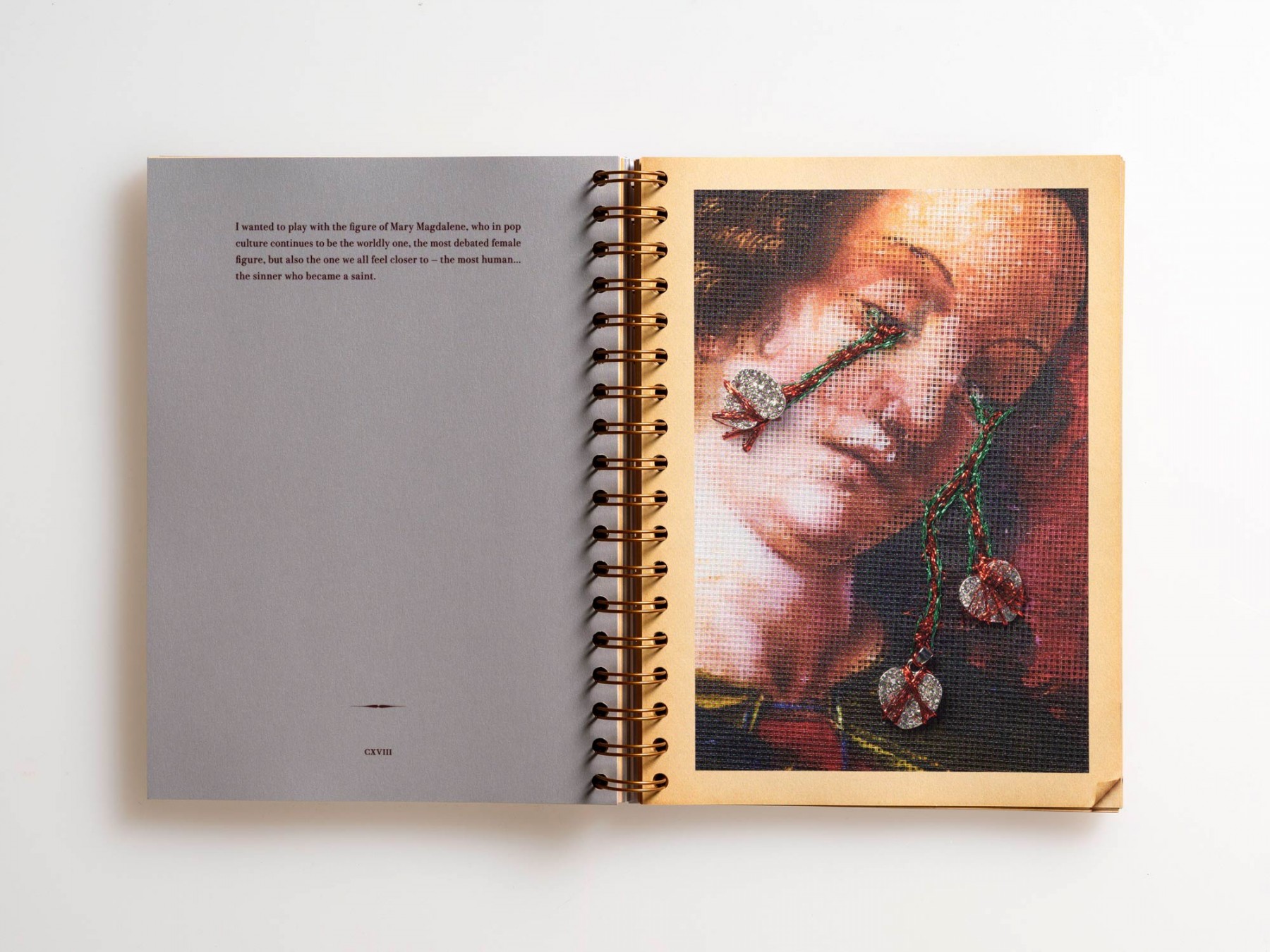
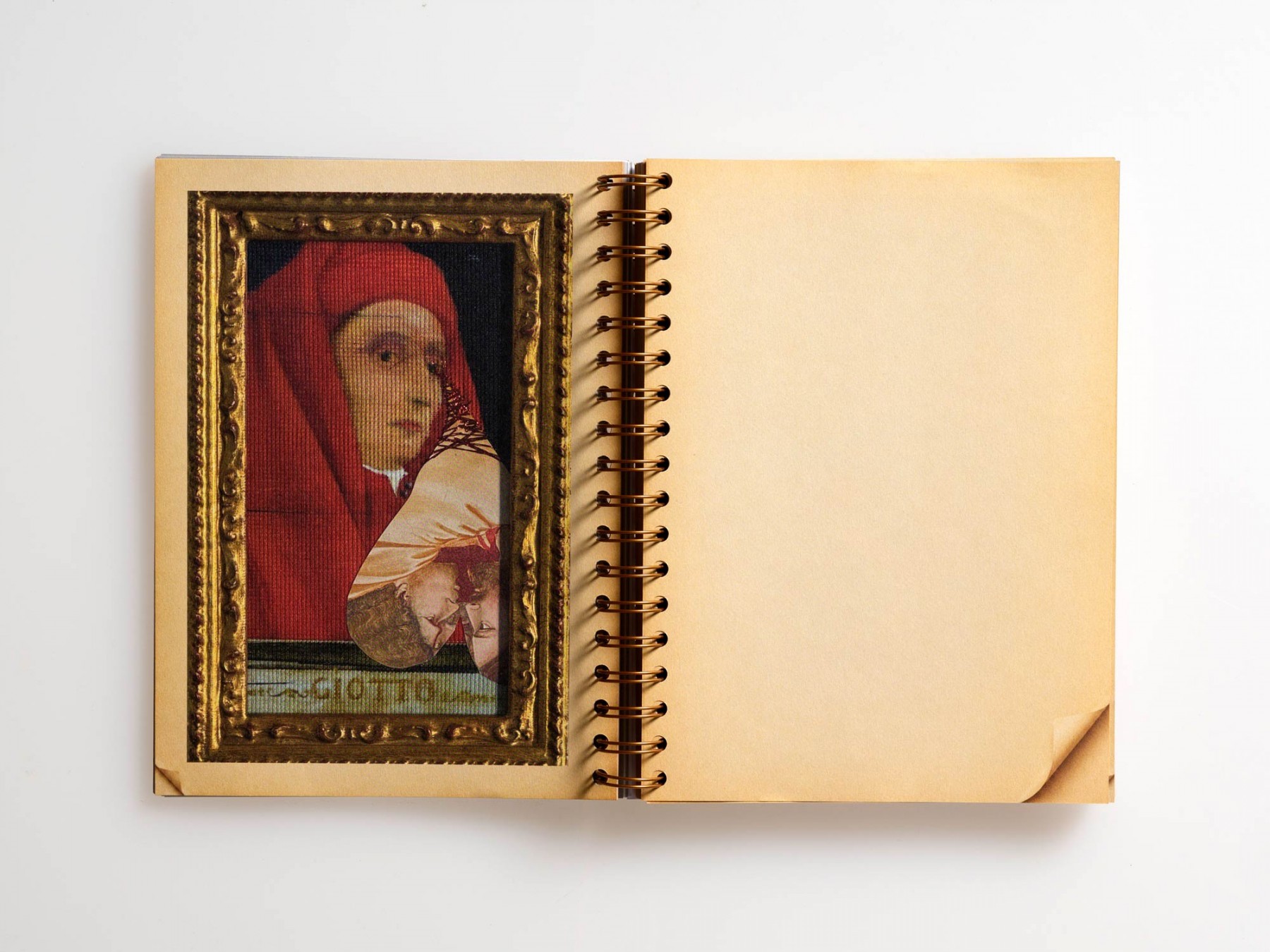
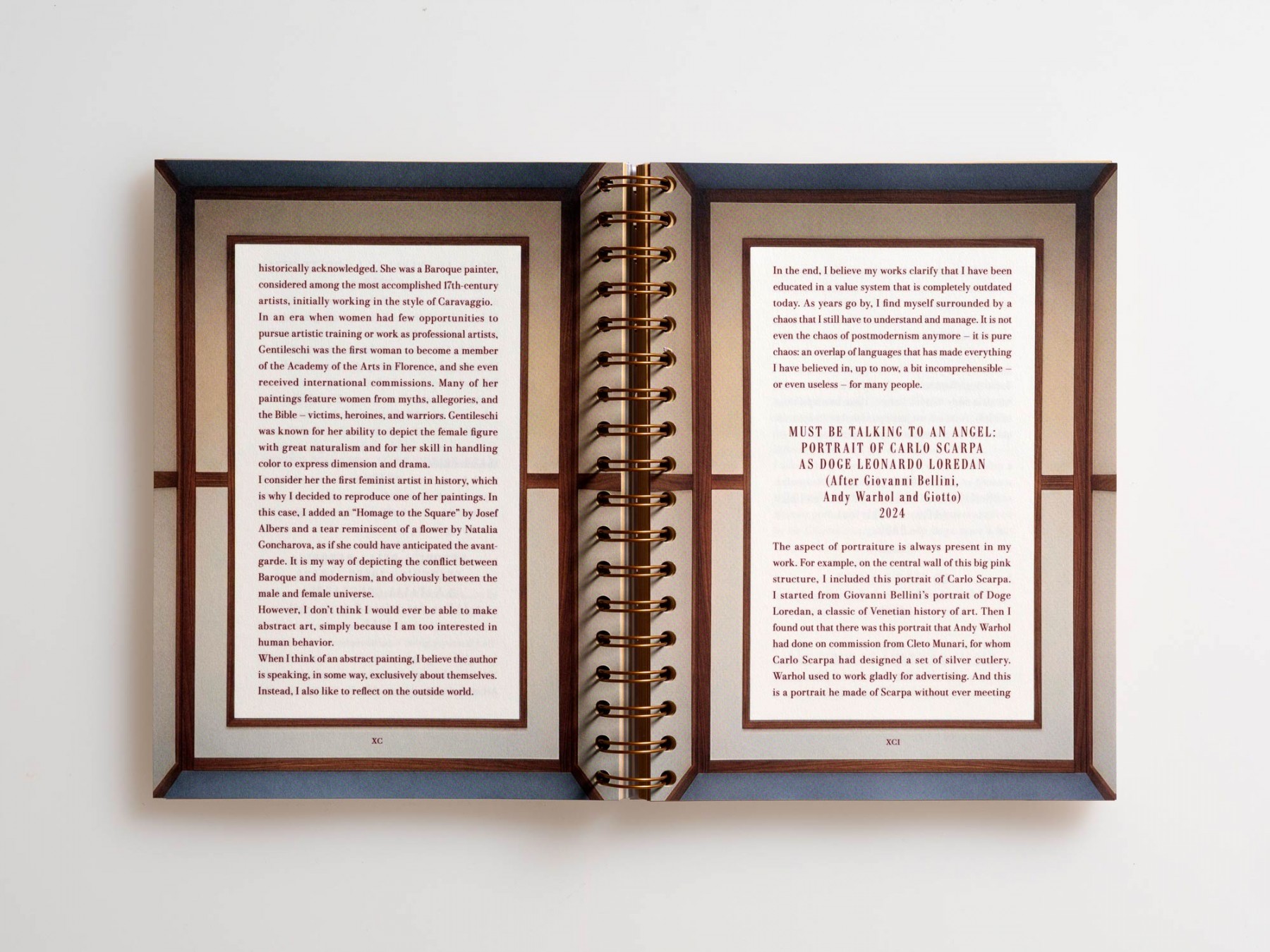
Conceived as both a publication and an autonomous artwork, Museums of Tears extends Francesco Vezzoli’s acclaimed exhibition presented at Museo Correr, Venice, in 2024. Developed in dialogue with Donatien Grau, the project brought together historical works from the museum alongside recent and newly commissioned works by Vezzoli, creating a layered conversation between antiquity, emotion and illusion. The exhibition marked a significant moment in the artist’s practice, reflecting his growing engagement with art history, archaeology and the museum as a space where the past can be reimagined through contemporary desire.
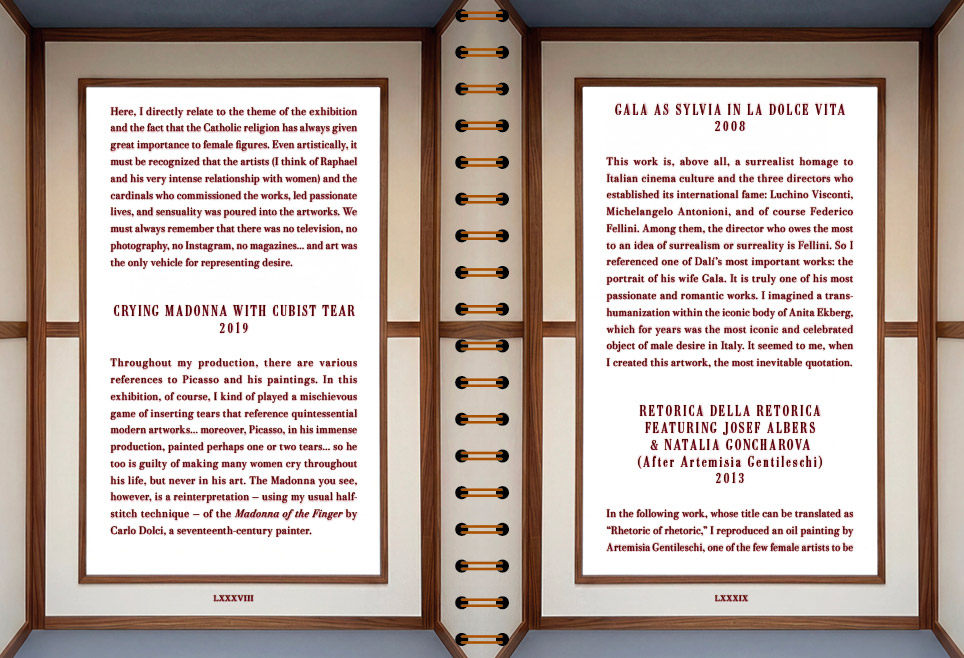
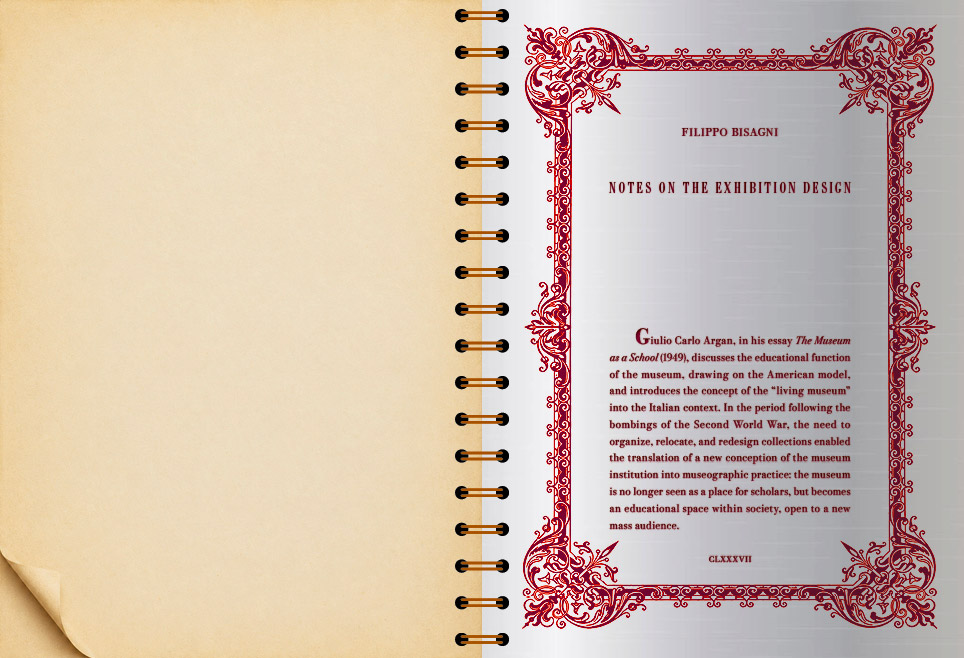
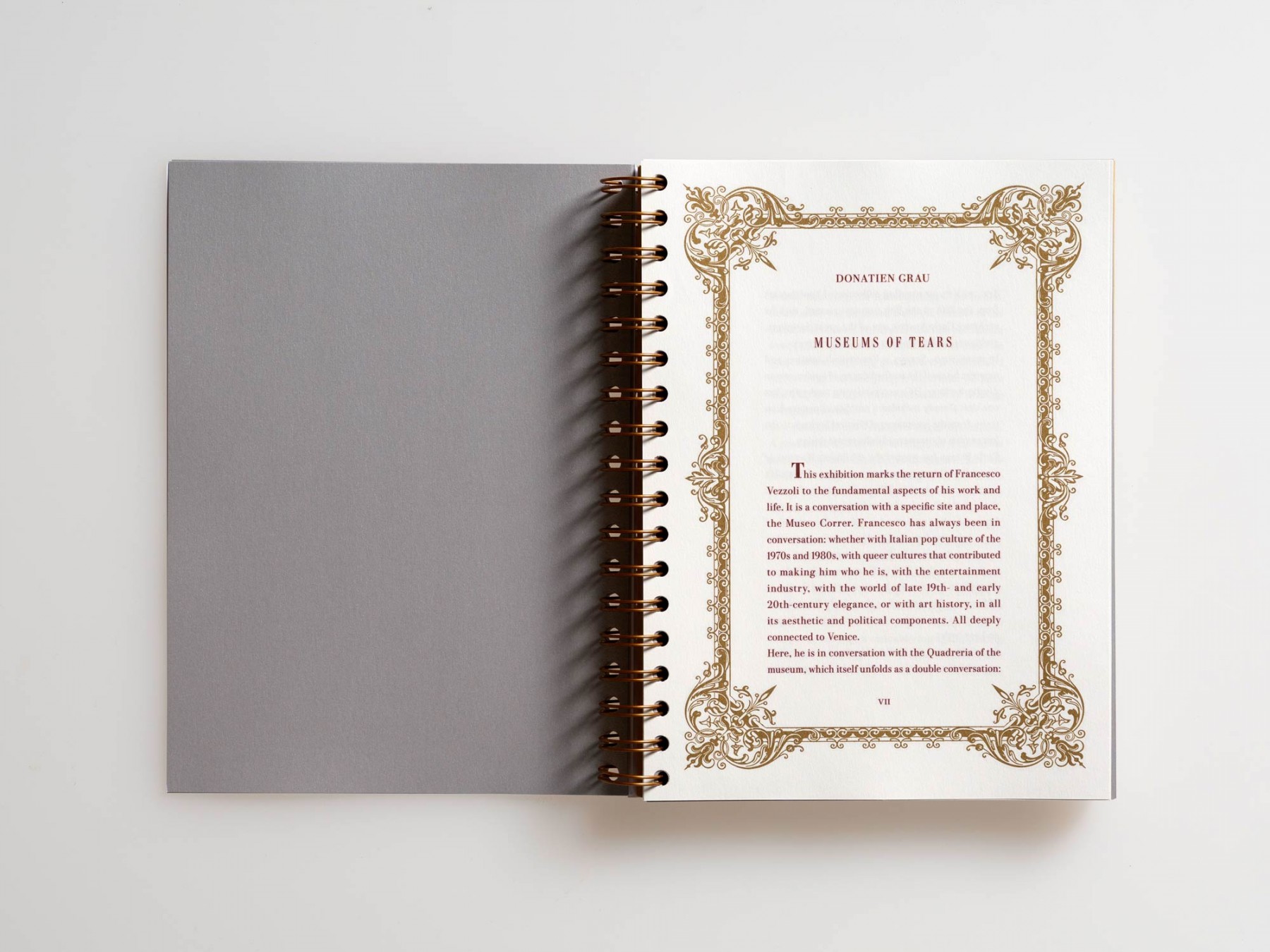
Moving beyond the conventional exhibition catalogue format, the volume has been conceived as a true artist’s book. Inspired by the historical guidebooks of Museo Correr and by Carlo Scarpa’s vision of the museum as a form of emotional choreography, it transforms the museum guide into a hybrid object: part scholarly document, part fictional archive and part personal diary. Rather than documenting the exhibition, Museum of Tears becomes an extension of it: a portable museum of memory, beauty, mourning and artifice.