Through comprehensive and interdisciplinary readings of landscape, cinema, architecture, and visual culture, this first monograph builds on the storytelling dimensions that have always informed the photographic oeuvre of the Syrian artist.
The book is the outcome of an exhibition around the theme of the sacred. The resumption of historical figures, classical art-historical iconography, and everyday images intermingle in a reconstruction of reality that is dreamlike, painful, and sometimes grotesque.
Vogliamo tutto. Cultural Practices and Labor is a publication on work within a changing socio-cultural context: from the impact of the Industrial Revolution to post-industrial decline through to the rapid evolution of the digital era.
Vogliamo tutto. Pratiche culturali e lavoro è una pubblicazione sul lavoro all’interno del contesto socio-culturale in evoluzione: dagli impatti della rivoluzione industriale, al declino post-industriale, fino alla rapida accelerazione dell’era digitale.
Divine Drudgery is an artist book with collages and artworks by James Richards and Leslie Thornton, and contributions by artists, writers and poets centred around liminality and the aesthetics and politics of the invisible.
The book is the first comprehensive monograph on the polymorphous work of Athanasios Argianas. It is published on the occasion of Hollowed Water, a major solo exhibition at Camden Arts Centre in 2020 and ARCH, Athens, in 2021.
Edited by Konrad Bitterli
Texts by Mitchell Anderson and Konrad Bitterli
Designed by Anne Stock
Co-published with Kunst Museum Winterthur
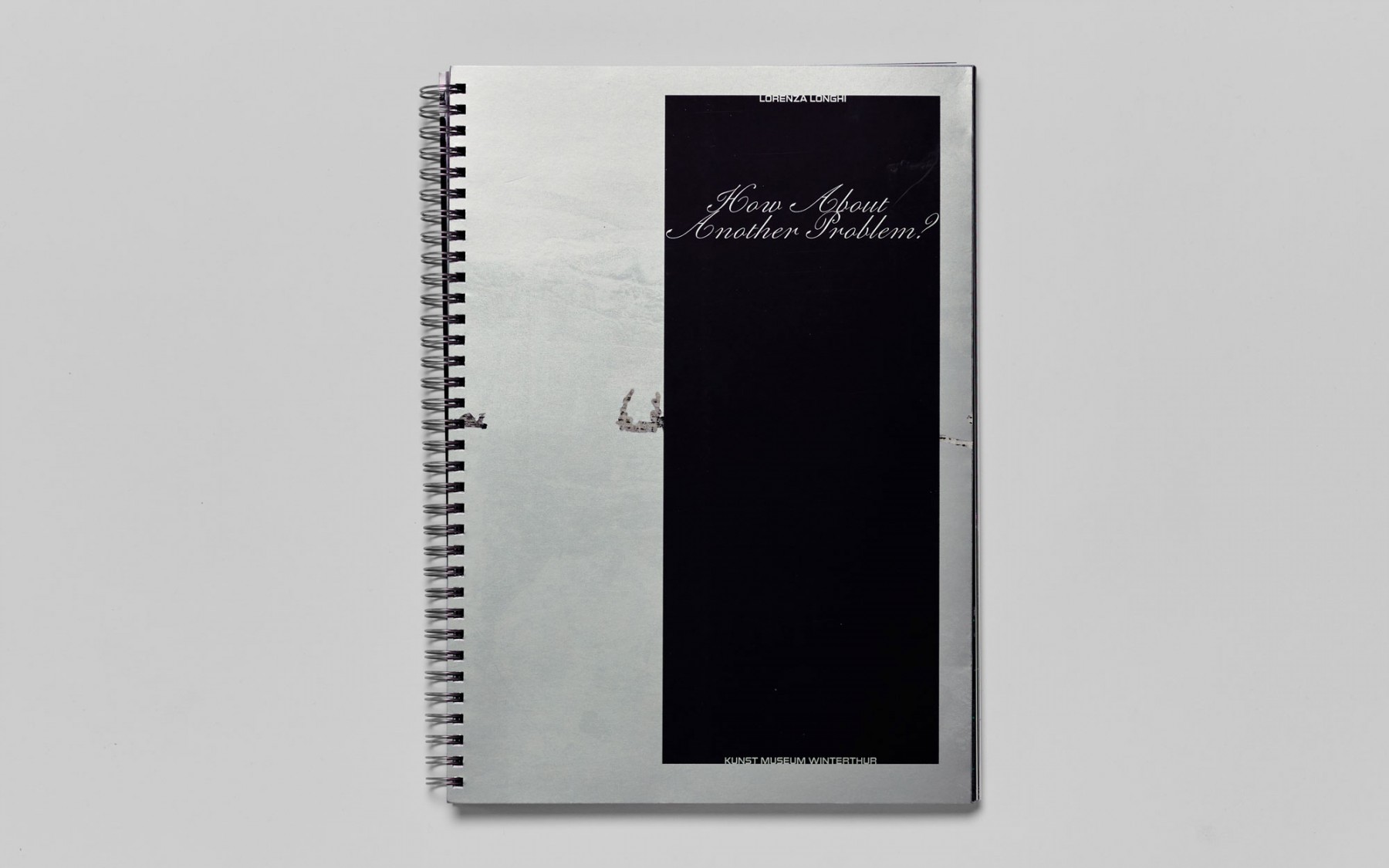
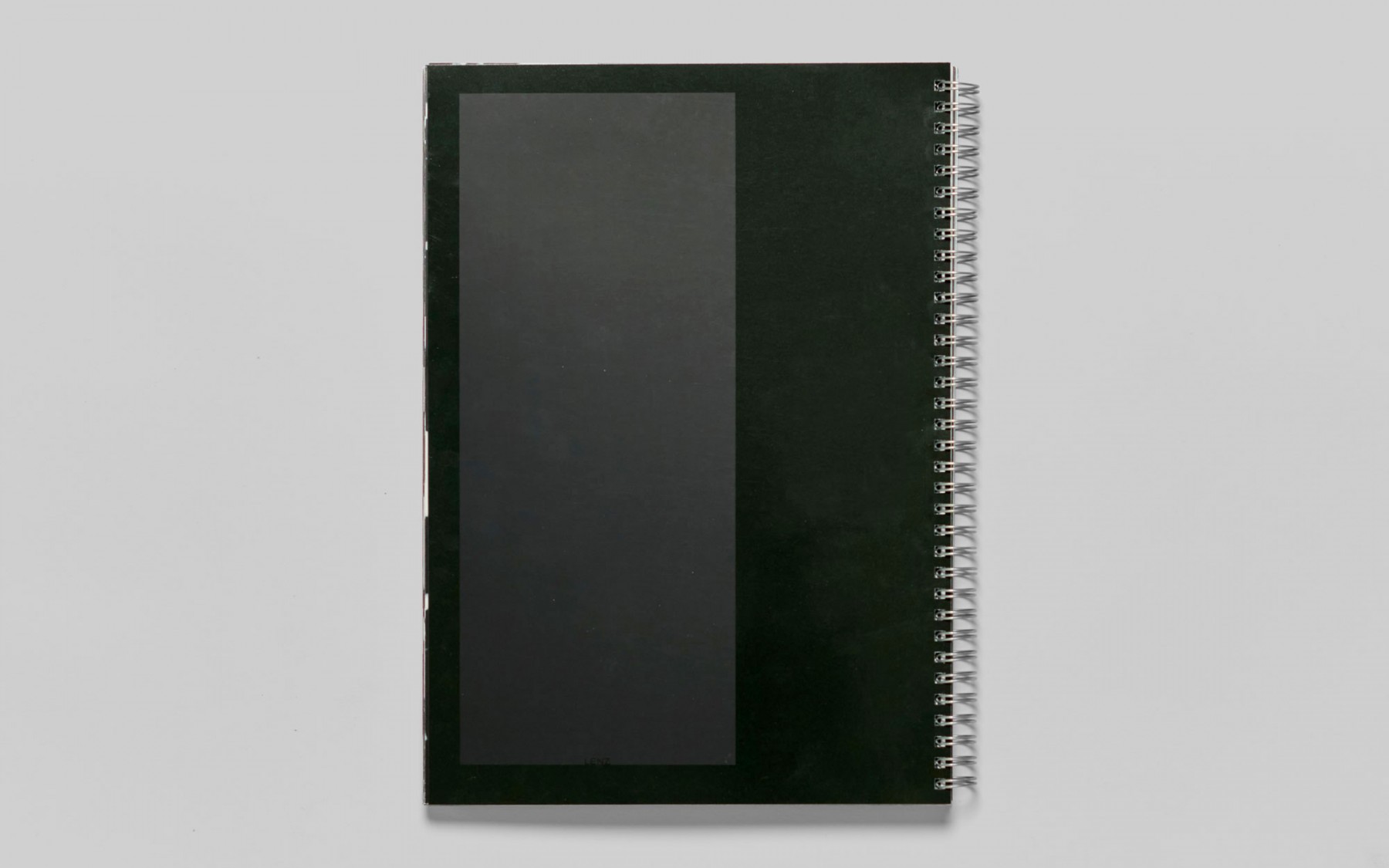
2025, English / German, Spiral-bound, 30 x 22 cm, 140 pages
ISBN 979-12-80579-83-6
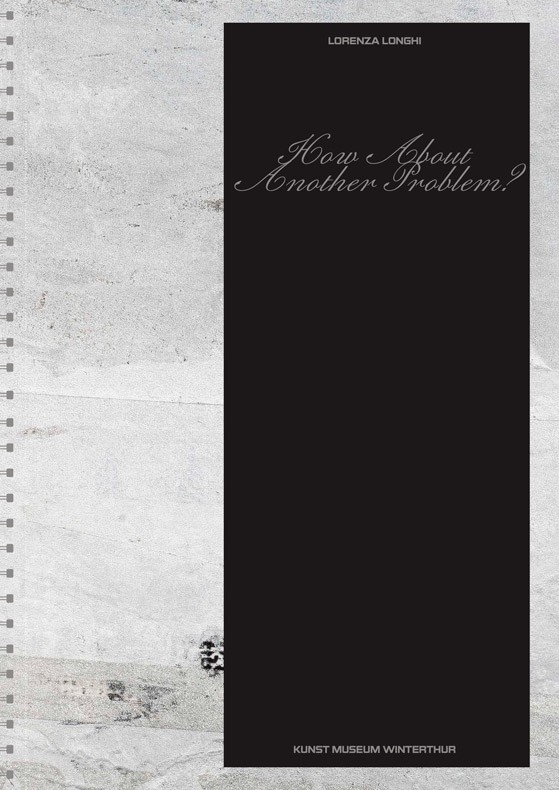
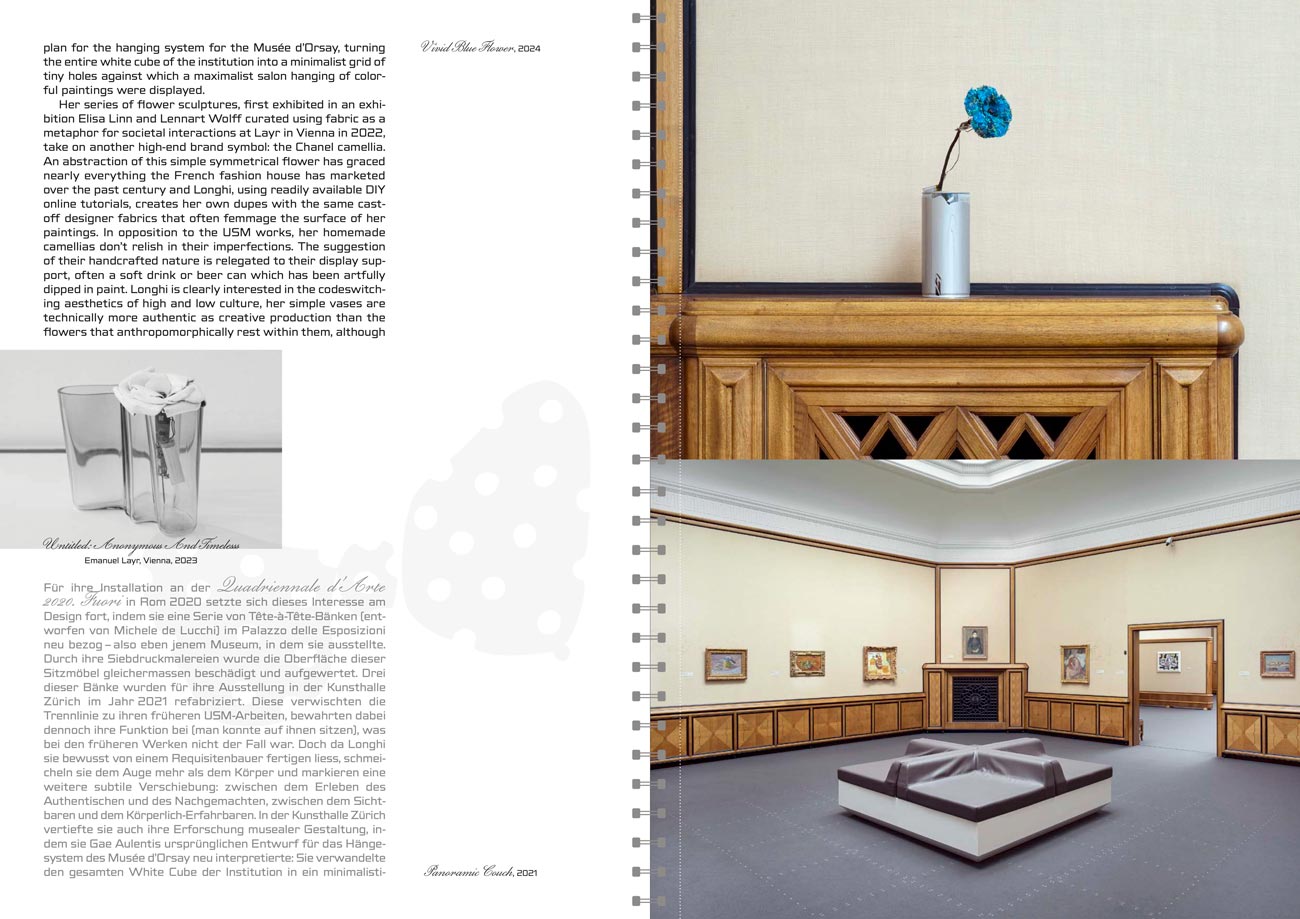
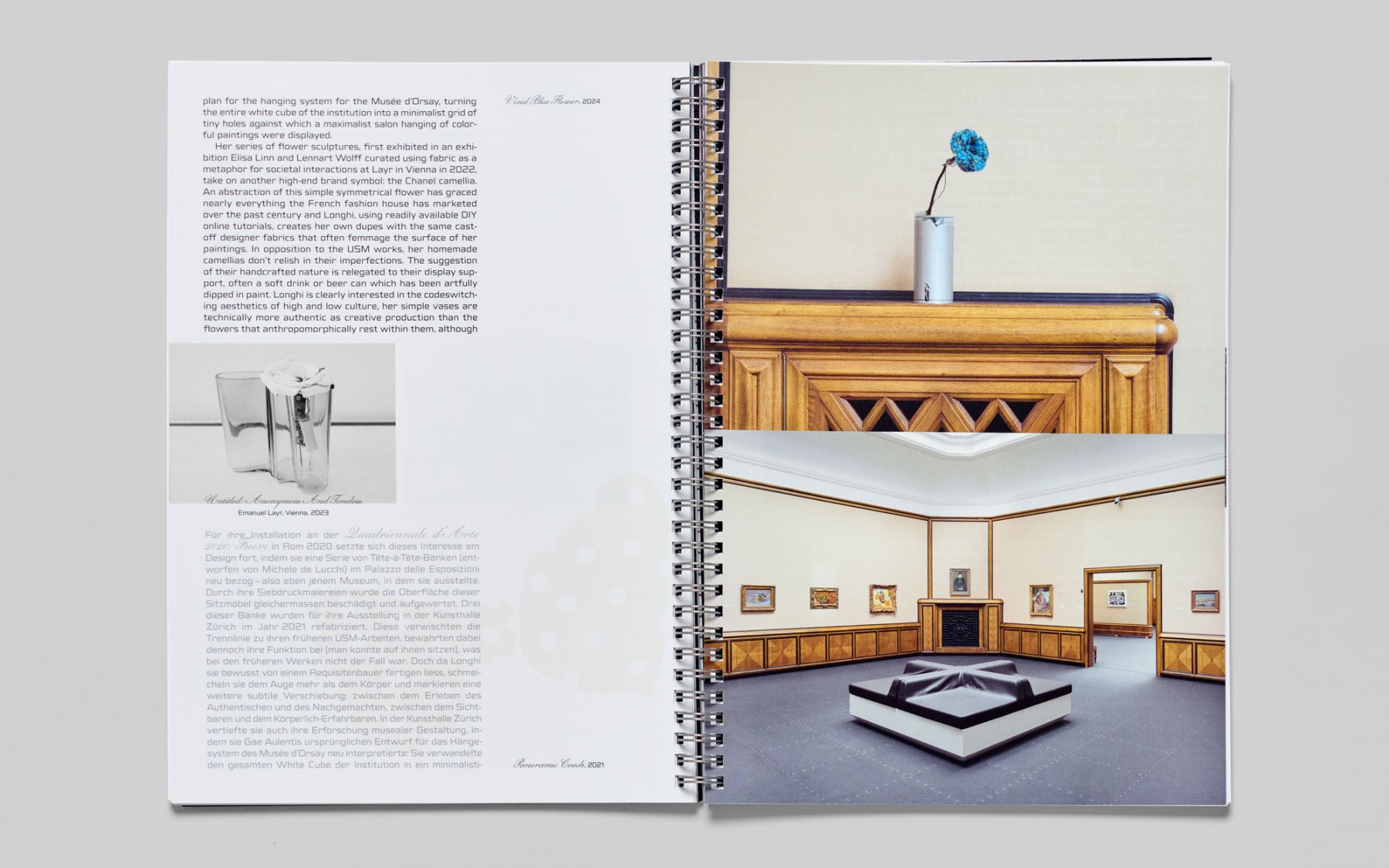
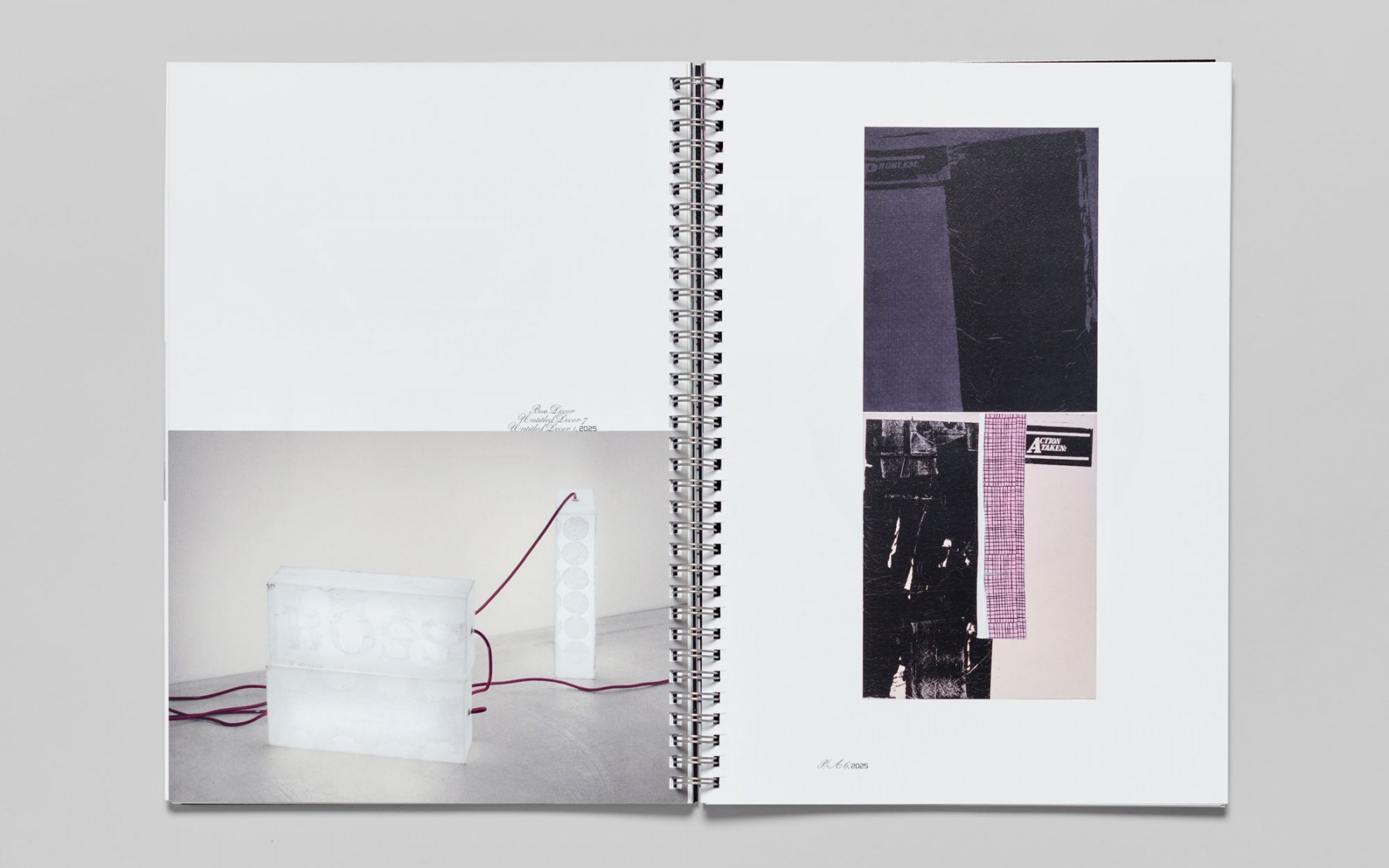
Lorenza Longhi’s practice centers on the circulation of images, materials, and value systems within consumer culture. Working across screen printing, sculpture, installation, and re-constructed furniture, she often reinterprets familiar objects and design elements to expose the subtle pressures embedded in them. By manipulating surfaces, textures, and production processes, Longhi reveals how aesthetics regulate social behavior, status, and aspiration. Her objects—whether printed panels or hybrid forms derived from interior décor—highlight the instability of meaning as things move between domestic, commercial, and institutional settings.
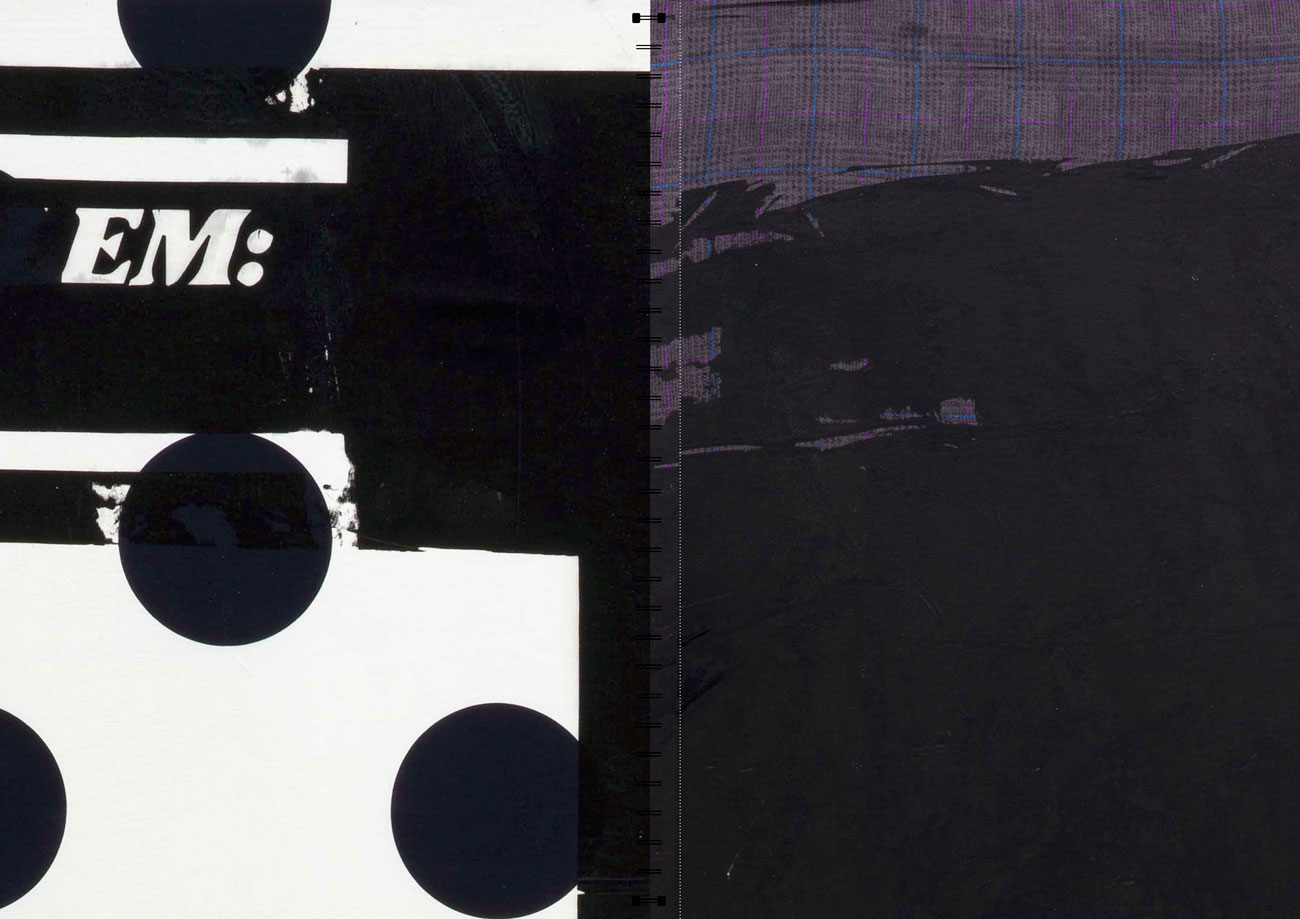
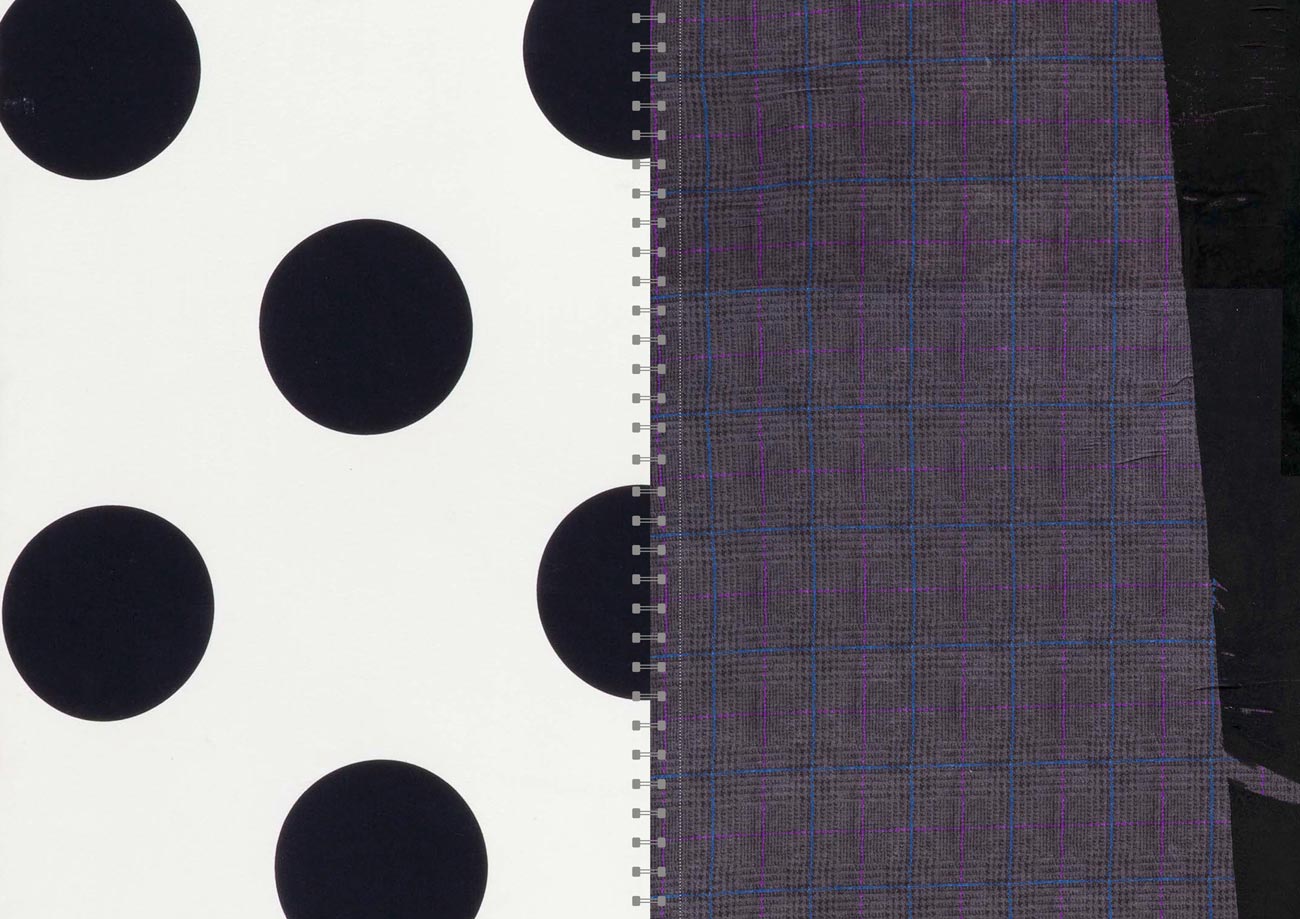
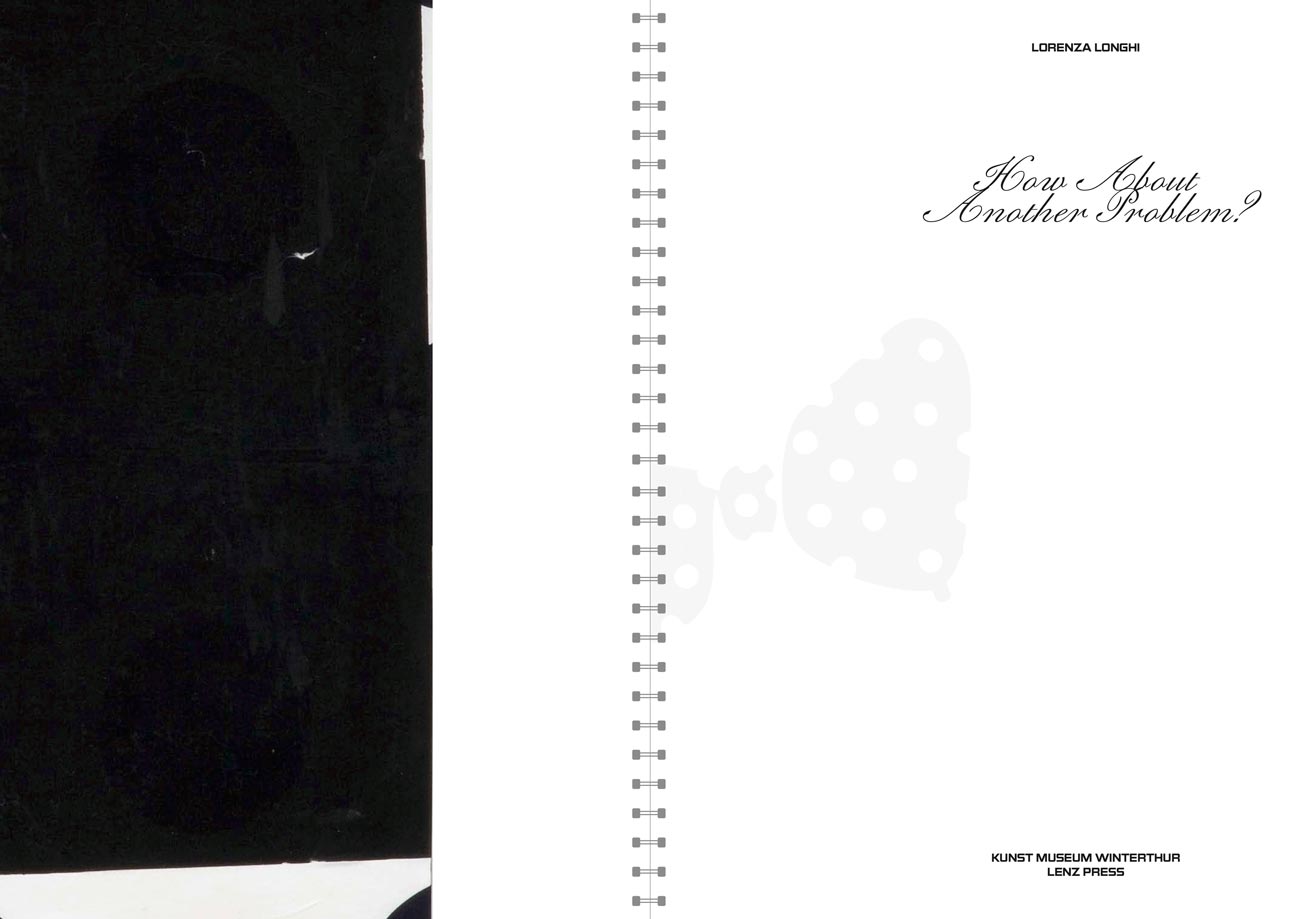
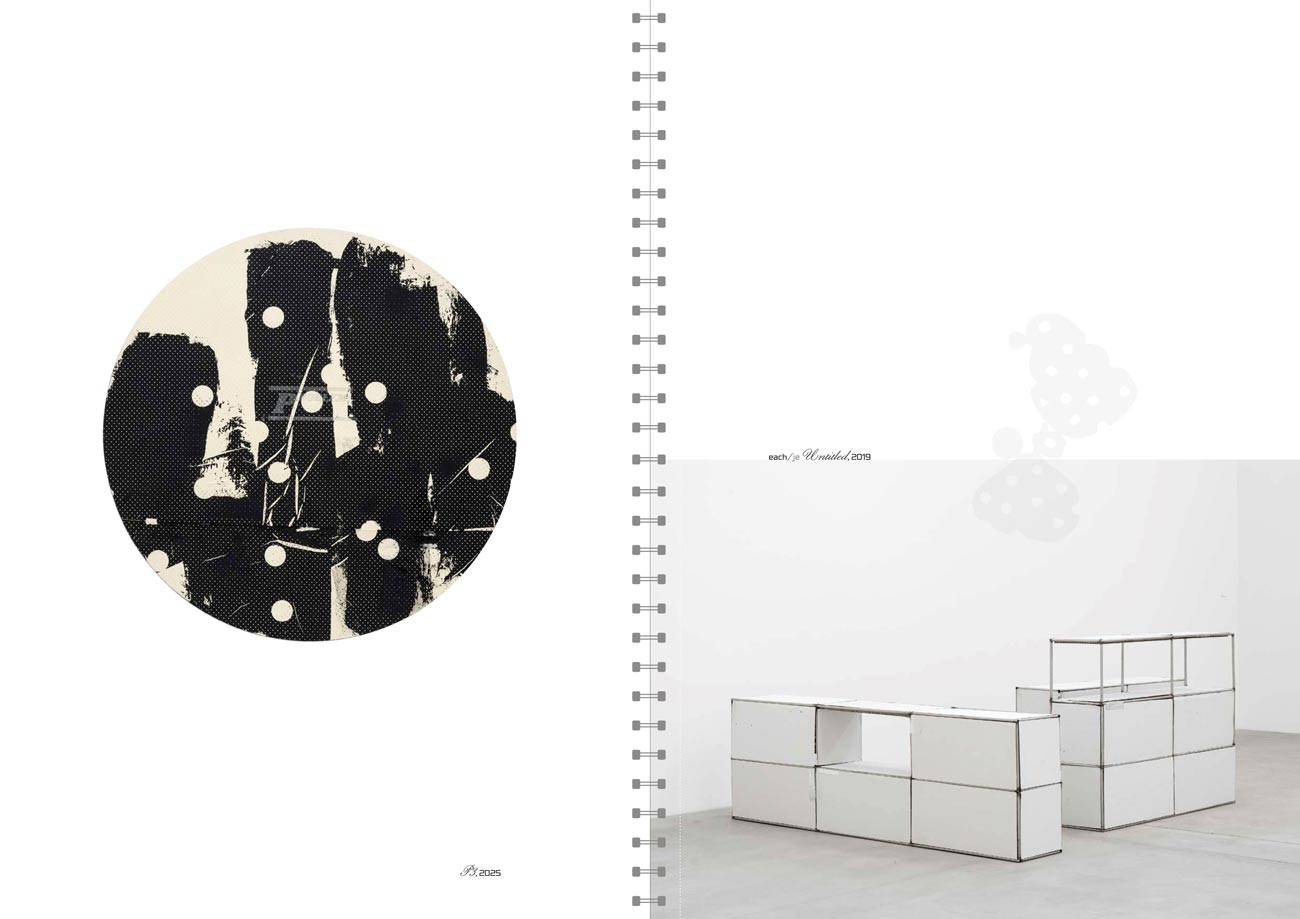
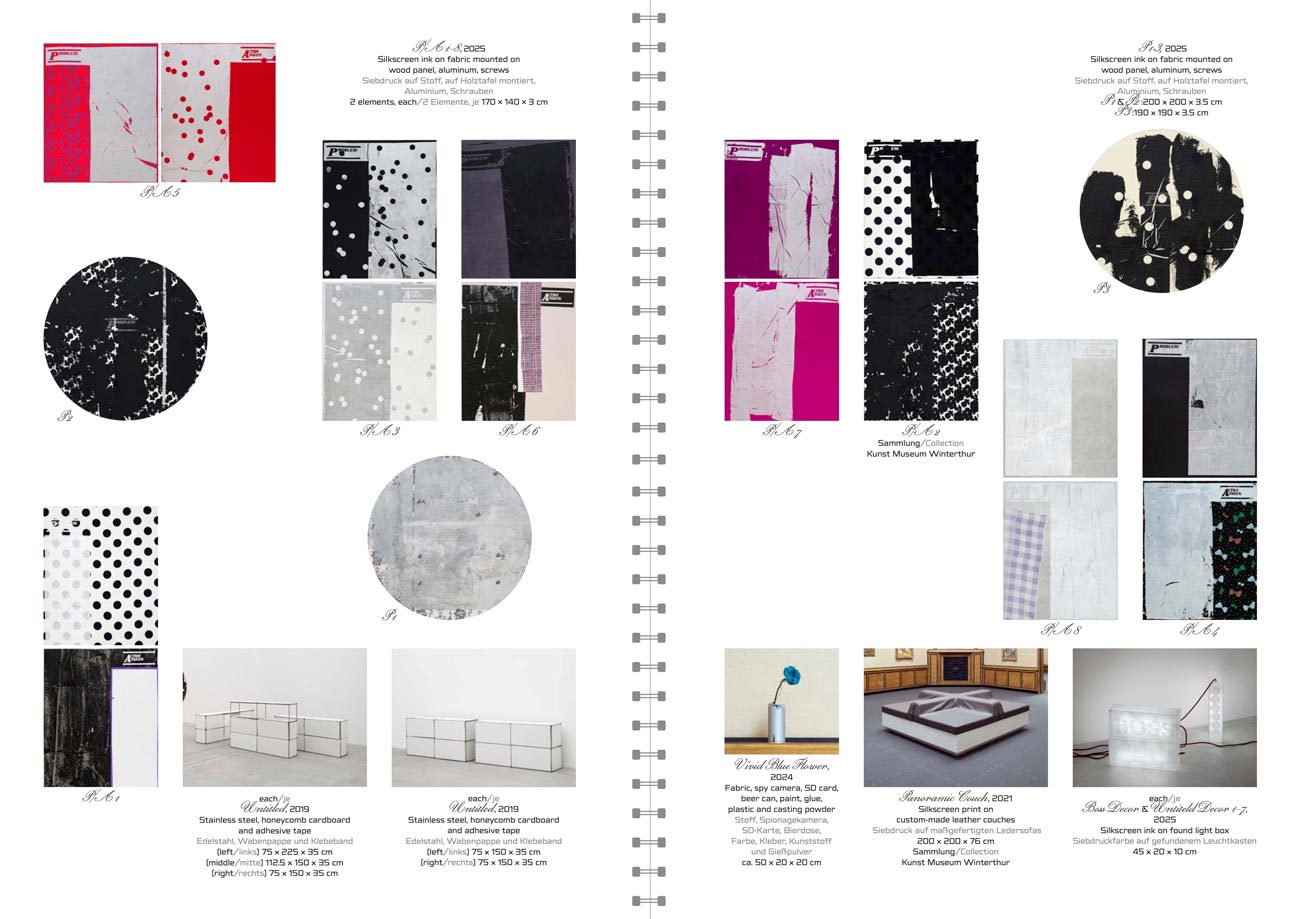
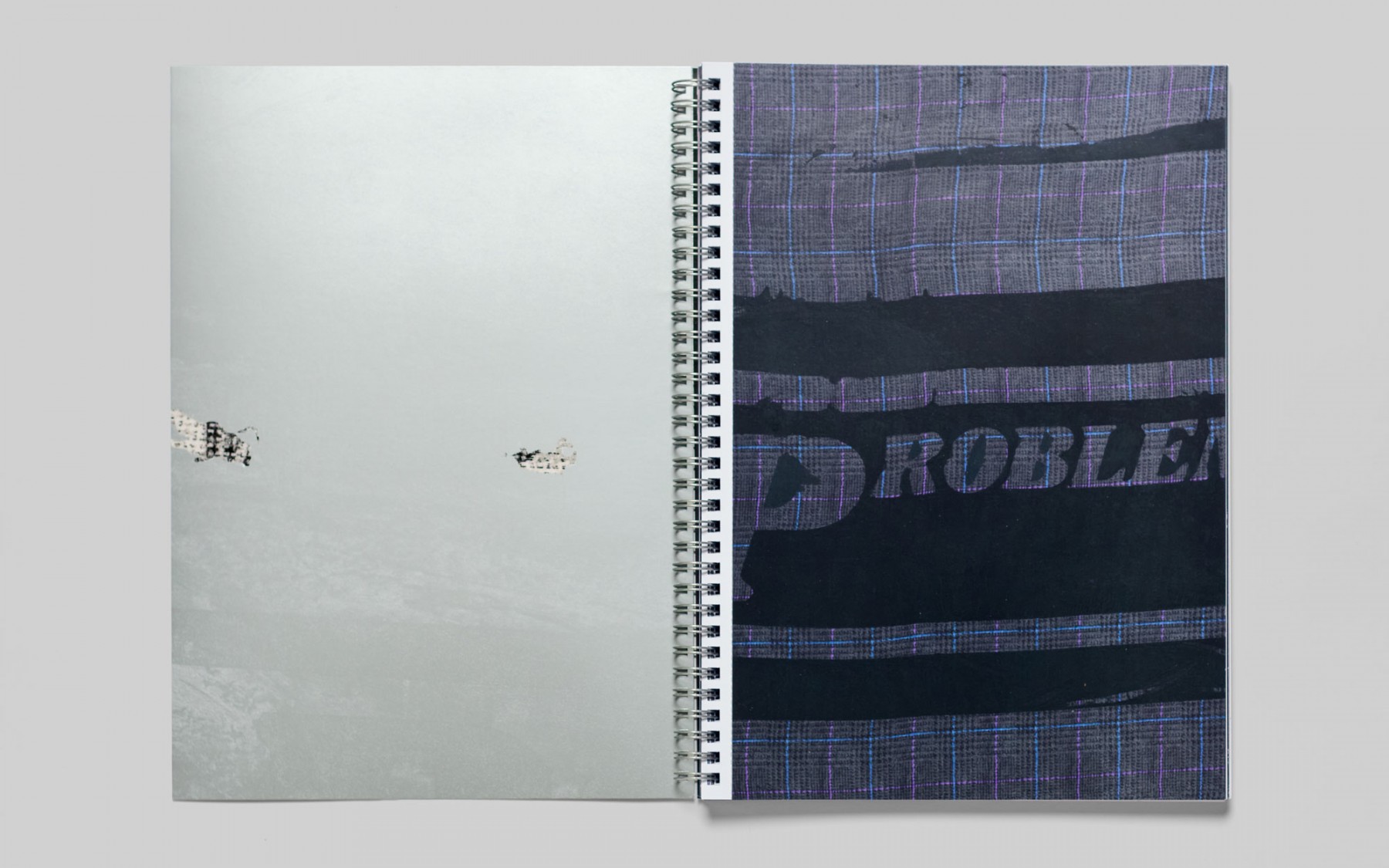
In her 2025 exhibition at Kunst Museum Winterthur, How About Another Problem?, Longhi elaborates these concerns through works that respond directly to the museum’s architecture. Screen-printed panels featuring abstracted flowers pierced by camera-lens motifs evoke the surveillance-driven visual culture shaping contemporary life. Meanwhile, elements resembling furniture or functional fixtures introduce a tension between utility and display, complicating expectations of refinement and production value. Irregularities—misalignments, visible joins, uneven prints—are deliberately preserved, foregrounding the labor behind objects typically associated with industrial perfection and consumer polish.
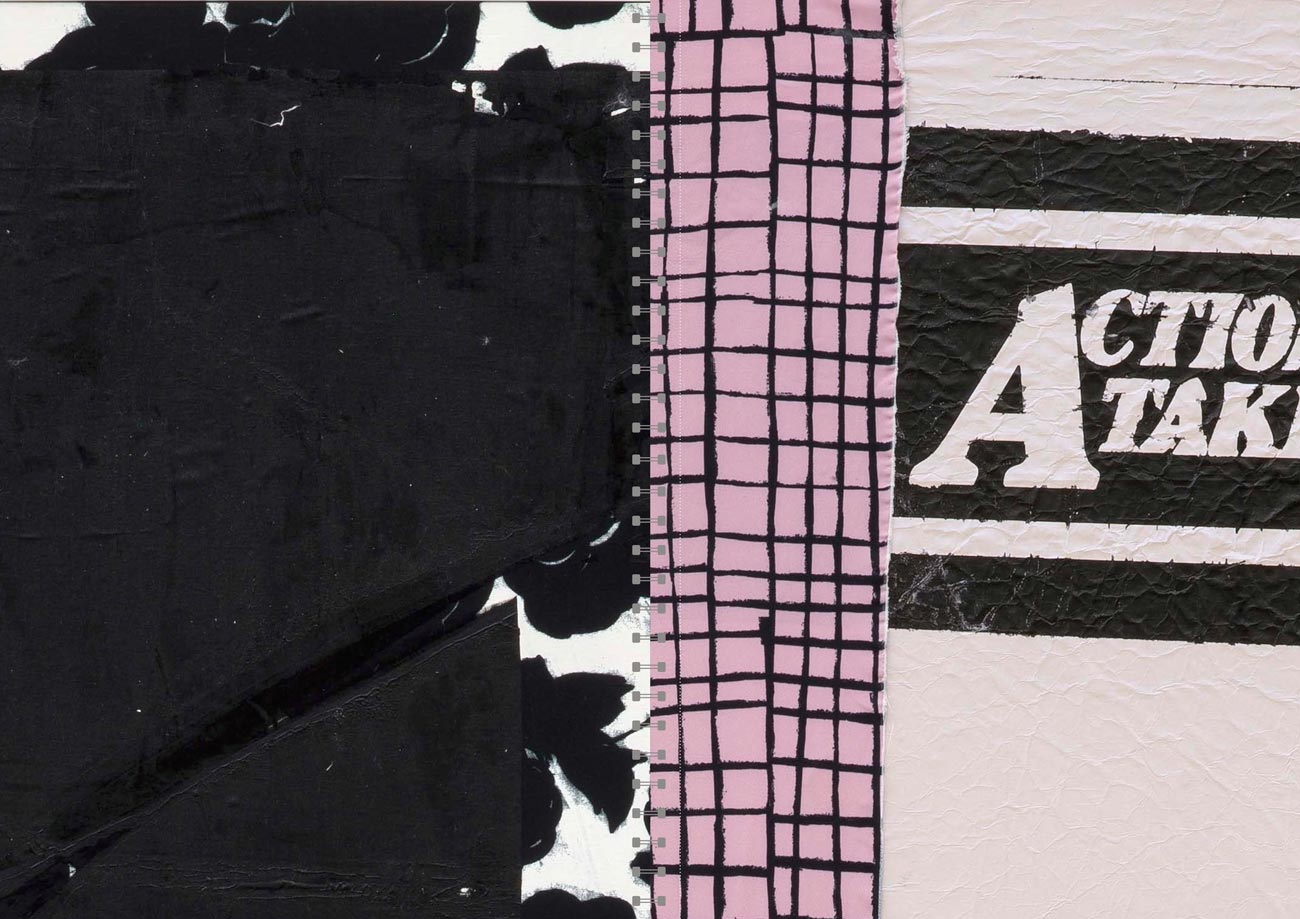
Longhi’s new spiral-bound catalogue echoes her longstanding interest in modest, industrially inflected production formats. By adopting a format associated with prototypes, manuals, or working documents, the catalogue positions itself as an active tool rather than a luxury object—extending Longhi’s ongoing examination of value, functionality, and the aesthetics of the everyday.