Through comprehensive and interdisciplinary readings of landscape, cinema, architecture, and visual culture, this first monograph builds on the storytelling dimensions that have always informed the photographic oeuvre of the Syrian artist.
The book is the outcome of an exhibition around the theme of the sacred. The resumption of historical figures, classical art-historical iconography, and everyday images intermingle in a reconstruction of reality that is dreamlike, painful, and sometimes grotesque.
Vogliamo tutto. Cultural Practices and Labor is a publication on work within a changing socio-cultural context: from the impact of the Industrial Revolution to post-industrial decline through to the rapid evolution of the digital era.
Vogliamo tutto. Pratiche culturali e lavoro è una pubblicazione sul lavoro all’interno del contesto socio-culturale in evoluzione: dagli impatti della rivoluzione industriale, al declino post-industriale, fino alla rapida accelerazione dell’era digitale.
Divine Drudgery is an artist book with collages and artworks by James Richards and Leslie Thornton, and contributions by artists, writers and poets centred around liminality and the aesthetics and politics of the invisible.
The book is the first comprehensive monograph on the polymorphous work of Athanasios Argianas. It is published on the occasion of Hollowed Water, a major solo exhibition at Camden Arts Centre in 2020 and ARCH, Athens, in 2021.
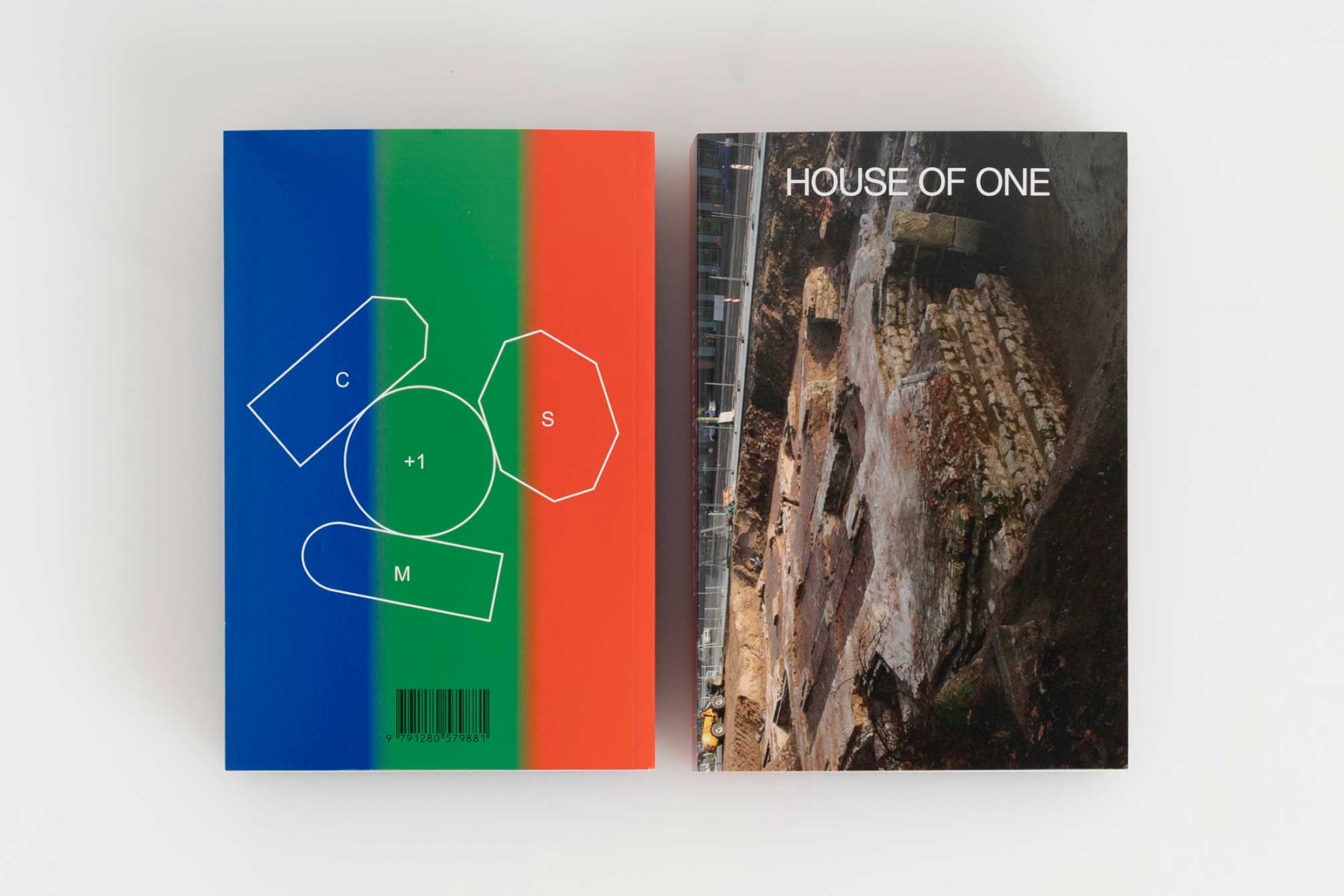
Edited by Kuehn Malvezzi
Designed by Something Fantastic
2025, English, softcover, 14.5 x 21.5 cm, 416 pages
ISBN 979-12-80579-88-1
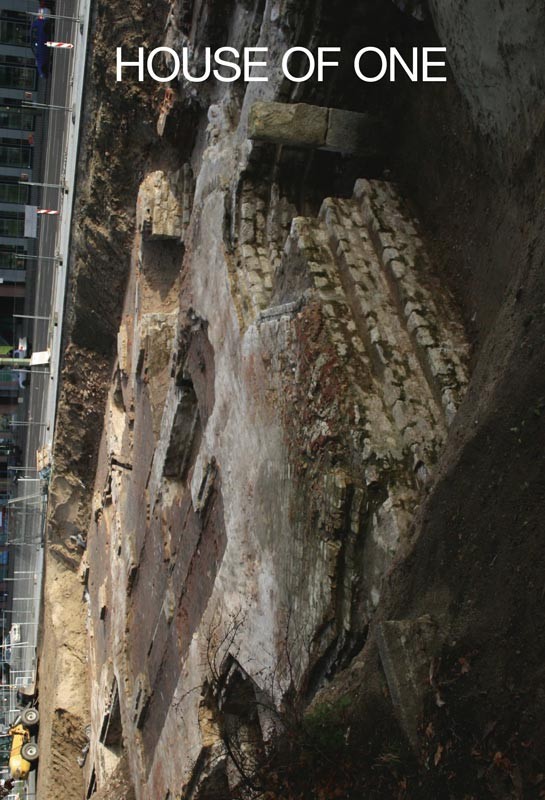
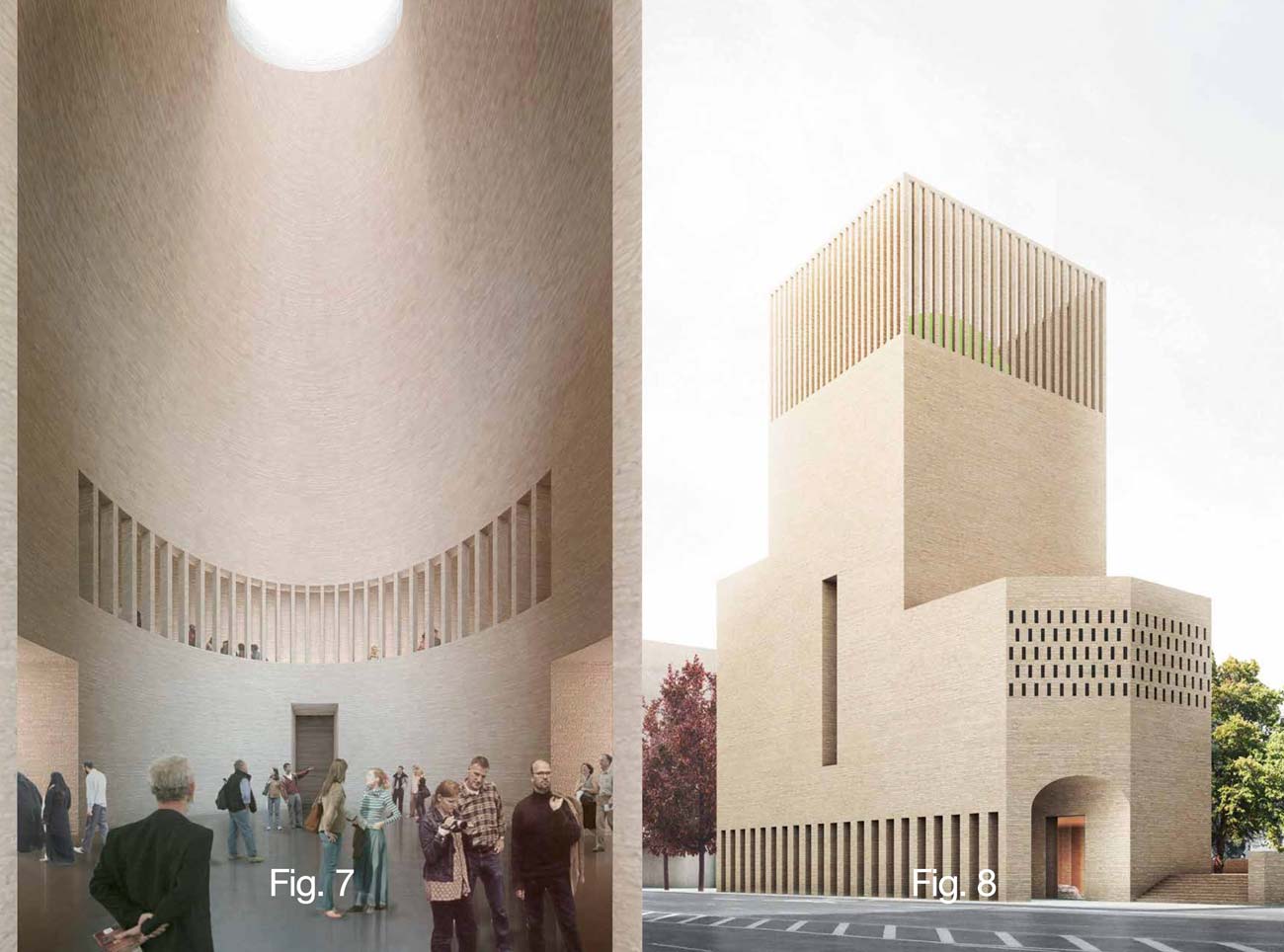
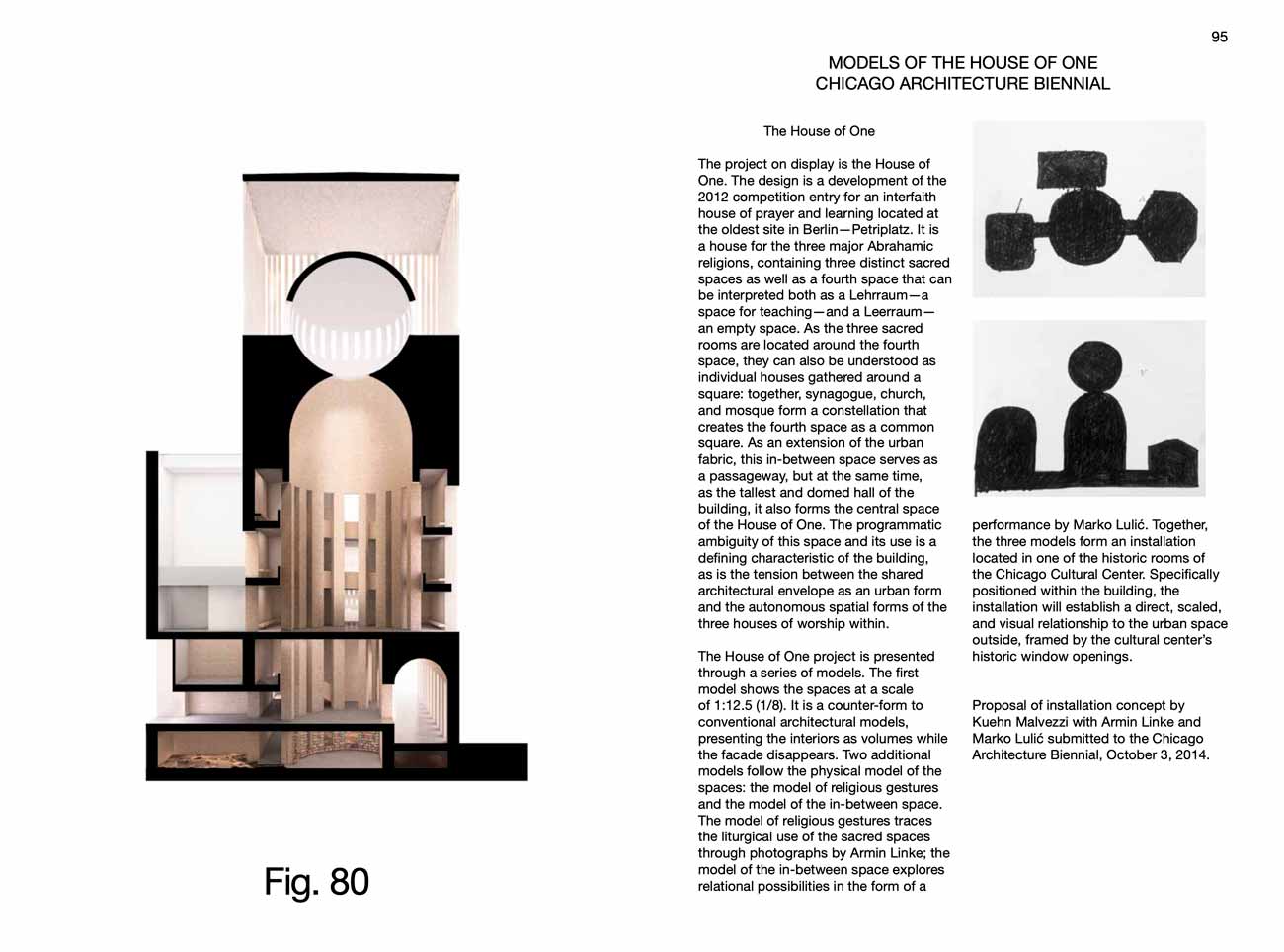
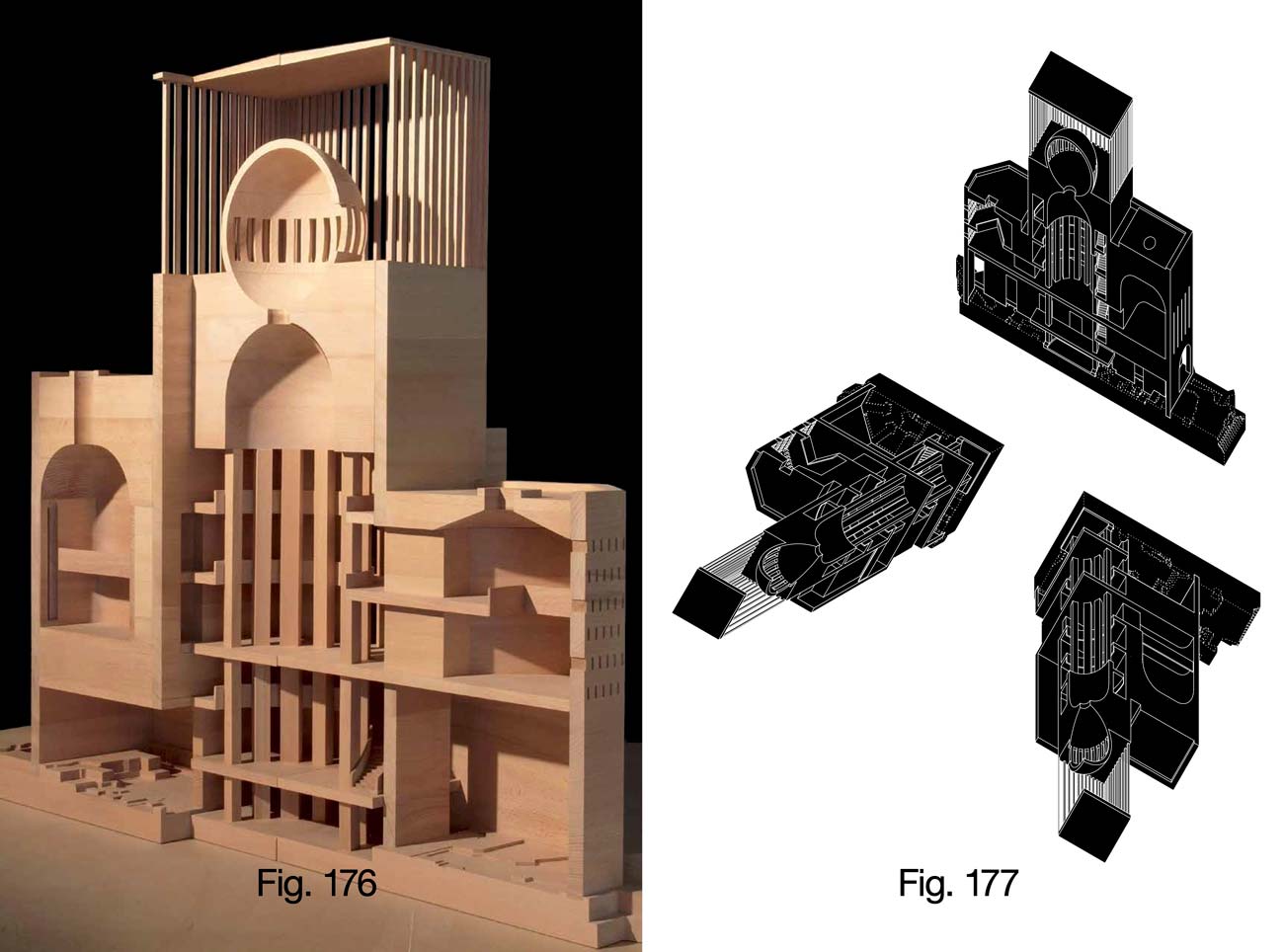
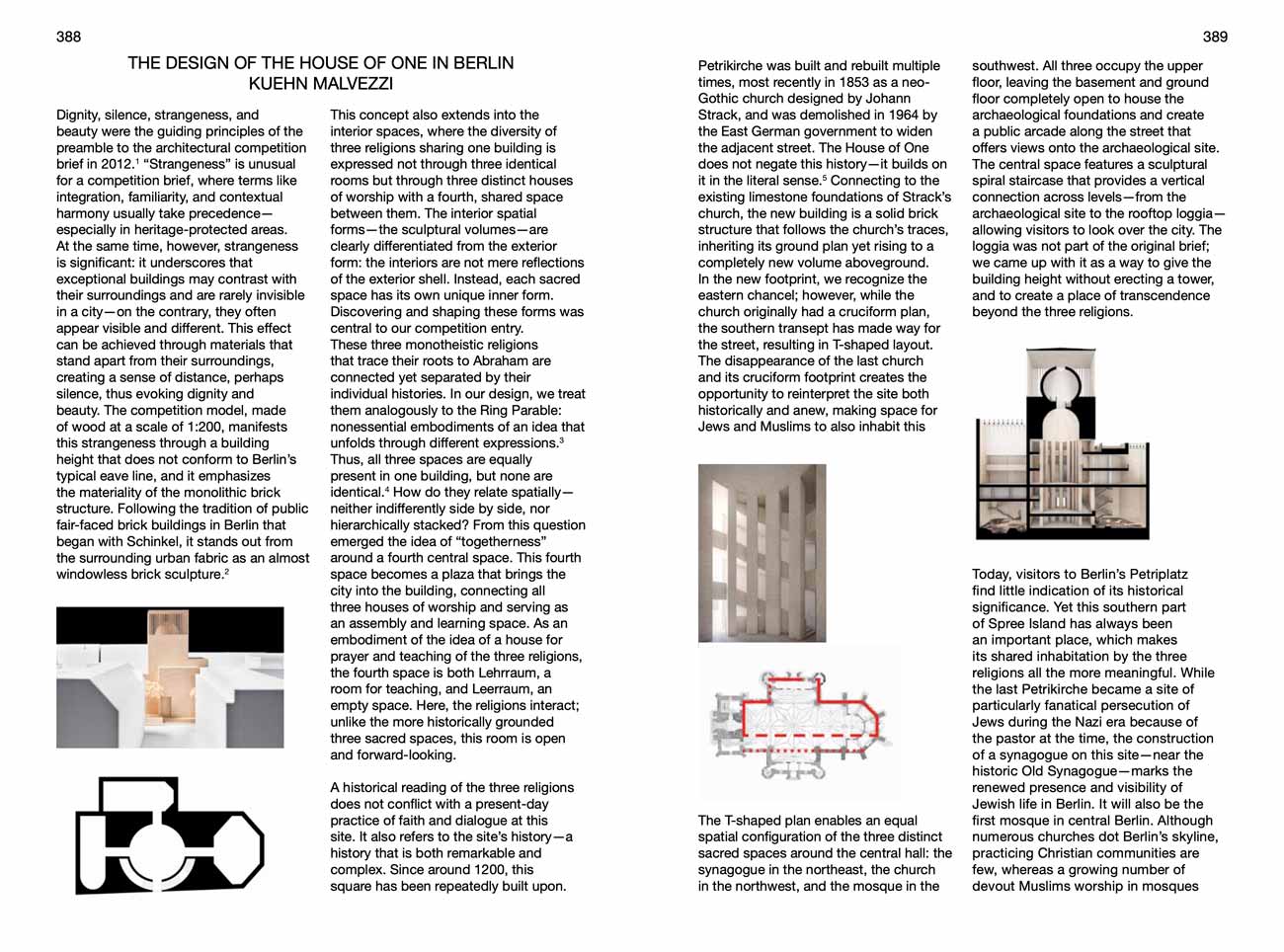
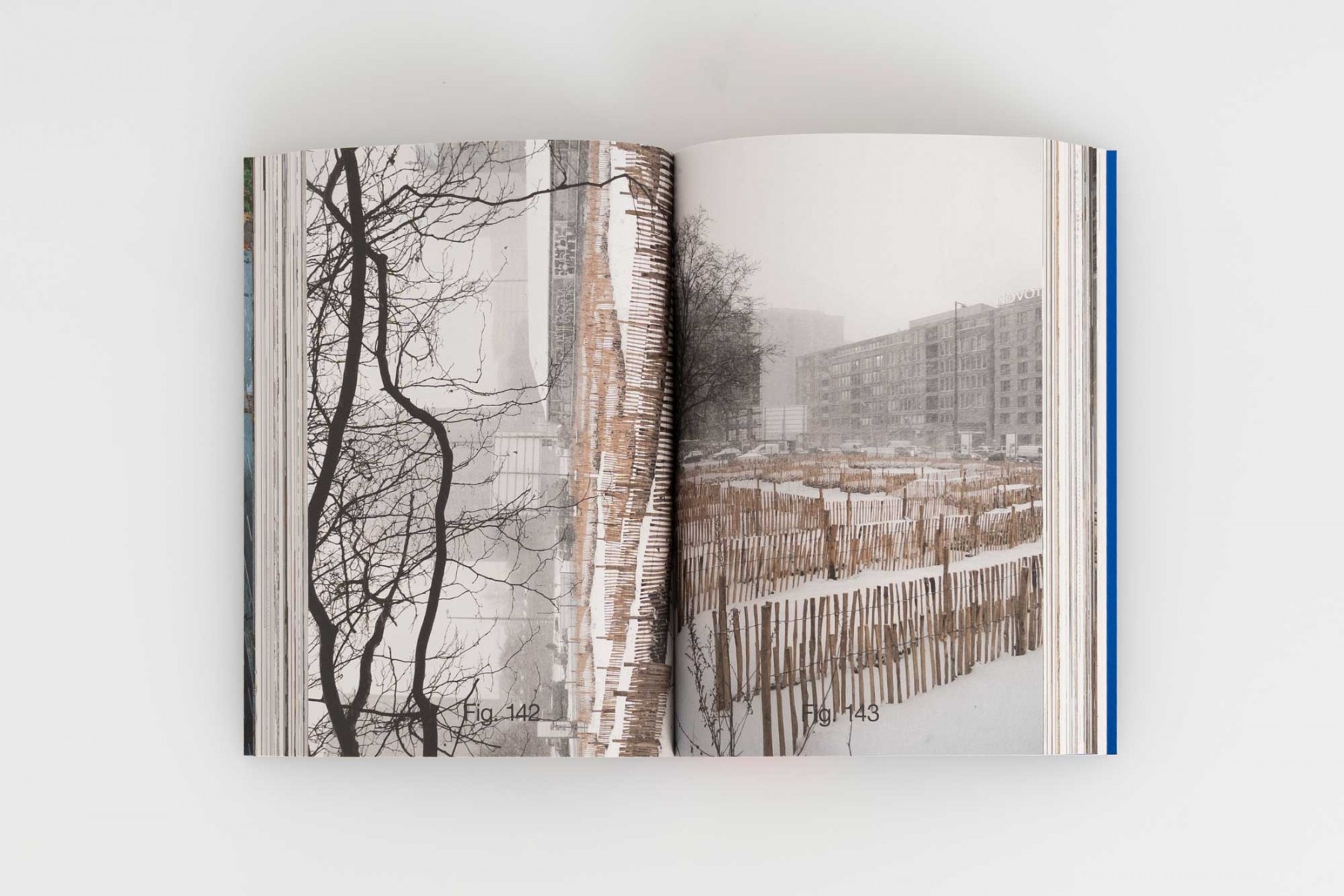
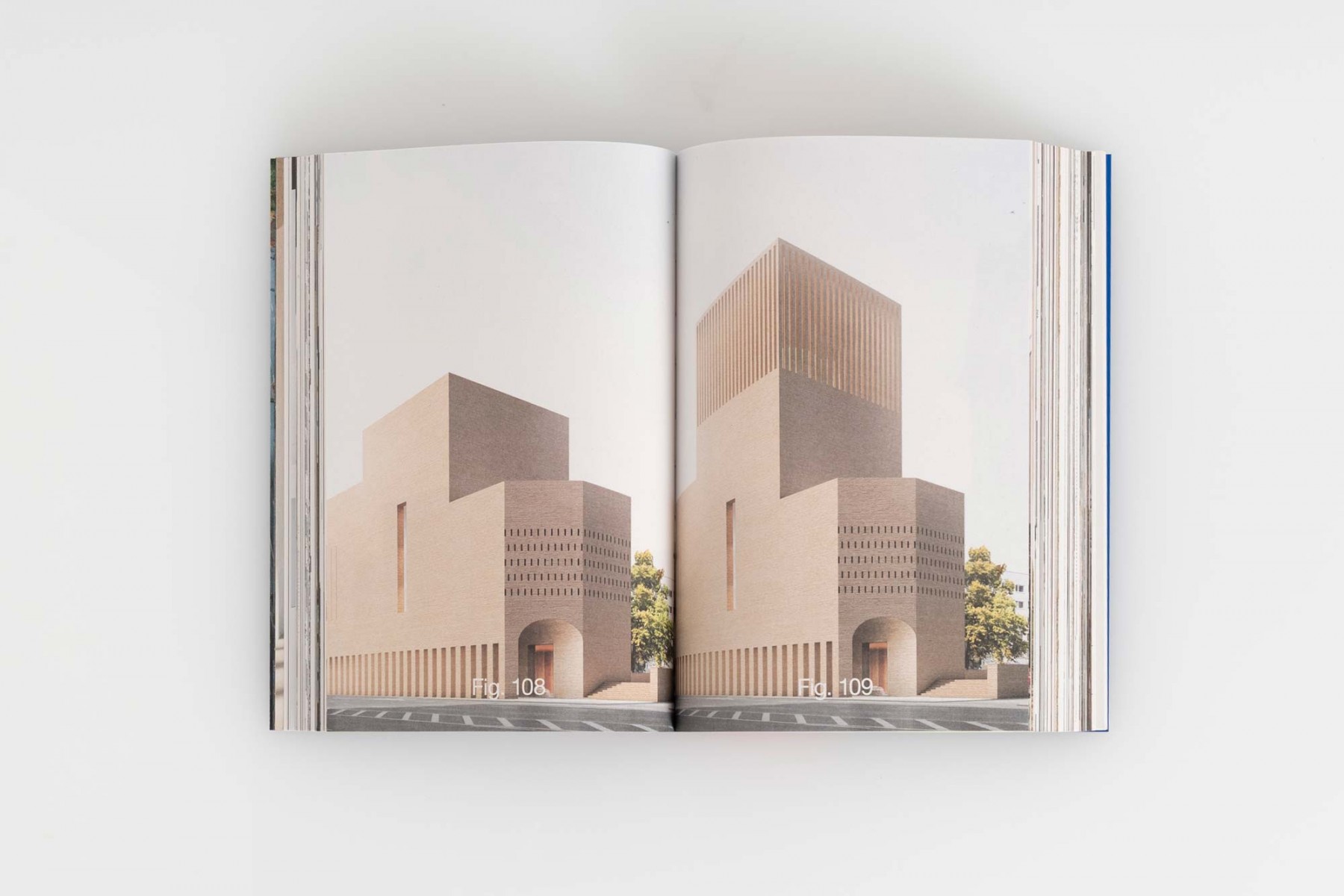
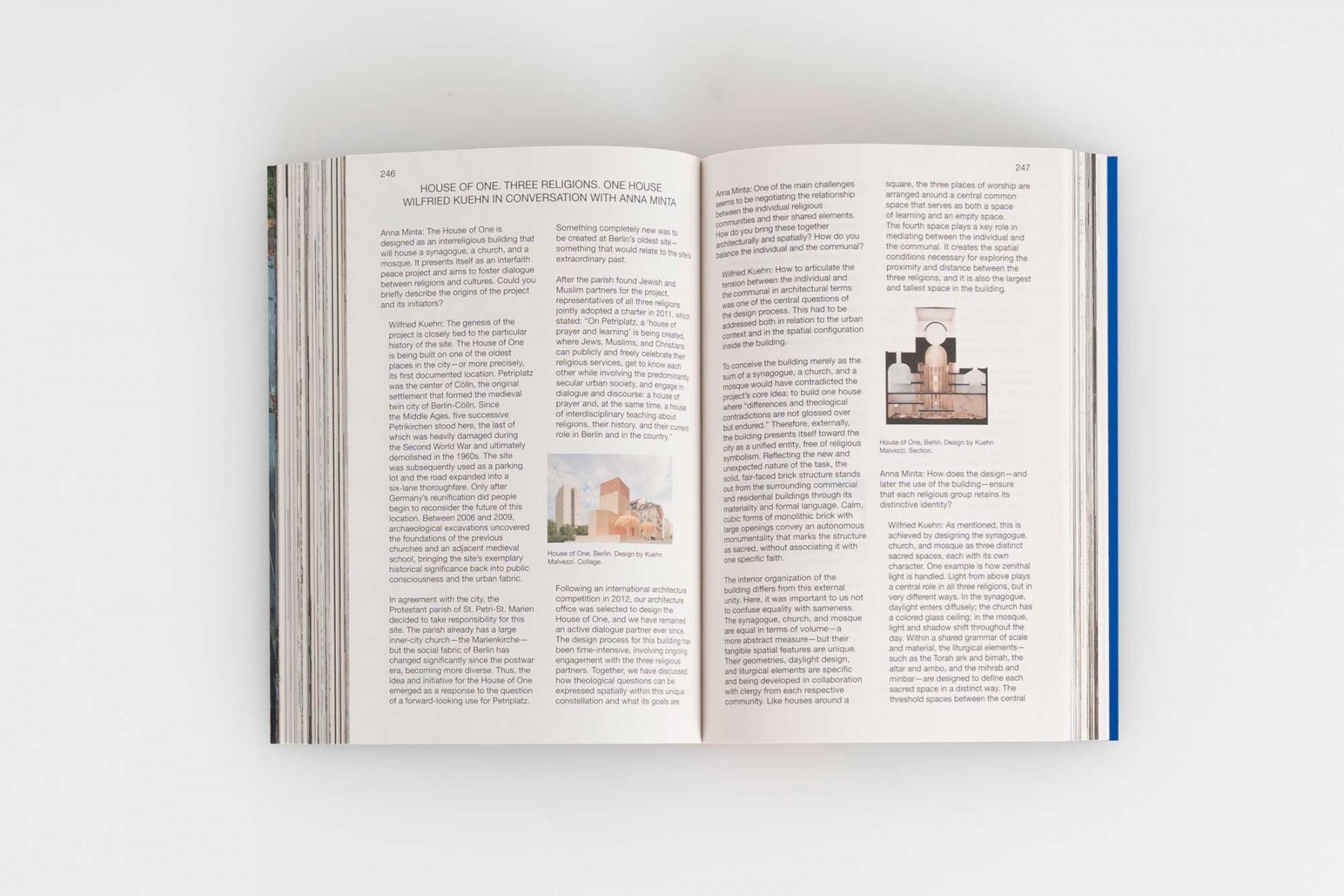
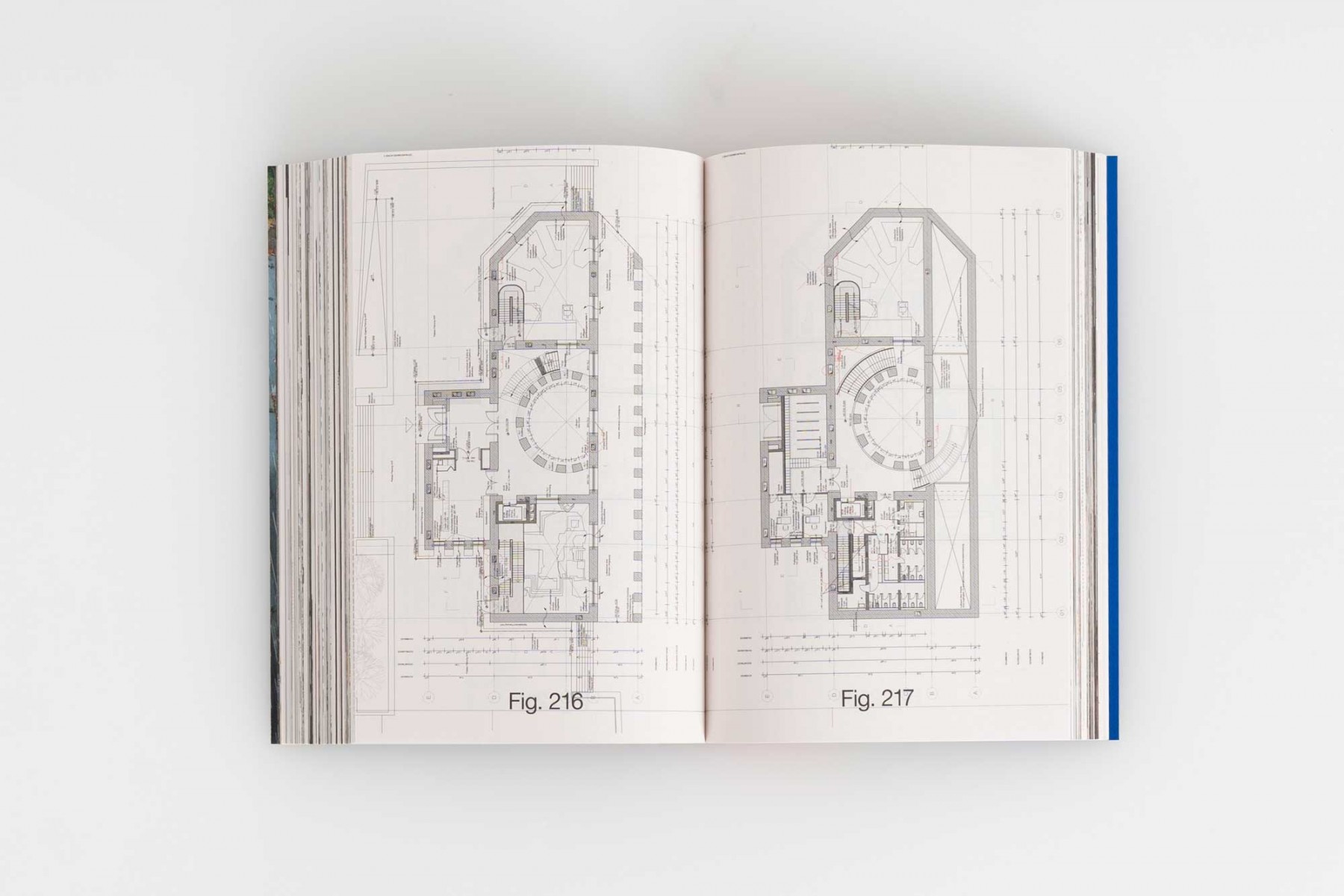
The House of One is a bold proposal by three local communities to build a house of prayer and learning for Jews, Christians, and Muslims in central Berlin. The design, which was the result of an international competition won by architects Kuehn Malvezzi in 2012, is to be built on the existing foundations of St. Petri Church, the first documented site in Berlin’s history. The concept of the House of One is based on dialogue and an understanding of other faiths. As well as being a place of worship, it will be an educational center open to everyone. The sequence of spaces follows the principle of multiplicity within unity and heterogeneity within a single building. Although their rituals are different, coming together around a central hall in one building aspires to the universal.
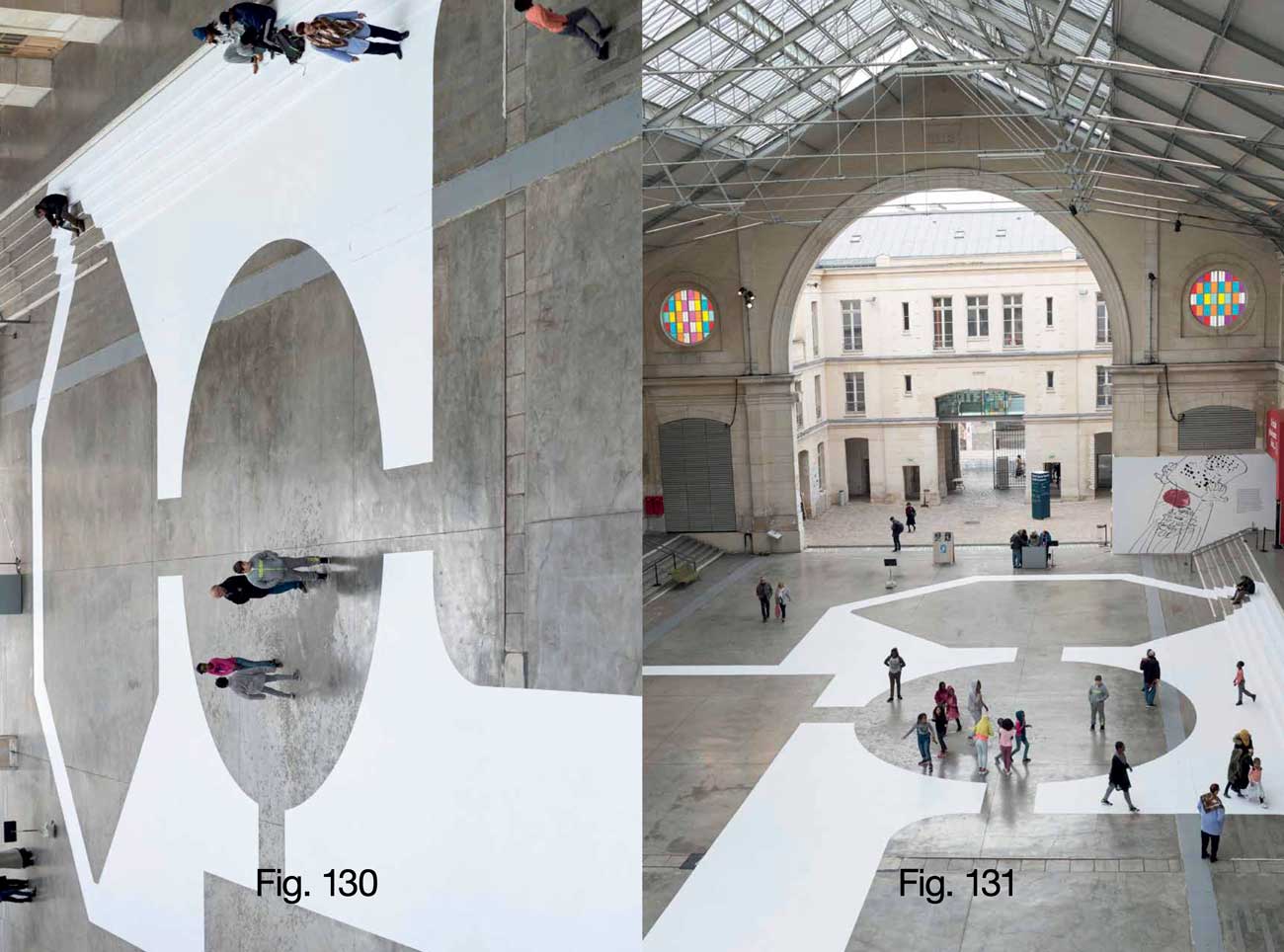
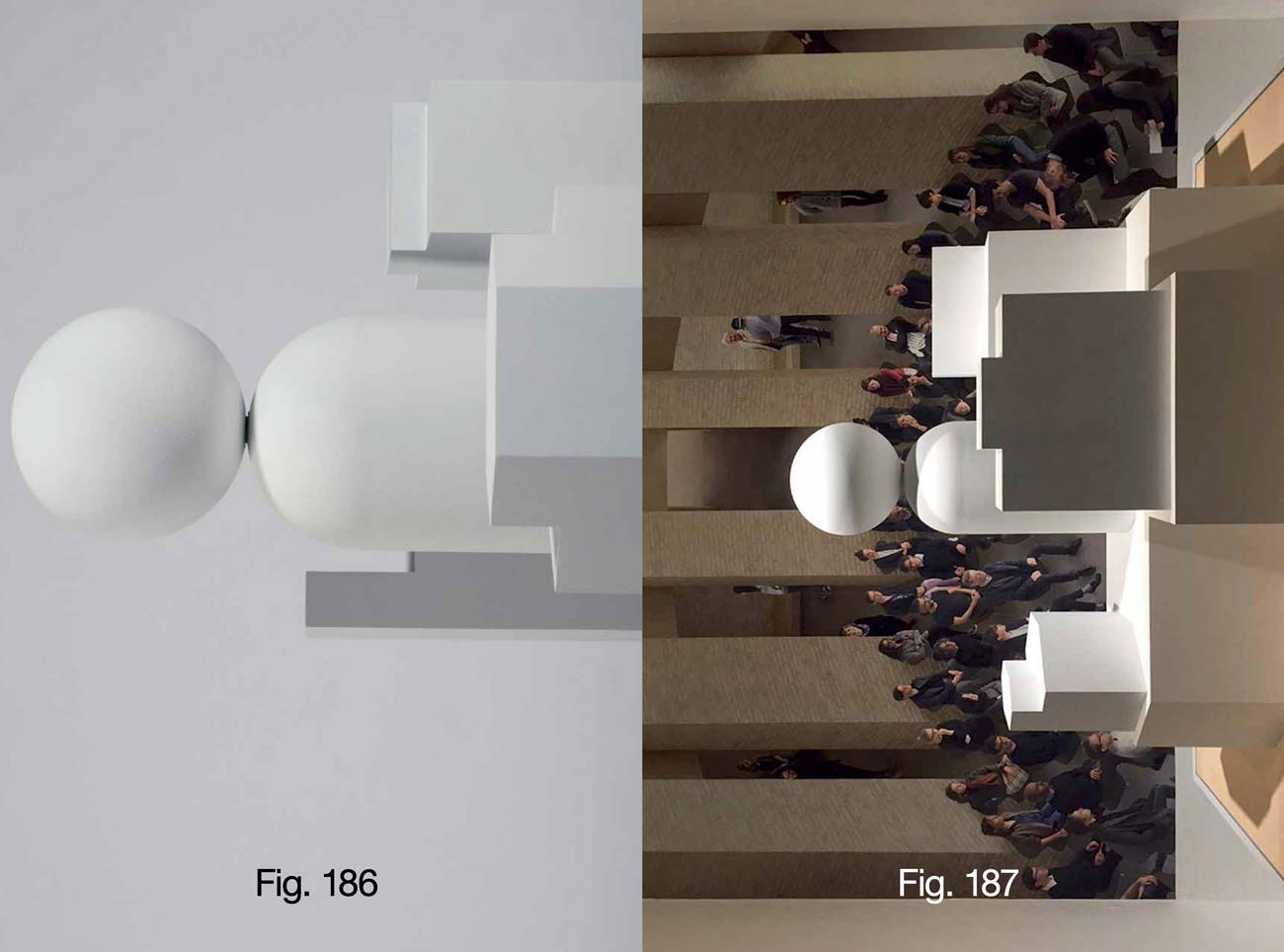
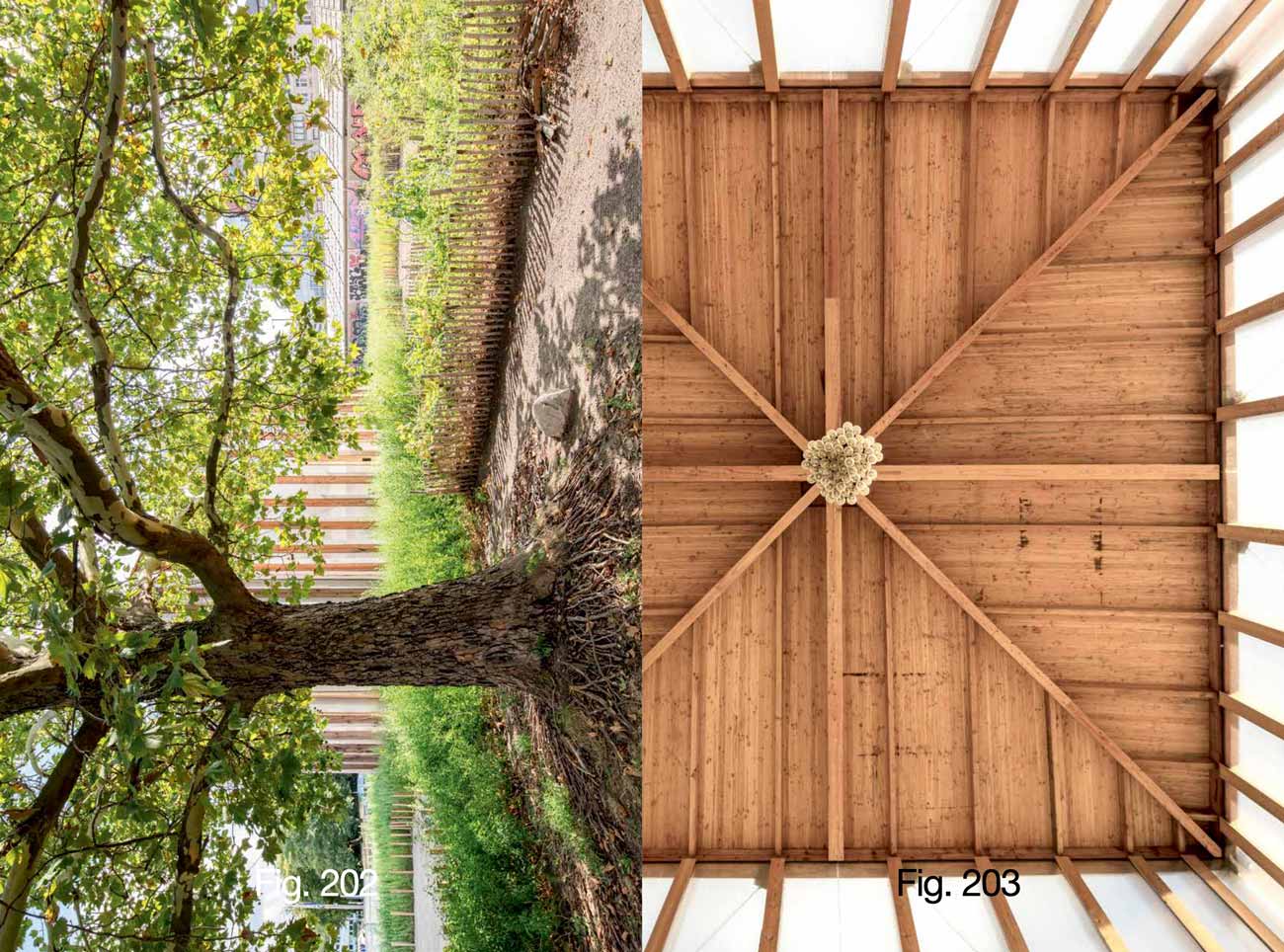
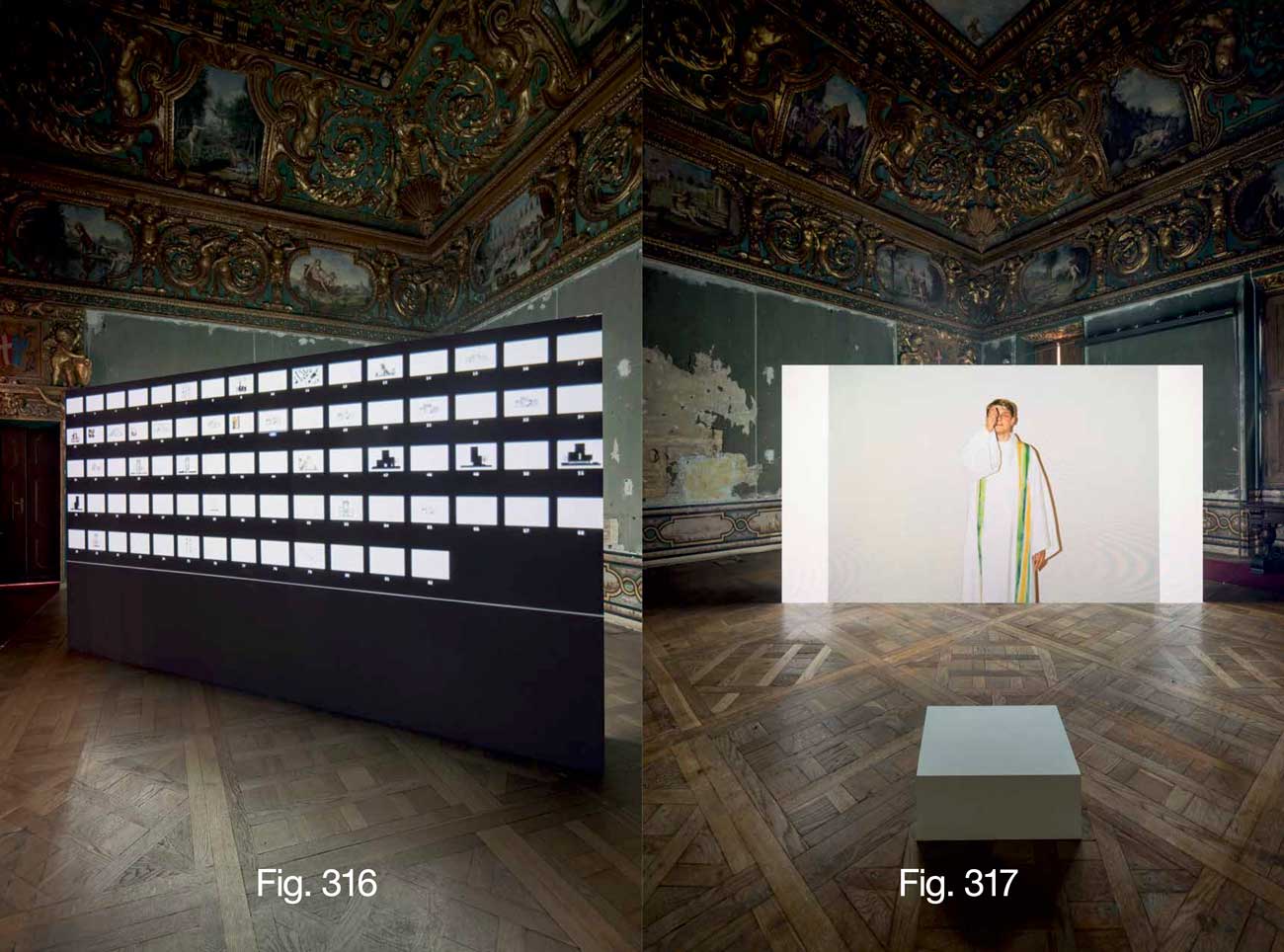
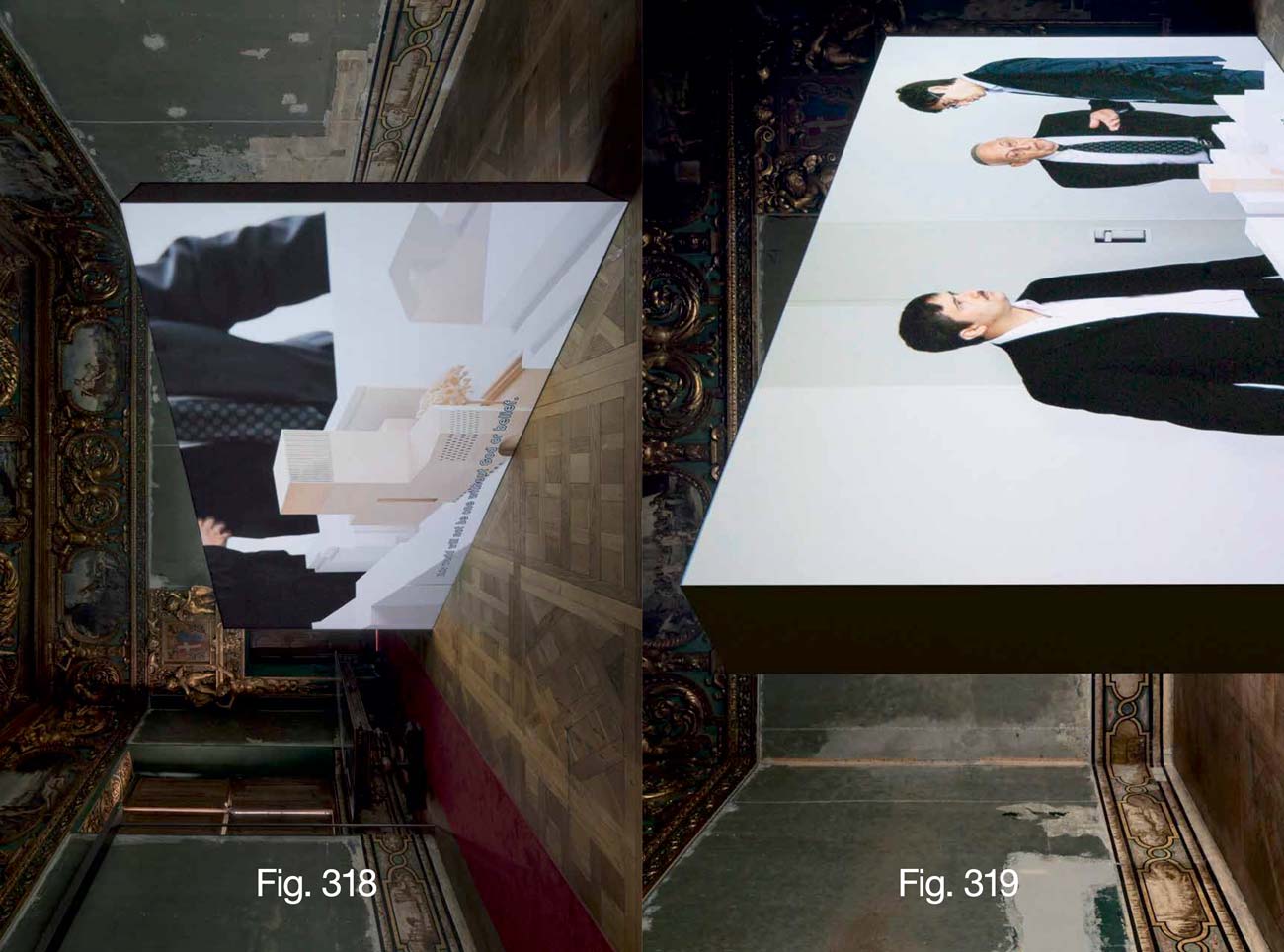
The dynamic relationship between the specific and the universal informs its architecture as a hybrid monument. Since 2012, the project has attracted considerable interest due to its uniqueness and complexity. It has been featured in numerous international exhibitions, including the Chicago Biennial and the Venice Biennale. A wooden model of the House of One is included in the collection of the Victoria and Albert Museum. This book traces the project’s development to the present day and includes details of exhibitions, articles, and contributions from artists who have interpreted the House of One through videos, photographs, and performances.