Through a rich selection of images, this artist’s book, published in two editions—gold and silver—explores the birth, life and death of Francesco Gennari’s work Vorrei perdermi e non trovarmi più, 2022, exhibited for the first time at the Ciaccia Levi Gallery in Paris.
This richly illustrated publication combines artwork, archival and process imagery, and includes an extended interview with the artist, as well as new essays by key thinkers in the fields of anthropology, philosophy, political economy and art history.
In the first monograph on the feminist conceptual artist collective Claire Fontaine, political theorist and somatic practitioner Anita Chari explores the artist’s theoretical and political innovations to illuminate a more haptic, embodied approach to the practice of critical theory.
Shahryar Nashat inserts his art in the pages of this new artist’s book, which takes the form of a catalogue-turned-manual: but instead of explaining its meaning, he strips it of its aura, flaunts its nature as an object and describes step-by-step how to create it.
Martin Heidegger, Glenn Gould, Jacques-Louis David, Cy Twombly, Paul Engelmann and Ludwig Wittgenstein: characters that Francesco Arena has chosen or rediscovered in multiple contexts over the time recur in this book. Ranging from philosophy, to music, to visual arts, they embrace the whole world of knowledge.
This first institutional monograph on the multimedia practice of artist and director Ali Cherri aims to highlight the themes and formal concerns running through his most recent, highly significant projects at GAMeC, Bergamo; Frac Bretagne, Rennes; Swiss Institute, New York; Biennale Arte 2022, Venice; and the National Gallery, London.
Edited by P. Staff with Samuele Piazza
Designed by Studio Dominik Krauss
Published with OGR, Turin
2026, English, softcover, 13 x 19 cm, 136 pages
ISBN 979-12-80579-94-2
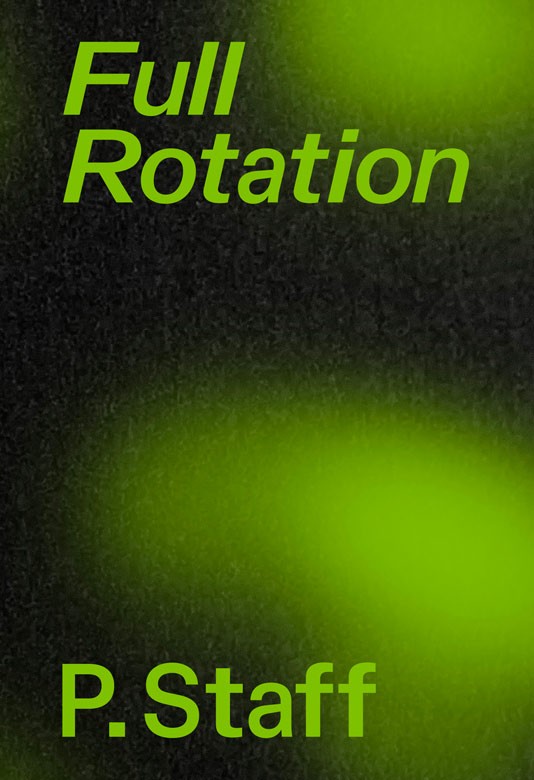
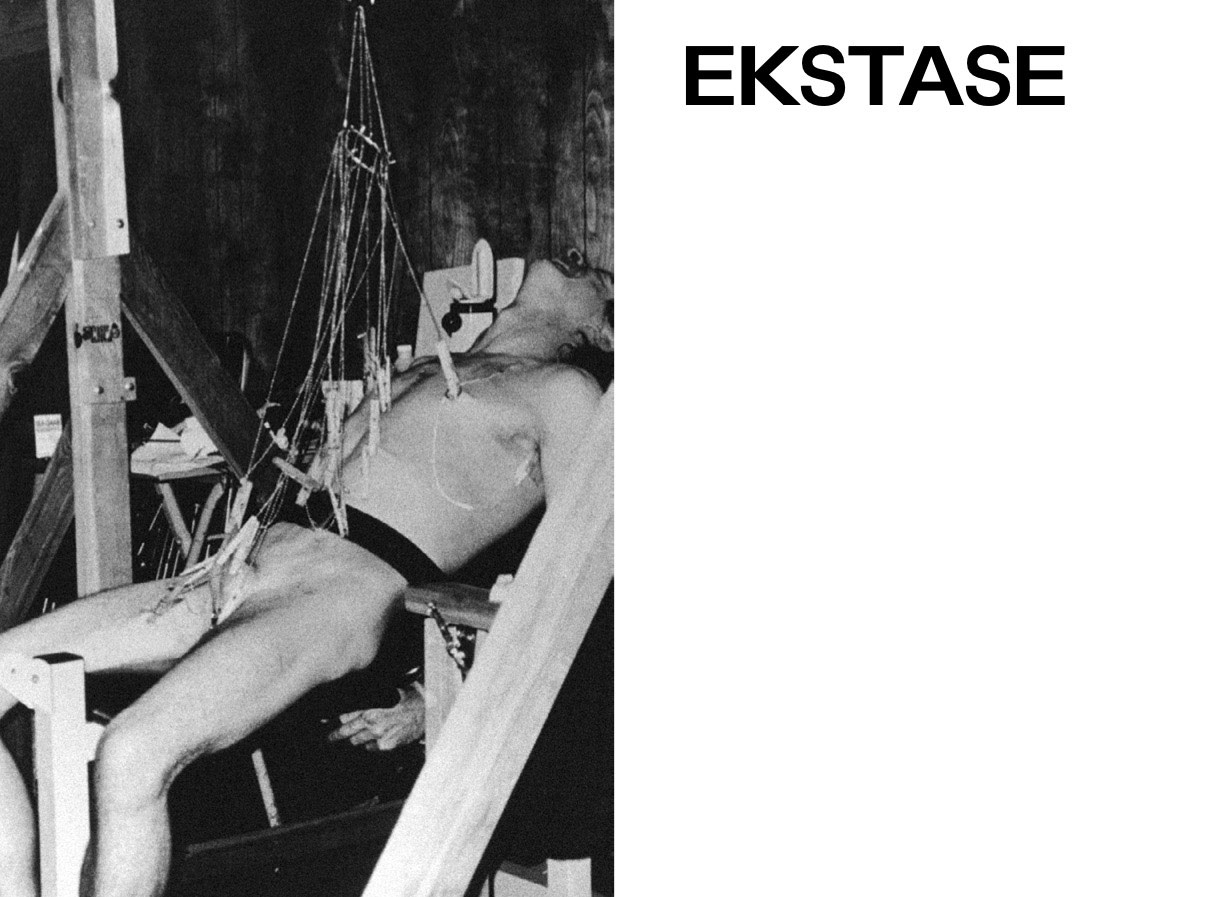
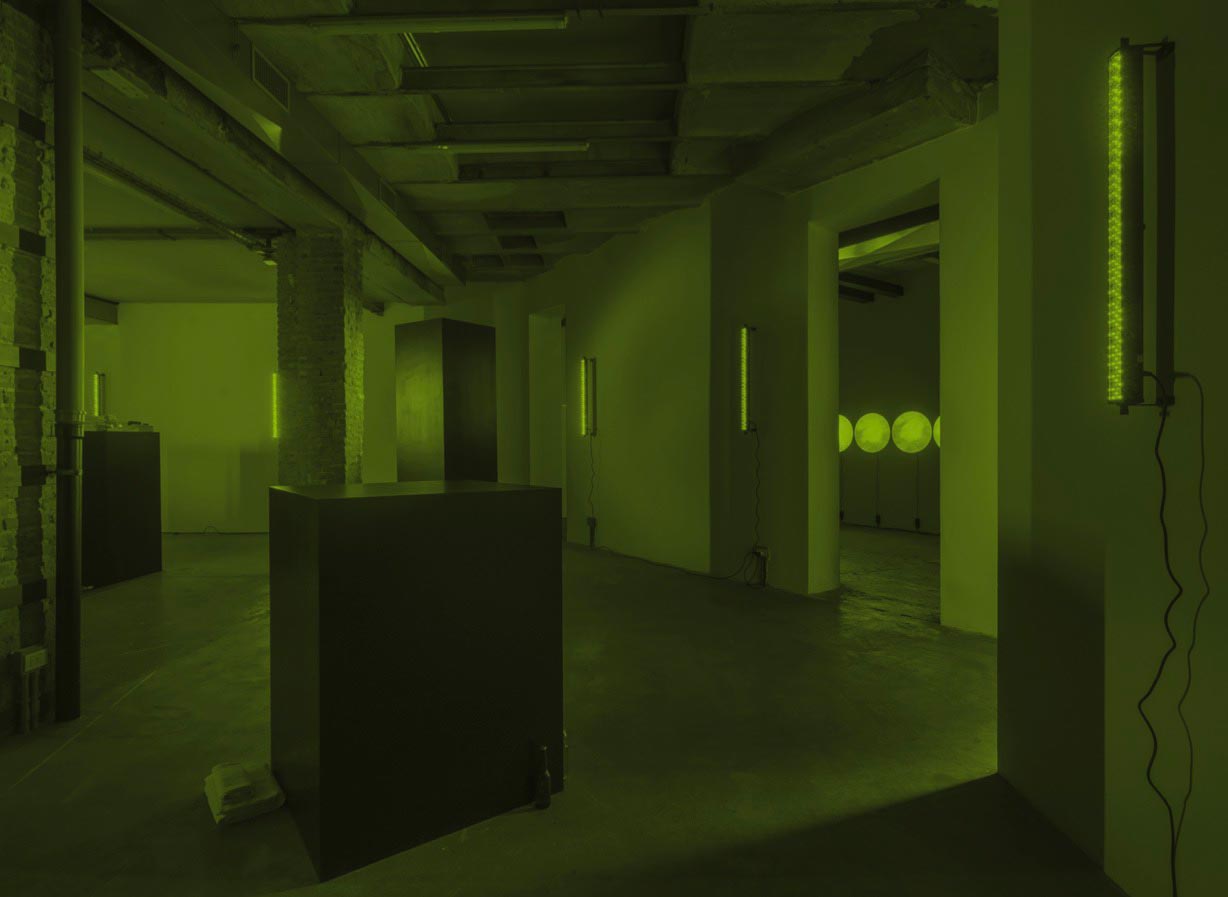
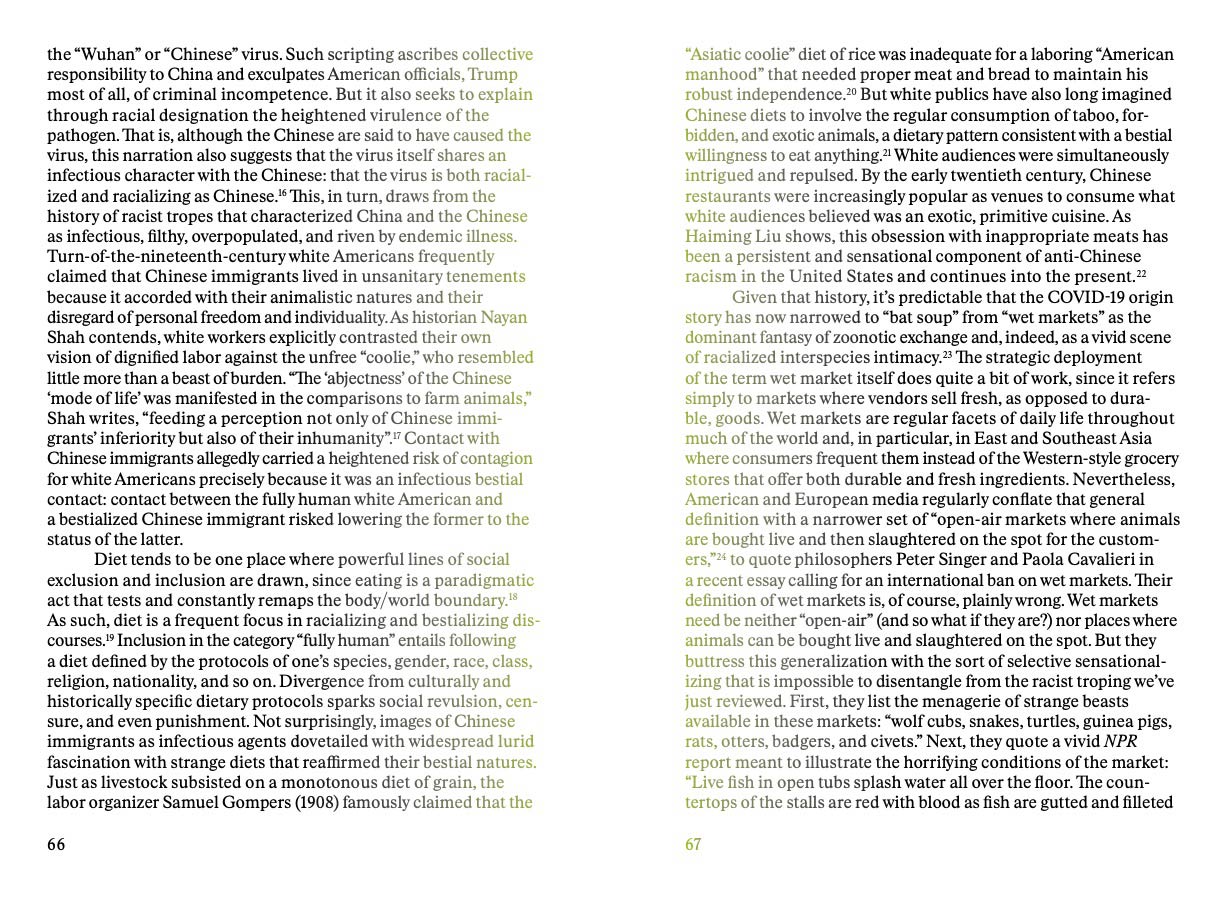
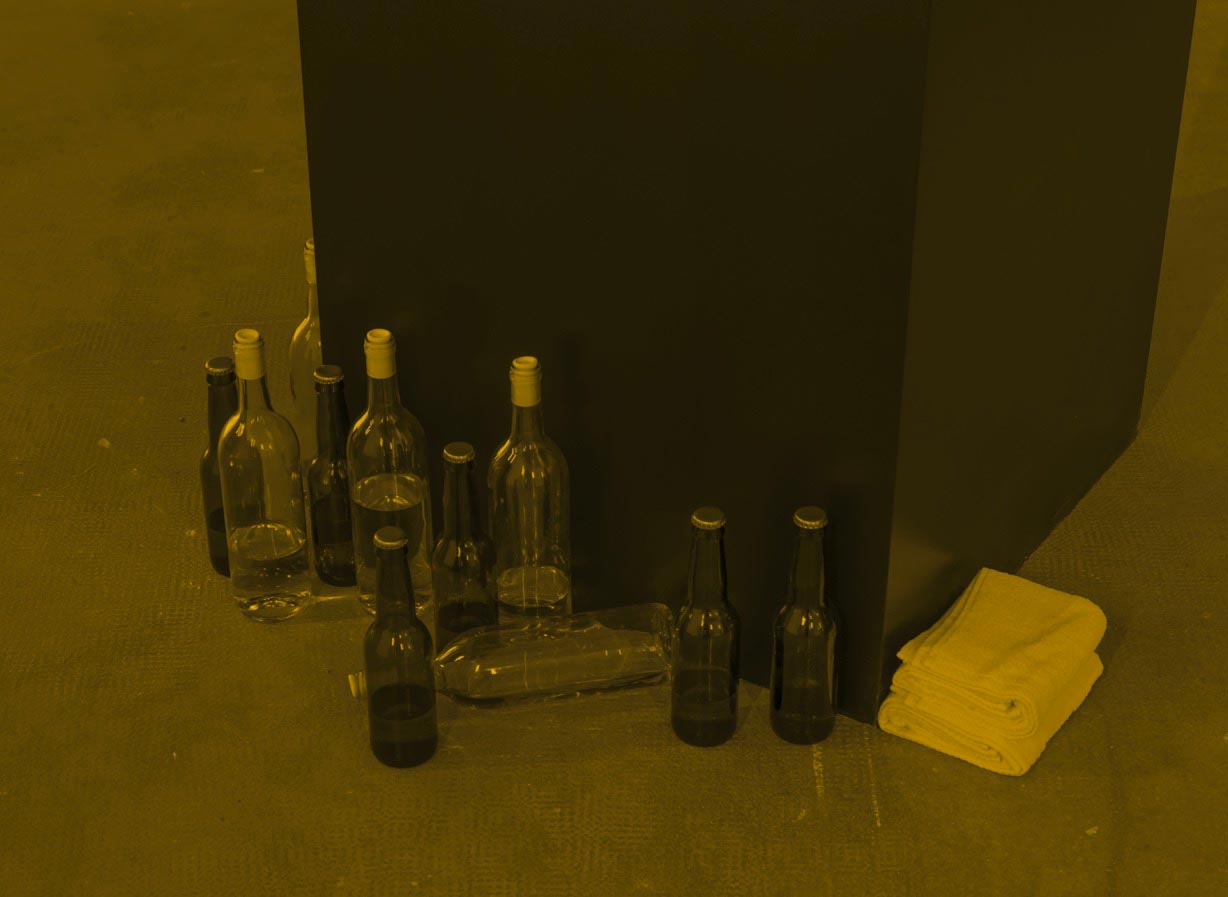
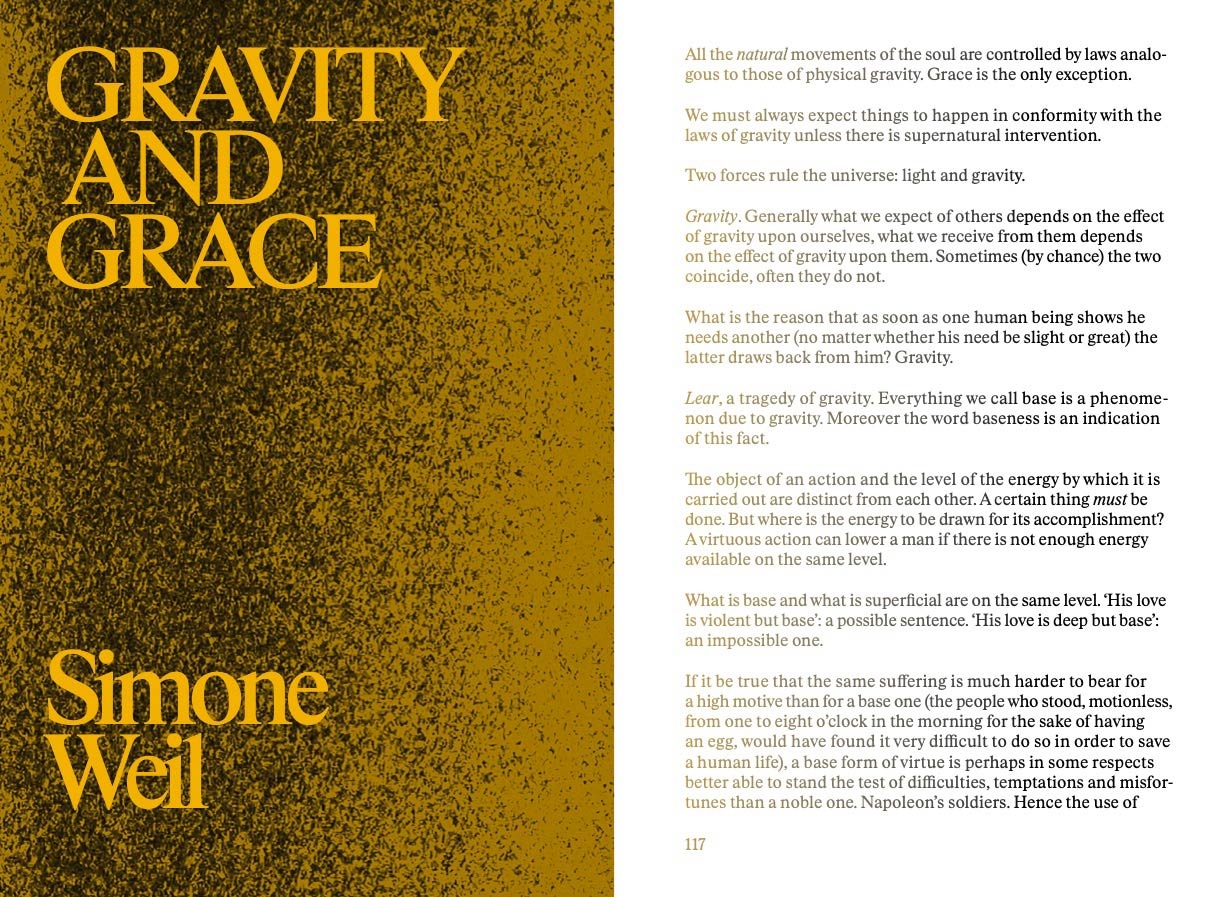
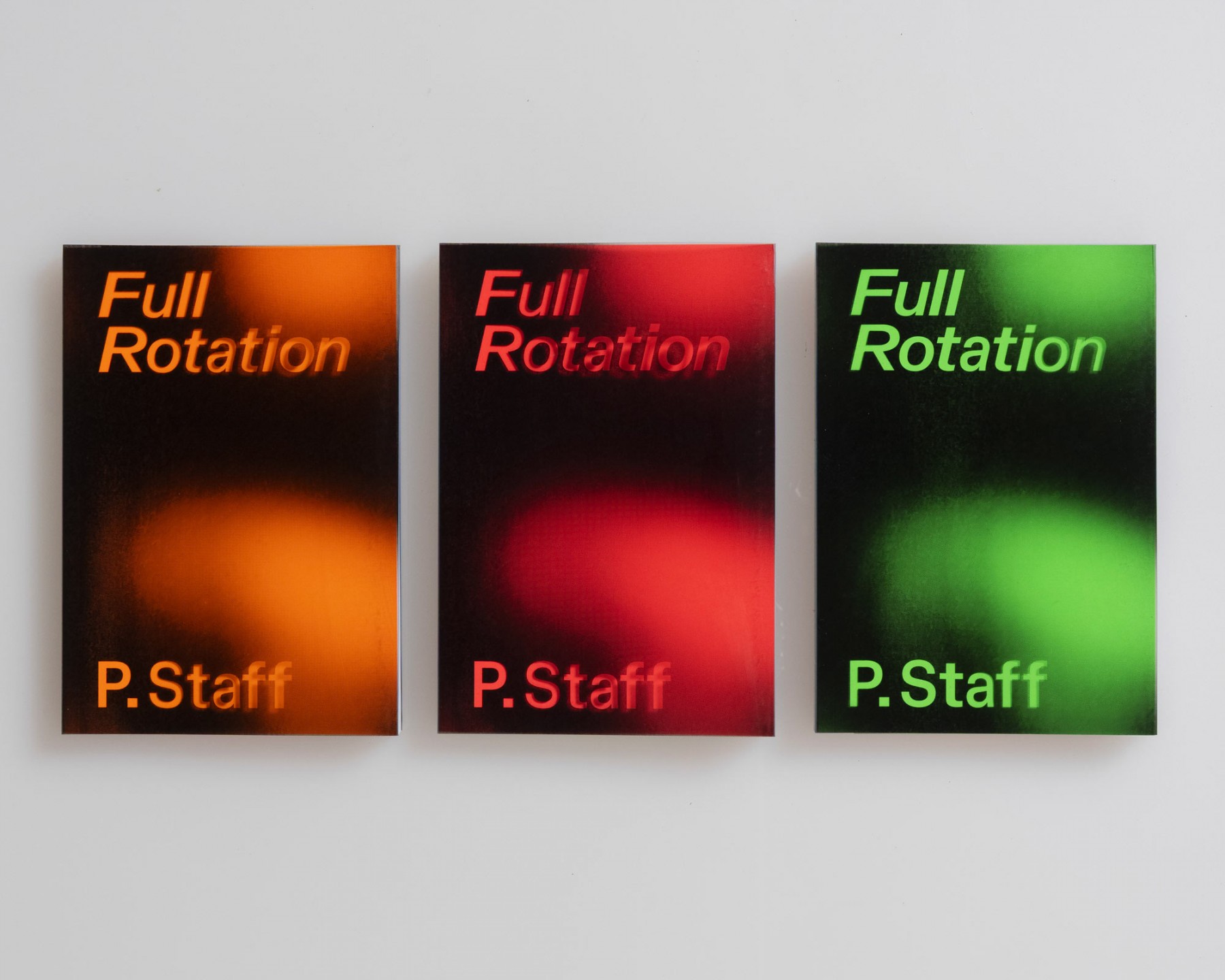
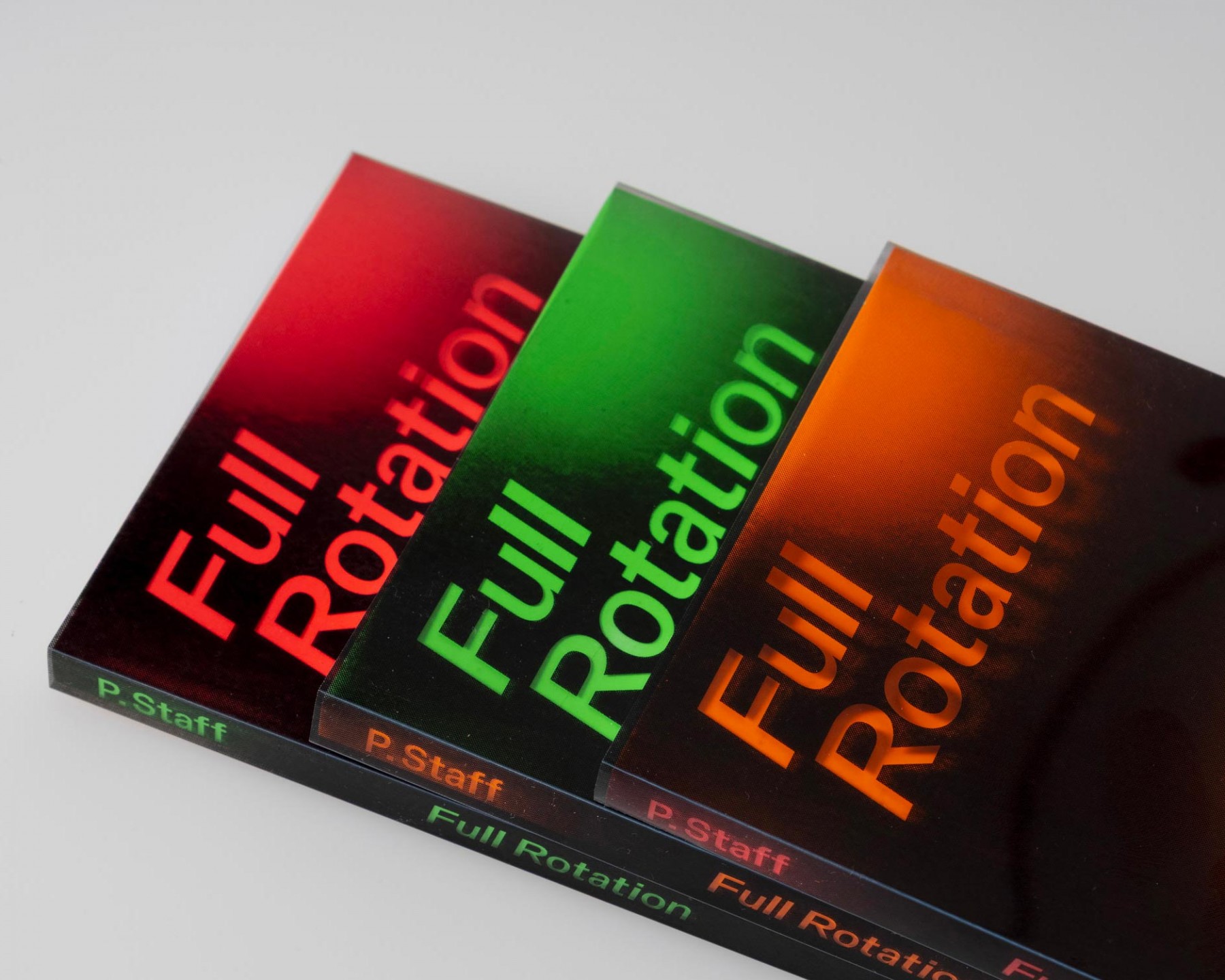
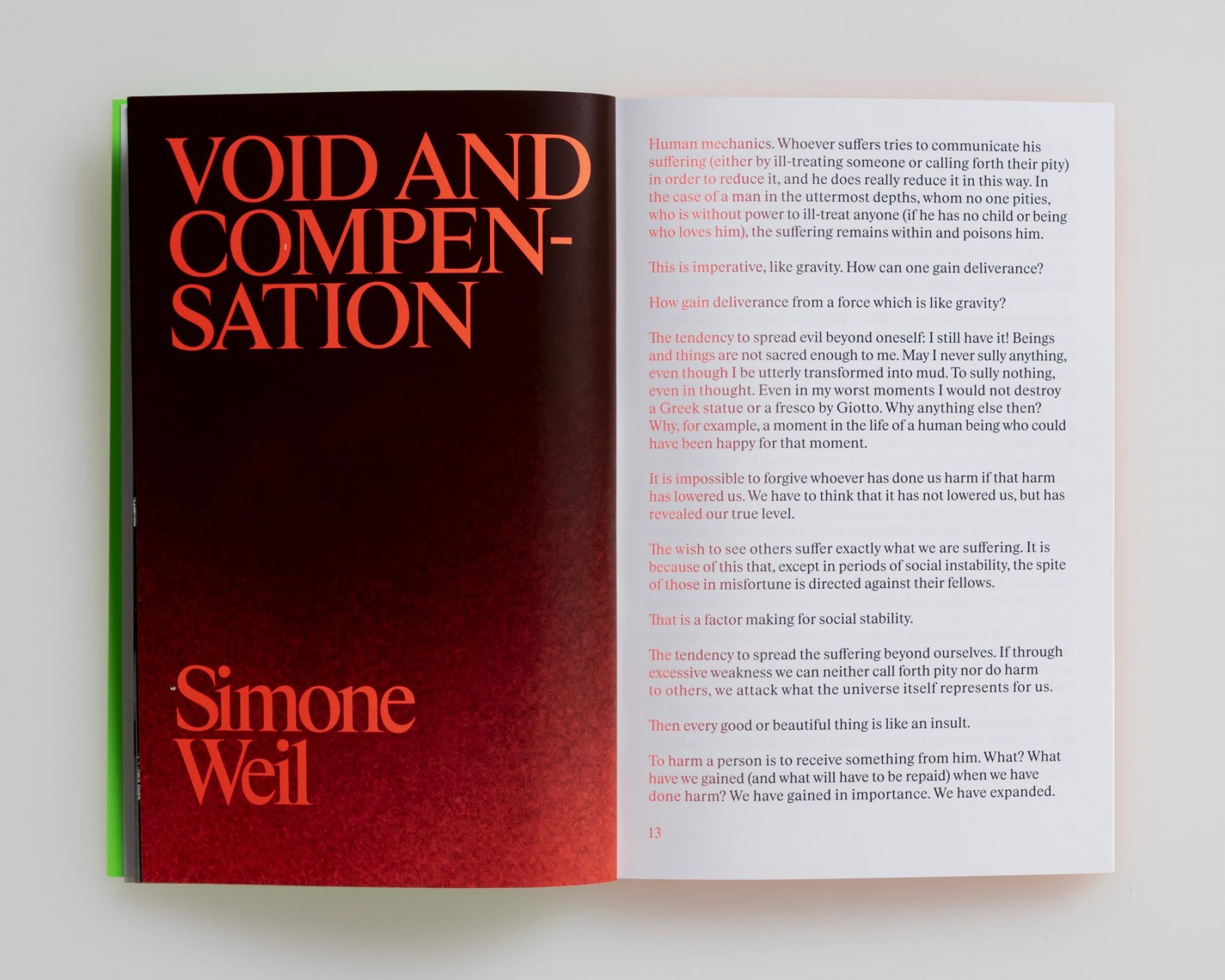
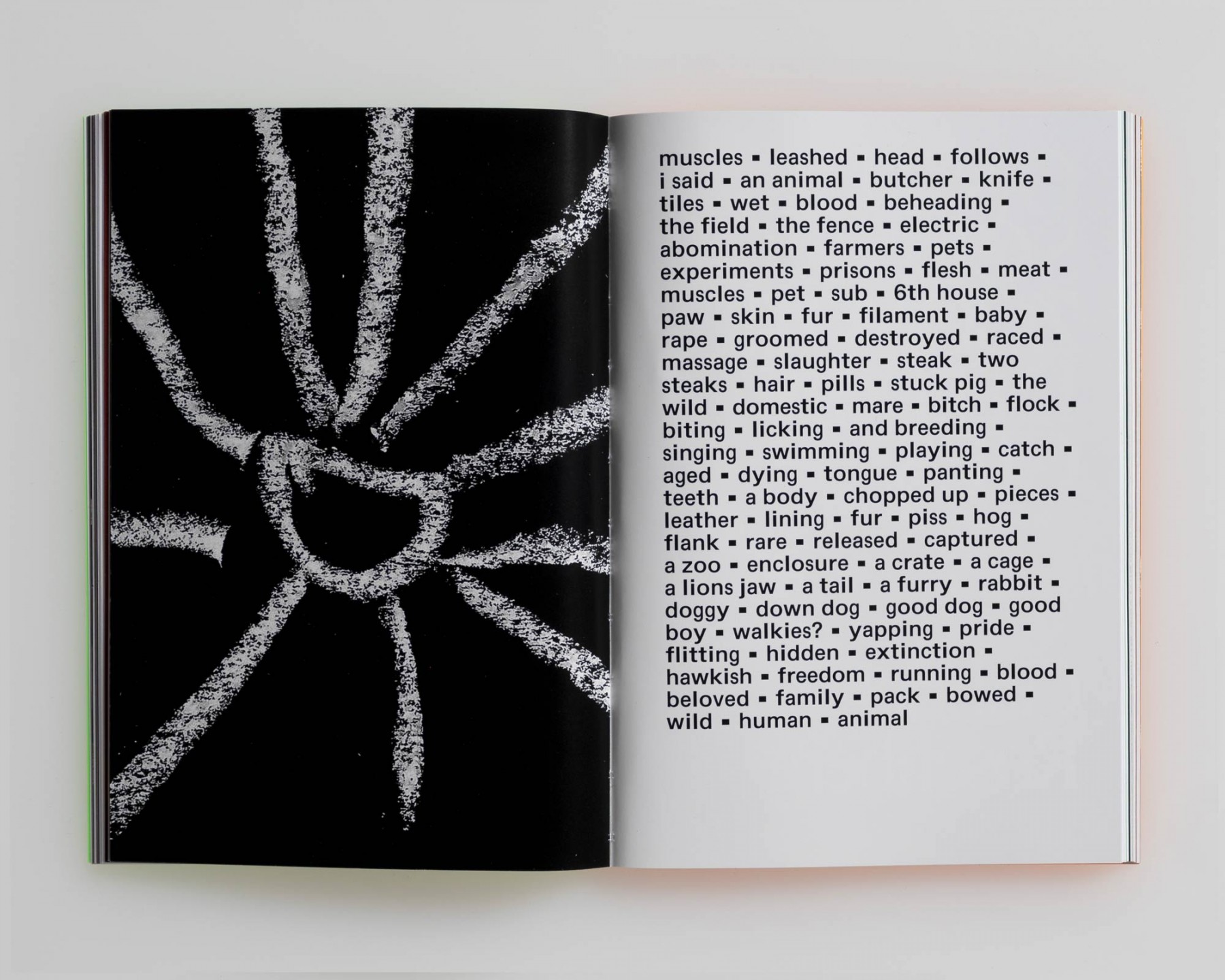
Full Rotation is an artist book by P. Staff organized around three terms: “Ekstase,” “Animals,” and “Light.” Chosen and assembled by Staff, the essays, poems and artworks move without hierarchy between the clinical, the erotic, the zoological and the cosmological, bringing different systems of knowledge into contact and allowing unexpected affinities to emerge. Rather than establishing a unified argument, the book unfolds through encounters, associations and shifts in perspective, exploring the body as a site where physical sensation, desire, vulnerability and transformation converge.
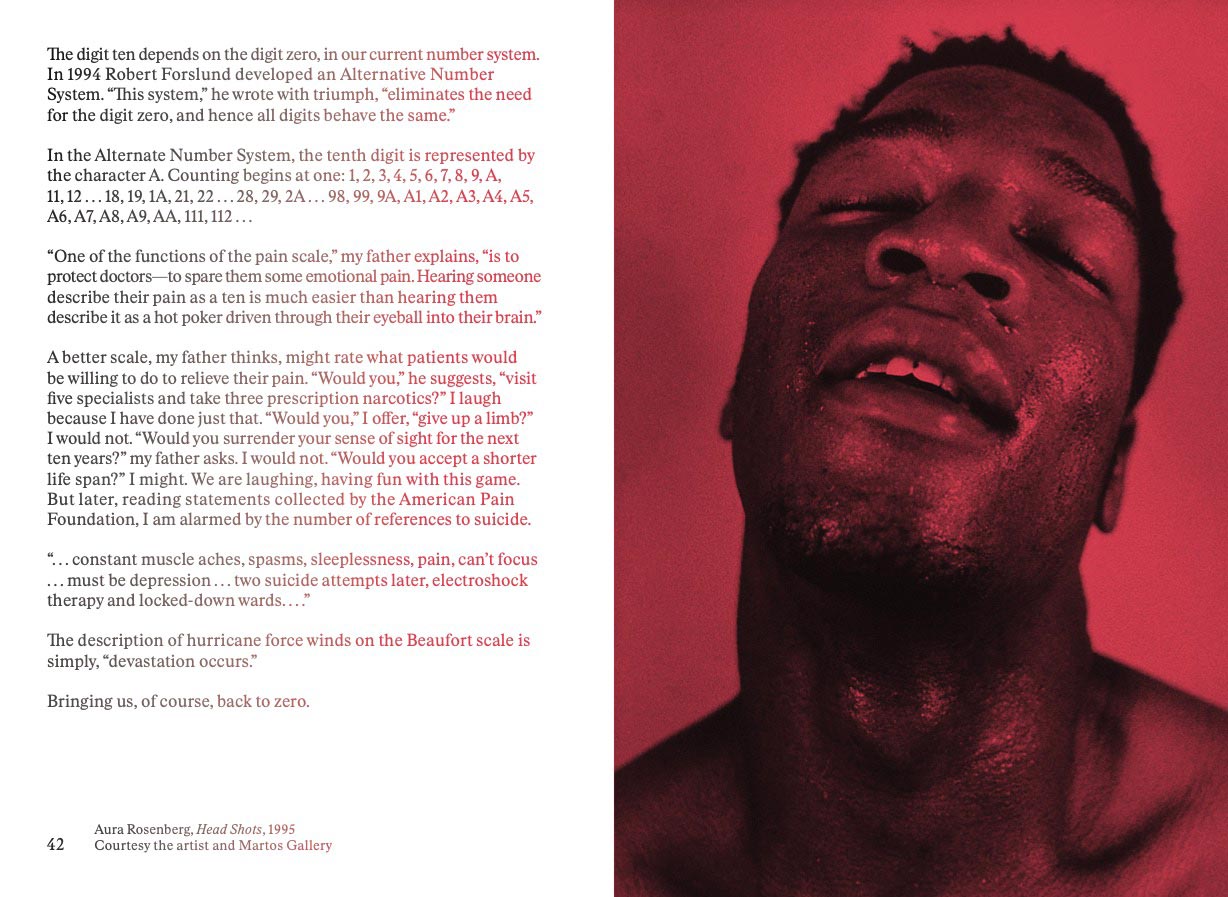
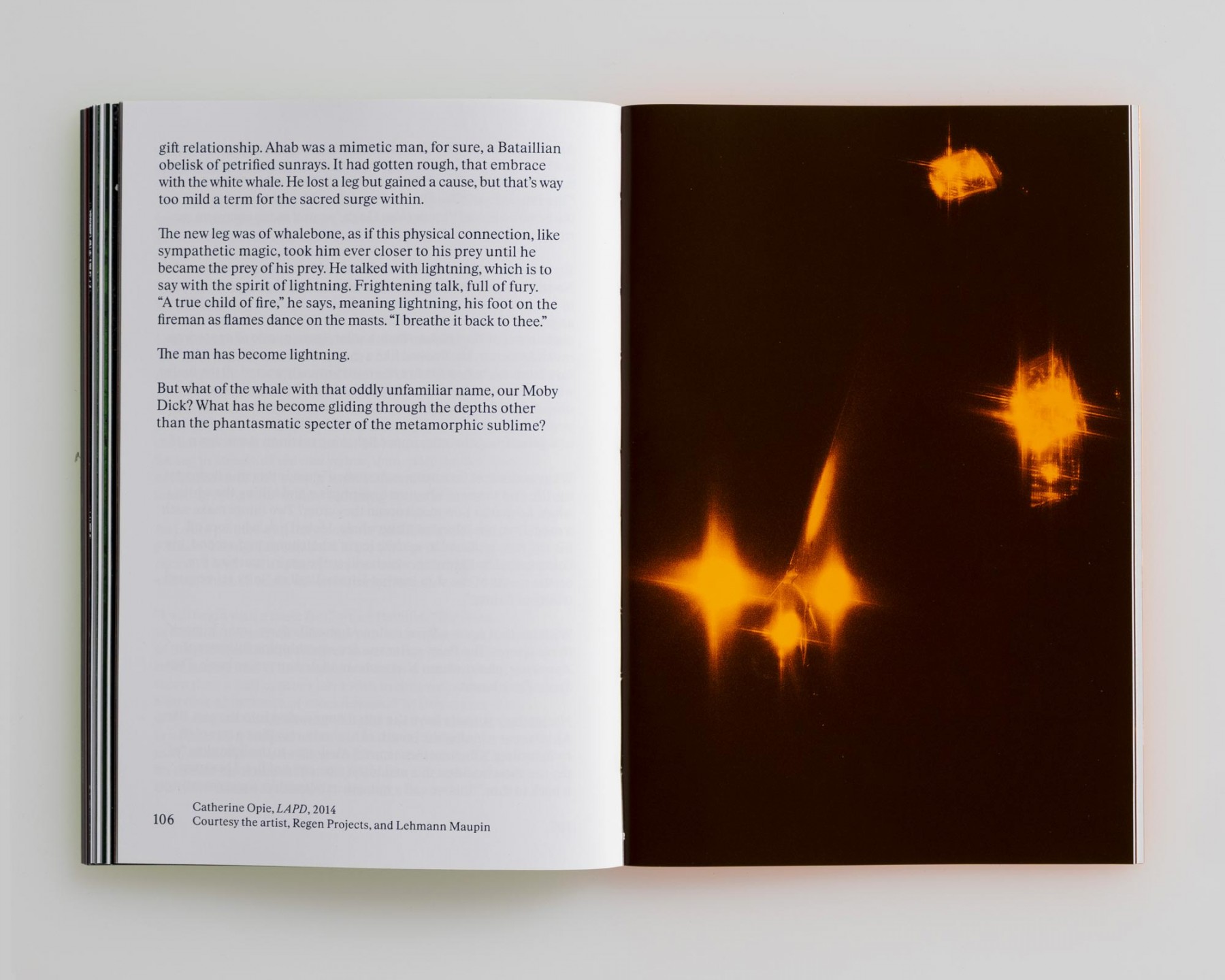
A constellation of texts spans the poem, the polemic, the letter, the elegy, hybrid verse and anthropological essay. Artworks by Käthe Kollwitz, Valie Export, Aura Rosenberg, Pati Hill, Catherine Opie and Luigi Russolo are interleaved with Staff’s own drawings and images, creating a field of correspondences across different historical moments, artistic practices and modes of representation.
Across the book, ecstasy emerges as both a bodily experience and a disruption of the self: a state in which pleasure, pain, excess and surrender unsettle the boundaries of individual identity. Animality offers a related perspective, challenging the divisions between human and nonhuman, instinct and reason, the organic and the artificial. Light, in turn, appears as a force of illumination and exposure, but also of instability and transformation—a phenomenon that makes visible while exceeding the limits of perception. Together, these three terms open onto questions of how bodies are constituted, how they encounter other forms of life, and how they are altered by forces that cannot be fully contained or understood.
The resulting structure is cyclical rather than linear, inviting connections to recur and meanings to shift as the reader moves through the book. Full Rotation treats the page as a space of circulation in which images and texts are continually reconfigured, resisting fixed distinctions between bodies and environments, sensation and knowledge, the intimate and the universal. Physical ecstasy, animality and illumination become three vantage points from which to consider what exceeds, consumes and transforms the body—and the possibility of inhabiting forms of existence beyond its presumed limits.