The book highlights the main characteristics of the collective trauma that gave rise to Rachel Whiteread’s project for GAMeC. The psychoanalysts Angelo Antonio Moroni and Pietro Roberto Goisis map out a composite picture, starting from the sense of vulnerability and collective loss associated with the Covid-19 pandemic.
This book, with follows the eponymous exhibition at Mudam Luxembourg, is constructed as a story, with a prologue, four acts, and an epilogue: an intuitive journey through the voices of thirty-four artists from different generations who are experimenting with the idea of the performative.
Dreaming Alcestis is an artist’s book by artist and filmmaker Beatrice Gibson, conceived as an accompaniment to her holographic film installation of the same name. It features a commissioned essay by poet and translator Allison Grimaldi Donahue, as well as a reprint of the American poet Alice Notley’s 1991 essay What Can Be Learned From Dreams?
What if clay is the future and the future is clay? Curators Chus Martínez and Filipa Ramos brought together a group of artists to think and create through this old, maleable and fascinating matter. The result was materialized in an exhibition and book format entitled Feet of Clay.
Catalog of the eponymous exhibition, held at the Centre d’Art Contemporain Genève and curated by Andrea Bellini, this publication brings together a number of essays that explore the notion of metamorphosis from different perspectives. The catalog, like the exhibition, celebrates a world in constant transformation, where human nature is fluid and hybrid, open to change.
Ce catalogue de l’exposition éponyme, organisée au Centre d’Art Contemporain Genève sous la direction d’Andrea Bellini, rassemble plusieurs essais qui explorent la notion de métamorphose sous différentes perspectives. Le catalogue, comme l’exposition, célèbre un monde en constante transformation, où la nature humaine est fluide et hybride, ouverte au changement.
Edited by P. Staff with Samuele Piazza
Designed by Studio Dominik Krauss
Published with OGR, Turin
2026, English, softcover, 13 x 19 cm, 136 pages
ISBN 979-12-80579-94-2
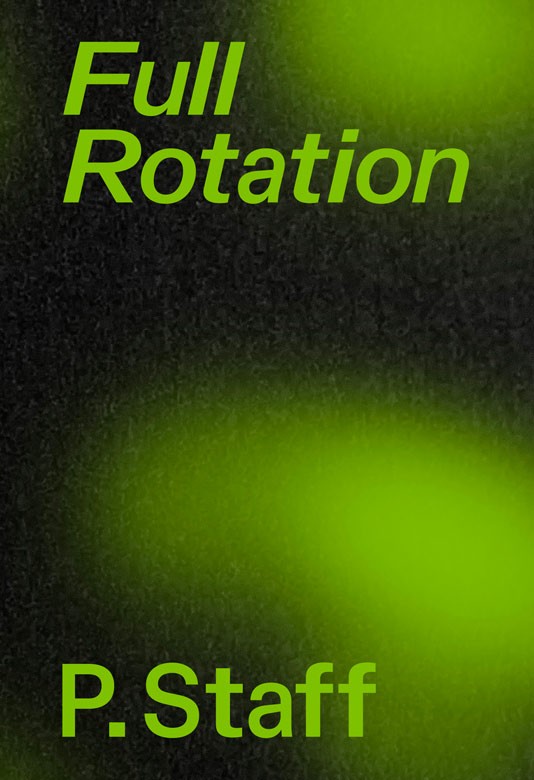
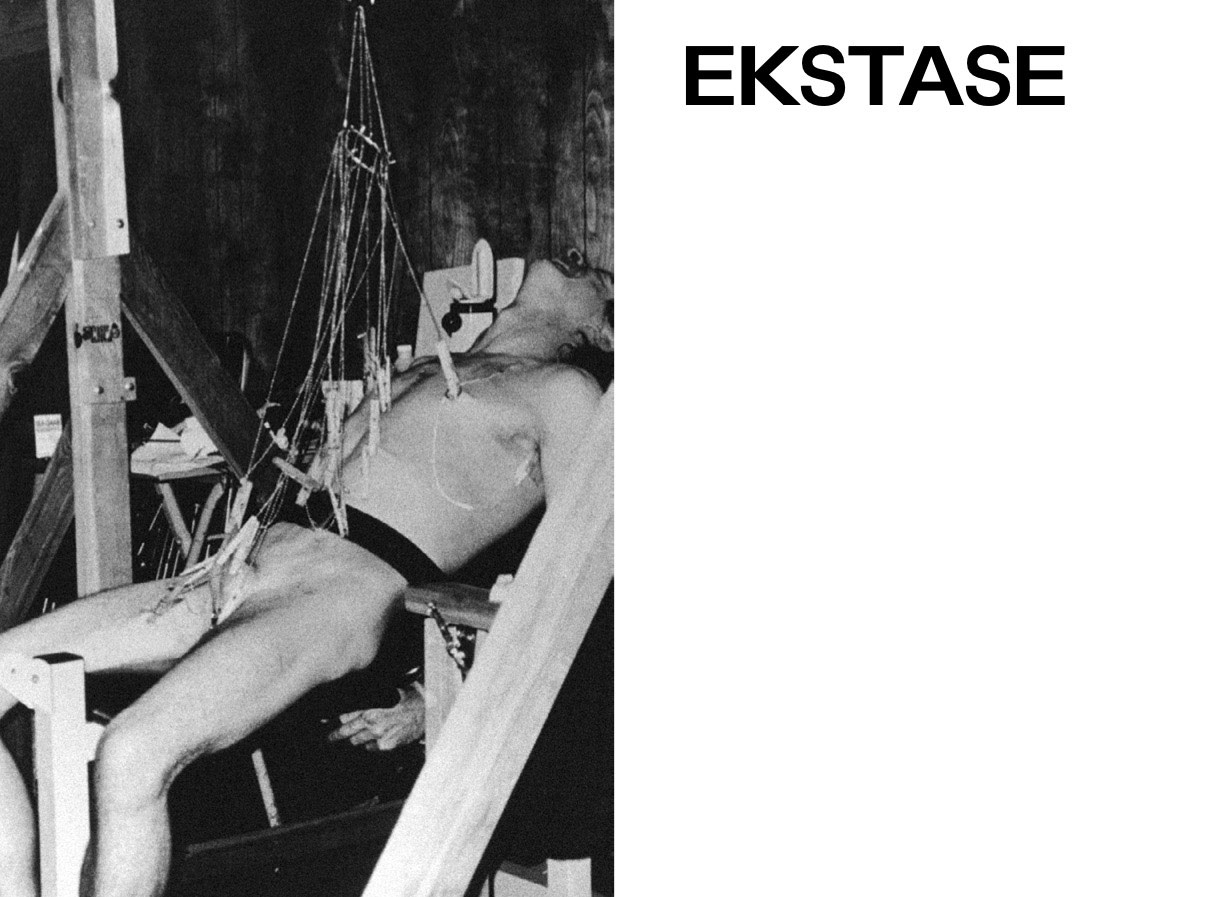
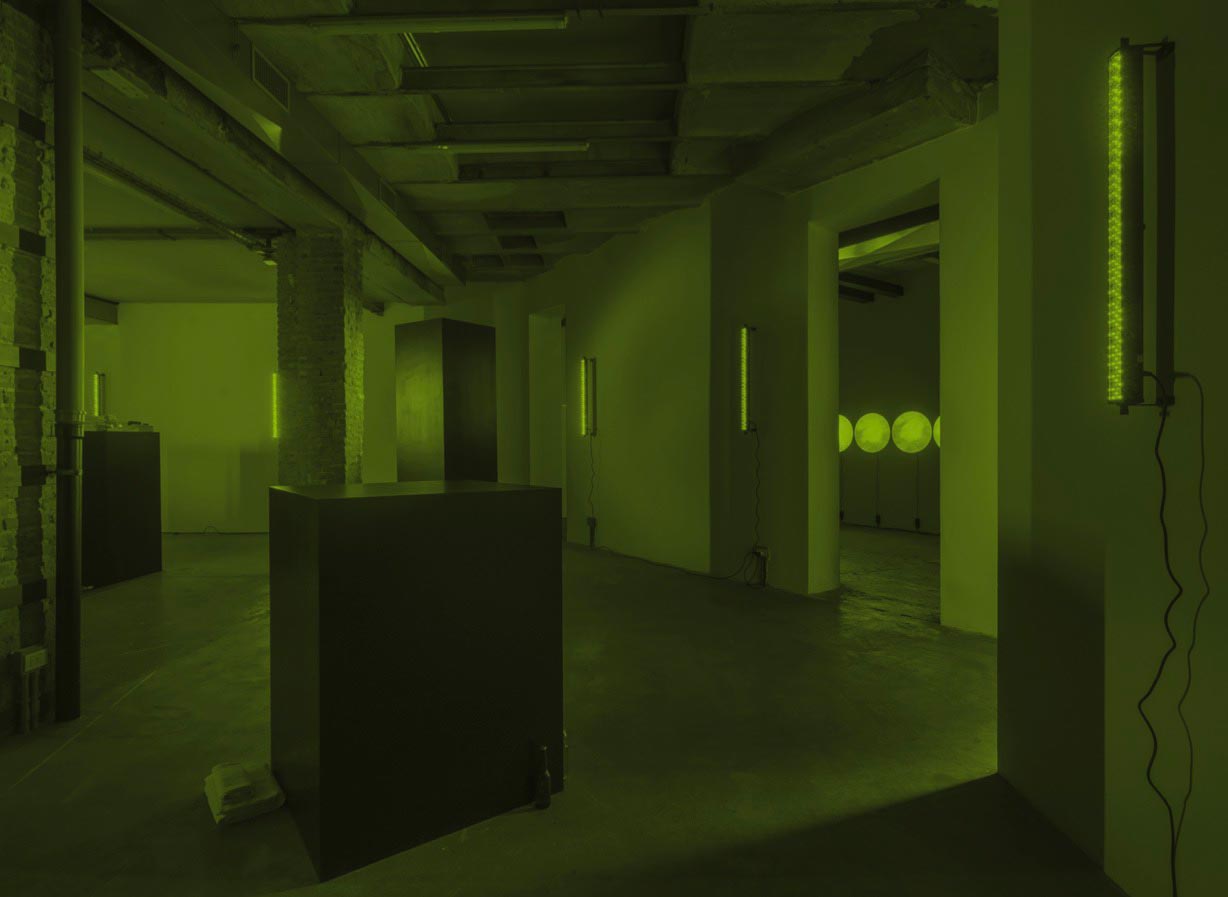
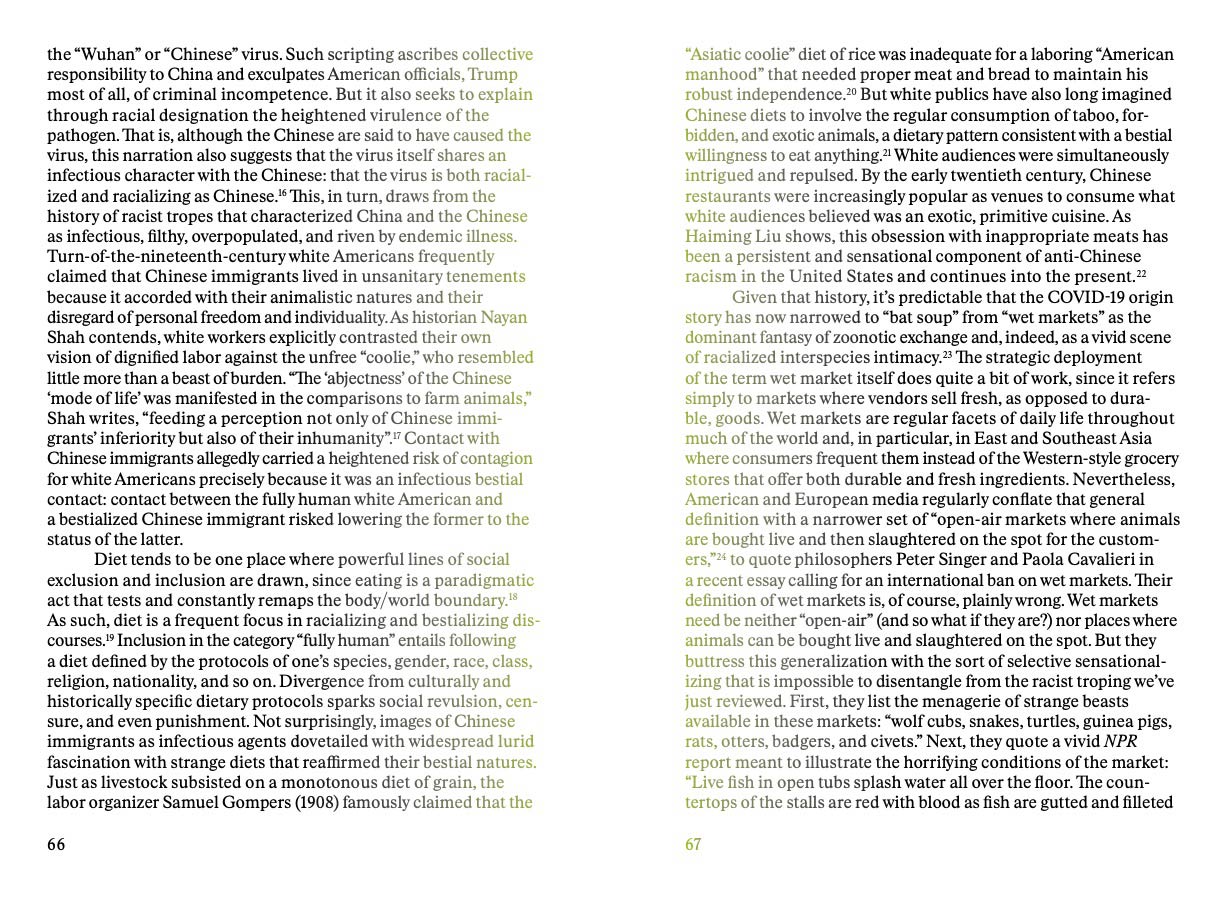
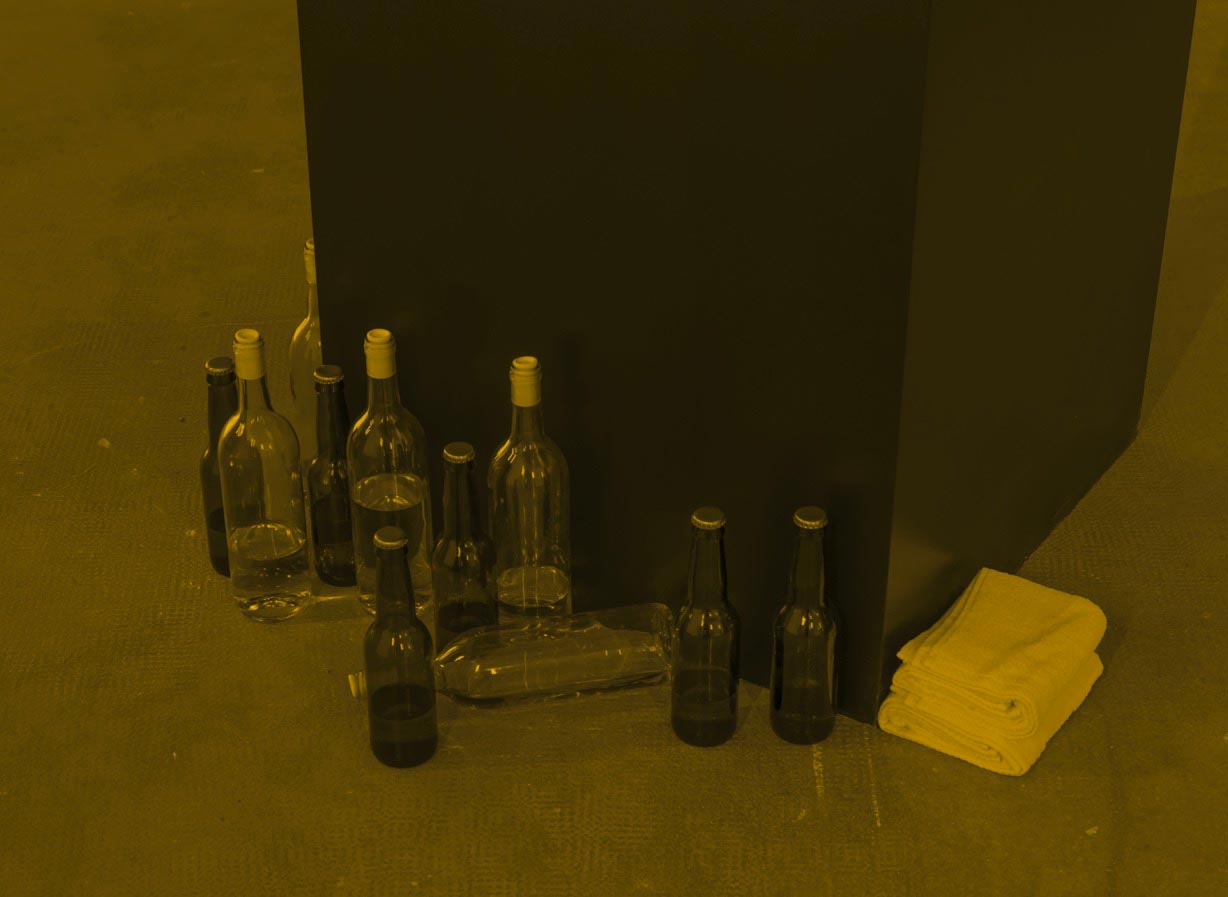
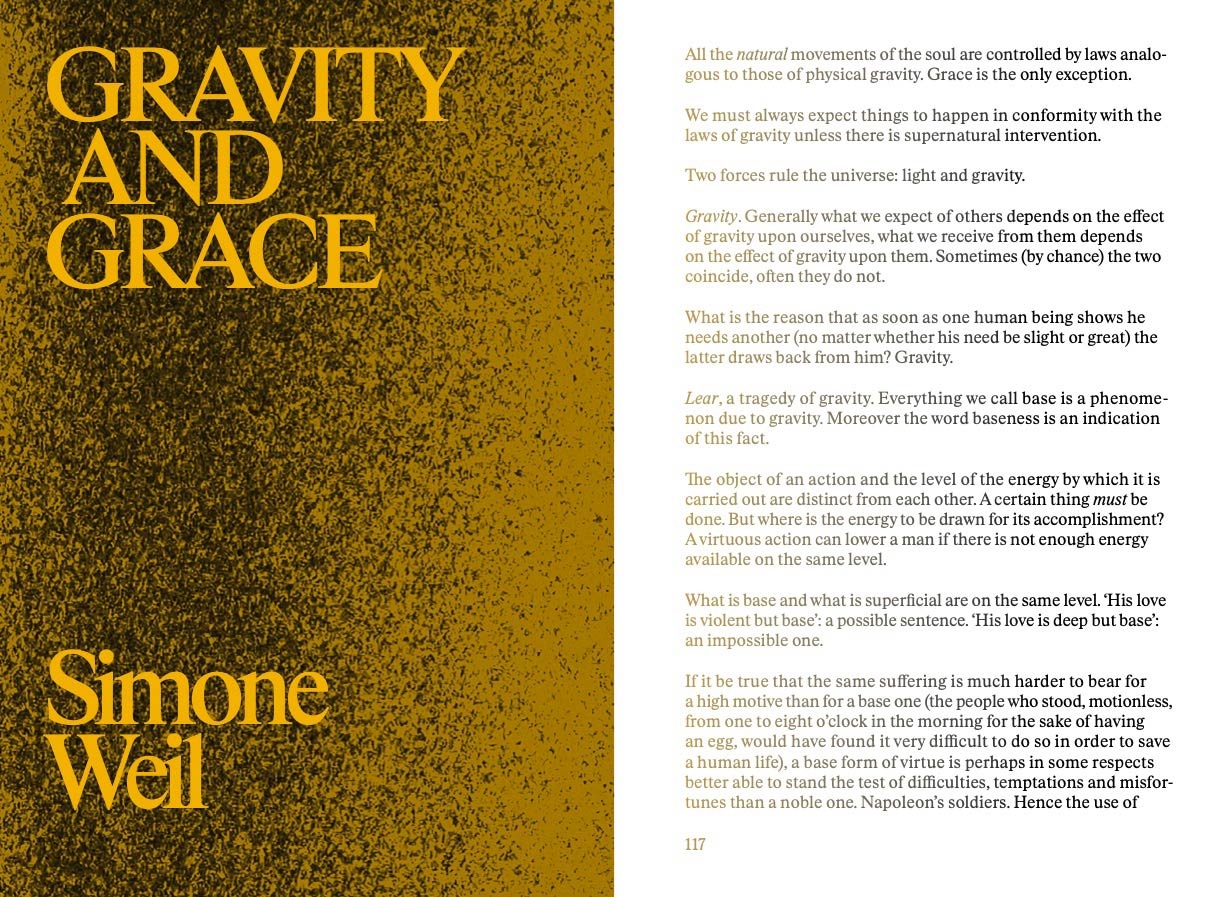
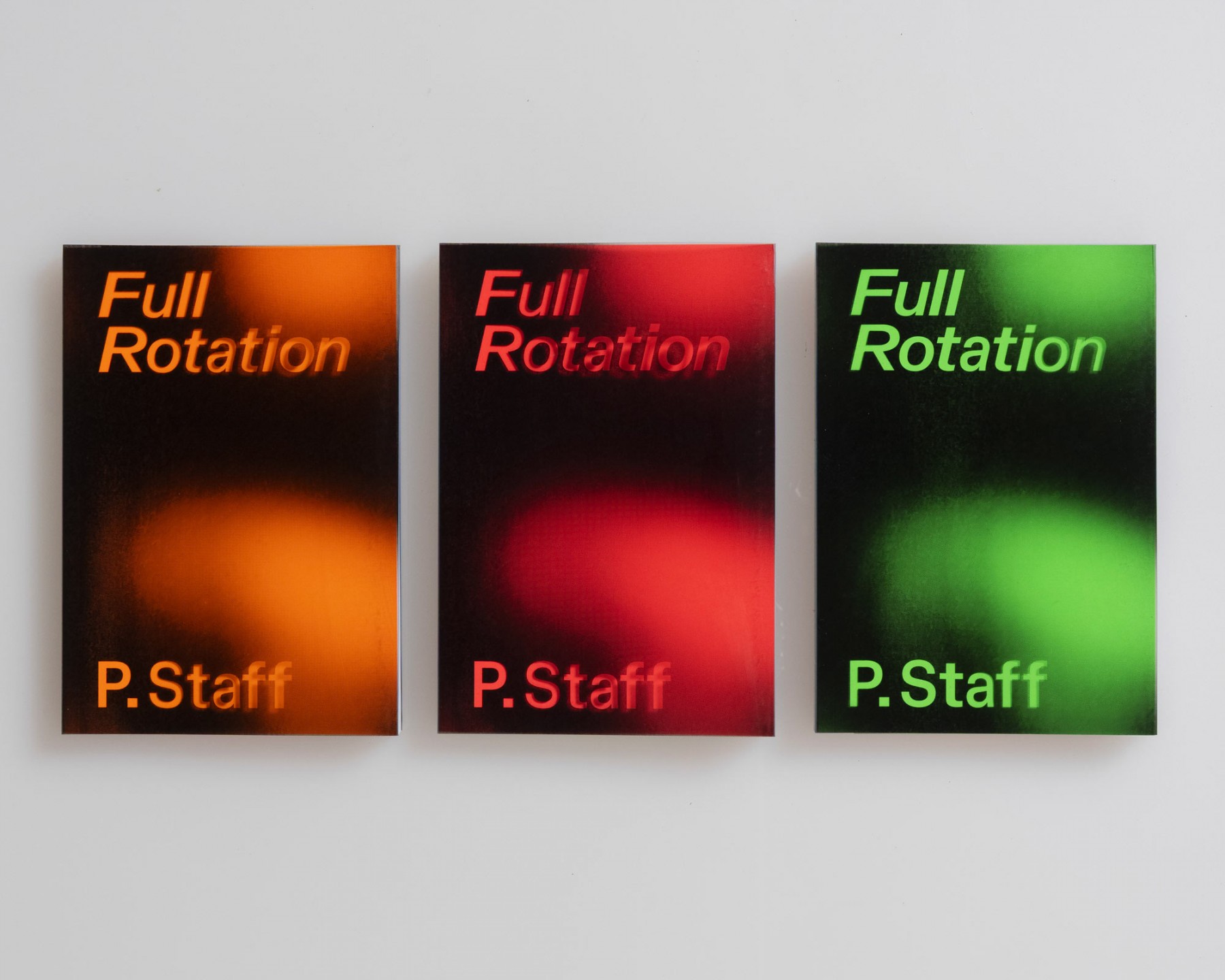
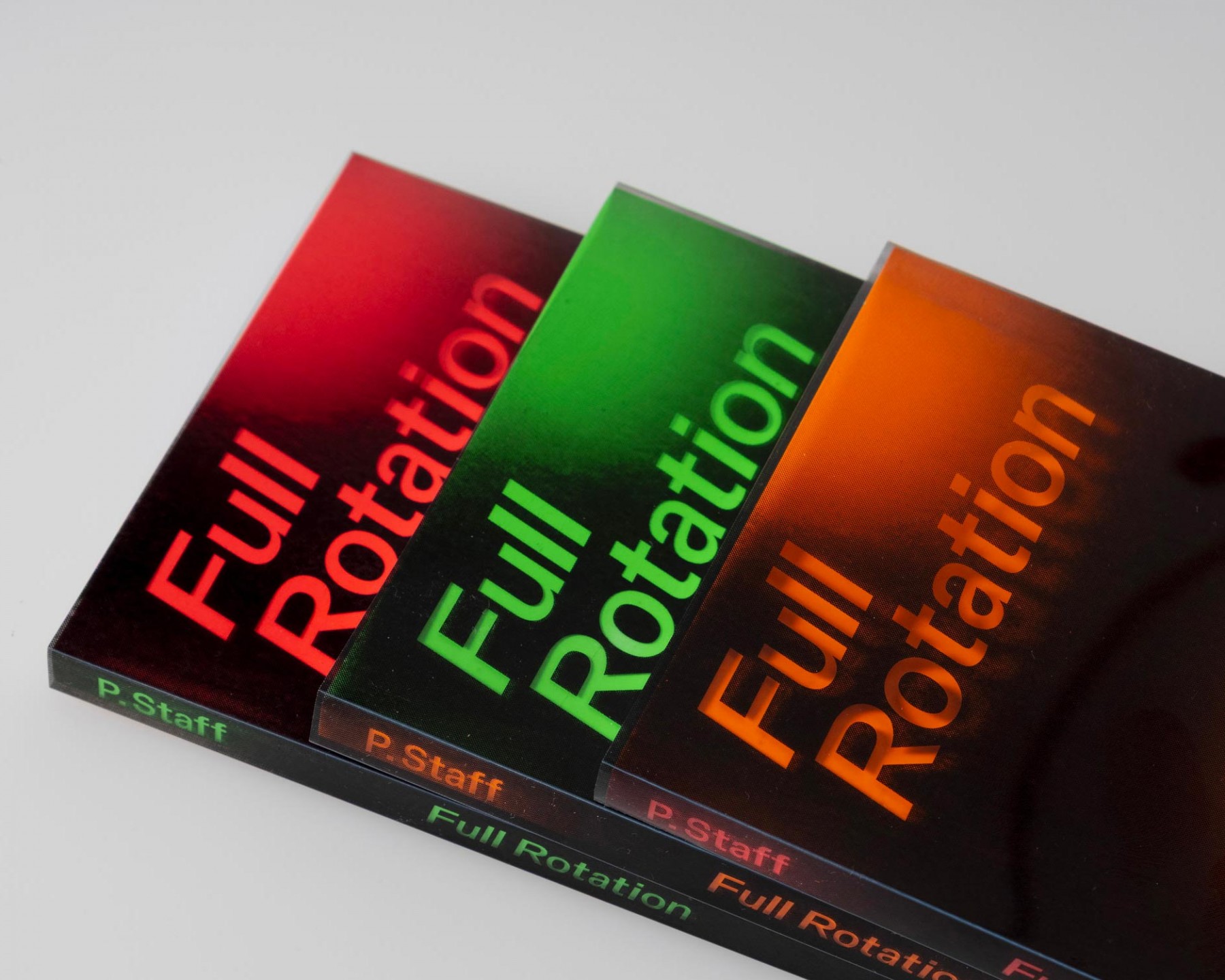
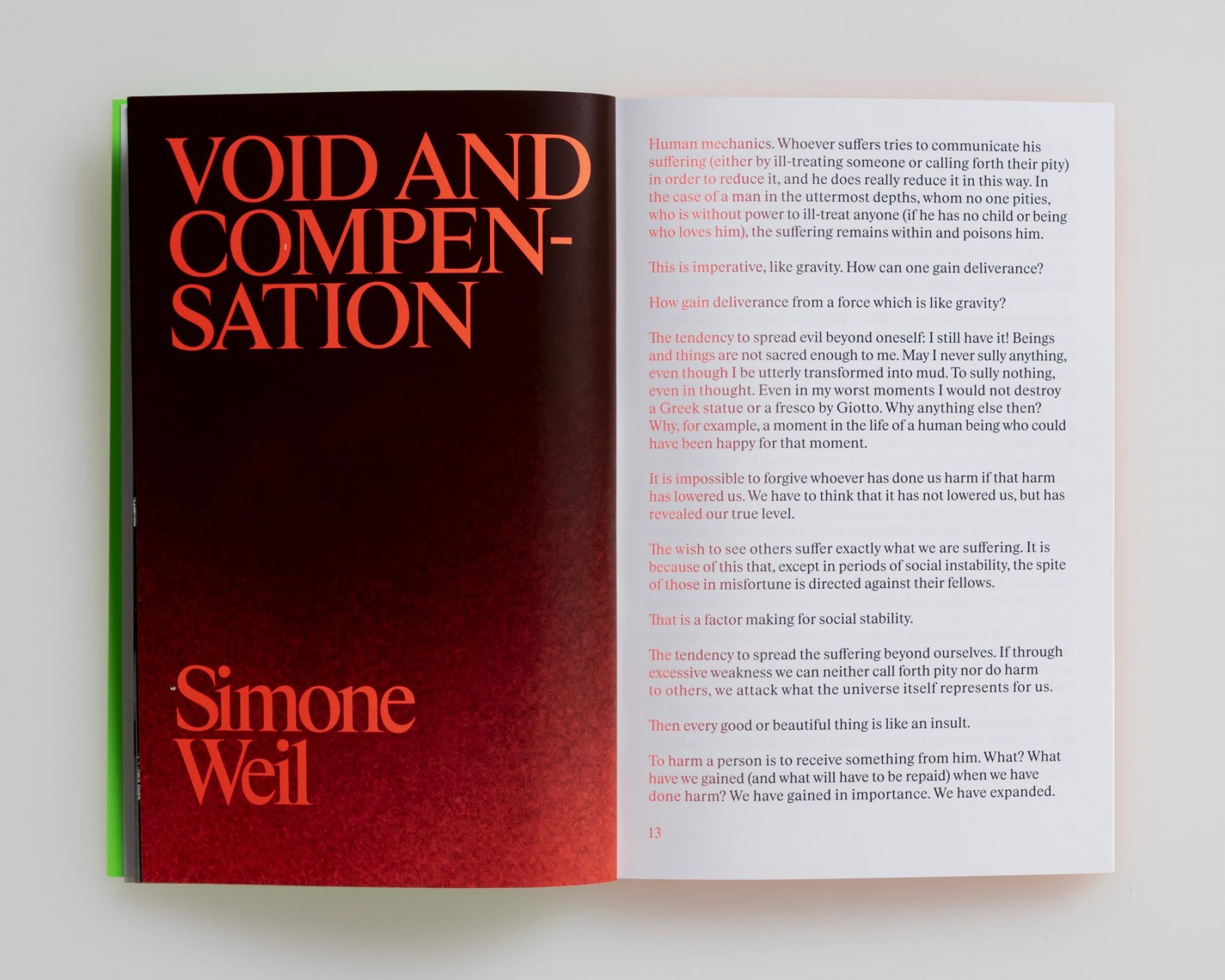
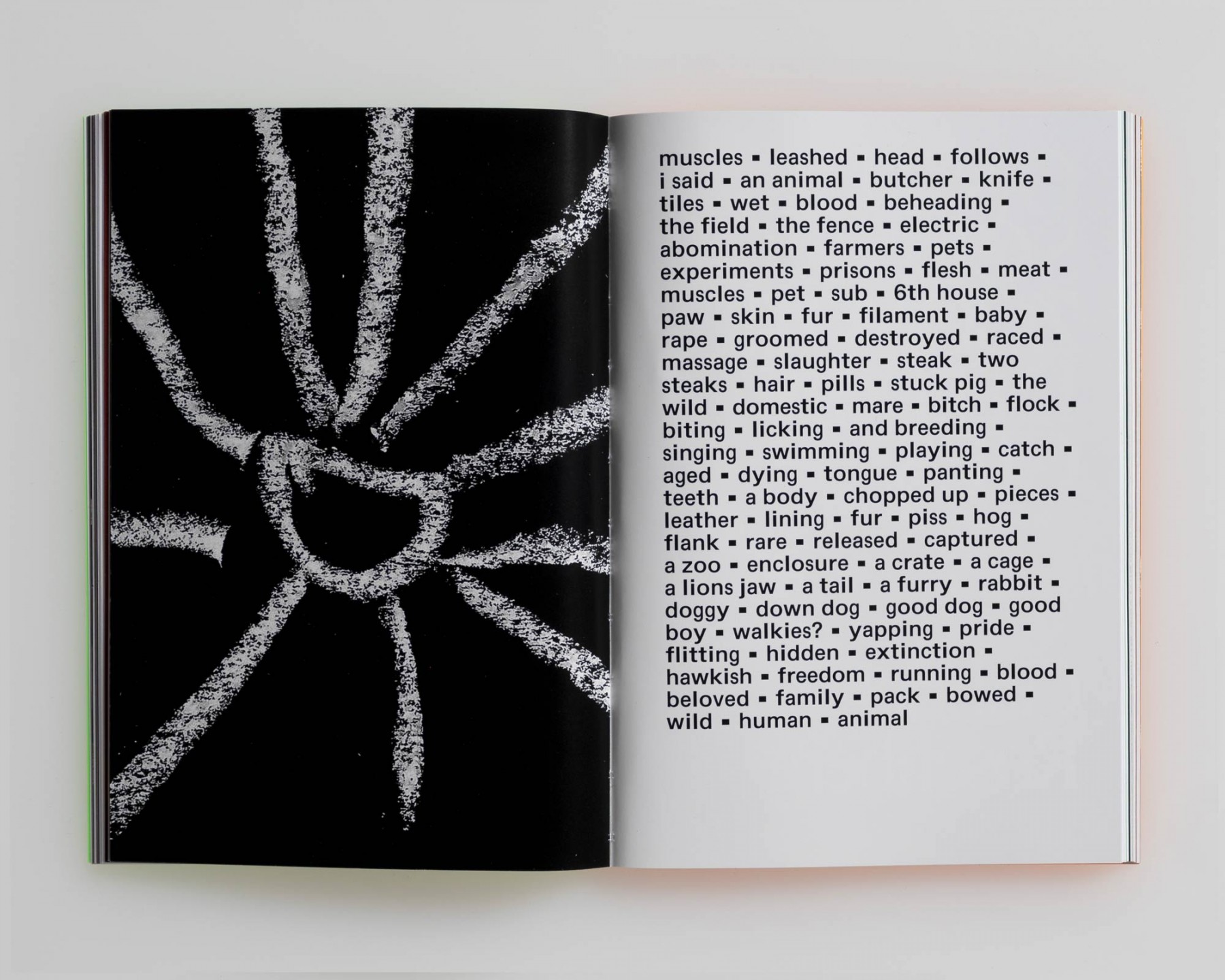
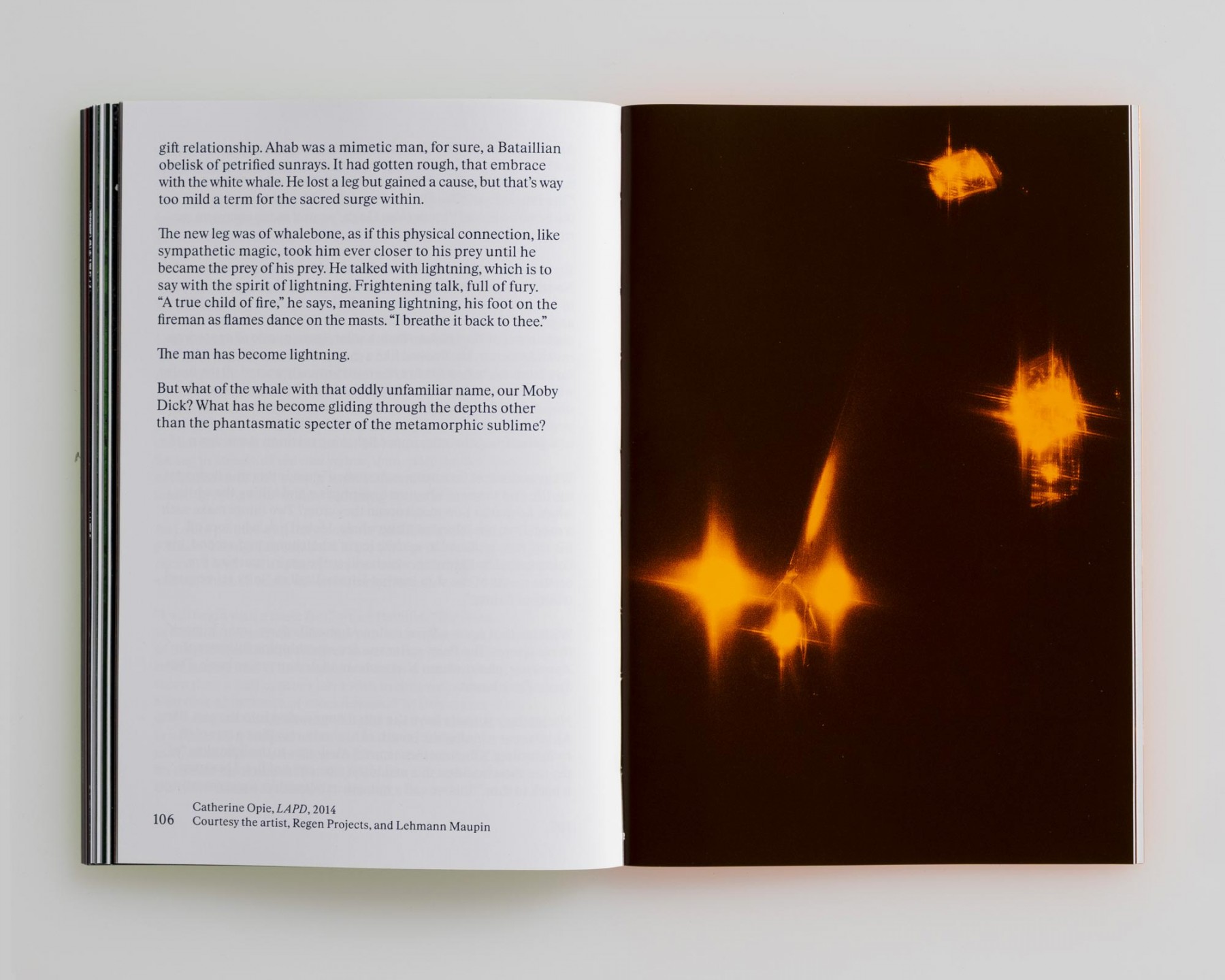
Full Rotation is an artist book by P. Staff organized around three terms: “Ekstase,” “Animals,” and “Light.” Chosen and assembled by Staff, the essays, poems and artworks move without hierarchy between the clinical, the erotic, the zoological and the cosmological, bringing different systems of knowledge into contact and allowing unexpected affinities to emerge. Rather than establishing a unified argument, the book unfolds through encounters, associations and shifts in perspective, exploring the body as a site where physical sensation, desire, vulnerability and transformation converge.
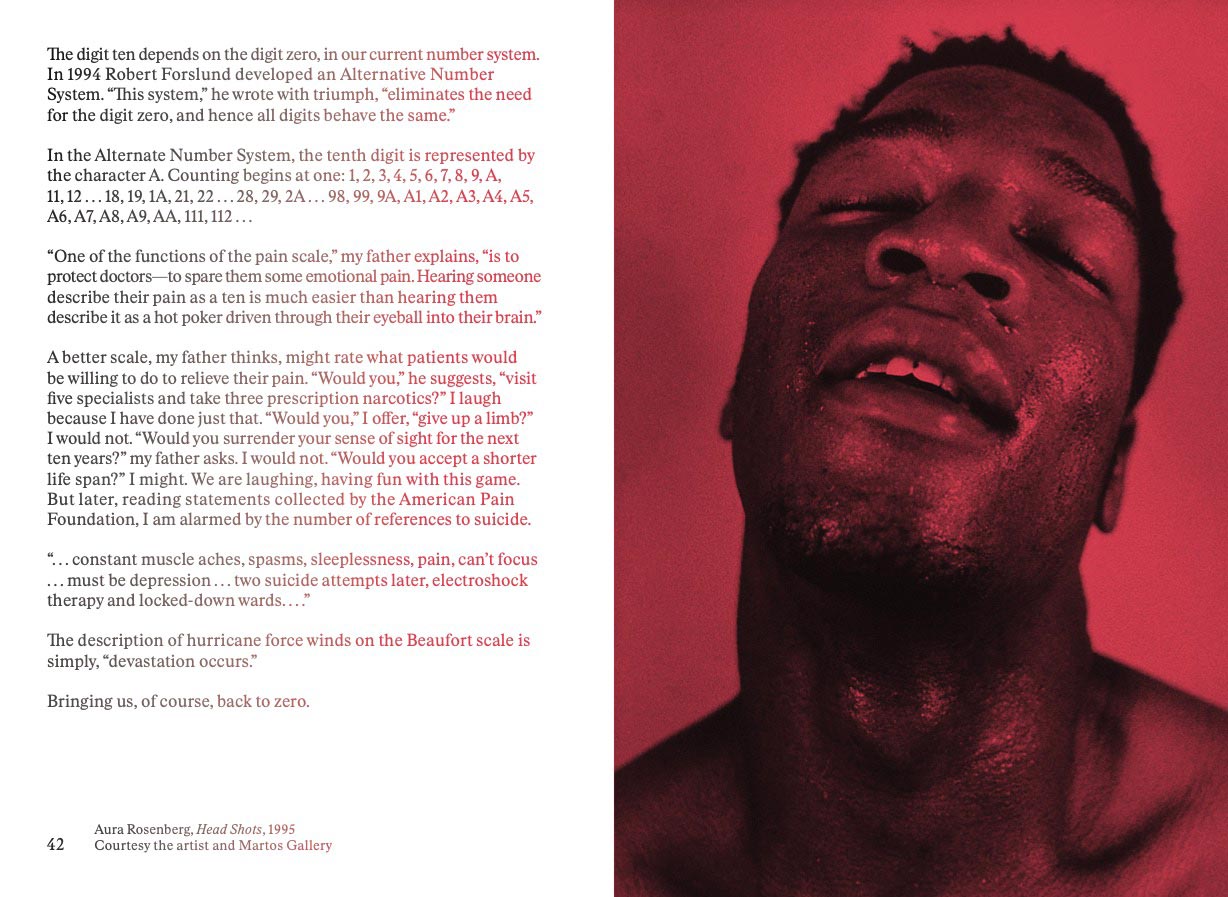
A constellation of texts spans the poem, the polemic, the letter, the elegy, hybrid verse and anthropological essay. Artworks by Käthe Kollwitz, Valie Export, Aura Rosenberg, Pati Hill, Catherine Opie and Luigi Russolo are interleaved with Staff’s own drawings and images, creating a field of correspondences across different historical moments, artistic practices and modes of representation.
Across the book, ecstasy emerges as both a bodily experience and a disruption of the self: a state in which pleasure, pain, excess and surrender unsettle the boundaries of individual identity. Animality offers a related perspective, challenging the divisions between human and nonhuman, instinct and reason, the organic and the artificial. Light, in turn, appears as a force of illumination and exposure, but also of instability and transformation—a phenomenon that makes visible while exceeding the limits of perception. Together, these three terms open onto questions of how bodies are constituted, how they encounter other forms of life, and how they are altered by forces that cannot be fully contained or understood.
The resulting structure is cyclical rather than linear, inviting connections to recur and meanings to shift as the reader moves through the book. Full Rotation treats the page as a space of circulation in which images and texts are continually reconfigured, resisting fixed distinctions between bodies and environments, sensation and knowledge, the intimate and the universal. Physical ecstasy, animality and illumination become three vantage points from which to consider what exceeds, consumes and transforms the body—and the possibility of inhabiting forms of existence beyond its presumed limits.