Published on the occasion of the first exhibition in Italy by Jenna Gribbon, staged at the Collezione Maramotti, Mirages showcases a wealth of images that highlight the fluid, sensual output of this artist who, in repeatedly portraying her wife, the musician Mackenzie Scott (aka TORRES), explores the implications inherent in seeing and being seen.
The catalogue of this ambitious project, held at the Centre d’Art Contemporain Genève in 2017, reflects on the centrality of writing in contemporary visual art practices. Documenting its slippages from printed matters to the digital realm, from voice modulations to its sculptural presence, this book celebrates the word in all its forms.
A book emerged from the need to try to tell the story of architecture in a way quite unlike how it’s usually told, in a continuous dialogue between the anthropological gaze of Armin Linke’s photos compared with the ideation process of two public works by the Carlana Mezzalira Pentimalli architecture office.
The book documents and brings together two exhibition projects by Nina Canell and Maria Hassabi. Essays, unpublished materials and a rich set of photographic materials form the driving force behind two visual narratives that offer new keys to understanding the research of the two artists.
Can art, literature, filmmaking, and music draw out, make visible, legible, audible, or even contestable the patterns in which our lives are held? Considering the work by Stan Douglas, Harun Farocki, Ingri Fiksdal, Åke Hodell, Stefan Panhans & Andrea Winkler, Susan Philipsz, and Elizabeth Price, this publication entertains this question.
This new major monographic publication on the Ghanian artist documents the work that transformed sites and repurposed buildings in his native town of Tamale to transformative outcomes rooted into the idea of art as a tool of understanding, rebalancing, and advancement.
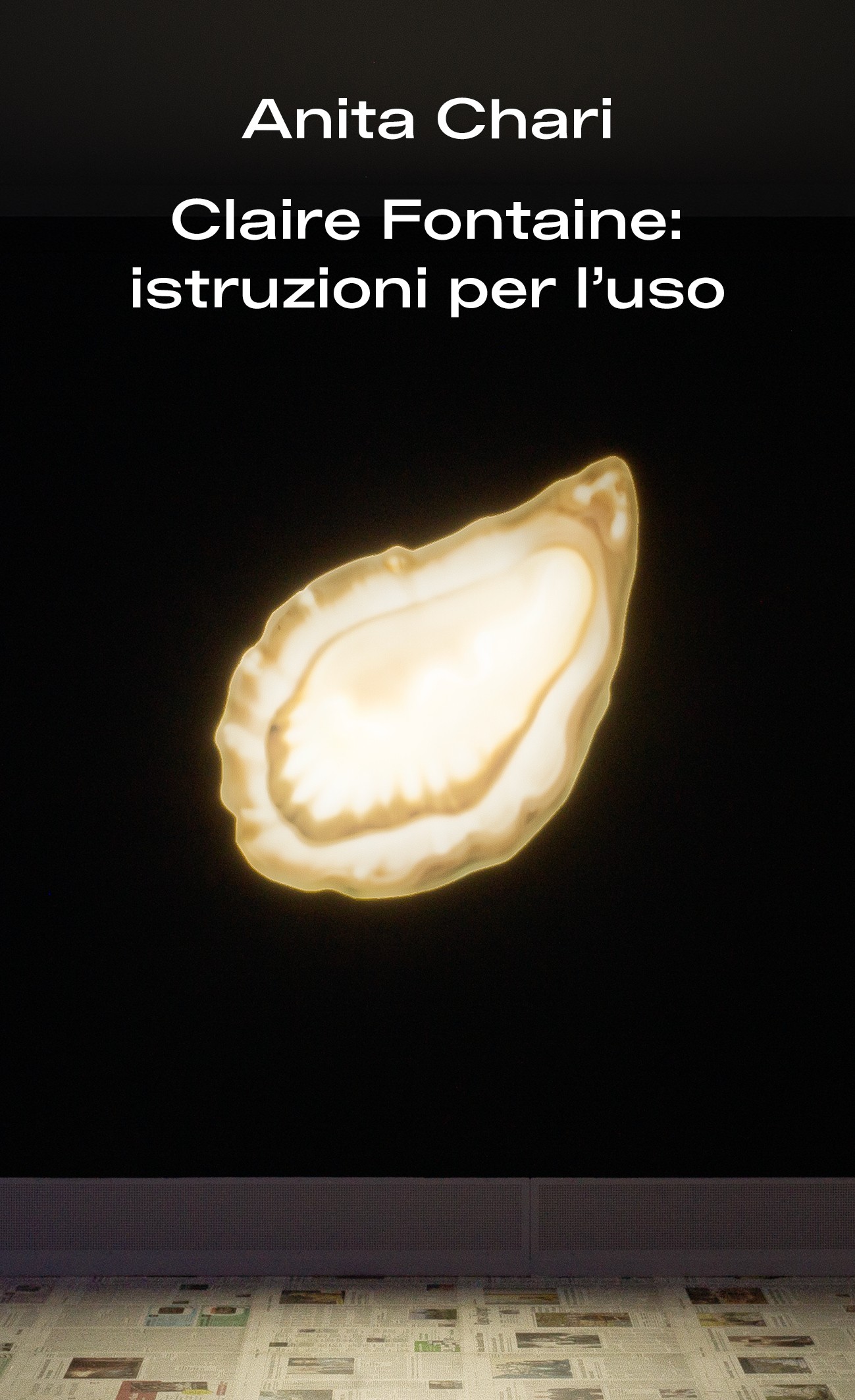
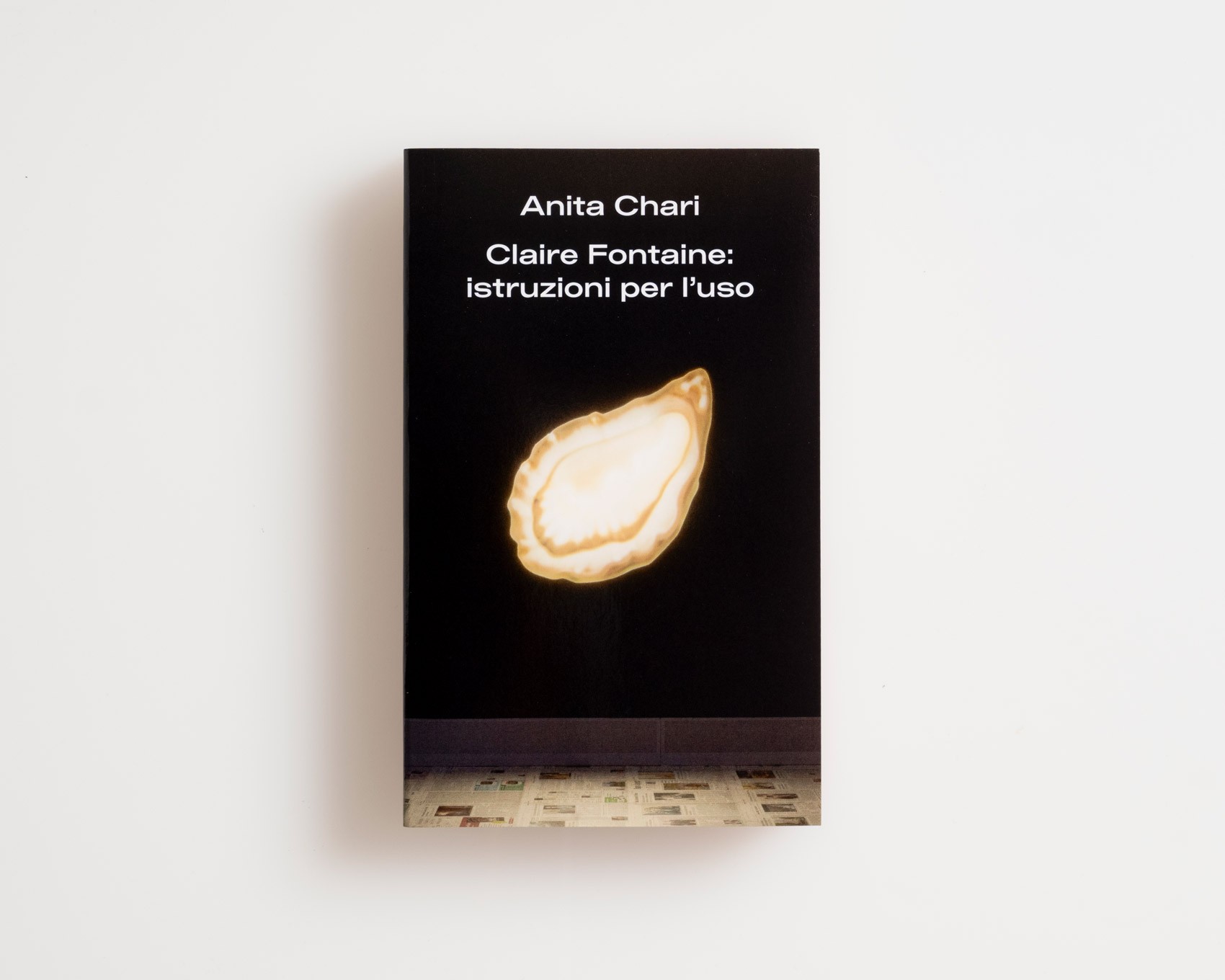
Anita Chari
Progetto grafico di Lorenzo Mason Studio
2026, italiano, brossura, 11 x 18 cm, 300 pagine
ISBN 979-12-80579-99-7
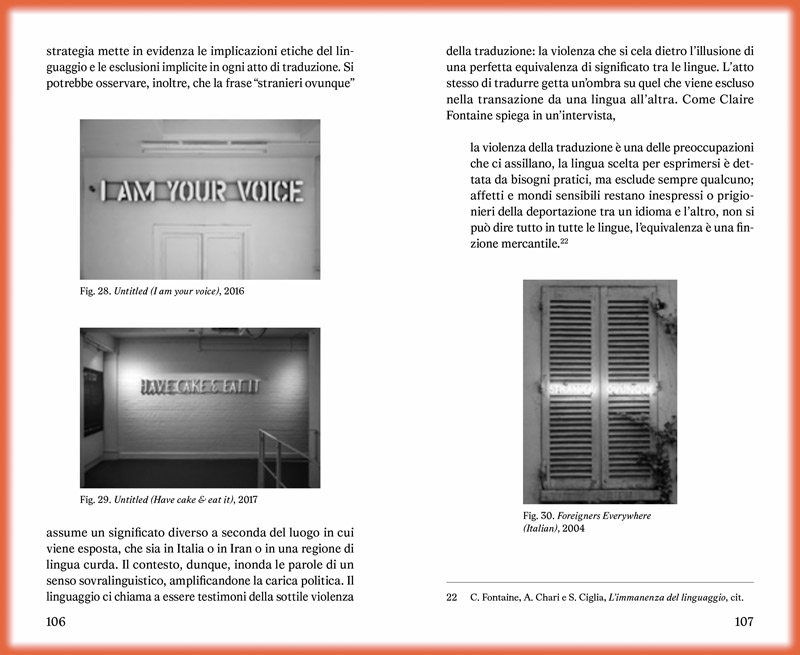
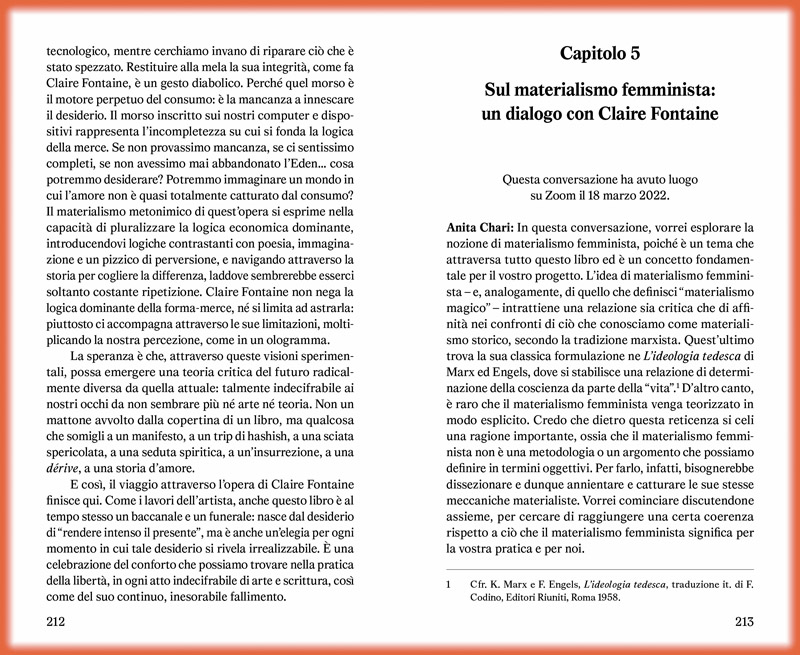
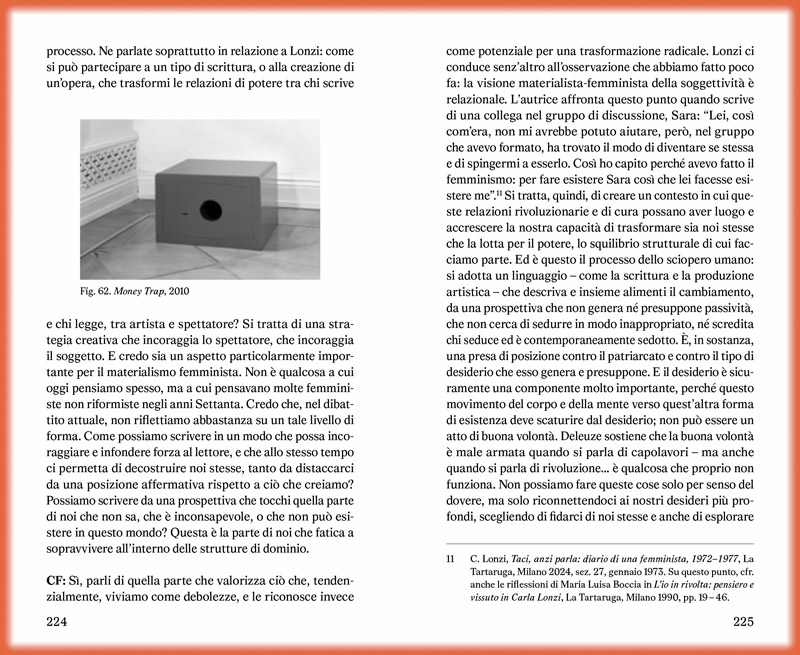
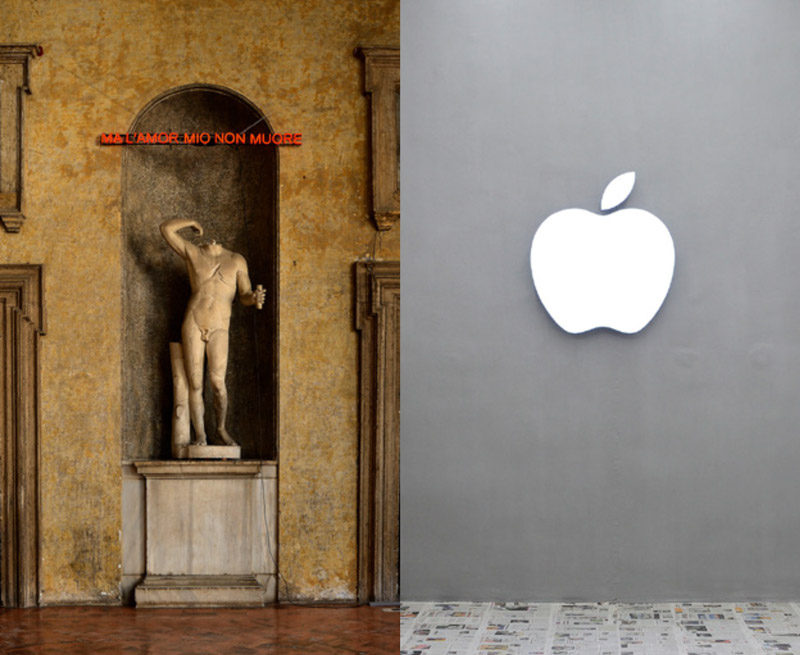
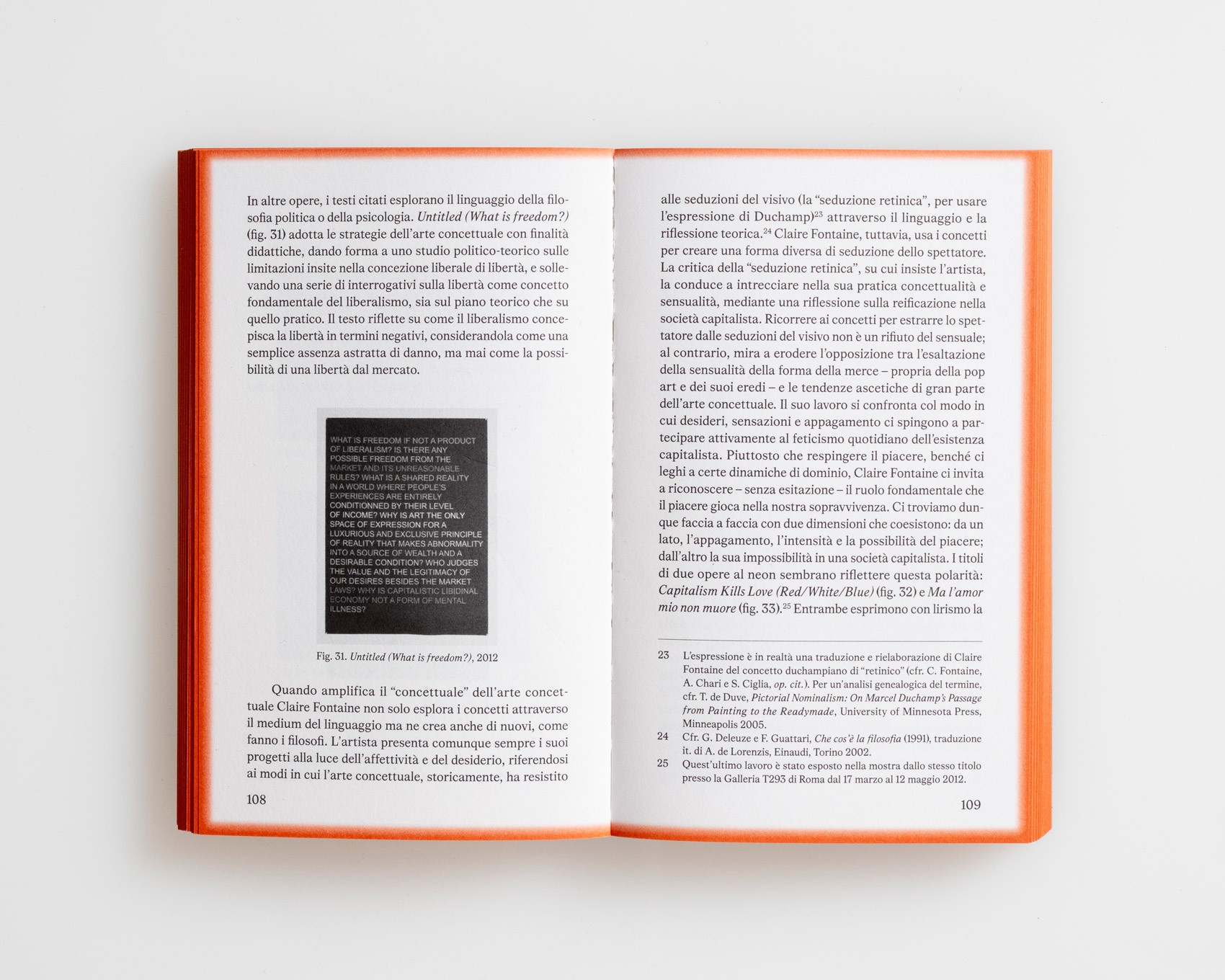
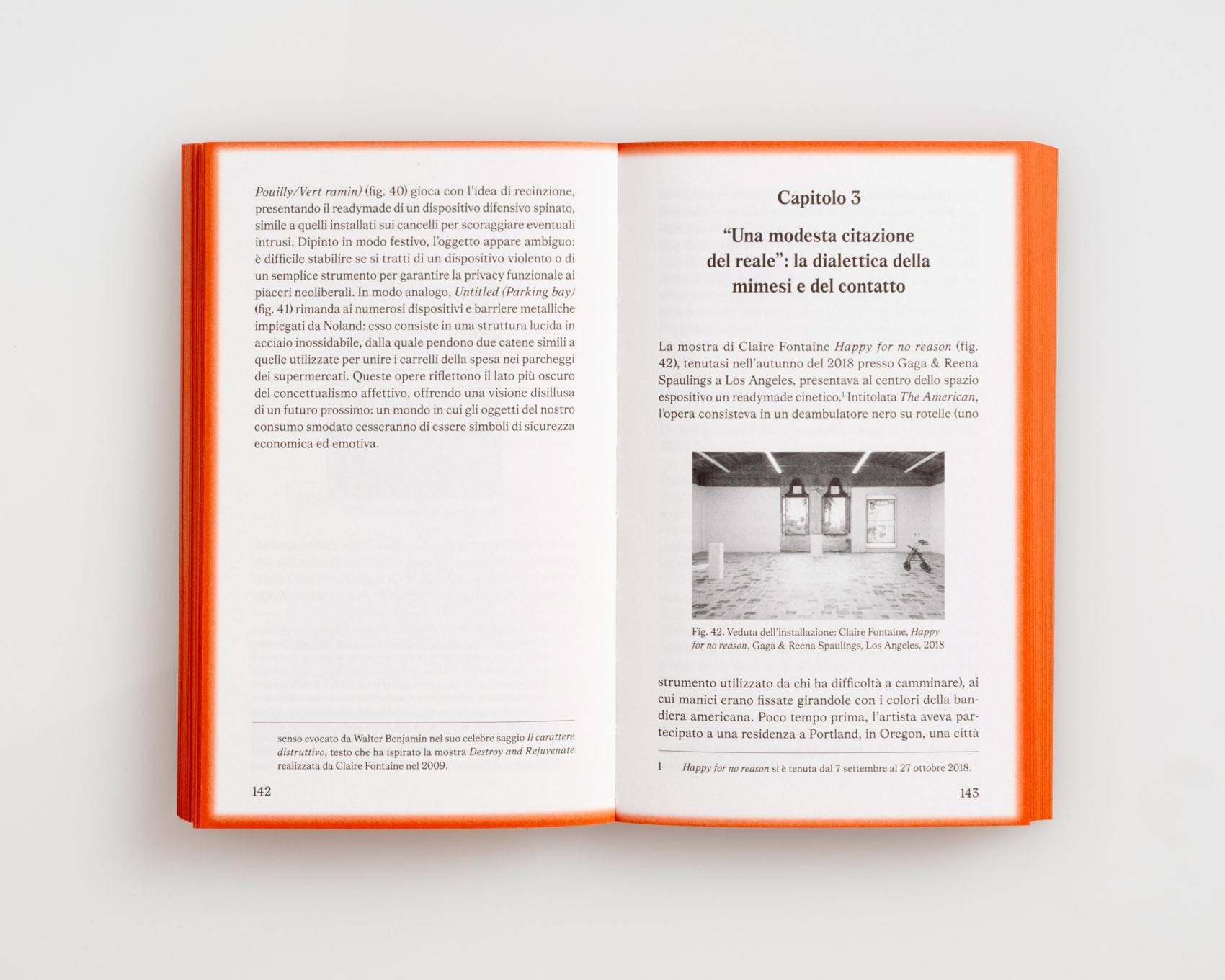
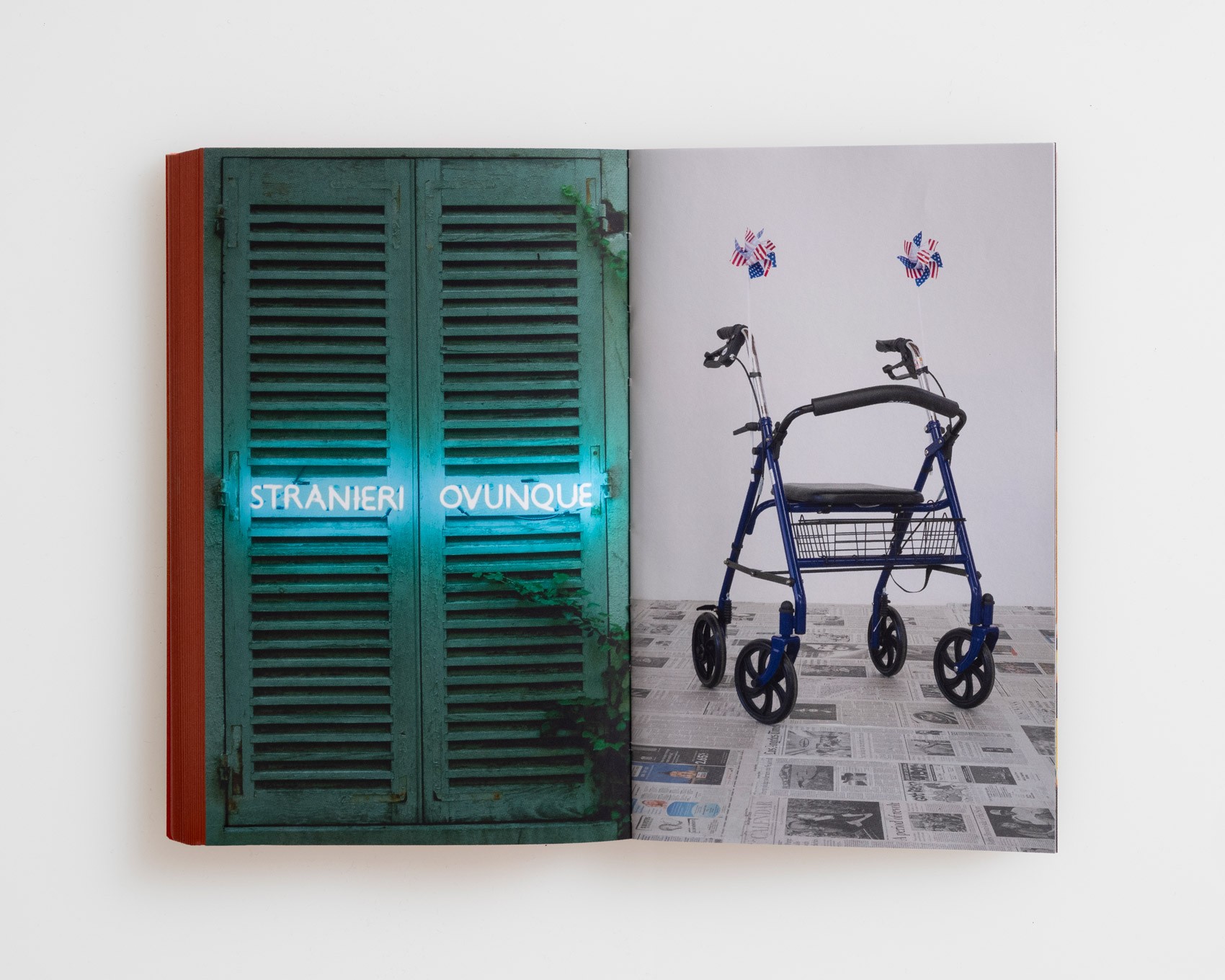
Claire Fontaine: istruzioni per l’uso esplora il lavoro del collettivo femminista di arte concettuale Claire Fontaine alla luce delle sue innovazioni teoriche e politiche, all’interno e all’esterno del contesto dell’arte contemporanea. Teorizzando le modalità tramite cui l’approccio sperimentale di Claire Fontaine è in grado d’illuminare un orientamento aptico e incarnato nei confronti della teoria critica, questo libro delinea una serie di metodologie e procedure teoriche al centro della pratica dell’artista, fra cui defunzionalizzazione, institutional critique, sciopero umano, mimesi tattile, desoggettivazione, détournement, materialismo magico e materialismo femminista.
In questo saggio, la teorica politica e operatrice somatica Anita Chari fa luce su una pratica più ampia per chi lavora nel mondo della teoria critica, fornendo una serie di “istruzioni per l’uso”: un manuale che, attingendo alle risorse dell’arte contemporanea, cerca di reinvestire la teoria critica di un valore d’uso, per rifondarla sulla percezione sensoriale e informare le pratiche politiche contemporanee.
“Un libro geniale e appassionante sull’arte e la scrittura di Claire Fontaine – ‘artista readymade’ e provocatrice concettuale – che attraversa con fluidità teoria critica, filosofia politica e critica d’arte, oltre a offrire una vitale delucidazione delle strade possibili verso modalità trasformative di vita nel presente. Scrivendo con e attraverso il suo soggetto, piuttosto che ‘su’ di esso, come è consuetudine, Chari offre ai lettori delle ‘istruzioni per l’uso’ alla pratica di Claire Fontaine, identificando nel suo lavoro un modello per una resistenza incarnata.” —Tom McDonough, autore di The Beautiful Language of My Century