Maxiprocesso brings together 360 photographs by Maria D. Rapicavoli, one for each of the archival folders documenting the largest mafia trial in history, held in Palermo from 1986 to 1987. The volume explores the relationship between memory, justice, and social responsibility, examining the material element of a landmark event in contemporary Italian history.
This is the first monograph on the influential American choreographer and dancer Trajal Harrell. In an entertaining, far-reaching conversation with curator Daniel Baumann, Harrell covers all of his choreographies and performances, as well as his influences, successes, and failures, addressing how he transforms and transgresses the history of dance.
This book offers the first comprehensive overview of Anna Franceschini’s practice. Organized around recurring themes, it explores animation, the body, machines, ghosts, desire, and windows through commissioned contributions and selected writings. Its associative structure reflects her interest in repetition, transformation, and unstable images.
This book accompanies 5 Works, Lydia Ourahmane’s first institutional solo show in Italy, staged at the Nicoletta Fiorucci Foundation in Venice and curated by Polly Staple, during the 61st Venice Biennale, and includes newly commissioned texts and images that further contextualize the artist’s practice and work.
Museums of Tears extends Francesco Vezzoli’s 2024 exhibition at Museo Correr, Venice, combining historical works and new commissions to explore antiquity, emotion and illusion. Conceived as an artist’s book rather than a catalogue, it transforms the museum guide into a hybrid archive and portable museum of memory, beauty and mourning.
A project by Fondazione In Between Art Film, edited by Carla Subrizi, Paola Ugolini, and Maria Alicata, this illustrated volume investigates the cinematic, documentary, and video output of women artists and filmmakers operating in Italy in the 1960s and 1970s, situating their research at the intersection of artistic experimentation, politics, society, and technology.
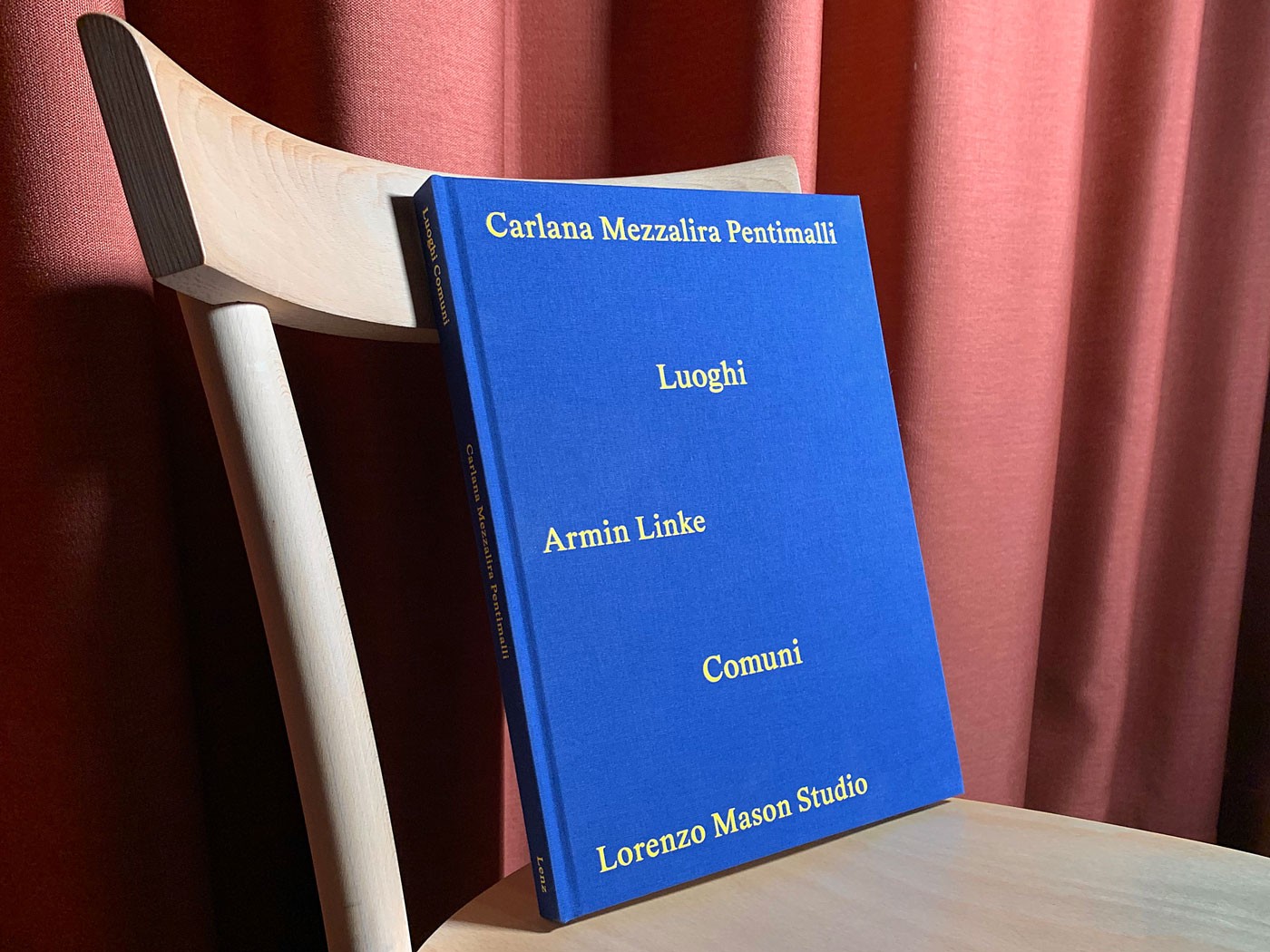
Michel Carlana, Luca Mezzalira, and Curzio Pentimalli
Photographs by Armin Linke
Design by Lorenzo Mason Studio
Hardcover, 176 pages, 24 x 33 cm
ISBN: 979-12-80579-39-3
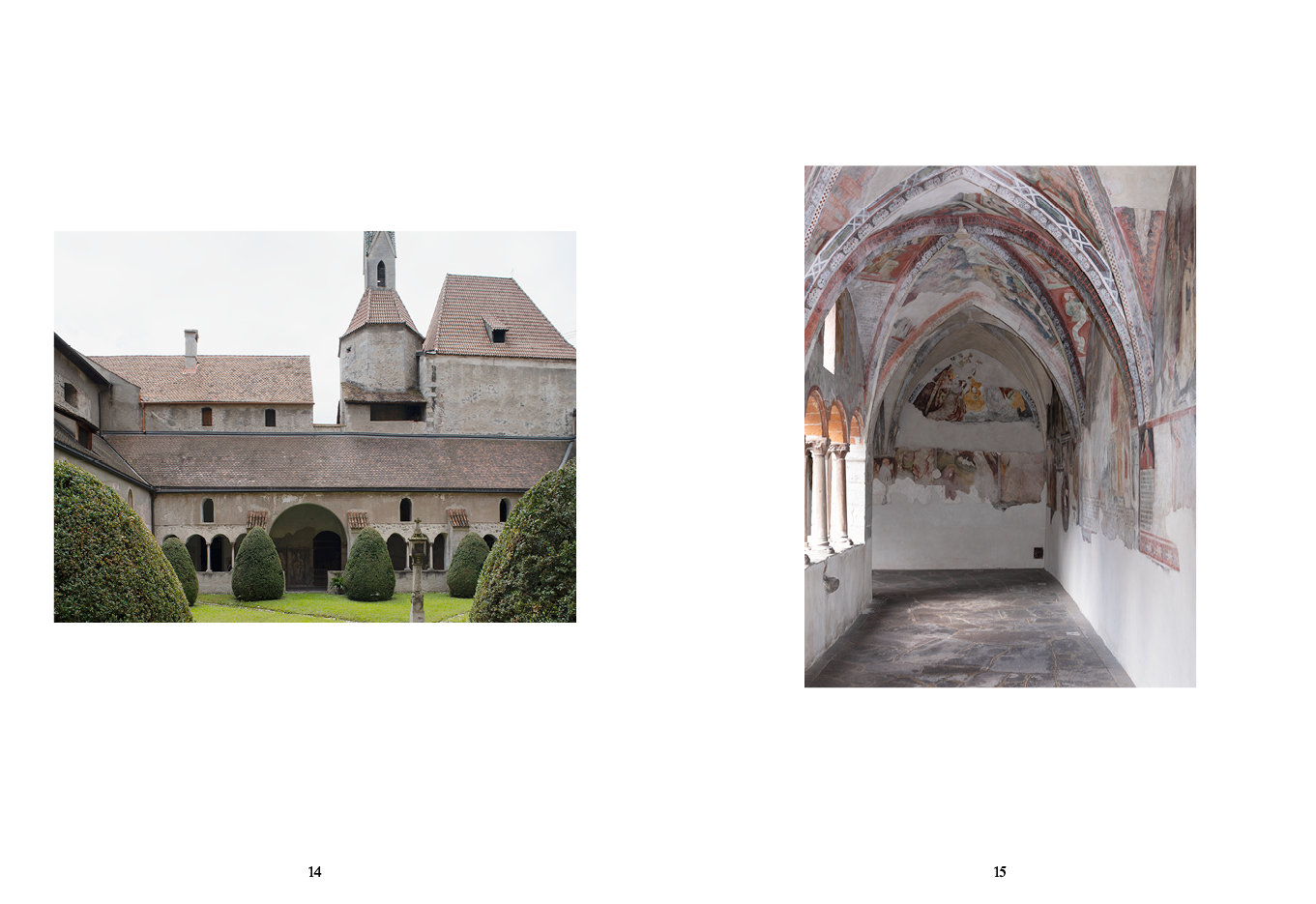
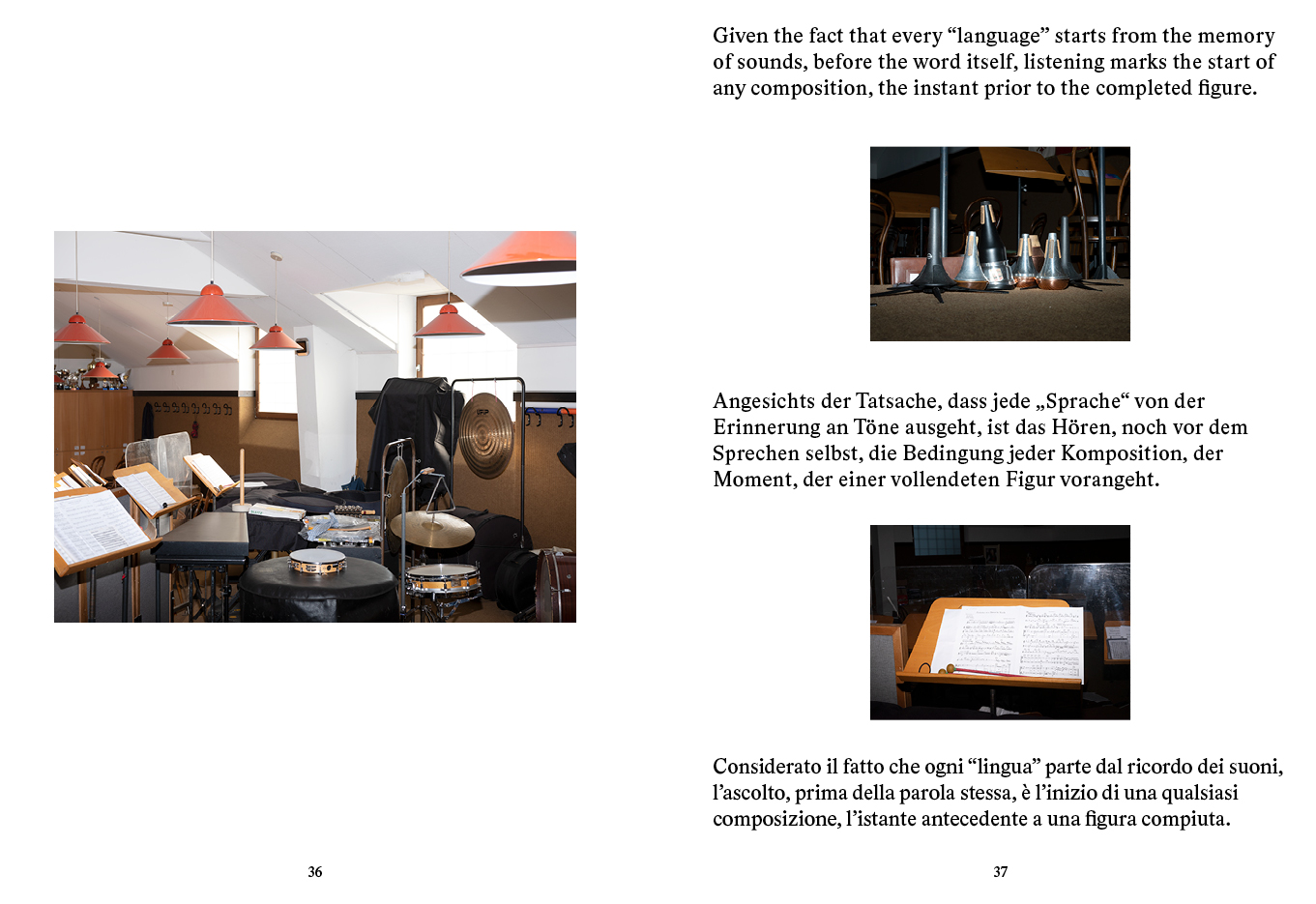
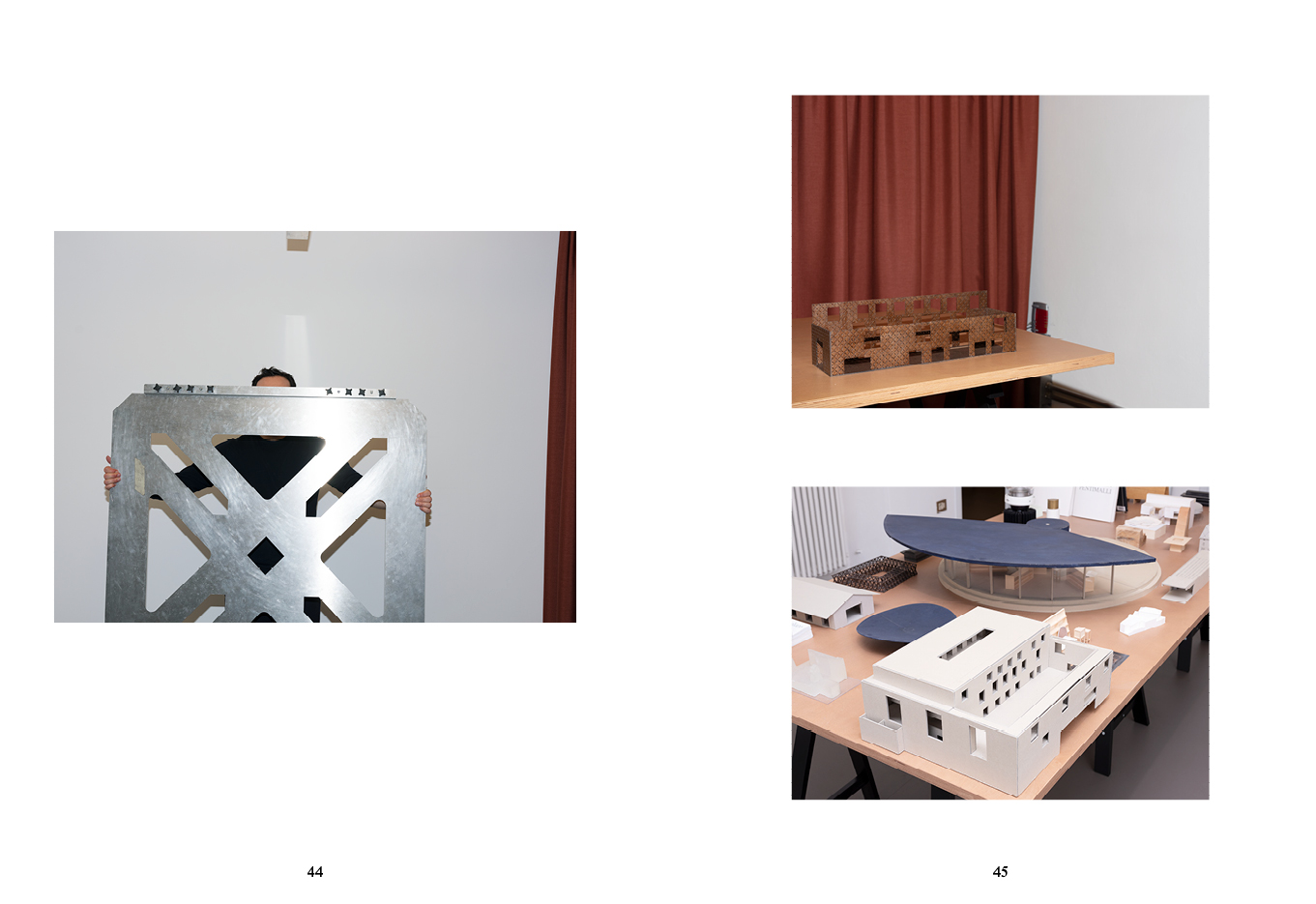
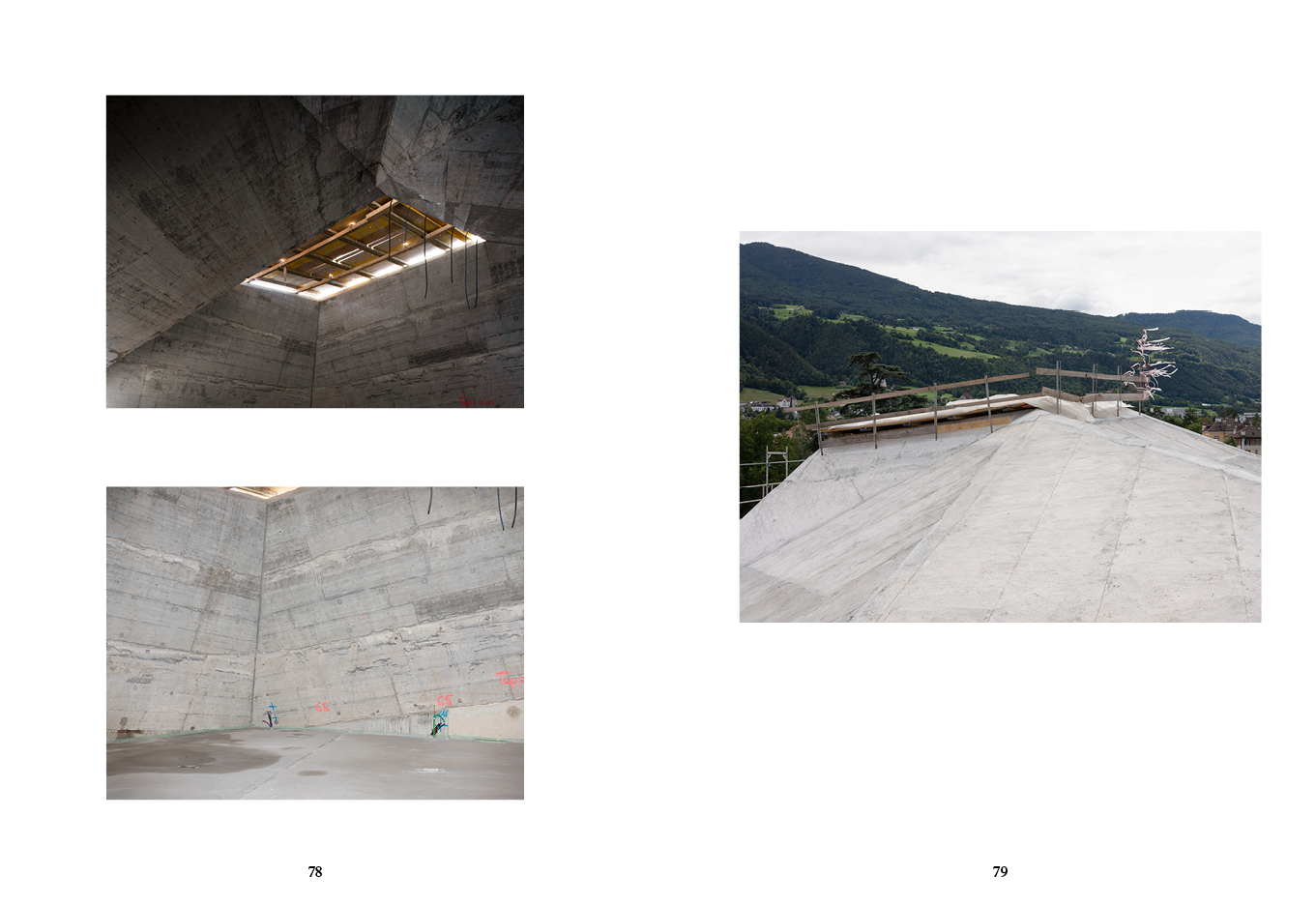
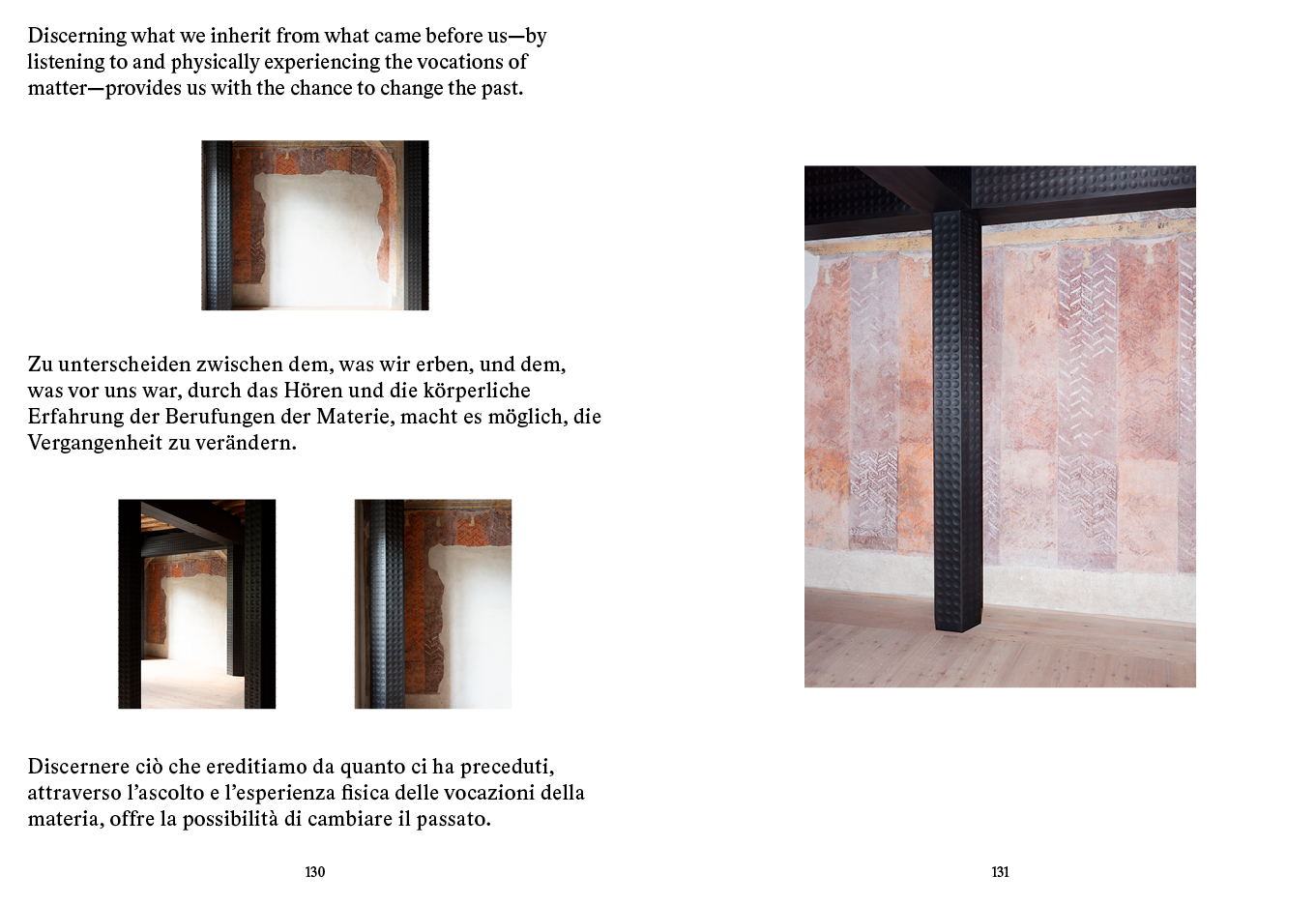
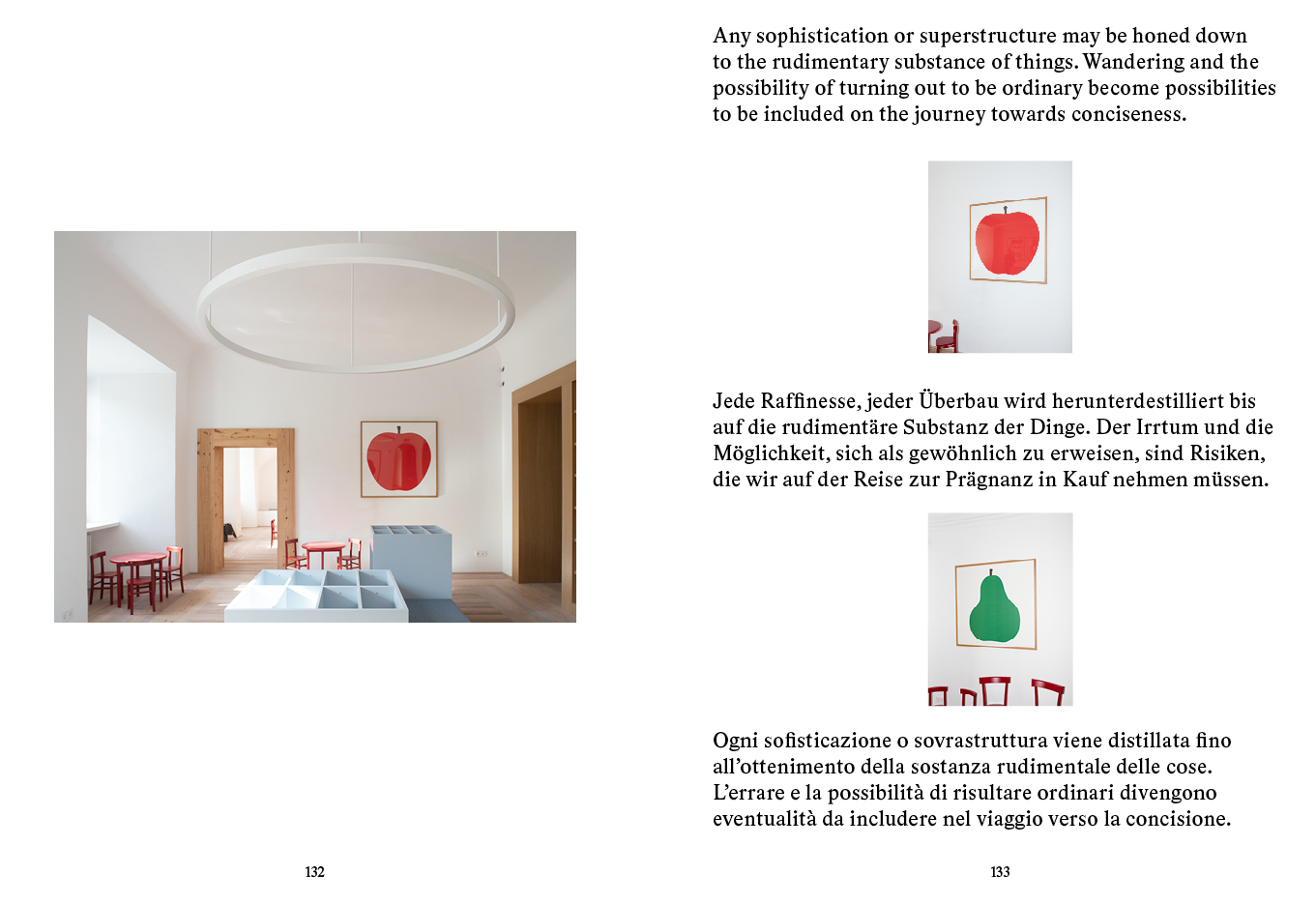
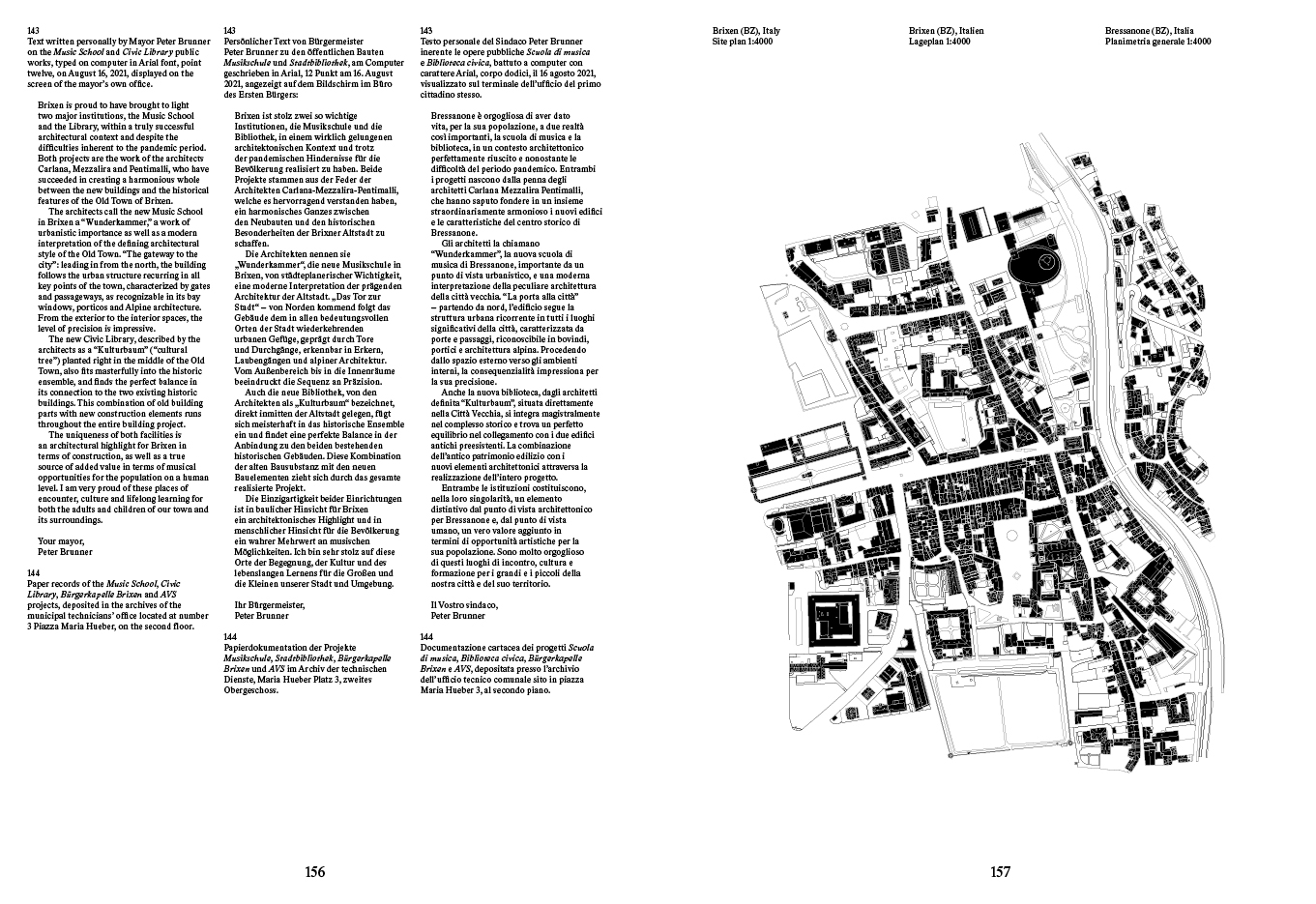
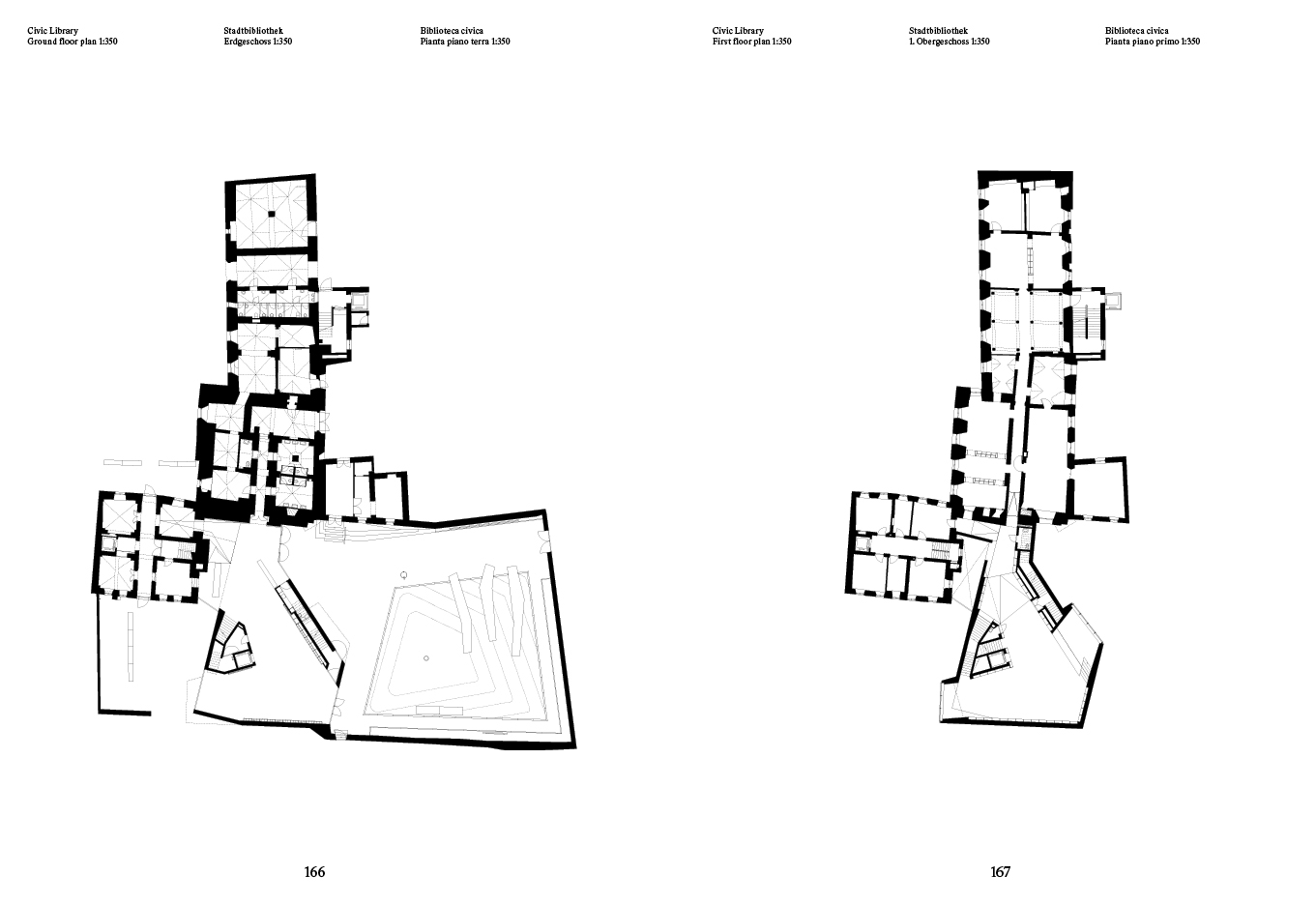
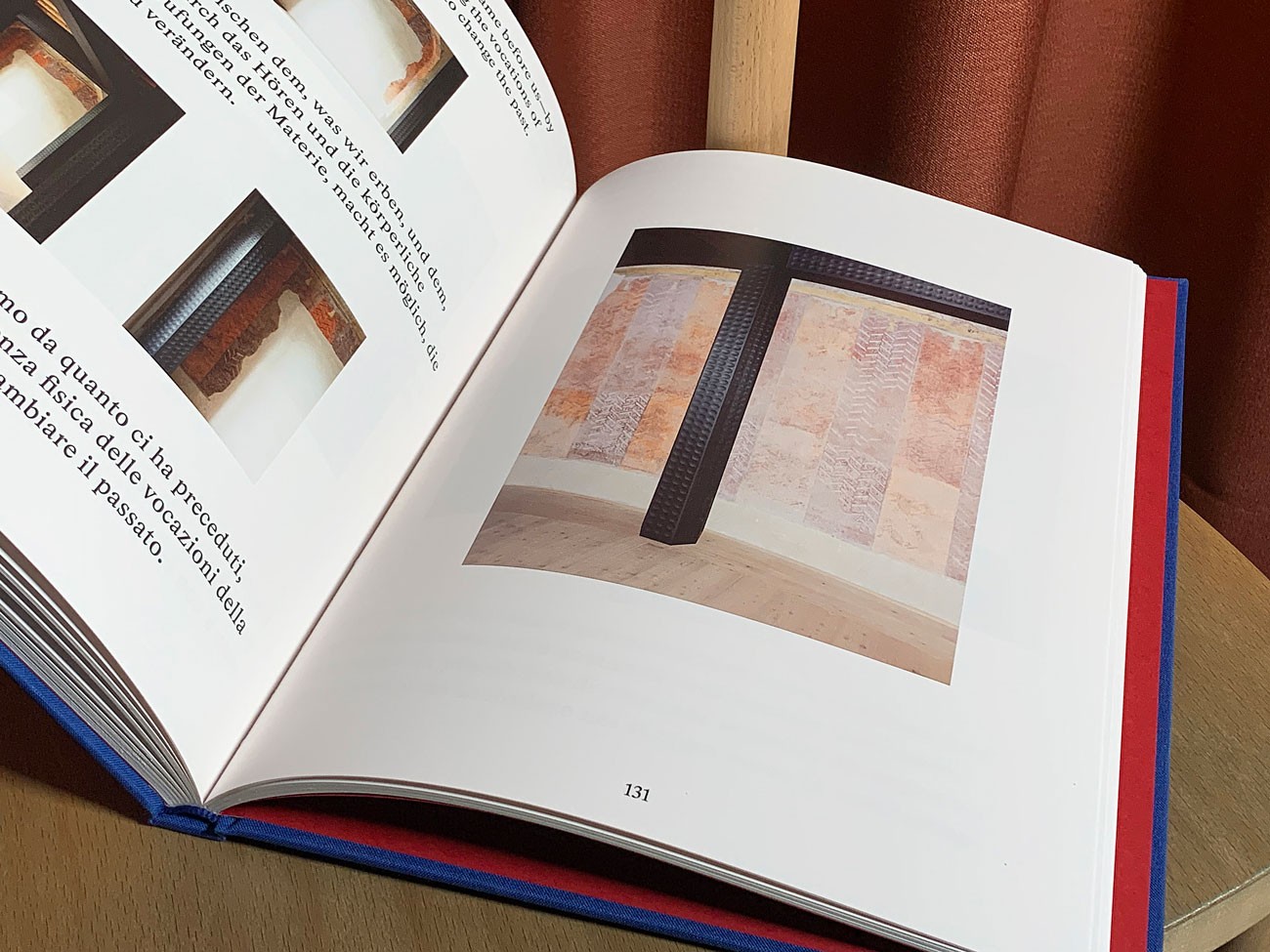
The Italian-based architectural office Carlana Mezzalira Pentimalli designed two important public buildings in the ancient city center of Bressanone, South Tyrol. Just over five hundred meters apart, the two works, the Music School, and the Public Library allowed for reasoning about the city’s architecture, exercising a method made up of ideas that look at the peculiarities of places.
In a historical period in which the image—by virtue of its visual impact even before its meaning—has taken on the role of the main channel of communication, the Luogo Comune (“common place”)—understood both as a meeting space and as the lowest common denominator of an “essential language”—might provide the interval of reflection necessary to start asking some simple, elementary questions about what surrounds us.
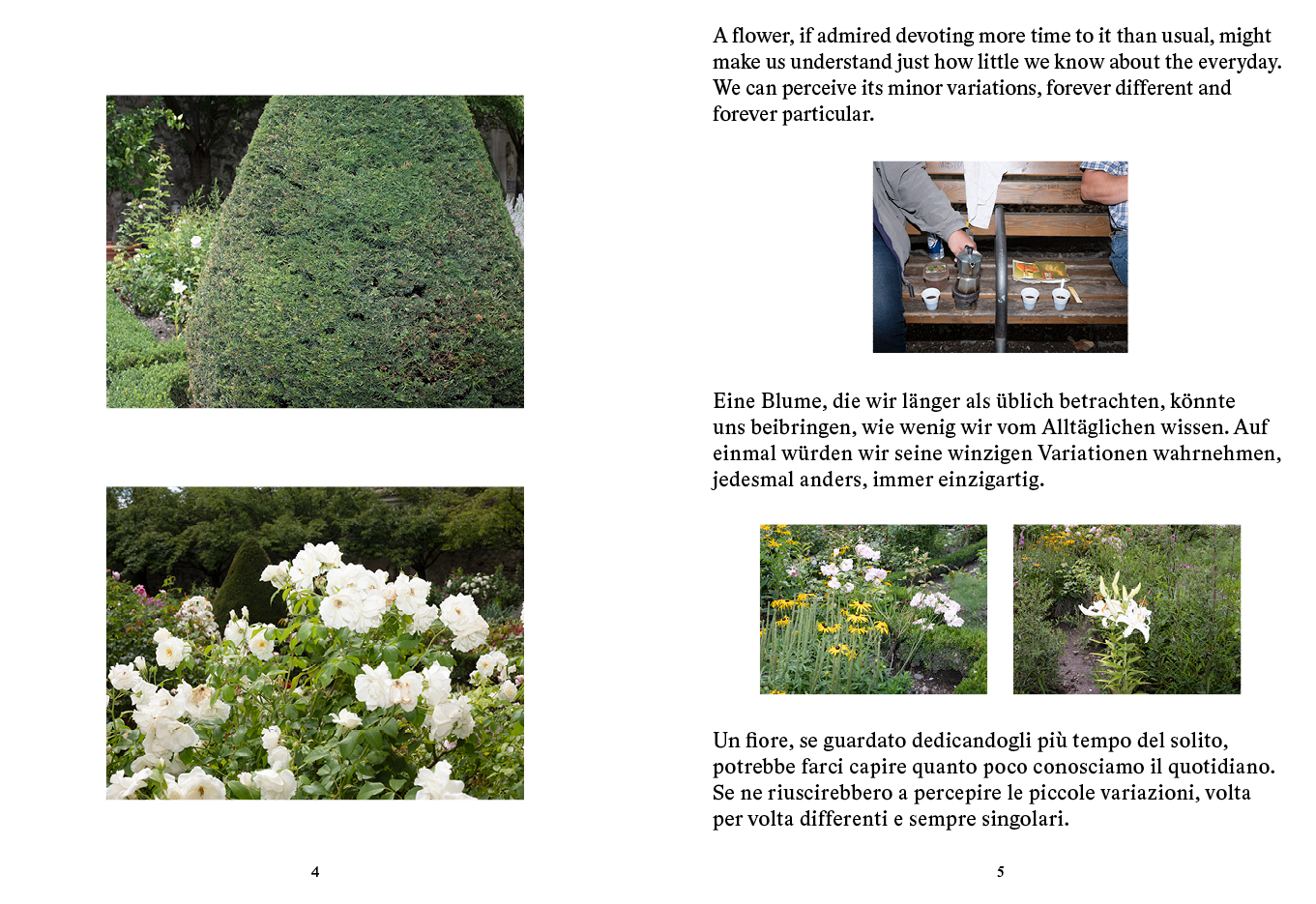
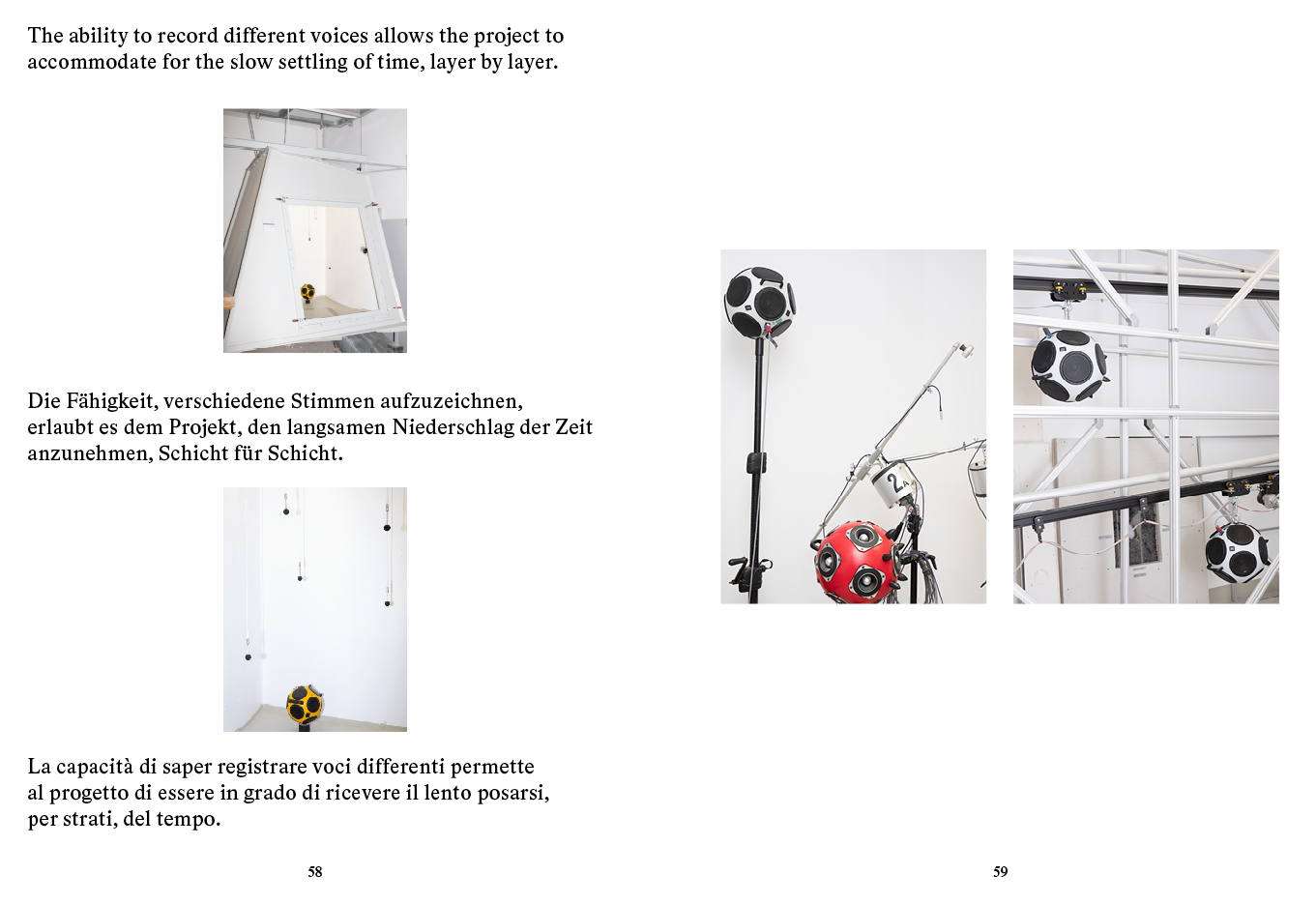
Within this publishing project, the authors talk about the passage of time, the concept of place and method through the anthropological approach underpinning the photographs taken by Armin Linke in several site visits made in the cities of Treviso, Brixen and Munich, between 2020 and 2021.
Lorenzo Mason gave the graphic structure to a text written in short annotations, in which trilingualism helps to bring out the traditions of the community of Brixen: a town capable of welcoming two public buildings designed with the same approach yet specific to the context in which they are rooted.
Biographies
Michel Carlana (1980), Luca Mezzalira (1982), and Curzio Pentimalli (1982) graduated from the Università Iuav di Venezia. Founded in 2010, the office aims to make urban planning and architecture a single practice—simple and enduring, organic, precise, and necessary—that considers the project an idea, an opportunity to reinterpret a place.