A book emerged from the need to try to tell the story of architecture in a way quite unlike how it’s usually told, in a continuous dialogue between the anthropological gaze of Armin Linke’s photos compared with the ideation process of two public works by the Carlana Mezzalira Pentimalli architecture office.
The book documents and brings together two exhibition projects by Nina Canell and Maria Hassabi. Essays, unpublished materials and a rich set of photographic materials form the driving force behind two visual narratives that offer new keys to understanding the research of the two artists.
Can art, literature, filmmaking, and music draw out, make visible, legible, audible, or even contestable the patterns in which our lives are held? Considering the work by Stan Douglas, Harun Farocki, Ingri Fiksdal, Åke Hodell, Stefan Panhans & Andrea Winkler, Susan Philipsz, and Elizabeth Price, this publication entertains this question.
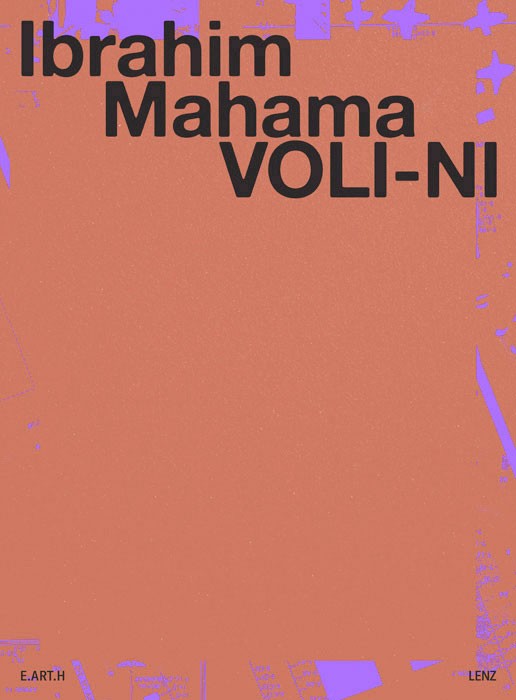
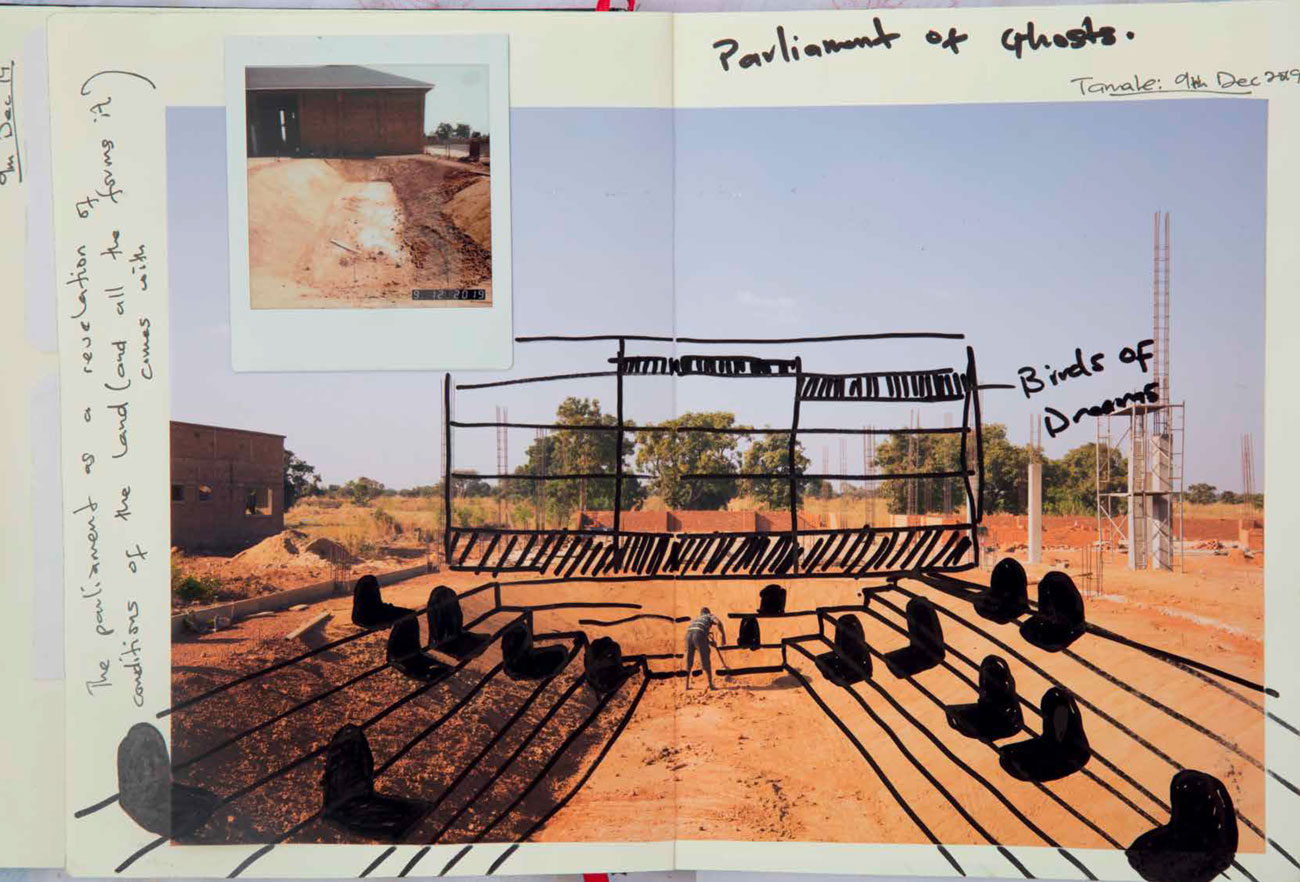
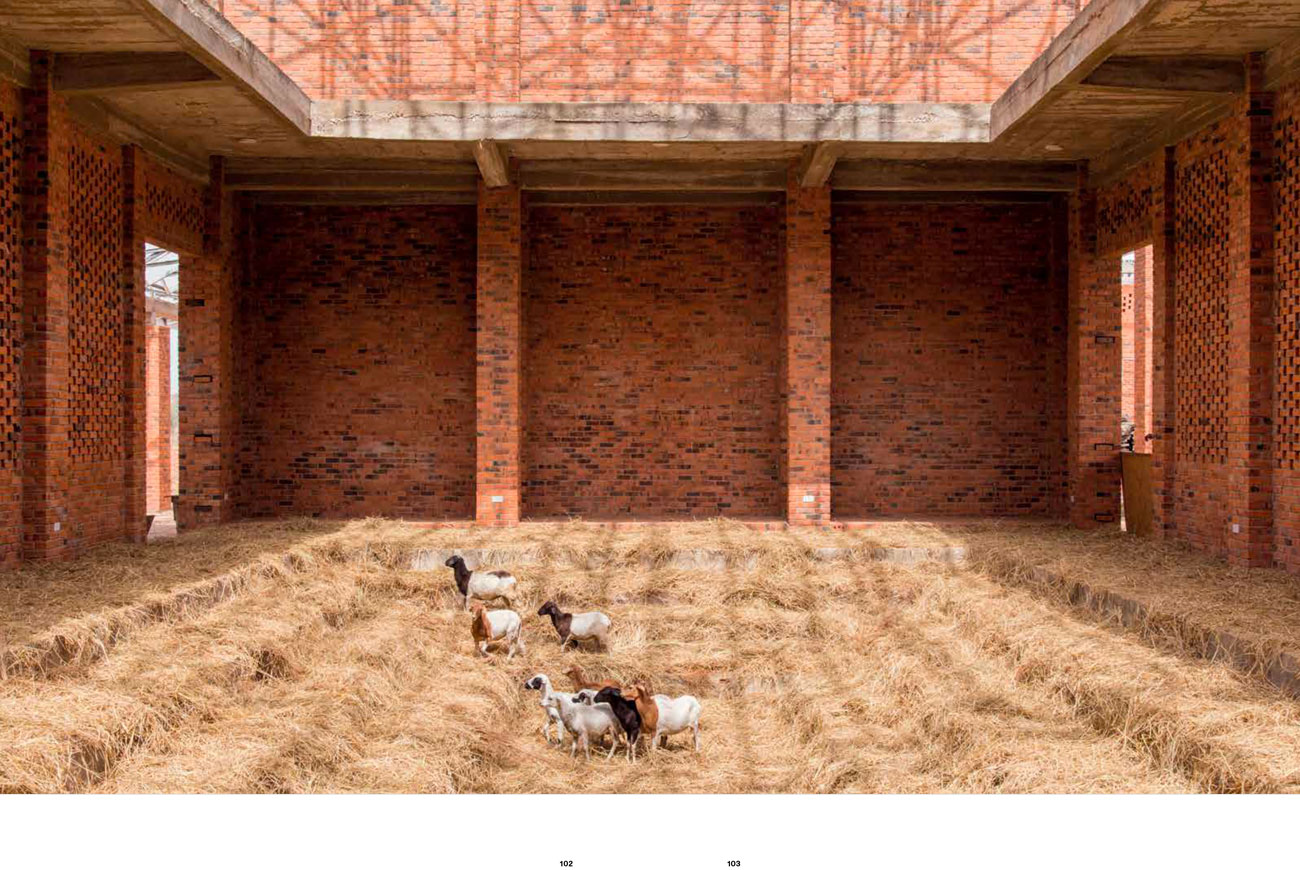
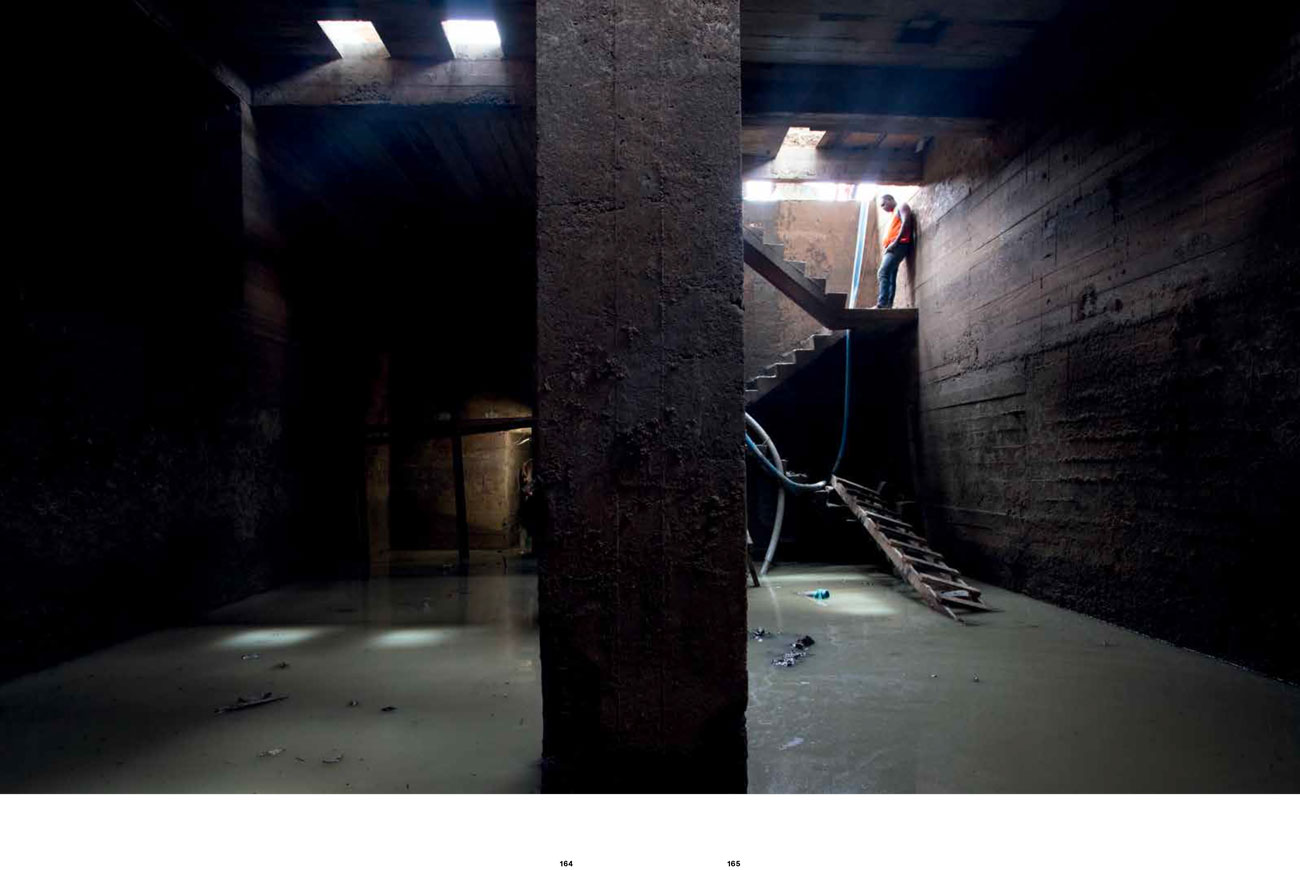
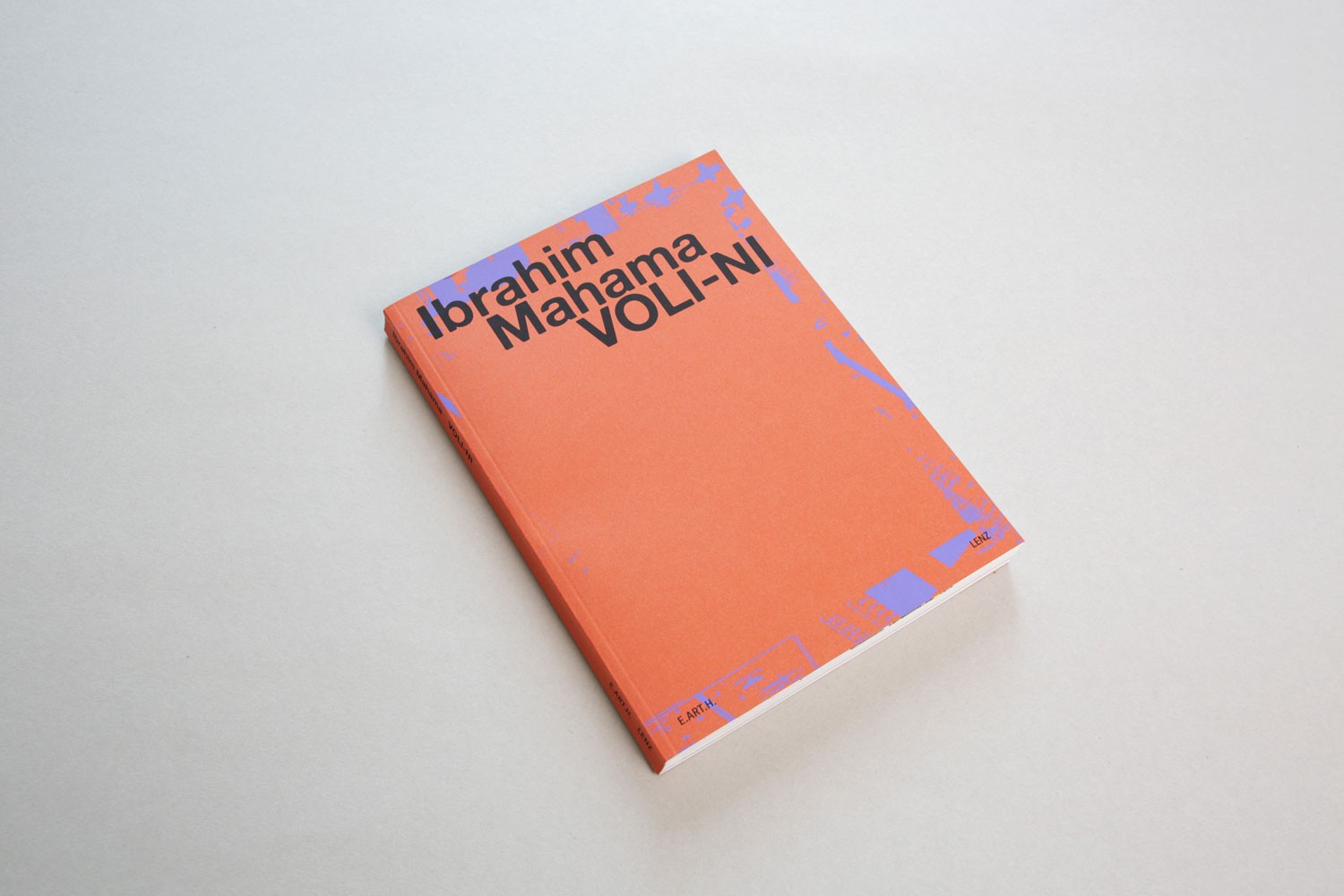
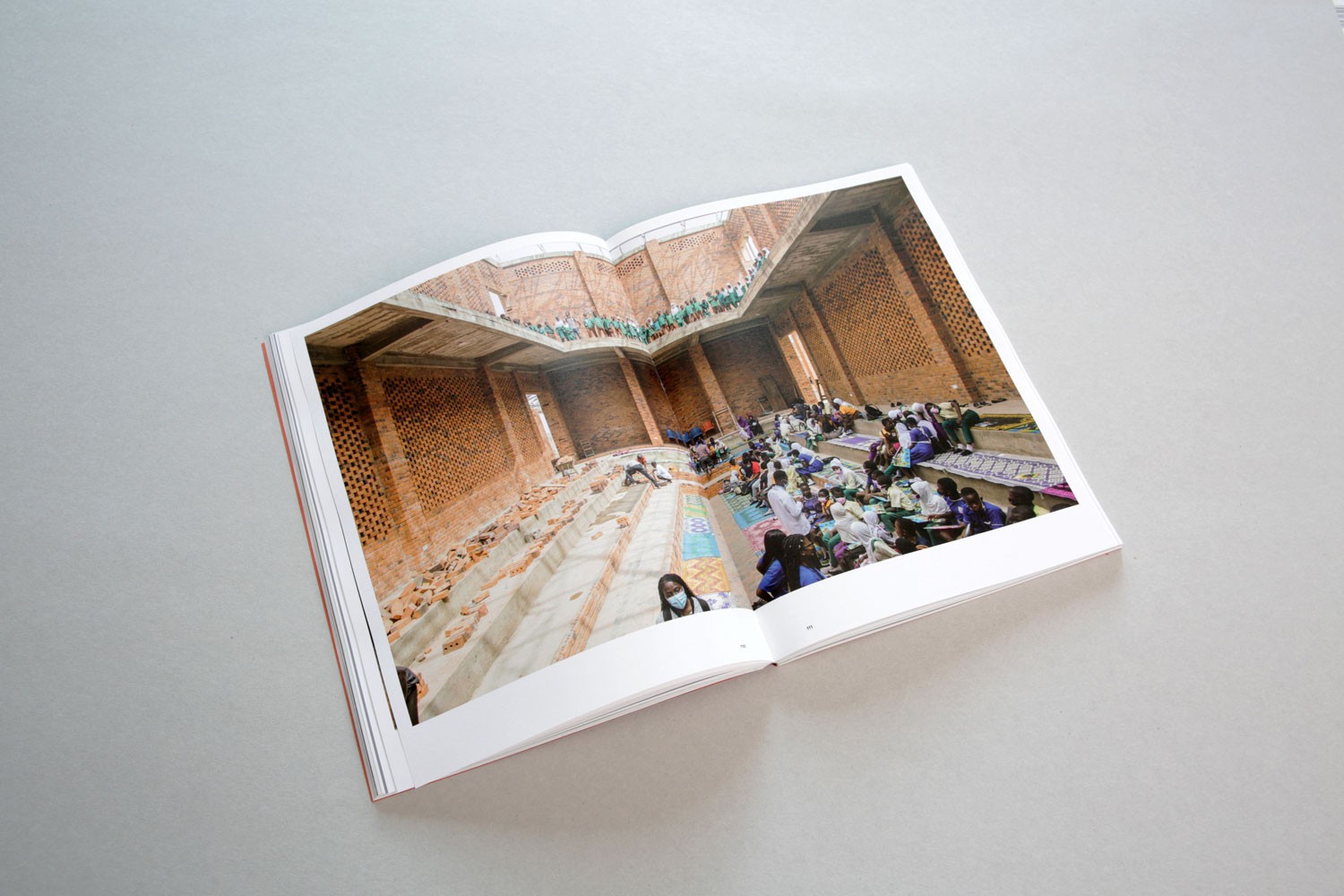
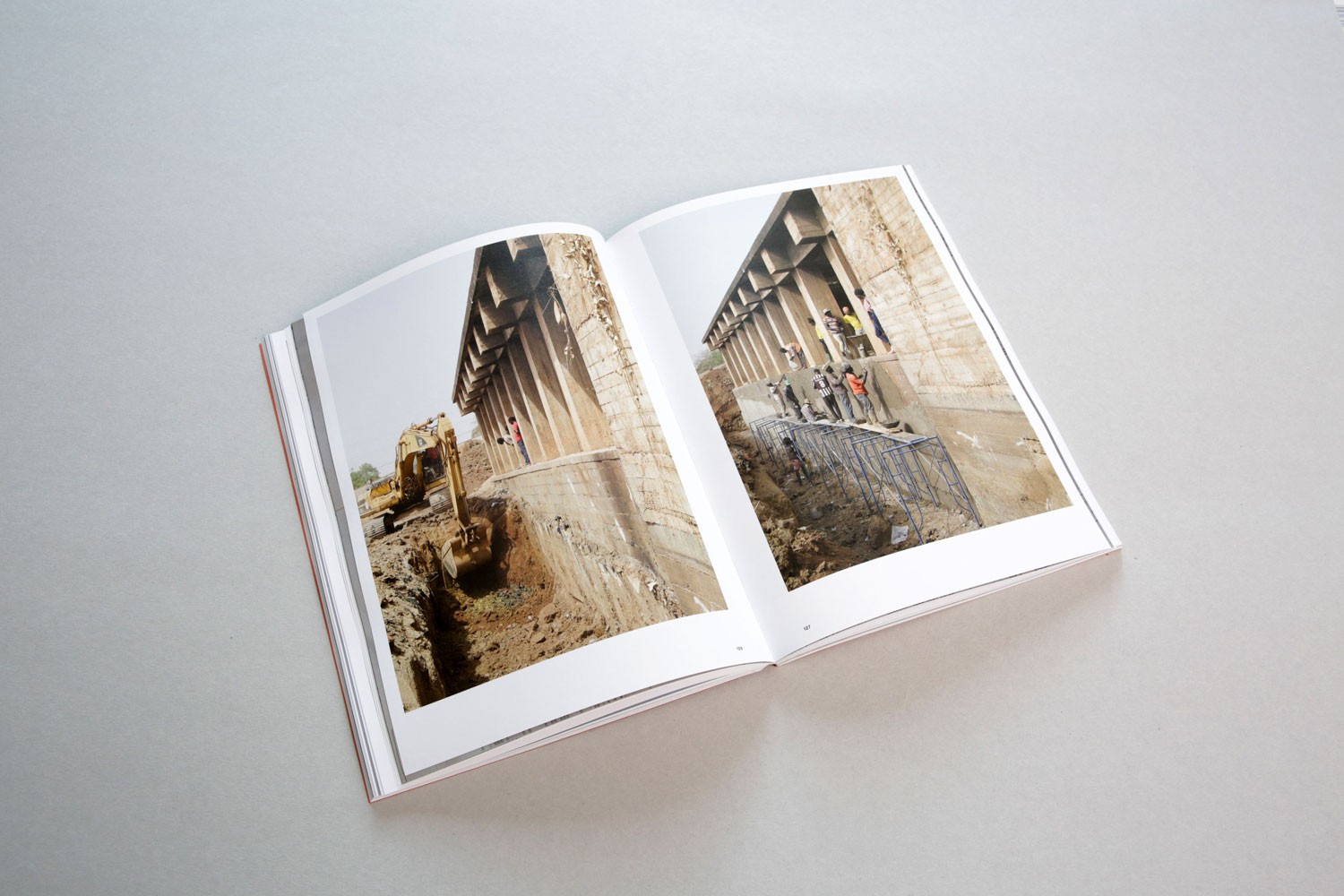
This new major monographic publication on the Ghanian artist documents the work that transformed sites and repurposed buildings in his native town of Tamale to transformative outcomes rooted into the idea of art as a tool of understanding, rebalancing, and advancement.
For life and limbs, Austrian artist and curator Anna-Sophie Berger has assembled a group of works, from Arakawa and Gins to Lyle Ashton Harris, that register the body as a habitat that can be imaginatively stretched, altered, modified, adorned, replicated or destroyed.
This two-volume catalog, curated by Andrea Bellini and the New York-based collective DIS, is the outcome of the 2021 edition of the Biennale de l’Image en Mouvement (BIM’21), presented at the Centre d’Art Contemporain Genève.
Edited by Ibrahim Mahama and Eva Brioschi
Texts by Bernard Akoi-Jackson and Ibrahim Mahama; Eva Brioschi; karî’kachä seid’ou and Selom Kudjie
Design: Studio Temp
Softcover, 272 pages, 21 x 28.5 cm
English / Italian
ISBN 979-12-80579-20-1
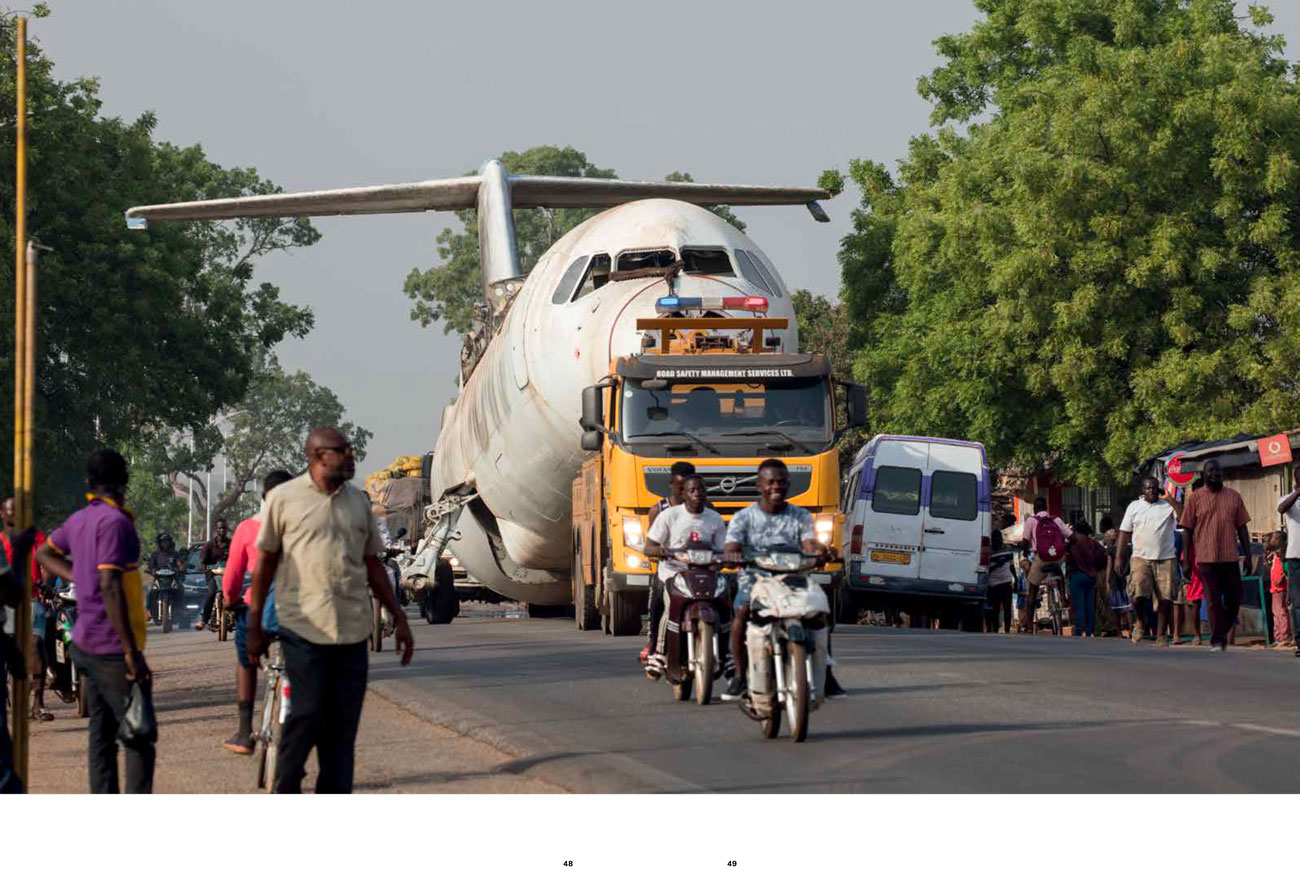
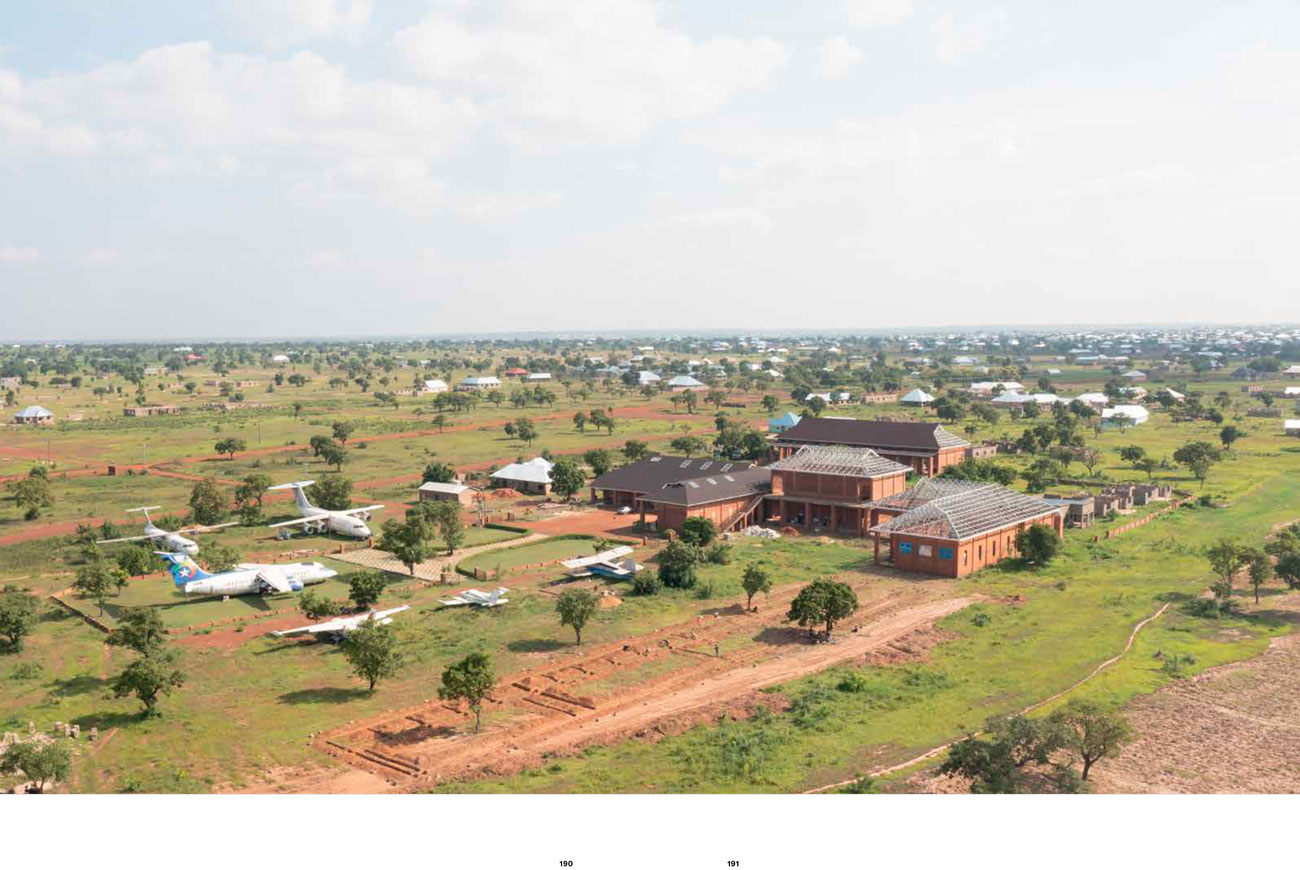
Ibrahim Mahama was born in 1987 in Tamale, a city in northern Ghana where he lives and works. He studied painting and sculpture at Kwame Nkurumah University in Kumasi, Ghana, earning a master’s degree in painting and sculpture in 2013. During his university years, he began working on installations reflecting on the theme of globalization, labor, and the movement of goods, with works made in collaboration with local communities. In 2019, Mahama opened the Savannah Centre for Contemporary Art (SCCA), a foundation run by a group of artists and curators active in Ghana, which was followed by the establishment of Redclay in the suburbs of Tamale. This large facility incorporates artist studios (including his own), research spaces, an artist residency, a permanent collection of artworks, workshop rooms (some set up inside old decommissioned airplanes), and large plots of land dedicated to various types of cultivation. All of this contributes to this visionary artist’s desire to take an active part in the economic, social, and cultural development of his country, providing powerful incentives and teachings to new generations, to make the local population as participatory and economically self-sufficient as possible.
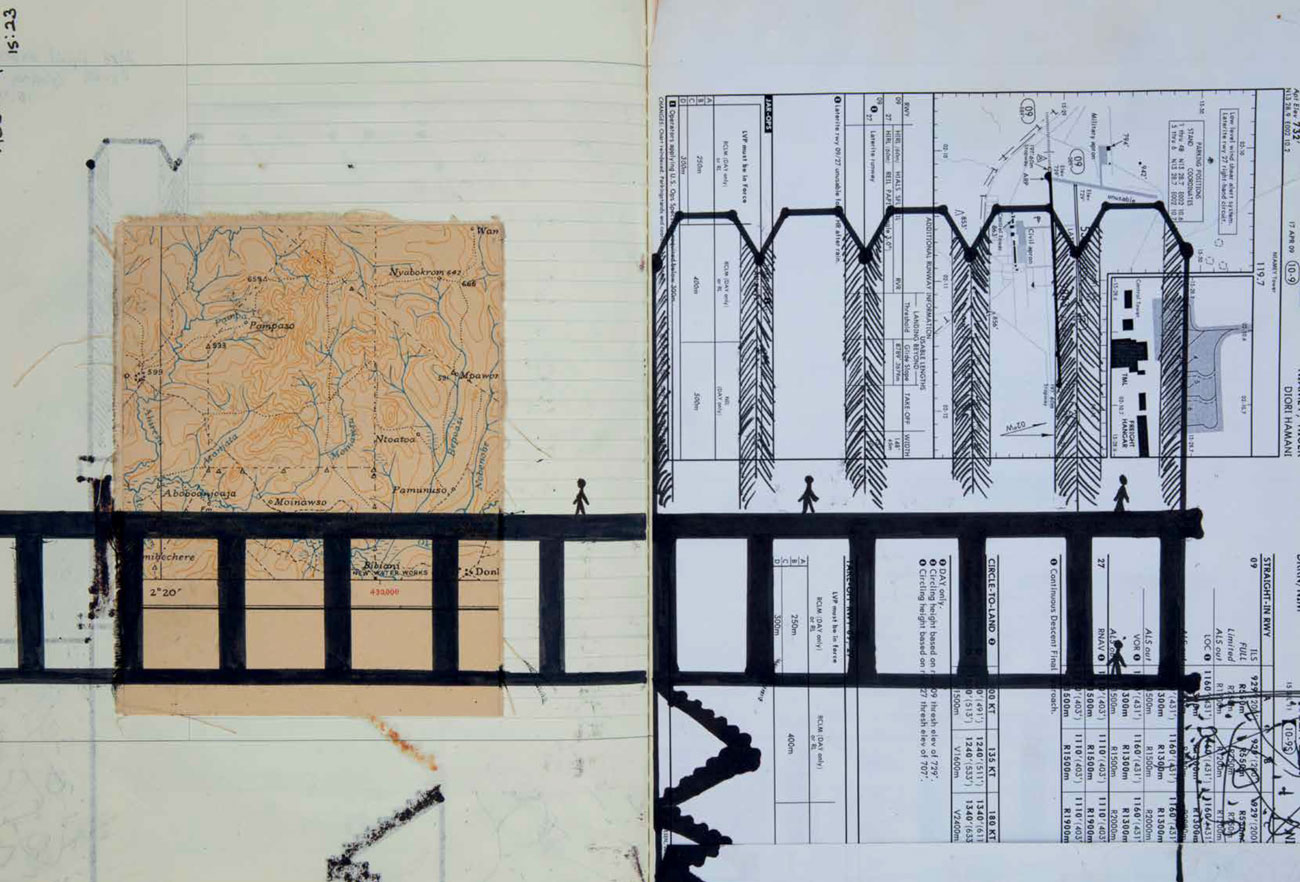
This volume, published to accompany Mahama’s inaugural exhibition at Eataly Art House, in Verona, is constructed as visual diary of artist’s impressive work in his native Tamale, a community-based project founded on the understanding of art as totalizing, reparatory experience: a catalyzer of energies directed for change and social progress. It features texts by the curator Eva Brioschi, Mahama’s professor and mentor karî’kachä seid’ou with Selom Kudjie, and Mahama himself with Bernard Akoi-Jackson.
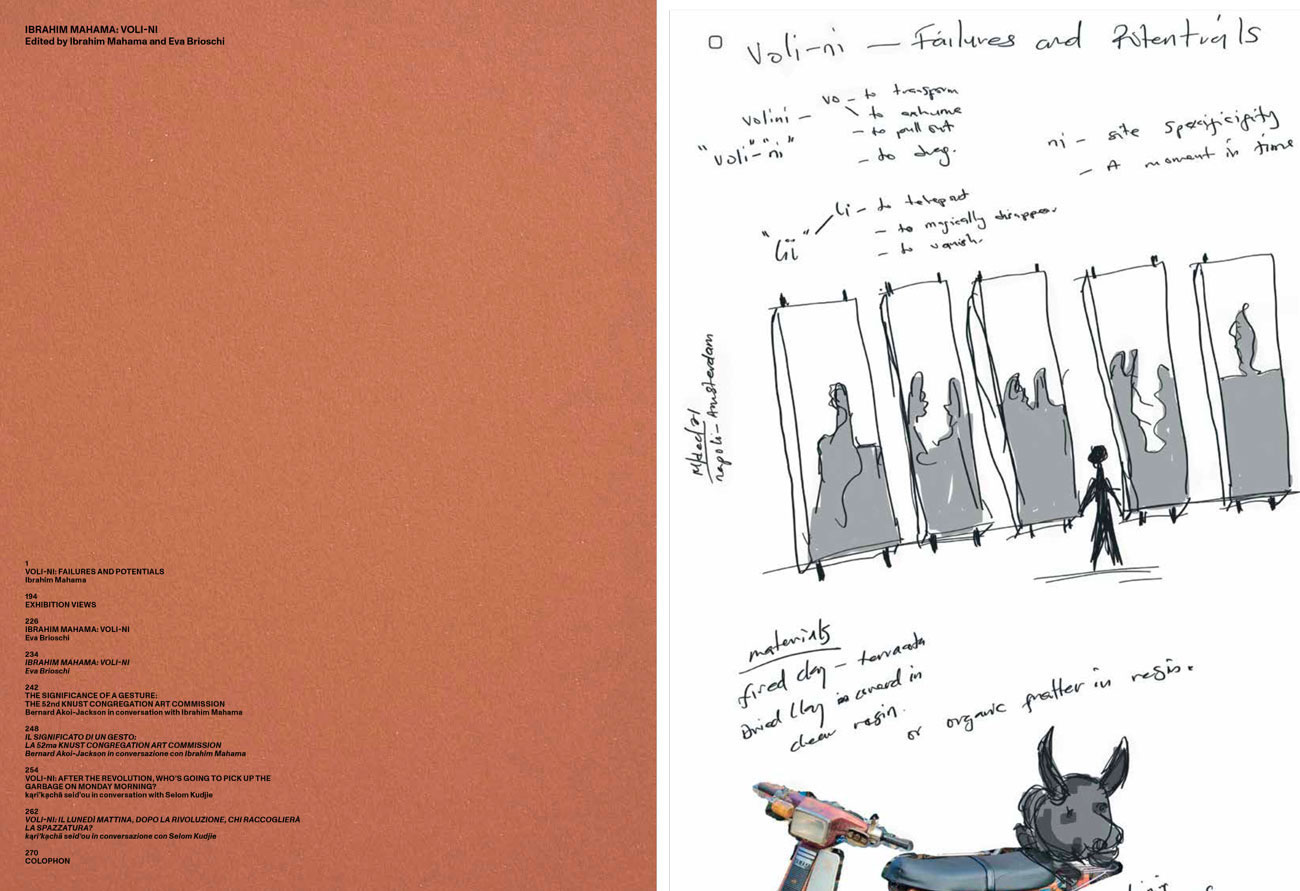
Voli-ni, which literally means “inside the hole,” is composed of individual particles with their own meaning: Vo, “to pull out,” “extract”; li, “to transfer,” “teleport”; and ni, “here and now.”
Voli-ni therefore indicates an emersion from darkness, from a failed past of defeat, towards the possibility of redemption, regeneration, through a portal that is real (recovered architecture) or imaginary (art).