Published on the occasion of the first exhibition in Italy by Jenna Gribbon, staged at the Collezione Maramotti, Mirages showcases a wealth of images that highlight the fluid, sensual output of this artist who, in repeatedly portraying her wife, the musician Mackenzie Scott (aka TORRES), explores the implications inherent in seeing and being seen.
The catalogue of this ambitious project, held at the Centre d’Art Contemporain Genève in 2017, reflects on the centrality of writing in contemporary visual art practices. Documenting its slippages from printed matters to the digital realm, from voice modulations to its sculptural presence, this book celebrates the word in all its forms.
A book emerged from the need to try to tell the story of architecture in a way quite unlike how it’s usually told, in a continuous dialogue between the anthropological gaze of Armin Linke’s photos compared with the ideation process of two public works by the Carlana Mezzalira Pentimalli architecture office.
The book documents and brings together two exhibition projects by Nina Canell and Maria Hassabi. Essays, unpublished materials and a rich set of photographic materials form the driving force behind two visual narratives that offer new keys to understanding the research of the two artists.
Can art, literature, filmmaking, and music draw out, make visible, legible, audible, or even contestable the patterns in which our lives are held? Considering the work by Stan Douglas, Harun Farocki, Ingri Fiksdal, Åke Hodell, Stefan Panhans & Andrea Winkler, Susan Philipsz, and Elizabeth Price, this publication entertains this question.
This new major monographic publication on the Ghanian artist documents the work that transformed sites and repurposed buildings in his native town of Tamale to transformative outcomes rooted into the idea of art as a tool of understanding, rebalancing, and advancement.
Edited by Daniel Baumann
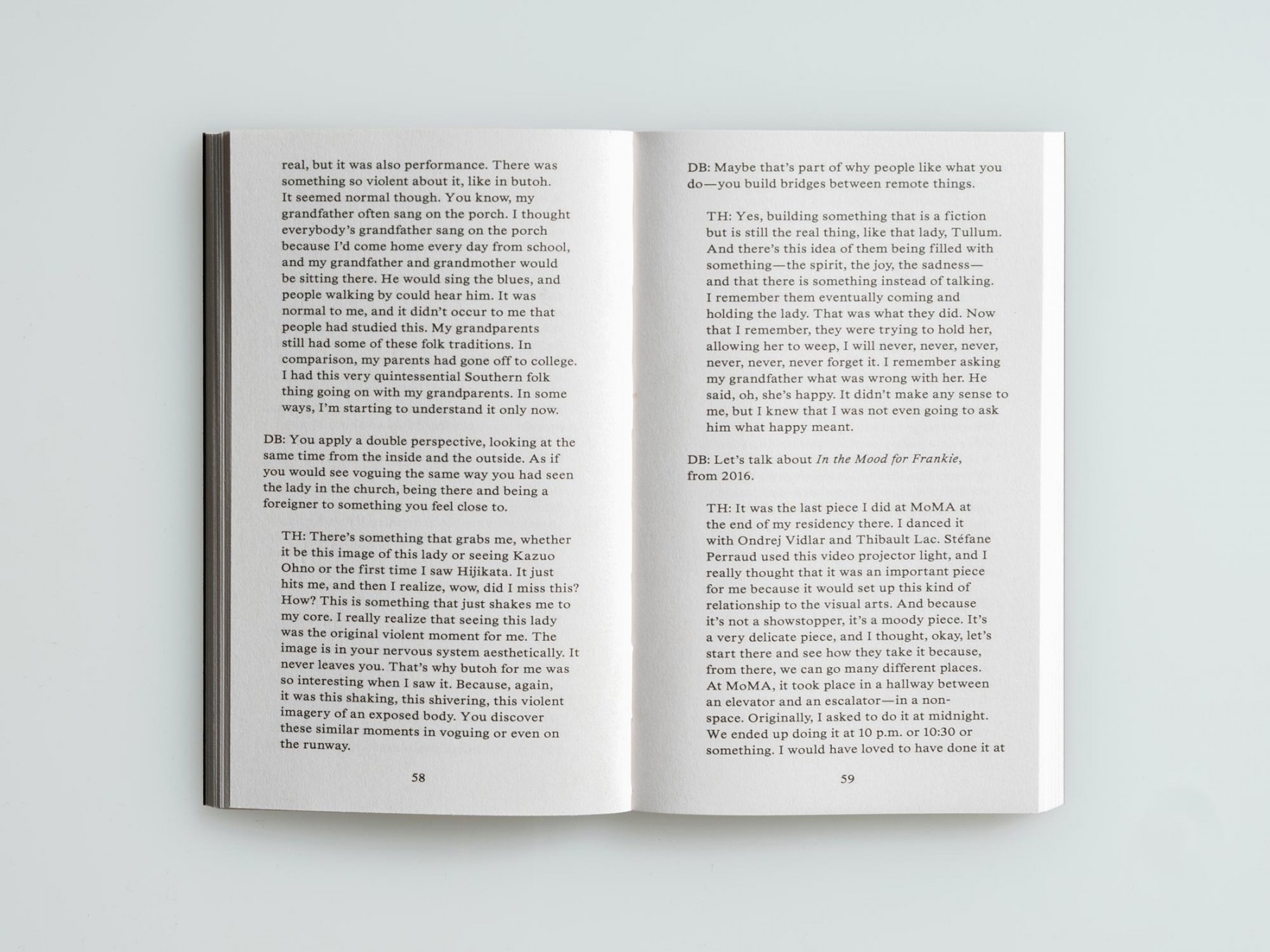
Trajal Harrell in conversation with Daniel Baumann
Designed by Lorenzo Mason Studio
Co-published with Kunsthalle Zürich
2026, English, softcover, 11 × 18 cm, 184 pages
ISBN 979-12-82771-00-9
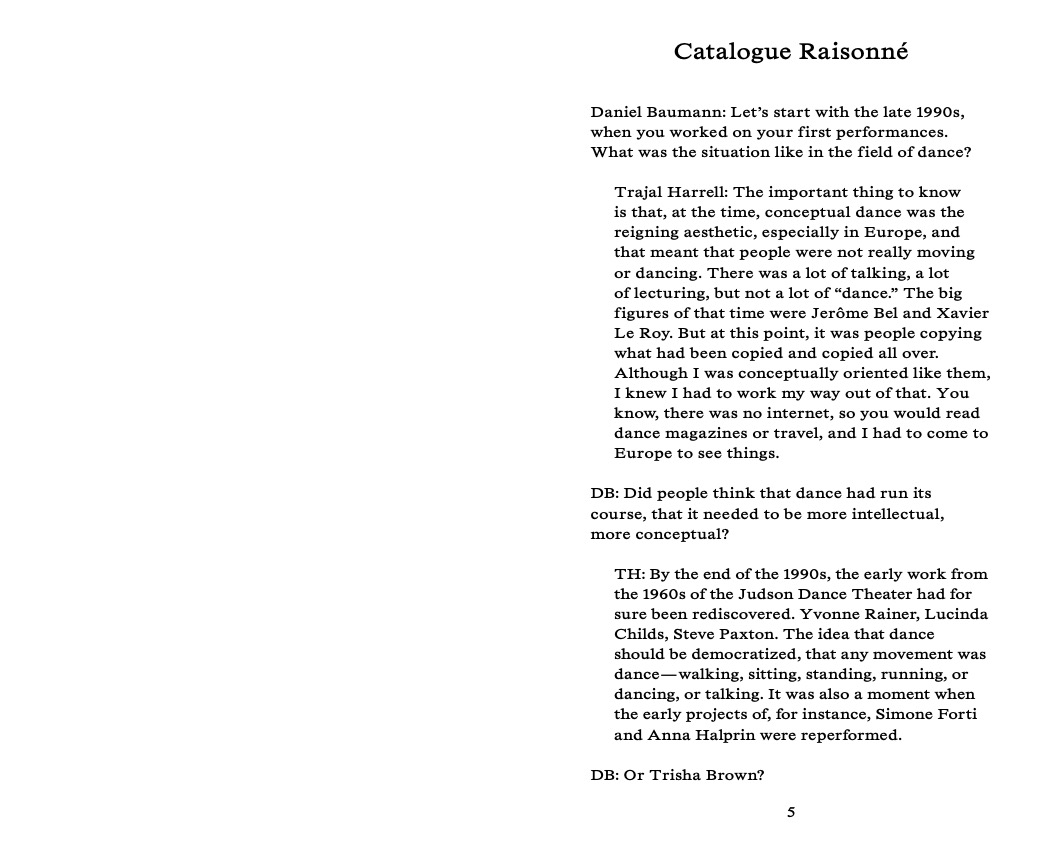
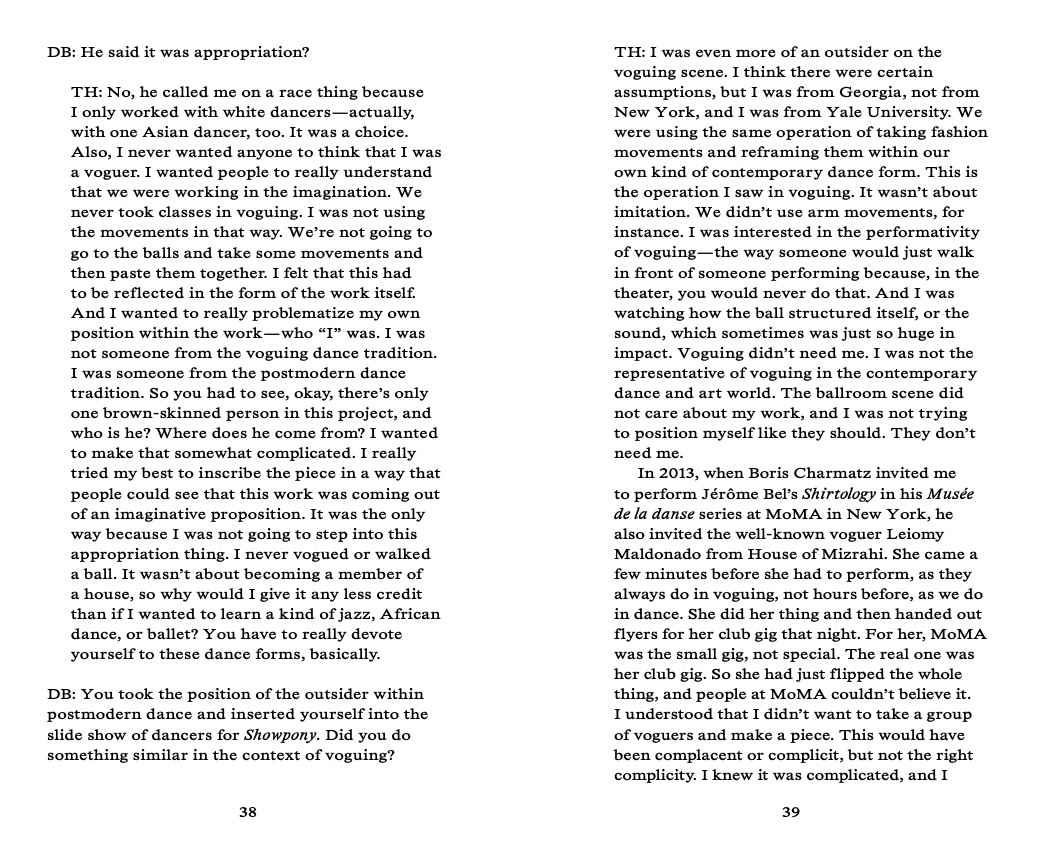
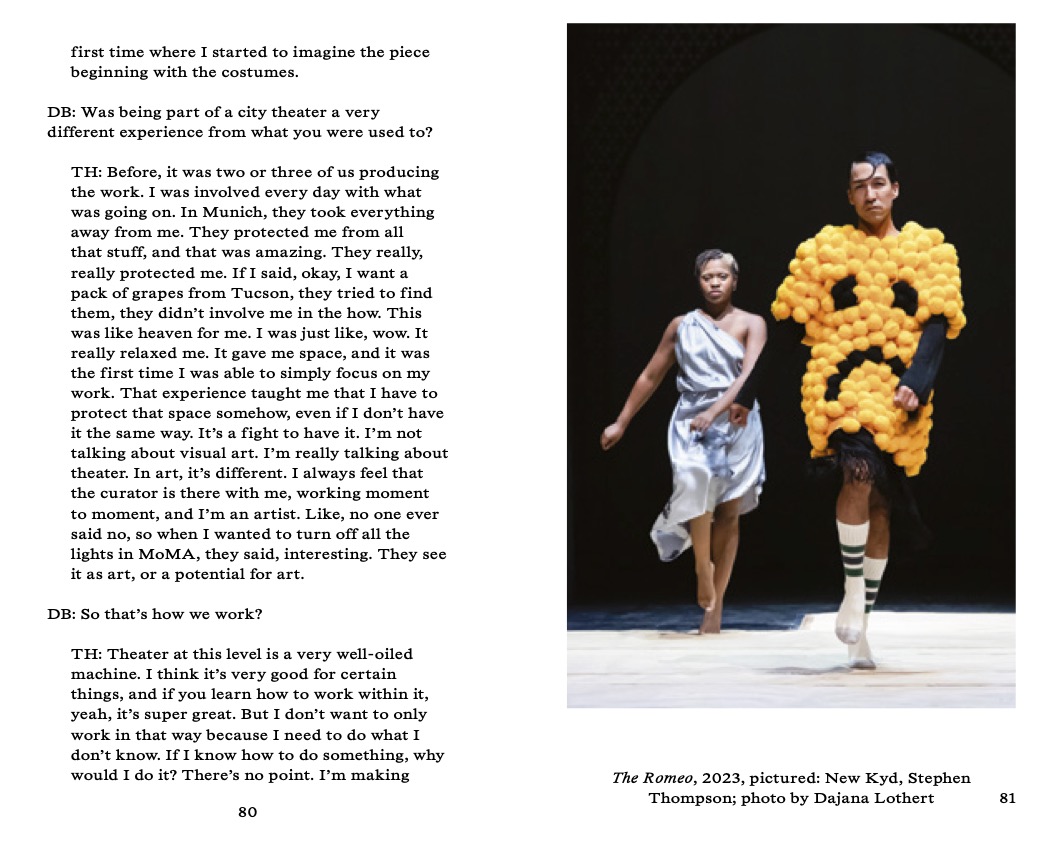
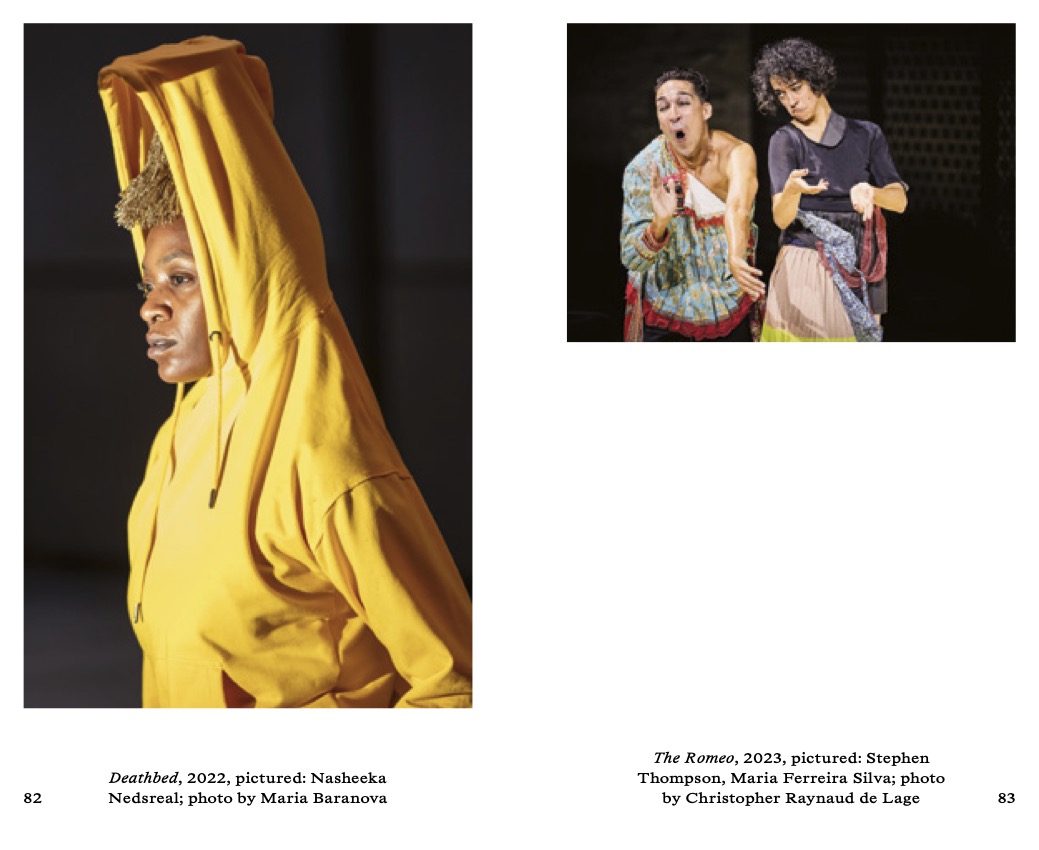
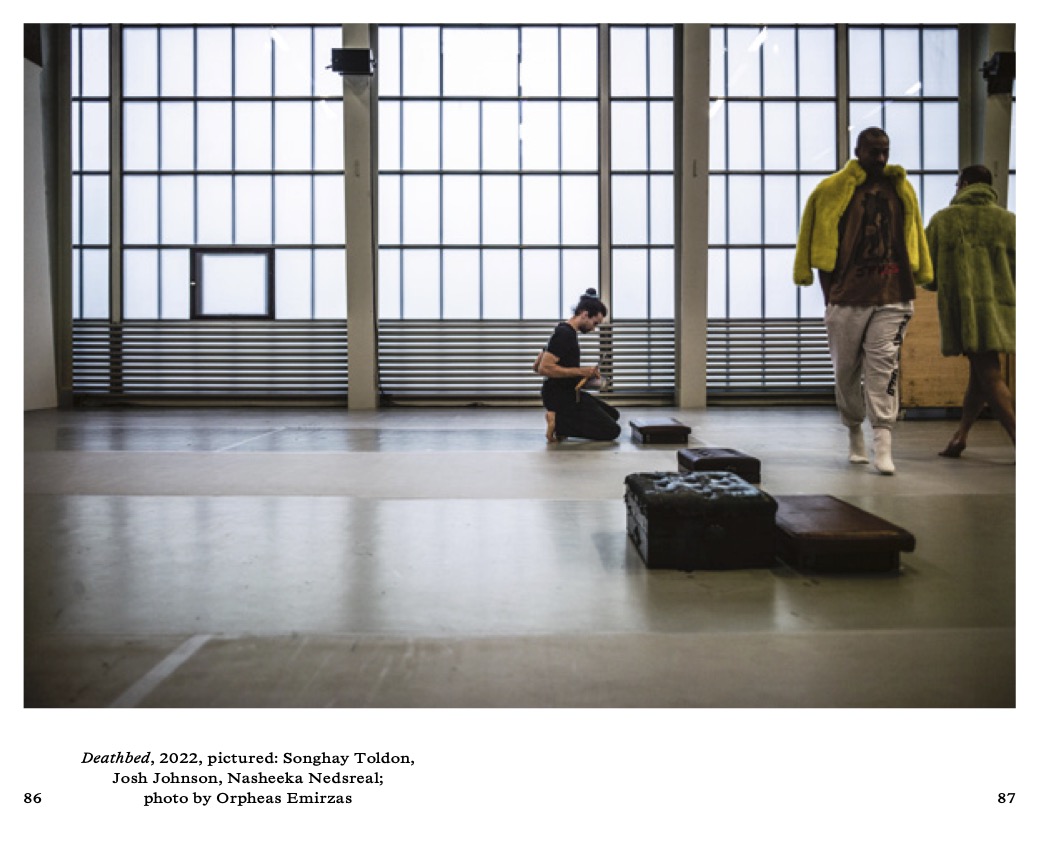
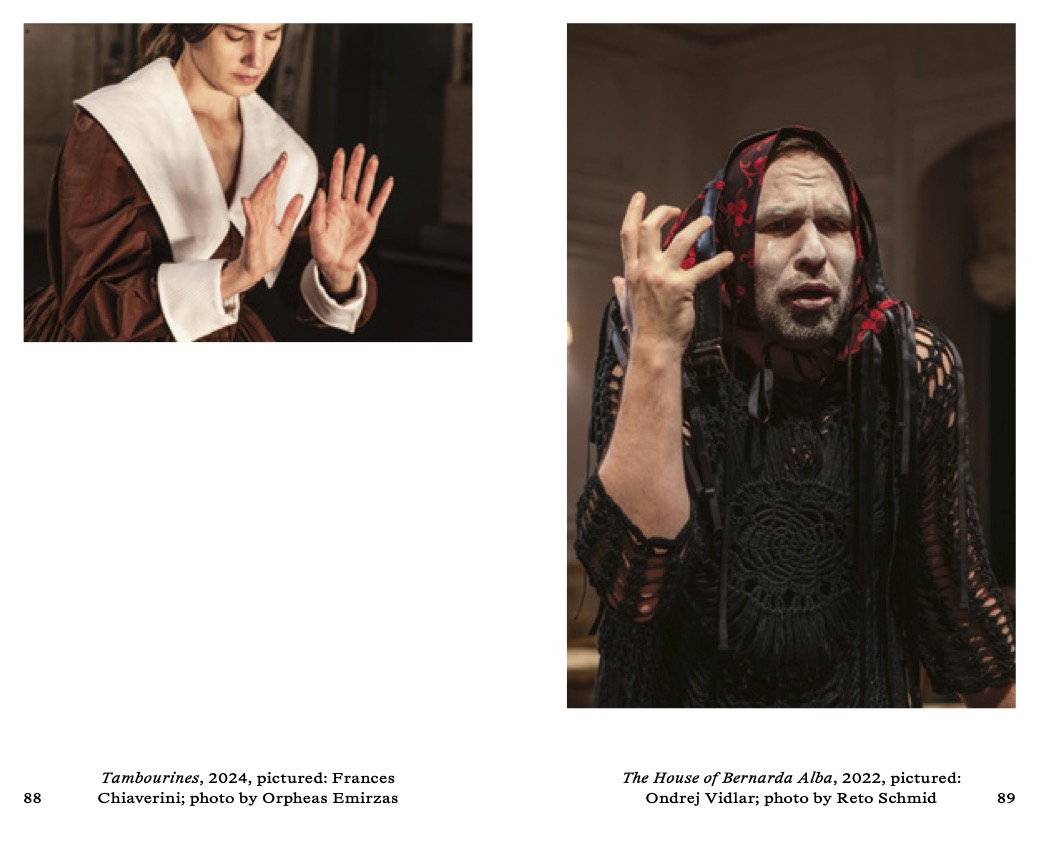
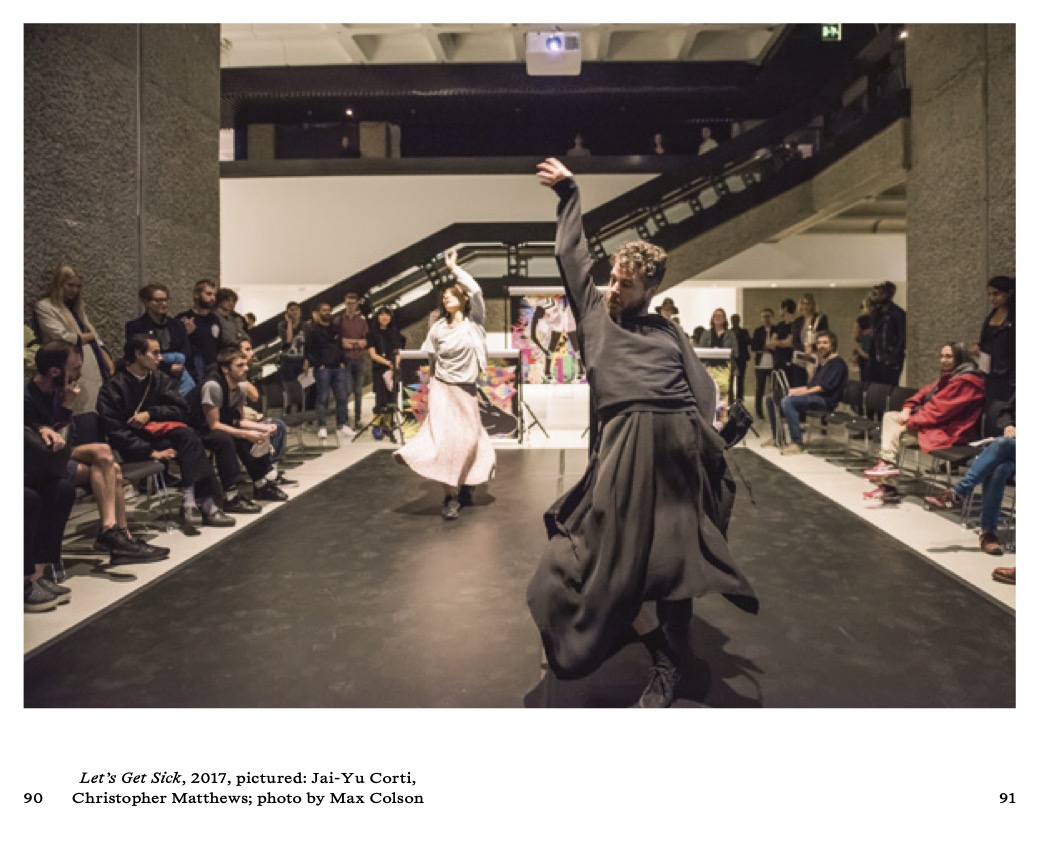
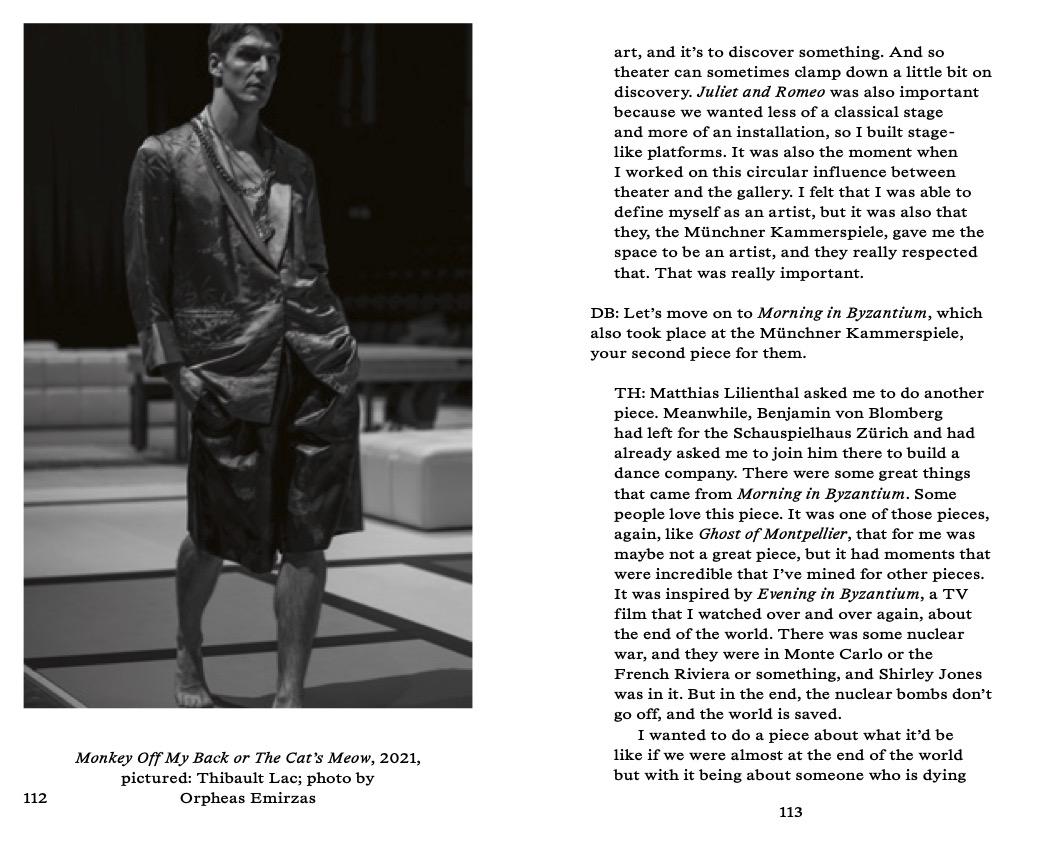
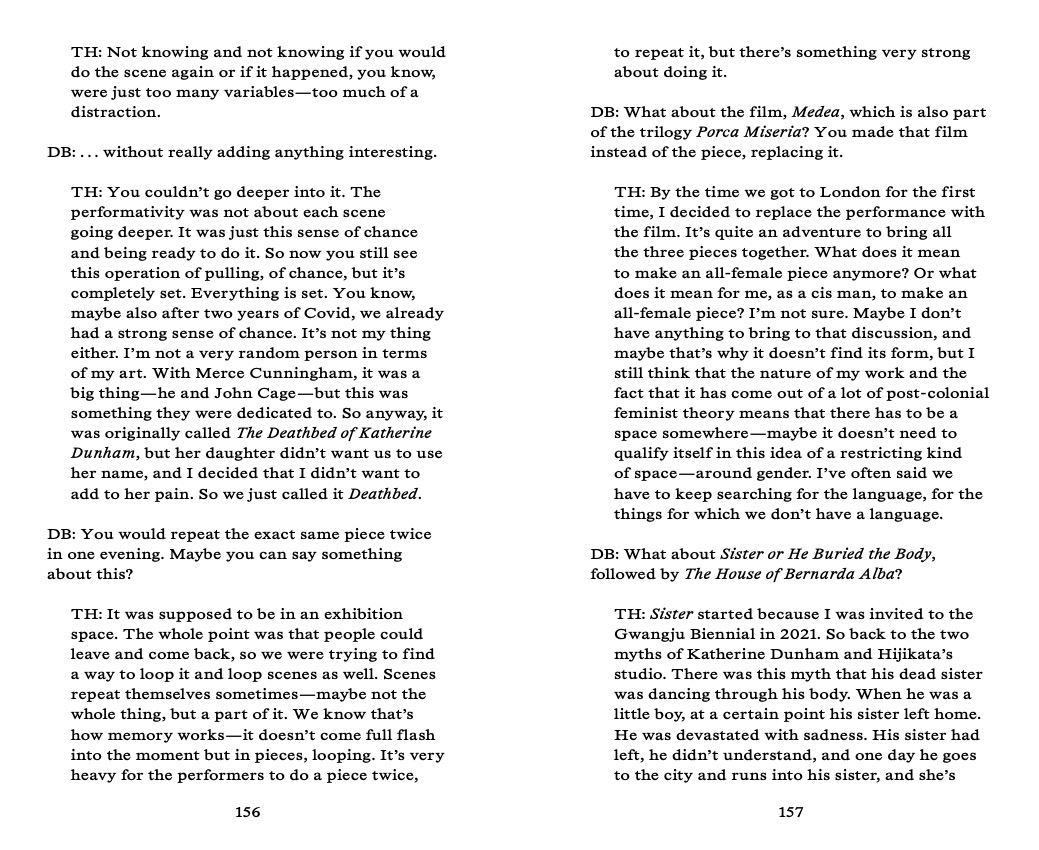
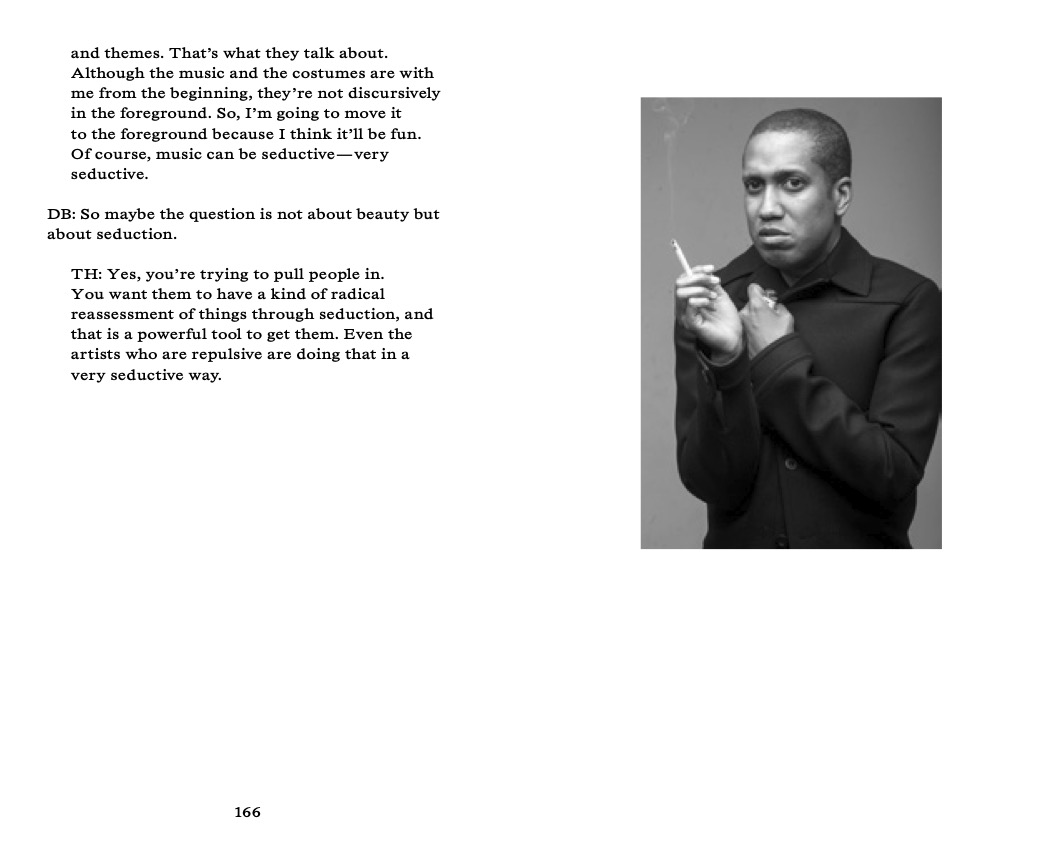
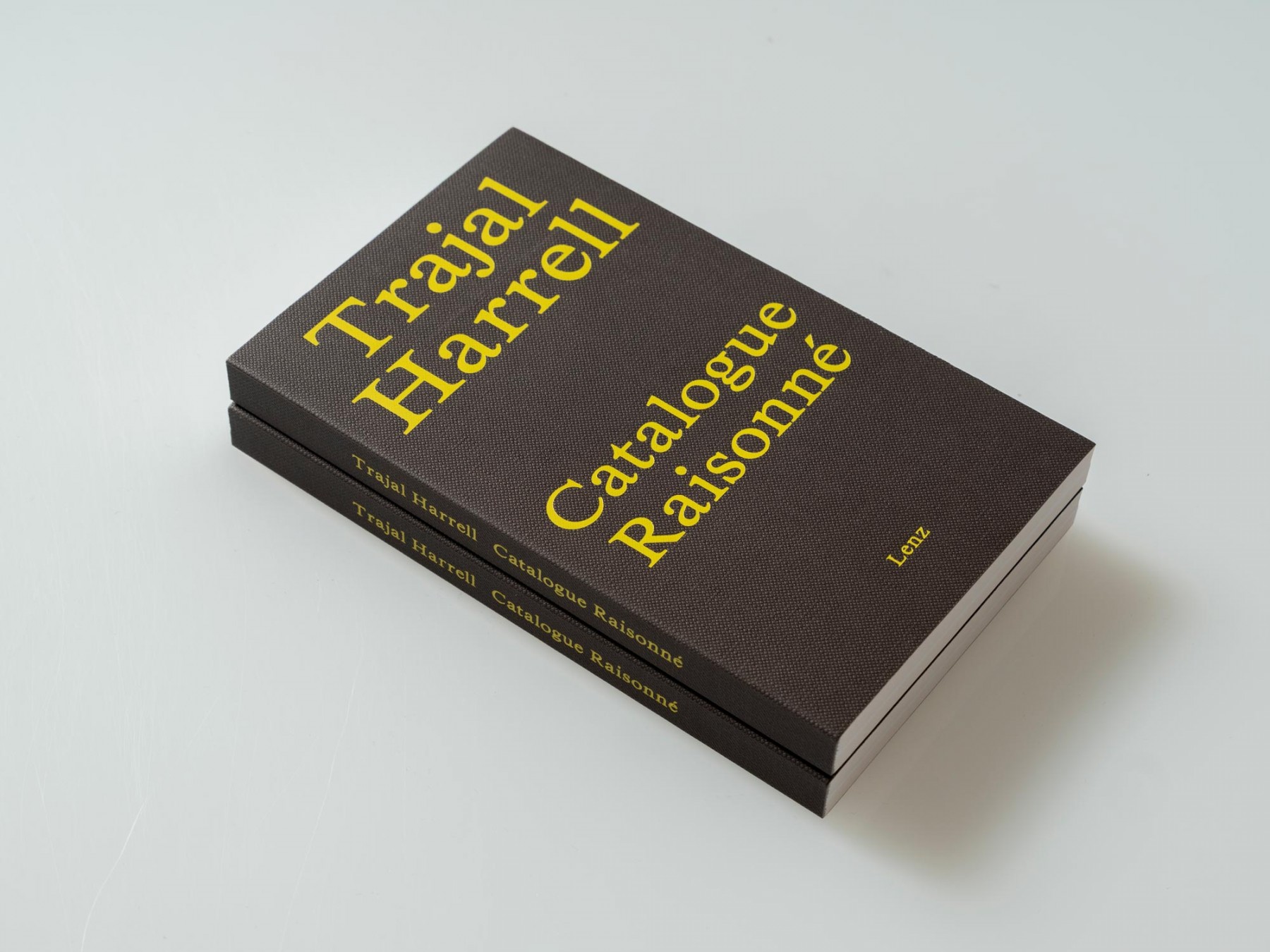
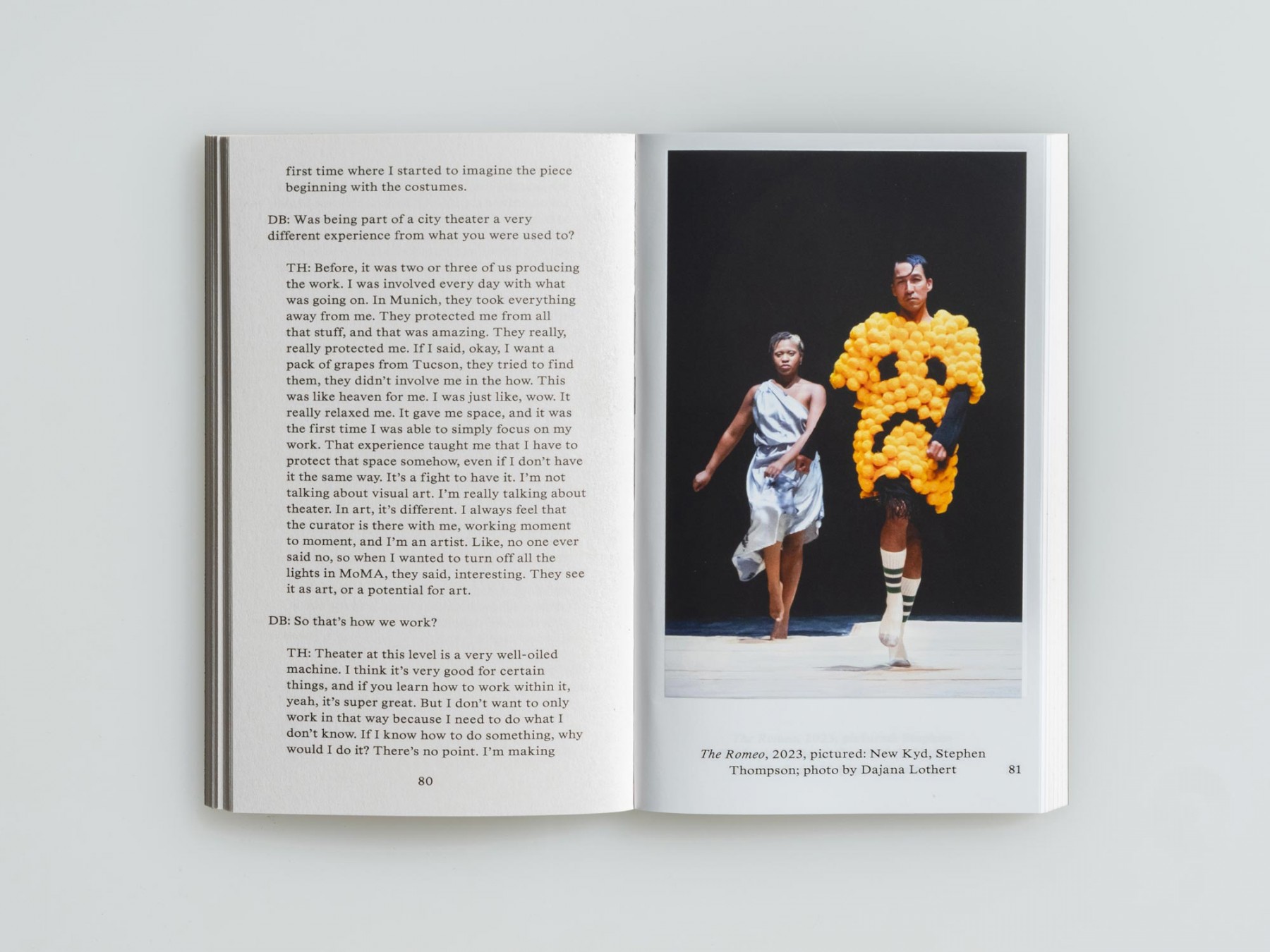
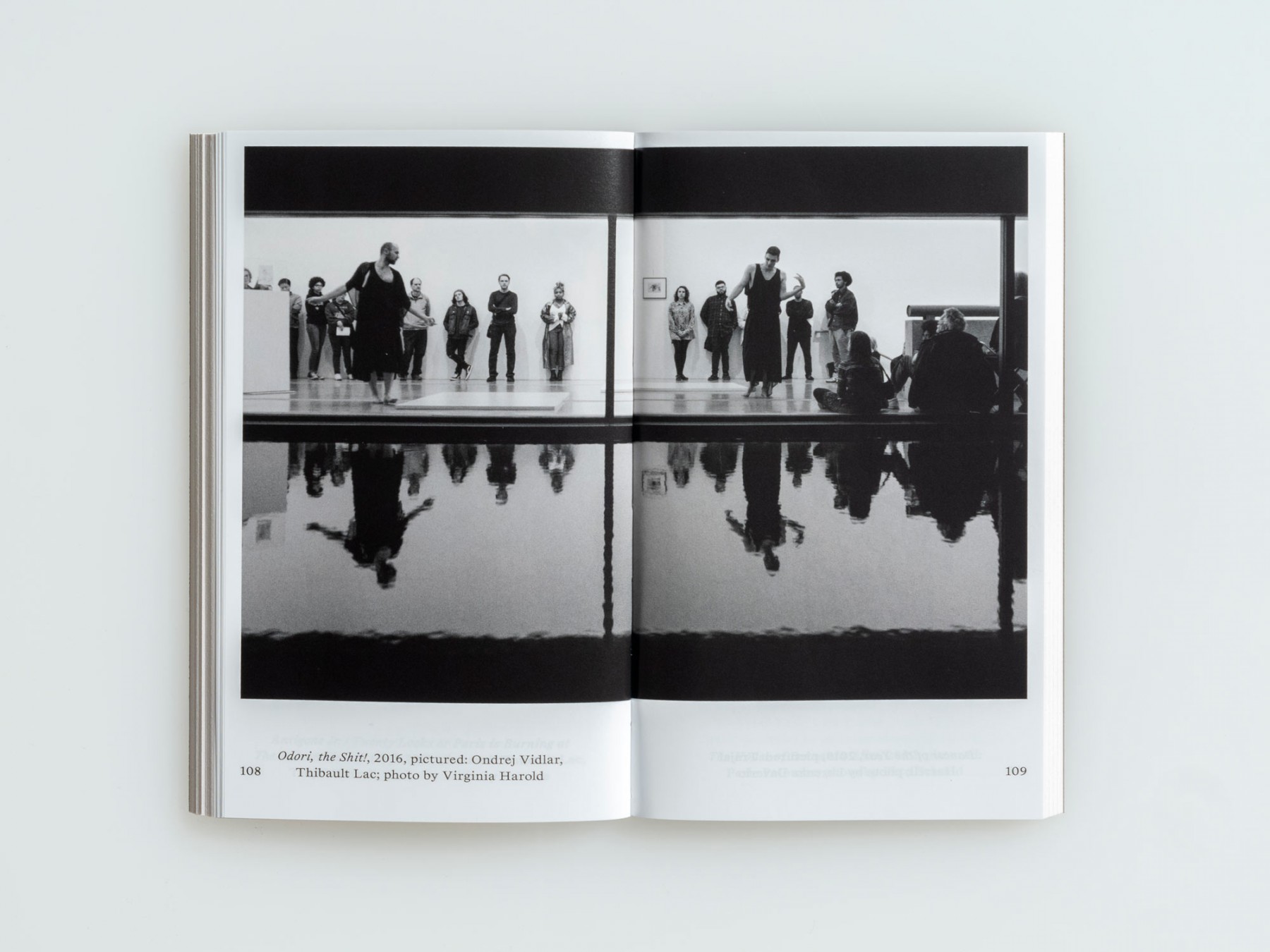
This is the first monograph on the influential American choreographer and dancer Trajal Harrell. It takes the form of an entertaining, far-reaching conversation on the entirety of his choreographies and performances—hence its title of “Catalogue Raisonné.”
Since starting out on his prolific career in 1999, Harrell has presented his work worldwide and in a variety of contexts, on scales both large and small: from renown theaters to international festivals, libraries to public panels, prestigious little art galleries and museums to Kunsthalles and biennials. The long list includes, among many others, the Museum of Modern Art and the New Museum in New York, the Barbican Centre in London, the Schauspielhaus Zürich, the Kunsthalle Zürich, the Münchner Kammerspiele, the Fondation Cartier Paris, the Festival d’Avignon, and the Manchester International Festival.
The conversation with Swiss curator Daniel Baumann unfolds along the multiple trails blazed by Harrell’s career. It brings into sharp focus not only the artist’s interests and influences but also his own creative practice, encompassing both successes and failures. With disarming frankness and a tangible sense of vulnerability, Harrell walks the reader through the history of dance: He explains how he fought with it, how it has shaped him (and vice versa), and how he has gradually carved out a space of his own within it.
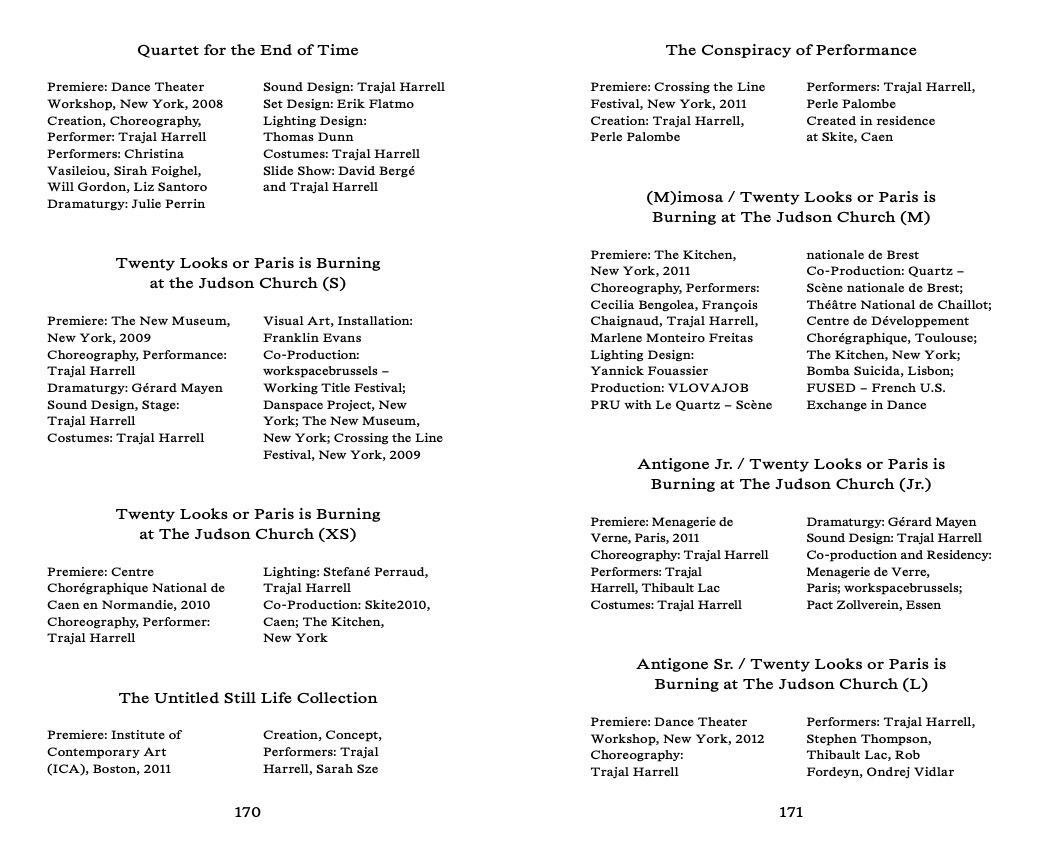
Harrell gained international acclaim for his seven-year project Twenty Looks or Paris is Burning at the Judson Church. Across eight different versions, he imagined an encounter between 1960s Harlem voguing and early downtown postmodern dance. These different choreographies share a sense of historical speculation: What would have happened in 1963 if someone from the voguing ballroom scene had come down to the Judson Church in Greenwich Village to perform alongside the early postmoderns? The voguing dance tradition refers to the competitive balls that were staged in Harlem dance halls, beginning in the 1960s. These were a form of social performance practiced primarily by African American and Latino gays, and trans people. One of the main elements of voguing is the performing of social and gender identities through fashion, movement, and behavior. At the same historical moment, in the 1960s, the pioneers of postmodern dance broke with the traditional representations of classical and modern dance, becoming interested in dance without artifice and concerning themselves instead with “authenticity.”
This is only one of several dance forms that, throughout his career, Harrell has investigated in order to transform and transgress the history of dance. By engaging with Hoochie Coochie, the culture of fashion and runway, butoh, and the dances of Greek Antiquity, Harrell challenges us to re-think dance from a multiplicity of different and sometimes conflicting perspectives.