This richly illustrated publication combines artwork, archival and process imagery, and includes an extended interview with the artist, as well as new essays by key thinkers in the fields of anthropology, philosophy, political economy and art history.
In the first monograph on the feminist conceptual artist collective Claire Fontaine, political theorist and somatic practitioner Anita Chari explores the artist’s theoretical and political innovations to illuminate a more haptic, embodied approach to the practice of critical theory.
Shahryar Nashat inserts his art in the pages of this new artist’s book, which takes the form of a catalogue-turned-manual: but instead of explaining its meaning, he strips it of its aura, flaunts its nature as an object and describes step-by-step how to create it.
Martin Heidegger, Glenn Gould, Jacques-Louis David, Cy Twombly, Paul Engelmann and Ludwig Wittgenstein: characters that Francesco Arena has chosen or rediscovered in multiple contexts over the time recur in this book. Ranging from philosophy, to music, to visual arts, they embrace the whole world of knowledge.
This first institutional monograph on the multimedia practice of artist and director Ali Cherri aims to highlight the themes and formal concerns running through his most recent, highly significant projects at GAMeC, Bergamo; Frac Bretagne, Rennes; Swiss Institute, New York; Biennale Arte 2022, Venice; and the National Gallery, London.
The book highlights the main characteristics of the collective trauma that gave rise to Rachel Whiteread’s project for GAMeC. The psychoanalysts Angelo Antonio Moroni and Pietro Roberto Goisis map out a composite picture, starting from the sense of vulnerability and collective loss associated with the Covid-19 pandemic.
Edited by Francesco Vezzoli
Texts by Donatien Grau, Francesco Vezzoli, and FiIlippo Bisagni
Art direction: Alberto Agosti
Design: Leonardo Pertile
Published for ArchivorumxM
2026, English, spiral-bound, 23 x 17 cm, 206 pages
ISBN 979-12-80579-95-9
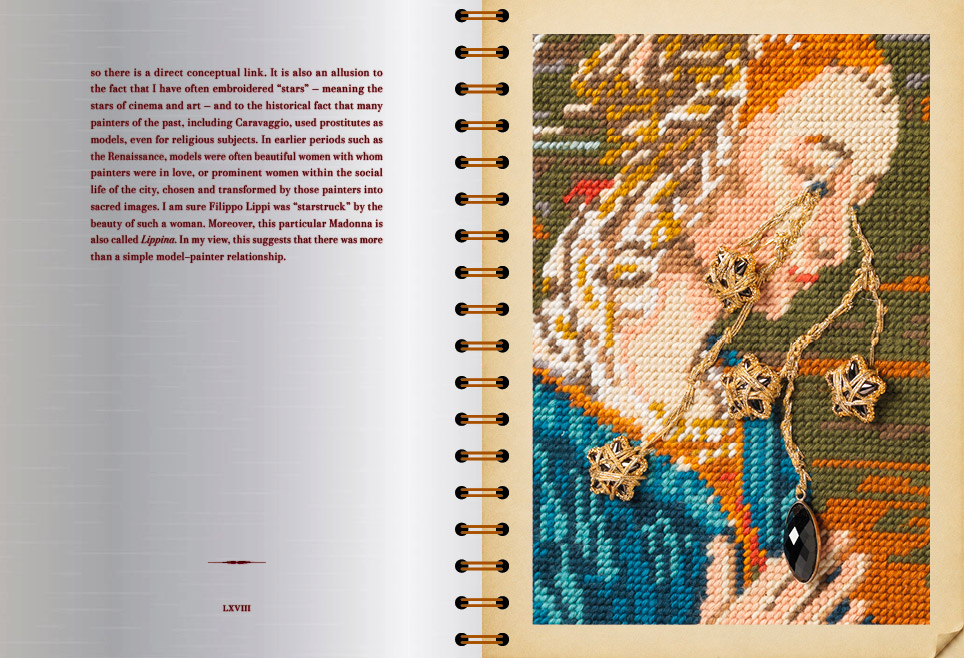
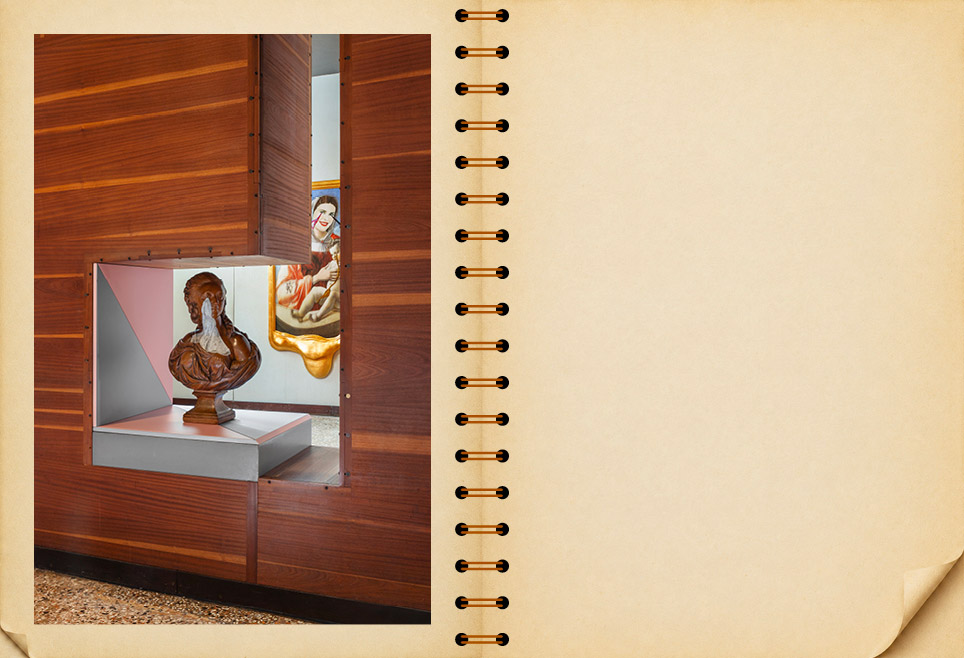
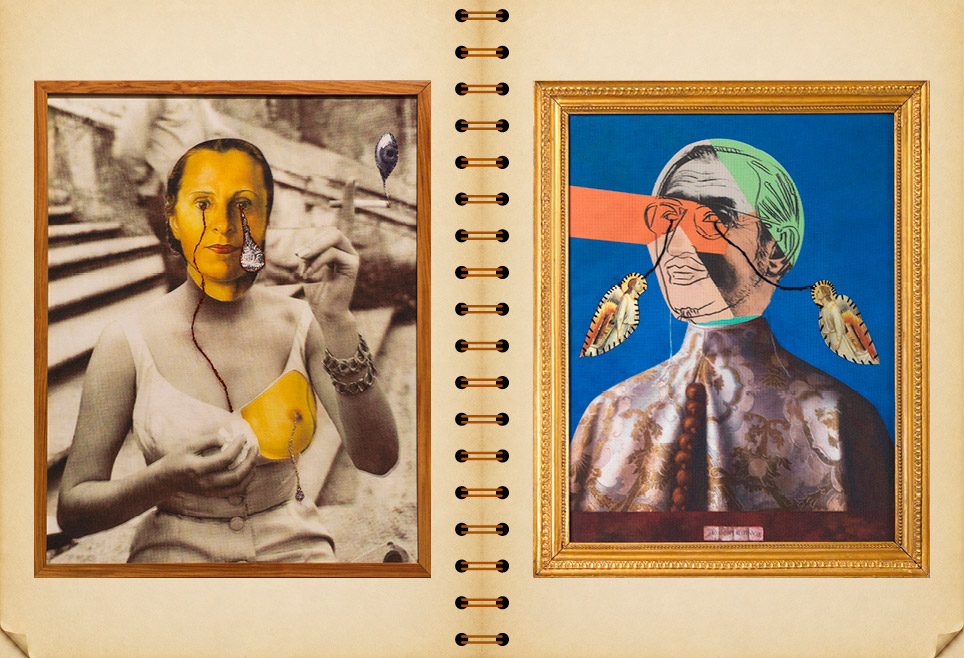
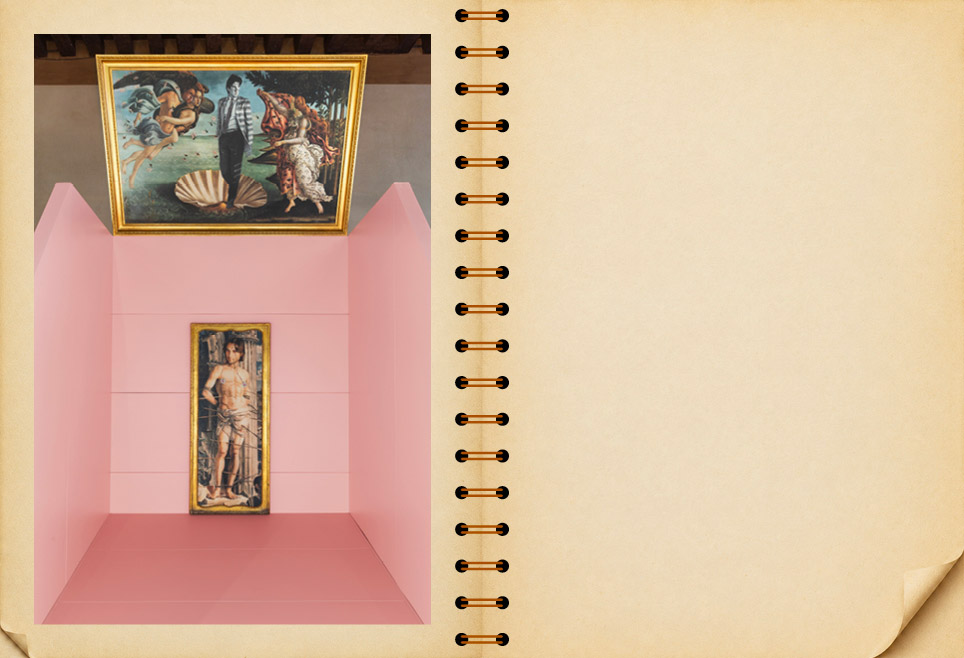
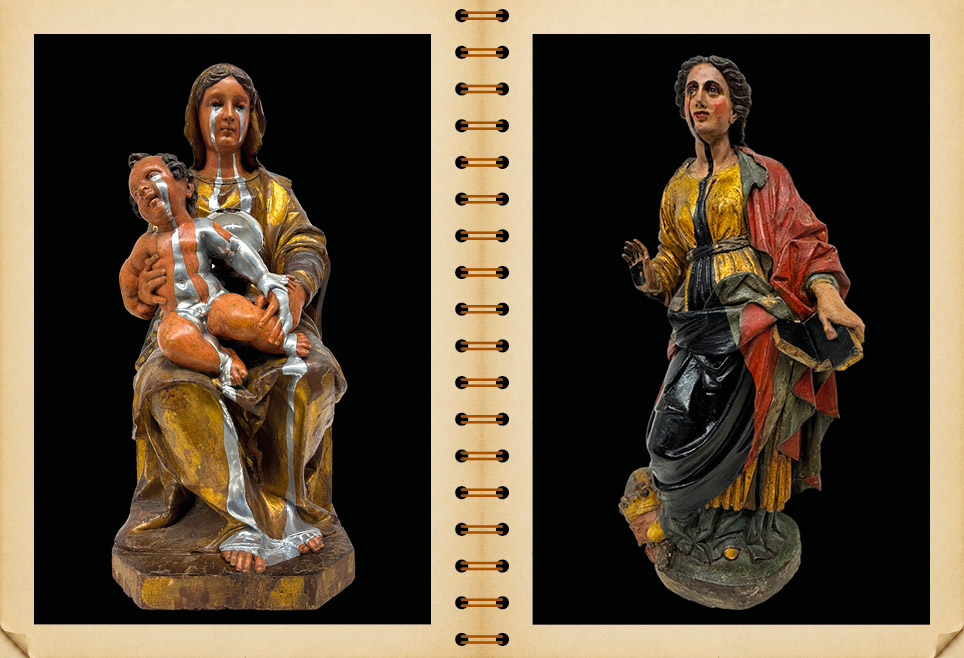
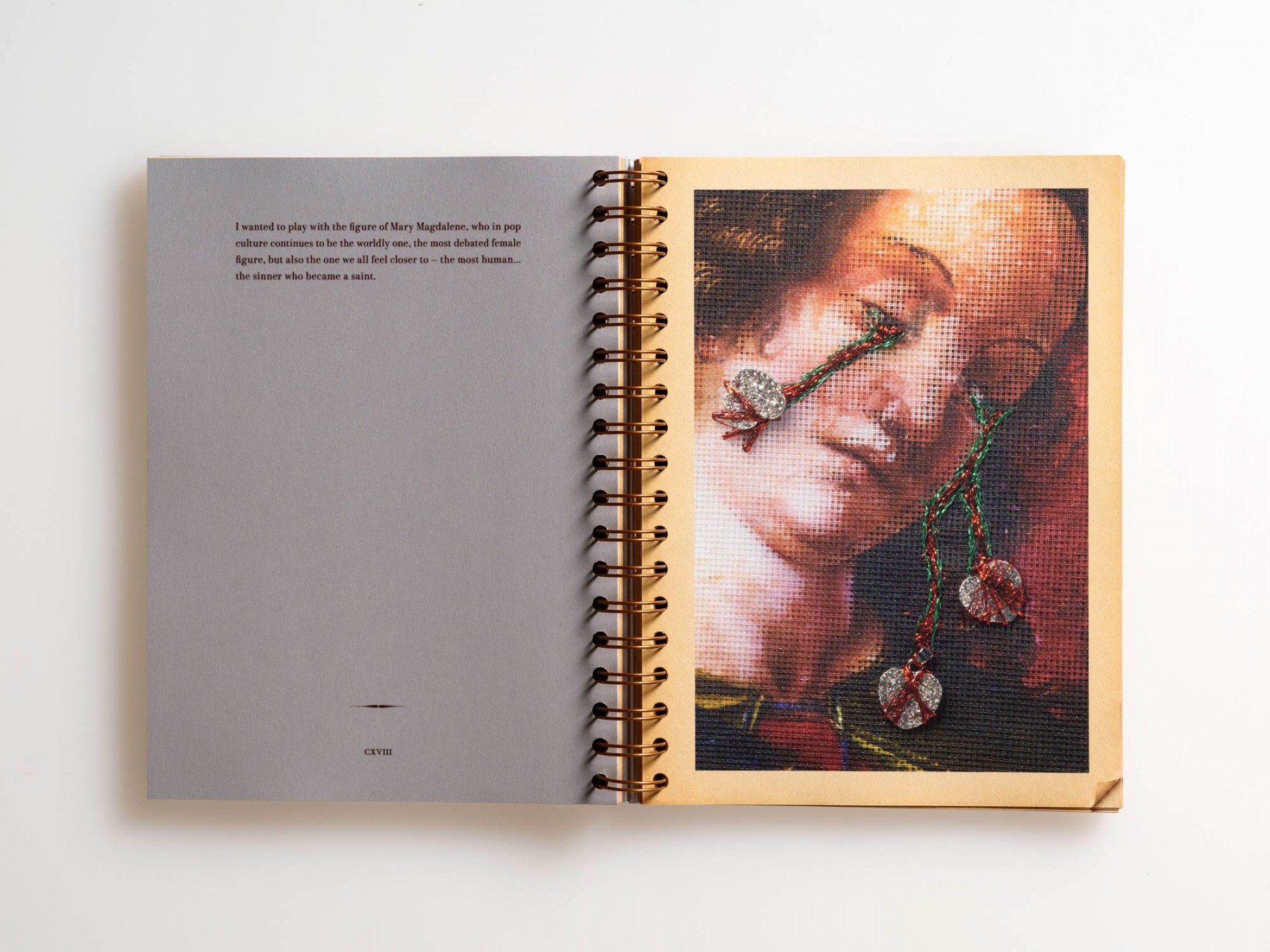
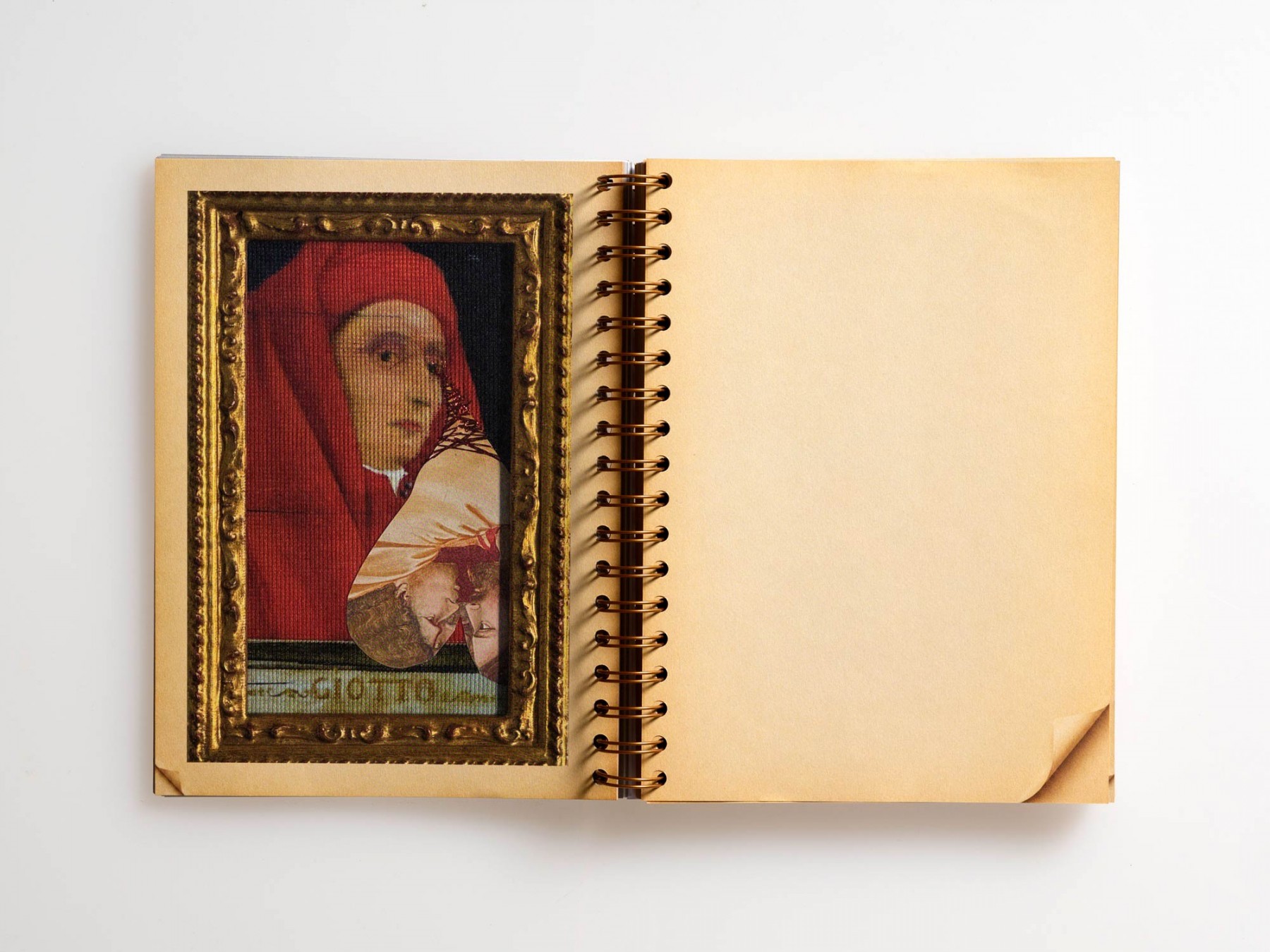
Conceived as both a publication and an autonomous artwork, Museums of Tears extends Francesco Vezzoli’s acclaimed exhibition presented at Museo Correr, Venice, in 2024. Developed in dialogue with Donatien Grau, the project brought together historical works from the museum alongside recent and newly commissioned works by Vezzoli, creating a layered conversation between antiquity, emotion and illusion. The exhibition marked a significant moment in the artist’s practice, reflecting his growing engagement with art history, archaeology and the museum as a space where the past can be reimagined through contemporary desire.
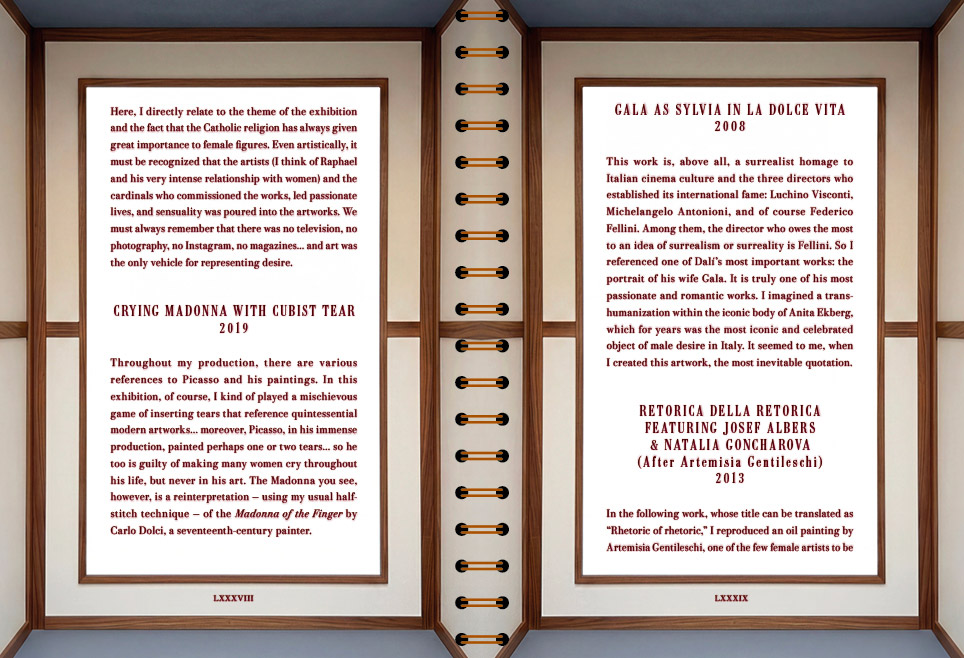
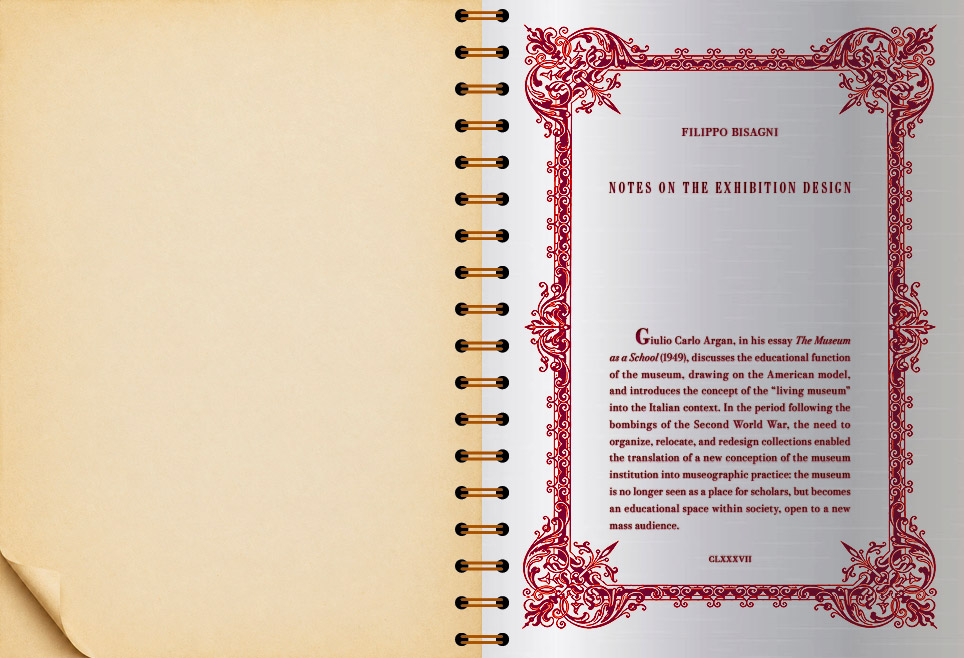
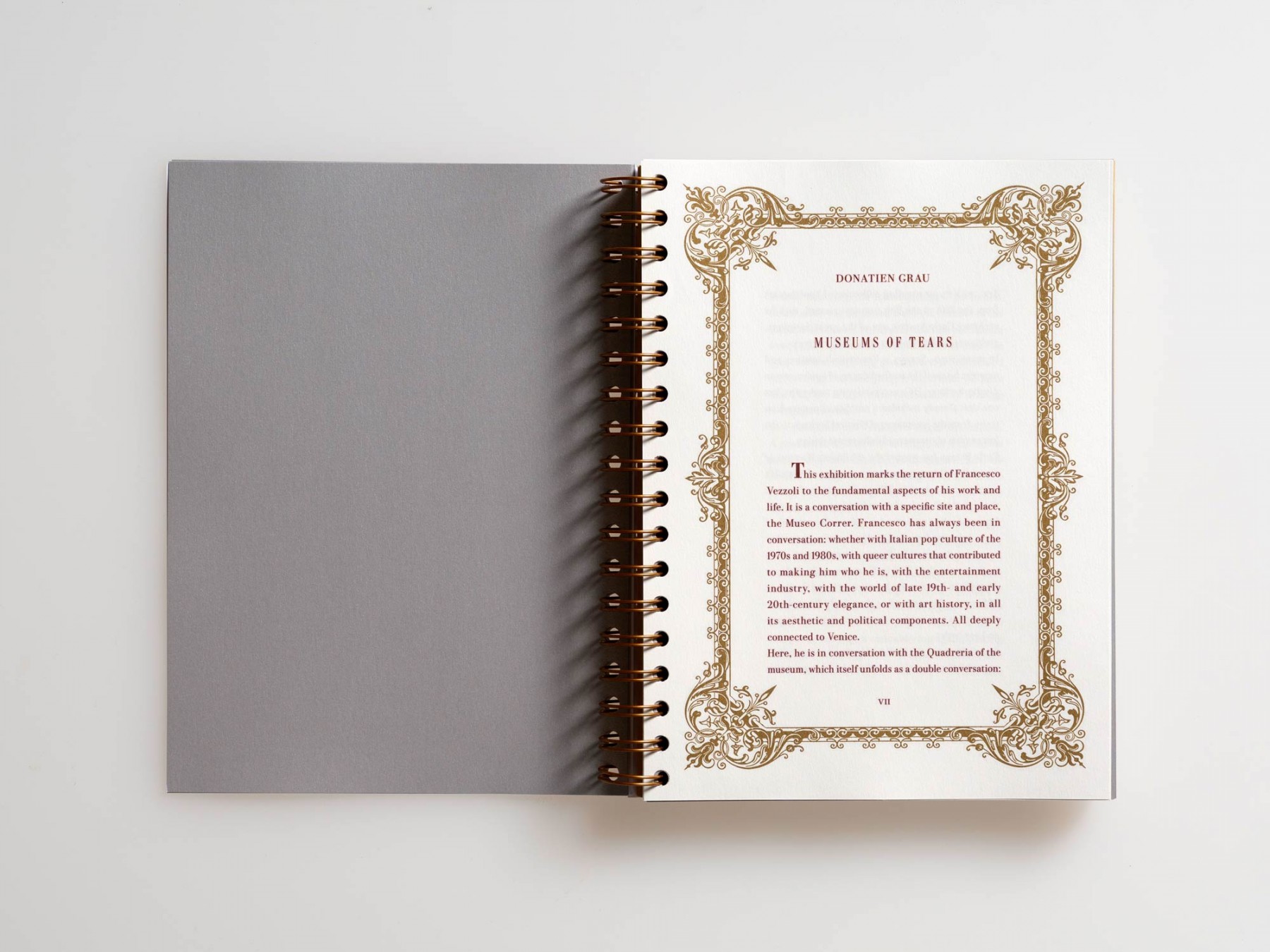
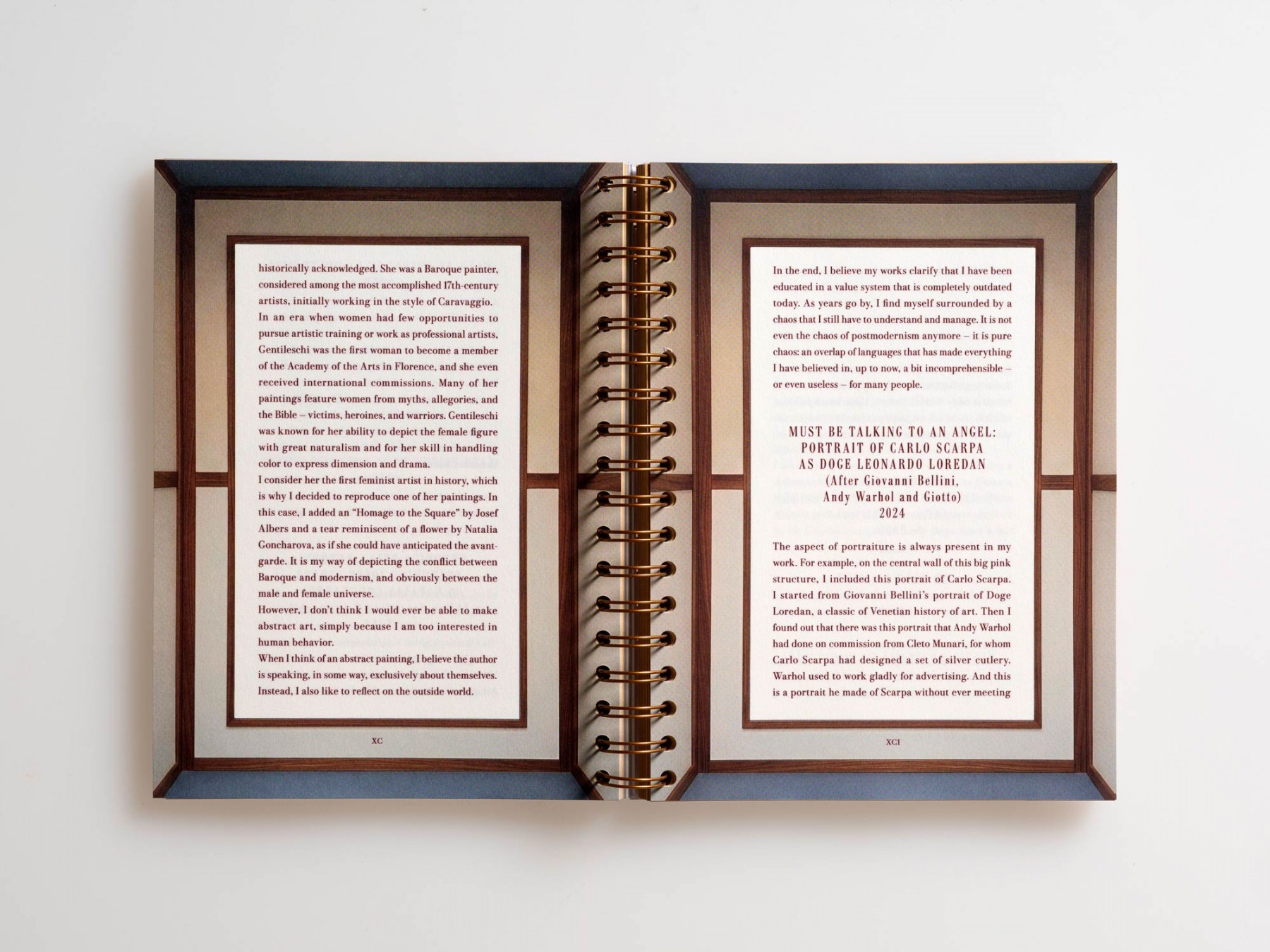
Moving beyond the conventional exhibition catalogue format, the volume has been conceived as a true artist’s book. Inspired by the historical guidebooks of Museo Correr and by Carlo Scarpa’s vision of the museum as a form of emotional choreography, it transforms the museum guide into a hybrid object: part scholarly document, part fictional archive and part personal diary. Rather than documenting the exhibition, Museum of Tears becomes an extension of it: a portable museum of memory, beauty, mourning and artifice.