A multifaceted perspective on contemporary sculpture that explores the practices and concepts of the medium through different approaches. The publication interweaves works by Yu Ji, Bronwyn Katz, Dan Lie, Trương Công Tùng, and Luana Vitra, with essays by Federico Giani, Sohrab Mohebbi, Julia Morandeira Arrizabalaga, Chiara Nuzzi, and Anne Reeve.
Suffused with specially conceived collages of the artist’s research materials, notes, and sketches, this is the first monograph on Castelli’s painting and sculpture, with essays by Sarah Crowe and Lillian Davies, and an artist interview by Francesco Manacorda. Published with Castello di Rivoli Museo d’Arte Contemporanea and Kunsthalle Wien.
What if the shadow moved first? From March through May 2026, the exhibition The Second Shadow. Dozie Kanu Mirroring Marc Camille Chaimowicz, with Shared Echoes and Kindred Spirits at Fondazione ICA Milano unfolds online through a series of voices and crossings that shift its gravity. Not an extension. A displacement.
A Cosmic Movie Camera is the title of the 18th edition of the BIM’24, which also marks the 50th anniversary of the Biennale organized by the Centre d’Art Contemporain Genève. By blending the real and the virtual, its catalogue captures the spirit of the exhibition, which explores the evolution of moving images, particularly in our algorithmic age.
The book seeks to define the contours of the obsession with the teenage years; a fixation that has shaped a significant strand of contemporary art over the last ten years. Adolescence is here understood as a state of mind, a prolonged condition that dissolves the transition into adulthood and becomes a critique of an unstable world.
In this multi-voiced book, starting from the Orobie Alpine range, the mountainside becomes an epistemological lens through which to interpret contemporaneity and address issues such as multi-species migrations, our relationship with geological time and intergenerational inheritance, and the rethinking of collective memories and rituals.
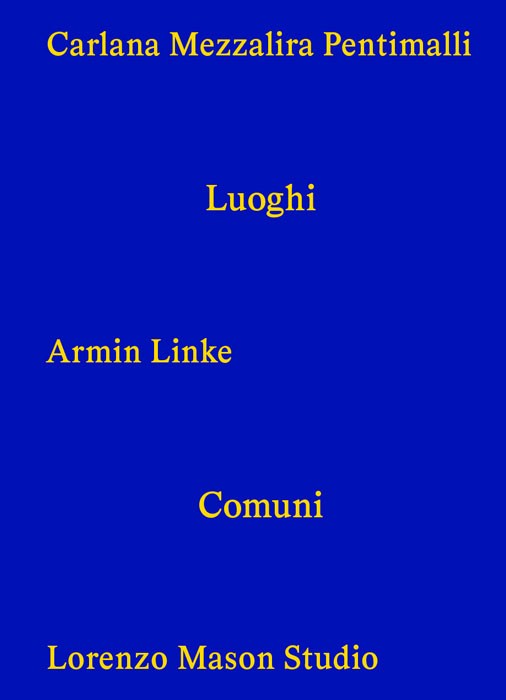
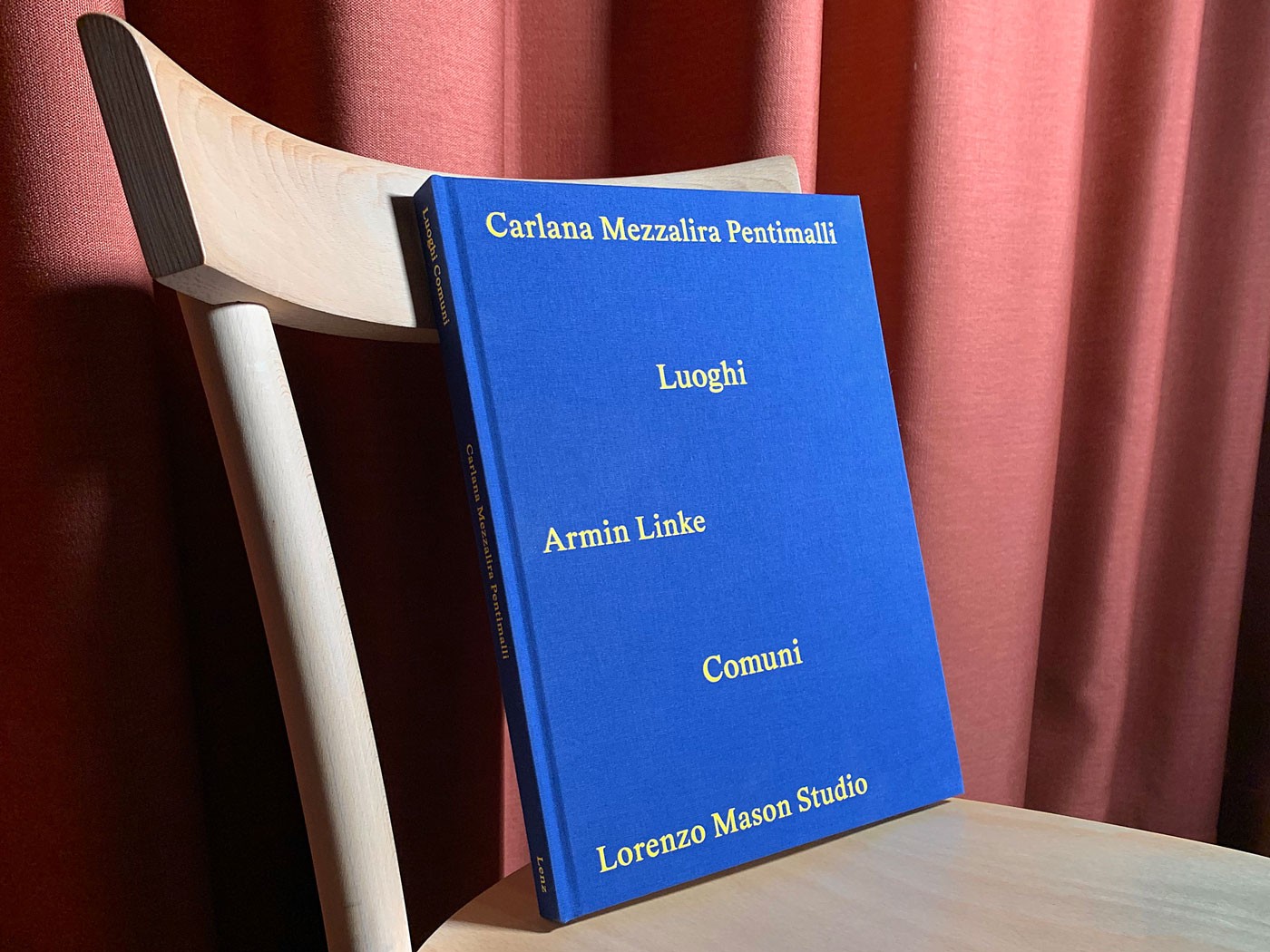
Michel Carlana, Luca Mezzalira, and Curzio Pentimalli
Photographs by Armin Linke
Design by Lorenzo Mason Studio
Hardcover, 176 pages, 24 x 33 cm
ISBN: 979-12-80579-39-3
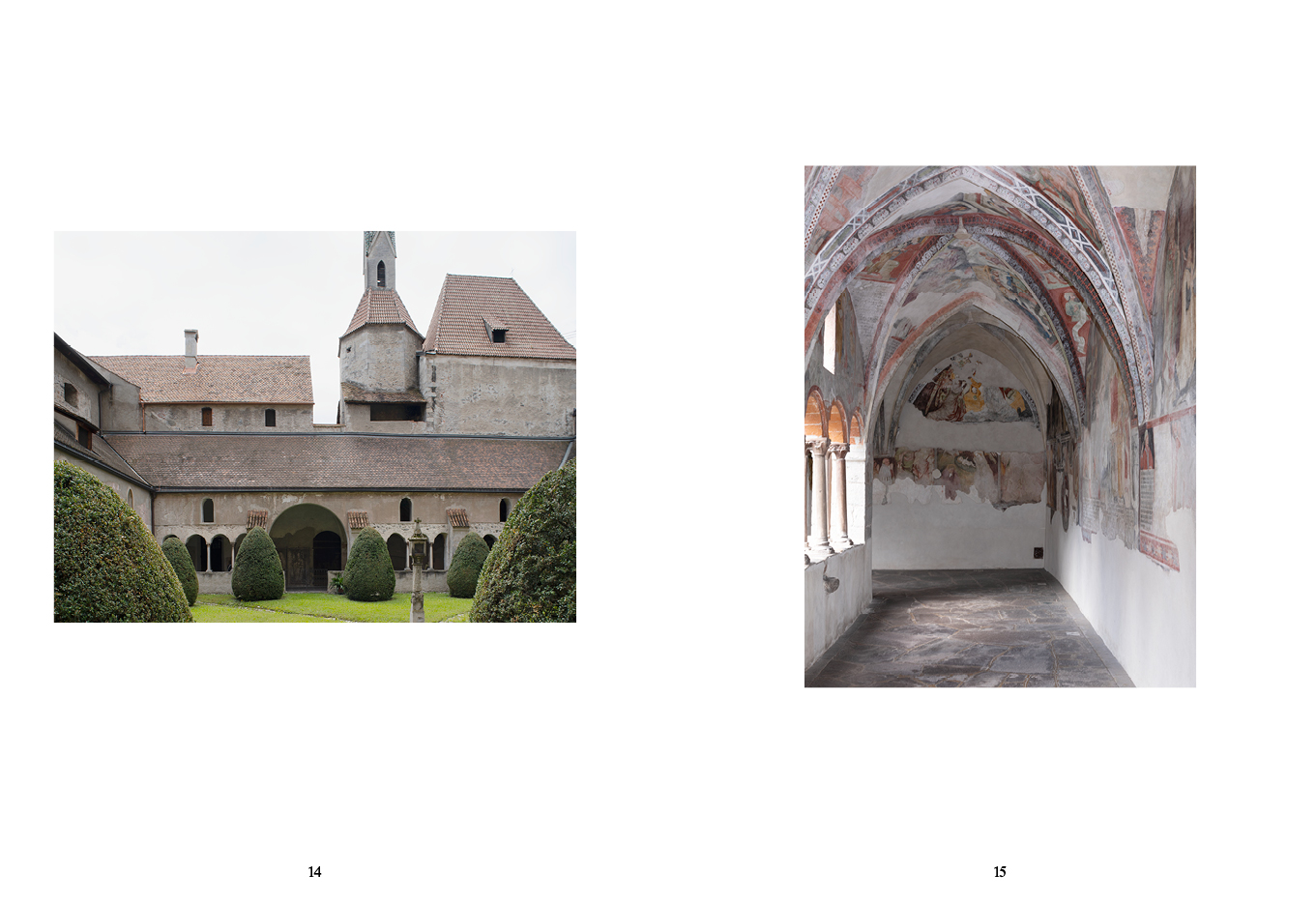
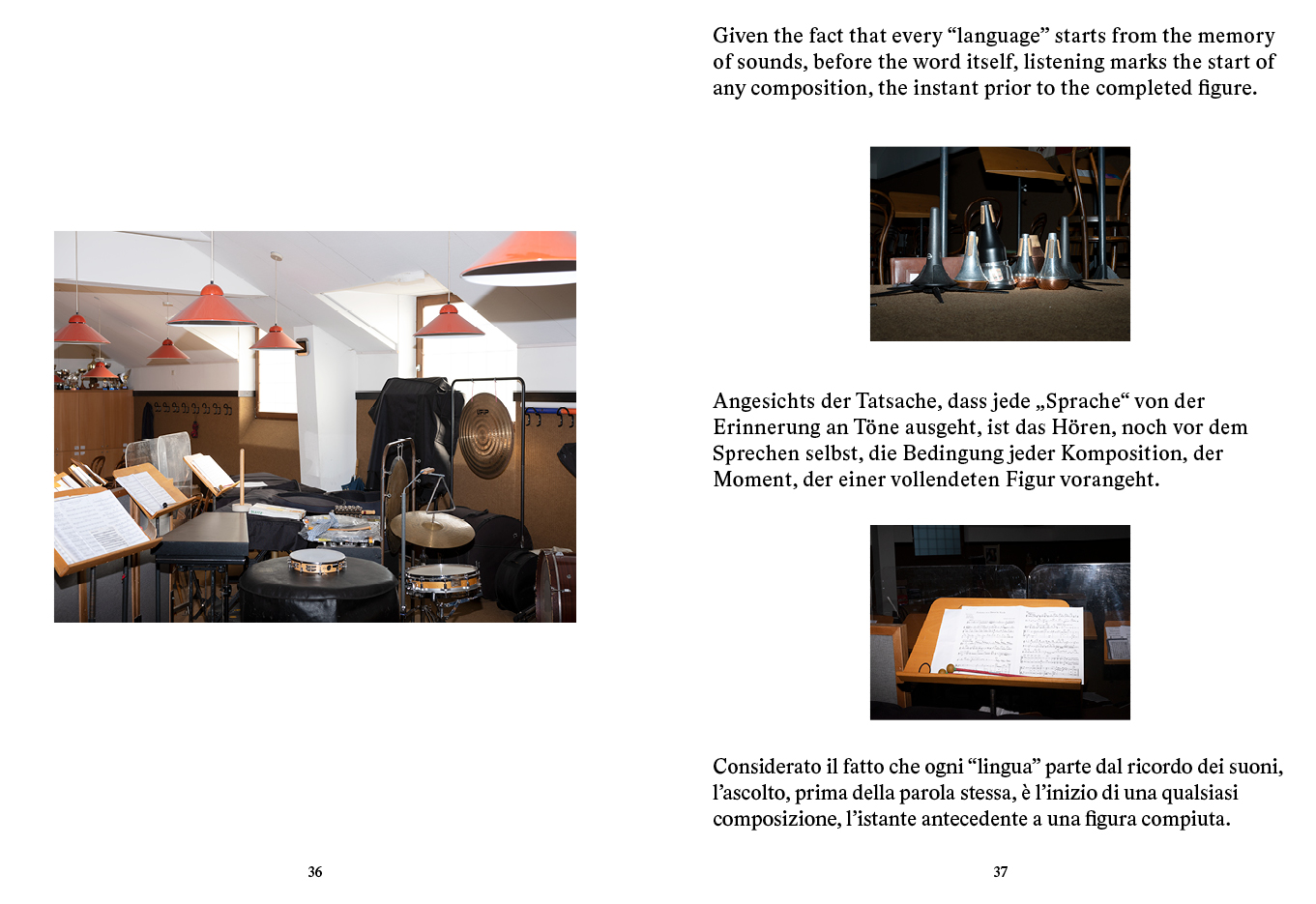
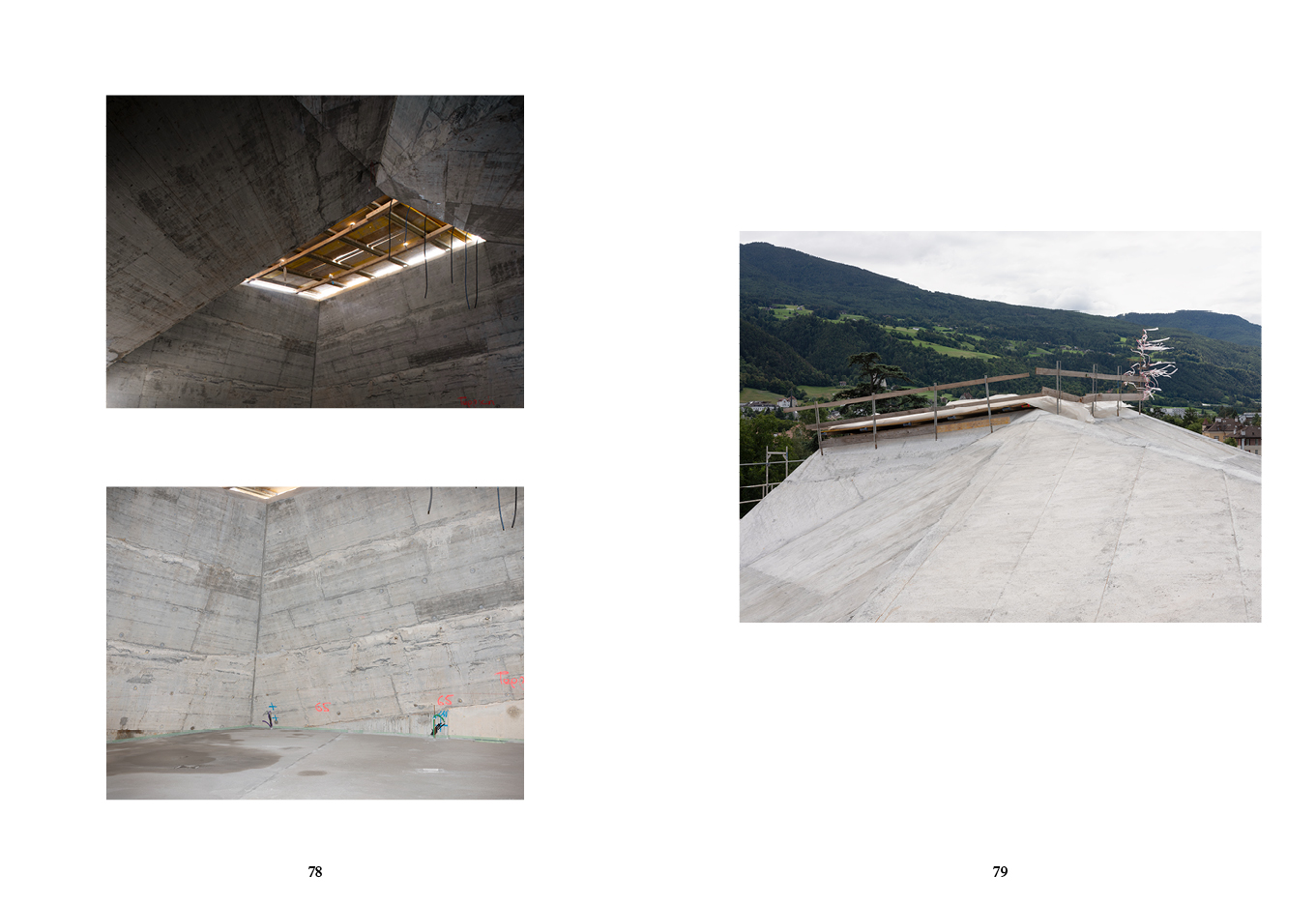
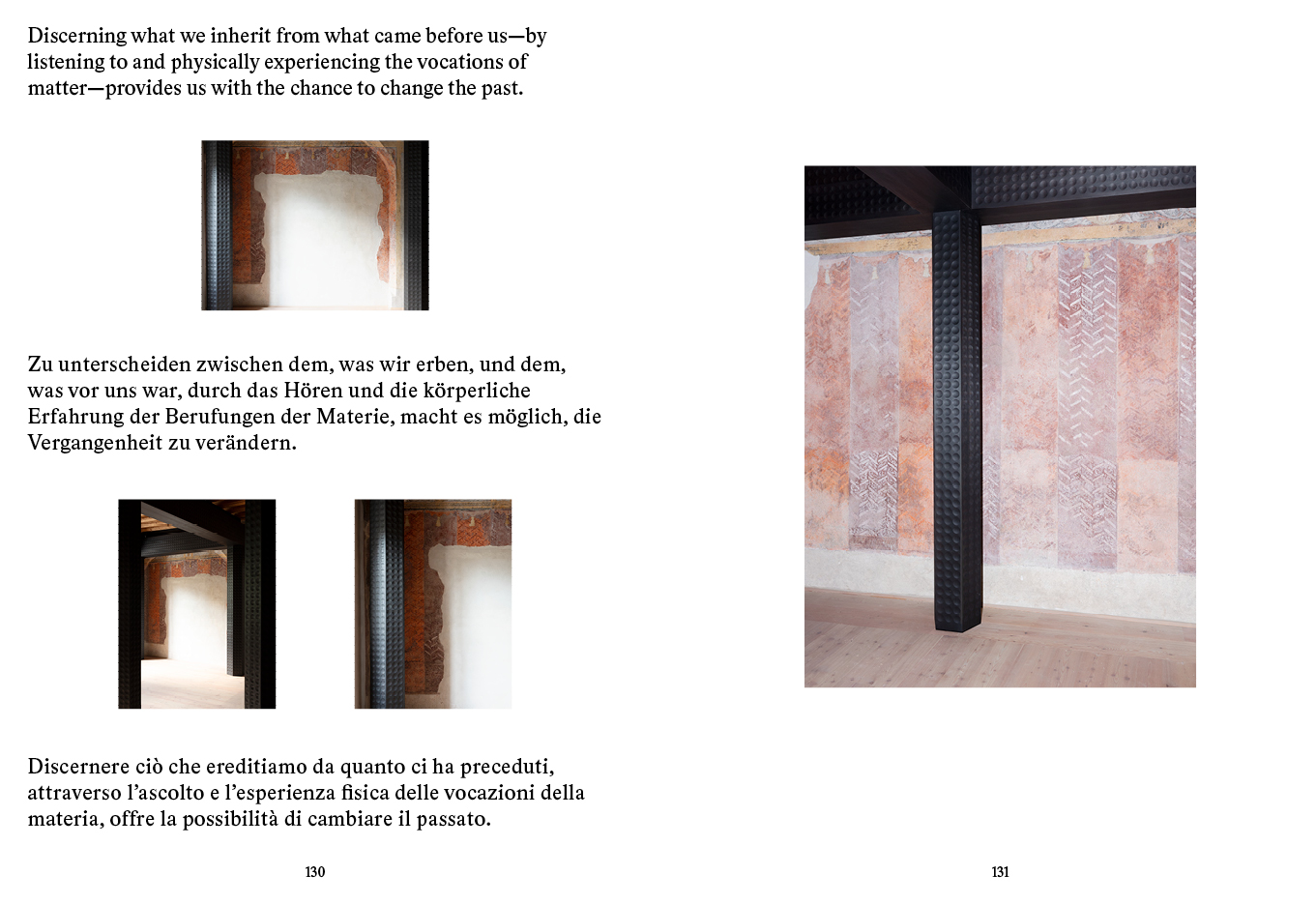
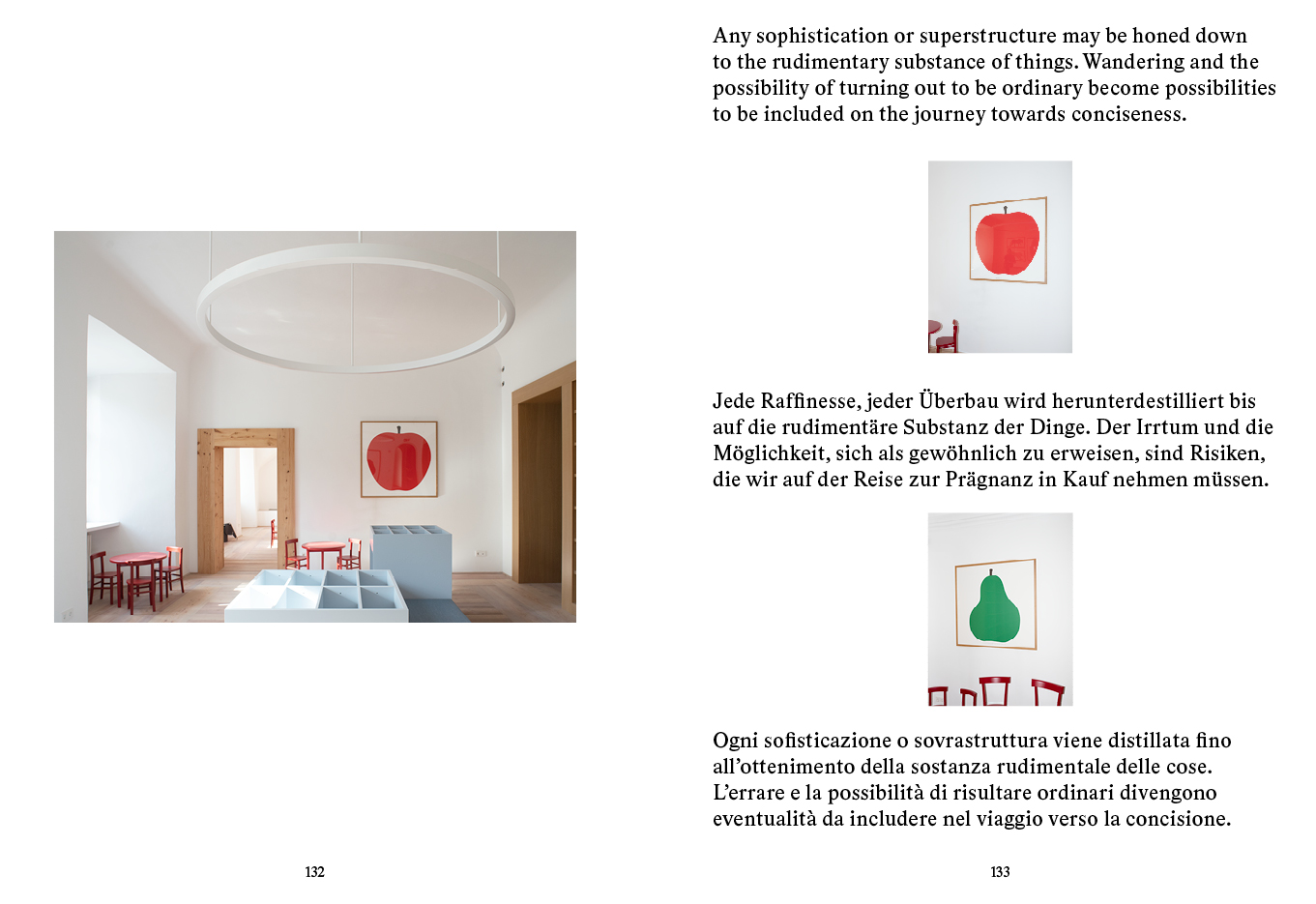
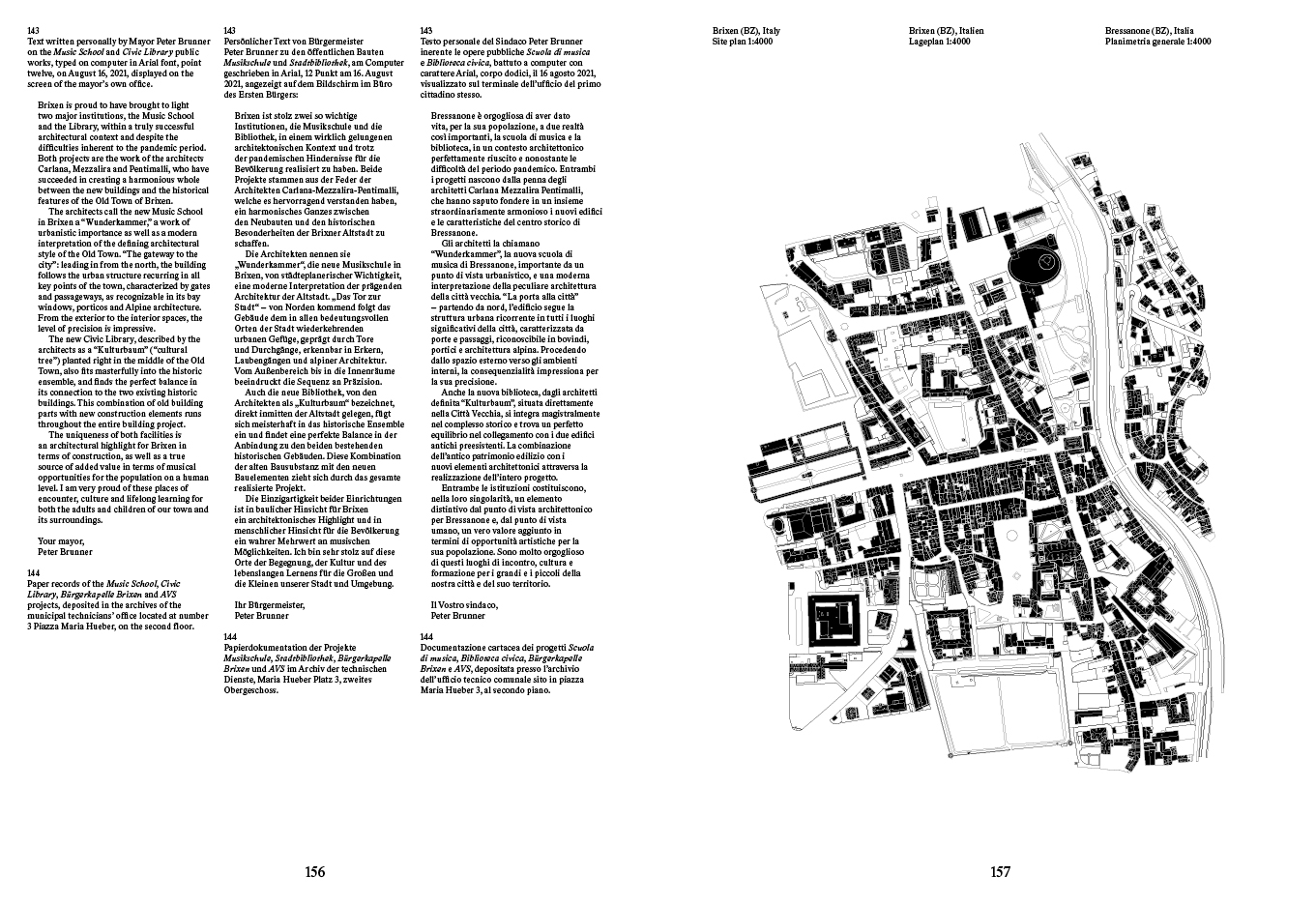
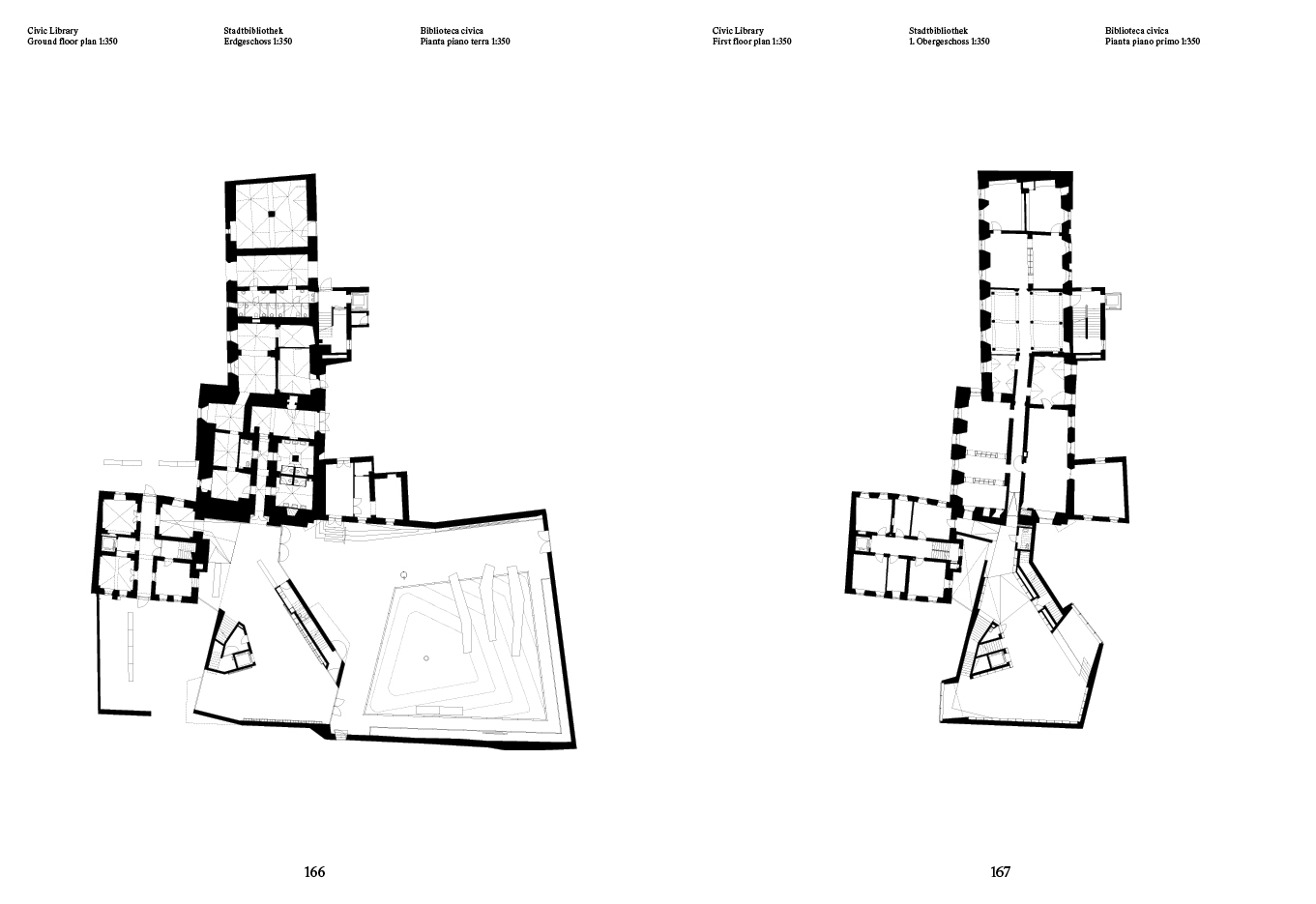
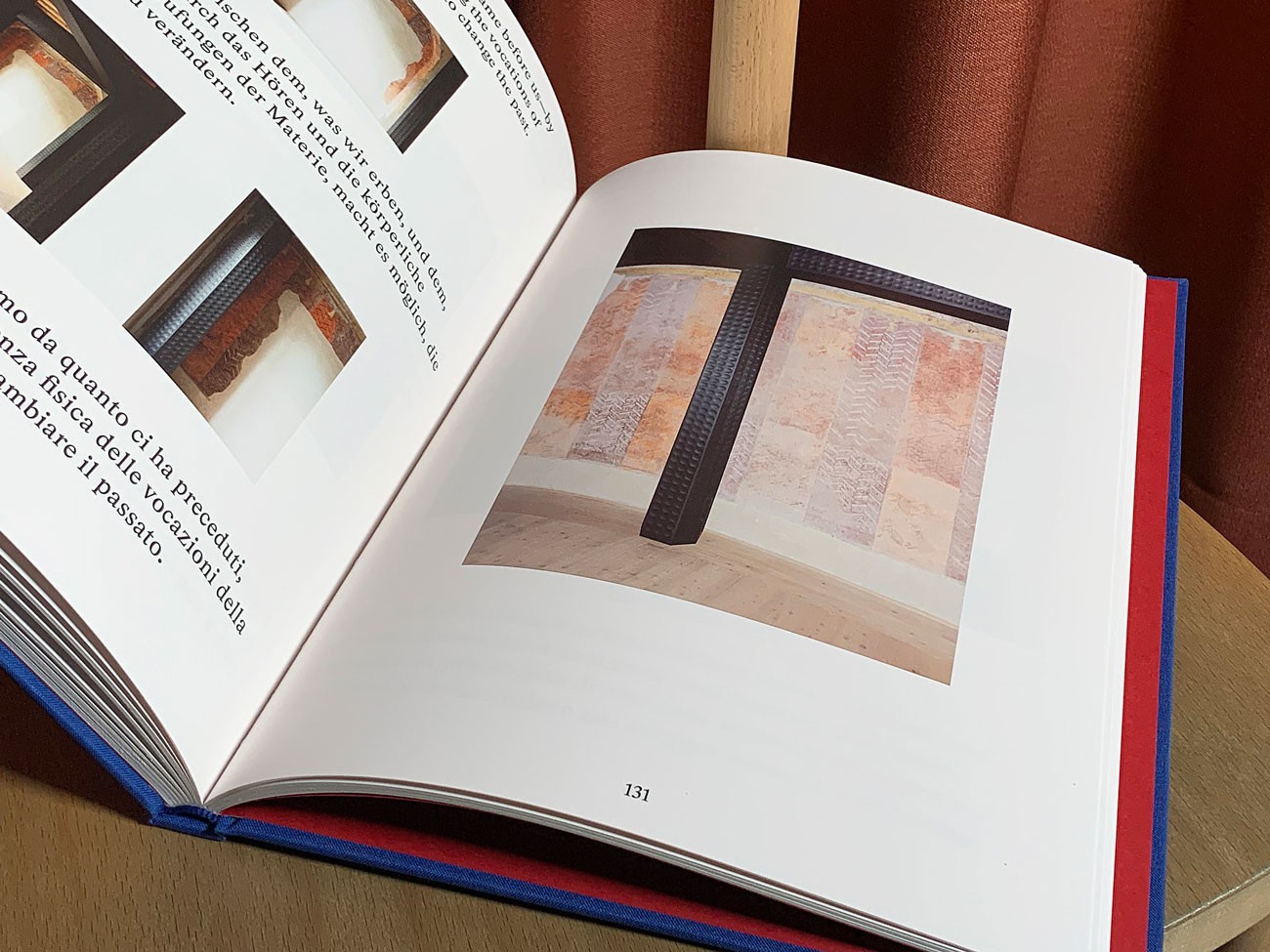
The Italian-based architectural office Carlana Mezzalira Pentimalli designed two important public buildings in the ancient city center of Bressanone, South Tyrol. Just over five hundred meters apart, the two works, the Music School, and the Public Library allowed for reasoning about the city’s architecture, exercising a method made up of ideas that look at the peculiarities of places.
In a historical period in which the image—by virtue of its visual impact even before its meaning—has taken on the role of the main channel of communication, the Luogo Comune (“common place”)—understood both as a meeting space and as the lowest common denominator of an “essential language”—might provide the interval of reflection necessary to start asking some simple, elementary questions about what surrounds us.
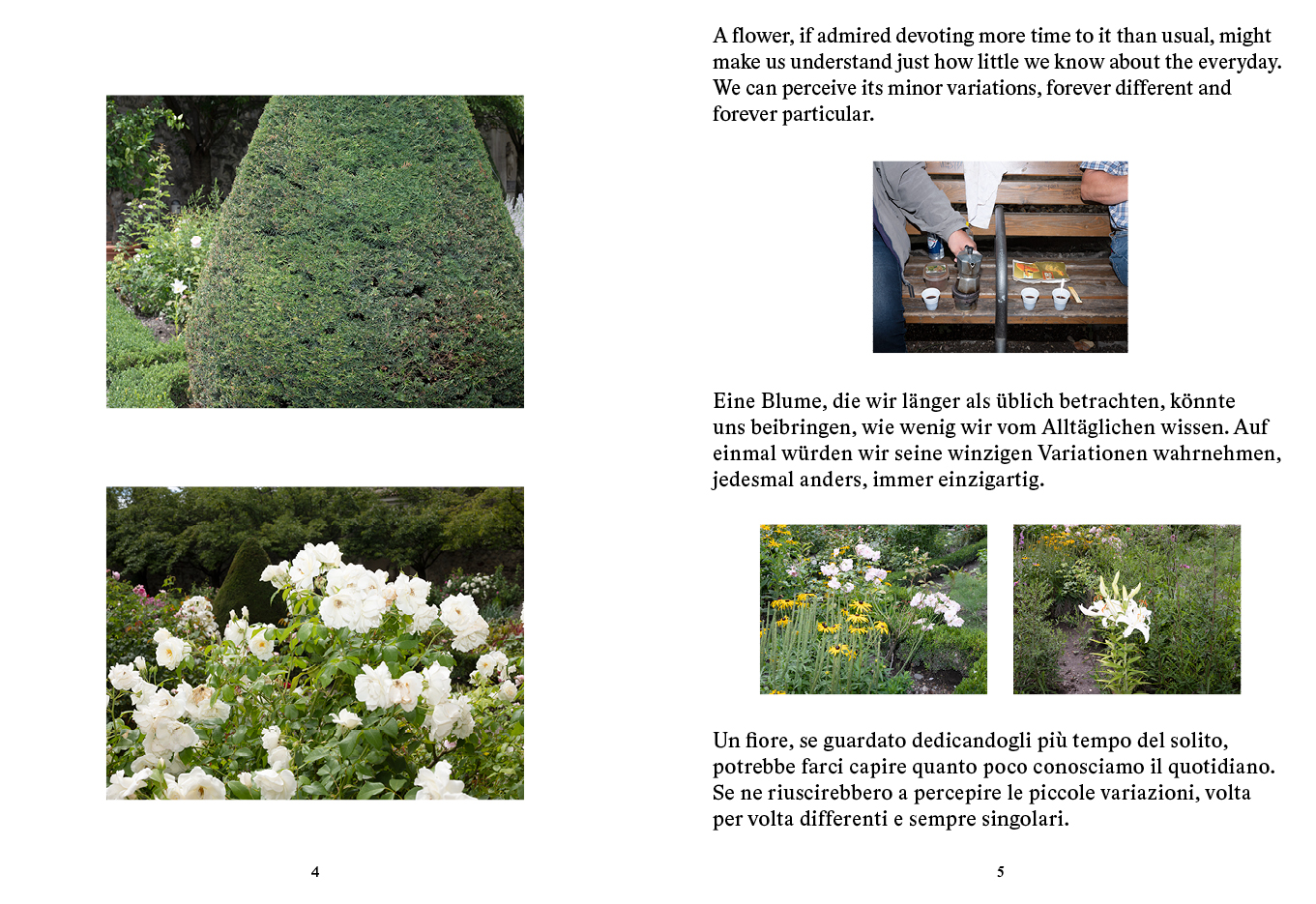
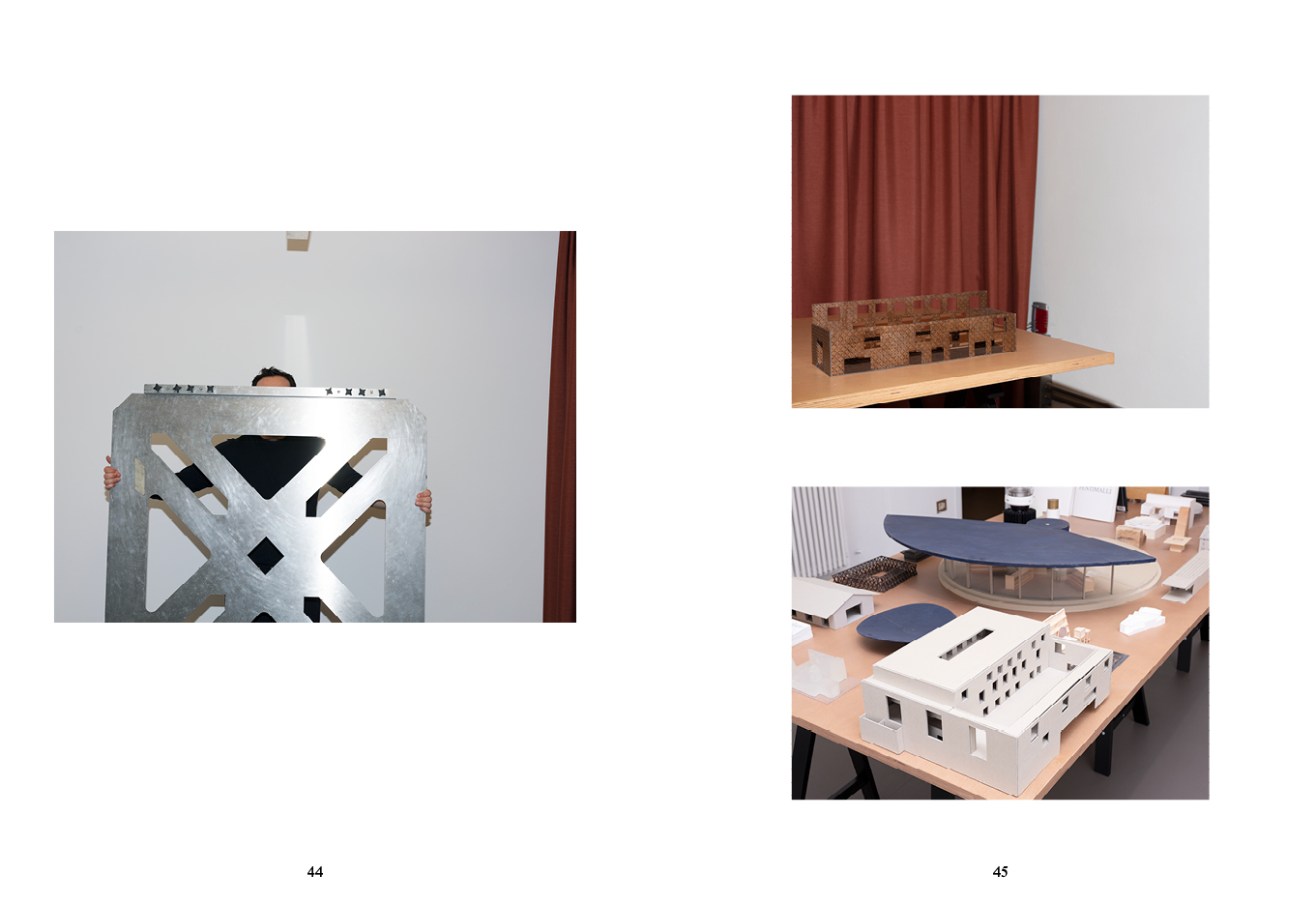
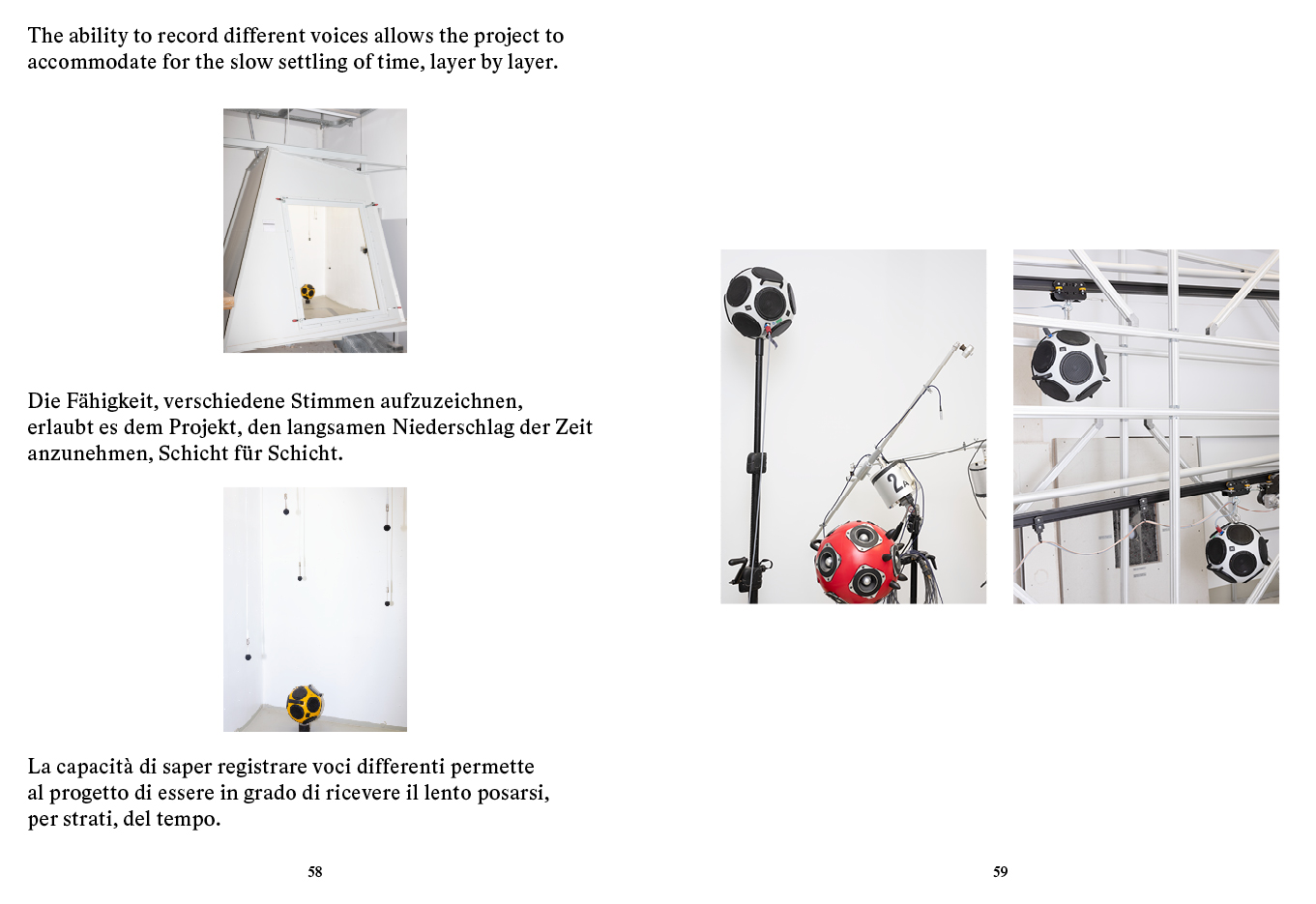
Within this publishing project, the authors talk about the passage of time, the concept of place and method through the anthropological approach underpinning the photographs taken by Armin Linke in several site visits made in the cities of Treviso, Brixen and Munich, between 2020 and 2021.
Lorenzo Mason gave the graphic structure to a text written in short annotations, in which trilingualism helps to bring out the traditions of the community of Brixen: a town capable of welcoming two public buildings designed with the same approach yet specific to the context in which they are rooted.
Biographies
Michel Carlana (1980), Luca Mezzalira (1982), and Curzio Pentimalli (1982) graduated from the Università Iuav di Venezia. Founded in 2010, the office aims to make urban planning and architecture a single practice—simple and enduring, organic, precise, and necessary—that considers the project an idea, an opportunity to reinterpret a place.