Pavilion by multimedia artist Samson Young revisits THINK, the film created by Charles and Ray Eames for the IBM Pavilion at the 1964 New York World’s Fair. Reflecting on its legacy, the work explores the optimism and anxieties surrounding early database cinema in an age when generative AI has exponentially accelerated data patterning.
Nella prima monografia dedicata al collettivo femminista di arte concettuale Claire Fontaine, la teorica politica e operatrice somatica Anita Chari approfondisce le innovazioni concettuali e artistiche del collettivo, proponendo una prospettiva più aptica e incarnata nei confronti della teoria critica.
Full Rotation brings together texts and images to trace the forces that draw bodies beyond themselves. Moving between ecstasy, animal life, and light, the book explores heightened sensation, altered perception, and dissolution, where the human gives way to other forms of existence and boundaries between the physical, psychic, and cosmic begin to blur.
This is the first monograph on the influential American choreographer and dancer Trajal Harrell. In an entertaining, far-reaching conversation with curator Daniel Baumann, Harrell covers all of his choreographies and performances, as well as his influences, successes, and failures, addressing how he transforms and transgresses the history of dance.
Maxiprocesso brings together 360 photographs by Maria D. Rapicavoli, one for each of the archival folders documenting the largest mafia trial in history, held in Palermo from 1986 to 1987. The volume explores the relationship between memory, justice, and social responsibility, examining the material element of a landmark event in contemporary Italian history.
This book offers the first comprehensive overview of Anna Franceschini’s practice. Organized around recurring themes, it explores animation, the body, machines, ghosts, desire, and windows through commissioned contributions and selected writings. Its associative structure reflects her interest in repetition, transformation, and unstable images.
Edited by Lydia Ourahmane and Polly Staple
Texts by Nicoletta Fiorucci, Lydia Ourahmane, Polly Staple
Designed by Lorenzo Mason Studio
2026, English, softcover, 16.5 × 24 cm, 384 pages
ISBN 979-12-80579-98-0
This book accompanies 5 Works, Lydia Ourahmane’s first institutional solo show in Italy, staged at the Nicoletta Fiorucci Foundation in Venice and curated by Polly Staple, during the 61st Venice Biennale. As Ourahmane’s first publication, the book sets a template for her future editorial projects. Central to this design is the custom typeface “LL,” created by the artist with graphic designer Lorenzo Mason. Ourahmane’s new commission, 5 Works, followed her residency at the Foundation, which saw her living and working in Venice from January to May 2026.
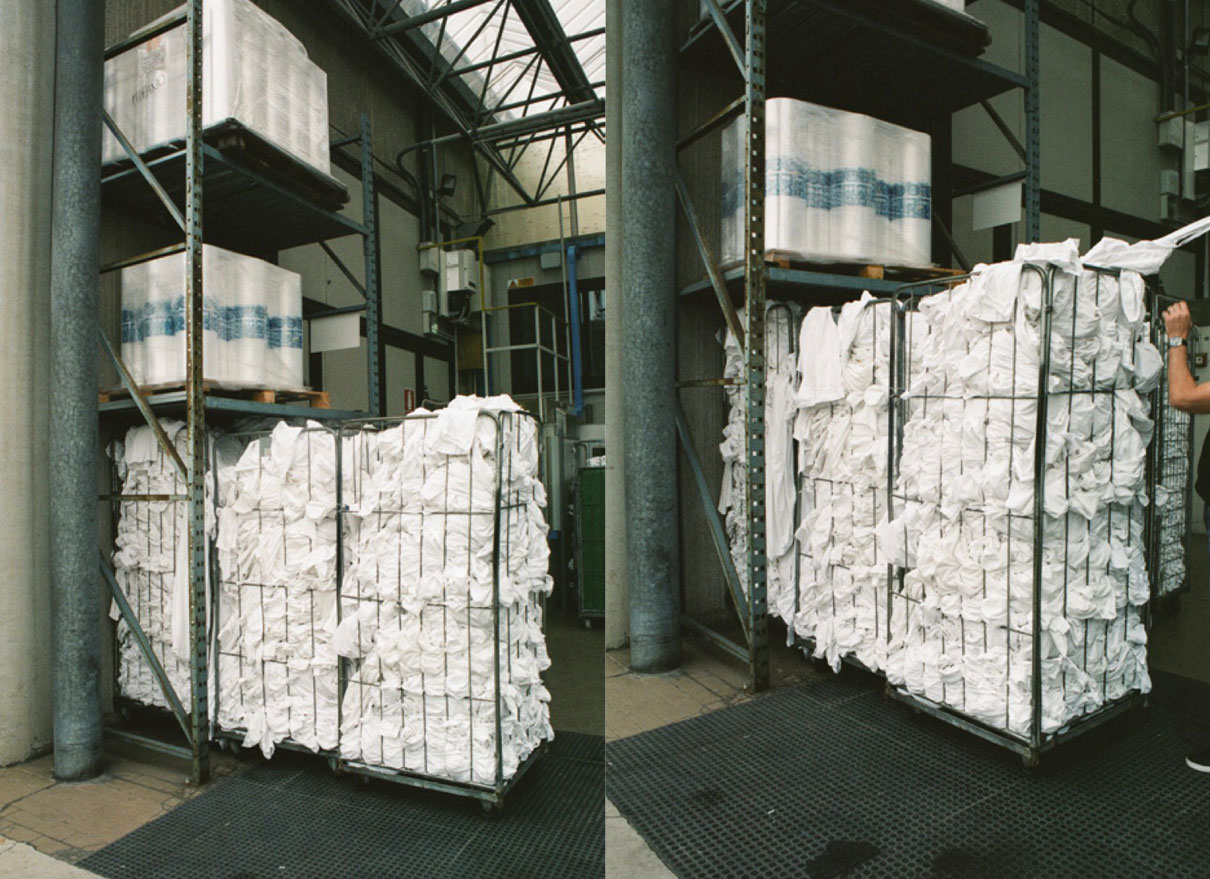
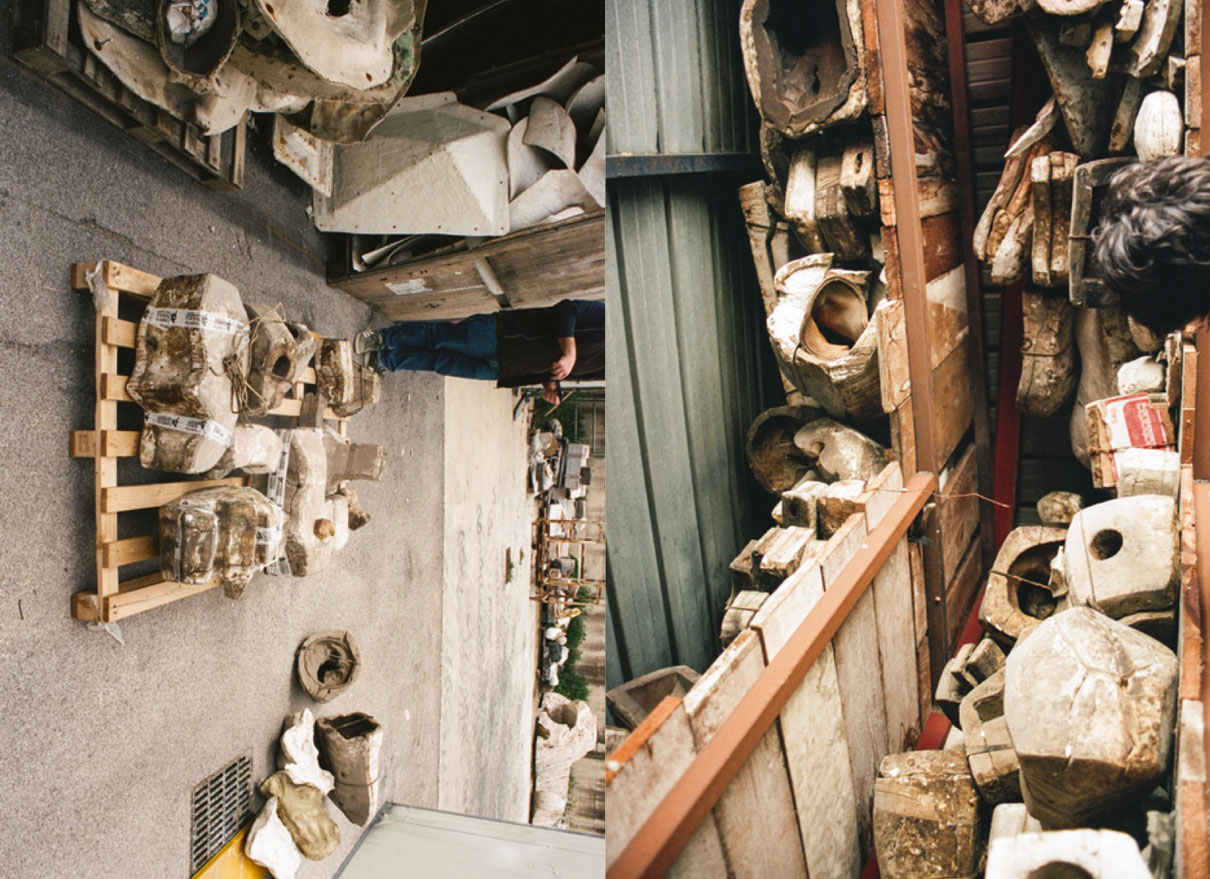
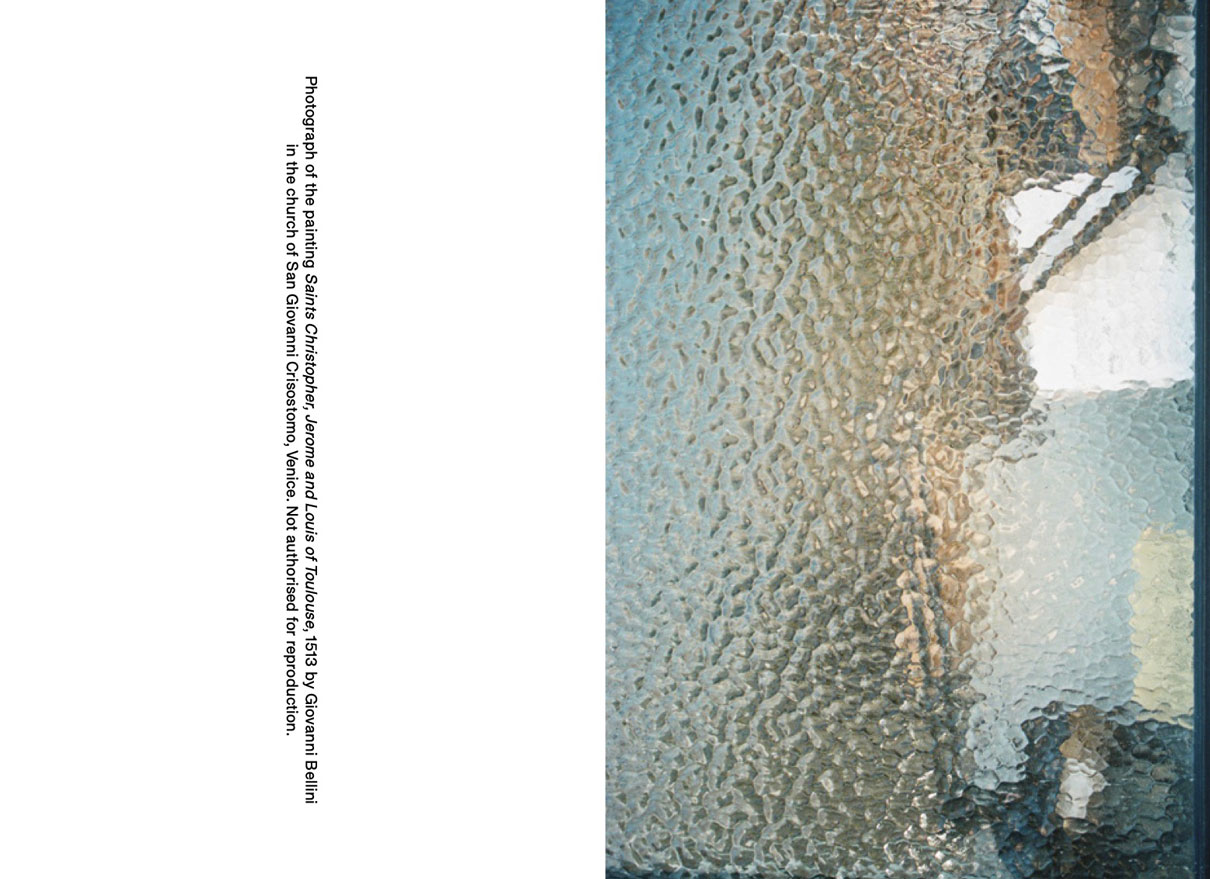
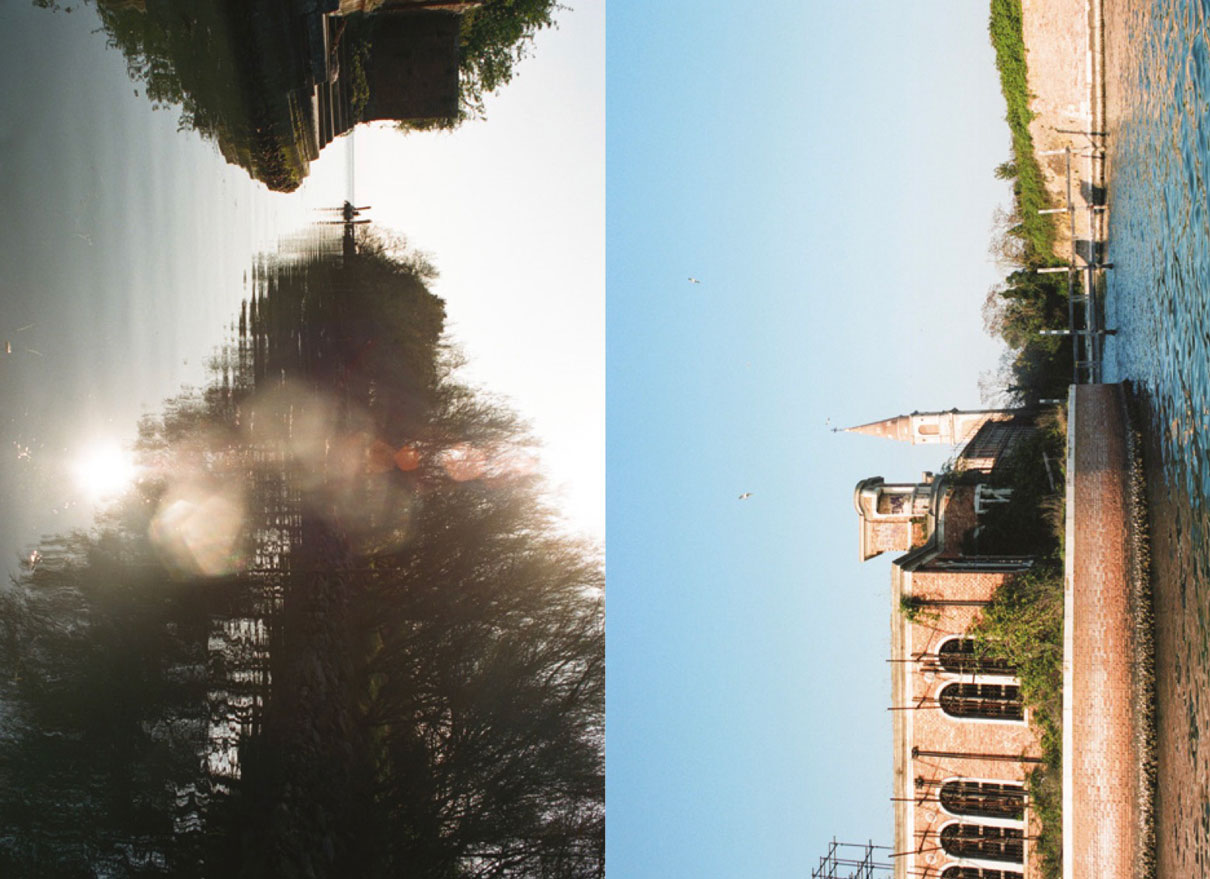
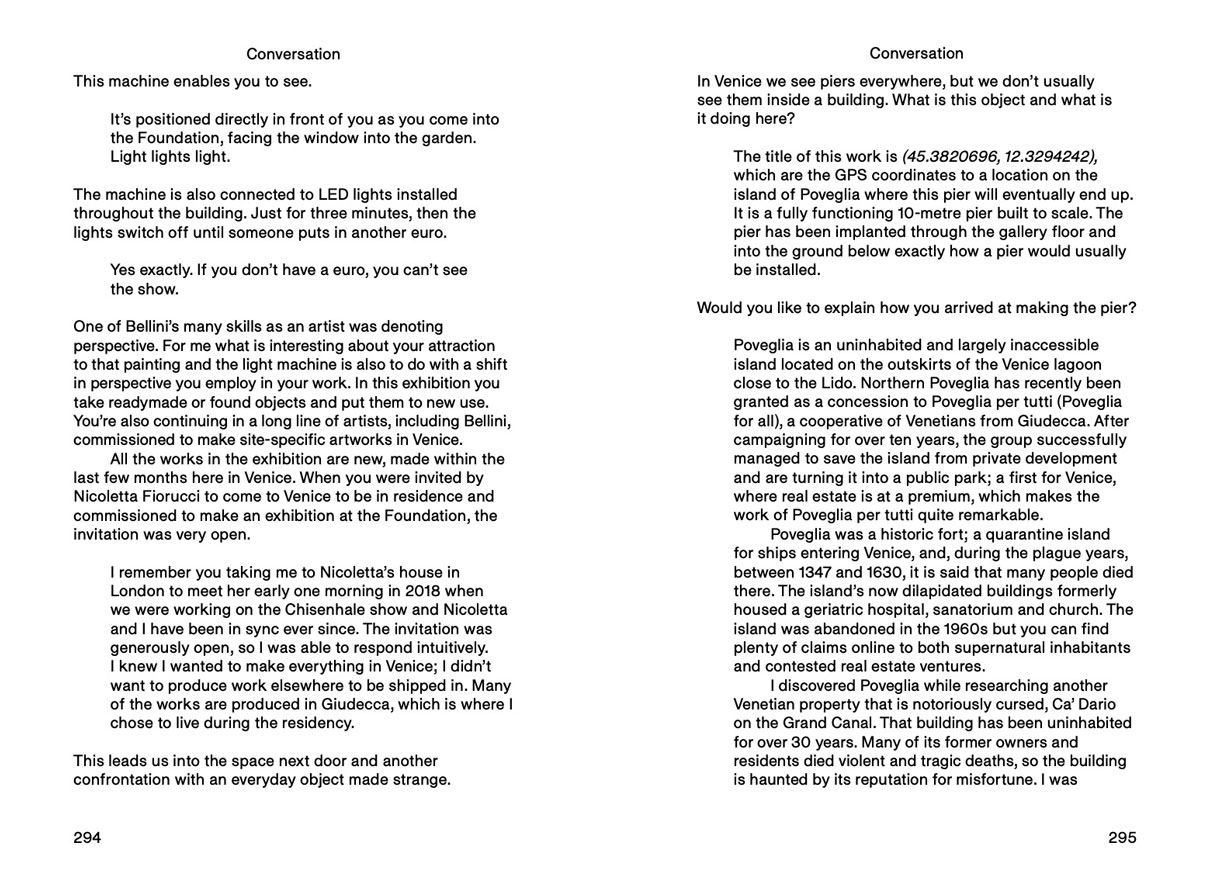
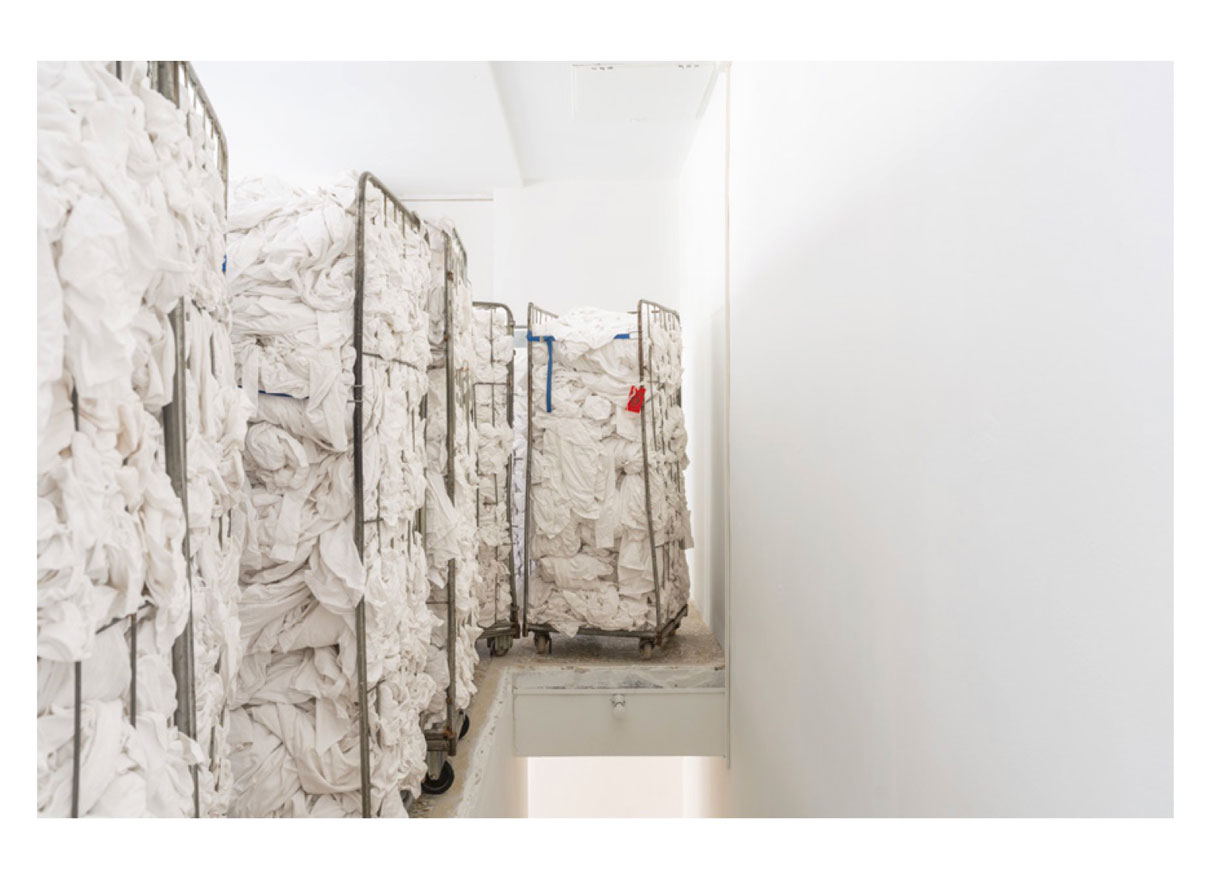
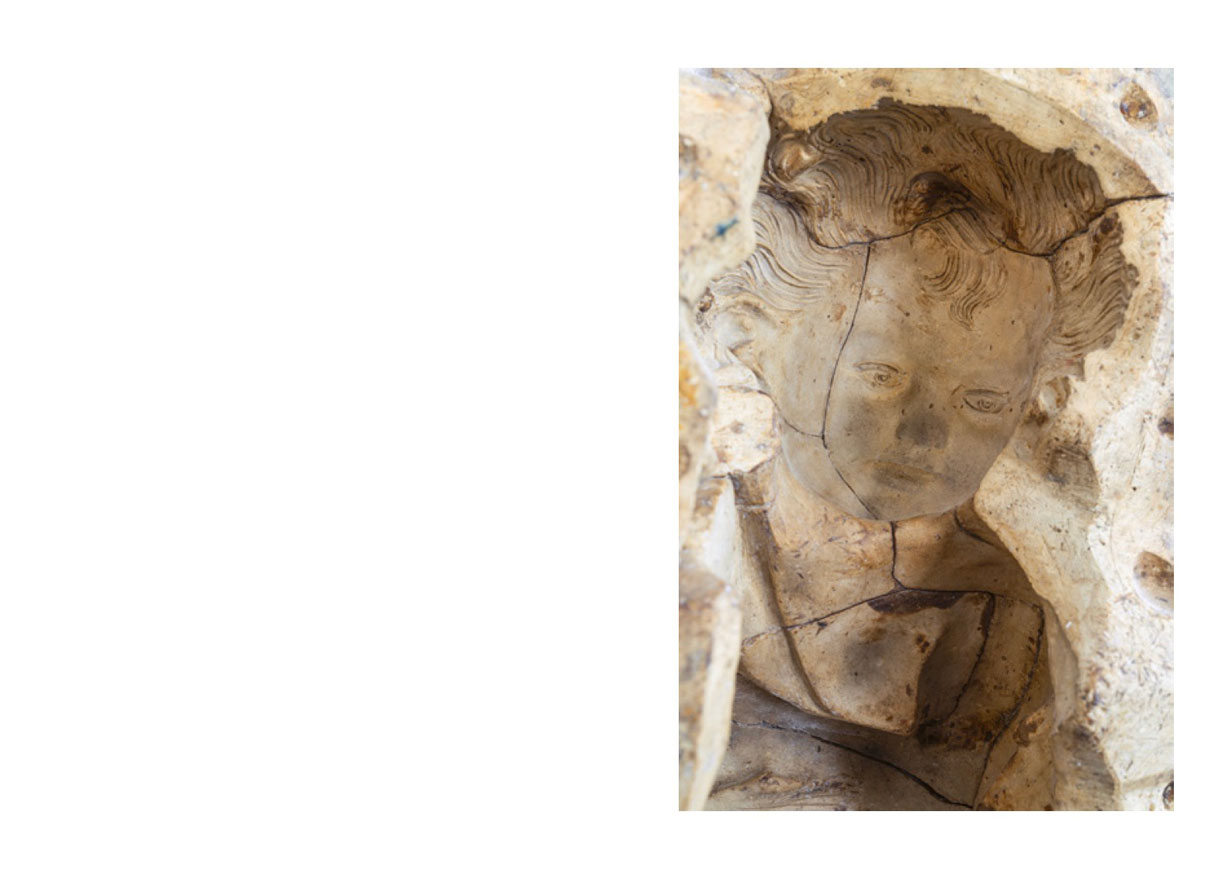
One of the show’s prerequisites was that many of the artworks should be created in Venice. Ourahmane thus worked with Venetian craftspeople and technicians but also with organisations in the city and the surrounding Veneto region. 5 Works combines a wide range of visceral media—antique sculpture moulds, church lighting and decommissioned bed linen among them—with traditional conceptual gestures such as the recontextualization of found objects and the presentation of documentary processes. Several works in the exhibition are the direct result of negotiations, transactions and exchanges specific to historic sites and activist associations in Venice: the church of San Giovanni Crisostomo, Poveglia per tutti, Banco Lotto No. 10: Il Cerchio, Lavanderia LSG and TOCIA! Cucina e Comunità.
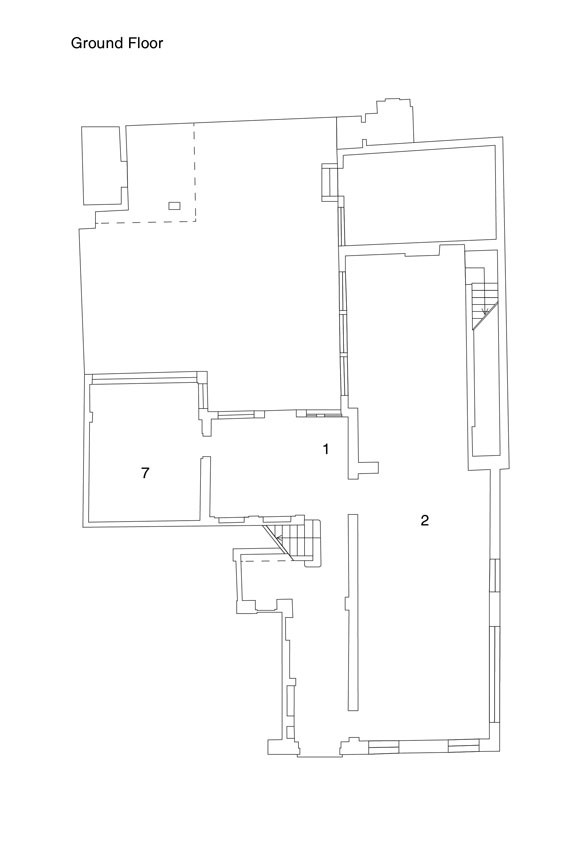
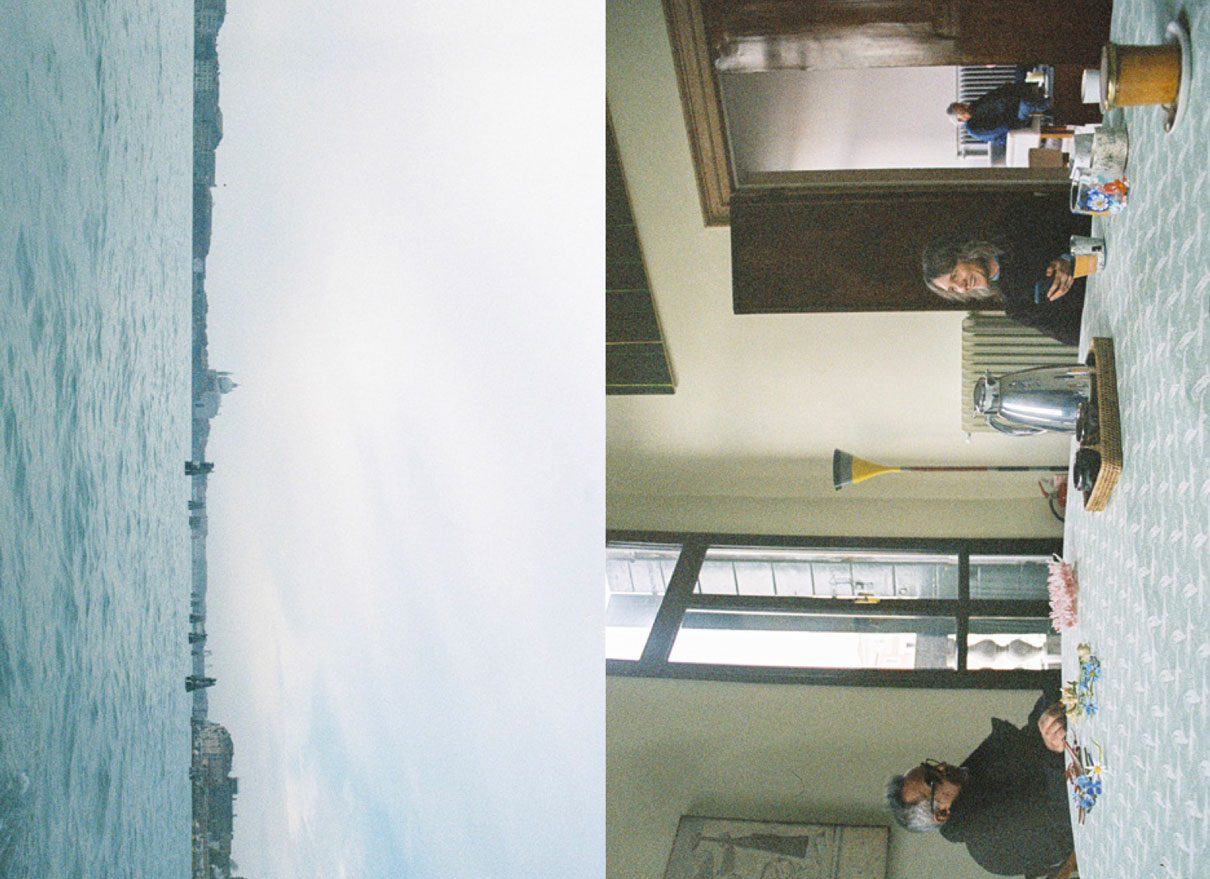
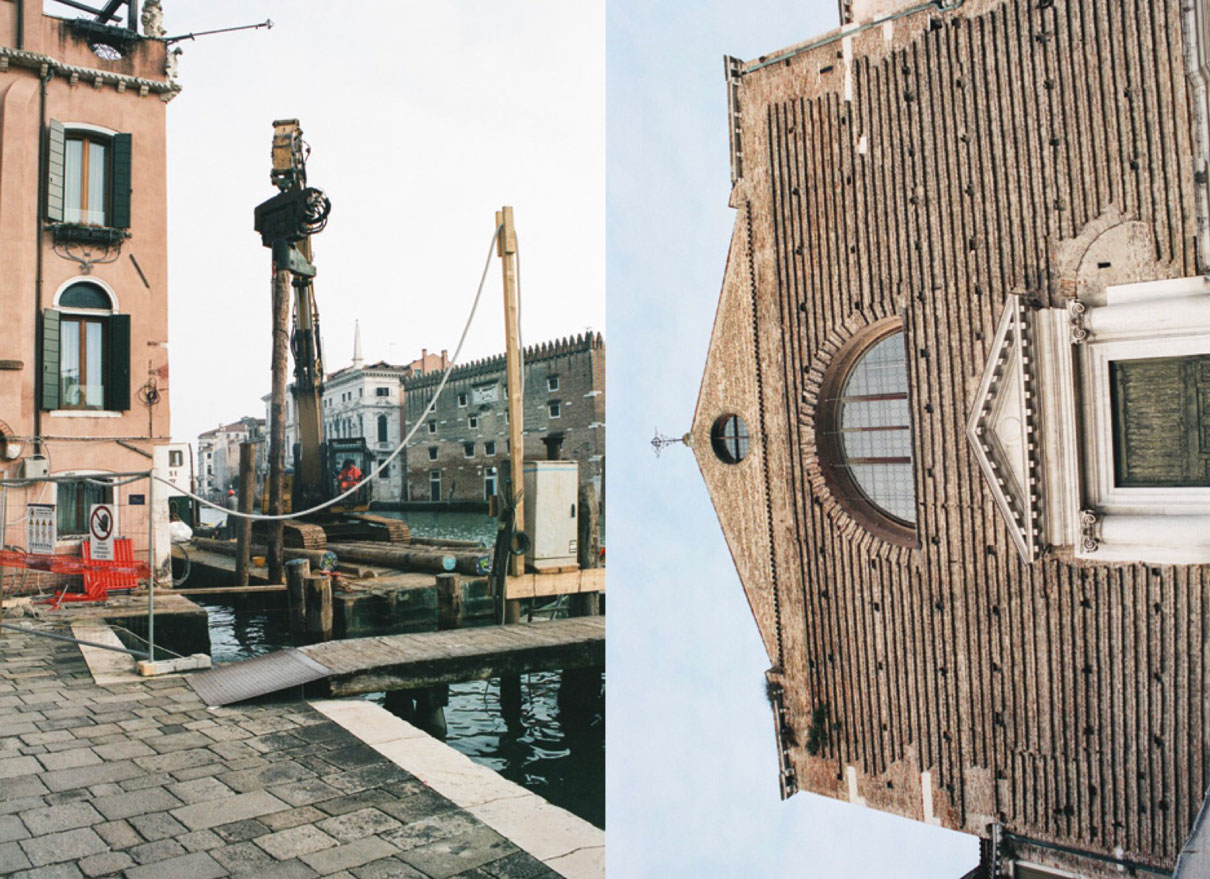
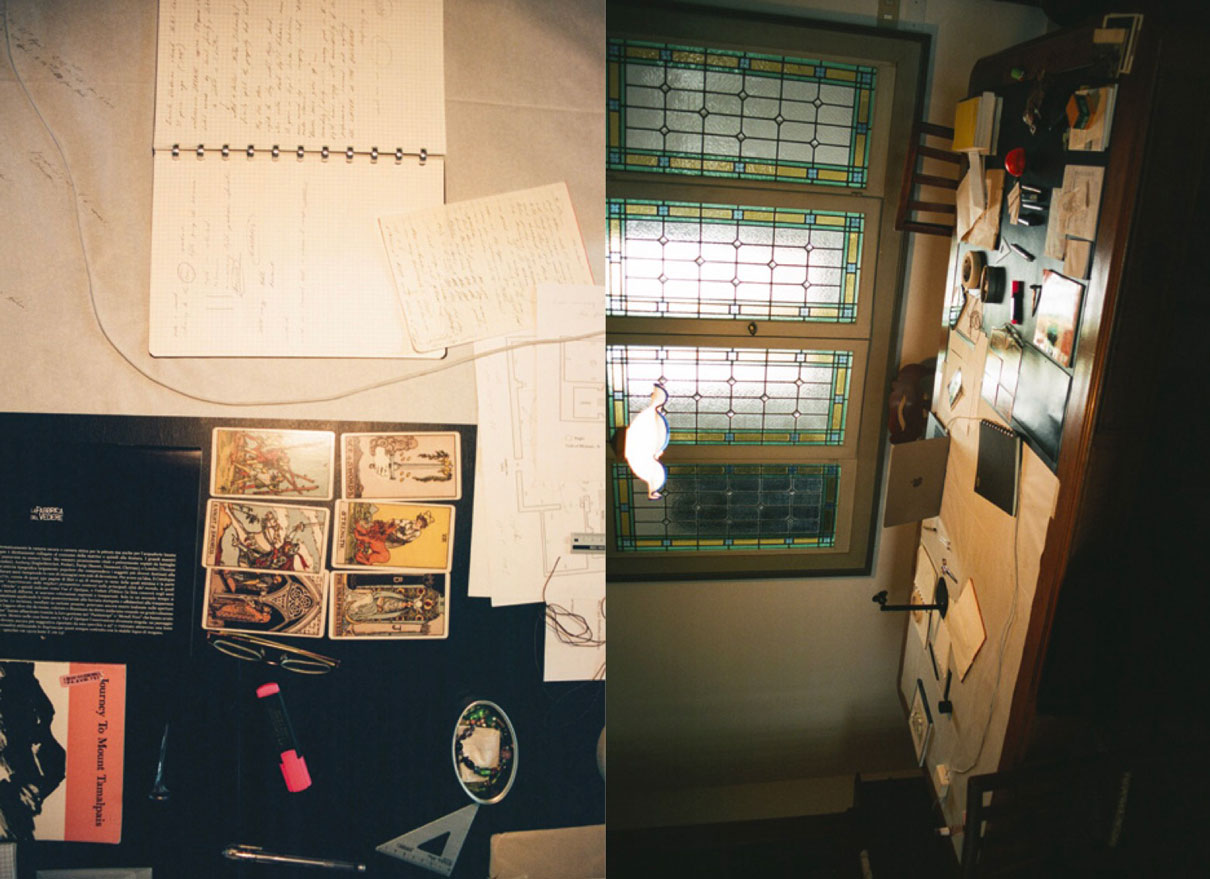
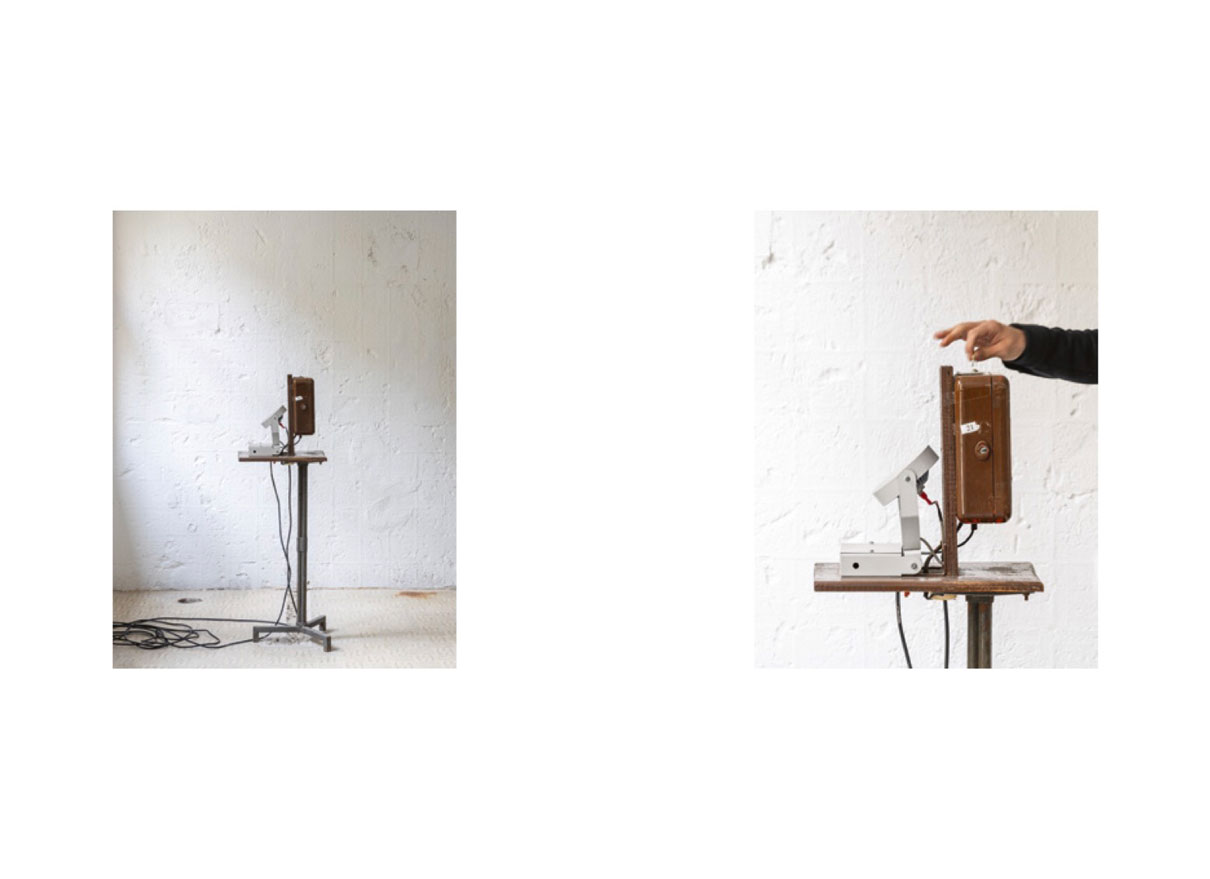
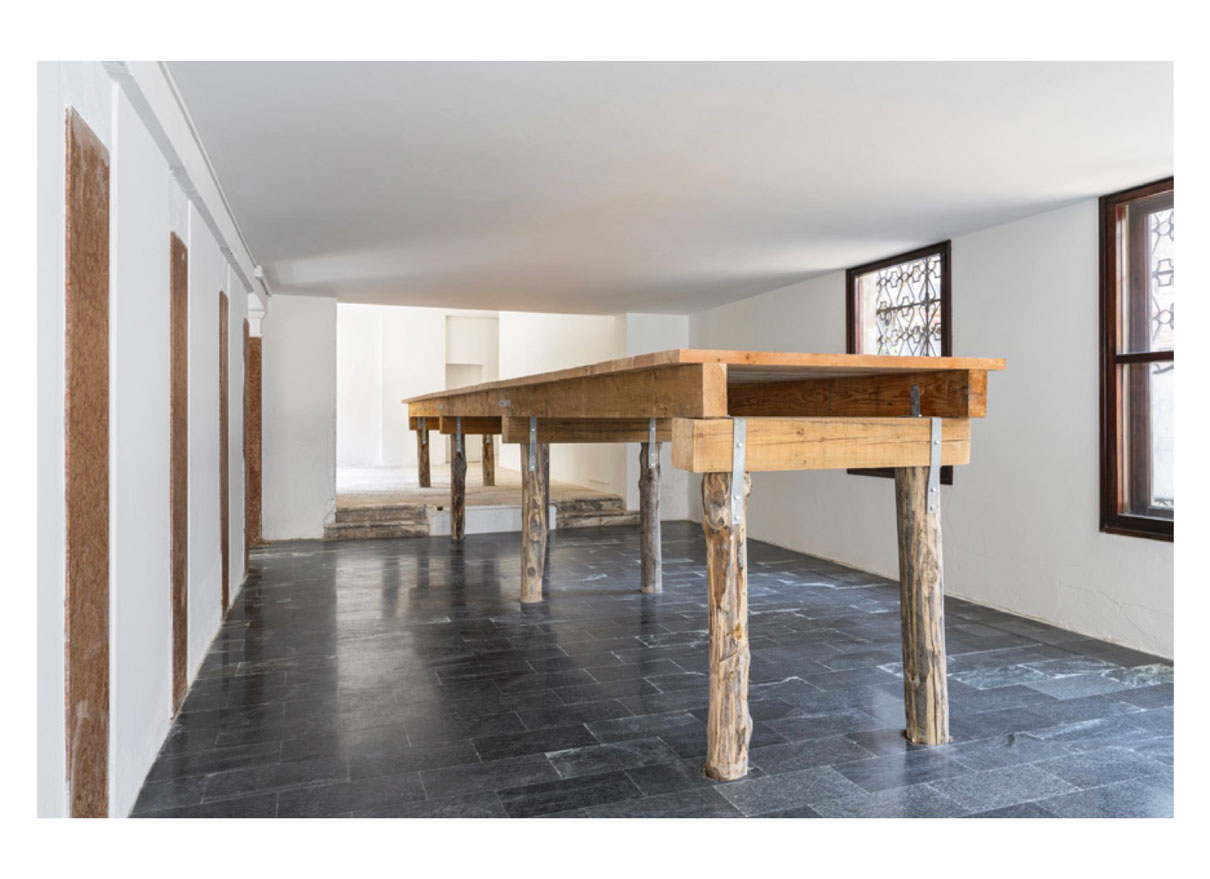
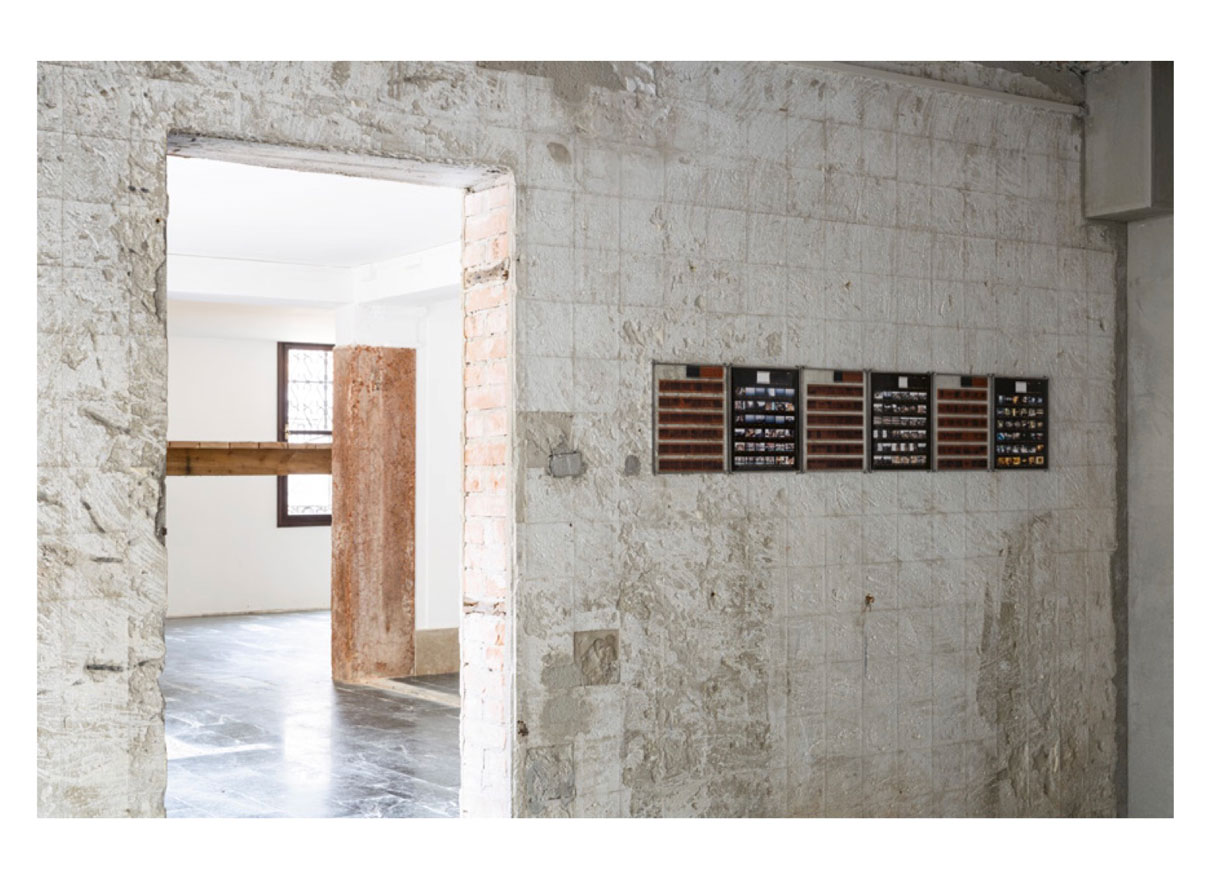
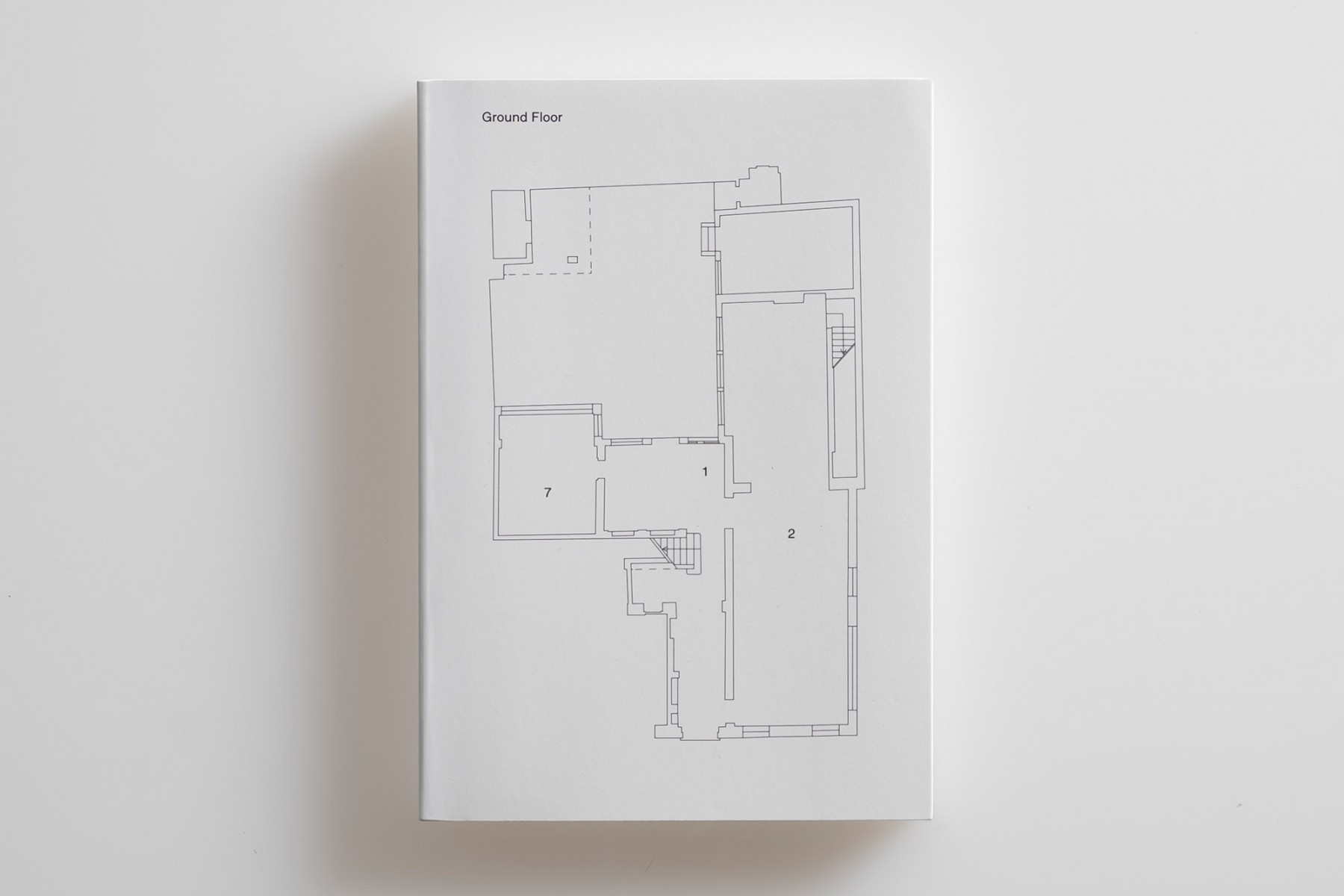
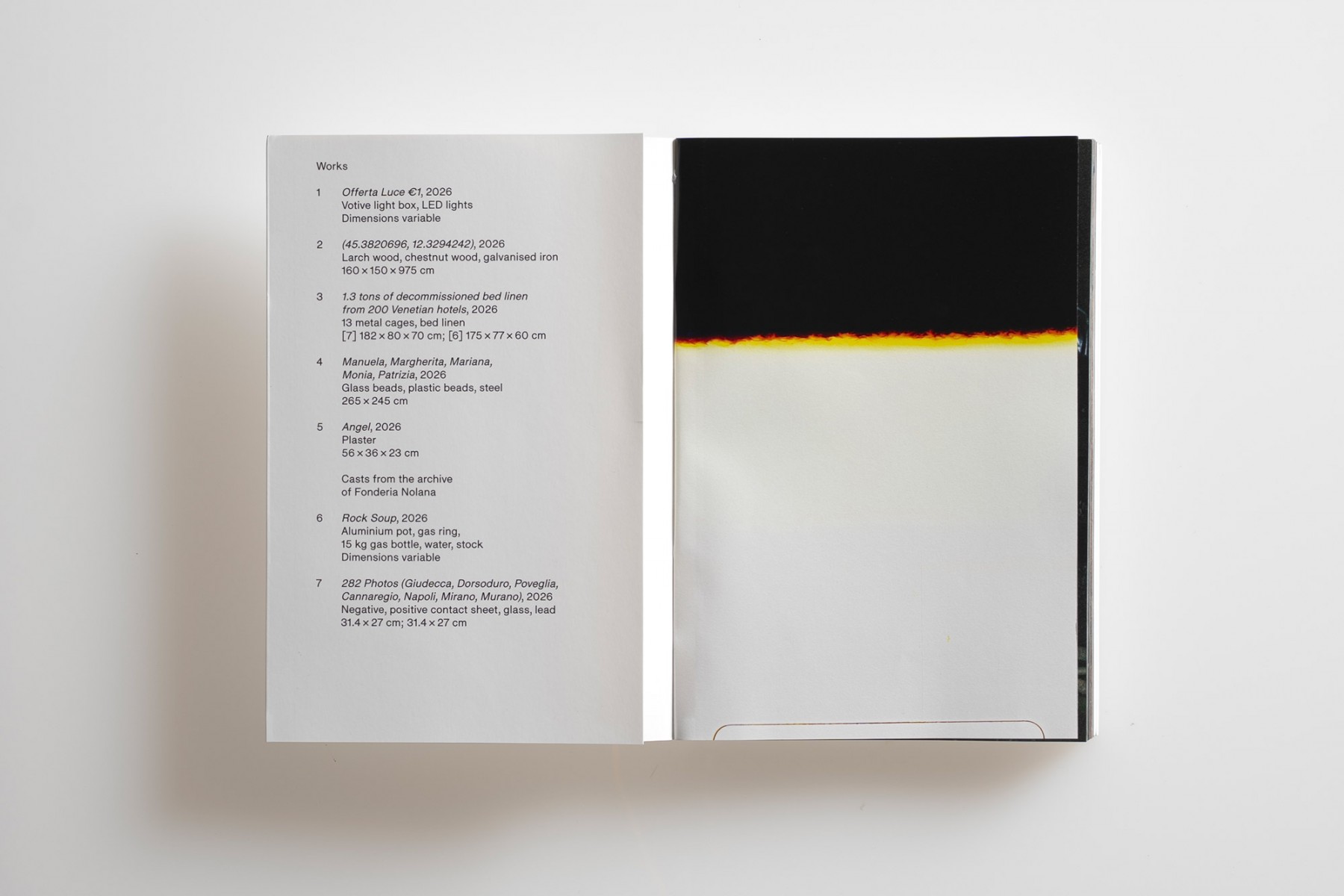
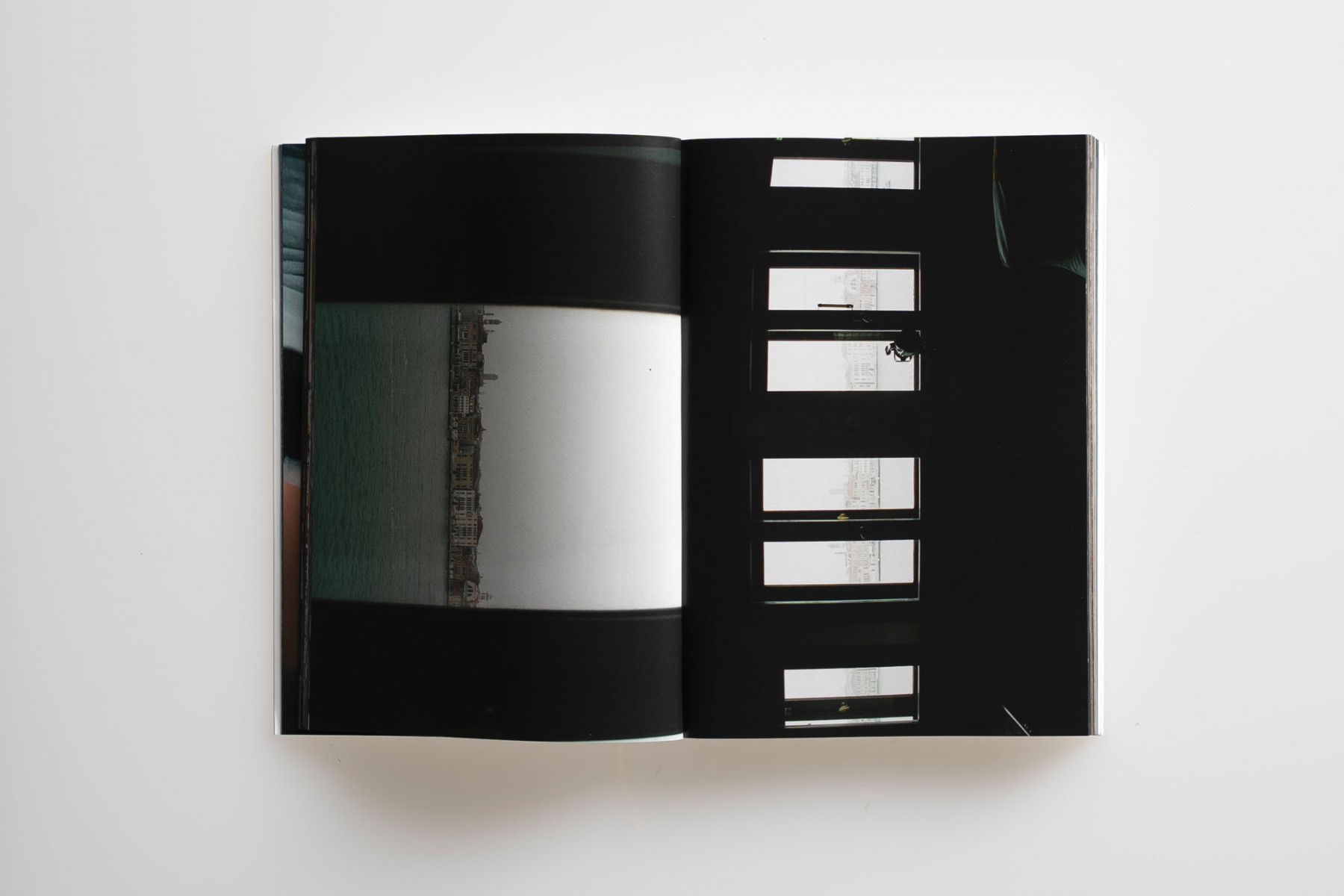
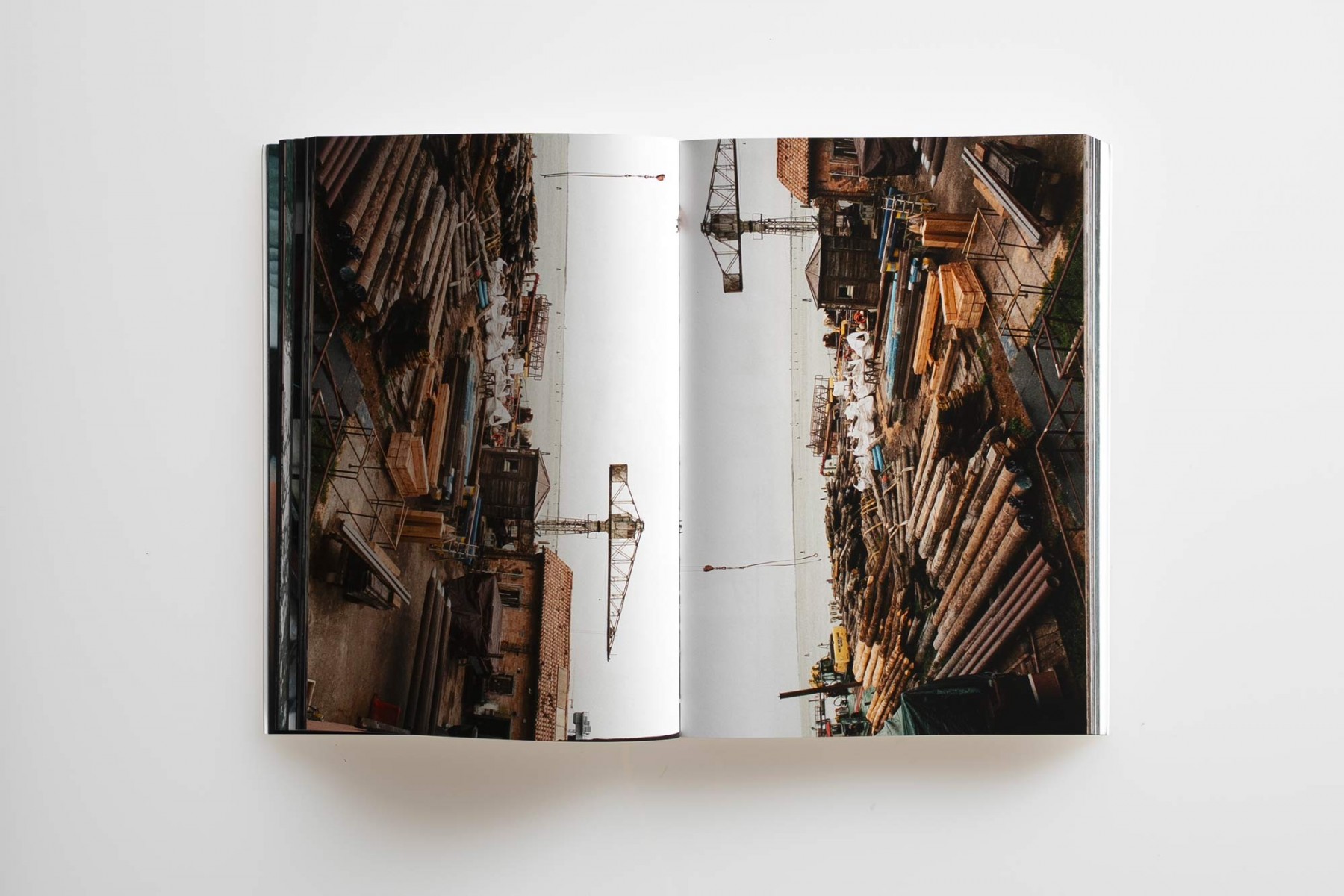
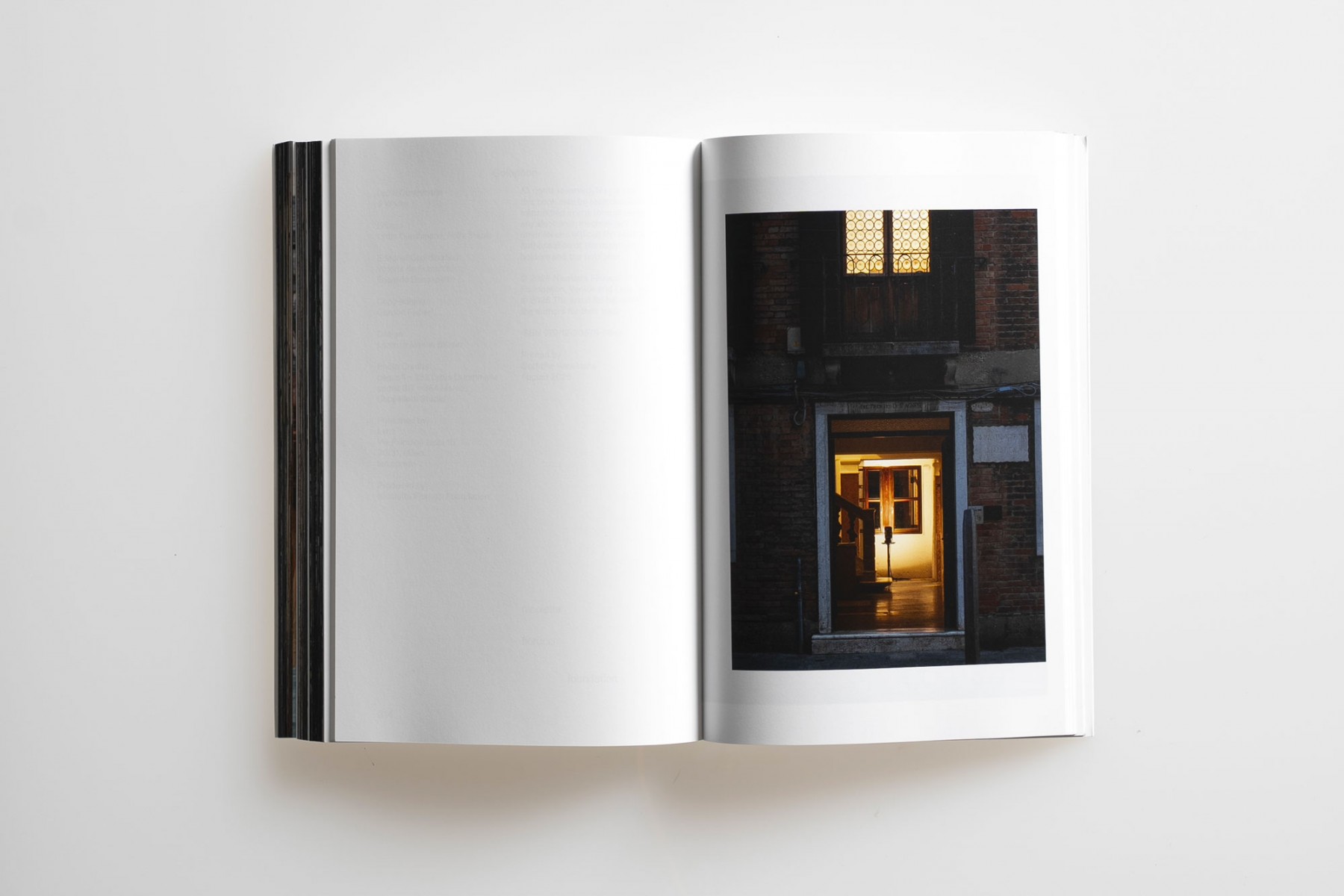
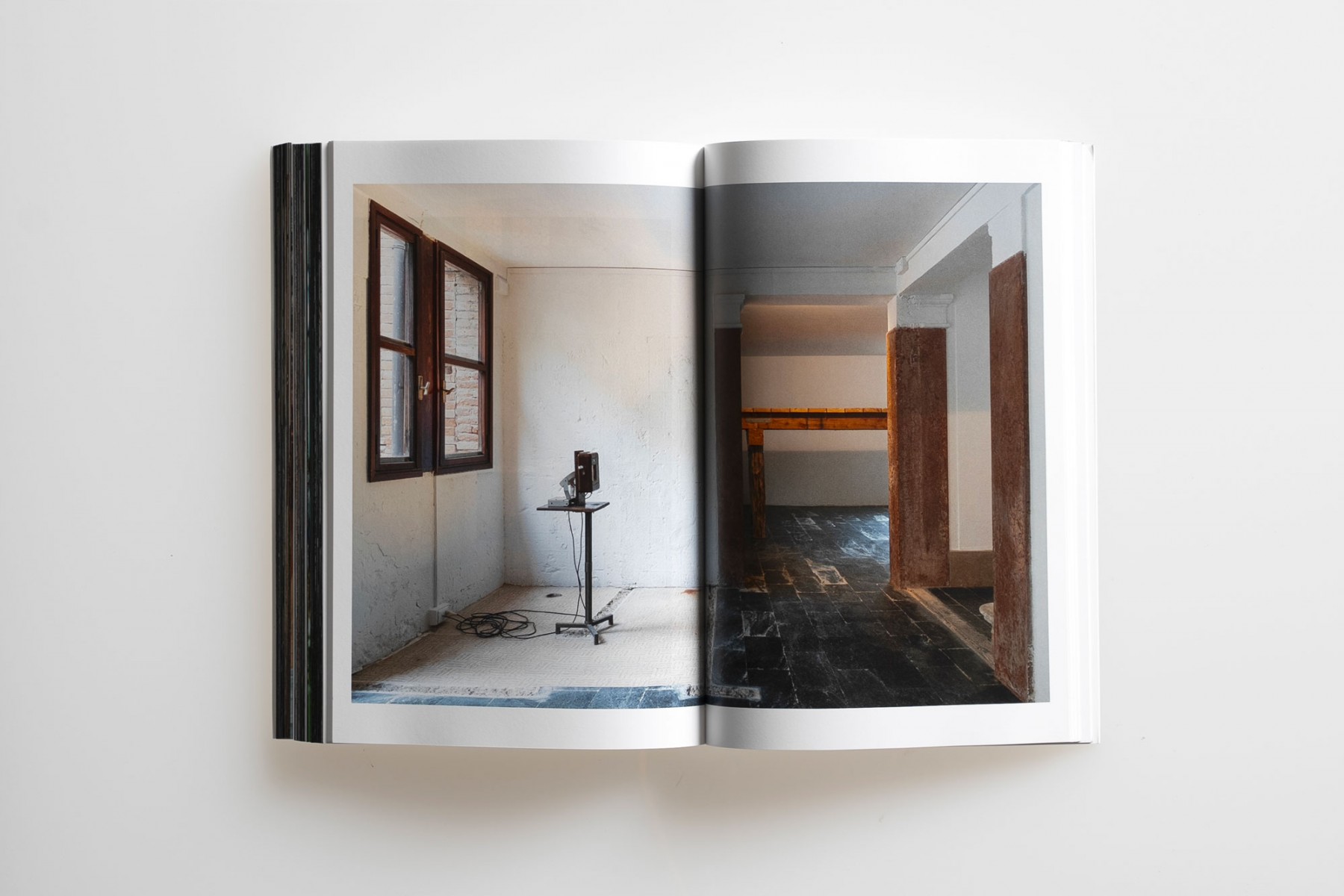
The publication encompasses the following elements: 282 photographs that Ourahmane shot during her residency in Venice while preparing 5 Works; an introduction to Ourahmane’s work and to the exhibition, written by Staple; a conversation between Ourahmane and Staple, structured as a walking tour of the exhibition; installation views, by photographer Marco Cappelletti, sequenced in the order visitors encountered the works; the floor plan of the exhibition—appearing on the book’s cover—complete with the list of works; and an endnote by Nicoletta Fiorucci.