A Cosmic Movie Camera is the title of the 18th edition of the BIM’24, which also marks the 50th anniversary of the Biennale organized by the Centre d’Art Contemporain Genève. By blending the real and the virtual, its catalogue captures the spirit of the exhibition, which explores the evolution of moving images, particularly in our algorithmic age.
The book seeks to define the contours of the obsession with the teenage years; a fixation that has shaped a significant strand of contemporary art over the last ten years. Adolescence is here understood as a state of mind, a prolonged condition that dissolves the transition into adulthood and becomes a critique of an unstable world.
In this multi-voiced book, starting from the Orobie Alpine range, the mountainside becomes an epistemological lens through which to interpret contemporaneity and address issues such as multi-species migrations, our relationship with geological time and intergenerational inheritance, and the rethinking of collective memories and rituals.
For years now, the Die Vier von der Tankstelle (Four from the Gas Station) have been roaming across an area stretching out to the south of the Baltic Sea. They prowl their way through sparsely populated areas, wantonly terrorizing the inhabitants. The 2026 calendar by Jos de Gruyter and Harald Thys bears witness to their presence.
The first monograph dedicated to Lorenza Longhi, published with the Kunst Museum Winterthur, adopts a format associated with prototypes, manuals, or working documents. Its irregularities reflect Longhi’s ongoing examination of value, functionality, and the aesthetics of the everyday.
This publication is an extensive monograph devoted to the work of Carlos Bunga, published in conjunction with his eponymous show at CAM – Gulbenkian. In addition to a number of essays, which offer an in-depth look at his multifaceted practice, the book contains previously unpublished photos that reveal his working process.
Edited and with an essay by Pavel Pyś
Designed by Lorenzo Mason Studio
2024, English, softcover, 22 x 28 cm
ISBN: 979-12-80579-49-2
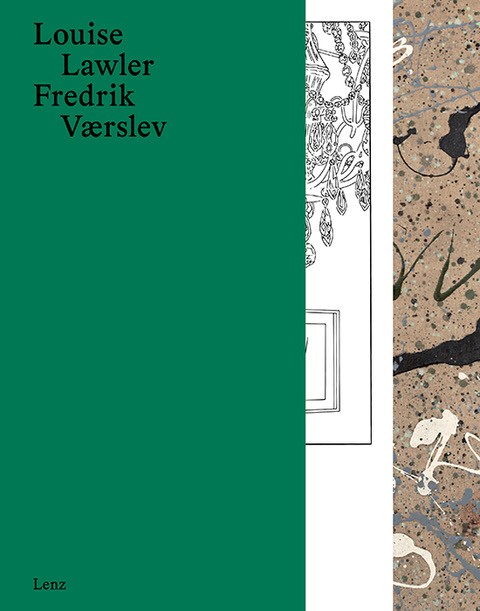
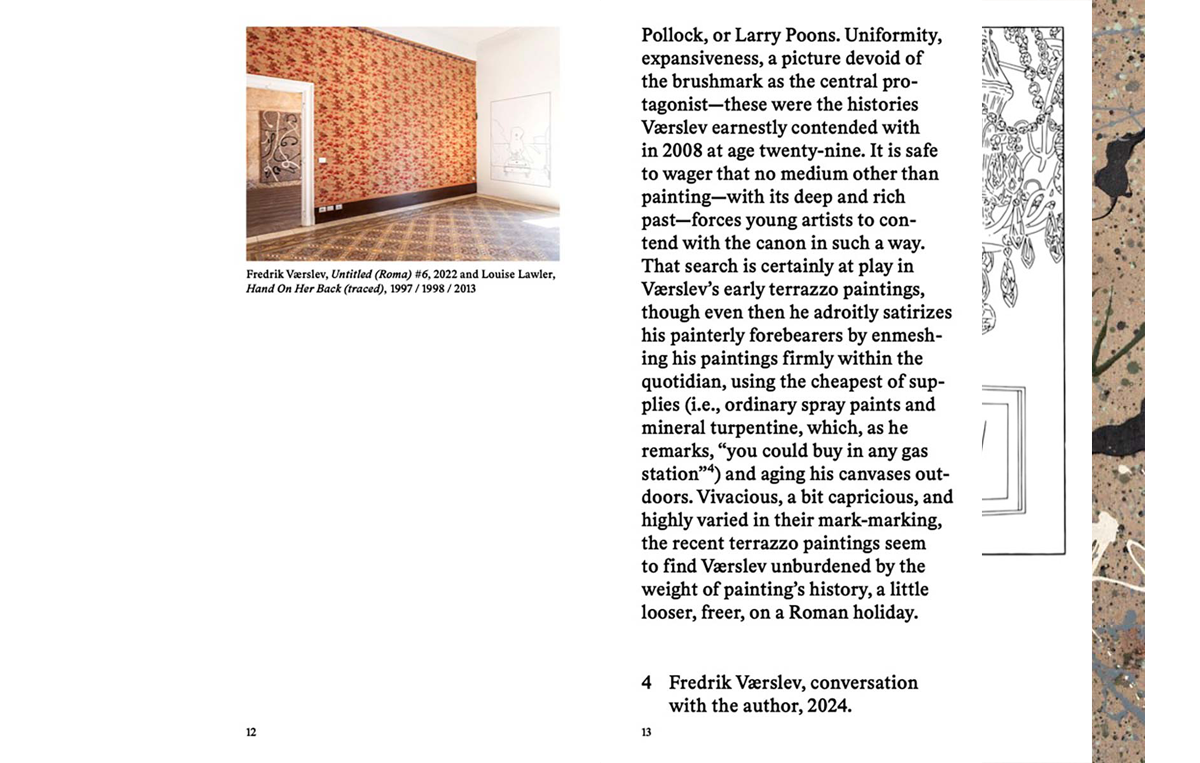
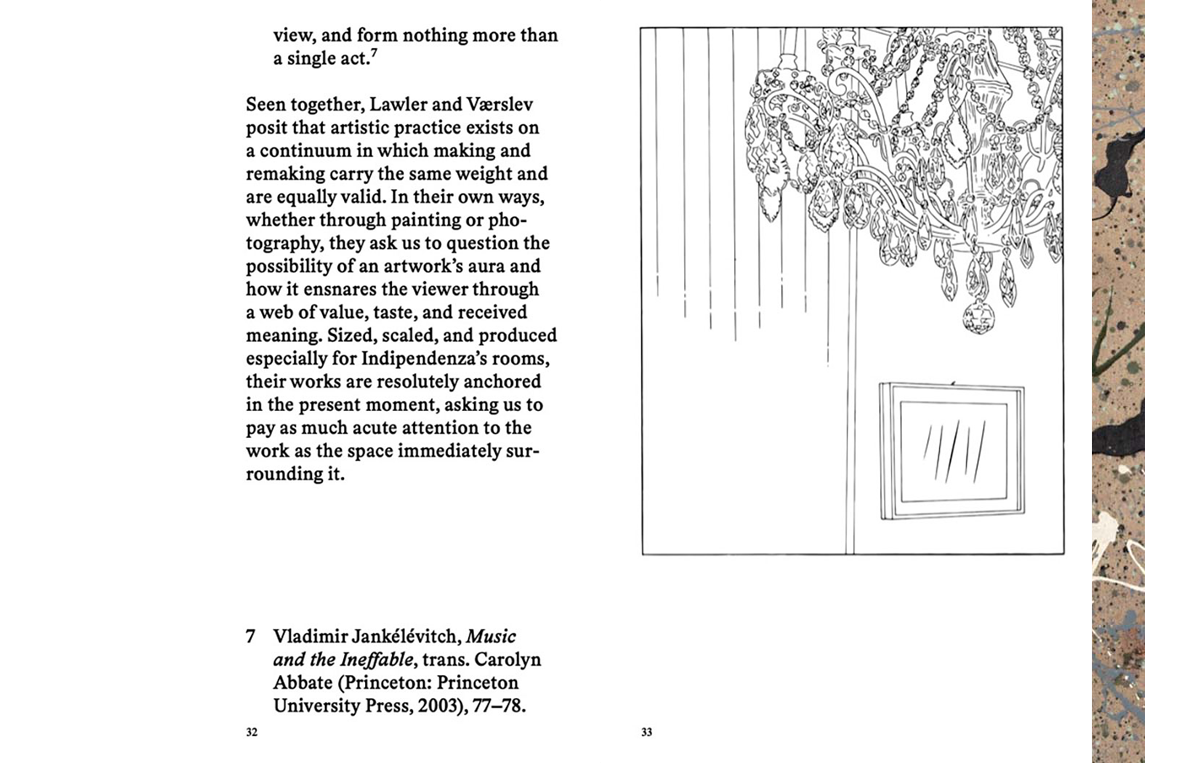
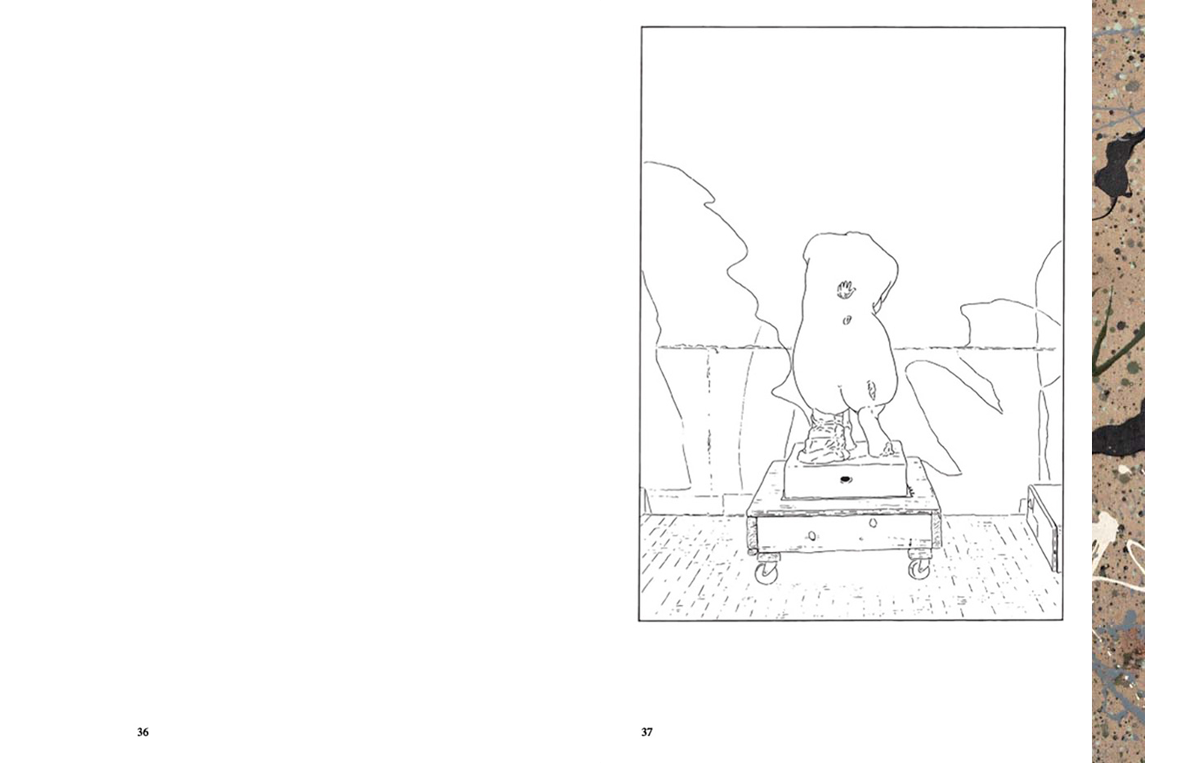
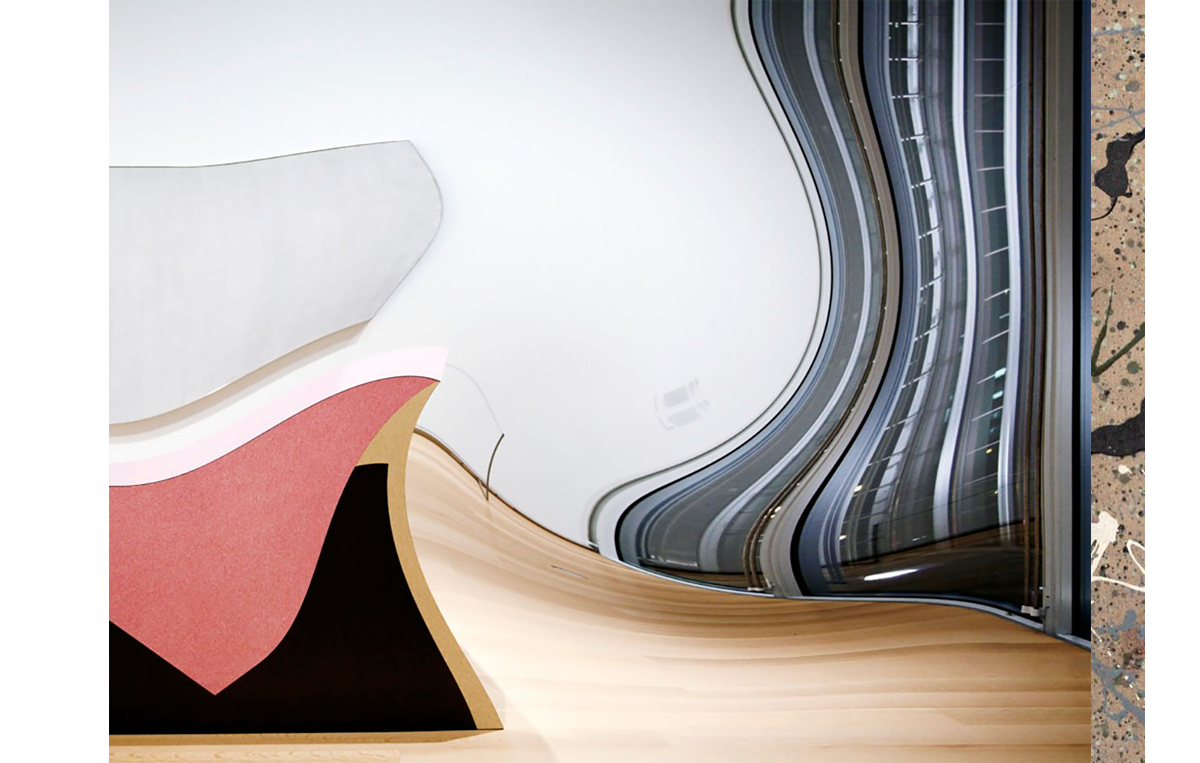
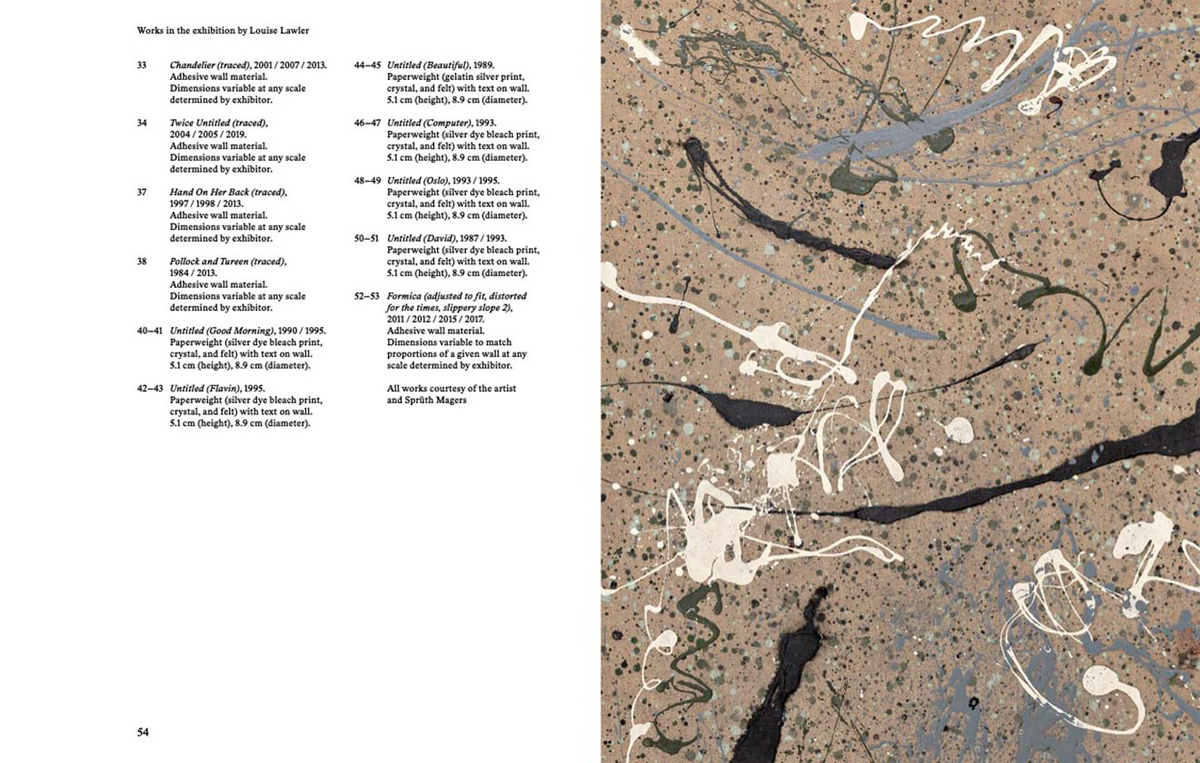
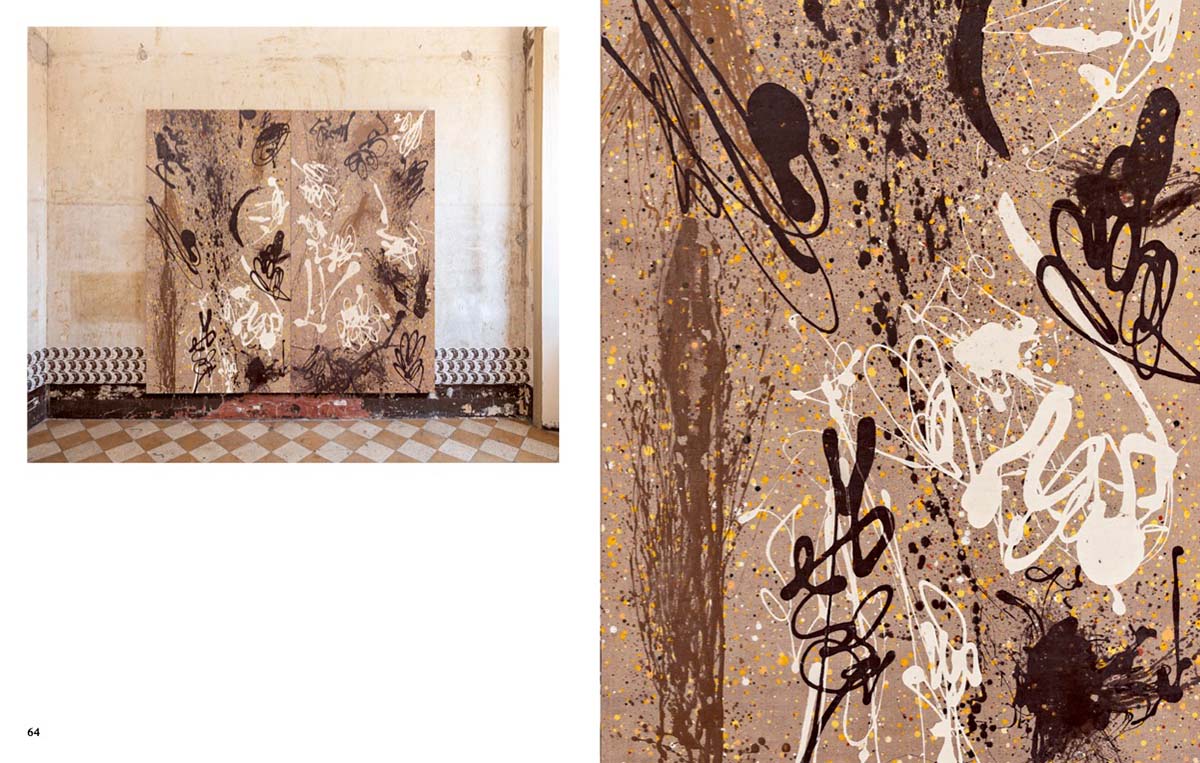
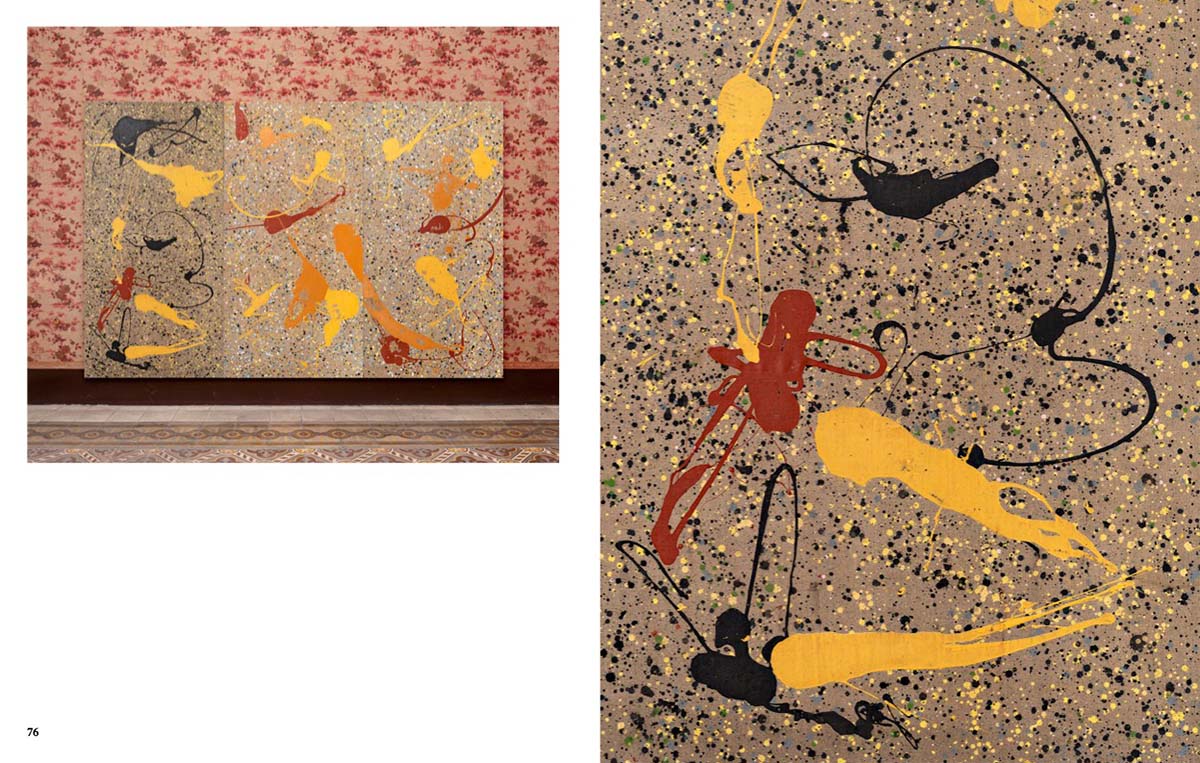
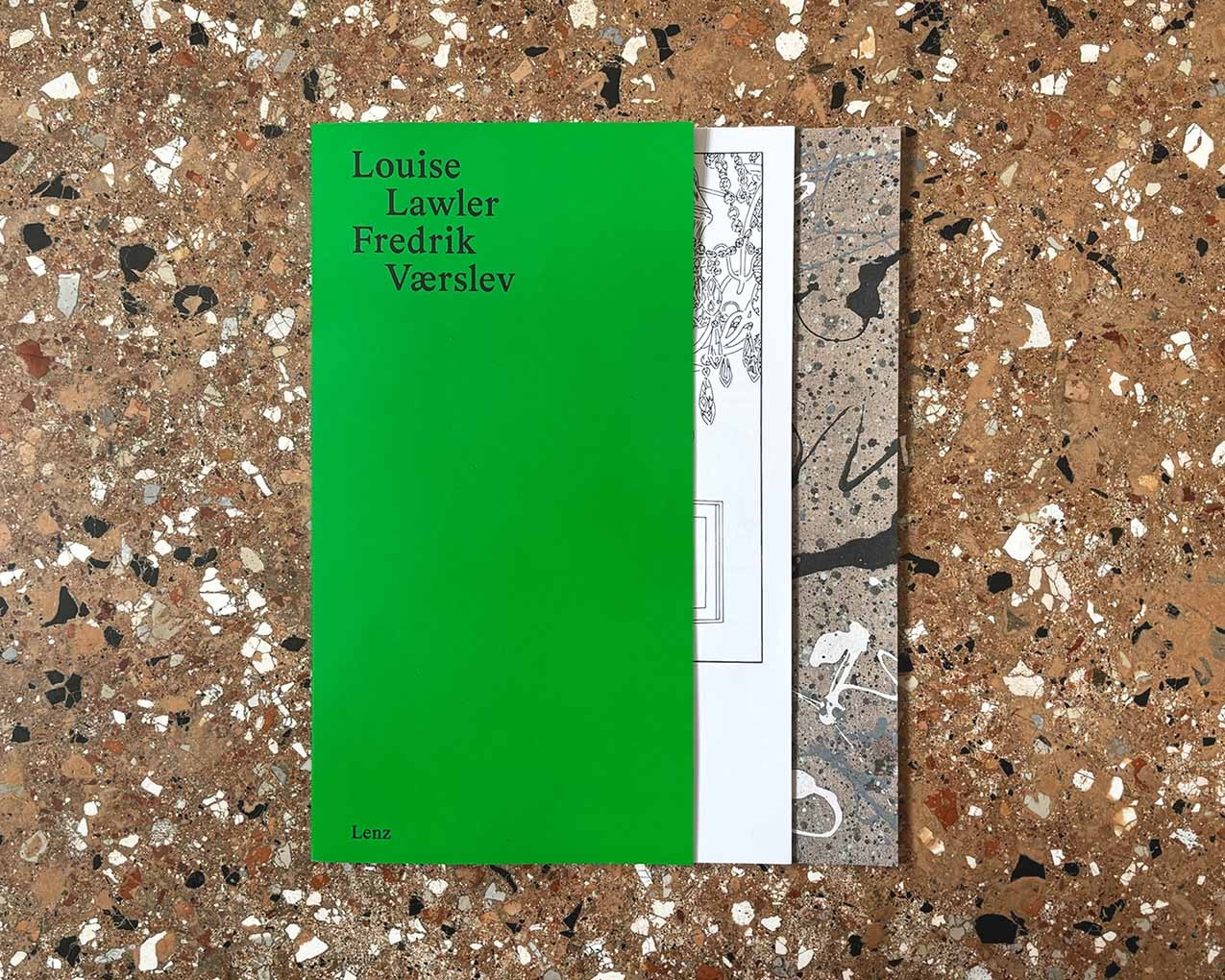
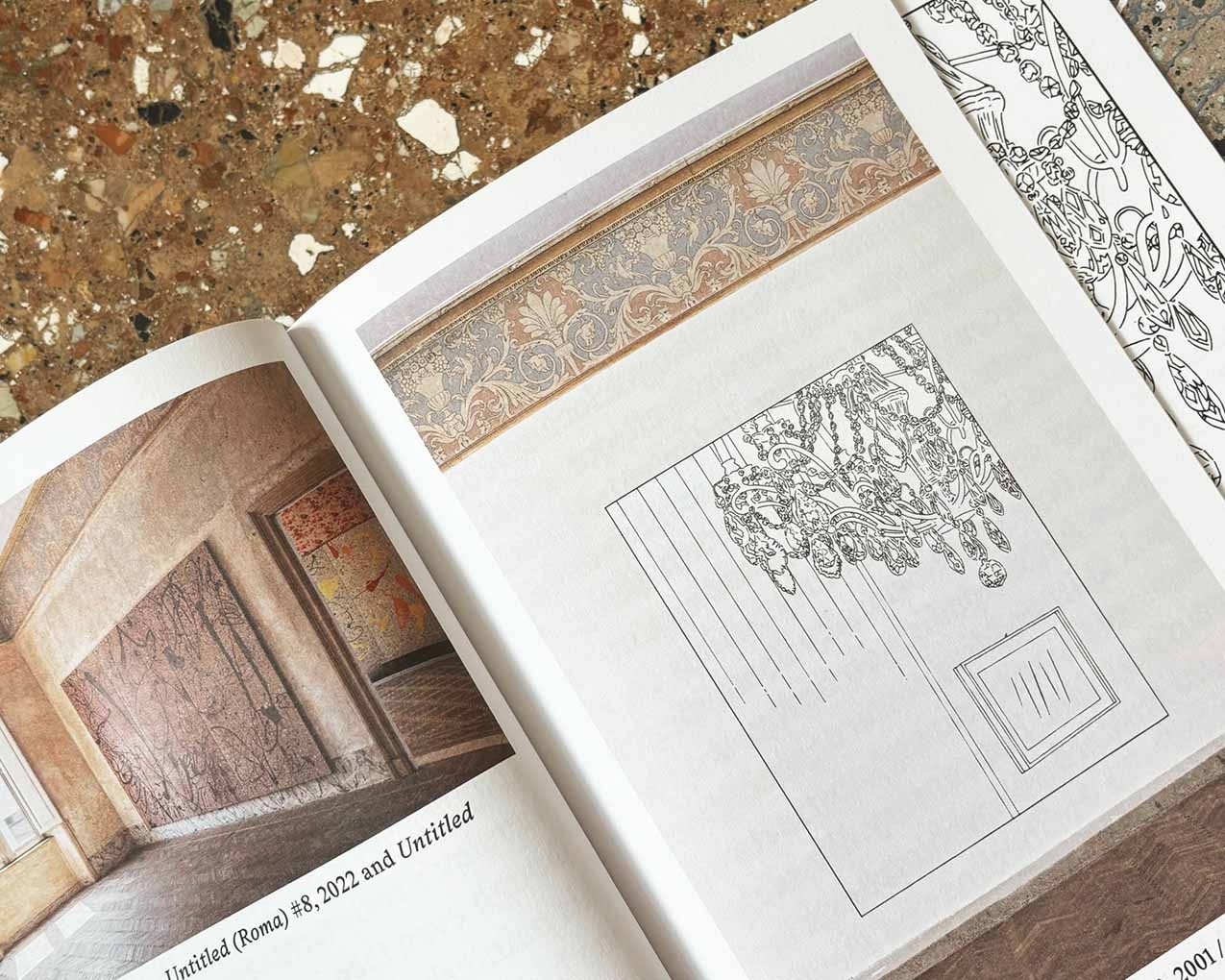
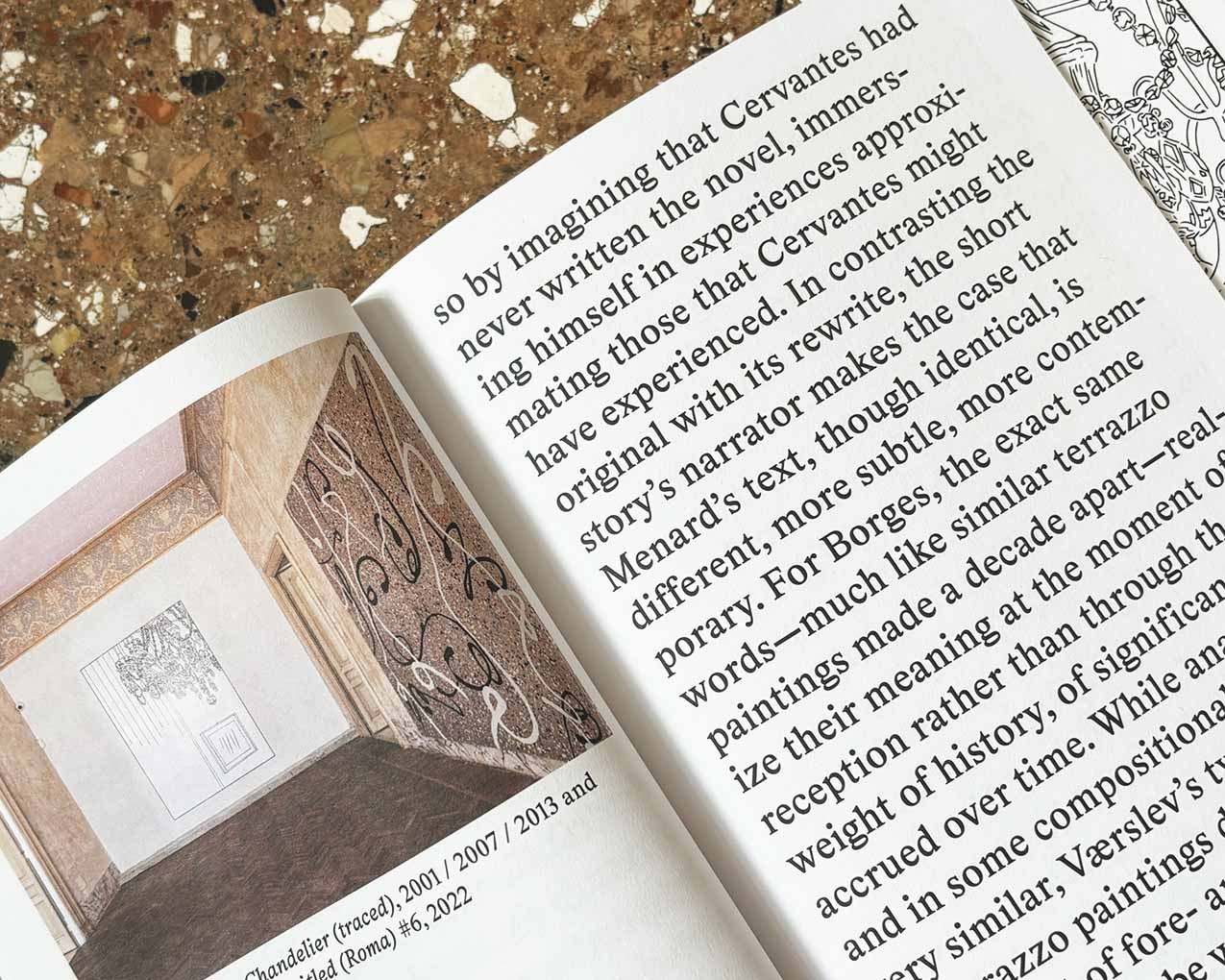
Conceived as a catalogue and an artist’s book, the publication was made on occasion of the eponymous 2022 exhibition at Indipendenza Roma. Deeply responsive to the space, the exhibition brought together works by Louise Lawler and Fredrik Værslev to explore the tension between an artwork and its surrounding architectural context, spurring questions of taste, value, function, and decoration.
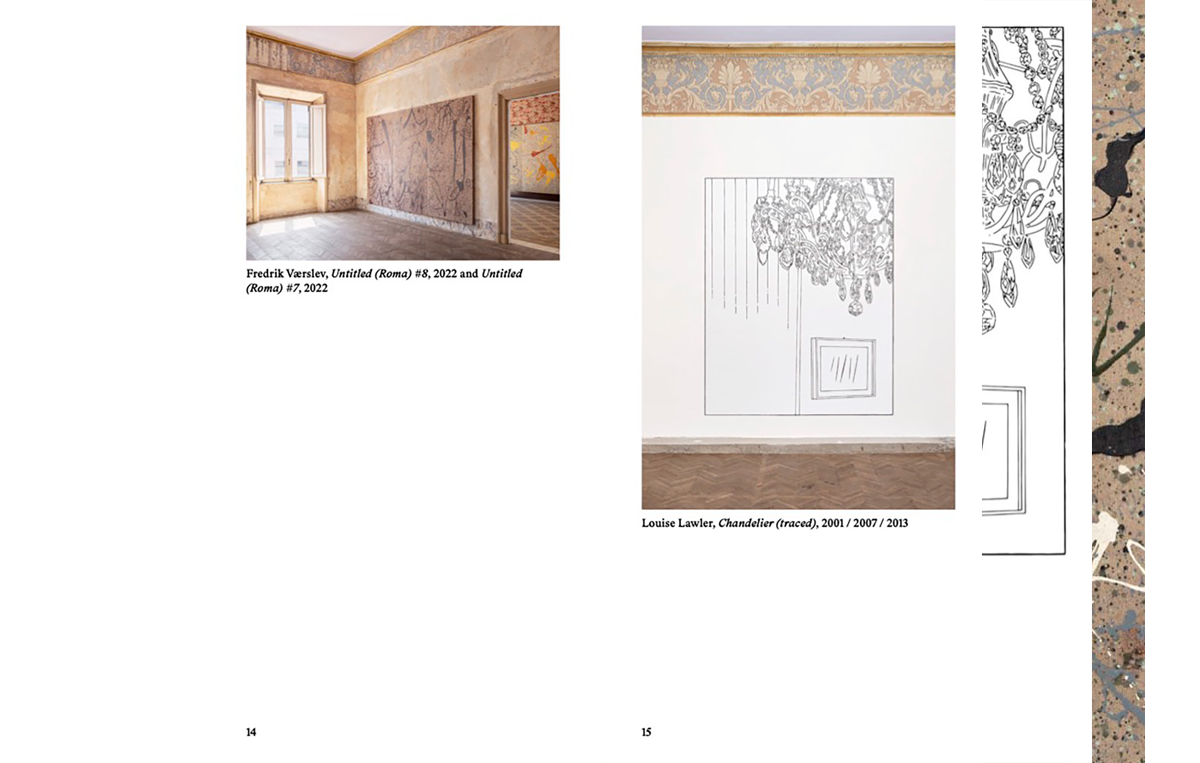
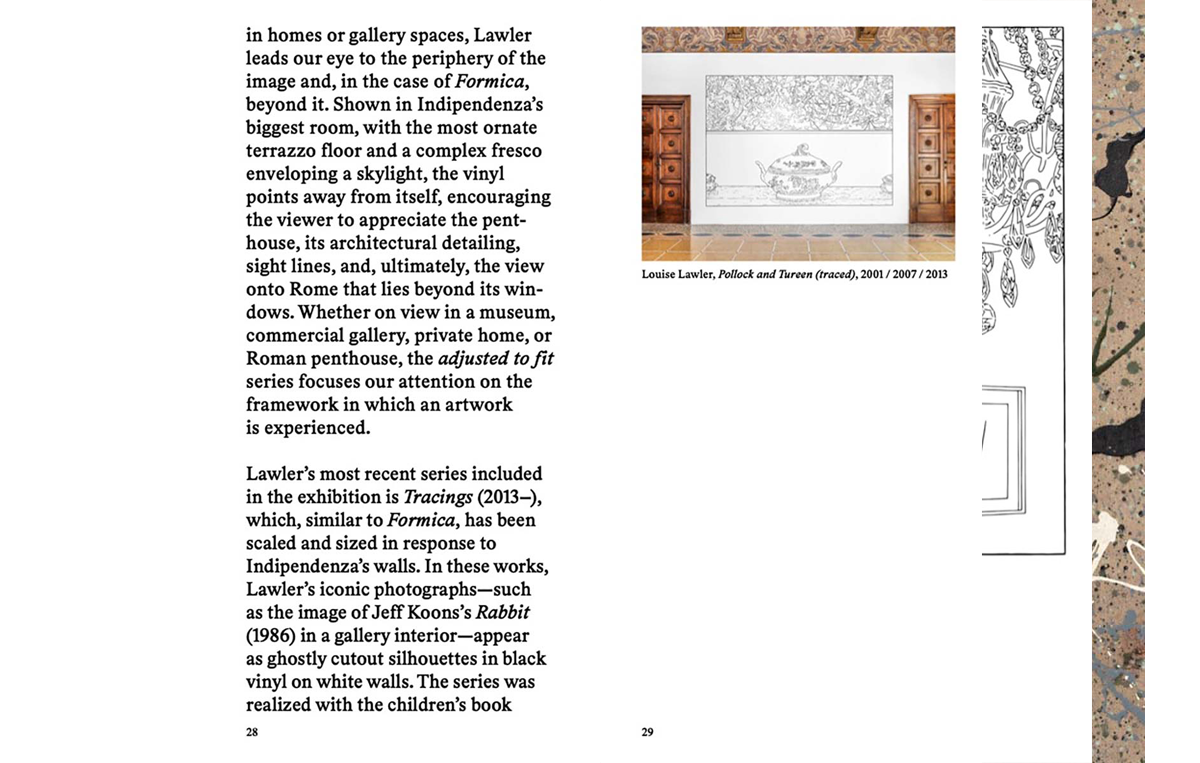
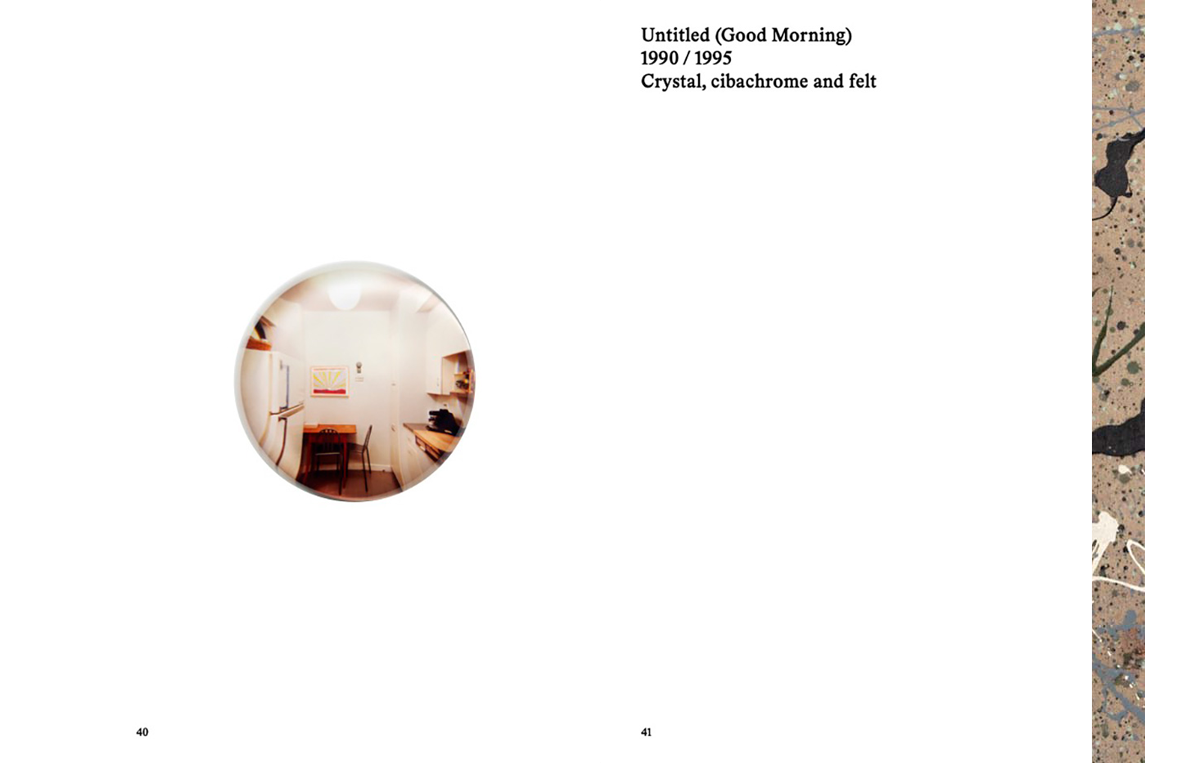
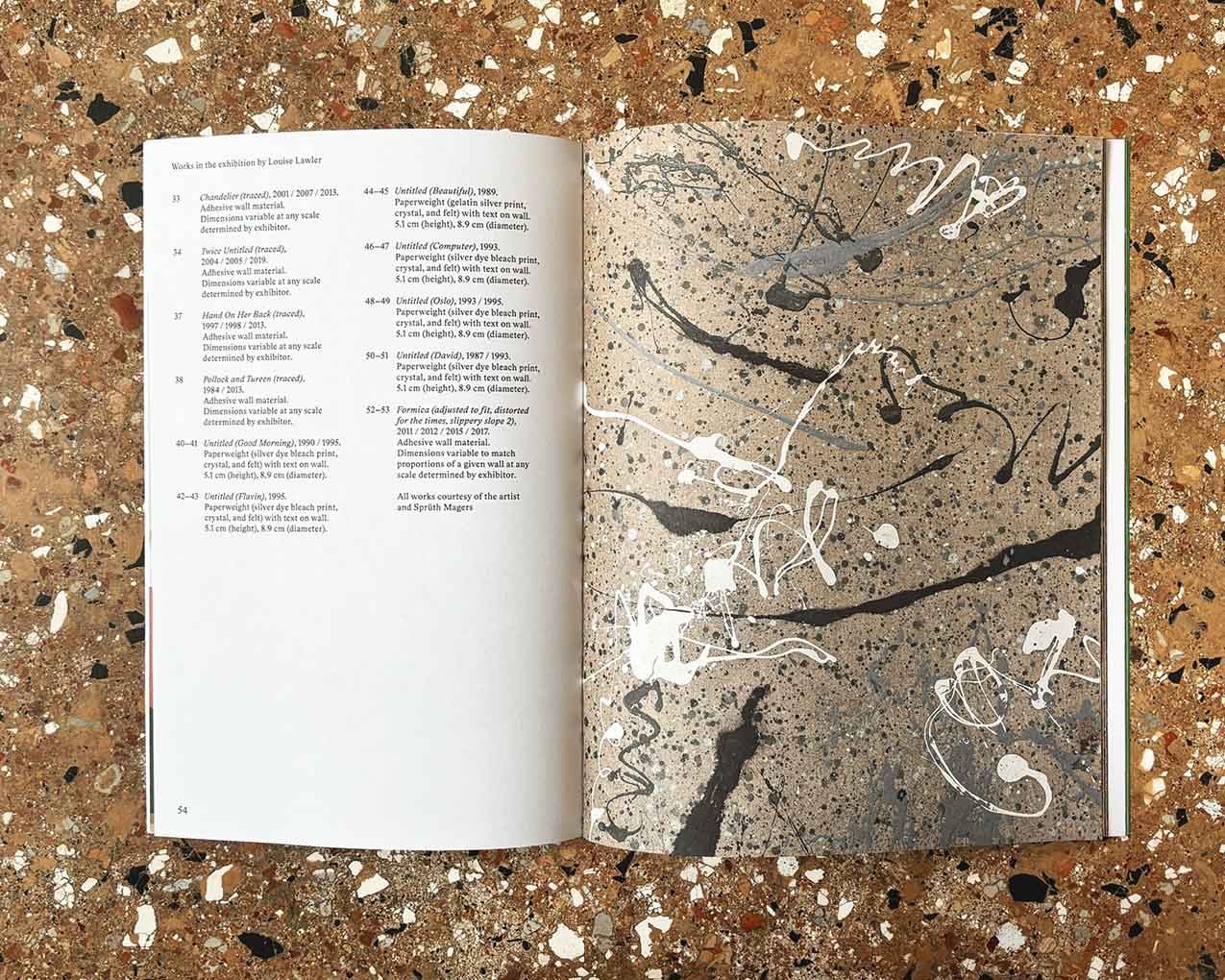
Louise Lawler’s incisive practice brings to the fore the very means by which value and significance are conferred upon artworks. Her critical strategies reveal the mechanisms by which art is produced, reproduced, consumed to question how we understand issues of authorship, connoisseurship, and meaning. Through emblematic interventions belonging to the series Tracings (2013-present), Adjusted to fit (2010-present), and Paperweights (1988-present) within Indipendenza’s rooms, that once served as an apartment, Lawler’s works draw our attention to how we organize and present our lives to others.
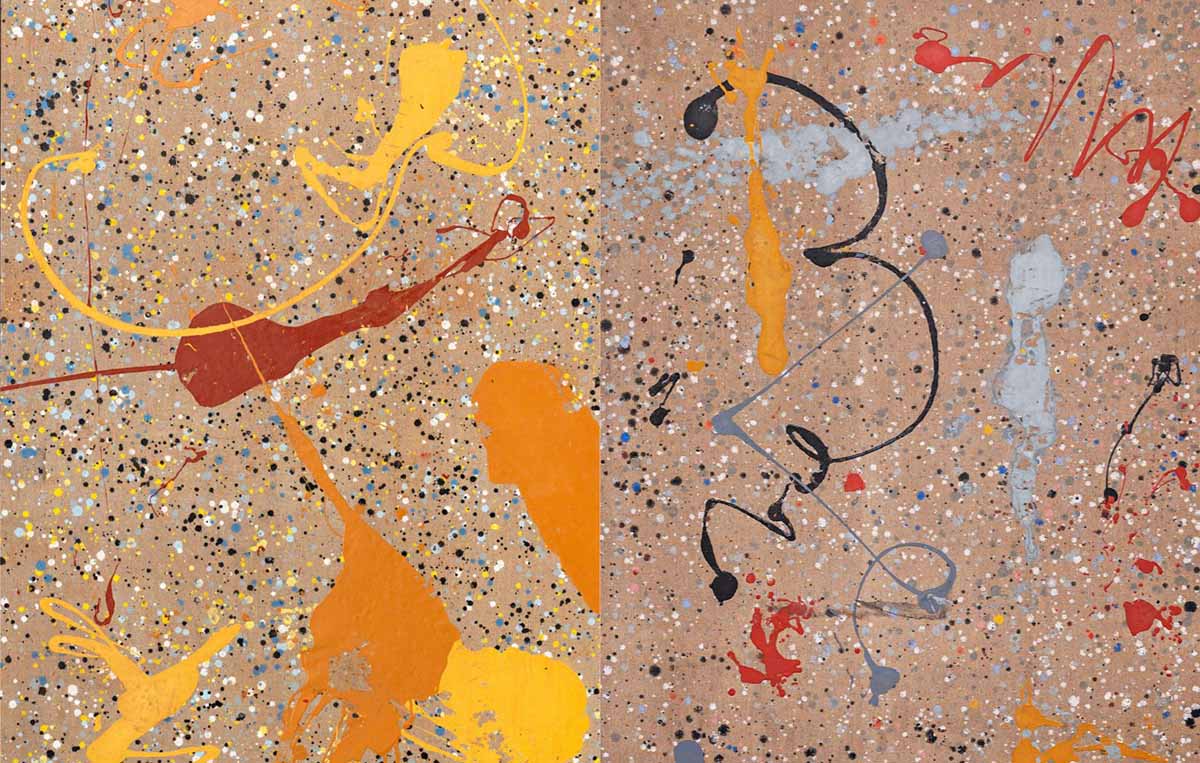
Deeply invested in the relationship between painting, architecture, and both urban and suburban environments, Fredrik Værslev’s serial practice reflects on the conventions, styles, and limits of abstract painting. For this exhibition, Værslev has created a series of site-responsive paintings (2021-22), which are sized to match the doorway dimensions and informed by the palette, materials, texture, and imagery that characterize Indipendenza’s spaces. These trompe l’oeil terrazzo paintings mimic the pattern and treatment of the gallery floor designs, yet are marked with drips and swirls suggestive of the ceiling frescoes that interrupt the all-over treatment, playing on the tension between background and foreground, function and decoration, real and faux.
Seen together, works by Lawler and Værslev point beyond their own limits, drawing our eyes to their surrounding spaces, asking how an artwork’s context can frame its meaning and vice versa.