The paintings and drawings by Jake Grewal draw the viewer in through stillness and ambiguity: they invite reflection on how we inhabit places—physically and emotionally—and how our inner landscapes mirror the physical world. This is the Grewal’s first book, published to accompany the artist’s exhibition at Studio Voltaire.
The transformation of the notion of monuments and the way cultural institutions choose to deal with it find in Maurizio Cattelan an interpreter capable of manipulating historical memory and shared symbols, to the point of turning them into a terrain of doubt and play. Lisa Parola and Lorenzo Giusti investigate the potential of contemporary art within the public sphere.
This is a visual archive of 12 years of developing, designing and exhibiting the House of One, a multireligious sacred space in the heart of Berlin. The architecture, conceived by Kuehn Malvezzi, has been displayed at various venues while being developed in close collaboration with three local religious communities in Berlin since 2012.
The first major monograph on artist Jill Mulleady, whose paintings thread motifs of decay, memory, history, and private myth, featuring humans and animals enacting their instinctive psychological reactions to ever-present threats of danger.
The essays in this first-ever monograph dedicated to Swiss artist Jan Vorisek, alongside image portfolios of the exhibitions they explore and an appendix that features photos and documentation of Vorisek’s performances, recordings and ephemera, grant us unprecedented access to the private fictions that the work reveals.
Since the 1990s Costa has been challenging hierarchies of art production and the fetishization of the “finished” artwork, inviting viewers to reconsider what is discarded, both materially and socially. Through over 300 artworks, accompanied by new writing, this catalogue explores Adriano Costa’s work, a meditation on transformation—of objects, meanings, and systems of value.
Edited and with an essay by Pavel Pyś
Designed by Lorenzo Mason Studio
2024, English, softcover, 22 x 28 cm
ISBN: 979-12-80579-49-2
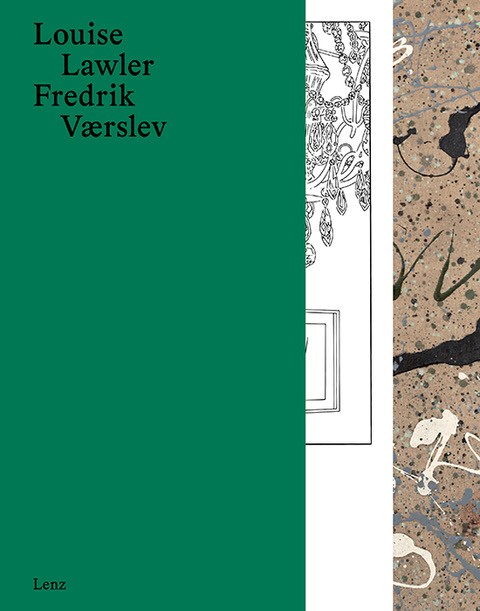
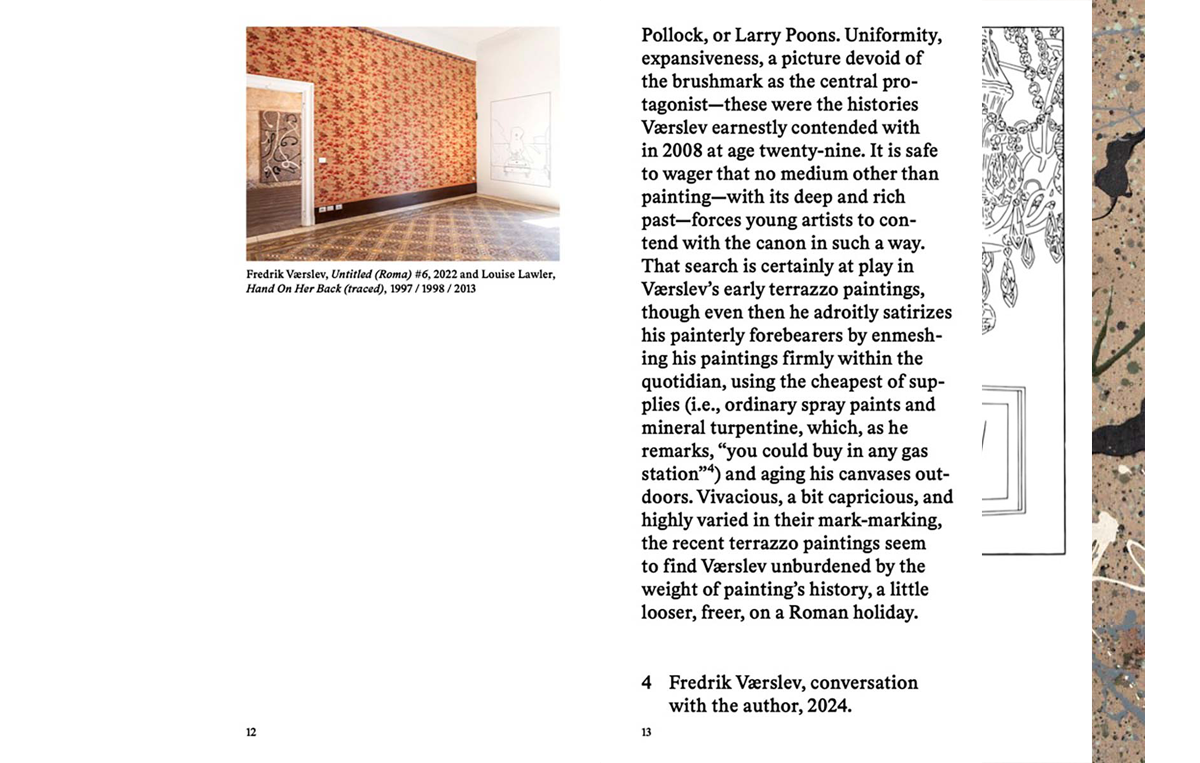
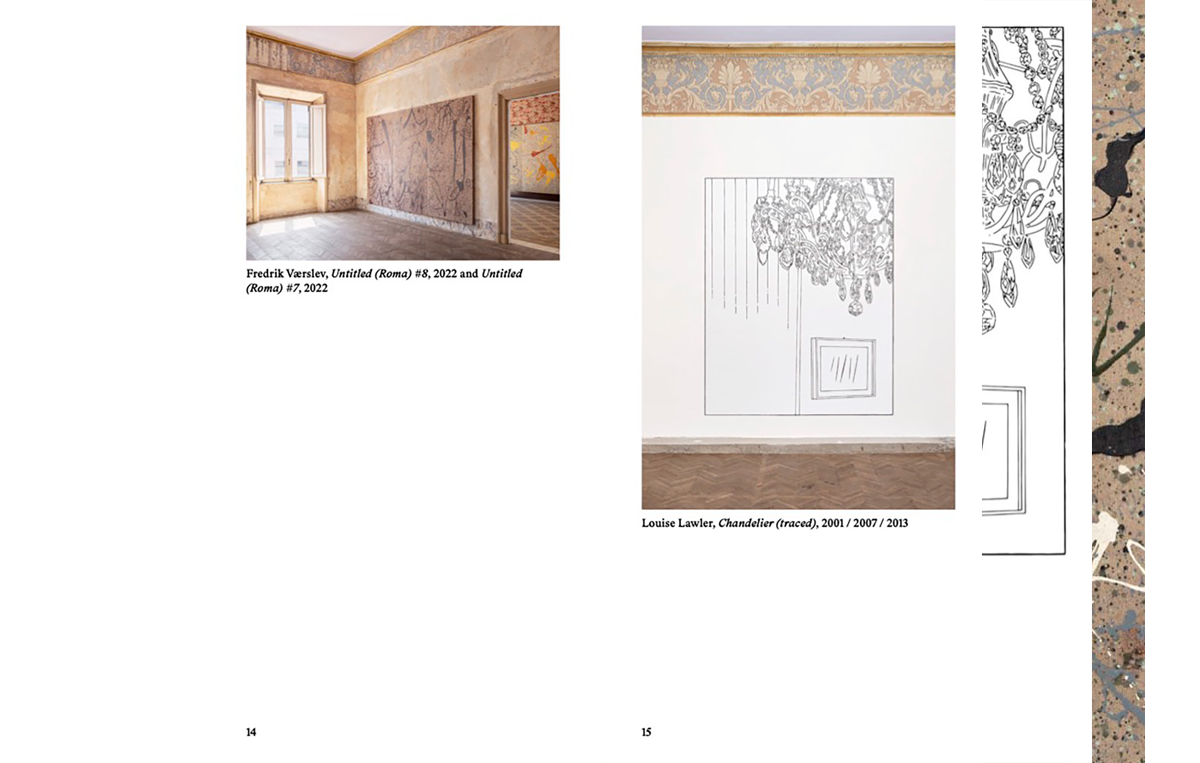
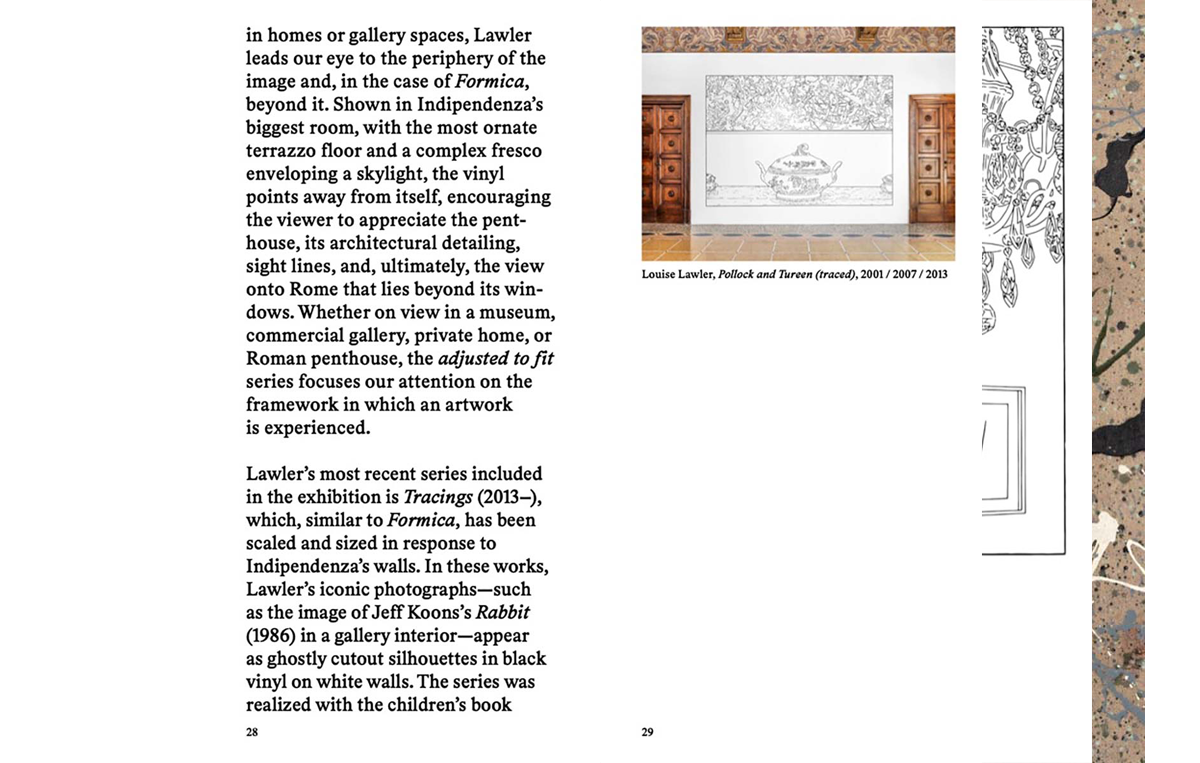
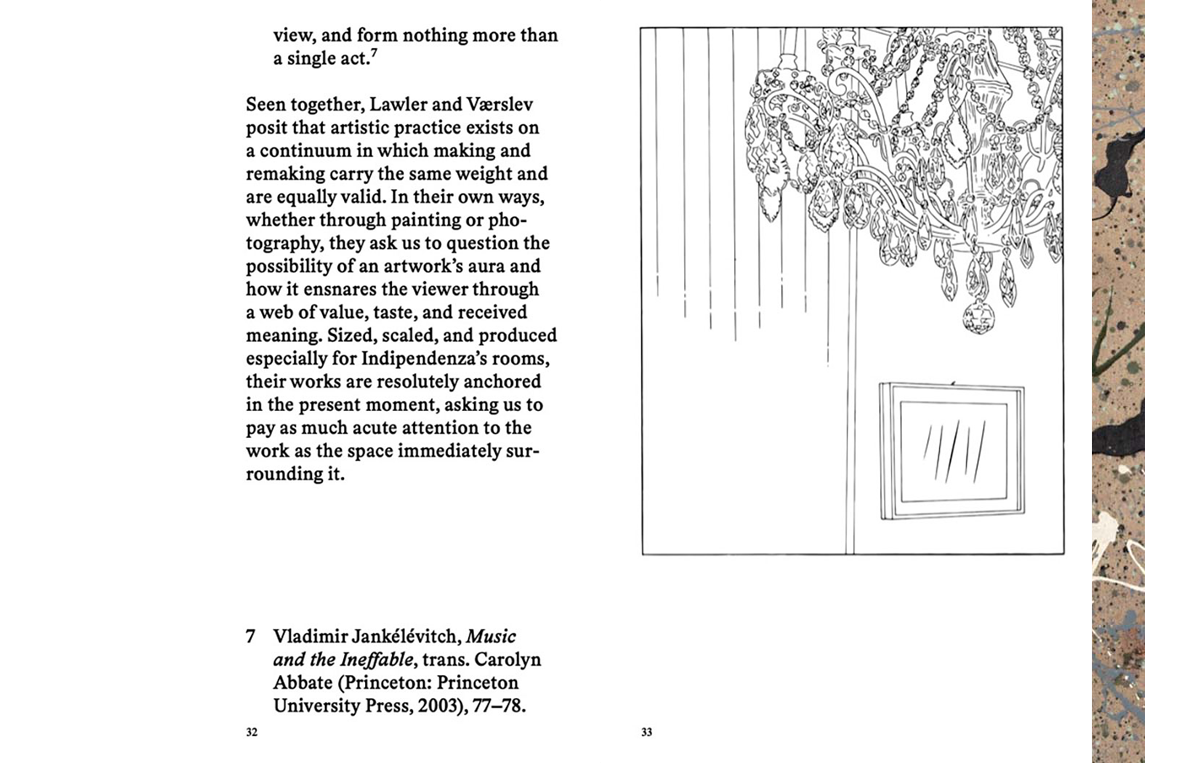
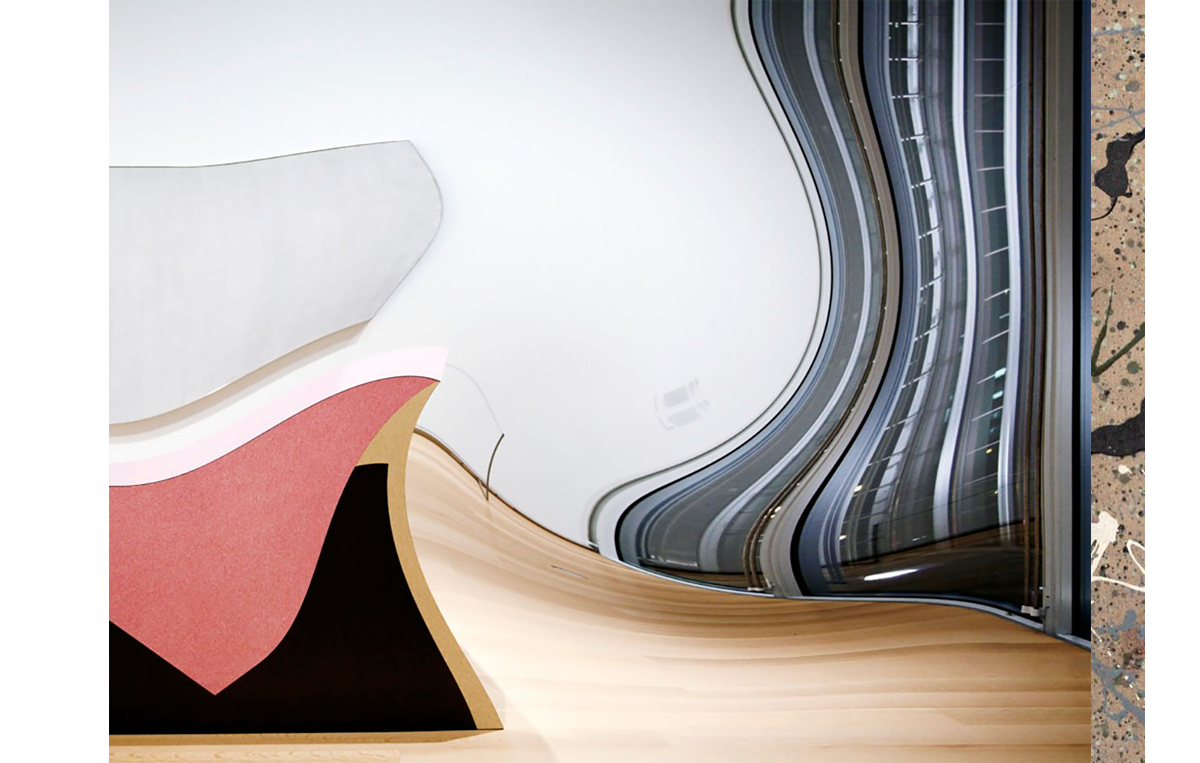
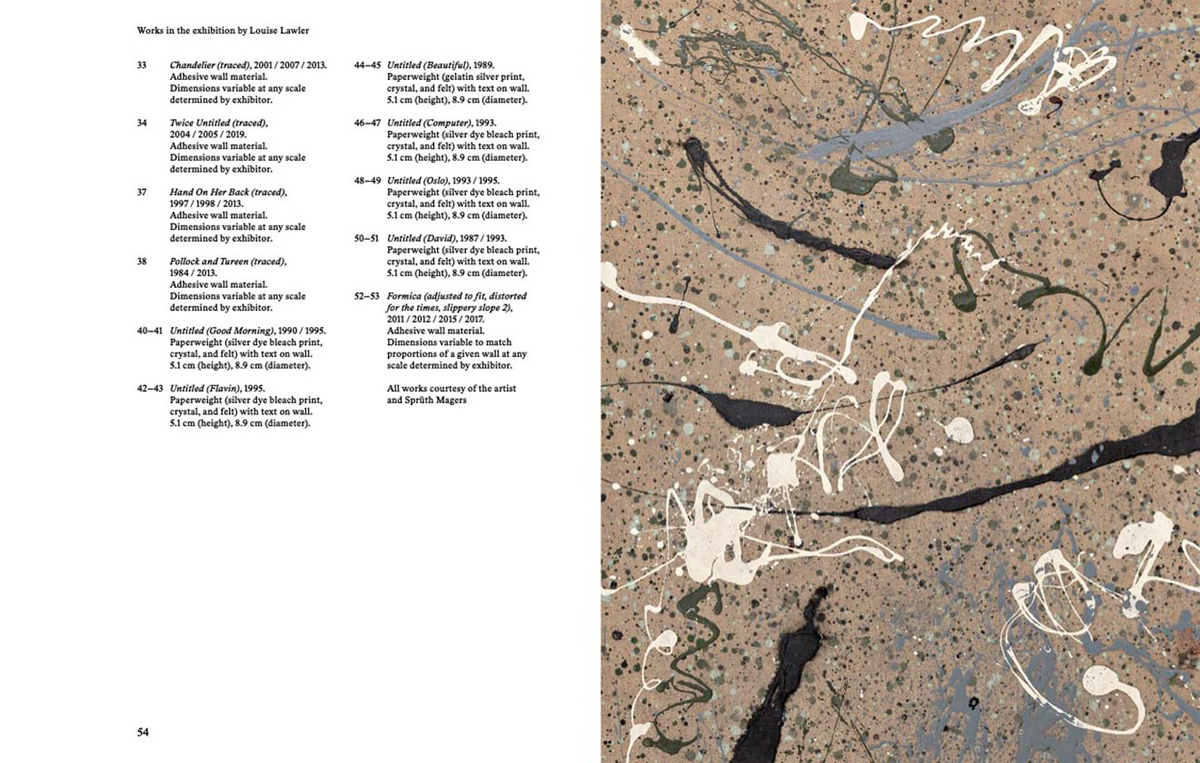
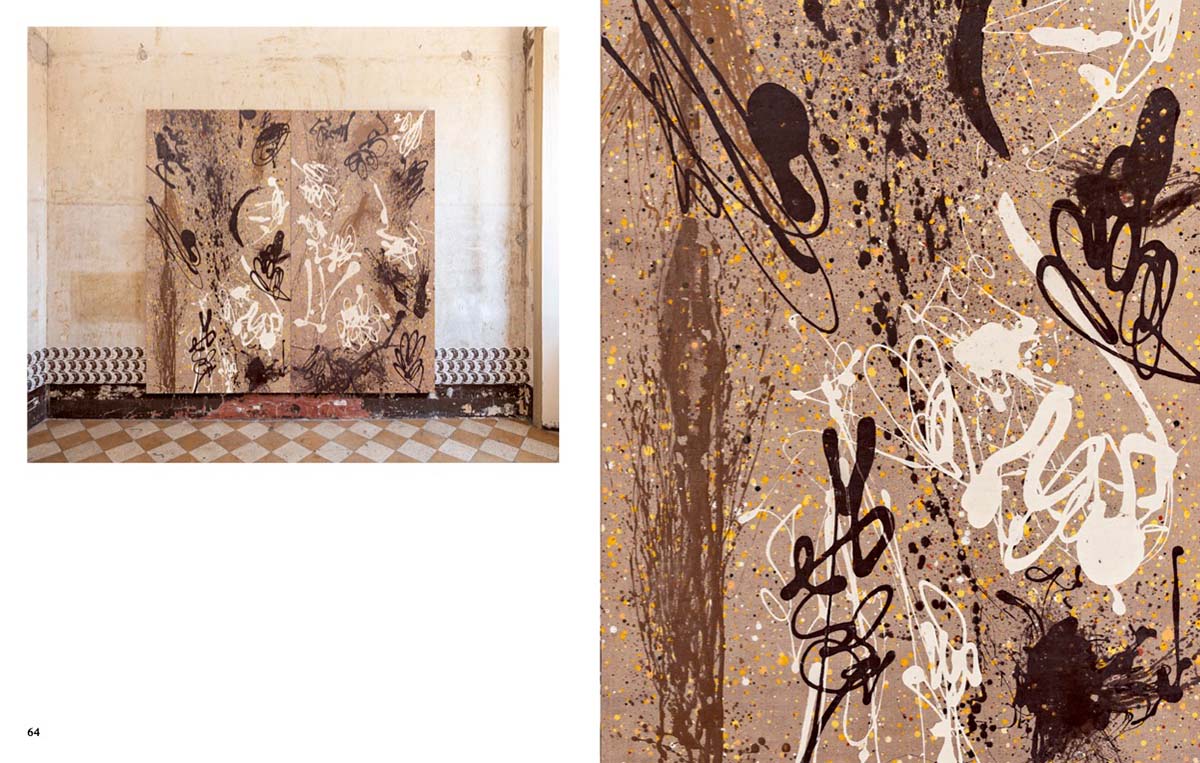
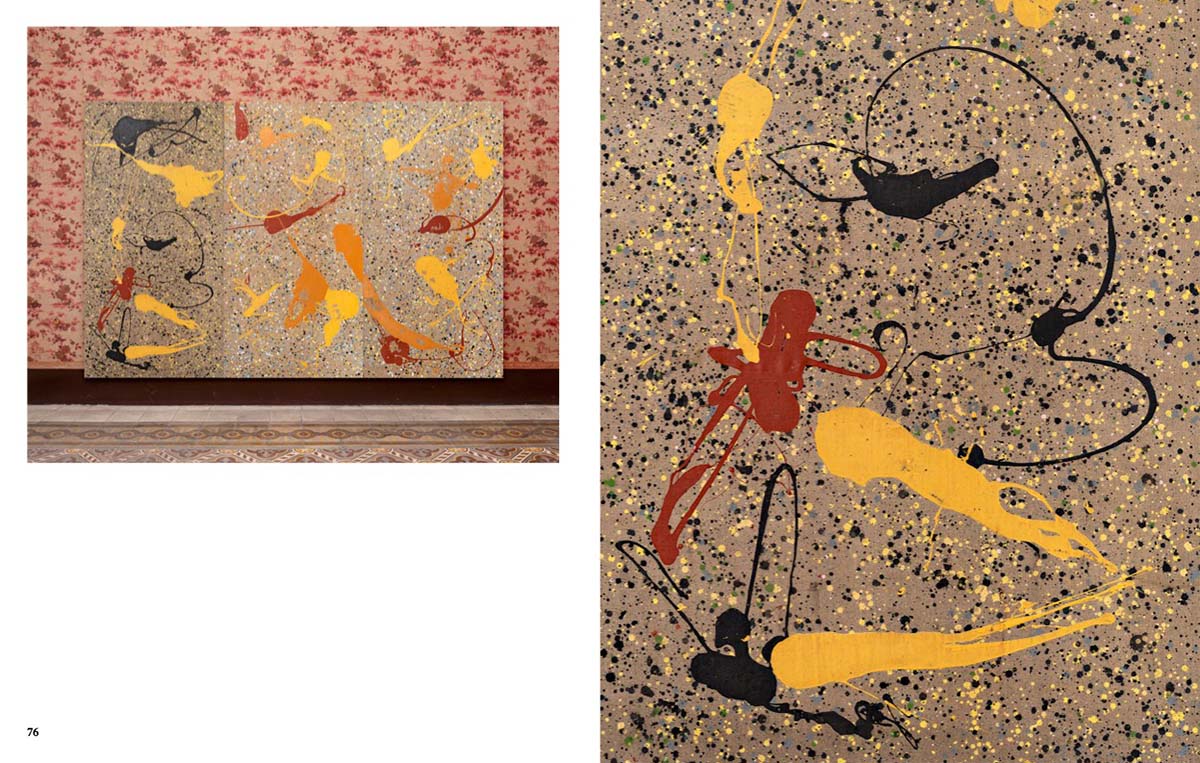
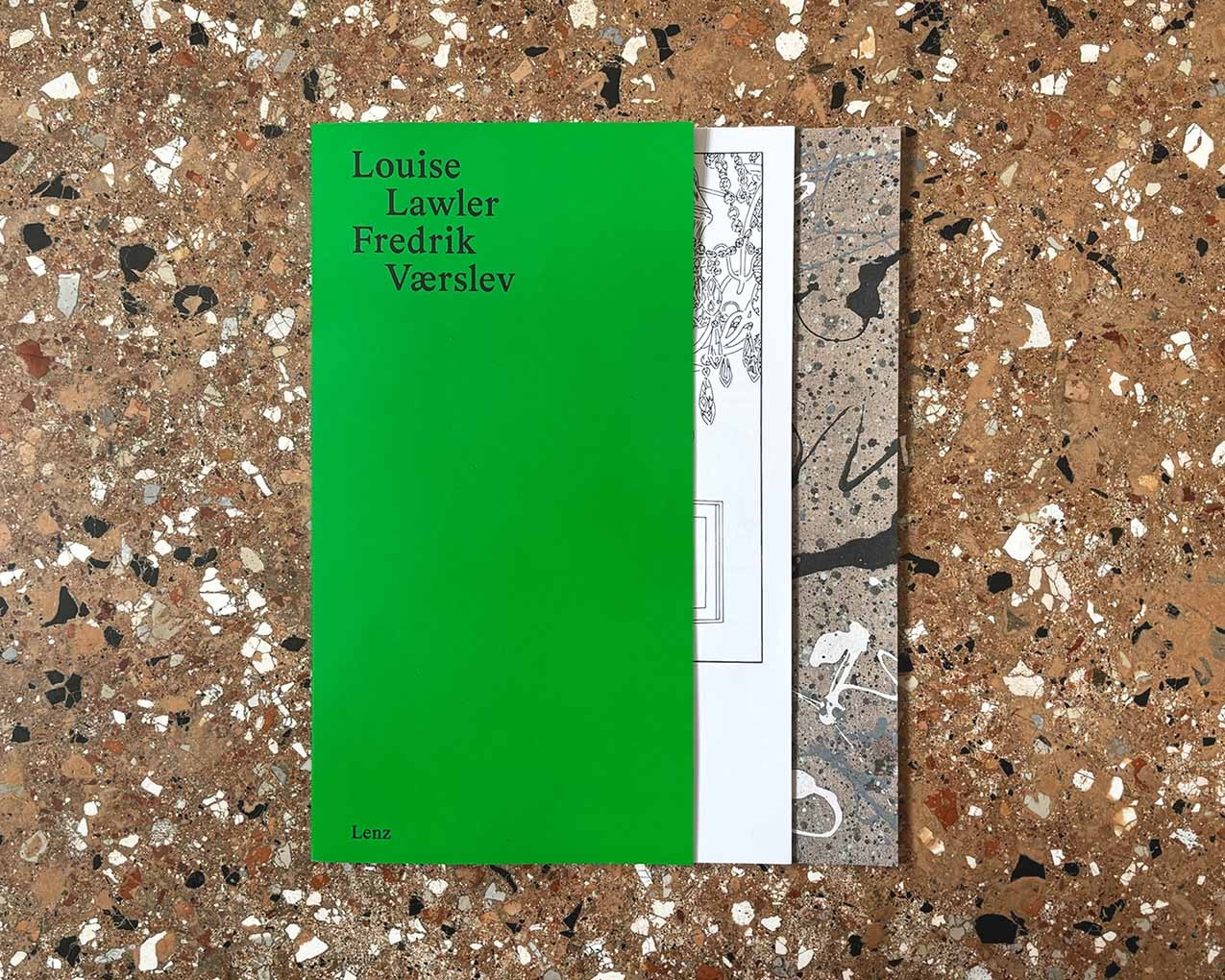
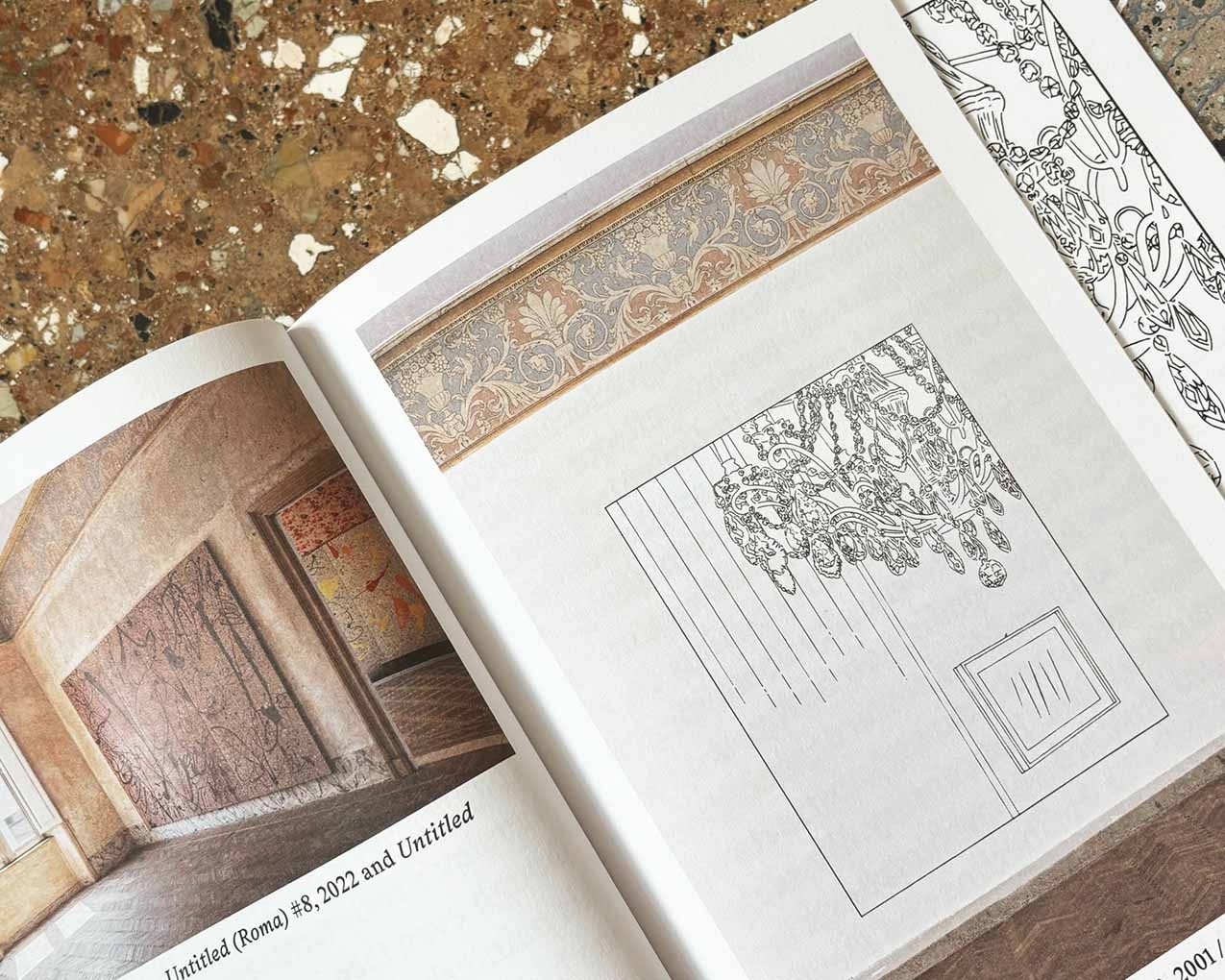
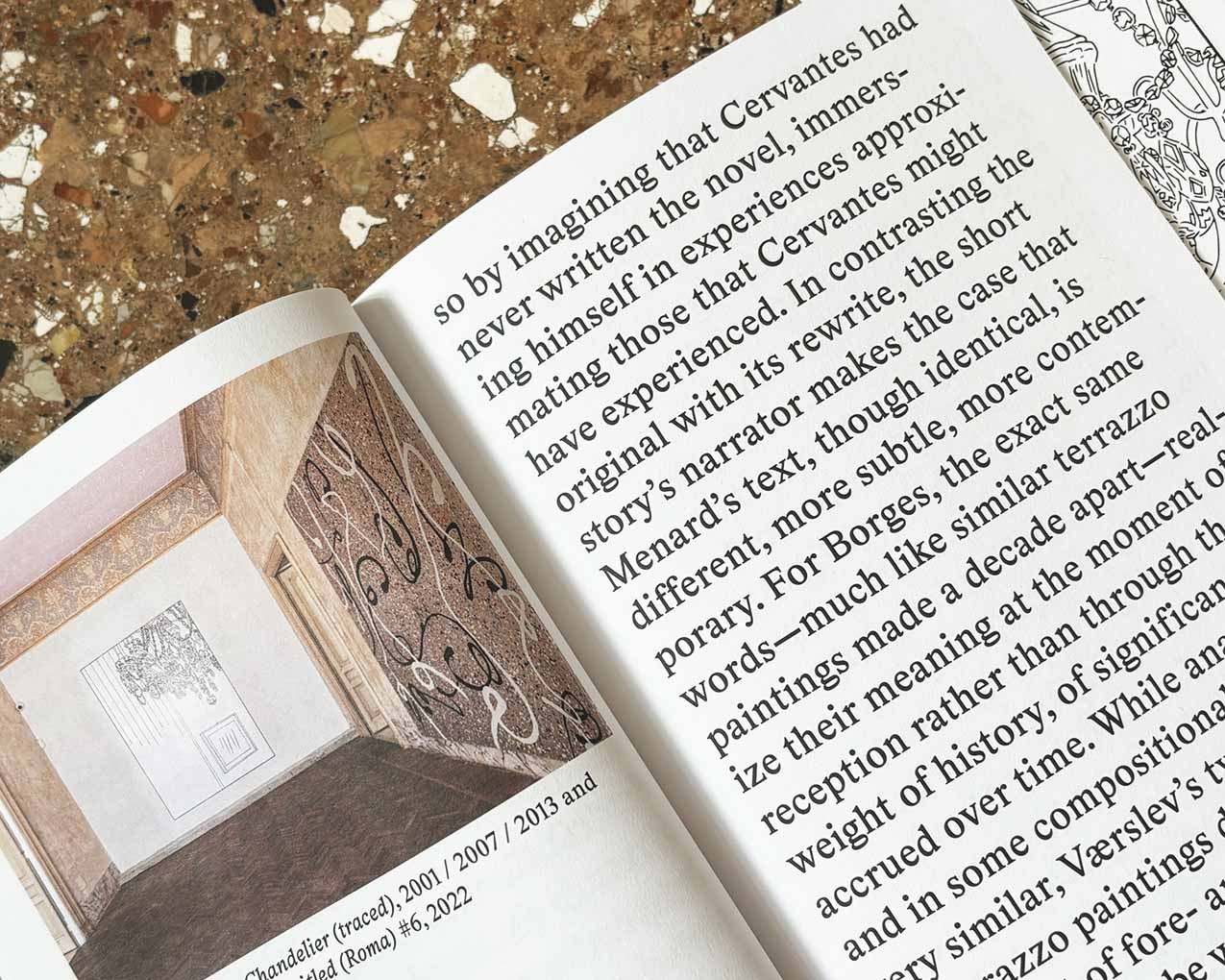
Conceived as a catalogue and an artist’s book, the publication was made on occasion of the eponymous 2022 exhibition at Indipendenza Roma. Deeply responsive to the space, the exhibition brought together works by Louise Lawler and Fredrik Værslev to explore the tension between an artwork and its surrounding architectural context, spurring questions of taste, value, function, and decoration.
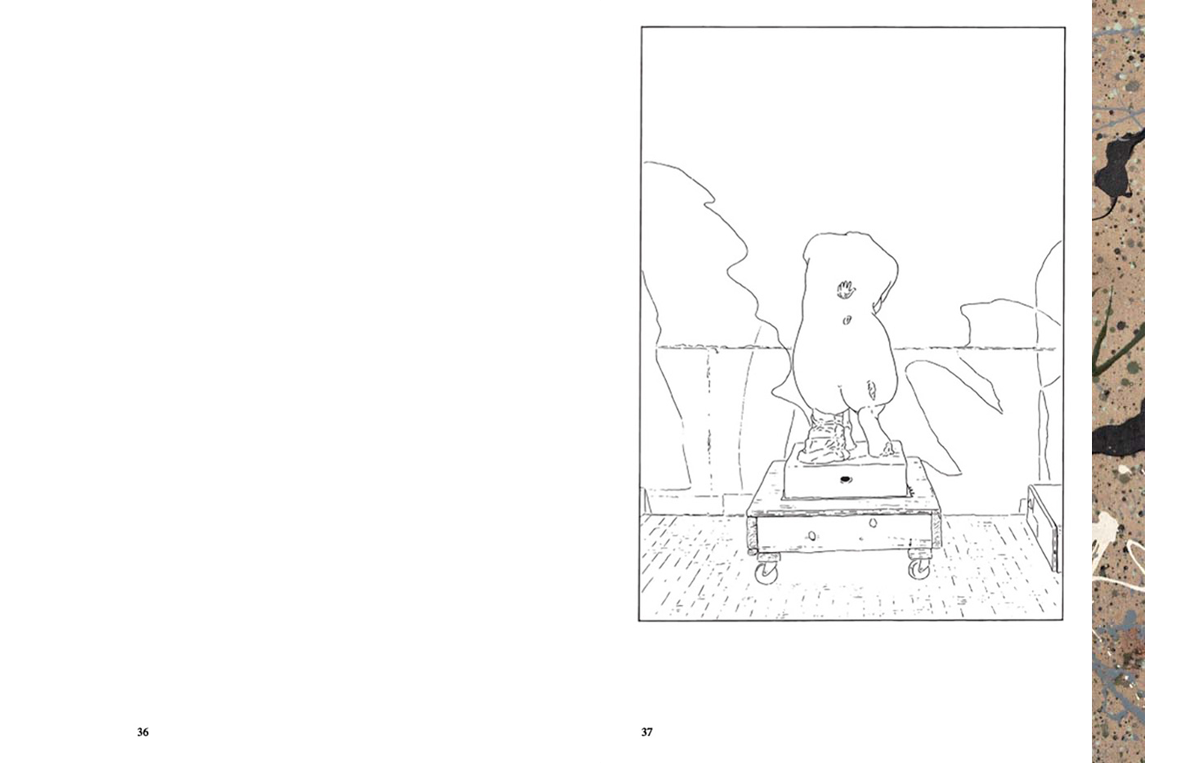
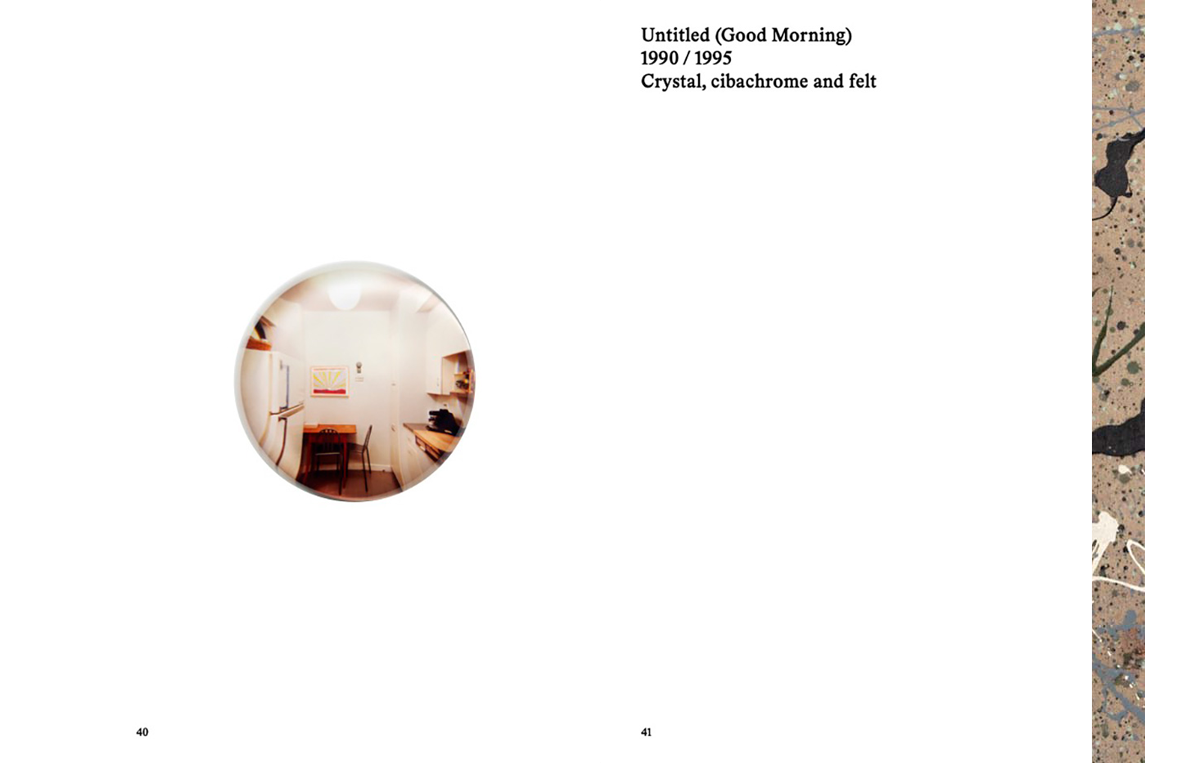
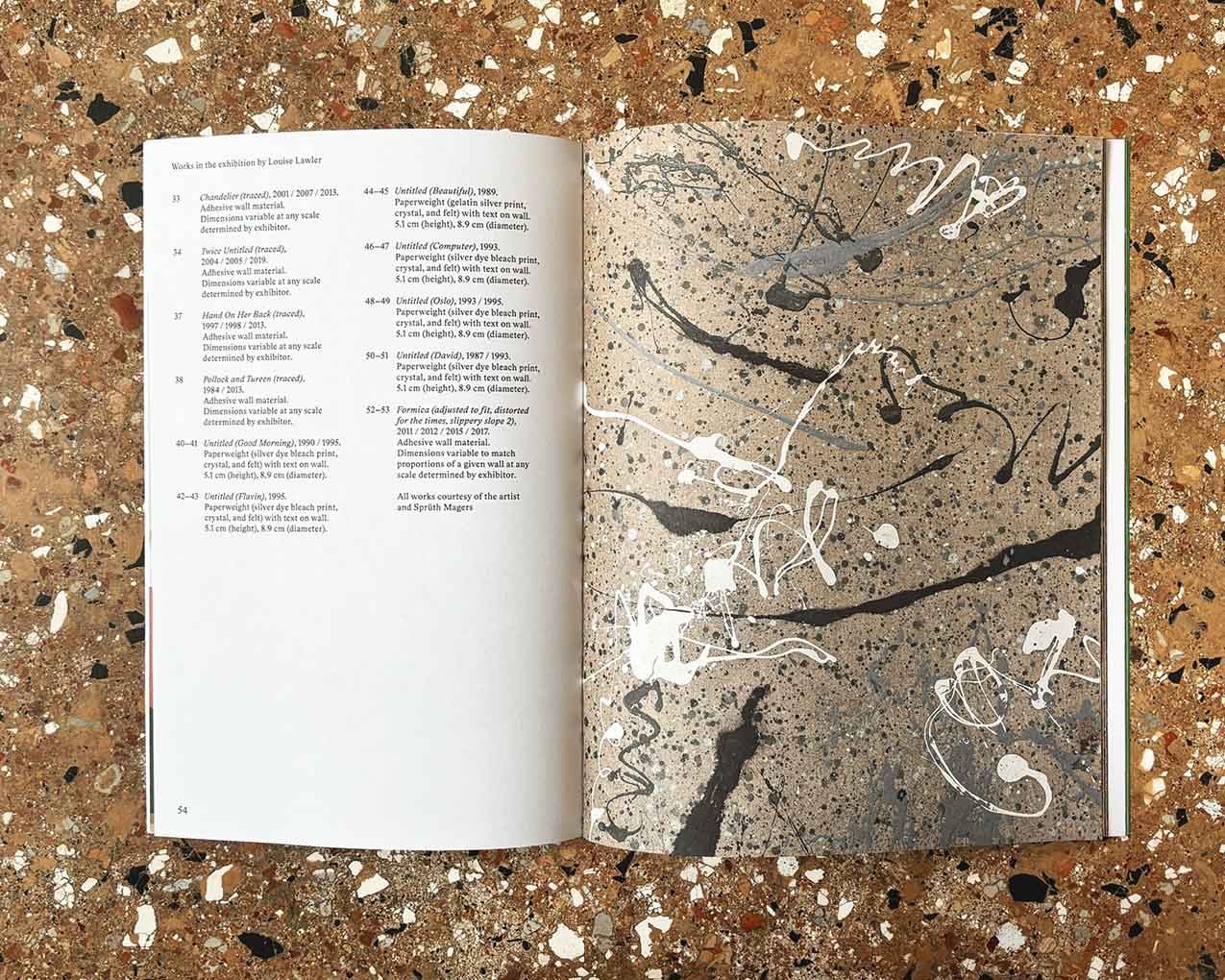
Louise Lawler’s incisive practice brings to the fore the very means by which value and significance are conferred upon artworks. Her critical strategies reveal the mechanisms by which art is produced, reproduced, consumed to question how we understand issues of authorship, connoisseurship, and meaning. Through emblematic interventions belonging to the series Tracings (2013-present), Adjusted to fit (2010-present), and Paperweights (1988-present) within Indipendenza’s rooms, that once served as an apartment, Lawler’s works draw our attention to how we organize and present our lives to others.
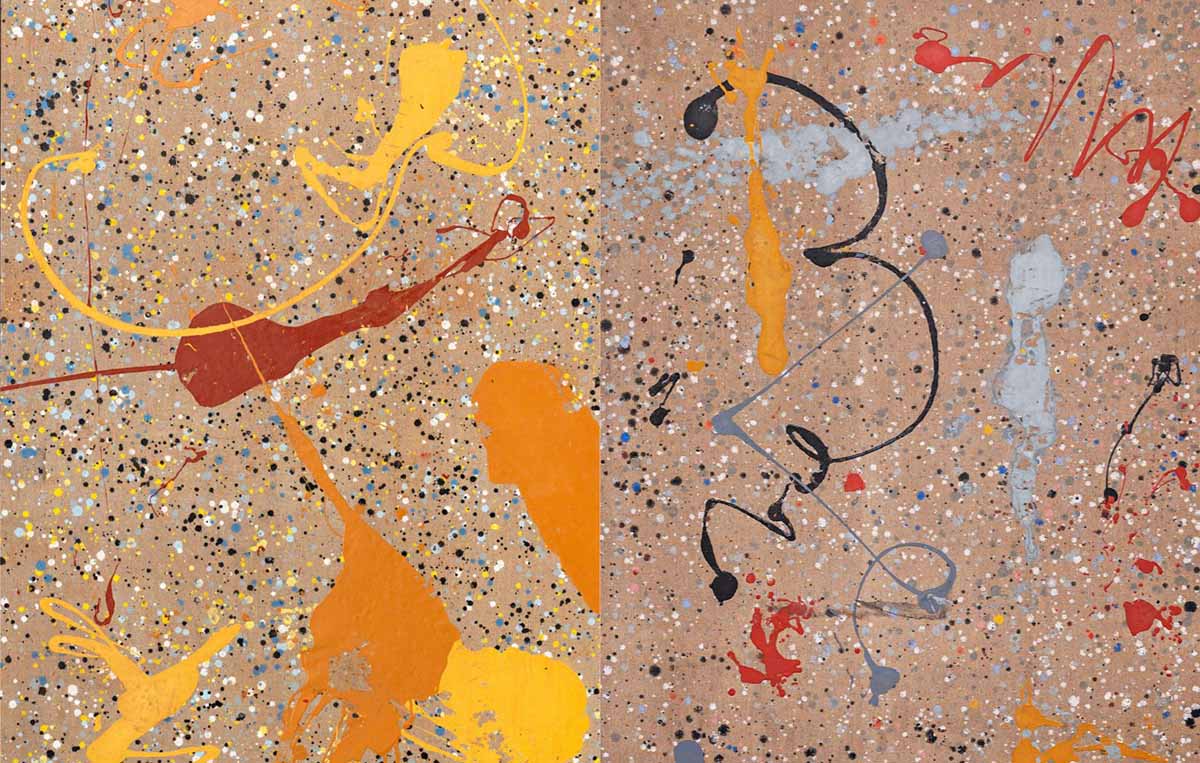
Deeply invested in the relationship between painting, architecture, and both urban and suburban environments, Fredrik Værslev’s serial practice reflects on the conventions, styles, and limits of abstract painting. For this exhibition, Værslev has created a series of site-responsive paintings (2021-22), which are sized to match the doorway dimensions and informed by the palette, materials, texture, and imagery that characterize Indipendenza’s spaces. These trompe l’oeil terrazzo paintings mimic the pattern and treatment of the gallery floor designs, yet are marked with drips and swirls suggestive of the ceiling frescoes that interrupt the all-over treatment, playing on the tension between background and foreground, function and decoration, real and faux.
Seen together, works by Lawler and Værslev point beyond their own limits, drawing our eyes to their surrounding spaces, asking how an artwork’s context can frame its meaning and vice versa.