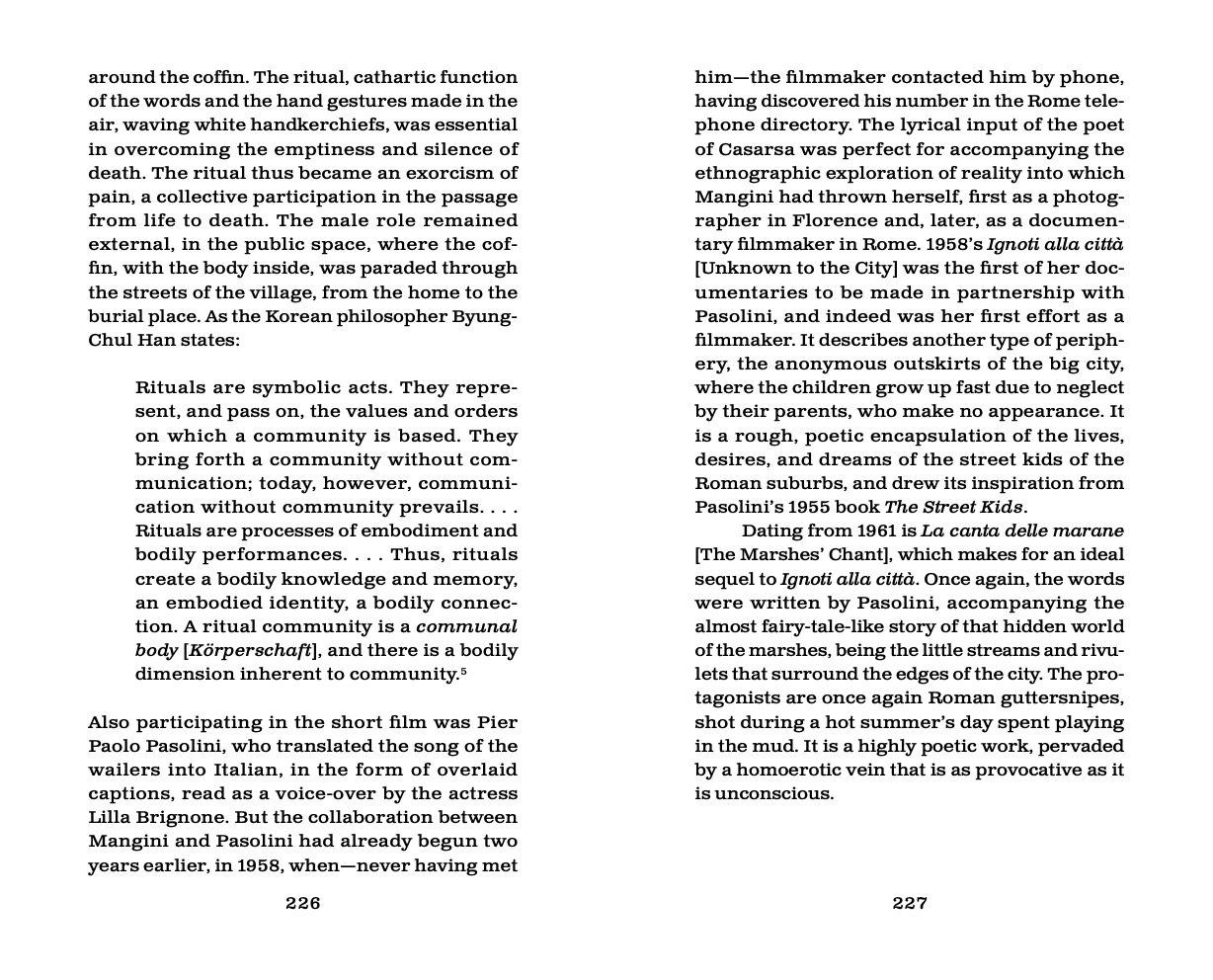
Martin Heidegger, Glenn Gould, Jacques-Louis David, Cy Twombly, Paul Engelmann and Ludwig Wittgenstein: characters that Francesco Arena has chosen or rediscovered in multiple contexts over the time recur in this book. Ranging from philosophy, to music, to visual arts, they embrace the whole world of knowledge.
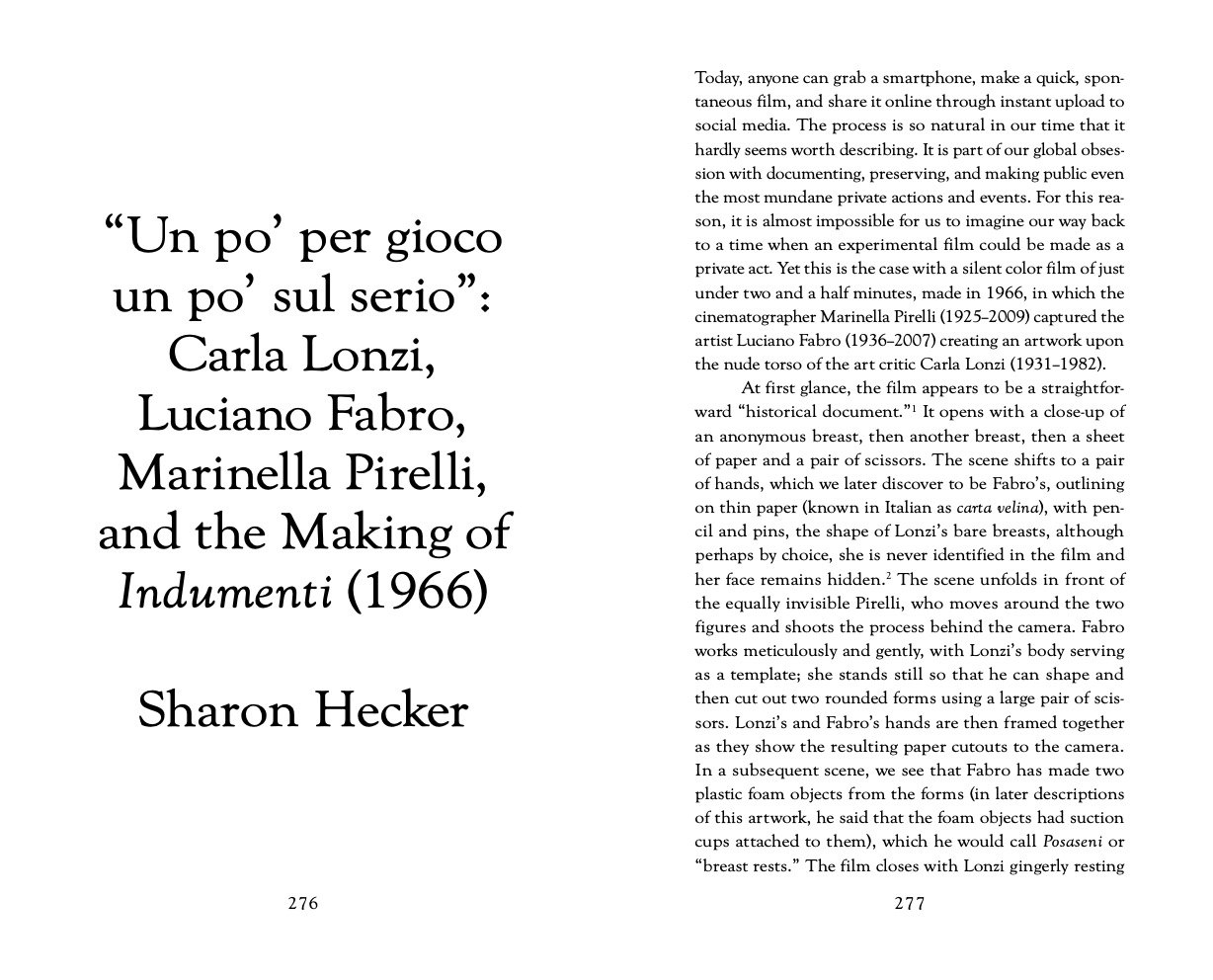
This first institutional monograph on the multimedia practice of artist and director Ali Cherri aims to highlight the themes and formal concerns running through his most recent, highly significant projects at GAMeC, Bergamo; Frac Bretagne, Rennes; Swiss Institute, New York; Biennale Arte 2022, Venice; and the National Gallery, London.
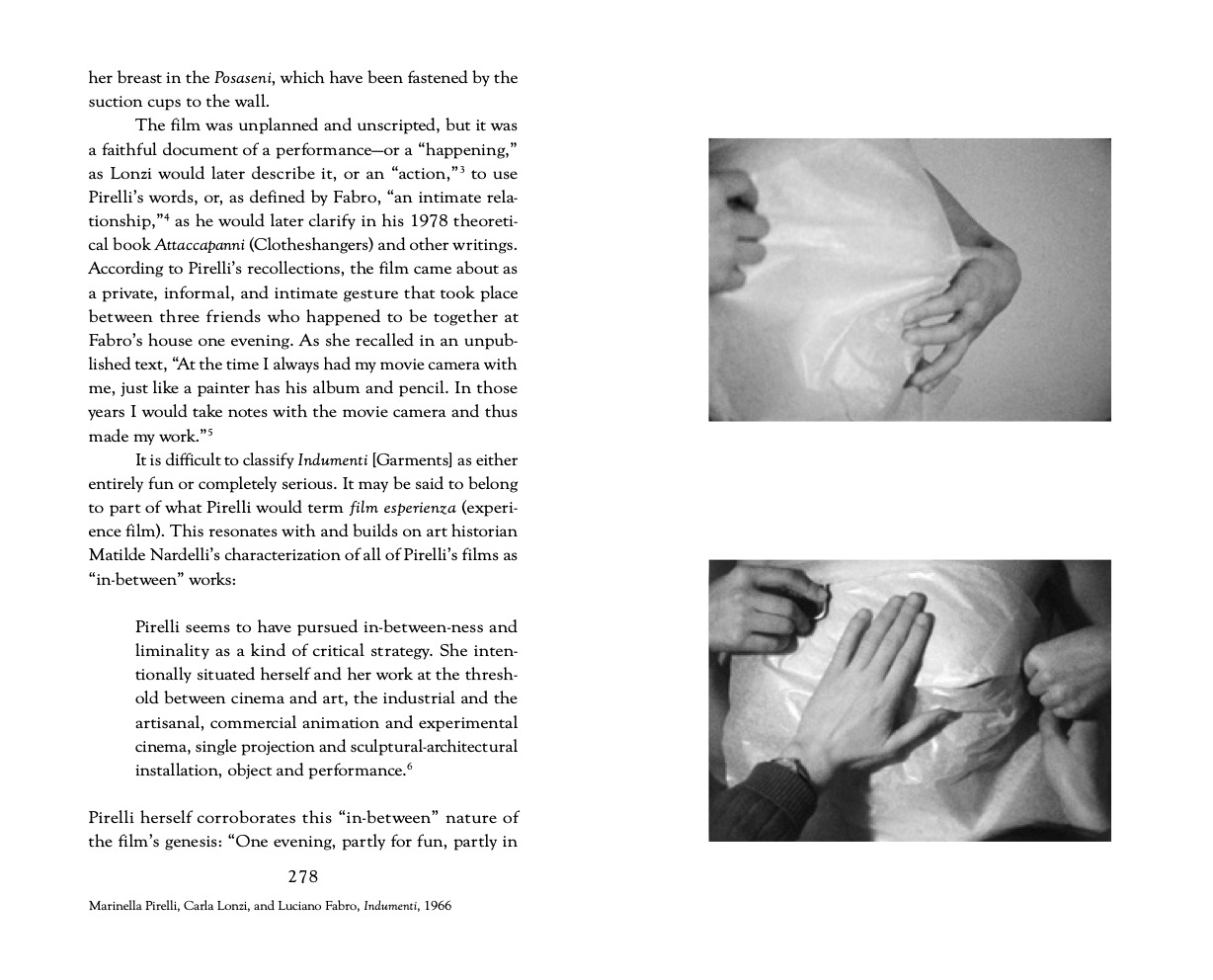
The book highlights the main characteristics of the collective trauma that gave rise to Rachel Whiteread’s project for GAMeC. The psychoanalysts Angelo Antonio Moroni and Pietro Roberto Goisis map out a composite picture, starting from the sense of vulnerability and collective loss associated with the Covid-19 pandemic.
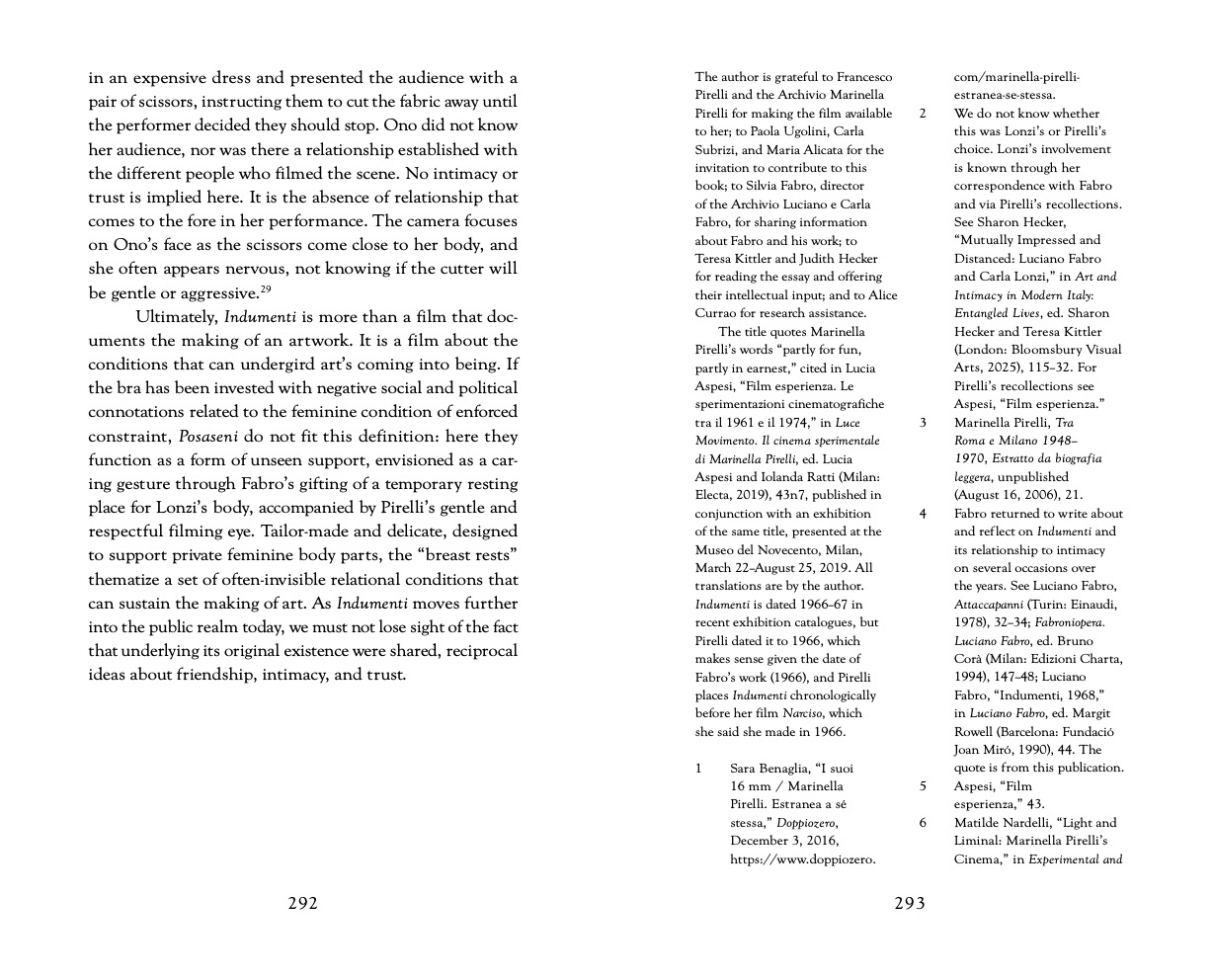
This book, with follows the eponymous exhibition at Mudam Luxembourg, is constructed as a story, with a prologue, four acts, and an epilogue: an intuitive journey through the voices of thirty-four artists from different generations who are experimenting with the idea of the performative.
Dreaming Alcestis is an artist’s book by artist and filmmaker Beatrice Gibson, conceived as an accompaniment to her holographic film installation of the same name. It features a commissioned essay by poet and translator Allison Grimaldi Donahue, as well as a reprint of the American poet Alice Notley’s 1991 essay What Can Be Learned From Dreams?
What if clay is the future and the future is clay? Curators Chus Martínez and Filipa Ramos brought together a group of artists to think and create through this old, maleable and fascinating matter. The result was materialized in an exhibition and book format entitled Feet of Clay.
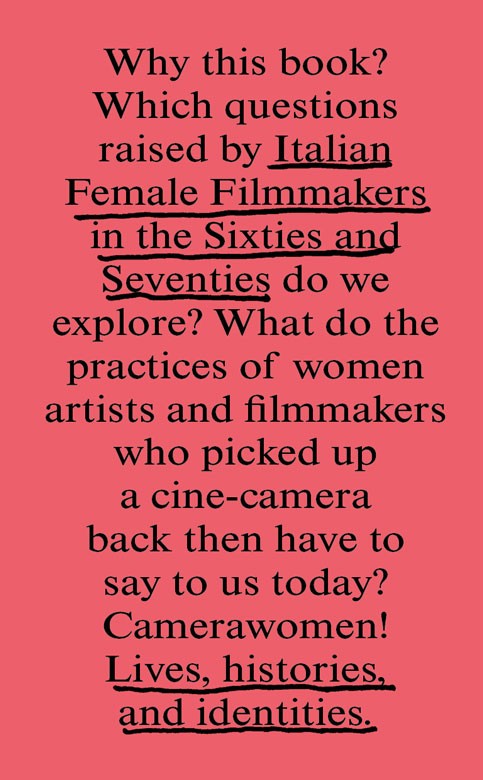
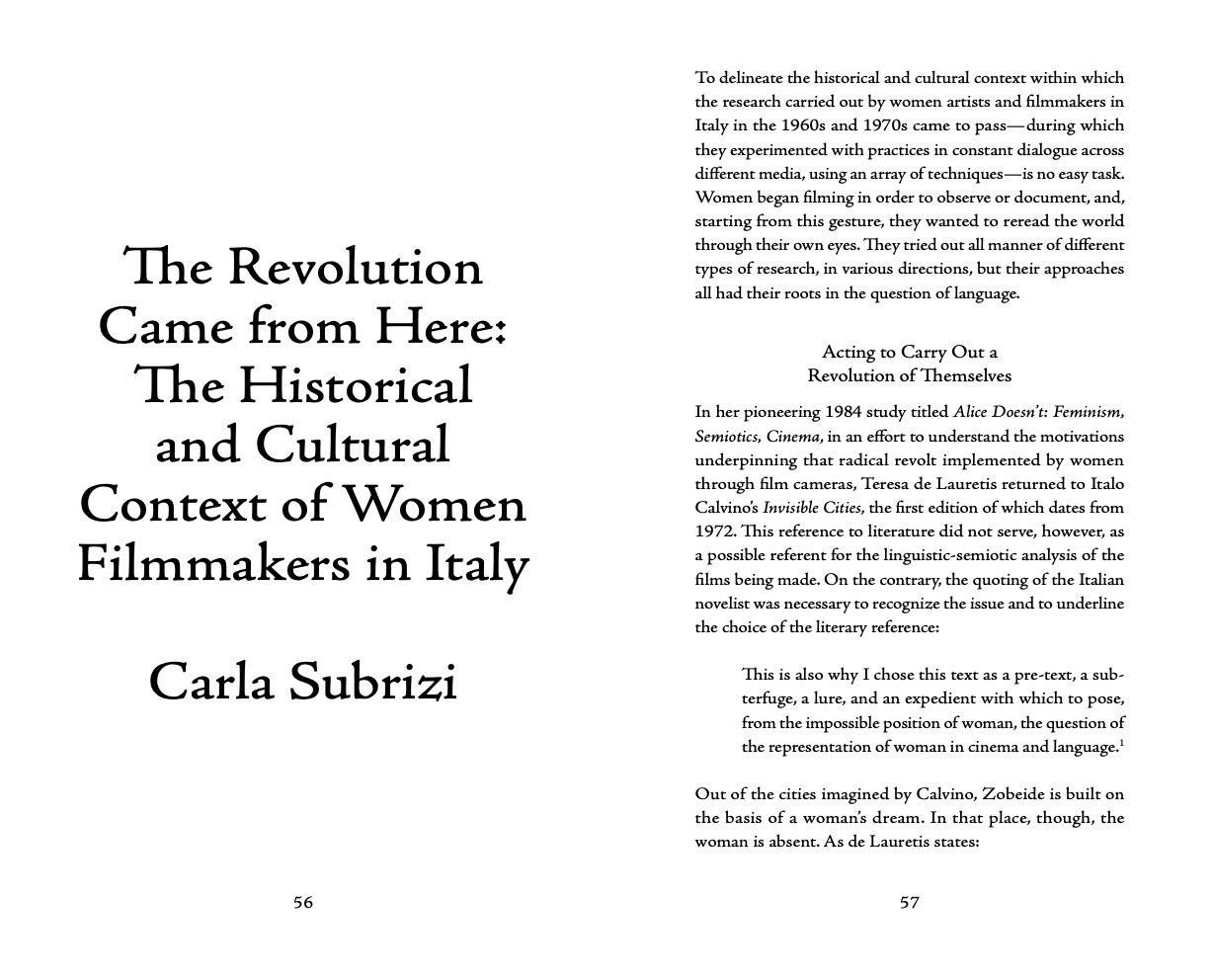
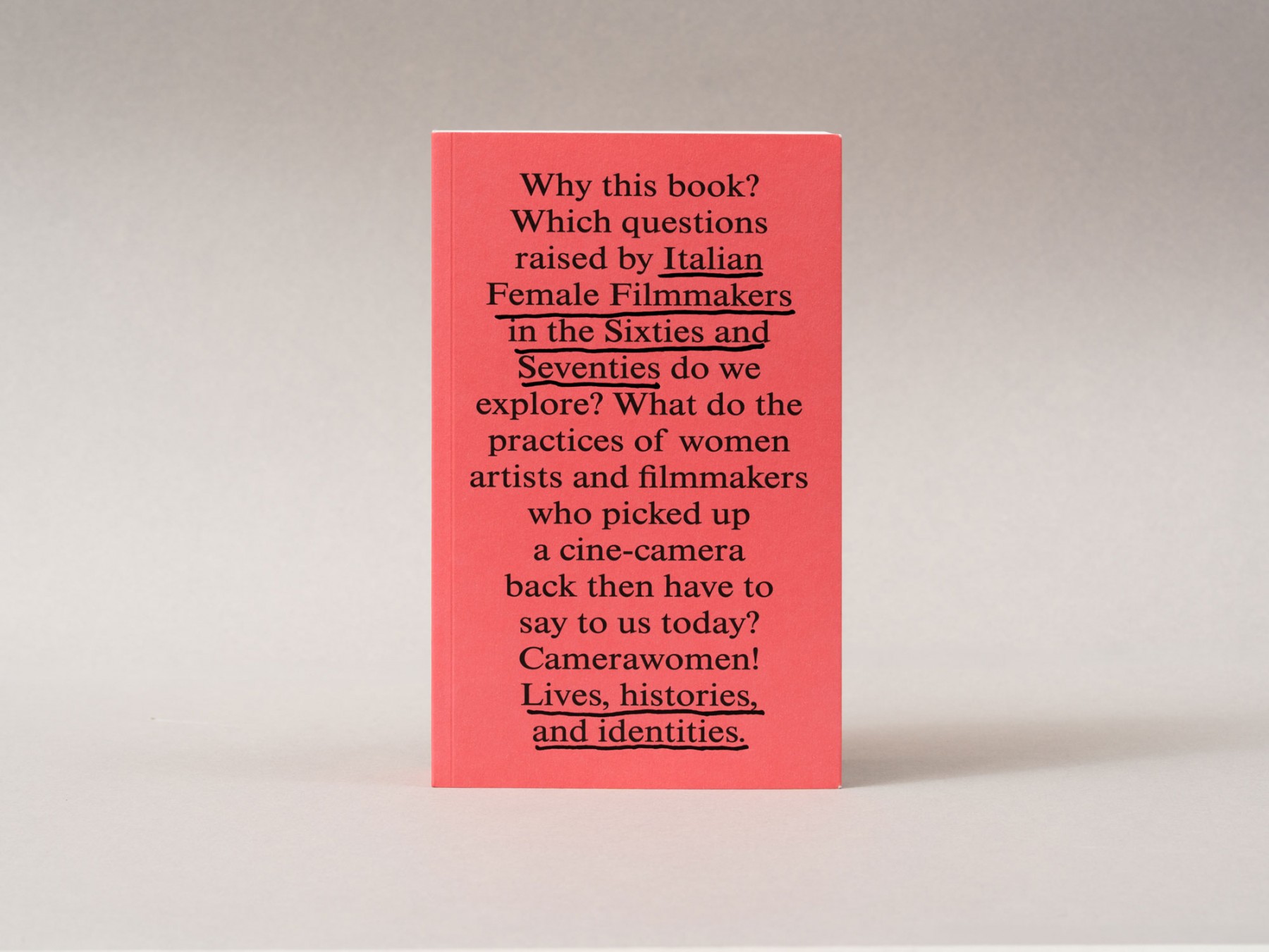
Italian Female Filmmakers in the Sixties and Seventies
Edited by Carla Subrizi, Paola Ugolini, and Maria Alicata
Texts by Maria Alicata, Lucia Aspesi, Silvia Bottinelli, Lara Conte, Flavia Frigeri, Francesca Gallo, Sharon Hecker, Laura Iamurri, Caterina Iaquinta, Teresa Kittler, Jennifer Malvezzi, Iolanda Ratti, Giulia Kimberly Colombo, Carla Subrizi, Paola Ugolini, Valentine Umansky, Giovanna Zapperi
Designed by Lorenzo Mason Studio
2026, English, softcover, 13 x 21 cm, 504 pages
ISBN 979-12-80579-93-5
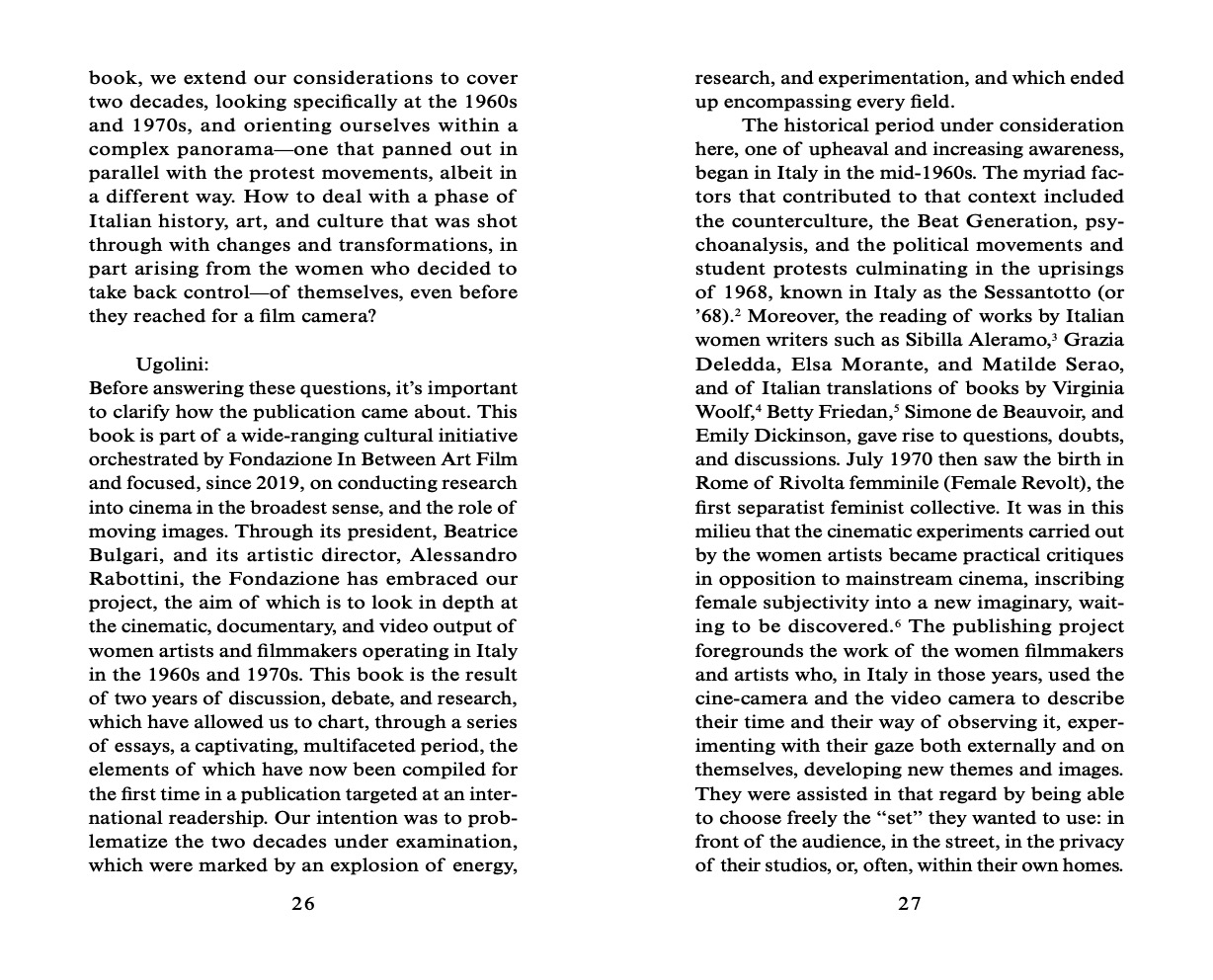
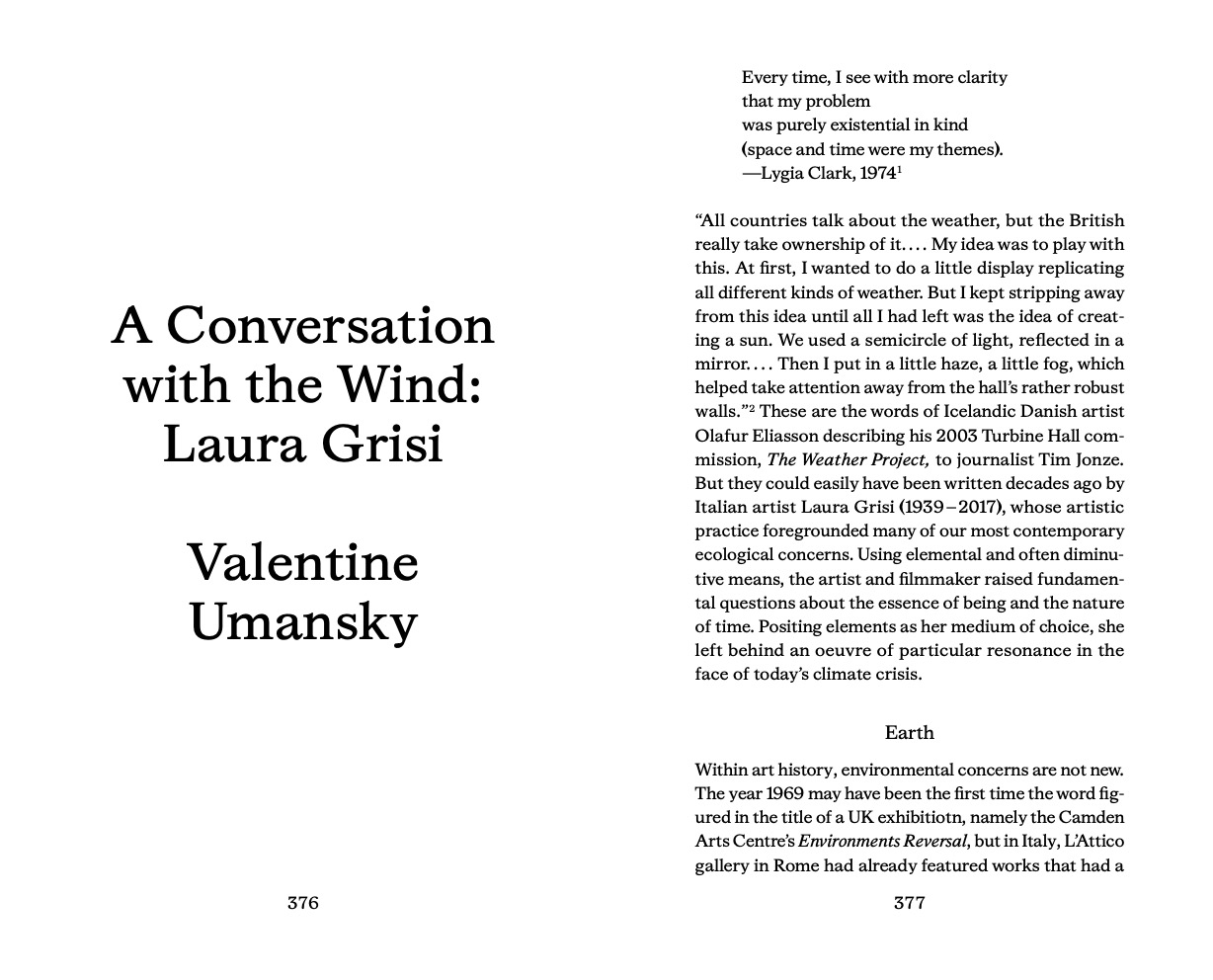
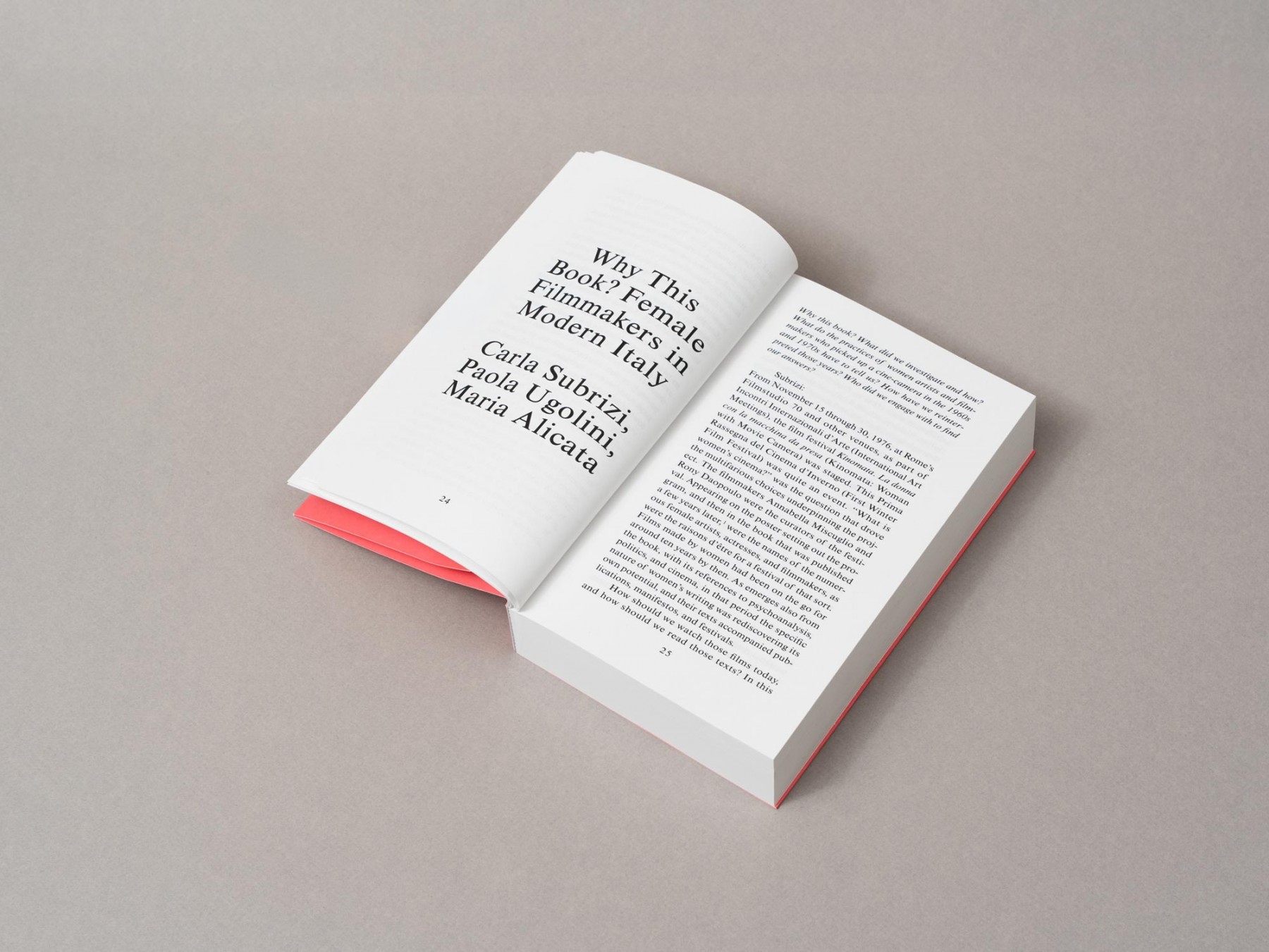
A project by Fondazione In Between Art Film, edited by Carla Subrizi, Paola Ugolini, and Maria Alicata, this illustrated volume investigates the cinematic, documentary, and video output of women artists and filmmakers operating in Italy in the 1960s and 1970s, situating their research at the intersection of artistic experimentation, politics, society, and technology.
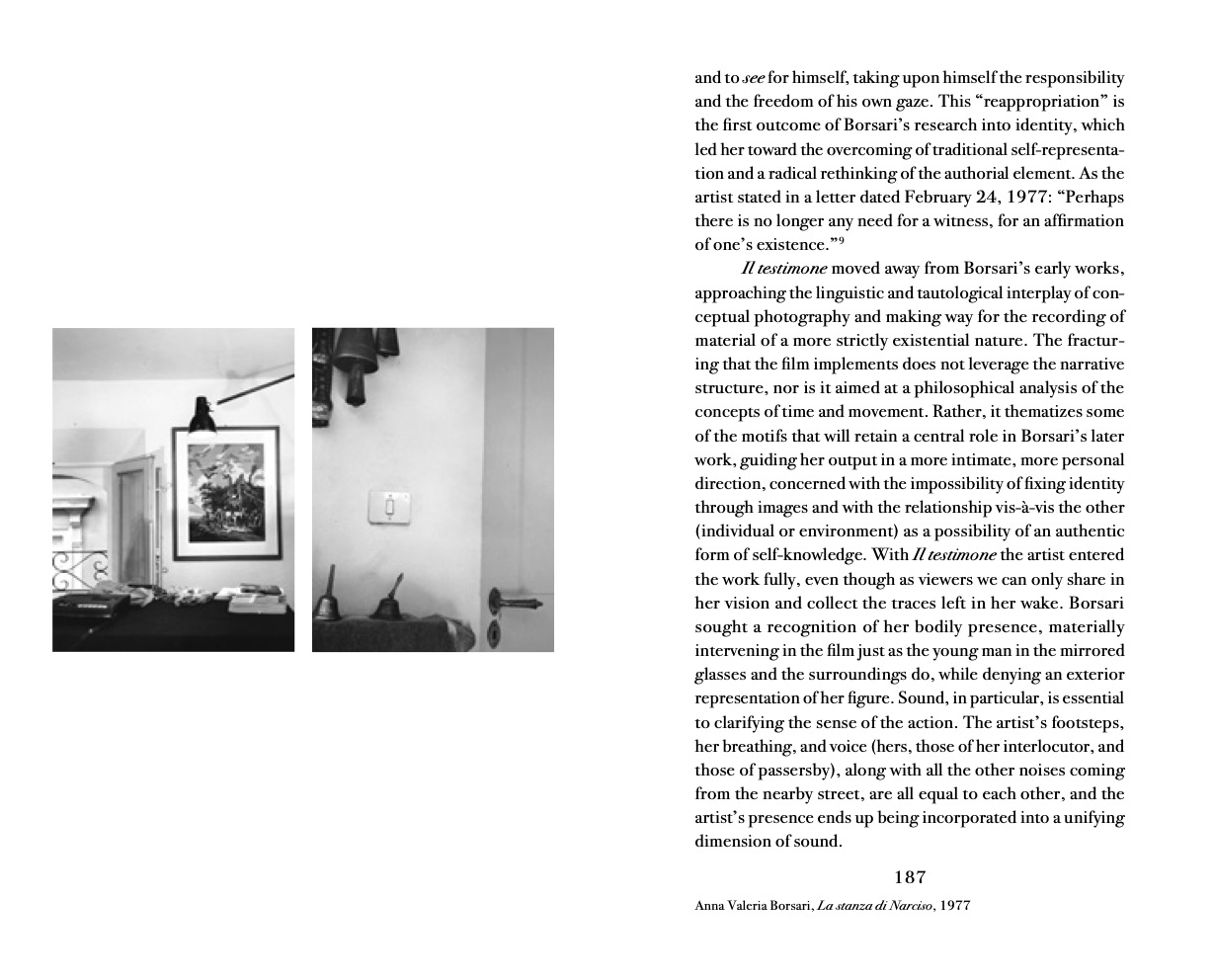
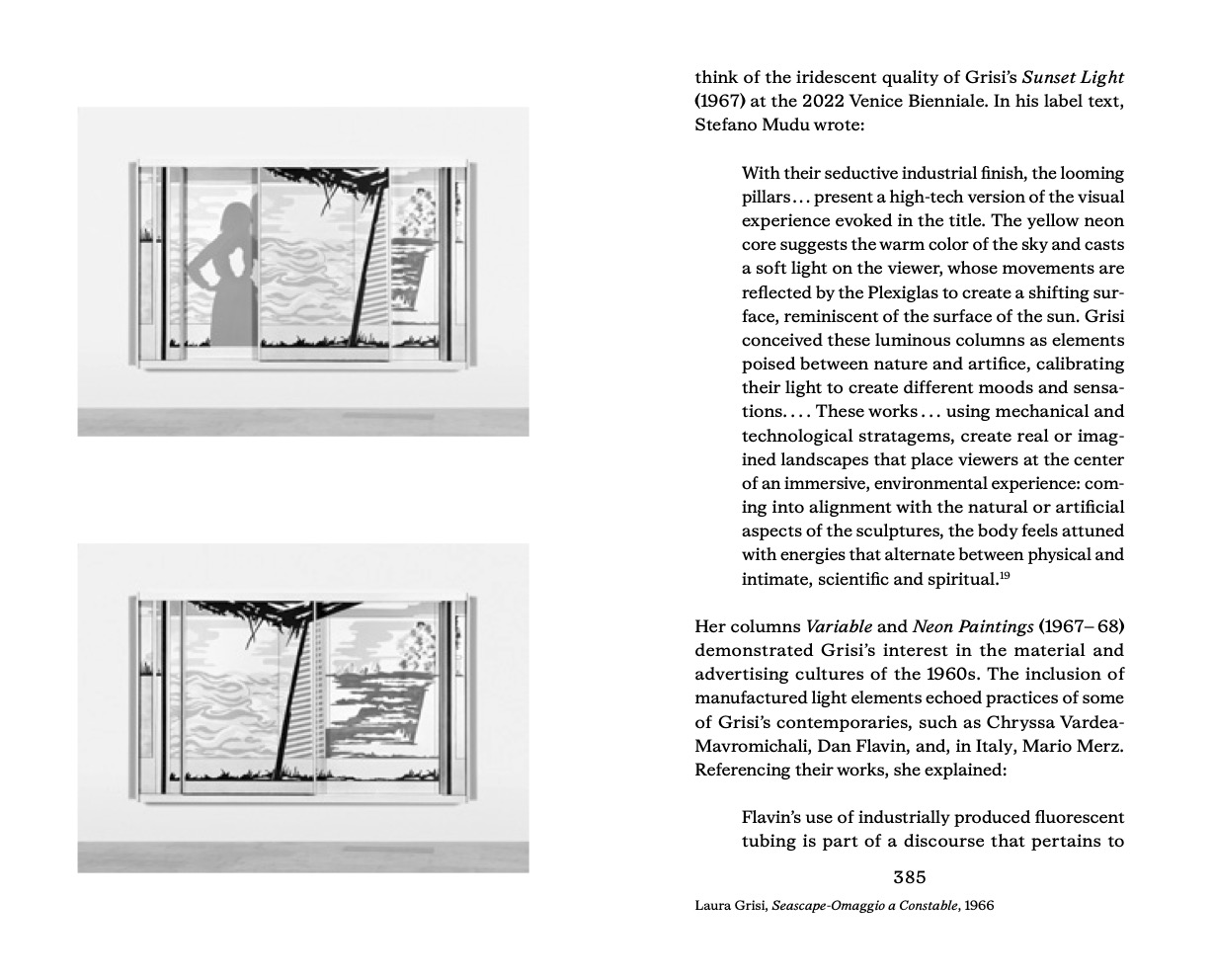
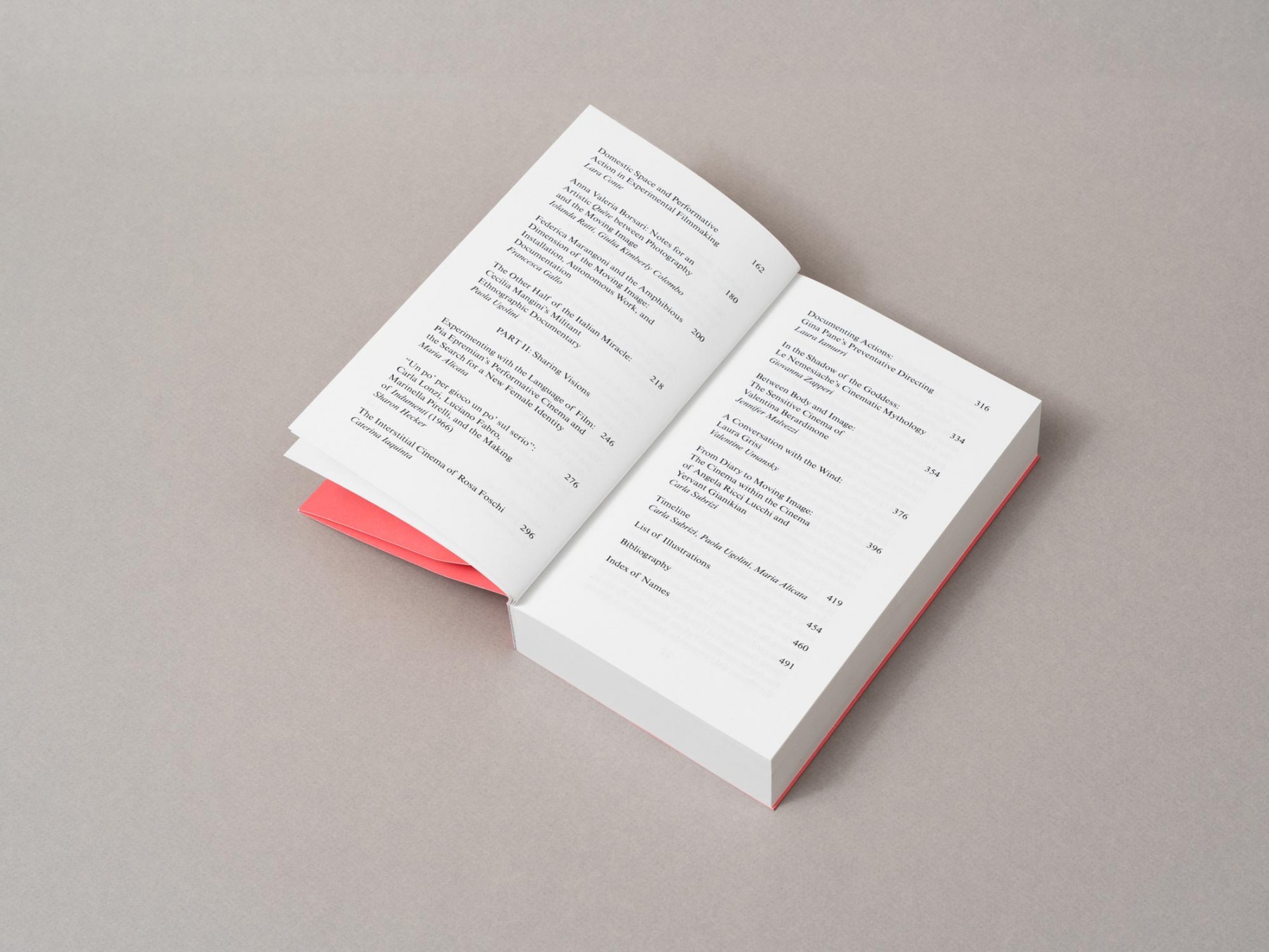
With 18 newly commissioned essays about artists and filmmakers Valentina Berardinone, Anna Valeria Borsari, Pia Epremian, Giosetta Fioroni, Rosa Foschi, Laura Grisi, Ketty La Rocca, Le Nemesiache, Cecilia Mangini, Federica Marangoni, Marisa Merz, Gina Pane, Marinella Pirelli, and Angela Ricci Lucchi, it charts a captivating, multifaceted period, the elements of which have now been compiled for the first time in this publication.
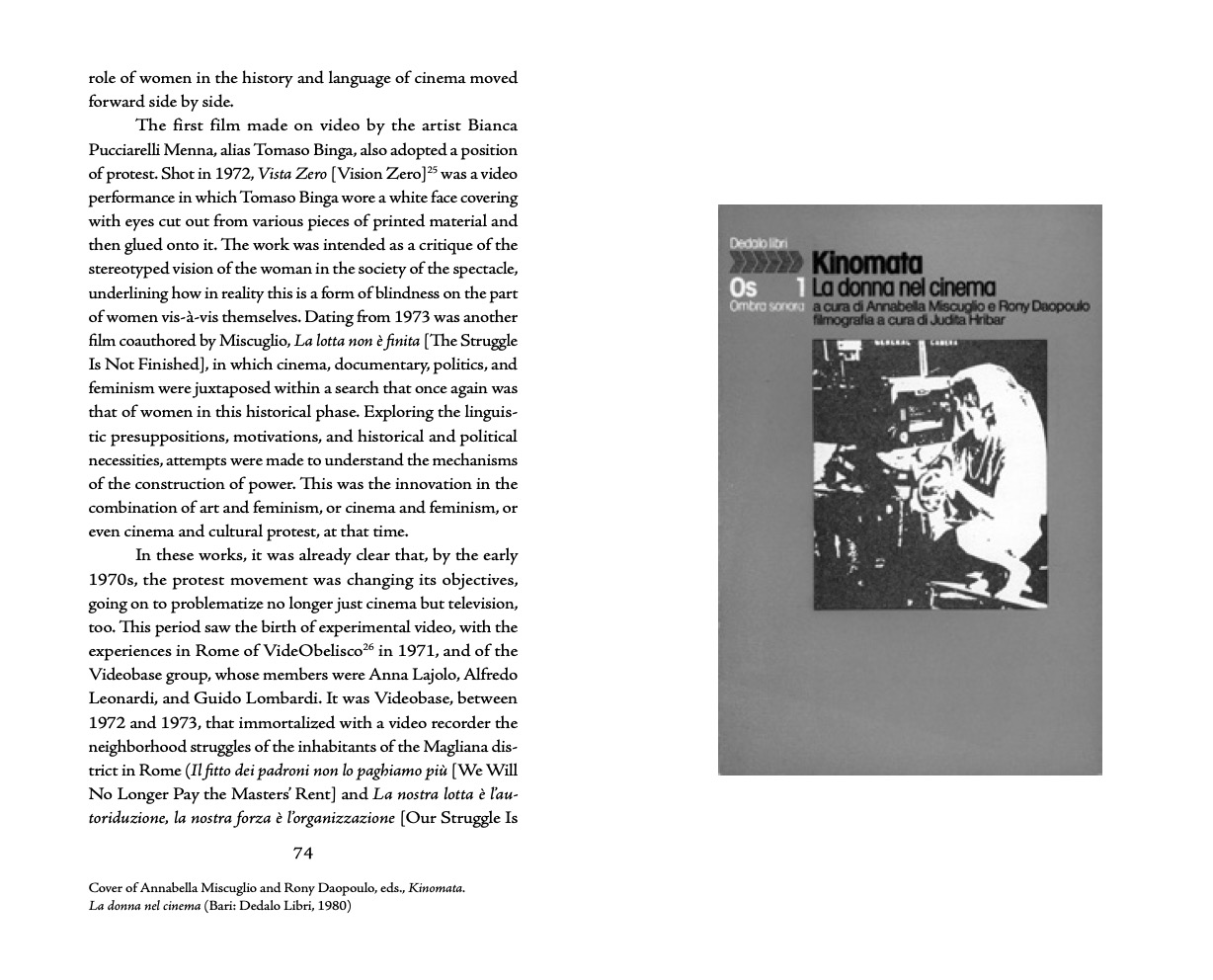
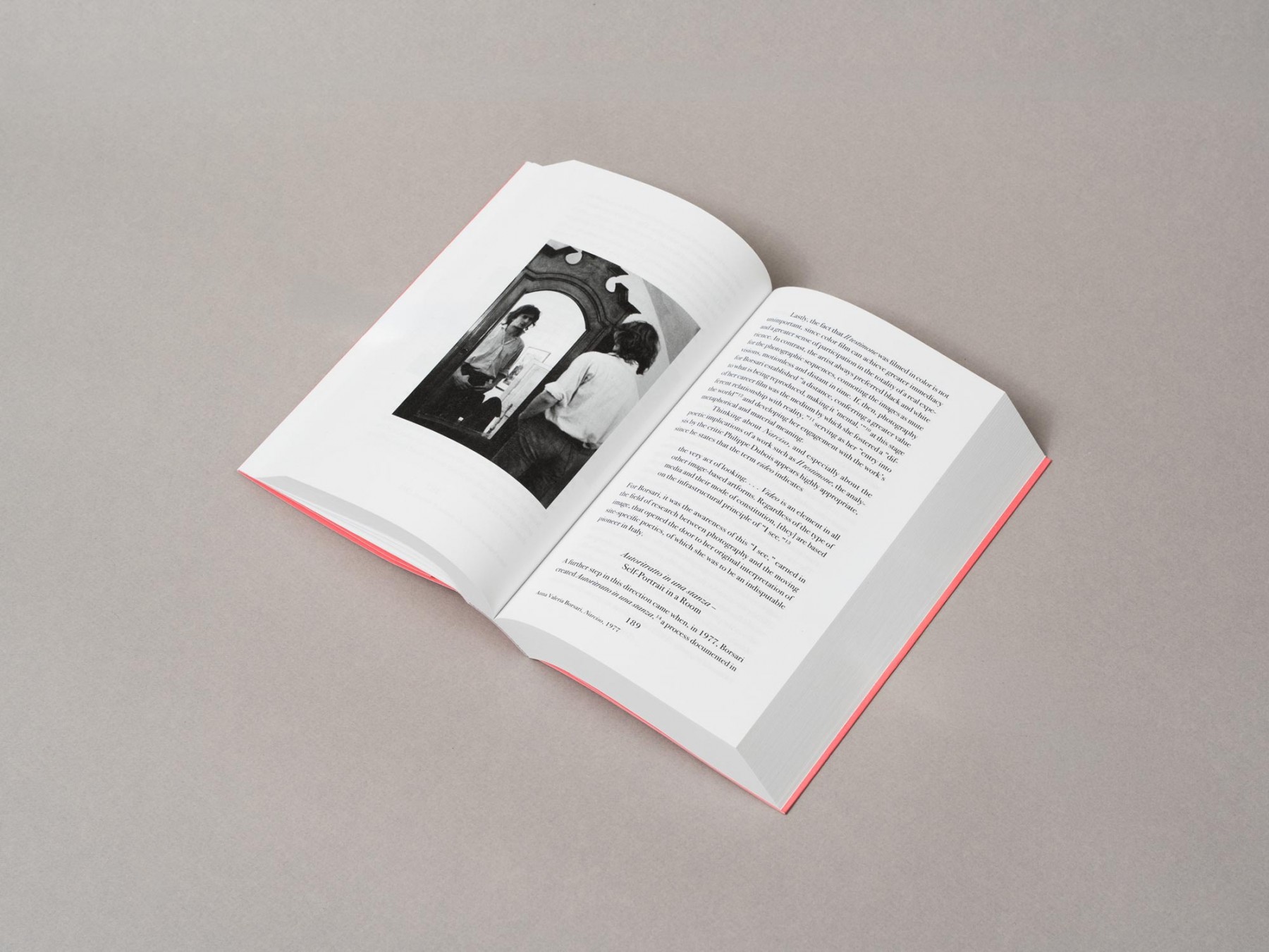
Each chapter, which is accompanied by illustrations and previously unpublished archival documents, analyzes a series of moving-image works as well as the personalities of pioneering (and on occasion non-professional) female directors and artists involved, who embraced the camera as a medium for investigation, documentation, and critique. In their efforts to construct a form of agency for visual imagery, they fostered new narratives, leaving in their wake a plethora of stories and visual strategies that remain vital and worthy of re-examination today.
The contributions of academics, researchers, and art historians such as Maria Alicata, Lucia Aspesi, Silvia Bottinelli, Lara Conte, Flavia Frigeri, Francesca Gallo, Sharon Hecker, Teresa Kittler, Caterina Iaquinta, Laura Iamurri, Jennifer Malvezzi, Iolanda Ratti with Giulia Kimberly Colombo, Carla Subrizi, Paola Ugolini, Valentine Umansky, and Giovanna Zapperi problematize the two decades under examination, which panned out in parallel with the protest movements, and navigate a phase of Italian history, art, and culture that was shot through with changes and transformations, in part arising from the women who decided to take back control—of themselves, even before they reached for a film camera. Therefore, they endeavor to glean an understanding of the transformations of language, subjectivity, identity, ways of seeing, and imaginaries through what women filmmakers described, documented, recorded, and wrote. At the same time, the book constructs an Italian history of this cinematic output in order to then understand how specific, identity-forging visions can be expanded or connected within a broader story, composed of cultural differences and urges that enter into a transnational dialogue. To this end, the book also includes a specially conceived timeline of the main socio-political events that occurred and the most important moving-image works that were produced over the two decades under consideration.