This new major monographic publication on the Ghanian artist documents the work that transformed sites and repurposed buildings in his native town of Tamale to transformative outcomes rooted into the idea of art as a tool of understanding, rebalancing, and advancement.
For life and limbs, Austrian artist and curator Anna-Sophie Berger has assembled a group of works, from Arakawa and Gins to Lyle Ashton Harris, that register the body as a habitat that can be imaginatively stretched, altered, modified, adorned, replicated or destroyed.
This two-volume catalog, curated by Andrea Bellini and the New York-based collective DIS, is the outcome of the 2021 edition of the Biennale de l’Image en Mouvement (BIM’21), presented at the Centre d’Art Contemporain Genève.
Christian Frosi was long considered one of the most inspiring and promising Italian artists debuting in the early 2000s. That is until just over ten years into his career, when he decided to make himself unreachable and remove himself from art history, its customs and figures.
Featuring new contributions by Sitara Abuzar Ghaznawi and a wealth of commissioned texts and writings, this book is conceived as a continuation of the exhibition held at Cabaret Voltaire, Zurich and, in a modified form, at Swiss Institute, New York.
In a context in which institutions are facing a surge of public scrutiny, the publication revisits the artistic practice of institutional critique to ask what it means today, and to consider its ability to respond to the urgent social, political, and economic issues of our time.
Edited by Gina Buenfeld-Murley and Martin Clark
Essays by Gina Buenfeld-Murley, Martin Clark, Leonie Radine, Géraldine Gourbe
Designed by Sara De Bondt
Published with Camden Art Centre, London; Frac Bretagne, Rennes, France; Kunsthalle Wien – Stadt Wien
Kunst GmbH, Vienna, and Museion – Museum of Modern and Contemporary Art, Bolzano/Bozen
2025, English / French / German / Italian, softcover, 240 pages, 20 x 26 cm
ISBN 979-12-80579-67-6
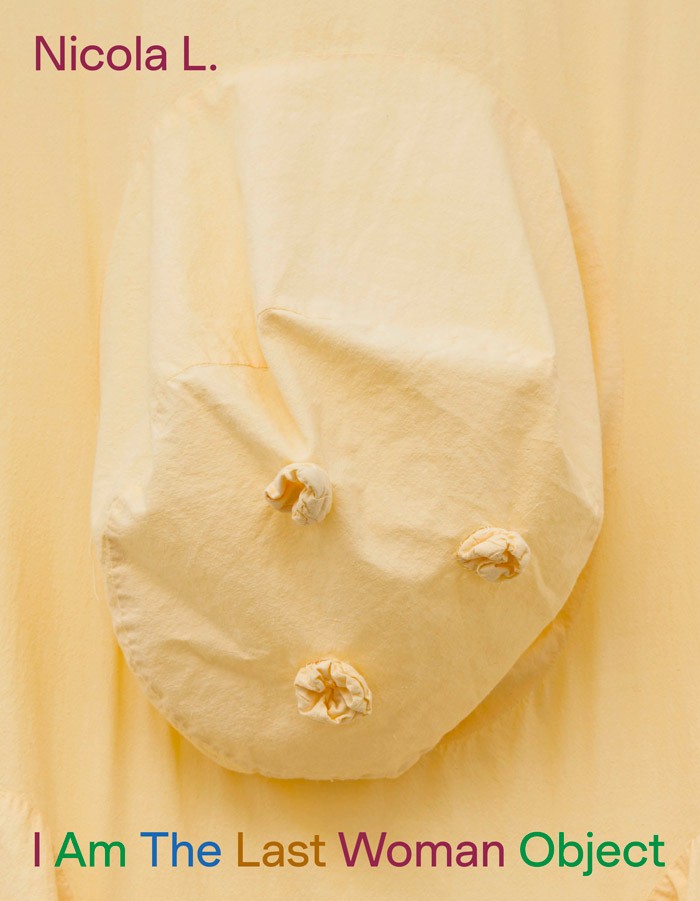
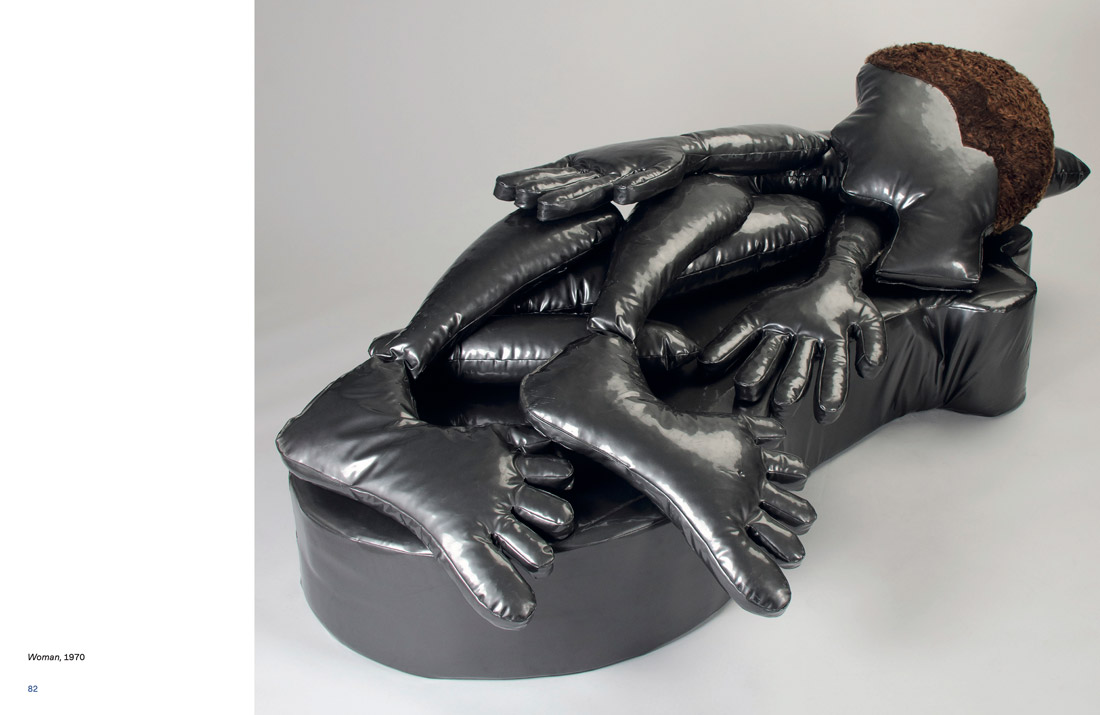
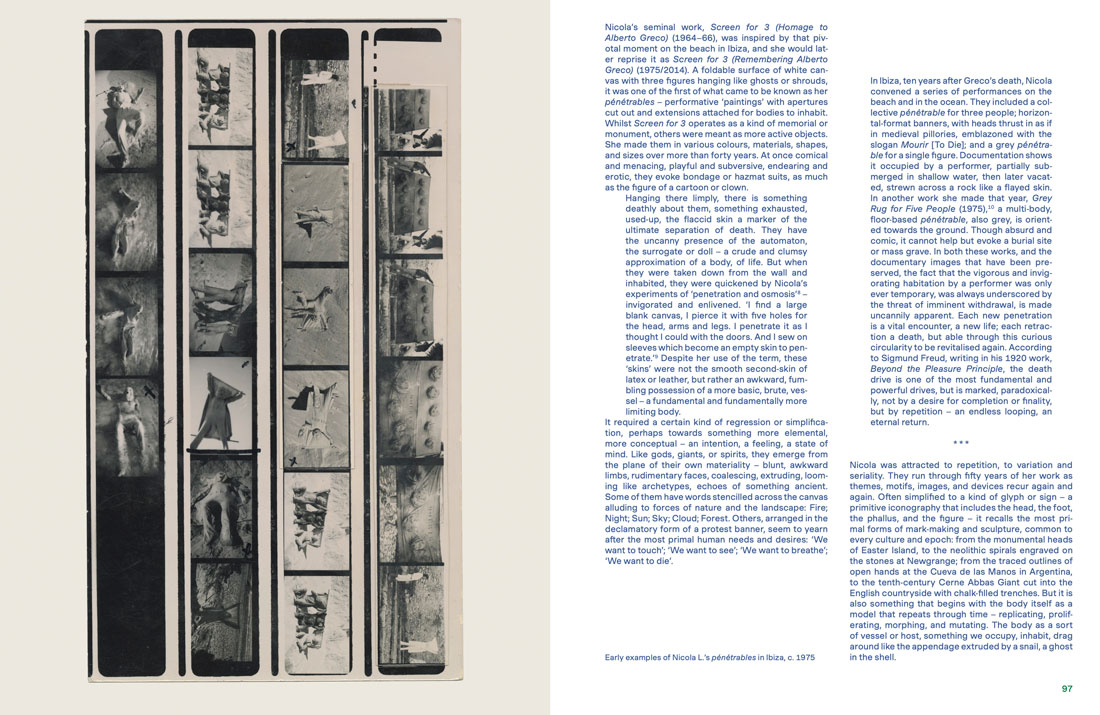
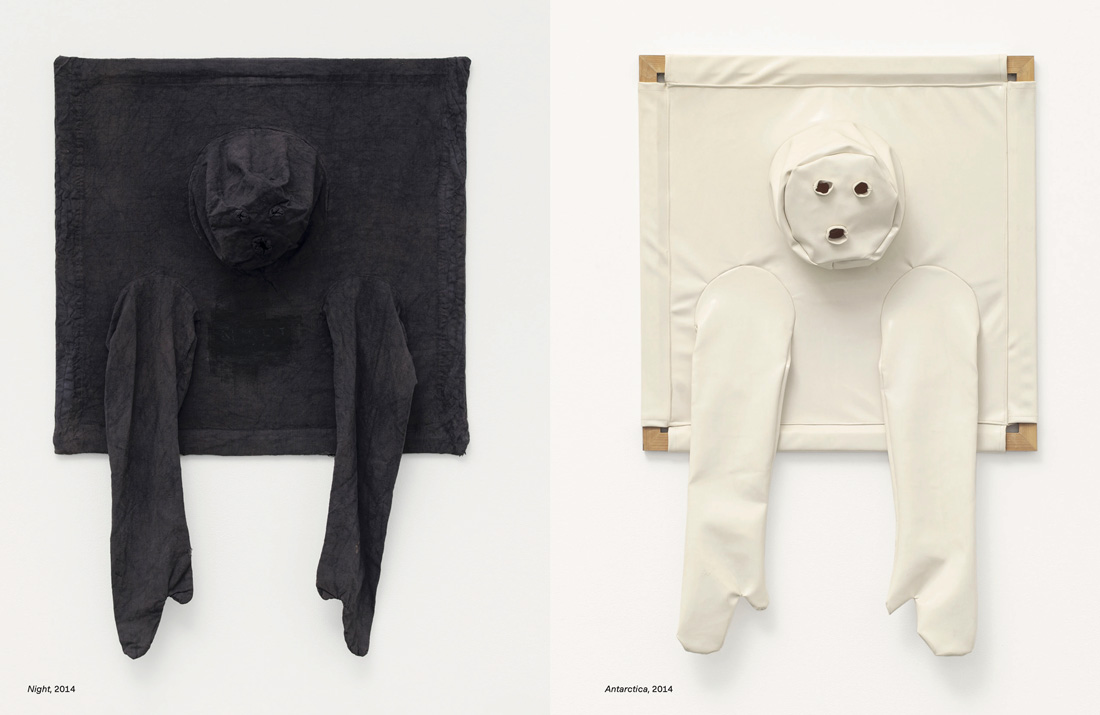
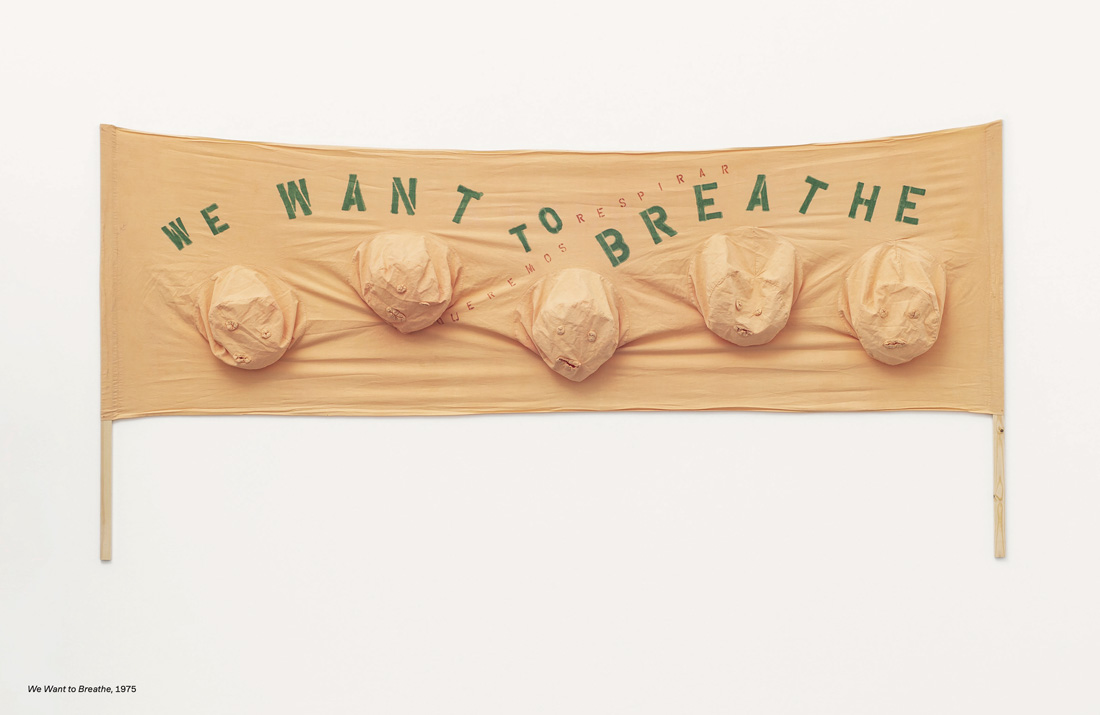
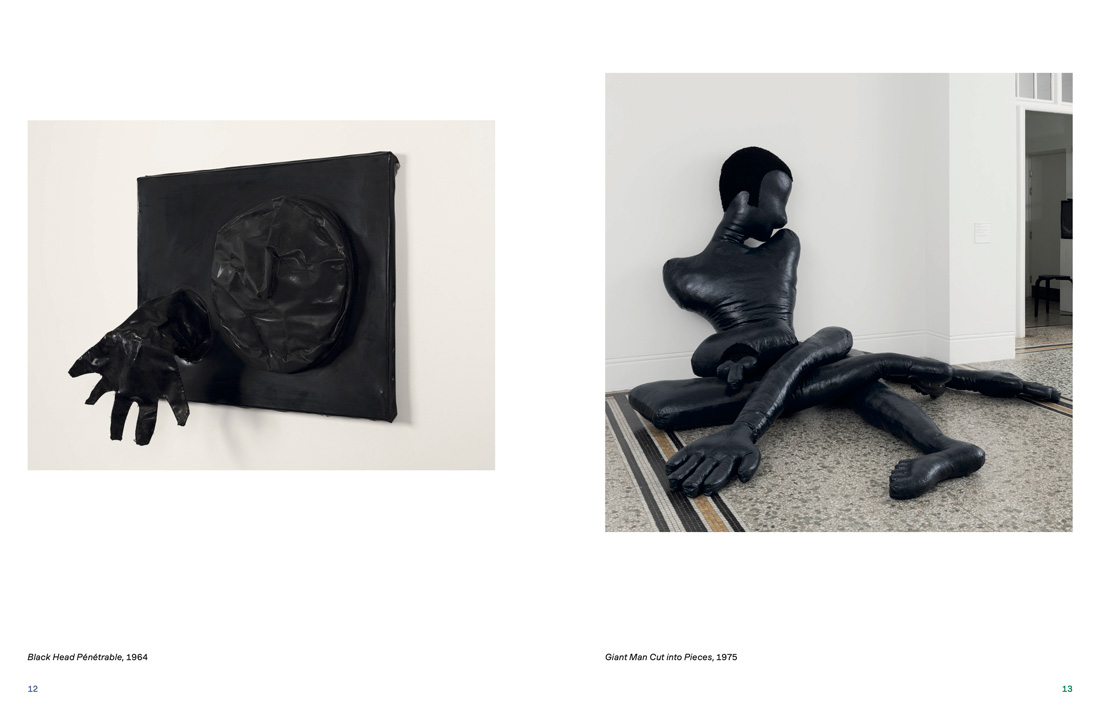
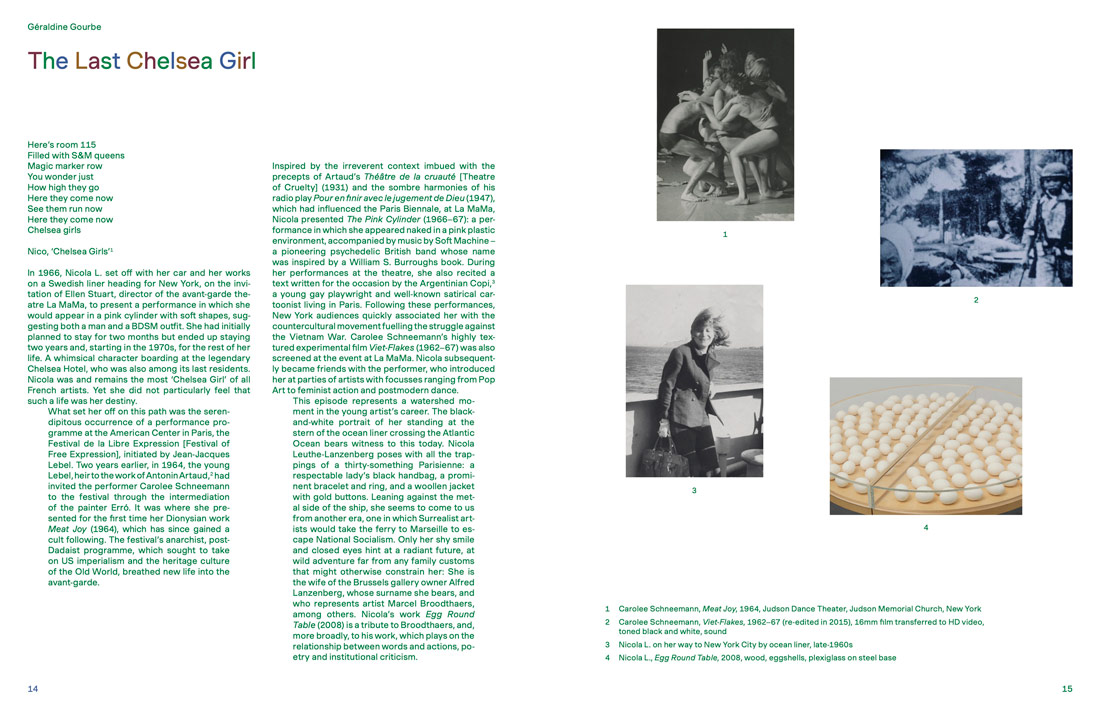
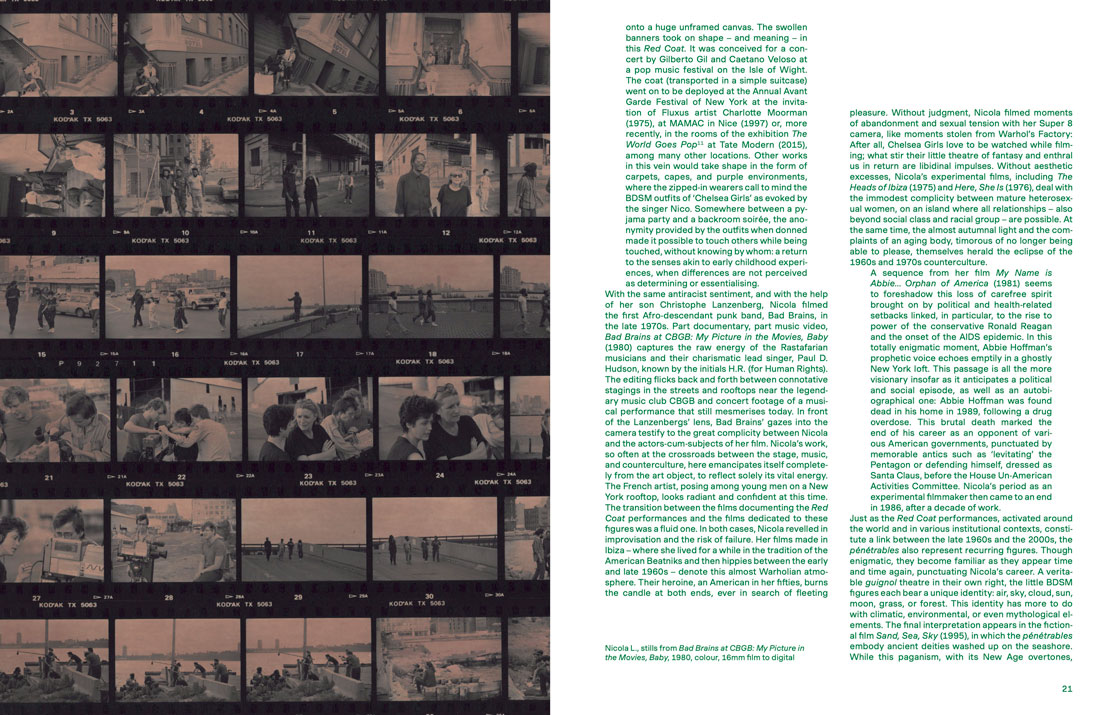
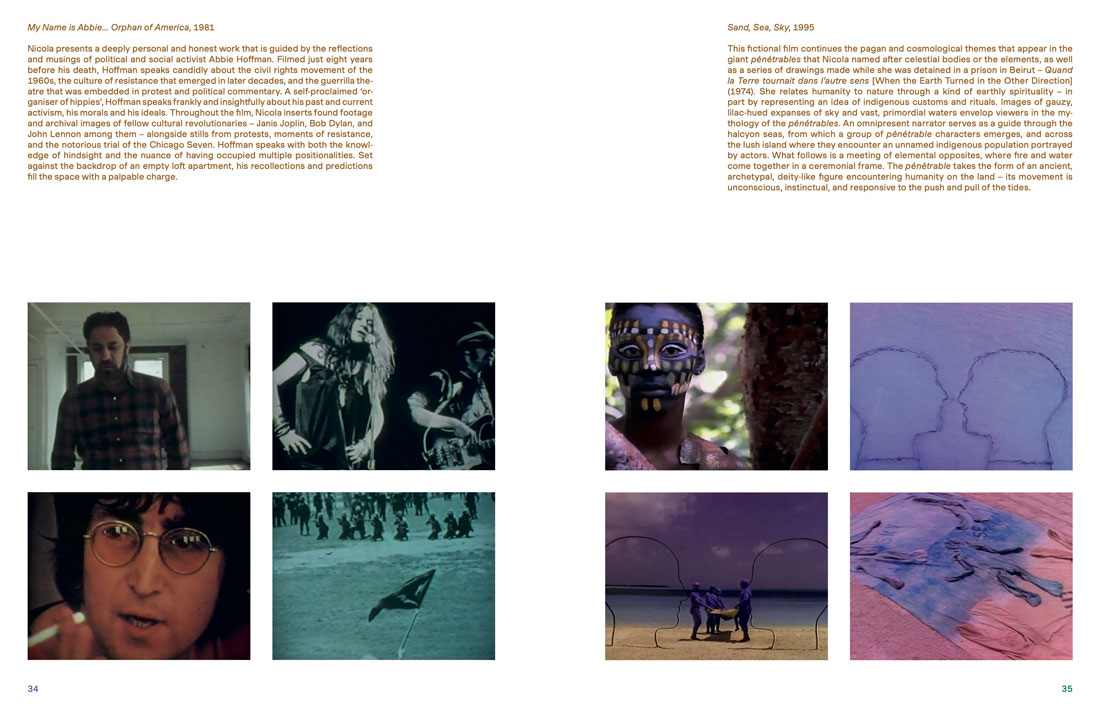
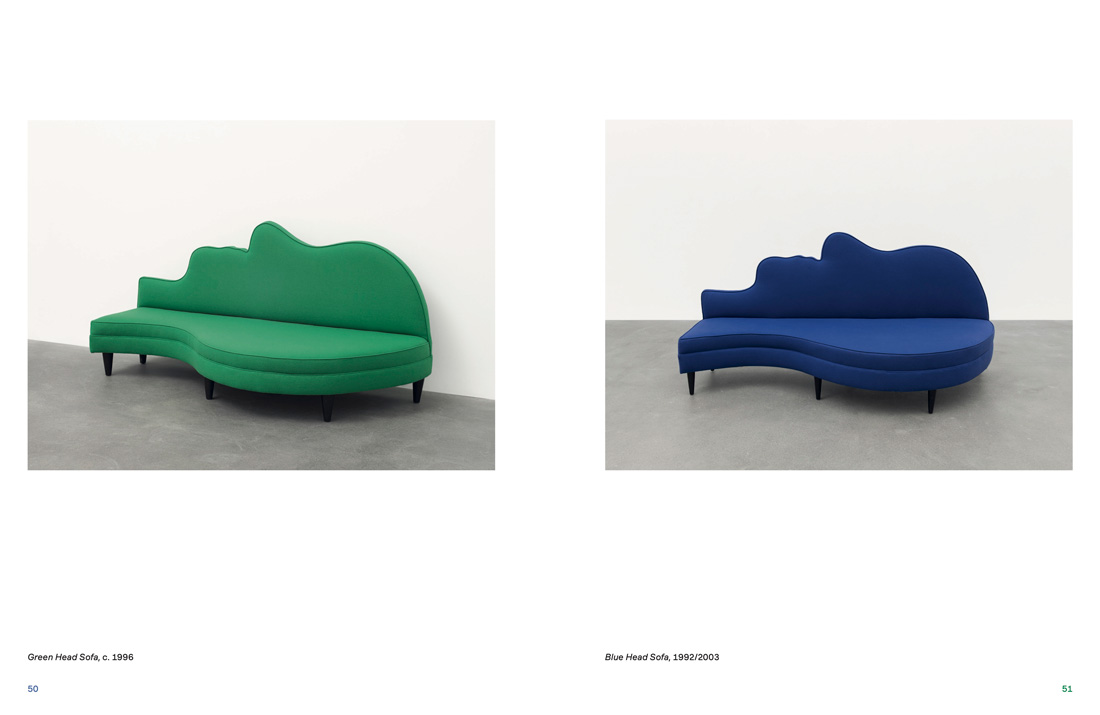
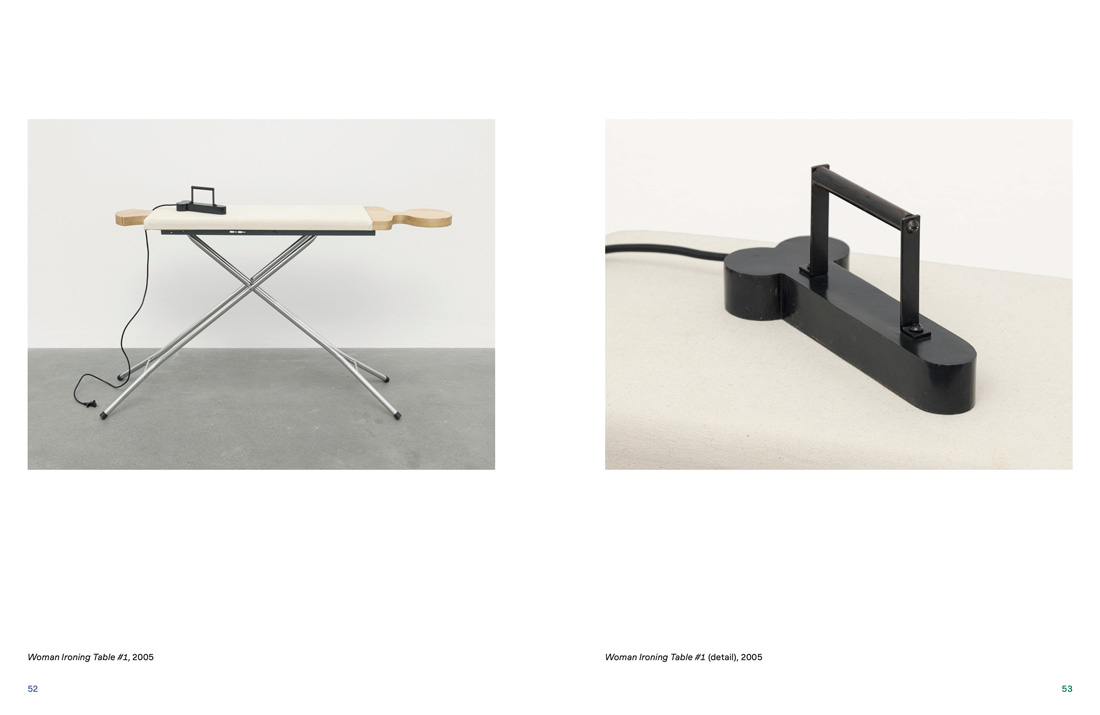
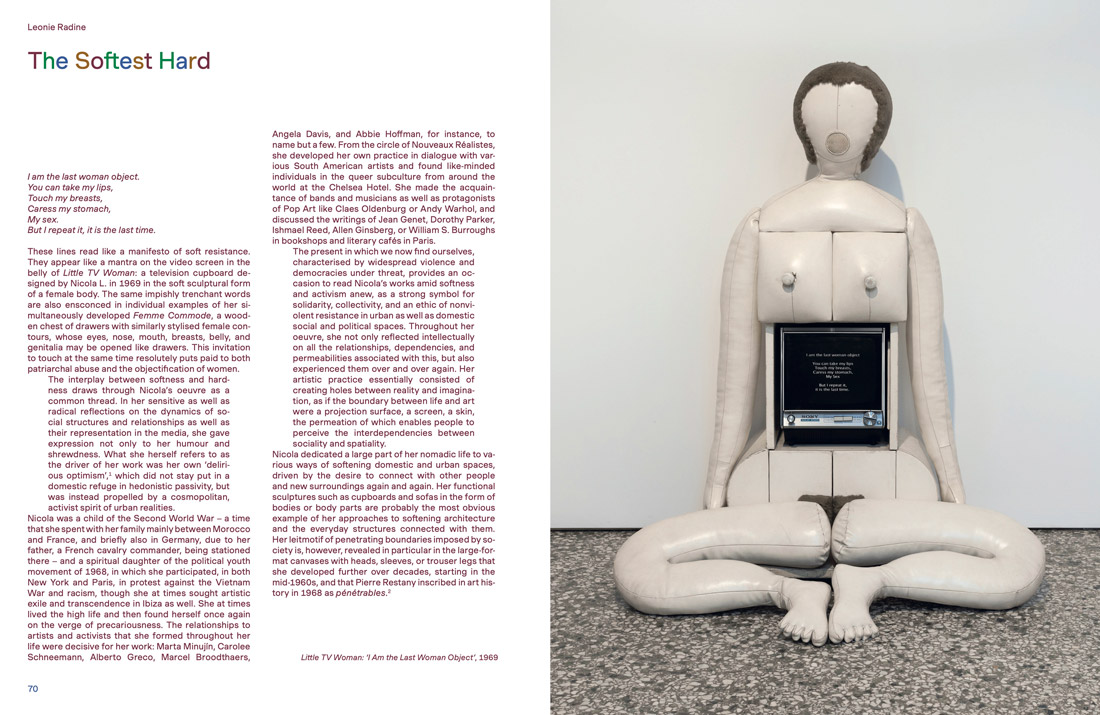
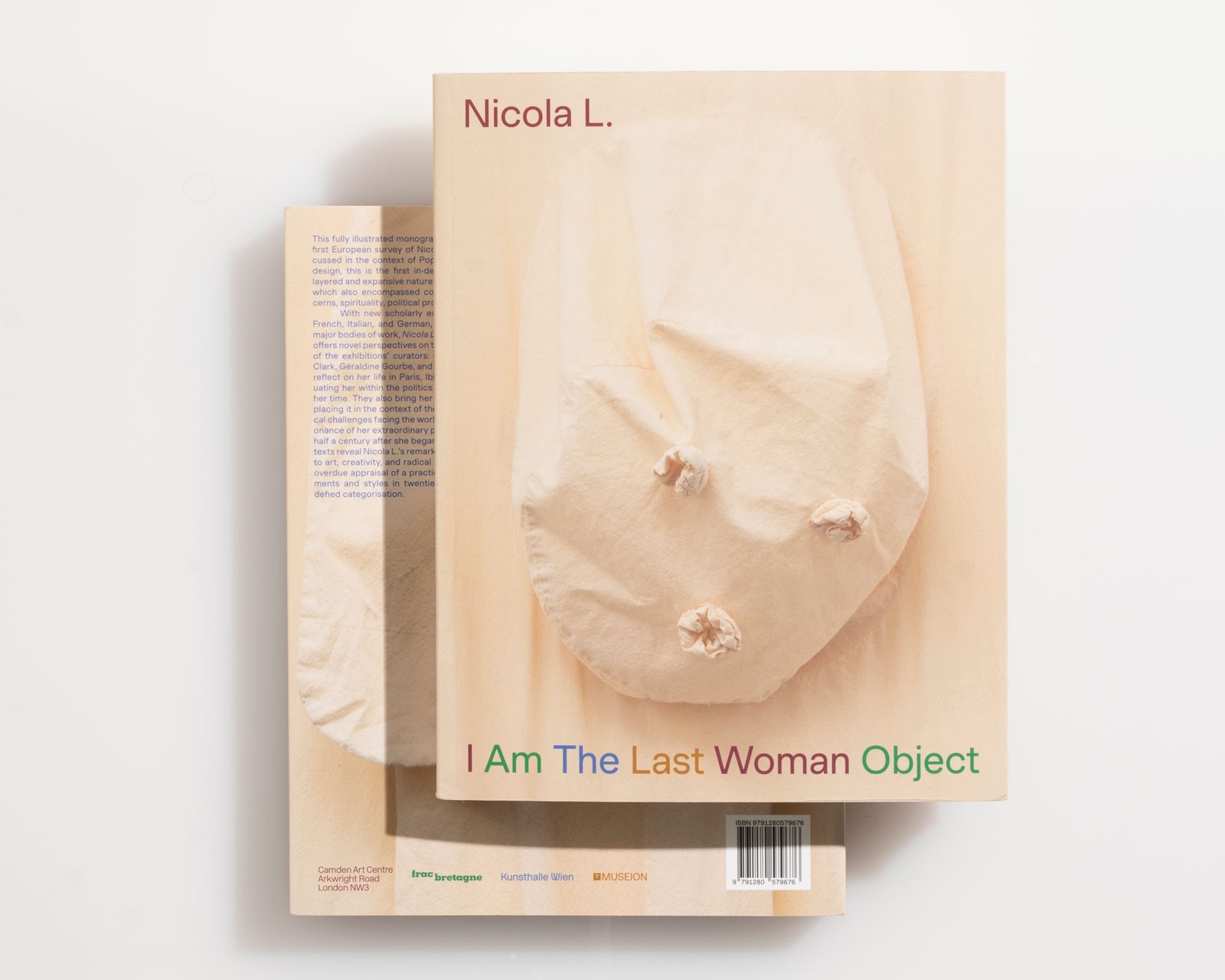
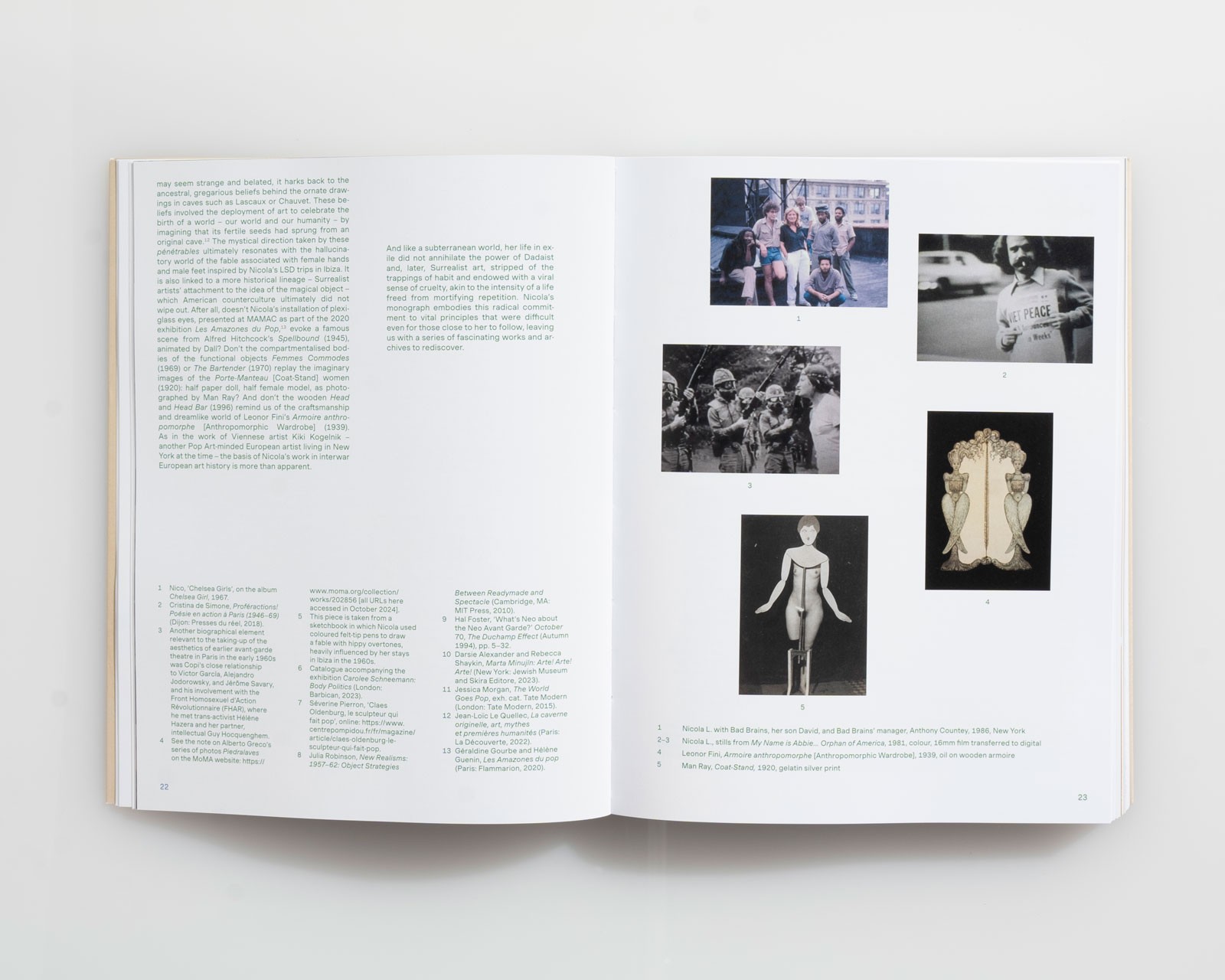
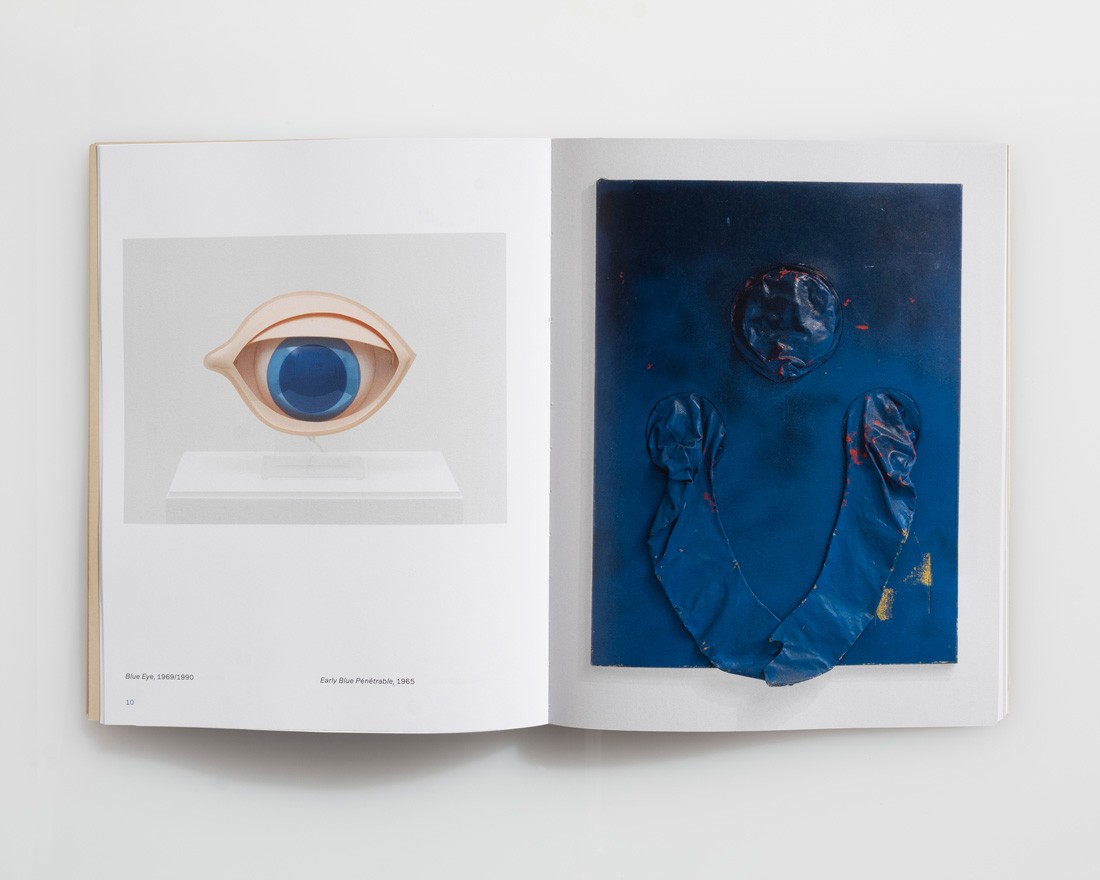
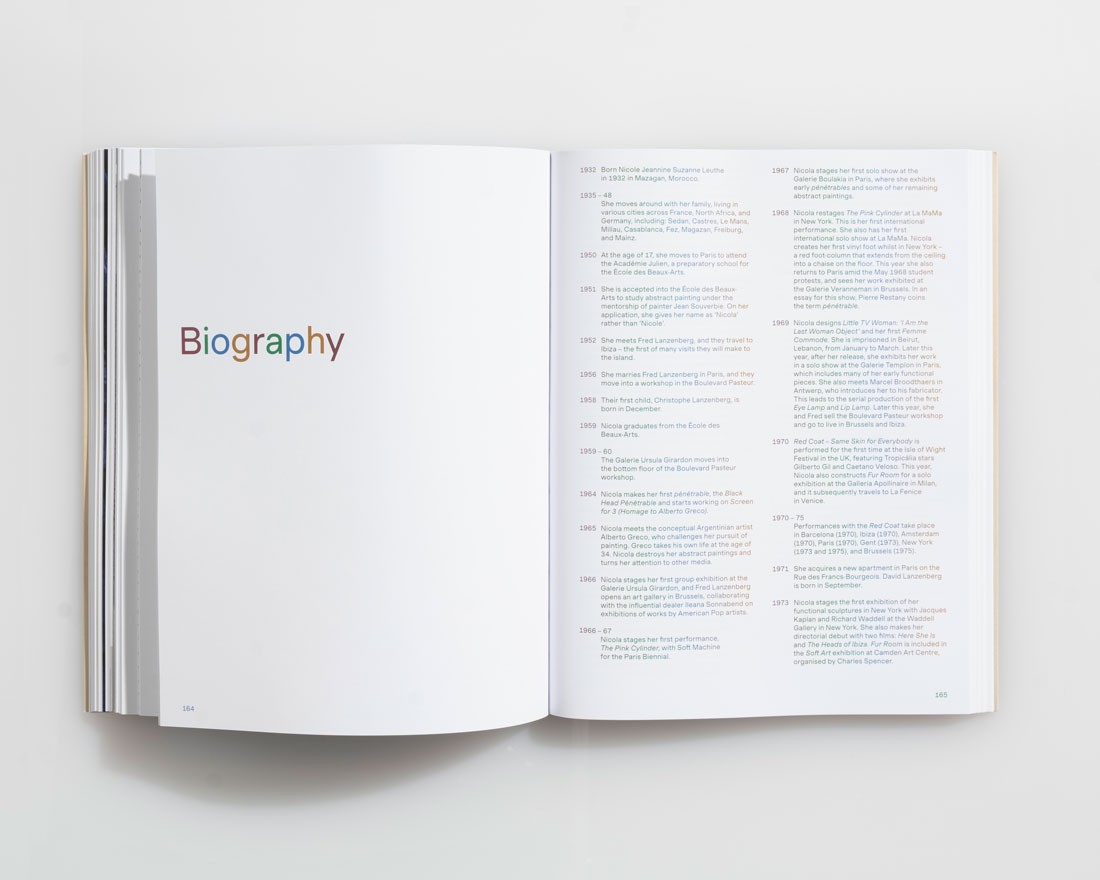
This fully illustrated monograph marks the occasion of the first European survey of Nicola L. (1932–2018). Often discussed in the context of Pop Art, activism, feminism, and design, this is the first in-depth exploration of the multi-layered and expansive nature of her extraordinary practice, which also encompassed cosmology, environmental concerns, spirituality, political protest, and sexuality.
With new scholarly essays translated into English, French, Italian, and German, and supplementary texts on major bodies of work, Nicola L. I Am The Last Woman Object offers novel perspectives on the artist’s practice from some of the exhibitions’ curators: Gina Buenfeld-Murley, Martin Clark, Géraldine Gourbe, and Leonie Radine. Together, they reflect on her life in Paris, Ibiza, Beirut, and New York, situating her within the politics and the social movements of her time. They also bring her work fully into the present by placing it in the context of the social, political, and ecological challenges facing the world today, thus enabling the resonance of her extraordinary practice to continue more than half a century after she began working. Taken together, the texts reveal Nicola L.’s remarkable and lifelong commitment to art, creativity, and radical subversion, presenting a long-overdue appraisal of a practice that straddled many movements and styles in twentieth-century art but resolutely defied categorization.