This artist’s first monograph brings together sketches, documentation and installation shots, as well as an in-depth analysis of her practice. It highlights her process of making art, from the conception of an idea to the finished work, and from the deconstruction and re-assembling of her characters’ identities to the relentless creation of new worlds.
Published on the occasion of the first exhibition in Italy by Jenna Gribbon, staged at the Collezione Maramotti, Mirages showcases a wealth of images that highlight the fluid, sensual output of this artist who, in repeatedly portraying her wife, the musician Mackenzie Scott (aka TORRES), explores the implications inherent in seeing and being seen.
The catalogue of this ambitious project, held at the Centre d’Art Contemporain Genève in 2017, reflects on the centrality of writing in contemporary visual art practices. Documenting its slippages from printed matters to the digital realm, from voice modulations to its sculptural presence, this book celebrates the word in all its forms.
A book emerged from the need to try to tell the story of architecture in a way quite unlike how it’s usually told, in a continuous dialogue between the anthropological gaze of Armin Linke’s photos compared with the ideation process of two public works by the Carlana Mezzalira Pentimalli architecture office.
The book documents and brings together two exhibition projects by Nina Canell and Maria Hassabi. Essays, unpublished materials and a rich set of photographic materials form the driving force behind two visual narratives that offer new keys to understanding the research of the two artists.
Can art, literature, filmmaking, and music draw out, make visible, legible, audible, or even contestable the patterns in which our lives are held? Considering the work by Stan Douglas, Harun Farocki, Ingri Fiksdal, Åke Hodell, Stefan Panhans & Andrea Winkler, Susan Philipsz, and Elizabeth Price, this publication entertains this question.
Edited by Julia Marchand, in collaboration with Vittoria Morpurgo
Texts by Morgan Labar, Julia Marchand, Julie Ackermann, Anya Harrison, Giulia Mariachiara Galiano and Cecilia Larese, Vittoria Morpurgo and Robin Plus, Gaia Vincensini, Raphaëlle Serre, Linda Voorwinde, Tohé Commaret, Louise Nicolas de Lamballerie, Caroline Poggi, Jonathan Vinel, Kevin Blinderman, Mohamed Bourouissa, Michal Novotný, Laura Owens, Magda Szpecht, Thomas Liu Le Lann, Velvet Aubry, Arnaud Dezoteux, Prune Phi, Alban Diaz, Ant łakomsk, Liselor Perez, Francesca Grilli, Camille Aleña, Joanna Kordjak, Katarzyna Kołodziej-Podsiadło
Designed by Lorenzo Mason Studio
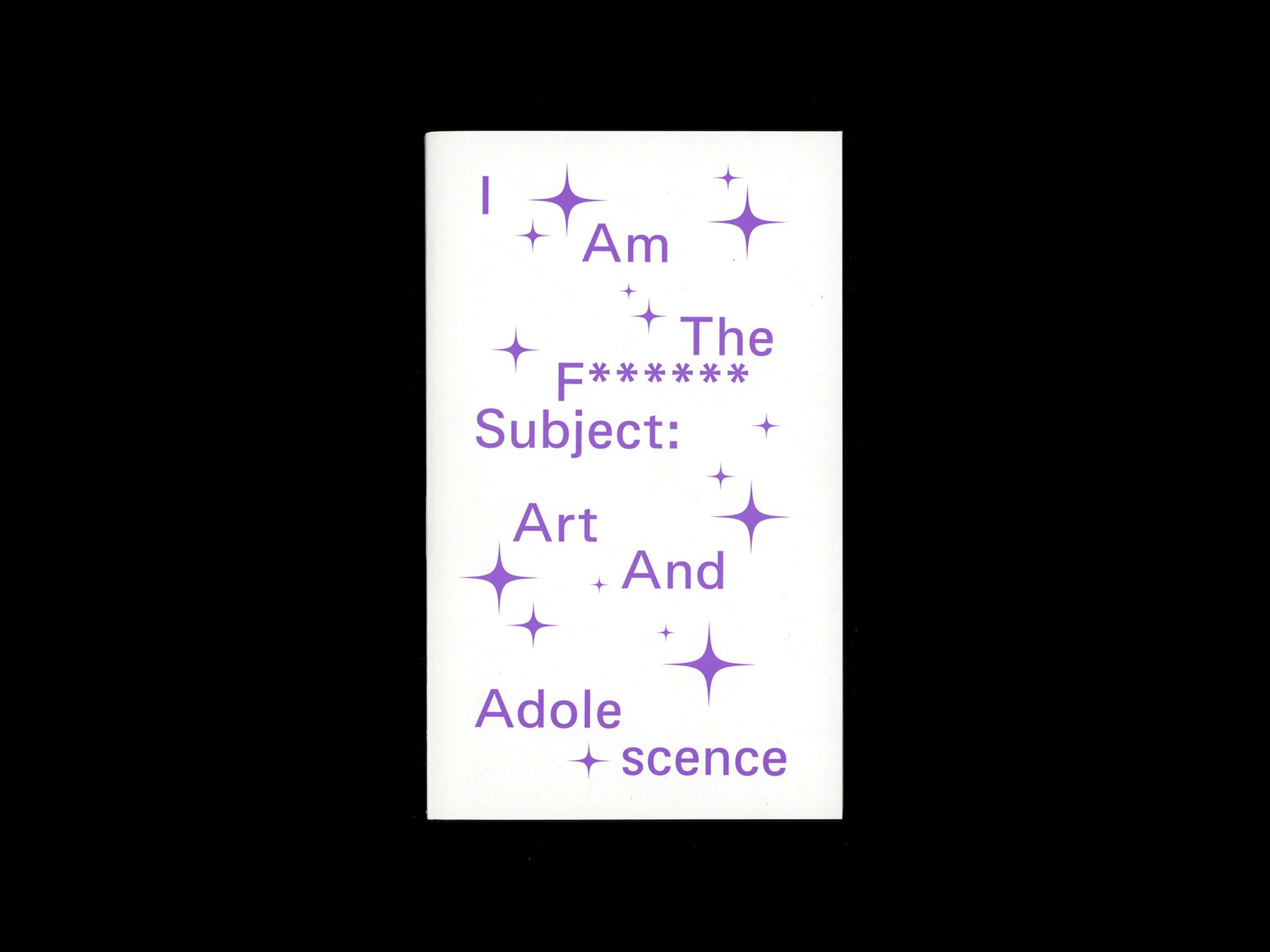
2026, English, softcover, 11 x 18.5 cm, 160 pages
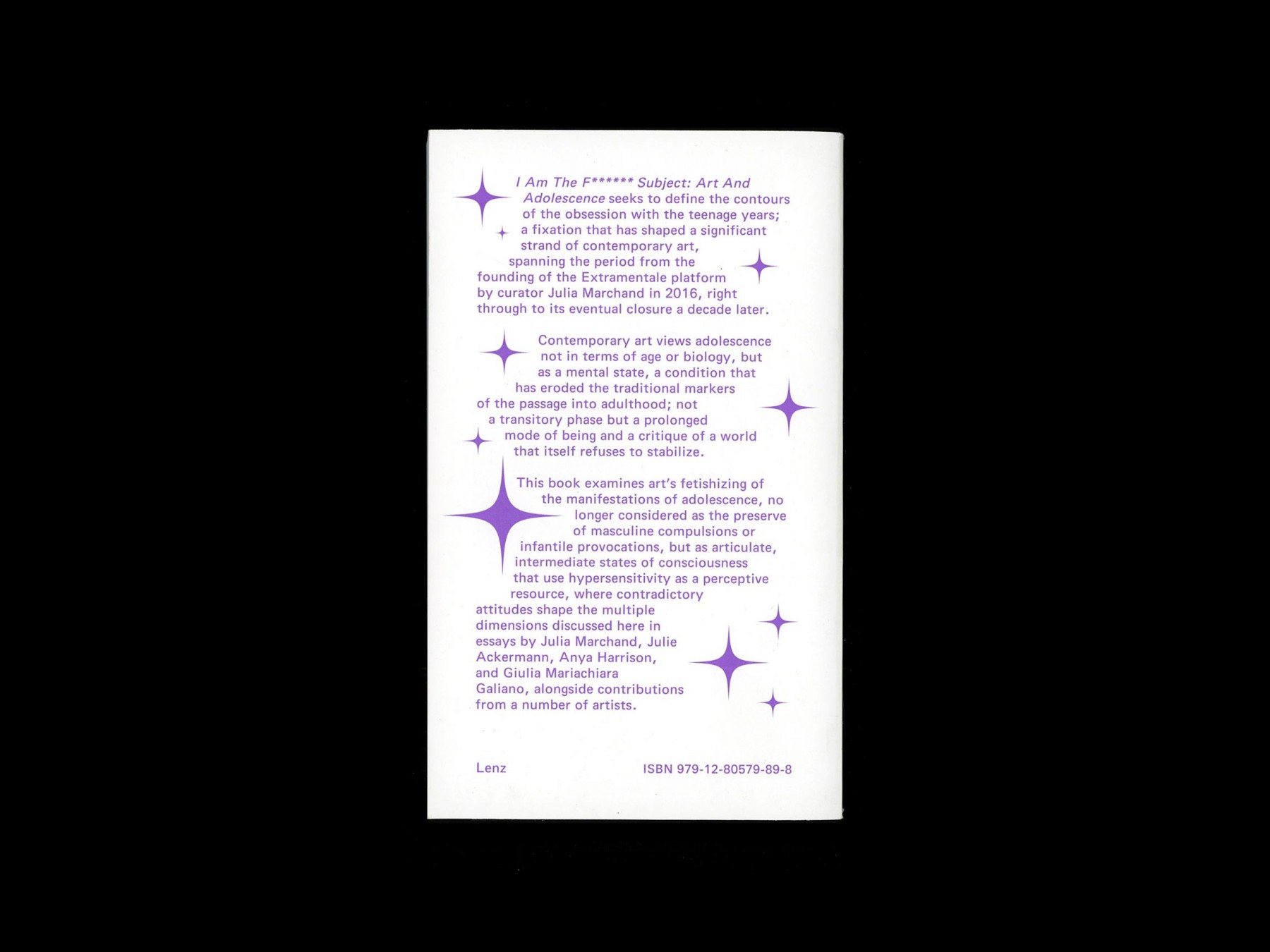
ISBN 979-12-80579-89-8
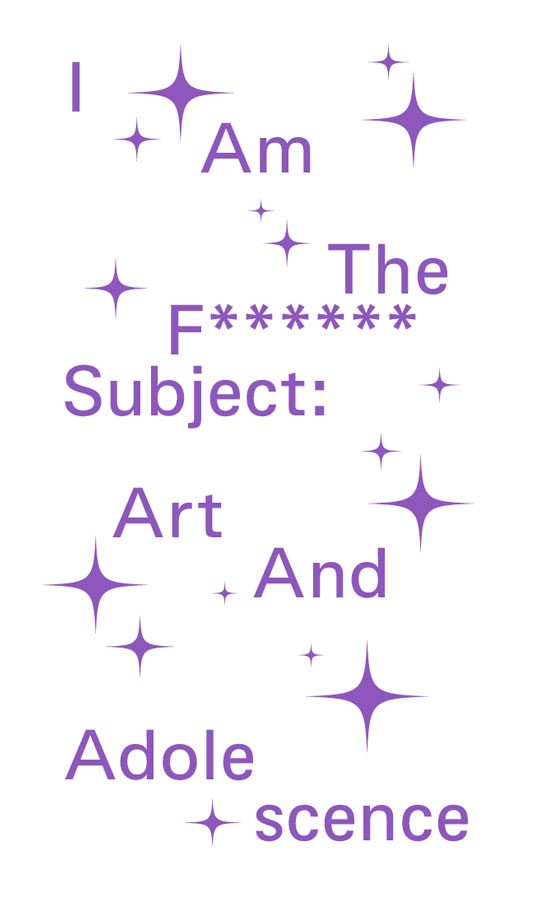
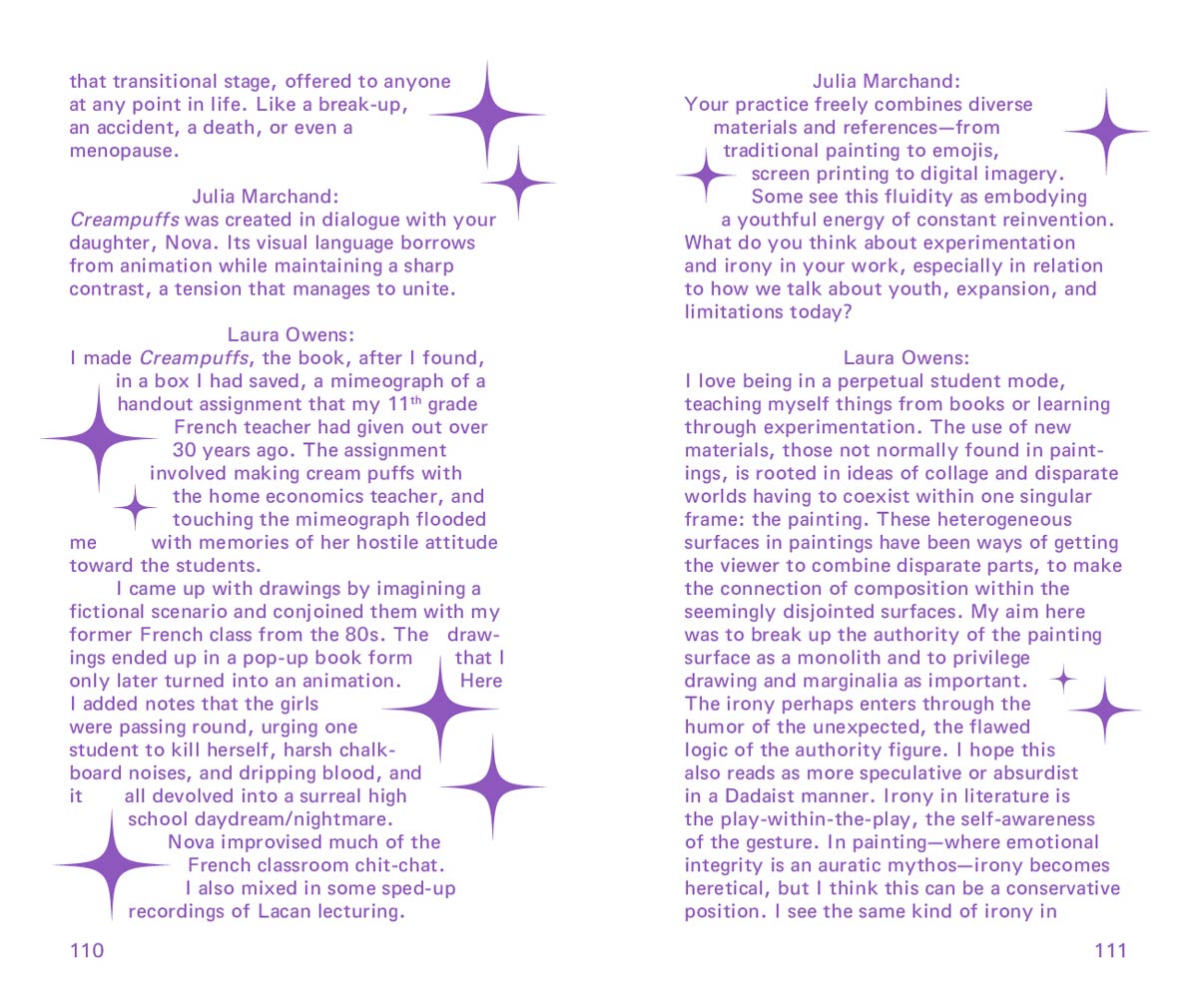
Why be the object when you can dive into yourself and archive your own adolescence? And what about this adolescence when it lasts until the late thirties, and expands beyond the traditional understanding of age group?
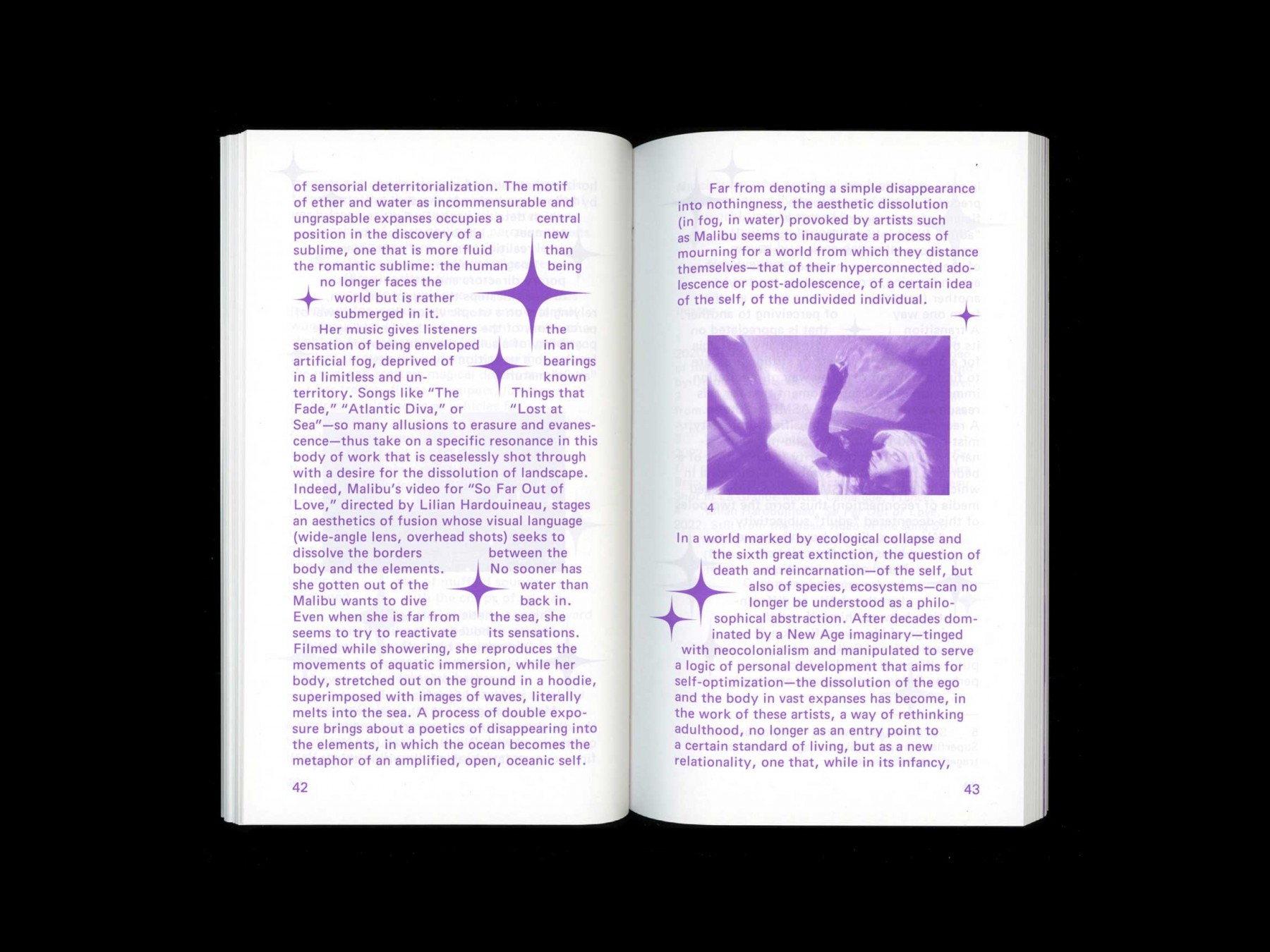
This volume redefines the coming-of-age genre by addressing the contours of the obsession with the prolonged teenager years. Contemporary art views adolescence as a mental state, a condition that has eroded the traditional markers of the passage into adulthood; not a transitory phase but a prolonged mode of being or even a critique of a world that itself refuses to stabilize.
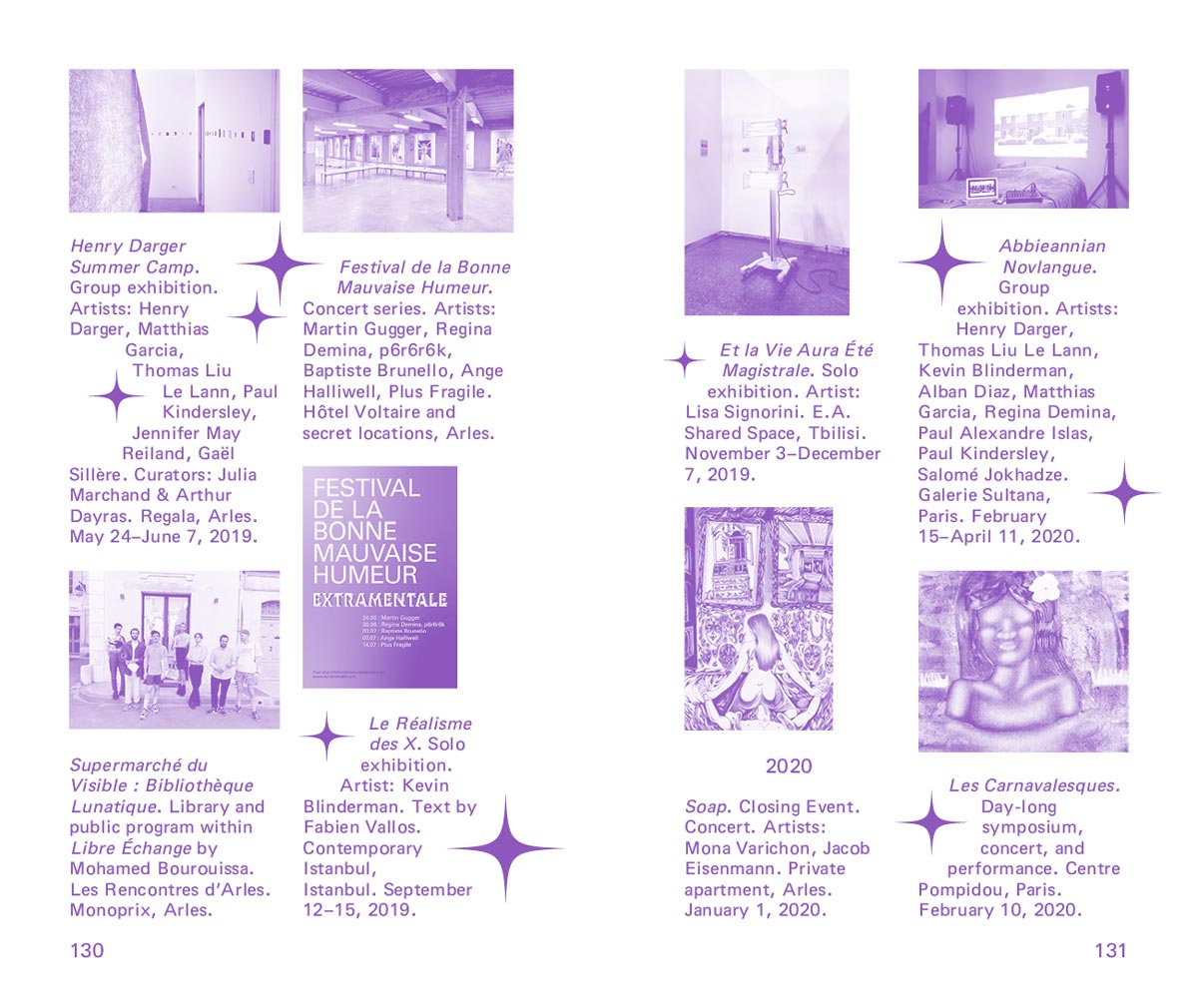
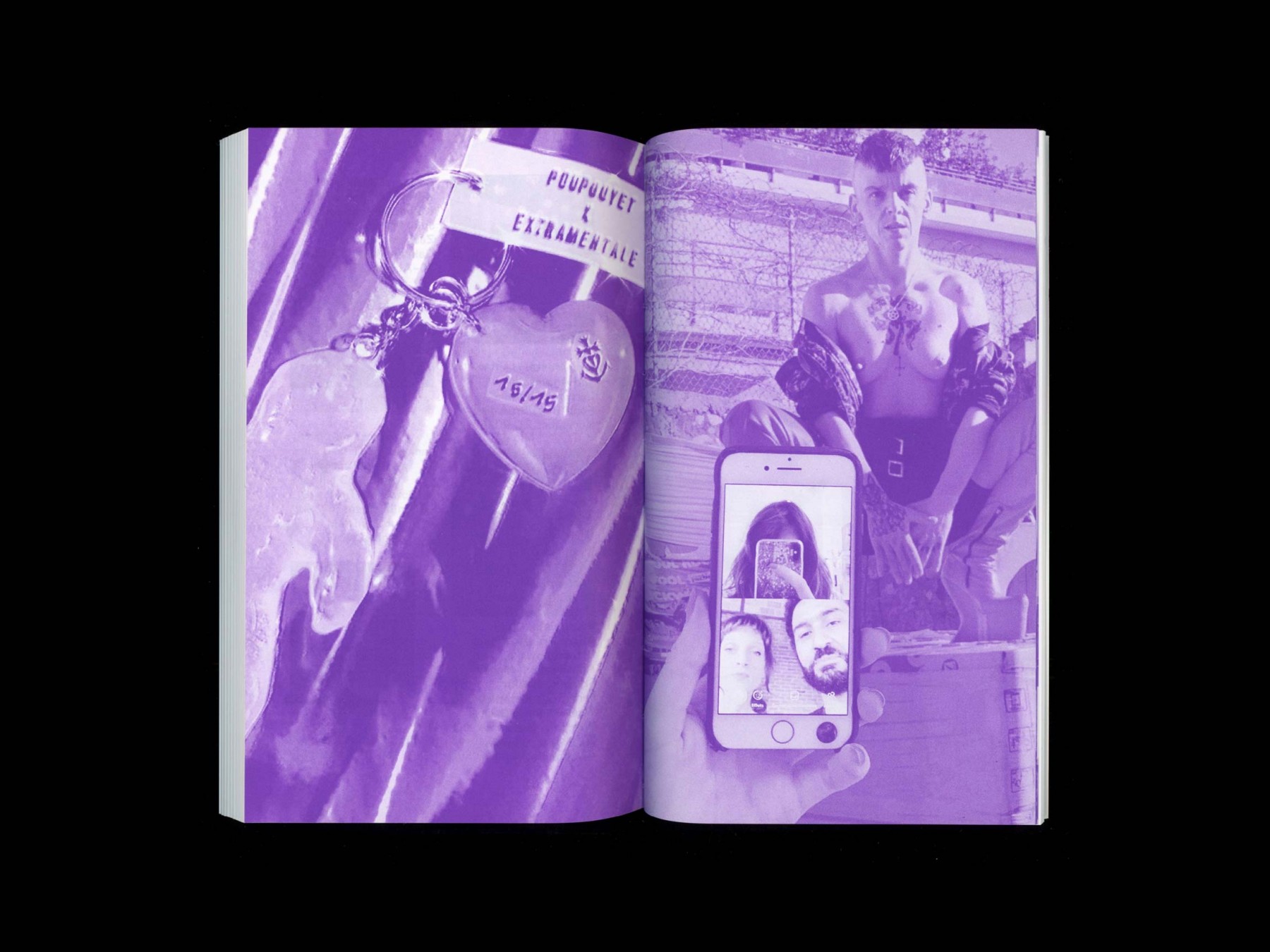
Extramentale, a curatorial platform on teenage aesthetics, was founded by Julia Marchand, the editor of this book, which spans the period from the platform’s creation in 2016 through to its eventual closure in 2026. It gave voice to artist-adolescents and author-adolescents, mainly millennials and Gen Zers.
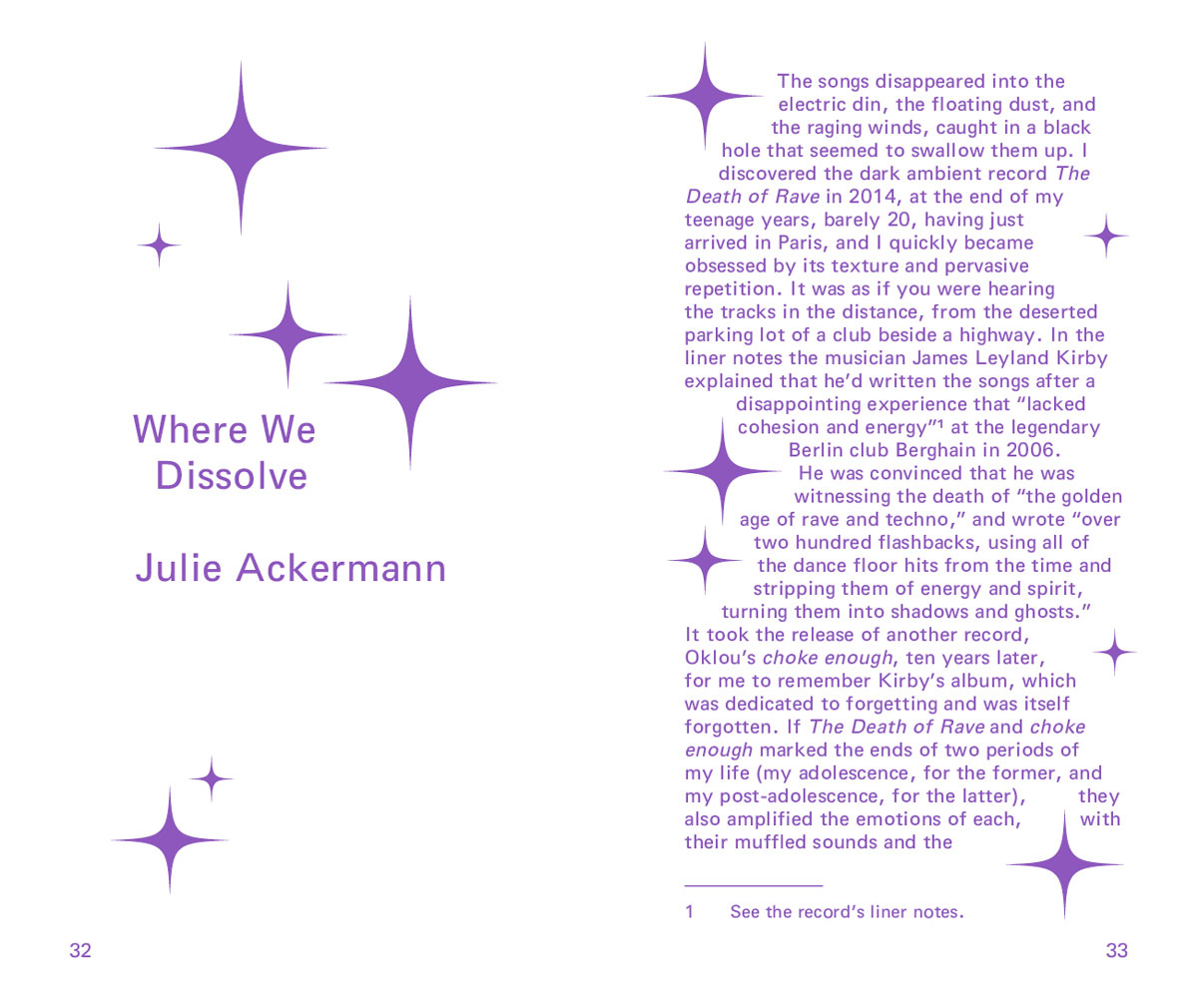
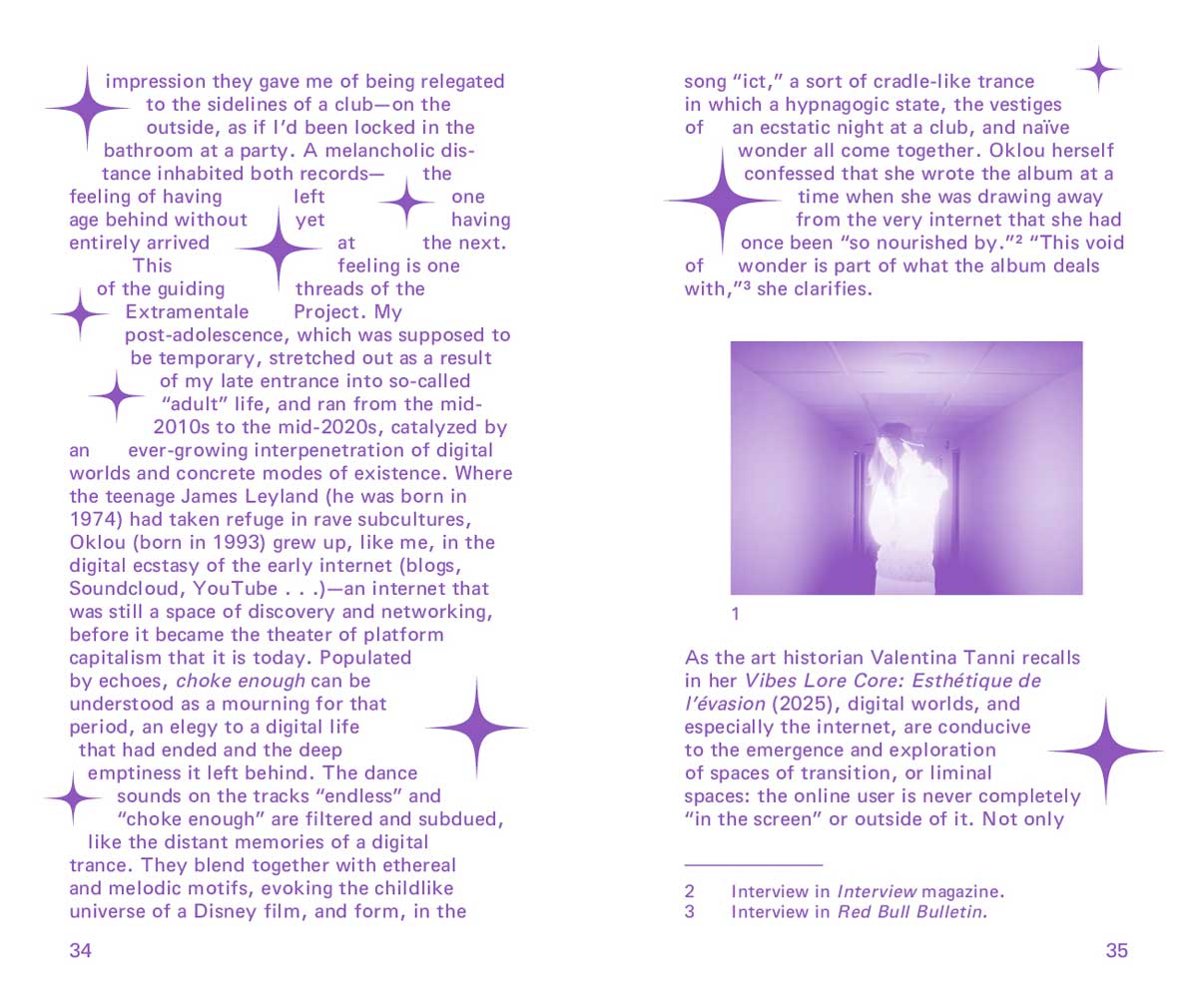
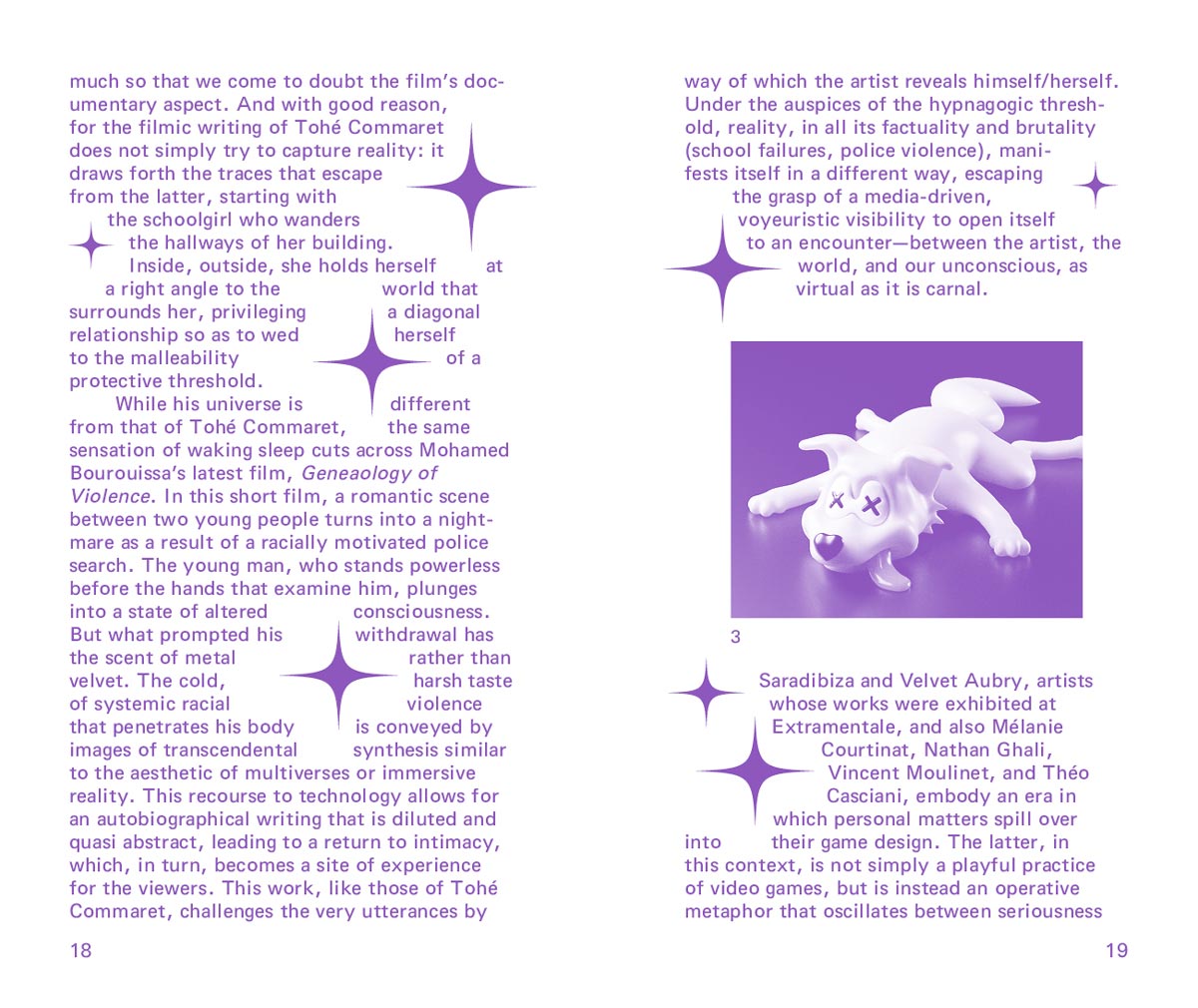
The essays by Julia Marchand and Julie Ackermann examine manifestations of adolescence that draw on gaming, hypersensitivity, and intermediate states of consciousness as a perceptive resource and where contradictory attitudes shape the many dimensions of today’s artists-adolescents. Anya Harrison, with her incisive critical voice, explores moral panics and literary extremity in a time when society’s fetishization of adolescence continues to generate intense debates. Giulia Mariachiara Galiano, writing from her perspective as a Venice-based curator, traces the limits and contours of the “girl online,” reflecting on digital subjectivities staged out by artists of her generation. Morgan Labar argues that adolescence as the territory of our concerns is no longer the preserve of masculine compulsions of infantile provocations; Labar, author of In Praise of Dumbness: Regression and Superficiality in the Arts Since the Late 1980s (Les Presses du réel), also signs the foreword to this anthology.
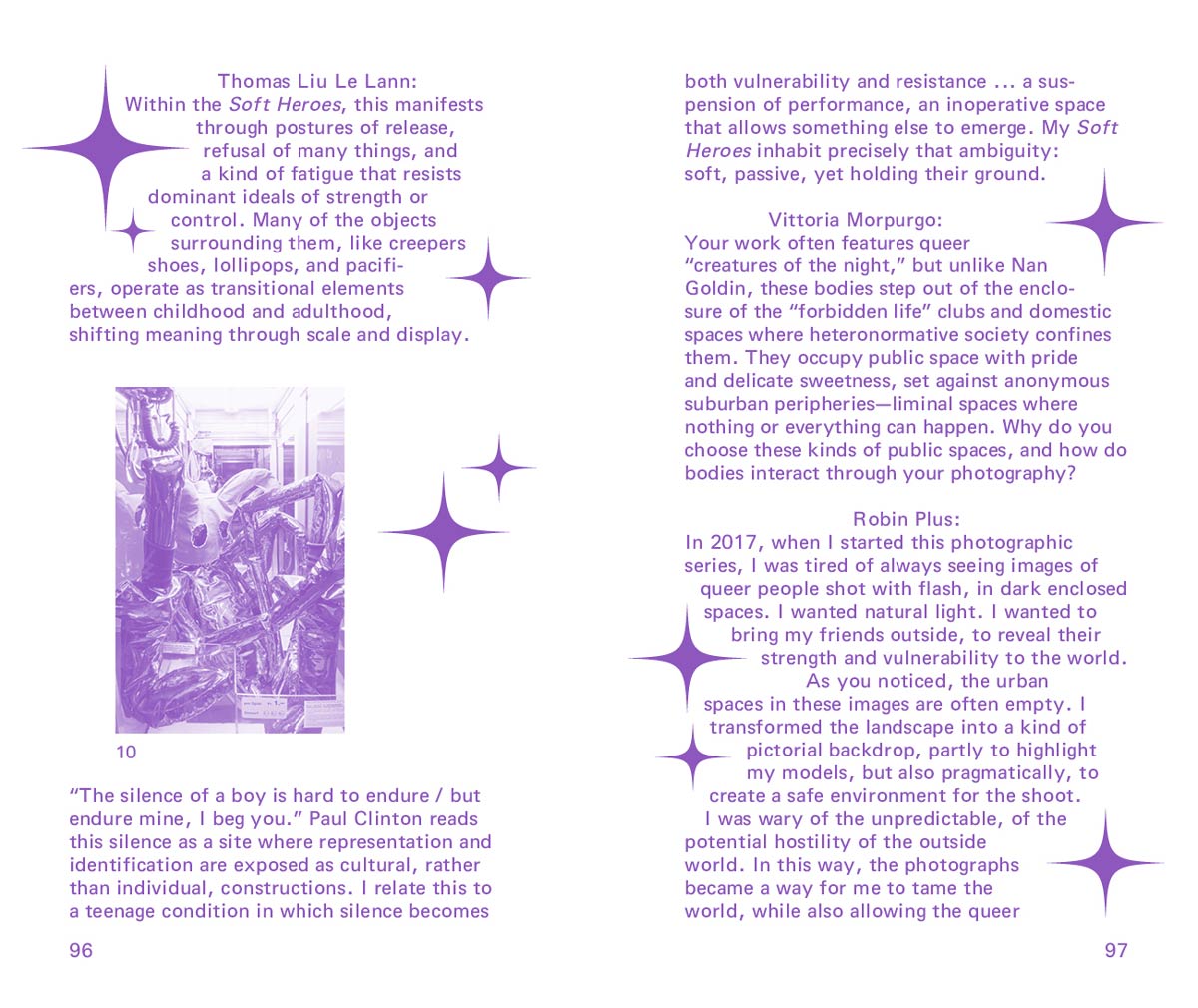
Adolescent artists of the Extramentale program and beyond contributed to this publication by sharing their words on the many dimensions of the adolescence: Robin Plus, Gaia Vincensini, Raphaëlle Serre, Linda Voorwinde, Tohé Commaret, Louise Nicolas de Lamballerie, Caroline Poggi, Jonathan Vinel, Kevin Blinderman, Mohamed Bourouissa, Michal Novotný, Laura Owens, Magda Szpecht, Thomas Liu Le Lann, Velvet Aubry, Arnaud Dezoteux, Prune Phi, Alban Diaz, Ant Łakomsk, Liselor Perez, Francesca Grilli, Camille Aleña, Joanna Kordjak, and Katarzyna Kołodziej-Podsiadło; interviewed by Venice-based researchers Cecilia Larese, Vittoria Morpurgo, and Julia Marchand.