A book emerged from the need to try to tell the story of architecture in a way quite unlike how it’s usually told, in a continuous dialogue between the anthropological gaze of Armin Linke’s photos compared with the ideation process of two public works by the Carlana Mezzalira Pentimalli architecture office.
The book documents and brings together two exhibition projects by Nina Canell and Maria Hassabi. Essays, unpublished materials and a rich set of photographic materials form the driving force behind two visual narratives that offer new keys to understanding the research of the two artists.
Can art, literature, filmmaking, and music draw out, make visible, legible, audible, or even contestable the patterns in which our lives are held? Considering the work by Stan Douglas, Harun Farocki, Ingri Fiksdal, Åke Hodell, Stefan Panhans & Andrea Winkler, Susan Philipsz, and Elizabeth Price, this publication entertains this question.
This new major monographic publication on the Ghanian artist documents the work that transformed sites and repurposed buildings in his native town of Tamale to transformative outcomes rooted into the idea of art as a tool of understanding, rebalancing, and advancement.
For life and limbs, Austrian artist and curator Anna-Sophie Berger has assembled a group of works, from Arakawa and Gins to Lyle Ashton Harris, that register the body as a habitat that can be imaginatively stretched, altered, modified, adorned, replicated or destroyed.
This two-volume catalog, curated by Andrea Bellini and the New York-based collective DIS, is the outcome of the 2021 edition of the Biennale de l’Image en Mouvement (BIM’21), presented at the Centre d’Art Contemporain Genève.
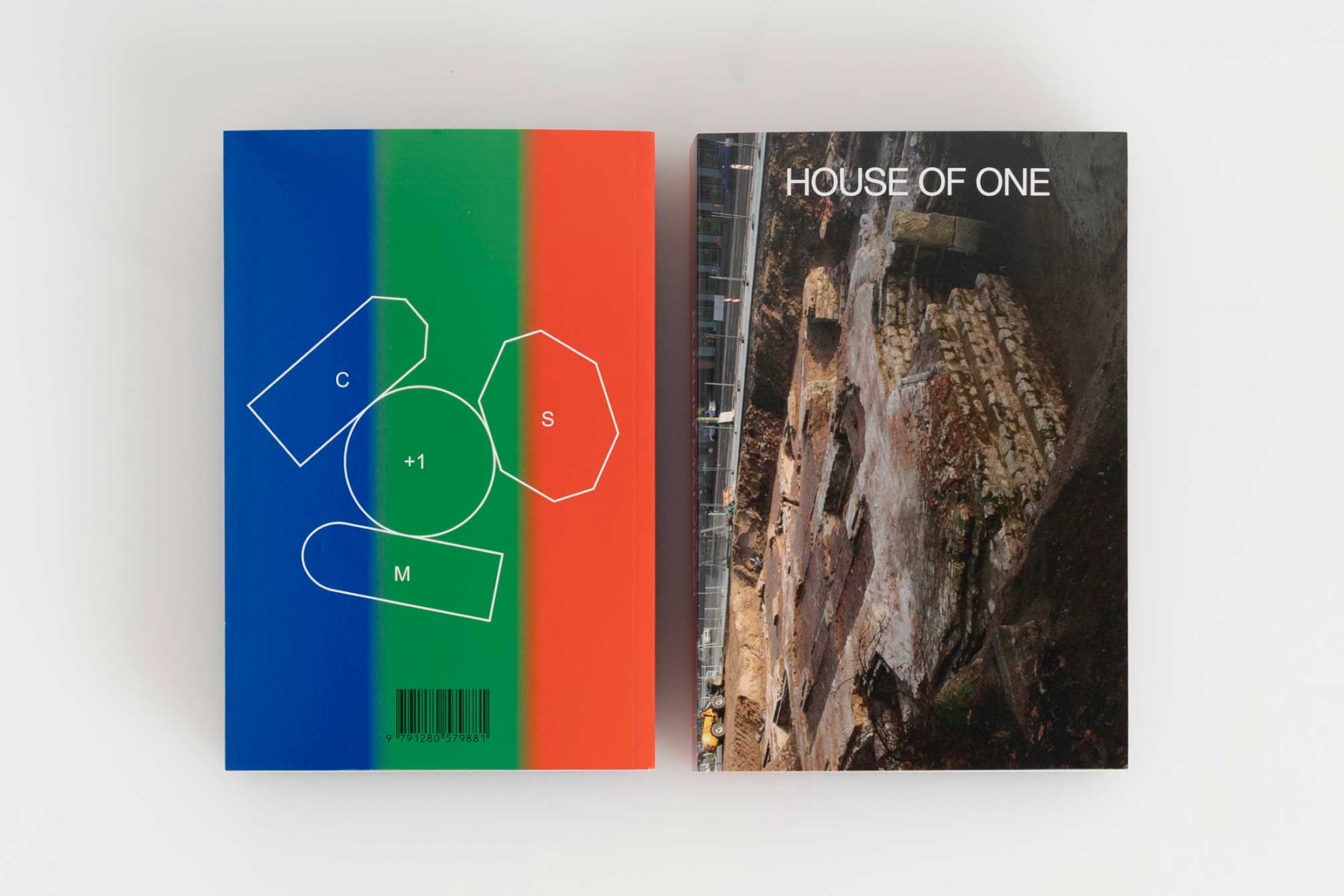
Edited by Kuehn Malvezzi
Designed by Something Fantastic
2025, English, softcover, 14.5 x 21.5 cm, 416 pages
ISBN 979-12-80579-88-1
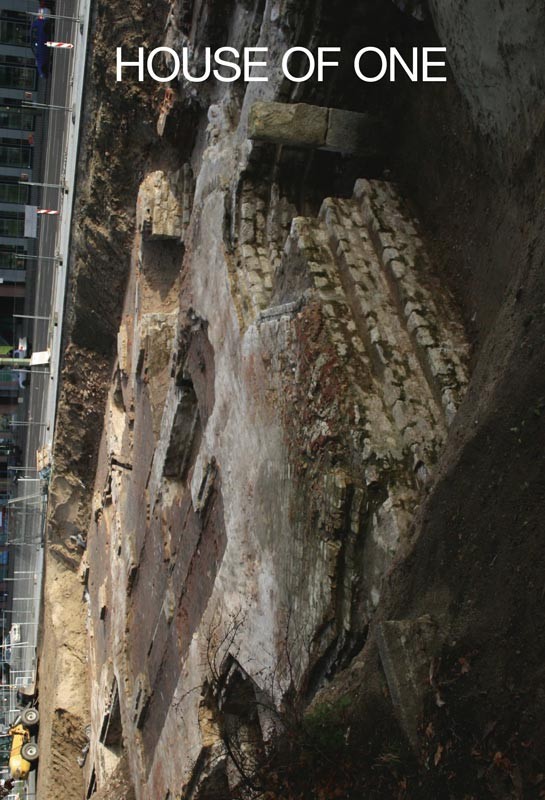
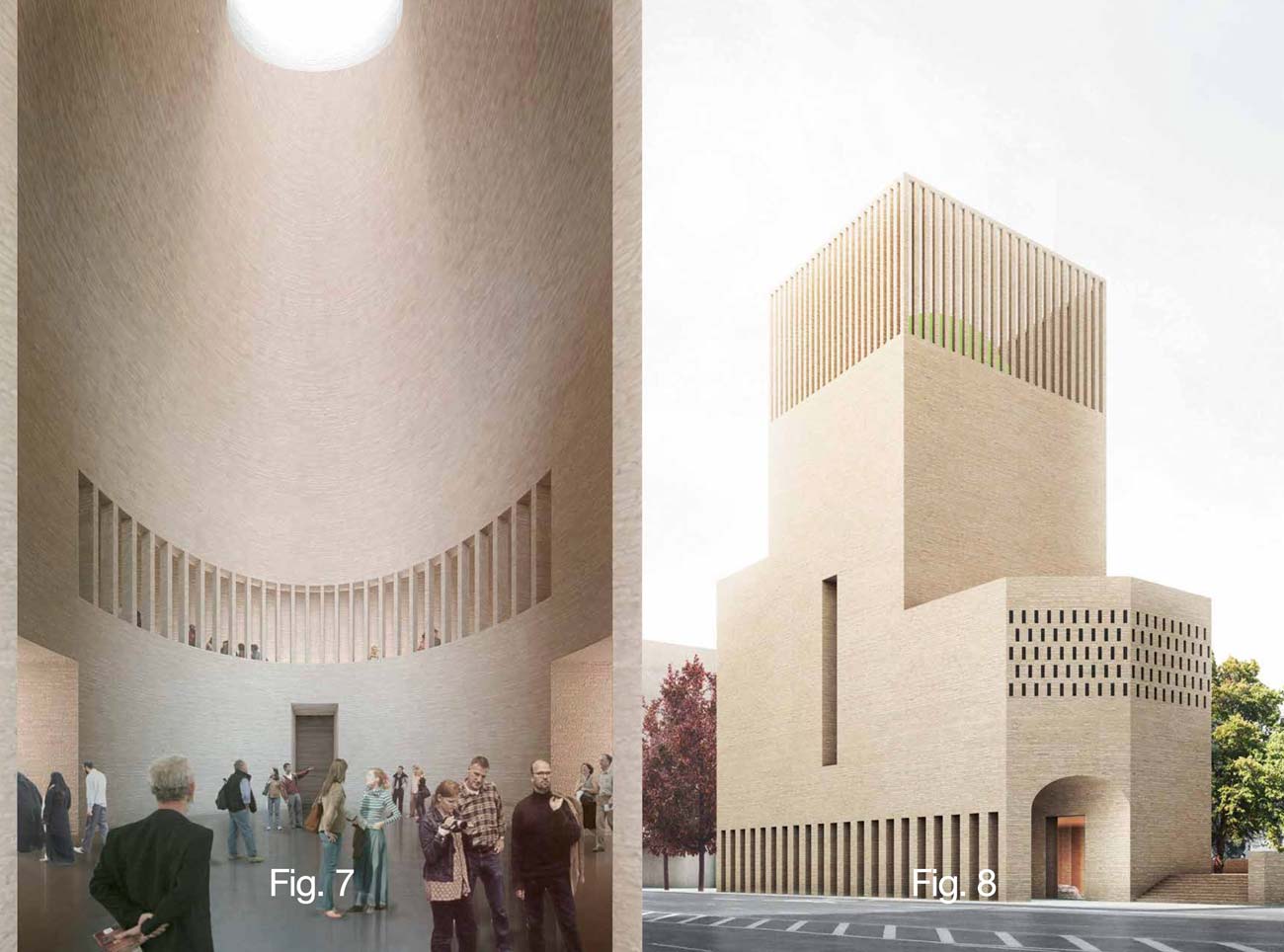
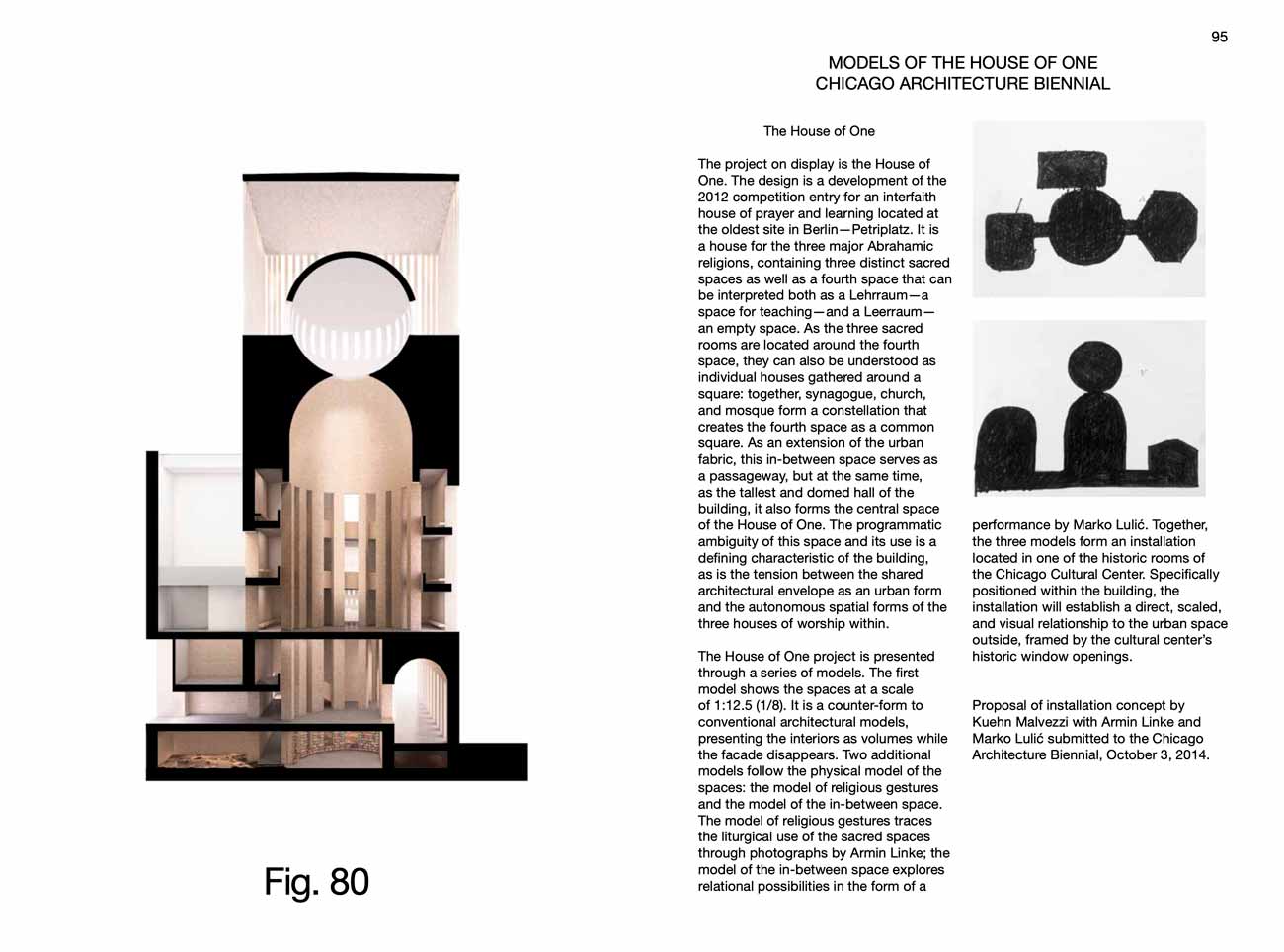
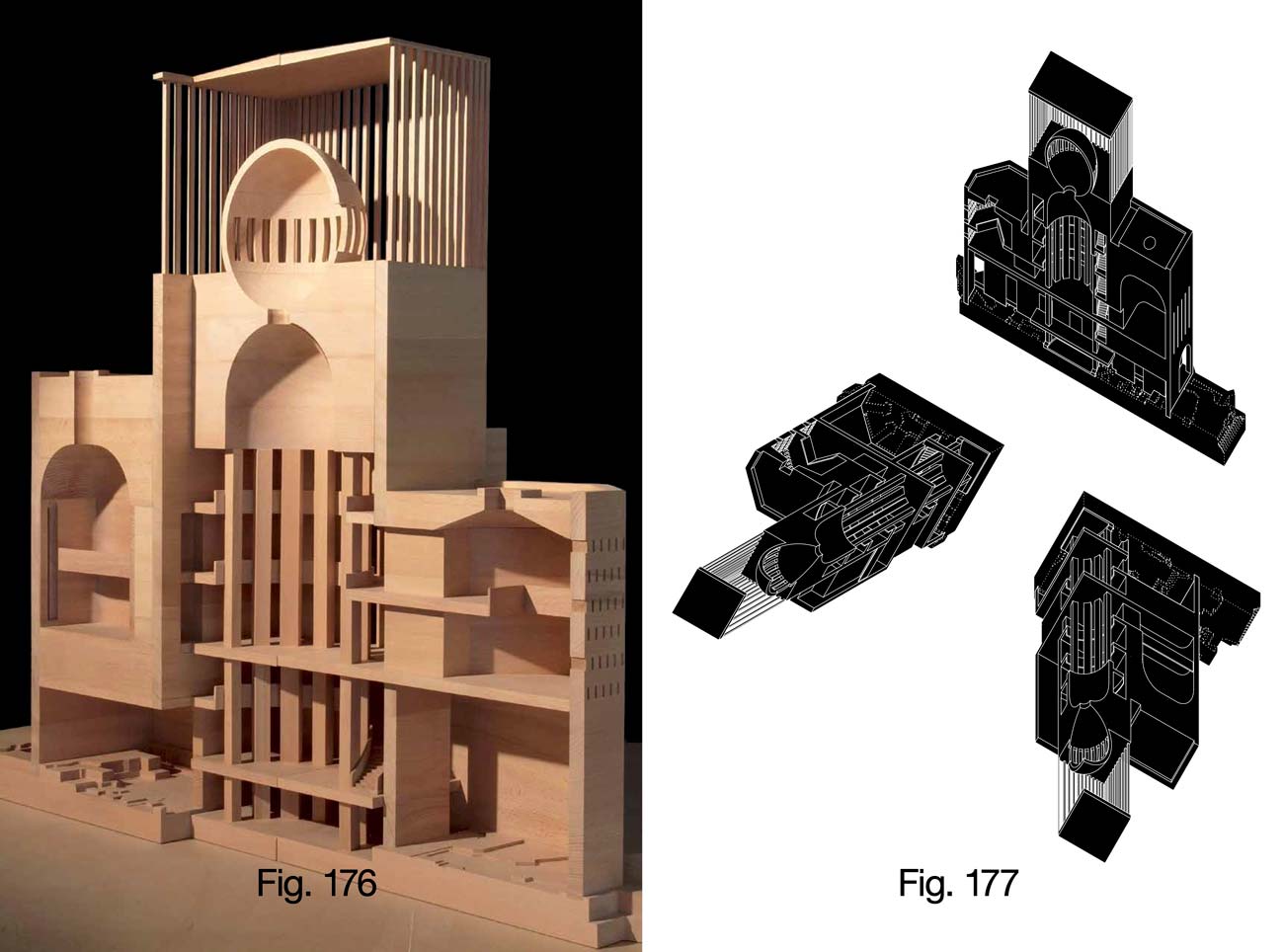
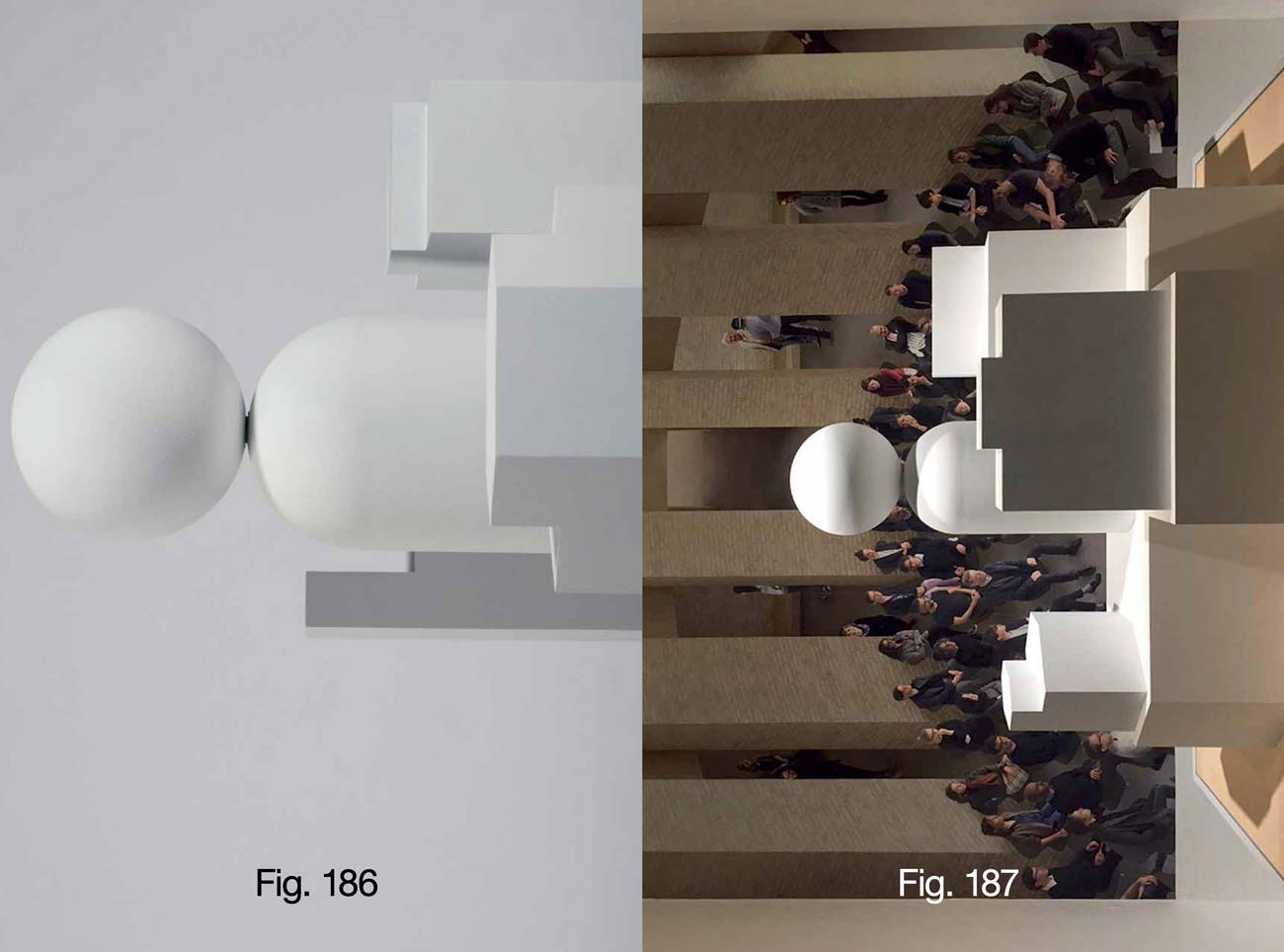
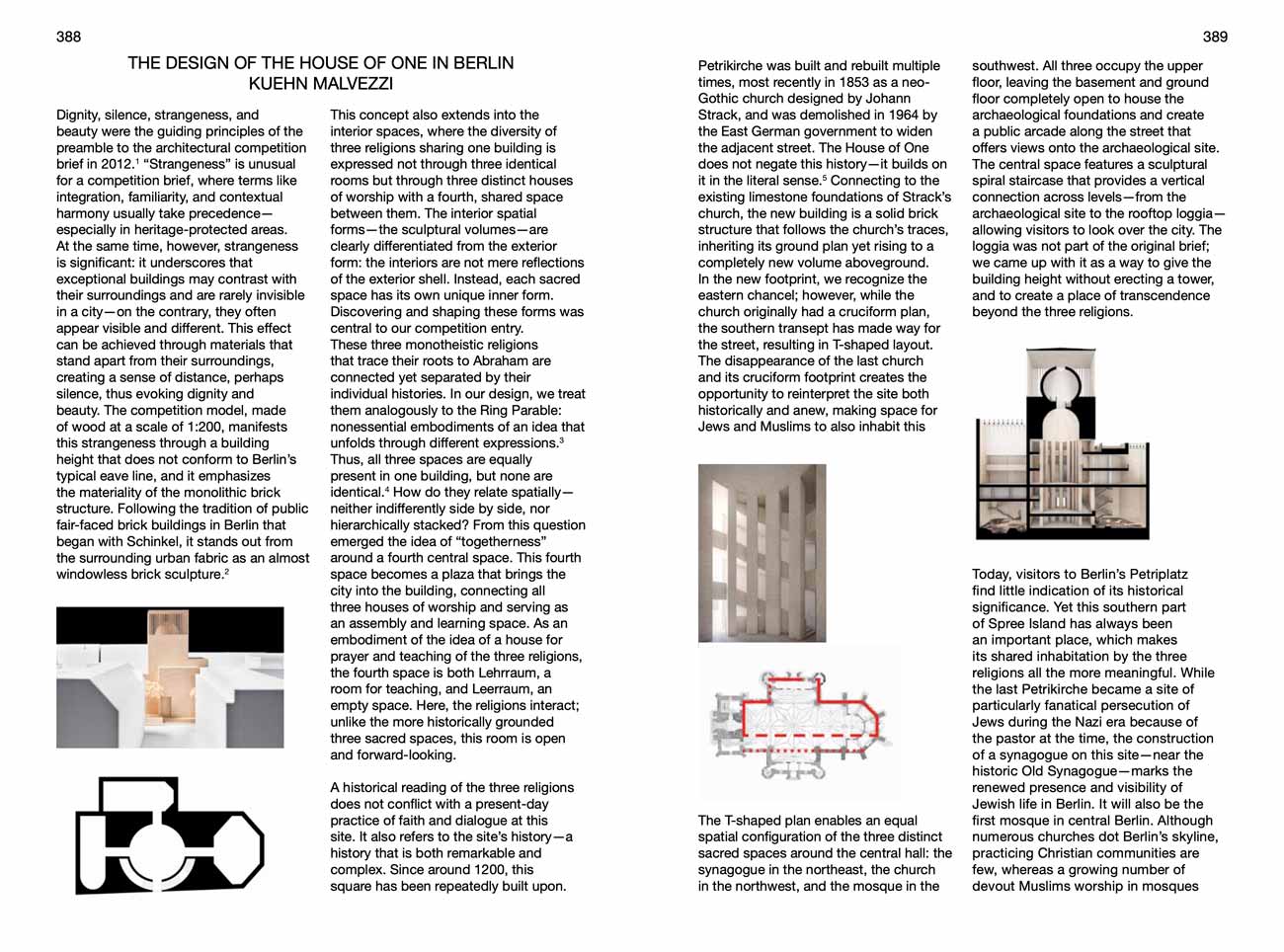
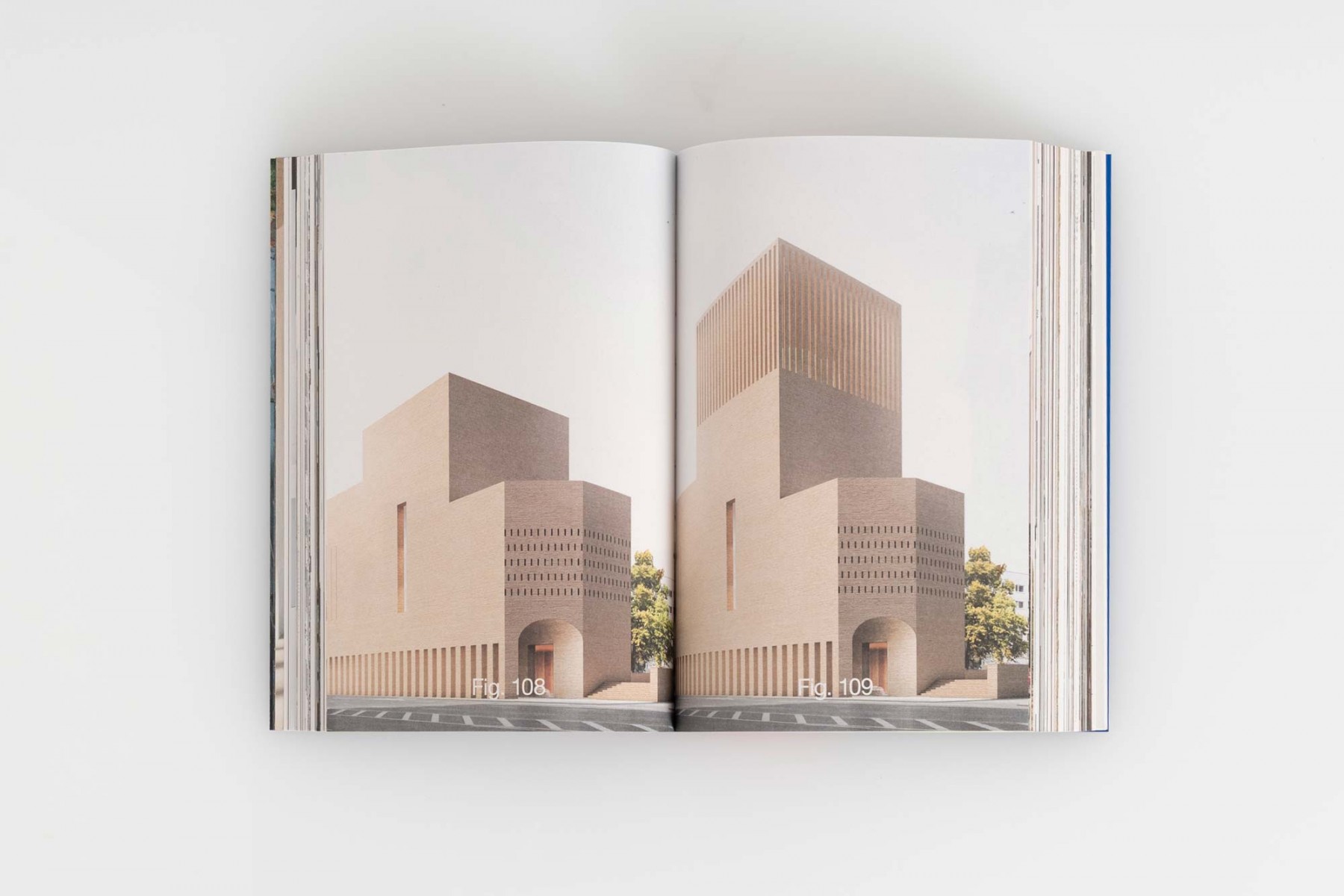
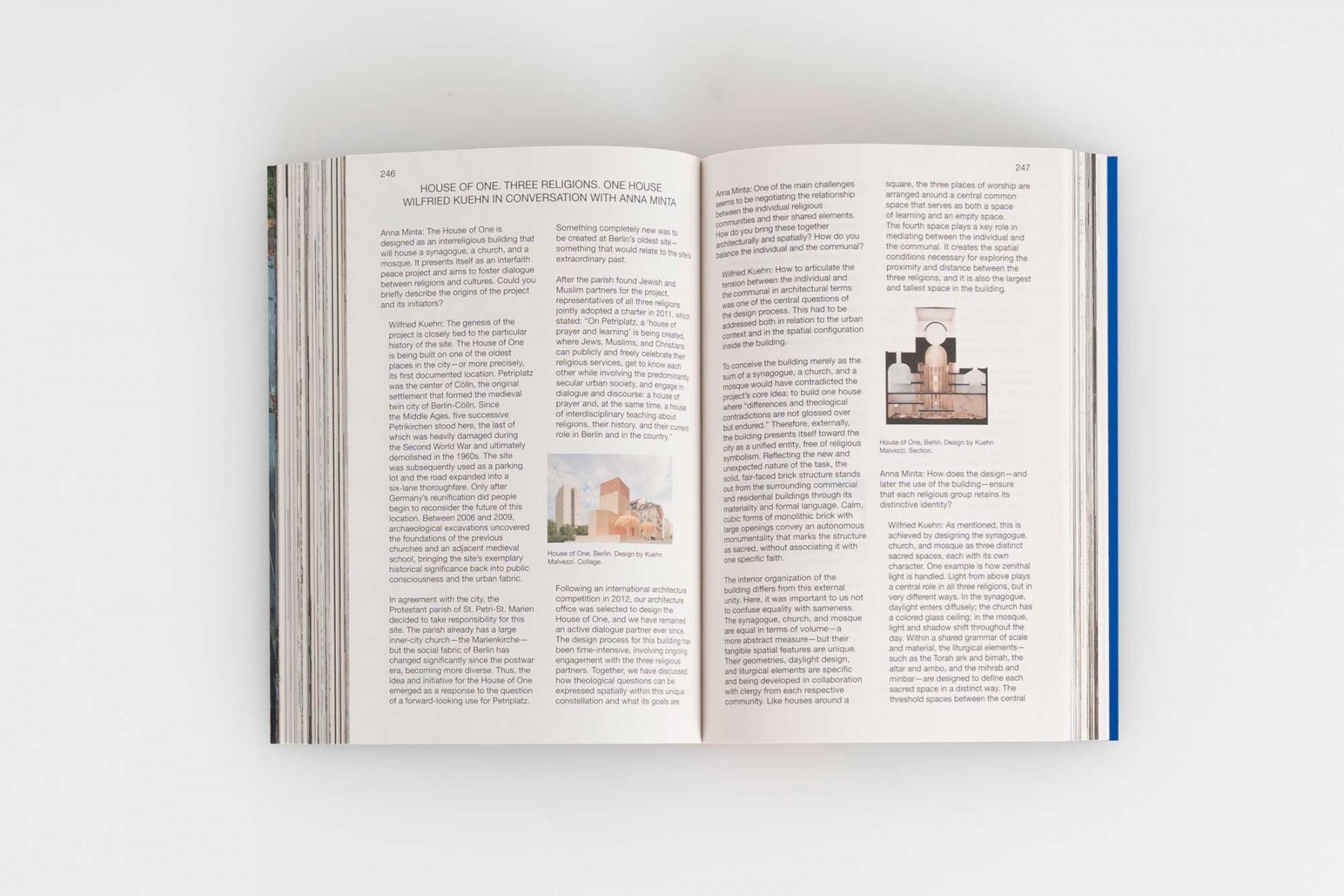
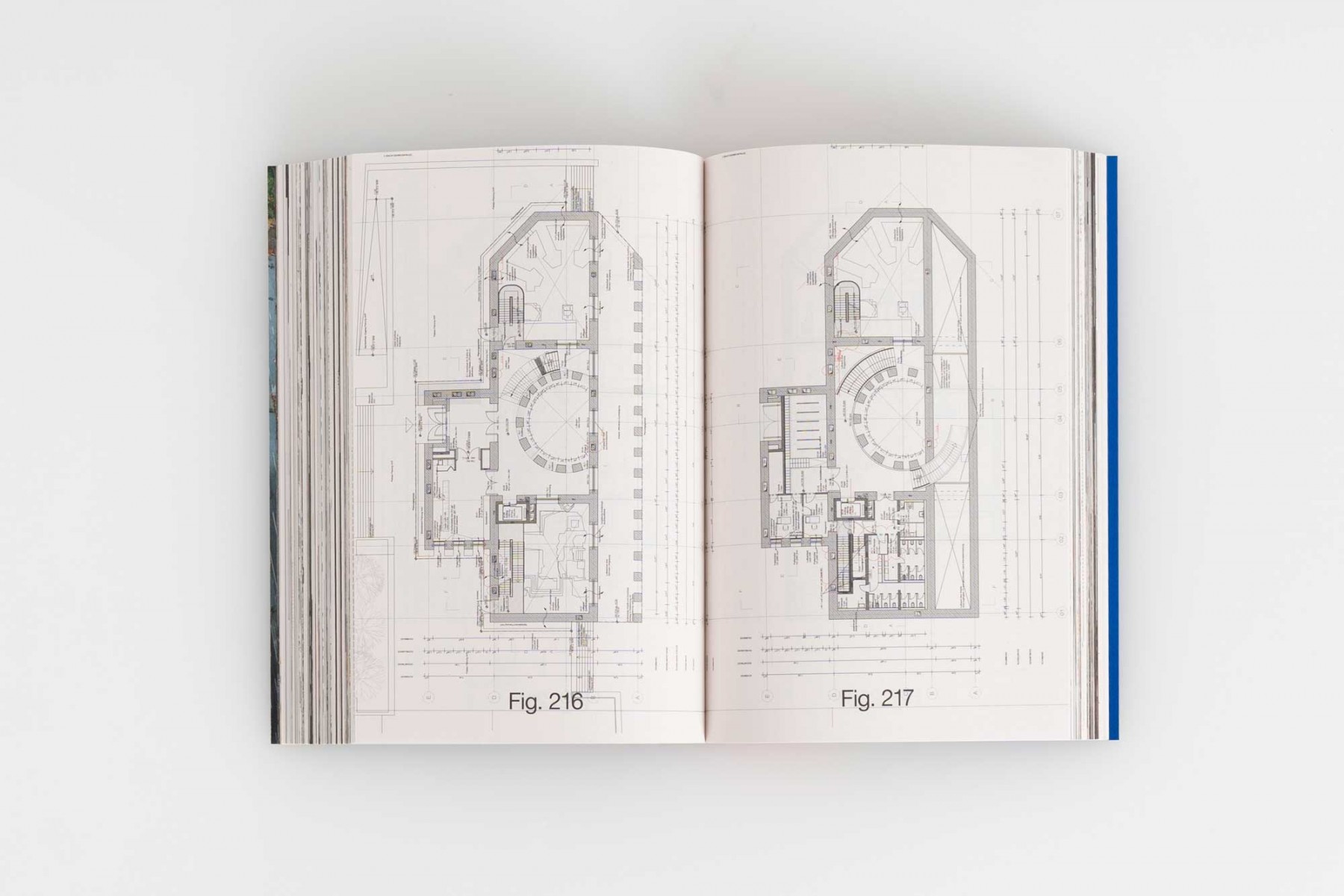
The House of One is a bold proposal by three local communities to build a house of prayer and learning for Jews, Christians, and Muslims in central Berlin. The design, which was the result of an international competition won by architects Kuehn Malvezzi in 2012, is to be built on the existing foundations of St. Petri Church, the first documented site in Berlin’s history. The concept of the House of One is based on dialogue and an understanding of other faiths. As well as being a place of worship, it will be an educational center open to everyone. The sequence of spaces follows the principle of multiplicity within unity and heterogeneity within a single building. Although their rituals are different, coming together around a central hall in one building aspires to the universal.
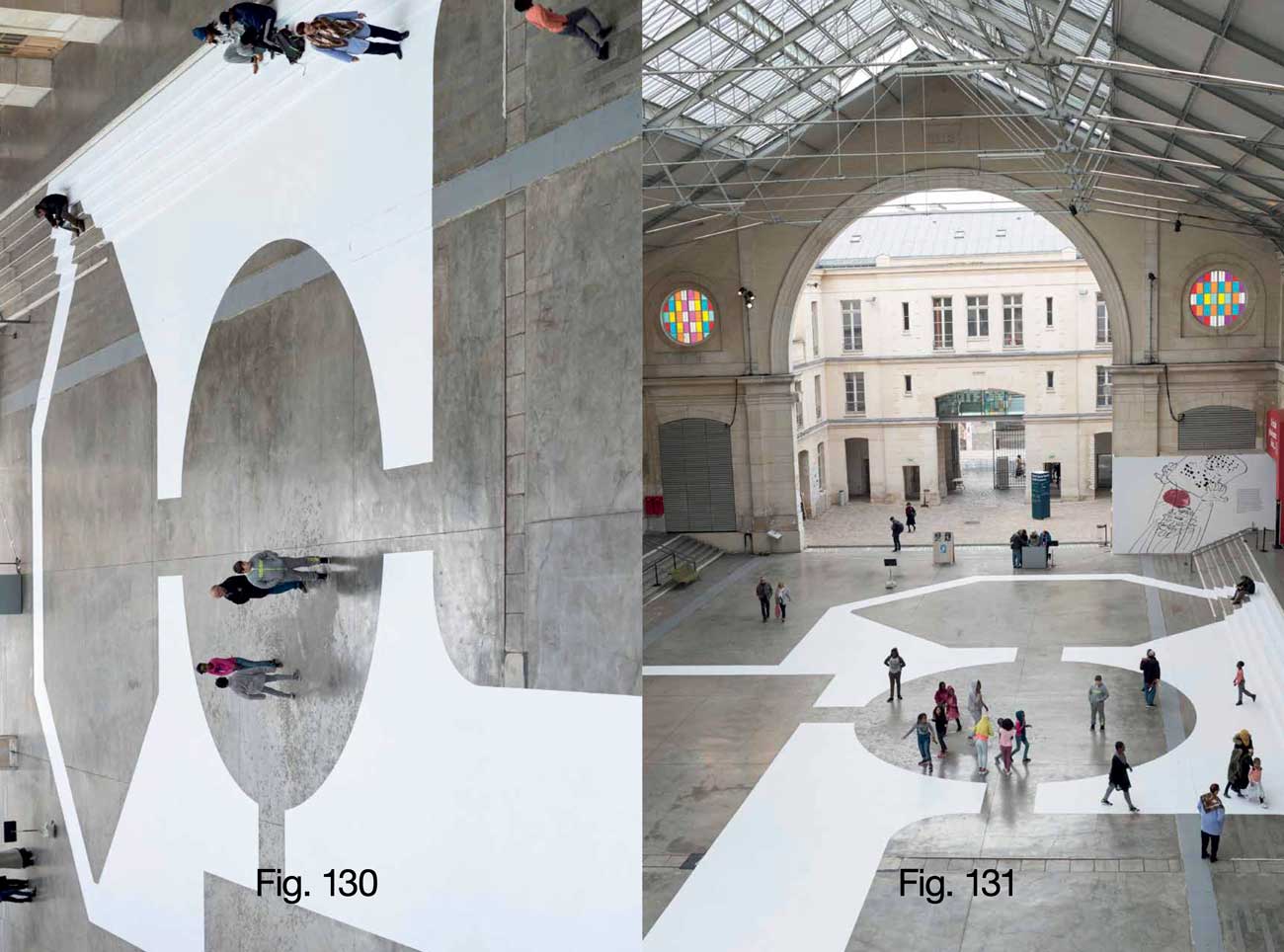
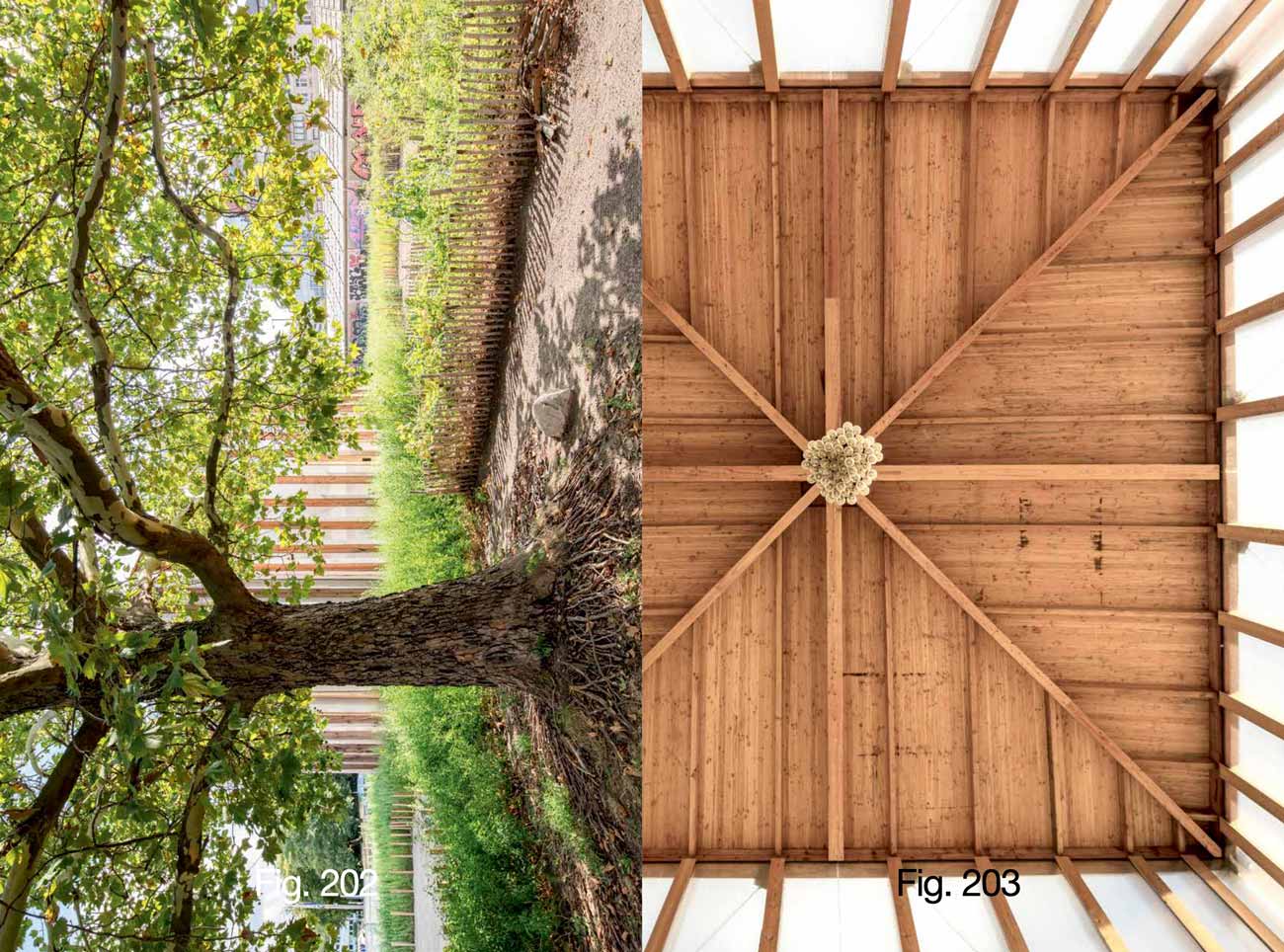
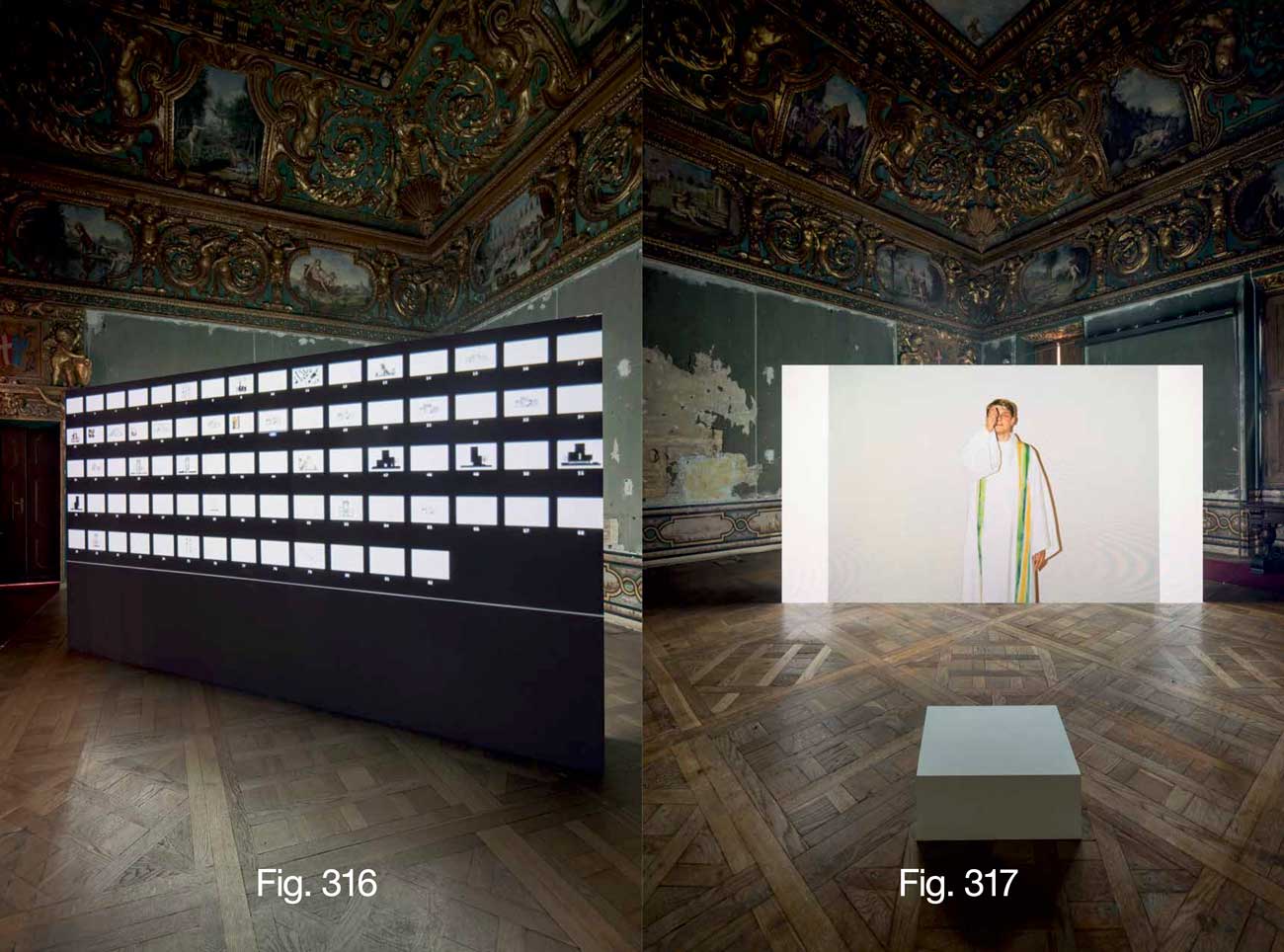
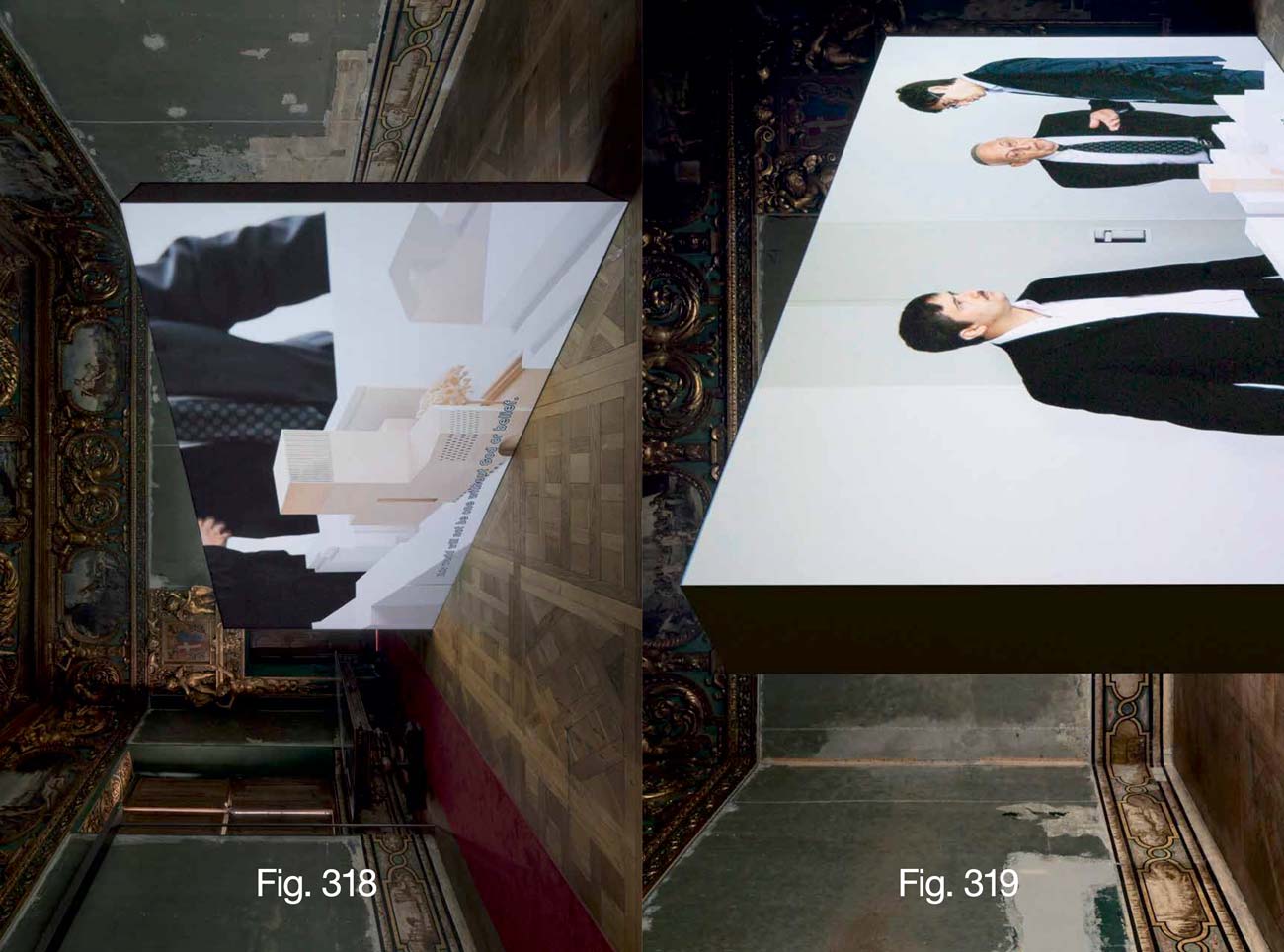
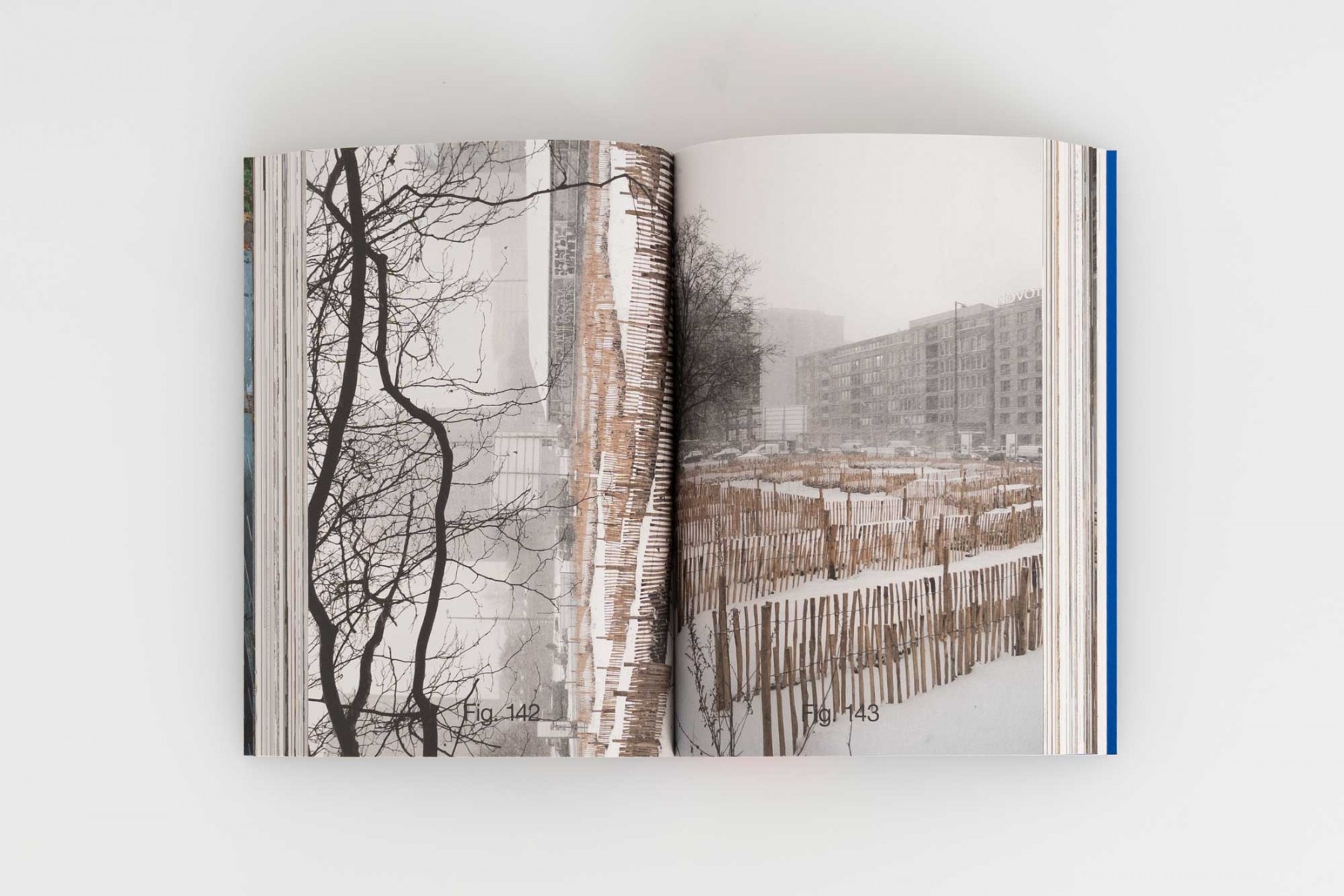
The dynamic relationship between the specific and the universal informs its architecture as a hybrid monument. Since 2012, the project has attracted considerable interest due to its uniqueness and complexity. It has been featured in numerous international exhibitions, including the Chicago Biennial and the Venice Biennale. A wooden model of the House of One is included in the collection of the Victoria and Albert Museum. This book traces the project’s development to the present day and includes details of exhibitions, articles, and contributions from artists who have interpreted the House of One through videos, photographs, and performances.