First Meeting is the first monograph on Argentinian artist Santiago de Paoli. From his early, experimental projects to his most recent explorations, the book delves into his innovative approach of painting on unconventional materials. The book features commissioned essays by Fernanda Brenner and Mariano Mayer, as well as a conversation between Christian Rattemeyer and the artist.
Infinite Memory is Caroline Poggi and Jonathan Vinel’s first monograph, co-published with Fondation Cartier pour l’art contemporain and Lenz. Like a memory card, the book stores information about a selection of films from the initial decade of the artists’ practice. Considered as an object, much like a piece of hardware that stores digital memory, the book offers the possibility to scroll infinitely, with no beginning or end.
Through the words of the sound artist and theorist Brandon LaBelle, the book explores the social and relational component of sound that gave rise to Benevolence, the site-specific project by Sonia Boyce. The Joy of Cacophony is the second book in a series of essay collections inspired by the site-specific projects conceived for GAMeC at Palazzo della Ragione.
Consisting of a richly illustrated booklet and a record vinyl, this special release accompanies the performative sound-based project A Comparative Dialogue Act by artists Andrea Mancini and the collective Every Island, hosted in the Luxembourg Pavilion at the 60th Venice Biennale.
Conceived as a catalogue and an artist’s book, the publication offers a deeper insight into the eponymous 2022 exhibition staged at Indipendenza Roma, and explores tensions that can be generated between artworks and their surrounding architectural context, raising questions of taste, value, function and decoration.
The practice of Tomaso Binga (Bianca Pucciarelli Menna, 1931) toys with the notion of gender, reconsidering women’s social roles and rights. This monograph, edited by Eva Fabbris, Lilou Vidal, and Stefania Zuliani, analyses her work through various languages and features a selection of poems, highlighting the author’s critical and artistic approach.
Edited by Simon Castets and Salome Hohl
Texts by Salome Hohl, Laura McLean-Ferris, et al.
Designed by Dan Solbach
2022, English, hardcover, 128 pages, 17.5 x 24 cm
ISBN 979-12-80579-36-2
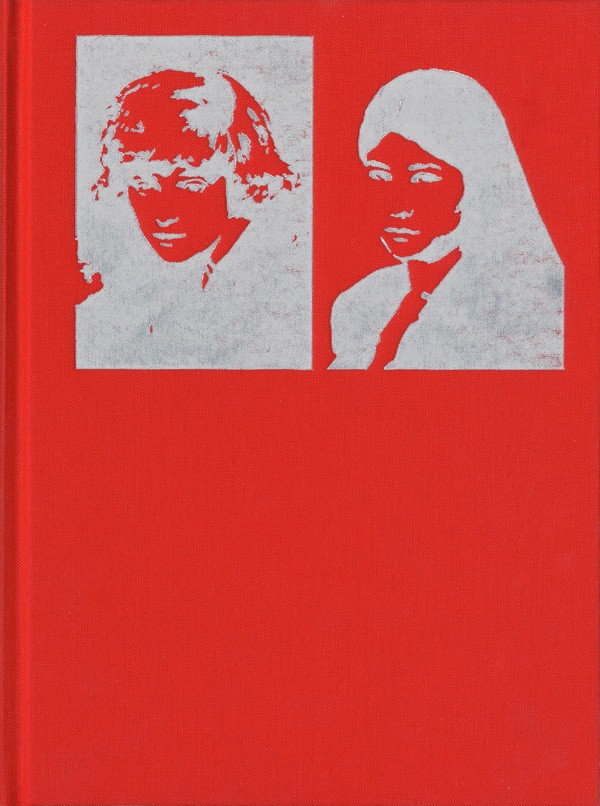
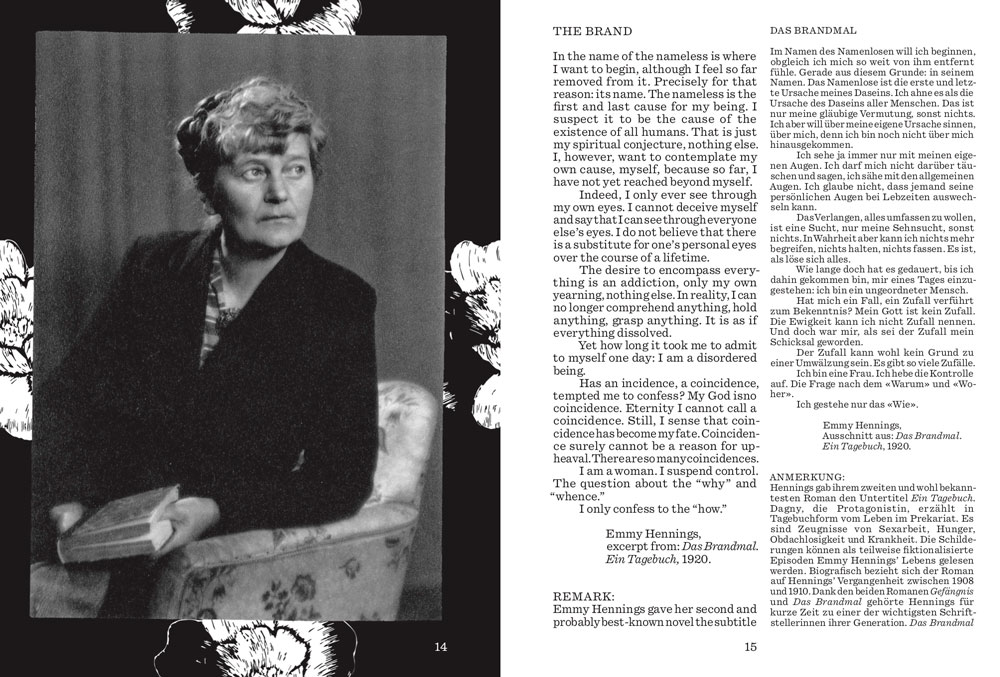
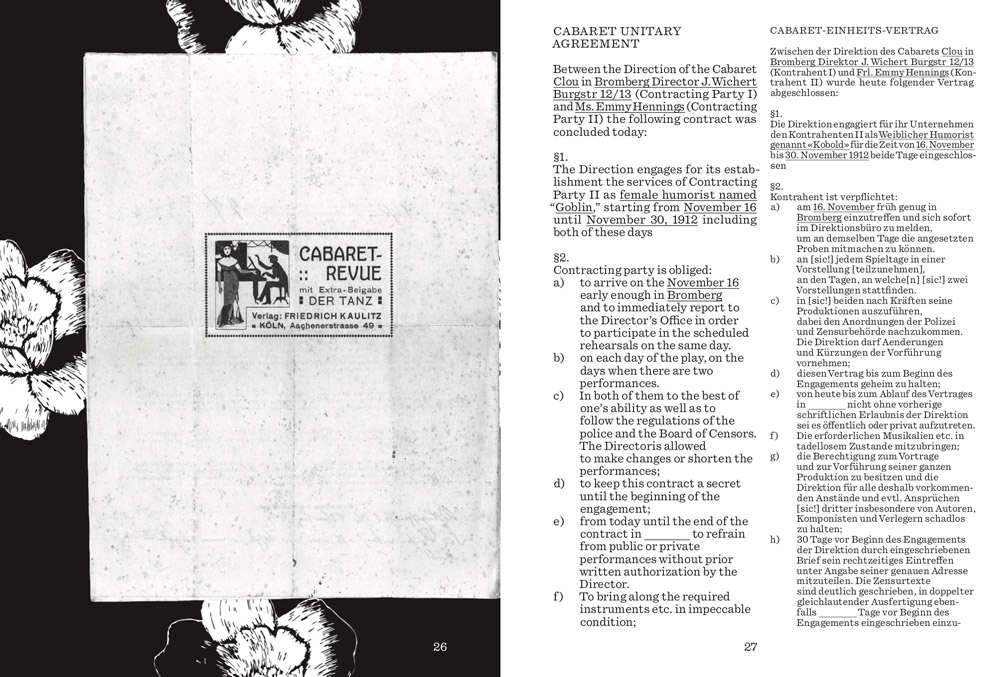
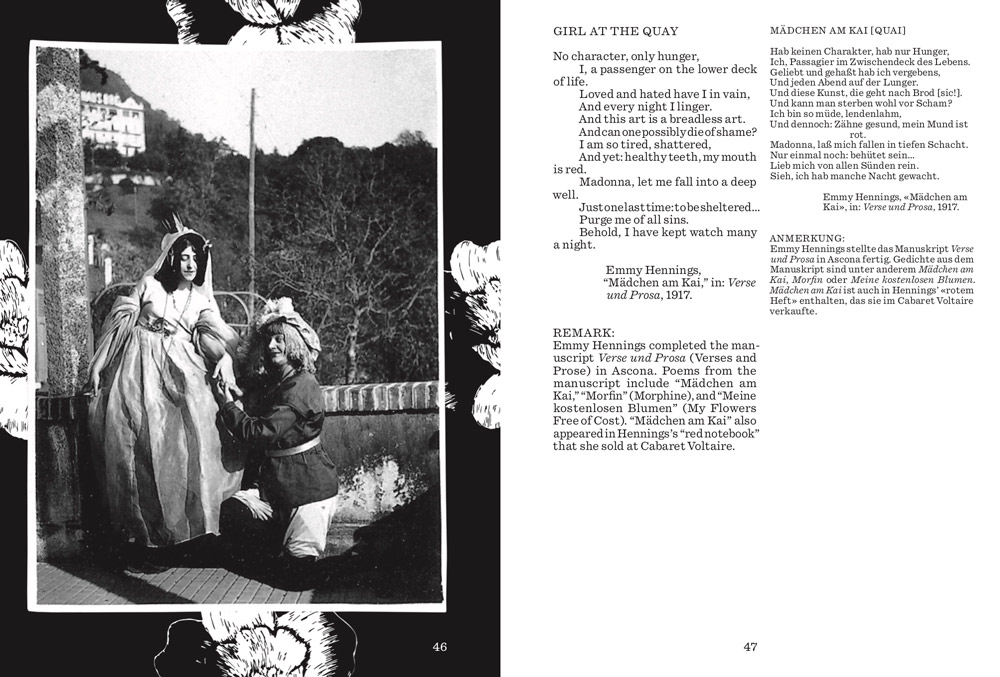
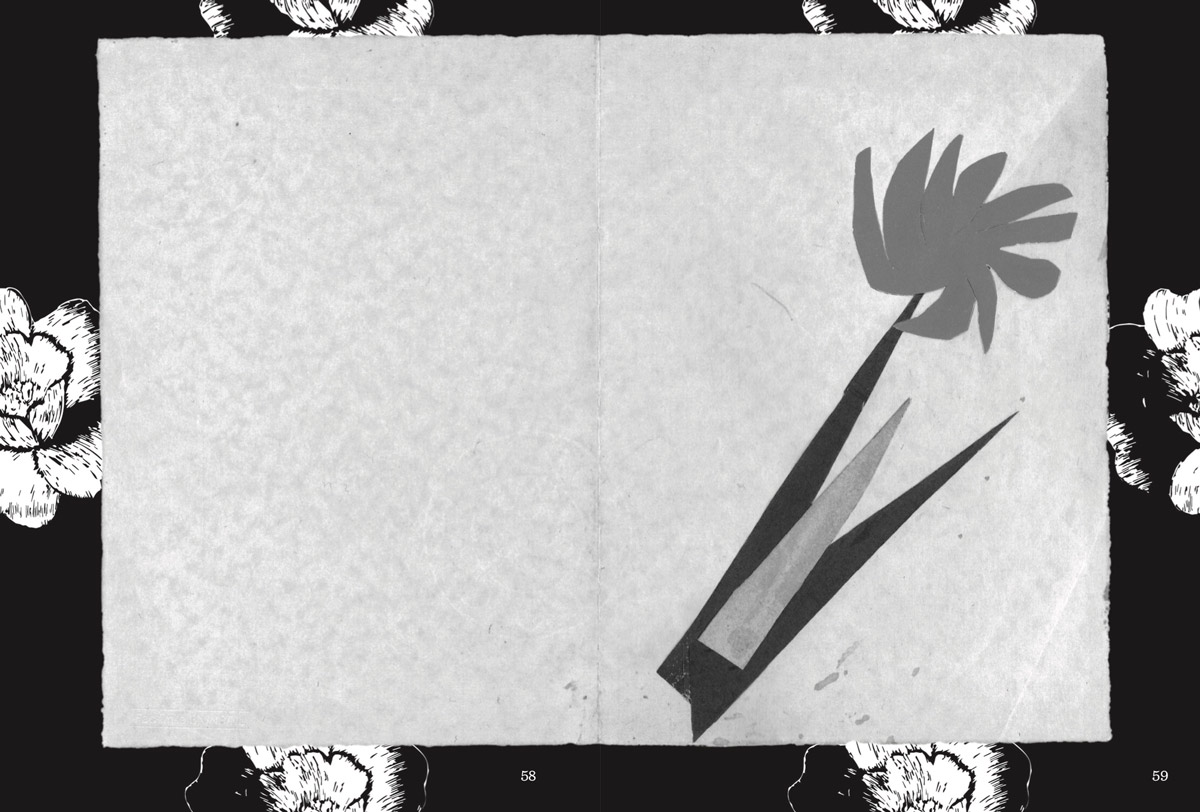
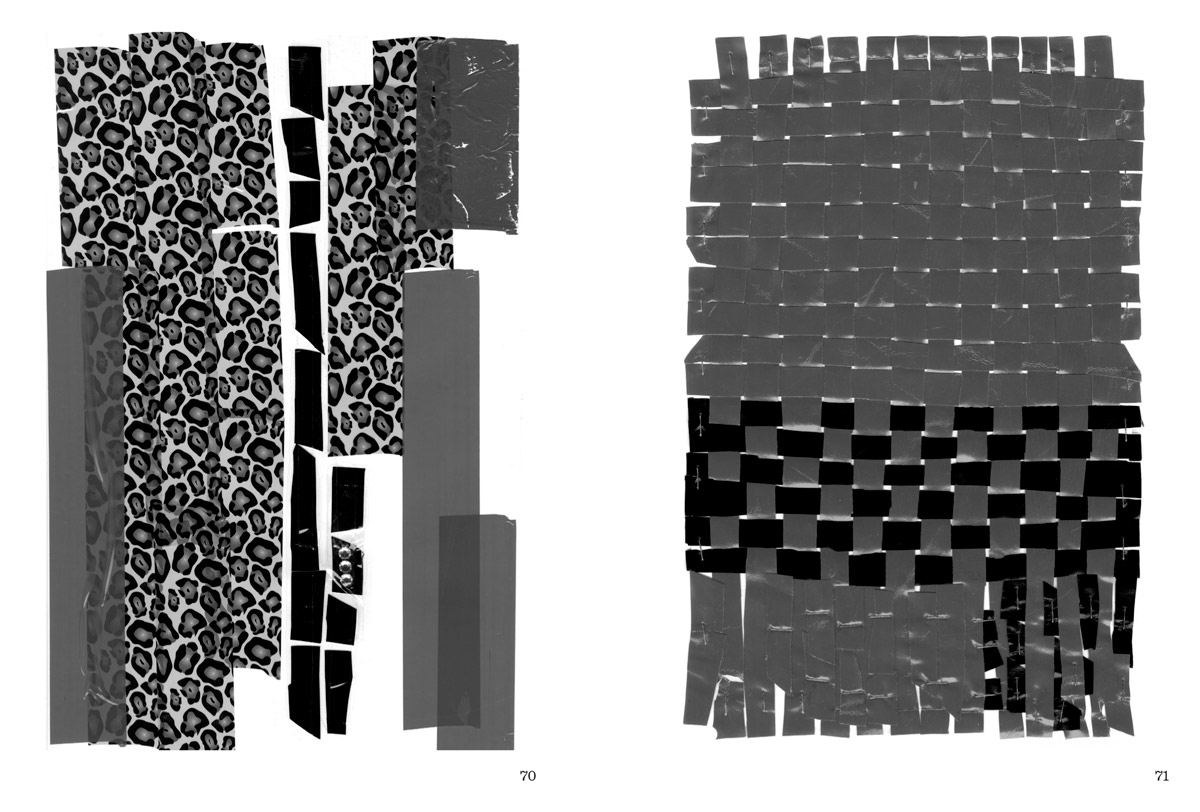
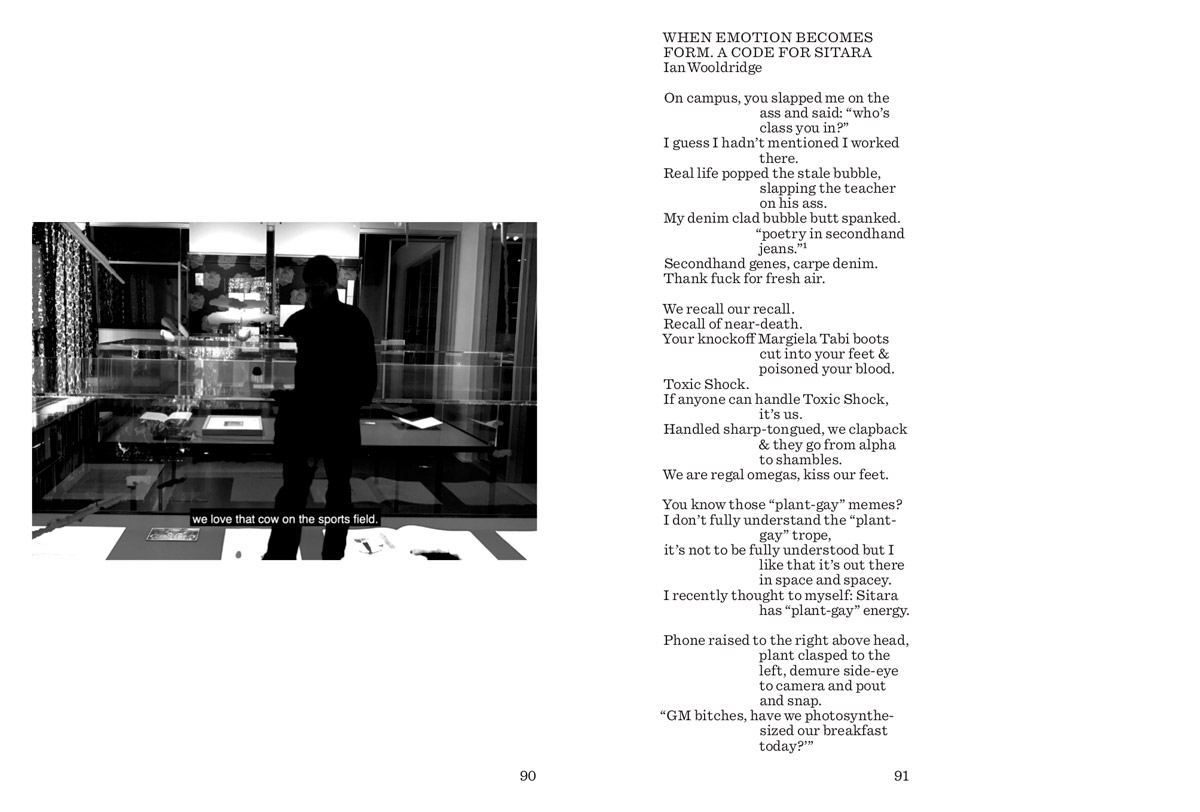
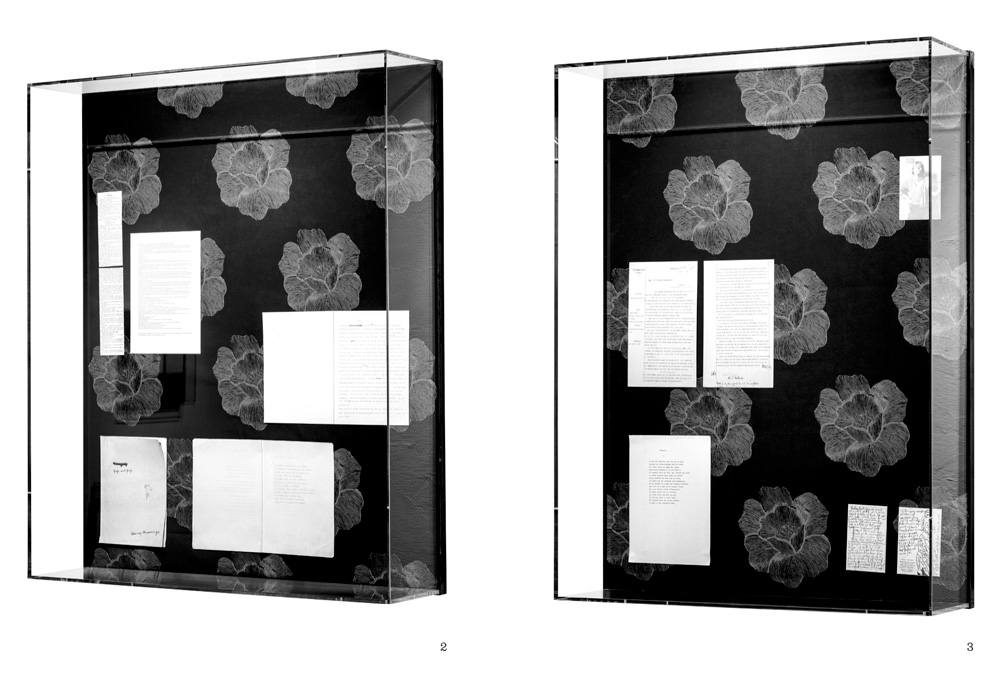
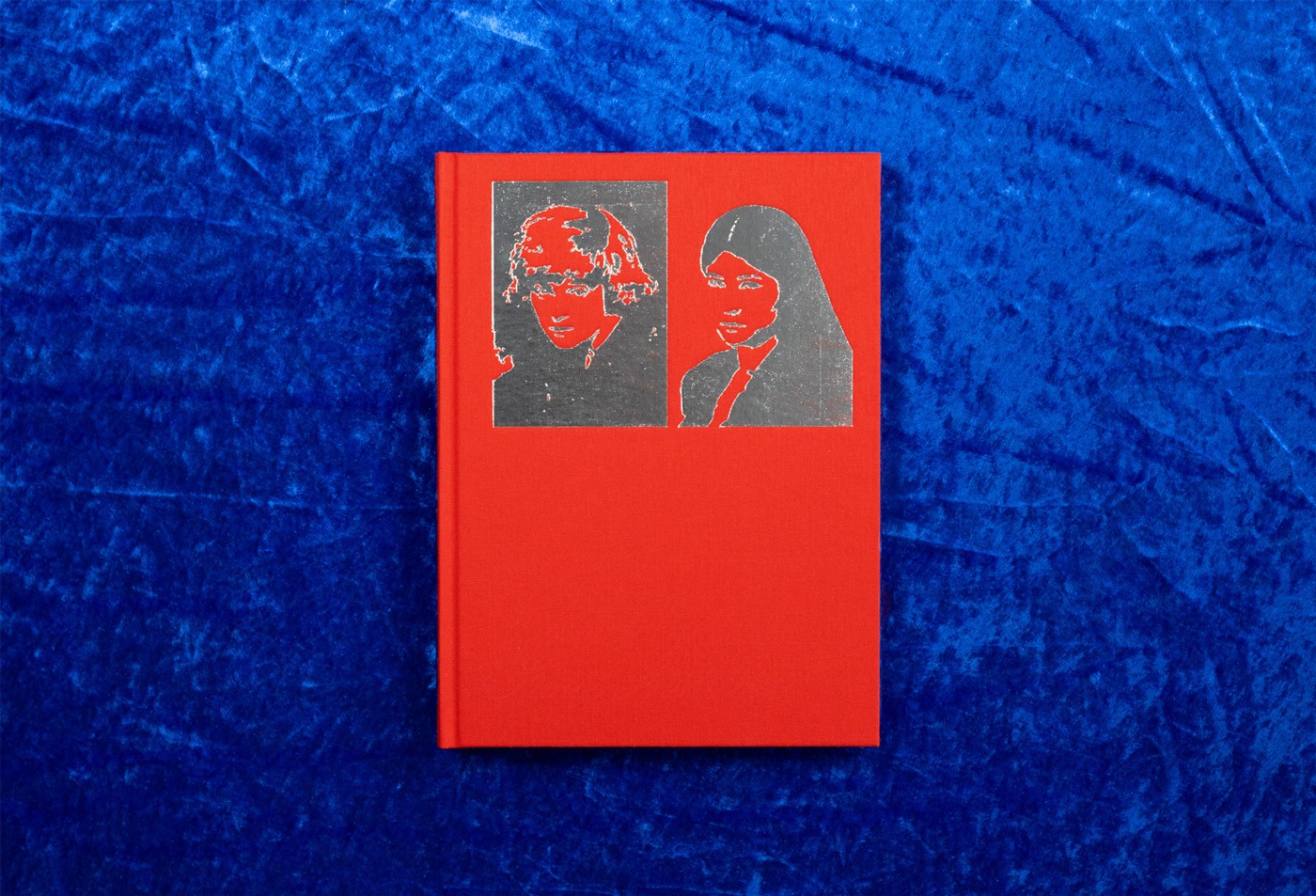
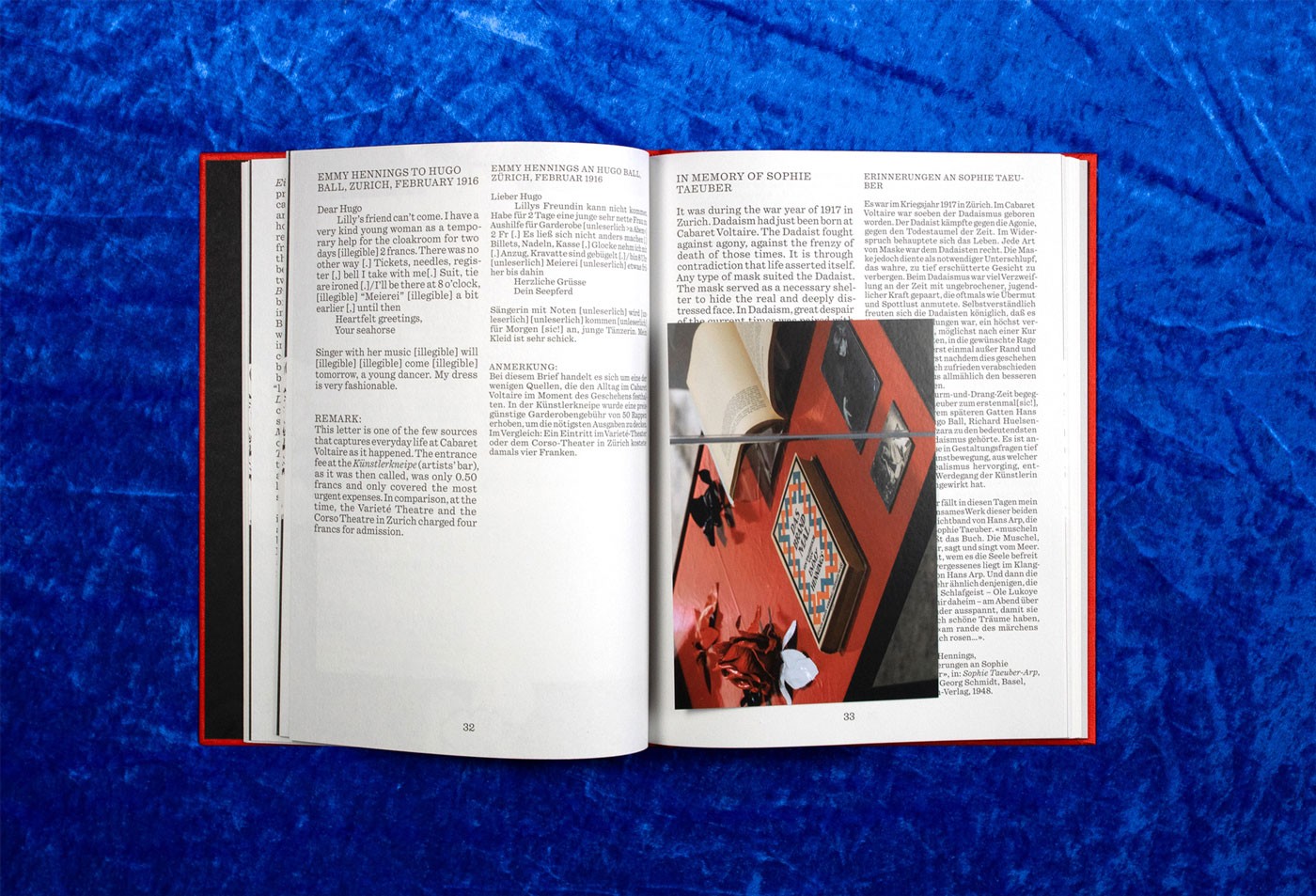
As a cofounder of Cabaret Voltaire in 1916, Emmy Hennings, with her partner, the Dadaist Hugo Ball, is recognized as having established and environment for collective experimentation. This book gathers an extensive collection of Hennings’s writings, ephemera, and art, to give shape to a practice and an individual so ofter flattened for the sake of art historical narrative. In the exhibitions held at Cabaret Voltaire and at the Swiss Institute in 2020, Sitara Abuzar Ghaznawi made evocative displays that created space for a deeper engagement with Hennings’s life and art. For this publication, she has made new collages, combining found materials and working tools such as adhesive strips, supplemented by graphic gestures and subjective indexes such as cigarette butts. By bringing the Hennings archive into dialogue with her own work, Ghaznawi considers the manner in which an individual’s multiple identities guide the accumulation of personal experience, be they her own or those of a woman she never met. Commissioned on the occasion of her exhibitions, and published together here for the first time, are texts by Ghaznawi’s friends and collaborators Michael Zimmerman, Semuel Lala, Nils Amadeus Lange, Sophia Rohwetter, Ser Serpas, Ian Woolridge, Olamiju Fajemisin, Shamiran Istifan, Timur Akhmetov and Furqat Palvan-Zade.