Maxiprocesso brings together 360 photographs by Maria D. Rapicavoli, one for each of the archival folders documenting the largest mafia trial in history, held in Palermo from 1986 to 1987. The volume explores the relationship between memory, justice, and social responsibility, examining the material element of a landmark event in contemporary Italian history.
This is the first monograph on the influential American choreographer and dancer Trajal Harrell. In an entertaining, far-reaching conversation with curator Daniel Baumann, Harrell covers all of his choreographies and performances, as well as his influences, successes, and failures, addressing how he transforms and transgresses the history of dance.
This book offers the first comprehensive overview of Anna Franceschini’s practice. Organized around recurring themes, it explores animation, the body, machines, ghosts, desire, and windows through commissioned contributions and selected writings. Its associative structure reflects her interest in repetition, transformation, and unstable images.
This book accompanies 5 Works, Lydia Ourahmane’s first institutional solo show in Italy, staged at the Nicoletta Fiorucci Foundation in Venice and curated by Polly Staple, during the 61st Venice Biennale, and includes newly commissioned texts and images that further contextualize the artist’s practice and work.
Museums of Tears extends Francesco Vezzoli’s 2024 exhibition at Museo Correr, Venice, combining historical works and new commissions to explore antiquity, emotion and illusion. Conceived as an artist’s book rather than a catalogue, it transforms the museum guide into a hybrid archive and portable museum of memory, beauty and mourning.
A project by Fondazione In Between Art Film, edited by Carla Subrizi, Paola Ugolini, and Maria Alicata, this illustrated volume investigates the cinematic, documentary, and video output of women artists and filmmakers operating in Italy in the 1960s and 1970s, situating their research at the intersection of artistic experimentation, politics, society, and technology.
Edited by Simon Castets and Salome Hohl
Texts by Salome Hohl, Laura McLean-Ferris, et al.
Designed by Dan Solbach
2022, English, hardcover, 128 pages, 17.5 x 24 cm
ISBN 979-12-80579-36-2
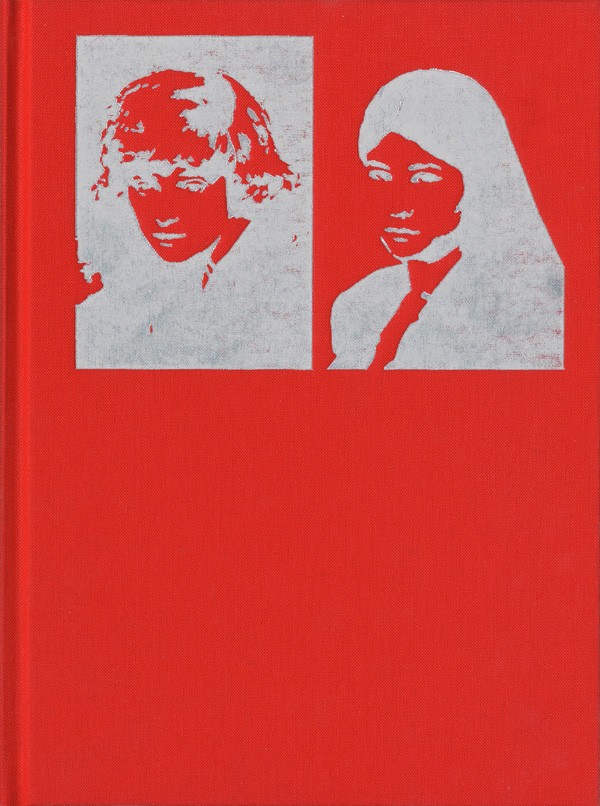
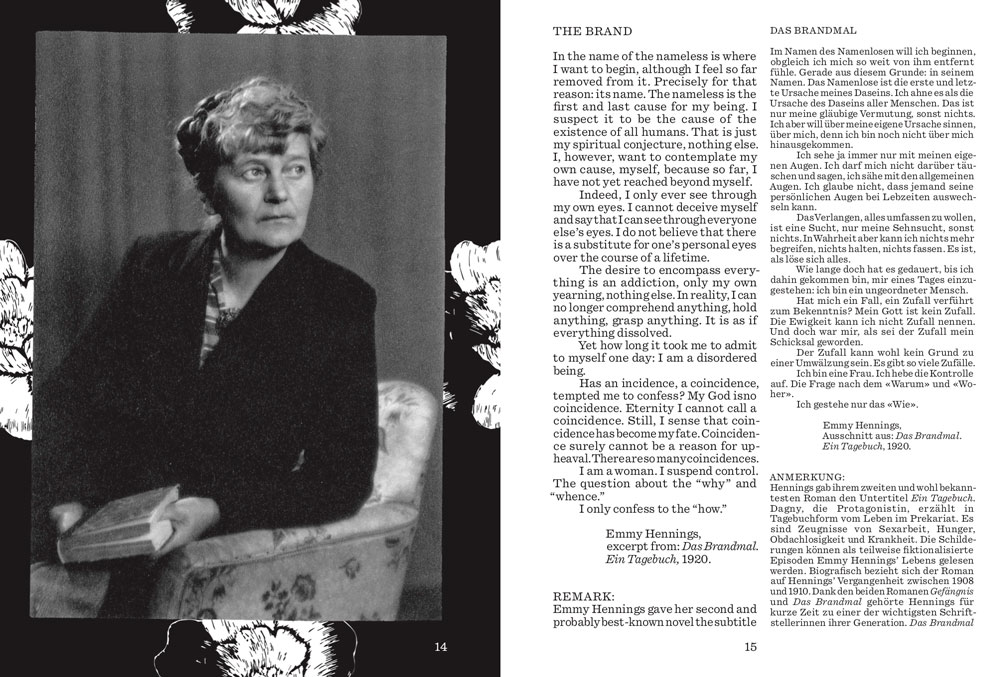
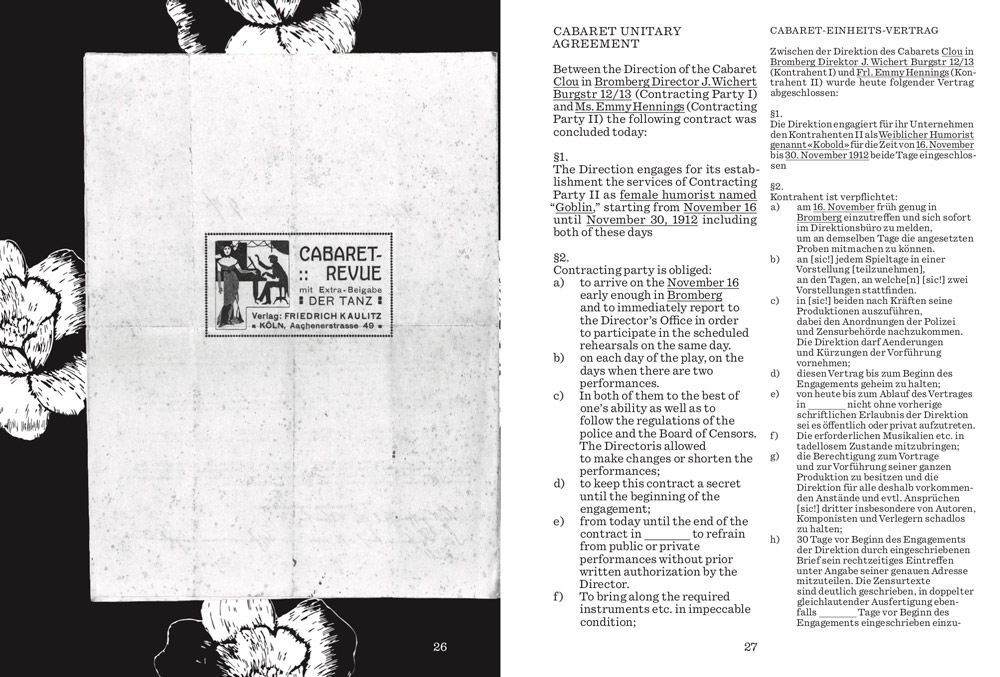
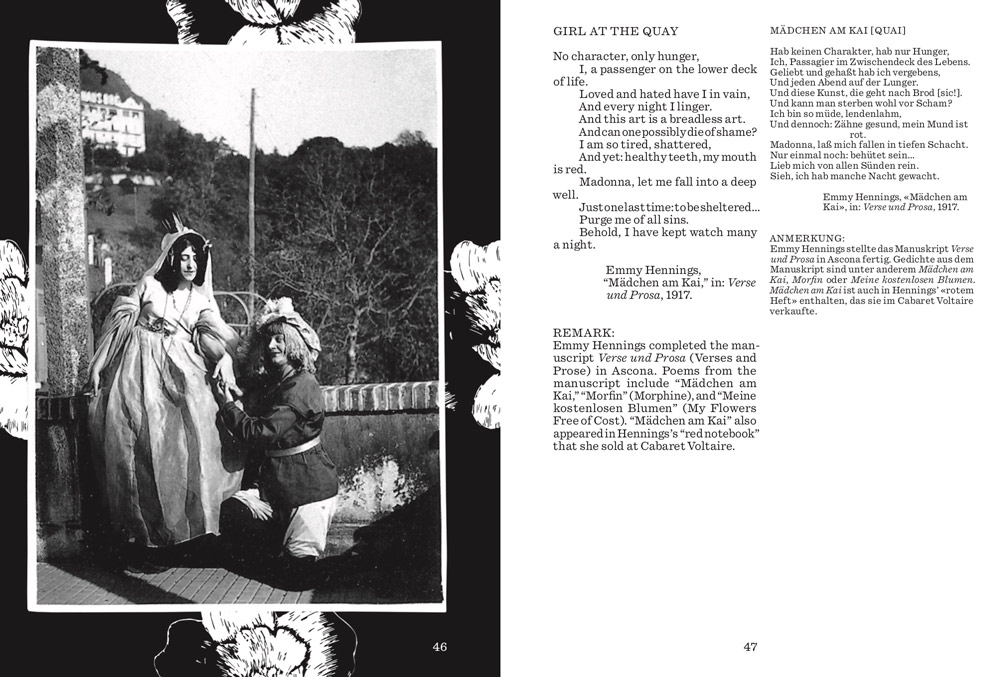
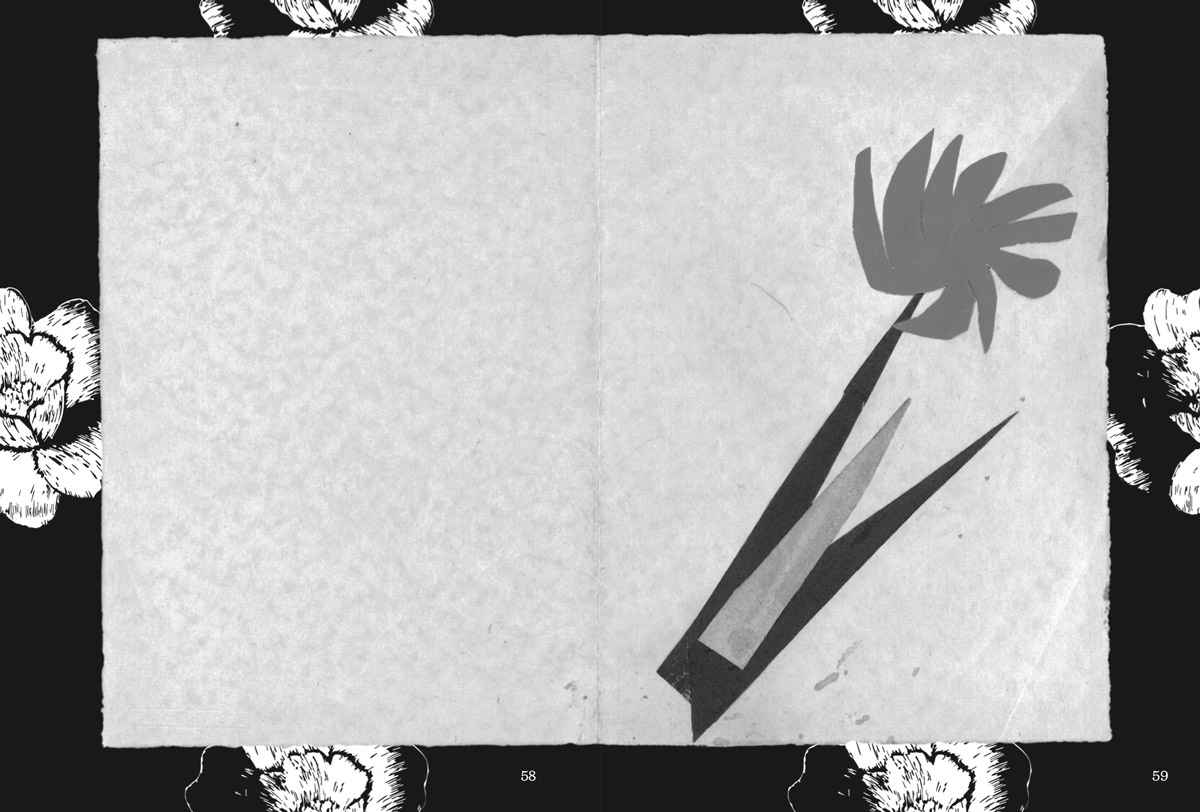
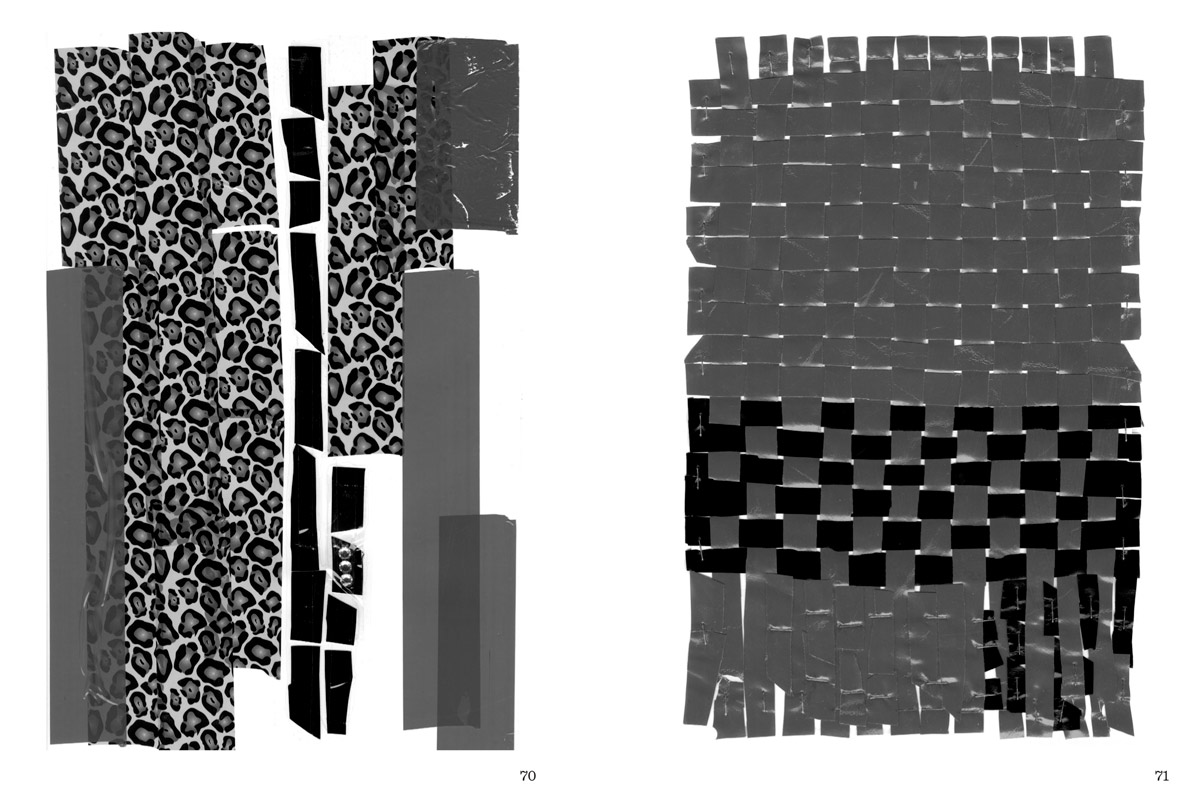
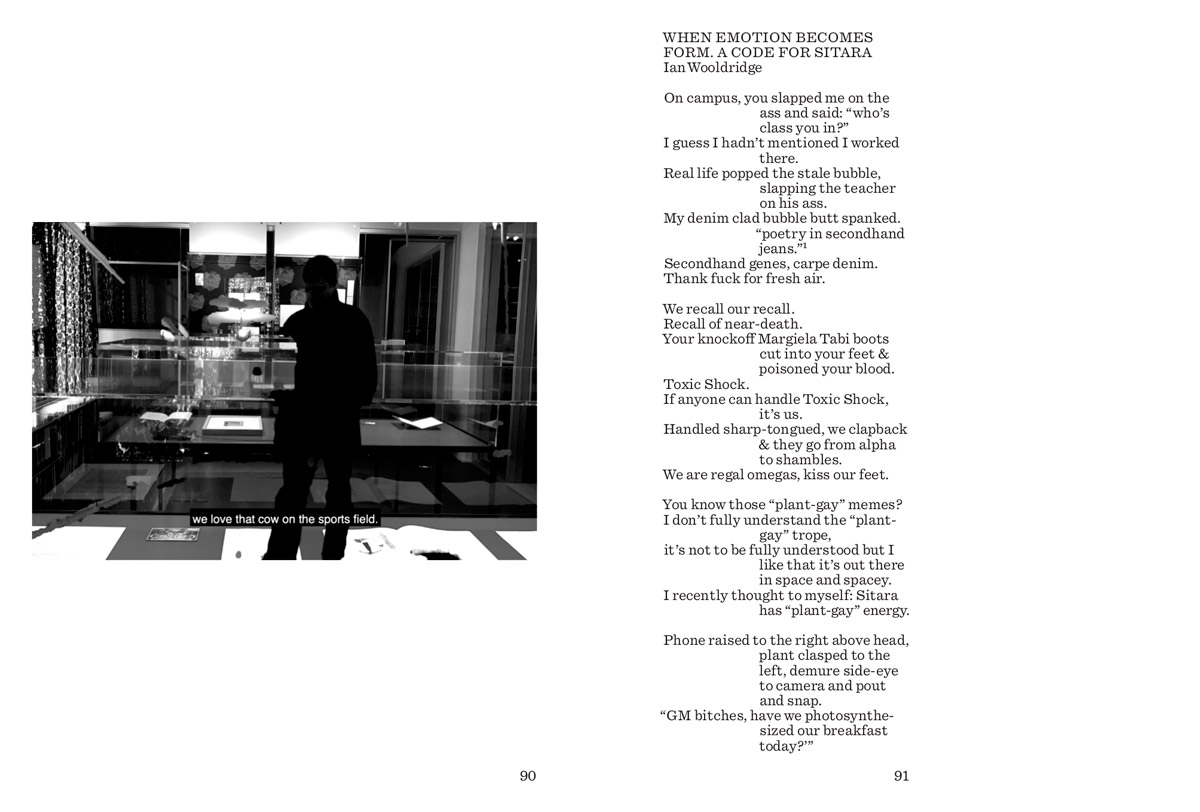
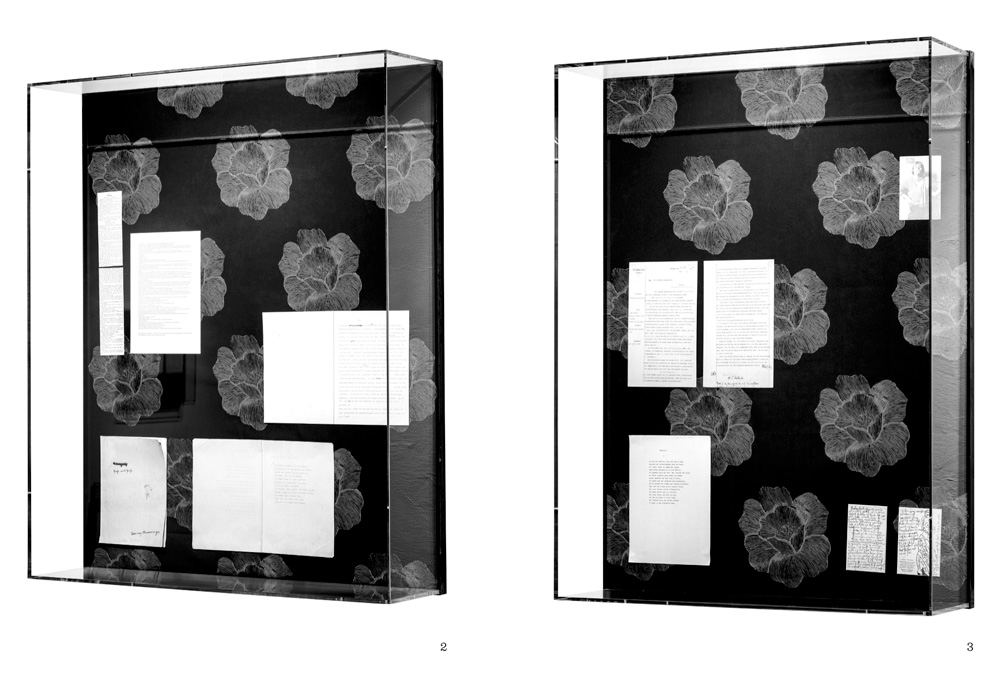
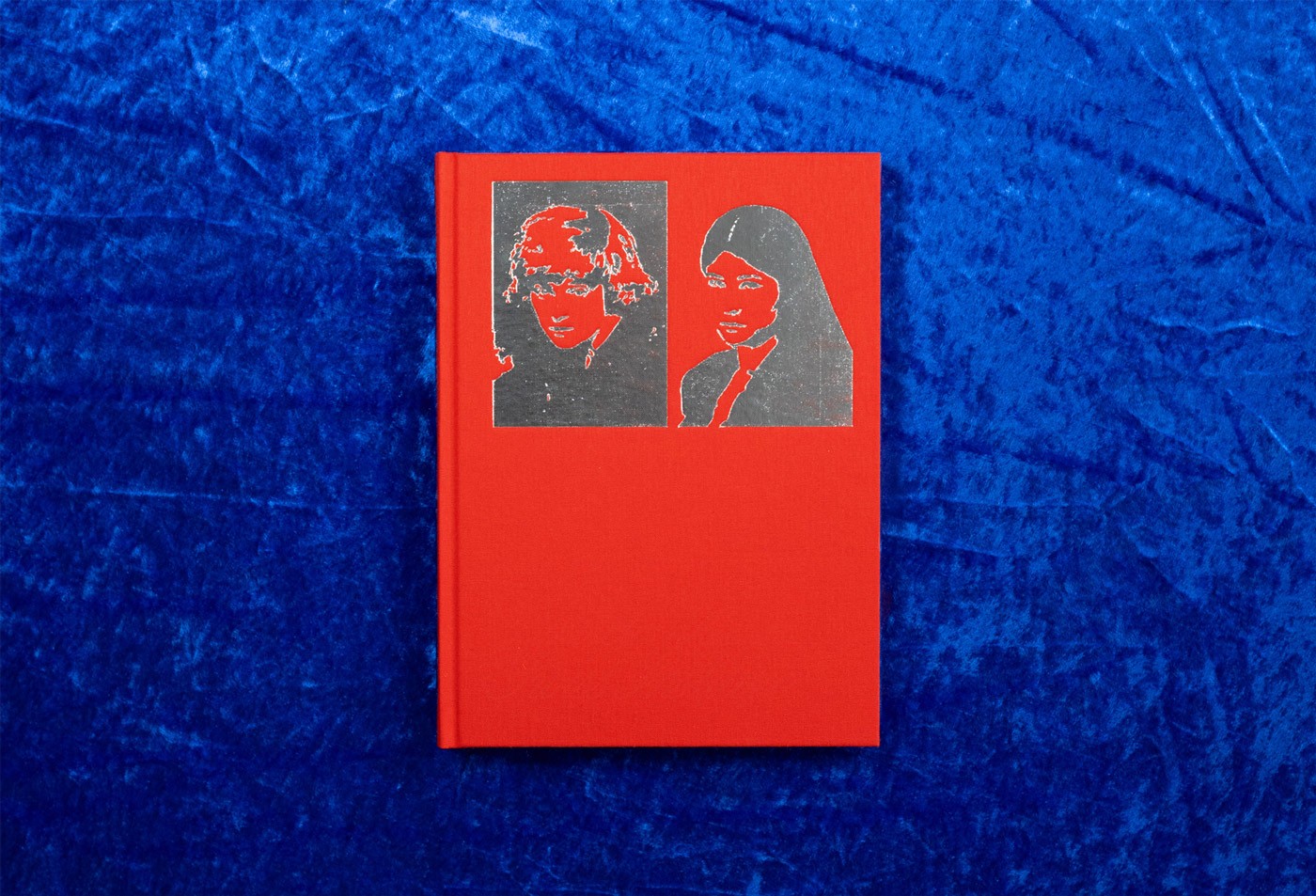
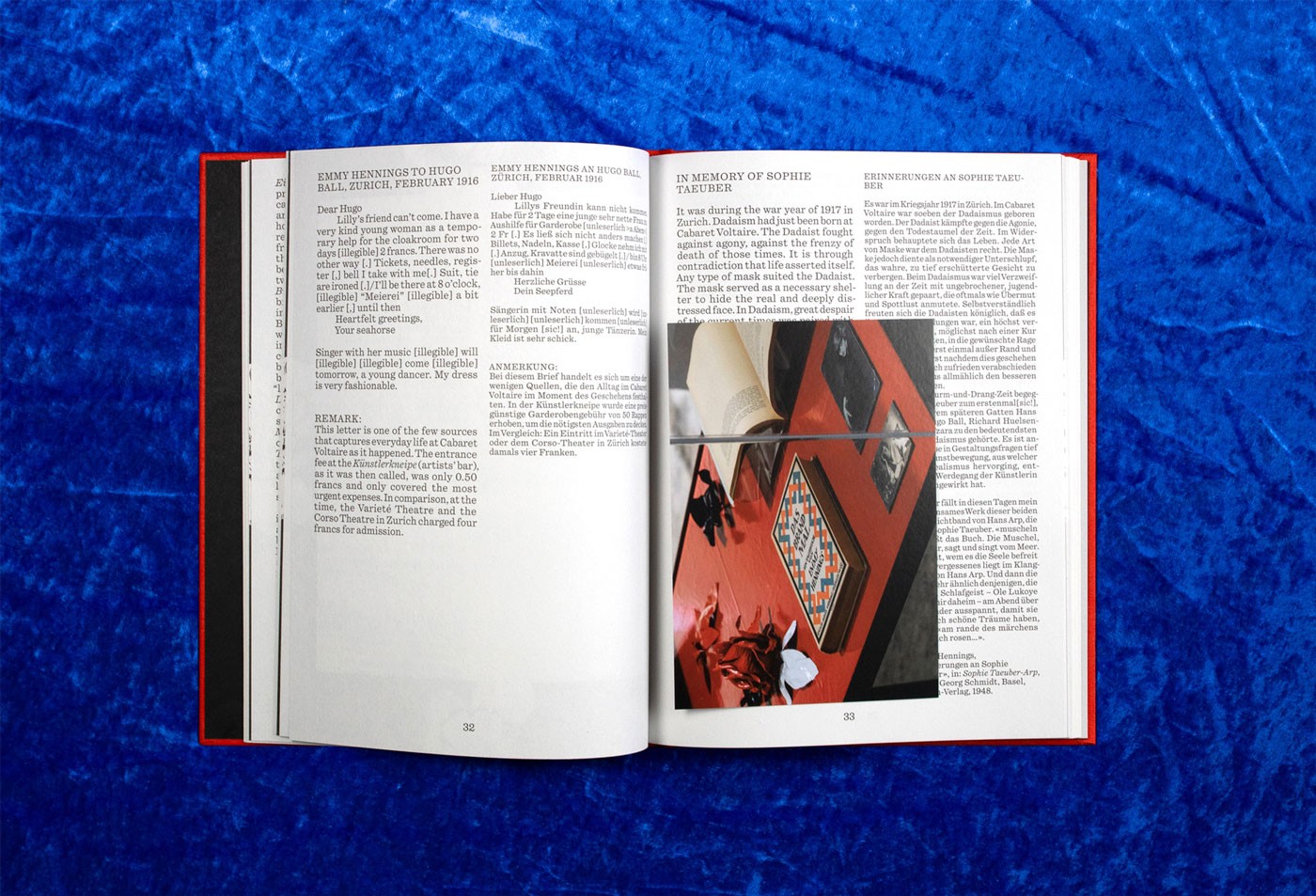
As a cofounder of Cabaret Voltaire in 1916, Emmy Hennings, with her partner, the Dadaist Hugo Ball, is recognized as having established and environment for collective experimentation. This book gathers an extensive collection of Hennings’s writings, ephemera, and art, to give shape to a practice and an individual so ofter flattened for the sake of art historical narrative. In the exhibitions held at Cabaret Voltaire and at the Swiss Institute in 2020, Sitara Abuzar Ghaznawi made evocative displays that created space for a deeper engagement with Hennings’s life and art. For this publication, she has made new collages, combining found materials and working tools such as adhesive strips, supplemented by graphic gestures and subjective indexes such as cigarette butts. By bringing the Hennings archive into dialogue with her own work, Ghaznawi considers the manner in which an individual’s multiple identities guide the accumulation of personal experience, be they her own or those of a woman she never met. Commissioned on the occasion of her exhibitions, and published together here for the first time, are texts by Ghaznawi’s friends and collaborators Michael Zimmerman, Semuel Lala, Nils Amadeus Lange, Sophia Rohwetter, Ser Serpas, Ian Woolridge, Olamiju Fajemisin, Shamiran Istifan, Timur Akhmetov and Furqat Palvan-Zade.