A book emerged from the need to try to tell the story of architecture in a way quite unlike how it’s usually told, in a continuous dialogue between the anthropological gaze of Armin Linke’s photos compared with the ideation process of two public works by the Carlana Mezzalira Pentimalli architecture office.
The book documents and brings together two exhibition projects by Nina Canell and Maria Hassabi. Essays, unpublished materials and a rich set of photographic materials form the driving force behind two visual narratives that offer new keys to understanding the research of the two artists.
Can art, literature, filmmaking, and music draw out, make visible, legible, audible, or even contestable the patterns in which our lives are held? Considering the work by Stan Douglas, Harun Farocki, Ingri Fiksdal, Åke Hodell, Stefan Panhans & Andrea Winkler, Susan Philipsz, and Elizabeth Price, this publication entertains this question.
This new major monographic publication on the Ghanian artist documents the work that transformed sites and repurposed buildings in his native town of Tamale to transformative outcomes rooted into the idea of art as a tool of understanding, rebalancing, and advancement.
For life and limbs, Austrian artist and curator Anna-Sophie Berger has assembled a group of works, from Arakawa and Gins to Lyle Ashton Harris, that register the body as a habitat that can be imaginatively stretched, altered, modified, adorned, replicated or destroyed.
This two-volume catalog, curated by Andrea Bellini and the New York-based collective DIS, is the outcome of the 2021 edition of the Biennale de l’Image en Mouvement (BIM’21), presented at the Centre d’Art Contemporain Genève.
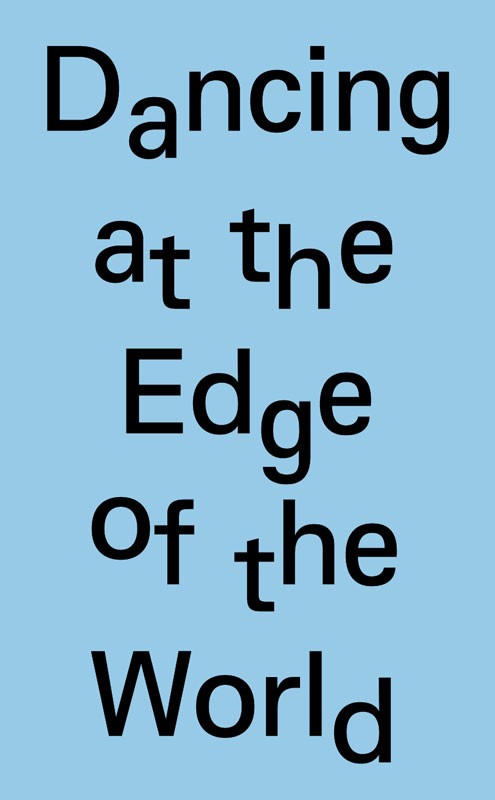
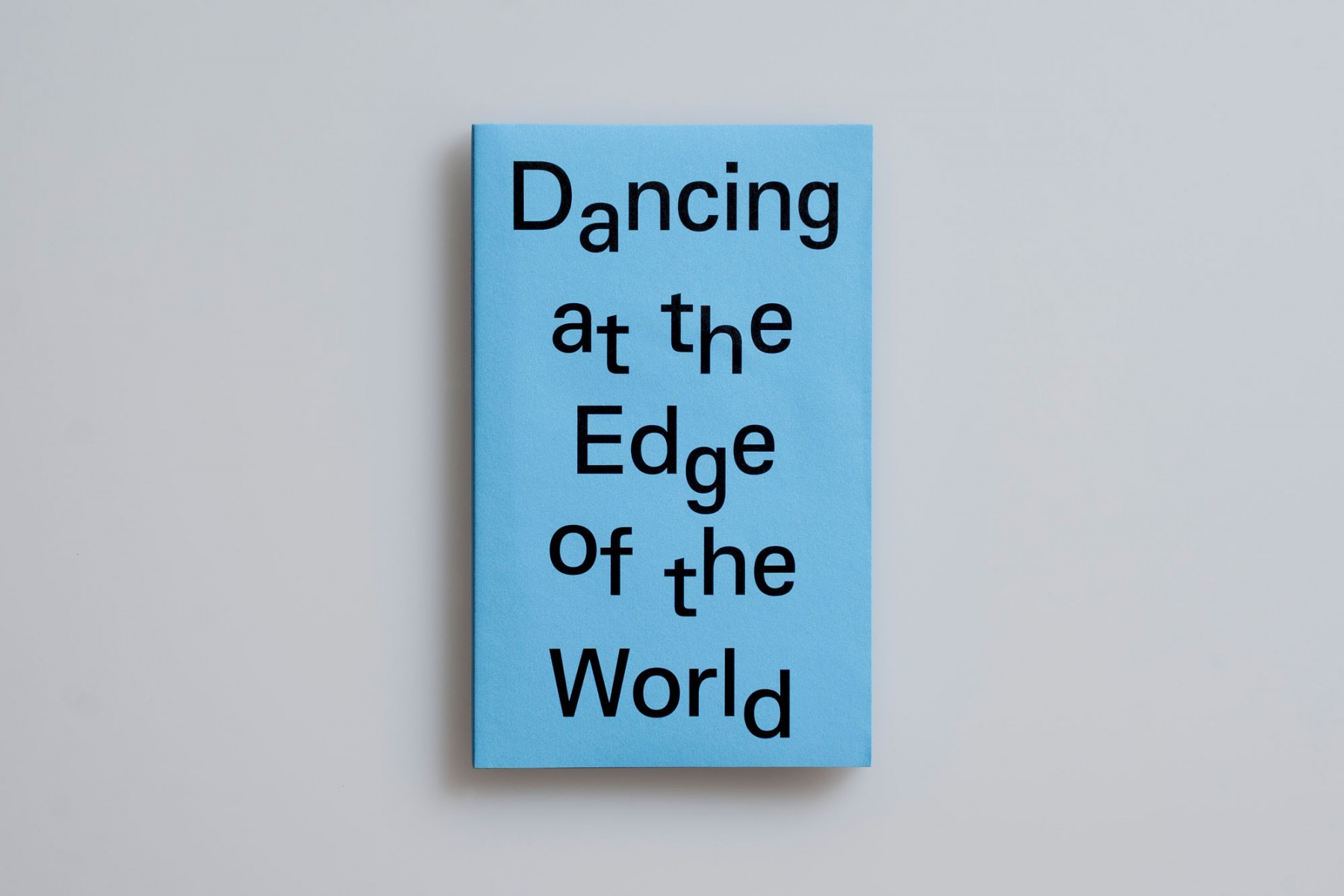
8th Arnaldo Pomodoro Sculpture PrizeDancing at the Edge of the World
Edited by Federico Giani and Chiara Nuzzi
Texts by Federico Giani, Sohrab Mohebbi, Julia Morandeira Arrizabalaga, Chiara Nuzzi, and Anne Reeve
Designed by Lorenzo Mason Studio
2026, English / Italian, 13 x 21cm, 160 pages
ISBN 979-12-80579-85-0
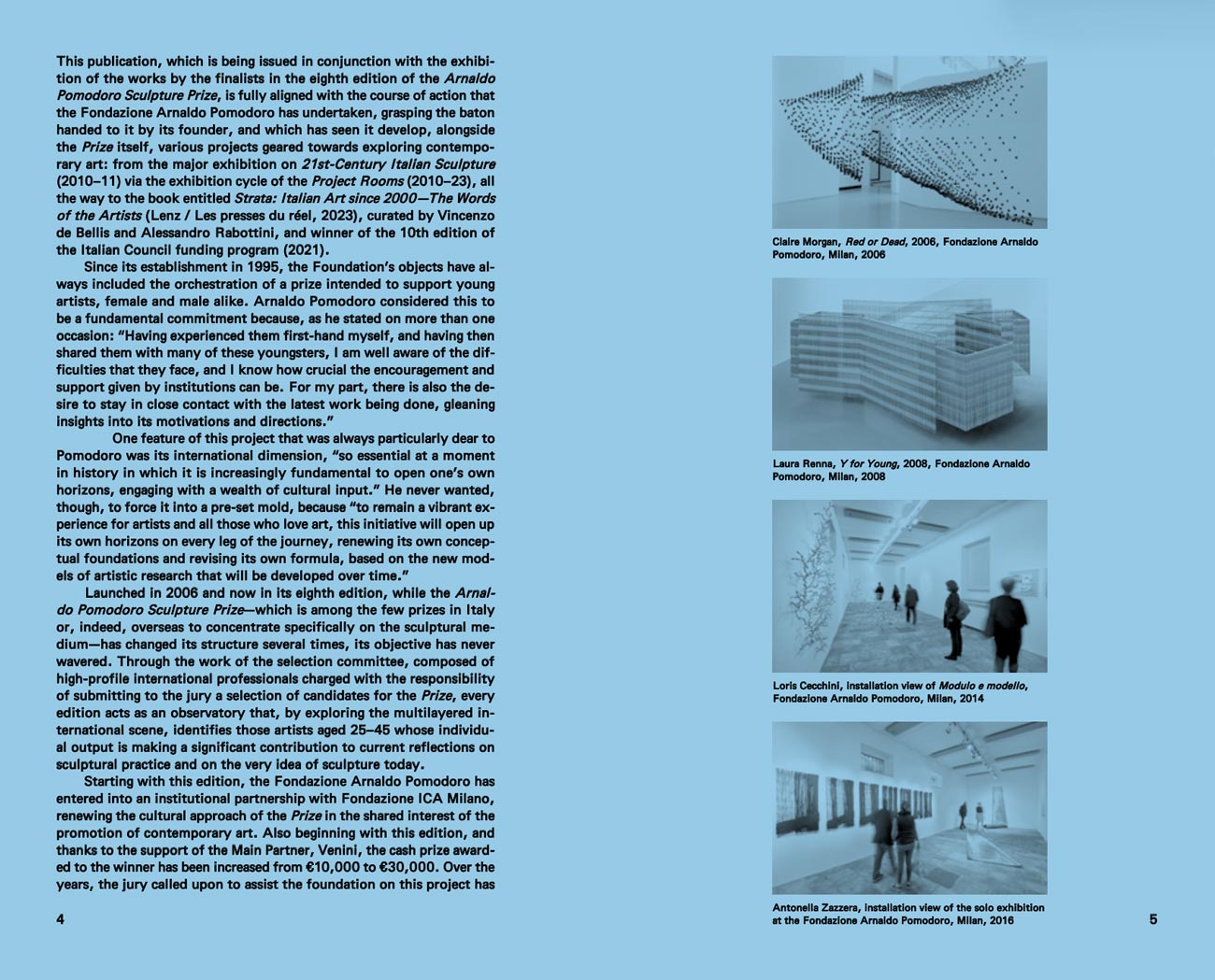
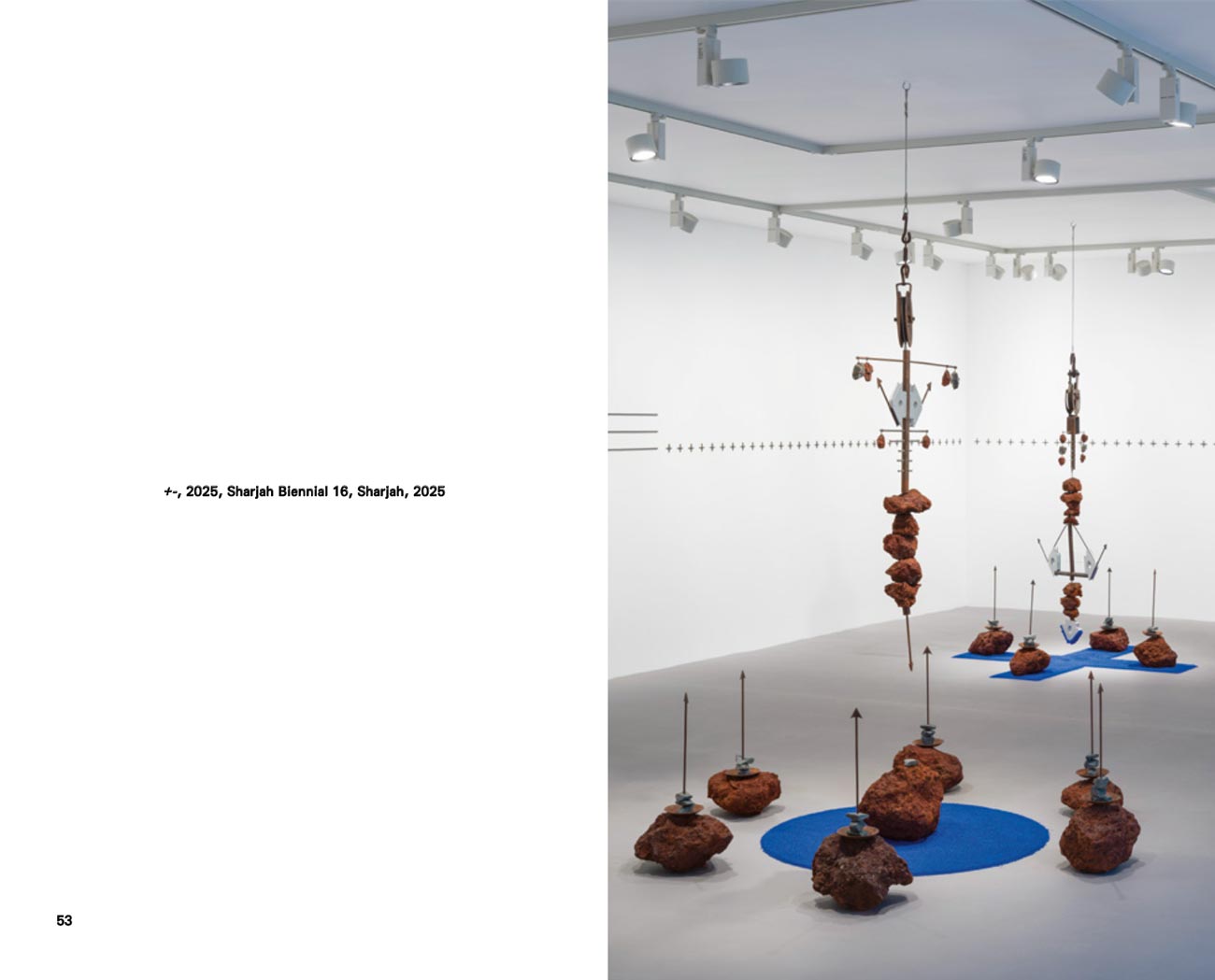
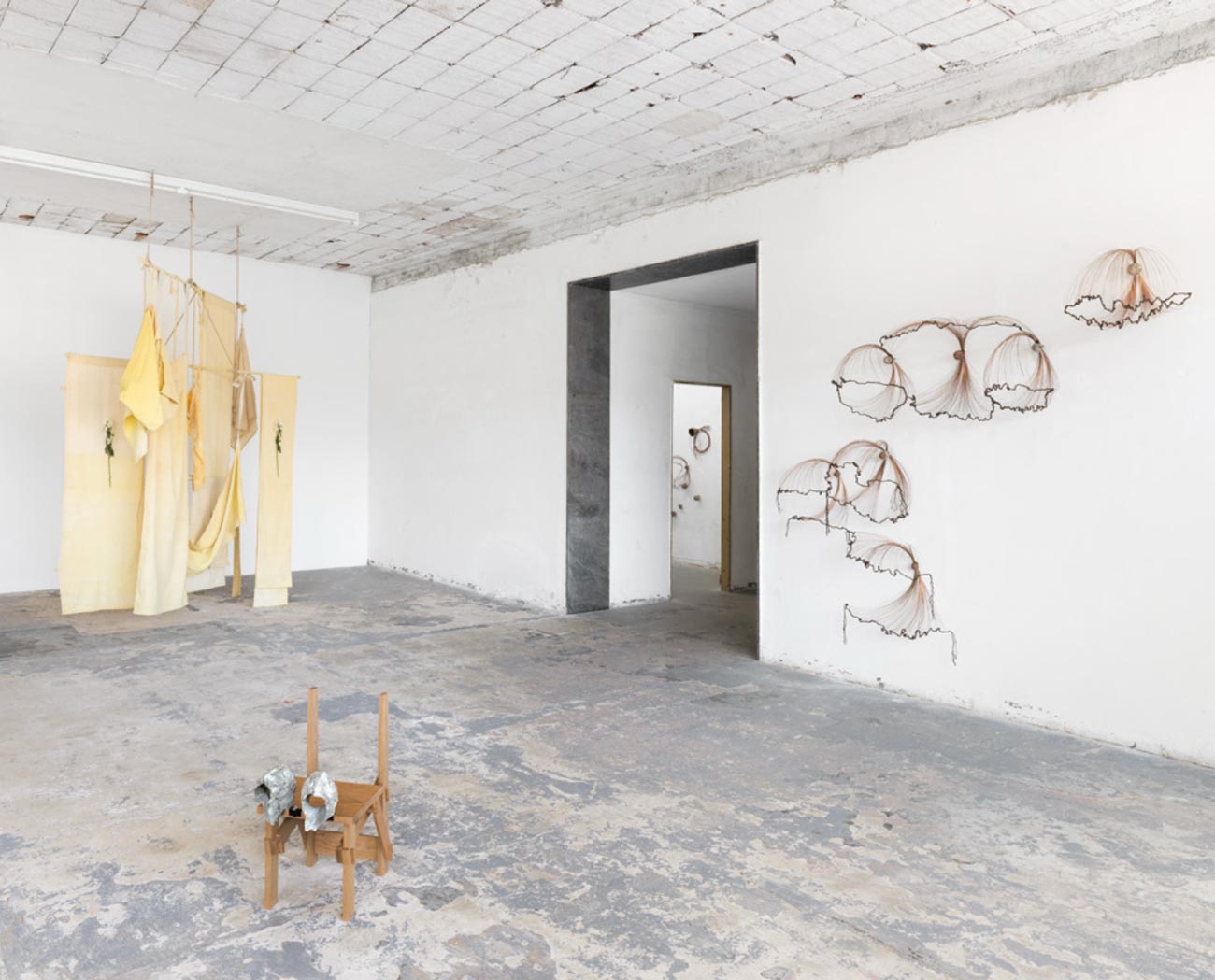
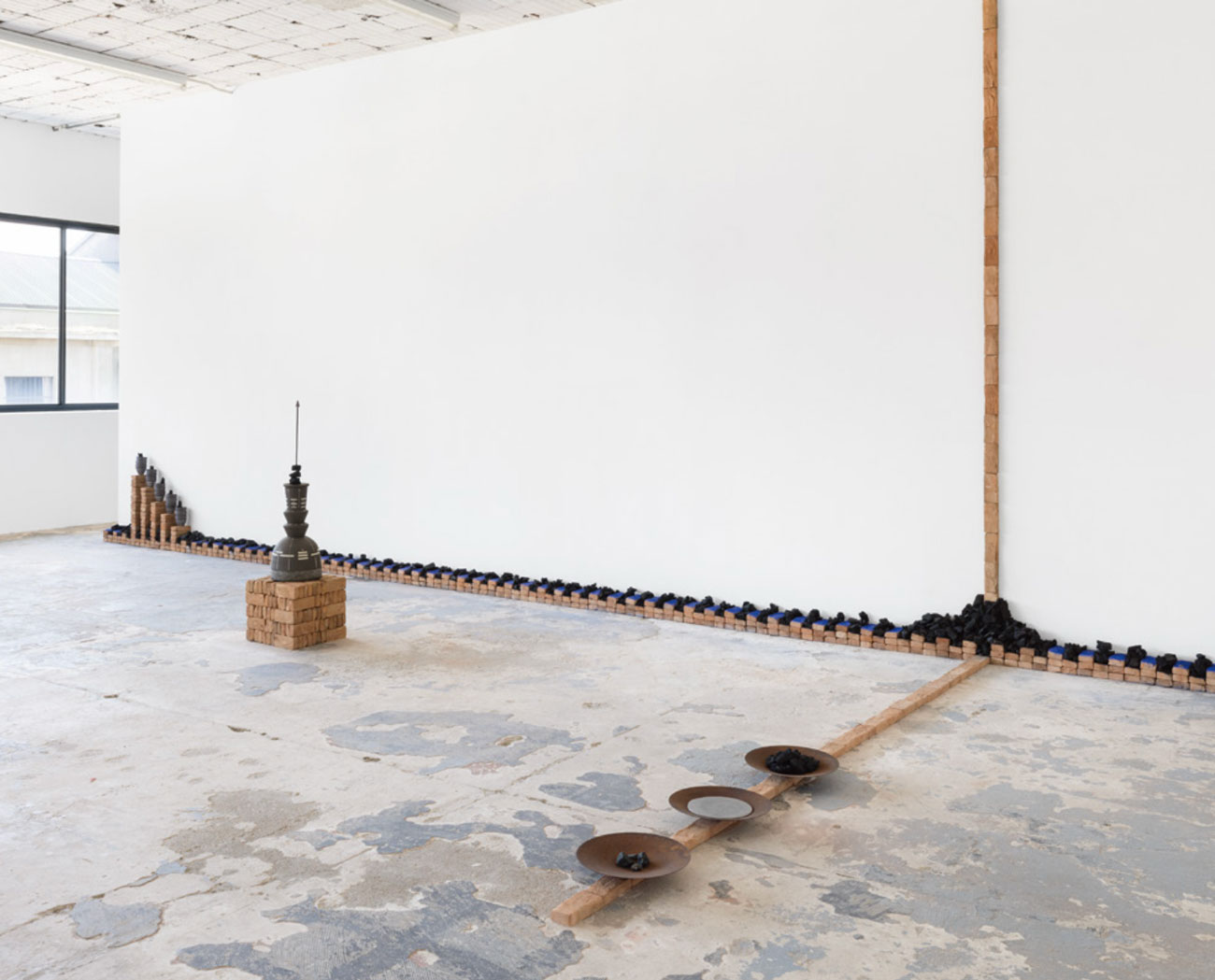
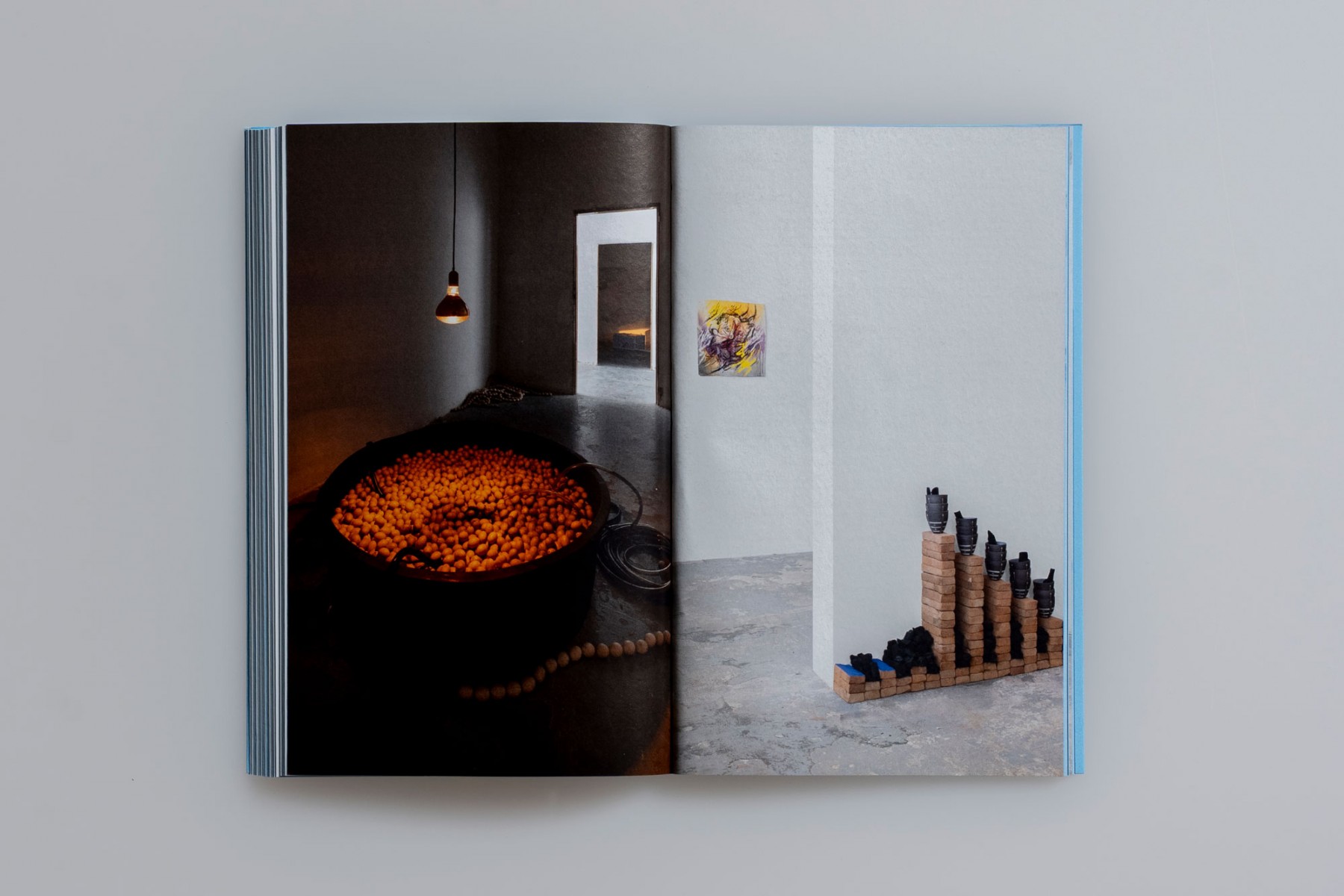
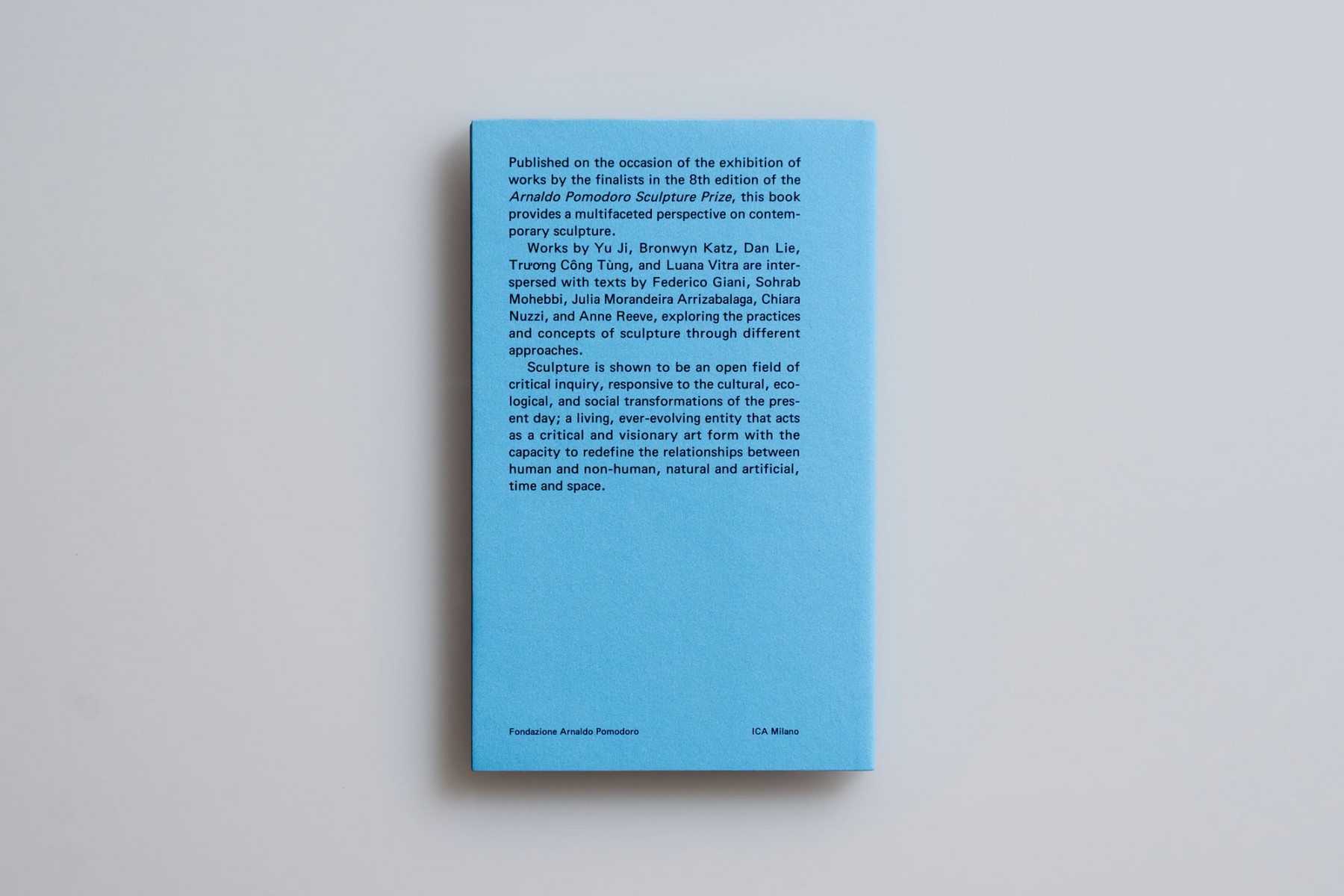
Published on the occasion of the exhibition by the finalists of the 8th Arnaldo Pomodoro Sculpture Prize, this book provides a multifaceted perspective on contemporary sculpture. Works by Yu Ji, Bronwyn Katz, Dan Lie, Trương Công Tùng, and Luana Vitra are interspersed with texts by Federico Giani, Sohrab Mohebbi, Julia Morandeira Arrizabalaga, Chiara Nuzzi, and Anne Reeve, exploring the practices and concepts of sculpture through different approaches. Sculpture is shown to be an open field of critical inquiry, responsive to the cultural, ecological, and social transformations of the present day; a living, ever-evolving entity that acts as a critical and visionary art form with the capacity to redefine the relationships between human and non-human, natural and artificial, time and space.
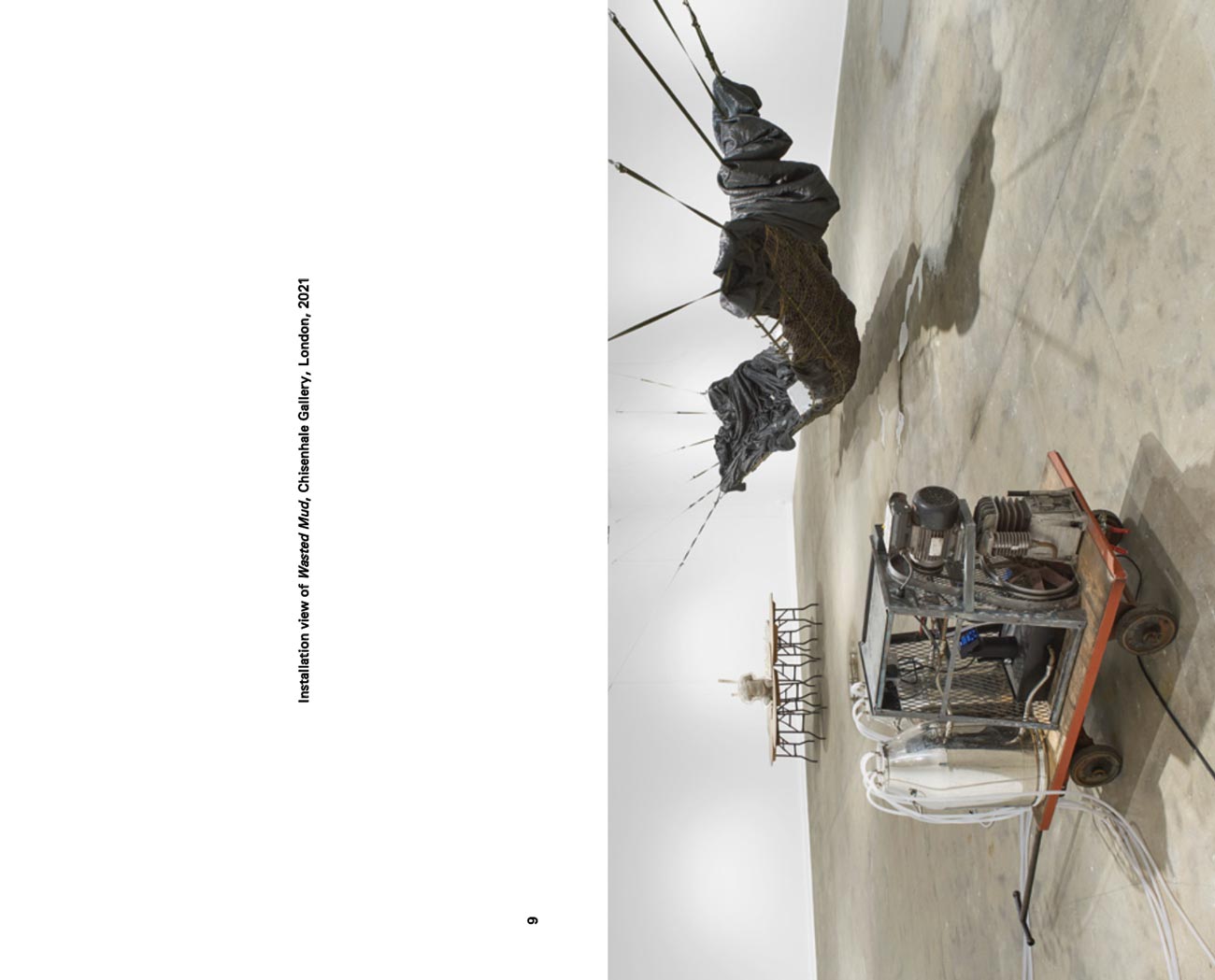
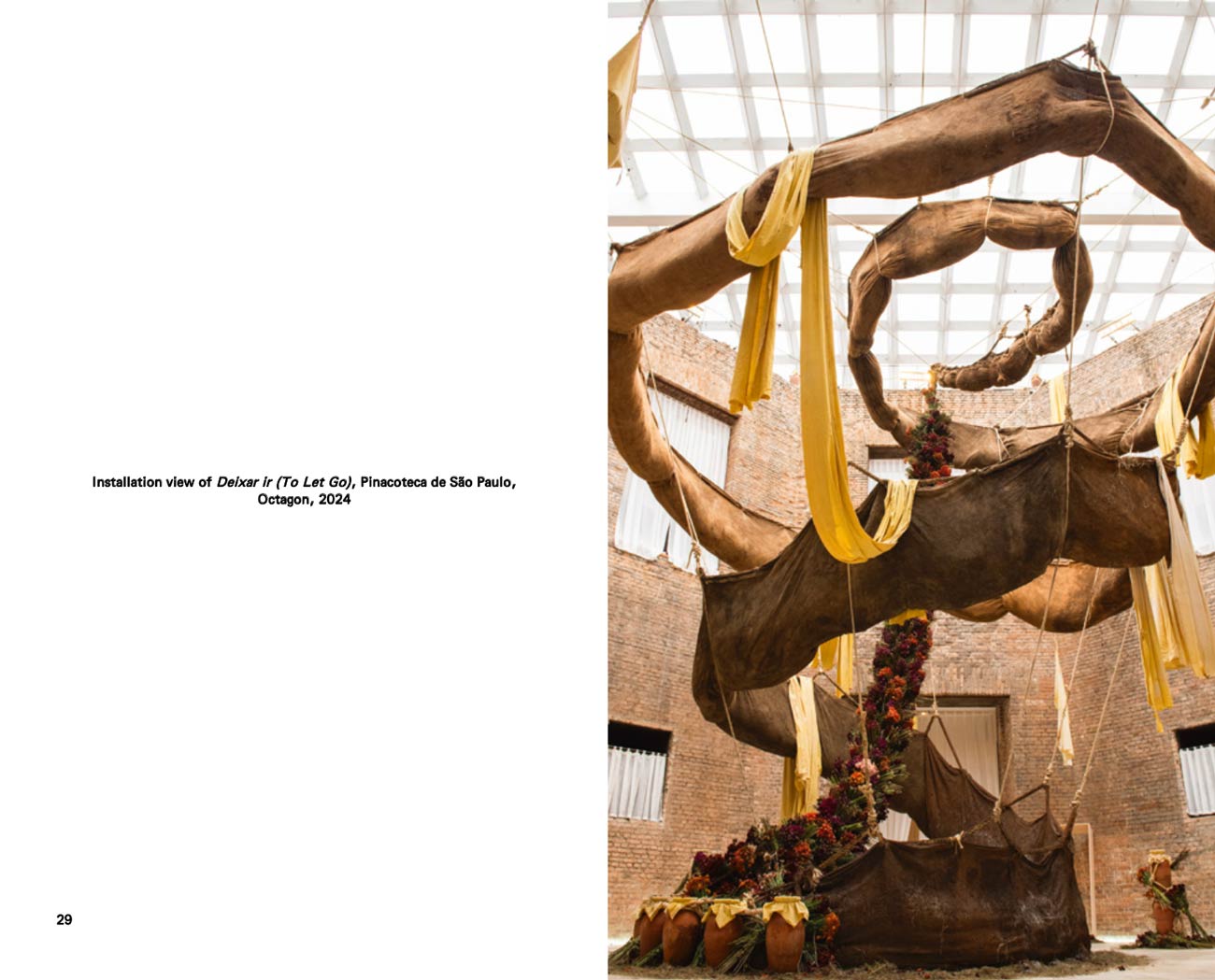
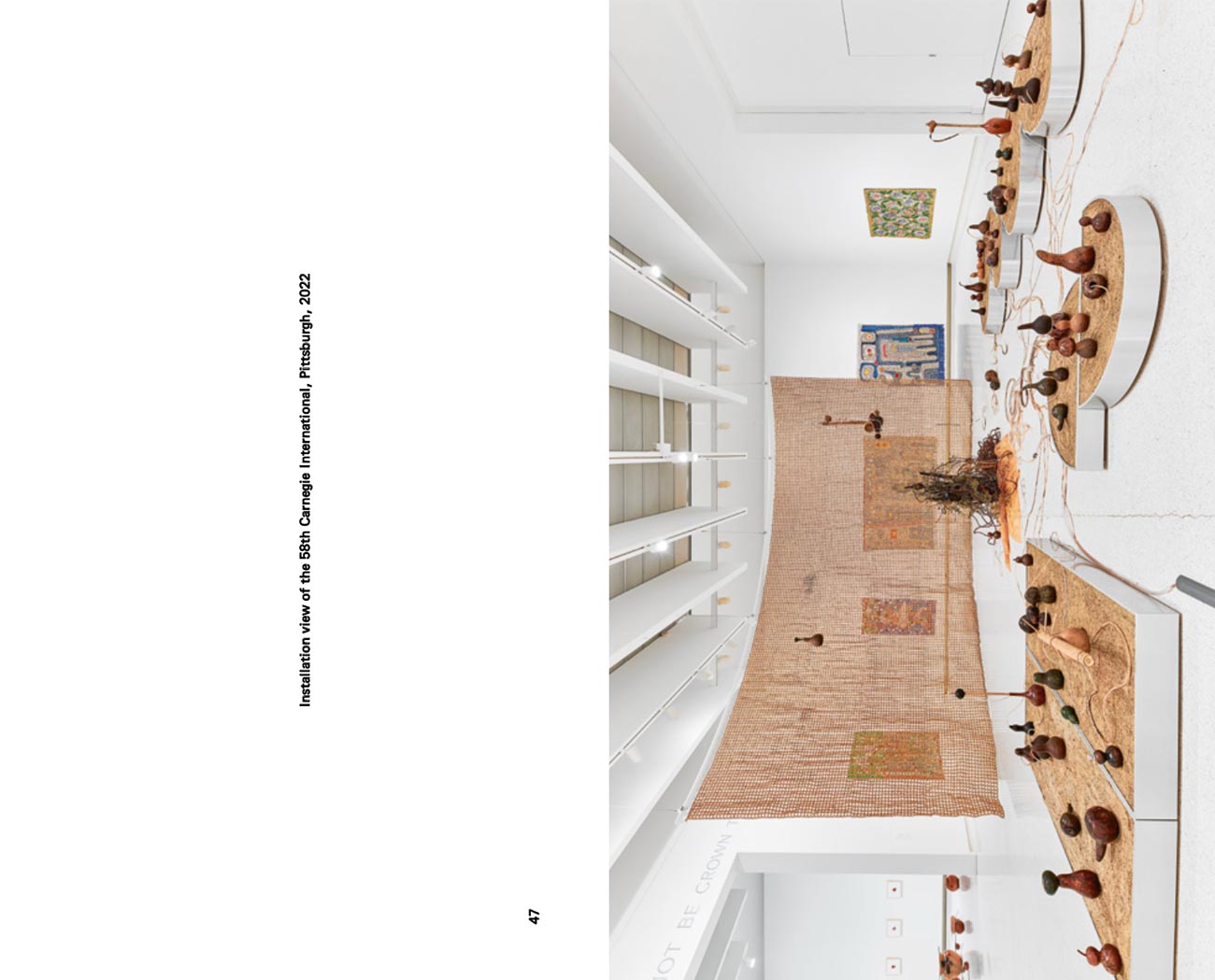
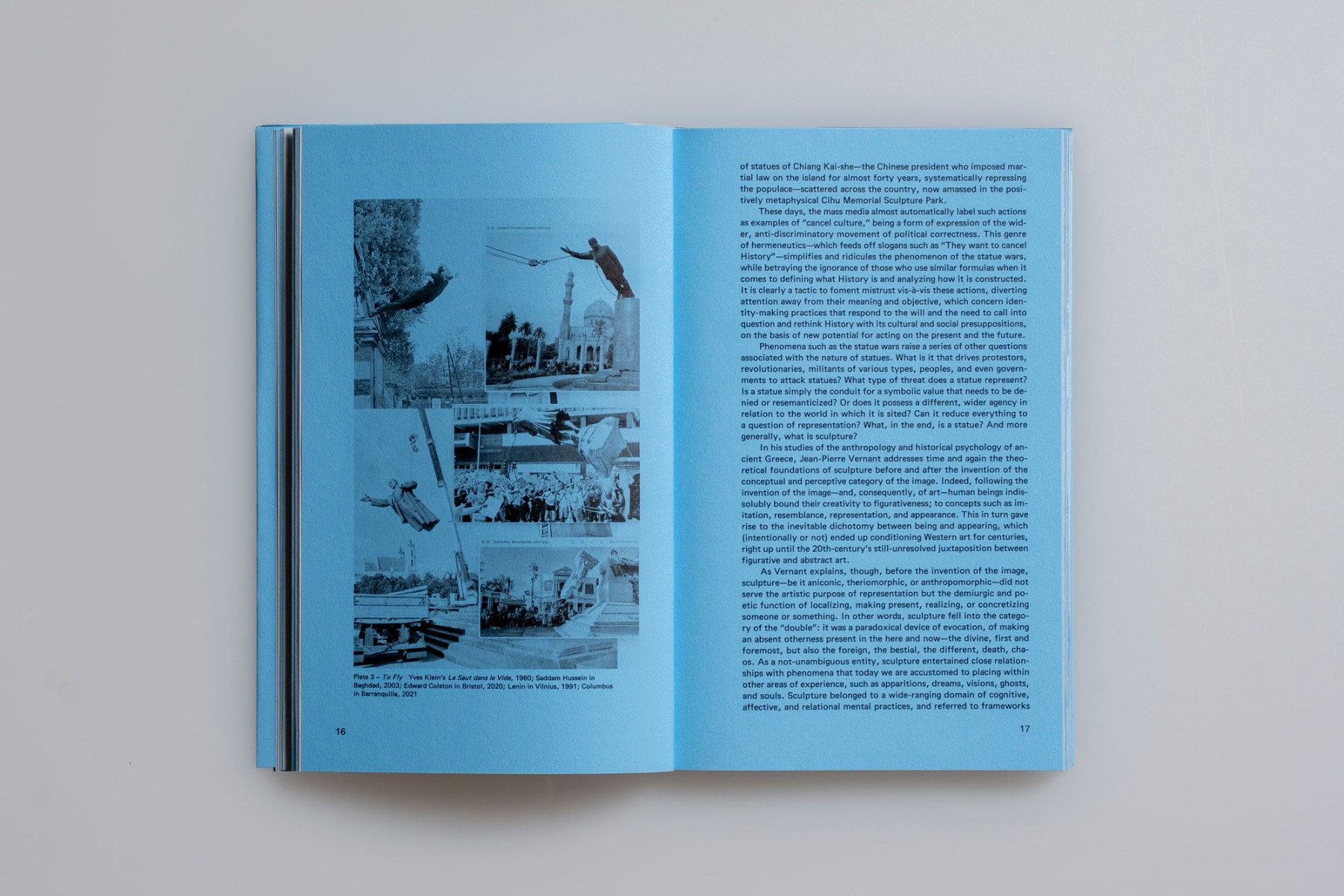
The book, edited by Federico Giani and Chiara Nuzzi, and printed on blue-black paper, is conceived as the interweaving of two independent yet simultaneous narratives, recalling the choreography of two dancers engaged in a dialogue within the same space-time. The first section, titled Gestures, focuses solely on images and consists of small portfolios by Yu Ji, Bronwyn Katz, Dan Lie, Trương Công Tùng, and Luana Vitra—finalists and joint winners of this edition of the Prize. For each of the artists, the book presents individual works and installation views from exhibitions, as well as images of works in progress in their respective workshops, thus offering a glimpse into the artists’ creative process.
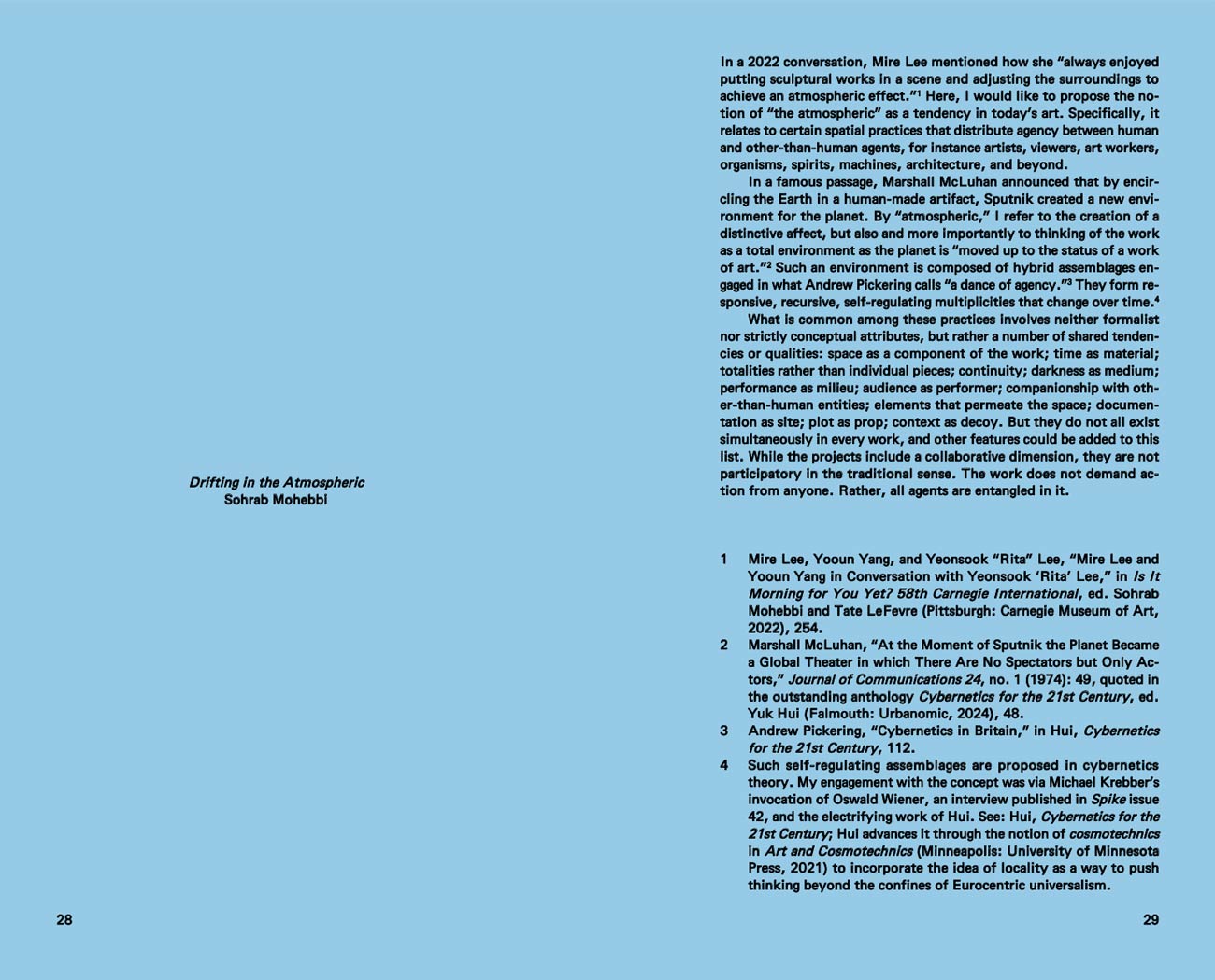
The second section is a condensed anthology of perspectives on contemporary sculpture. The five authors, who are members of the Prize jury, in addition to being directors and curators of the Sculpture Center, the Hirshhorn Museum and Sculpture Garden, the Museo Nacional Centro de Arte Reina Sofía, the Fondazione Arnaldo Pomodoro and the Fondazione ICA Milano, agreed to share their thoughts on the practices and conceptual frameworks that are driving sculpture forward today.
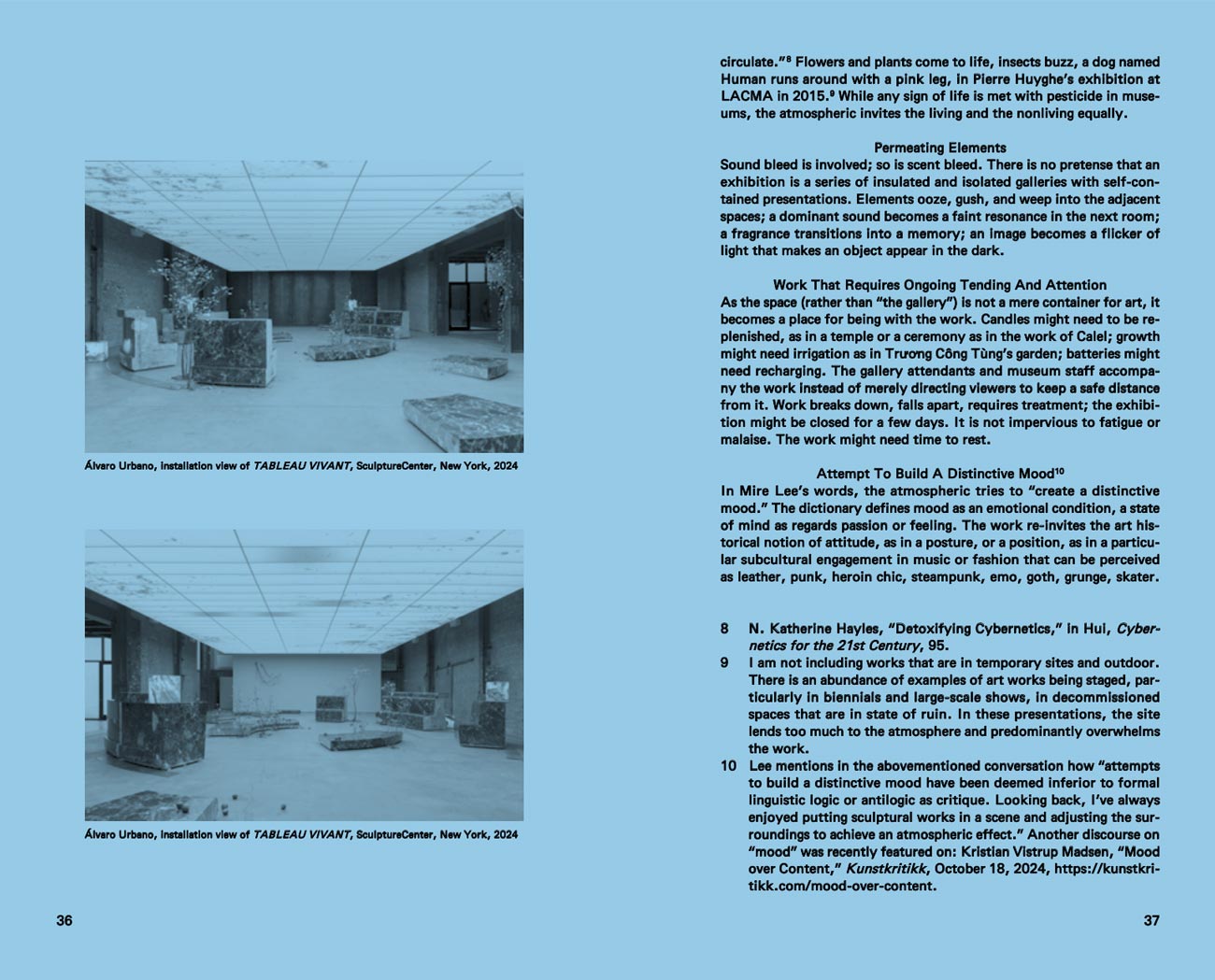
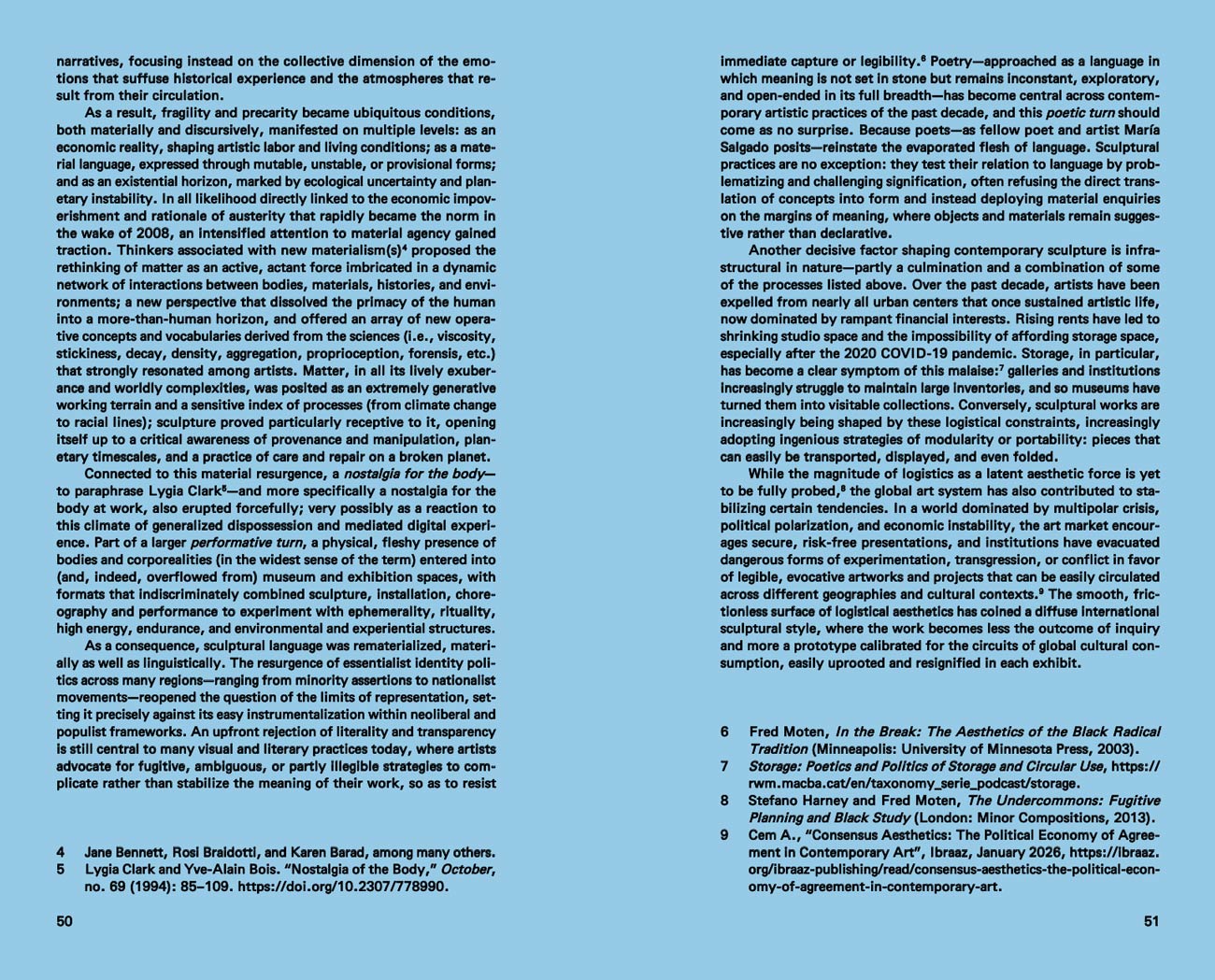
This approach gave rise to a multilayered panorama that encompasses everything from the anthropological constants linking archaic and contemporary perceptions of sculpture, to the elements that contribute to defining the “atmospheric” quality of present-day sculpture and its interpretation as, variously: a relational and transformative art form comparable to dance; a materially experiential expression of the “structure of feeling” within today’s political, social, and theoretical context; an inquiry into how sculpture—now, as before—is ultimately a site for investigation, sensation, and possible revelation; and a gathering place where we attempt to understand how things generate meaning.