This richly illustrated publication combines artwork, archival and process imagery, and includes an extended interview with the artist, as well as new essays by key thinkers in the fields of anthropology, philosophy, political economy and art history.
In the first monograph on the feminist conceptual artist collective Claire Fontaine, political theorist and somatic practitioner Anita Chari explores the artist’s theoretical and political innovations to illuminate a more haptic, embodied approach to the practice of critical theory.
Shahryar Nashat inserts his art in the pages of this new artist’s book, which takes the form of a catalogue-turned-manual: but instead of explaining its meaning, he strips it of its aura, flaunts its nature as an object and describes step-by-step how to create it.
Martin Heidegger, Glenn Gould, Jacques-Louis David, Cy Twombly, Paul Engelmann and Ludwig Wittgenstein: characters that Francesco Arena has chosen or rediscovered in multiple contexts over the time recur in this book. Ranging from philosophy, to music, to visual arts, they embrace the whole world of knowledge.
This first institutional monograph on the multimedia practice of artist and director Ali Cherri aims to highlight the themes and formal concerns running through his most recent, highly significant projects at GAMeC, Bergamo; Frac Bretagne, Rennes; Swiss Institute, New York; Biennale Arte 2022, Venice; and the National Gallery, London.
The book highlights the main characteristics of the collective trauma that gave rise to Rachel Whiteread’s project for GAMeC. The psychoanalysts Angelo Antonio Moroni and Pietro Roberto Goisis map out a composite picture, starting from the sense of vulnerability and collective loss associated with the Covid-19 pandemic.
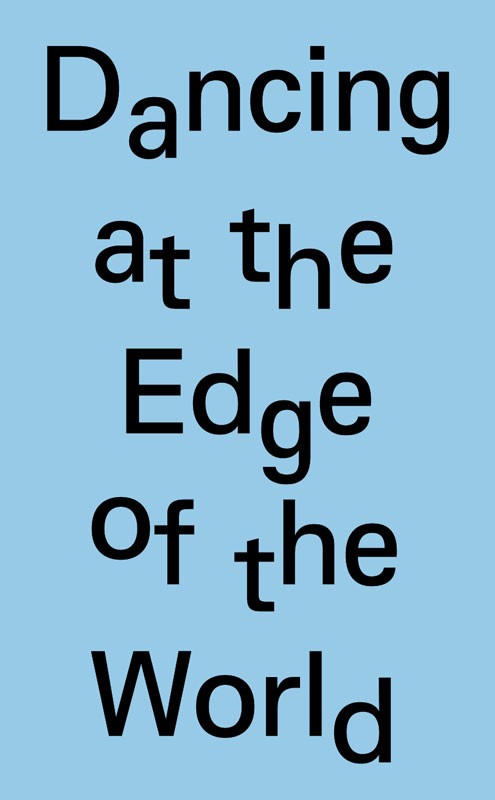
8th Arnaldo Pomodoro Sculpture PrizeDancing at the Edge of the World
Edited by Federico Giani and Chiara Nuzzi
Texts by Federico Giani, Sohrab Mohebbi, Julia Morandeira Arrizabalaga, Chiara Nuzzi, and Anne Reeve
Designed by Lorenzo Mason Studio
2026, English / Italian, 13 x 21cm, 160 pages
ISBN 979-12-80579-85-0
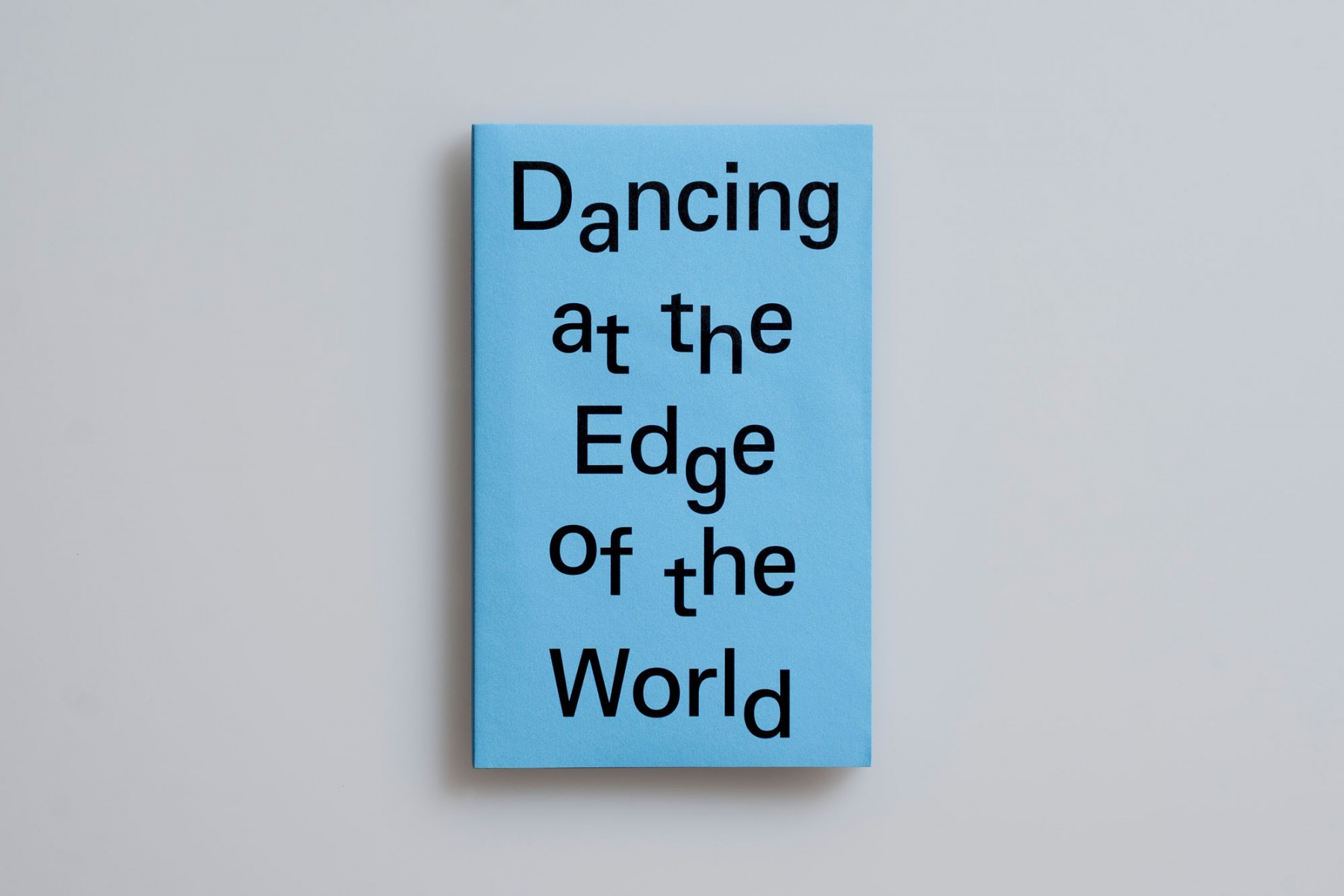
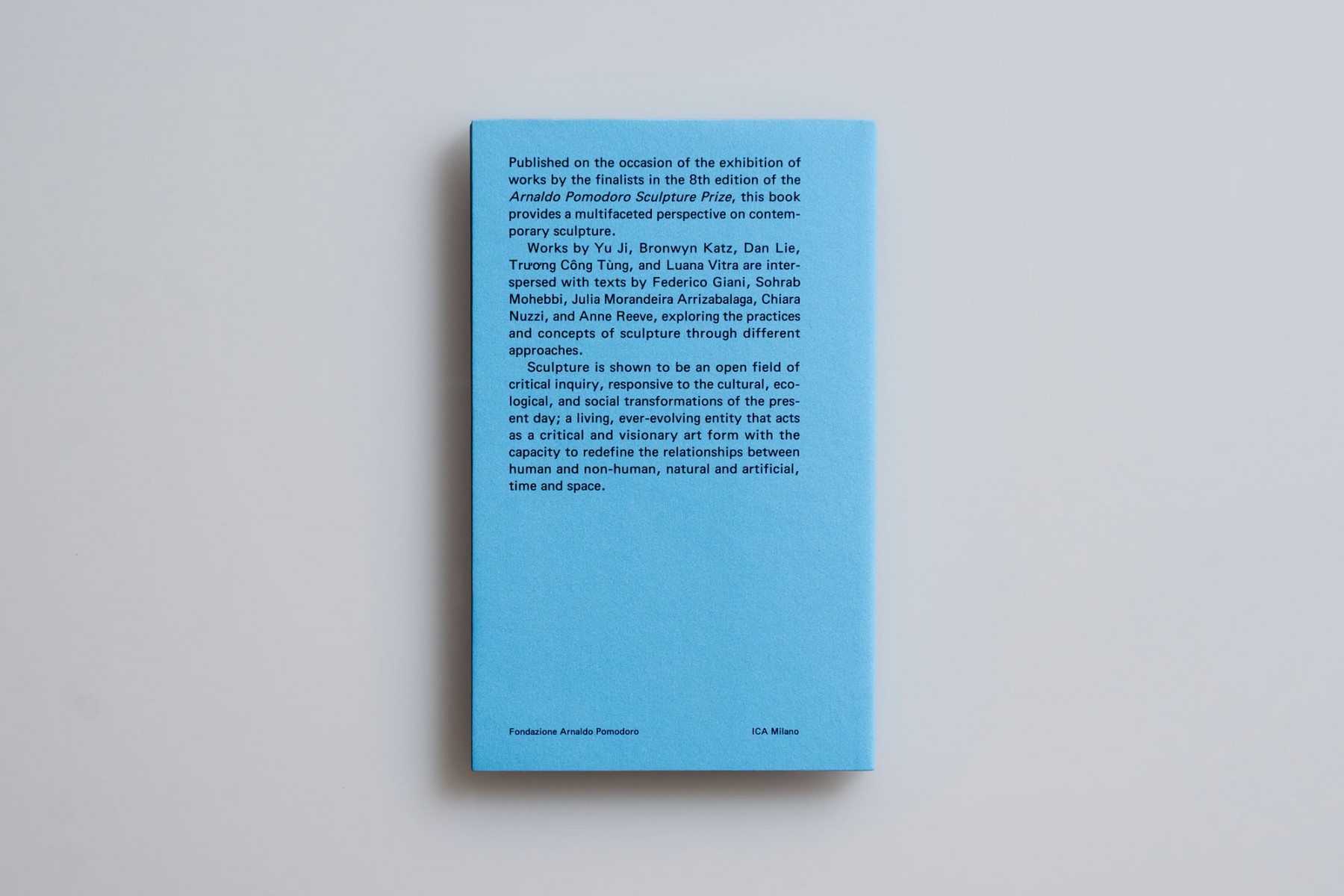
Published on the occasion of the exhibition by the finalists of the 8th Arnaldo Pomodoro Sculpture Prize, this book provides a multifaceted perspective on contemporary sculpture. Works by Yu Ji, Bronwyn Katz, Dan Lie, Trương Công Tùng, and Luana Vitra are interspersed with texts by Federico Giani, Sohrab Mohebbi, Julia Morandeira Arrizabalaga, Chiara Nuzzi, and Anne Reeve, exploring the practices and concepts of sculpture through different approaches. Sculpture is shown to be an open field of critical inquiry, responsive to the cultural, ecological, and social transformations of the present day; a living, ever-evolving entity that acts as a critical and visionary art form with the capacity to redefine the relationships between human and non-human, natural and artificial, time and space.
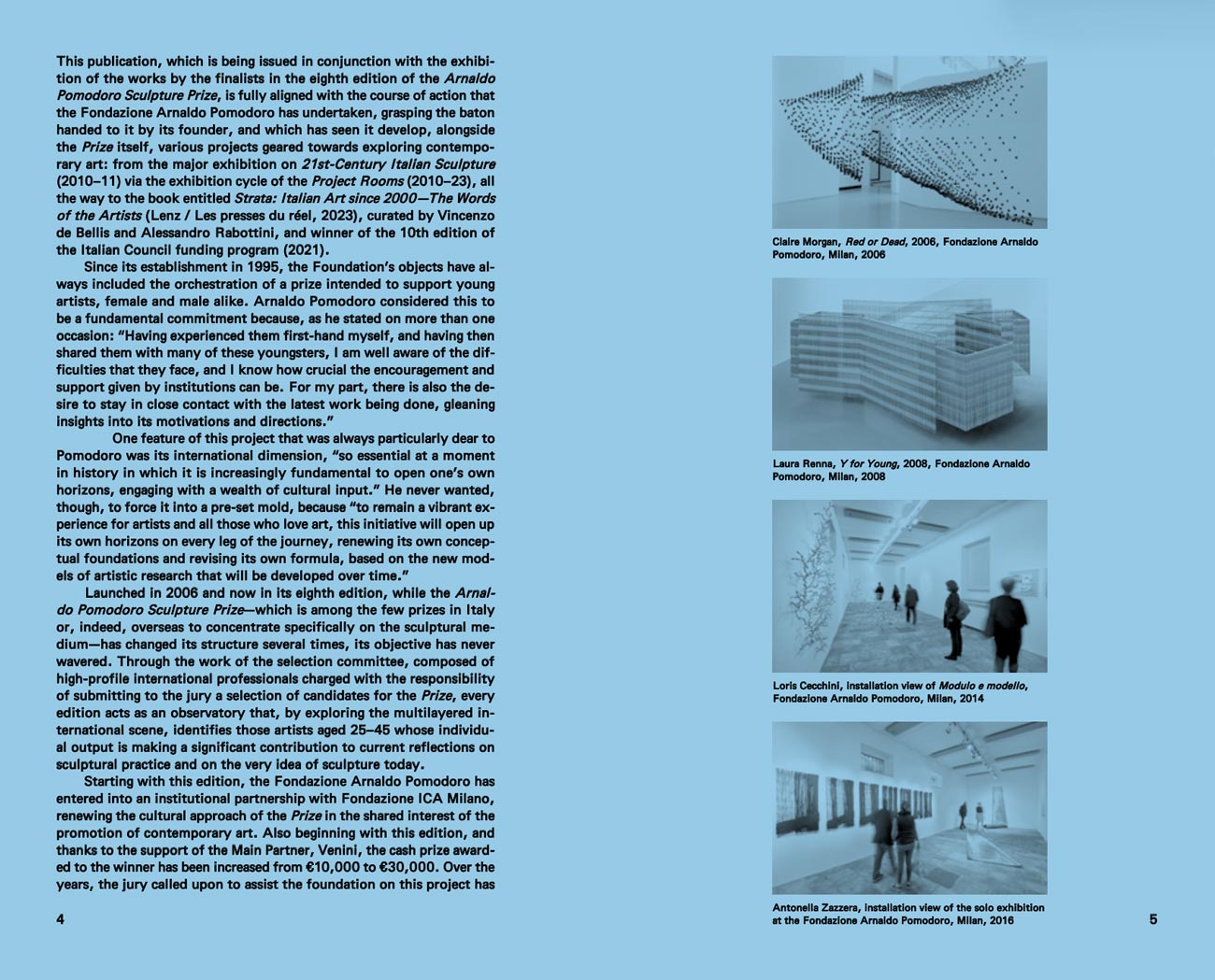
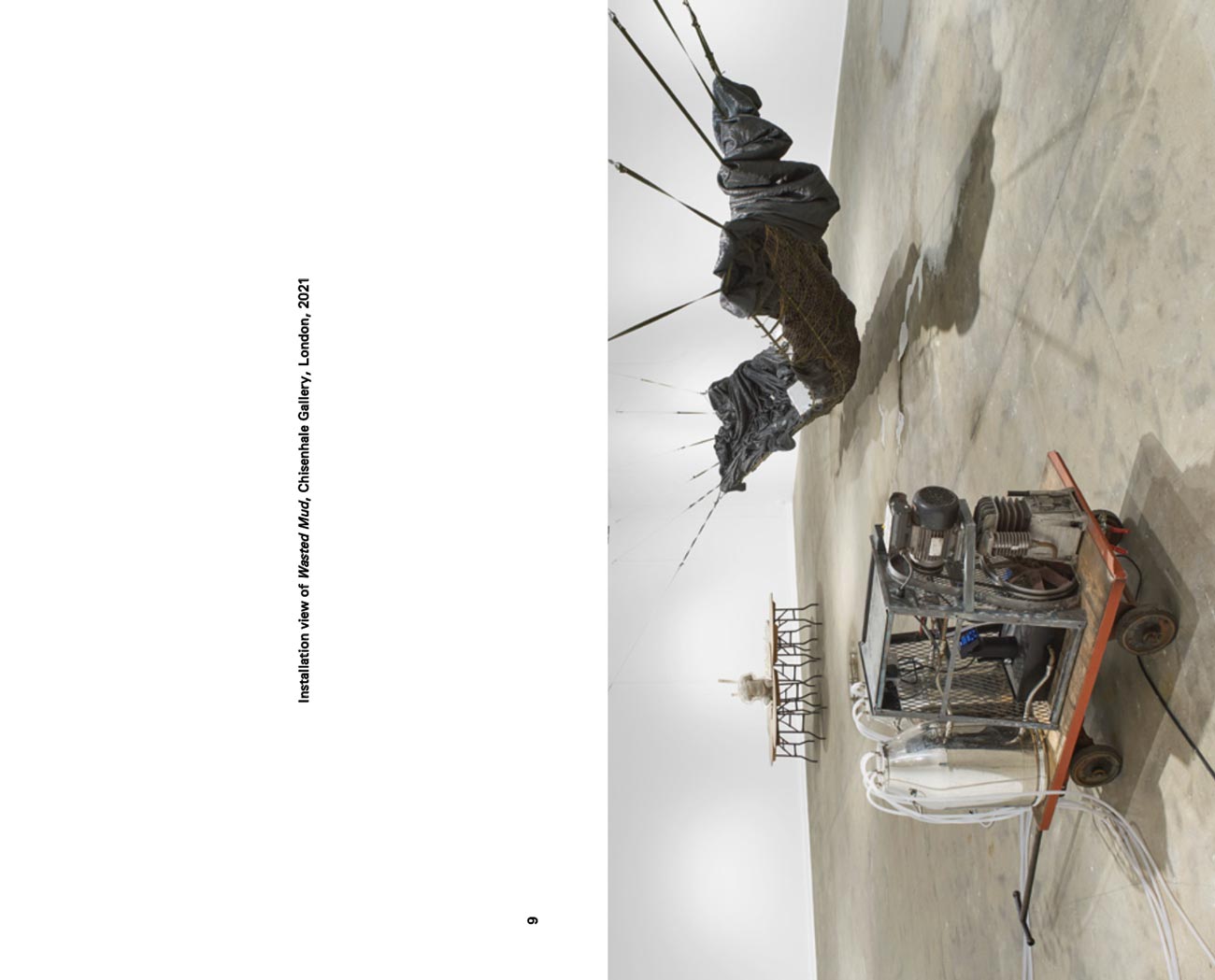
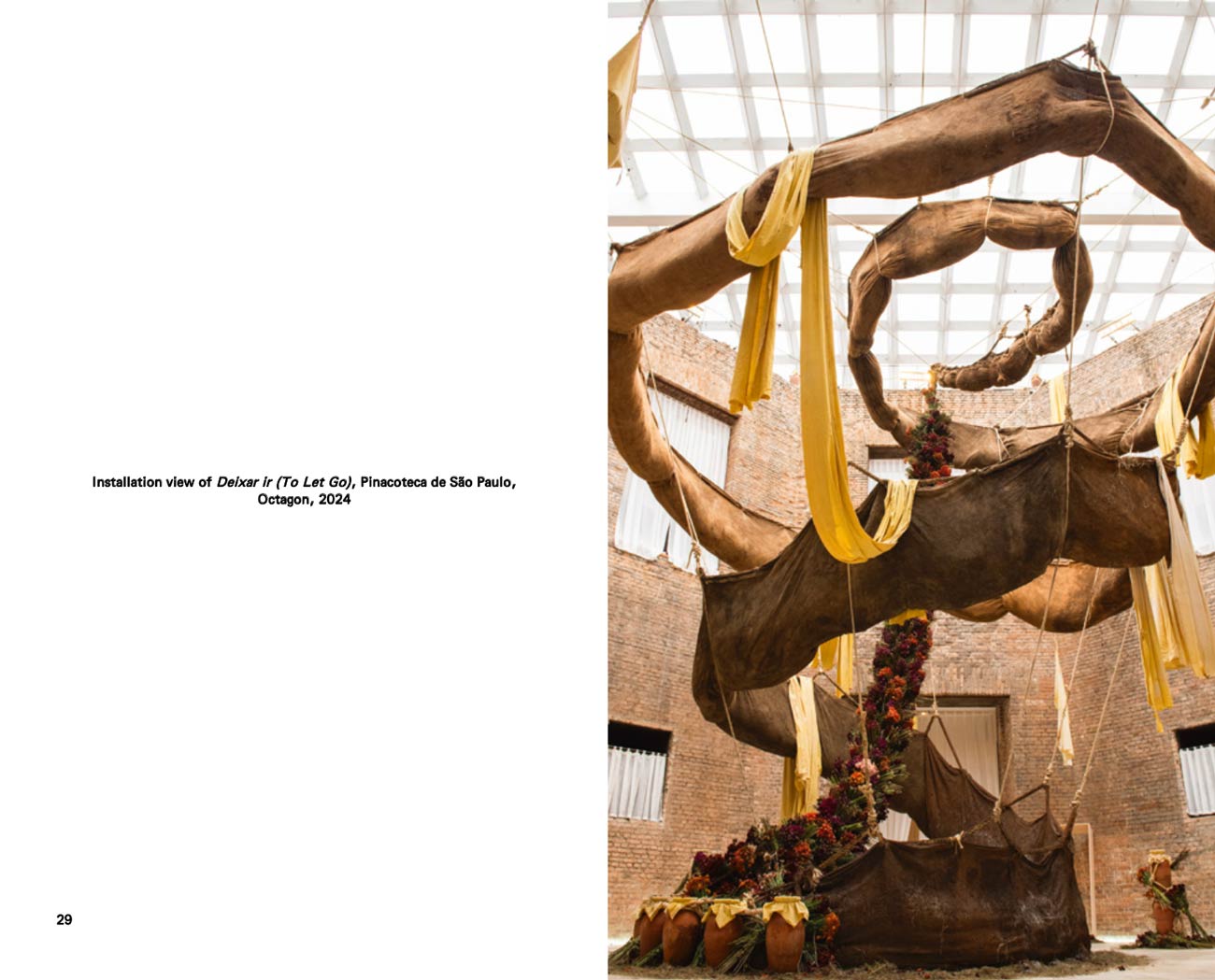
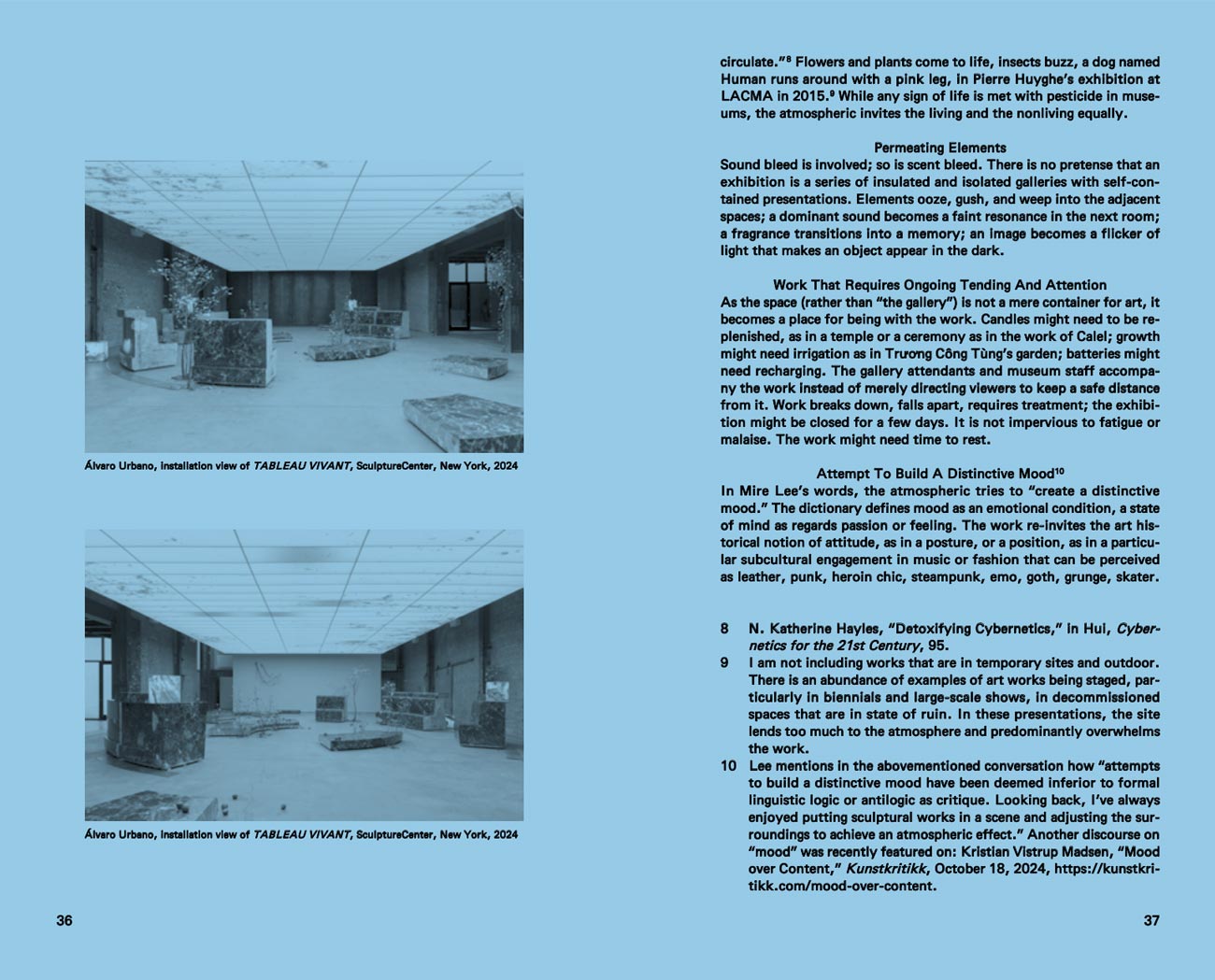
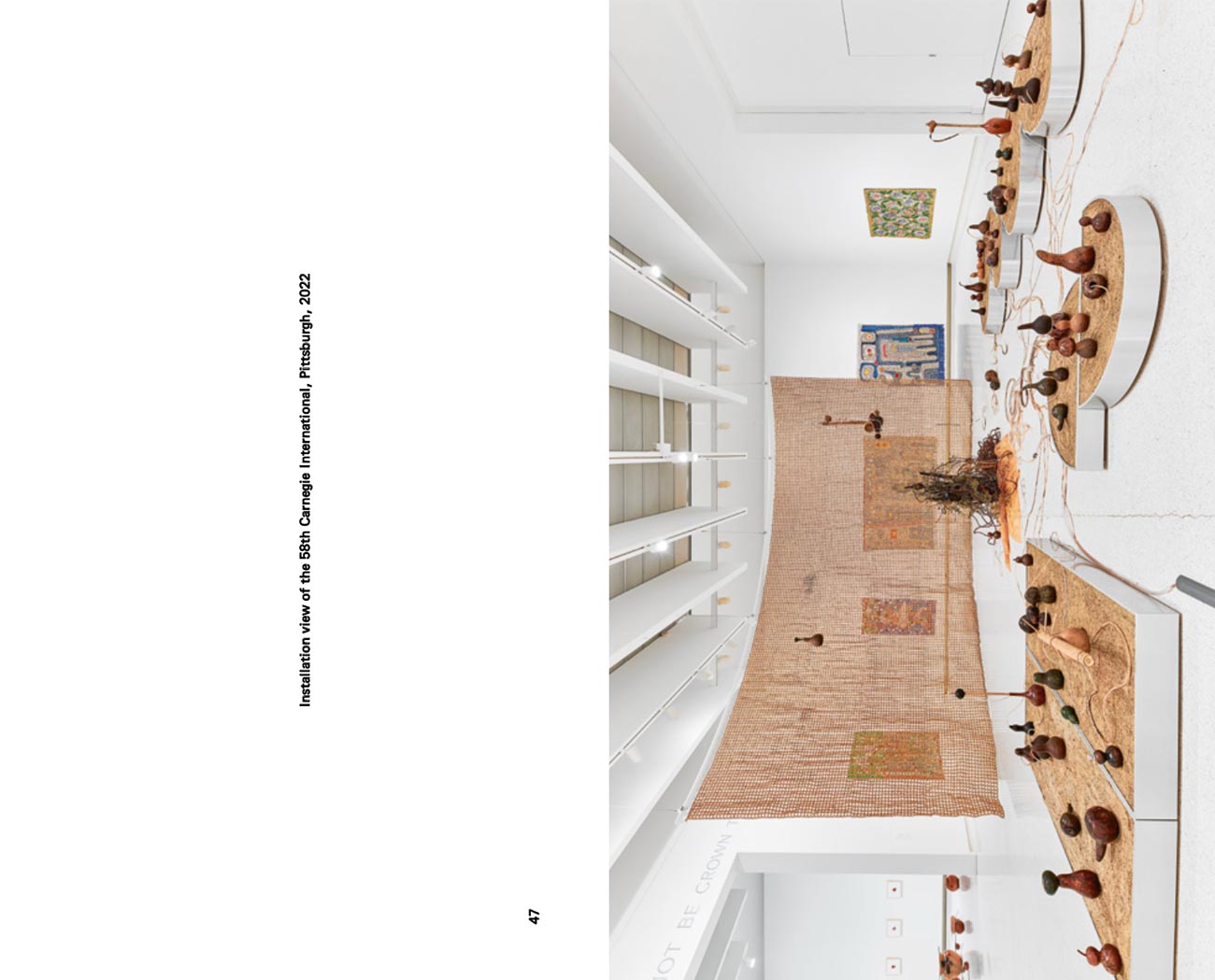
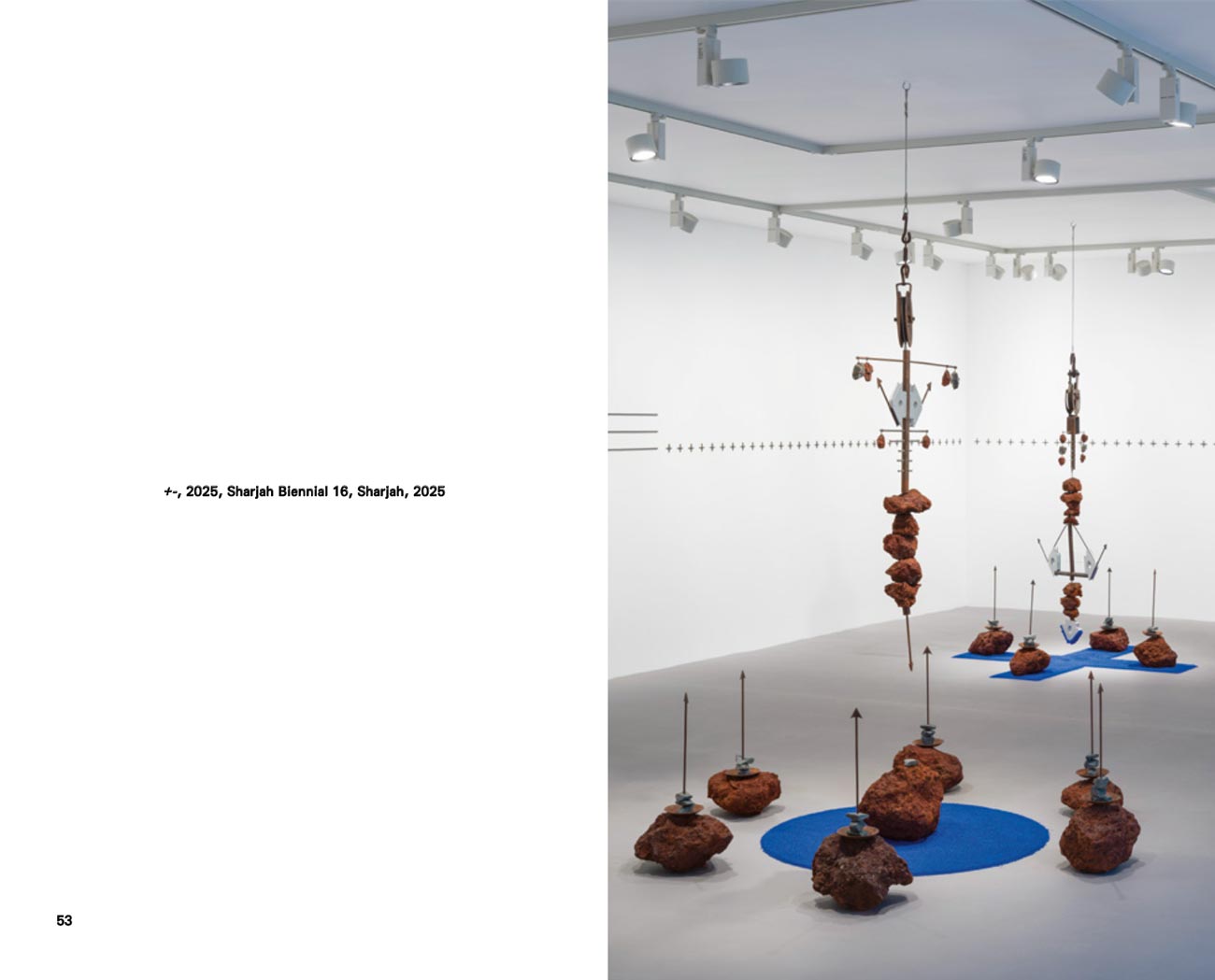
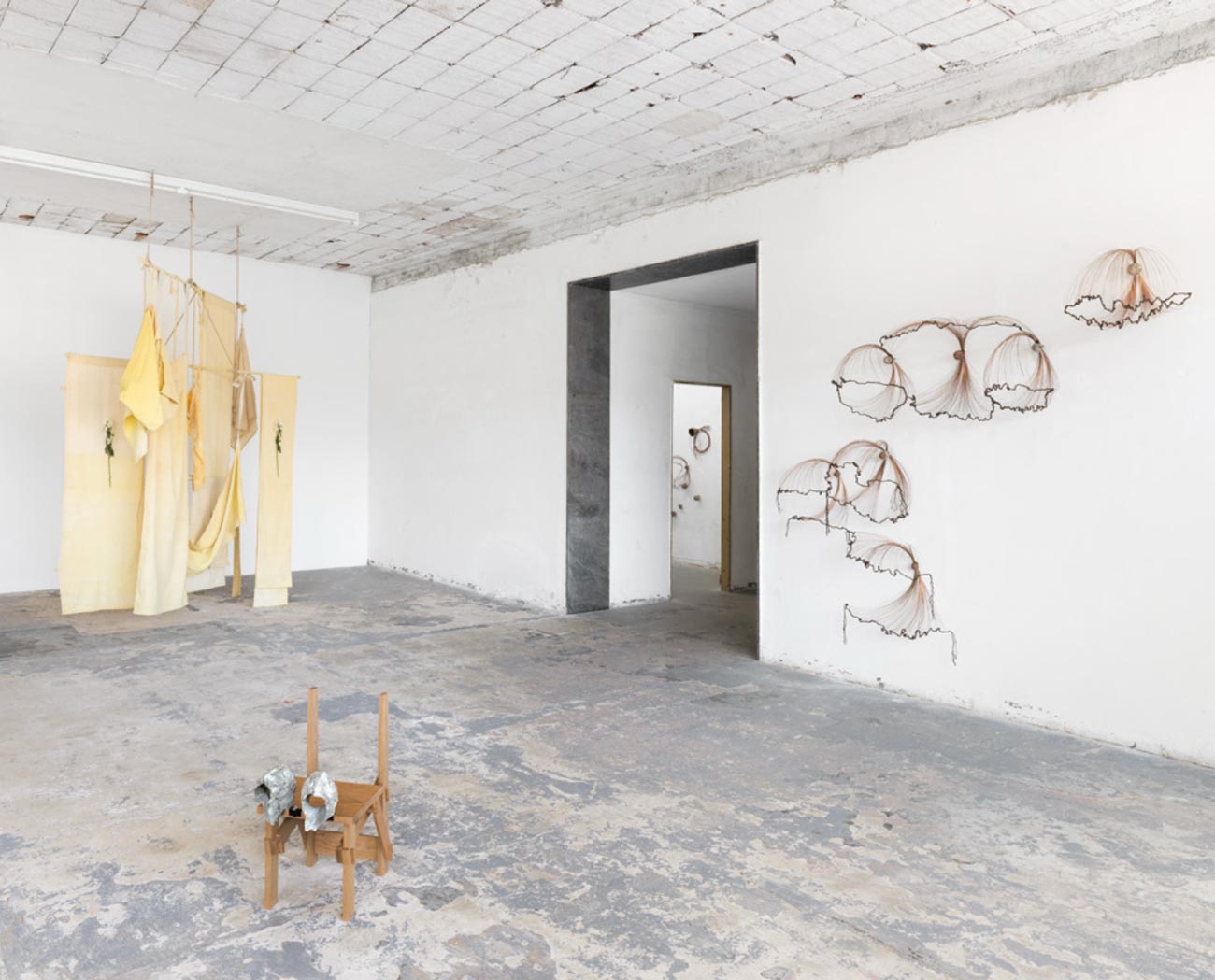
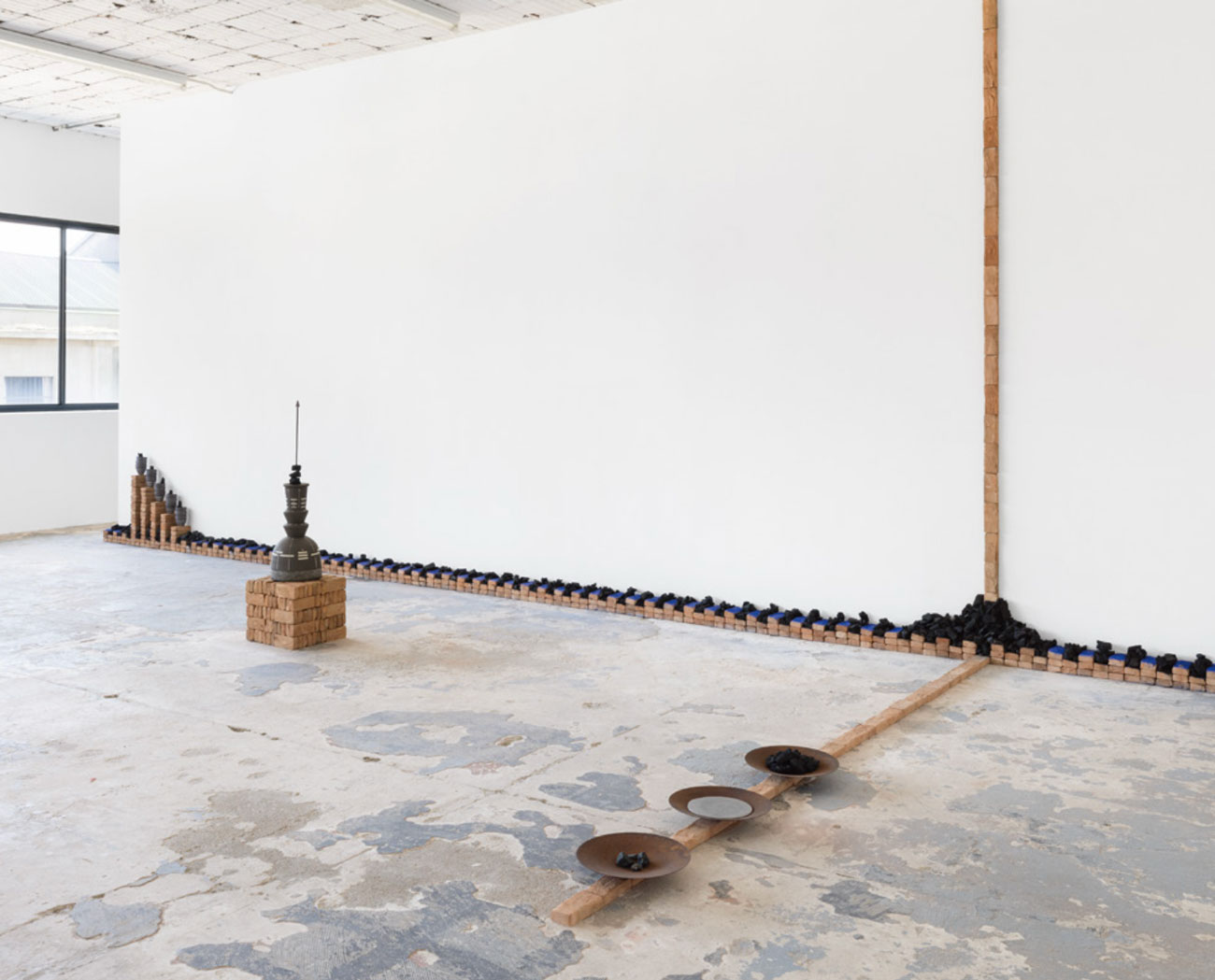
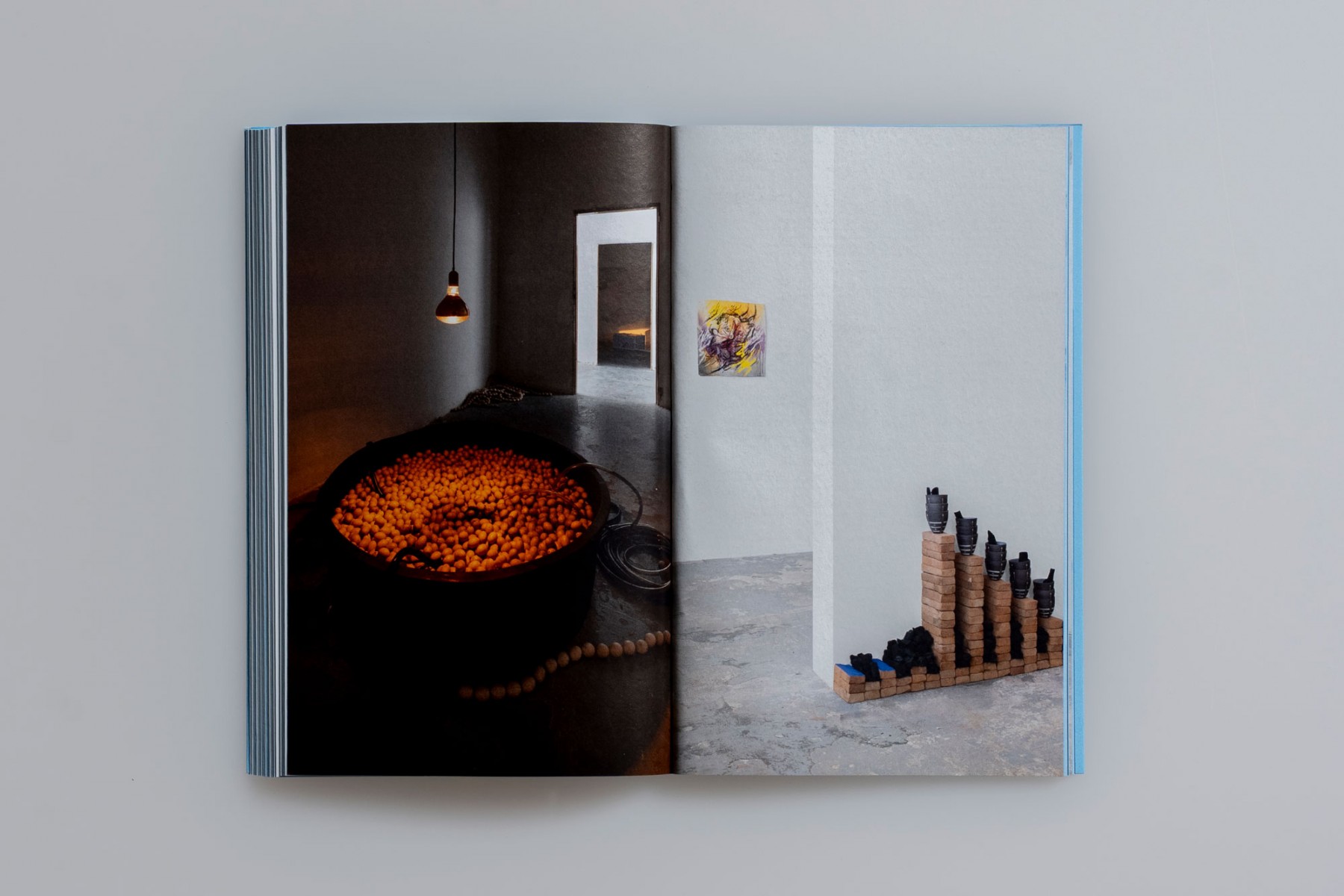
The book, edited by Federico Giani and Chiara Nuzzi, and printed on blue-black paper, is conceived as the interweaving of two independent yet simultaneous narratives, recalling the choreography of two dancers engaged in a dialogue within the same space-time. The first section, titled Gestures, focuses solely on images and consists of small portfolios by Yu Ji, Bronwyn Katz, Dan Lie, Trương Công Tùng, and Luana Vitra—finalists and joint winners of this edition of the Prize. For each of the artists, the book presents individual works and installation views from exhibitions, as well as images of works in progress in their respective workshops, thus offering a glimpse into the artists’ creative process.
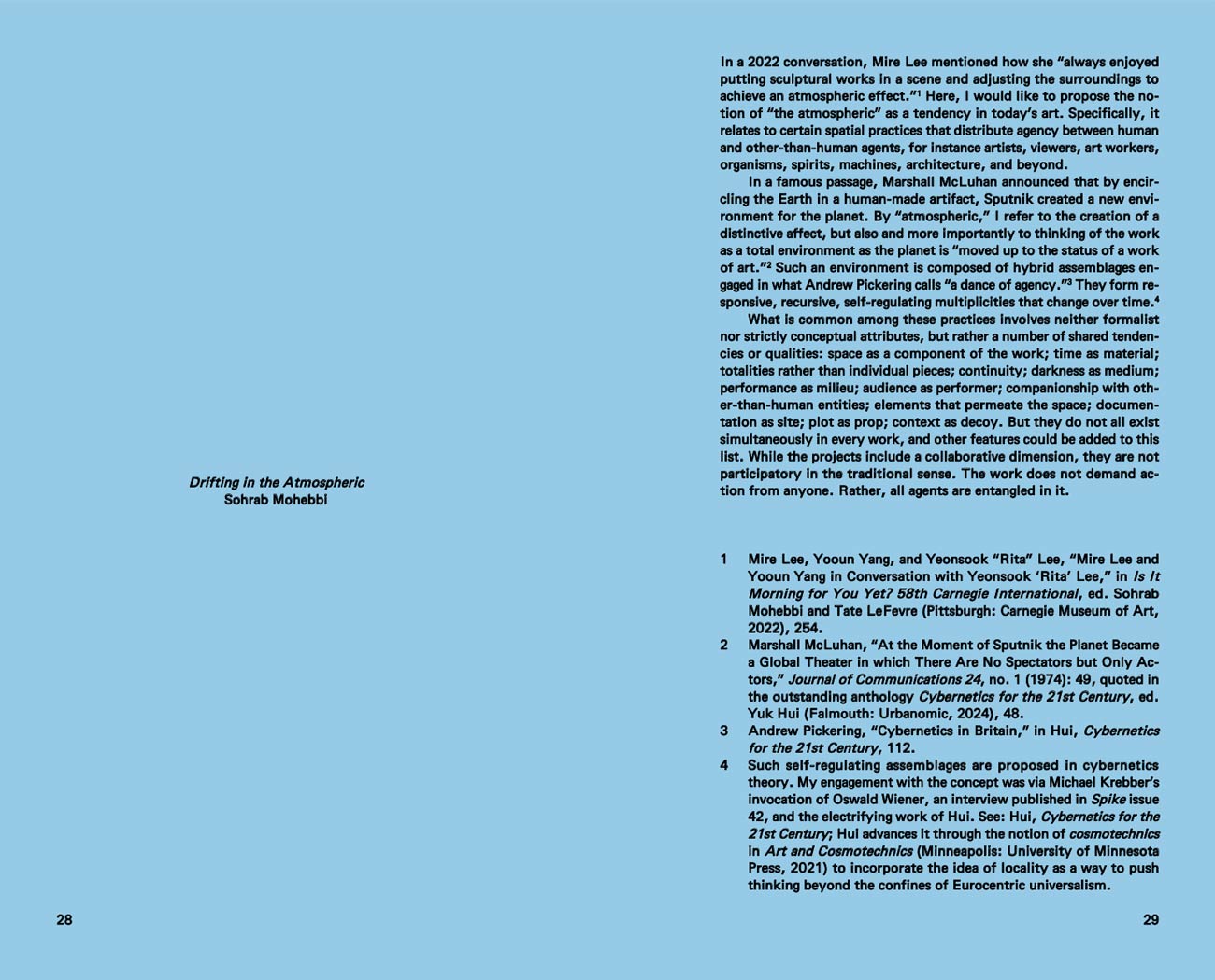
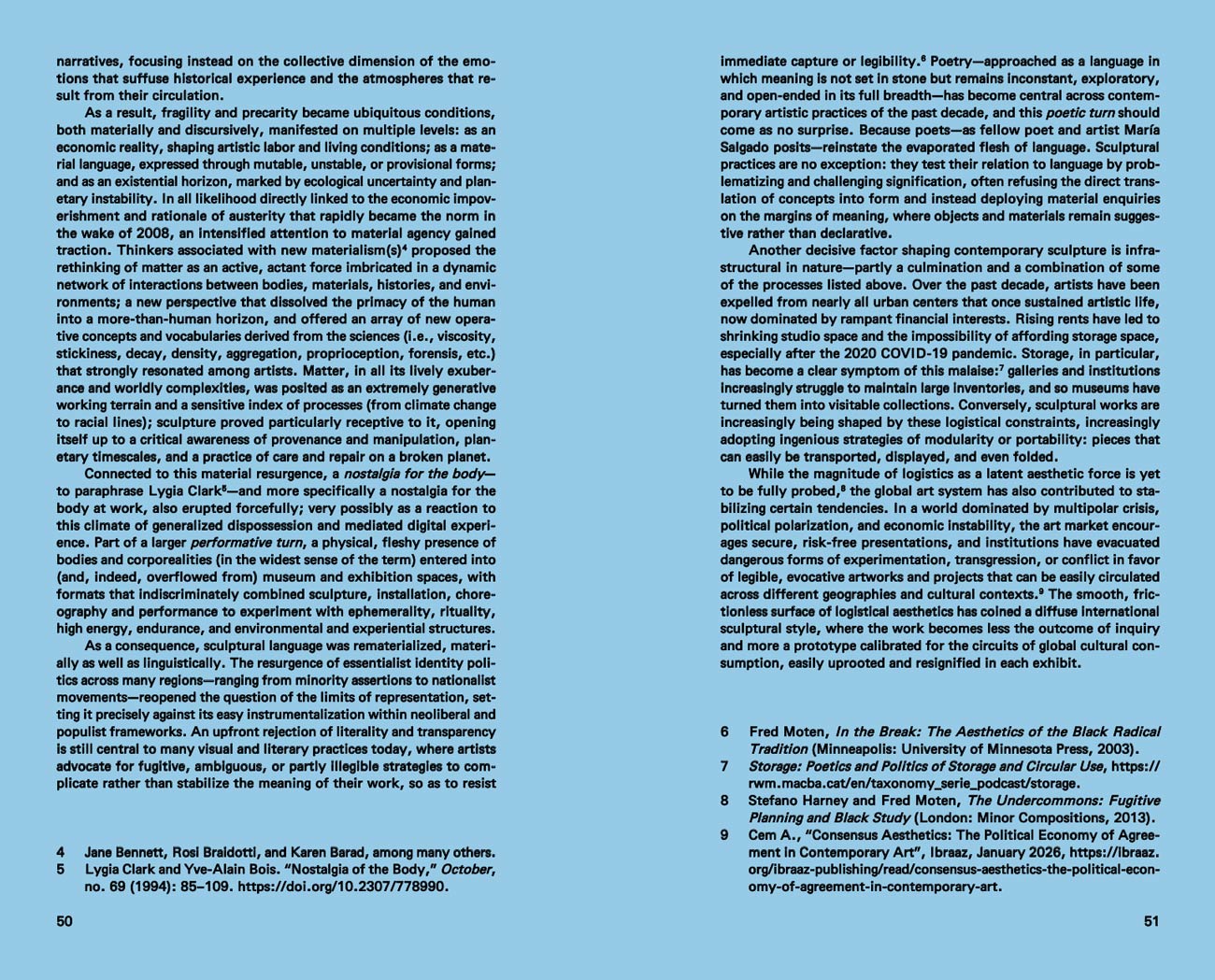
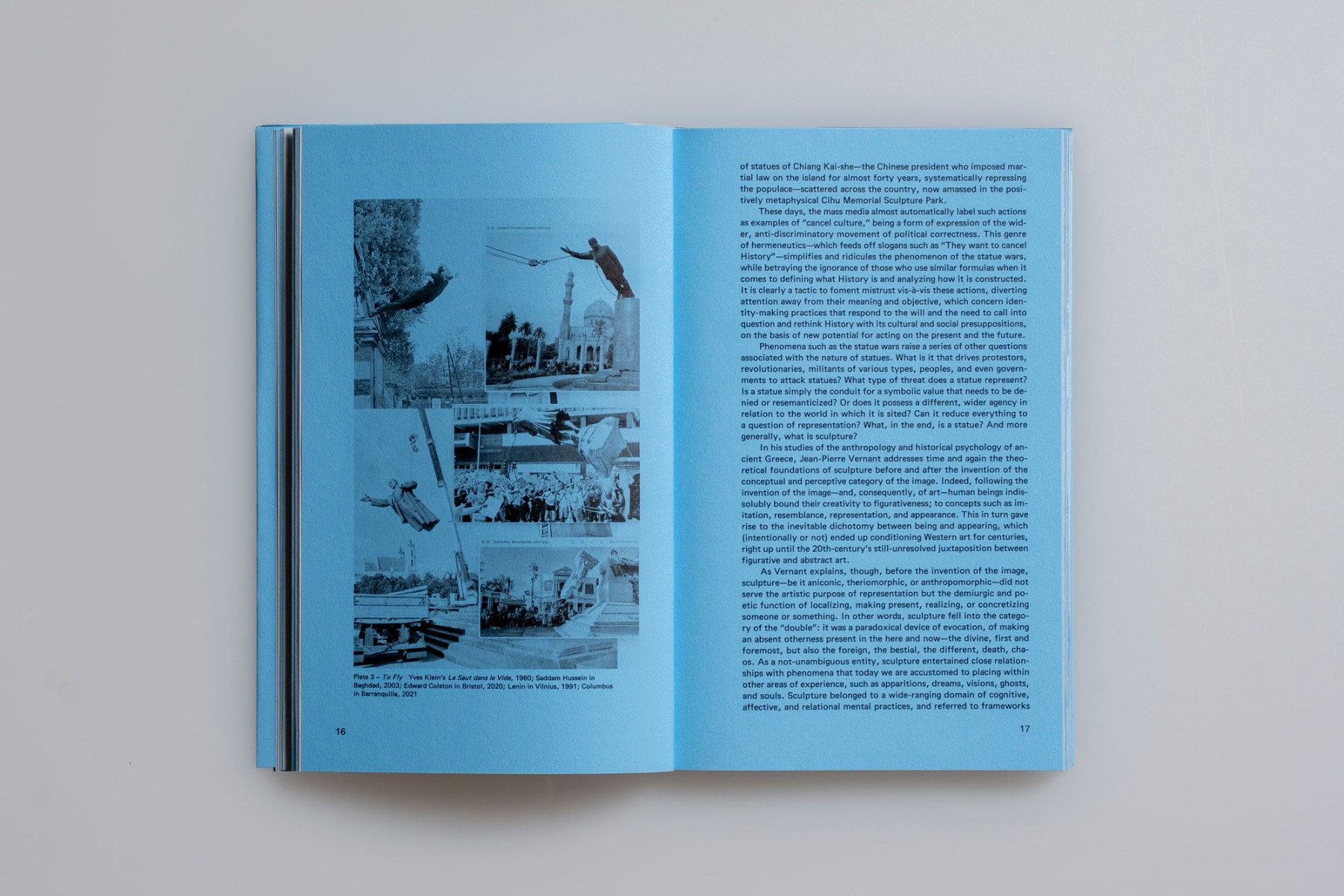
The second section is a condensed anthology of perspectives on contemporary sculpture. The five authors, who are members of the Prize jury, in addition to being directors and curators of the Sculpture Center, the Hirshhorn Museum and Sculpture Garden, the Museo Nacional Centro de Arte Reina Sofía, the Fondazione Arnaldo Pomodoro and the Fondazione ICA Milano, agreed to share their thoughts on the practices and conceptual frameworks that are driving sculpture forward today.
This approach gave rise to a multilayered panorama that encompasses everything from the anthropological constants linking archaic and contemporary perceptions of sculpture, to the elements that contribute to defining the “atmospheric” quality of present-day sculpture and its interpretation as, variously: a relational and transformative art form comparable to dance; a materially experiential expression of the “structure of feeling” within today’s political, social, and theoretical context; an inquiry into how sculpture—now, as before—is ultimately a site for investigation, sensation, and possible revelation; and a gathering place where we attempt to understand how things generate meaning.