Pavilion by multimedia artist Samson Young revisits THINK, the film created by Charles and Ray Eames for the IBM Pavilion at the 1964 New York World’s Fair. Reflecting on its legacy, the work explores the optimism and anxieties surrounding early database cinema in an age when generative AI has exponentially accelerated data patterning.
Nella prima monografia dedicata al collettivo femminista di arte concettuale Claire Fontaine, la teorica politica e operatrice somatica Anita Chari approfondisce le innovazioni concettuali e artistiche del collettivo, proponendo una prospettiva più aptica e incarnata nei confronti della teoria critica.
Full Rotation brings together texts and images to trace the forces that draw bodies beyond themselves. Moving between ecstasy, animal life, and light, the book explores heightened sensation, altered perception, and dissolution, where the human gives way to other forms of existence and boundaries between the physical, psychic, and cosmic begin to blur.
This is the first monograph on the influential American choreographer and dancer Trajal Harrell. In an entertaining, far-reaching conversation with curator Daniel Baumann, Harrell covers all of his choreographies and performances, as well as his influences, successes, and failures, addressing how he transforms and transgresses the history of dance.
Maxiprocesso brings together 360 photographs by Maria D. Rapicavoli, one for each of the archival folders documenting the largest mafia trial in history, held in Palermo from 1986 to 1987. The volume explores the relationship between memory, justice, and social responsibility, examining the material element of a landmark event in contemporary Italian history.
This book offers the first comprehensive overview of Anna Franceschini’s practice. Organized around recurring themes, it explores animation, the body, machines, ghosts, desire, and windows through commissioned contributions and selected writings. Its associative structure reflects her interest in repetition, transformation, and unstable images.
Edited by Clarisse Fahrtmann, Clementine Proby and Joel Valabrega
Foreword by Bettina Steinbrügge
Authors: Kate Cooper, Lukas Hofmann, David McDermott, Markus Pilgram, Agnieszka Polska, Clémentine Proby, Sin Wai Kin, Bettina Steinbrügge, Geraldine Tedder, Joel Valabrega and Lauren Wetmore
Design by Sam de Groot
2023, English, softcover, 16.5 x 24 cm, 200 pages
ISBN: 979-12-80579-52-2
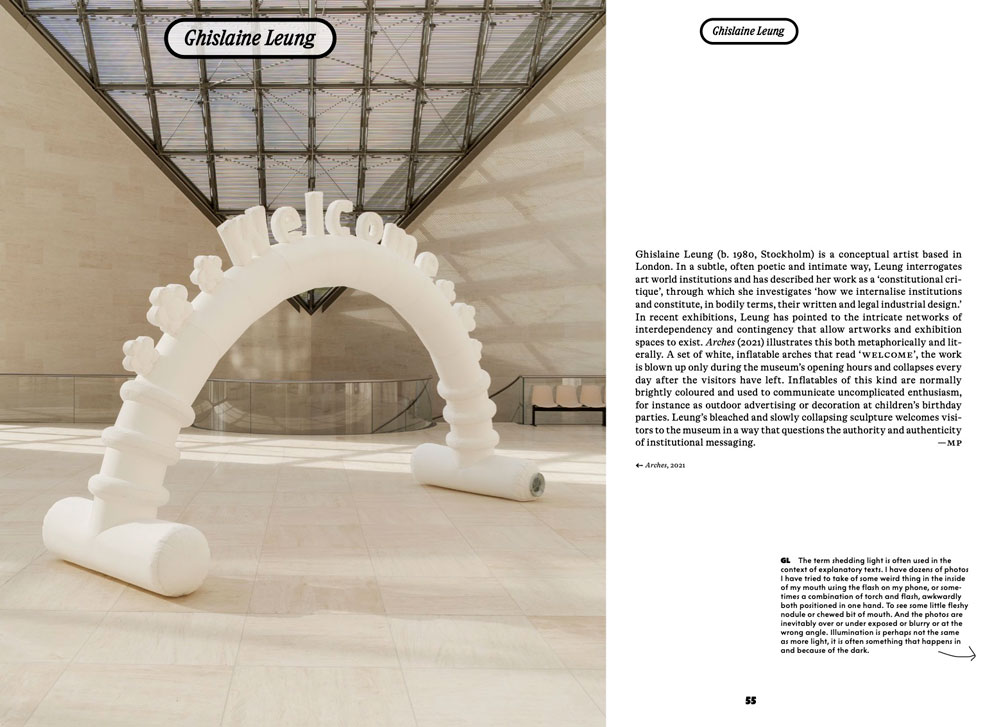
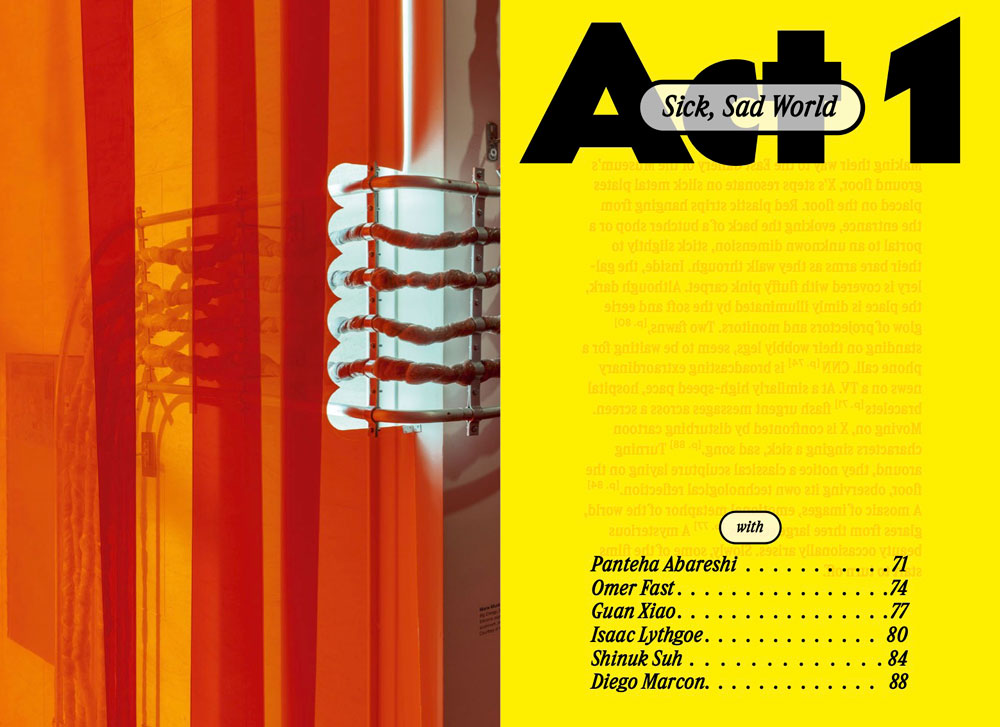
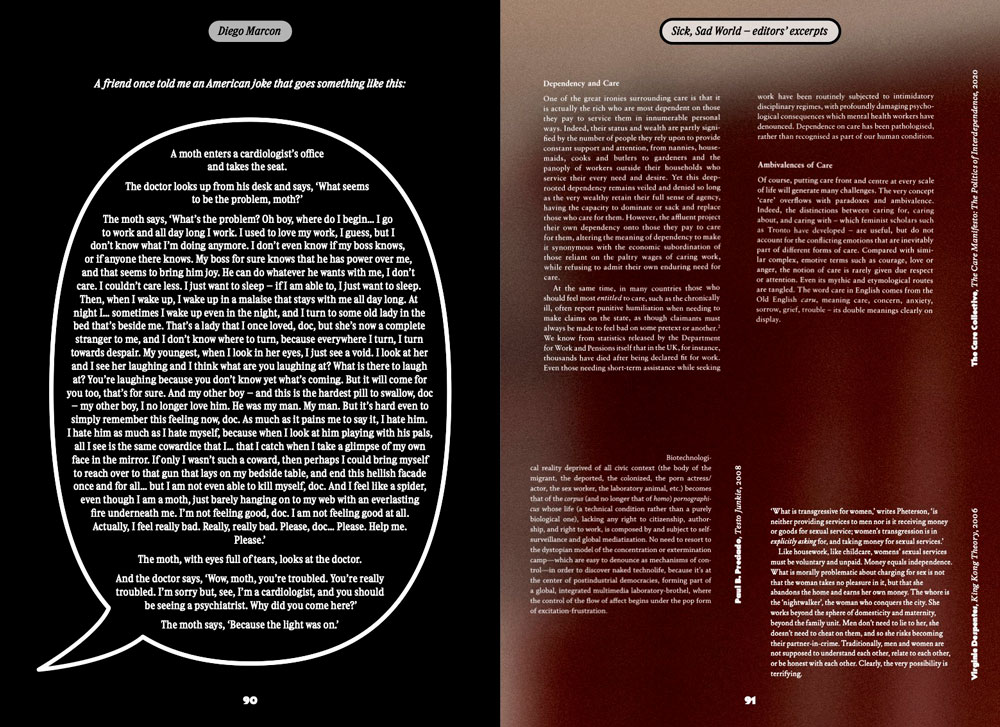
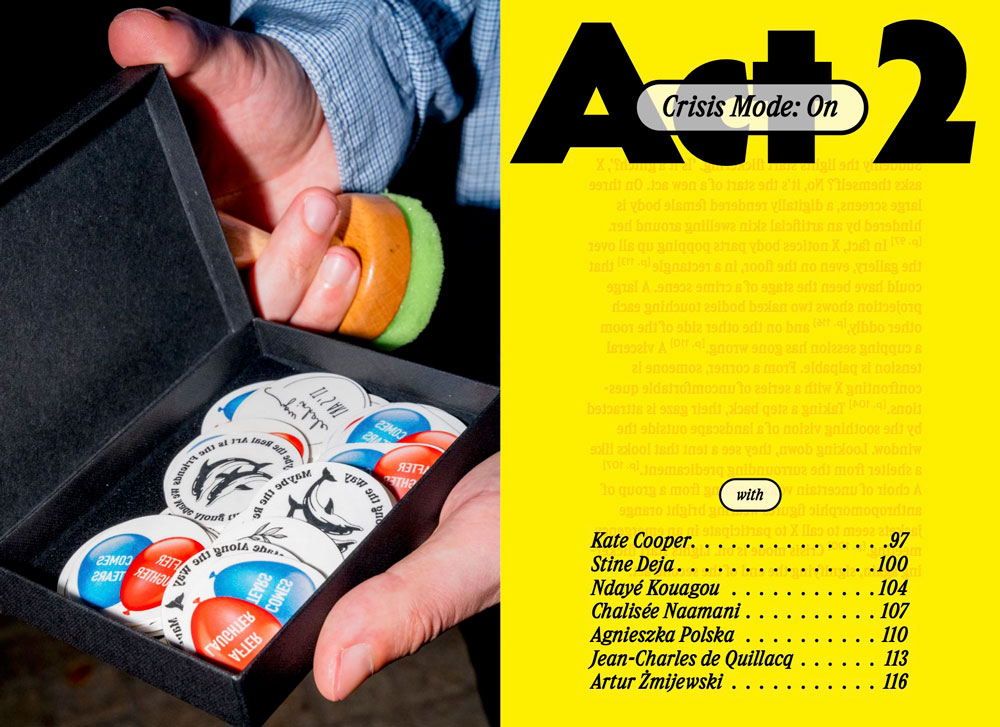
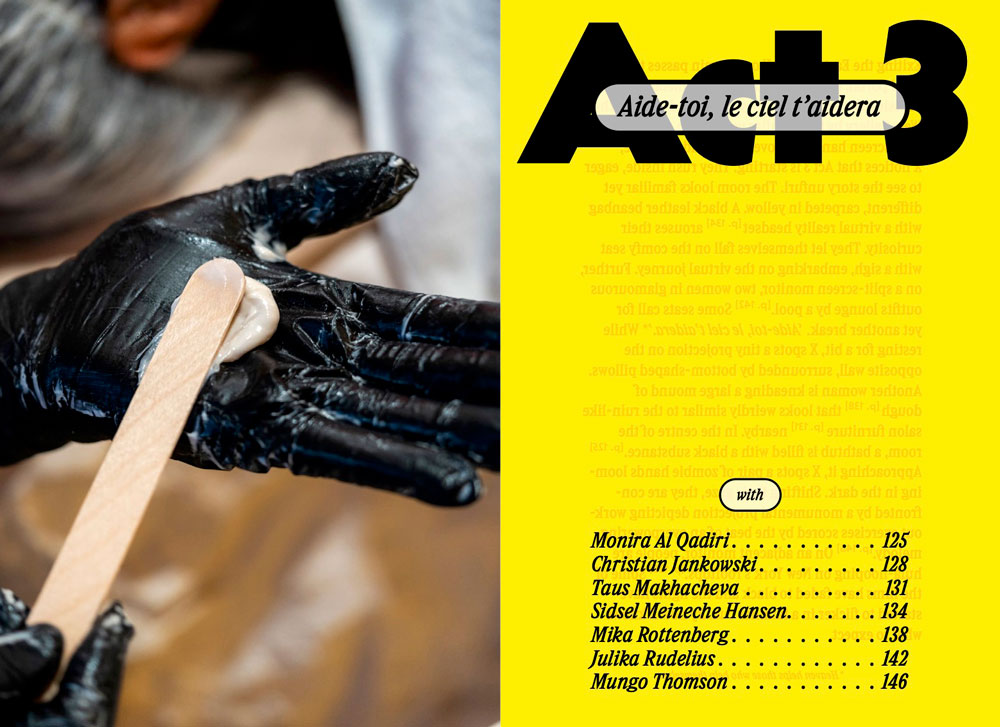
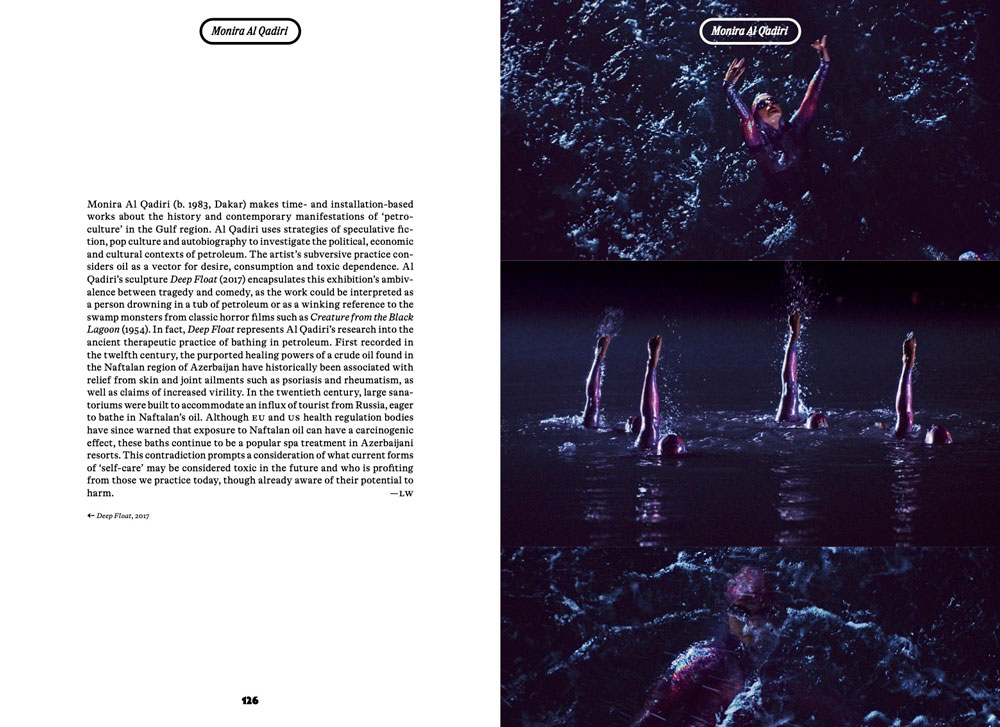
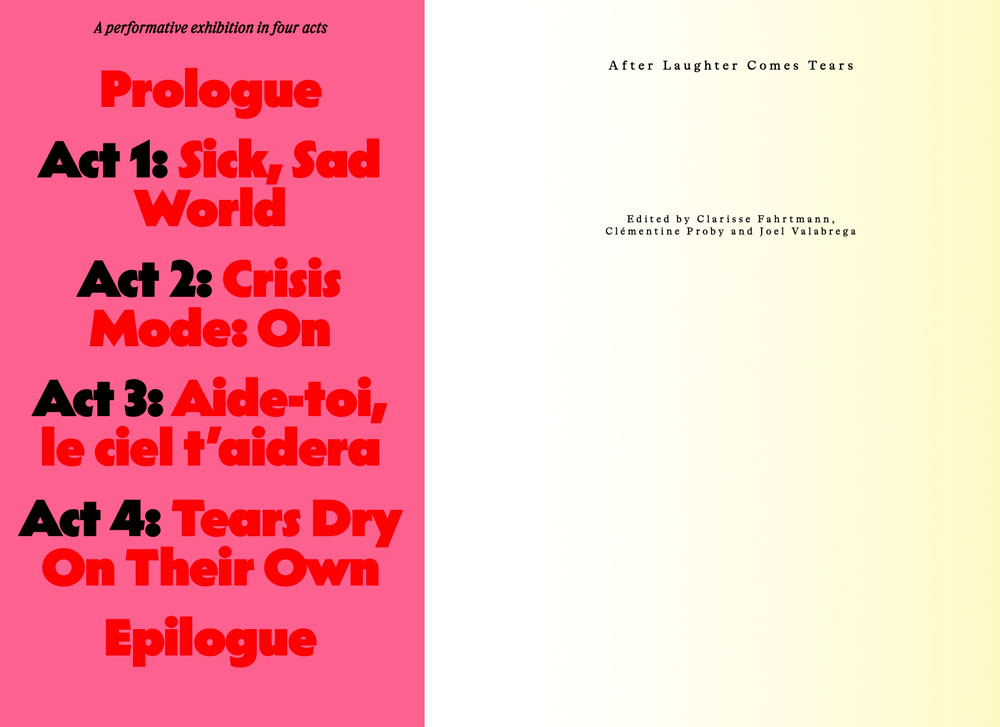
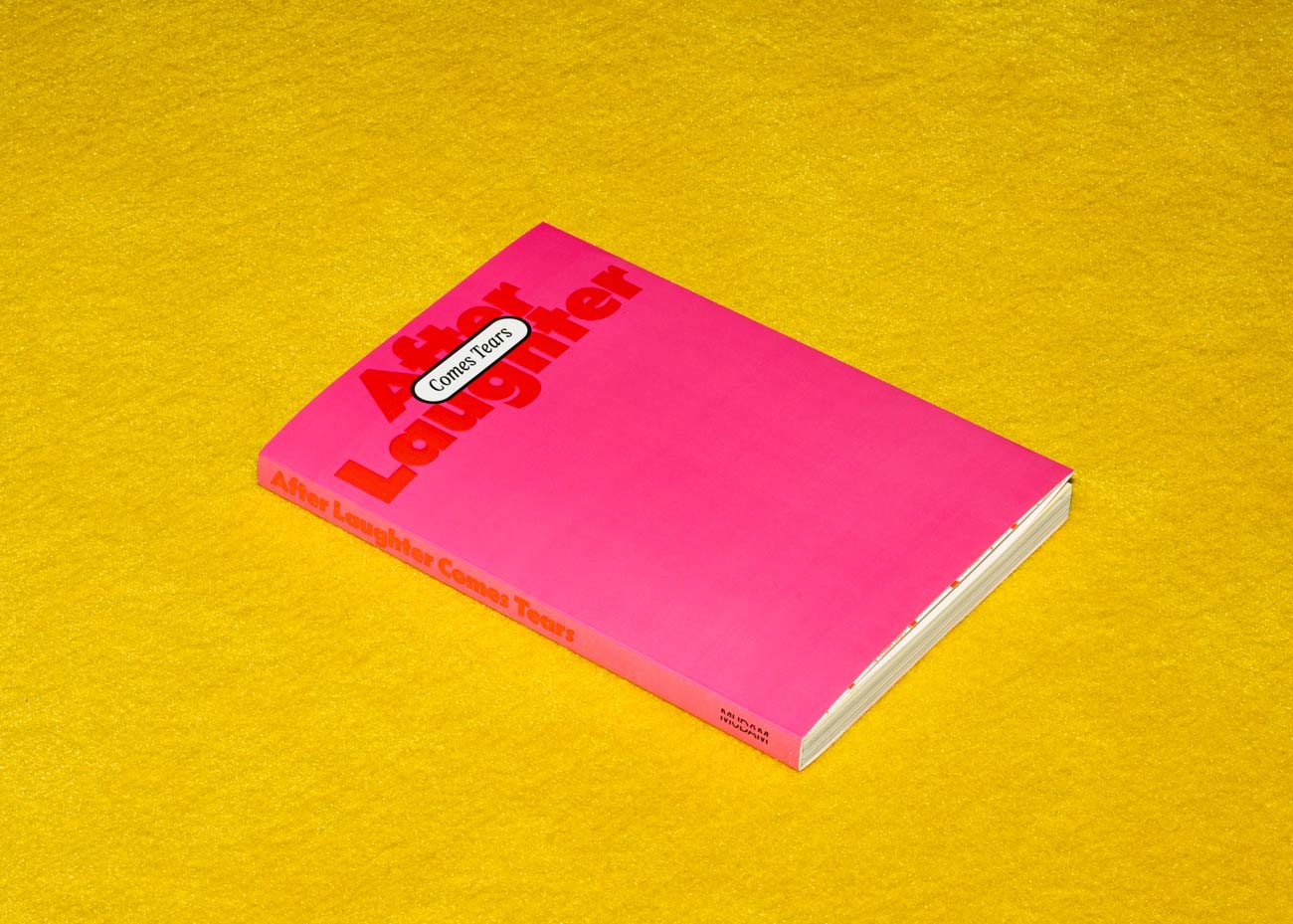
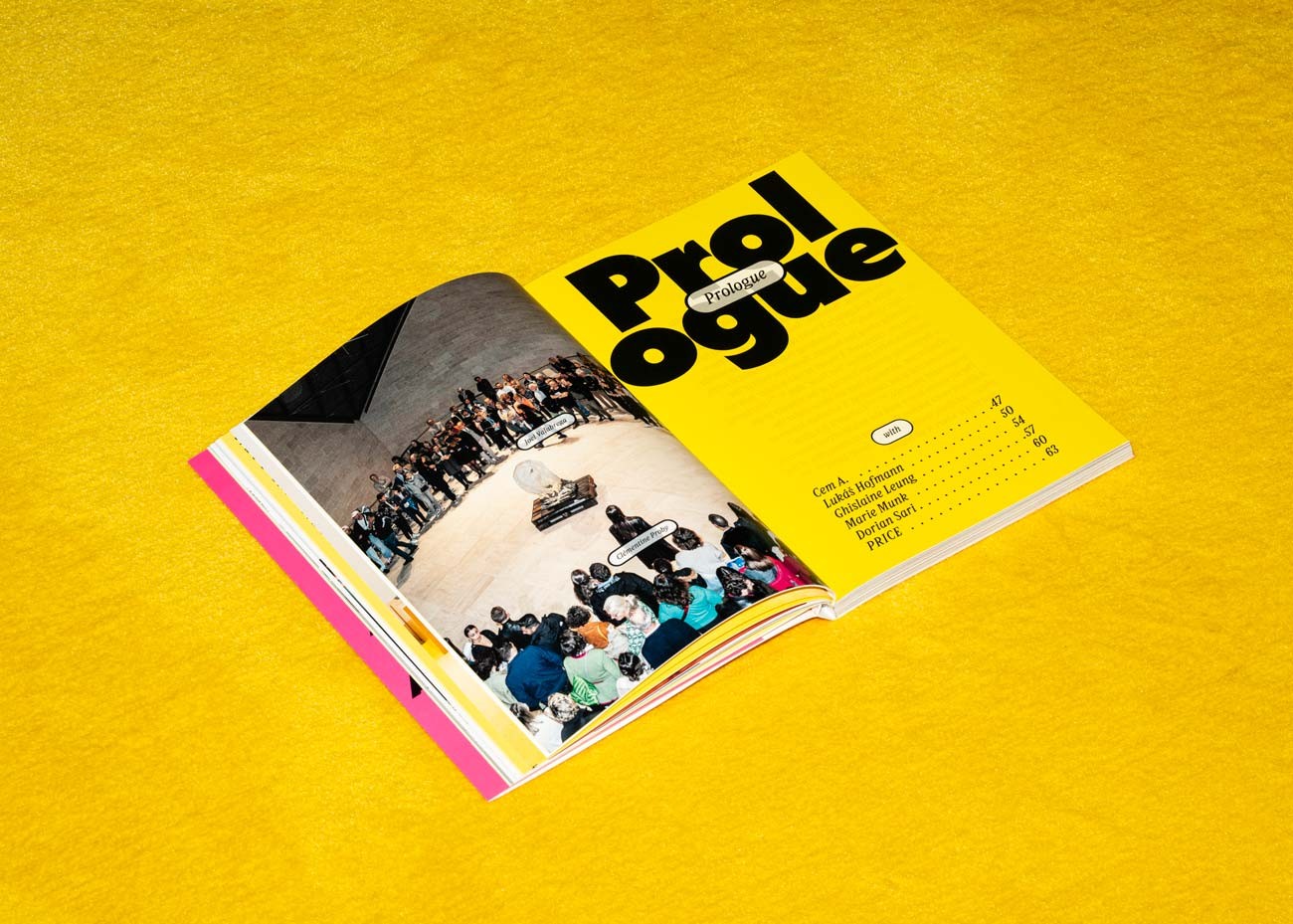
After Laughter Comes Tears, in its exhibition and book forms, brings together artists from different generations who are experimenting with the idea of the performative. This publication follows the structure of the exhibition at Mudam Luxembourg, with a prologue, four acts and an epilogue, which each sample excerpts from the range of theory, fiction and poetry that inspired and substantiate the themes of the exhibition. Widening the spectrum of the traditional catalogue, each artist was given a “carte blanche”—an invitation to contribute to the book on their own terms.
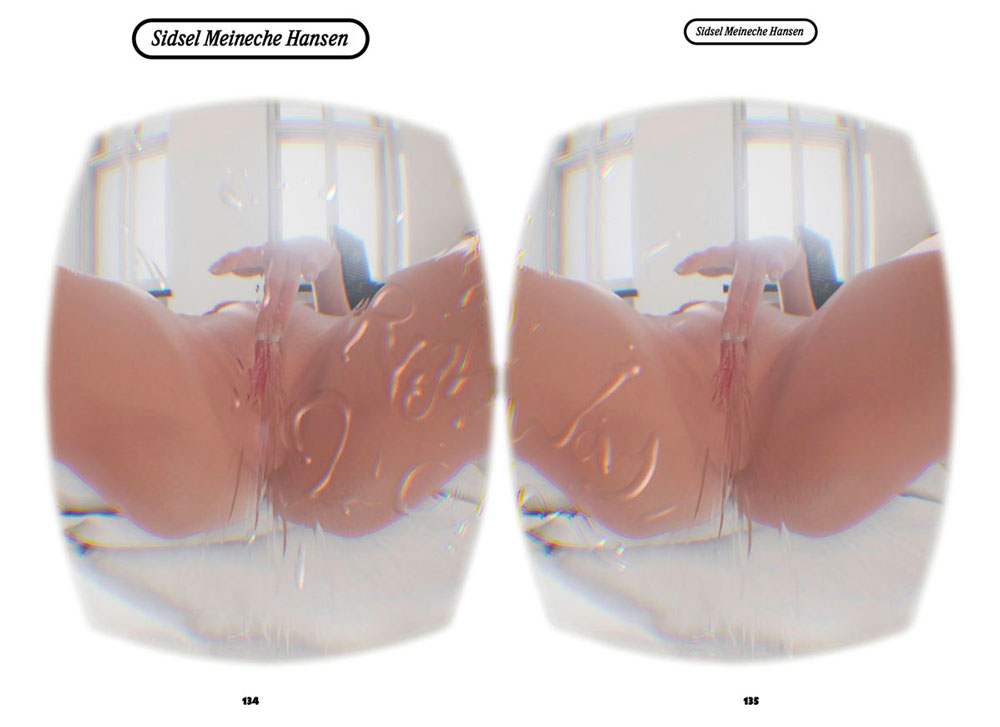
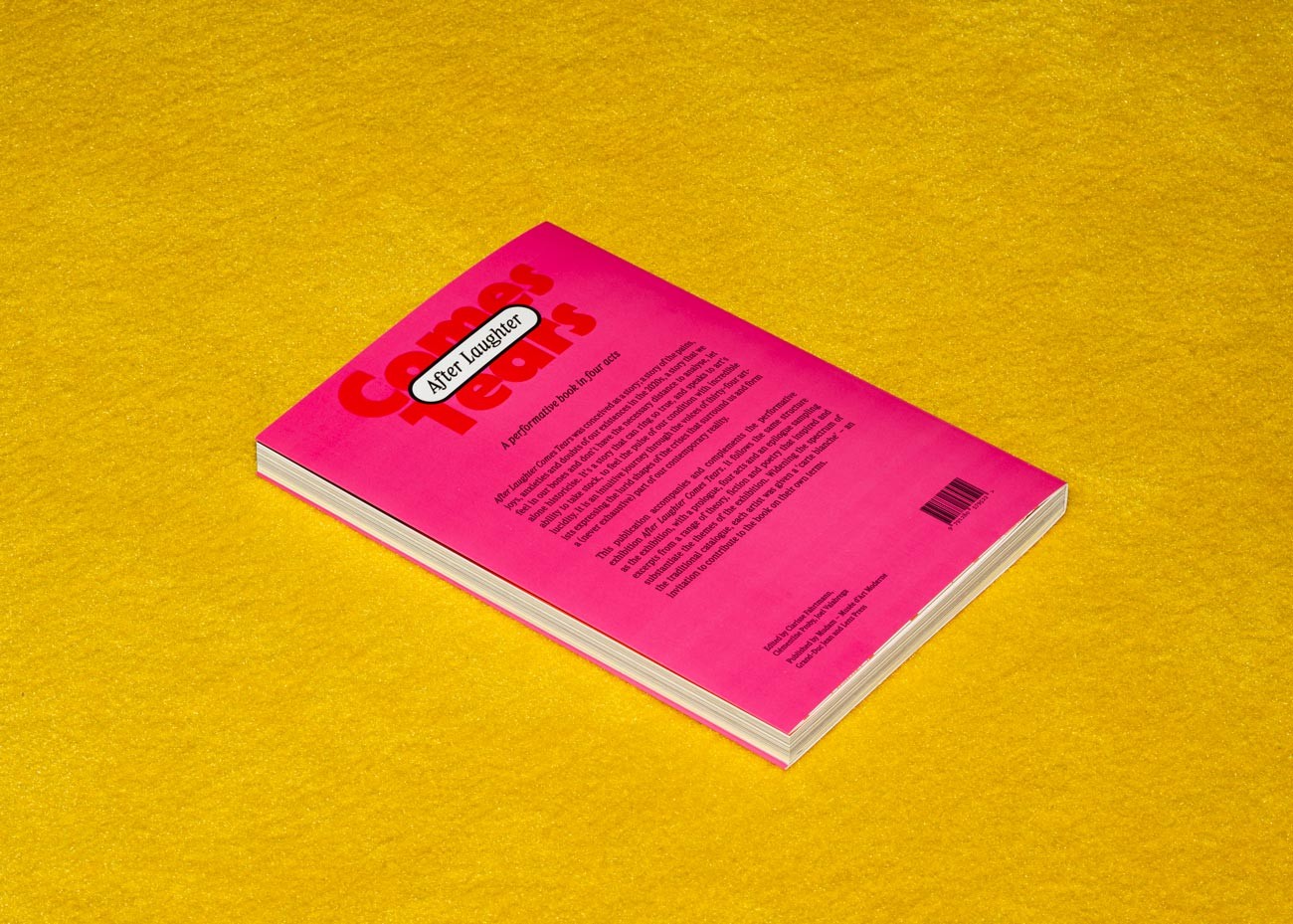
This performative book was conceived as a story; a story of the pains, joys, anxieties and doubts of the 2020s. It takes as a starting point, the feelings of stasis and anger that define the present stage of late capitalism, framed by the anxieties of a generation facing a climate crisis, welfare states trampled and failed by neoliberal policies and the rise of xenophobia around the globe, partly fueled by fake news spreading on- and offline. It is an intuitive journey through the voices of thirty-four artists expressing the lurid shapes of the crises that surround us and form a (never exhaustive) part of our contemporary reality. They are Cem A., Panteha Abareshi, Monira Al Qadiri, Kate Cooper, Pauline Curnier Jardin, Jesse Darling, Stine Deja, Omer Fast, Anna Franceschini, Guan Xiao, Sidsel Meineche Hansen, Lukáš Hofmann, Christian Jankowski, Chris Korda, Ndayé Kouagou, Ghislaine Leung, Isaac Lythgoe, Taus Makhacheva, Diego Marcon, Jacopo Miliani, Marie Munk, Chalisée Naamani, Agnieszka Polska, PRICE, Jean-Charles de Quillacq, Mika Rottenberg, Julika Rudelius, Dorian Sari, Sin Wai Kin, Shinuk Suh, Martine Syms, Mungo Thomson, Cajsa von Zeipel, and Artur Żmijewski.