This richly illustrated publication combines artwork, archival and process imagery, and includes an extended interview with the artist, as well as new essays by key thinkers in the fields of anthropology, philosophy, political economy and art history.
In the first monograph on the feminist conceptual artist collective Claire Fontaine, political theorist and somatic practitioner Anita Chari explores the artist’s theoretical and political innovations to illuminate a more haptic, embodied approach to the practice of critical theory.
Shahryar Nashat inserts his art in the pages of this new artist’s book, which takes the form of a catalogue-turned-manual: but instead of explaining its meaning, he strips it of its aura, flaunts its nature as an object and describes step-by-step how to create it.
Martin Heidegger, Glenn Gould, Jacques-Louis David, Cy Twombly, Paul Engelmann and Ludwig Wittgenstein: characters that Francesco Arena has chosen or rediscovered in multiple contexts over the time recur in this book. Ranging from philosophy, to music, to visual arts, they embrace the whole world of knowledge.
This first institutional monograph on the multimedia practice of artist and director Ali Cherri aims to highlight the themes and formal concerns running through his most recent, highly significant projects at GAMeC, Bergamo; Frac Bretagne, Rennes; Swiss Institute, New York; Biennale Arte 2022, Venice; and the National Gallery, London.
The book highlights the main characteristics of the collective trauma that gave rise to Rachel Whiteread’s project for GAMeC. The psychoanalysts Angelo Antonio Moroni and Pietro Roberto Goisis map out a composite picture, starting from the sense of vulnerability and collective loss associated with the Covid-19 pandemic.
Edited by Andrea Bellini and Nora N. Khan
Texts by Basel Abbas & Ruanne Abou-Rahme, Andrea Bellini, Danielle Brathwaite-Shirley, Giacomo Castagnola, Sheila Chiamaka Chukwulozie, Cairo Clarke, Tamar Clarke-Brown, Hajra Haider Karrar, Aziz Hazara, Nasrin Himada, Interspecifics, Will Jennings, Nora N. Khan, Michael Kurtz, Lauren Lee McCarthy, Luc Meier, Margarida Mendes, Harlan Levey, Shuang Li, Alessandro Rabottini, Sahej Rahal, Francesca Recchia, Elvia Wilk
Designed by Lorenzo Mason Studio
2026, English, softcover, 24 x 29 cm, 272 pages
ISBN 979-12-80579-87-4
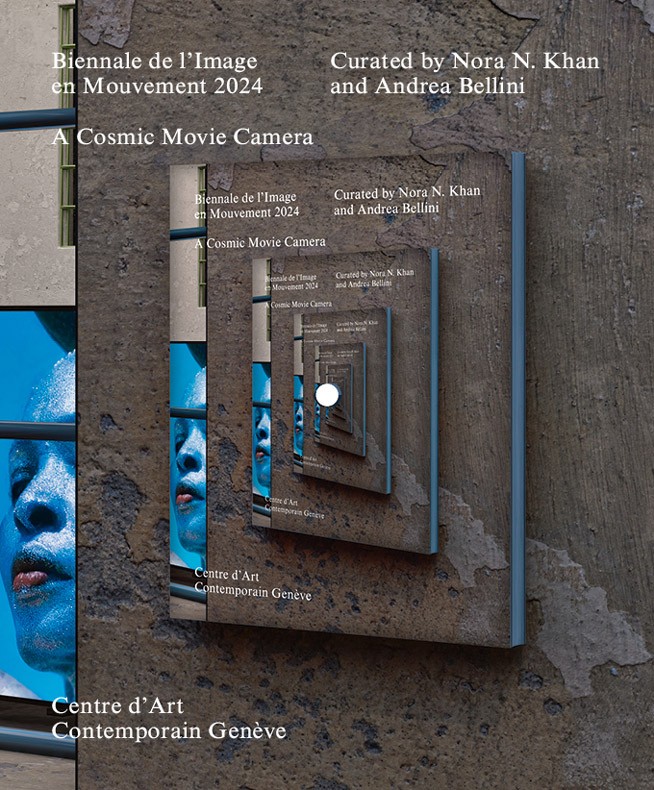
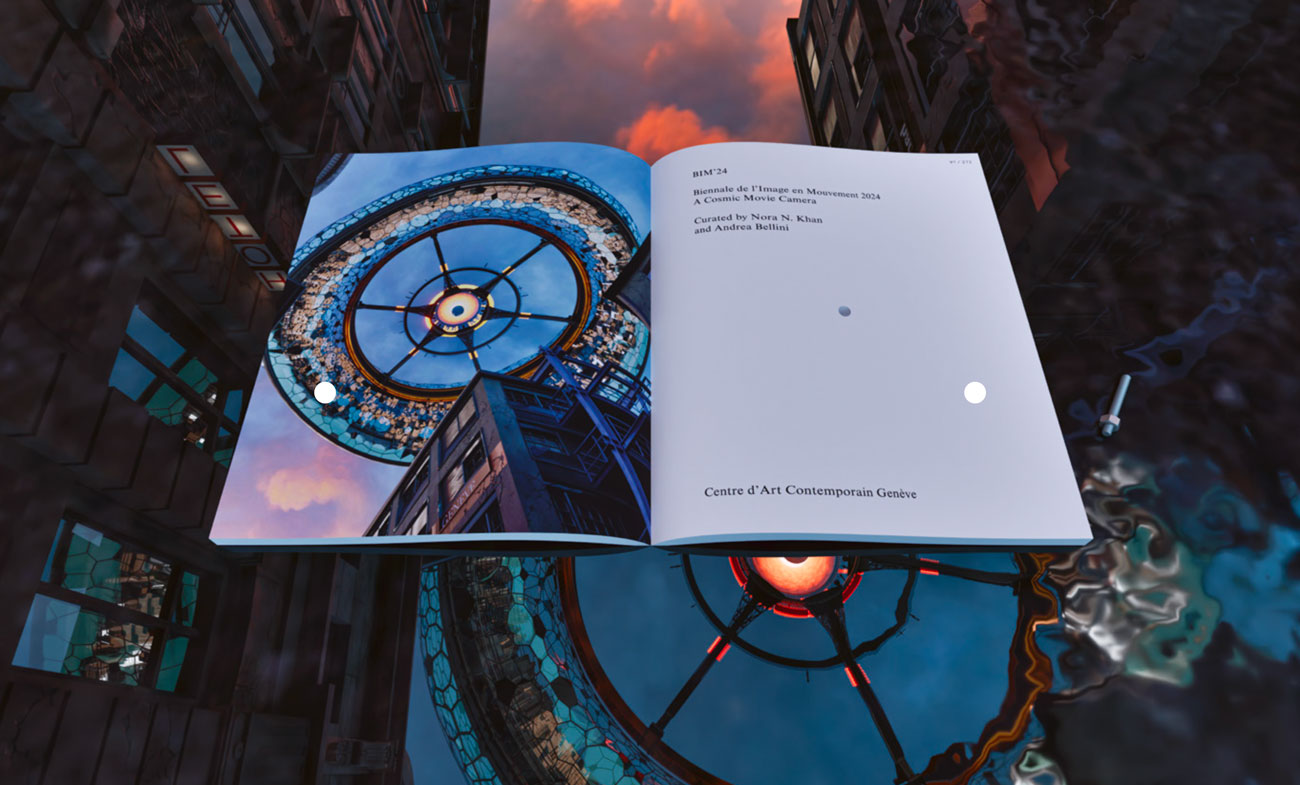
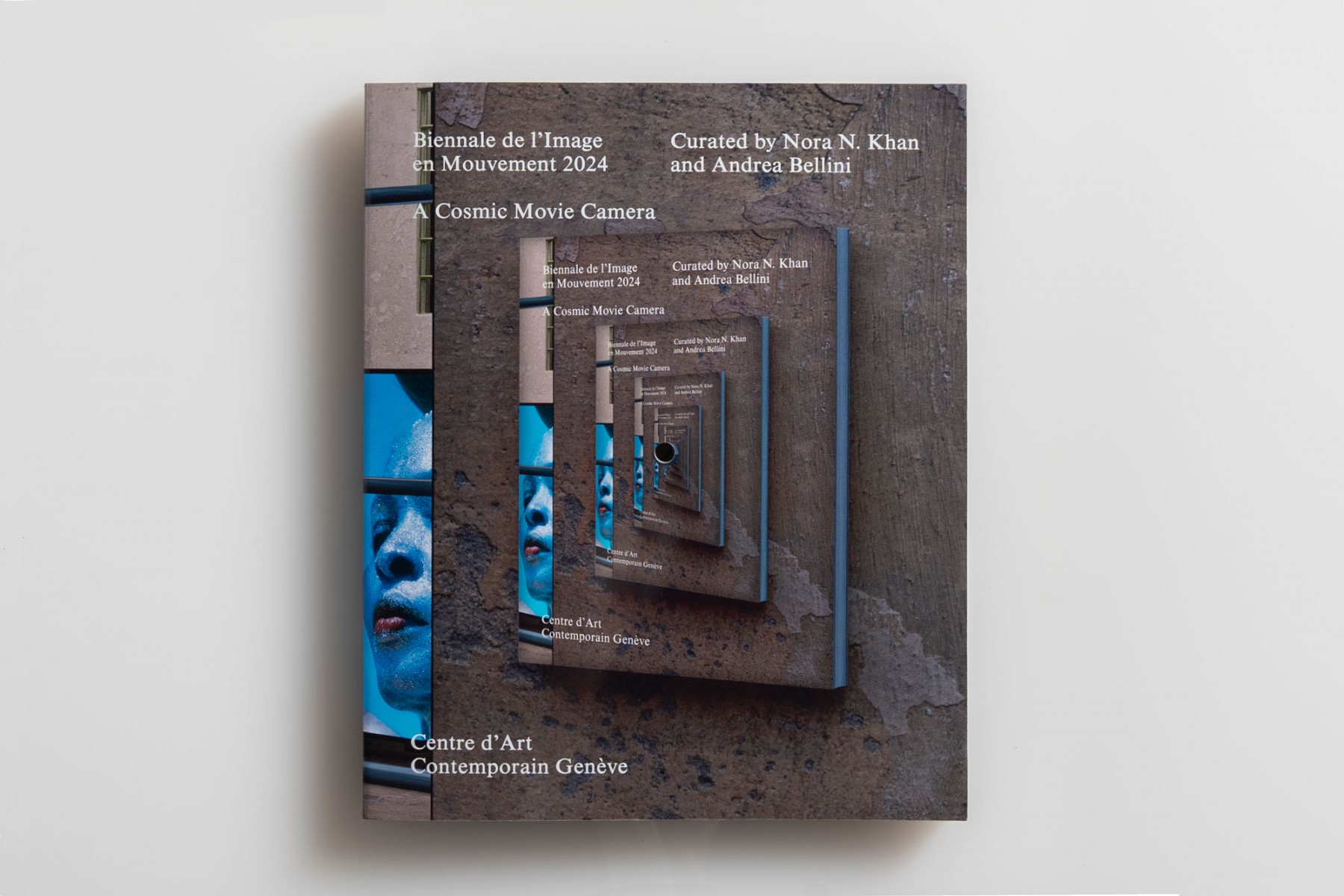
Curated by Nora N. Khan and Andrea Bellini, the 18th edition of the Biennale de l’Image en Mouvement 2024 (BIM’24), produced and hosted by the Centre d’Art Contemporain Genève from January 24 to May 16, 2024, is titled A Cosmic Movie Camera. This title draws inspiration from the discovery by astrophysicists of a ring of photons around a black hole, which potentially represents the visible medium through which humanity could deepen its understanding of the interior of black holes—the epitome of the unknown.
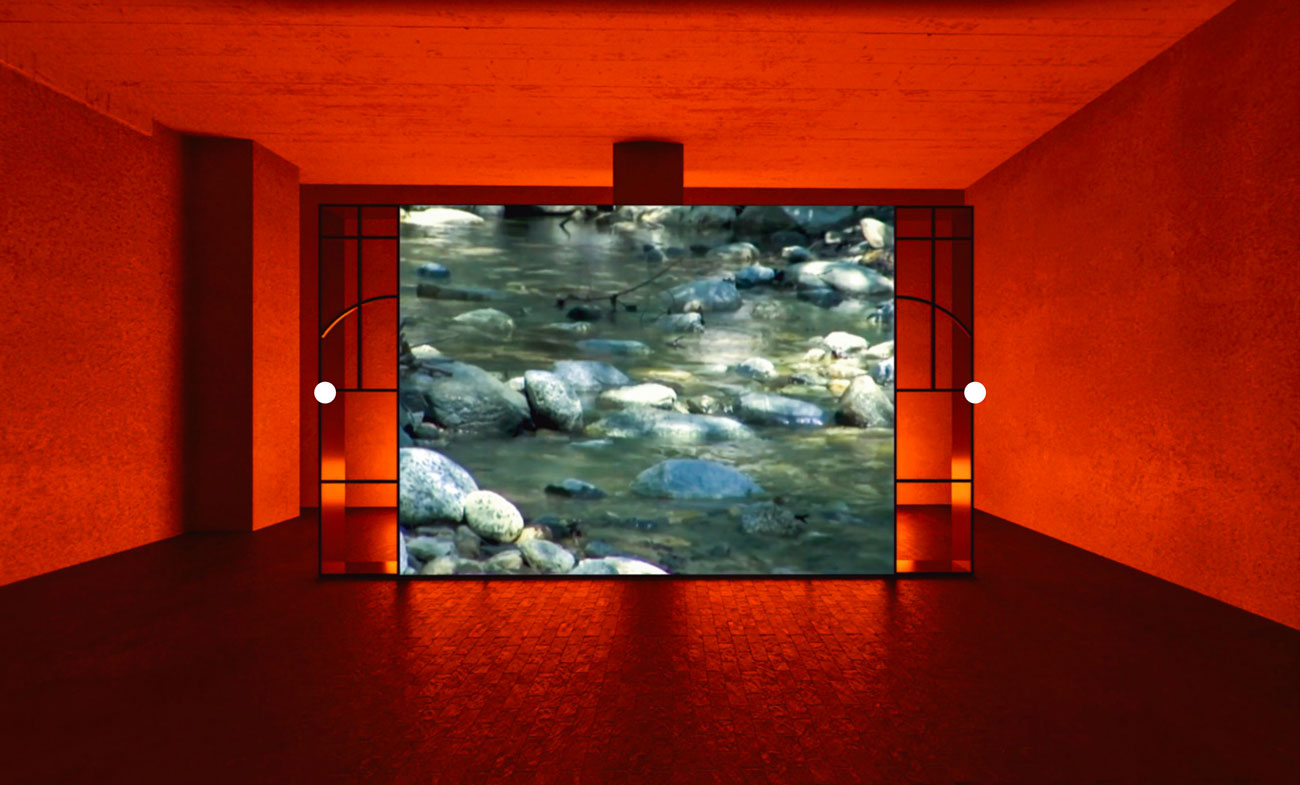
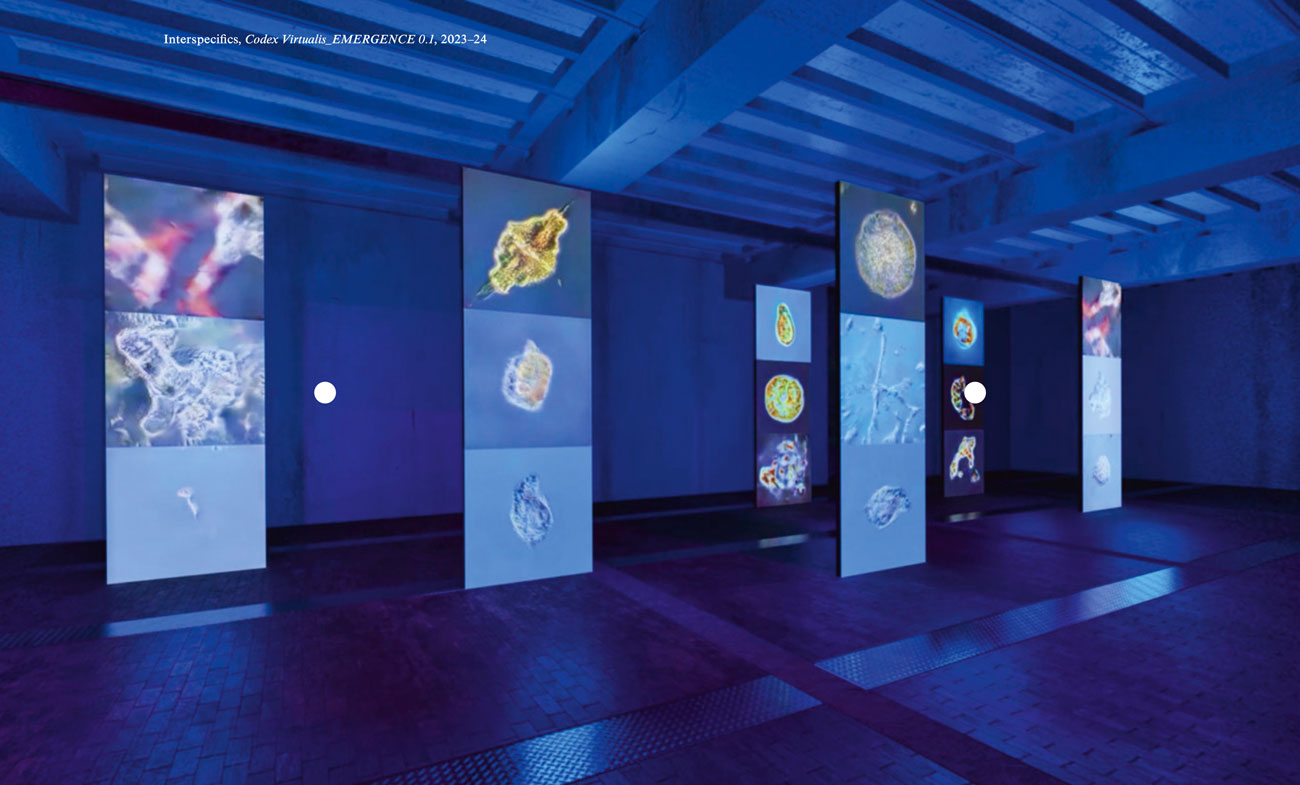
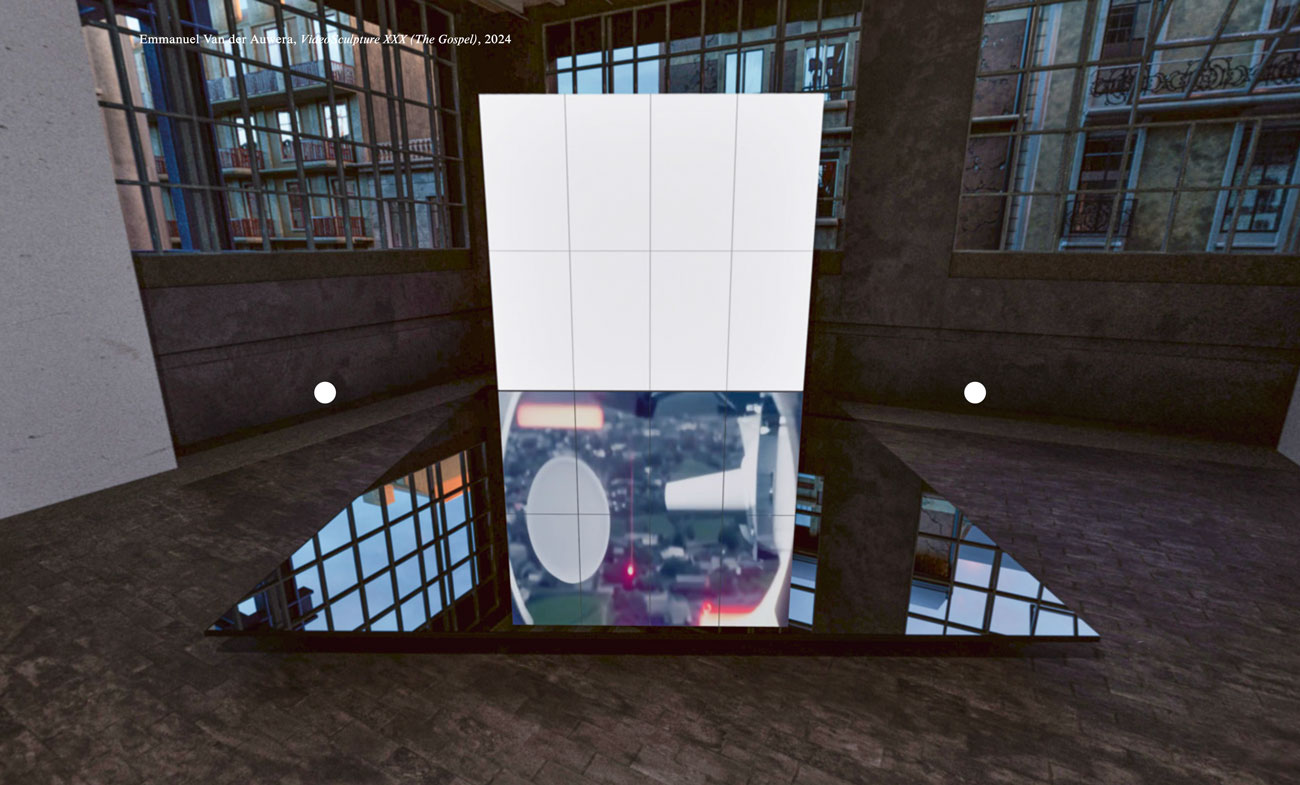
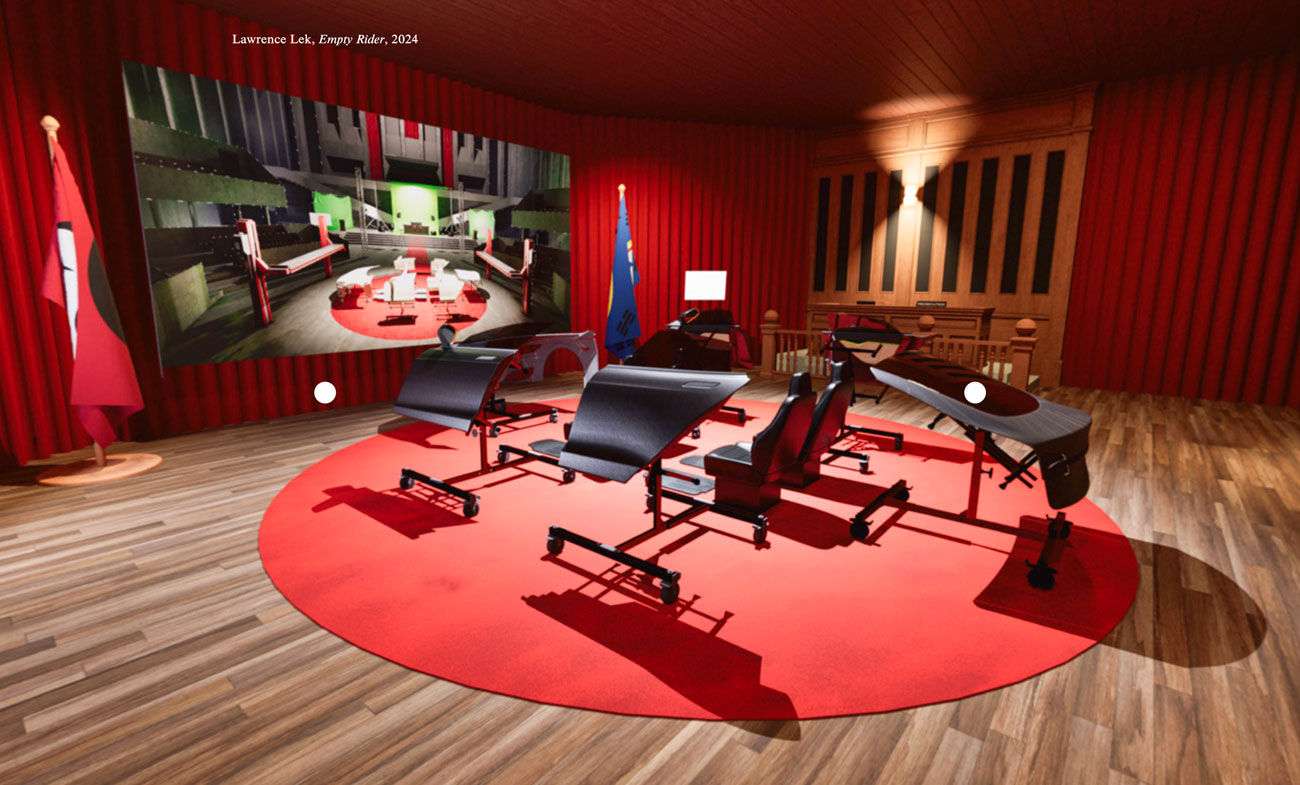
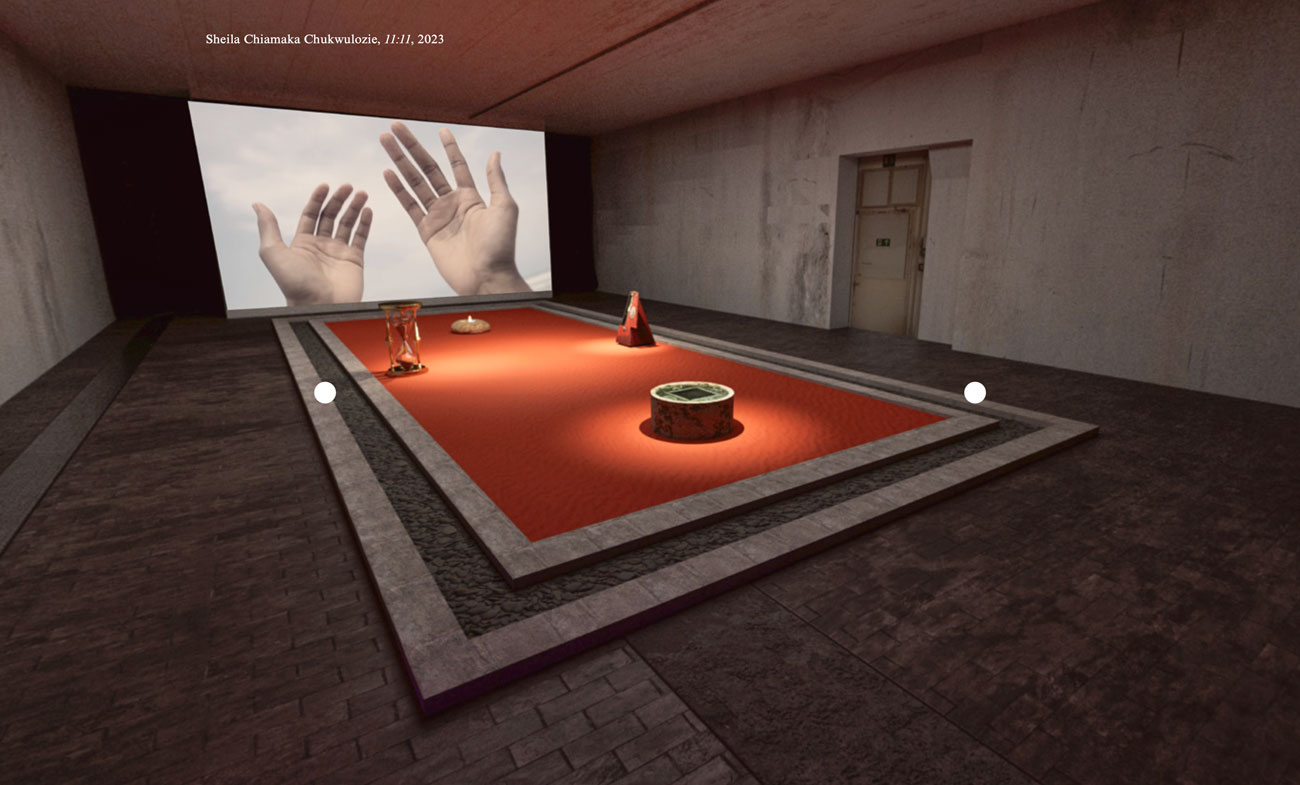
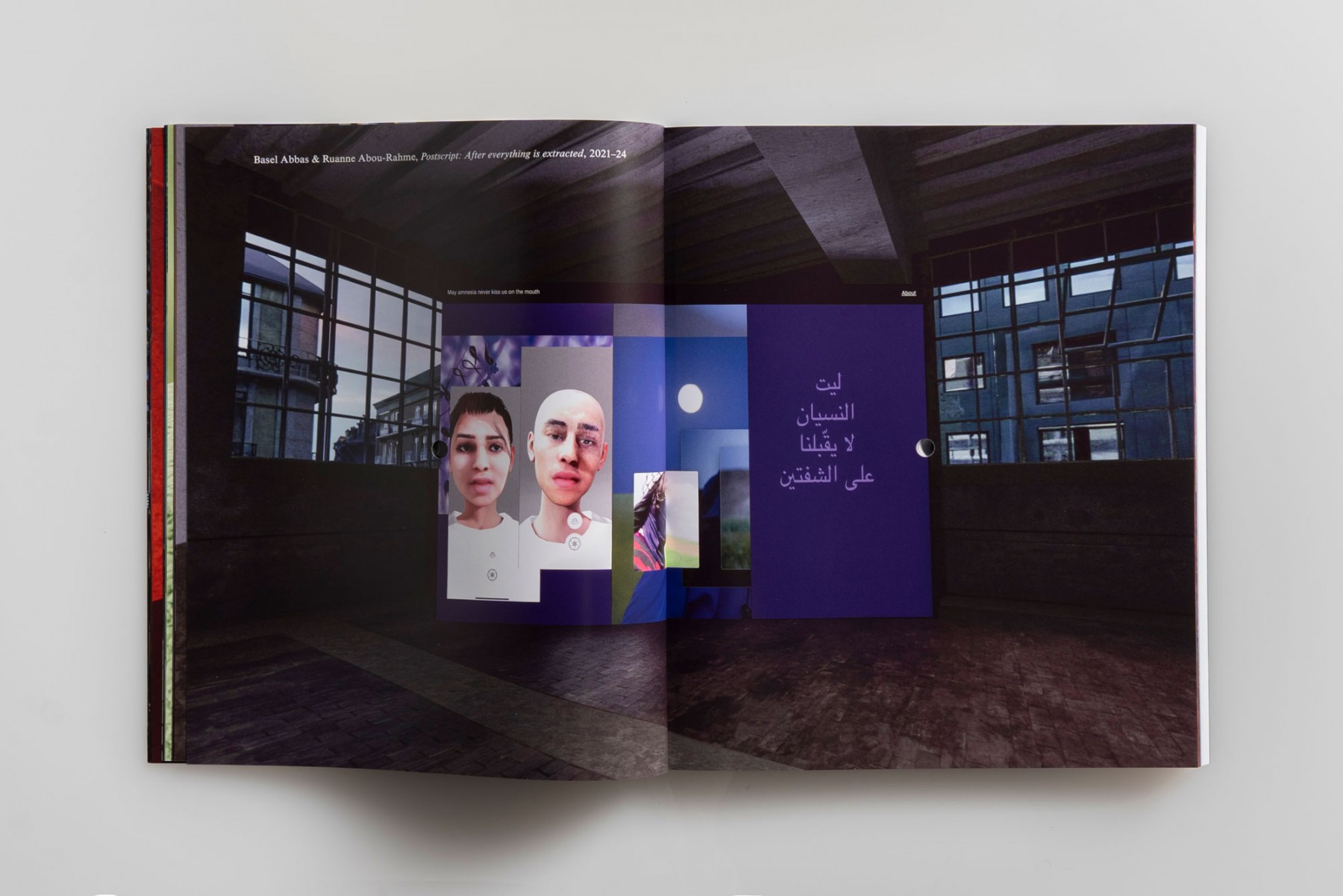
The exhibition presented works, specifically commissioned for the occasion, by Basel Abbas & Ruanne Abou-Rahme, alfatih, American Artist, Danielle Brathwaite-Shirley, Sheila Chiamaka Chukwulozie, Formafantasma, Aziz Hazara, Interspecifics, Lawrence Lek, Shuang Li, Diego Marcon, Lauren Lee McCarthy, Sahej Rahal, Jenna Sutela, Emmanuel Van der Auwera, and an exhibition display conceived by Giacomo Castagnola. The works on show explore the concepts of the invisible and the unknown, as expressed through aesthetics, the use of technology, and a wide variety of sensibilities.
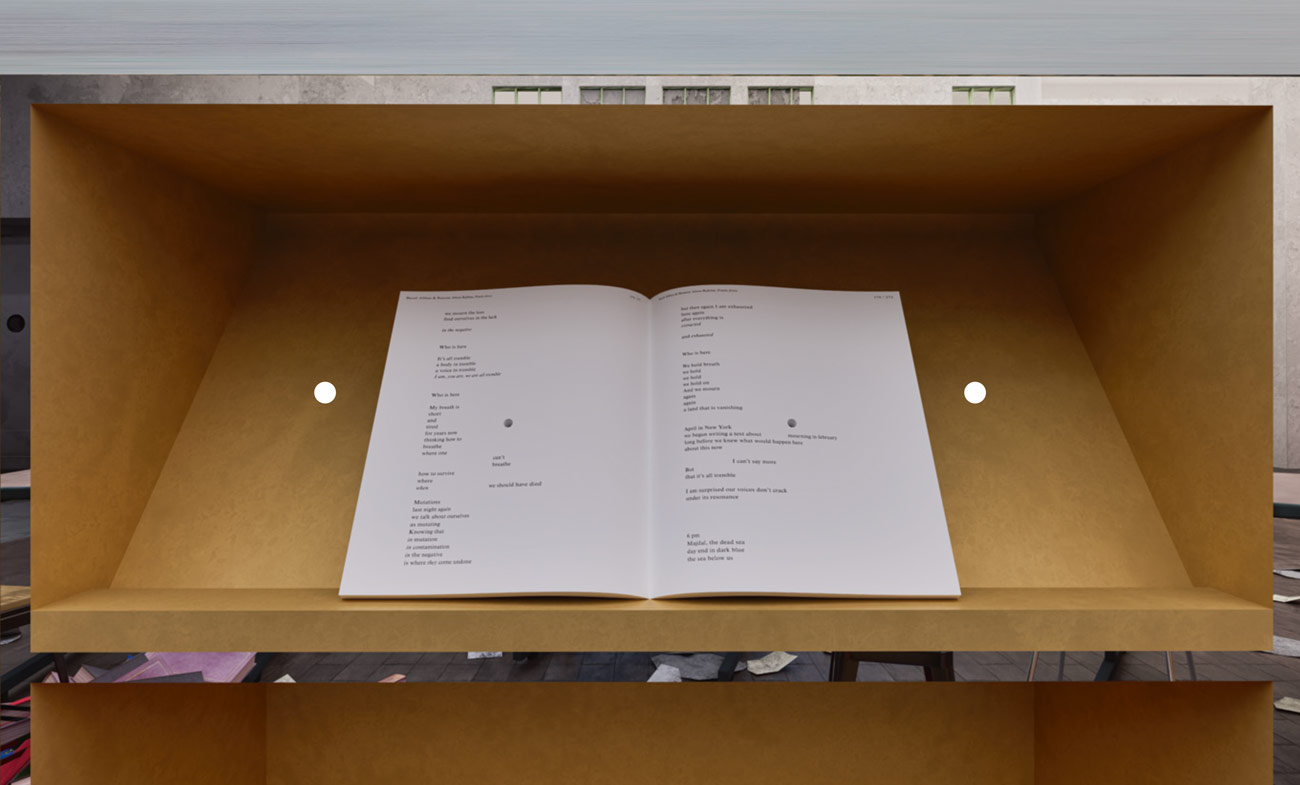
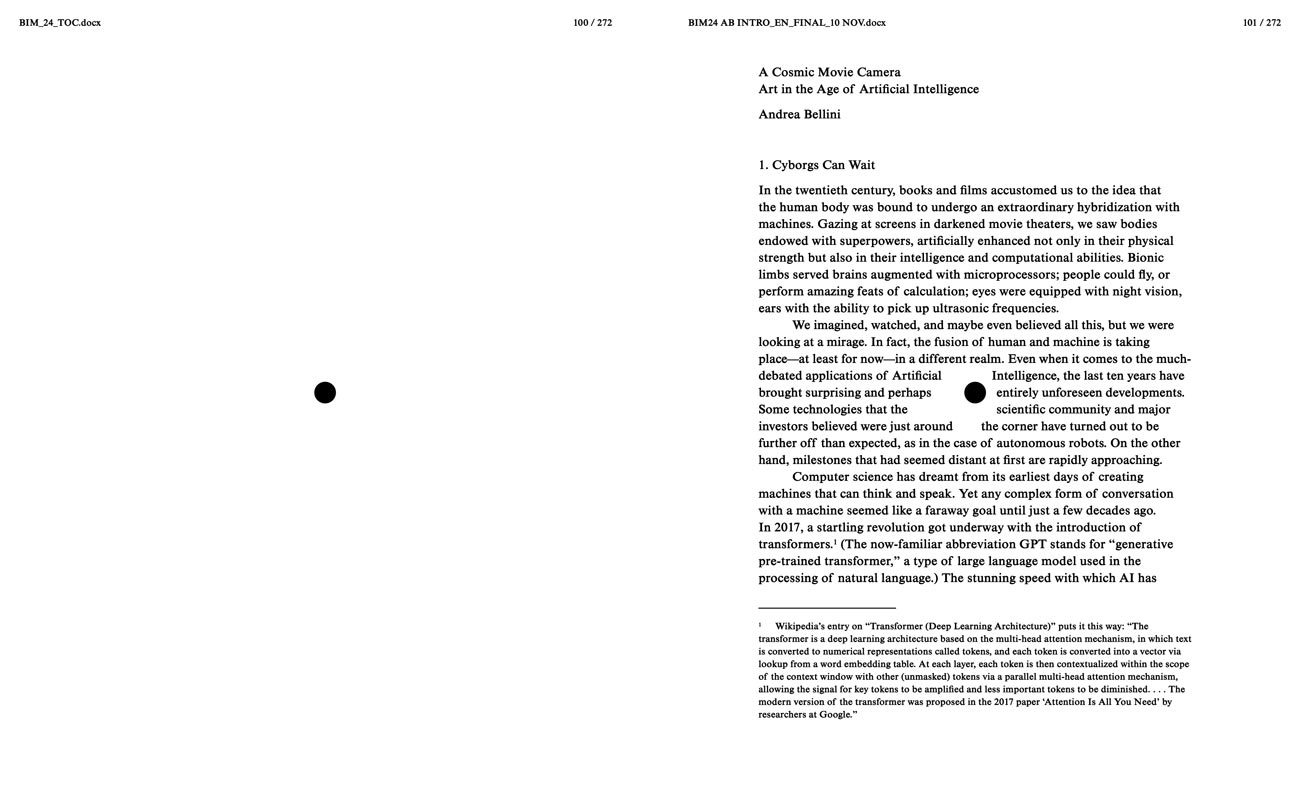
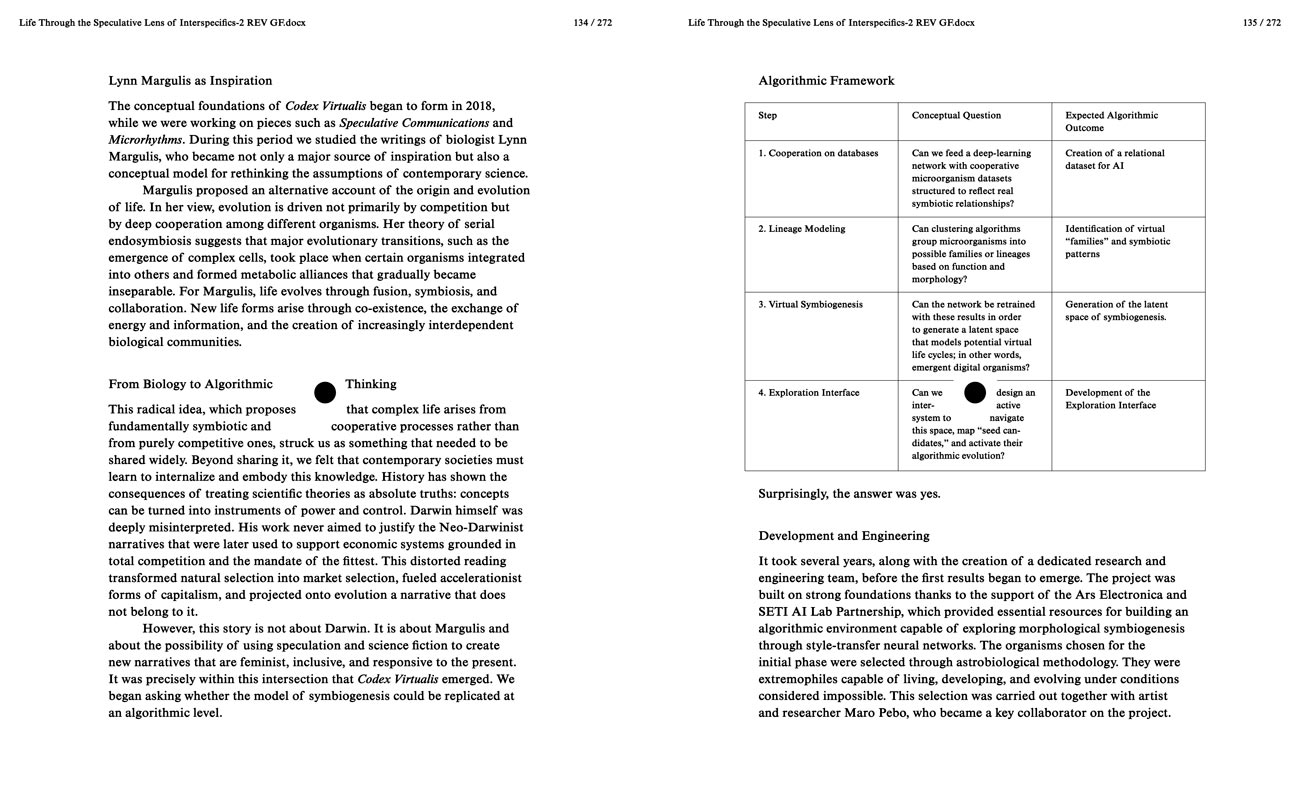
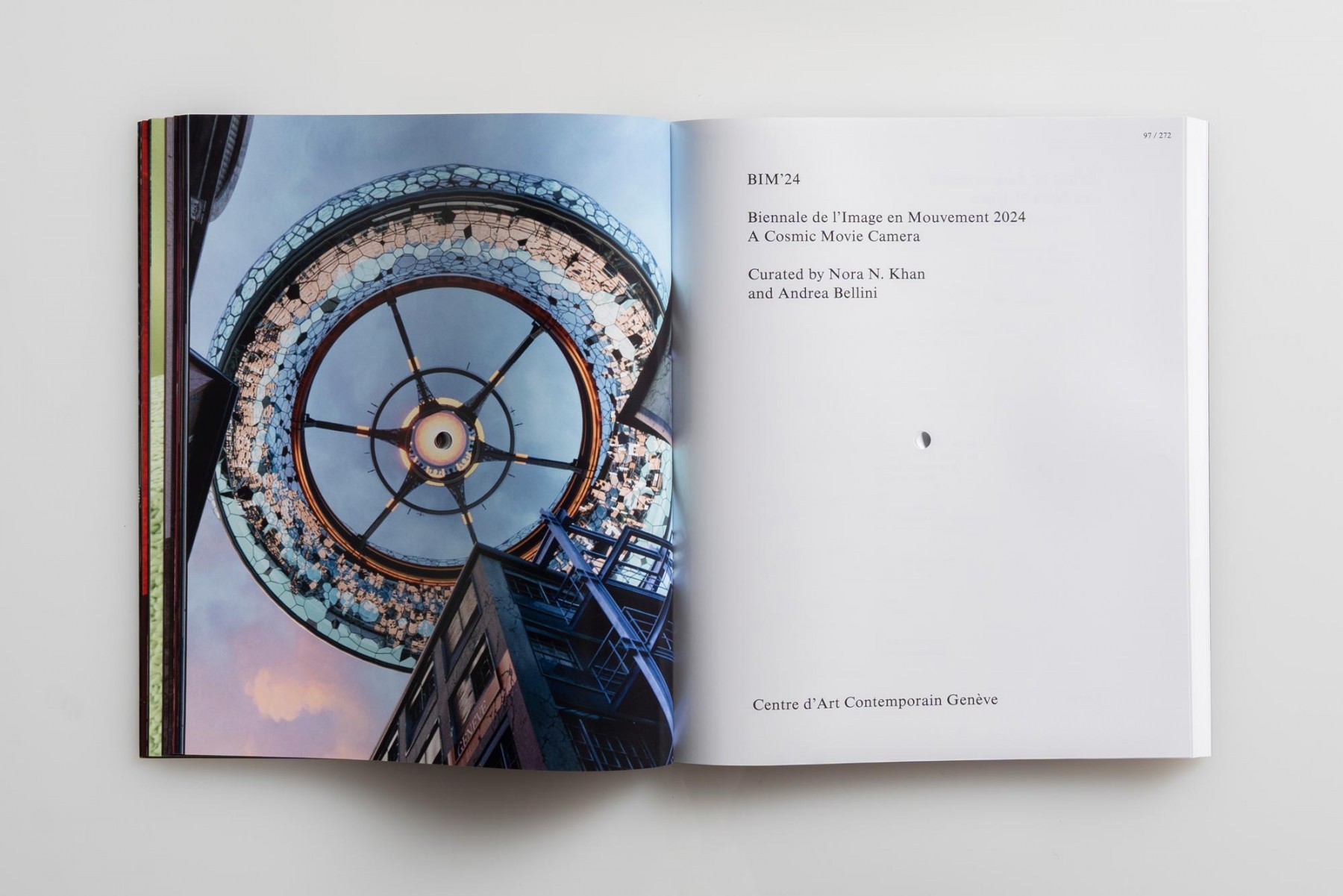
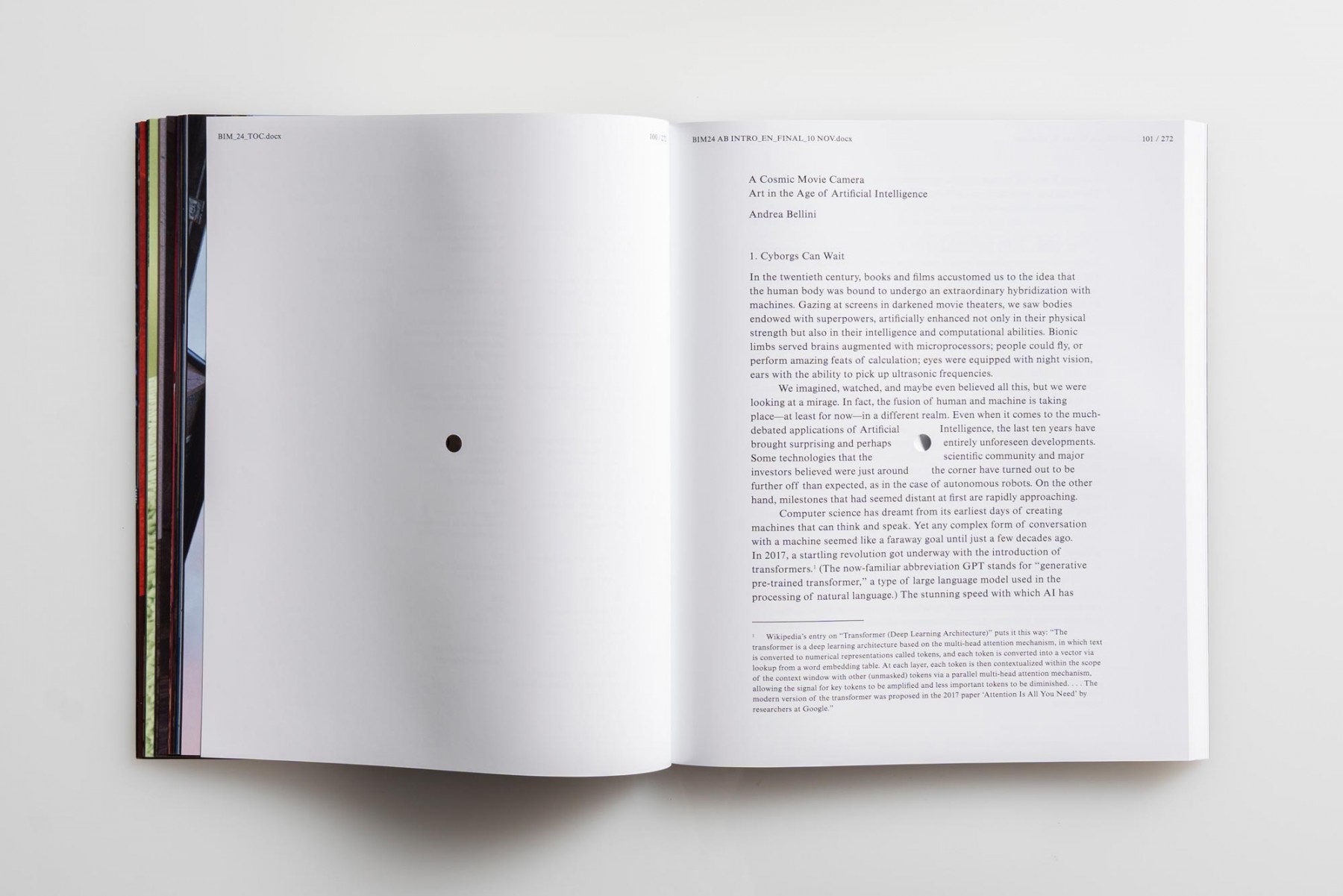
The catalogue documenting the exhibition was conceived as a “binder” of the future, as indicated by the holes that run through the publication, from front to back. The book collects various types of texts relating to the artists participating in the Biennale—reviews, essays, interviews, poems, emails, and texts written for the occasion—with a view to creating a paper archive that may preserve the memory of the project in a dystopian future: inside a spaceship or in the building of the Centre d’Art Contemporain Genève, transformed in the distant future.
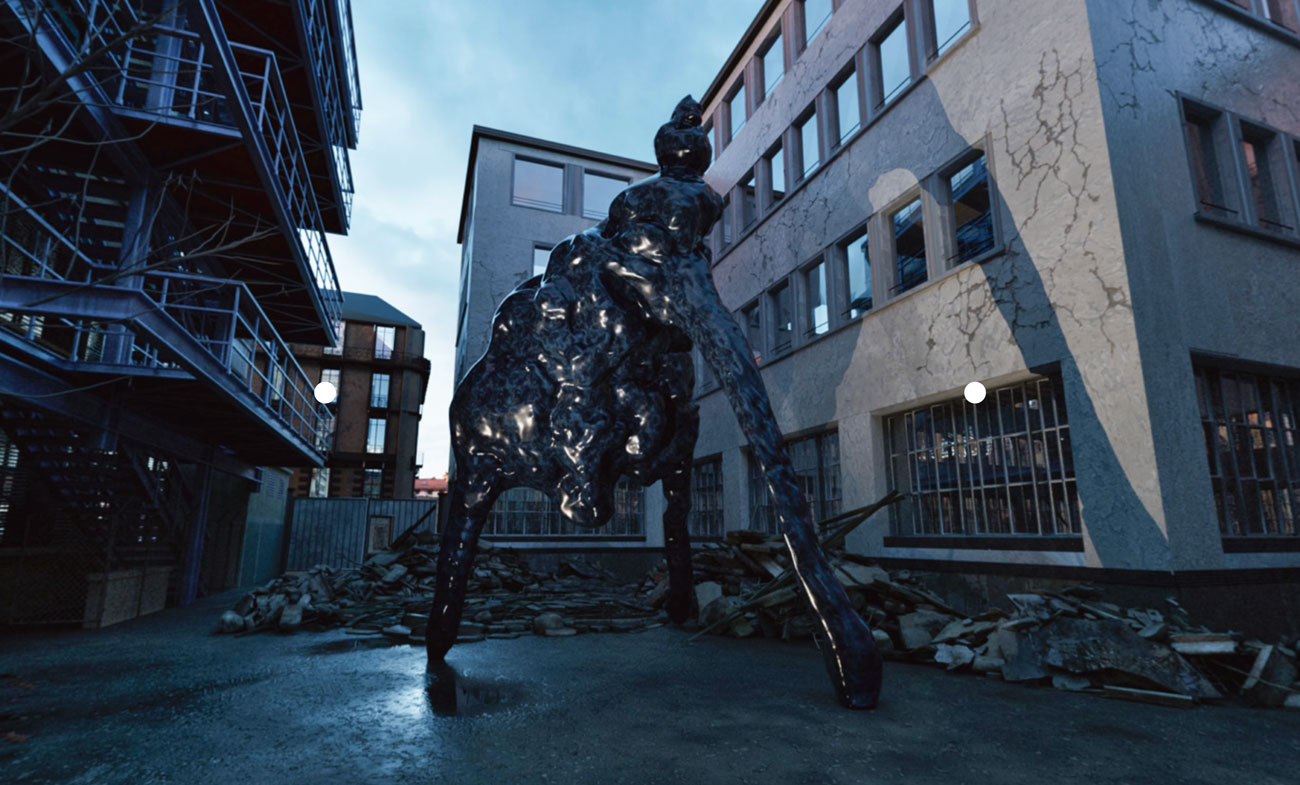
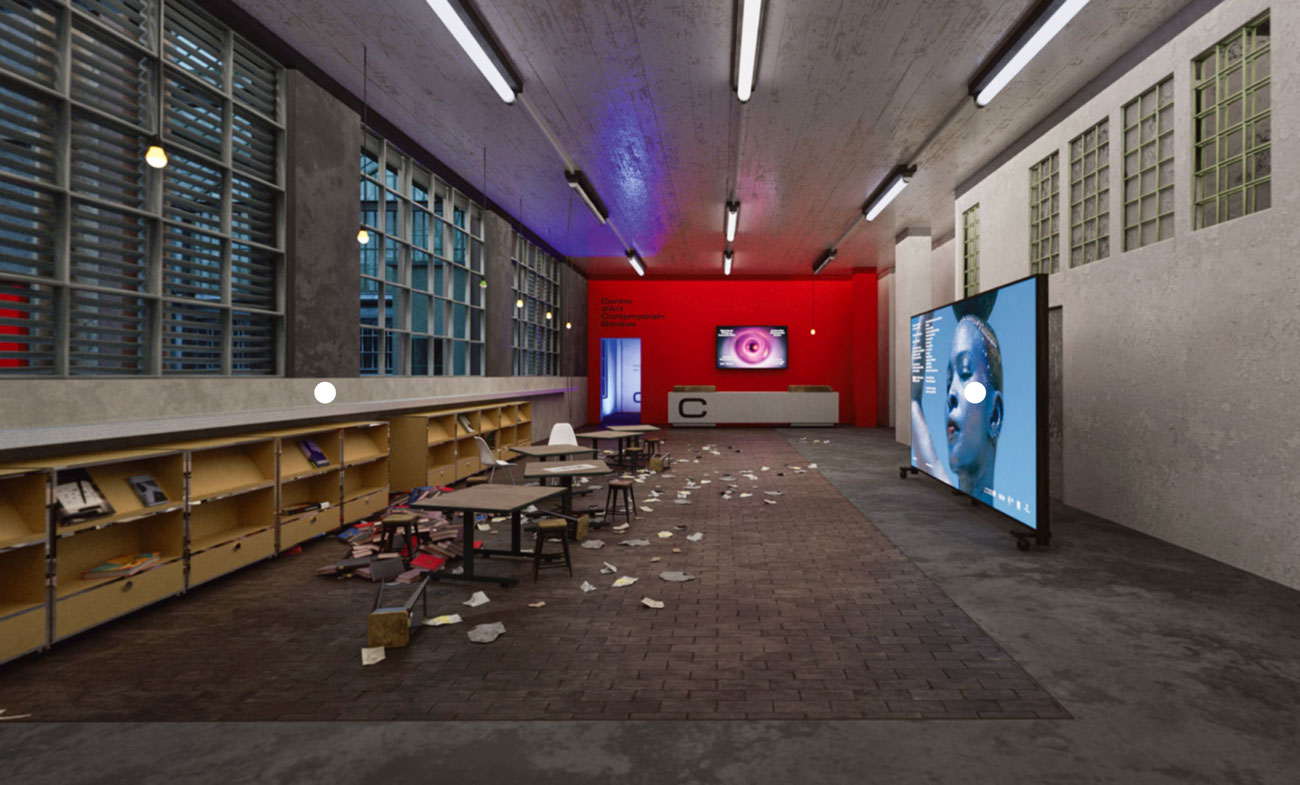
The visual essay that projects the works into a virtual context was designed by EPOCH, who also created the website hosting the ongoing virtual exhibition (bim24.ch). The catalogue’s combination of print and digital formats, the real and the virtual, the past and the future, conveys the conceptual core of the Biennale, which explores the inextricable intertwining of AI, digital culture, and art in the contemporary world.