Through the words of the sound artist and theorist Brandon LaBelle, the book explores the social and relational component of sound that gave rise to Benevolence, the site-specific project by Sonia Boyce. The Joy of Cacophony is the second book in a series of essay collections inspired by the site-specific projects conceived for GAMeC at Palazzo della Ragione.
Consisting of a richly illustrated booklet and a record vinyl, this special release accompanies the performative sound-based project A Comparative Dialogue Act by artists Andrea Mancini and the collective Every Island, hosted in the Luxembourg Pavilion at the 60th Venice Biennale.
Conceived as a catalogue and an artist’s book, the publication offers a deeper insight into the eponymous 2022 exhibition staged at Indipendenza Roma, and explores tensions that can be generated between artworks and their surrounding architectural context, raising questions of taste, value, function and decoration.
The practice of Tomaso Binga (Bianca Pucciarelli Menna, 1931) toys with the notion of gender, reconsidering women’s social roles and rights. This monograph, edited by Eva Fabbris, Lilou Vidal, and Stefania Zuliani, analyses her work through various languages and features a selection of poems, highlighting the author’s critical and artistic approach.
In her work, Cally Spooner crystallizes an absurd contemporary ecosystem in which entities run the risk of managing themselves and one another to death. Featuring newly commissioned essays alongside a lecture by Spooner, SWEAT SHAME ETC. is the first comprehsive survey of the artist’s output of the last five years.
This new anthology brings together visions, experiences and critical interdisciplinary methodologies that have been instrumental in the development of the language of moving images since 2010. New essays and conversations reflect on radical technological and poetic transformations in the works of the generation of digital native artists.
Edited by Tolia Astakhishvili and Hans Ulrich Obrist
Texts: Tolia Astakhishvili, Hans Ulrich Obrist
Designed by Lorenzo Mason Studio
2025, English, softcover, 160 pages, 24 x 34 cm
ISBN 979-12-80579-65-2
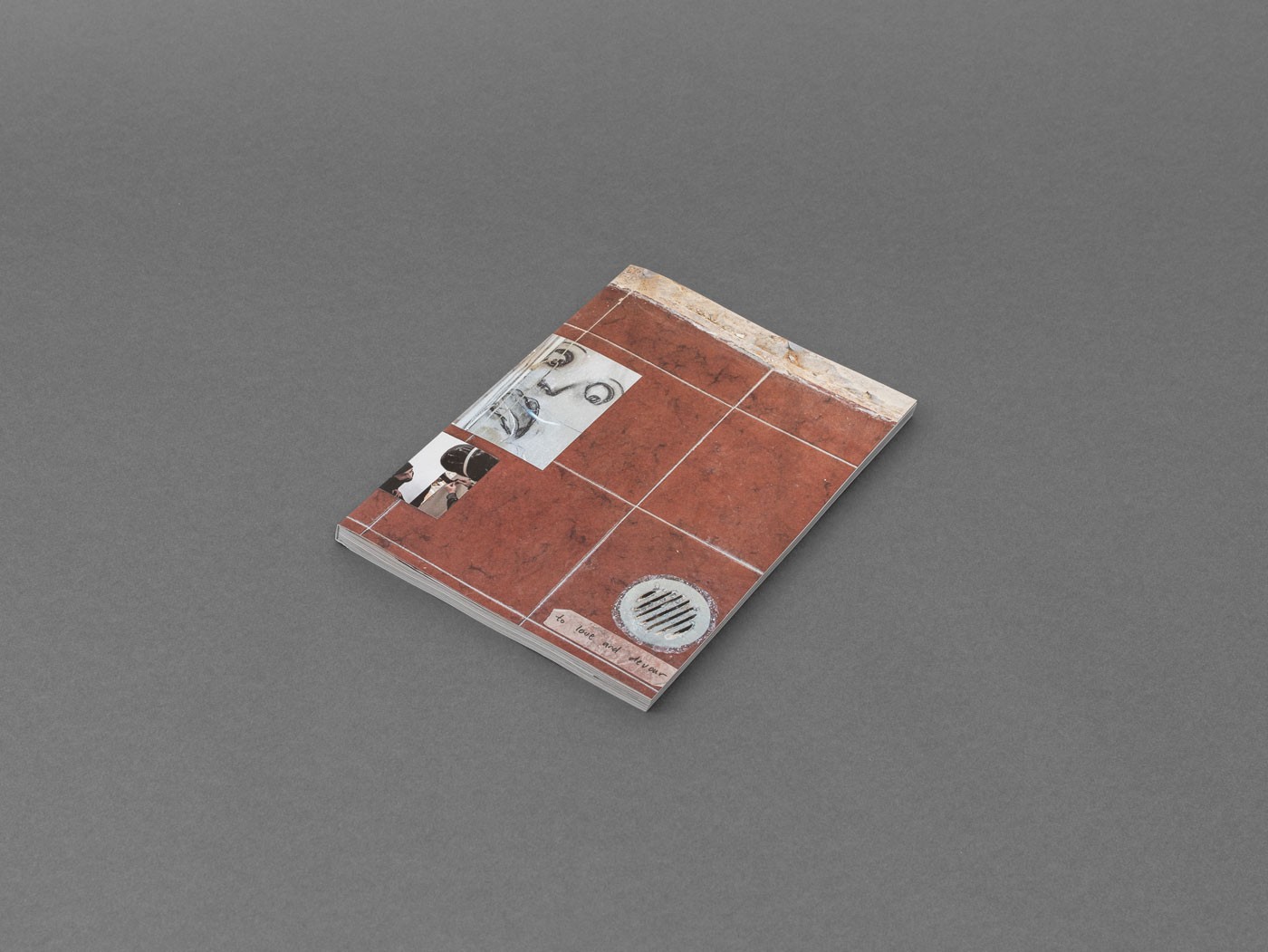
The artist’s book to love and devour by Tolia Astakhishvili was published on the occasion of the inaugural exhibition at the new site of the Nicoletta Fiorucci Foundation in Venice, curated by Hans Ulrich Obrist.
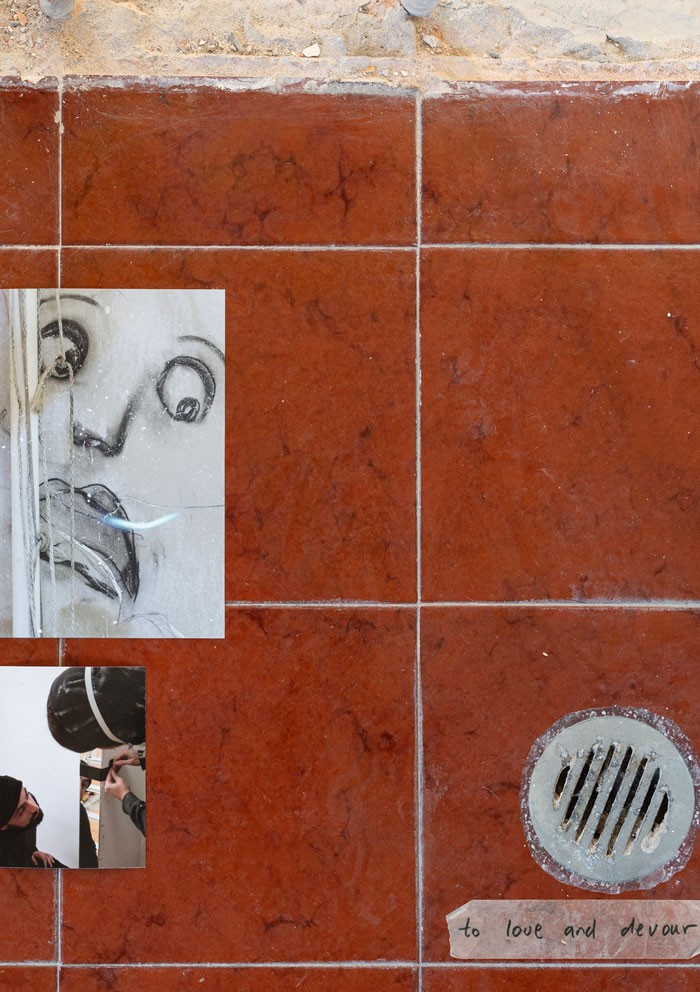
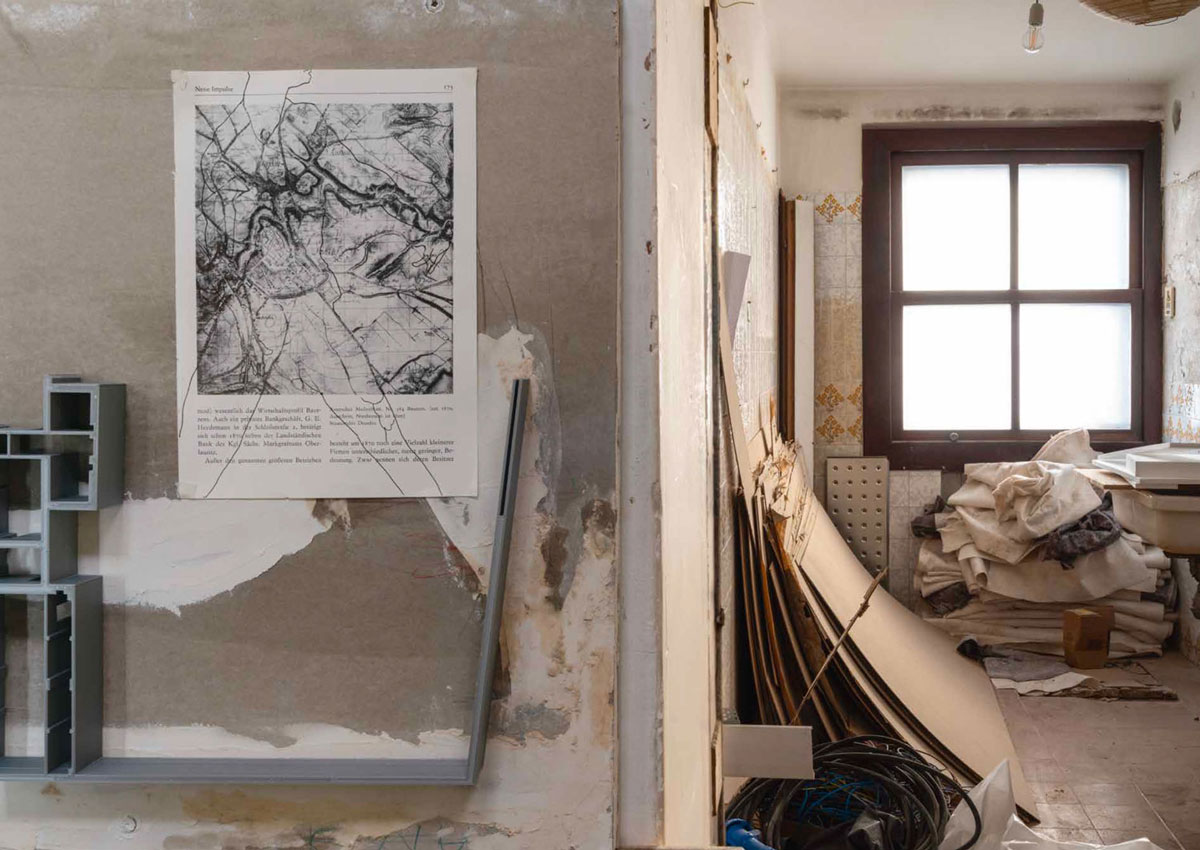
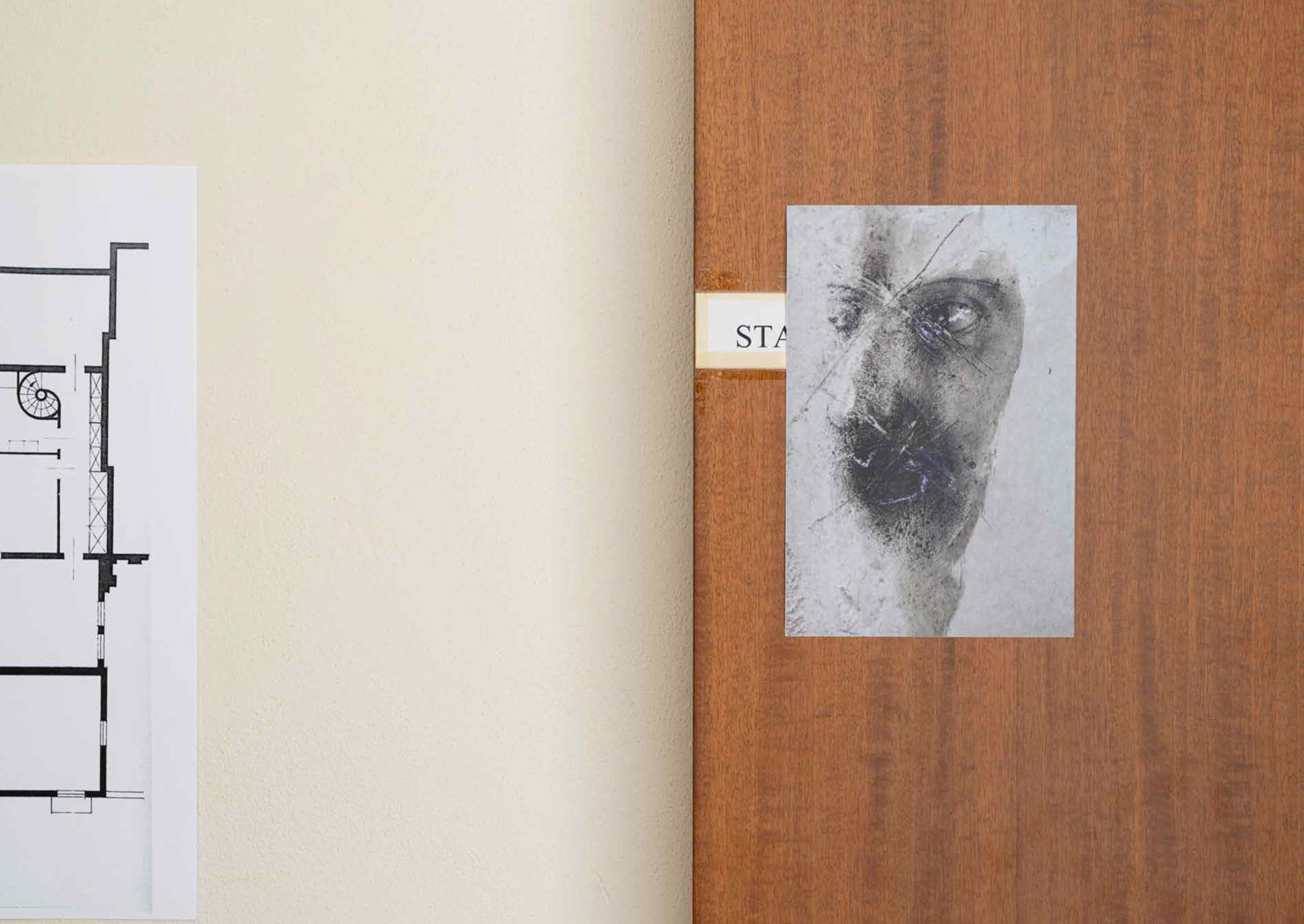
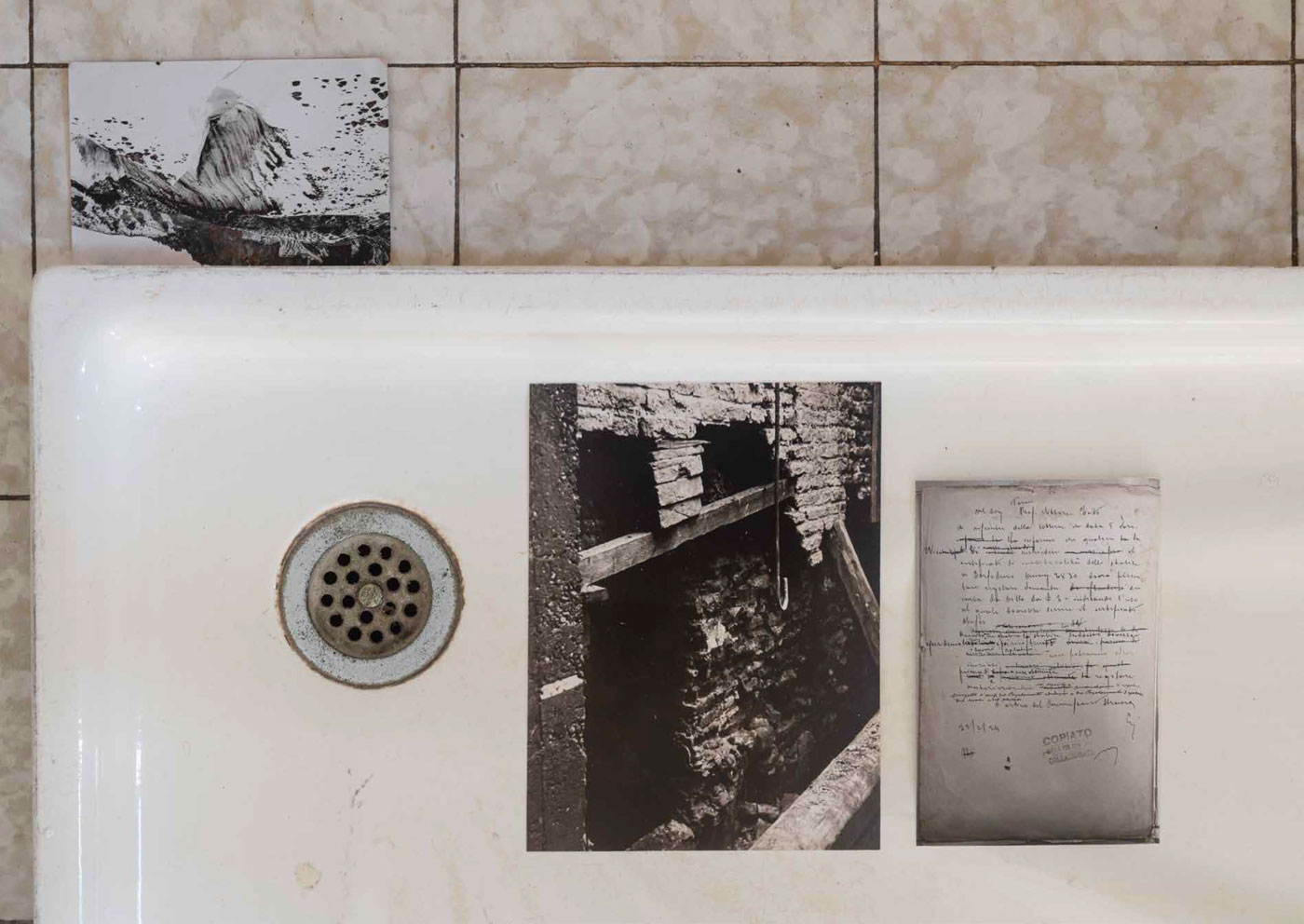
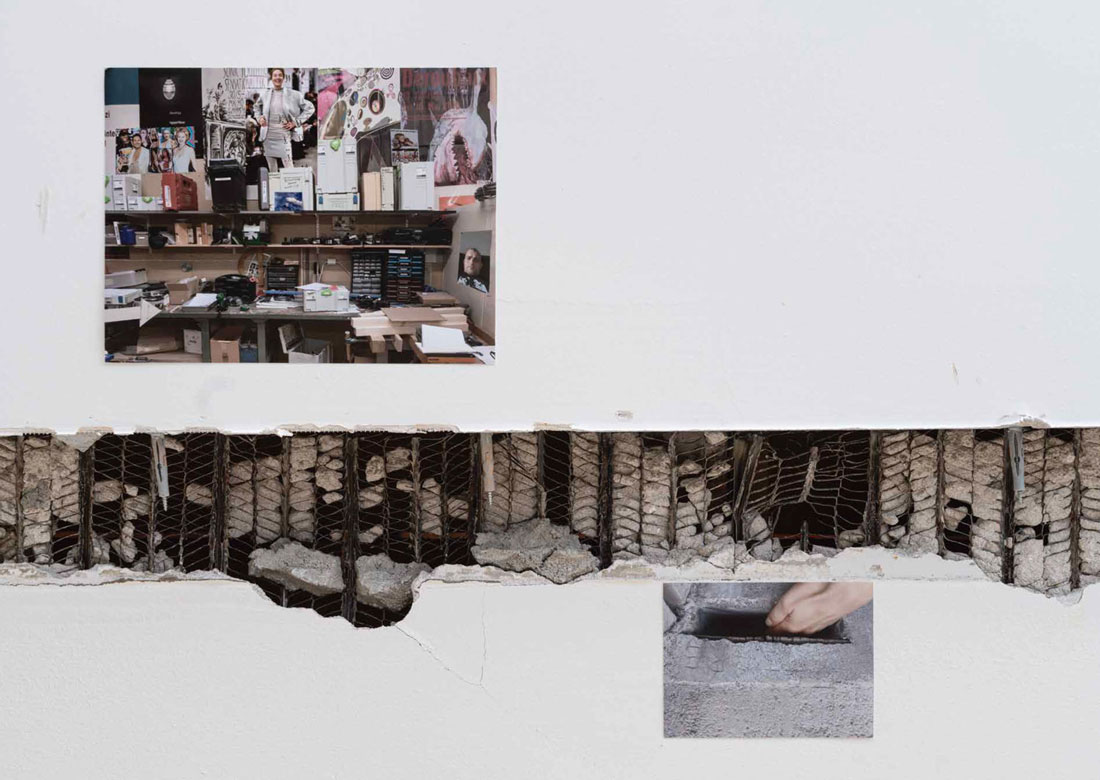
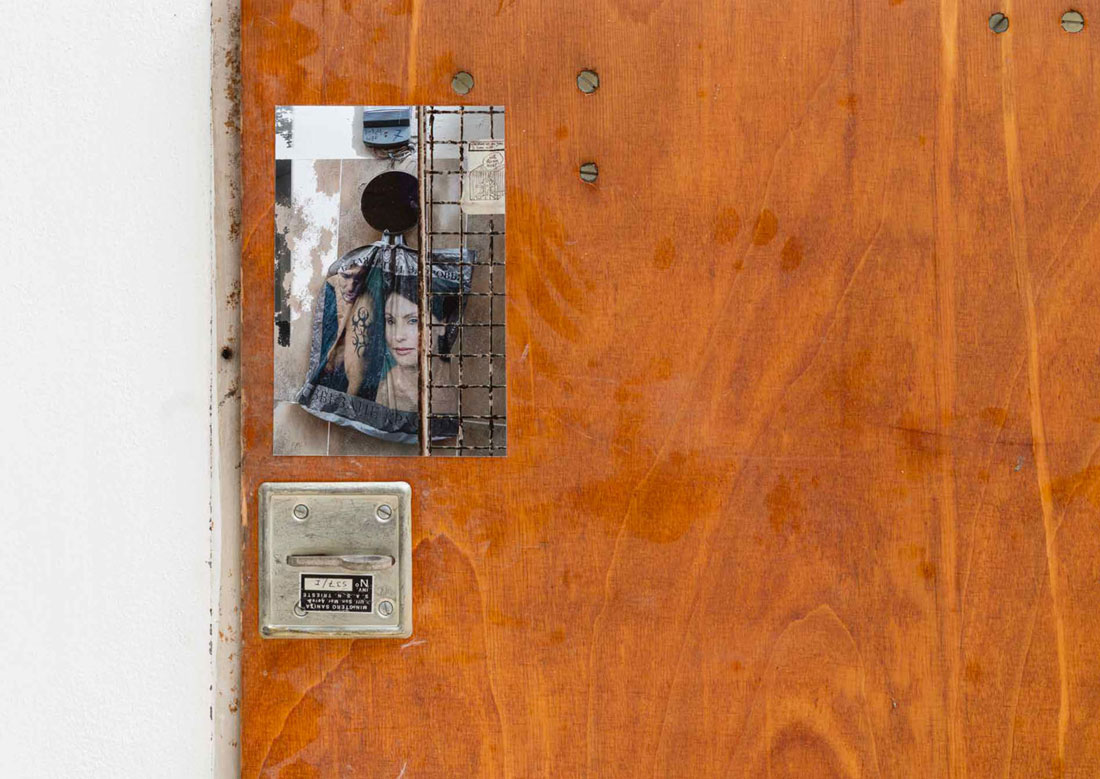
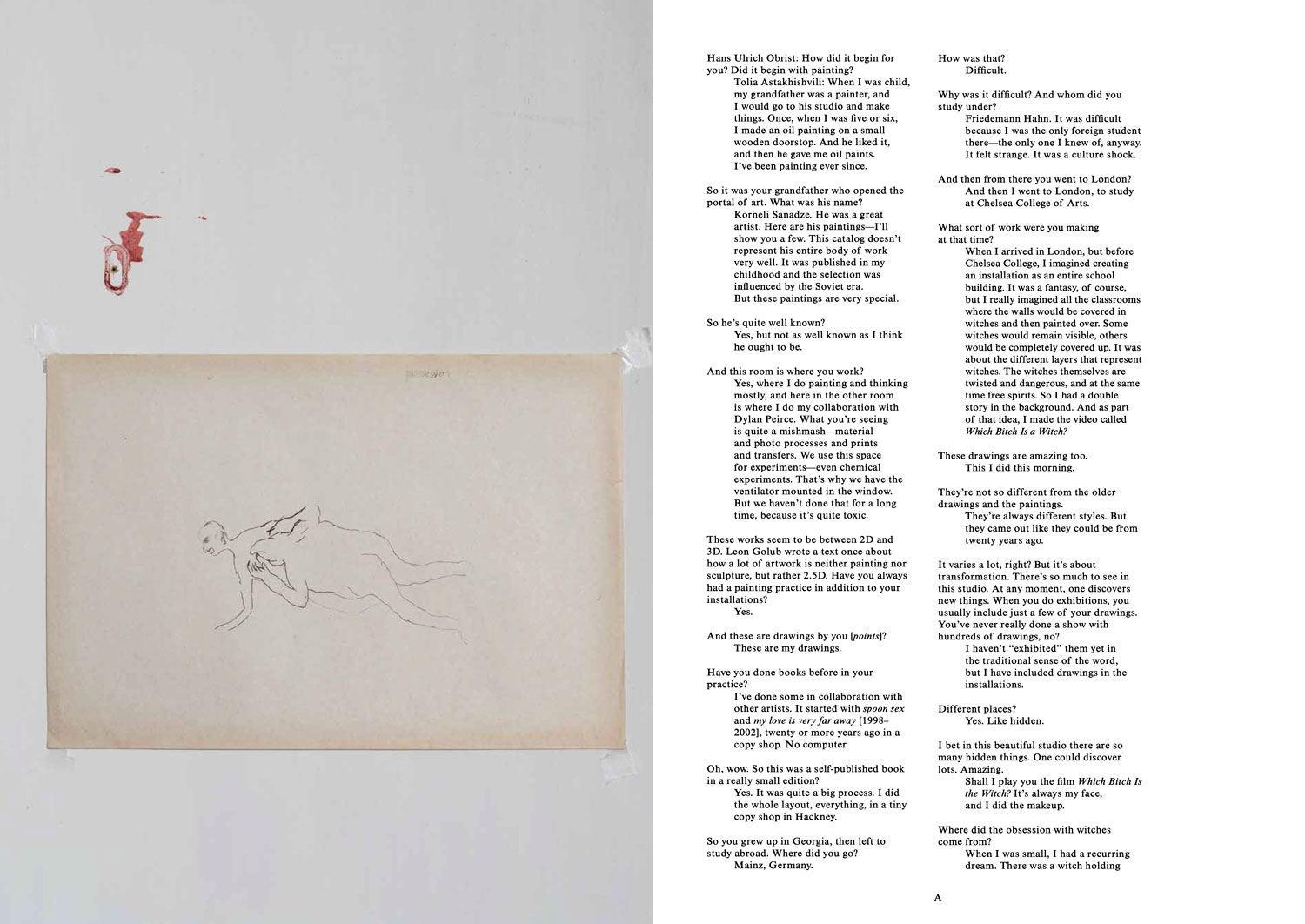
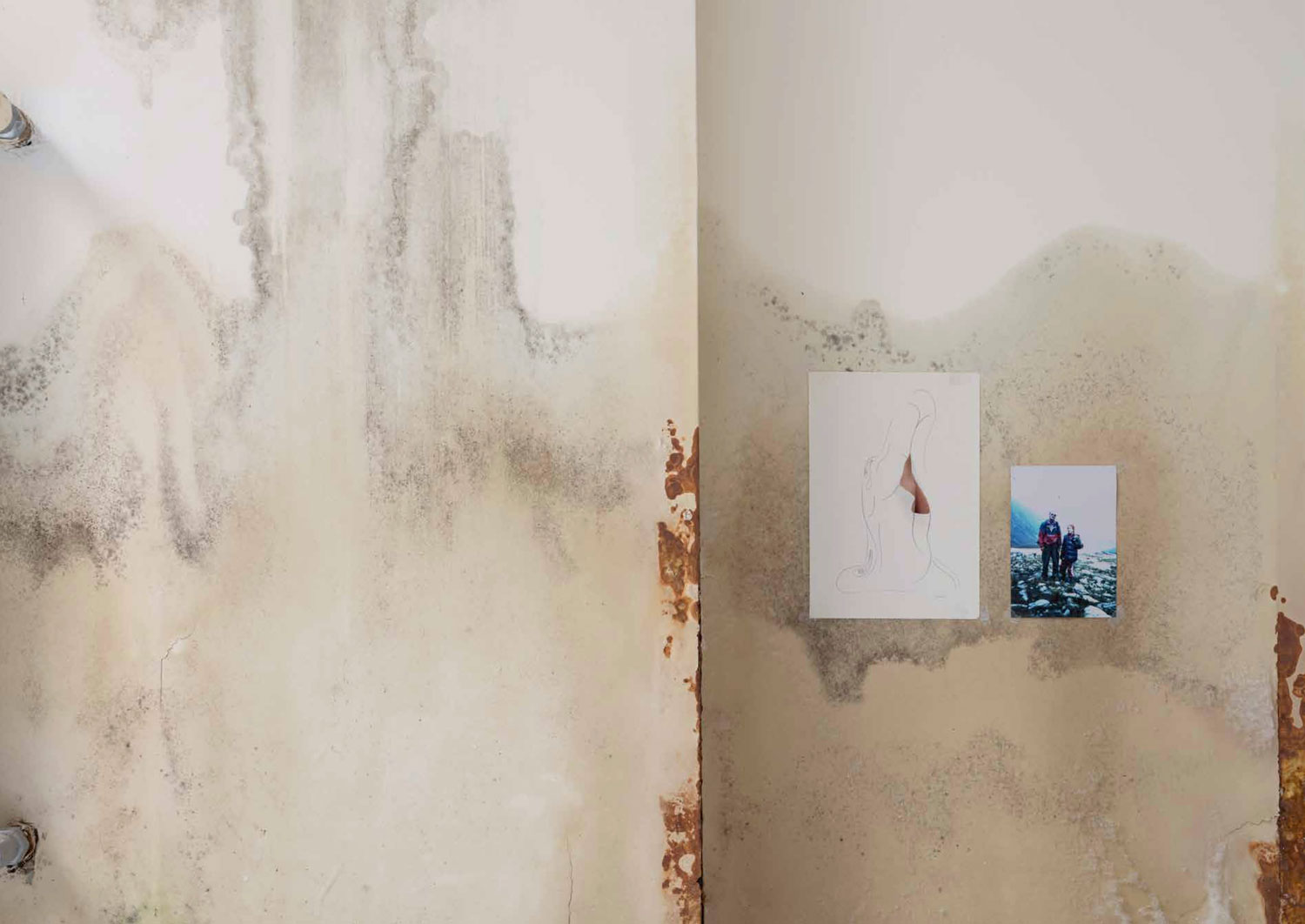
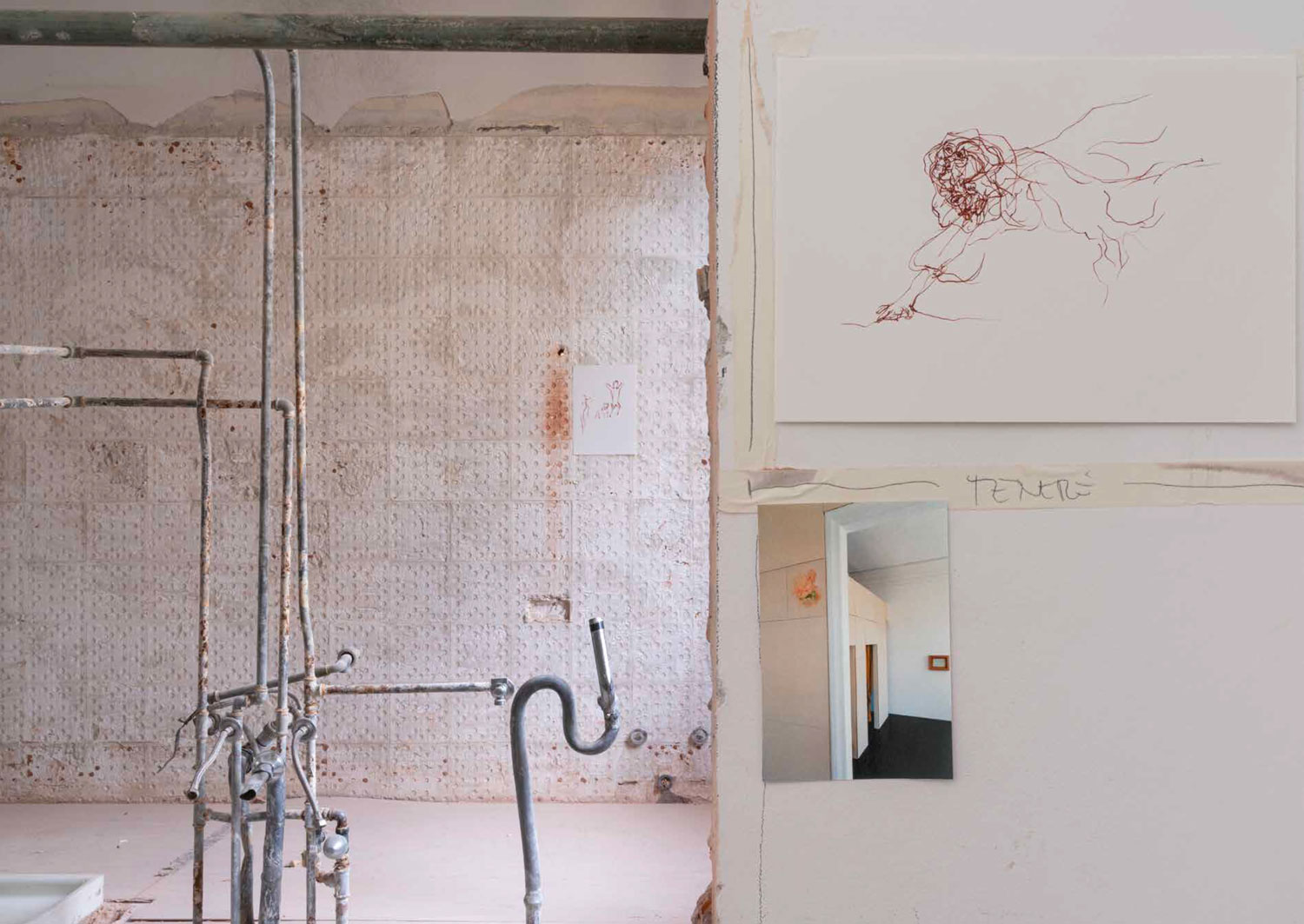
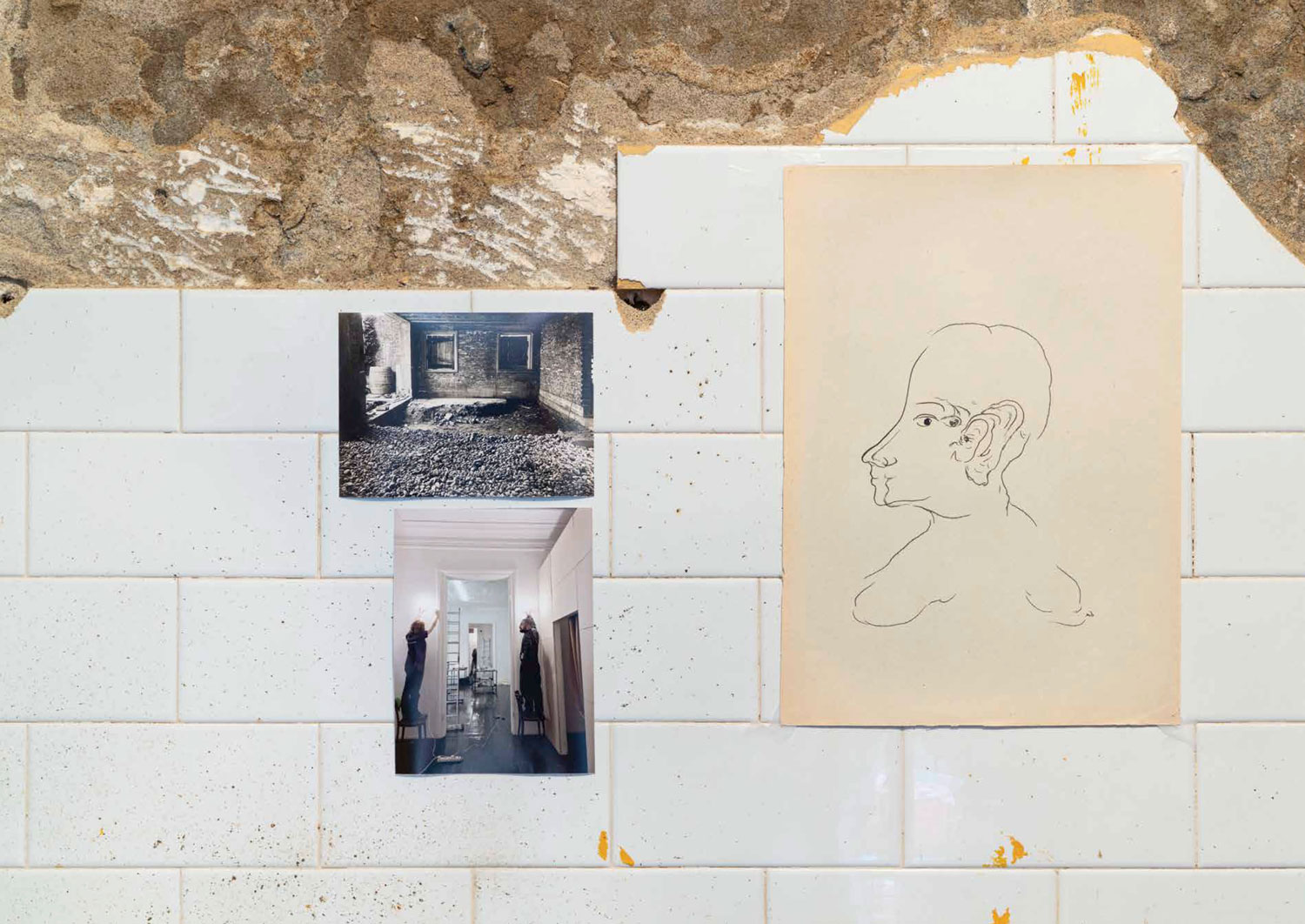
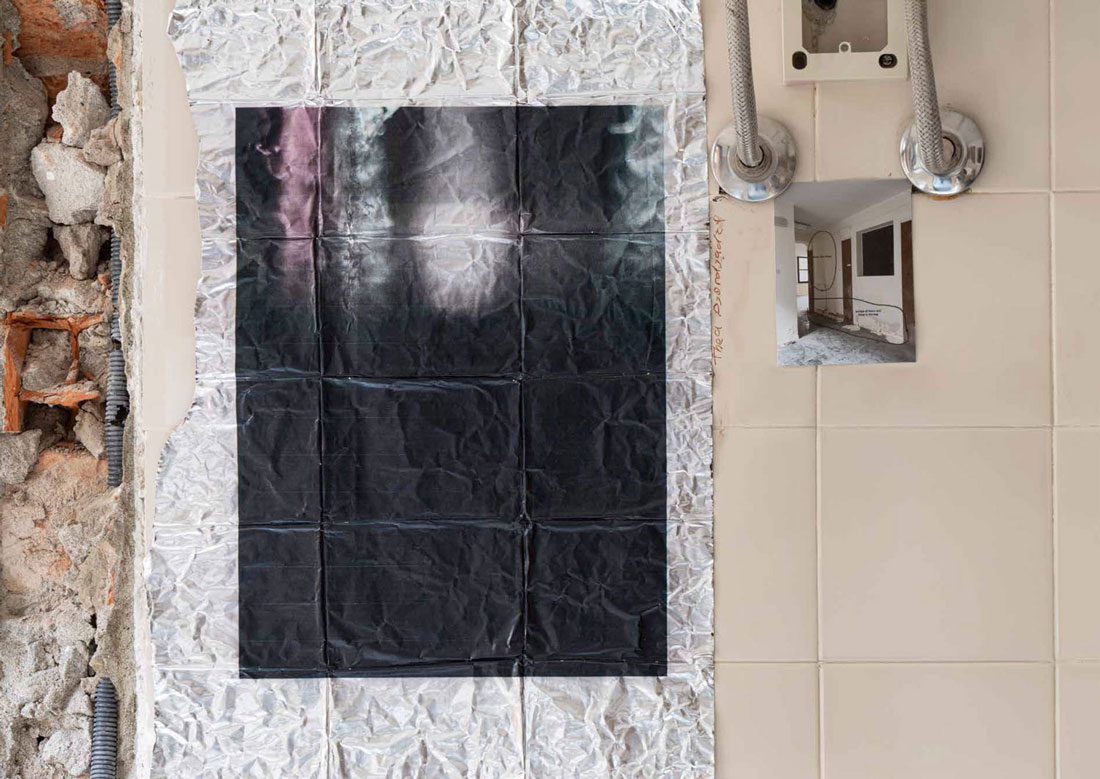
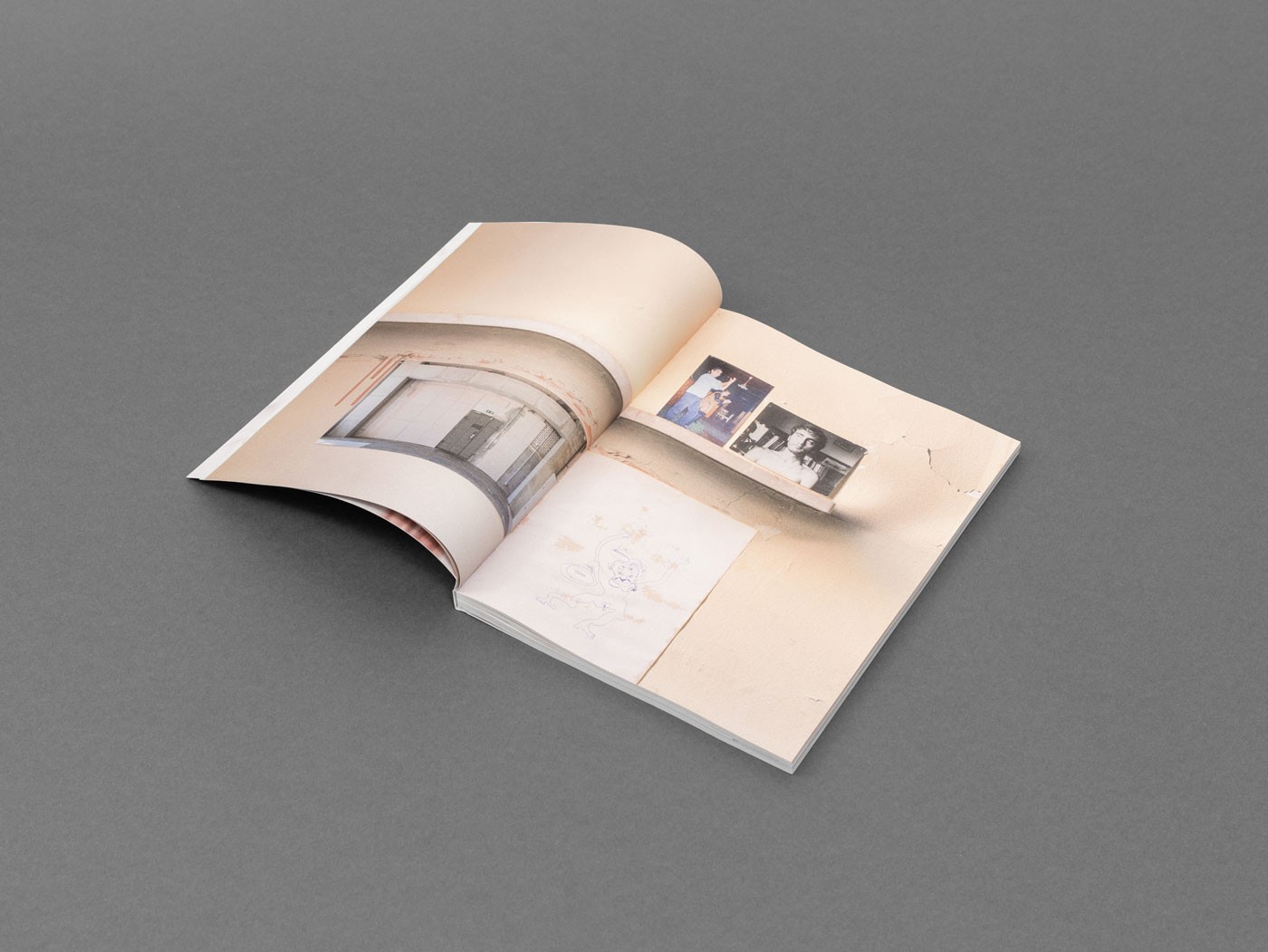
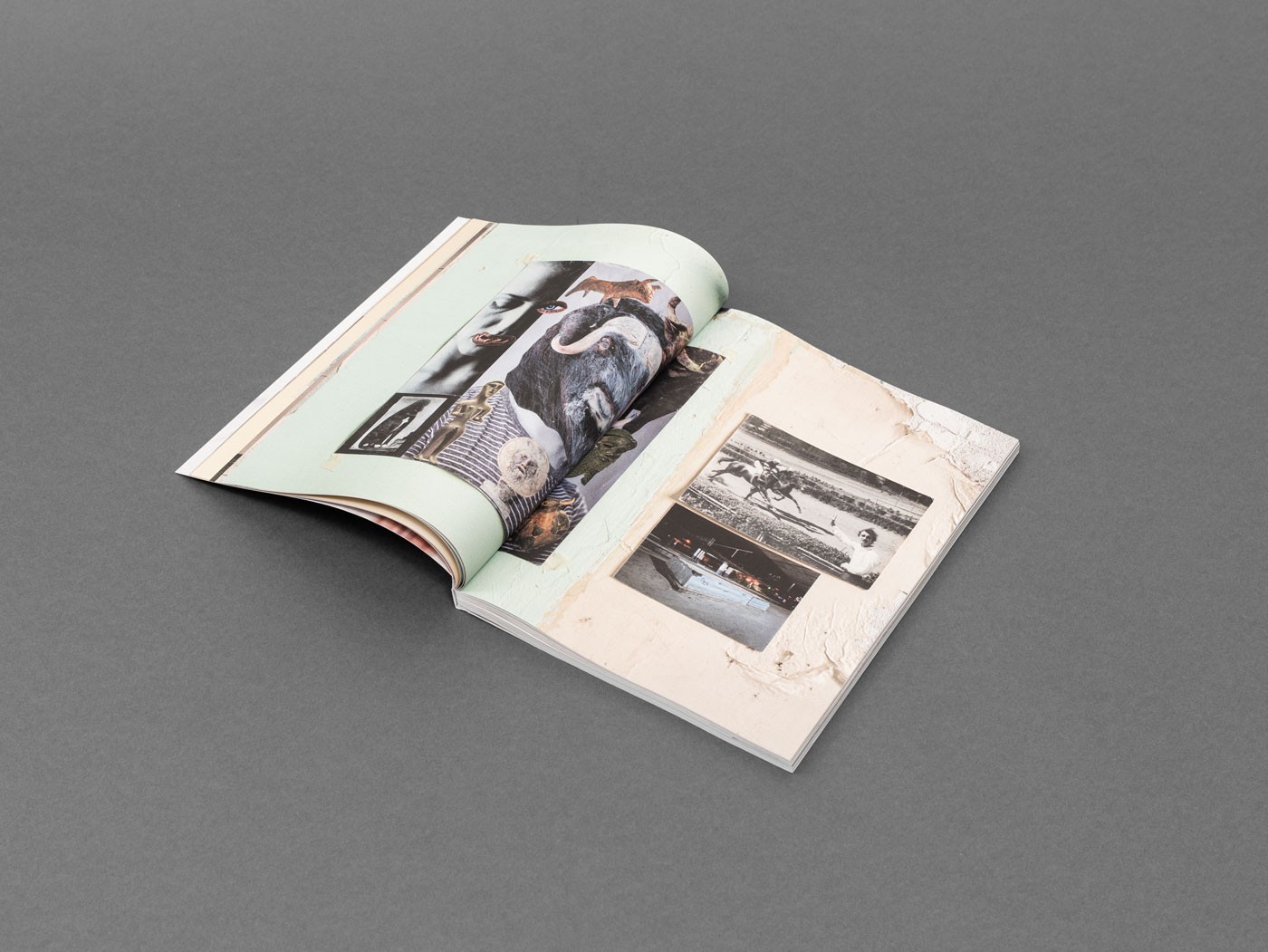
The book, produced in close collaboration with the Lorenzo Mason Studio, brings together drawings, paintings, and archive images composed directly amid the cracks, wounds, and skin of a building located in the historic center of Venice, which served as the artist’s studio for a number of months. Through processes of transformation of the space, addition and subtraction, expansion and contraction, Astakhishvili has created a project shot through with a deep sense of disruption, distortion and fragmentation—a feeling of uncertainty that is reflected in the way in which visitors to the installation are given the freedom to move around, without having to concentrate on a center or to follow a pre-set route. Appropriately, then, the book takes the form of a stream of images, in which the spaces and materials of the building (wood, glass, dust, mold, bricks, concrete, plaster …) enter into a dialog with the drawings, paintings, sculptures, collages, and photographs made by the artist herself and the other invited artists, including Ketuta Alexi-Meskhishvili, Zurab Astakhishvili, Thea Djordjadze, Heike Gallmeier, Rafik Greiss, Dylan Peirce, James Richards, and Maka Sanadze.
For Tolia Astakhishvili, architecture is the space of projection of ideas, which are developed in that space, generating actions that are separate but conducted simultaneously: alteration of structural elements, pictorial and graphic composition, and creation of perceptive ambiguities—of space, light, and sound. The book compiles the traces of this practice, serving as a sort of diachronic diary in the form of images, constituting a complete encapsulation of the artist’s poetics.
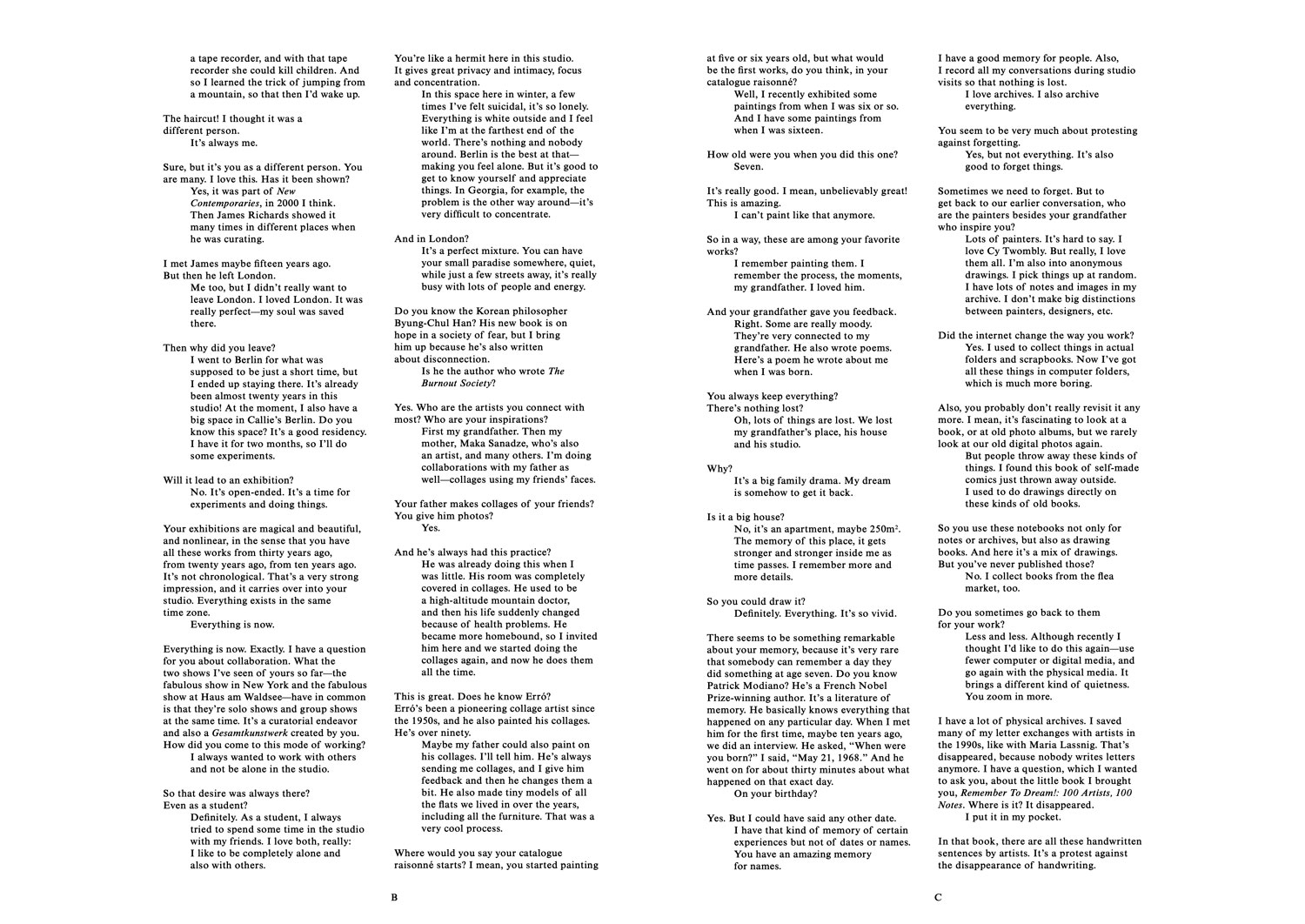
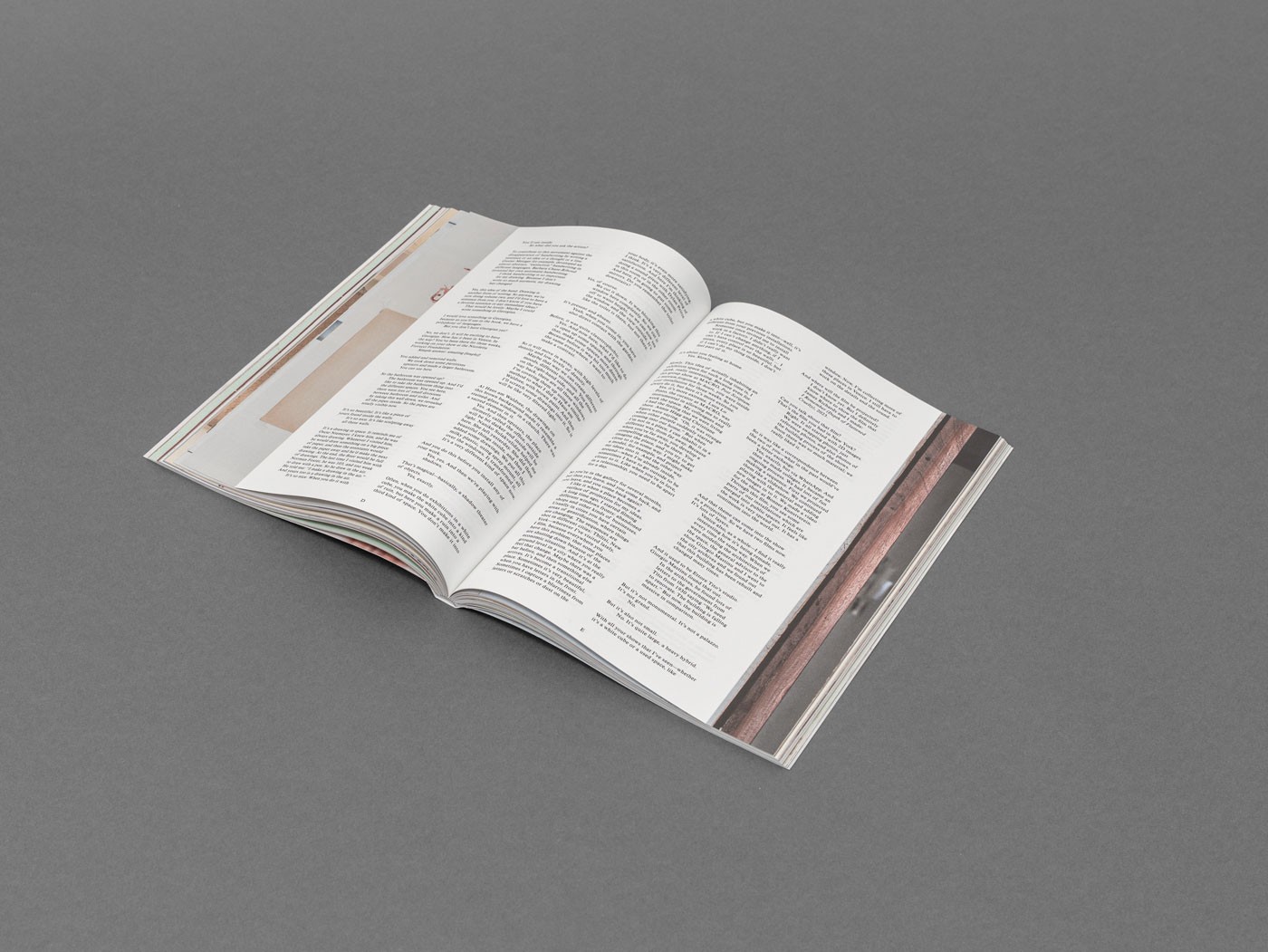
The book also features a new interview with the artist by Hans Ulrich Obrist.