This book accompanies 5 Works, Lydia Ourahmane’s first institutional solo show in Italy, staged at the Nicoletta Fiorucci Foundation in Venice and curated by Polly Staple, during the 61st Venice Biennale, and includes newly commissioned texts and images that further contextualize the artist’s practice and work.
Museums of Tears extends Francesco Vezzoli’s 2024 exhibition at Museo Correr, Venice, combining historical works and new commissions to explore antiquity, emotion and illusion. Conceived as an artist’s book rather than a catalogue, it transforms the museum guide into a hybrid archive and portable museum of memory, beauty and mourning.
A project by Fondazione In Between Art Film, edited by Carla Subrizi, Paola Ugolini, and Maria Alicata, this illustrated volume investigates the cinematic, documentary, and video output of women artists and filmmakers operating in Italy in the 1960s and 1970s, situating their research at the intersection of artistic experimentation, politics, society, and technology.
A multifaceted perspective on contemporary sculpture that explores the practices and concepts of the medium through different approaches. The publication interweaves works by Yu Ji, Bronwyn Katz, Dan Lie, Trương Công Tùng, and Luana Vitra, with essays by Federico Giani, Sohrab Mohebbi, Julia Morandeira Arrizabalaga, Chiara Nuzzi, and Anne Reeve.
Suffused with specially conceived collages of the artist’s research materials, notes, and sketches, this is the first monograph on Castelli’s painting and sculpture, with essays by Sarah Crowe and Lillian Davies, and an artist interview by Francesco Manacorda. Published with Castello di Rivoli Museo d’Arte Contemporanea and Kunsthalle Wien.
What if the shadow moved first? From March through May 2026, the exhibition The Second Shadow. Dozie Kanu Mirroring Marc Camille Chaimowicz, with Shared Echoes and Kindred Spirits at Fondazione ICA Milano unfolds online through a series of voices and crossings that shift its gravity. Not an extension. A displacement.
Edited and with an essay by Pavel Pyś
Designed by Lorenzo Mason Studio
2024, English, softcover, 22 x 28 cm
ISBN: 979-12-80579-49-2
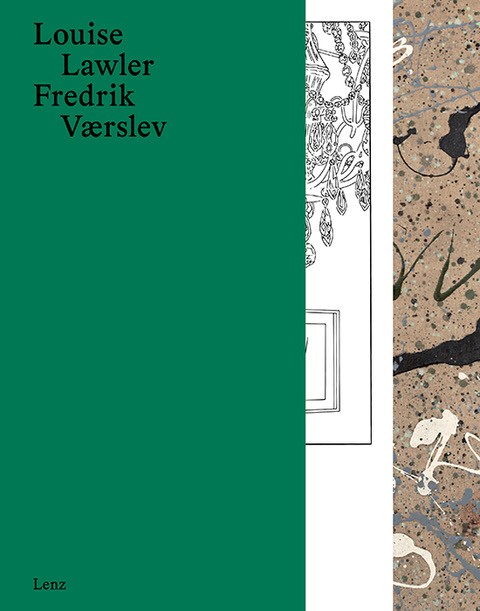
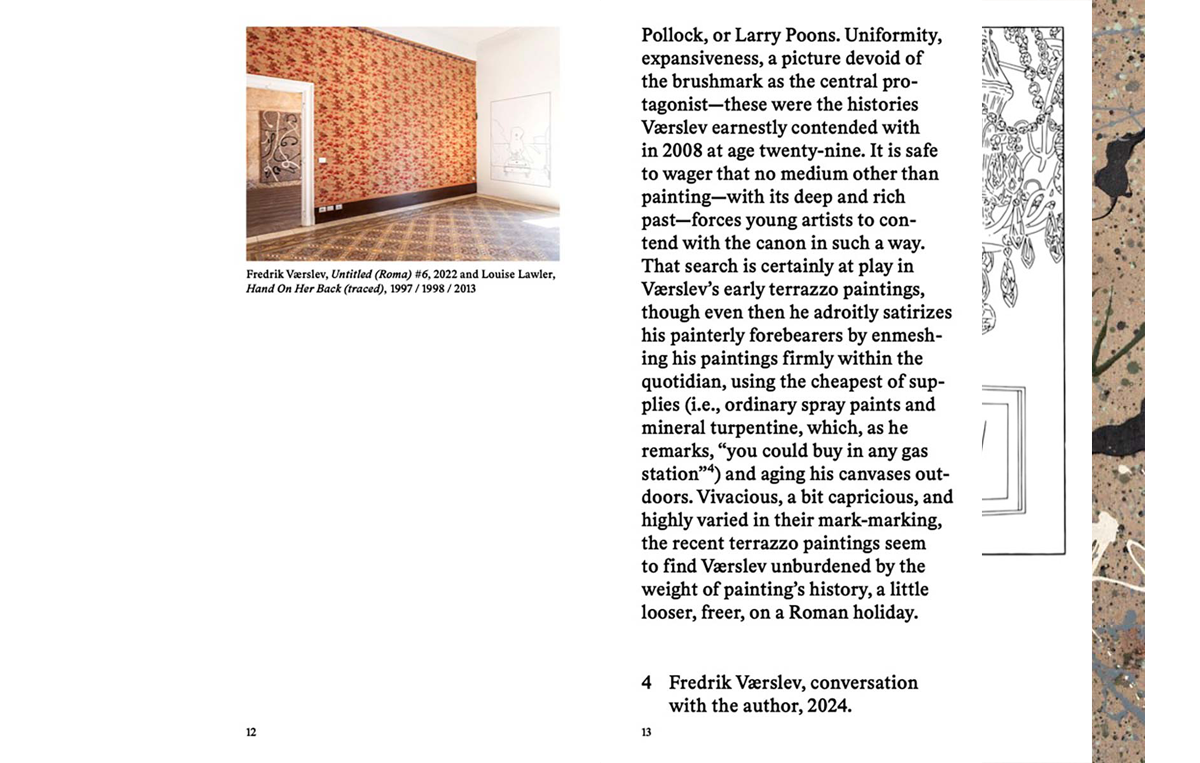
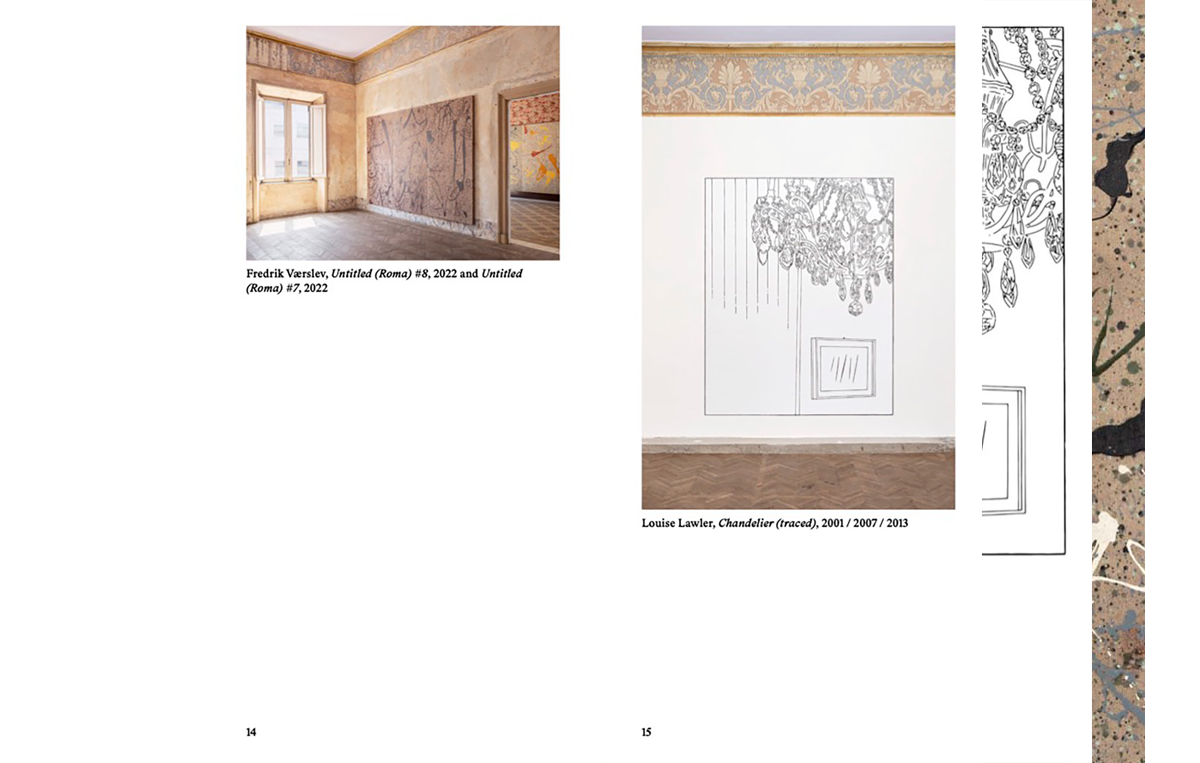
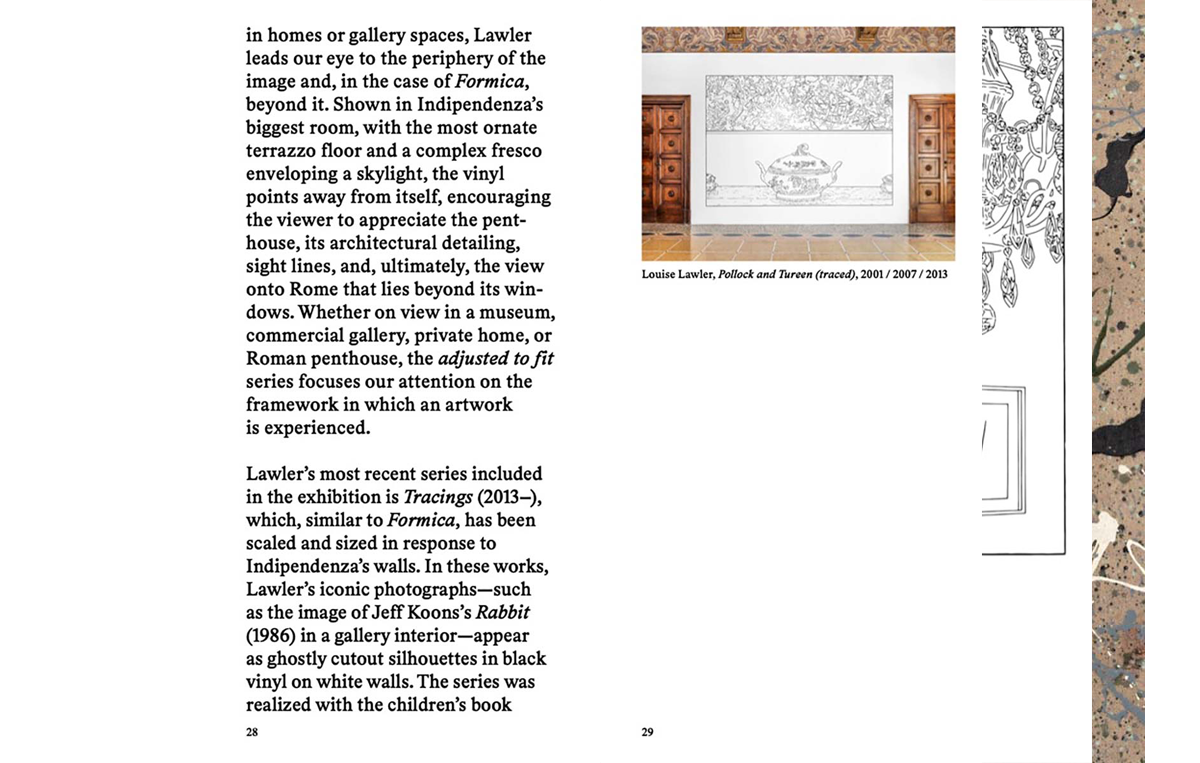
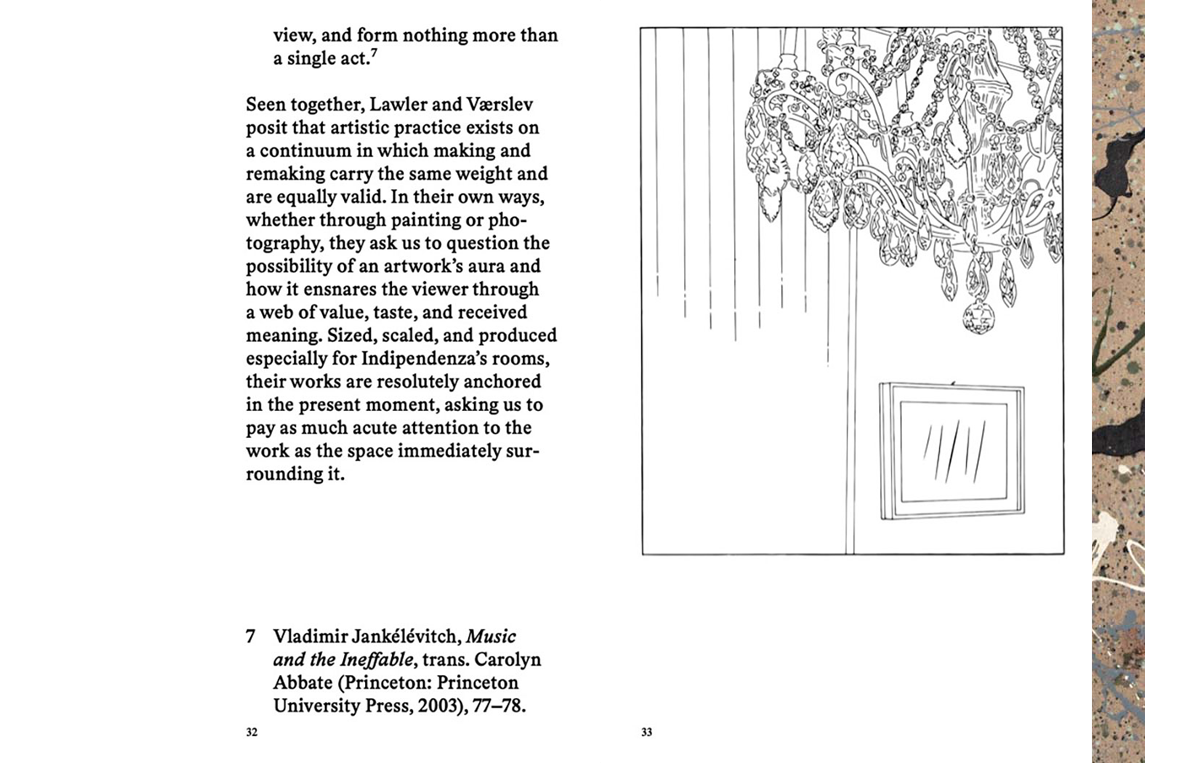
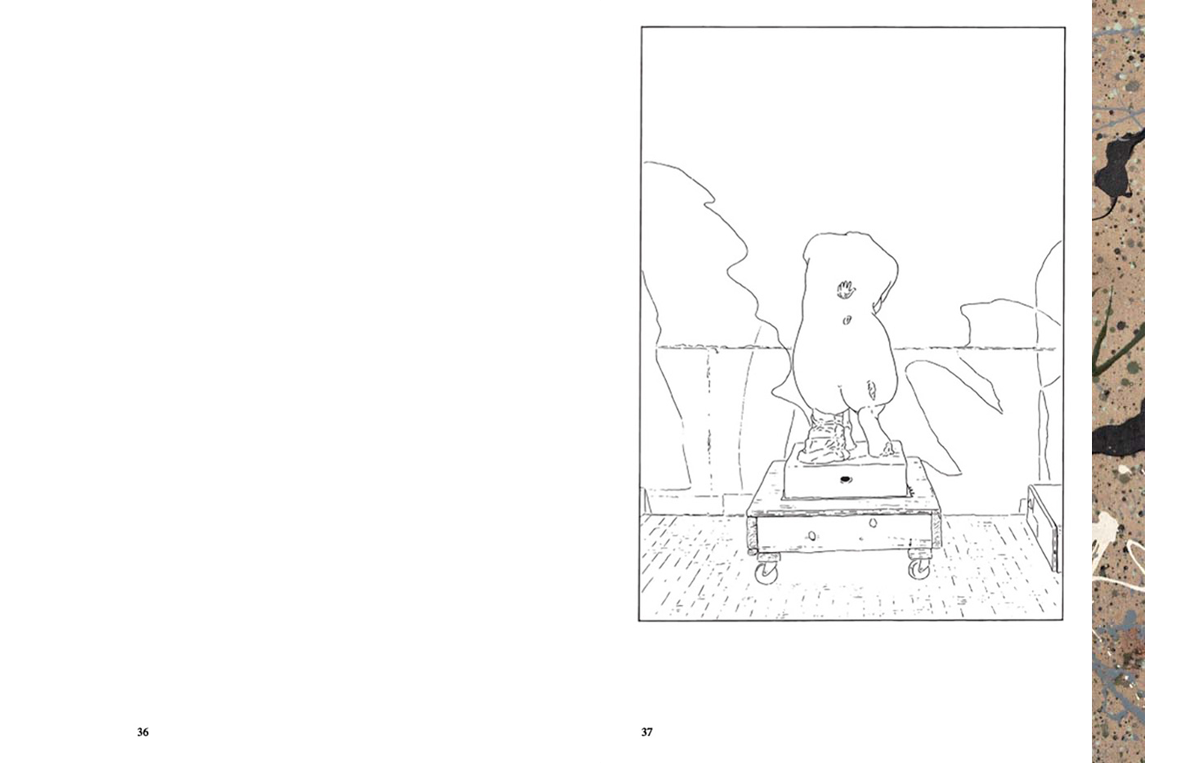
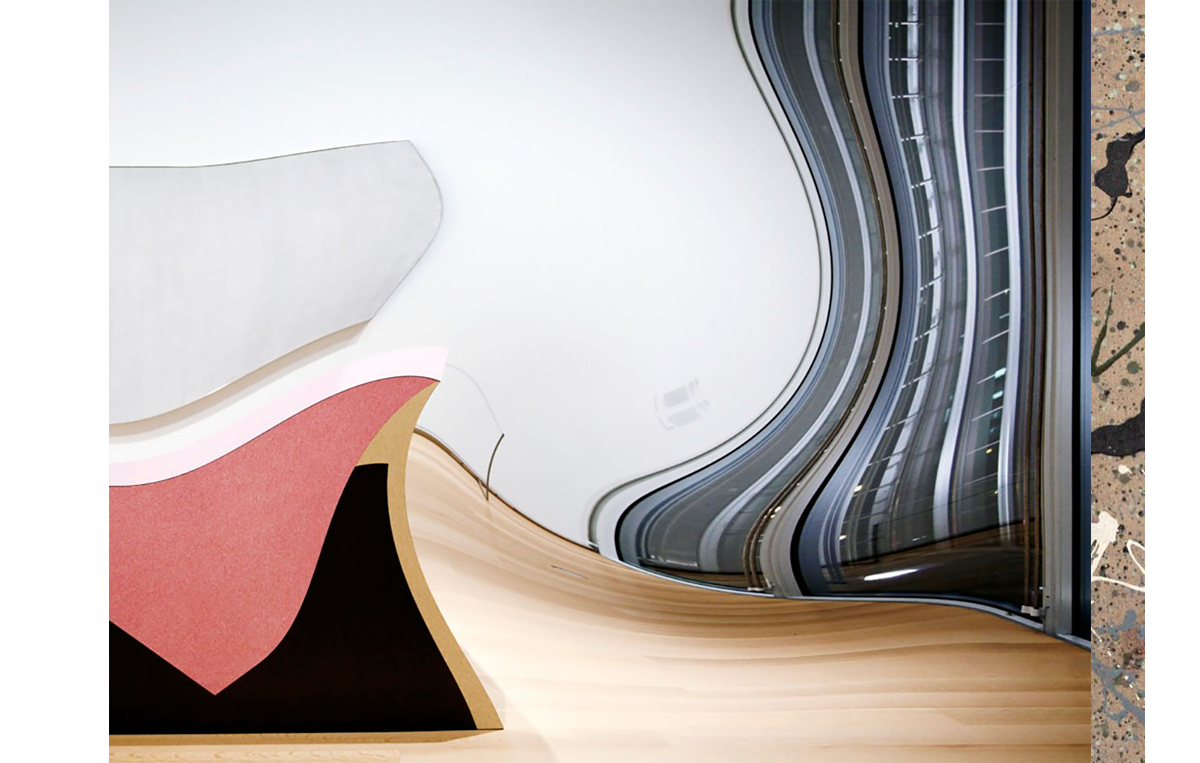
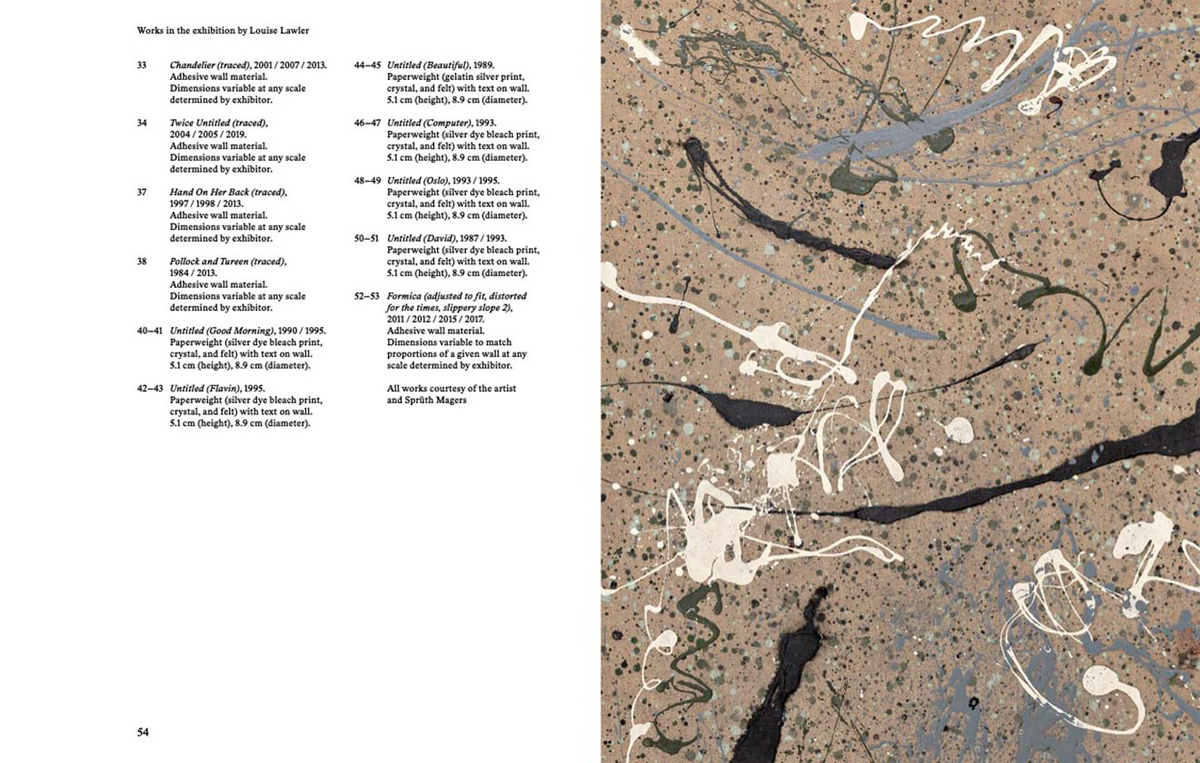
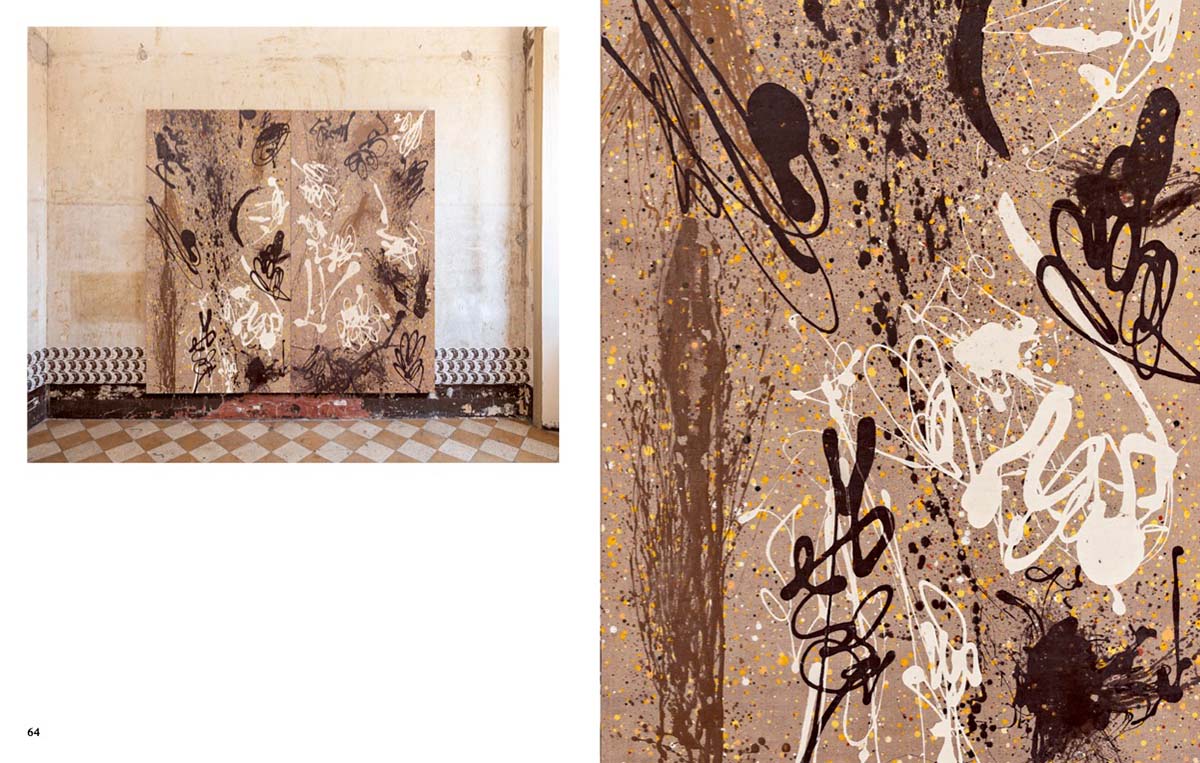
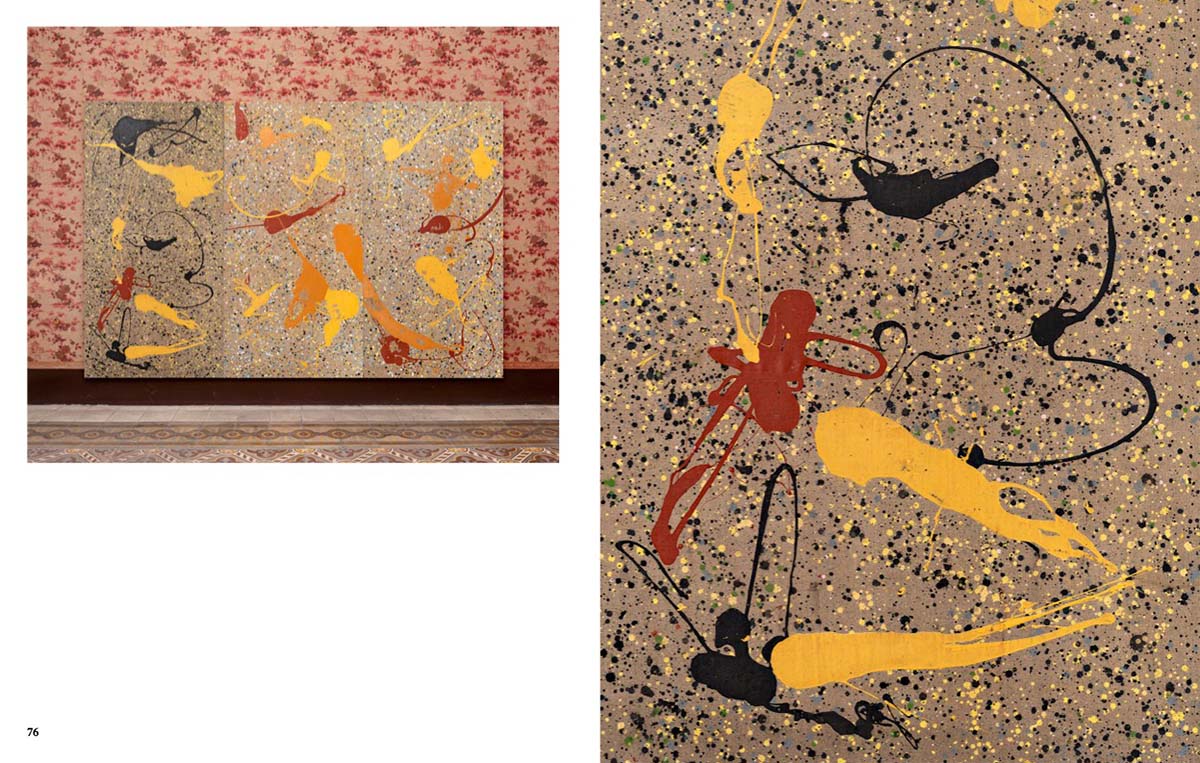
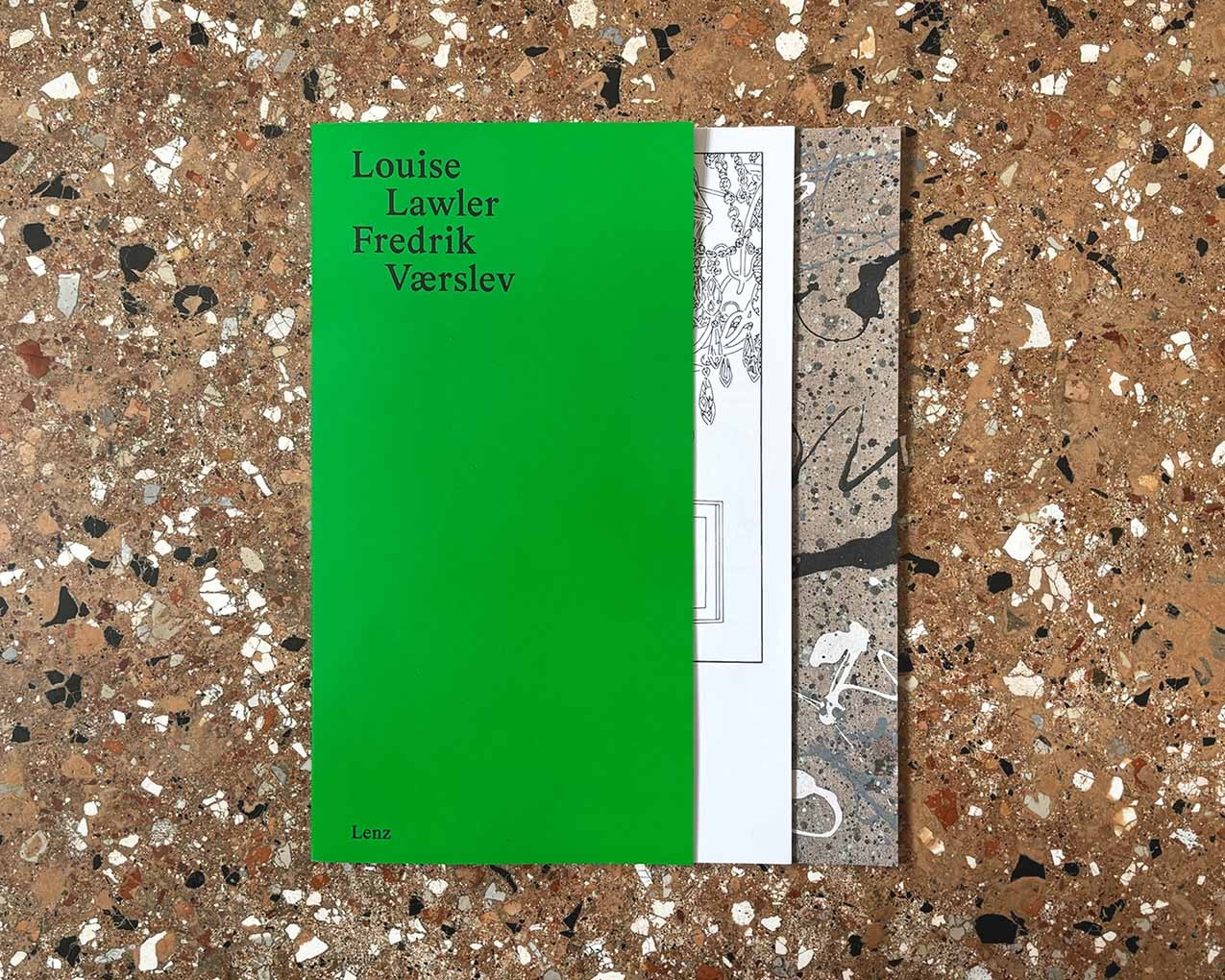
Conceived as a catalogue and an artist’s book, the publication was made on occasion of the eponymous 2022 exhibition at Indipendenza Roma. Deeply responsive to the space, the exhibition brought together works by Louise Lawler and Fredrik Værslev to explore the tension between an artwork and its surrounding architectural context, spurring questions of taste, value, function, and decoration.
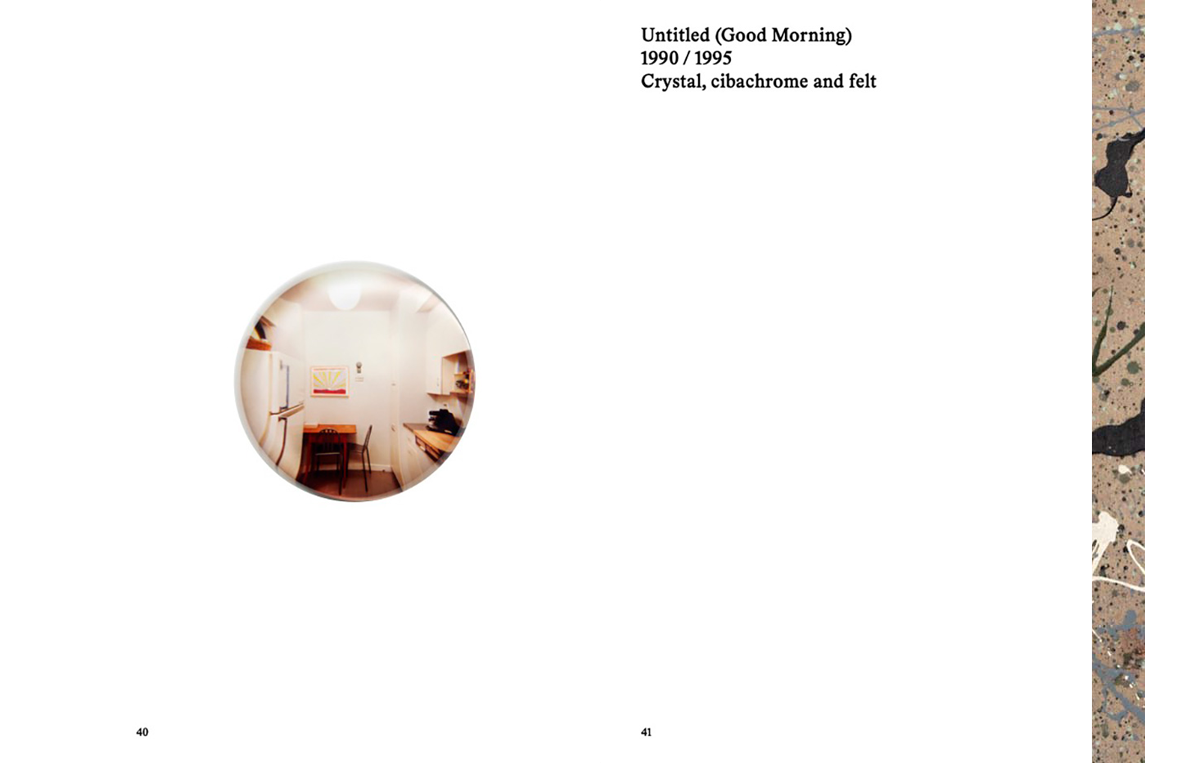
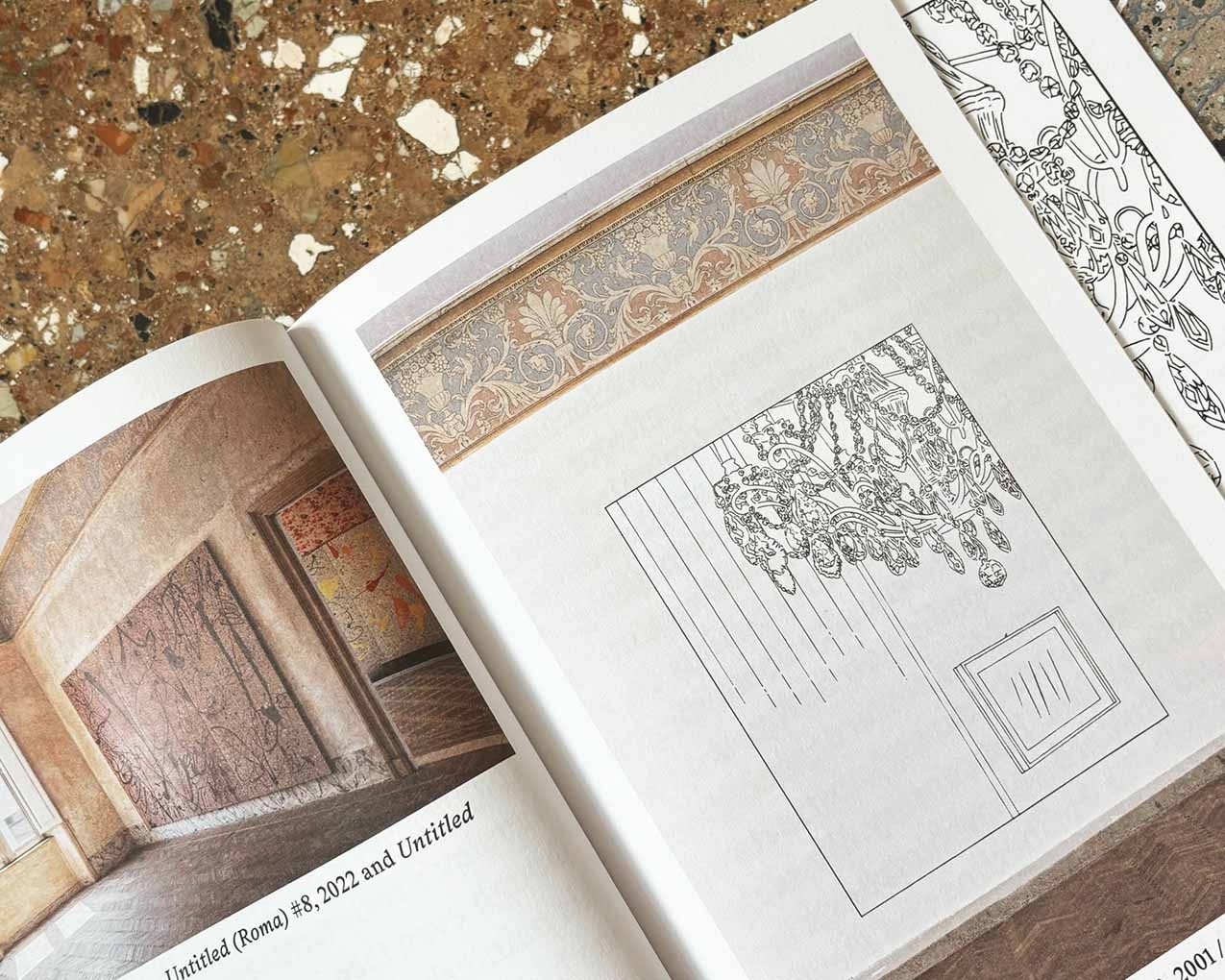
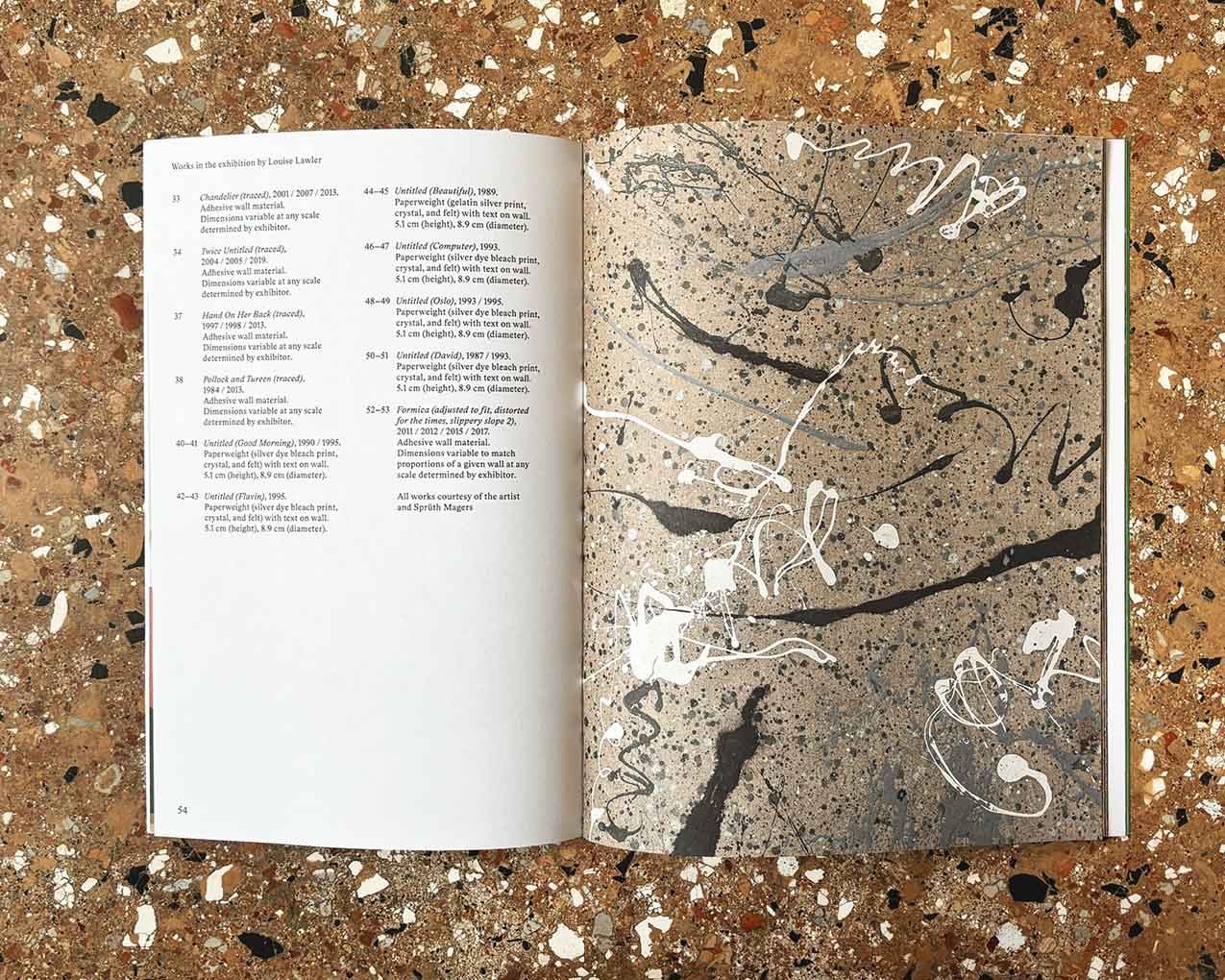
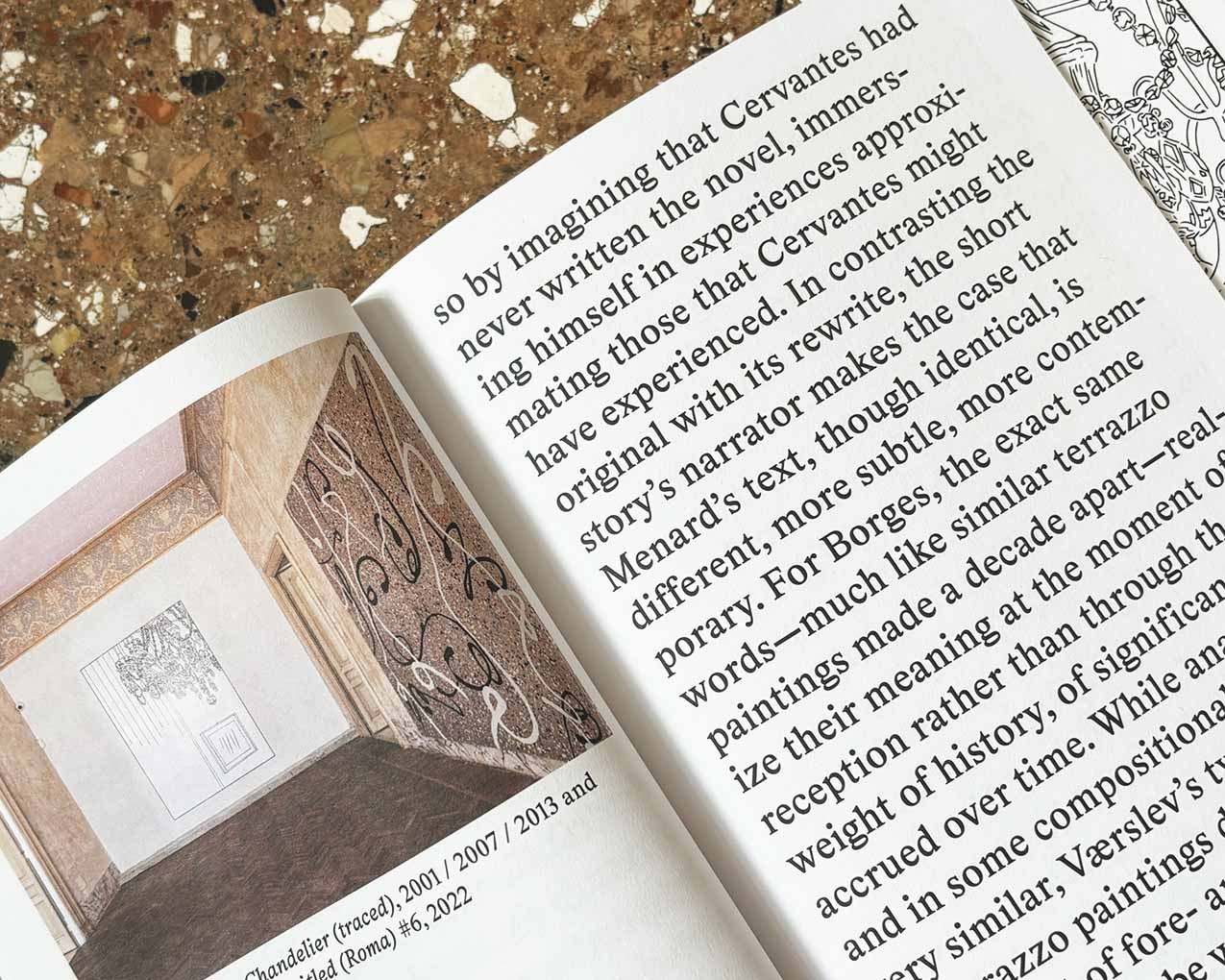
Louise Lawler’s incisive practice brings to the fore the very means by which value and significance are conferred upon artworks. Her critical strategies reveal the mechanisms by which art is produced, reproduced, consumed to question how we understand issues of authorship, connoisseurship, and meaning. Through emblematic interventions belonging to the series Tracings (2013-present), Adjusted to fit (2010-present), and Paperweights (1988-present) within Indipendenza’s rooms, that once served as an apartment, Lawler’s works draw our attention to how we organize and present our lives to others.
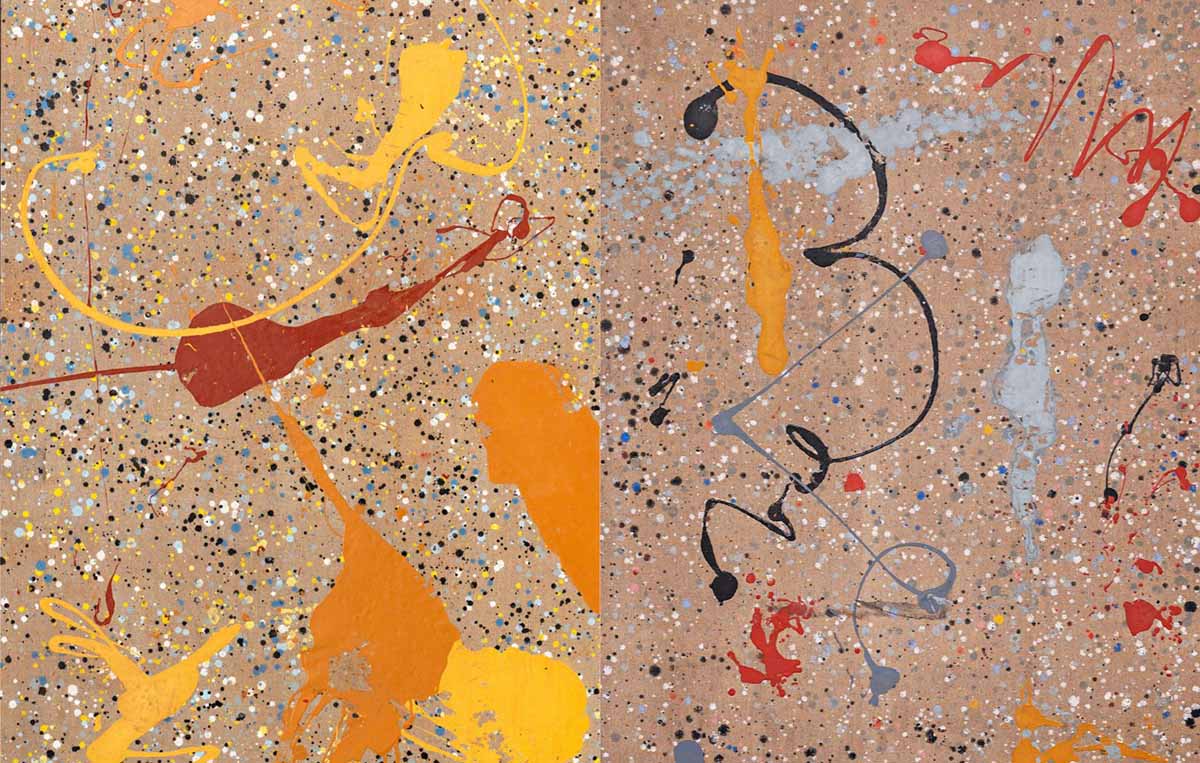
Deeply invested in the relationship between painting, architecture, and both urban and suburban environments, Fredrik Værslev’s serial practice reflects on the conventions, styles, and limits of abstract painting. For this exhibition, Værslev has created a series of site-responsive paintings (2021-22), which are sized to match the doorway dimensions and informed by the palette, materials, texture, and imagery that characterize Indipendenza’s spaces. These trompe l’oeil terrazzo paintings mimic the pattern and treatment of the gallery floor designs, yet are marked with drips and swirls suggestive of the ceiling frescoes that interrupt the all-over treatment, playing on the tension between background and foreground, function and decoration, real and faux.
Seen together, works by Lawler and Værslev point beyond their own limits, drawing our eyes to their surrounding spaces, asking how an artwork’s context can frame its meaning and vice versa.