Pavilion by multimedia artist Samson Young revisits THINK, the film created by Charles and Ray Eames for the IBM Pavilion at the 1964 New York World’s Fair. Reflecting on its legacy, the work explores the optimism and anxieties surrounding early database cinema in an age when generative AI has exponentially accelerated data patterning.
Nella prima monografia dedicata al collettivo femminista di arte concettuale Claire Fontaine, la teorica politica e operatrice somatica Anita Chari approfondisce le innovazioni concettuali e artistiche del collettivo, proponendo una prospettiva più aptica e incarnata nei confronti della teoria critica.
Full Rotation brings together texts and images to trace the forces that draw bodies beyond themselves. Moving between ecstasy, animal life, and light, the book explores heightened sensation, altered perception, and dissolution, where the human gives way to other forms of existence and boundaries between the physical, psychic, and cosmic begin to blur.
This is the first monograph on the influential American choreographer and dancer Trajal Harrell. In an entertaining, far-reaching conversation with curator Daniel Baumann, Harrell covers all of his choreographies and performances, as well as his influences, successes, and failures, addressing how he transforms and transgresses the history of dance.
Maxiprocesso brings together 360 photographs by Maria D. Rapicavoli, one for each of the archival folders documenting the largest mafia trial in history, held in Palermo from 1986 to 1987. The volume explores the relationship between memory, justice, and social responsibility, examining the material element of a landmark event in contemporary Italian history.
This book offers the first comprehensive overview of Anna Franceschini’s practice. Organized around recurring themes, it explores animation, the body, machines, ghosts, desire, and windows through commissioned contributions and selected writings. Its associative structure reflects her interest in repetition, transformation, and unstable images.
Edited by Lorenzo Giusti and Valentina Gervasoni
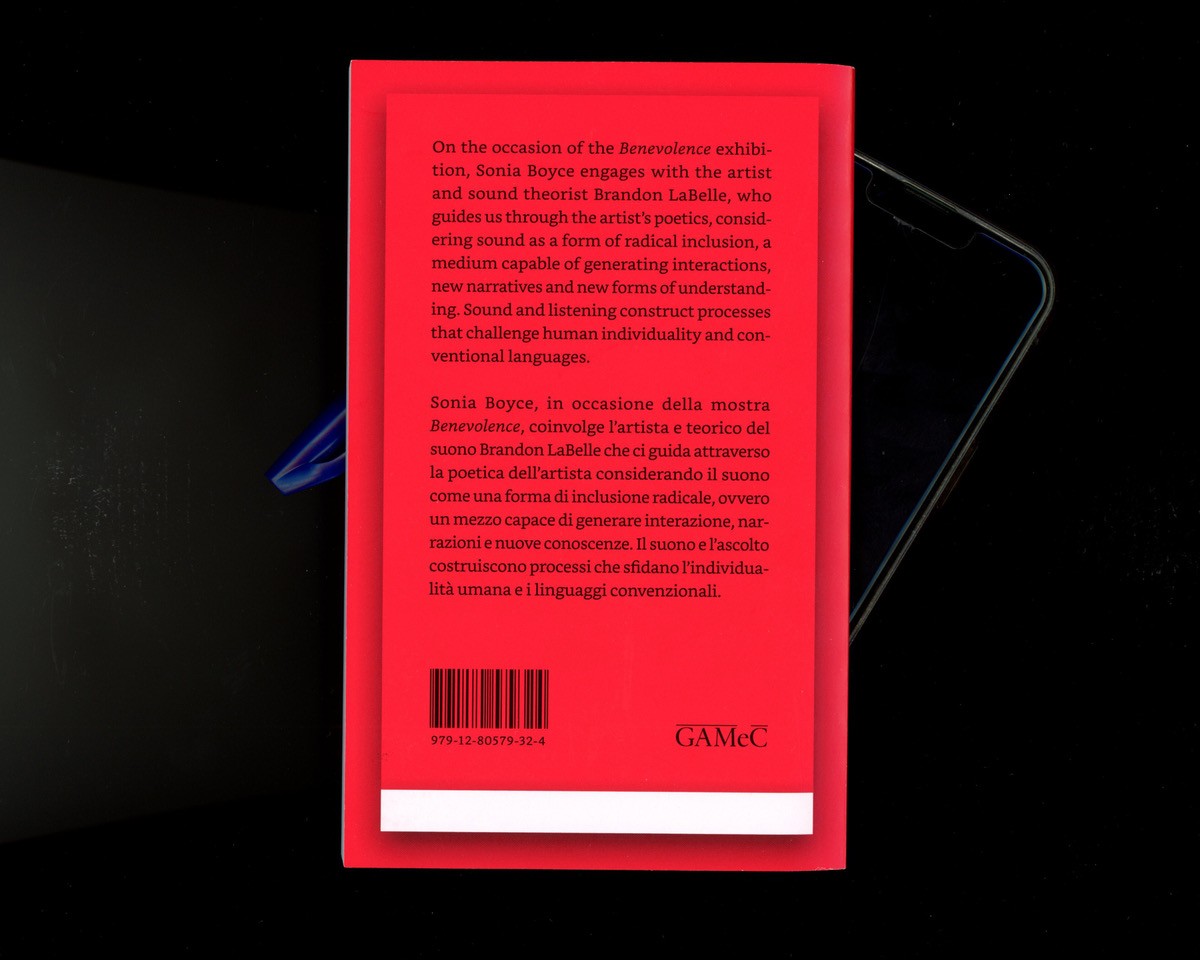
Essay by Brandon LaBelle
Designed by Lorenzo Mason Studio
2024, English / Italian, softcover, 11 x 17.7 cm, 96 pages
ISBN 979-12-80579-32-4
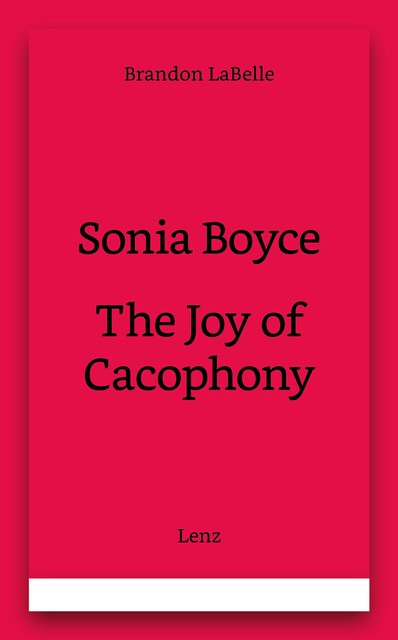
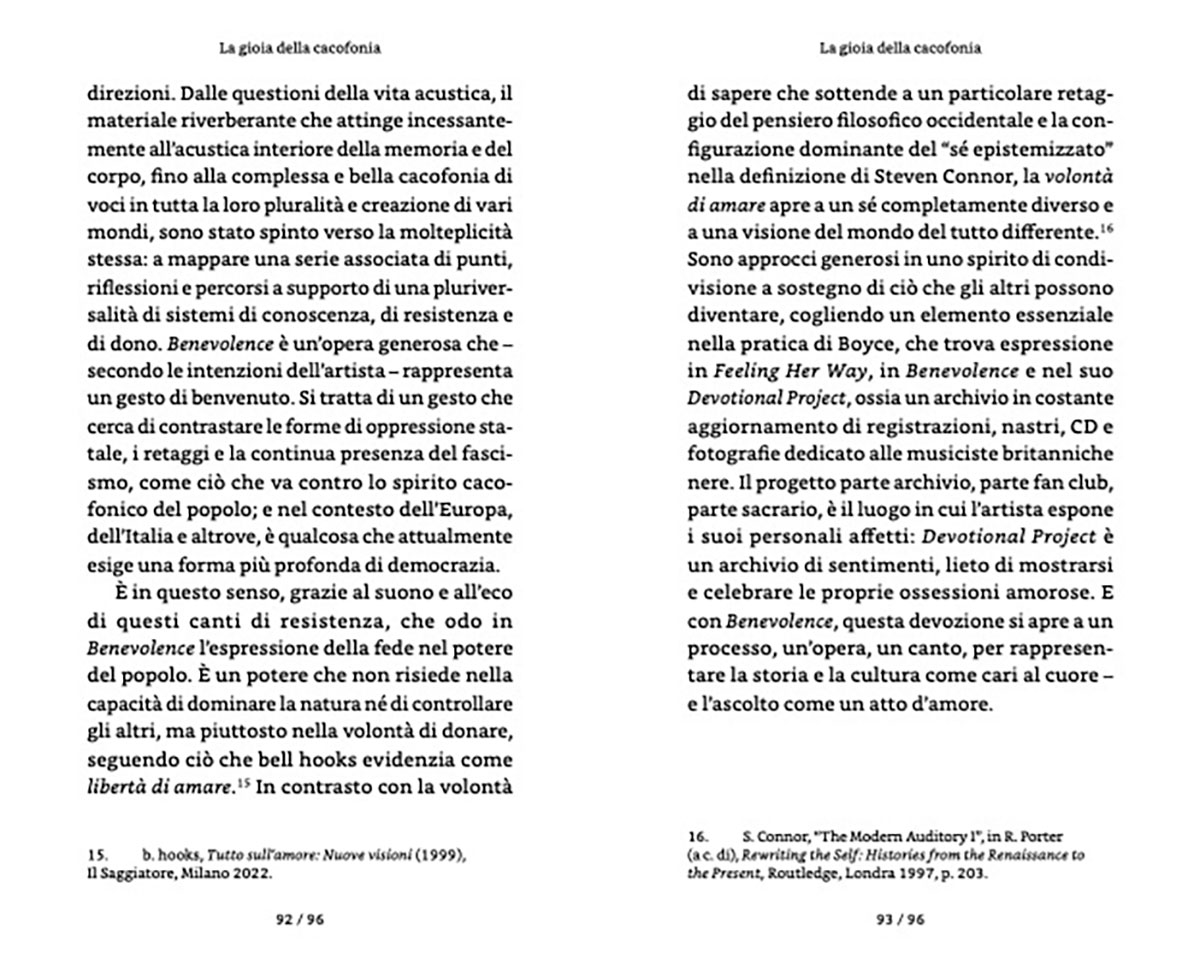
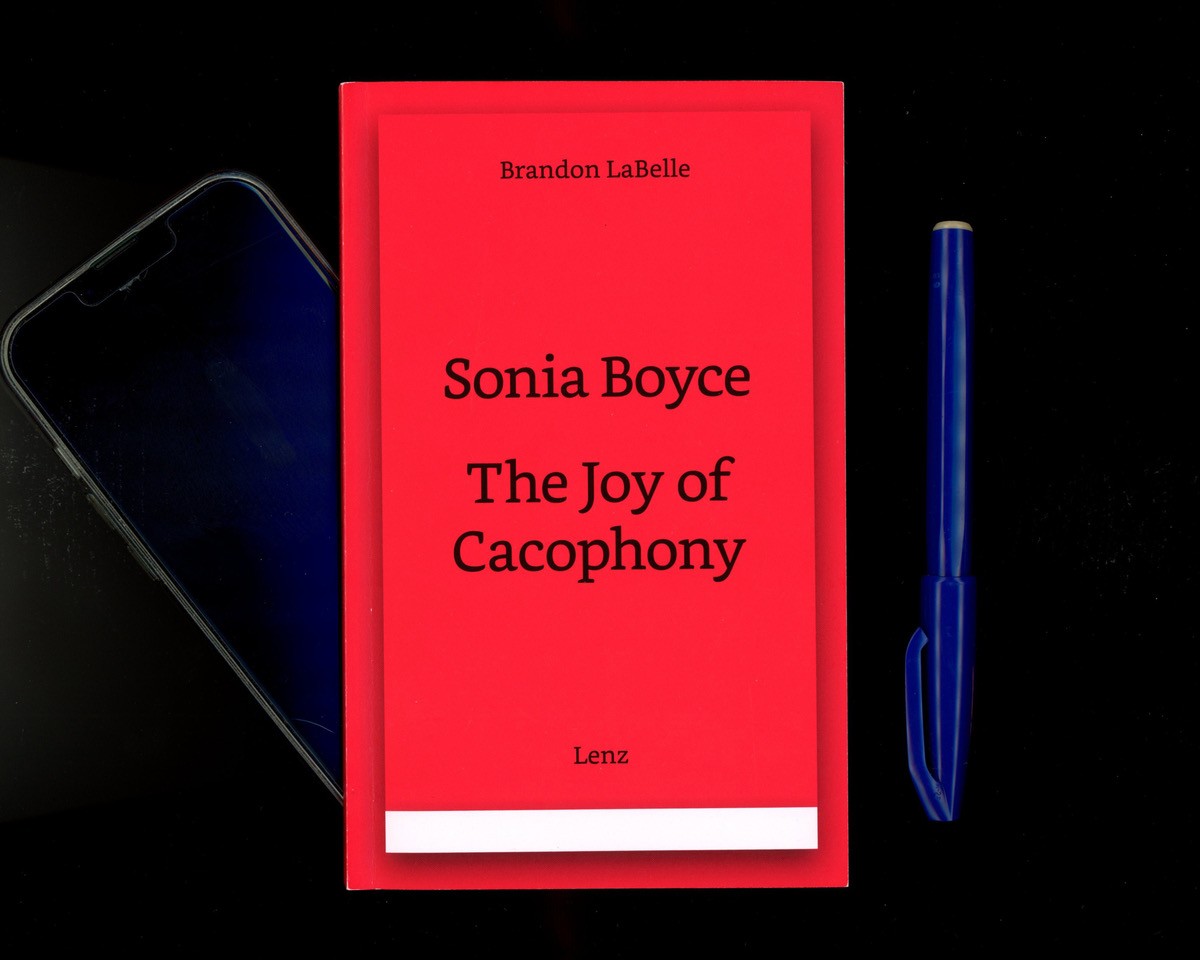
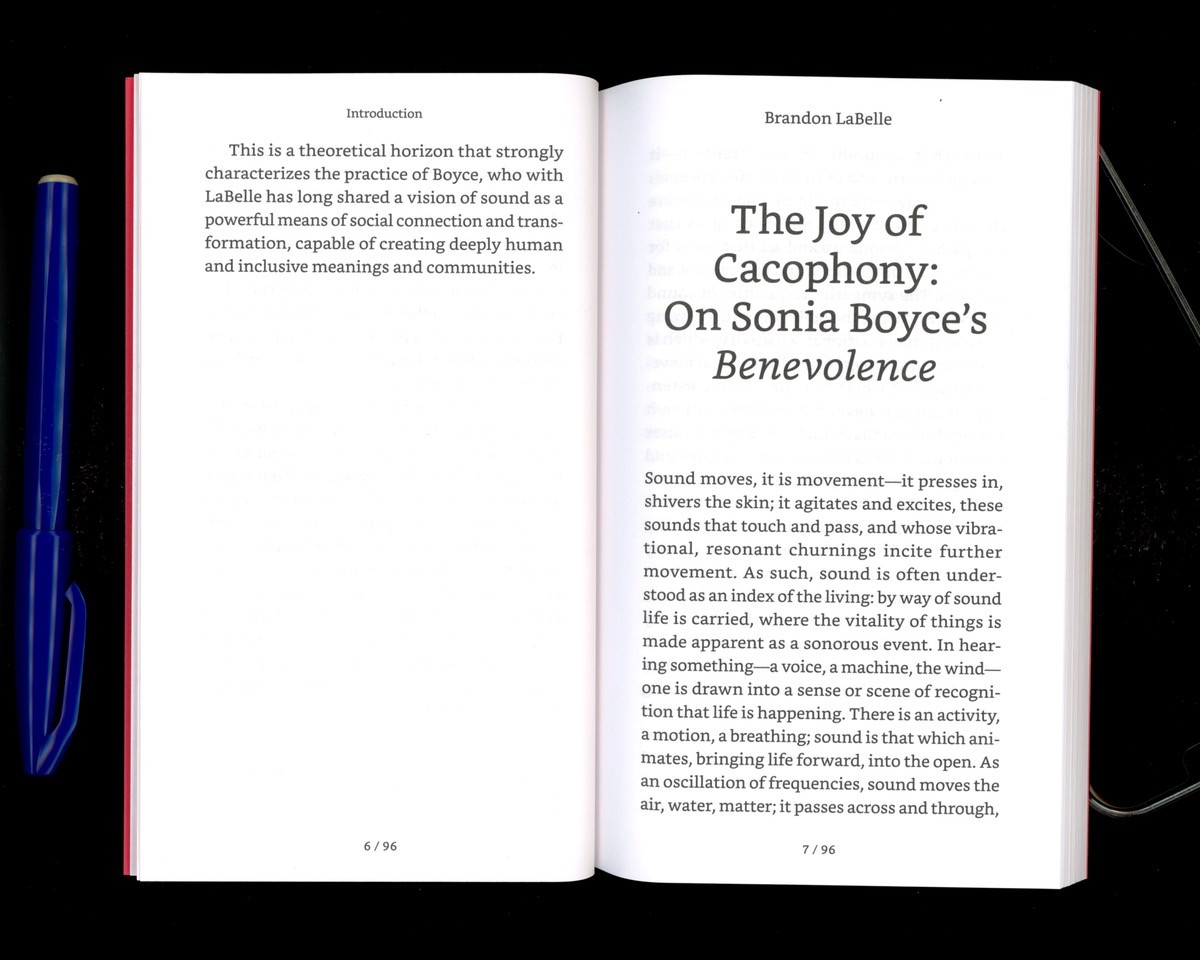
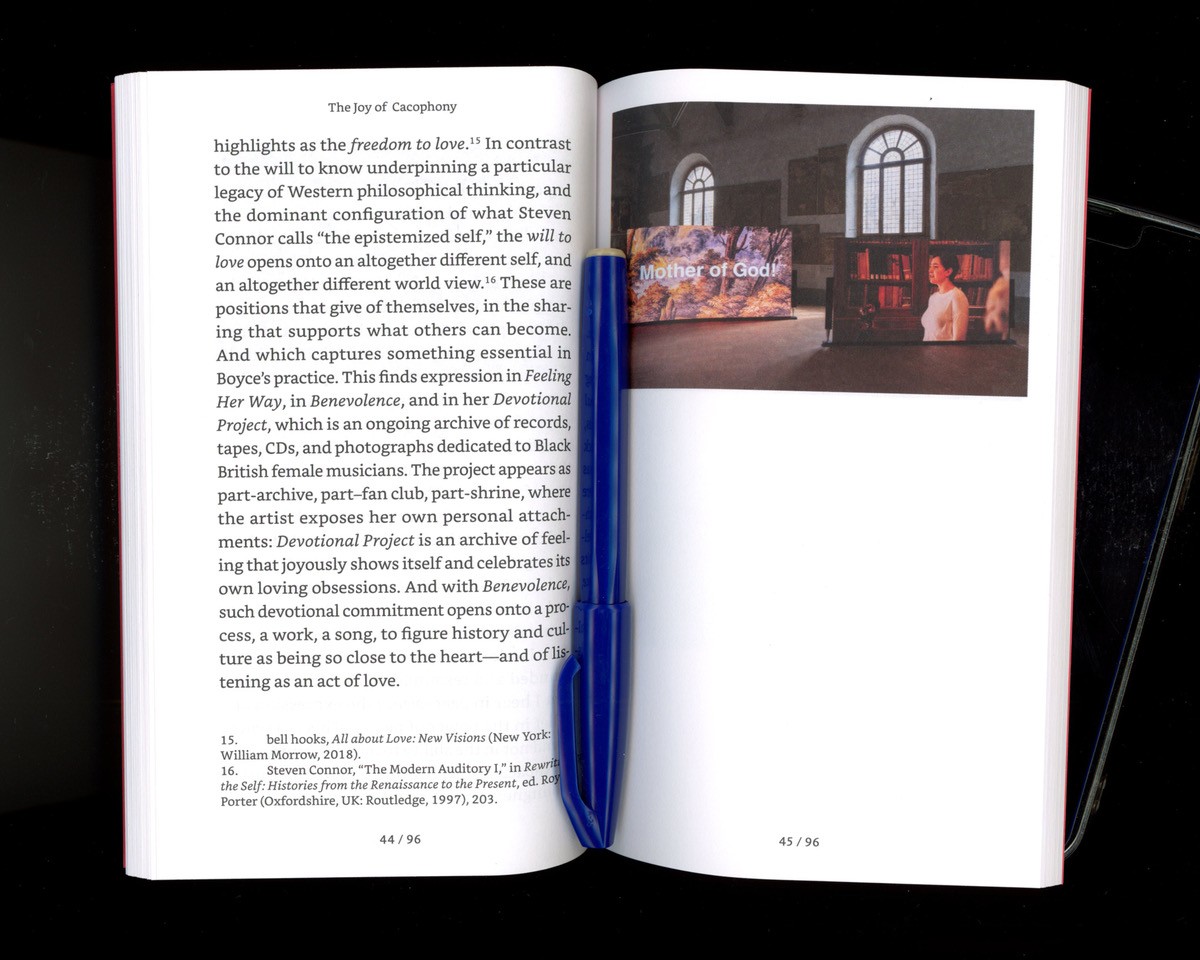
Sonia Boyce engages with the artist and sound theorist Brandon LaBelle, who guides us through the artist’s poetics, considering sound as a form of radical inclusion, a medium capable of generating interaction, narratives and new understanding. Sound and listening construct processes that challenge human individuality and conventional languages. Sound, by its porous nature, and the cultural and symbolic manifestation of music fostering social connections, exert an influence on everyone’s capacity to participate.
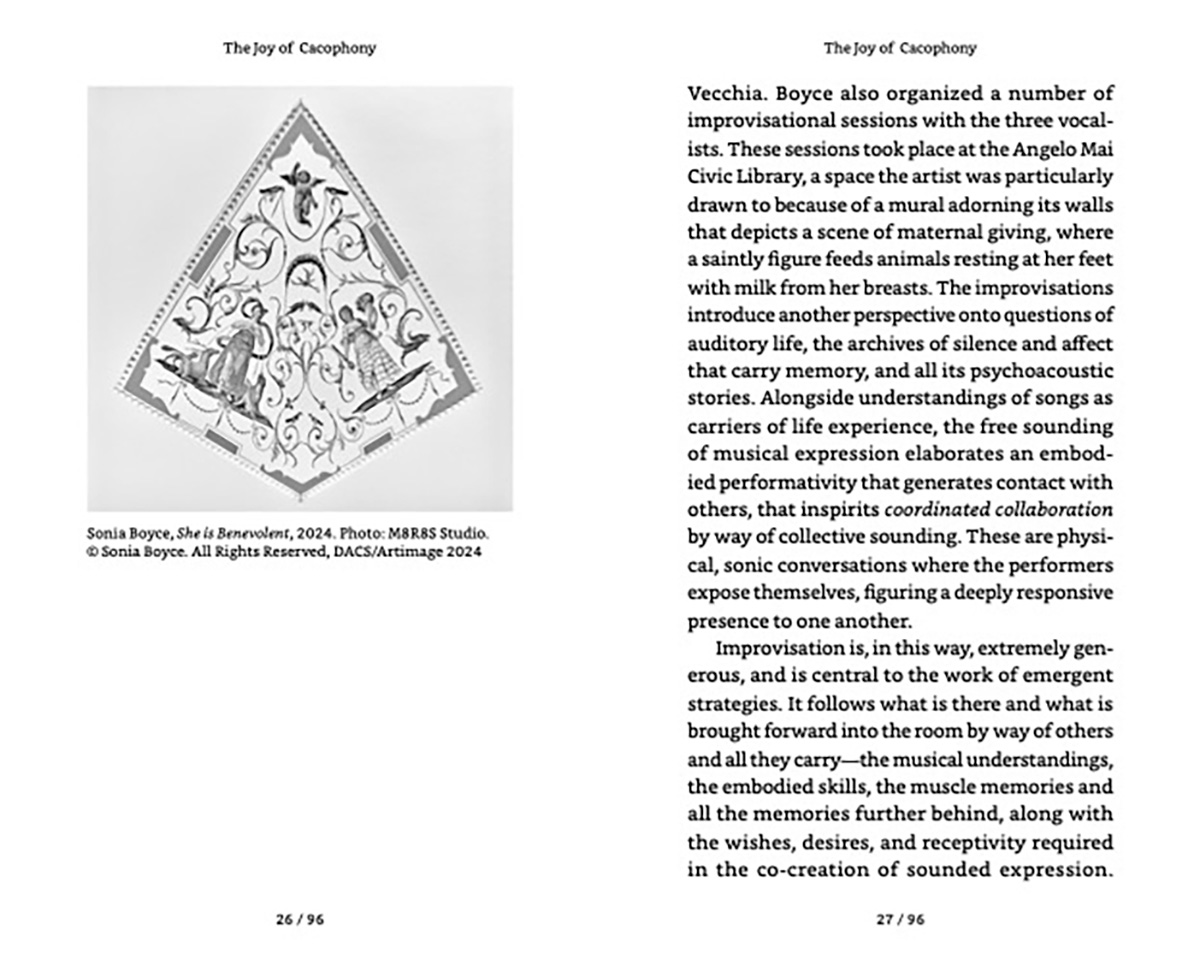
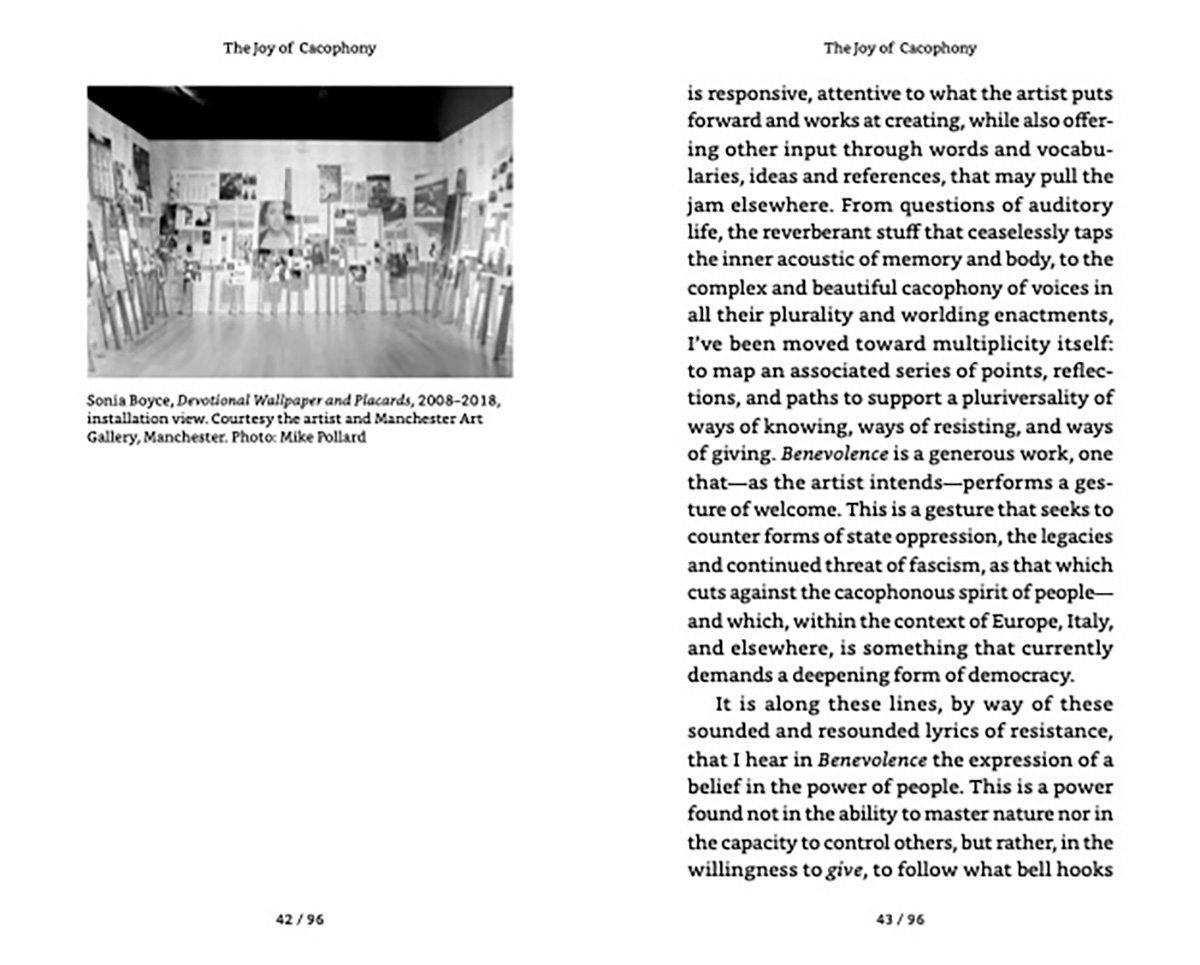
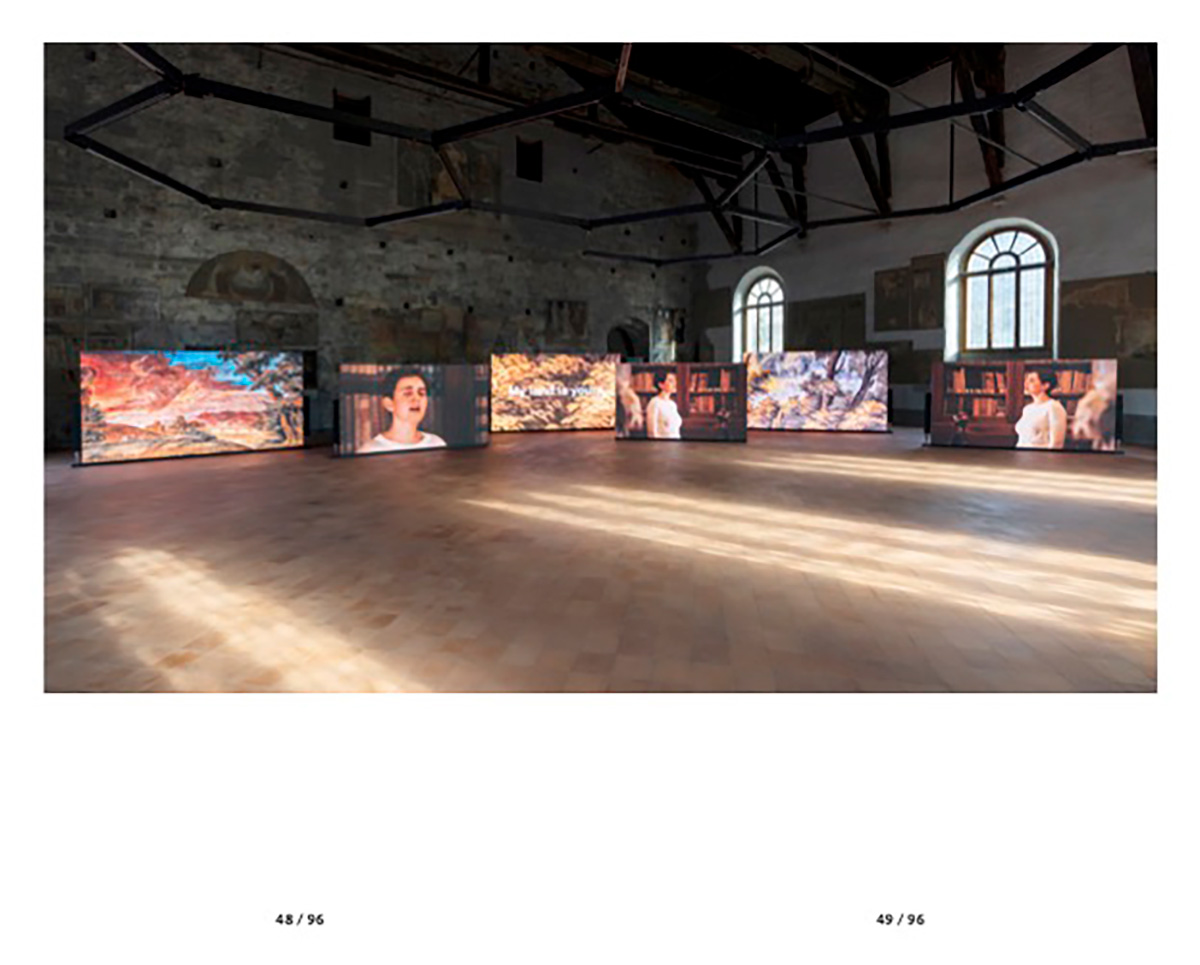
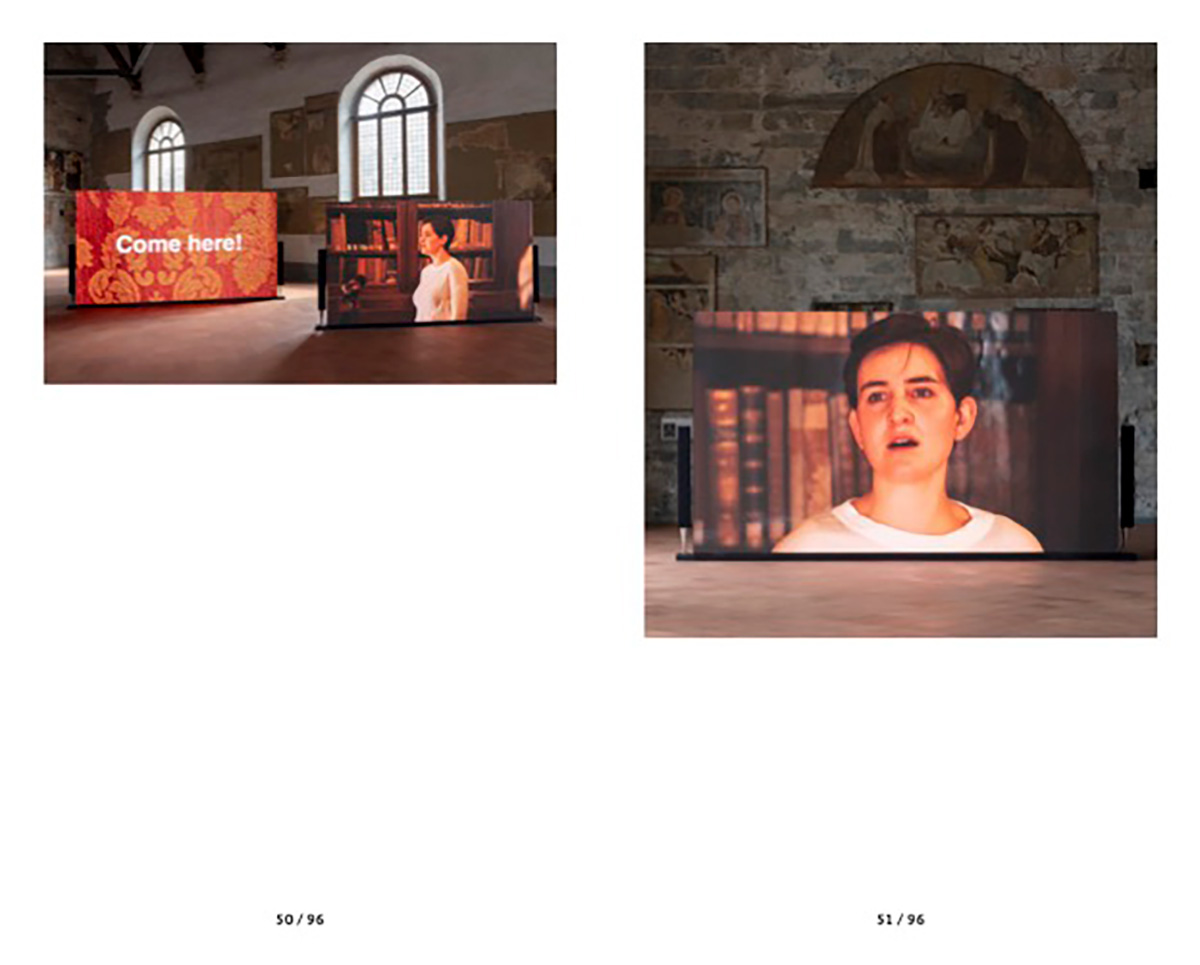
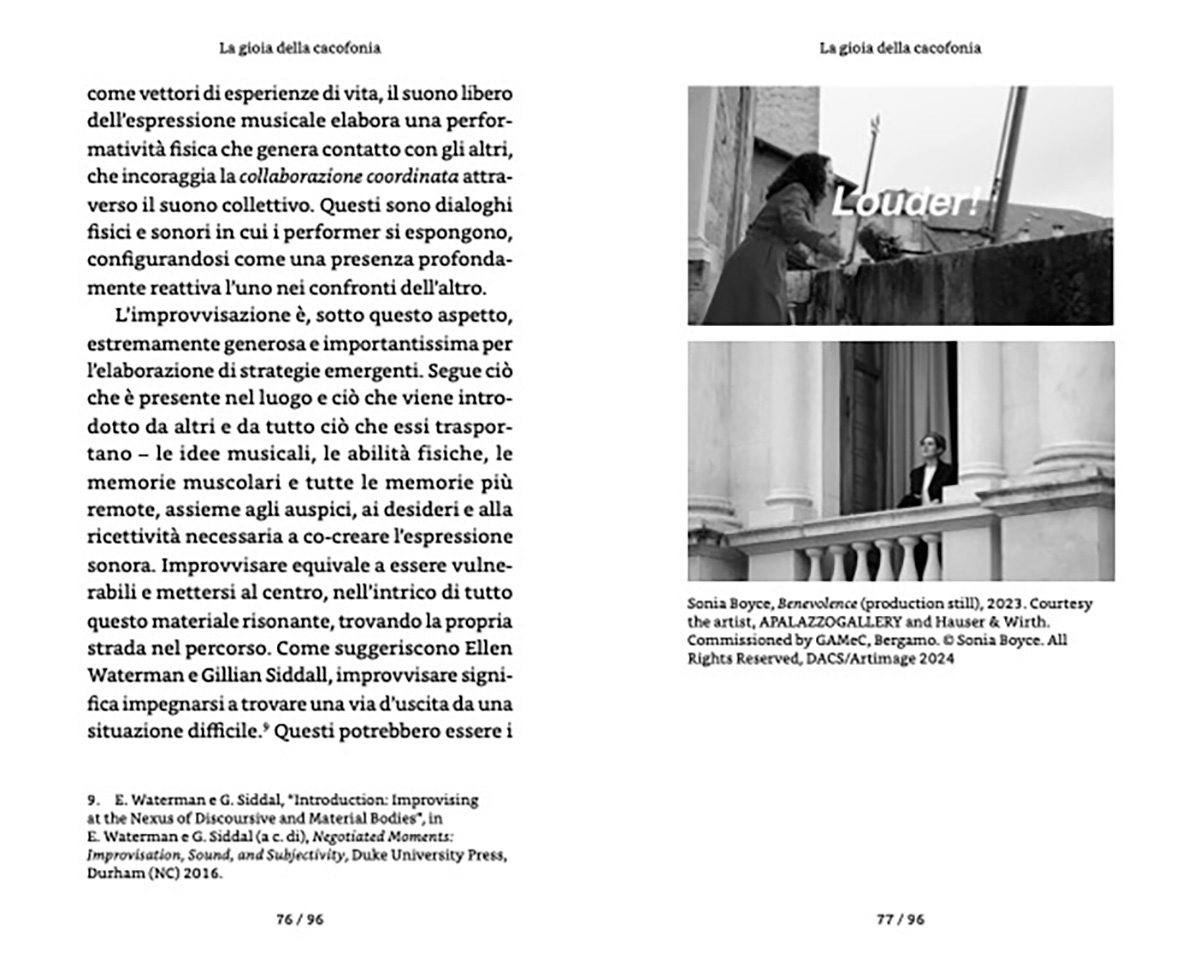
Sonia Boyce’s project for Palazzo della Ragione saw her collaborate with three students from the “Gaetano Donizetti” Higher Institute of Musical Studies in Bergamo, who were invited to perform and improvise popular songs in the heart of Bergamo’s “Città Alta.” The act of singing from balconies is an explicit reference to the lockdowns, during which people sang songs from inside their homes to support each other in what was a time of crisis. These actions inspired the artist, for whom singing itself represents a gesture of altruism and empathy. The Joy of Cacophony is the second book in a series of short essay collections inspired by the site-specific art projects specially conceived for GAMeC at Palazzo della Ragione, a symbolic, time-honored location within the city of Bergamo that embodies the values of community life and participation. The artist was asked to name an author who interests her—be it a researcher, a philosopher or a scholar—and whose thinking could be said to underpin the project, with a view to finding a path through the complexities of the present day, starting from the work produced but without necessarily lingering on it.