This compelling artist’s book is built around KOOL (“cabbage” in Dutch), an original font designed by Reus, somewhere between a plant alphabet and concrete poetry. The publication draws on the type specimen book tradition to present new typefaces.
Through a rich selection of images, this artist’s book, published in two editions—gold and silver—explores the birth, life and death of Francesco Gennari’s work Vorrei perdermi e non trovarmi più, 2022, exhibited for the first time at the Ciaccia Levi Gallery in Paris.
Through a rich selection of images, this artist’s book, published in two editions—gold and silver—explores the birth, life and death of Francesco Gennari’s work Vorrei perdermi e non trovarmi più, 2022, exhibited for the first time at the Ciaccia Levi Gallery in Paris.
This richly illustrated publication combines artwork, archival and process imagery, and includes an extended interview with the artist, as well as new essays by key thinkers in the fields of anthropology, philosophy, political economy and art history.
In the first monograph on the feminist conceptual artist collective Claire Fontaine, political theorist and somatic practitioner Anita Chari explores the artist’s theoretical and political innovations to illuminate a more haptic, embodied approach to the practice of critical theory.
Shahryar Nashat inserts his art in the pages of this new artist’s book, which takes the form of a catalogue-turned-manual: but instead of explaining its meaning, he strips it of its aura, flaunts its nature as an object and describes step-by-step how to create it.
Edited by Tolia Astakhishvili and Hans Ulrich Obrist
Texts: Tolia Astakhishvili, Hans Ulrich Obrist
Designed by Lorenzo Mason Studio
2025, English, softcover, 160 pages, 24 x 34 cm
ISBN 979-12-80579-65-2
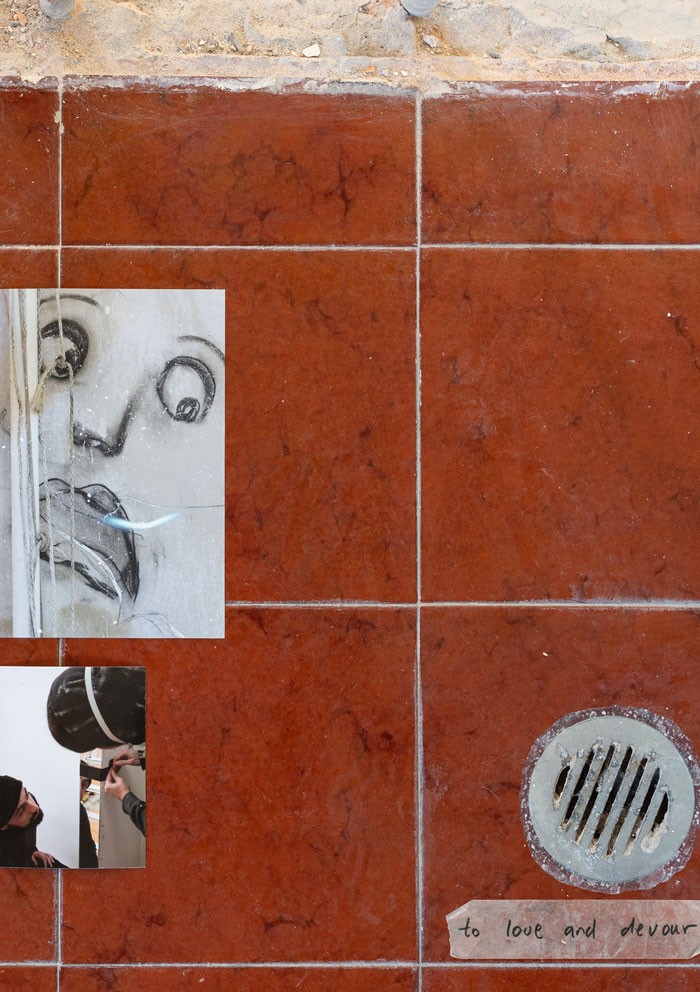
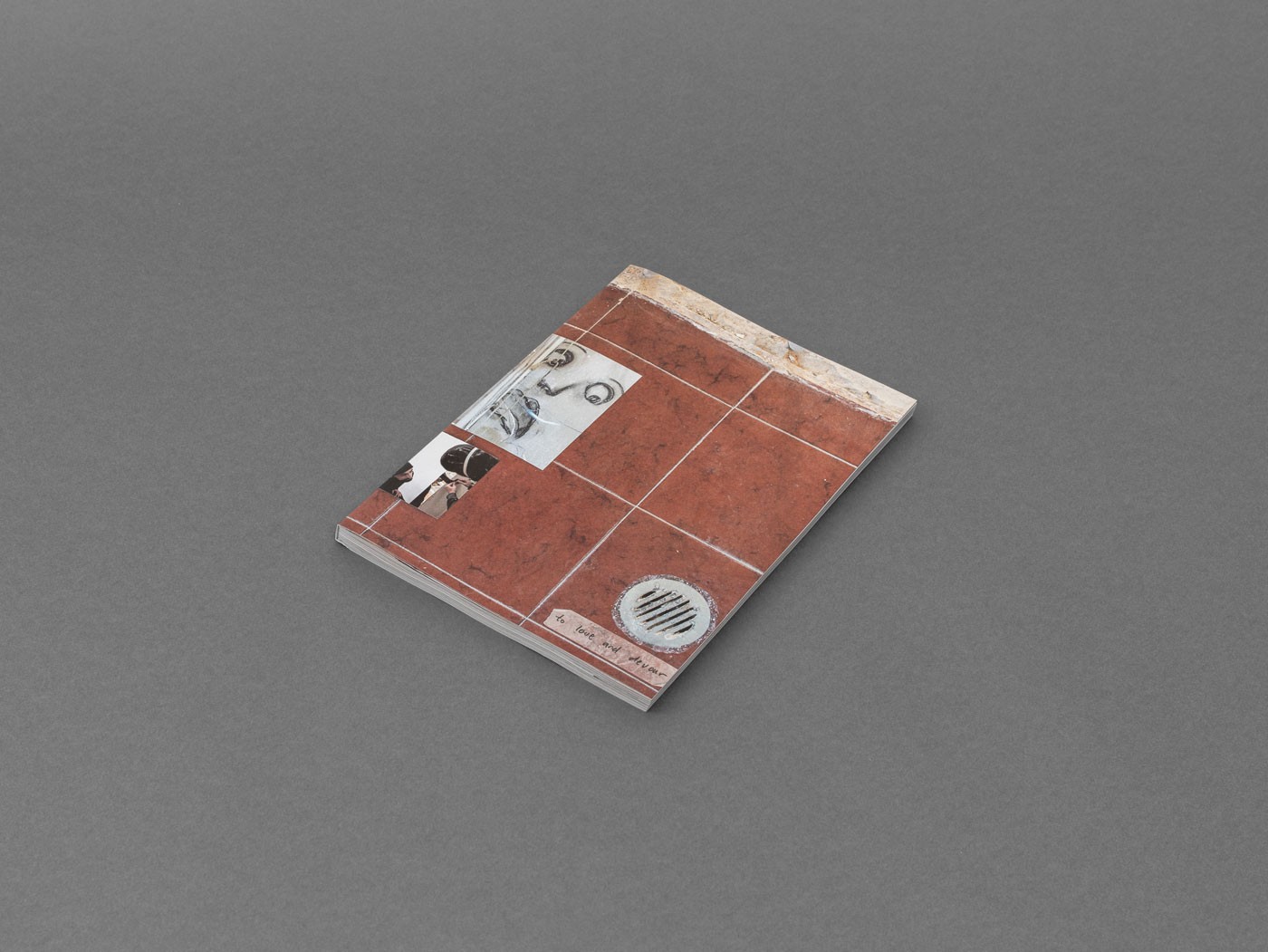
The artist’s book to love and devour by Tolia Astakhishvili was published on the occasion of the inaugural exhibition at the new site of the Nicoletta Fiorucci Foundation in Venice, curated by Hans Ulrich Obrist.
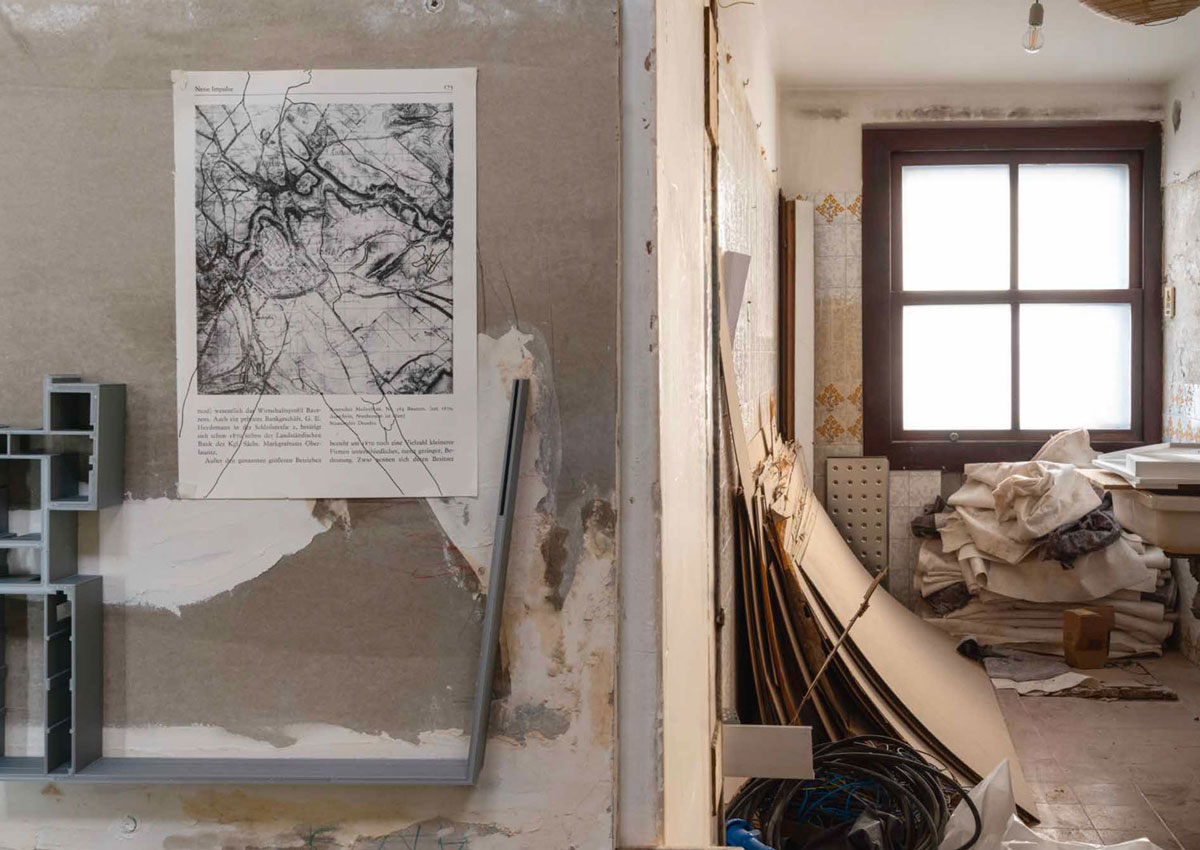
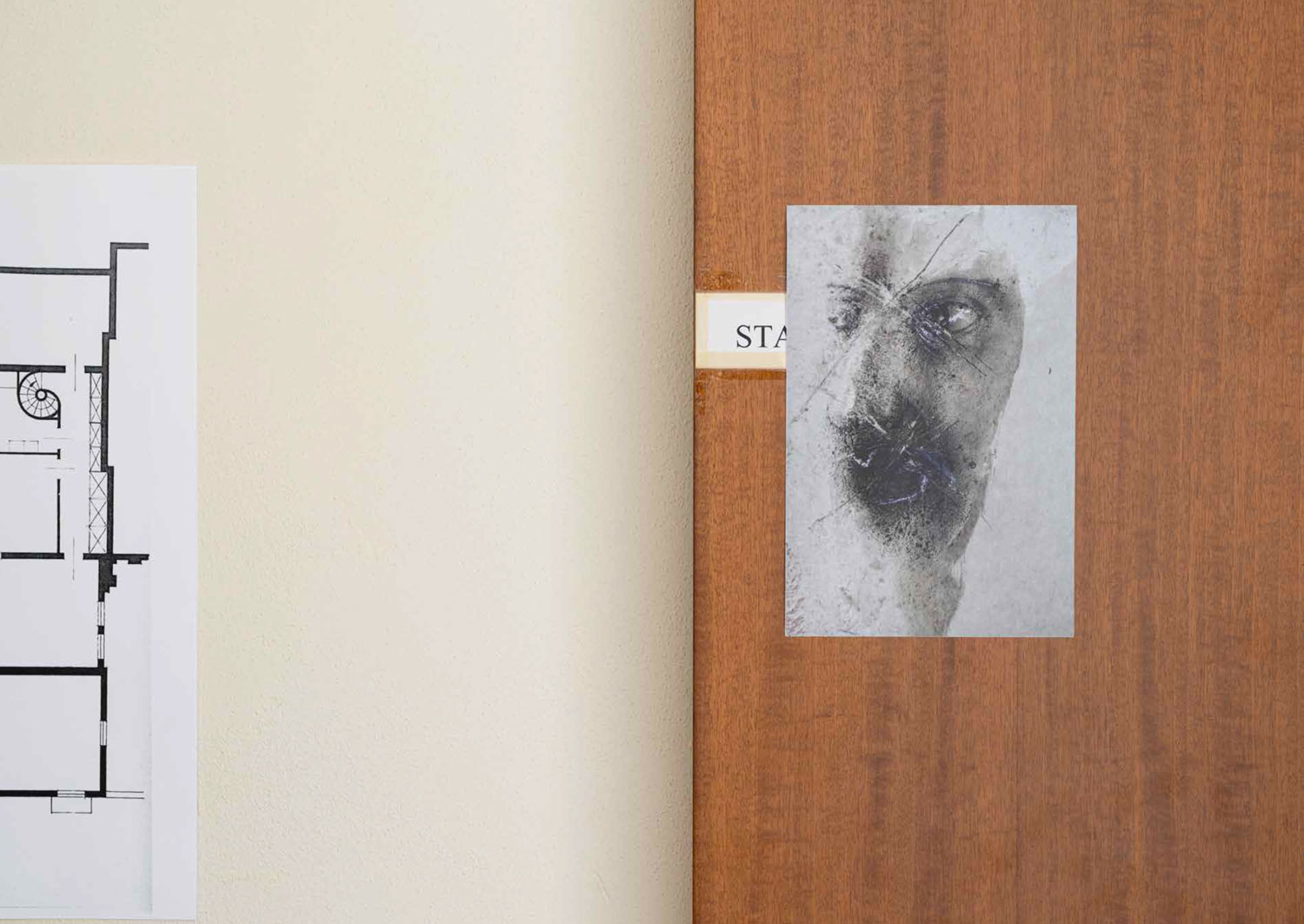
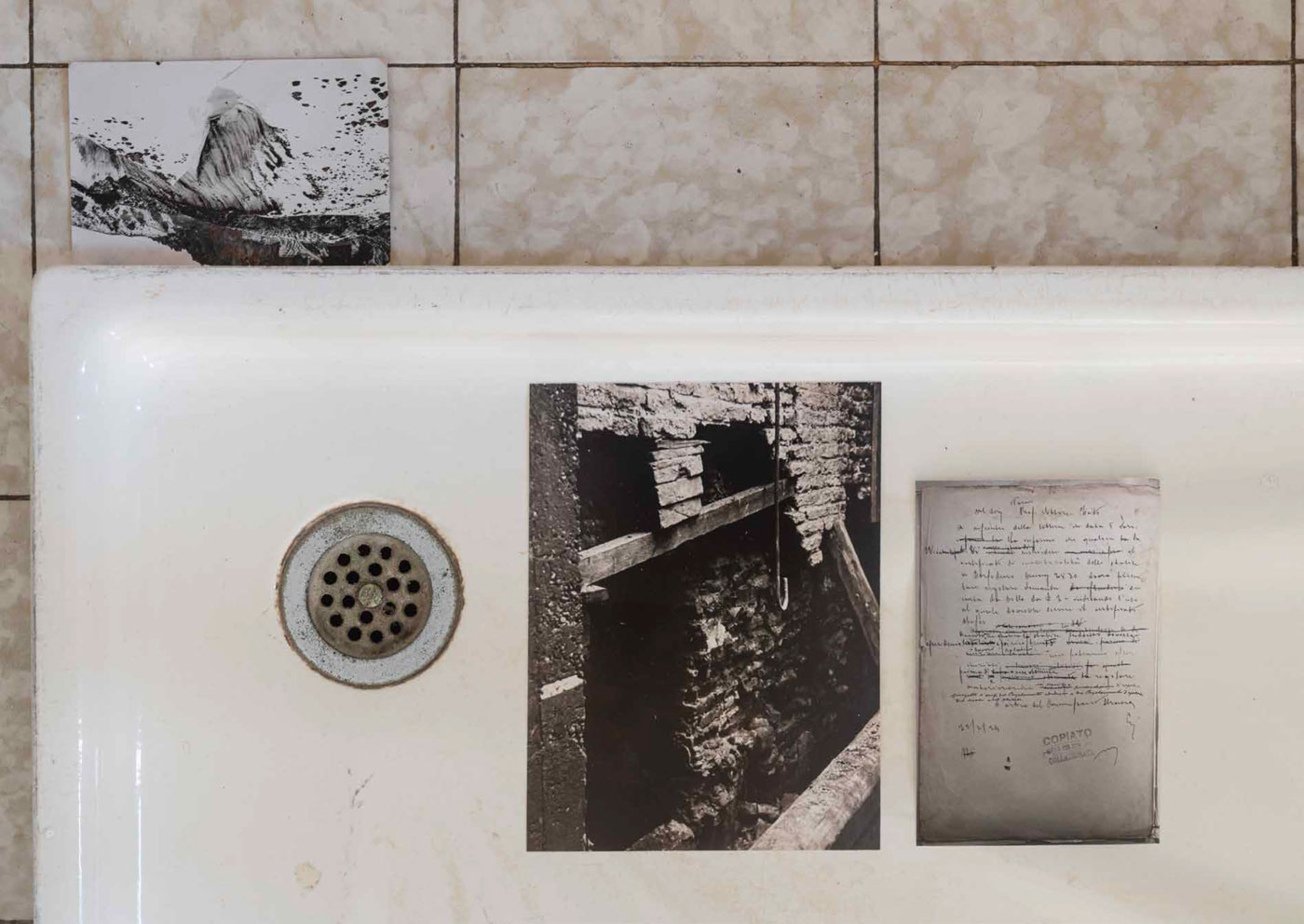
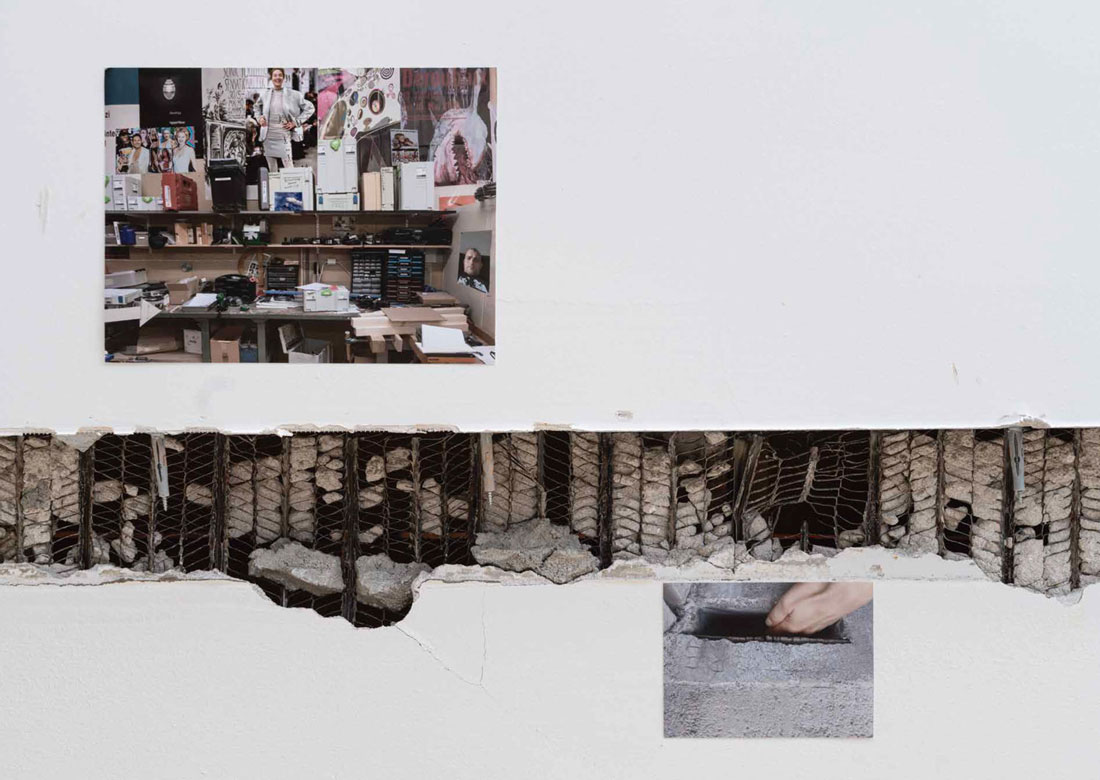
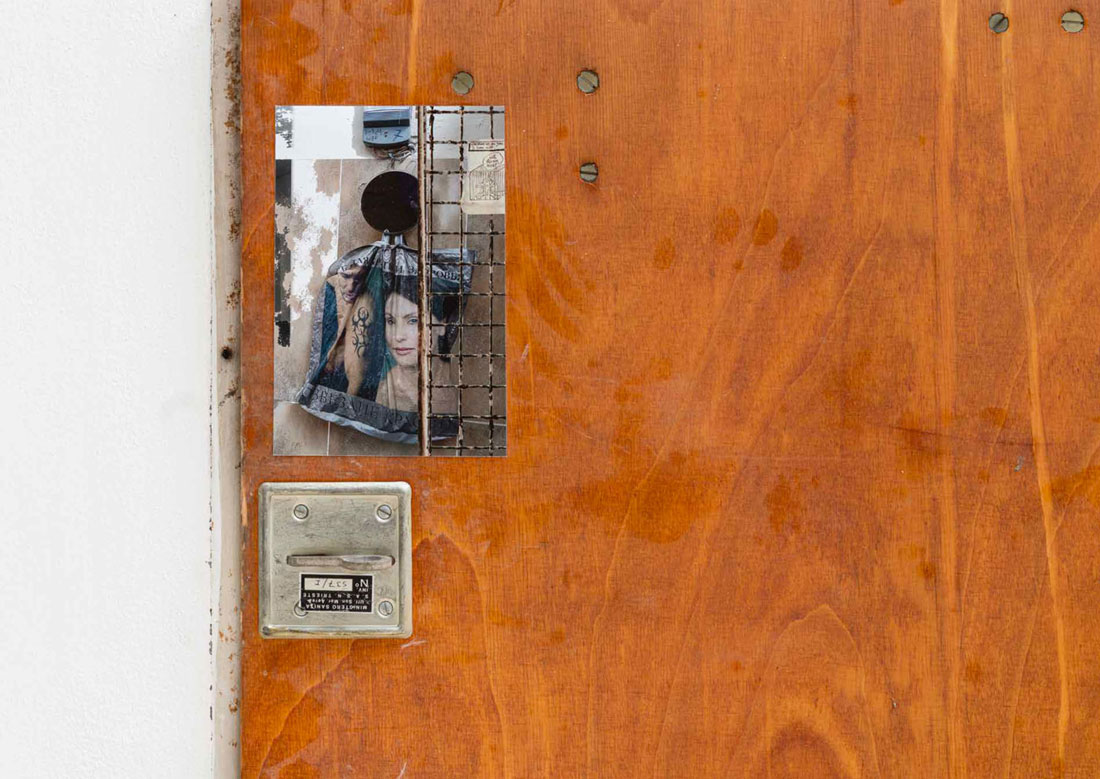
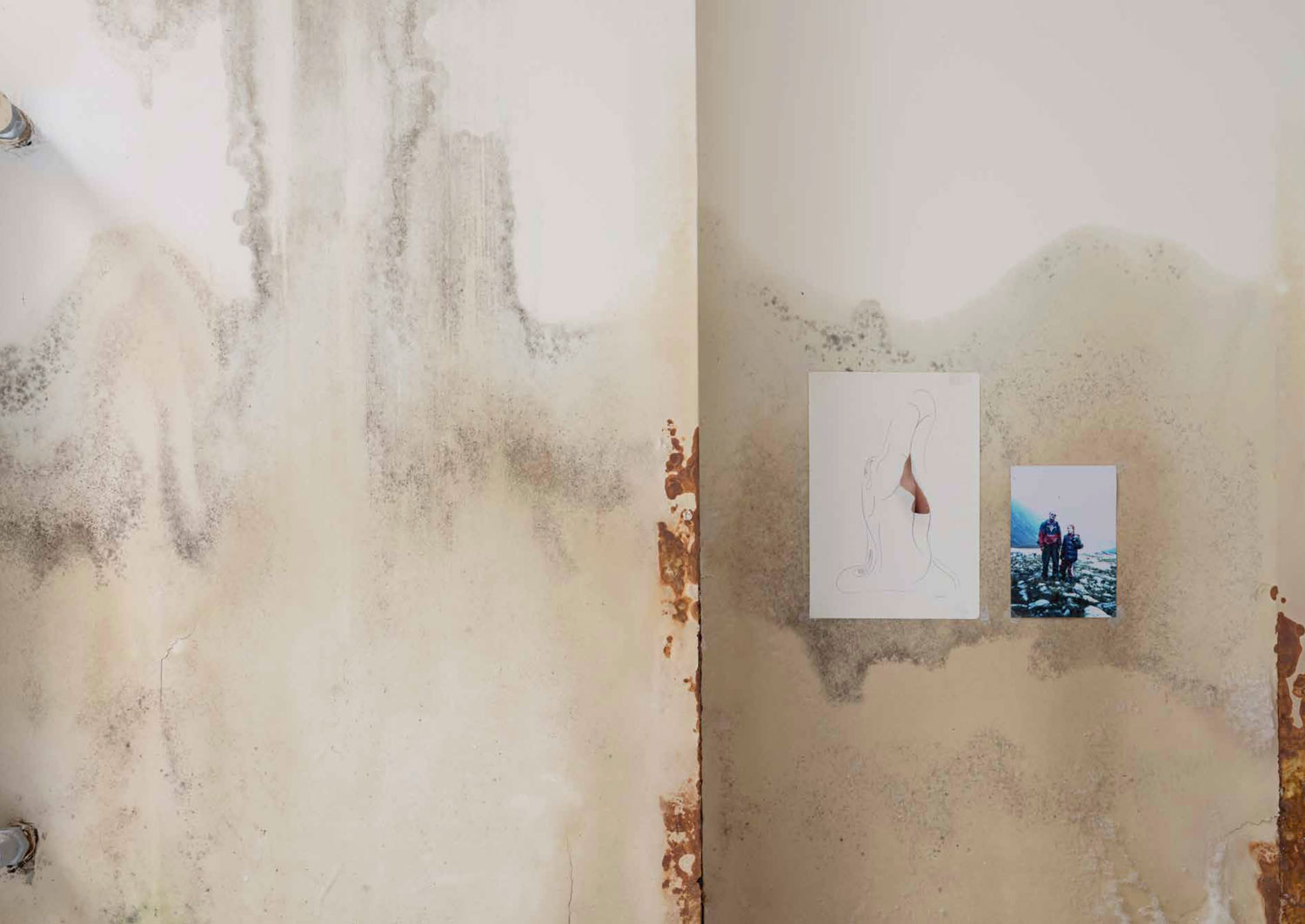
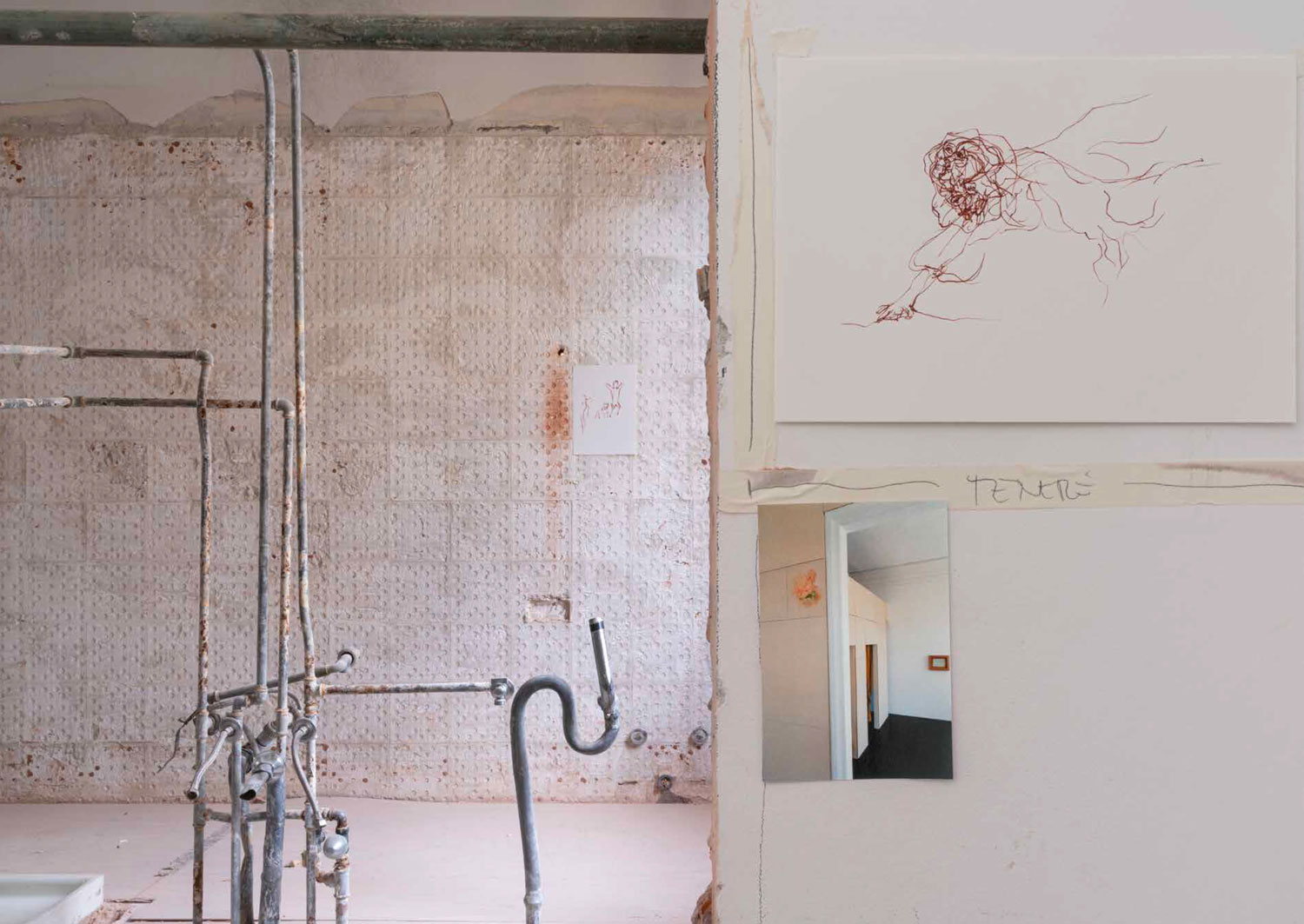
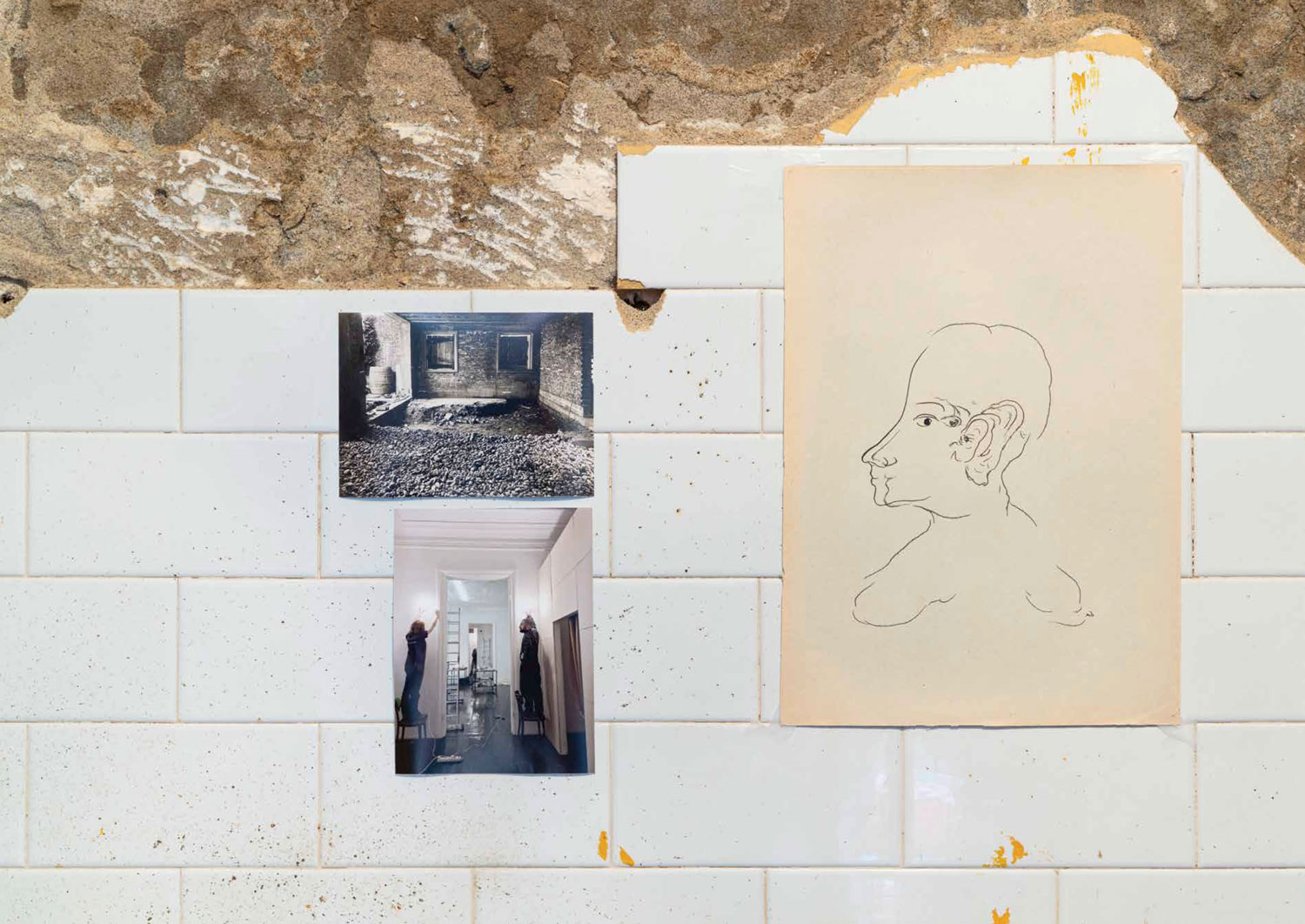
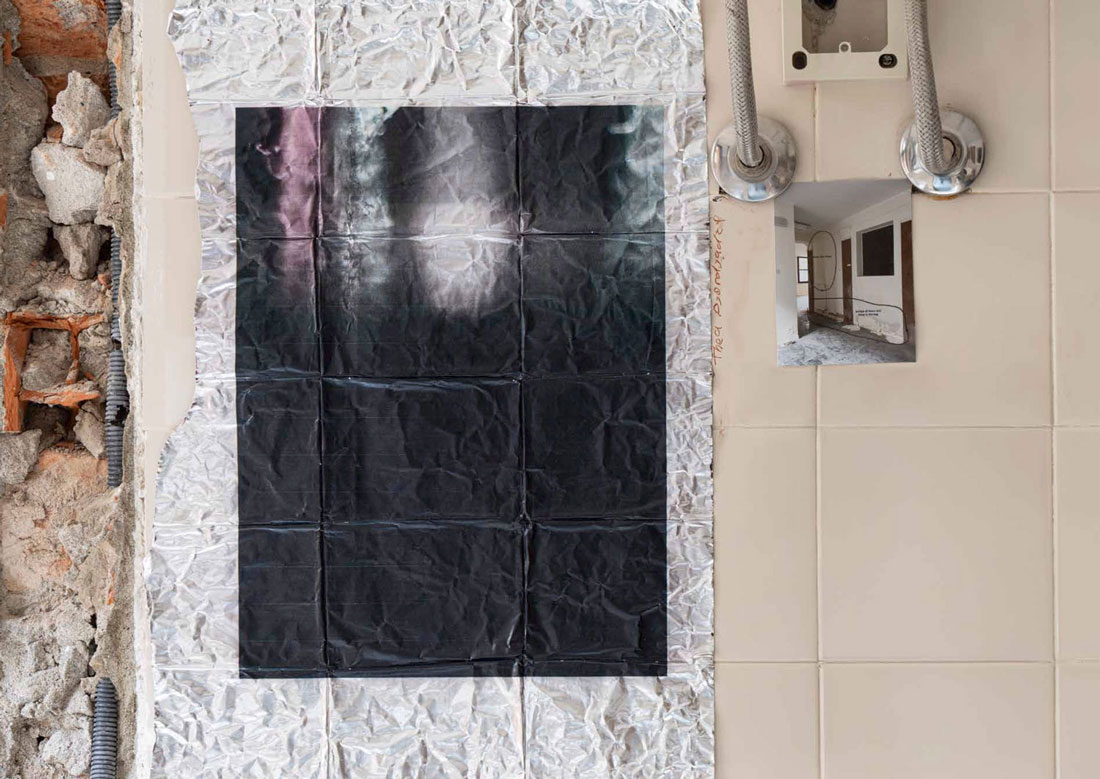
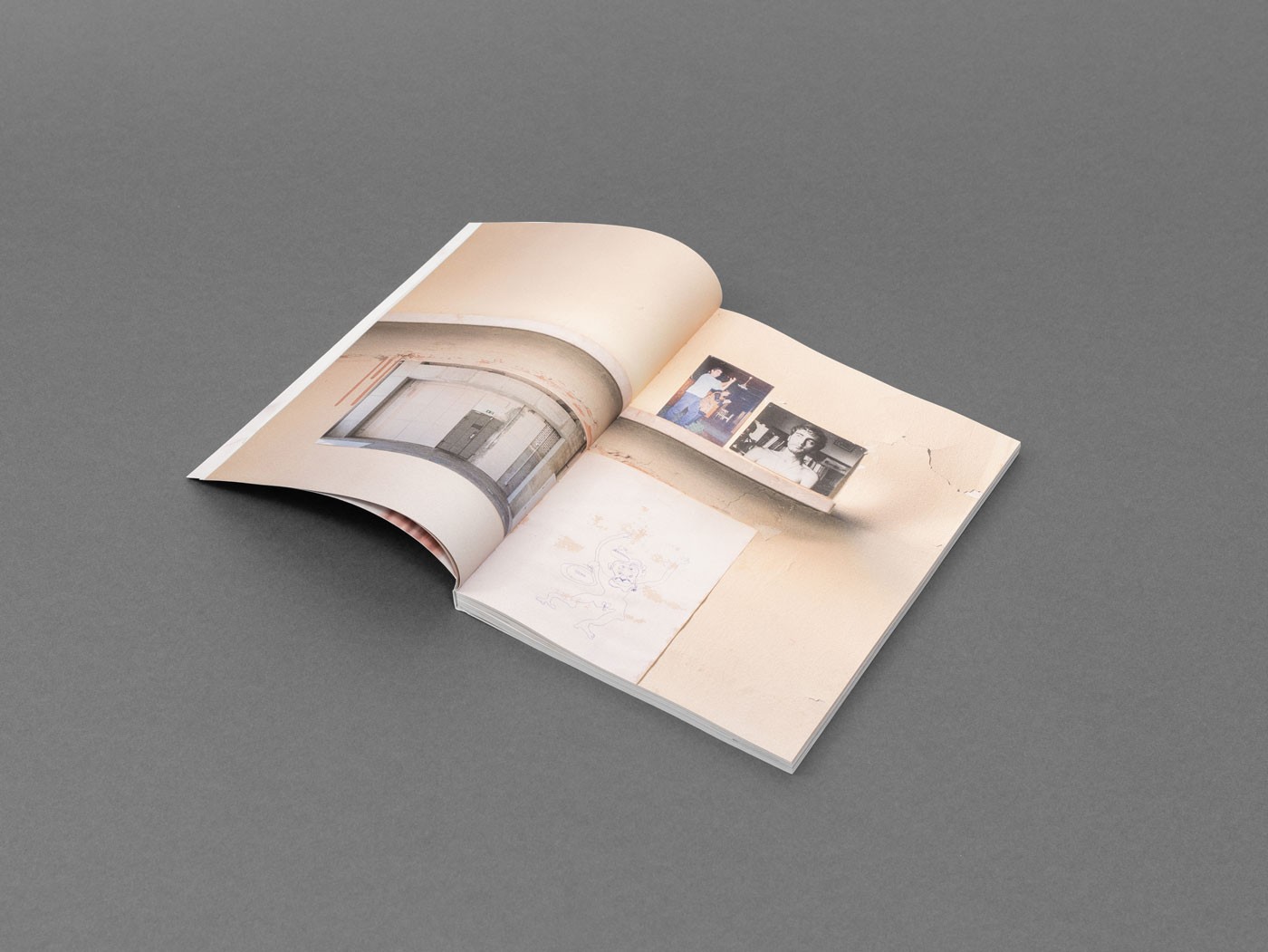
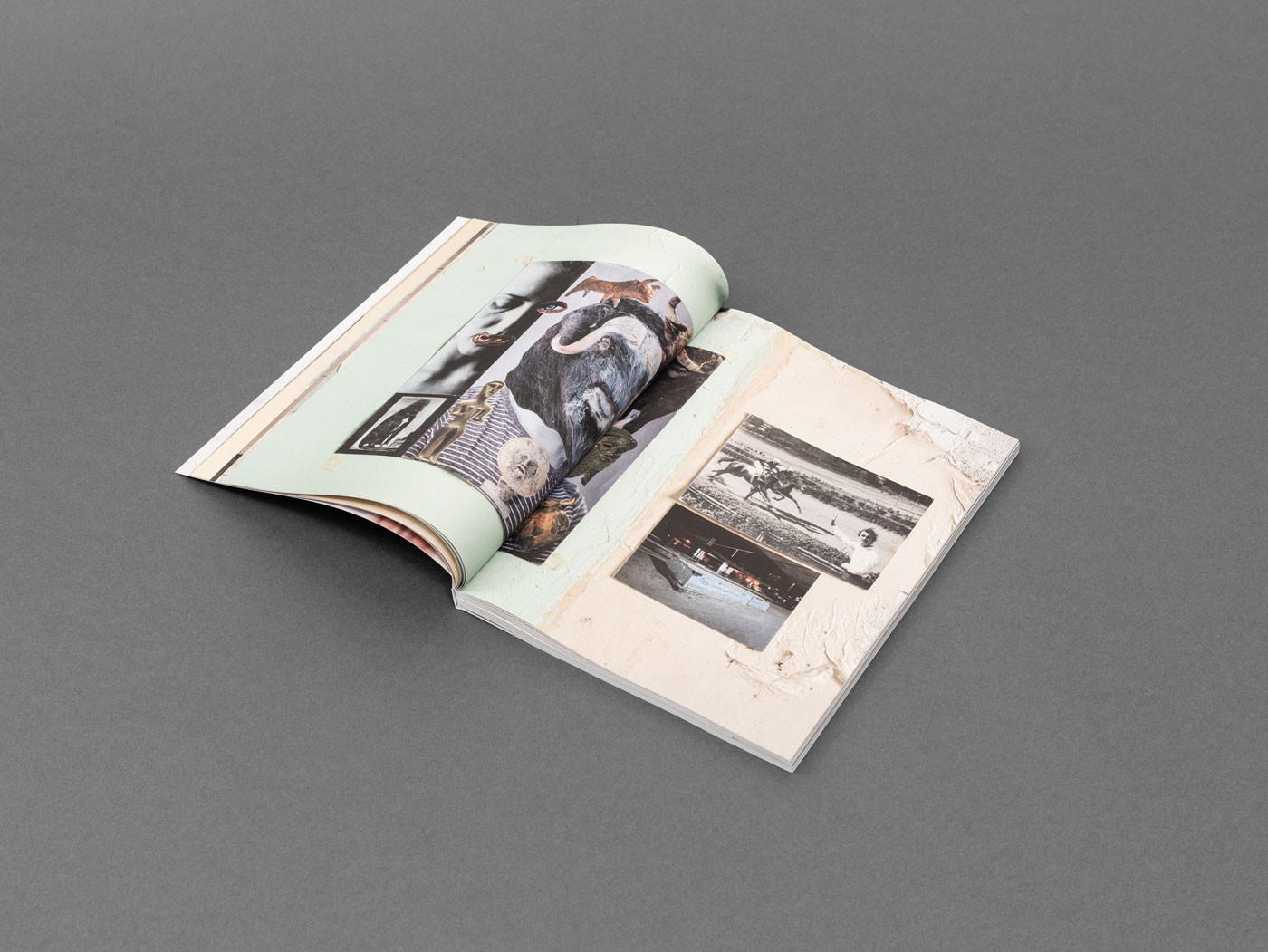
The book, produced in close collaboration with the Lorenzo Mason Studio, brings together drawings, paintings, and archive images composed directly amid the cracks, wounds, and skin of a building located in the historic center of Venice, which served as the artist’s studio for a number of months. Through processes of transformation of the space, addition and subtraction, expansion and contraction, Astakhishvili has created a project shot through with a deep sense of disruption, distortion and fragmentation—a feeling of uncertainty that is reflected in the way in which visitors to the installation are given the freedom to move around, without having to concentrate on a center or to follow a pre-set route. Appropriately, then, the book takes the form of a stream of images, in which the spaces and materials of the building (wood, glass, dust, mold, bricks, concrete, plaster …) enter into a dialog with the drawings, paintings, sculptures, collages, and photographs made by the artist herself and the other invited artists, including Ketuta Alexi-Meskhishvili, Zurab Astakhishvili, Thea Djordjadze, Heike Gallmeier, Rafik Greiss, Dylan Peirce, James Richards, and Maka Sanadze.
For Tolia Astakhishvili, architecture is the space of projection of ideas, which are developed in that space, generating actions that are separate but conducted simultaneously: alteration of structural elements, pictorial and graphic composition, and creation of perceptive ambiguities—of space, light, and sound. The book compiles the traces of this practice, serving as a sort of diachronic diary in the form of images, constituting a complete encapsulation of the artist’s poetics.
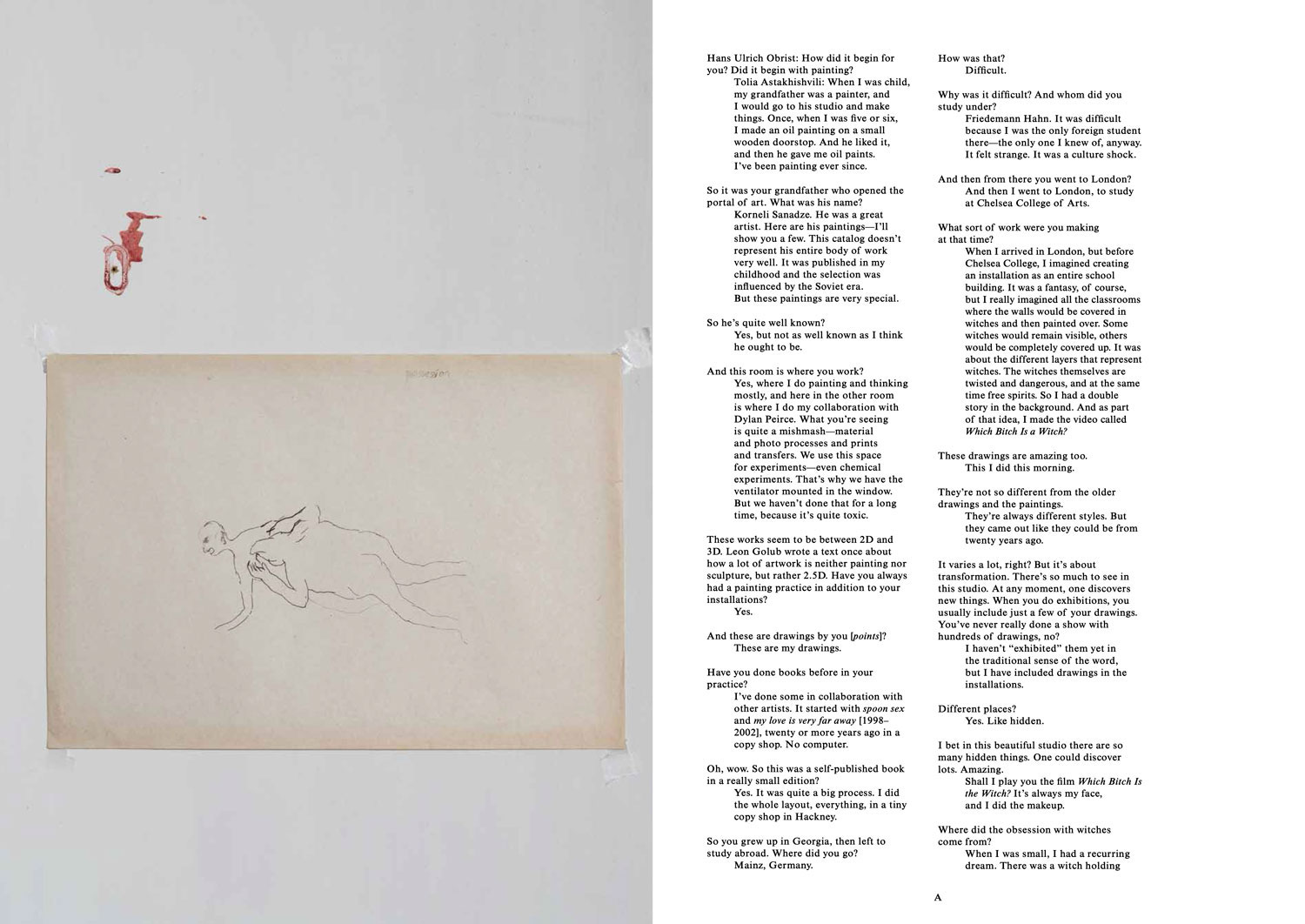
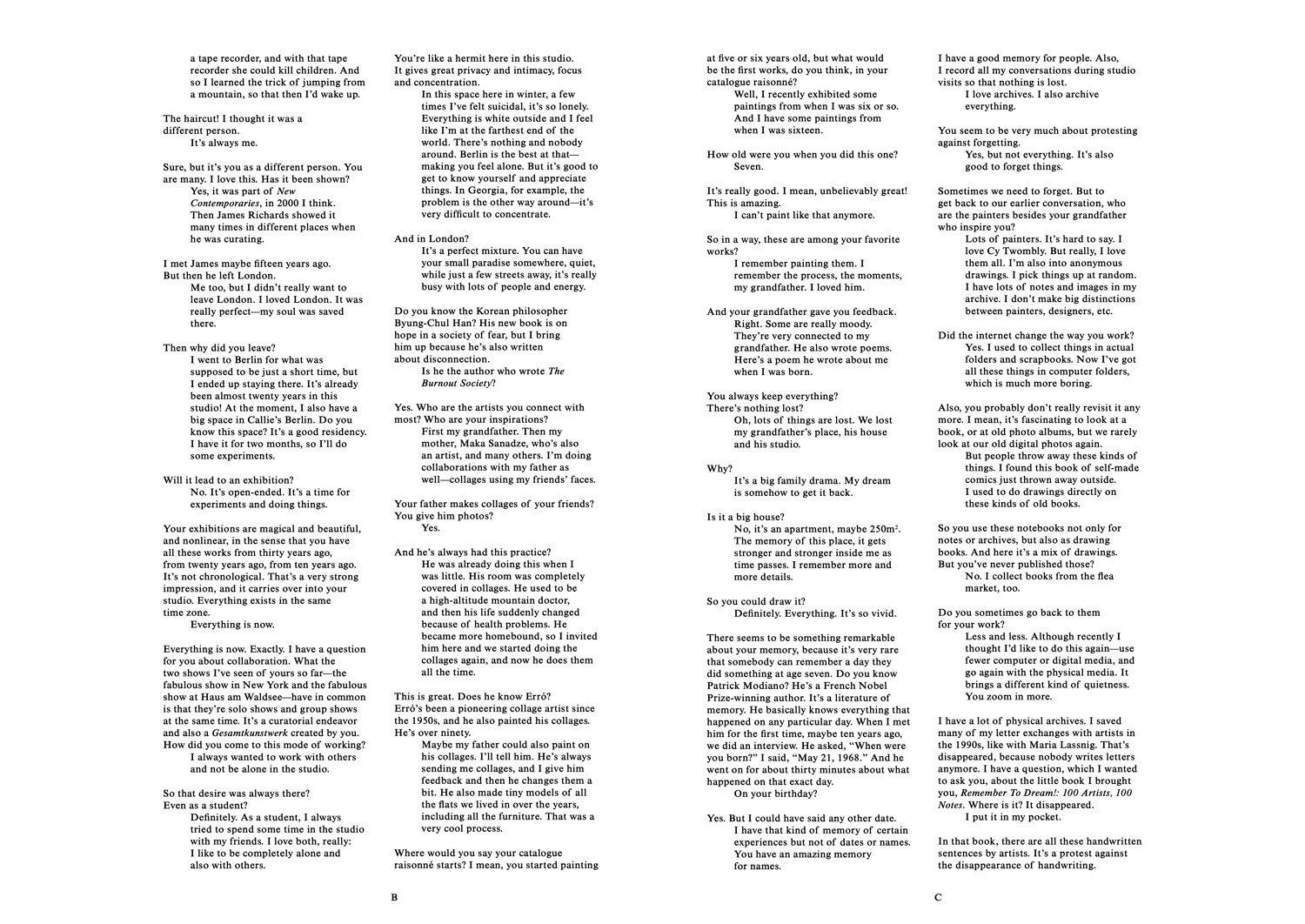
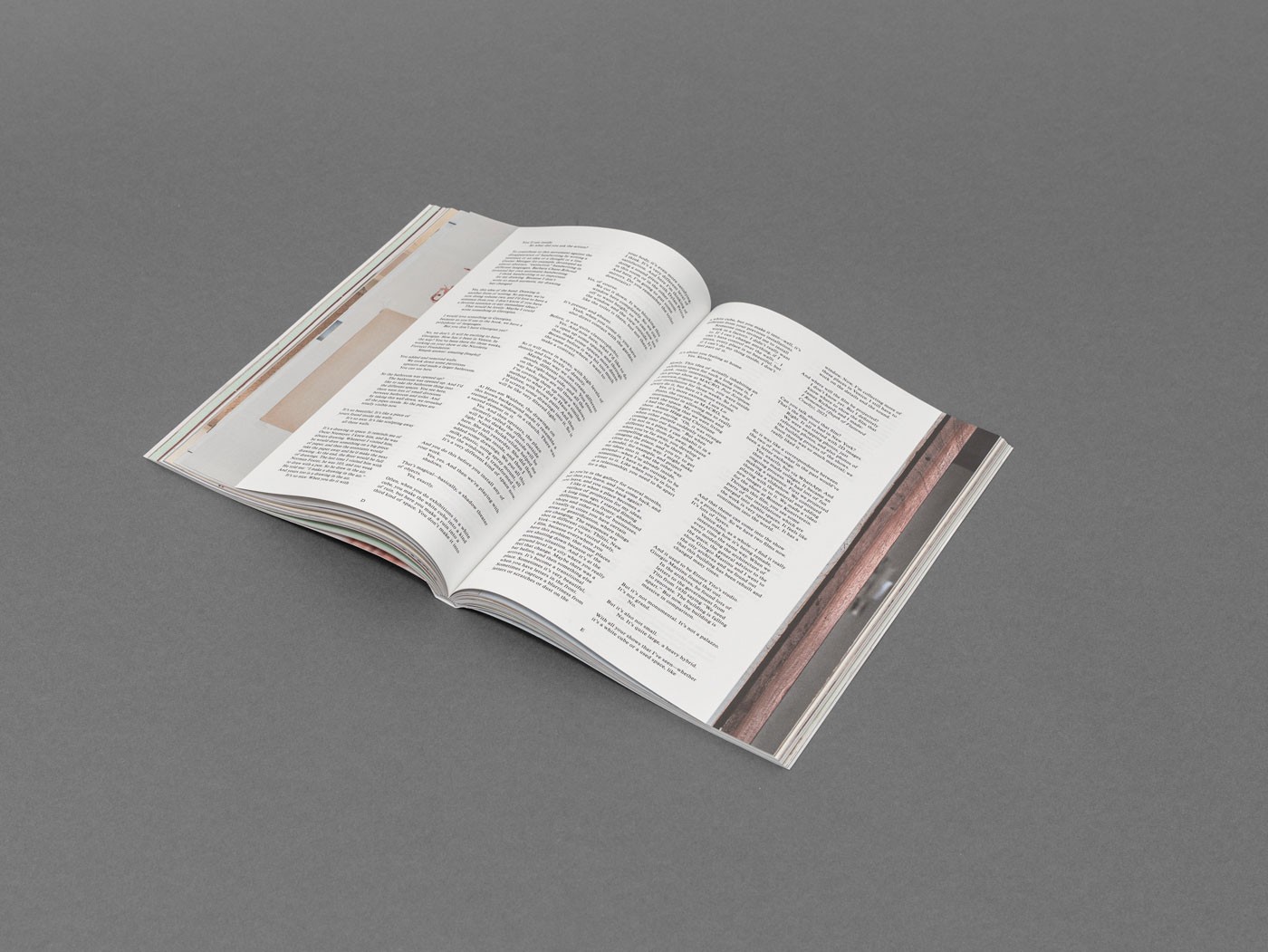
The book also features a new interview with the artist by Hans Ulrich Obrist.