A Cosmic Movie Camera is the title of the 18th edition of the BIM’24, which also marks the 50th anniversary of the Biennale organized by the Centre d’Art Contemporain Genève. By blending the real and the virtual, its catalogue captures the spirit of the exhibition, which explores the evolution of moving images, particularly in our algorithmic age.
The book seeks to define the contours of the obsession with the teenage years; a fixation that has shaped a significant strand of contemporary art over the last ten years. Adolescence is here understood as a state of mind, a prolonged condition that dissolves the transition into adulthood and becomes a critique of an unstable world.
In this multi-voiced book, starting from the Orobie Alpine range, the mountainside becomes an epistemological lens through which to interpret contemporaneity and address issues such as multi-species migrations, our relationship with geological time and intergenerational inheritance, and the rethinking of collective memories and rituals.
For years now, the Die Vier von der Tankstelle (Four from the Gas Station) have been roaming across an area stretching out to the south of the Baltic Sea. They prowl their way through sparsely populated areas, wantonly terrorizing the inhabitants. The 2026 calendar by Jos de Gruyter and Harald Thys bears witness to their presence.
The first monograph dedicated to Lorenza Longhi, published with the Kunst Museum Winterthur, adopts a format associated with prototypes, manuals, or working documents. Its irregularities reflect Longhi’s ongoing examination of value, functionality, and the aesthetics of the everyday.
This publication is an extensive monograph devoted to the work of Carlos Bunga, published in conjunction with his eponymous show at CAM – Gulbenkian. In addition to a number of essays, which offer an in-depth look at his multifaceted practice, the book contains previously unpublished photos that reveal his working process.
Edited by Giovanna Borasi, Albert Ferré, Francesco Garutti, Jayne Kelley
Texts by Sandrine Colard, Corinna Gardner, Oulimata Gueye, Claudio Gulli, Siliva Gutiérrez, Renato Leotta, Andrea Lissoni, Hannah Turner, Akram Zaatari
Designed by (Studio) Jonathan Hares / Amaury Hamon
Published with Canadian Centre for Architecture
2025, English, softcover, 224 pages, 24 x 31 cm
ISBN 979-12-80579-72-0
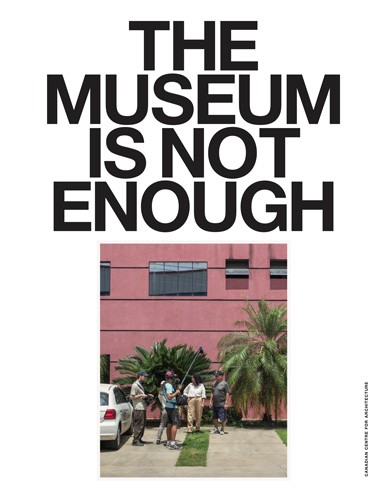
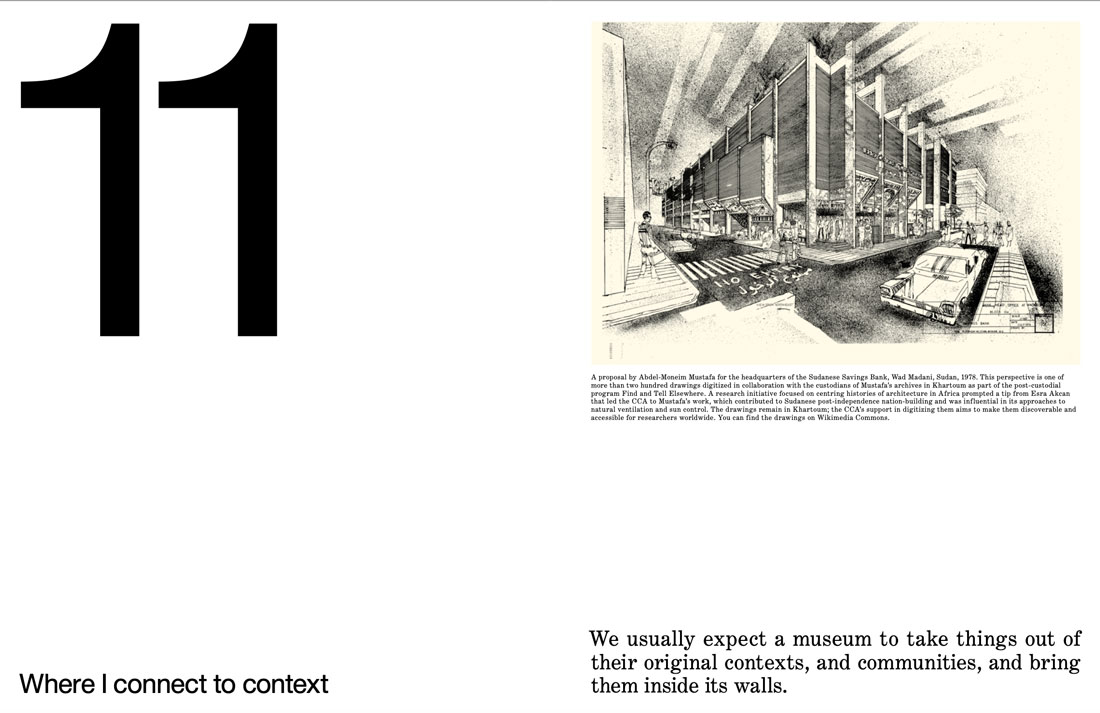
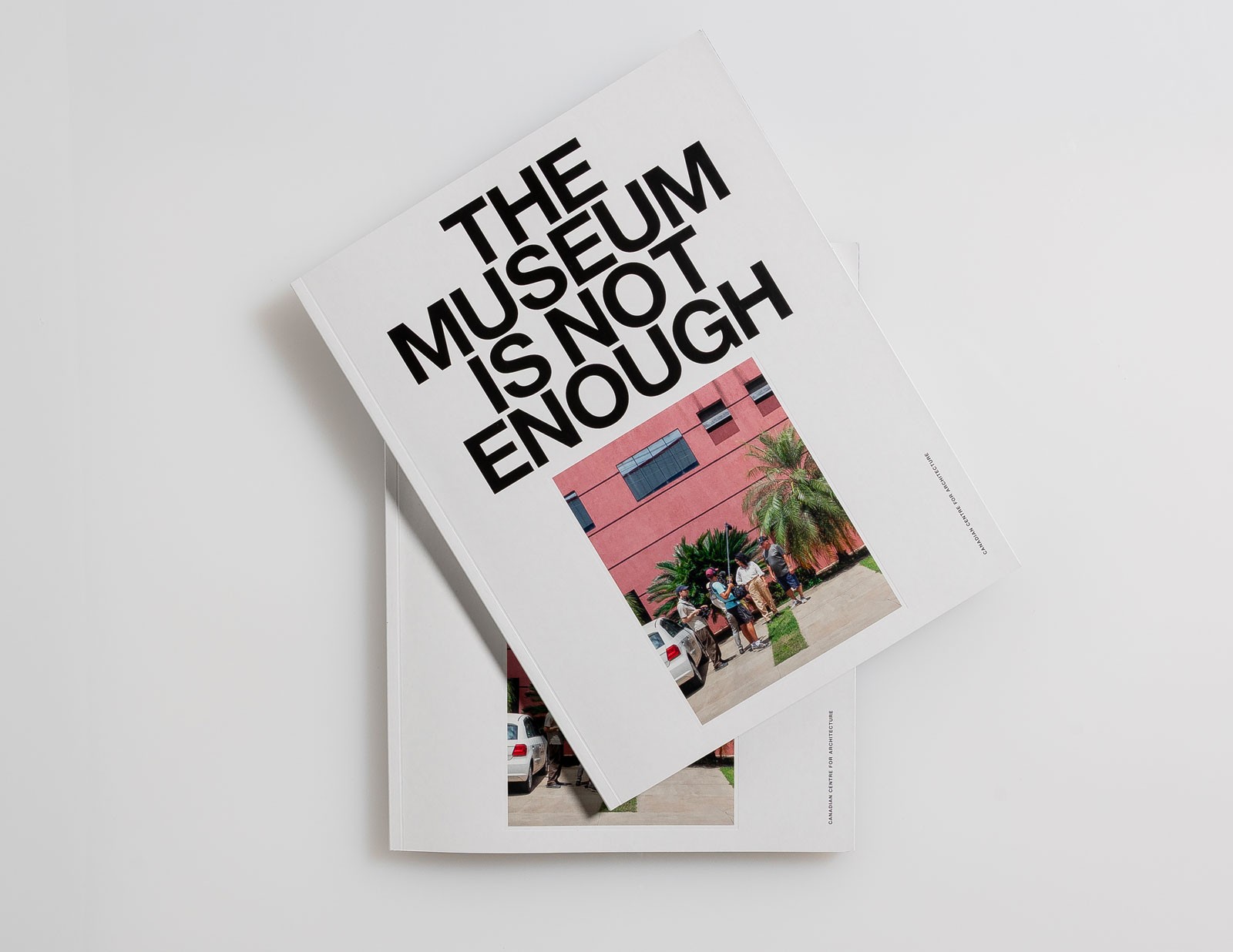
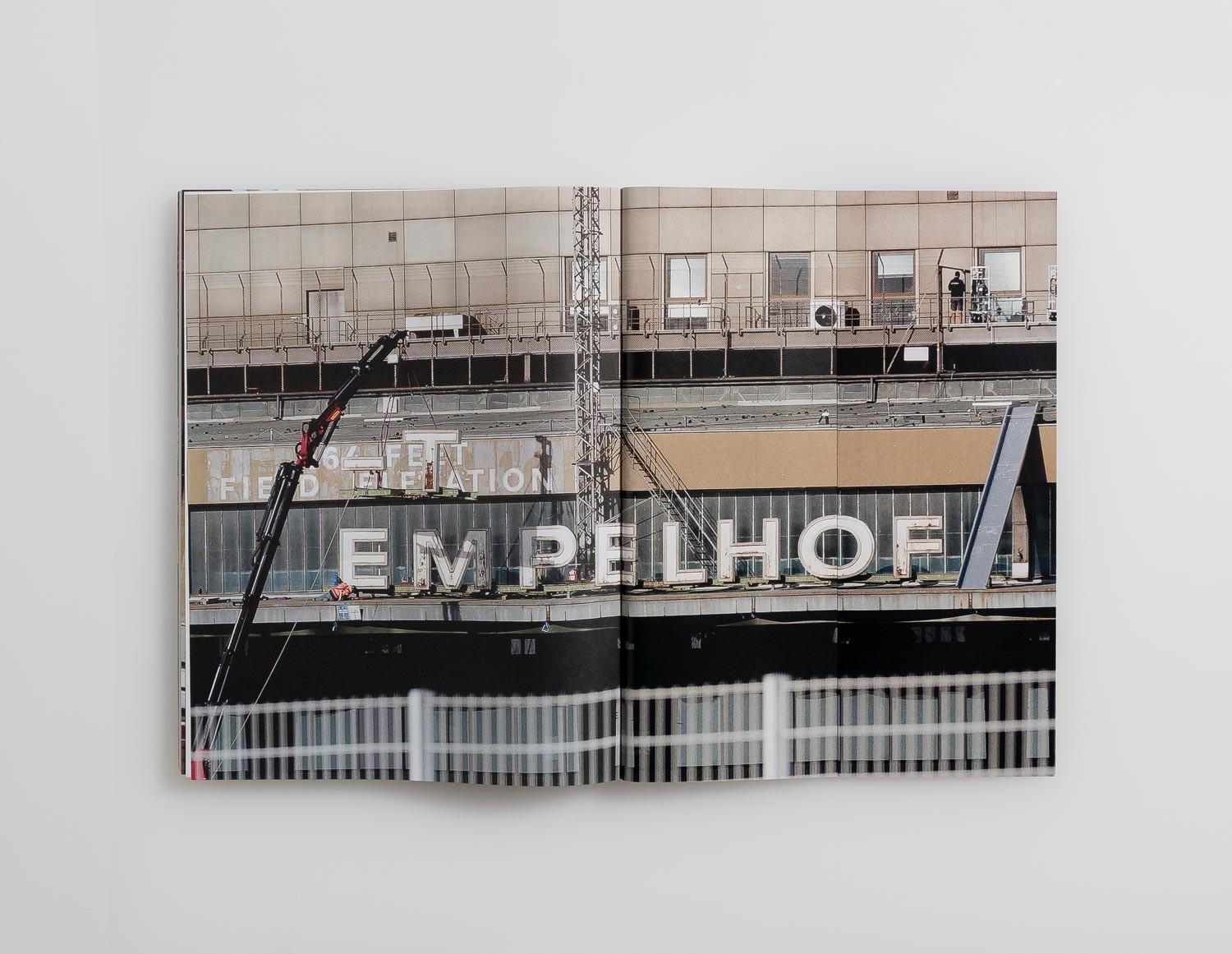
The CCA conceives The Museum Is Not Enough as a platform to reflect on some of the beliefs and concerns that define its curatorial activity—why and how it works—and, by extension, the role of cultural institutions in society. Stating that the museum is not enough means asking what a museum should be and do, and suggests that its entitlement to concentrate knowledge and meaning has dissolved.
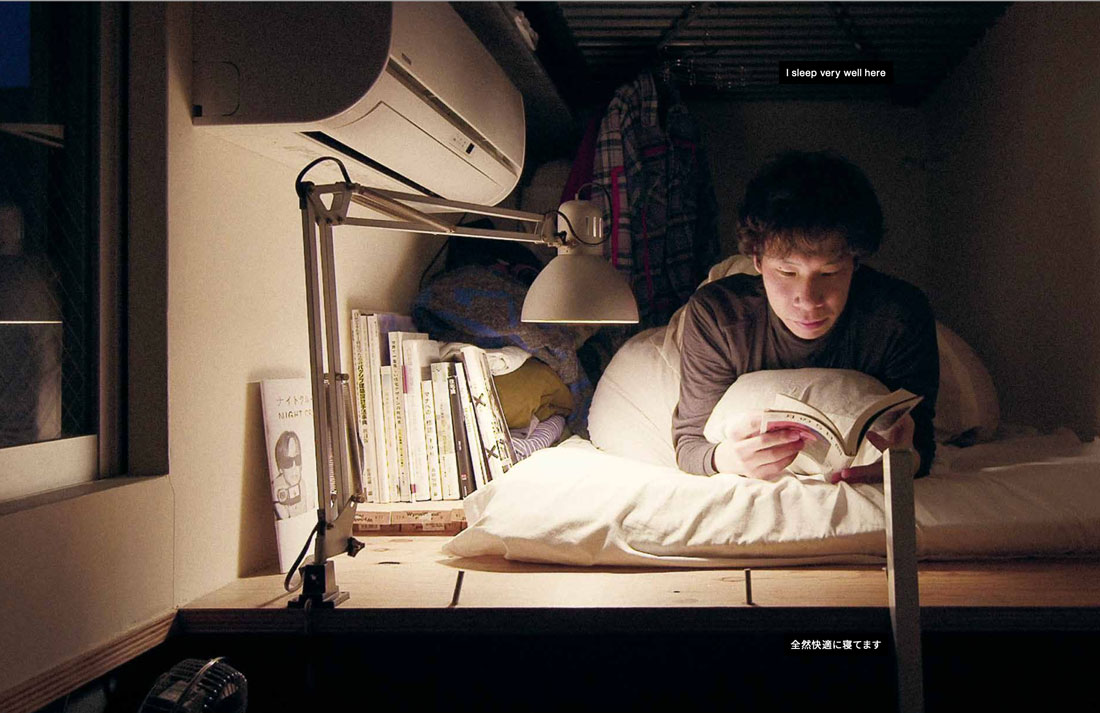
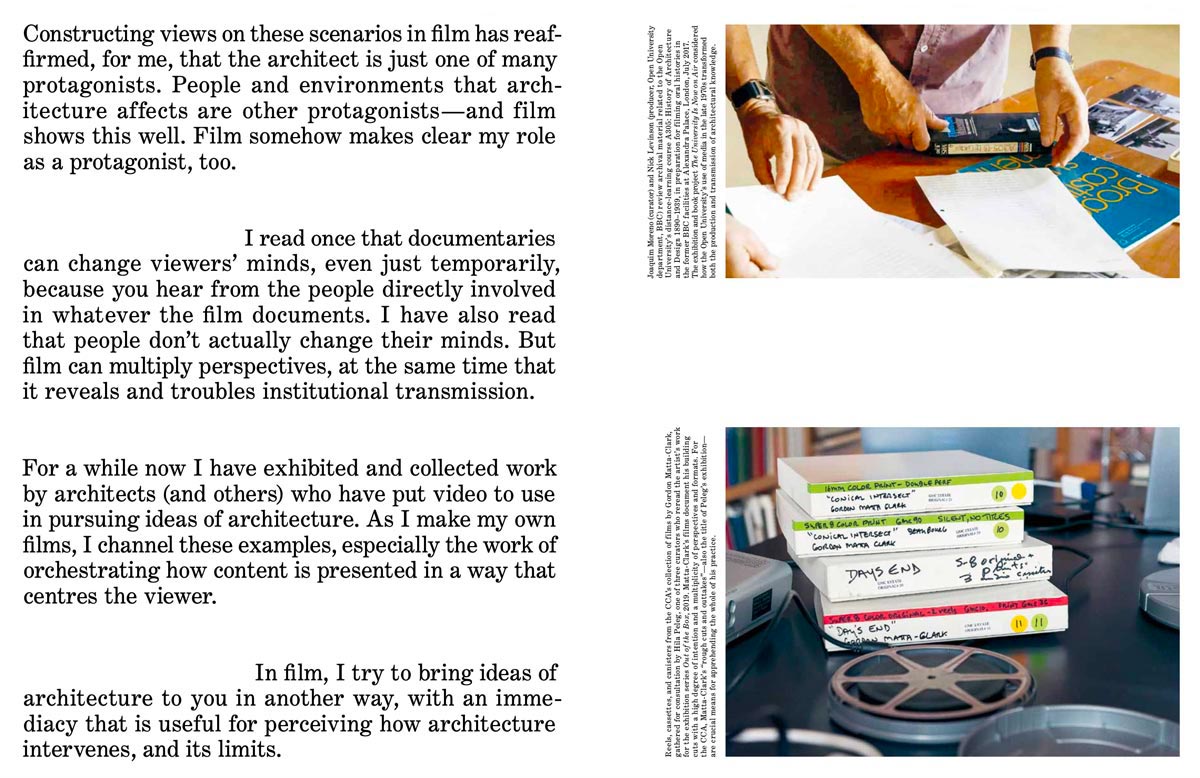
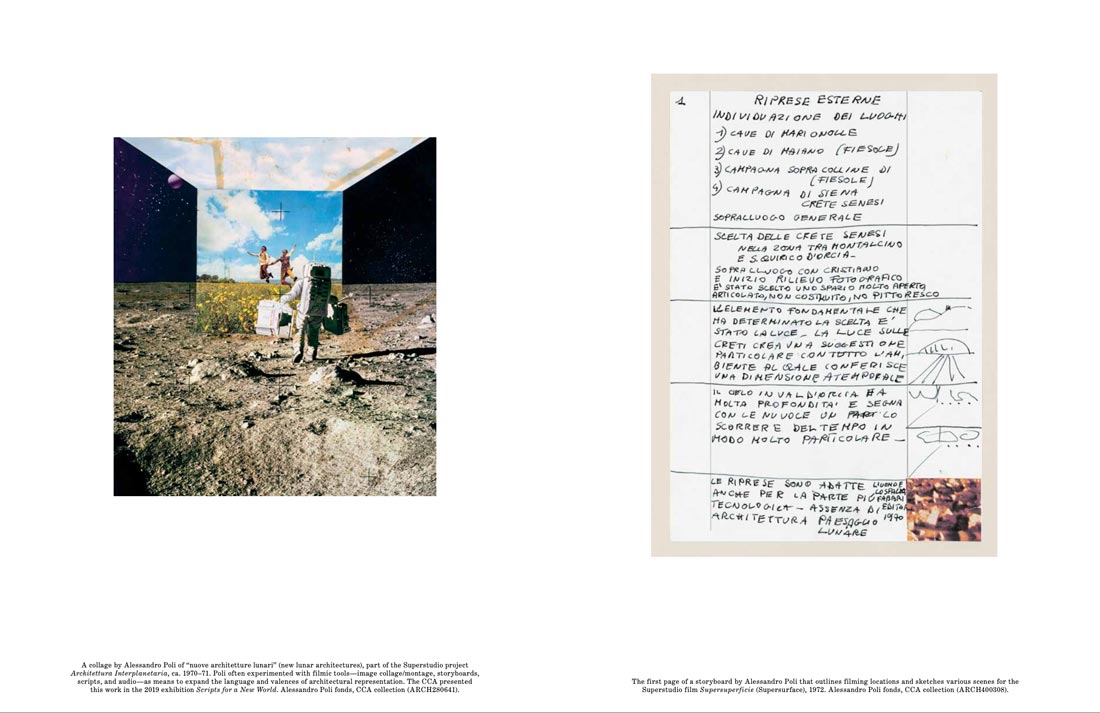
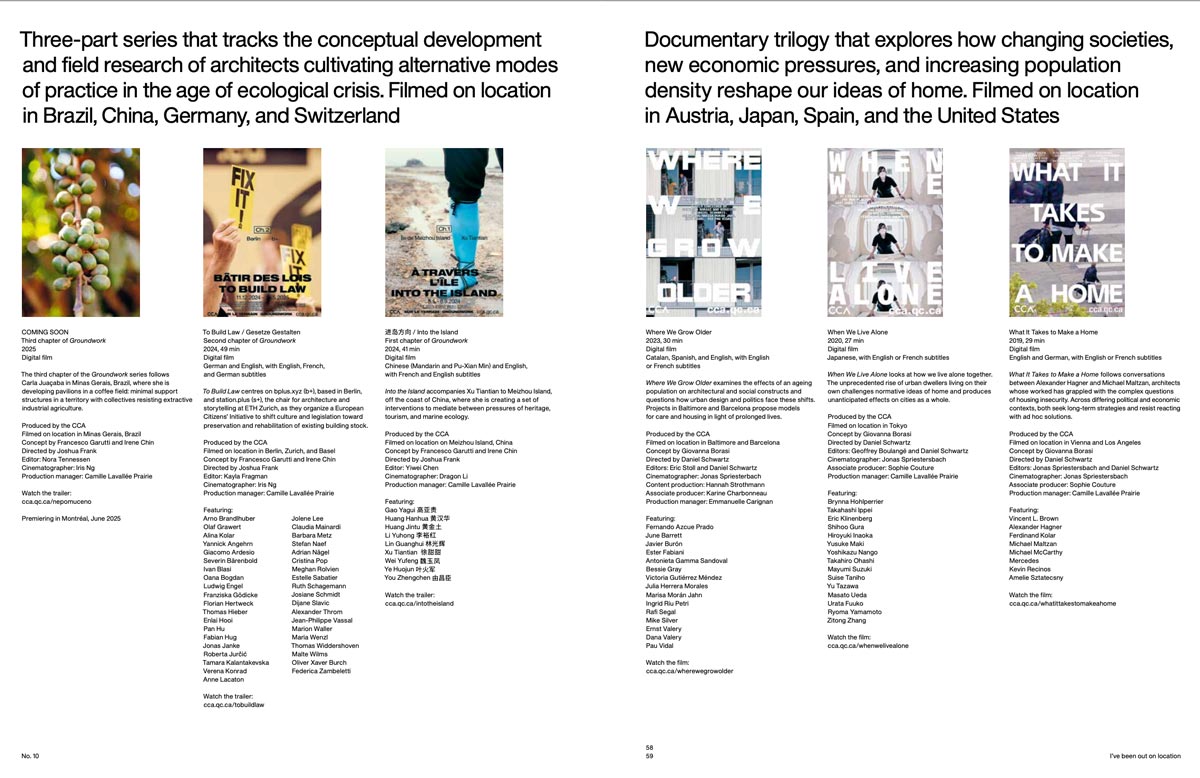
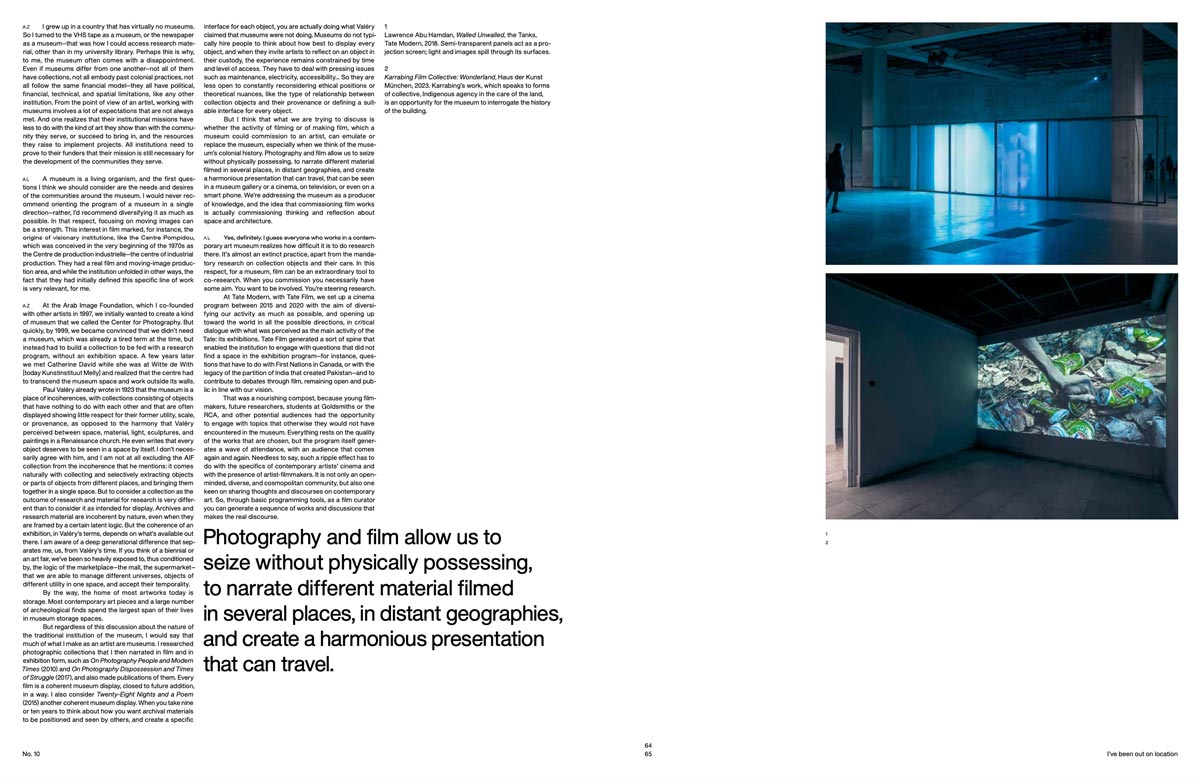
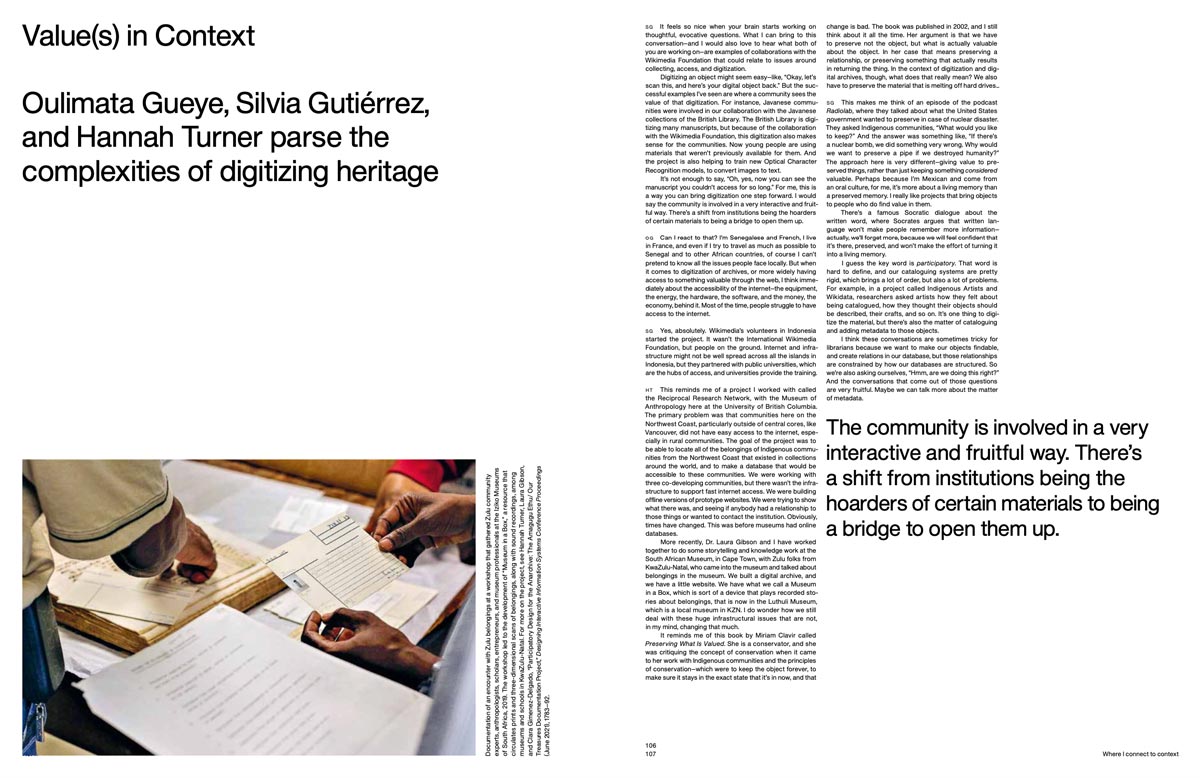
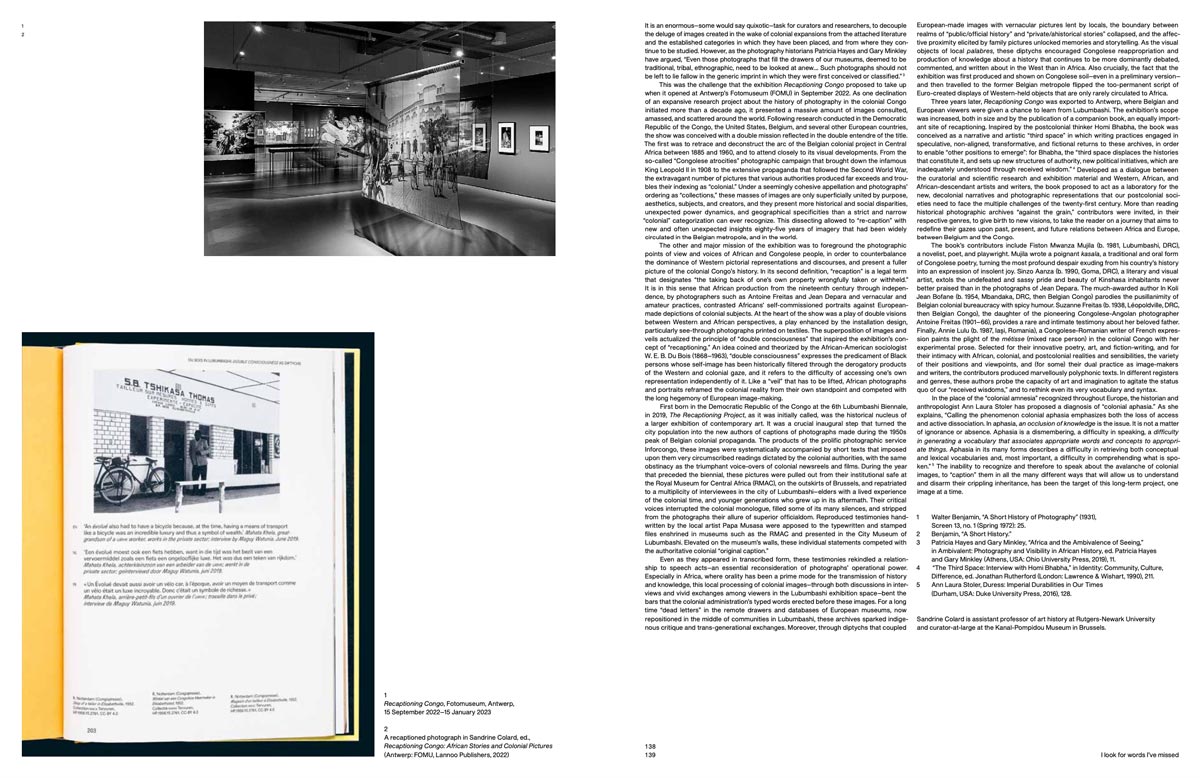
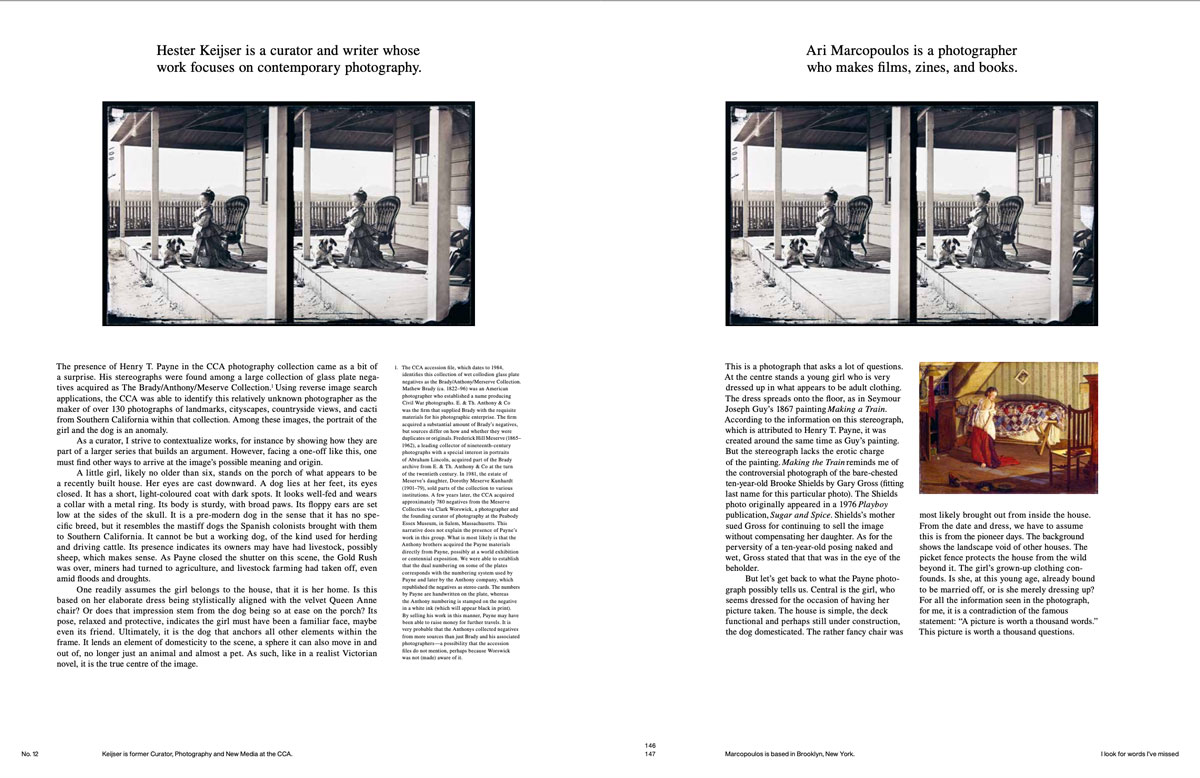
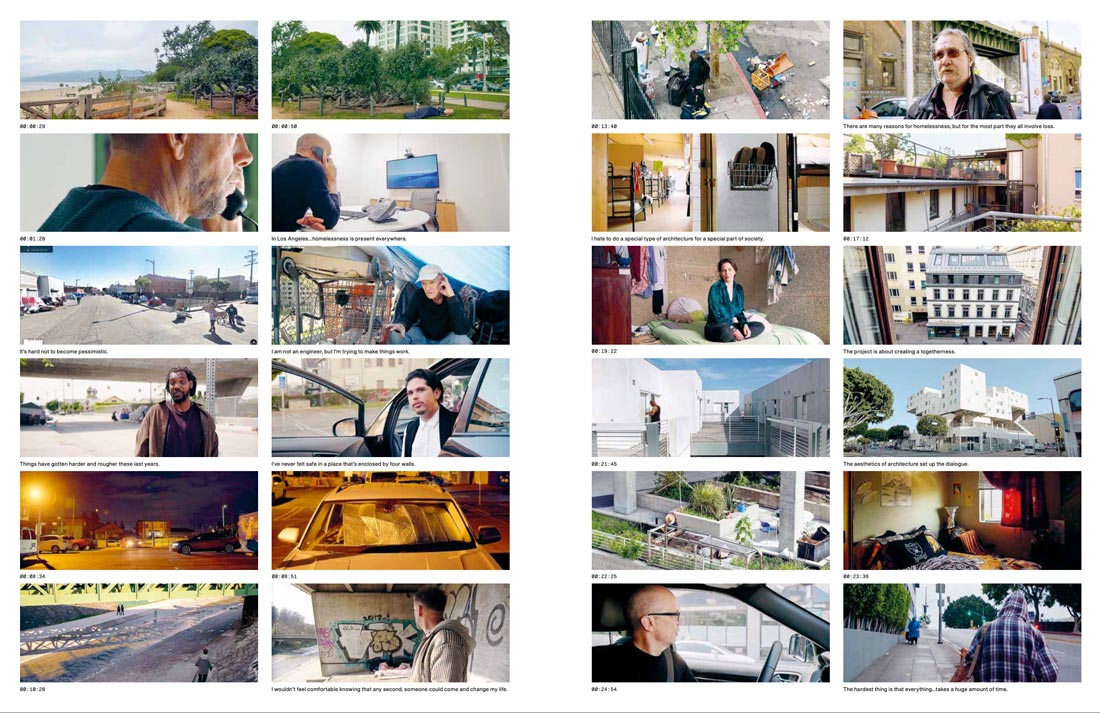
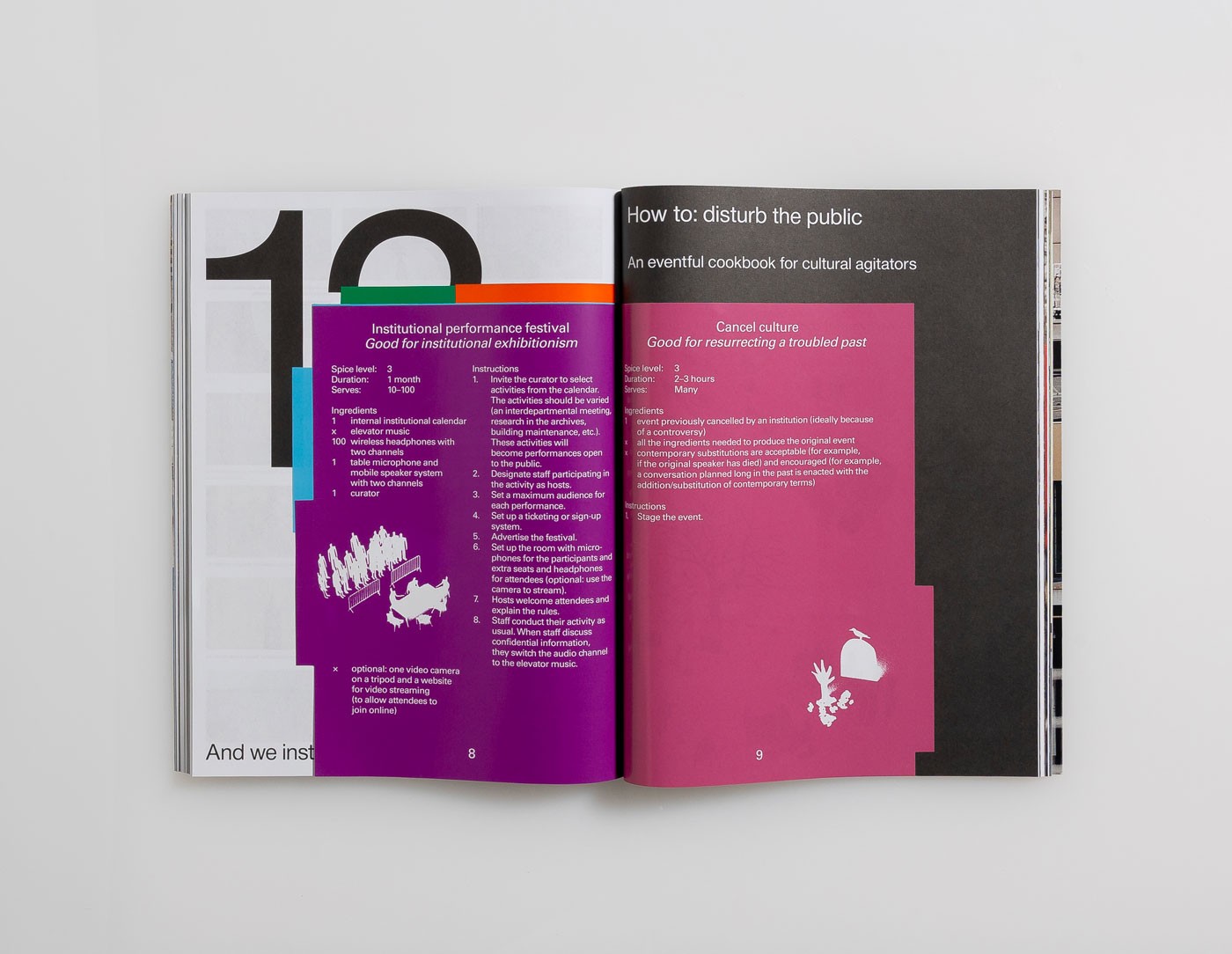
As a follow-up of a first volume published in 2019 that built on years of thematic investigations, the book focuses on how the institution works out and on these questions by rethinking its tools and how it relates to others. The Museum Is Not Enough (no. 10–14) gathers conversations among curators, artists, academics, and architects on how institutions engage multiple contexts, objects, and perspectives: reflecting on strategies to unlearn and decentre established ways of seeing and doing; looking closely at how to describe and document archival sources while interrogating the stakes, and often the harm, in separating cultural objects from their context; questioning the relationship between institutions and “the public”; and discussing curatorial tools—and particularly film—that collapse research and display, observation and action, here and there.
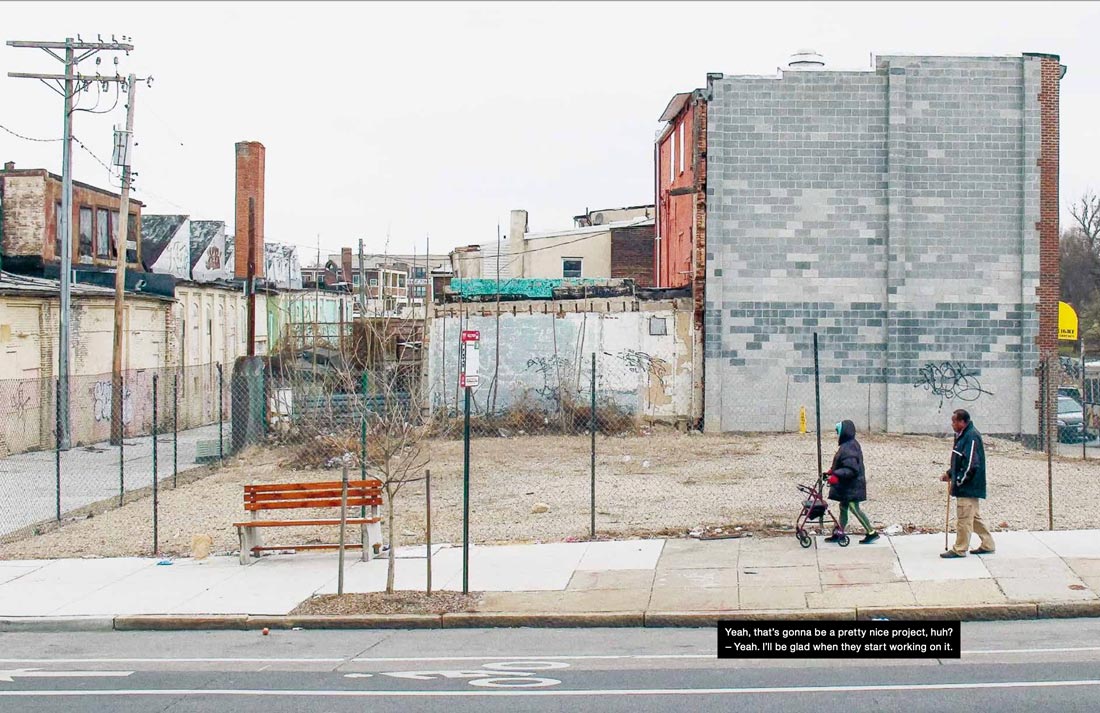
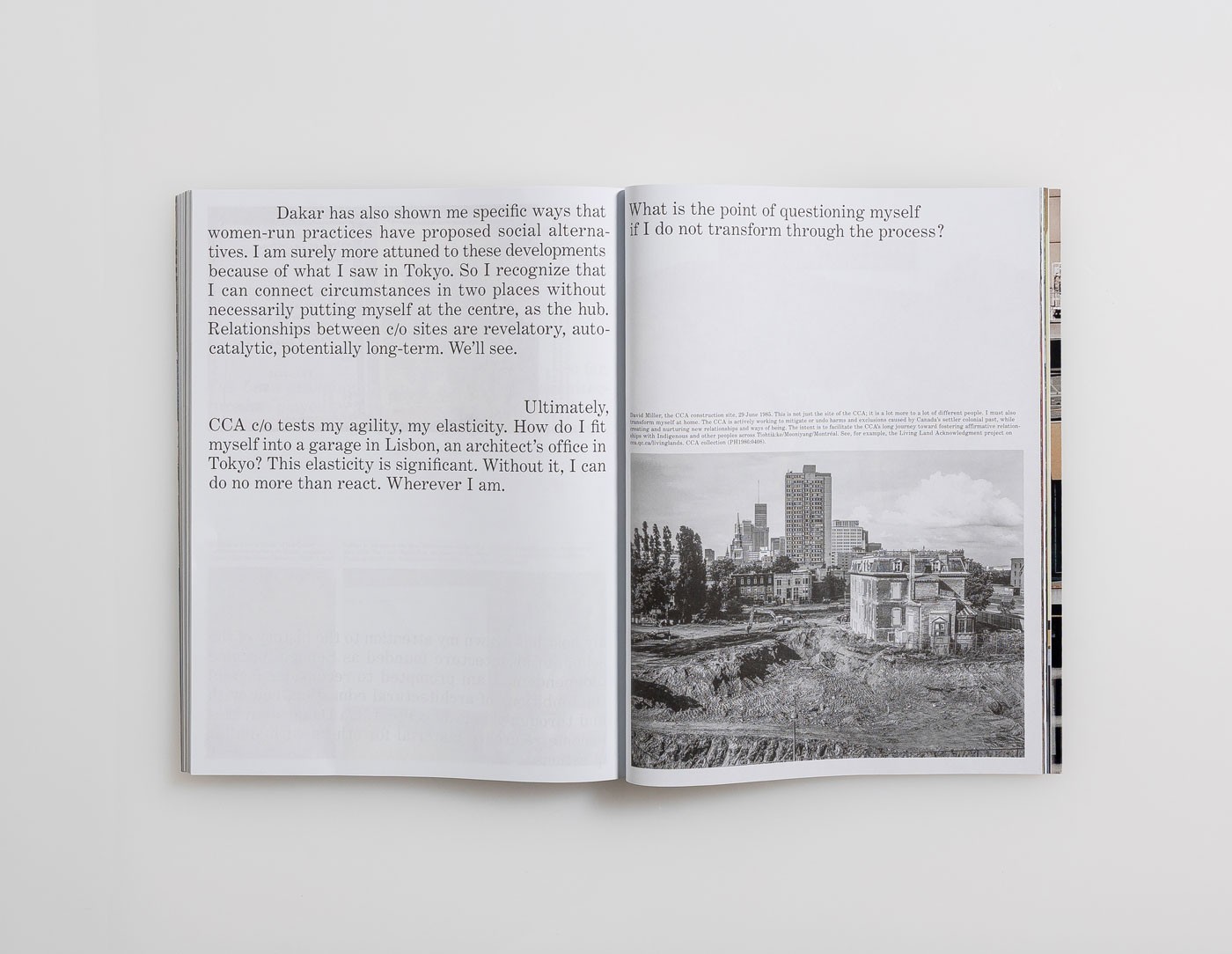
Underlying these reflections is the realization that the museum’s activity can’t be constructed from a fixed position. Unless the questions it deals with are observed from another angle, it is hard not to perpetuate the thinking that created them. The book responds to an urgent need to equip the institution to understand how things around it are rapidly changing, and the importance of conveying and discussing this instability. Here, the museum gets outside its physical walls to explore on-site, to talk with people, to connect and activate collaborators, to design conditions for different forms of dialogue to happen on the ground.