A Cosmic Movie Camera is the title of the 18th edition of the BIM’24, which also marks the 50th anniversary of the Biennale organized by the Centre d’Art Contemporain Genève. By blending the real and the virtual, its catalogue captures the spirit of the exhibition, which explores the evolution of moving images, particularly in our algorithmic age.
The book seeks to define the contours of the obsession with the teenage years; a fixation that has shaped a significant strand of contemporary art over the last ten years. Adolescence is here understood as a state of mind, a prolonged condition that dissolves the transition into adulthood and becomes a critique of an unstable world.
In this multi-voiced book, starting from the Orobie Alpine range, the mountainside becomes an epistemological lens through which to interpret contemporaneity and address issues such as multi-species migrations, our relationship with geological time and intergenerational inheritance, and the rethinking of collective memories and rituals.
For years now, the Die Vier von der Tankstelle (Four from the Gas Station) have been roaming across an area stretching out to the south of the Baltic Sea. They prowl their way through sparsely populated areas, wantonly terrorizing the inhabitants. The 2026 calendar by Jos de Gruyter and Harald Thys bears witness to their presence.
The first monograph dedicated to Lorenza Longhi, published with the Kunst Museum Winterthur, adopts a format associated with prototypes, manuals, or working documents. Its irregularities reflect Longhi’s ongoing examination of value, functionality, and the aesthetics of the everyday.
This publication is an extensive monograph devoted to the work of Carlos Bunga, published in conjunction with his eponymous show at CAM – Gulbenkian. In addition to a number of essays, which offer an in-depth look at his multifaceted practice, the book contains previously unpublished photos that reveal his working process.
Edited by Melanie Bühler
Contributions by Marie Angeletti, Karen Archey, Ute Meta Bauer, Melanie Bühler, Simnikiwe Buhlungu, Harry Burke, Ann Demeester, Clémence Lollia Hilaire, Frima Fox Hofrichter, Andrea Fraser, Simon Fujiwara, Sofía Hernández Chong Cuy, Alex Kitnick, Lynne Kouassi, Erik van Lieshout, Lloyd Corporation, Sven Lütticken, Daniel Morgenthaler, Marlie Mul, Becket MWN, Grace Ndiritu, D’Ette Nogle, Ahmet Öğüt, Ima-Abasi Okon, Monilola Olayemi Ilupeju, María Inés Plaza Lazo, Bea Schlingelhoff, Hito Steyerl, Juan Uribe, Dena Yago
Designed by Sabo Day
Co-published with Frans Hals Museum
2022, English, softcover, 21 x 29,7 cm, 288 pages
ISBN 979-12-80579-10-2
We live in a moment in which institutions, including those central to the art world, are facing a surge of public scrutiny. Propelled by social media, profound questions about how institutions operate—whether structurally, politically, or financially—have become an increasingly prominent part of public life and discourse in recent years.
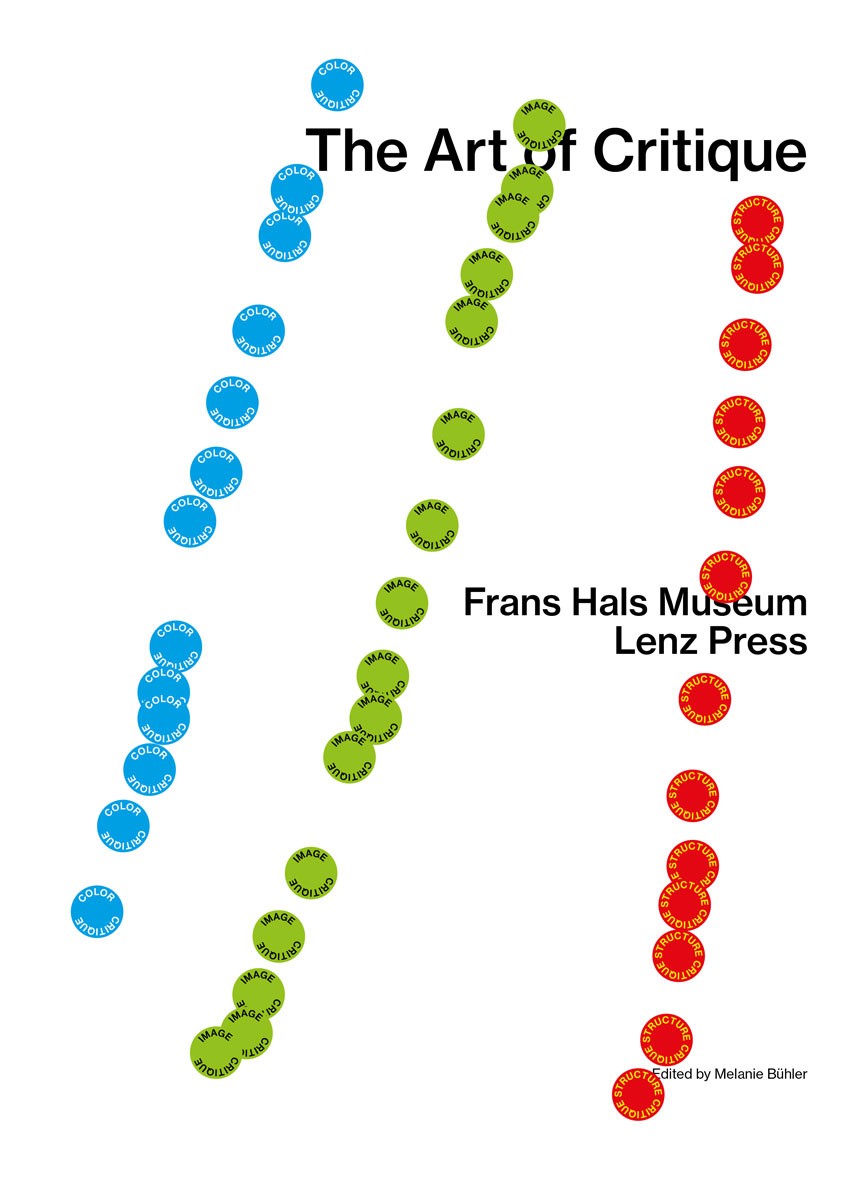
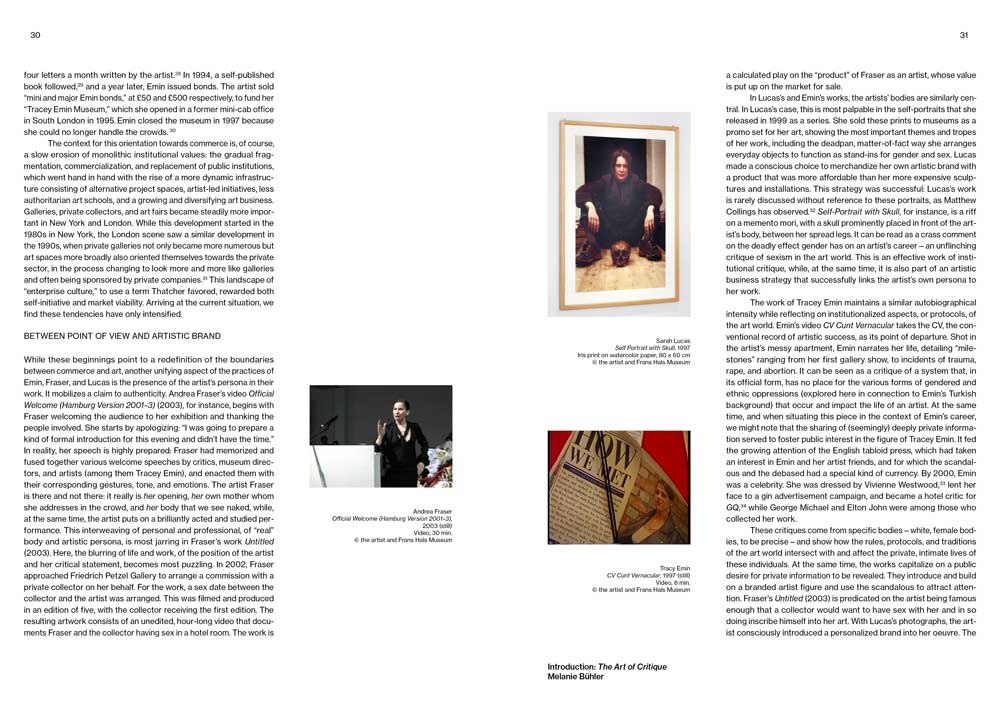
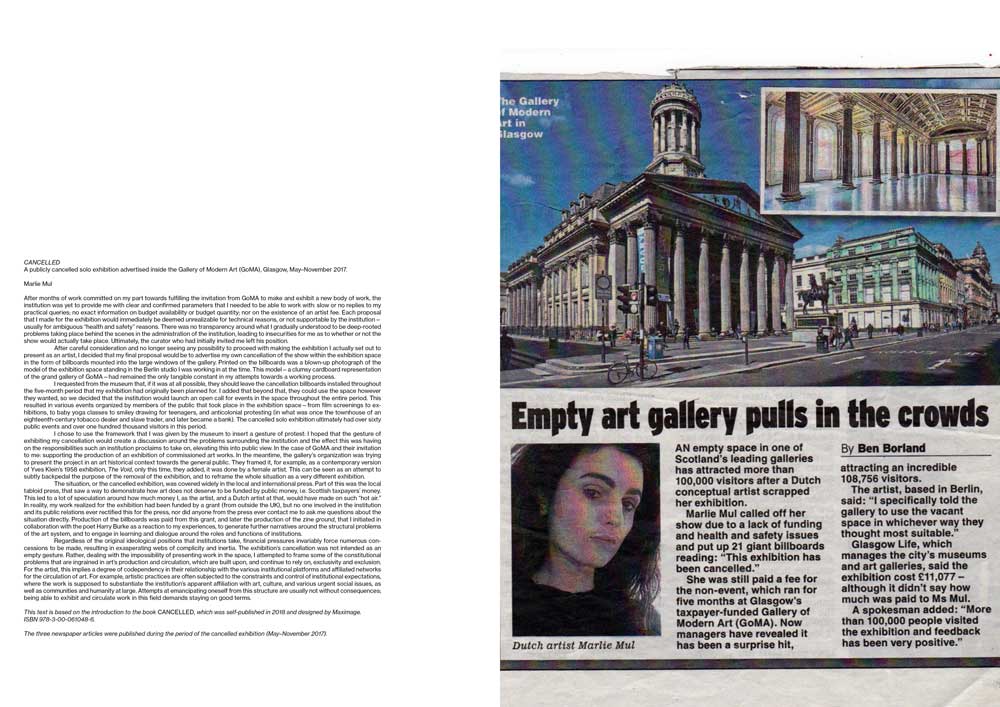
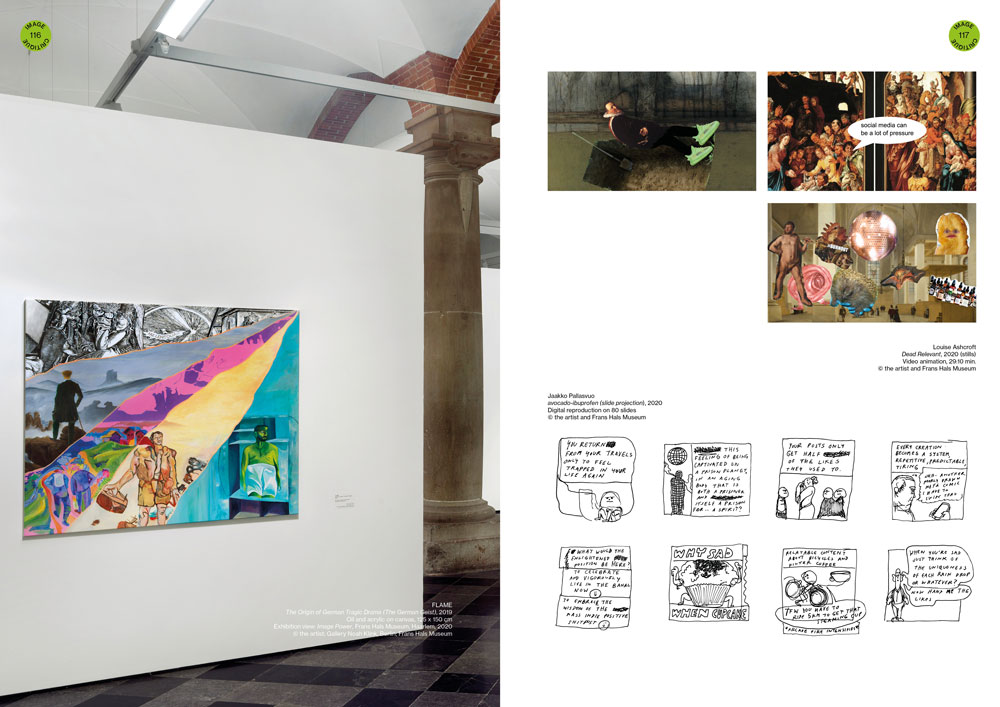
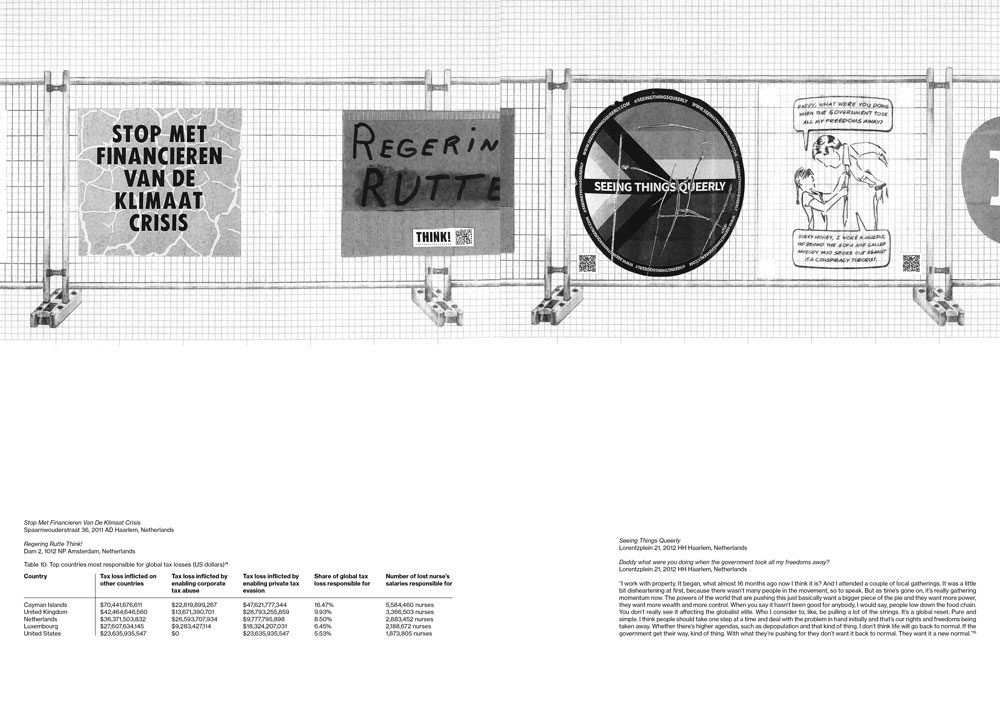
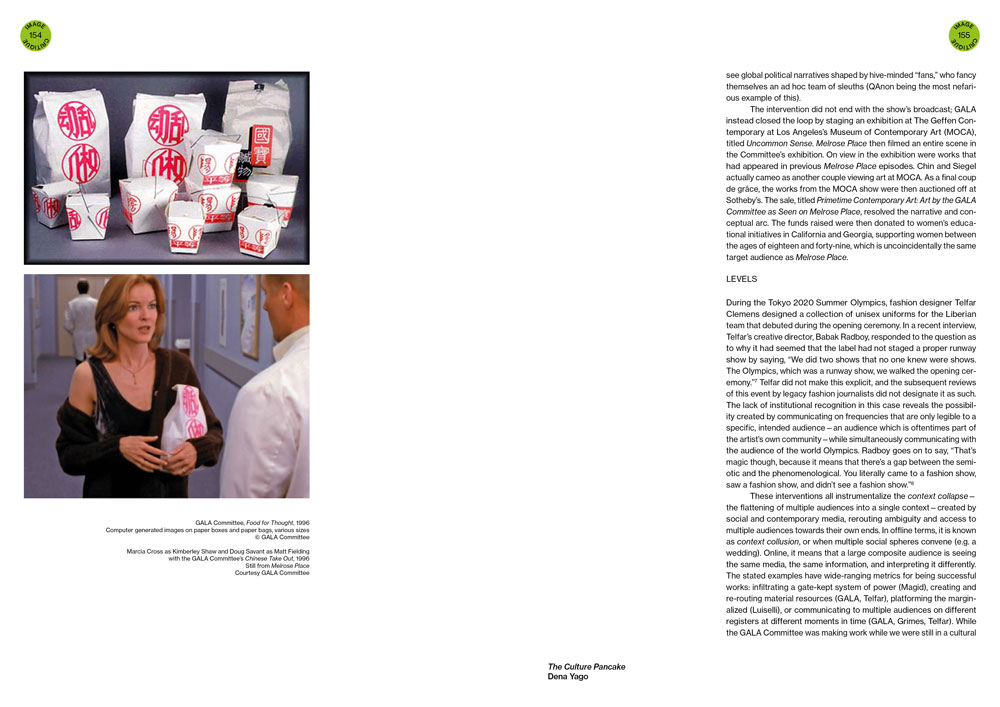
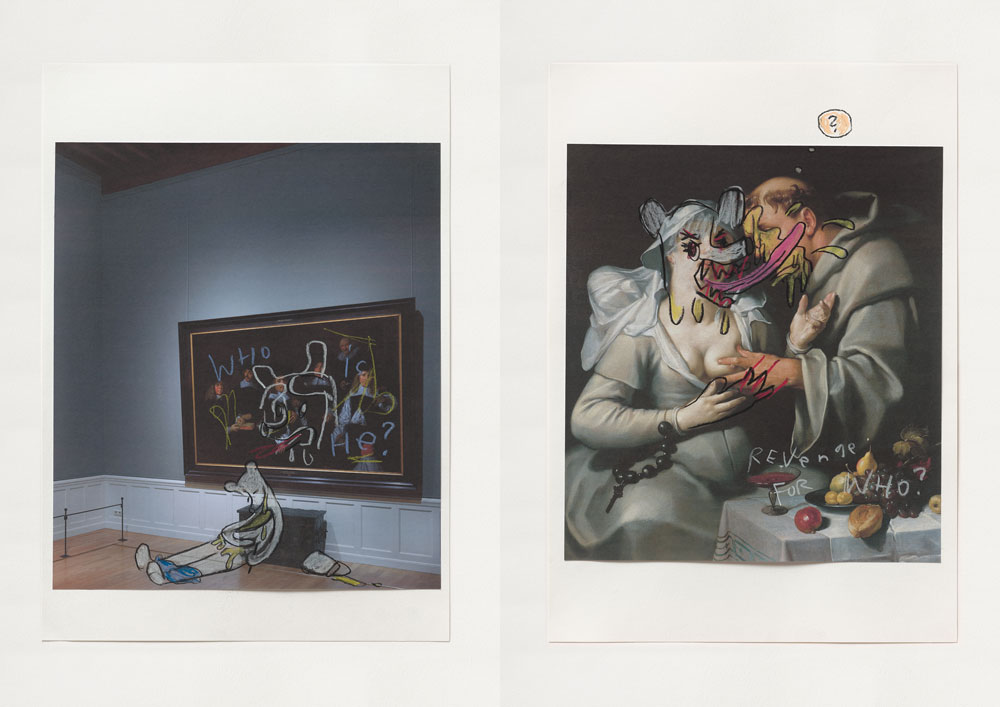
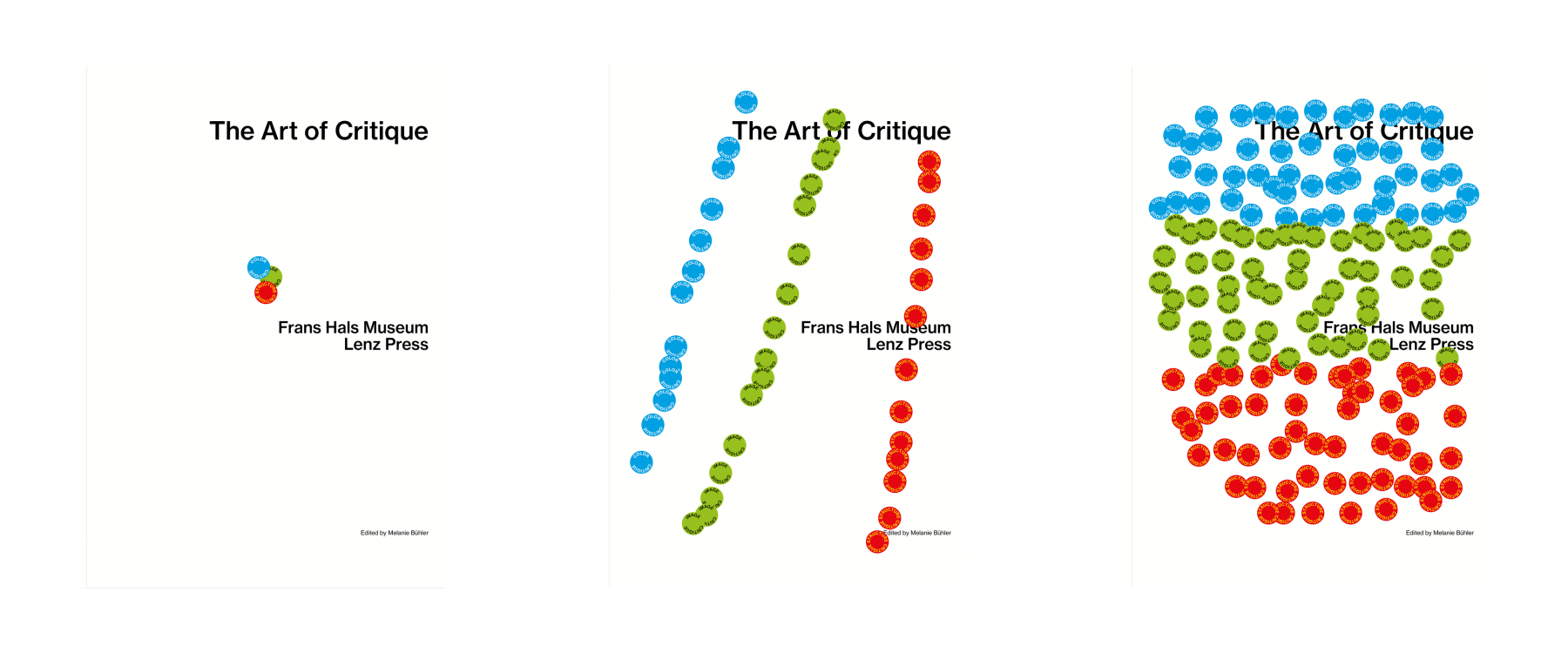
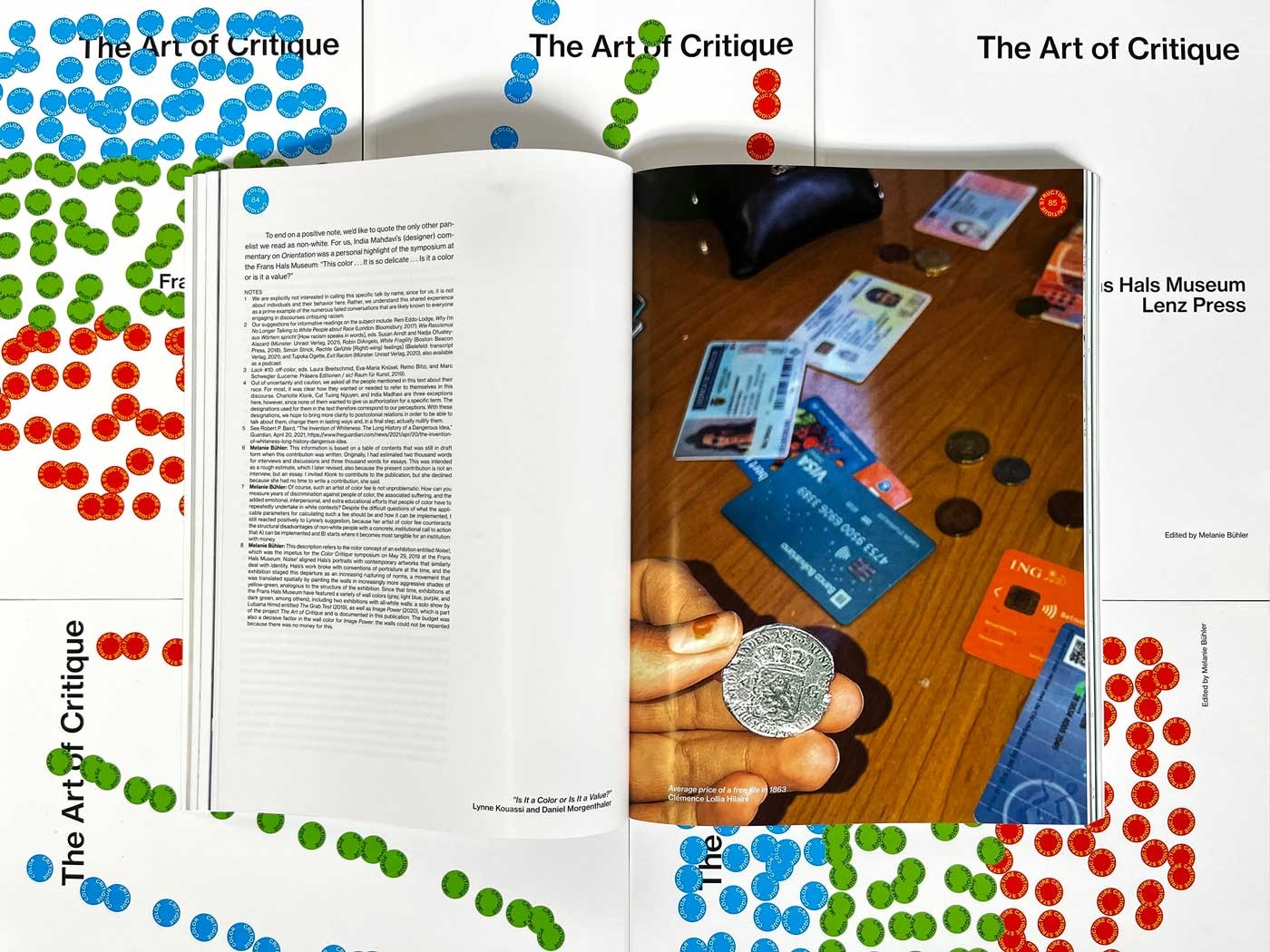
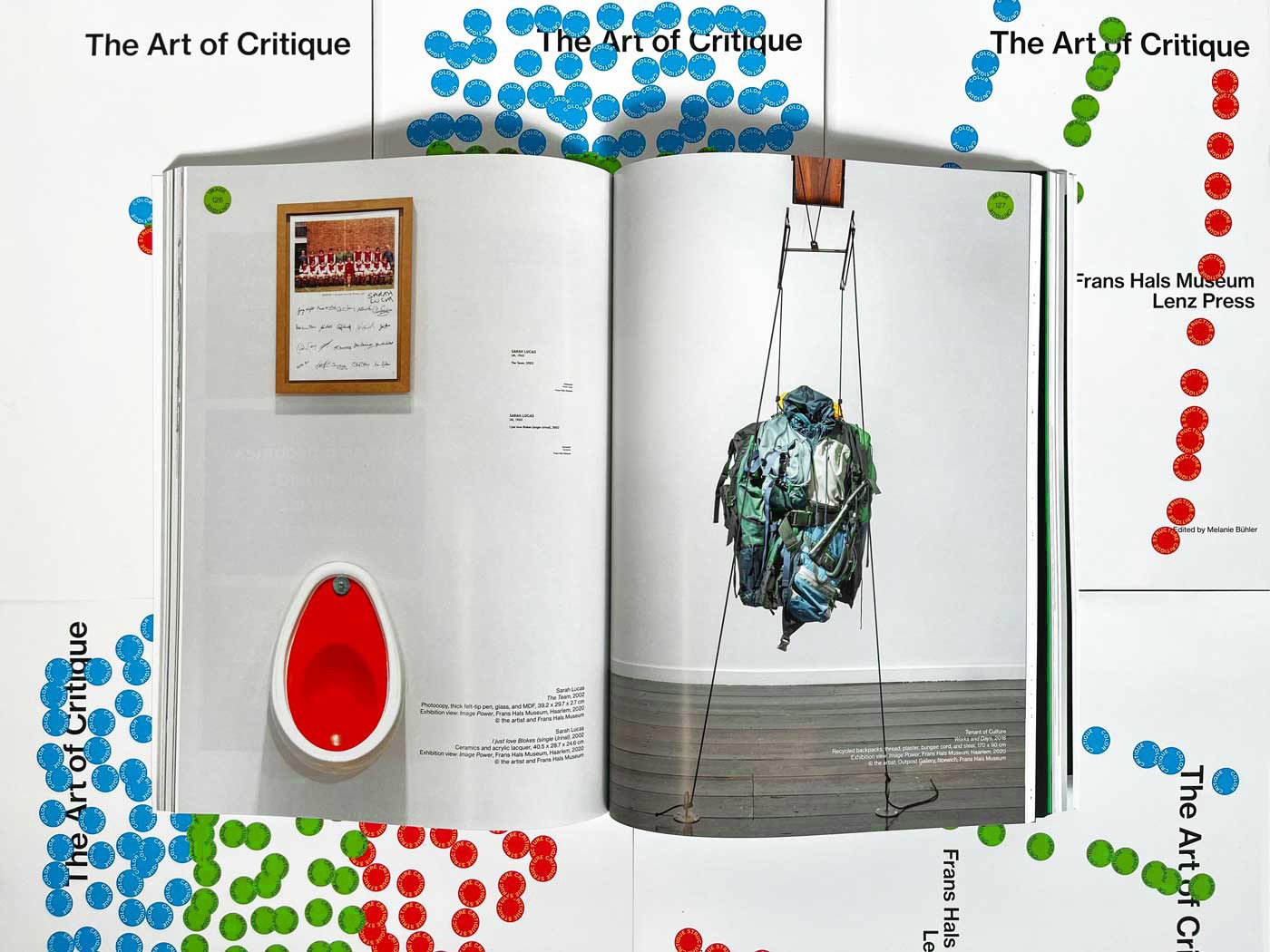
In this context, The Art of Critique revisits the artistic practice of institutional critique to ask what it means today, and to consider its ability to respond to the urgent social, political, and economic issues of our time. Taking works by Tracey Emin, Andrea Fraser, and Sarah Lucas in the collection of the Frans Hals Museum as a departure point, The Art of Critique uses a feminist approach to broaden and challenge traditional art historical definitions of institutional critique. These expanded forms of critique function as precursors to the practices of the contemporary artists presented as part of this project. Collectively, the contemporary works shed a new light on the legacy of institutional critique while addressing structural issues as wide-ranging as labor practices in the creative industry, city development, gender inequality, and the intertwined histories of capitalism and colonialism.
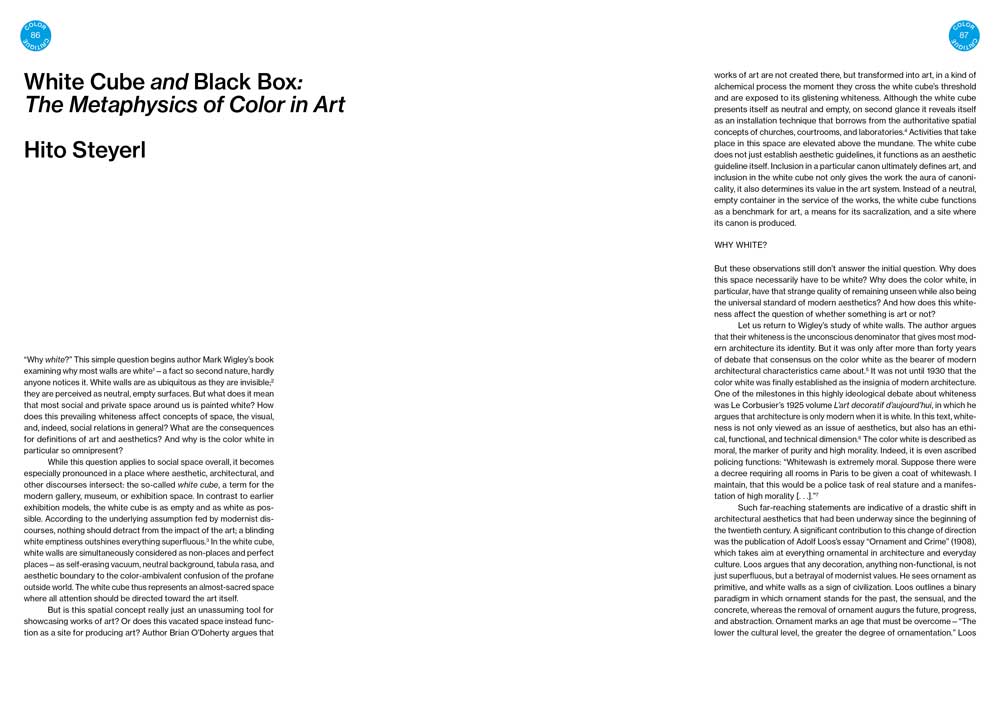
The publication documents the long-term project at the Frans Hals Museum (2019–22)—a symposium, Color Critique (chapter one); an exhibition, Image Power (chapter two: Image Critique); and artist commissions (chapter three: Structure Critique)—together with artworks, conversations, and newly commissioned and translated essays.
The publication has been generously supported by Outset Contemporary Art Fund Netherlands and VriendenLoterij.