A multifaceted perspective on contemporary sculpture that explores the practices and concepts of the medium through different approaches. The publication interweaves works by Yu Ji, Bronwyn Katz, Dan Lie, Trương Công Tùng, and Luana Vitra, with essays by Federico Giani, Sohrab Mohebbi, Julia Morandeira Arrizabalaga, Chiara Nuzzi, and Anne Reeve.
Suffused with specially conceived collages of the artist’s research materials, notes, and sketches, this is the first monograph on Castelli’s painting and sculpture, with essays by Sarah Crowe and Lillian Davies, and an artist interview by Francesco Manacorda. Published with Castello di Rivoli Museo d’Arte Contemporanea and Kunsthalle Wien.
What if the shadow moved first? From March through May 2026, the exhibition The Second Shadow. Dozie Kanu Mirroring Marc Camille Chaimowicz, with Shared Echoes and Kindred Spirits at Fondazione ICA Milano unfolds online through a series of voices and crossings that shift its gravity. Not an extension. A displacement.
A Cosmic Movie Camera is the title of the 18th edition of the BIM’24, which also marks the 50th anniversary of the Biennale organized by the Centre d’Art Contemporain Genève. By blending the real and the virtual, its catalogue captures the spirit of the exhibition, which explores the evolution of moving images, particularly in our algorithmic age.
The book seeks to define the contours of the obsession with the teenage years; a fixation that has shaped a significant strand of contemporary art over the last ten years. Adolescence is here understood as a state of mind, a prolonged condition that dissolves the transition into adulthood and becomes a critique of an unstable world.
In this multi-voiced book, starting from the Orobie Alpine range, the mountainside becomes an epistemological lens through which to interpret contemporaneity and address issues such as multi-species migrations, our relationship with geological time and intergenerational inheritance, and the rethinking of collective memories and rituals.
Texts by Basma al-Sharif, Karim Kattan, Diego Marcon, et al.
Designed by Pierre de Belgique
2025, English / French, softcover, 23.5 x 27.5 cm, 284 pages
ISBN 979-12-80579-75-1
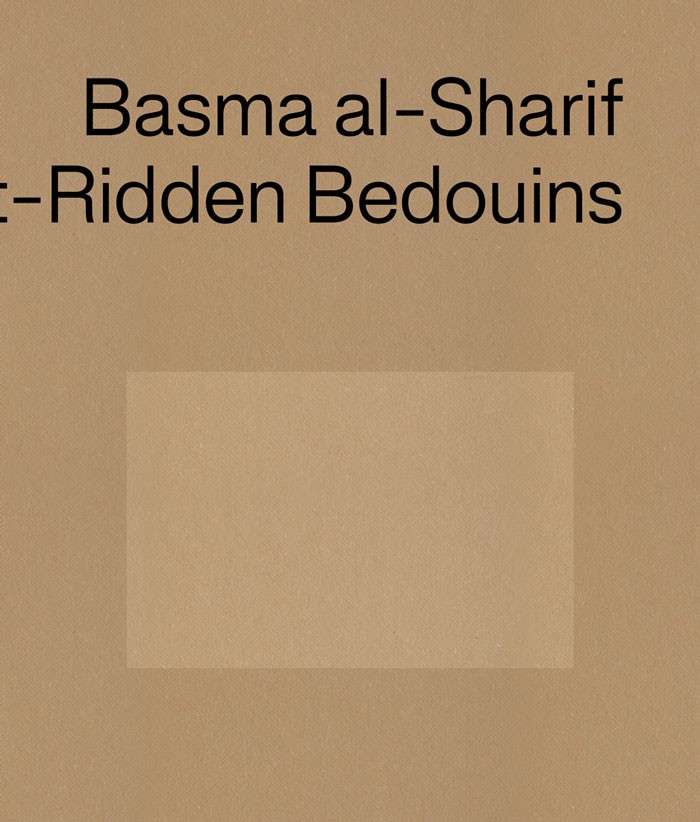
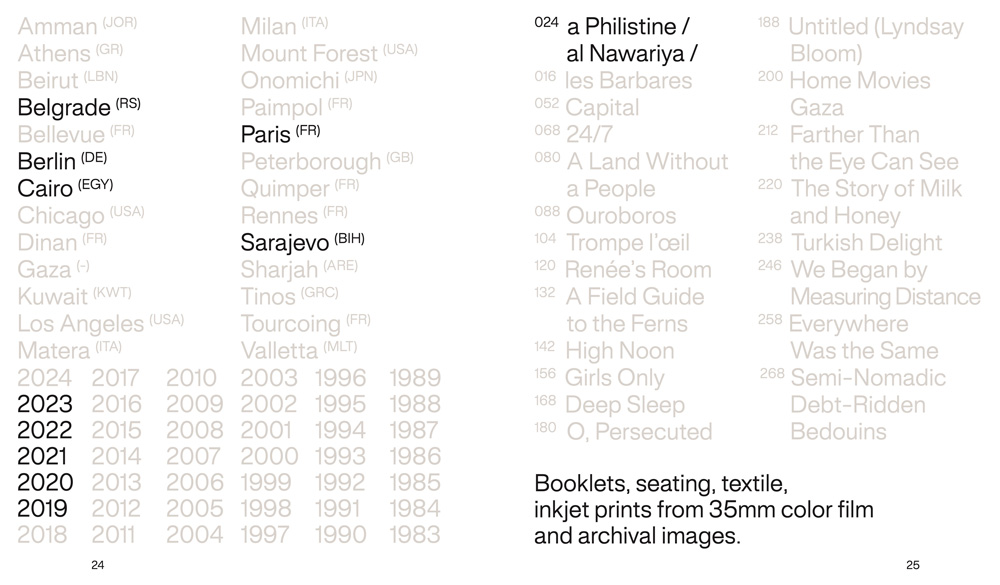
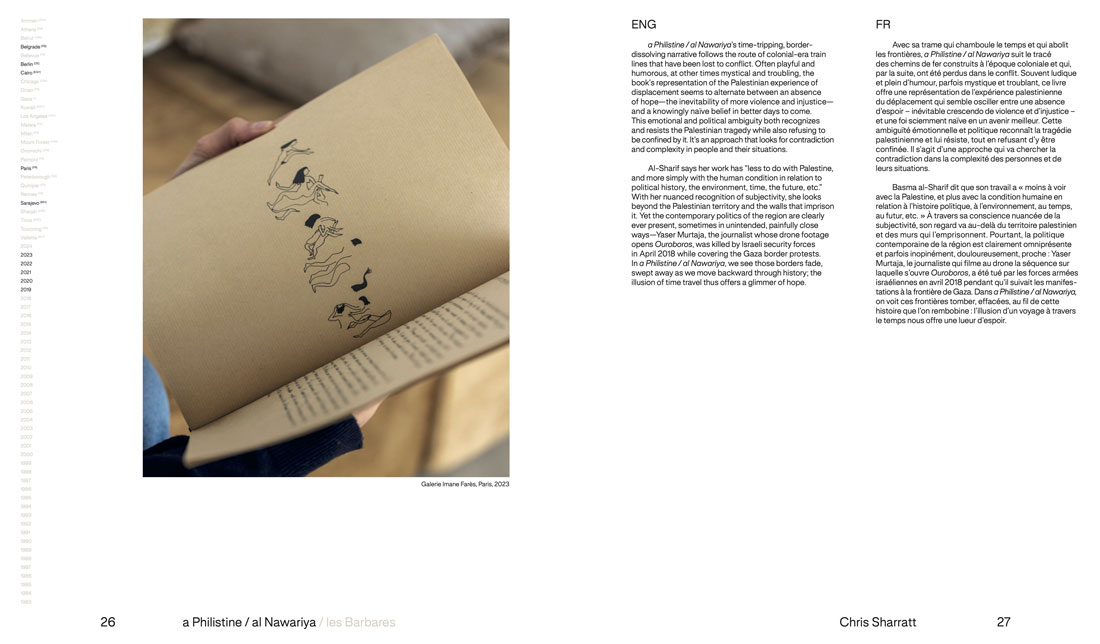
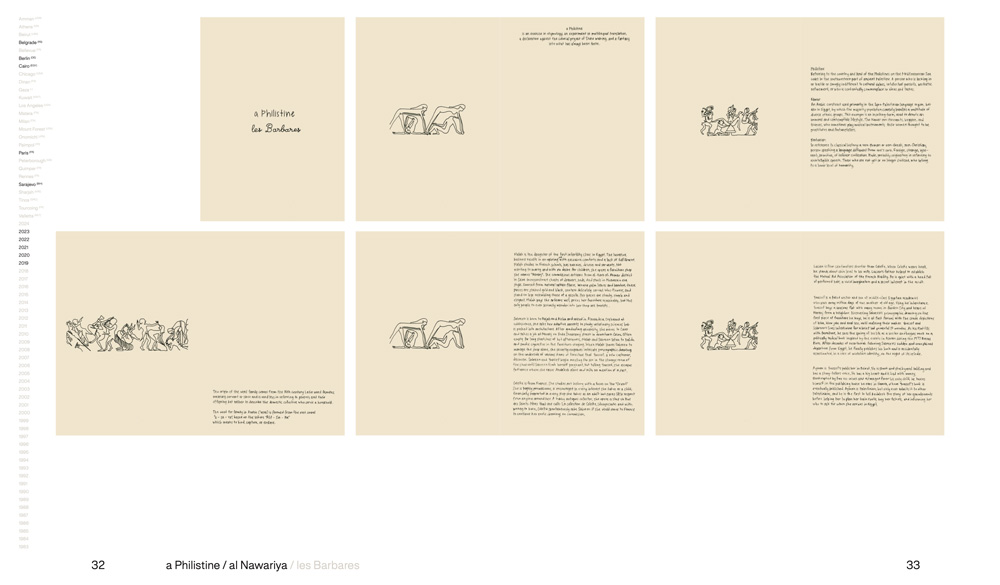
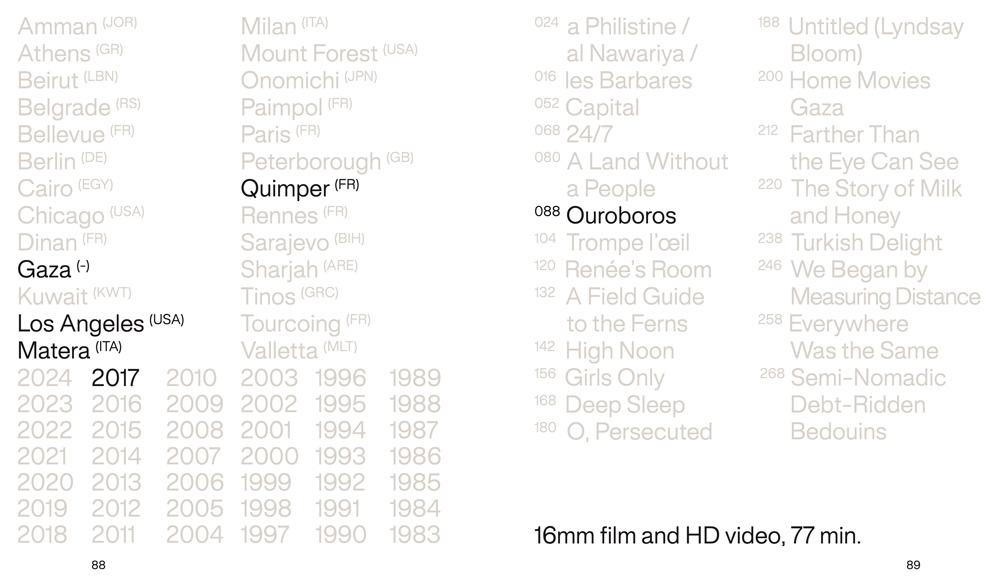
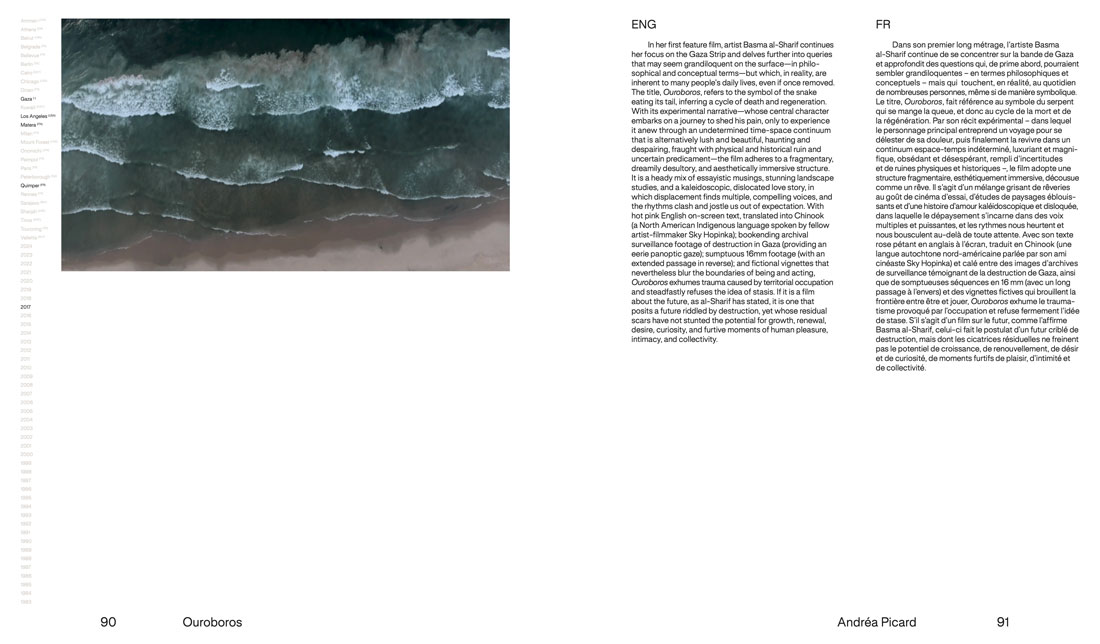
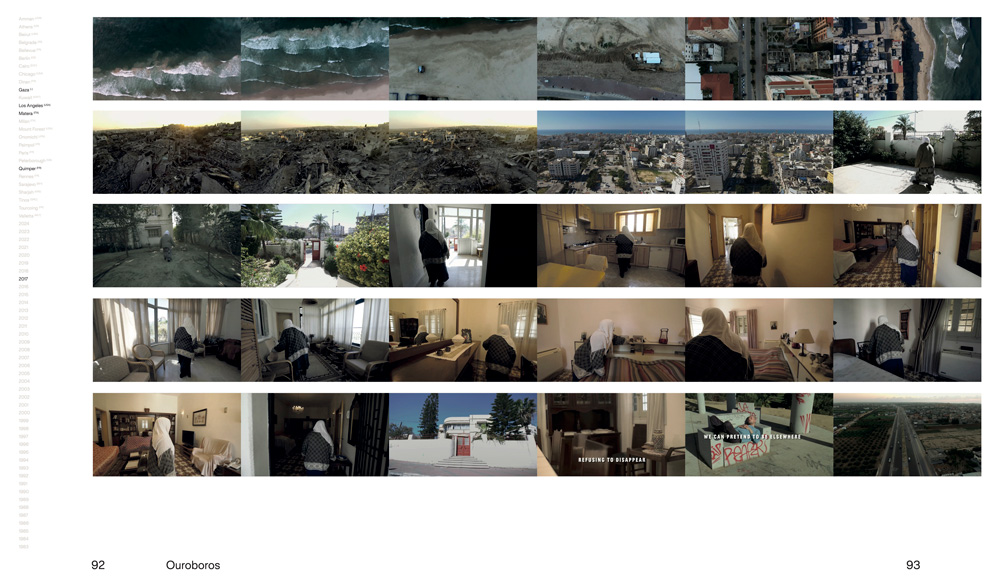
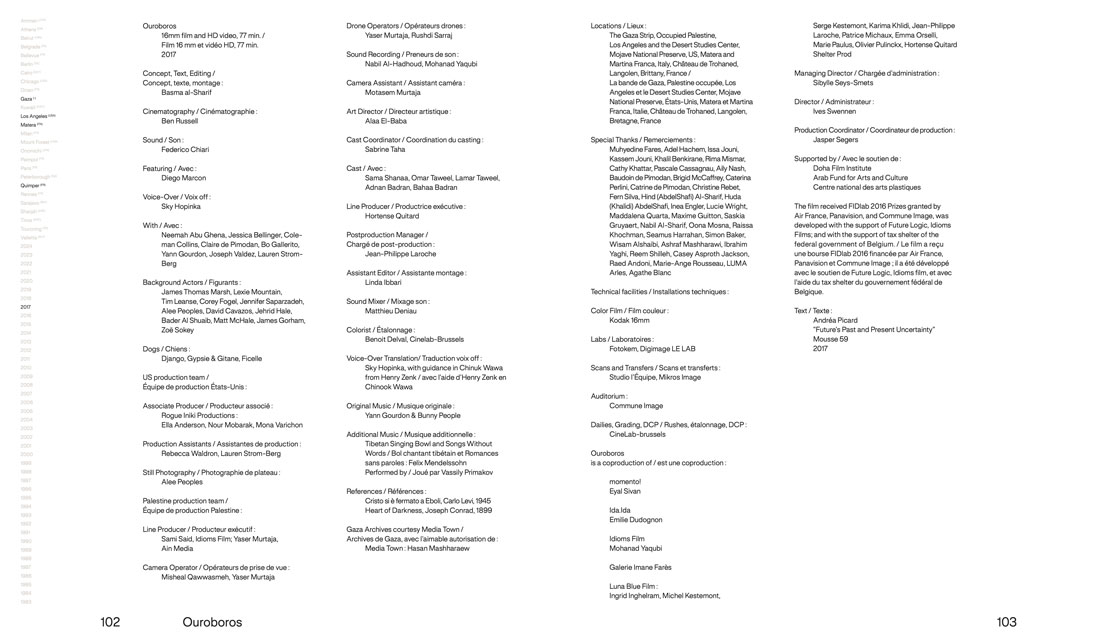
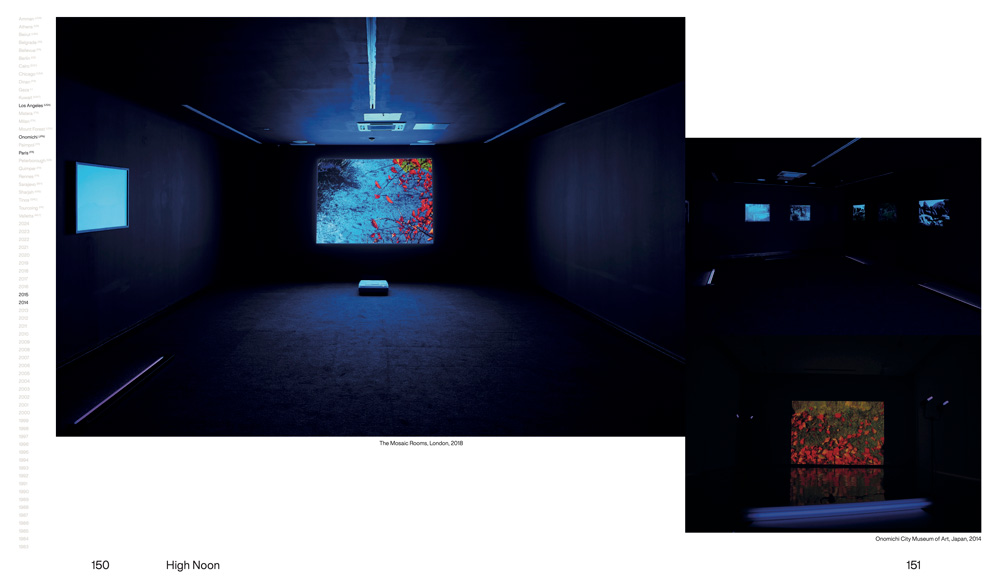
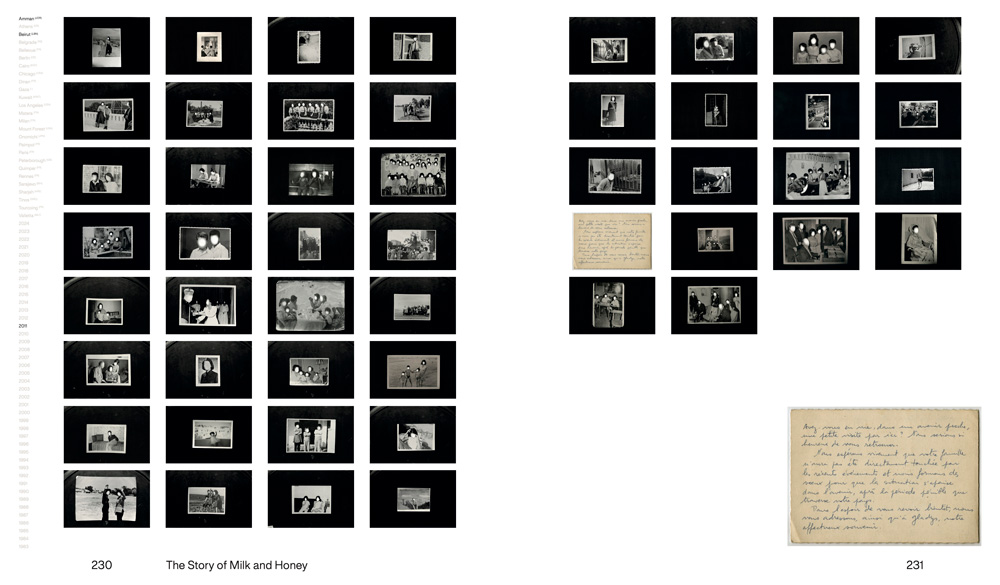
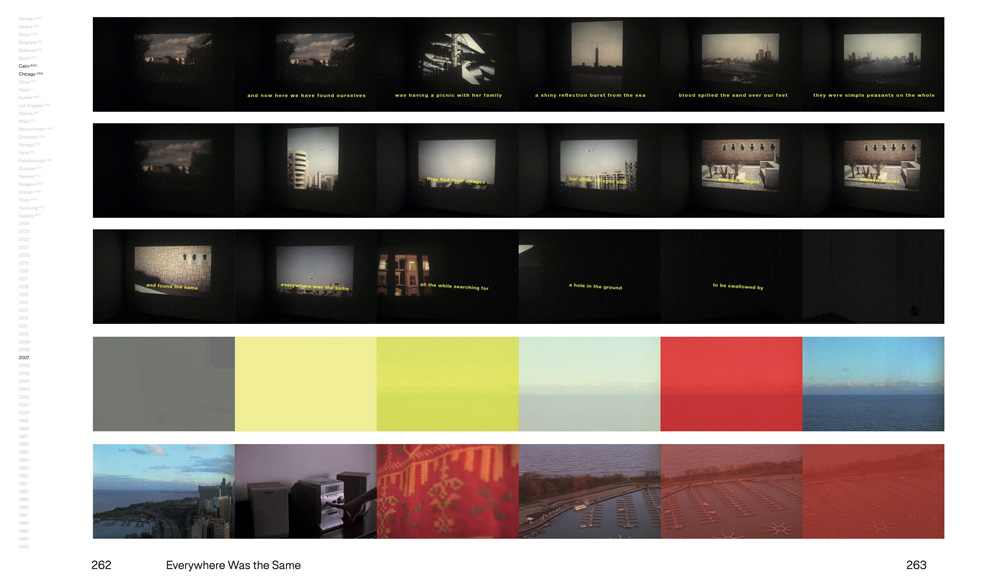
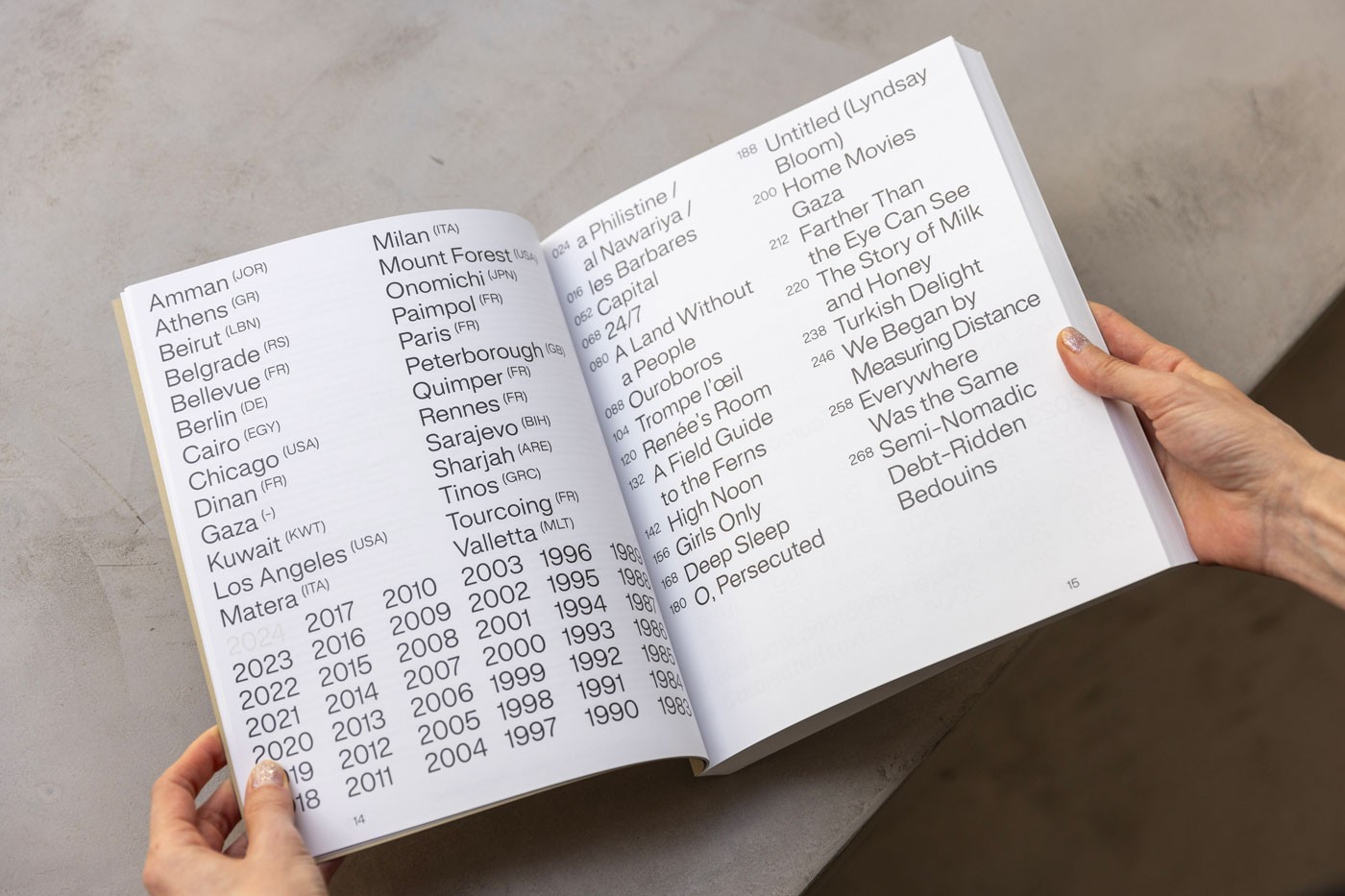
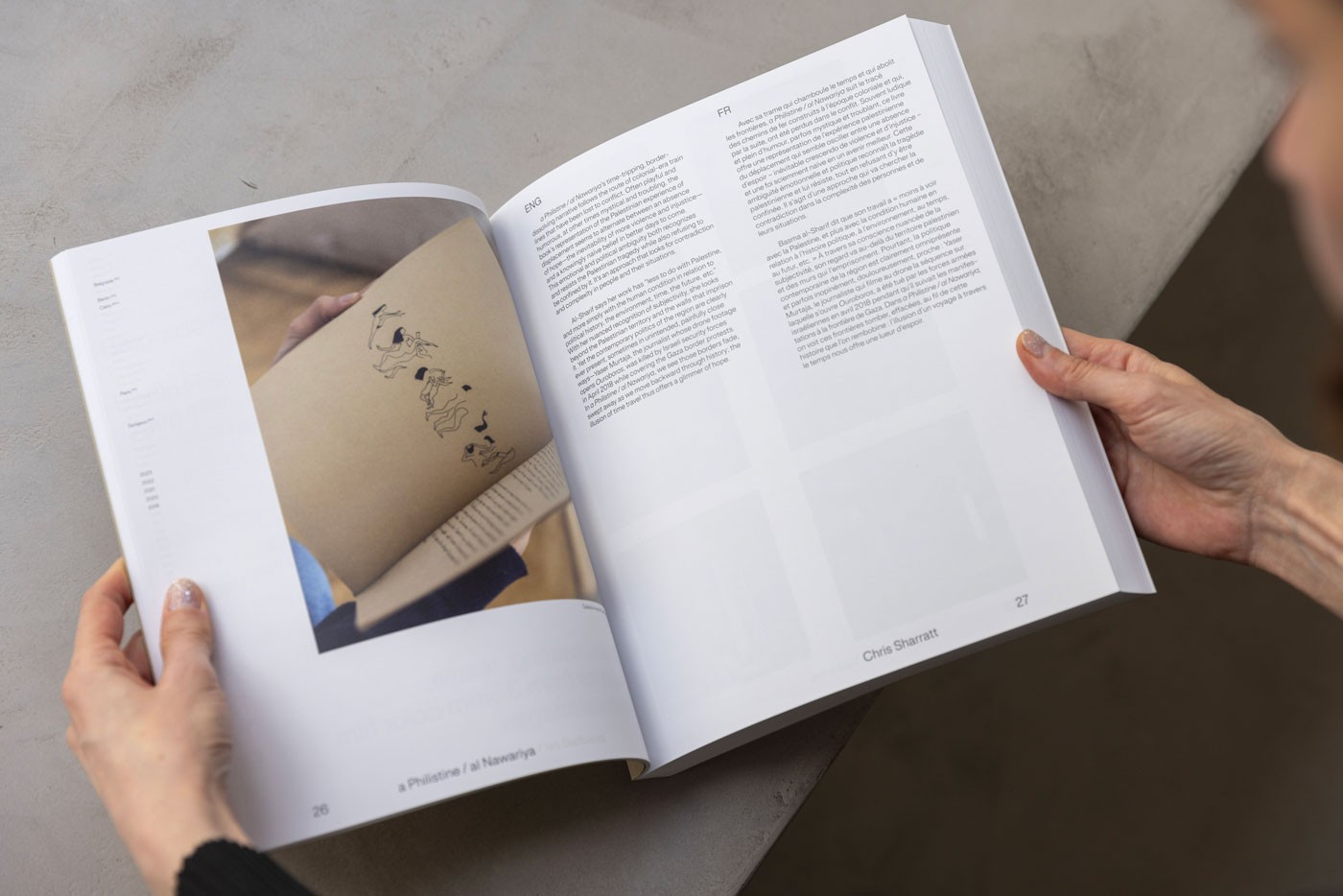
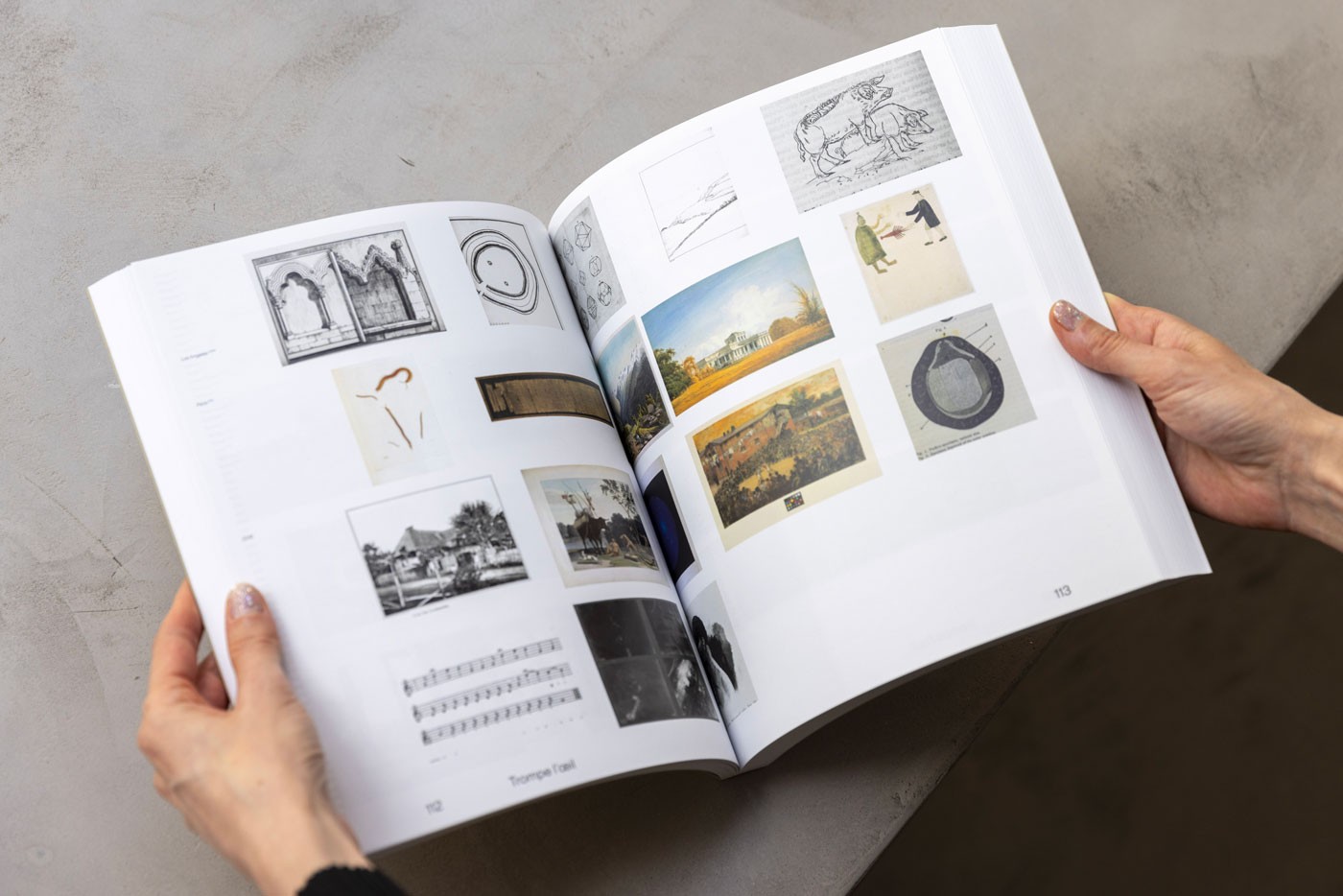
Semi-Nomadic Debt-Ridden Bedouins offers an in-depth look at nearly two decades of artistic output by the Palestinian artist and filmmaker Basma al-Sharif. Retracing her practice from recent works back to her earliest experiments, the book provides an original overview of how her visual language and conceptual concerns have evolved over time.
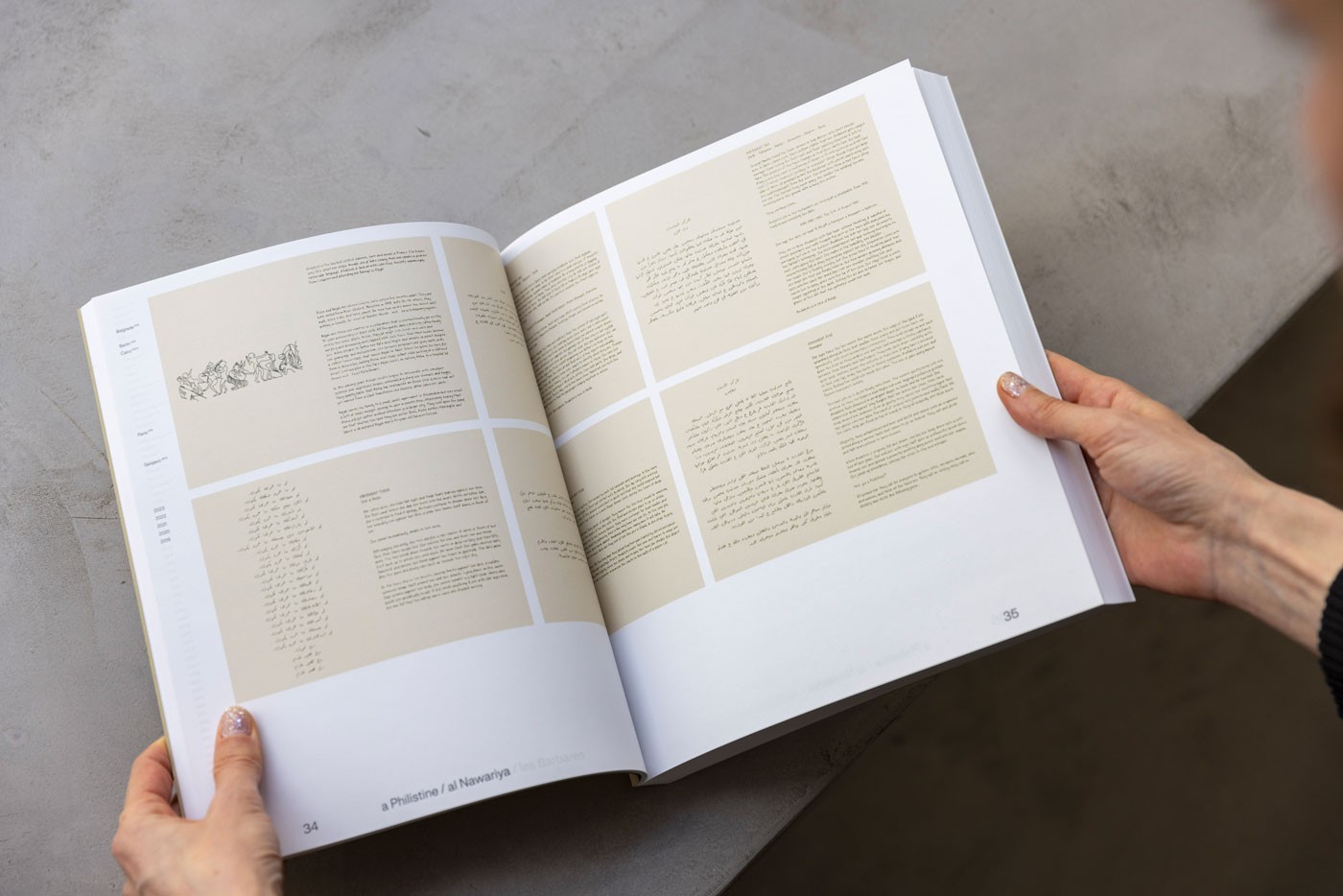
Basma al-Sharif’s films and installations navigate the unstable terrains of displacement, colonialism, and representation—often shaped by the ongoing reality of the occupation of Palestine. Through a rich selection of images and curatorial essays, the monograph highlights the layered political and cinematic frameworks within which her works are embedded.
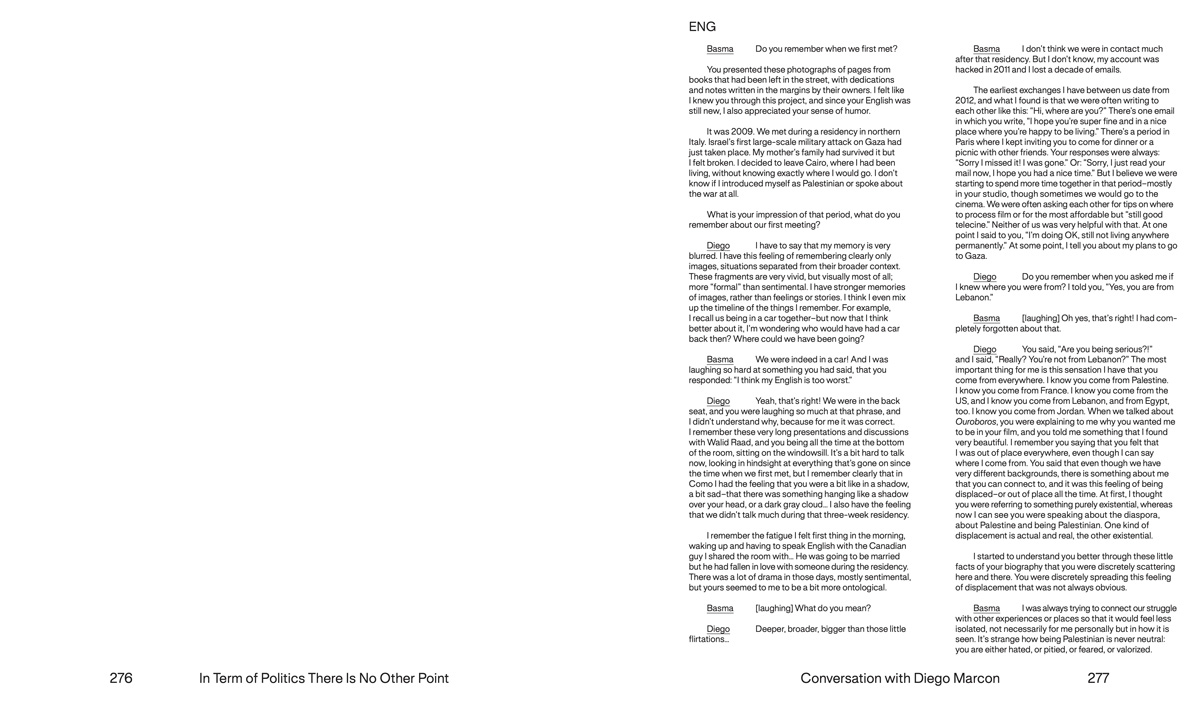
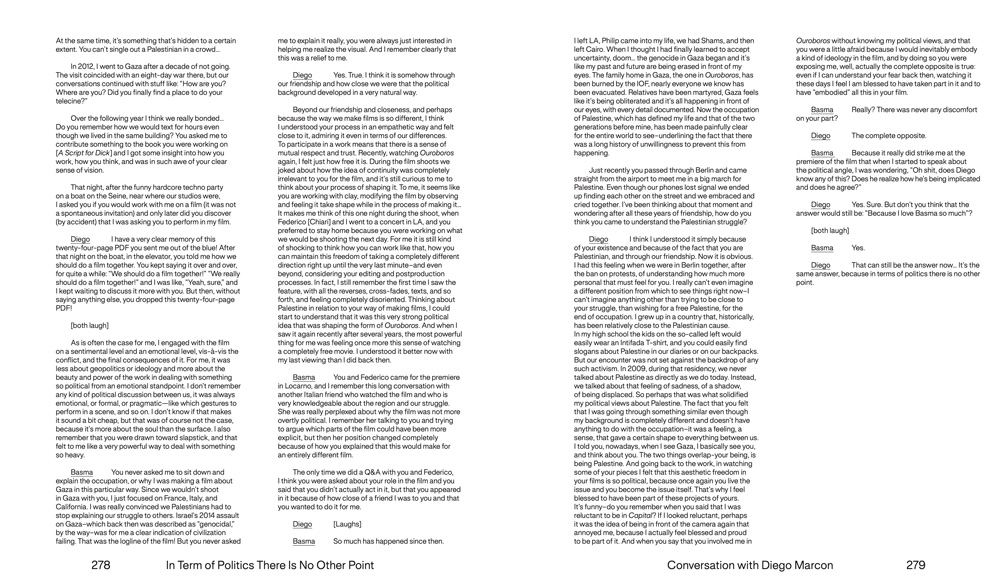
Also included are two newly commissioned literary contributions: a fictional piece by Karim Kattan that resonates with the themes of place and estrangement, and a conversation between al-Sharif and the artist Diego Marcon, in which they reflect on shared affinities, artistic processes, and their long-standing dialogue. Blurring the personal and the political, the real and the imagined, Semi-Nomadic Debt-Ridden Bedouins captures the complexity and urgency of al-Sharif’s artistic journey.