Claiming that the museum is not enough means asking what a museum should be and do, eventually questioning the role of cultural institutions in society. Through conversations, stills of documentaries, responses, and reprints of archival documents that explore ideas of architecture on the ground, this volume reflects on the tools deployed by the institution to redefine its relationship to others.
Affirmer que le musée ne suffit pas, c’est interroger ce qu’un musée devrait être et faire, et réfléchir de manière critique sur le rôle des institutions culturelles dans nos sociétés. À travers des conversations, des photogrammes de documentaires, des interventions et des reproductions d’archives questionnant les conceptions de l’architecture sur le terrain, ce volume réfléchit aux outils mis en œuvre par l’institution pour redéfinir sa relation aux autres.
Semi-Nomadic Debt-Ridden Bedouins is the first monograph on the work of the Palestinian artist and filmmaker Basma al-Sharif. Spanning nearly two decades of moving-image and installation work, it combines visual documentation with texts that reflect on the charged political landscapes through which al-Sharif navigates.
This monograph marks the occasion of the first European survey of Nicola L. (1932–2018). Often discussed in the context of Pop Art, activism, feminism, and design, this is the first in-depth exploration of the multi-layered and expansive nature of her extraordinary practice, which also encompassed cosmology, environmental concerns, spirituality, political protest, and sexuality.
The artist’s book to love and devour by Tolia Astakhishvili was published on the occasion of the inaugural exhibition at the new site of the Nicoletta Fiorucci Foundation in Venice, curated by Hans Ulrich Obrist.
This monograph, published on the occasion of Samson Young’s exhibition at SFMOMA, focuses on his latest project, Intentness and Songs, a multimedia installation that poetically traces the idiosyncratic rhythms of love, memory, experiences of time, and AI. Essays and a rich set of unpublished materials offer new keys to understanding the artist’s work.
Concept by Vela Arbutina and Anna Franceschini
Edited by Attilia Fattori Franchini, Anna Franceschini, and Ilaria Gianni
Texts by Chiara Agradi, Mohamed Almusibli, Fabio Cherstich, Liv Cuniberti, Gioia Dal Molin, Bernardo De Souza, Vincenzo di Rosa, Attilia Fattori Franchini, Francesco Urbano Ragazzi, Ilaria Gianni, Ingrid Luquet-Gad, Beniamino Marini, Nick Mauss, Giacomo Mercuriali, Alice Motard, Tabea Panizzi, Tobias Perse, Jennifer Teets, Roberta Tenconi, Jeppe Ugelvig, Joel Valabrega, Marianna Vecellio
Designed by Vela Arbutina
2026, English, softcover, 19 x 26 cm, 176 pages
ISBN 979-12-82771-02-3
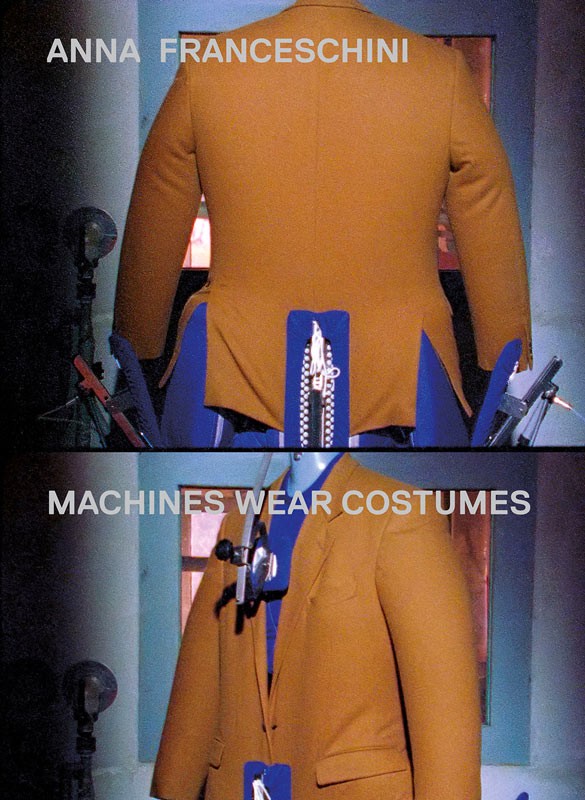
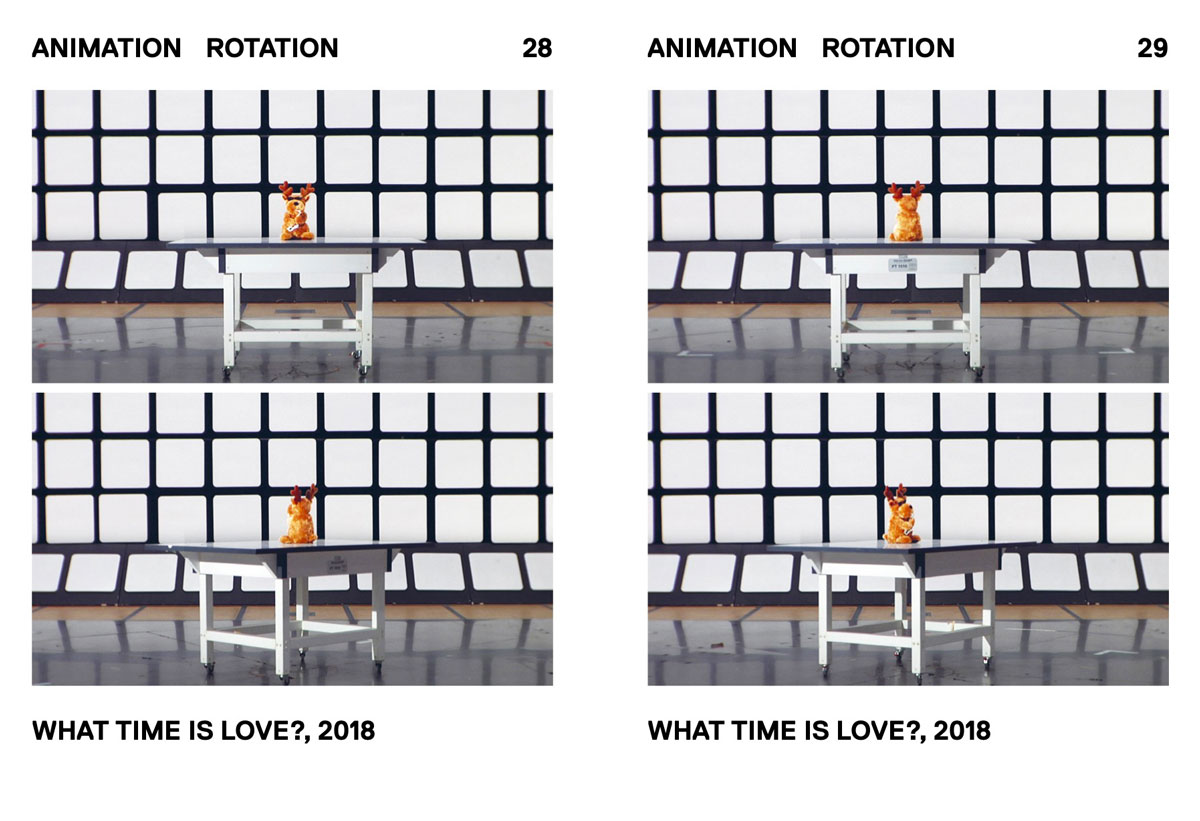
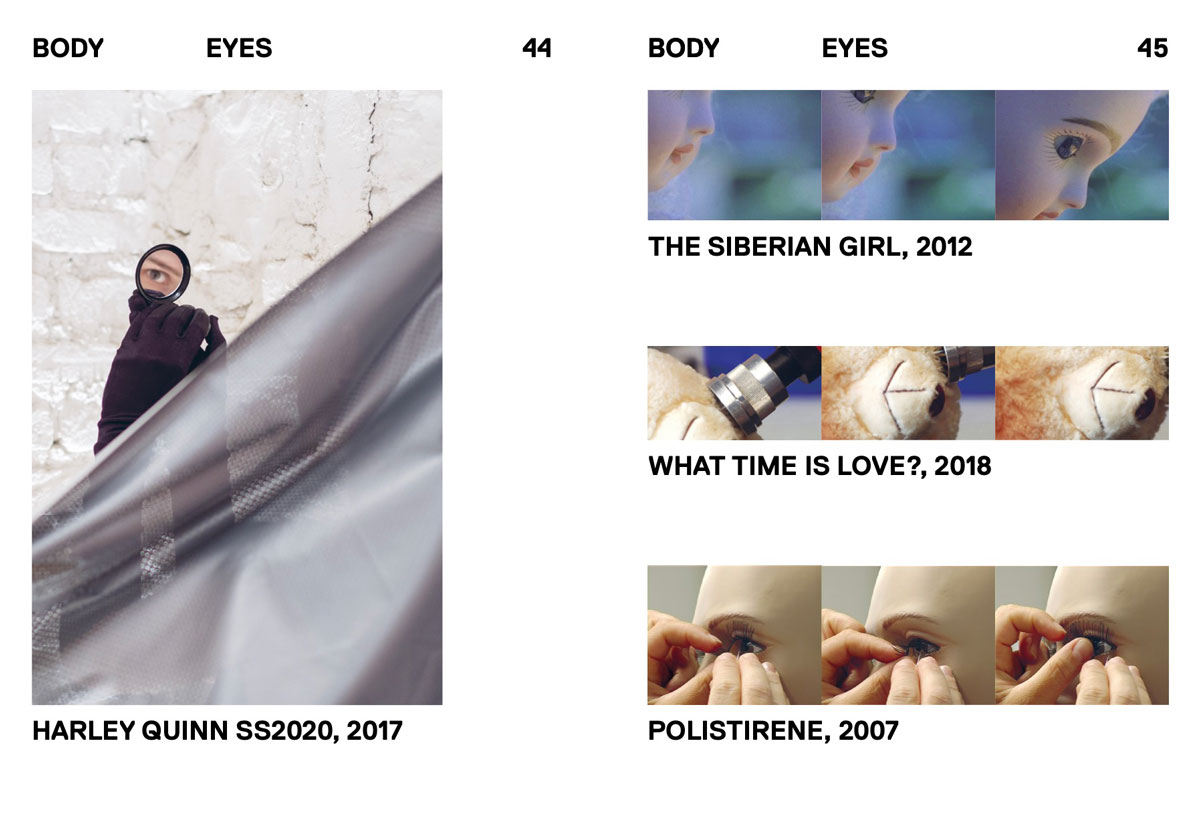
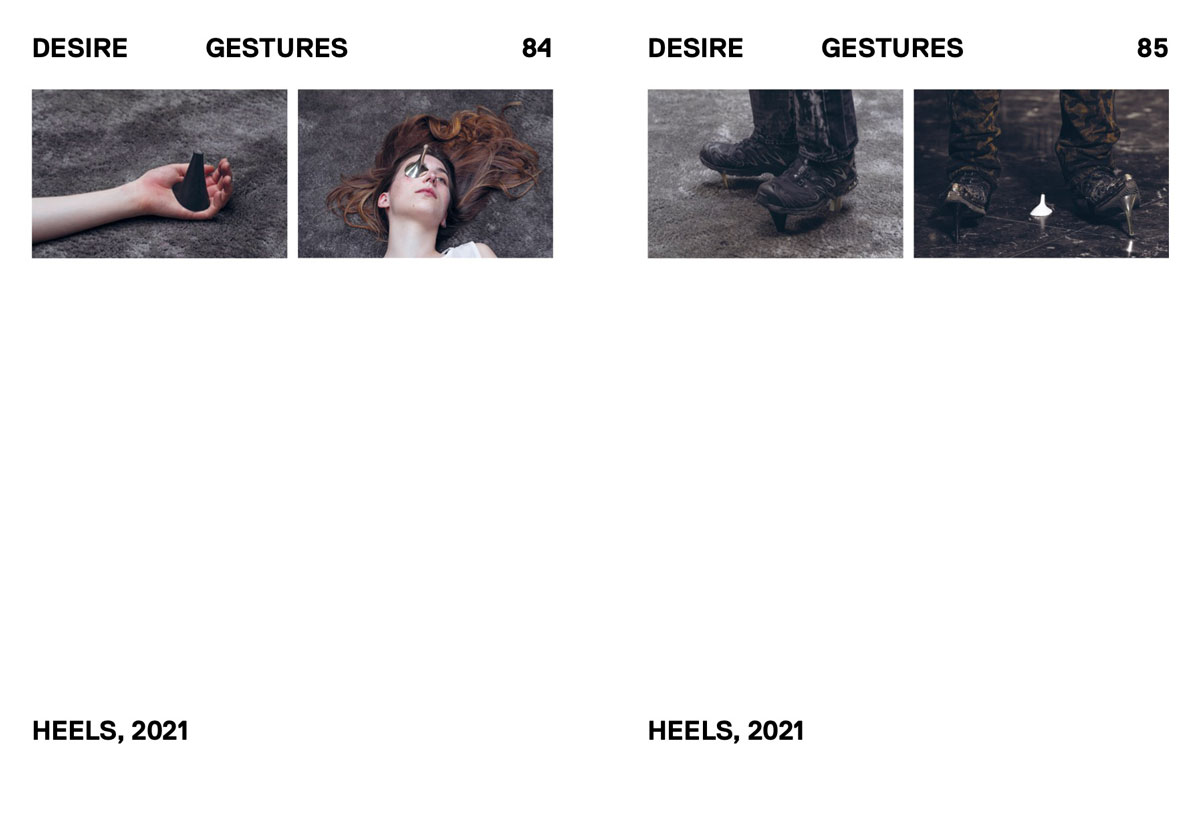
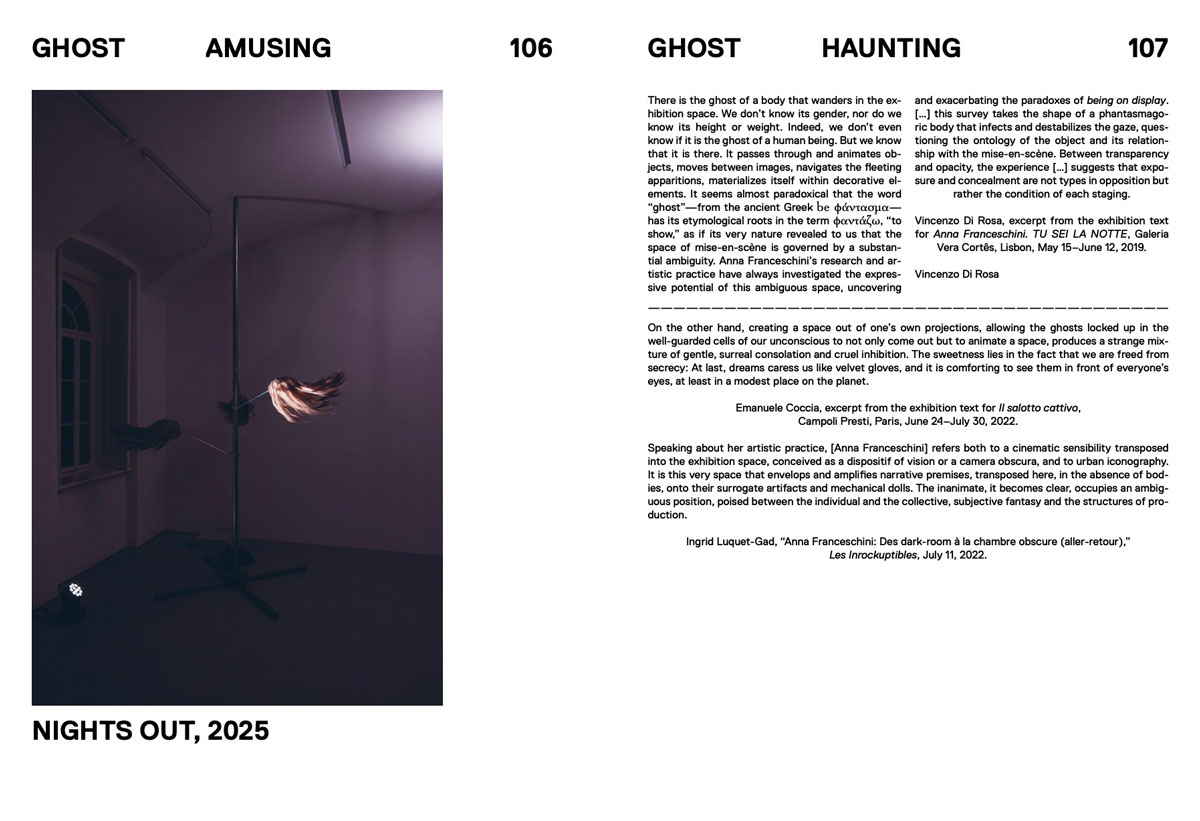
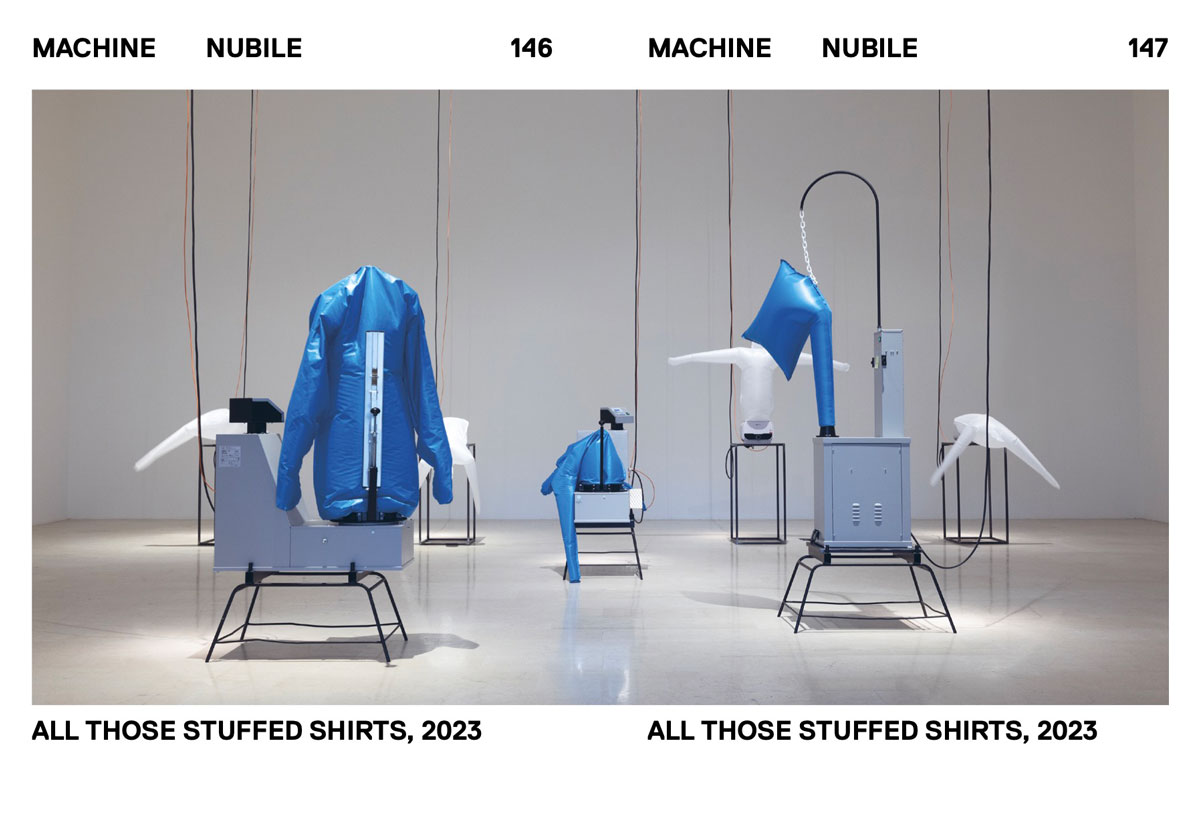
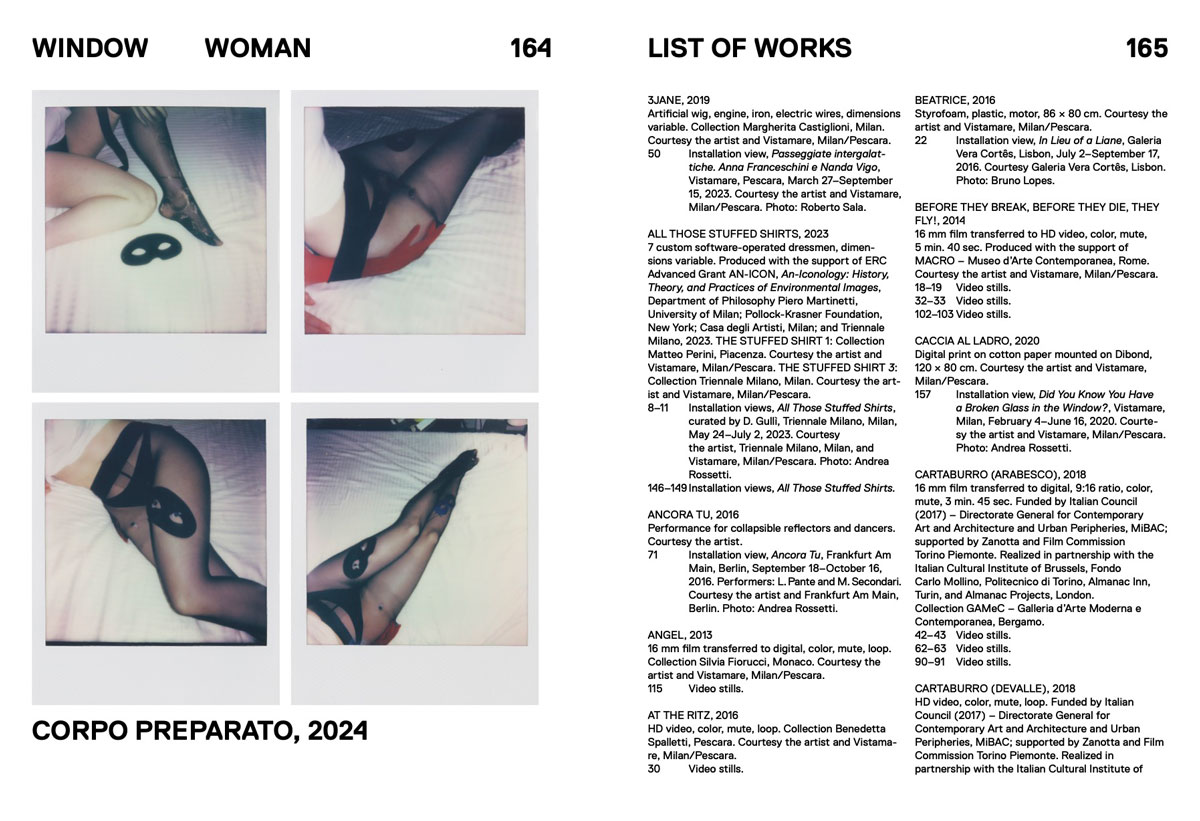
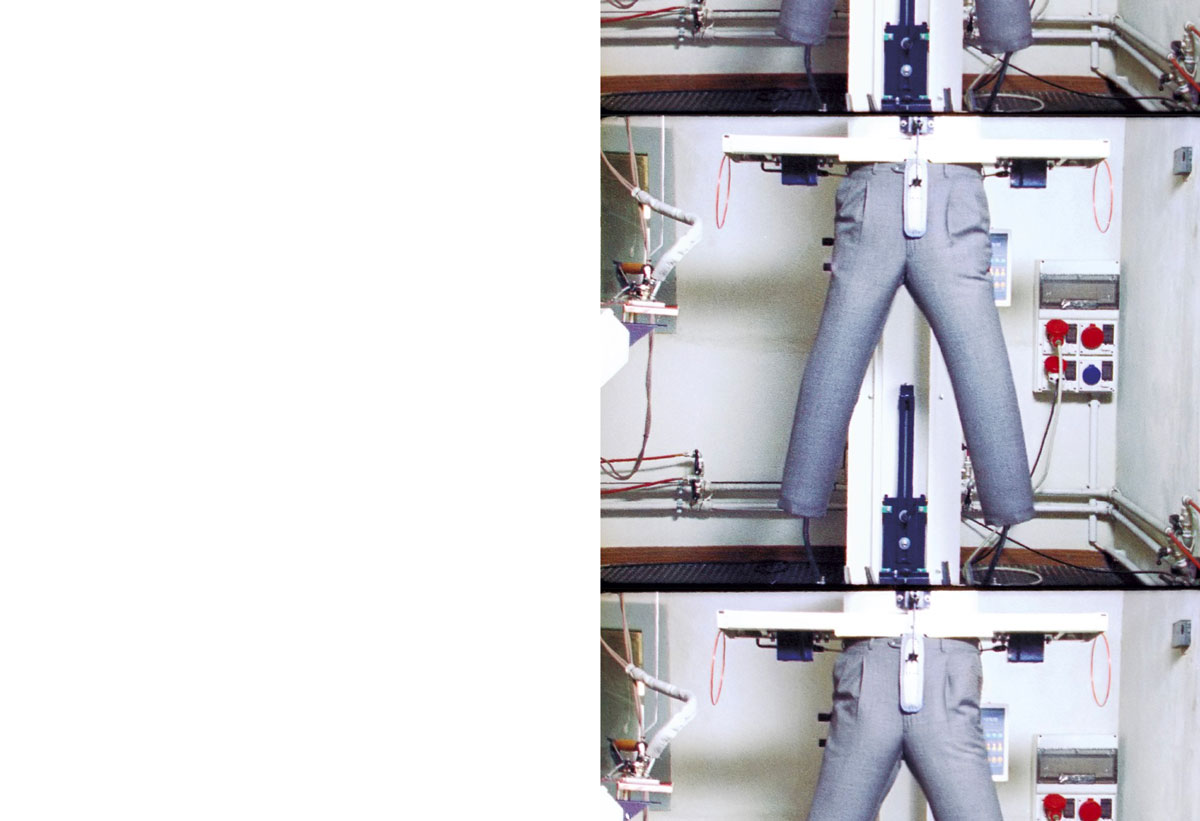
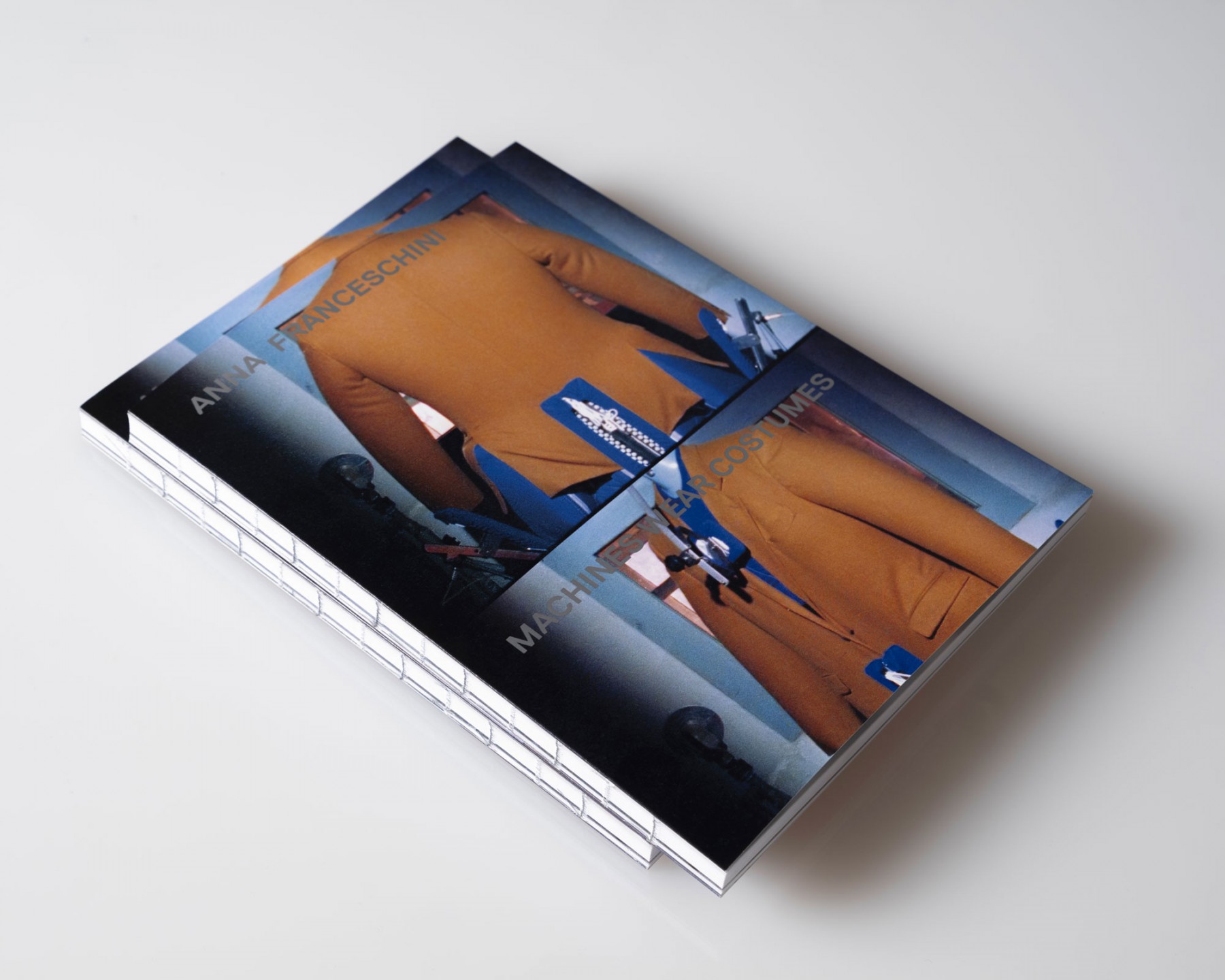
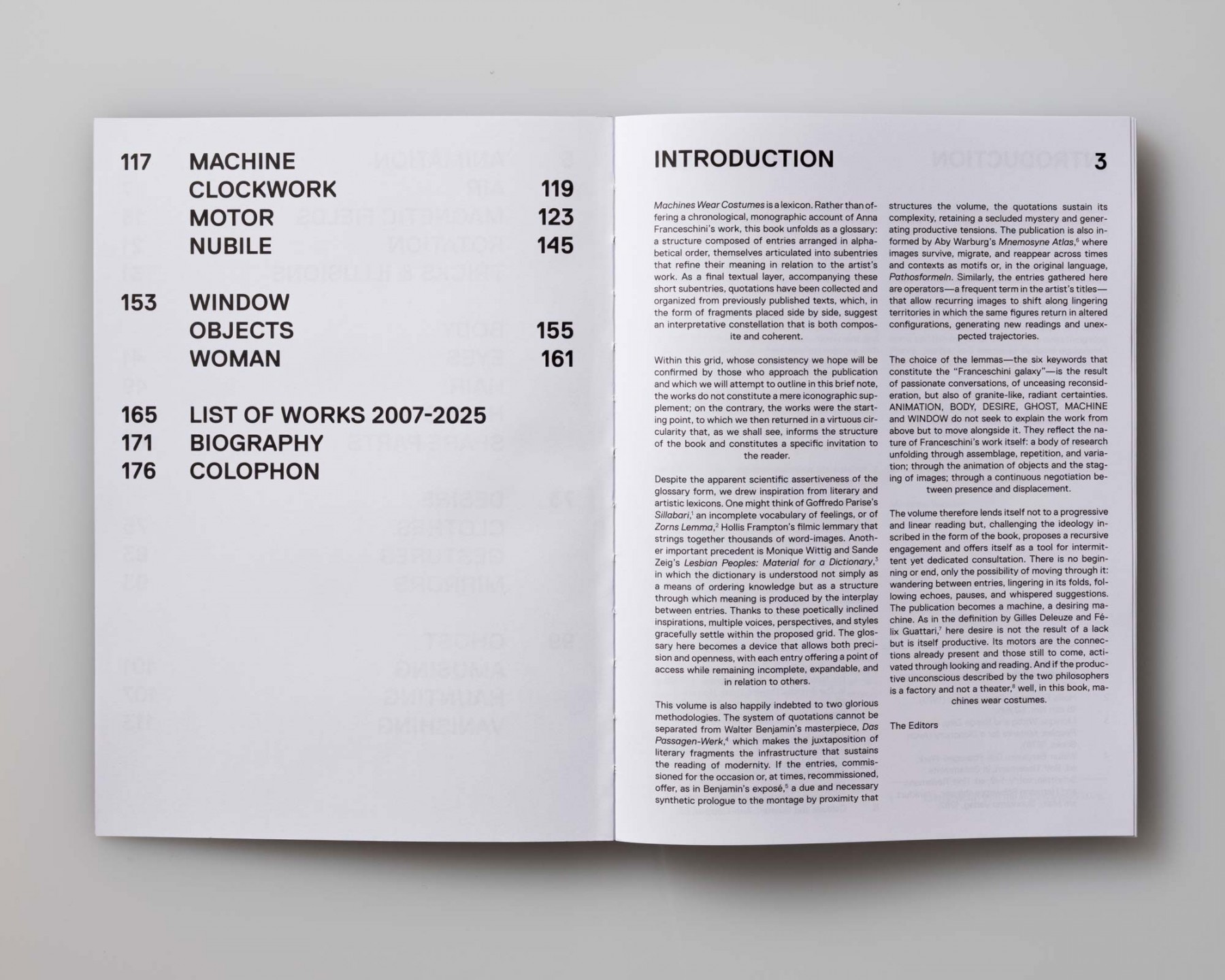
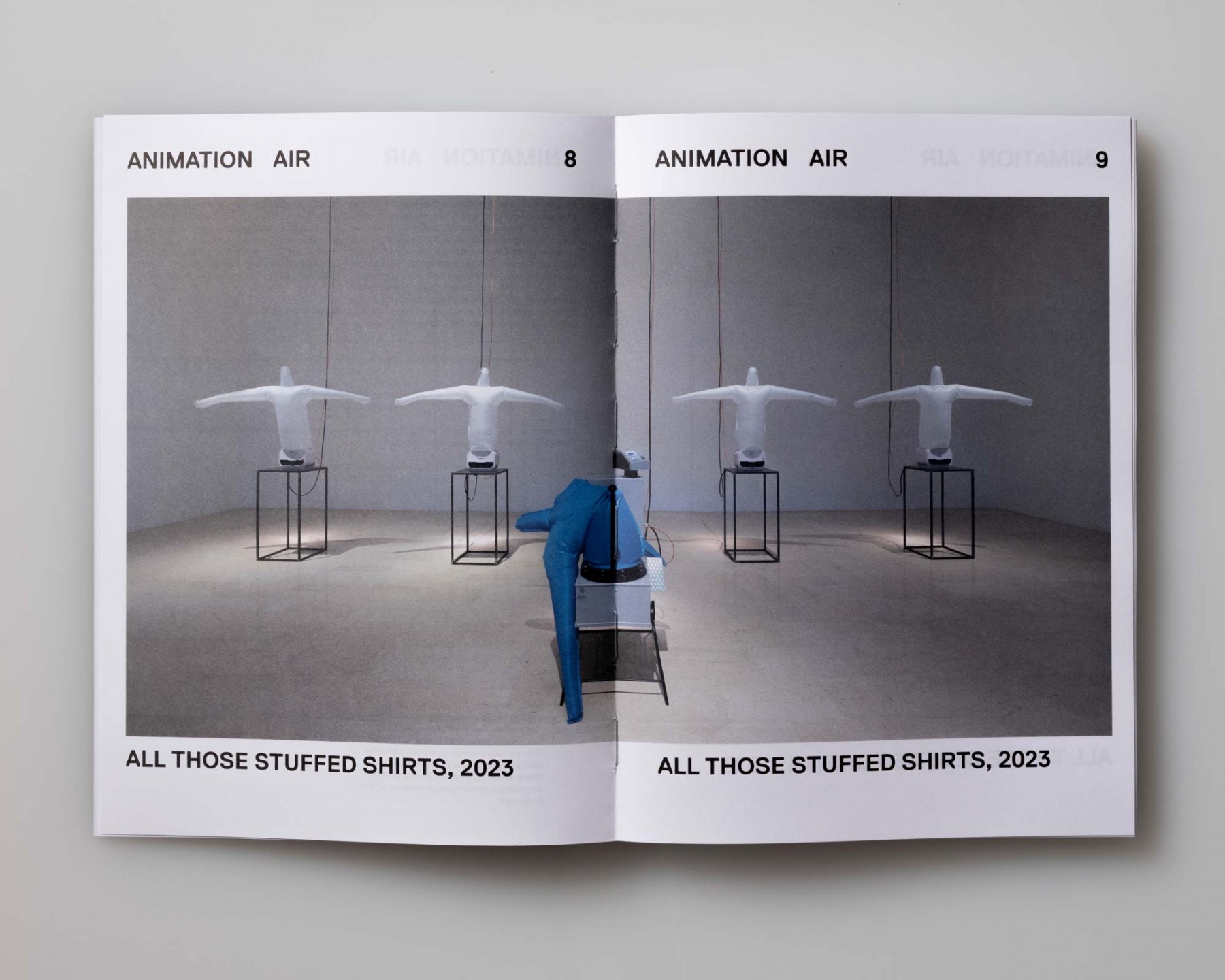
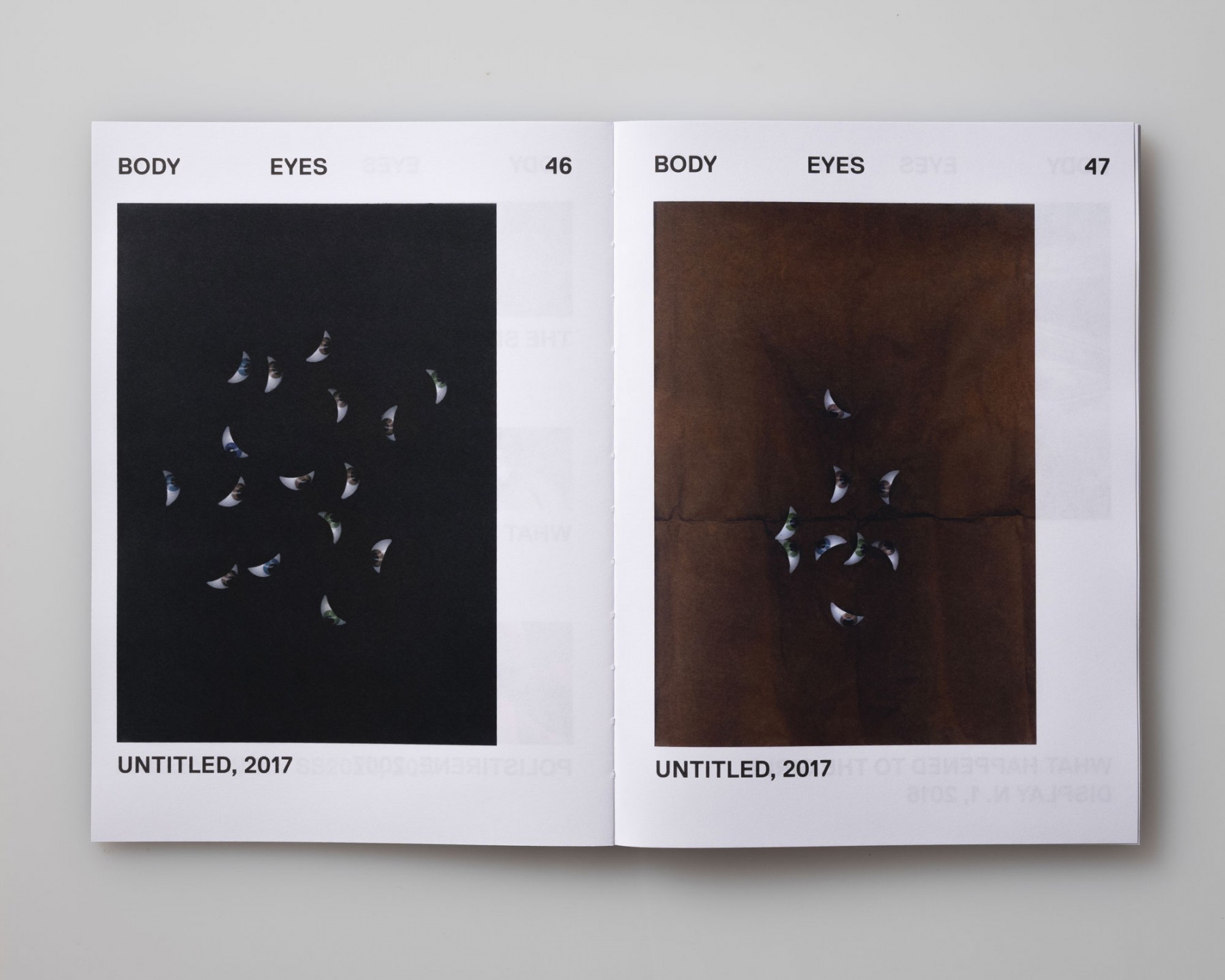
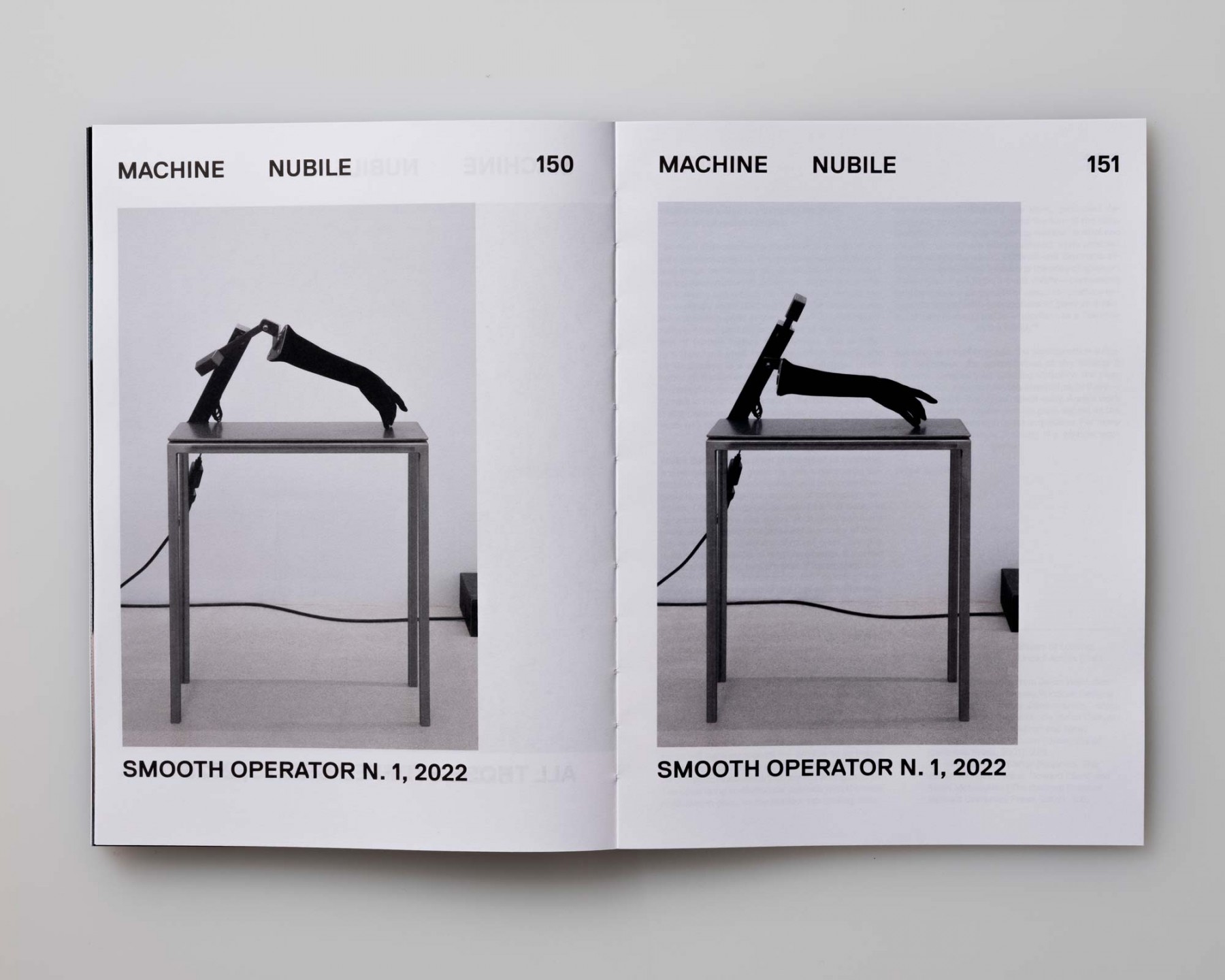
Machines Wear Costumes is Anna Franceschini’s first monograph, bringing together works made between 2007 and 2025. Rather than a chronological account, the publication offers an in-depth look at the artist’s oeuvre through a specialized lexicon. This glossary is organized around six core entries—Animation, Body, Machine, Ghost, Desire, and Window—which are further articulated in subentries that refine their meaning in relation to the artist’s work. Newly commissioned texts by Mohamed Almusibli, Attilia Fattori Franchini, Ilaria Gianni, Ingrid Luquet-Gad, Jeppe Ugelvig, and Marianna Vecellio are expanded by a constellation of quotations from previously published texts to offer a composite yet coherent interpretation.
Indebted in structure to Walter Benjamin’s Das Passagen‑Werk, and in visual approach to Aby Warburg’s Mnemosyne Atlas, the book favors juxtaposition and recurrence over linear narrative, mirroring Franceschini’s own practice of repetition, rotation, and animation. By resisting a fixed reading order, the volume invites an open and recursive engagement, functioning as a “desiring machine,” activated anew through each act of looking and reading.
Machines Wear Costumes has been promoted by Kunstverein Gartenhaus and supported by the Directorate-General for Contemporary Creativity of the Italian Ministry of Culture under the Italian Council program (13th edition, 2024).