Emanuele Coccia describes the radical creative freedom inscribed in Ernesto Neto’s practice, analyzing the workings of the Brazilian artist’s pieces of living architecture. Art on Earth is the third book in a series of short essay collections inspired by the site-specific projects conceived for GAMeC at Palazzo della Ragione.
First Meeting is the first monograph on Argentinian artist Santiago de Paoli. From his early, experimental projects to his most recent explorations, the book delves into his innovative approach of painting on unconventional materials. The book features commissioned essays by Fernanda Brenner and Mariano Mayer, as well as a conversation between Christian Rattemeyer and the artist.
Infinite Memory is Caroline Poggi and Jonathan Vinel’s first monograph, co-published with Fondation Cartier pour l’art contemporain and Lenz. Like a memory card, the book stores information about a selection of films from the initial decade of the artists’ practice. Considered as an object, much like a piece of hardware that stores digital memory, the book offers the possibility to scroll infinitely, with no beginning or end.
Through the words of the sound artist and theorist Brandon LaBelle, the book explores the social and relational component of sound that gave rise to Benevolence, the site-specific project by Sonia Boyce. The Joy of Cacophony is the second book in a series of essay collections inspired by the site-specific projects conceived for GAMeC at Palazzo della Ragione.
Consisting of a richly illustrated booklet and a record vinyl, this special release accompanies the performative sound-based project A Comparative Dialogue Act by artists Andrea Mancini and the collective Every Island, hosted in the Luxembourg Pavilion at the 60th Venice Biennale.
Conceived as a catalogue and an artist’s book, the publication offers a deeper insight into the eponymous 2022 exhibition staged at Indipendenza Roma, and explores tensions that can be generated between artworks and their surrounding architectural context, raising questions of taste, value, function and decoration.
Concept by Vela Arbutina and Anna Franceschini
Edited by Attilia Fattori Franchini, Anna Franceschini, and Ilaria Gianni
Texts by Chiara Agradi, Mohamed Almusibli, Fabio Cherstich, Liv Cuniberti, Gioia Dal Molin, Bernardo De Souza, Vincenzo di Rosa, Attilia Fattori Franchini, Francesco Urbano Ragazzi, Ilaria Gianni, Ingrid Luquet-Gad, Beniamino Marini, Nick Mauss, Giacomo Mercuriali, Alice Motard, Tabea Panizzi, Tobias Perse, Jennifer Teets, Roberta Tenconi, Jeppe Ugelvig, Joel Valabrega, Marianna Vecellio
Designed by Vela Arbutina
2026, English, softcover, 19 x 26 cm, 176 pages
ISBN 979-12-82771-02-3
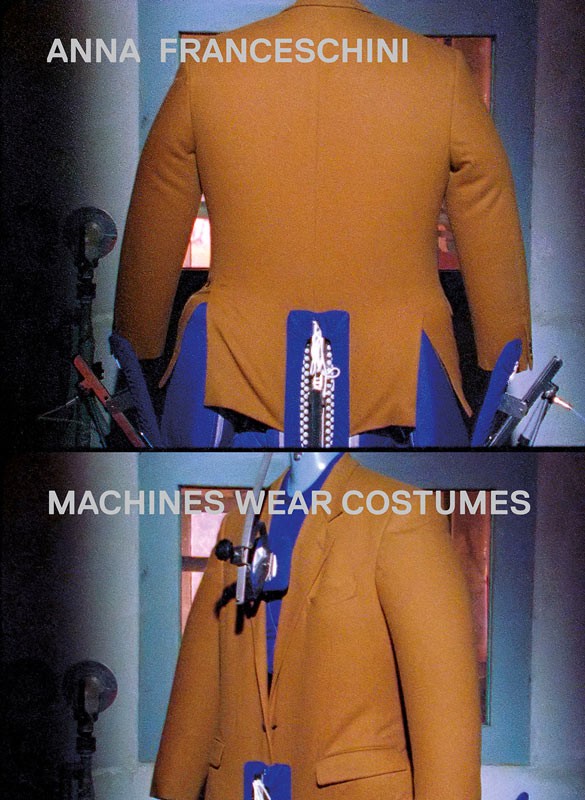
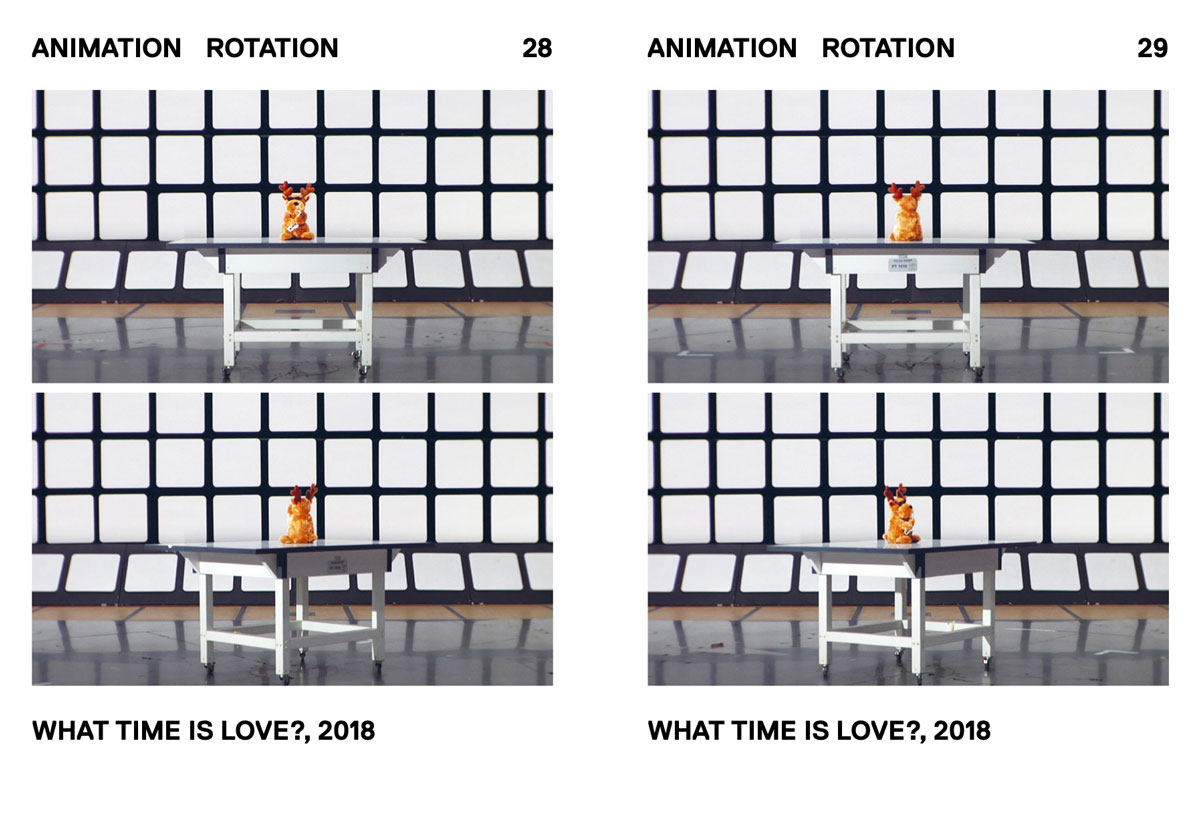
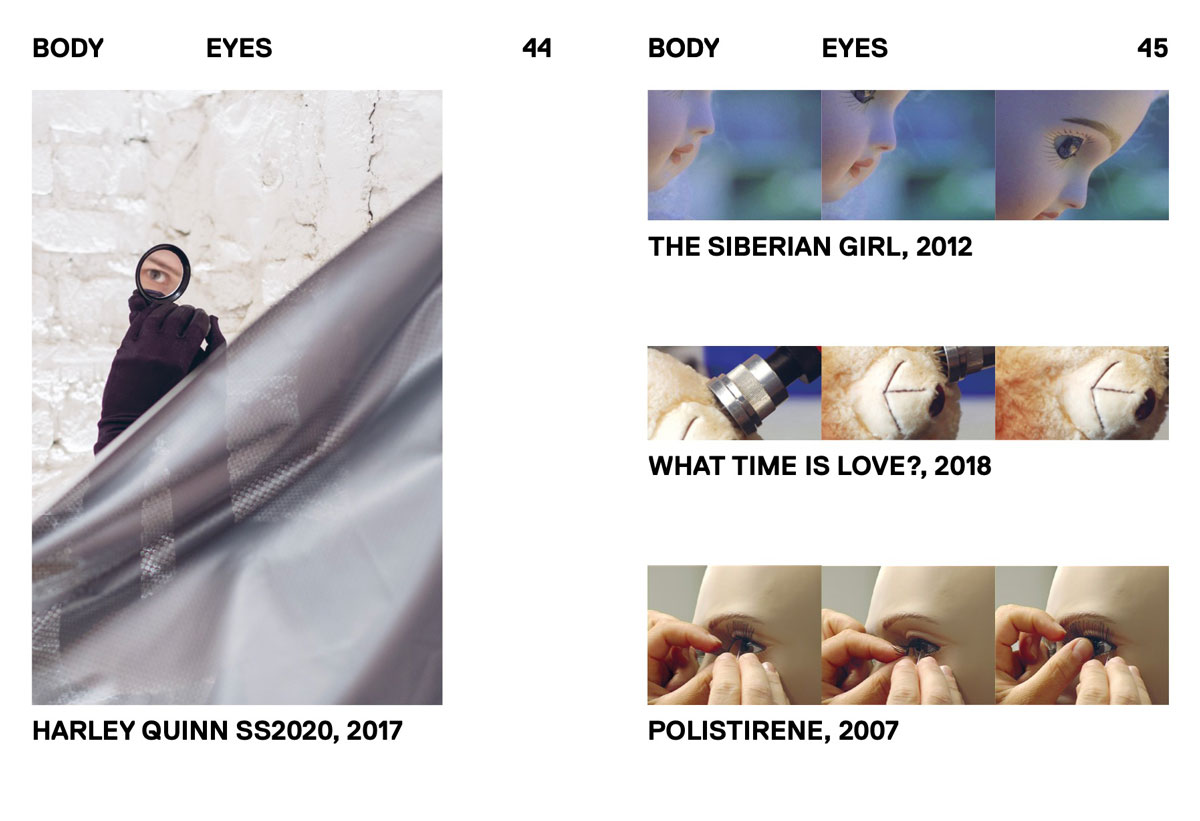
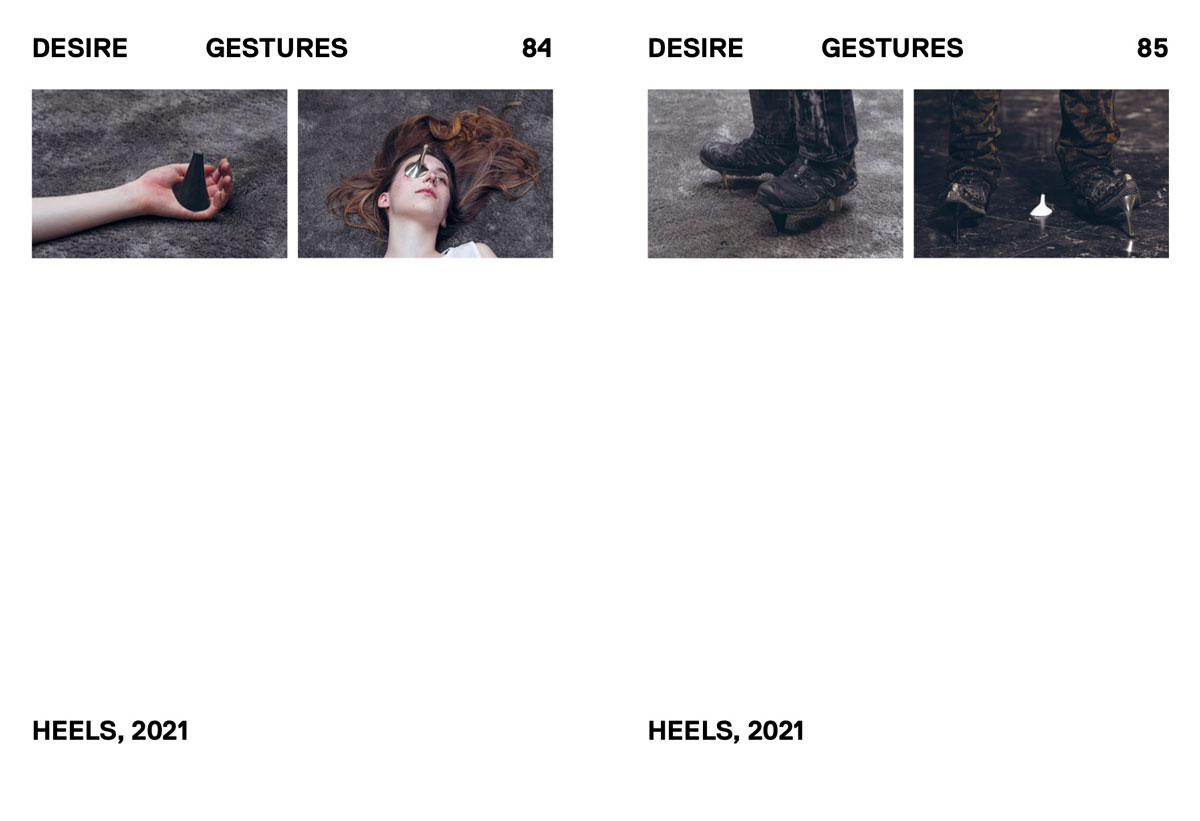
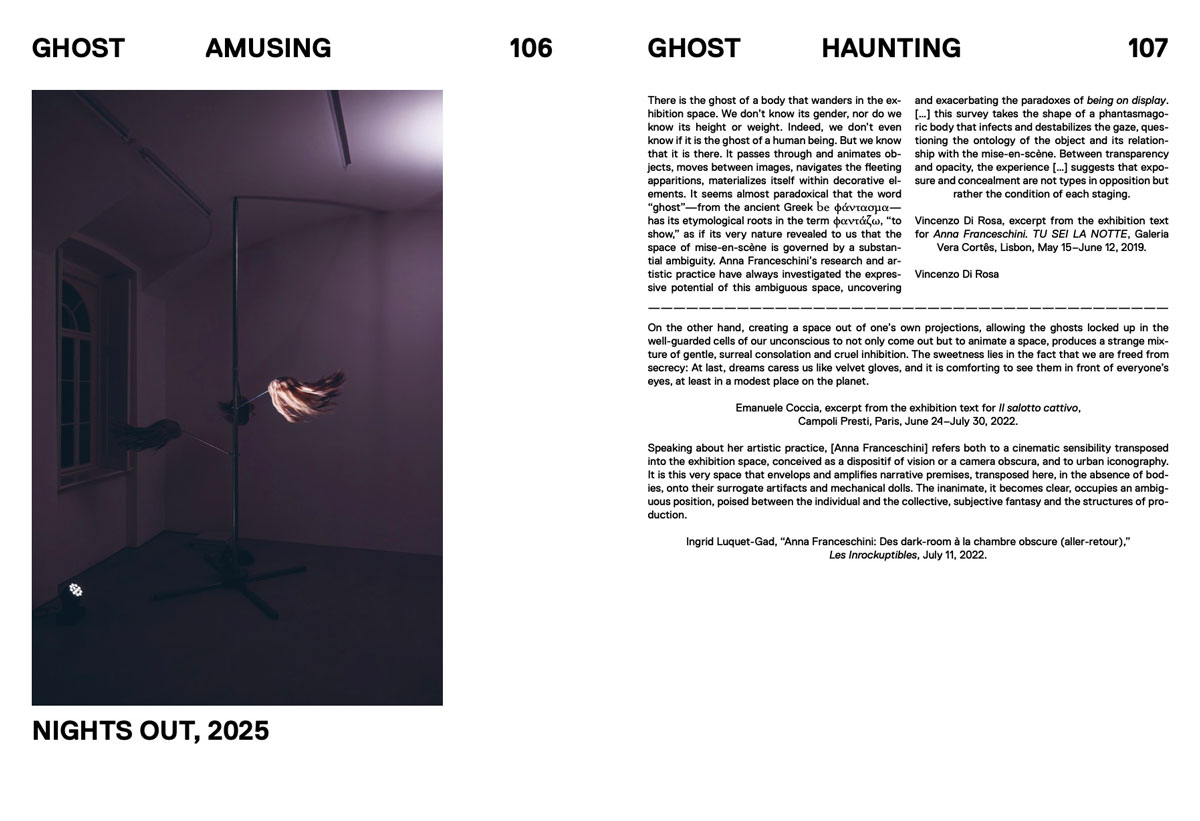
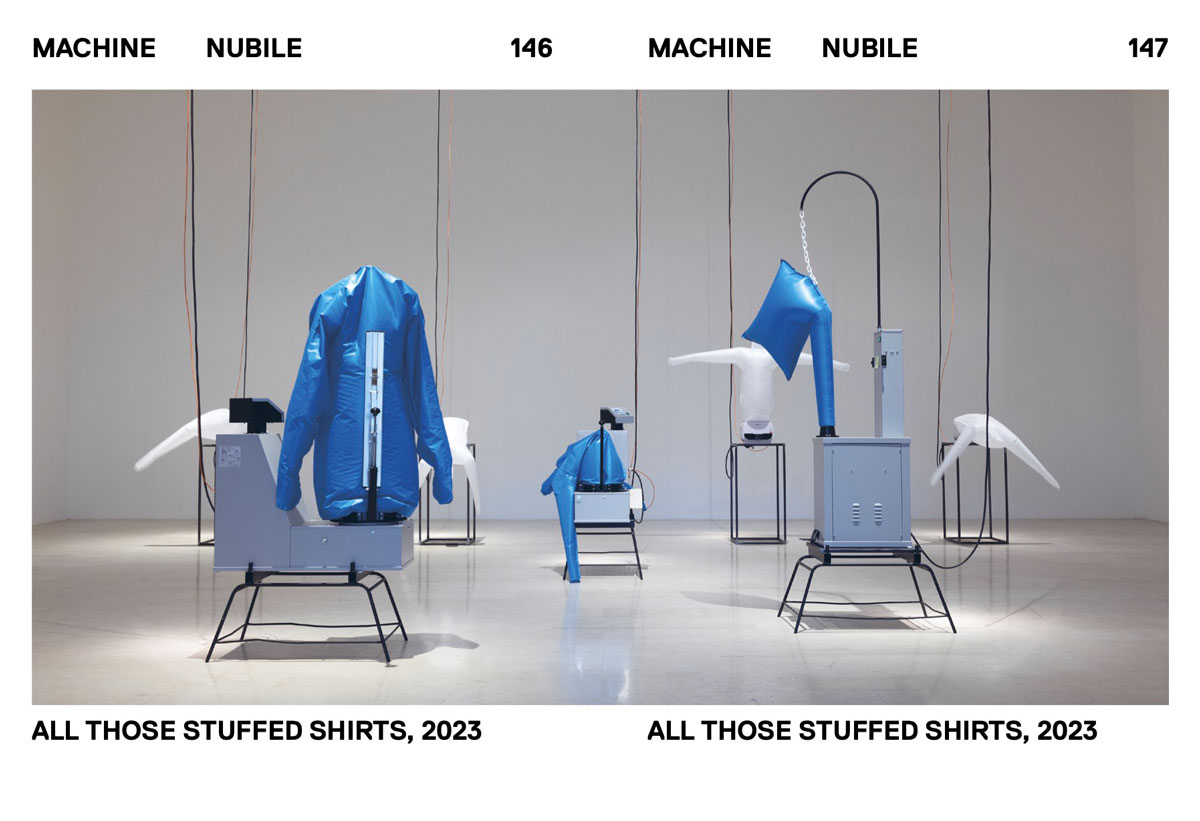
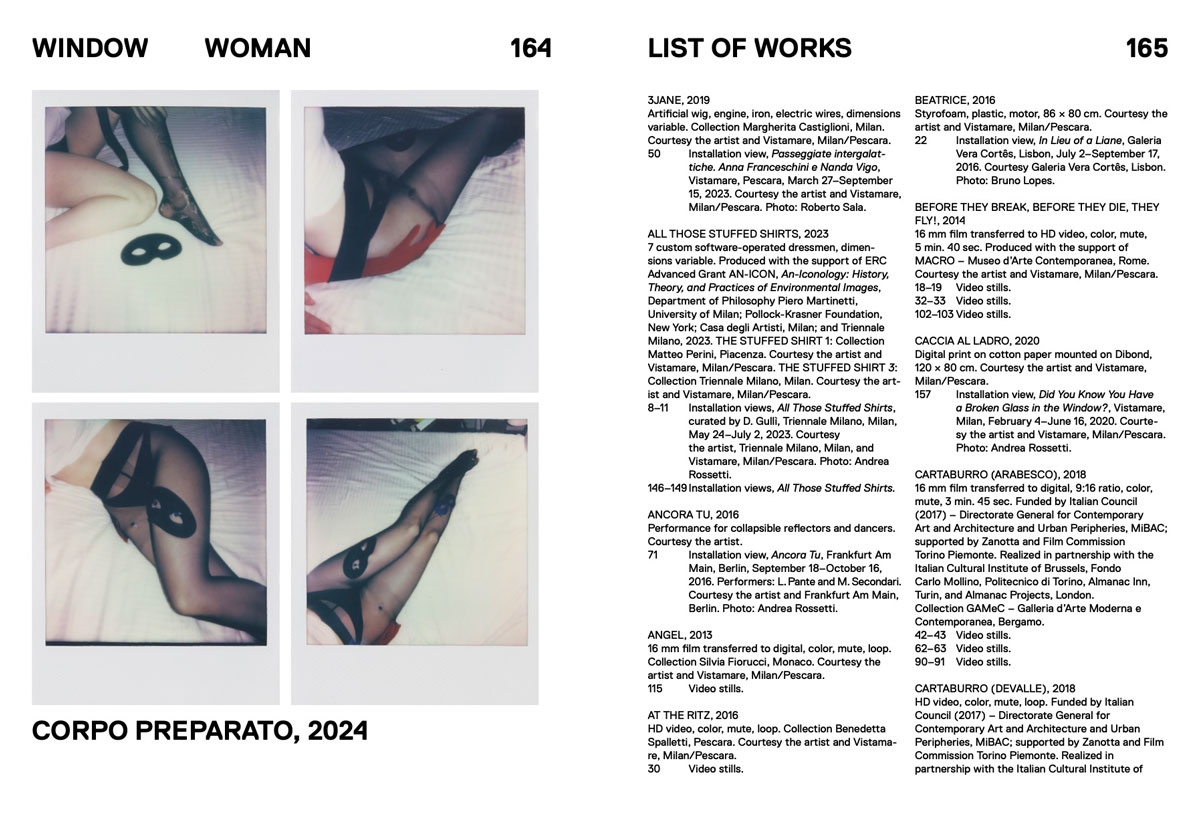
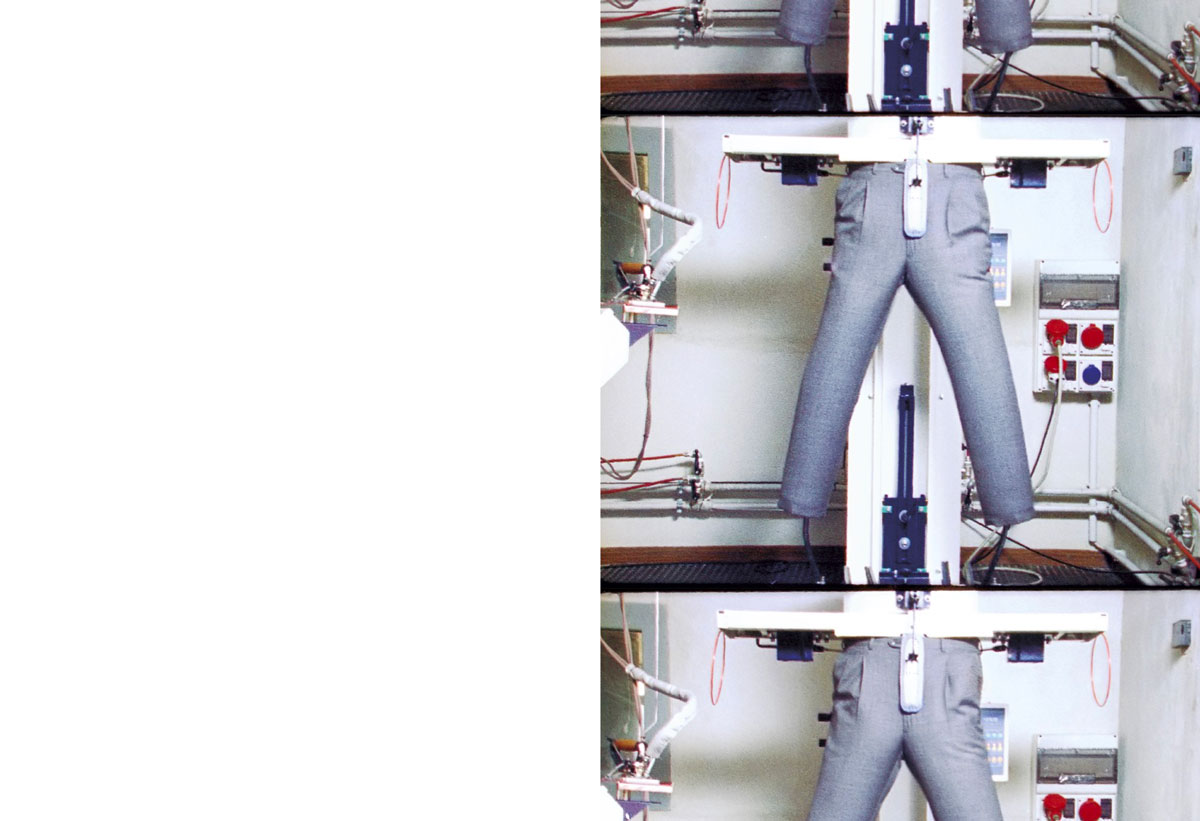
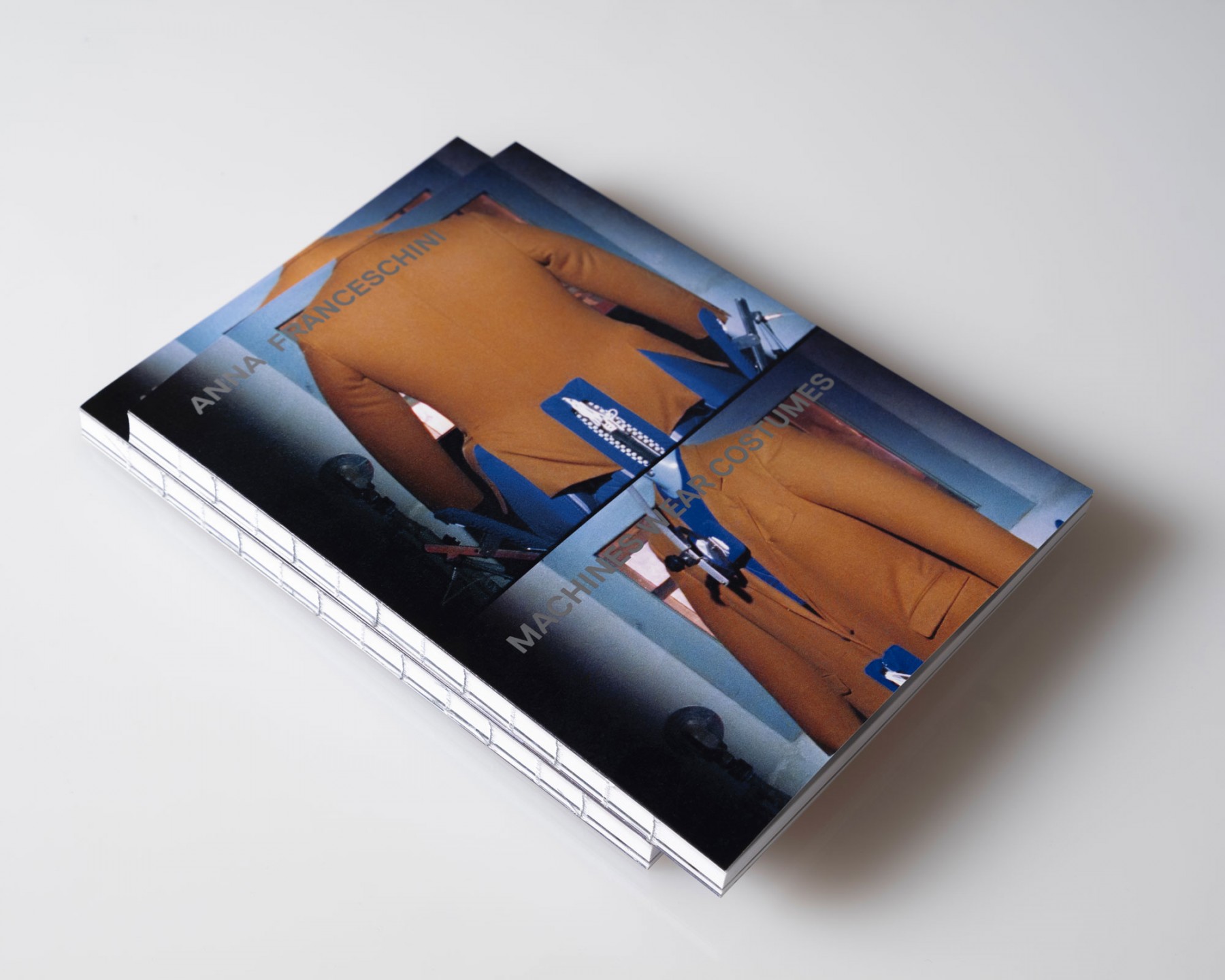
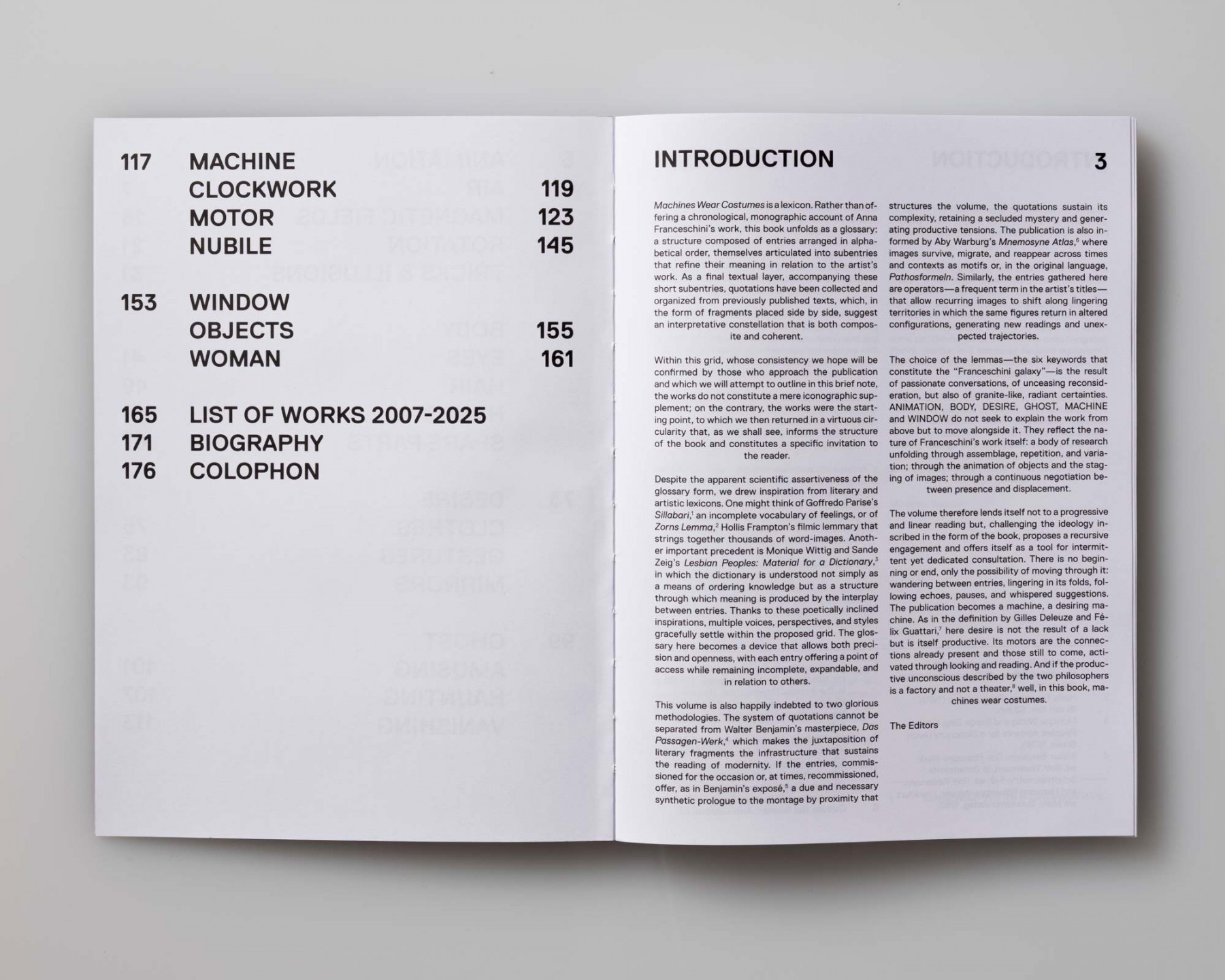
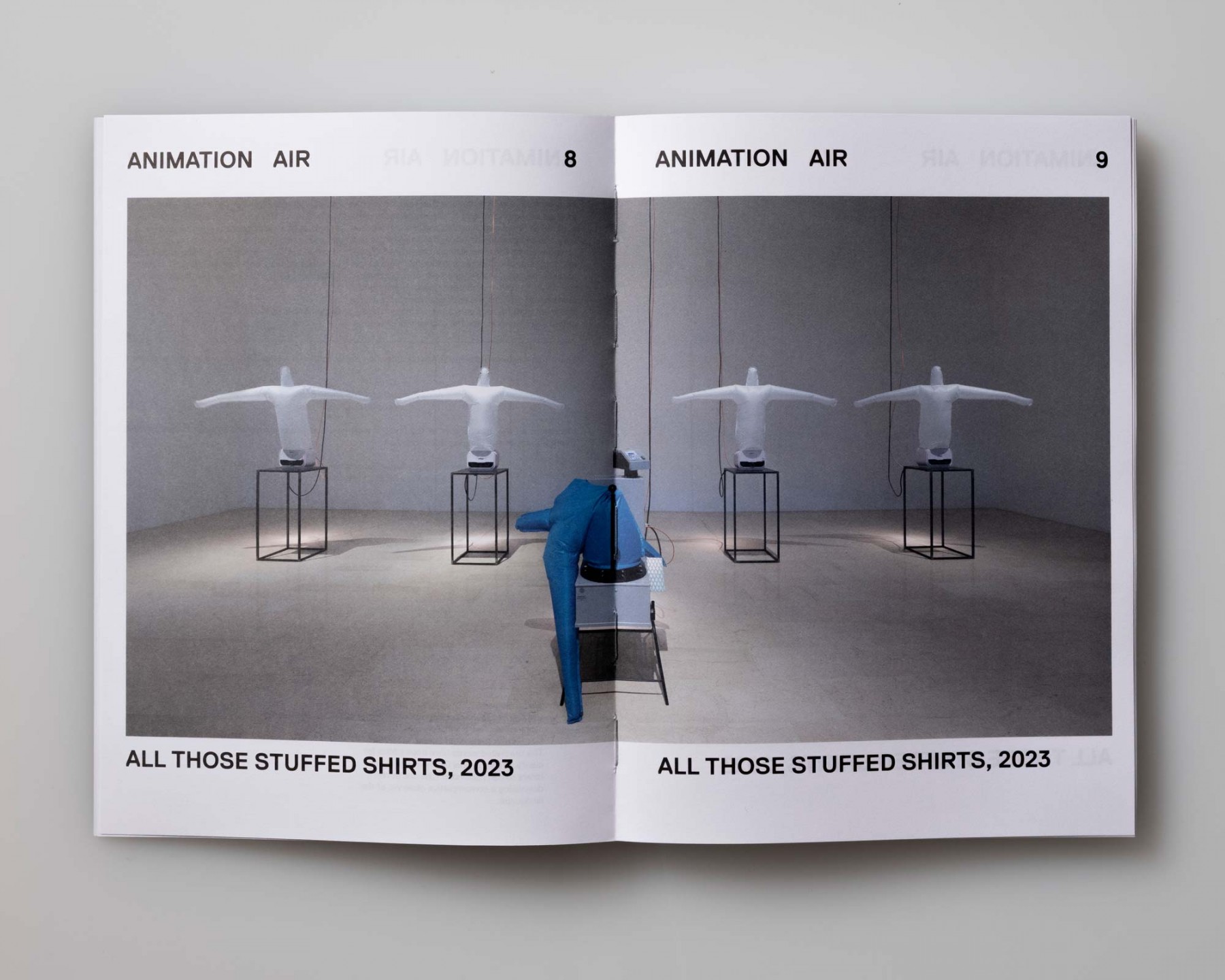
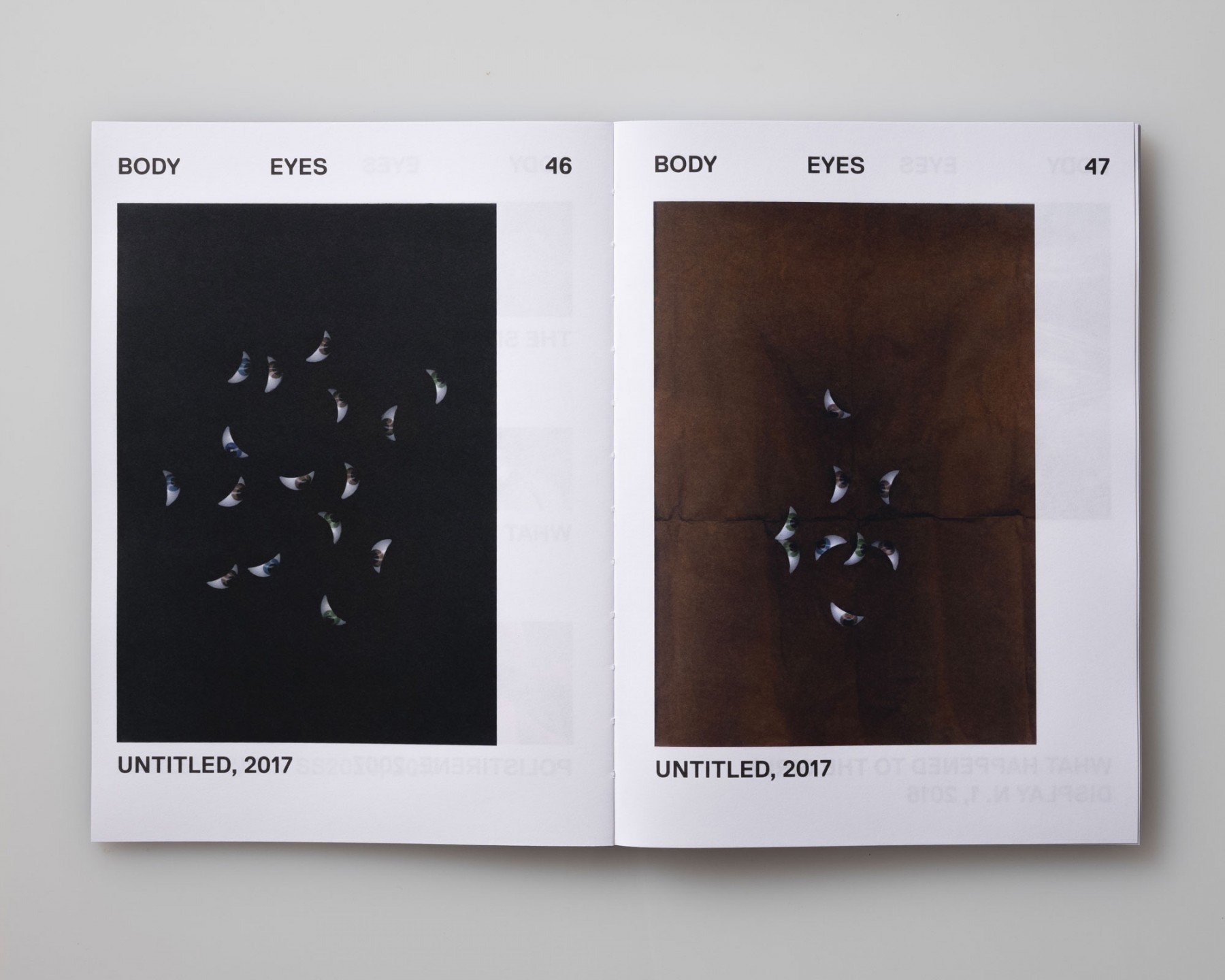
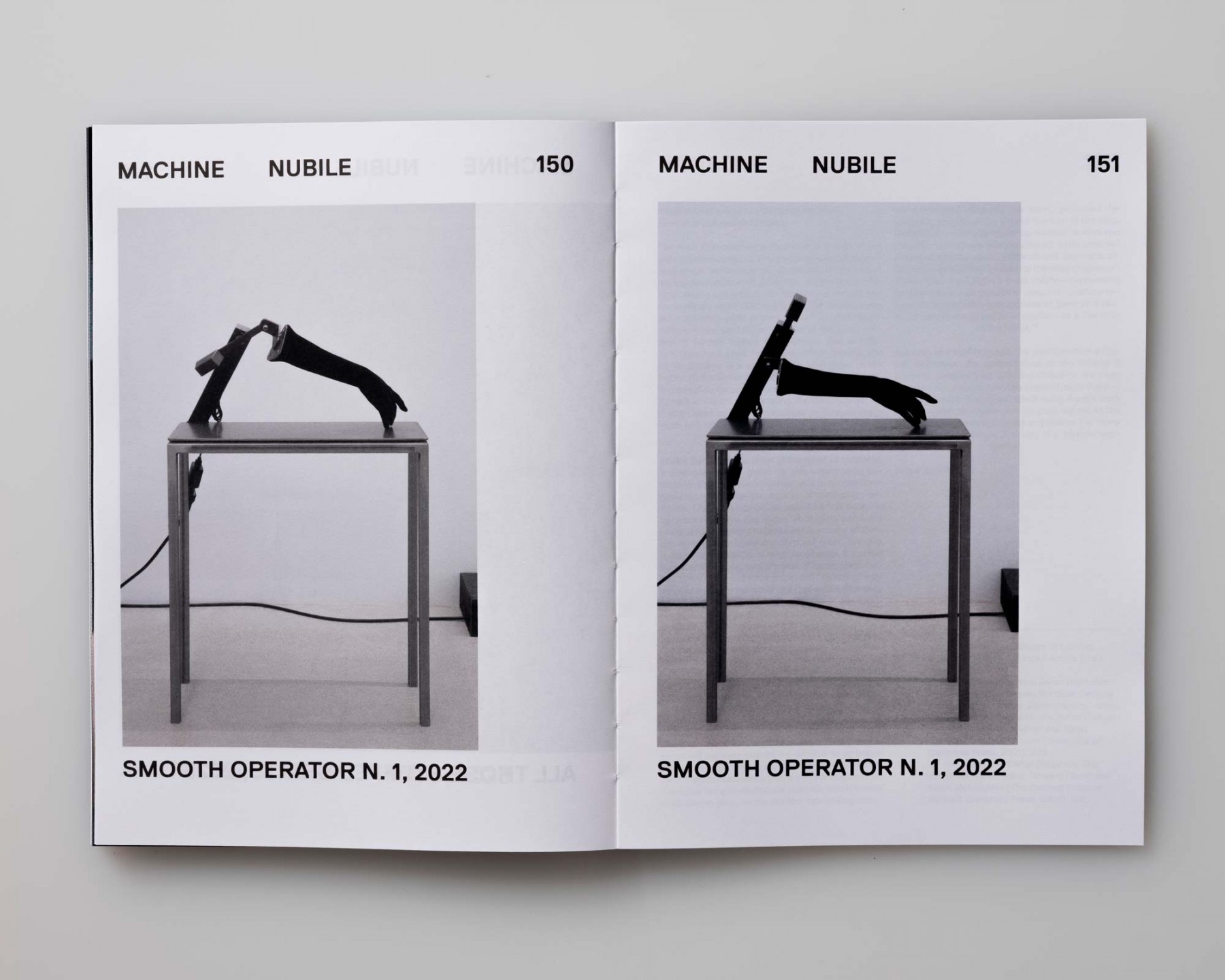
Machines Wear Costumes is Anna Franceschini’s first monograph, bringing together works made between 2007 and 2025. Rather than a chronological account, the publication offers an in-depth look at the artist’s oeuvre through a specialized lexicon. This glossary is organized around six core entries—Animation, Body, Machine, Ghost, Desire, and Window—which are further articulated in subentries that refine their meaning in relation to the artist’s work. Newly commissioned texts by Mohamed Almusibli, Attilia Fattori Franchini, Ilaria Gianni, Ingrid Luquet-Gad, Jeppe Ugelvig, and Marianna Vecellio are expanded by a constellation of quotations from previously published texts to offer a composite yet coherent interpretation.
Indebted in structure to Walter Benjamin’s Das Passagen‑Werk, and in visual approach to Aby Warburg’s Mnemosyne Atlas, the book favors juxtaposition and recurrence over linear narrative, mirroring Franceschini’s own practice of repetition, rotation, and animation. By resisting a fixed reading order, the volume invites an open and recursive engagement, functioning as a “desiring machine,” activated anew through each act of looking and reading.
Machines Wear Costumes has been promoted by Kunstverein Gartenhaus and supported by the Directorate-General for Contemporary Creativity of the Italian Ministry of Culture under the Italian Council program (13th edition, 2024).