This book accompanies 5 Works, Lydia Ourahmane’s first institutional solo show in Italy, staged at the Nicoletta Fiorucci Foundation in Venice and curated by Polly Staple, during the 61st Venice Biennale, and includes newly commissioned texts and images that further contextualize the artist’s practice and work.
Museums of Tears extends Francesco Vezzoli’s 2024 exhibition at Museo Correr, Venice, combining historical works and new commissions to explore antiquity, emotion and illusion. Conceived as an artist’s book rather than a catalogue, it transforms the museum guide into a hybrid archive and portable museum of memory, beauty and mourning.
A project by Fondazione In Between Art Film, edited by Carla Subrizi, Paola Ugolini, and Maria Alicata, this illustrated volume investigates the cinematic, documentary, and video output of women artists and filmmakers operating in Italy in the 1960s and 1970s, situating their research at the intersection of artistic experimentation, politics, society, and technology.
A multifaceted perspective on contemporary sculpture that explores the practices and concepts of the medium through different approaches. The publication interweaves works by Yu Ji, Bronwyn Katz, Dan Lie, Trương Công Tùng, and Luana Vitra, with essays by Federico Giani, Sohrab Mohebbi, Julia Morandeira Arrizabalaga, Chiara Nuzzi, and Anne Reeve.
Suffused with specially conceived collages of the artist’s research materials, notes, and sketches, this is the first monograph on Castelli’s painting and sculpture, with essays by Sarah Crowe and Lillian Davies, and an artist interview by Francesco Manacorda. Published with Castello di Rivoli Museo d’Arte Contemporanea and Kunsthalle Wien.
What if the shadow moved first? From March through May 2026, the exhibition The Second Shadow. Dozie Kanu Mirroring Marc Camille Chaimowicz, with Shared Echoes and Kindred Spirits at Fondazione ICA Milano unfolds online through a series of voices and crossings that shift its gravity. Not an extension. A displacement.
Edited by Tolia Astakhishvili and Hans Ulrich Obrist
Texts: Tolia Astakhishvili, Hans Ulrich Obrist
Designed by Lorenzo Mason Studio
2025, English, softcover, 160 pages, 24 x 34 cm
ISBN 979-12-80579-65-2
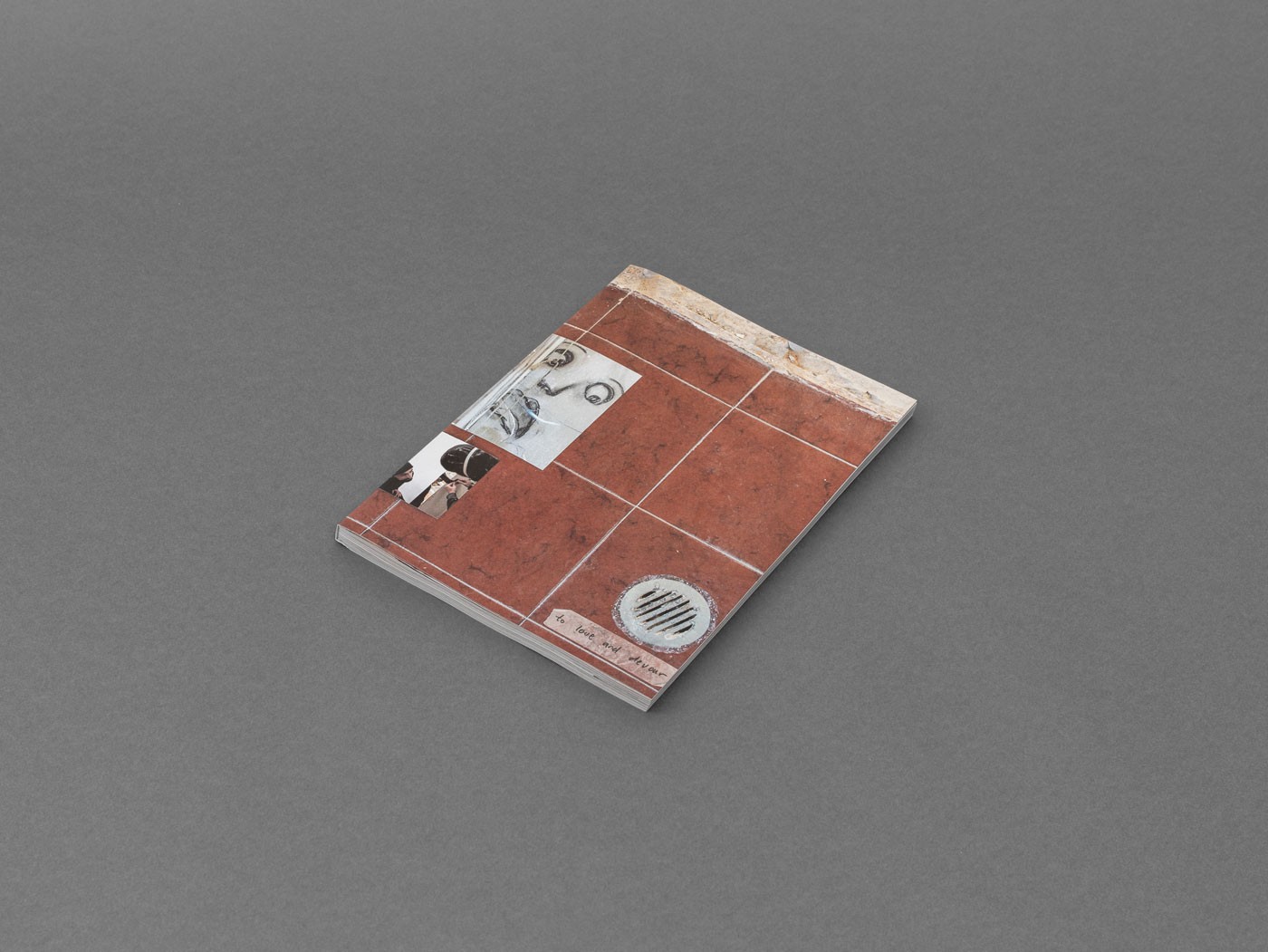
The artist’s book to love and devour by Tolia Astakhishvili was published on the occasion of the inaugural exhibition at the new site of the Nicoletta Fiorucci Foundation in Venice, curated by Hans Ulrich Obrist.
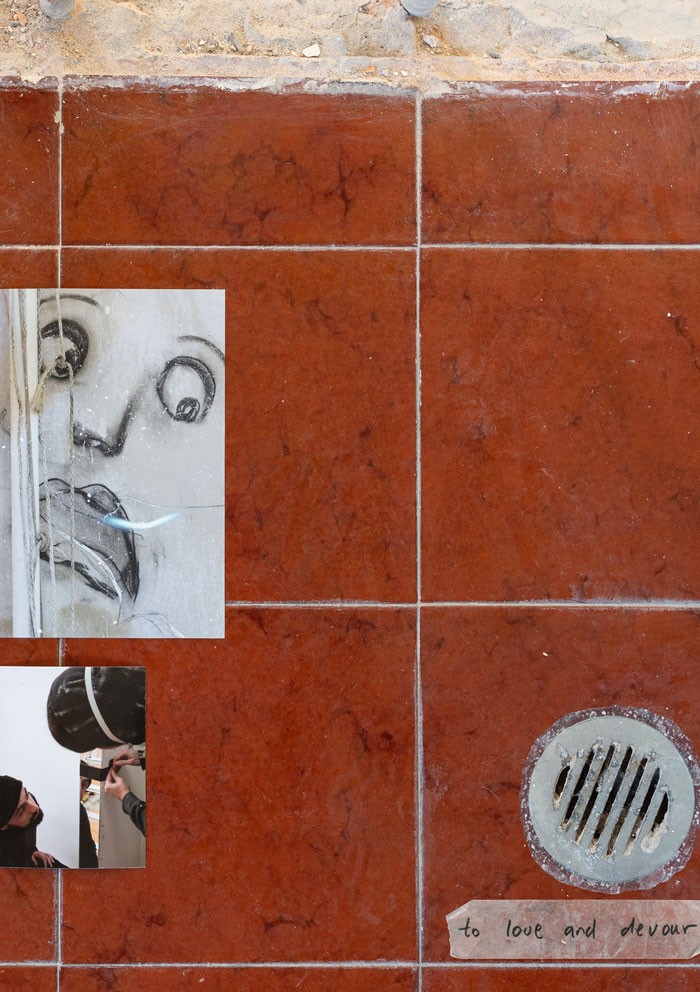
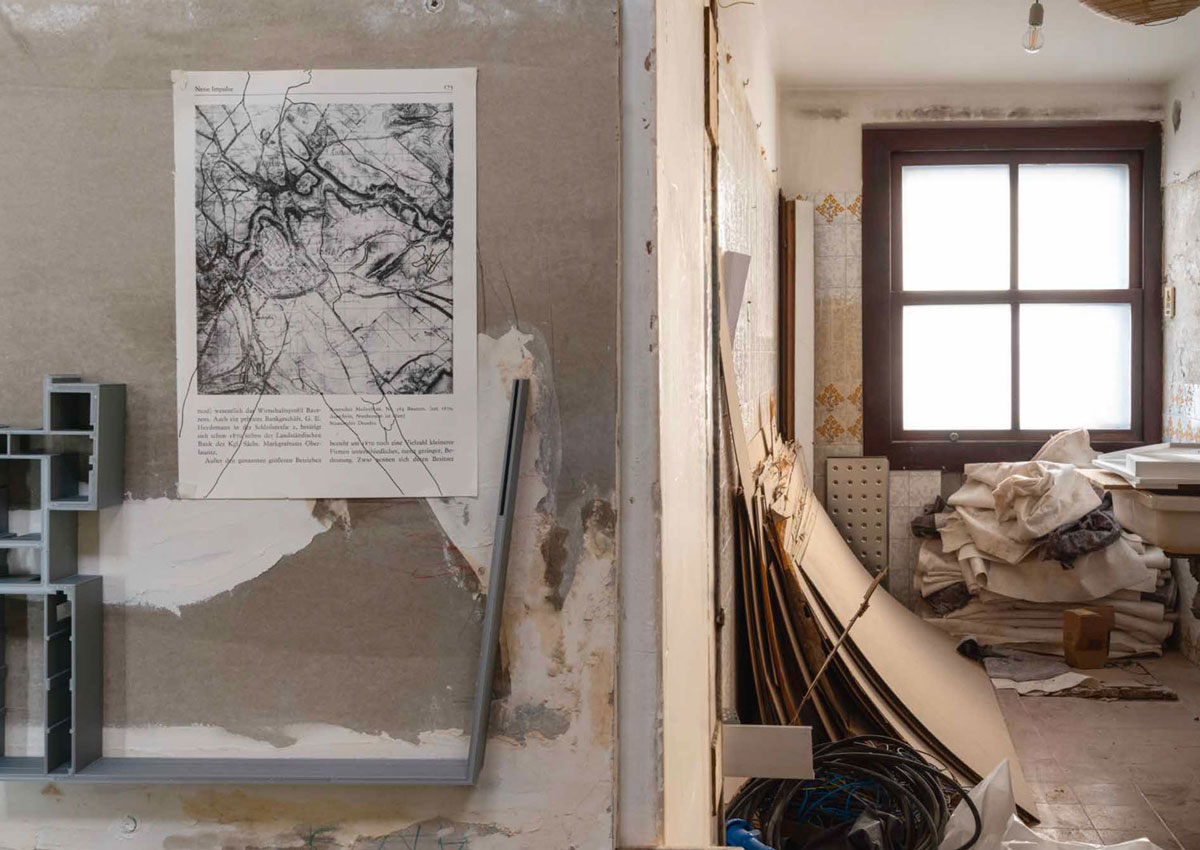
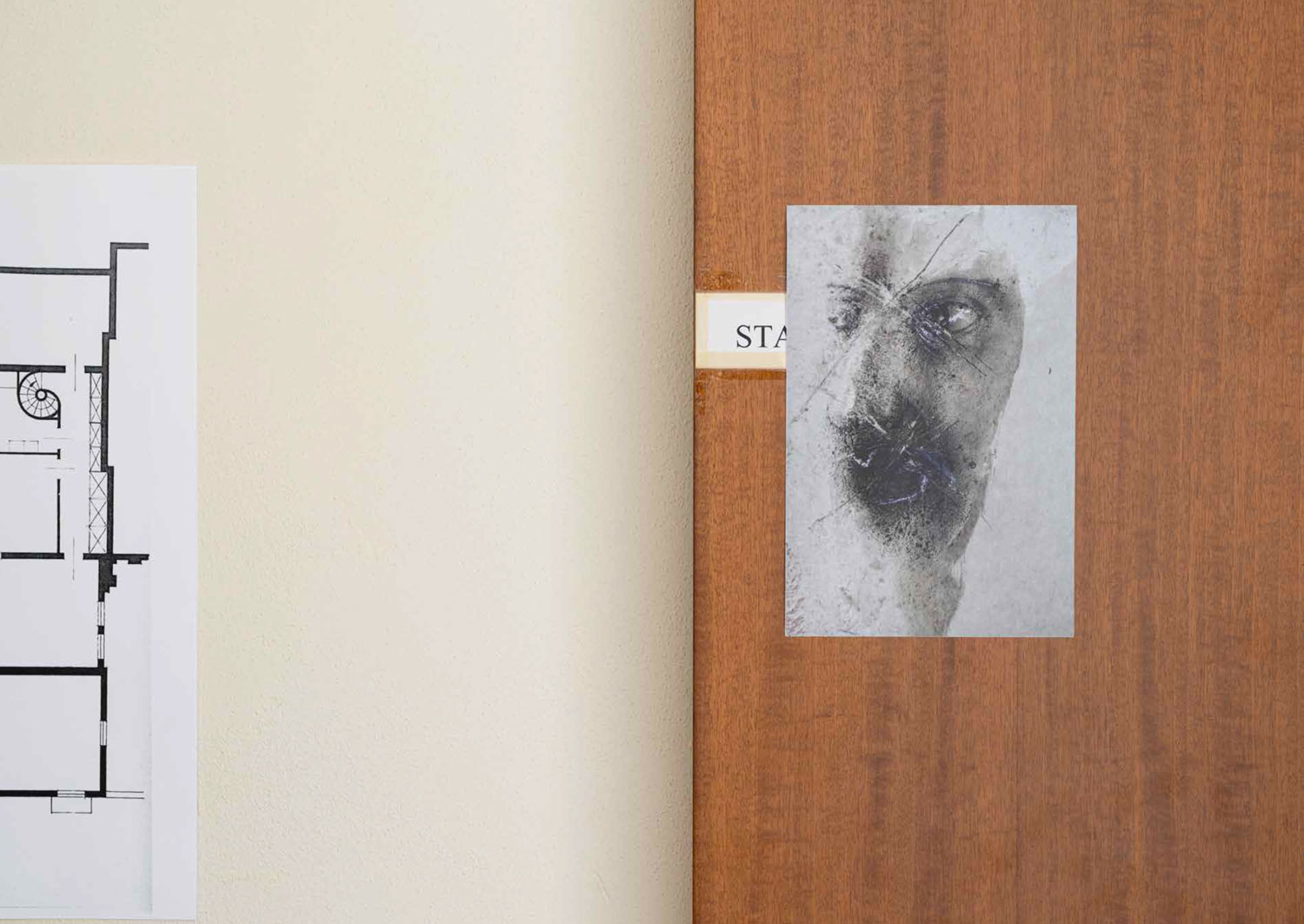
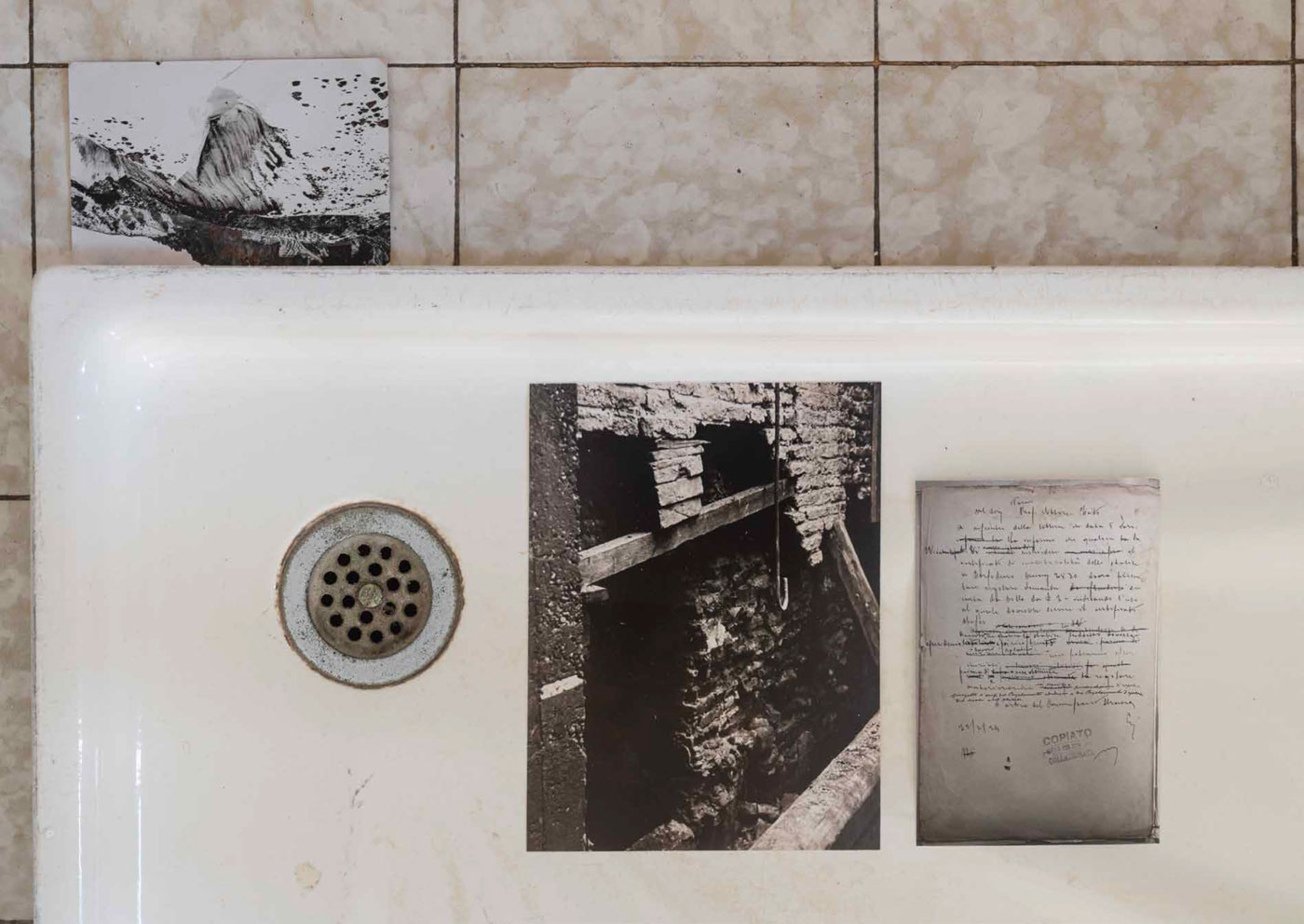
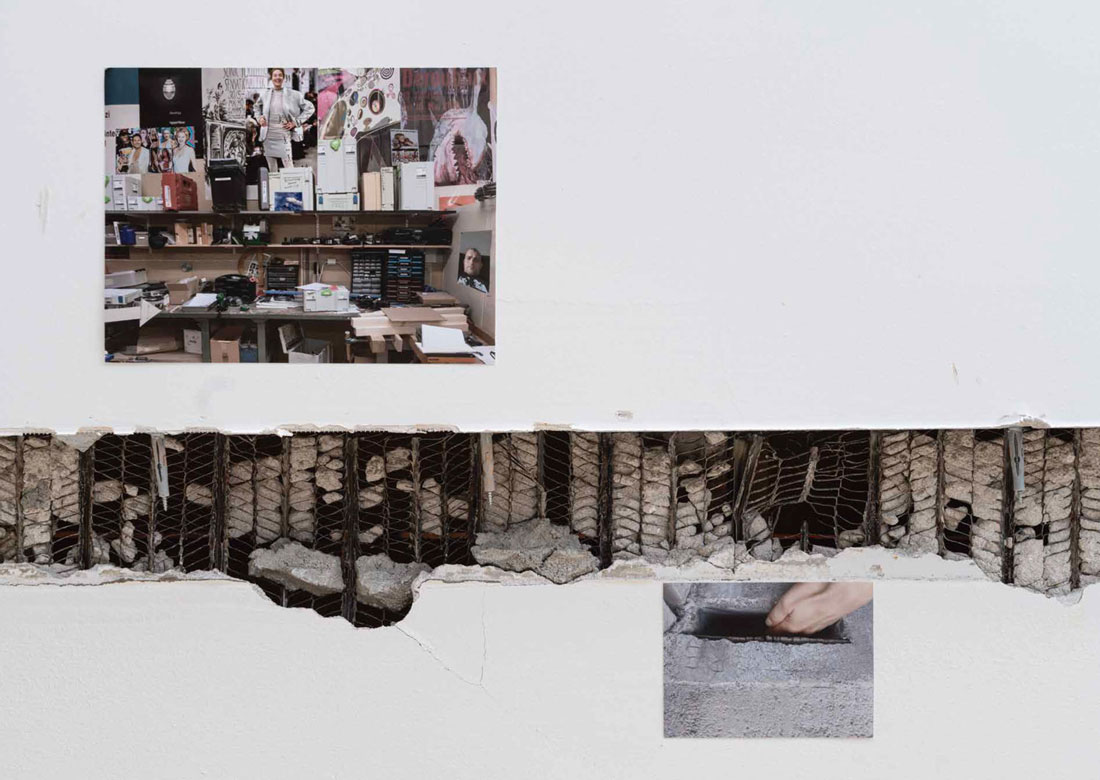
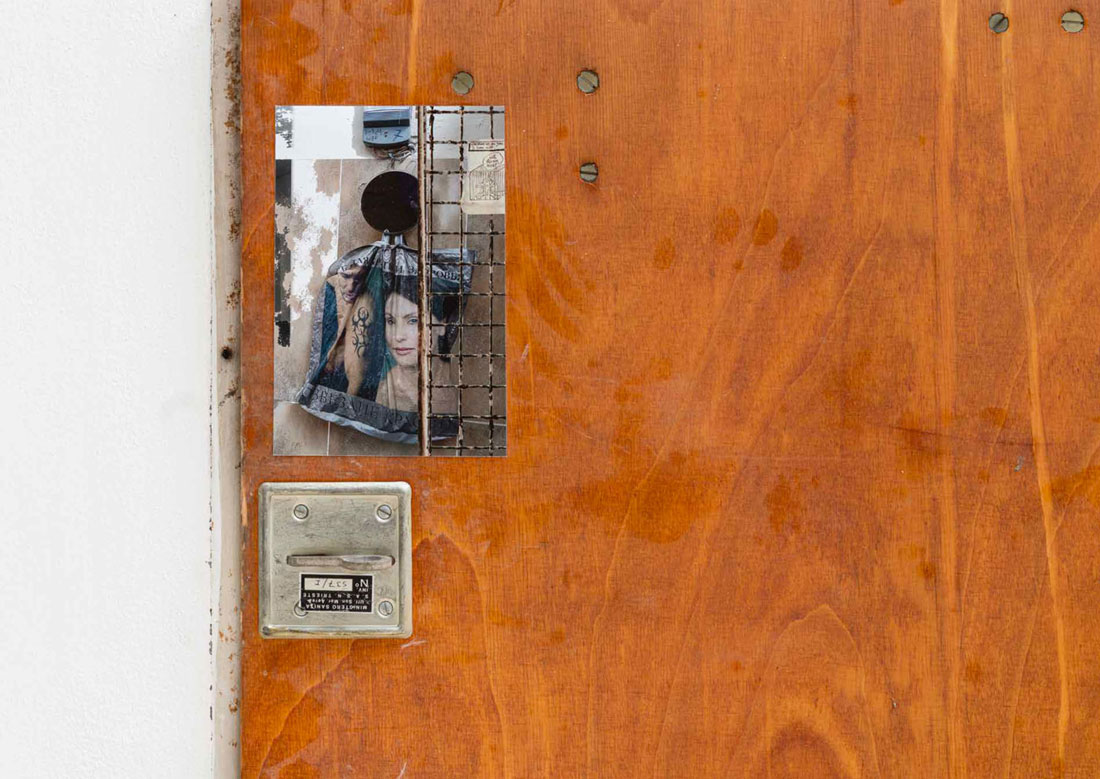
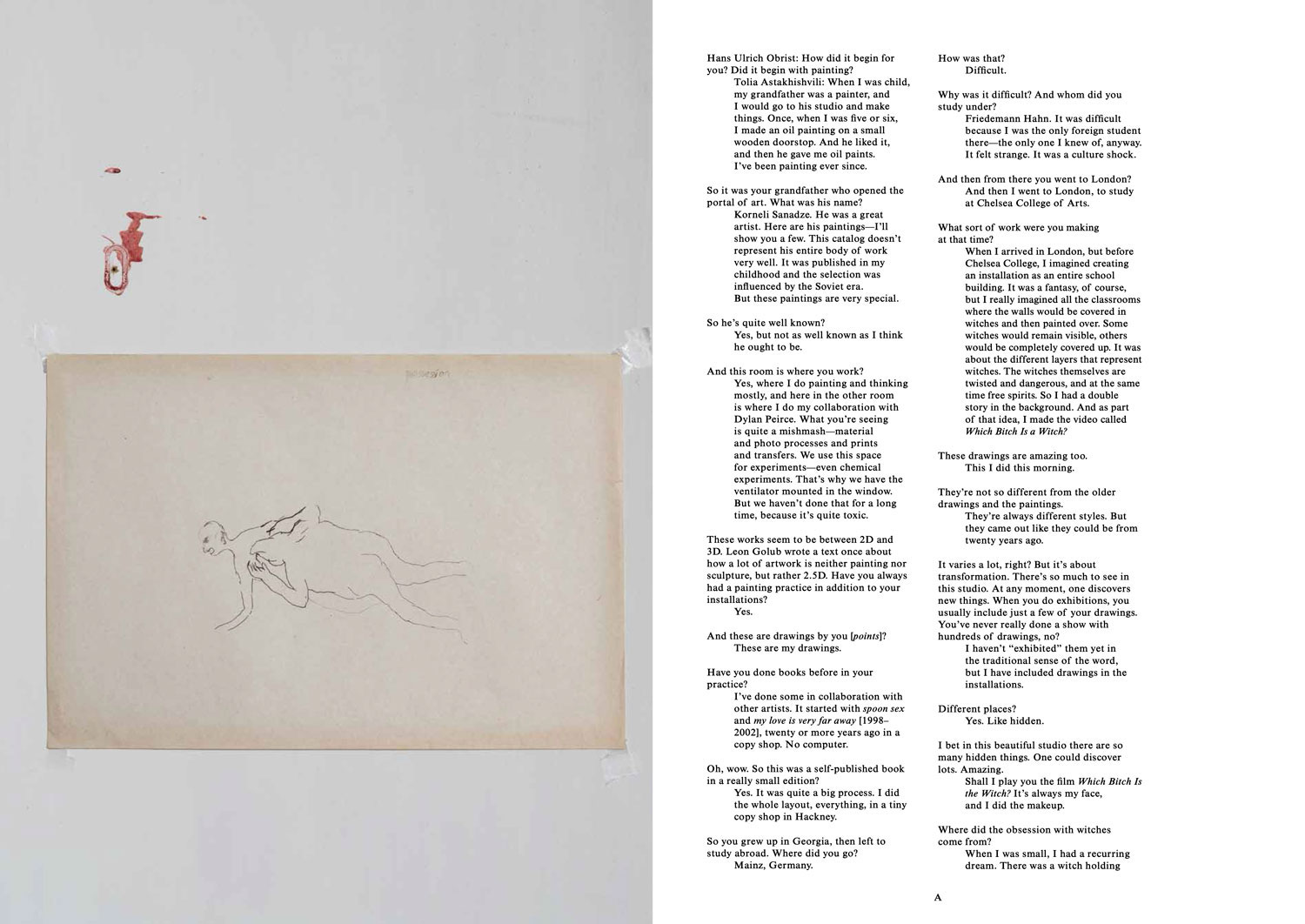
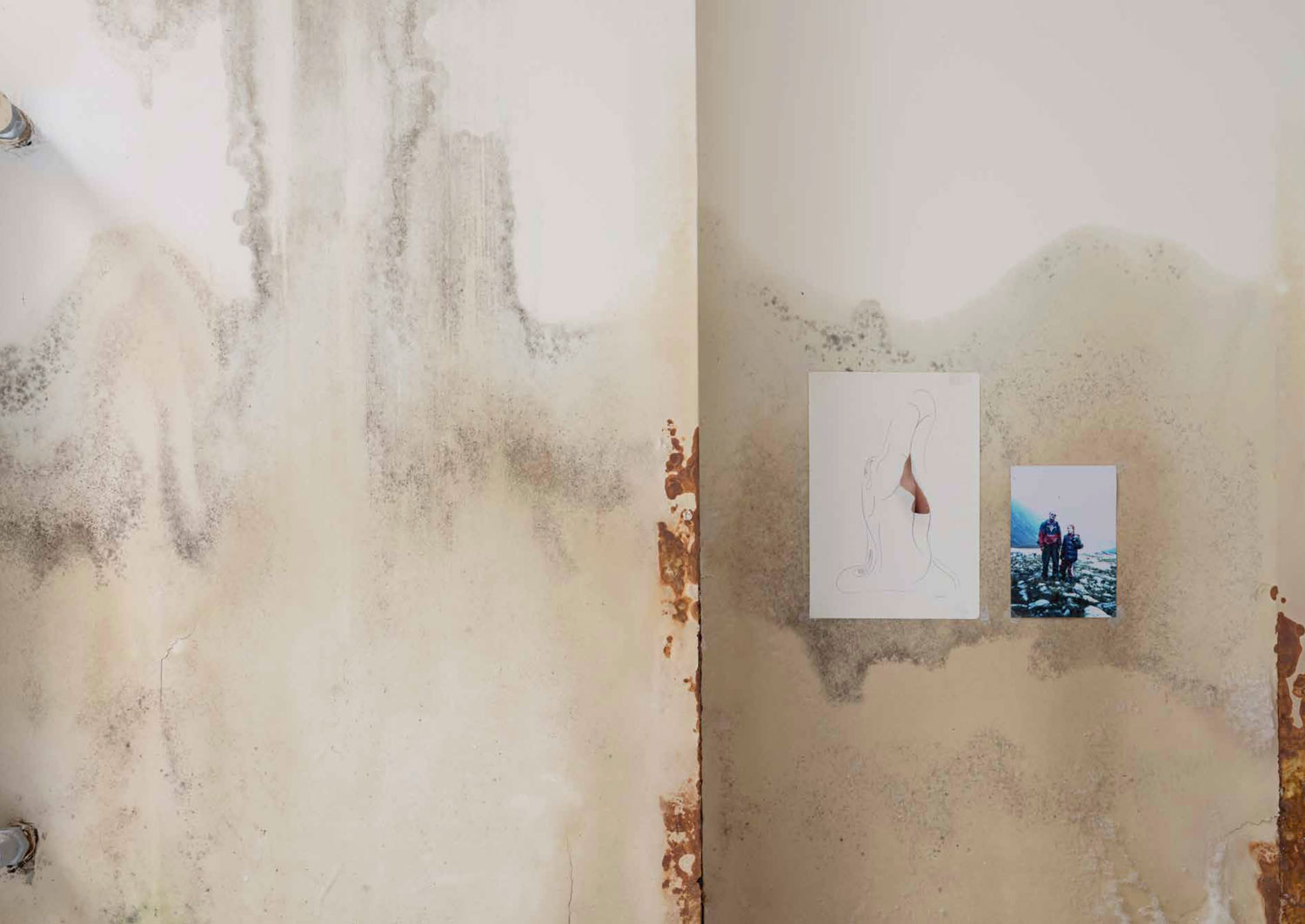
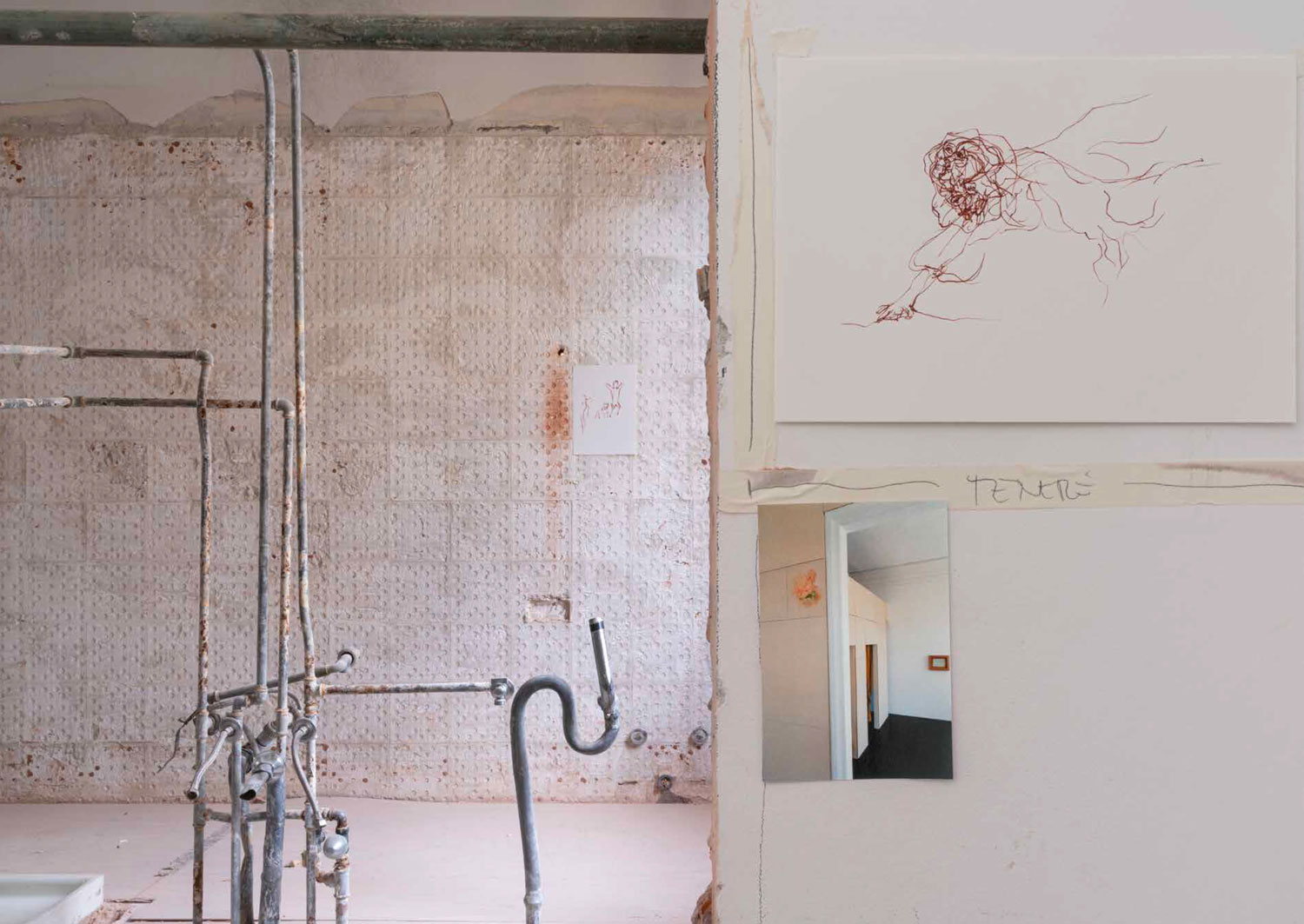
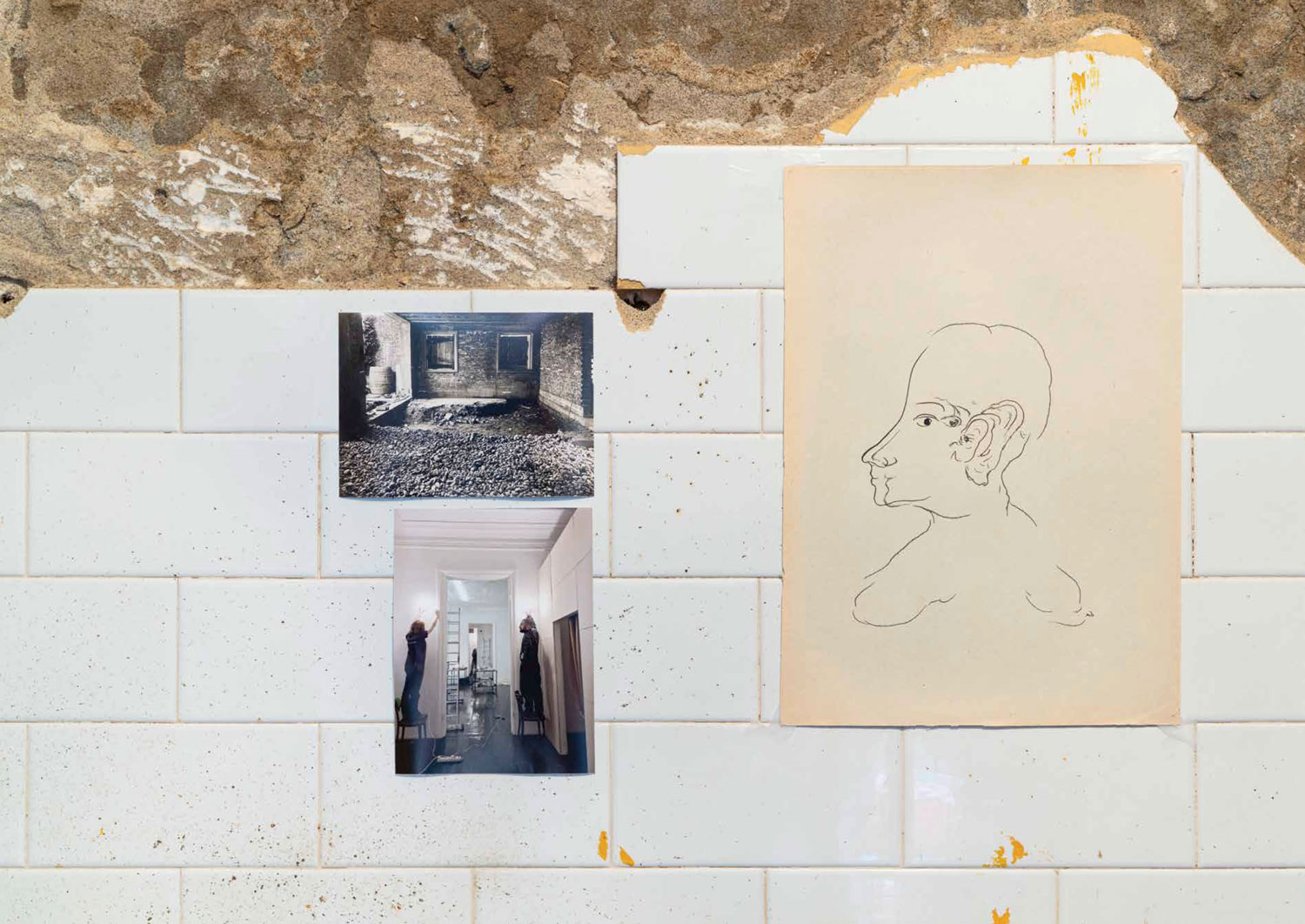
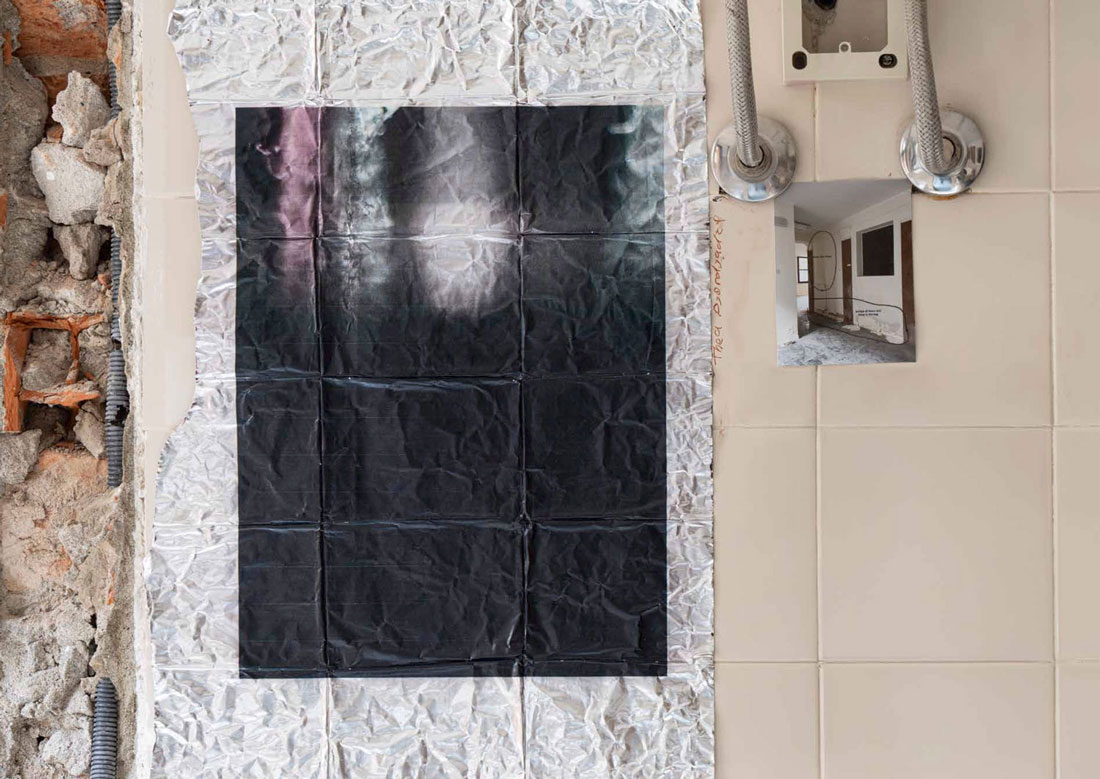
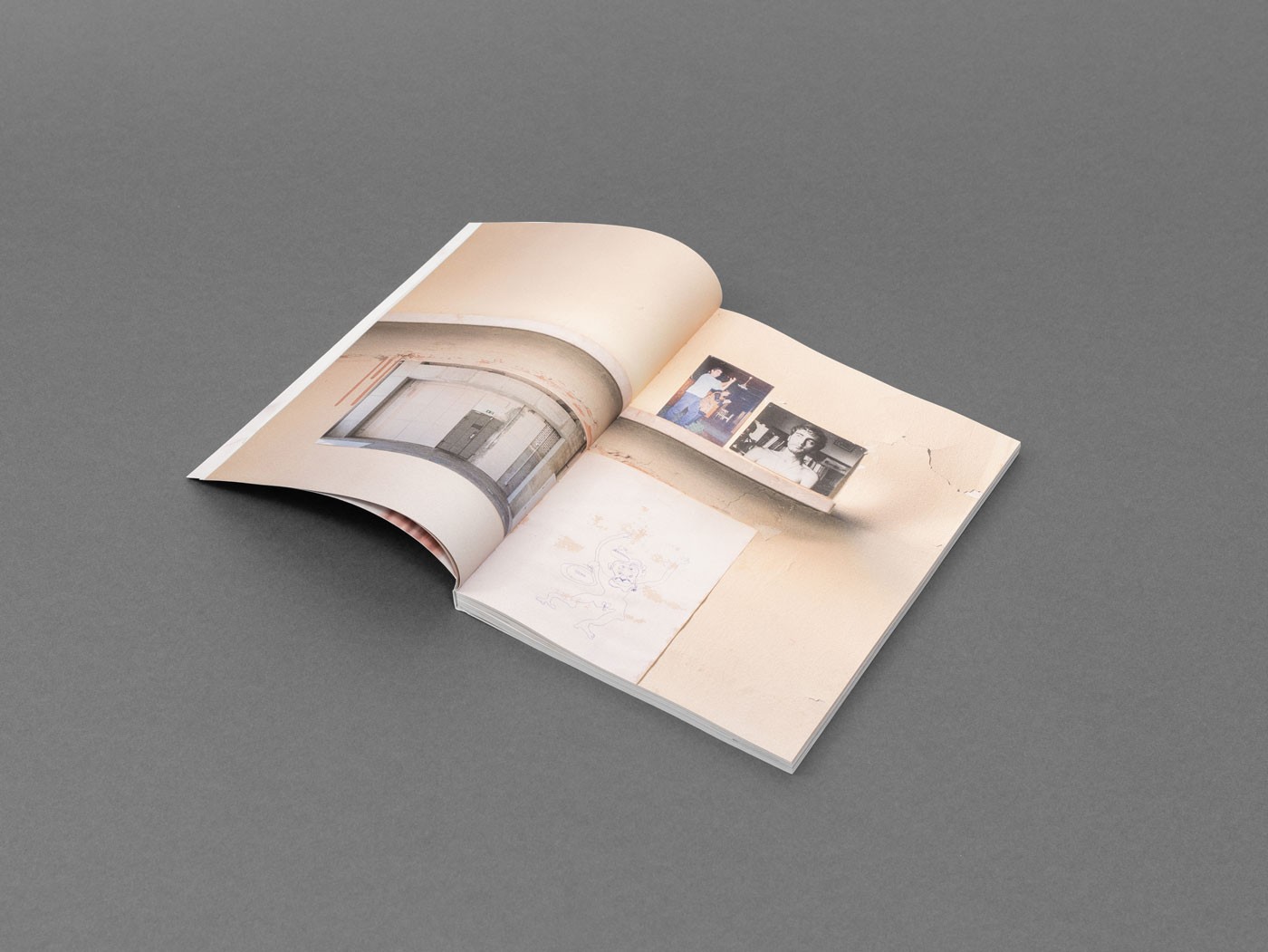
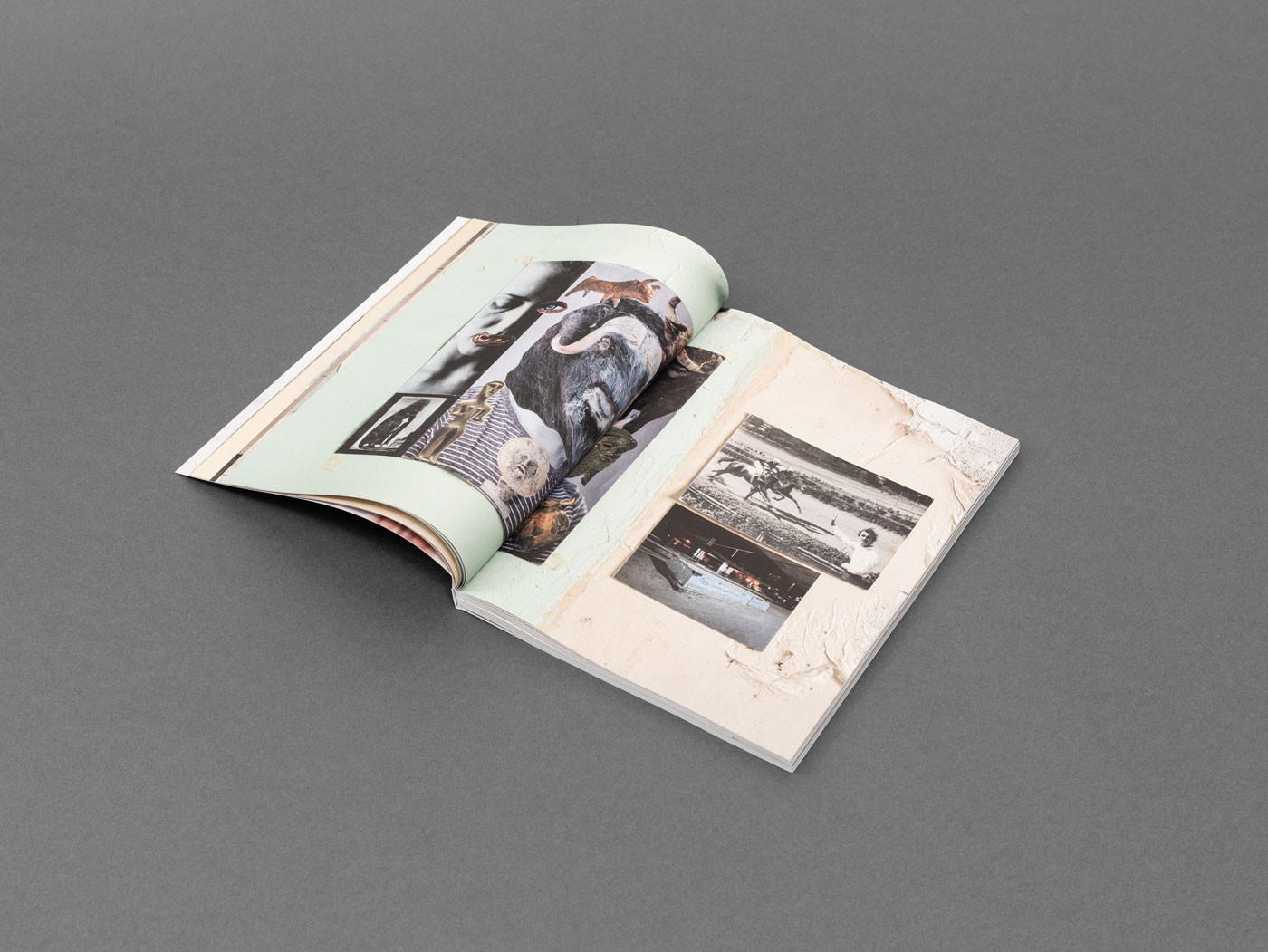
The book, produced in close collaboration with the Lorenzo Mason Studio, brings together drawings, paintings, and archive images composed directly amid the cracks, wounds, and skin of a building located in the historic center of Venice, which served as the artist’s studio for a number of months. Through processes of transformation of the space, addition and subtraction, expansion and contraction, Astakhishvili has created a project shot through with a deep sense of disruption, distortion and fragmentation—a feeling of uncertainty that is reflected in the way in which visitors to the installation are given the freedom to move around, without having to concentrate on a center or to follow a pre-set route. Appropriately, then, the book takes the form of a stream of images, in which the spaces and materials of the building (wood, glass, dust, mold, bricks, concrete, plaster …) enter into a dialog with the drawings, paintings, sculptures, collages, and photographs made by the artist herself and the other invited artists, including Ketuta Alexi-Meskhishvili, Zurab Astakhishvili, Thea Djordjadze, Heike Gallmeier, Rafik Greiss, Dylan Peirce, James Richards, and Maka Sanadze.
For Tolia Astakhishvili, architecture is the space of projection of ideas, which are developed in that space, generating actions that are separate but conducted simultaneously: alteration of structural elements, pictorial and graphic composition, and creation of perceptive ambiguities—of space, light, and sound. The book compiles the traces of this practice, serving as a sort of diachronic diary in the form of images, constituting a complete encapsulation of the artist’s poetics.
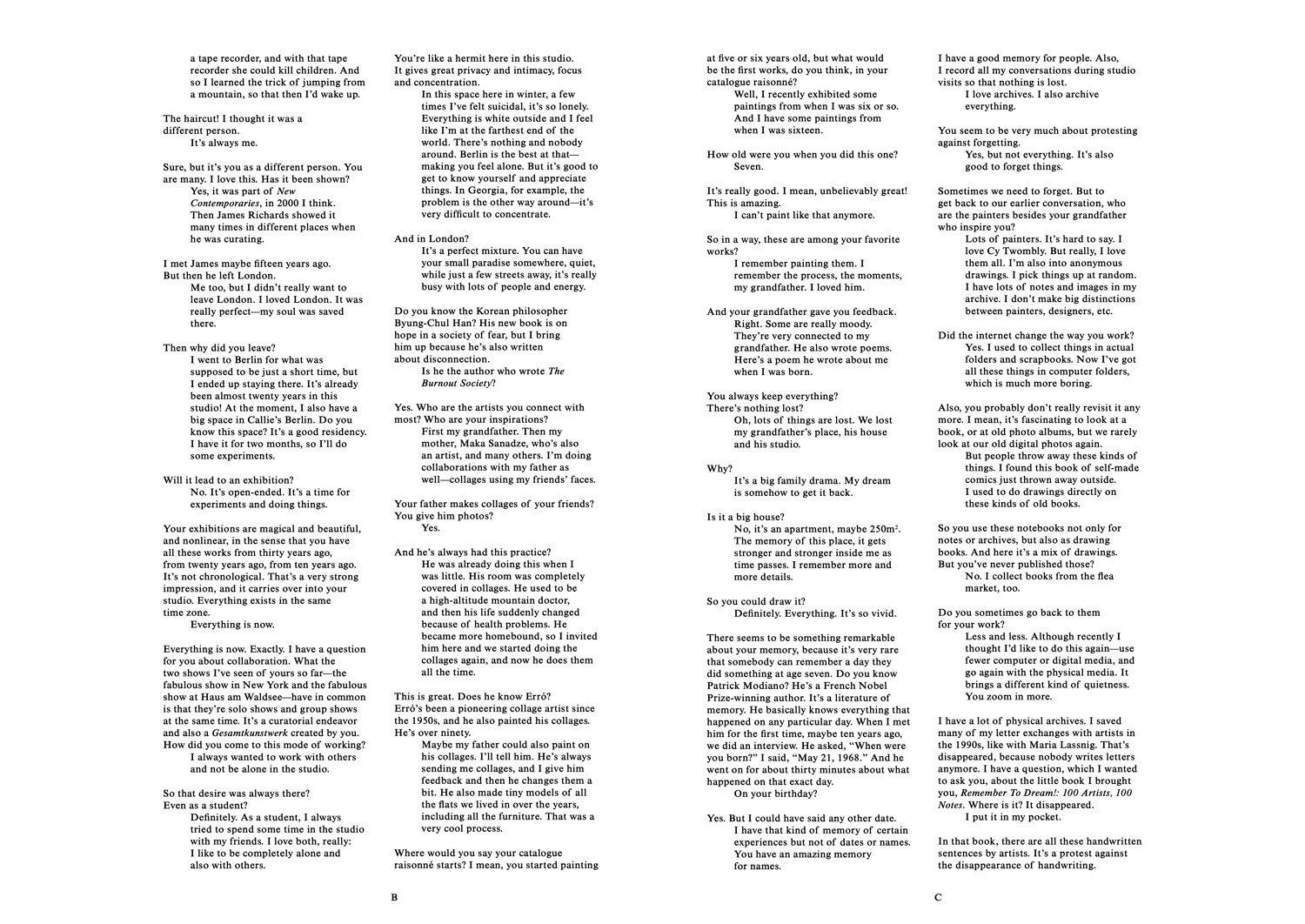
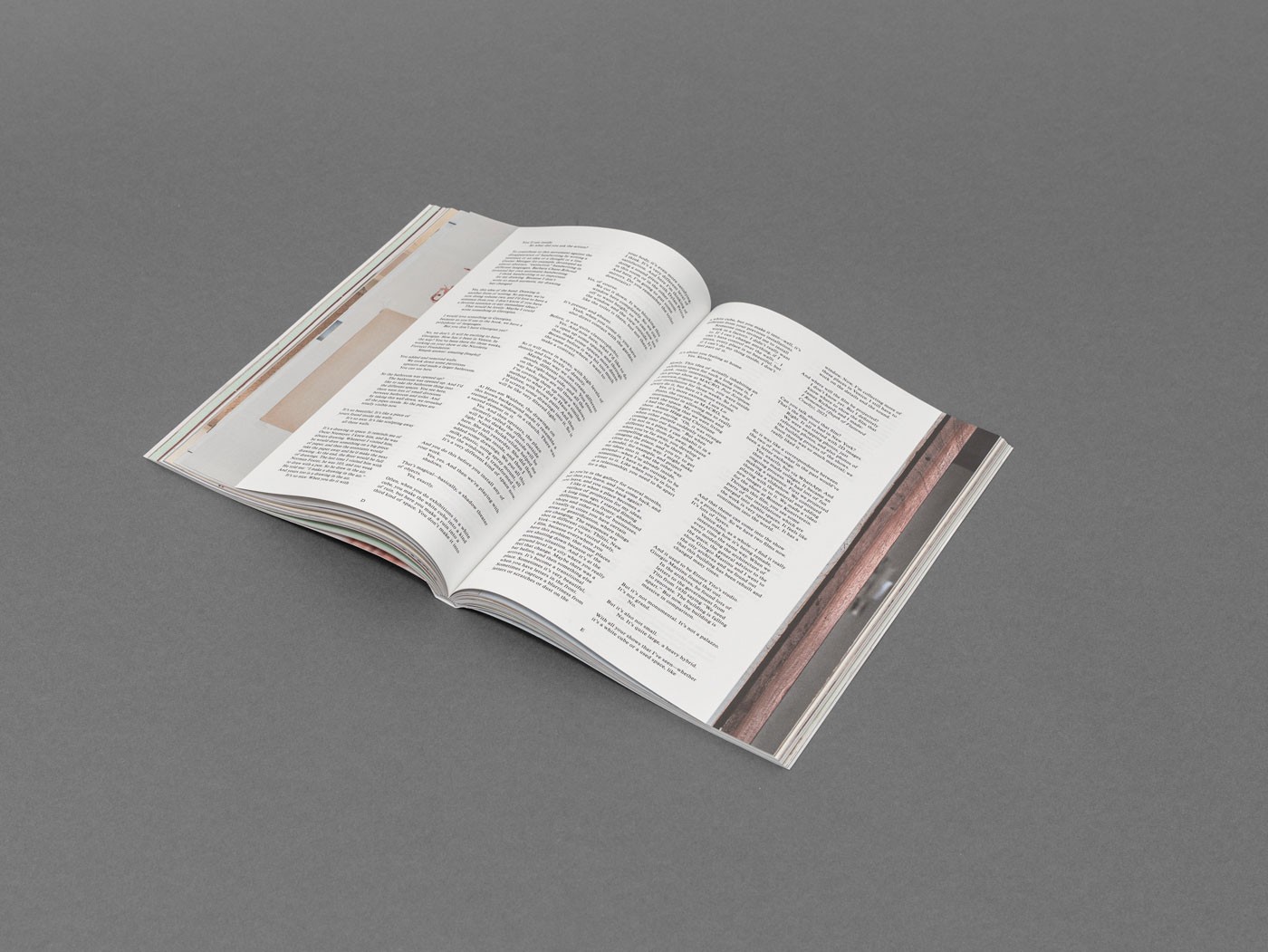
The book also features a new interview with the artist by Hans Ulrich Obrist.