This book accompanies 5 Works, Lydia Ourahmane’s first institutional solo show in Italy, staged at the Nicoletta Fiorucci Foundation in Venice and curated by Polly Staple, during the 61st Venice Biennale, and includes newly commissioned texts and images that further contextualize the artist’s practice and work.
Museums of Tears extends Francesco Vezzoli’s 2024 exhibition at Museo Correr, Venice, combining historical works and new commissions to explore antiquity, emotion and illusion. Conceived as an artist’s book rather than a catalogue, it transforms the museum guide into a hybrid archive and portable museum of memory, beauty and mourning.
A project by Fondazione In Between Art Film, edited by Carla Subrizi, Paola Ugolini, and Maria Alicata, this illustrated volume investigates the cinematic, documentary, and video output of women artists and filmmakers operating in Italy in the 1960s and 1970s, situating their research at the intersection of artistic experimentation, politics, society, and technology.
A multifaceted perspective on contemporary sculpture that explores the practices and concepts of the medium through different approaches. The publication interweaves works by Yu Ji, Bronwyn Katz, Dan Lie, Trương Công Tùng, and Luana Vitra, with essays by Federico Giani, Sohrab Mohebbi, Julia Morandeira Arrizabalaga, Chiara Nuzzi, and Anne Reeve.
Suffused with specially conceived collages of the artist’s research materials, notes, and sketches, this is the first monograph on Castelli’s painting and sculpture, with essays by Sarah Crowe and Lillian Davies, and an artist interview by Francesco Manacorda. Published with Castello di Rivoli Museo d’Arte Contemporanea and Kunsthalle Wien.
What if the shadow moved first? From March through May 2026, the exhibition The Second Shadow. Dozie Kanu Mirroring Marc Camille Chaimowicz, with Shared Echoes and Kindred Spirits at Fondazione ICA Milano unfolds online through a series of voices and crossings that shift its gravity. Not an extension. A displacement.
Edited by Giovanna Borasi, Albert Ferré, Francesco Garutti, Jayne Kelley
Texts by Sandrine Colard, Corinna Gardner, Oulimata Gueye, Claudio Gulli, Siliva Gutiérrez, Renato Leotta, Andrea Lissoni, Hannah Turner, Akram Zaatari
Designed by (Studio) Jonathan Hares / Amaury Hamon
Published with Canadian Centre for Architecture
2025, English, softcover, 224 pages, 24 x 31 cm
ISBN 979-12-80579-72-0
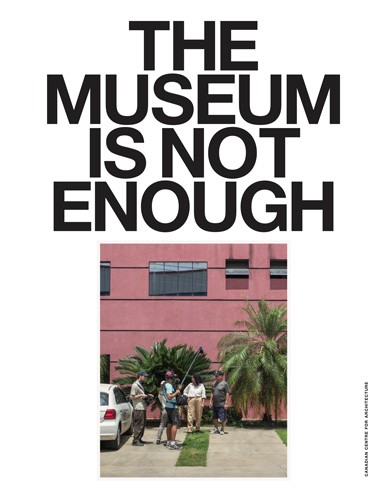
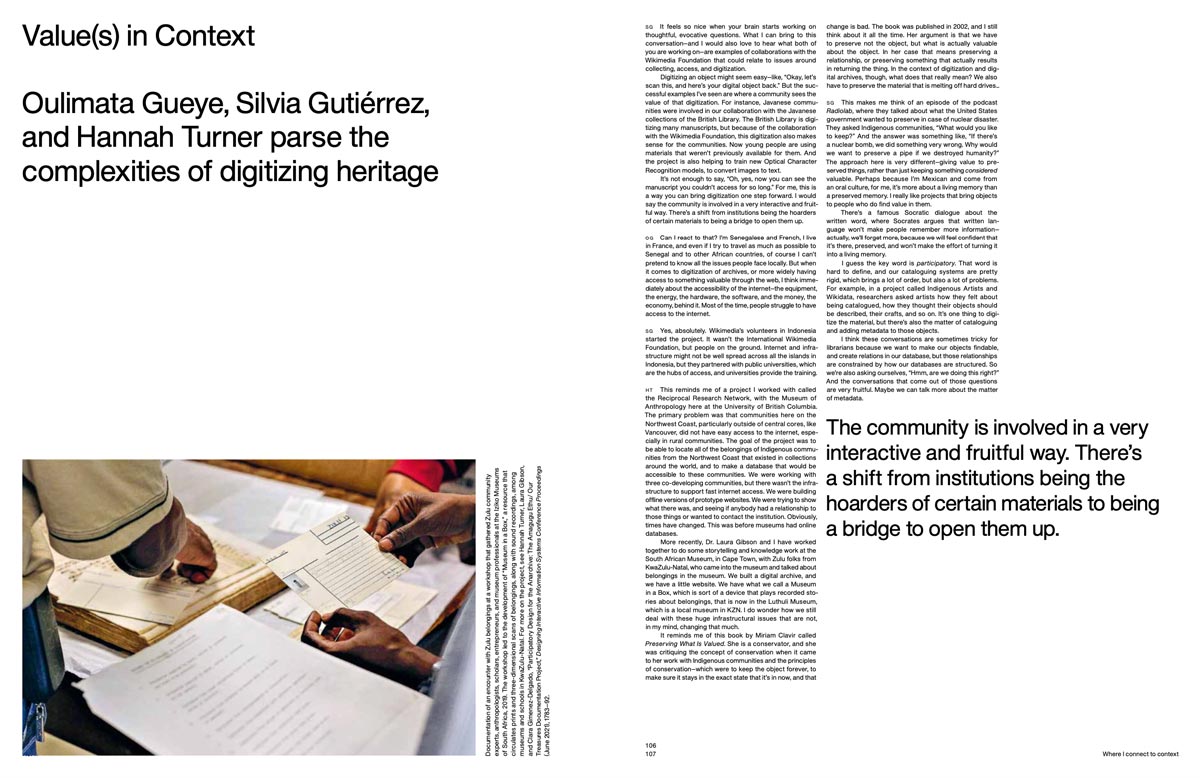
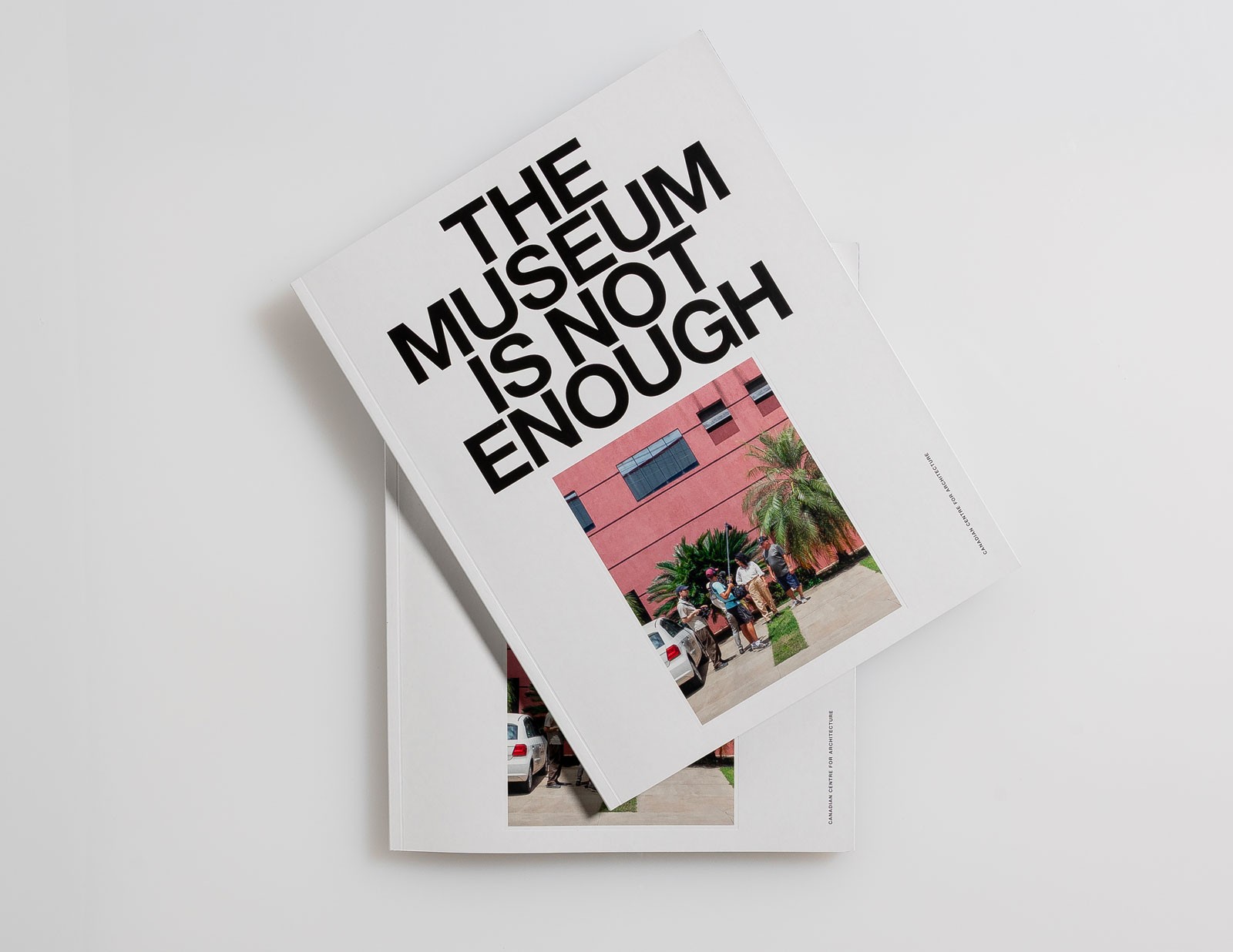
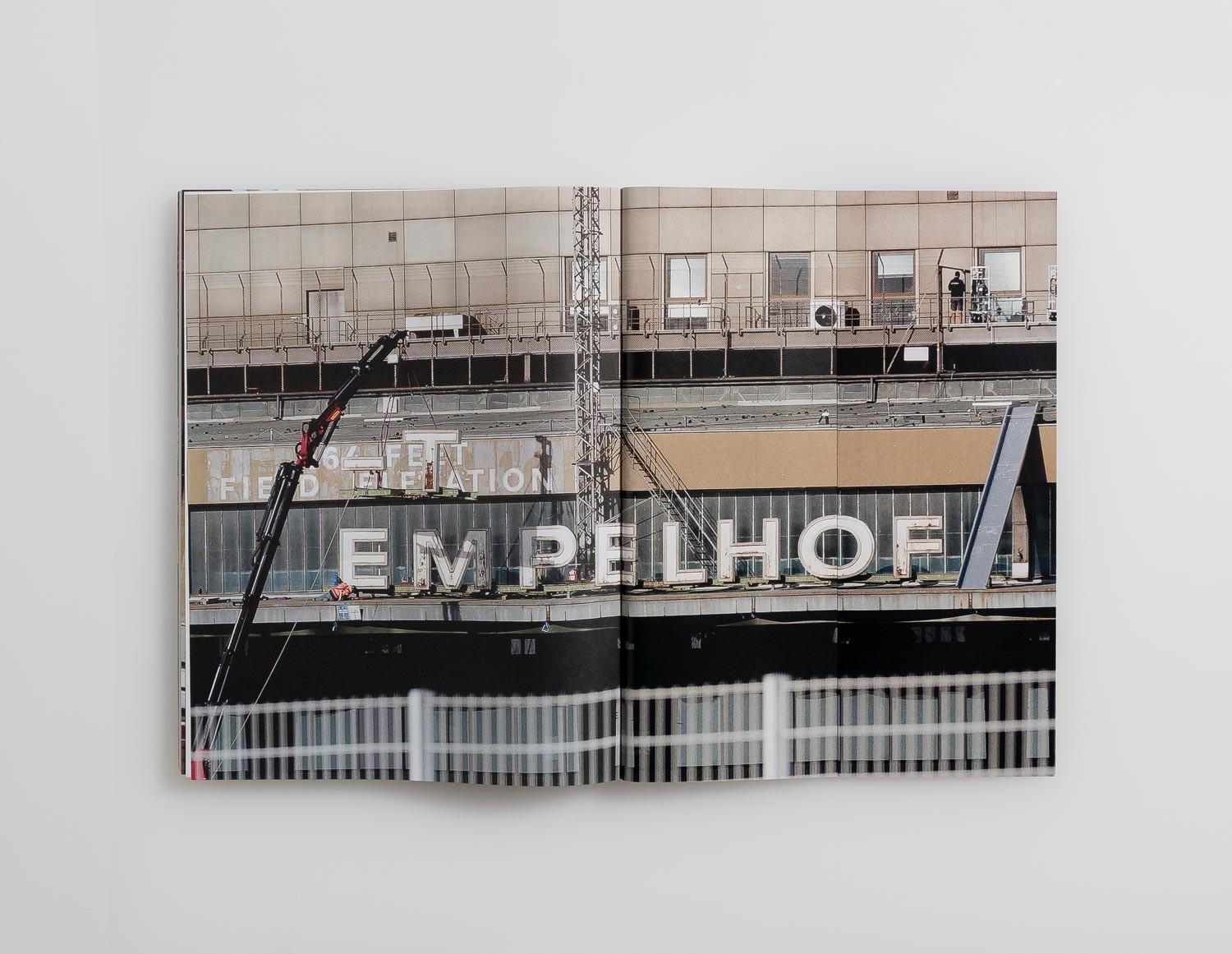
The CCA conceives The Museum Is Not Enough as a platform to reflect on some of the beliefs and concerns that define its curatorial activity—why and how it works—and, by extension, the role of cultural institutions in society. Stating that the museum is not enough means asking what a museum should be and do, and suggests that its entitlement to concentrate knowledge and meaning has dissolved.
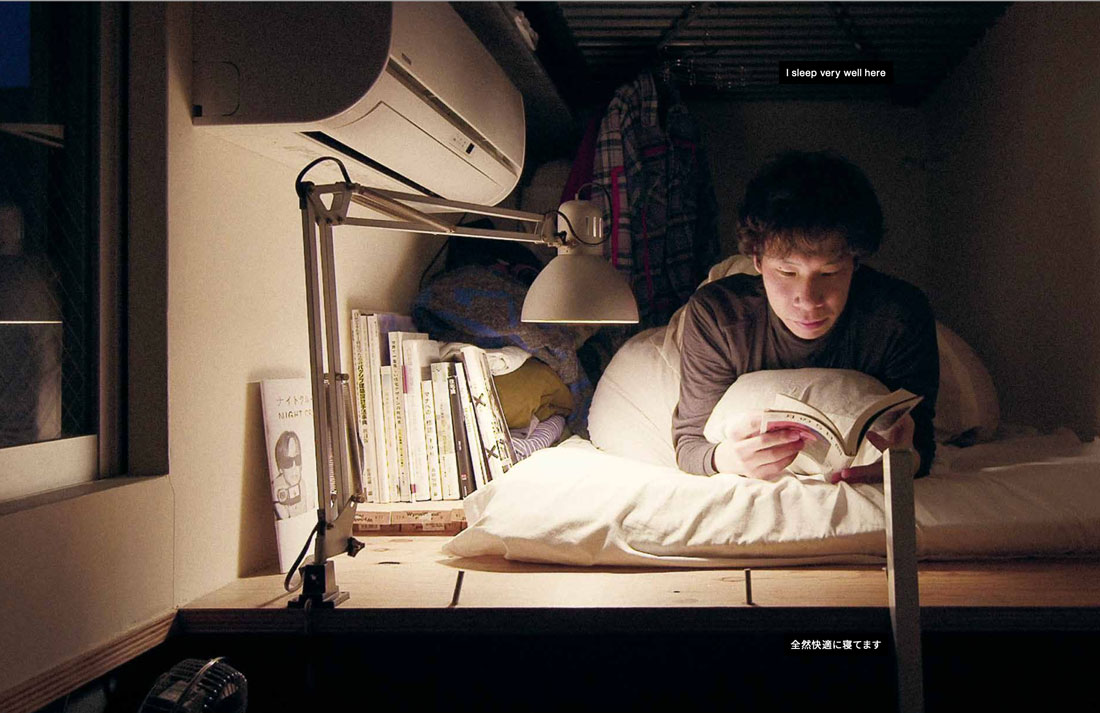
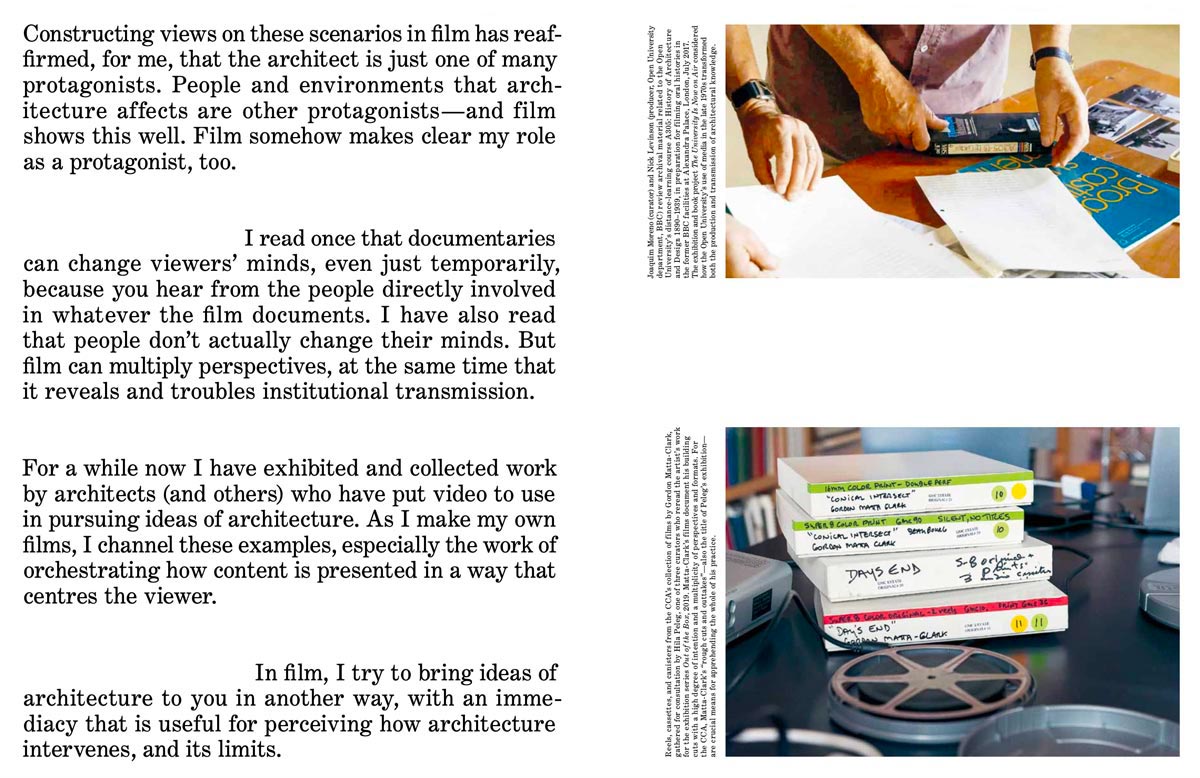
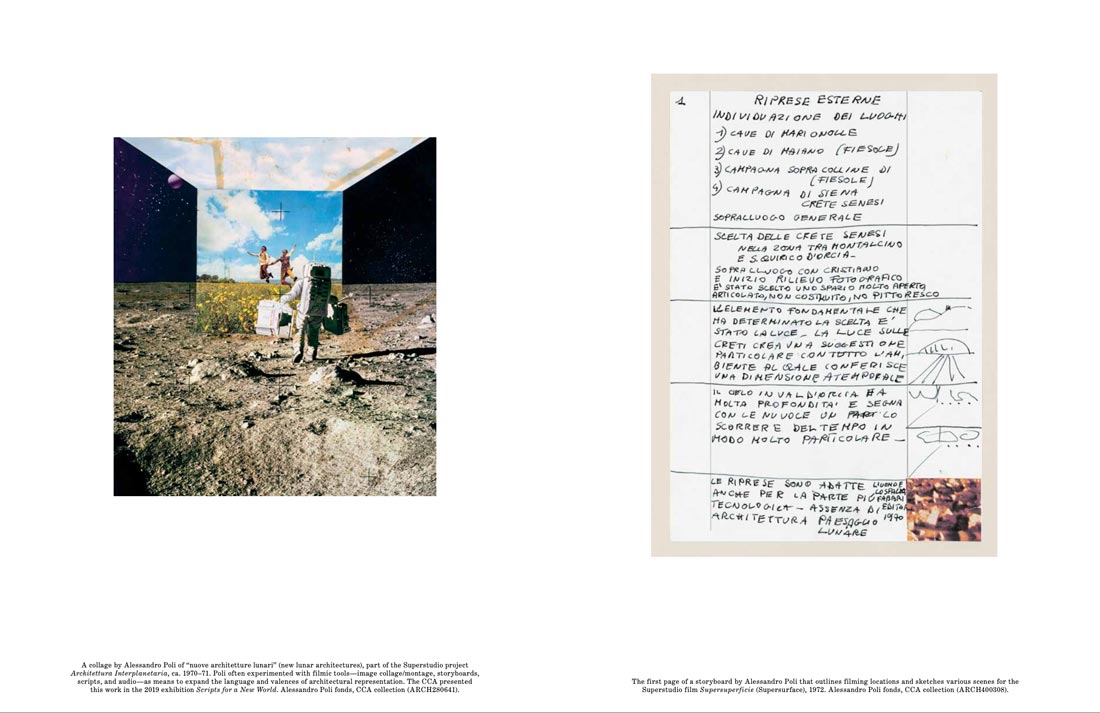
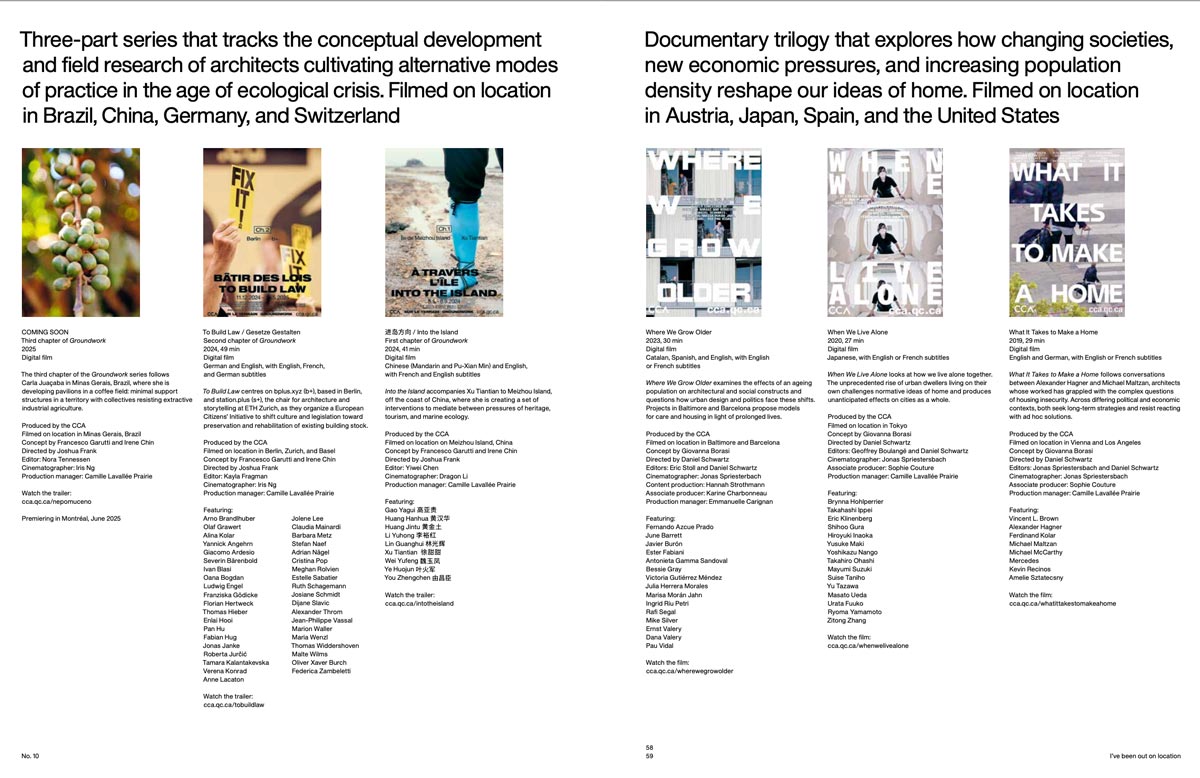
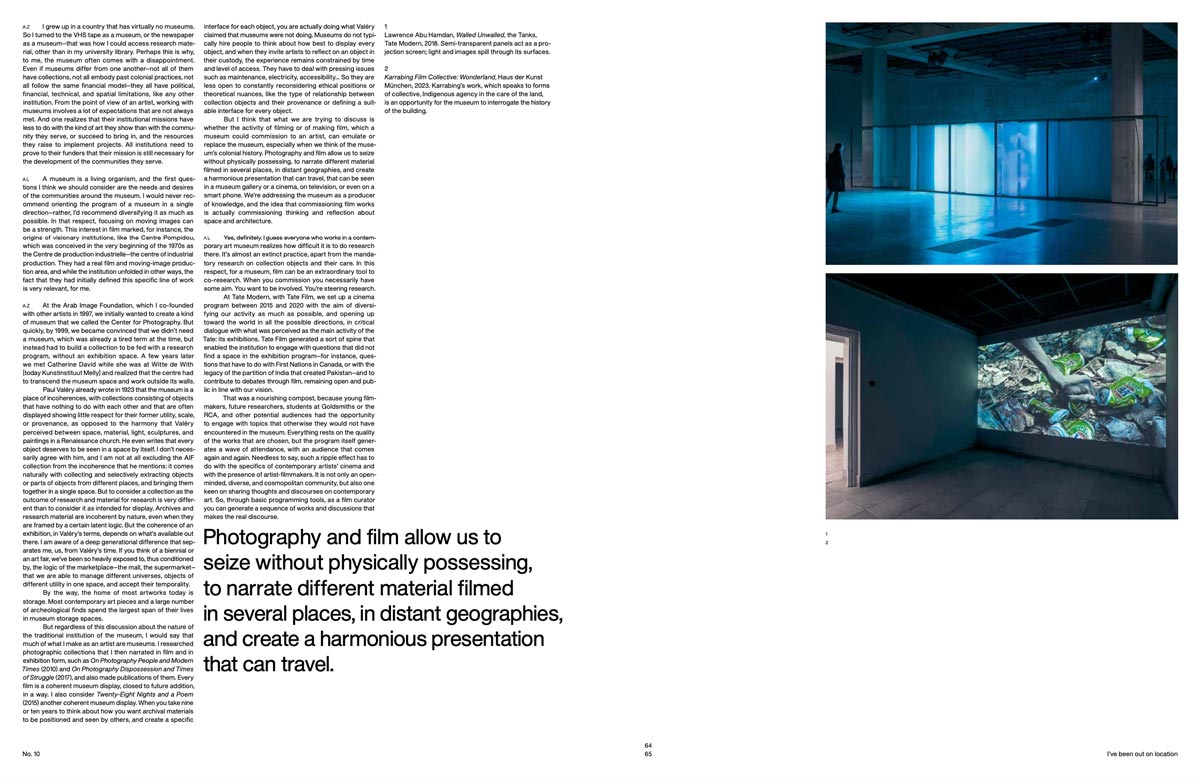
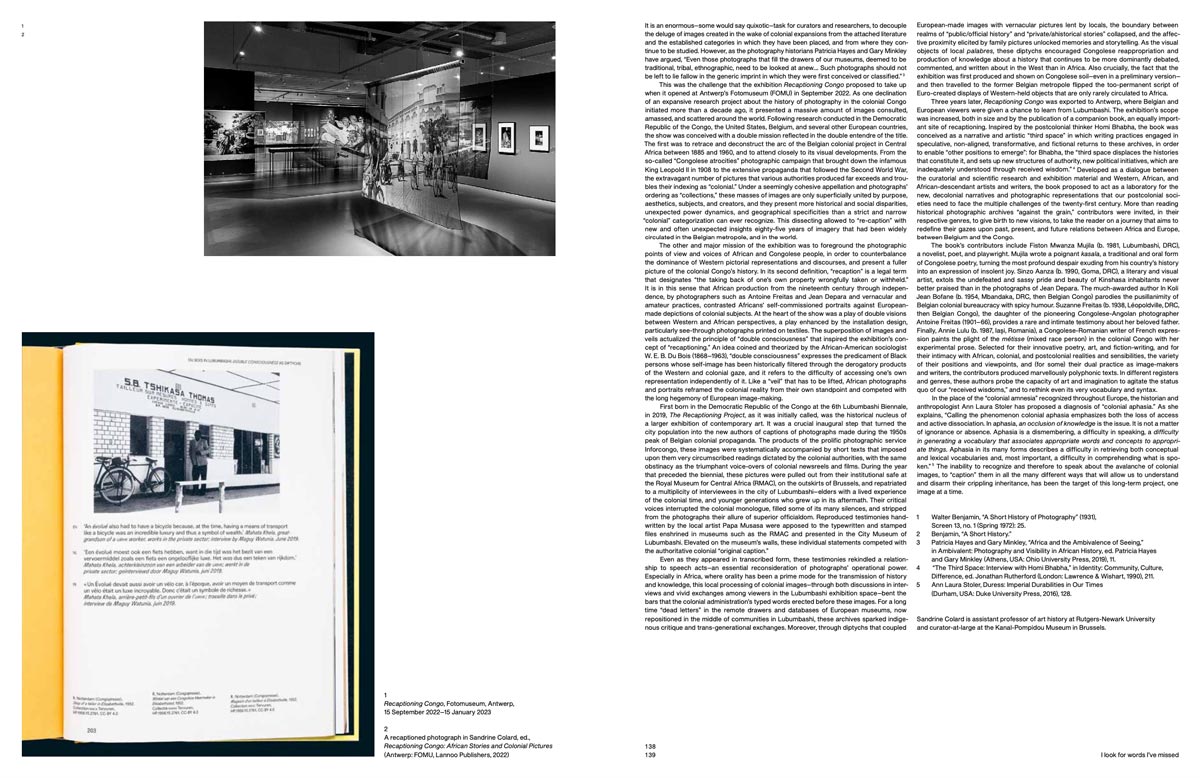
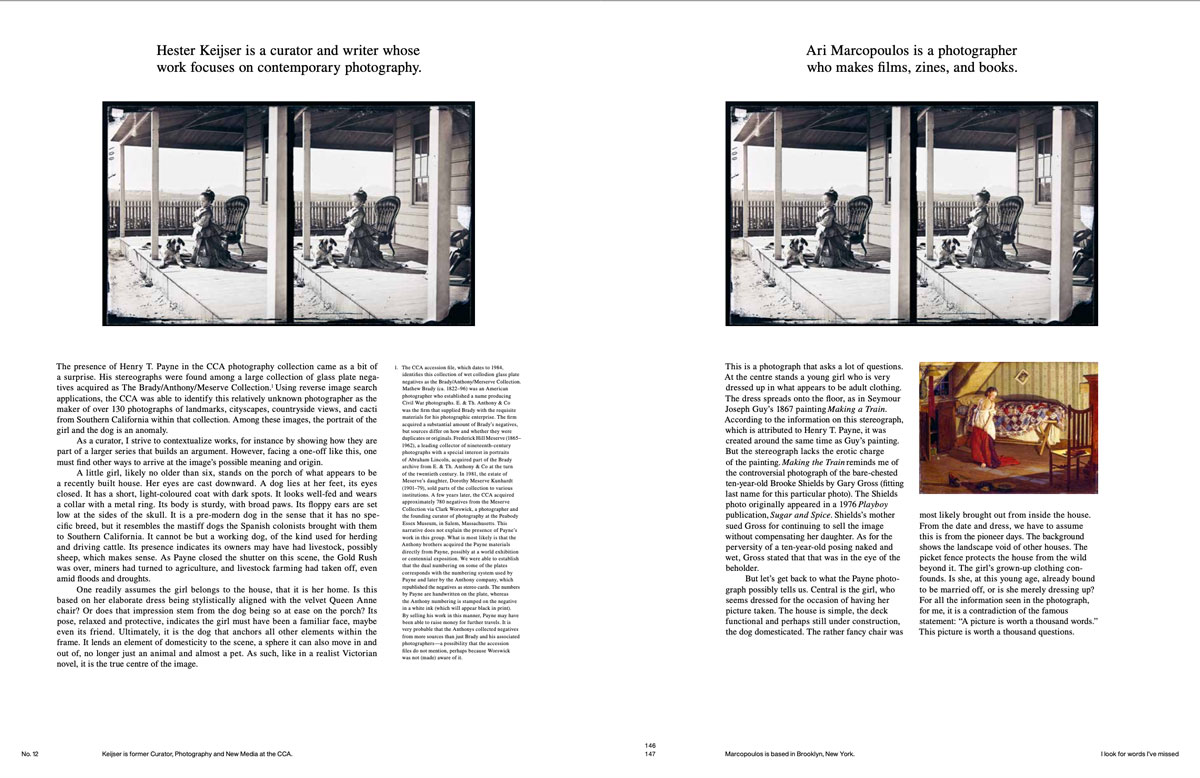
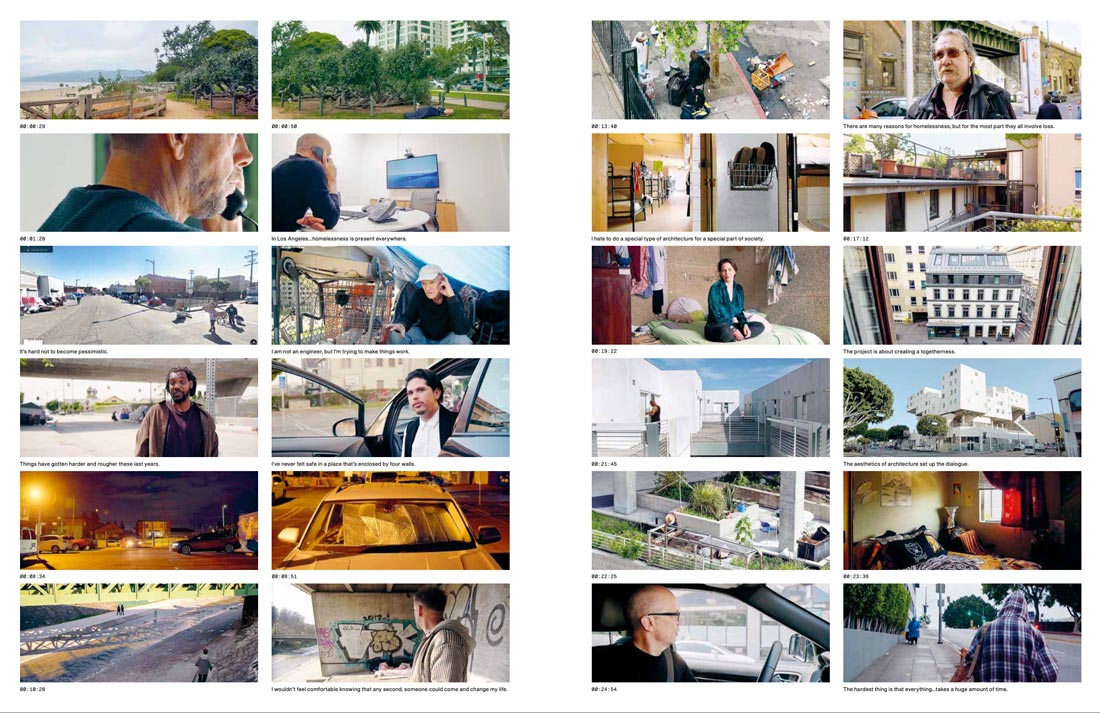
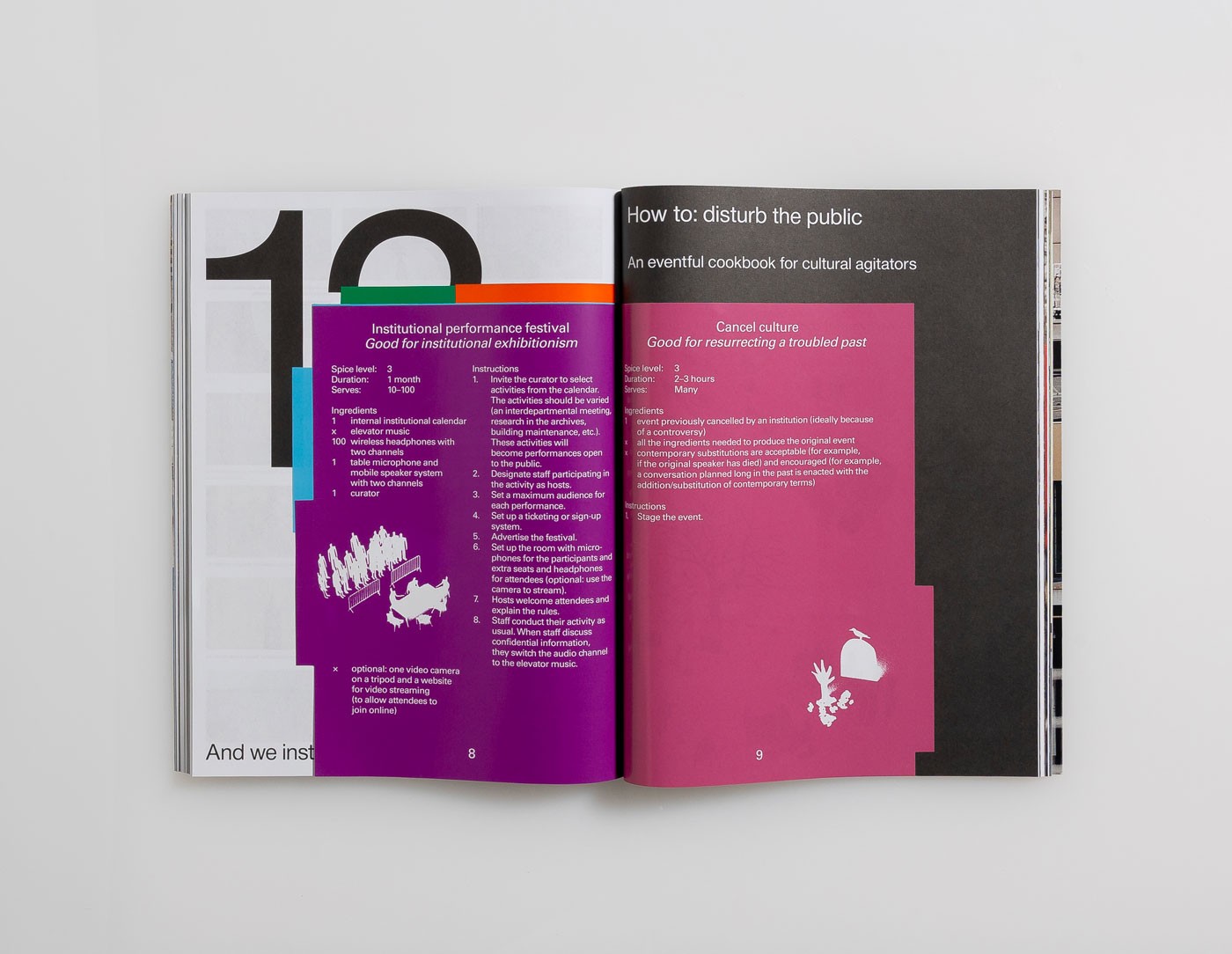
As a follow-up of a first volume published in 2019 that built on years of thematic investigations, the book focuses on how the institution works out and on these questions by rethinking its tools and how it relates to others. The Museum Is Not Enough (no. 10–14) gathers conversations among curators, artists, academics, and architects on how institutions engage multiple contexts, objects, and perspectives: reflecting on strategies to unlearn and decentre established ways of seeing and doing; looking closely at how to describe and document archival sources while interrogating the stakes, and often the harm, in separating cultural objects from their context; questioning the relationship between institutions and “the public”; and discussing curatorial tools—and particularly film—that collapse research and display, observation and action, here and there.
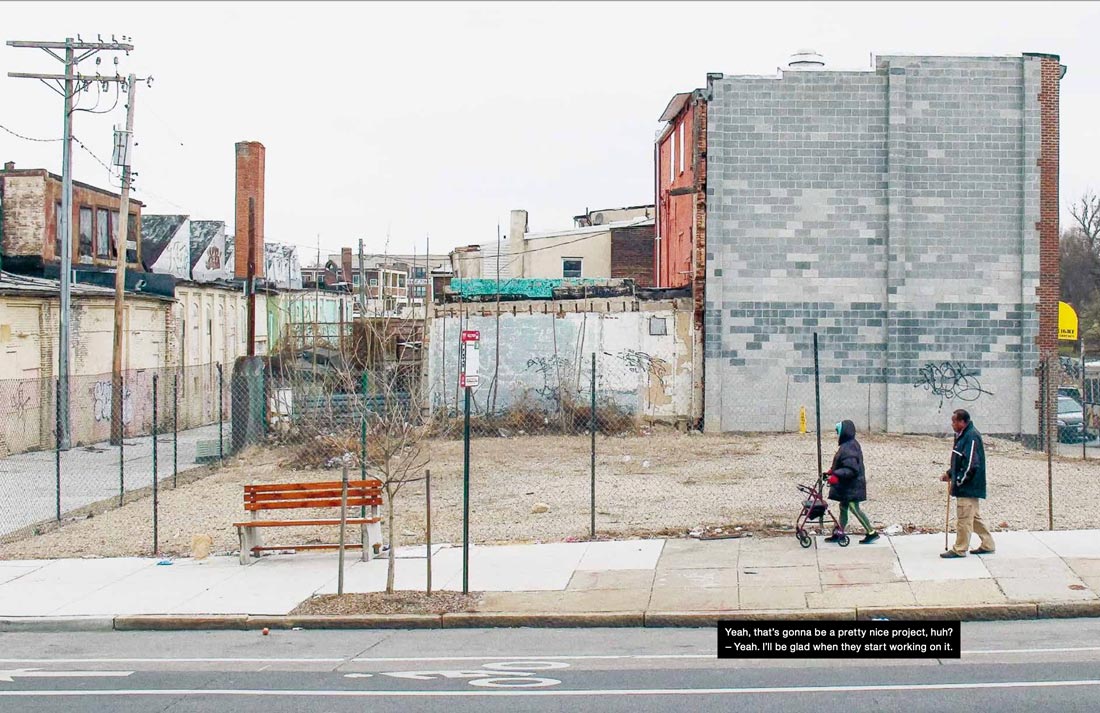
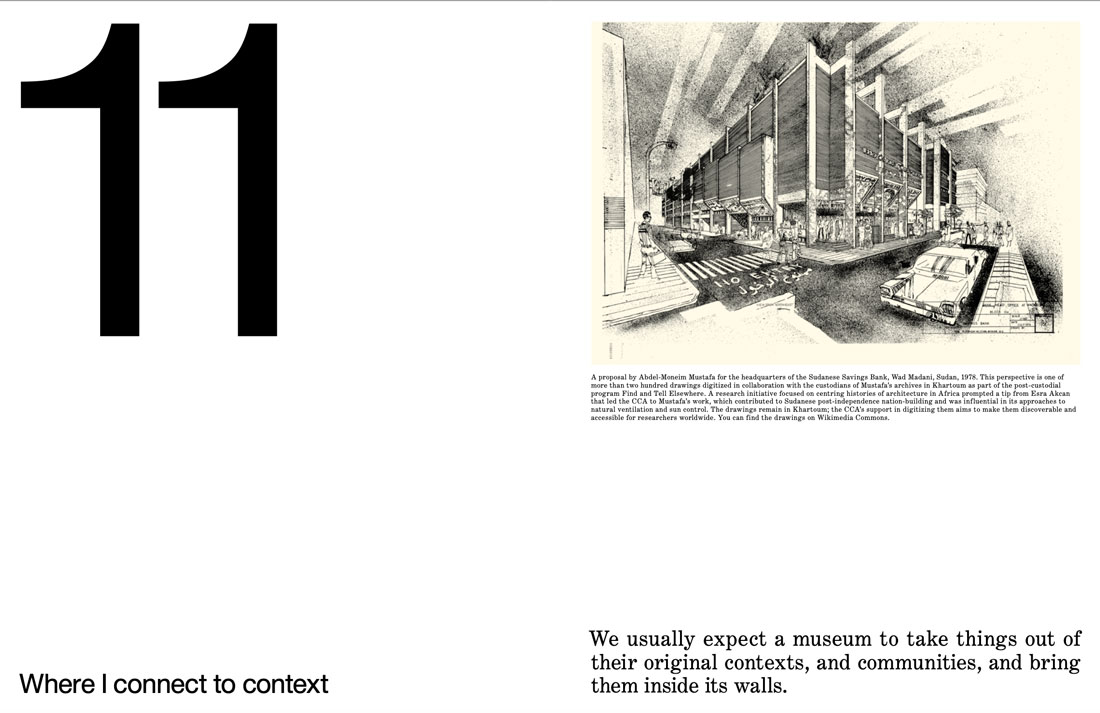
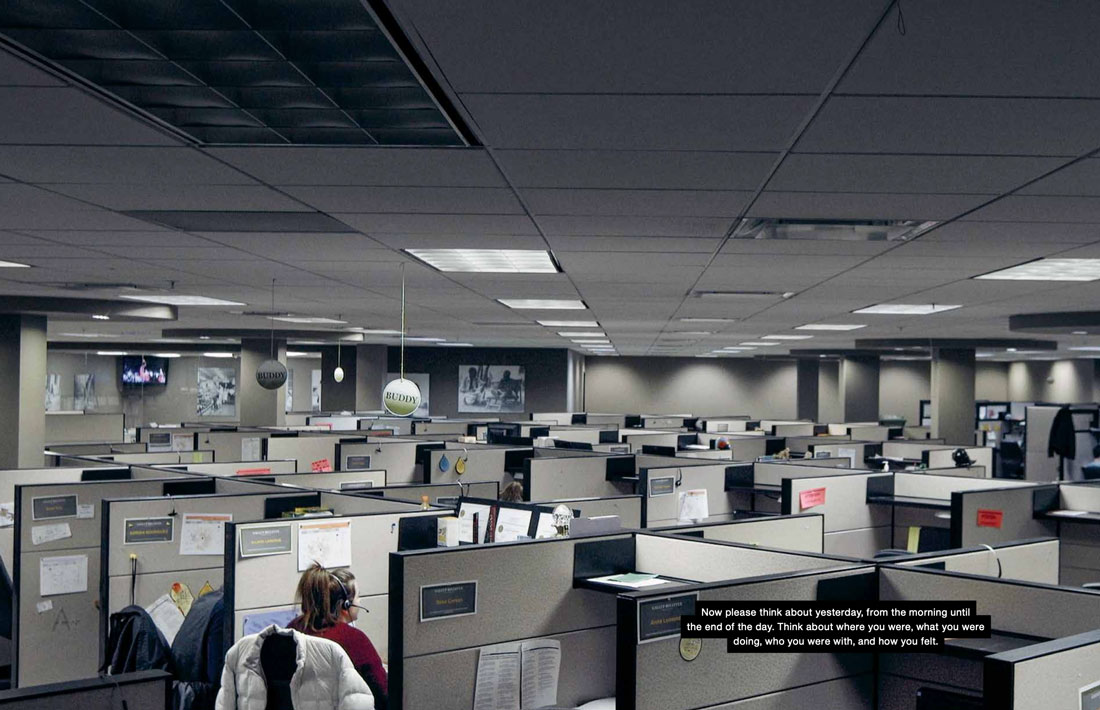
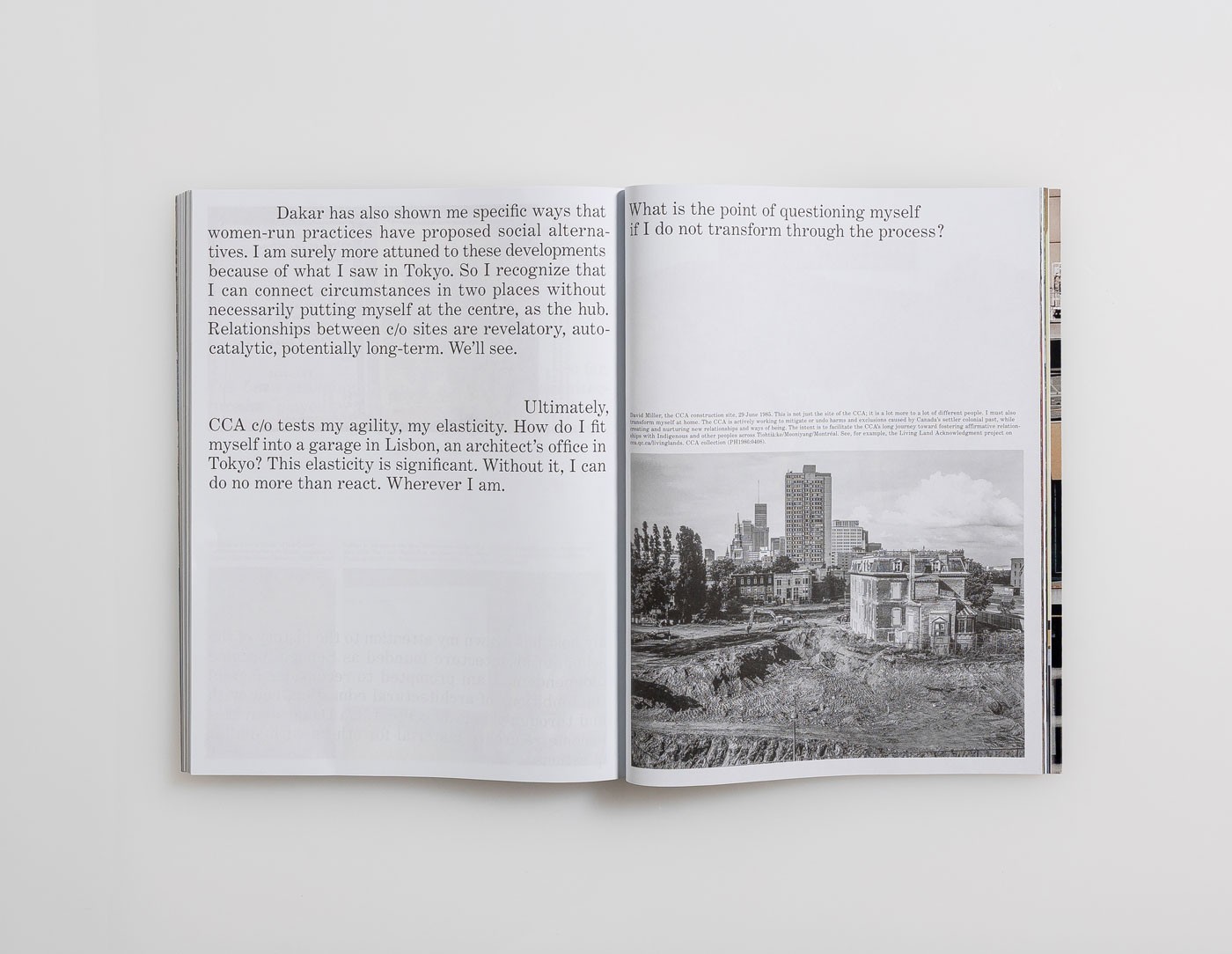
Underlying these reflections is the realization that the museum’s activity can’t be constructed from a fixed position. Unless the questions it deals with are observed from another angle, it is hard not to perpetuate the thinking that created them. The book responds to an urgent need to equip the institution to understand how things around it are rapidly changing, and the importance of conveying and discussing this instability. Here, the museum gets outside its physical walls to explore on-site, to talk with people, to connect and activate collaborators, to design conditions for different forms of dialogue to happen on the ground.