For years now, the Die Vier von der Tankstelle (Four from the Gas Station) have been roaming across an area stretching out to the south of the Baltic Sea. They prowl their way through sparsely populated areas, wantonly terrorizing the inhabitants. The 2026 calendar by Jos de Gruyter and Harald Thys bears witness to their presence.
The first monograph dedicated to Lorenza Longhi, published with the Kunst Museum Winterthur, adopts a format associated with prototypes, manuals, or working documents. Its irregularities reflect Longhi’s ongoing examination of value, functionality, and the aesthetics of the everyday.
This publication is an extensive monograph devoted to the work of Carlos Bunga, published in conjunction with his eponymous show at CAM – Gulbenkian. In addition to a number of essays, which offer an in-depth look at his multifaceted practice, the book contains previously unpublished photos that reveal his working process.
The paintings and drawings by Jake Grewal draw the viewer in through stillness and ambiguity: they invite reflection on how we inhabit places—physically and emotionally—and how our inner landscapes mirror the physical world. This is the Grewal’s first book, published to accompany the artist’s exhibition at Studio Voltaire.
The transformation of the notion of monuments and the way cultural institutions choose to deal with it find in Maurizio Cattelan an interpreter capable of manipulating historical memory and shared symbols, to the point of turning them into a terrain of doubt and play. Lisa Parola and Lorenzo Giusti investigate the potential of contemporary art within the public sphere.
This is a visual archive of 12 years of developing, designing and exhibiting the House of One, a multireligious sacred space in the heart of Berlin. The architecture, conceived by Kuehn Malvezzi, has been displayed at various venues while being developed in close collaboration with three local religious communities in Berlin since 2012.
Texts by Emily King and Rebecca May Johnson
Design by Wolfe Hall
Co-published with Fondazione Arnaldo Pomodoro
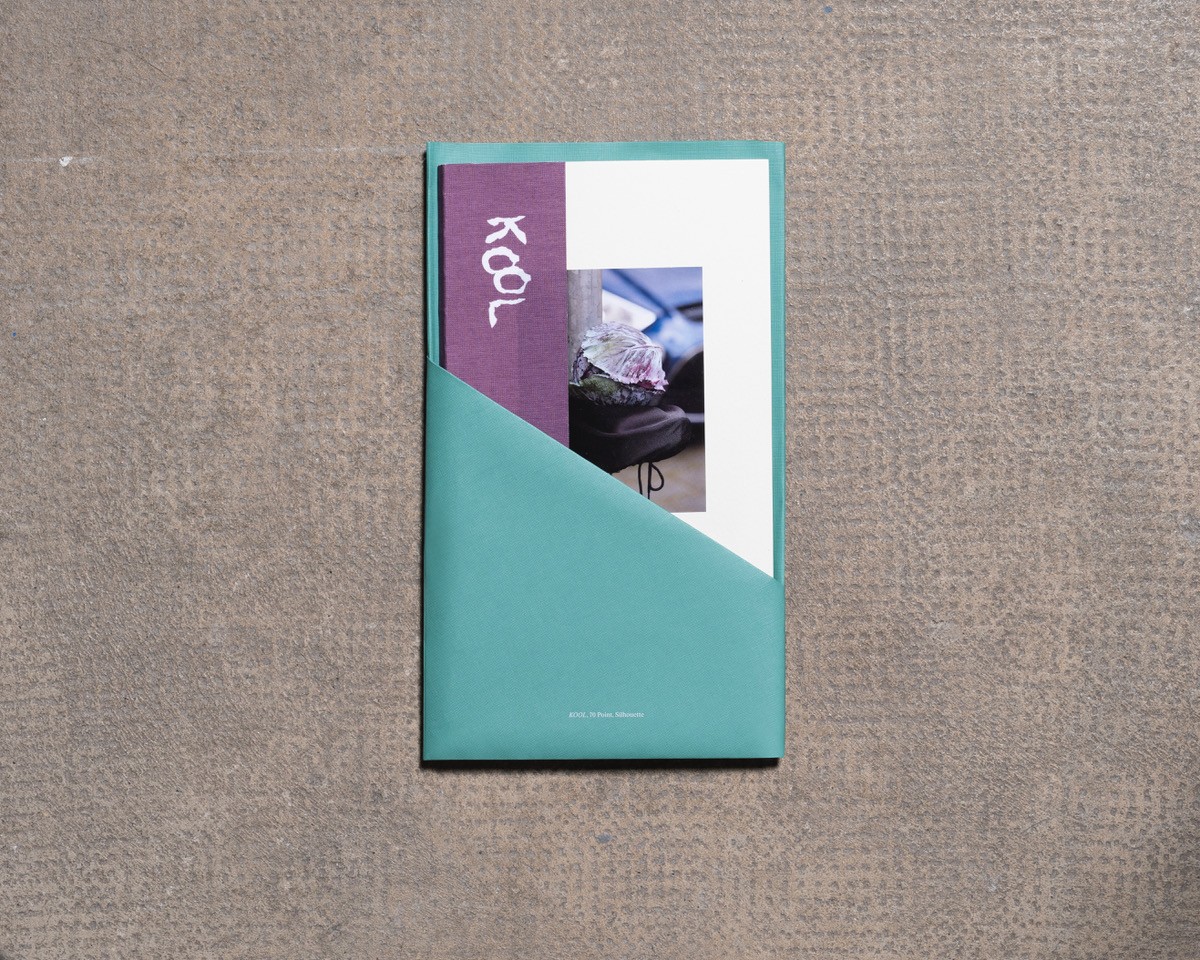
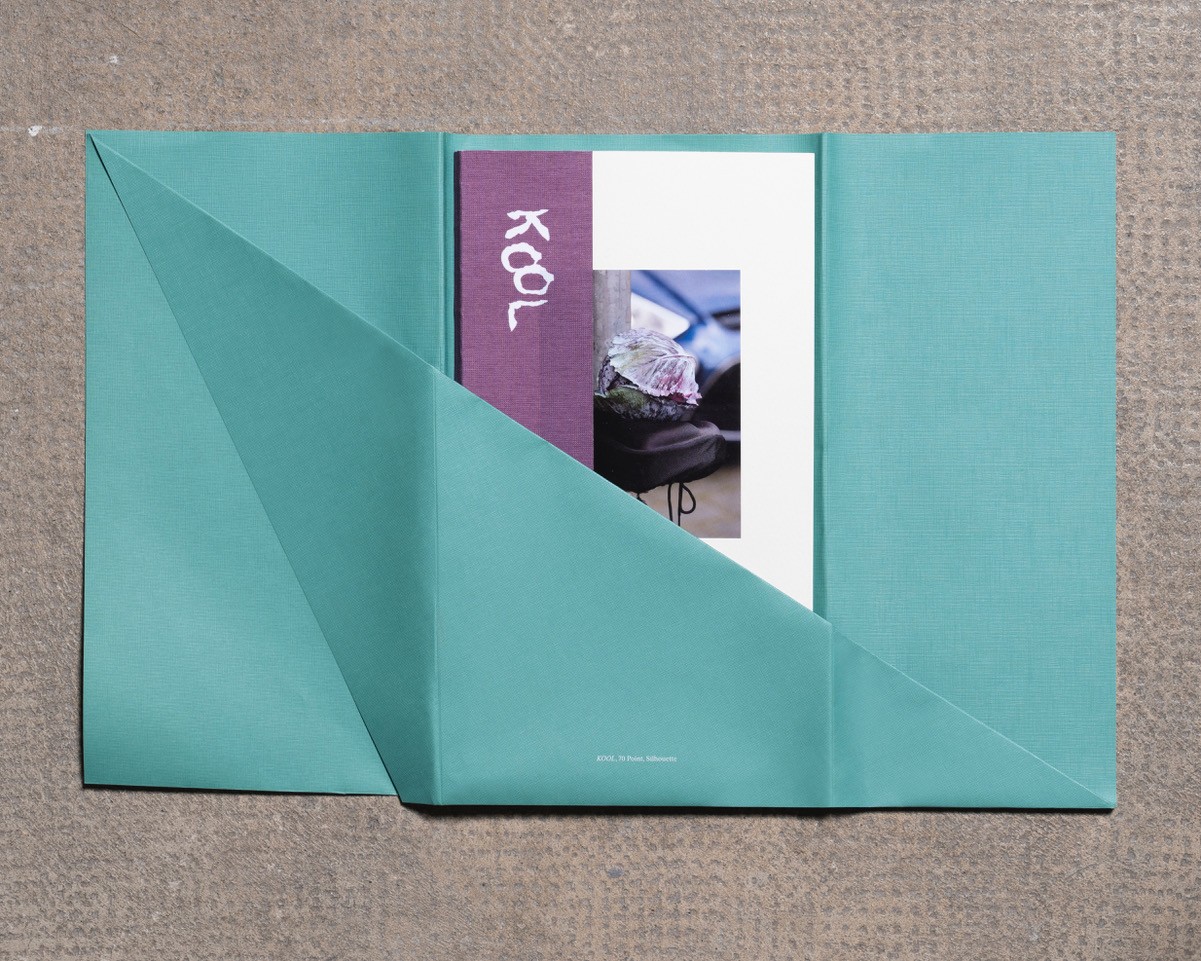
2024, English, softcover, 16 x 28 cm, 48 pages
ISBN 979-12-80579-51-5
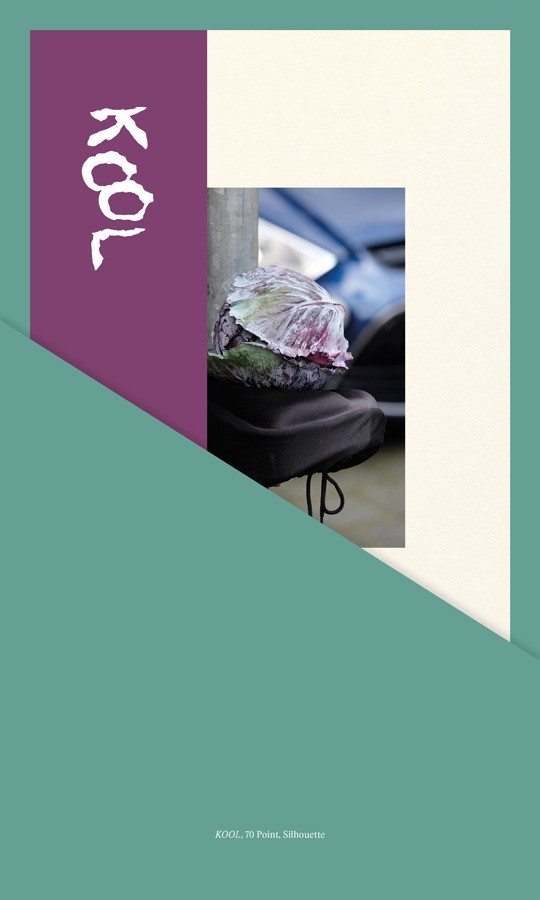
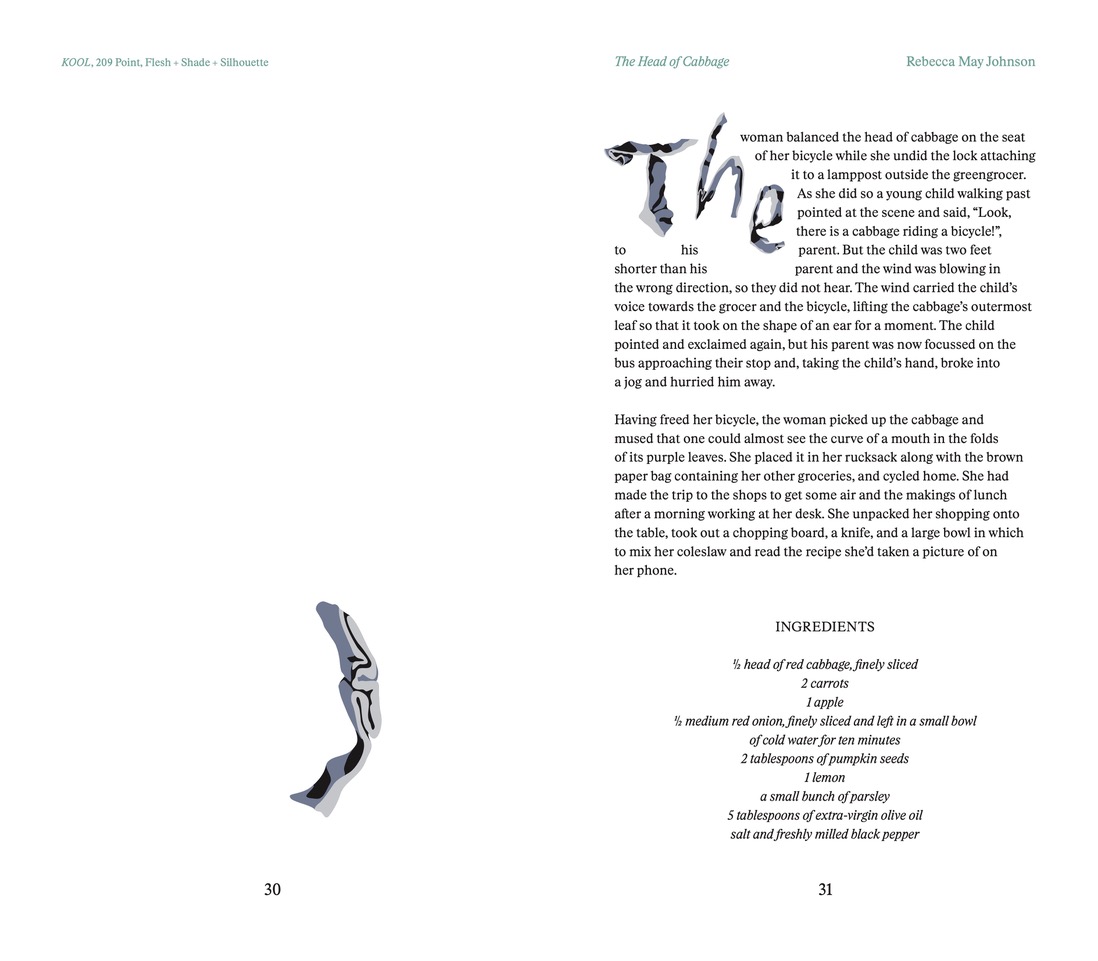
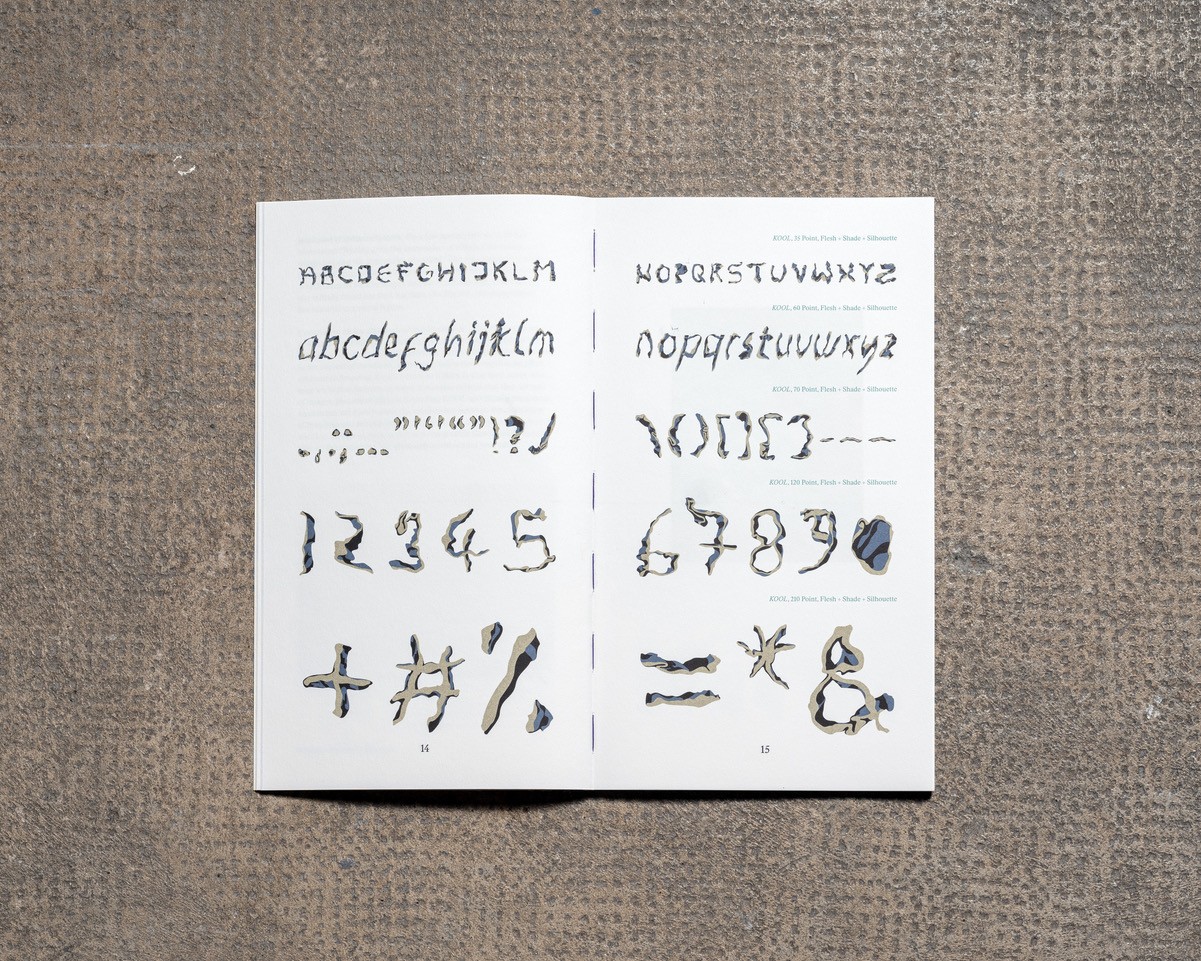
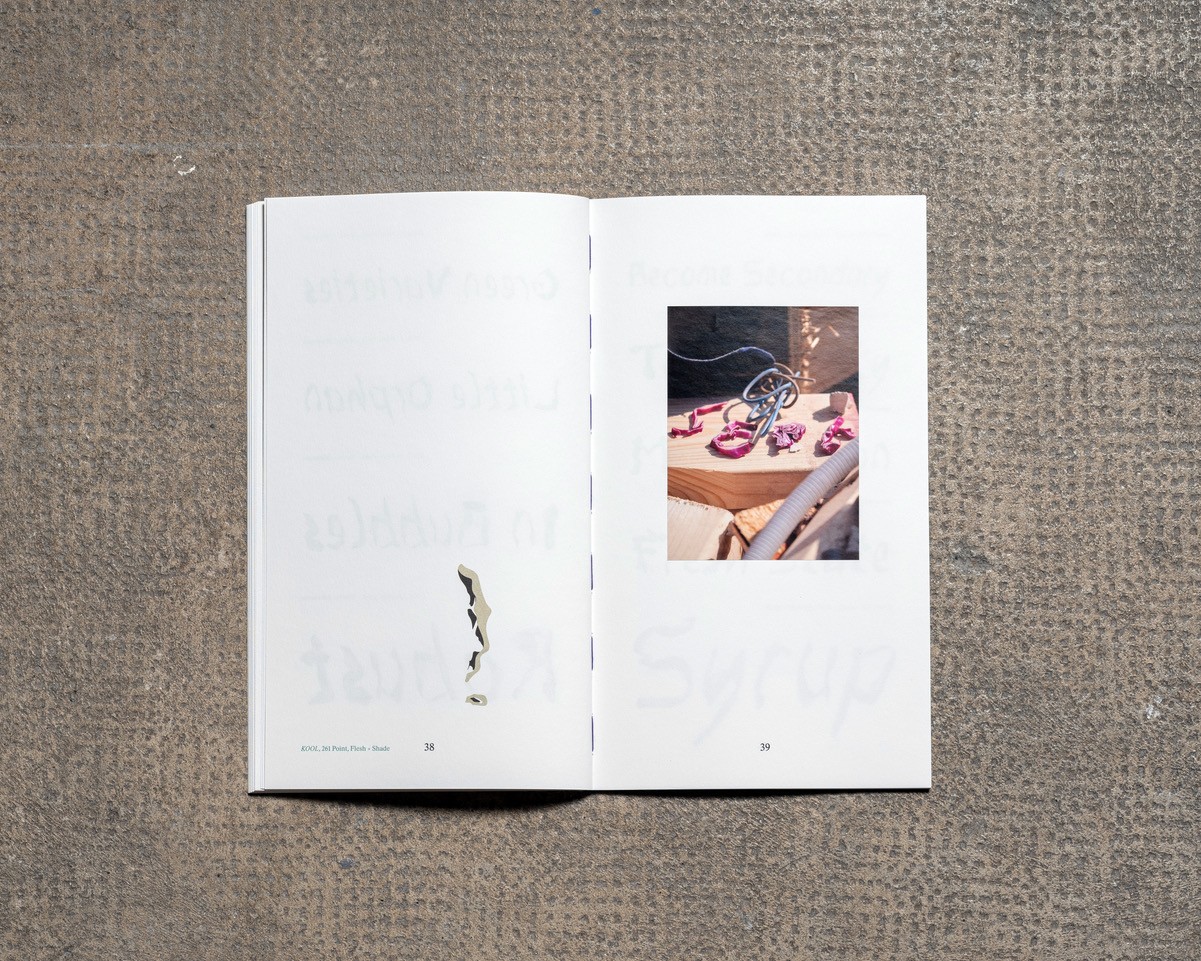
KOOL. A Type Specimen is an artist’s book built around KOOL (“cabbage” in Dutch), a new font designed by Magali Reus, winner of the seventh edition of the Arnaldo Pomodoro Prize for Sculpture. Midway between a plant alphabet and concrete poetry, the KOOL font is created in collaboration with Antonio de la Hera and Kia Tasbihgou and includes twenty-six lowercase letters, twenty-six uppercase letters, a complete set of numbers, sixteen punctuation marks, and six symbols.
The project is the upshot of a three-year research project focused on the visual and calligraphic relationship between scraps of red cabbage and letters of the Roman alphabet. The volume is inspired by the traditional format of the type specimen book, or type foundry sample book, used to show clients the myriad graphic possibilities, layouts, and configurations unique to a new typeface.
The book features texts by design writer Emily King and Rebecca May Johnson, a food specialist, and was created in conjunction with Off Script: a solo exhibition by Reus staged by the Arnaldo Pomodoro Foundation in collaboration with the Museo del Novecento in Milan.