This compelling artist’s book is built around KOOL (“cabbage” in Dutch), an original font designed by Reus, somewhere between a plant alphabet and concrete poetry. The publication draws on the type specimen book tradition to present new typefaces.
Through a rich selection of images, this artist’s book, published in two editions—gold and silver—explores the birth, life and death of Francesco Gennari’s work Vorrei perdermi e non trovarmi più, 2022, exhibited for the first time at the Ciaccia Levi Gallery in Paris.
Through a rich selection of images, this artist’s book, published in two editions—gold and silver—explores the birth, life and death of Francesco Gennari’s work Vorrei perdermi e non trovarmi più, 2022, exhibited for the first time at the Ciaccia Levi Gallery in Paris.
This richly illustrated publication combines artwork, archival and process imagery, and includes an extended interview with the artist, as well as new essays by key thinkers in the fields of anthropology, philosophy, political economy and art history.
In the first monograph on the feminist conceptual artist collective Claire Fontaine, political theorist and somatic practitioner Anita Chari explores the artist’s theoretical and political innovations to illuminate a more haptic, embodied approach to the practice of critical theory.
Shahryar Nashat inserts his art in the pages of this new artist’s book, which takes the form of a catalogue-turned-manual: but instead of explaining its meaning, he strips it of its aura, flaunts its nature as an object and describes step-by-step how to create it.
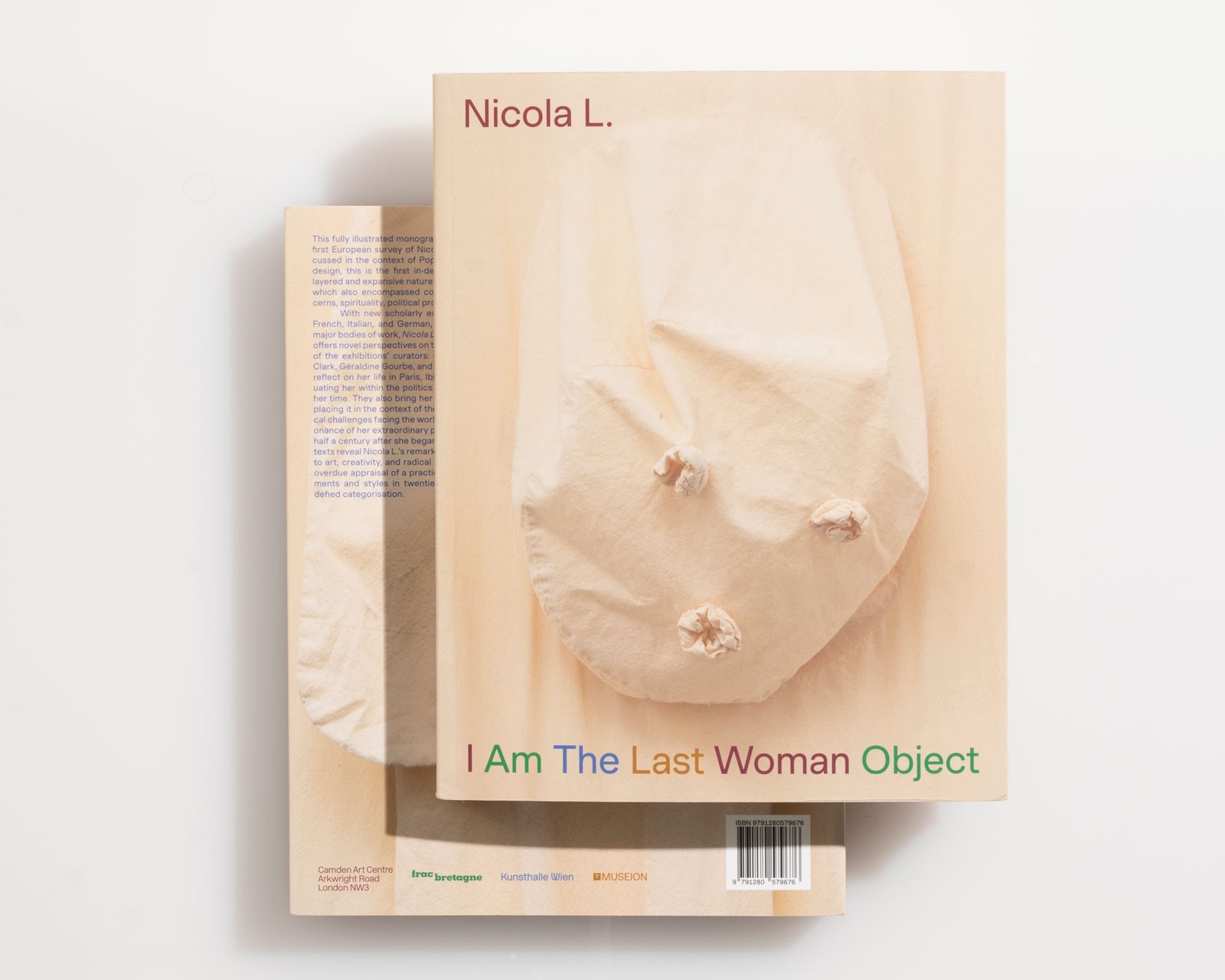
Edited by Gina Buenfeld-Murley and Martin Clark
Essays by Gina Buenfeld-Murley, Martin Clark, Leonie Radine, Géraldine Gourbe
Designed by Sara De Bondt
Published with Camden Art Centre, London; Frac Bretagne, Rennes, France; Kunsthalle Wien – Stadt Wien
Kunst GmbH, Vienna, and Museion – Museum of Modern and Contemporary Art, Bolzano/Bozen
2025, English / French / German / Italian, softcover, 240 pages, 20 x 26 cm
ISBN 979-12-80579-67-6
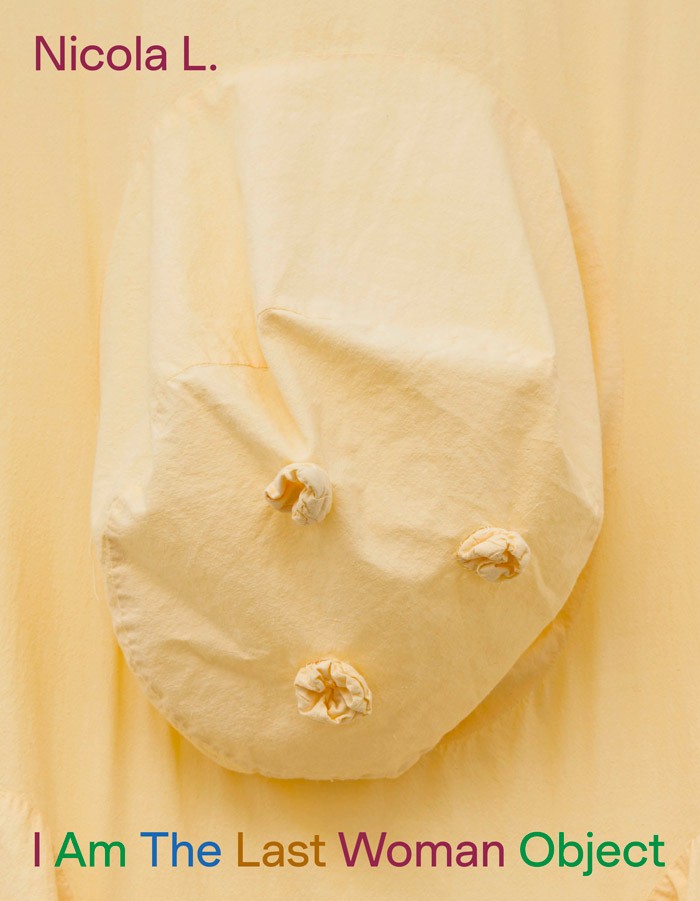
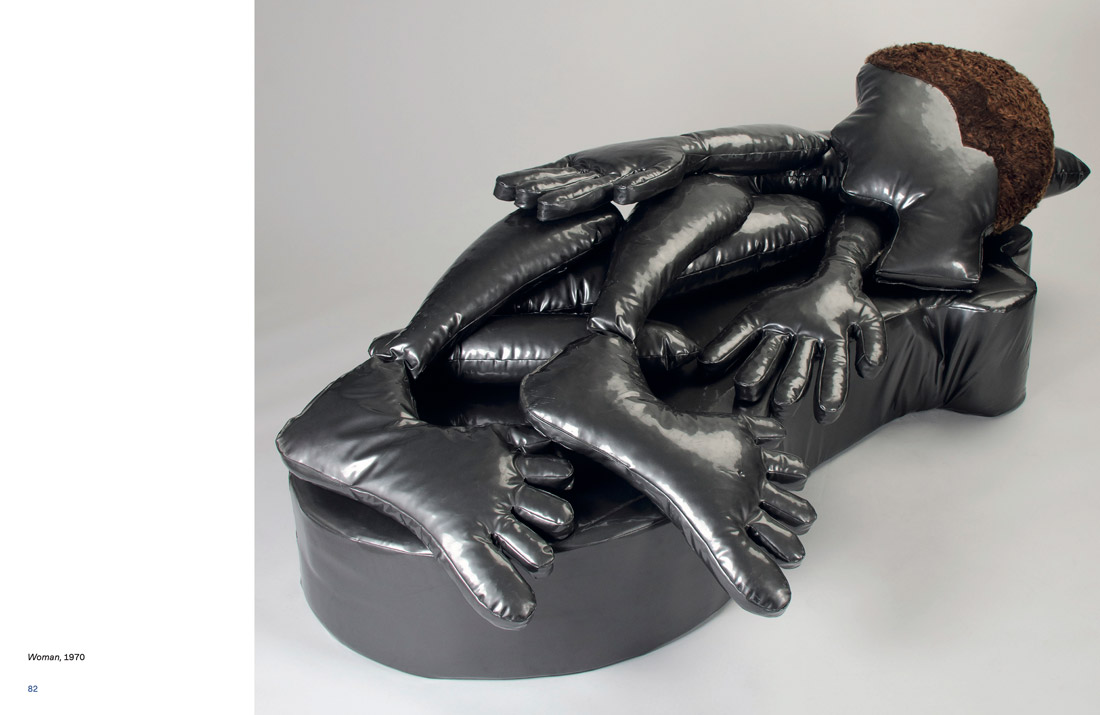
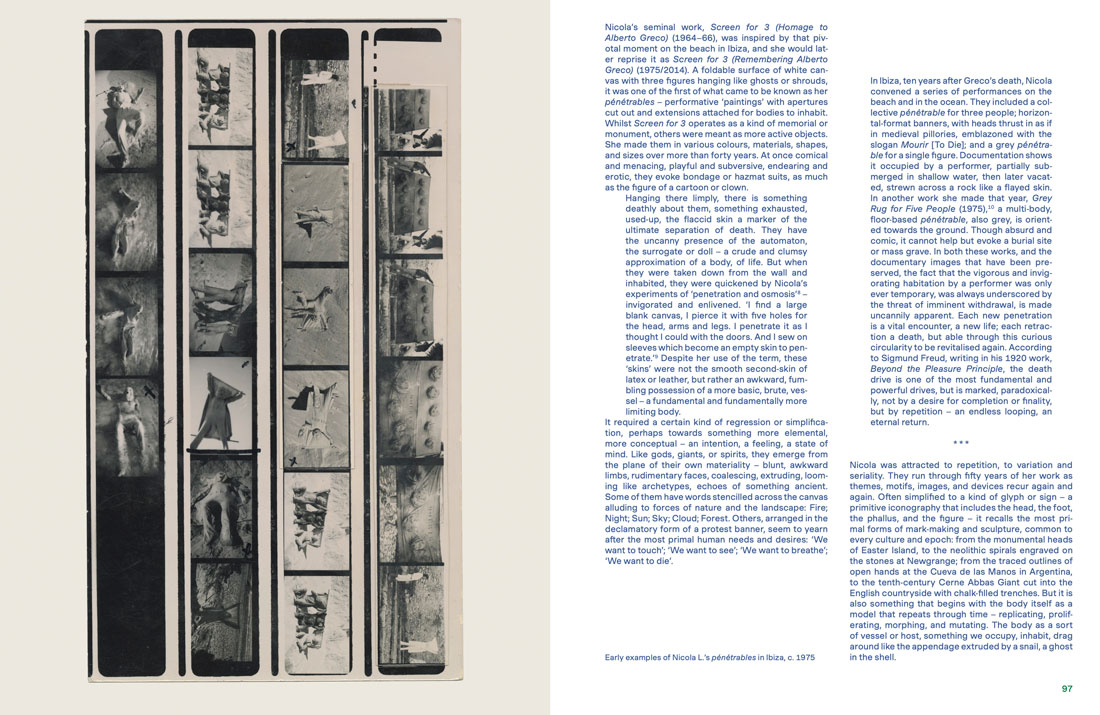
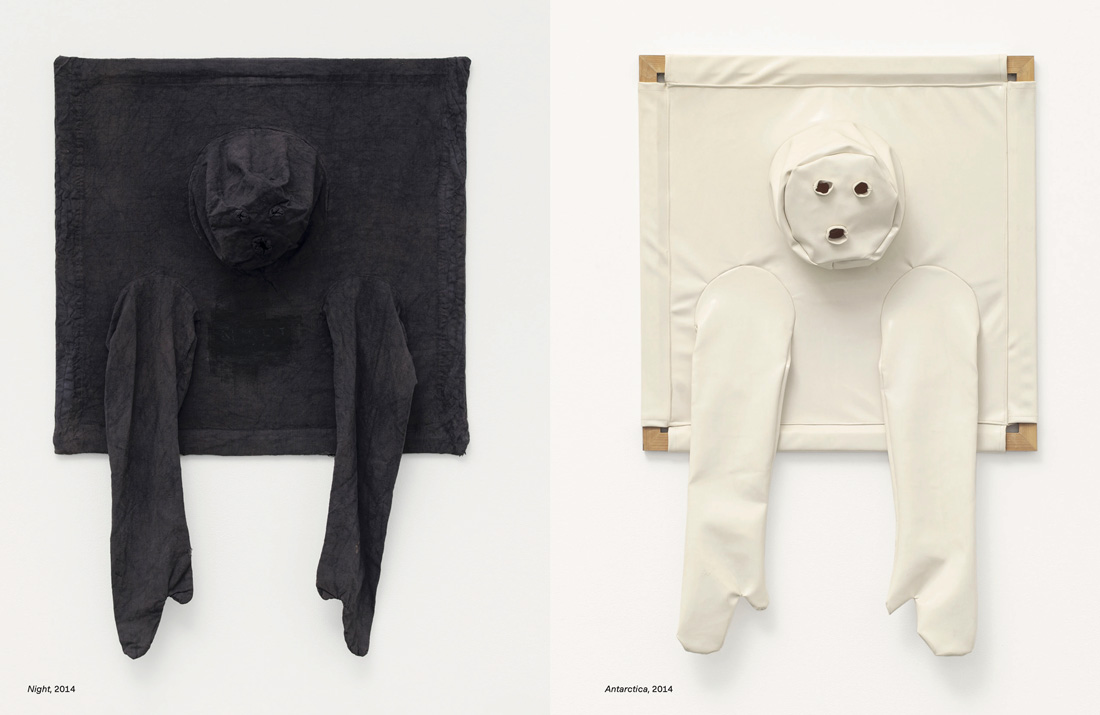
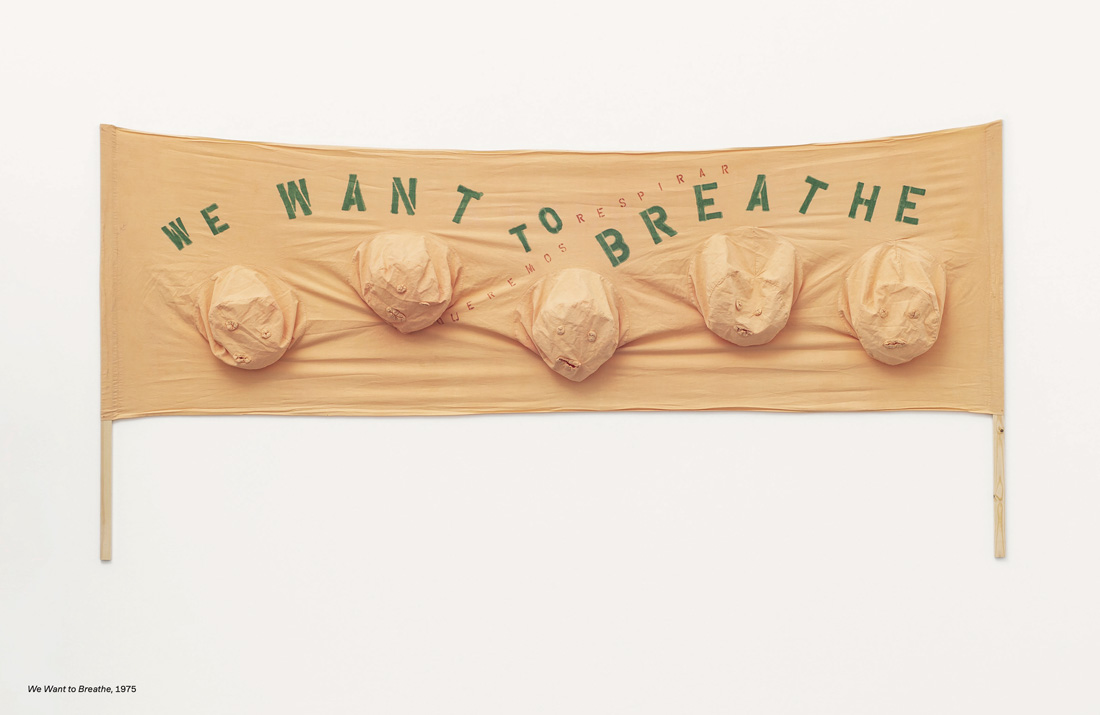
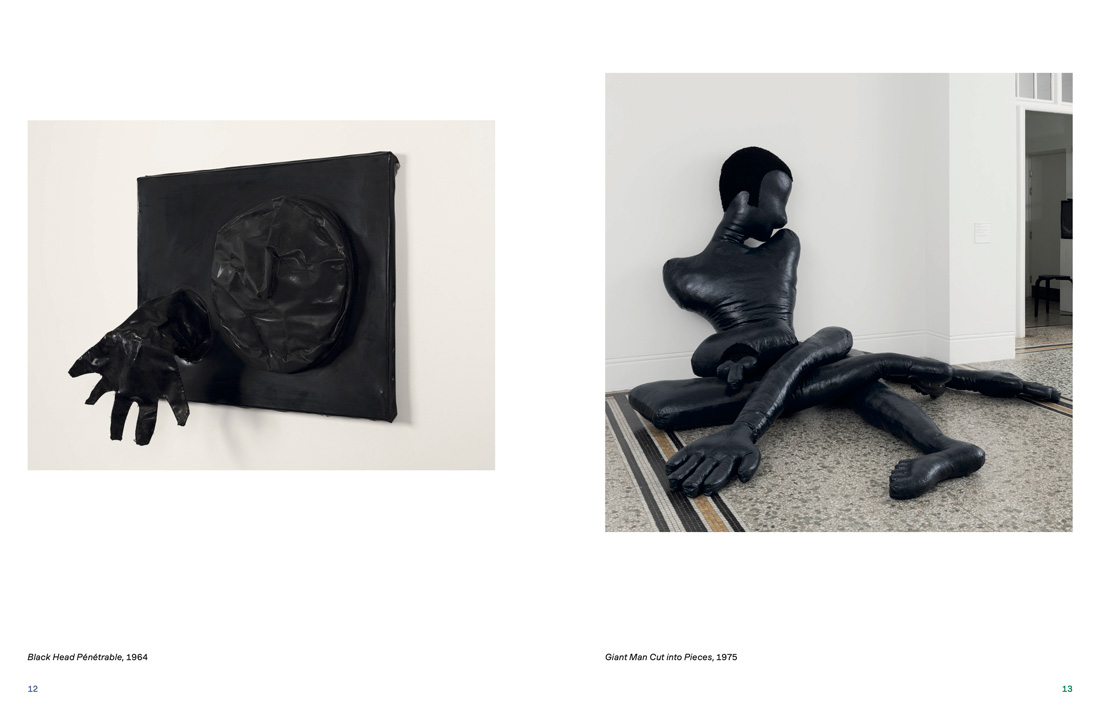
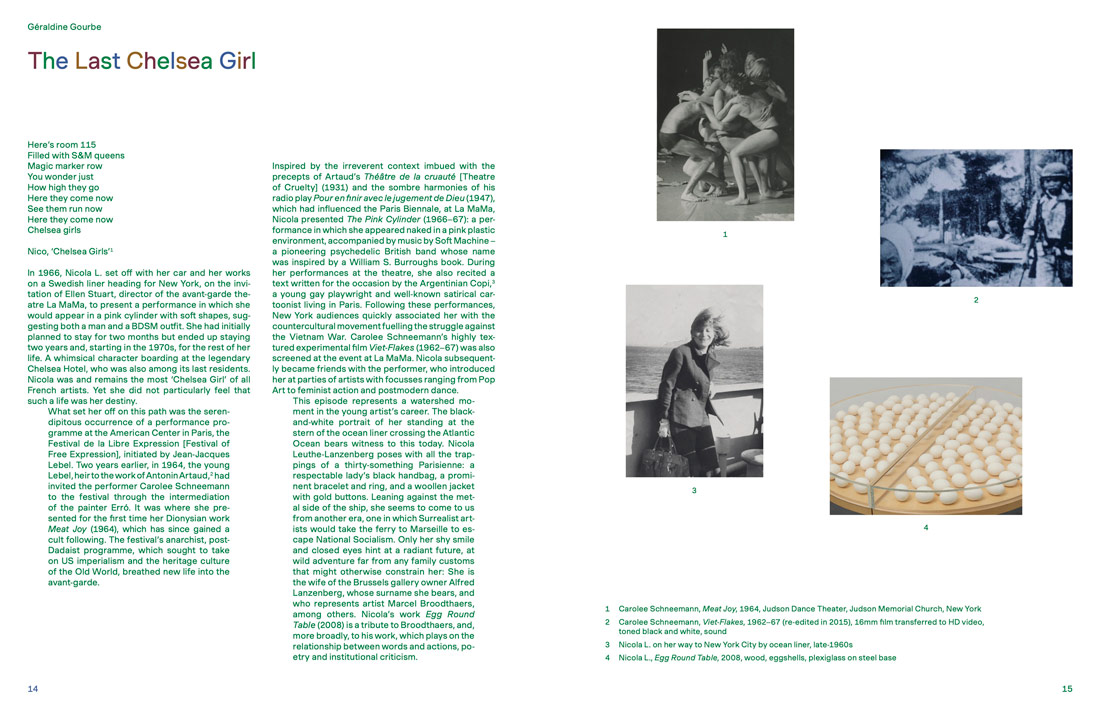
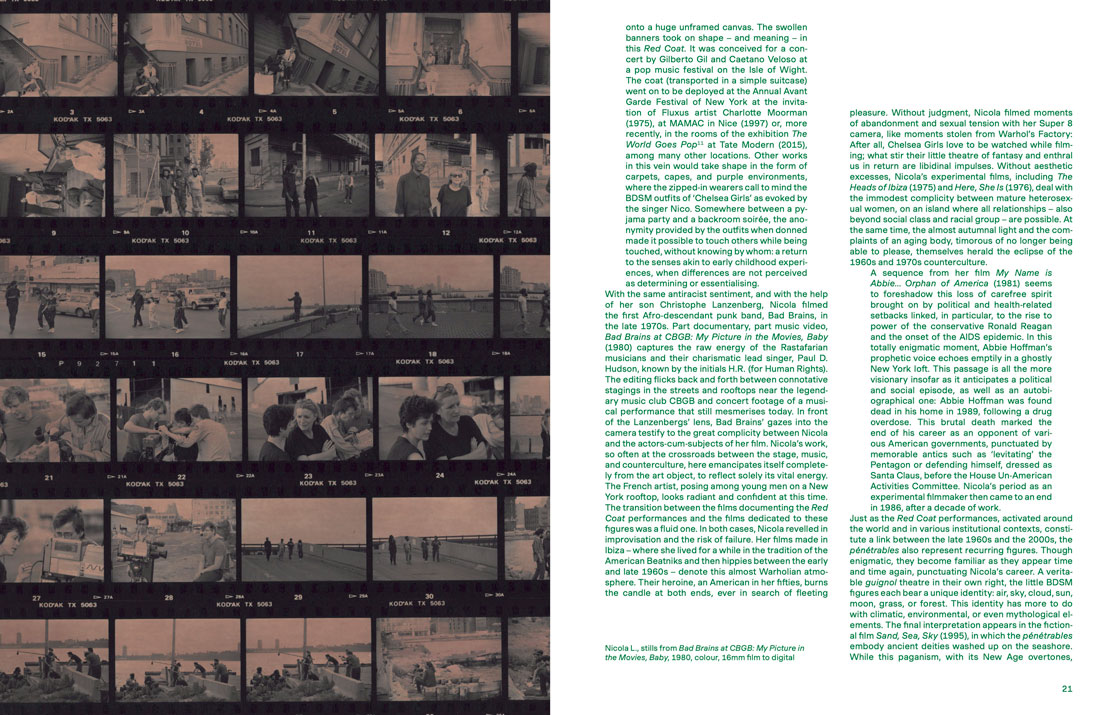
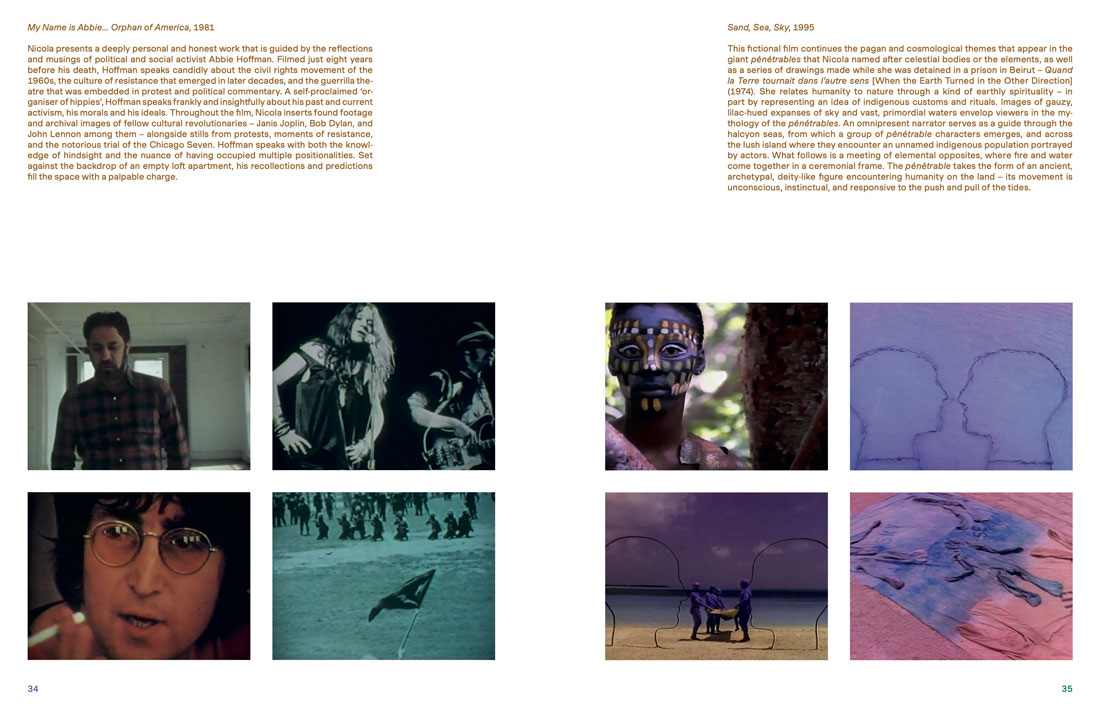
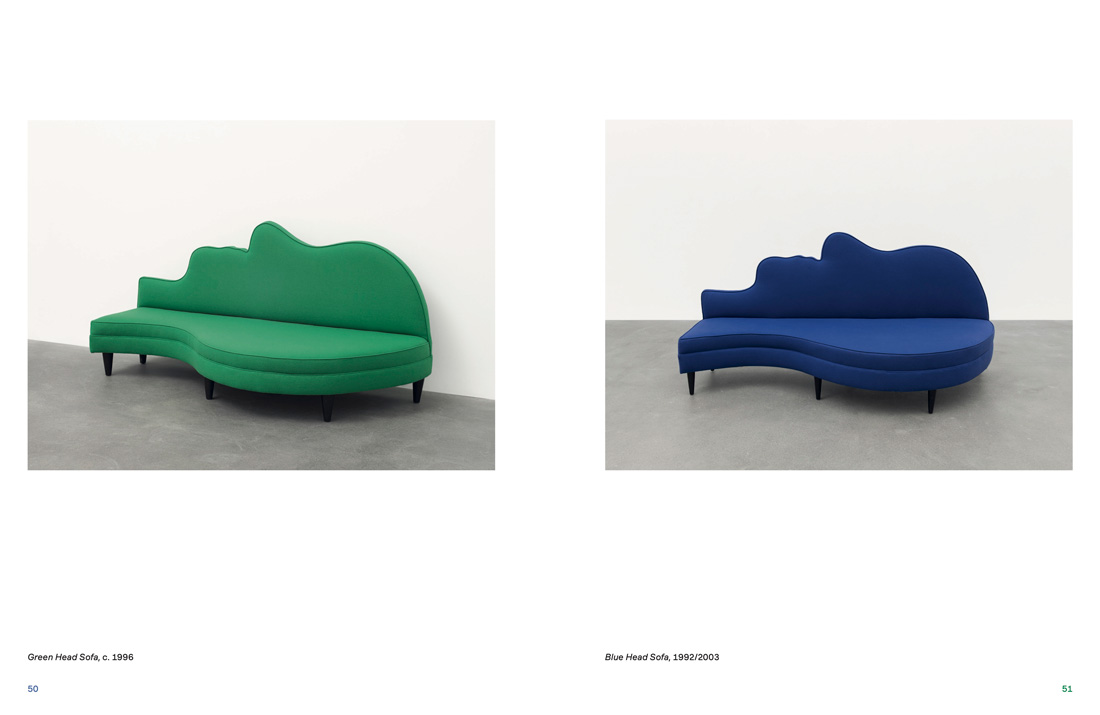
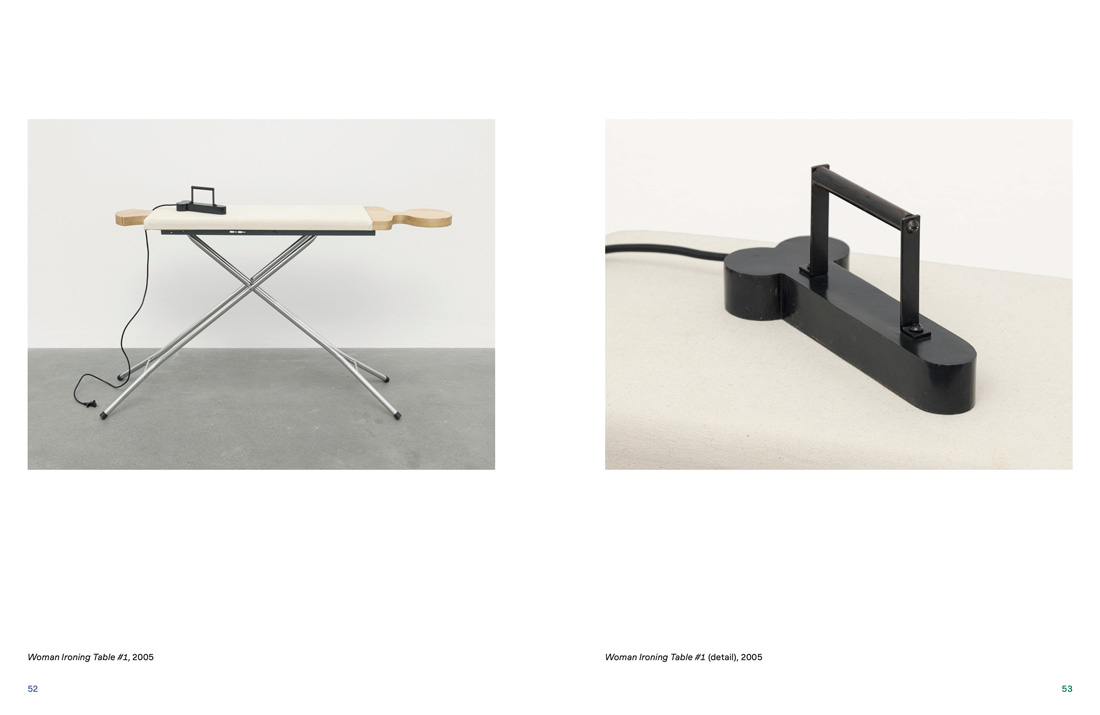
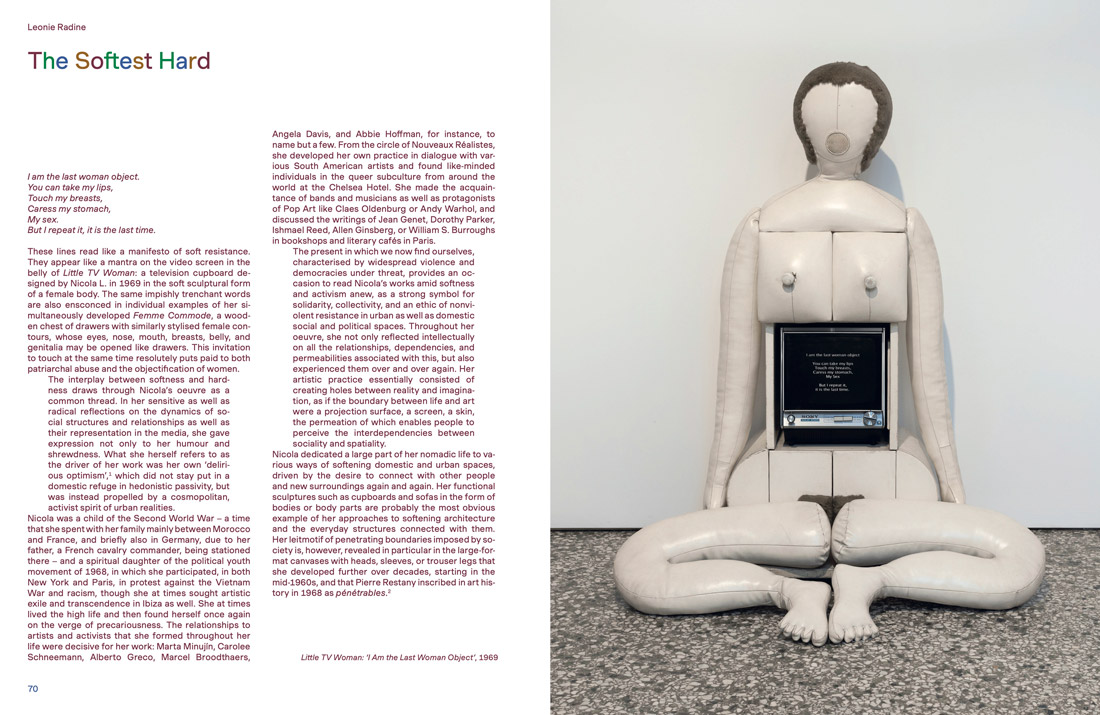
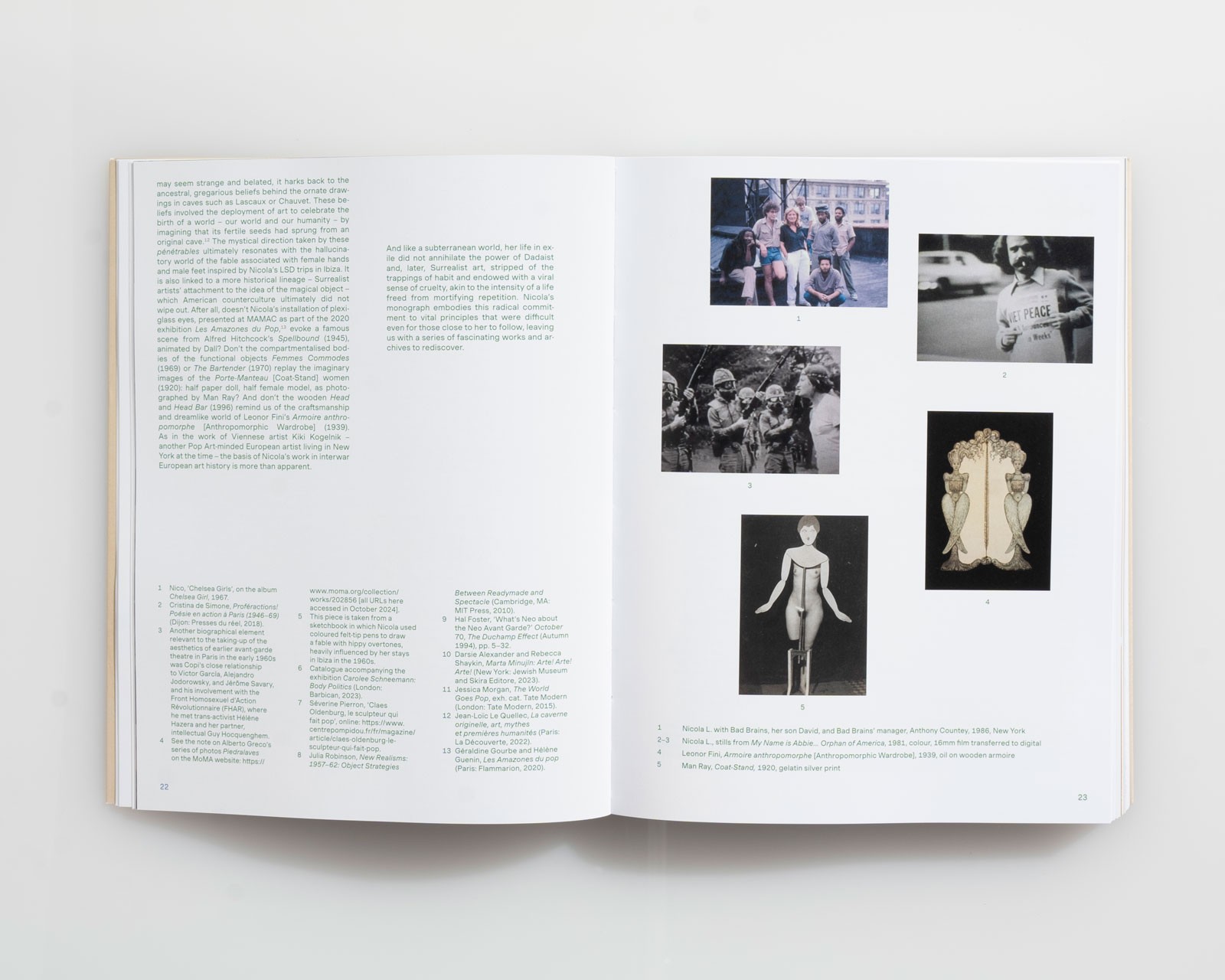
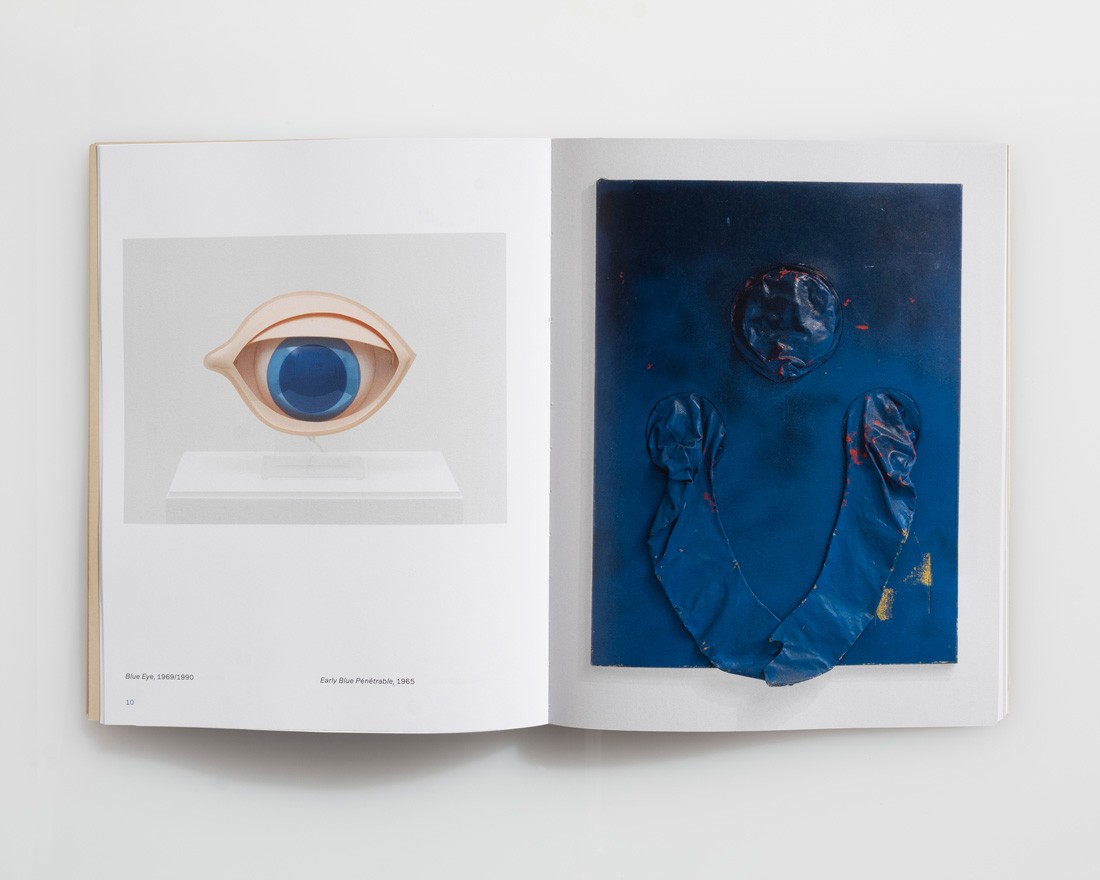
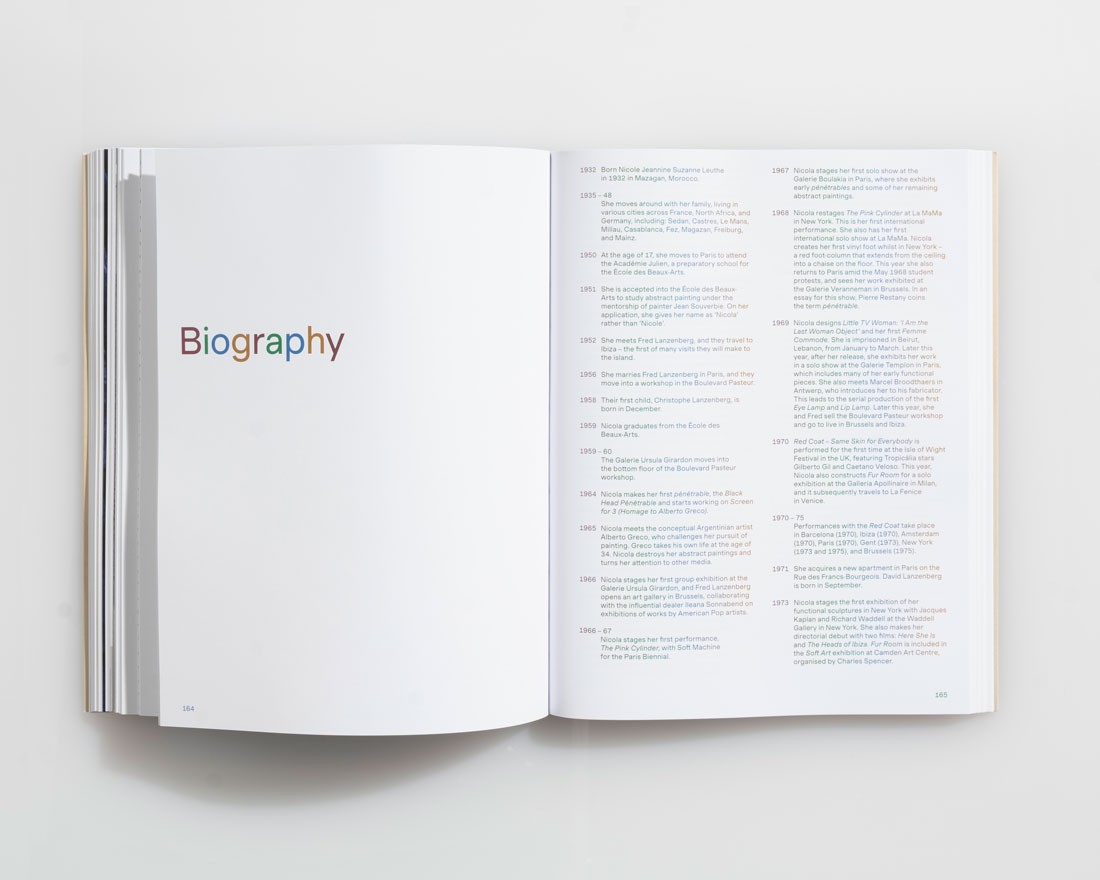
This fully illustrated monograph marks the occasion of the first European survey of Nicola L. (1932–2018). Often discussed in the context of Pop Art, activism, feminism, and design, this is the first in-depth exploration of the multi-layered and expansive nature of her extraordinary practice, which also encompassed cosmology, environmental concerns, spirituality, political protest, and sexuality.
With new scholarly essays translated into English, French, Italian, and German, and supplementary texts on major bodies of work, Nicola L. I Am The Last Woman Object offers novel perspectives on the artist’s practice from some of the exhibitions’ curators: Gina Buenfeld-Murley, Martin Clark, Géraldine Gourbe, and Leonie Radine. Together, they reflect on her life in Paris, Ibiza, Beirut, and New York, situating her within the politics and the social movements of her time. They also bring her work fully into the present by placing it in the context of the social, political, and ecological challenges facing the world today, thus enabling the resonance of her extraordinary practice to continue more than half a century after she began working. Taken together, the texts reveal Nicola L.’s remarkable and lifelong commitment to art, creativity, and radical subversion, presenting a long-overdue appraisal of a practice that straddled many movements and styles in twentieth-century art but resolutely defied categorization.