A multifaceted perspective on contemporary sculpture that explores the practices and concepts of the medium through different approaches. The publication interweaves works by Yu Ji, Bronwyn Katz, Dan Lie, Trương Công Tùng, and Luana Vitra, with essays by Federico Giani, Sohrab Mohebbi, Julia Morandeira Arrizabalaga, Chiara Nuzzi, and Anne Reeve.
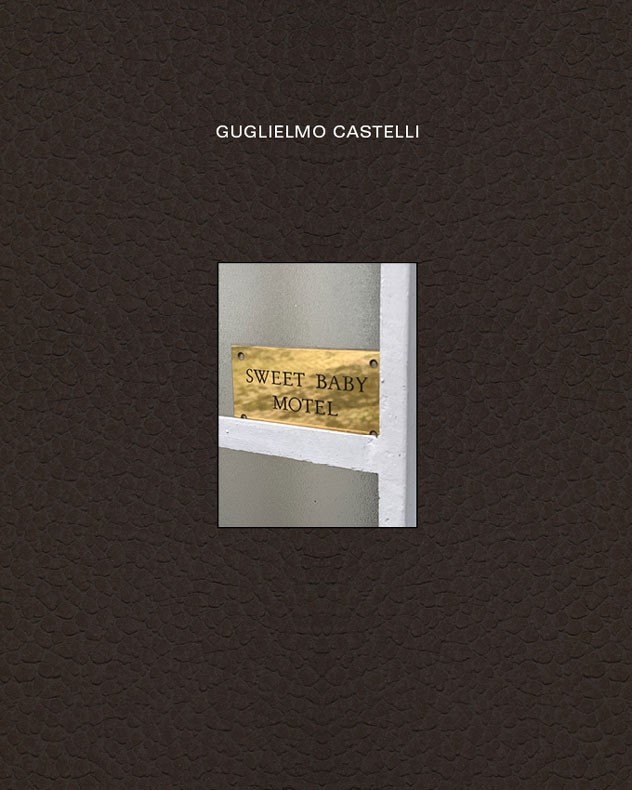
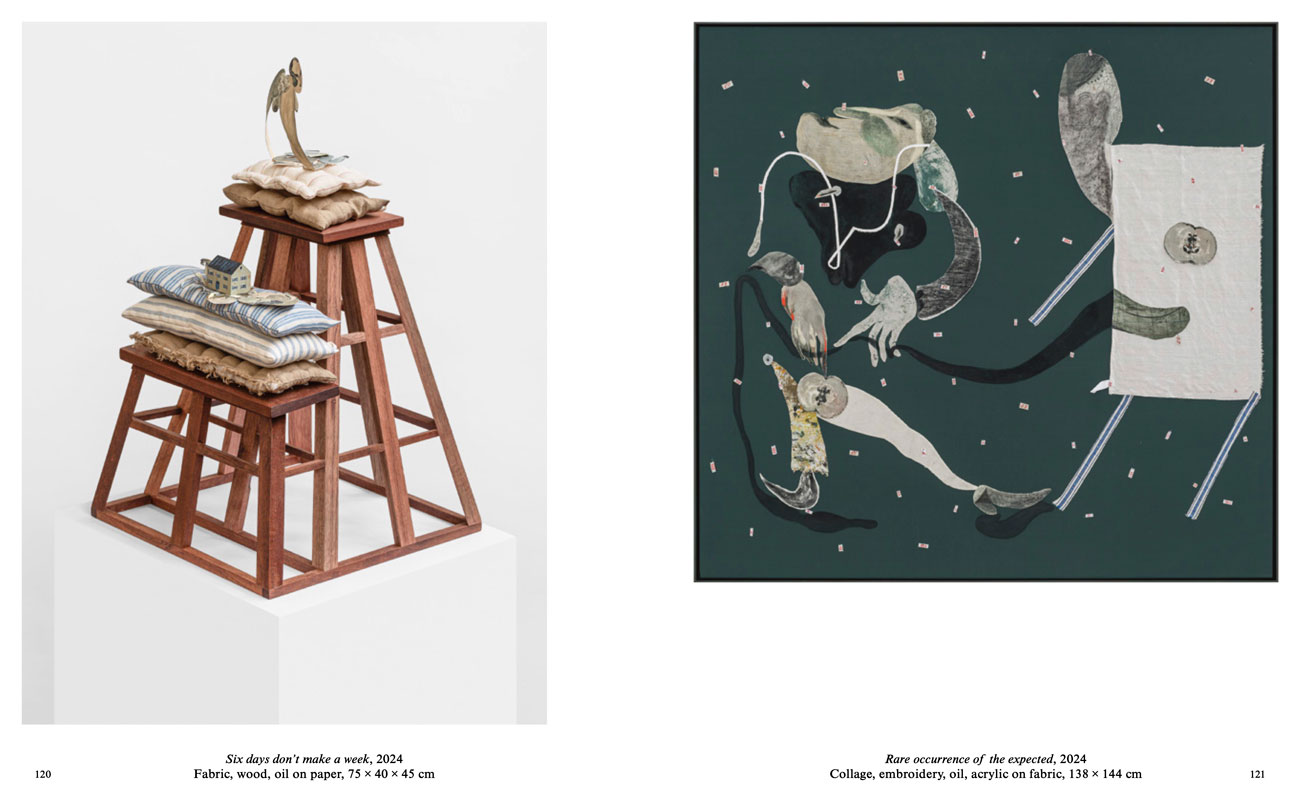
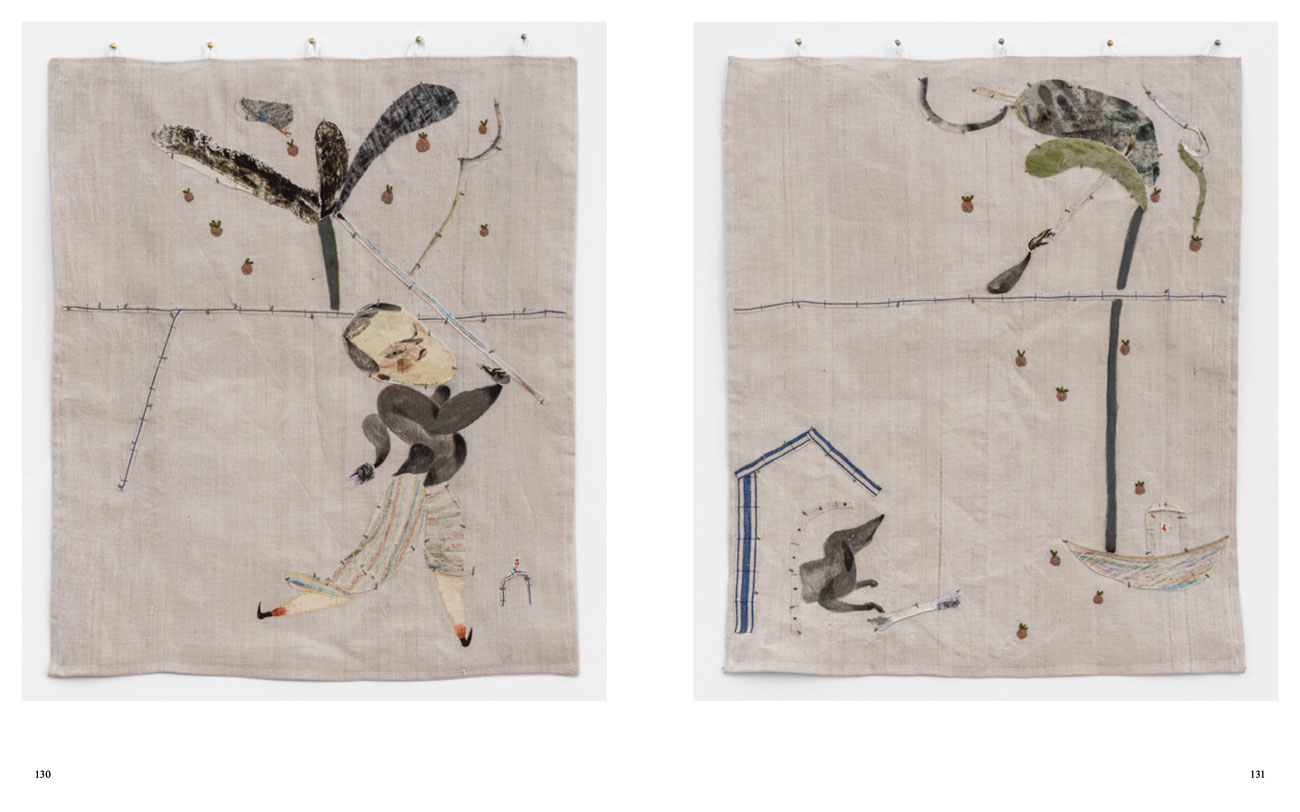
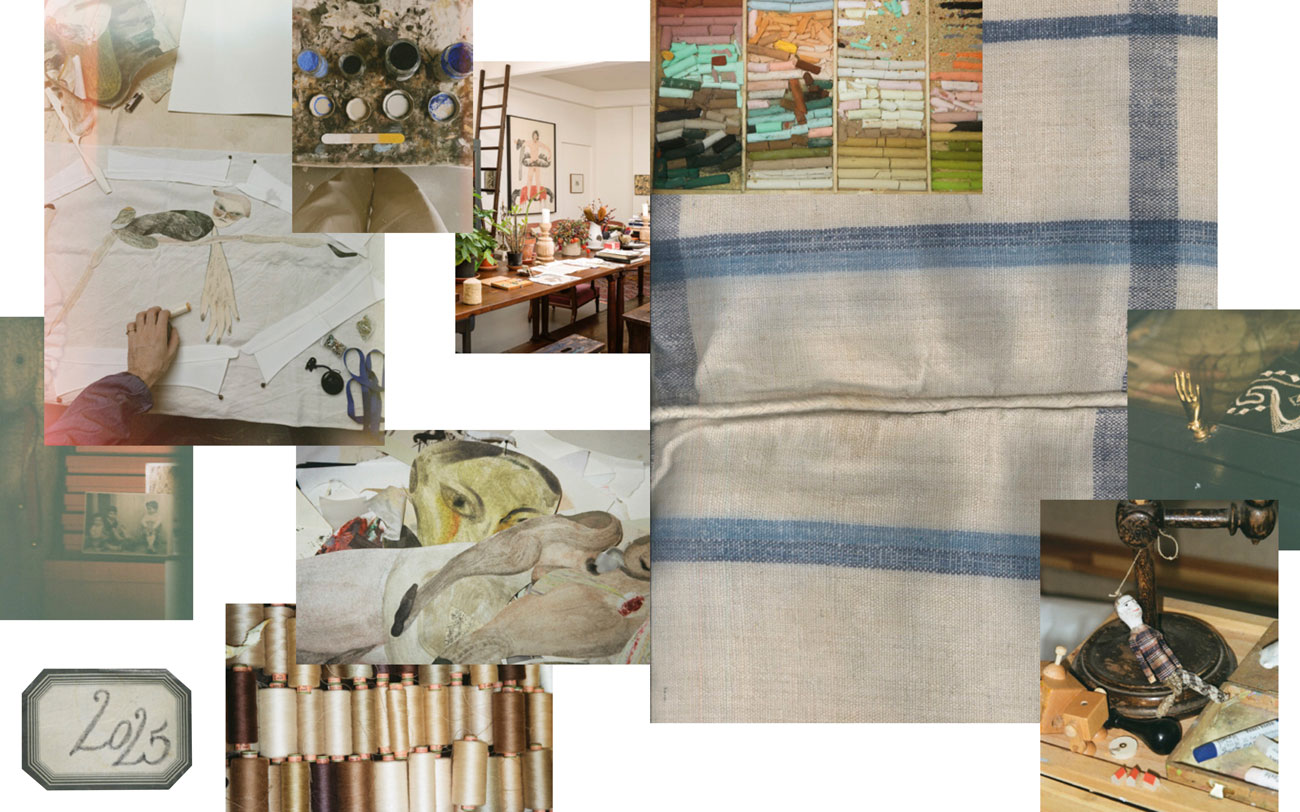
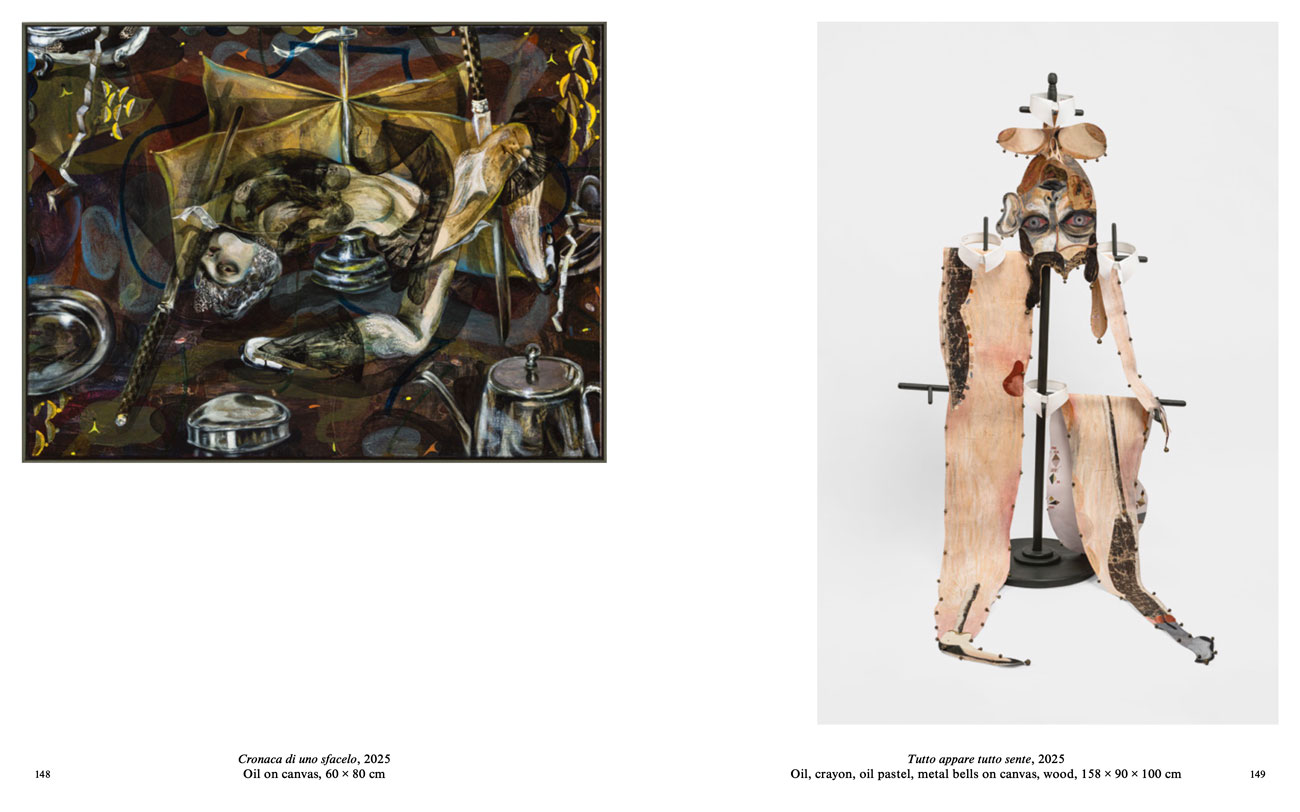
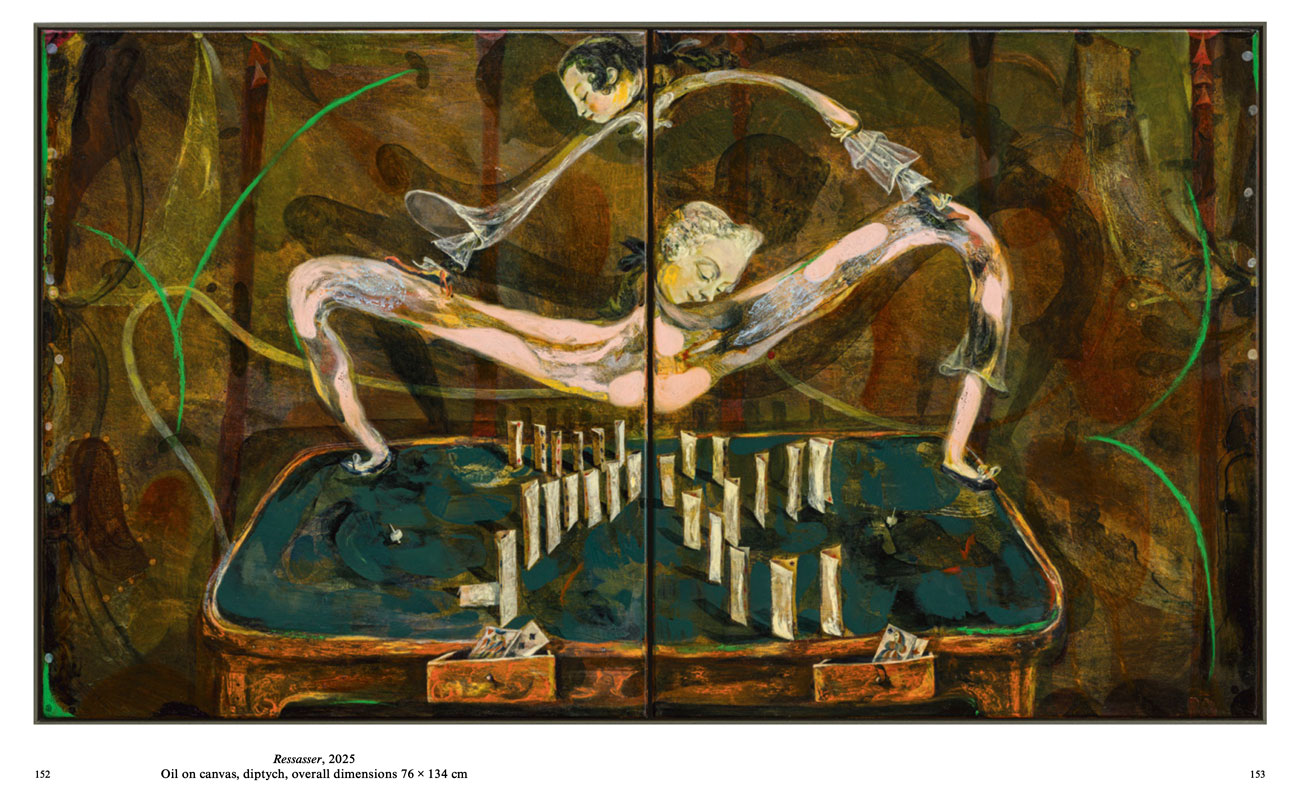
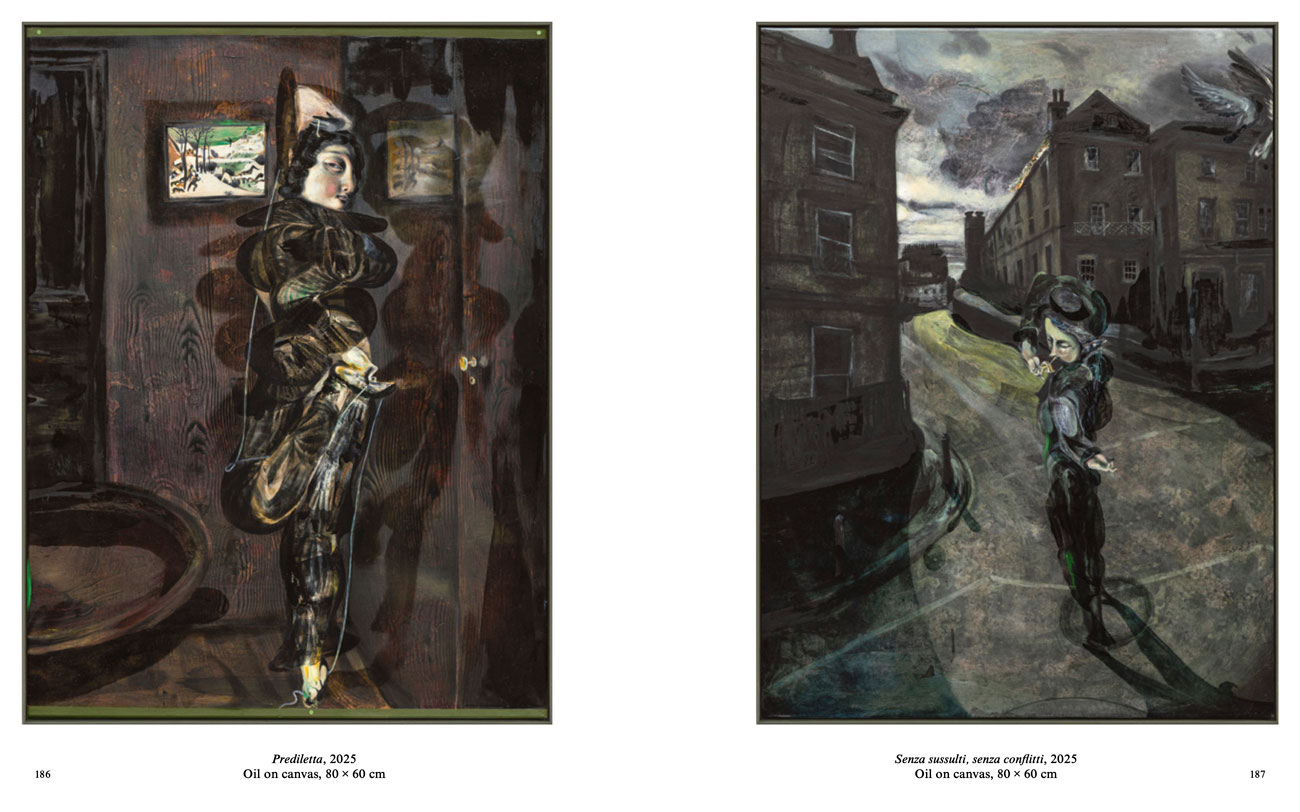
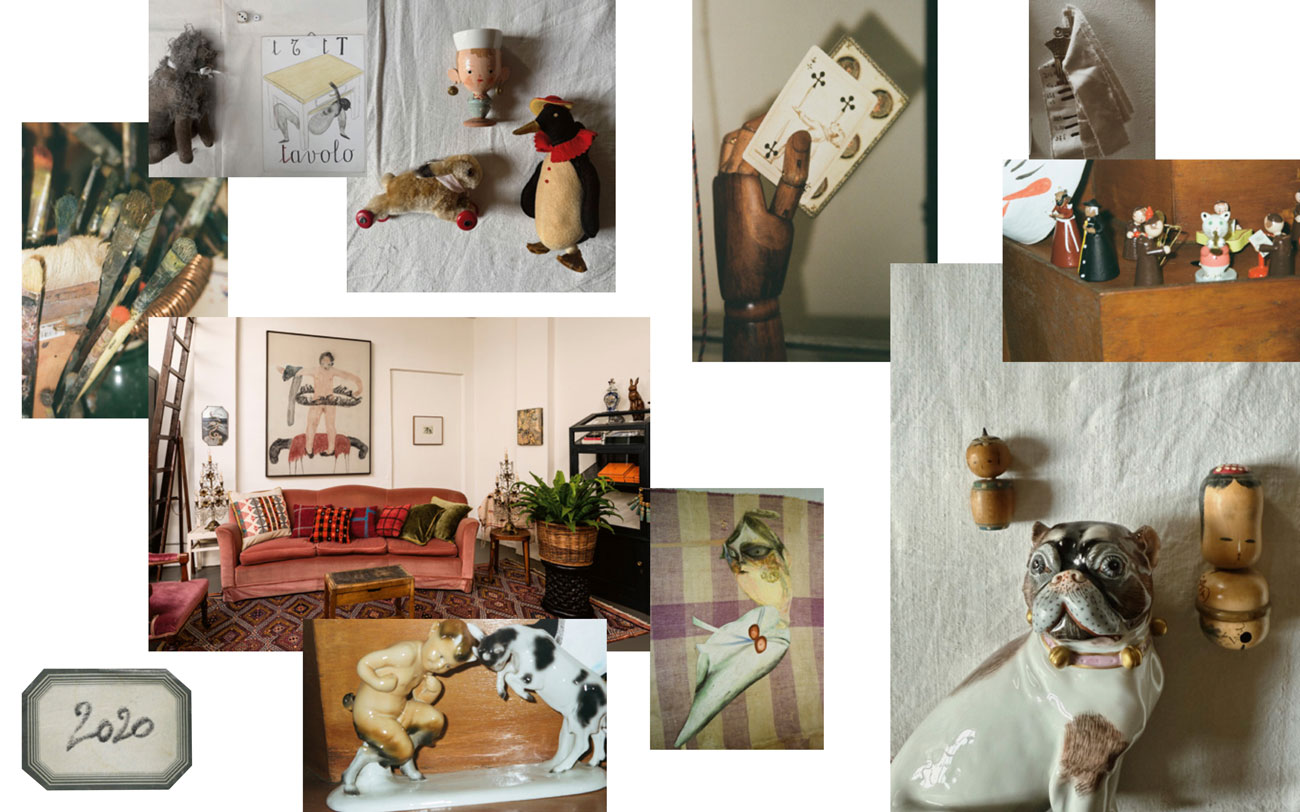
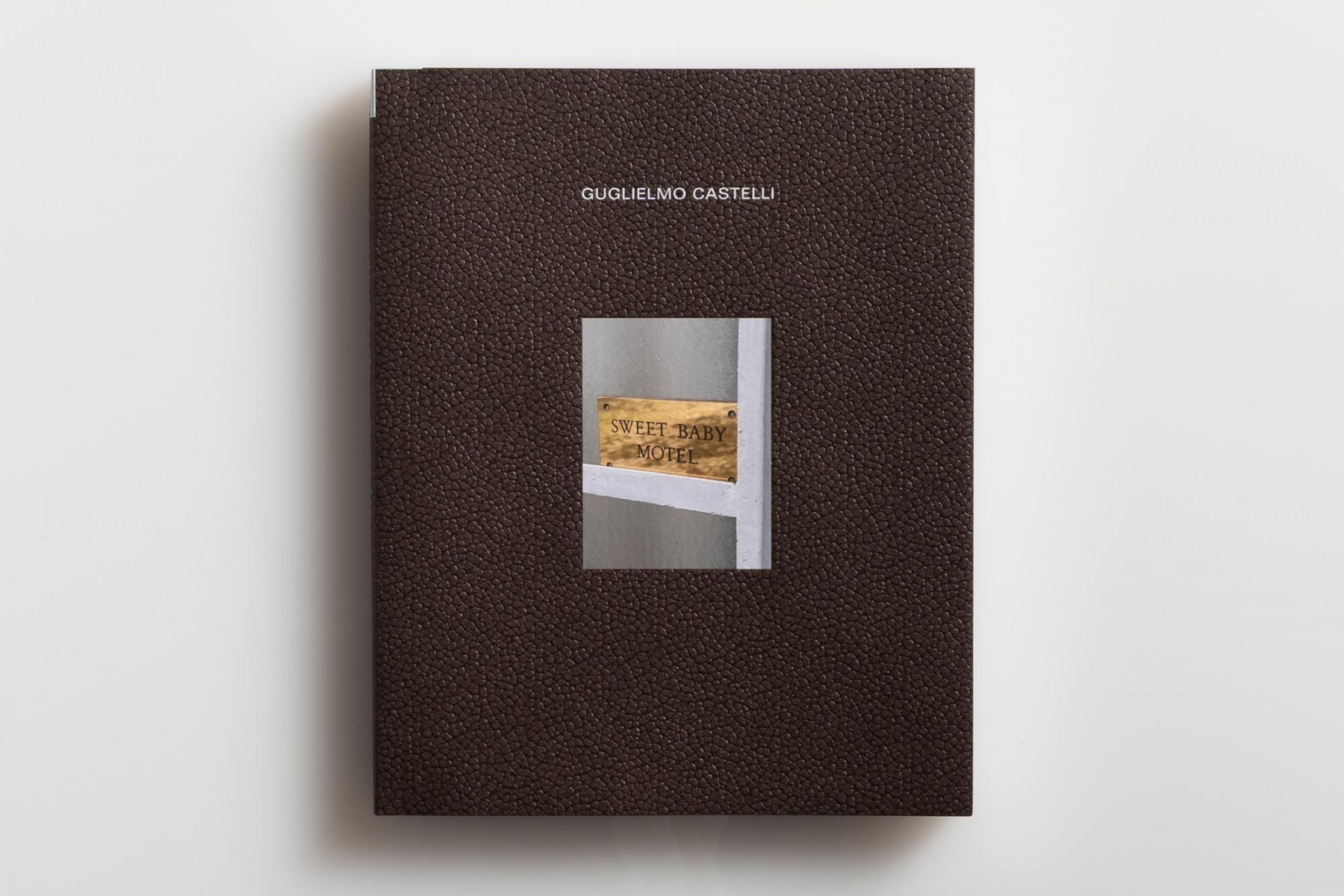
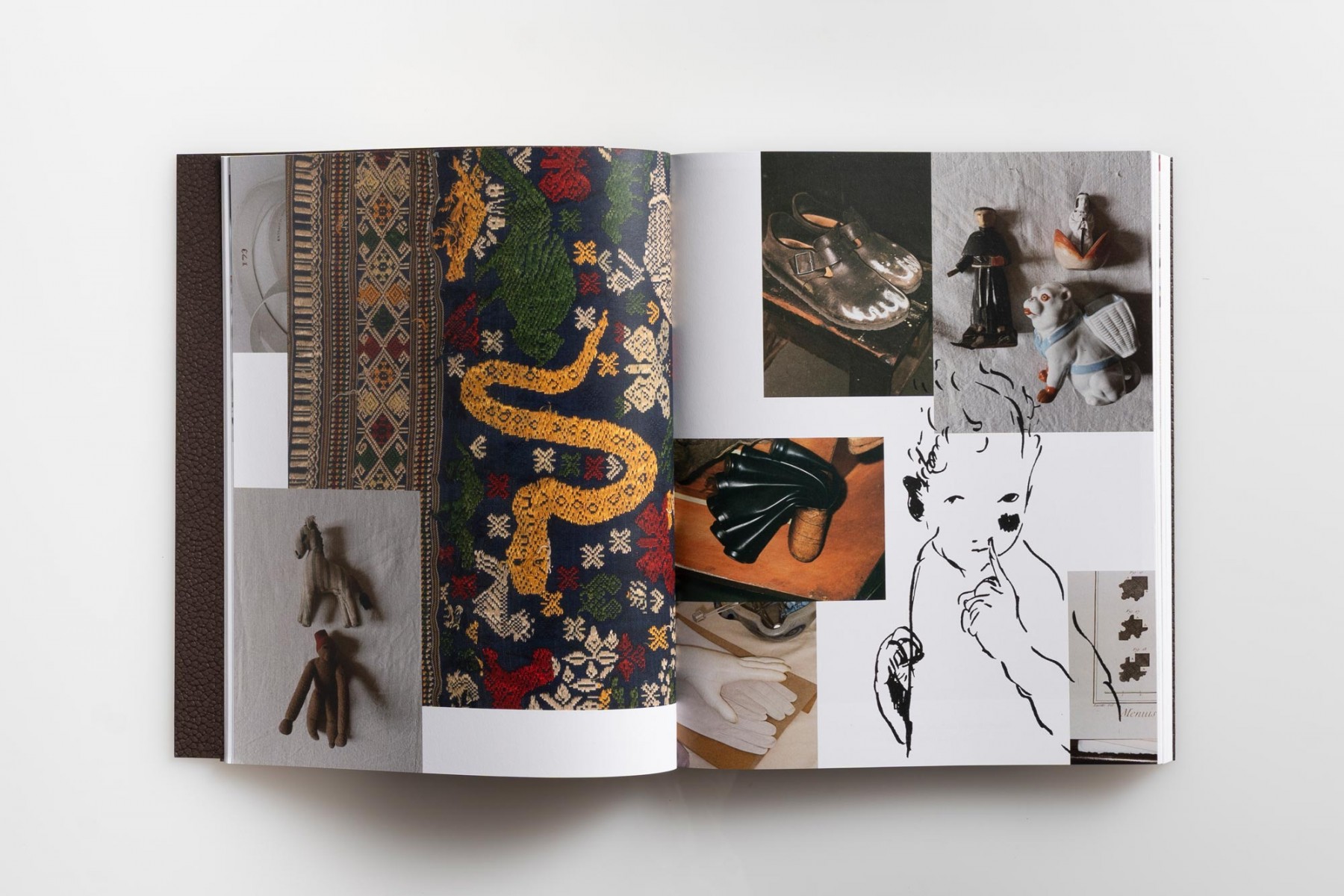
Suffused with specially conceived collages of the artist’s research materials, notes, and sketches, this is the first monograph on Castelli’s painting and sculpture, with essays by Sarah Crowe and Lillian Davies, and an artist interview by Francesco Manacorda. Published with Castello di Rivoli Museo d’Arte Contemporanea and Kunsthalle Wien.
What if the shadow moved first? From March through May 2026, the exhibition The Second Shadow. Dozie Kanu Mirroring Marc Camille Chaimowicz, with Shared Echoes and Kindred Spirits at Fondazione ICA Milano unfolds online through a series of voices and crossings that shift its gravity. Not an extension. A displacement.
A Cosmic Movie Camera is the title of the 18th edition of the BIM’24, which also marks the 50th anniversary of the Biennale organized by the Centre d’Art Contemporain Genève. By blending the real and the virtual, its catalogue captures the spirit of the exhibition, which explores the evolution of moving images, particularly in our algorithmic age.
The book seeks to define the contours of the obsession with the teenage years; a fixation that has shaped a significant strand of contemporary art over the last ten years. Adolescence is here understood as a state of mind, a prolonged condition that dissolves the transition into adulthood and becomes a critique of an unstable world.
In this multi-voiced book, starting from the Orobie Alpine range, the mountainside becomes an epistemological lens through which to interpret contemporaneity and address issues such as multi-species migrations, our relationship with geological time and intergenerational inheritance, and the rethinking of collective memories and rituals.
Edited by Michelle Cotton and Francesco Manacorda
Texts by Guglielmo Castelli, Sarah Crowe, Lillian Davies, and Francesco Manacorda
Designed by Lorenzo Mason Studio
2026, English / Italian / German, 24 x 30 cm, 256 pages
ISBN 979-12-80579-90-4
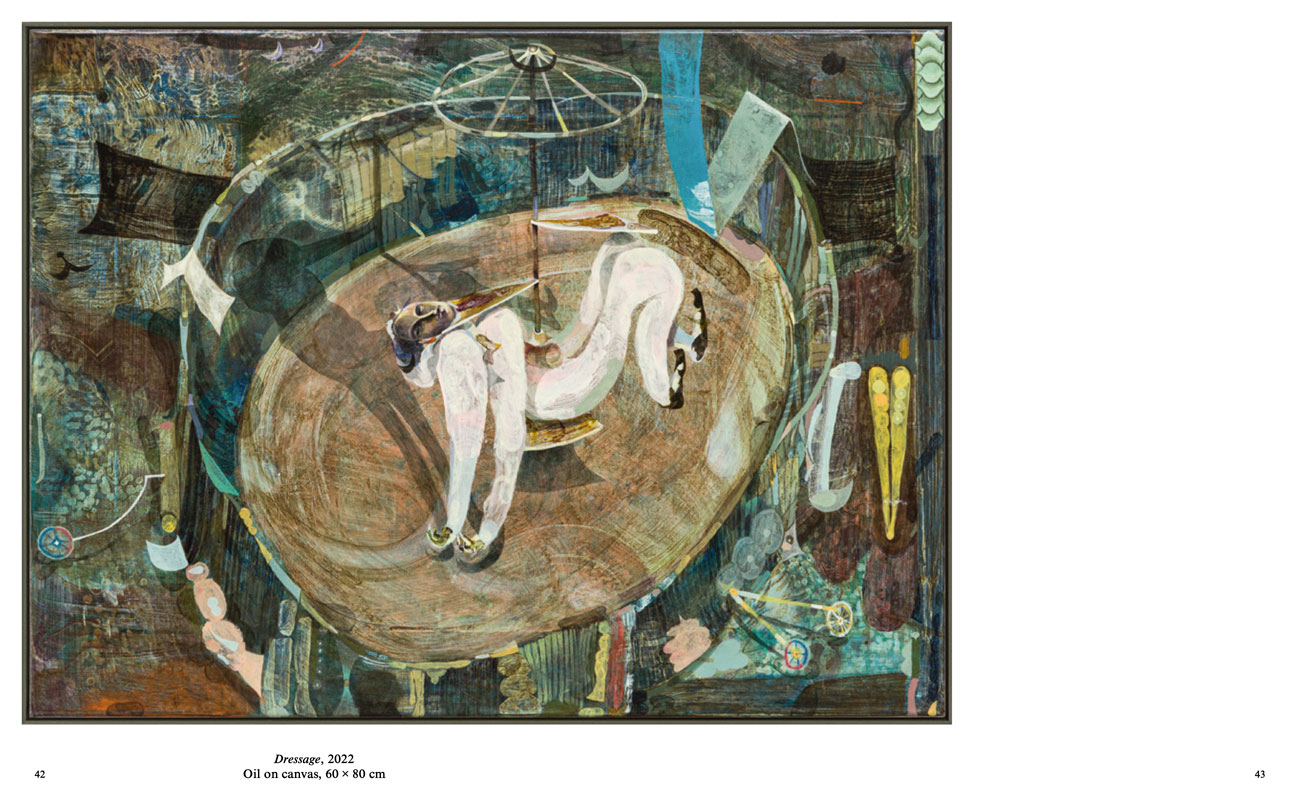
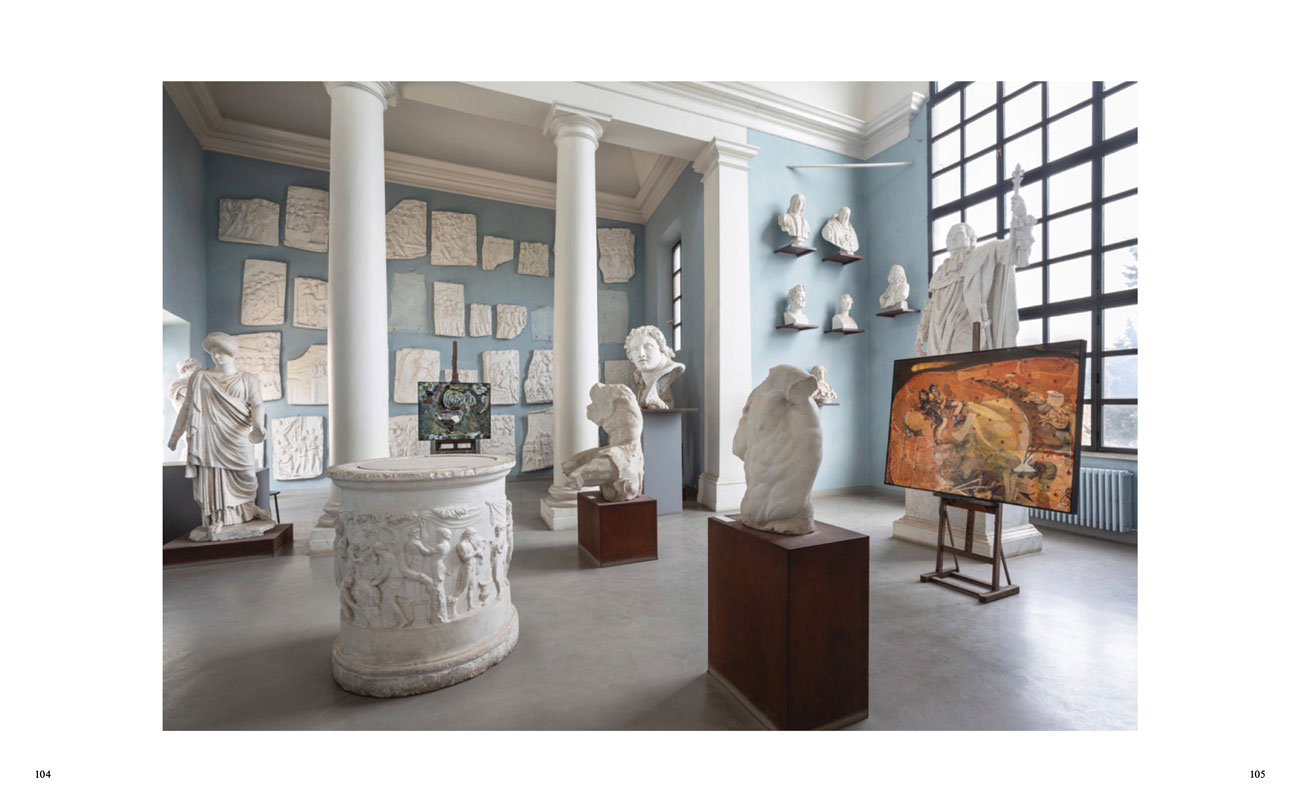
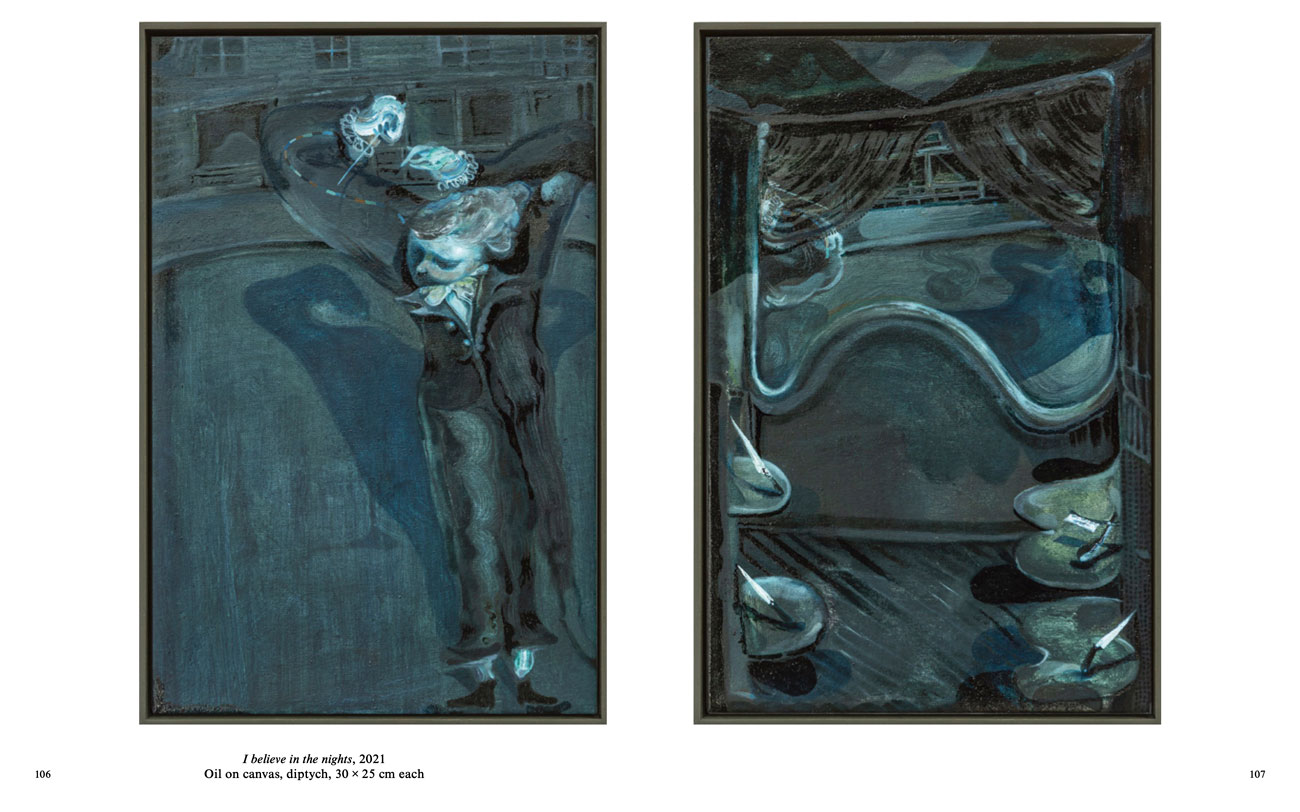
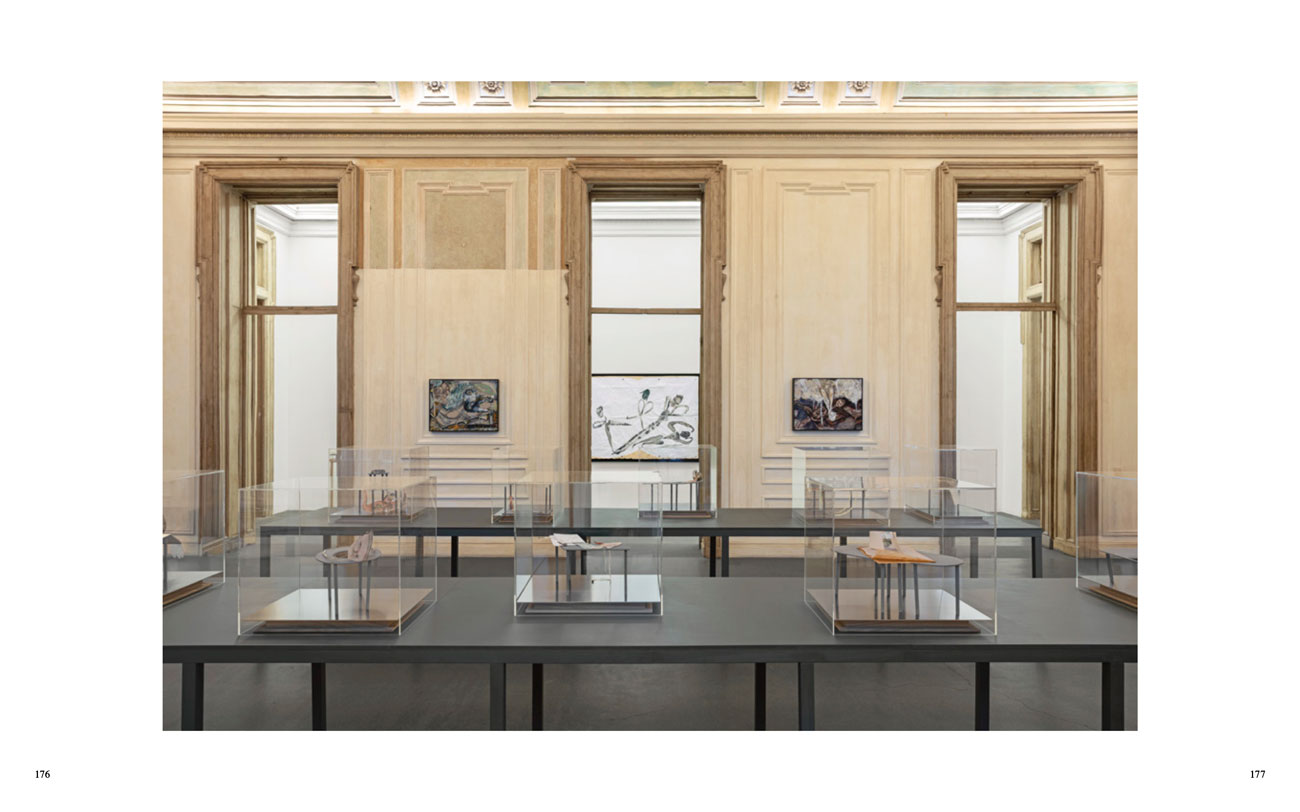
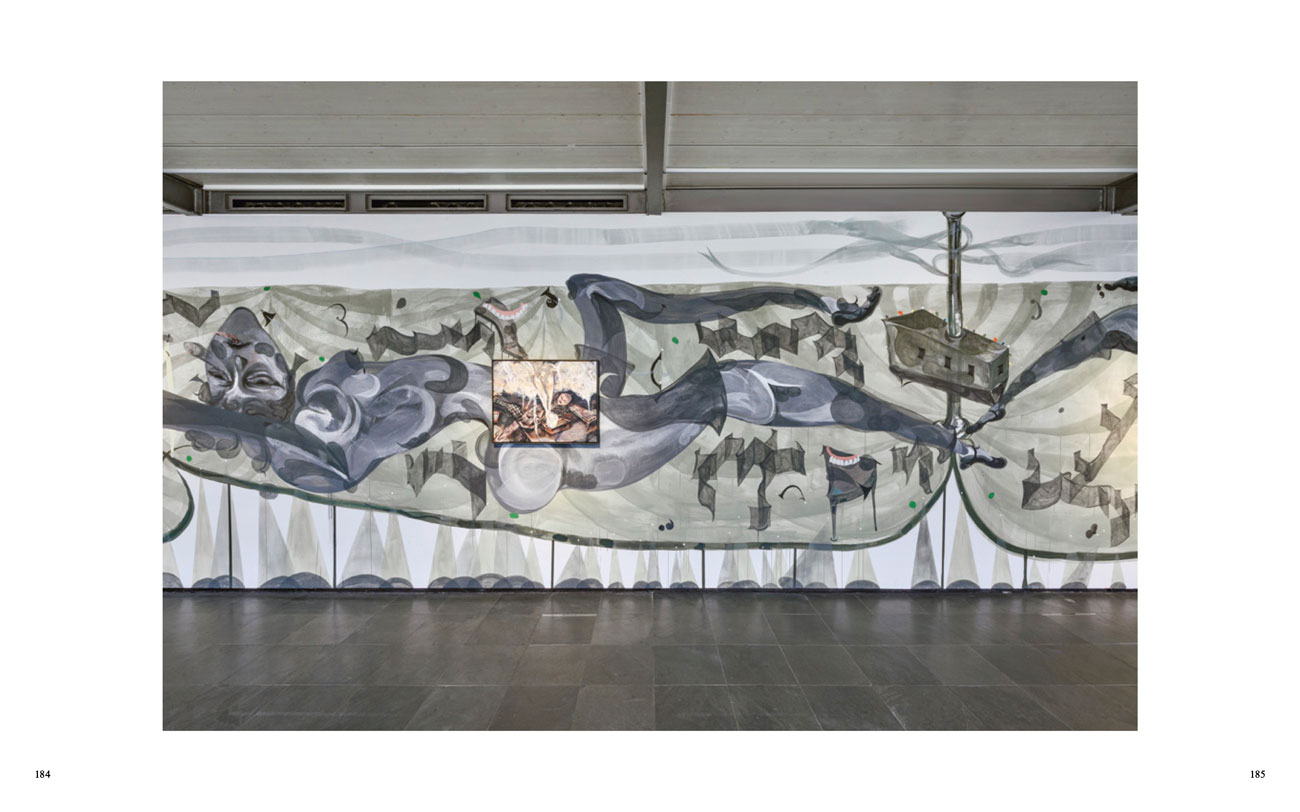
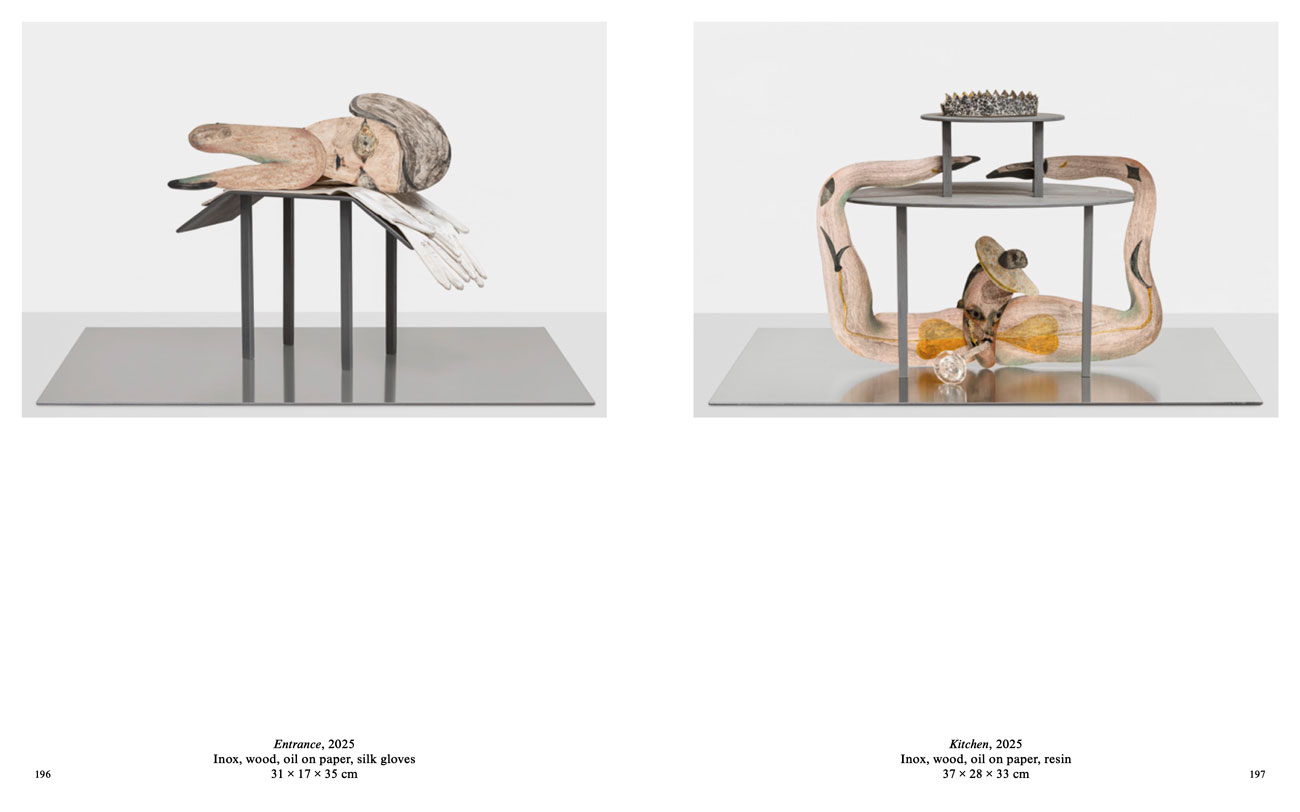
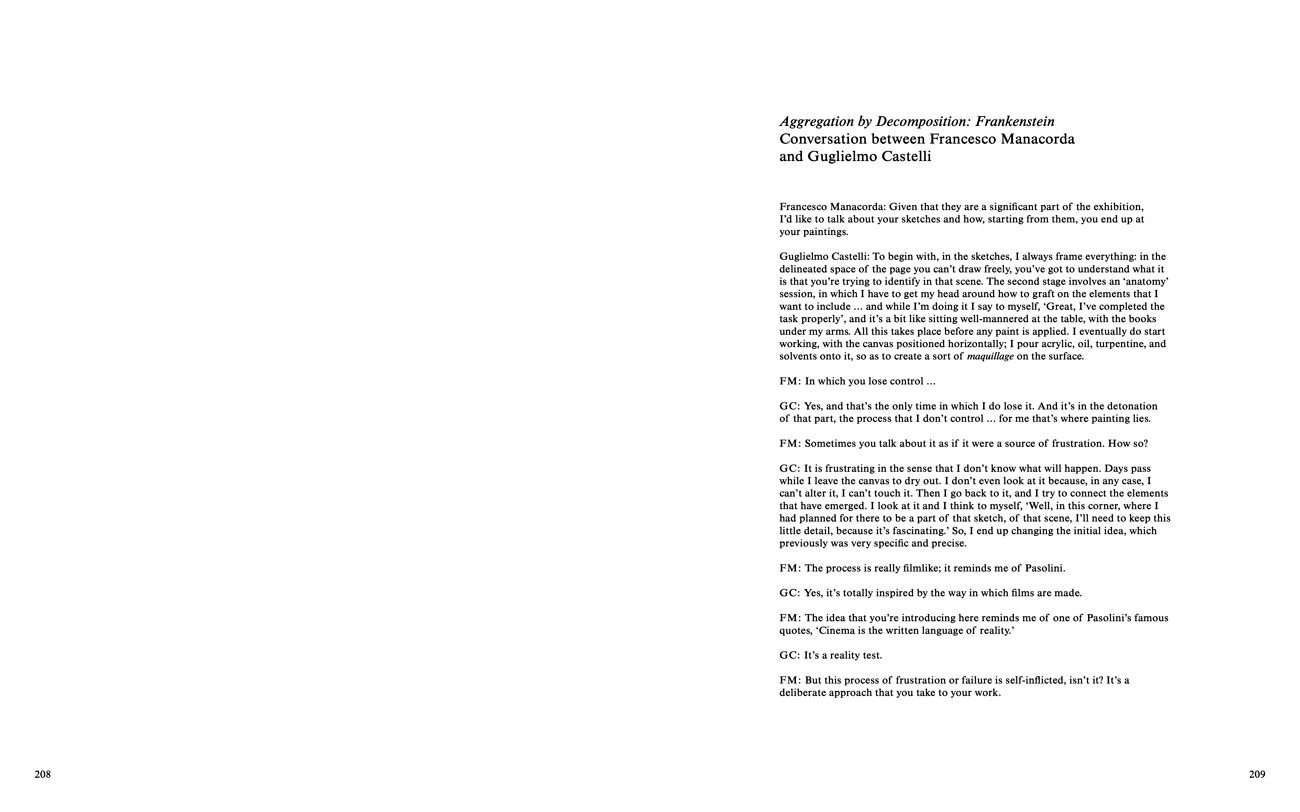
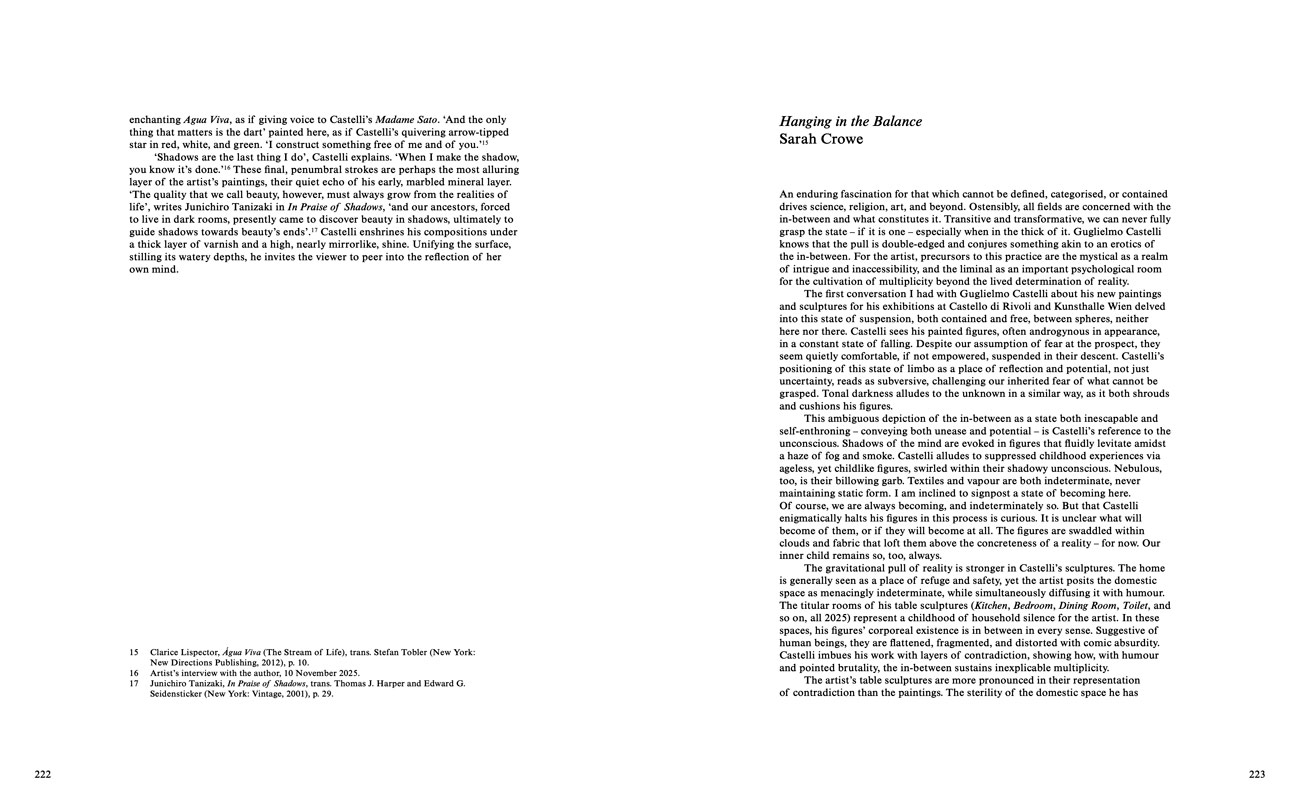
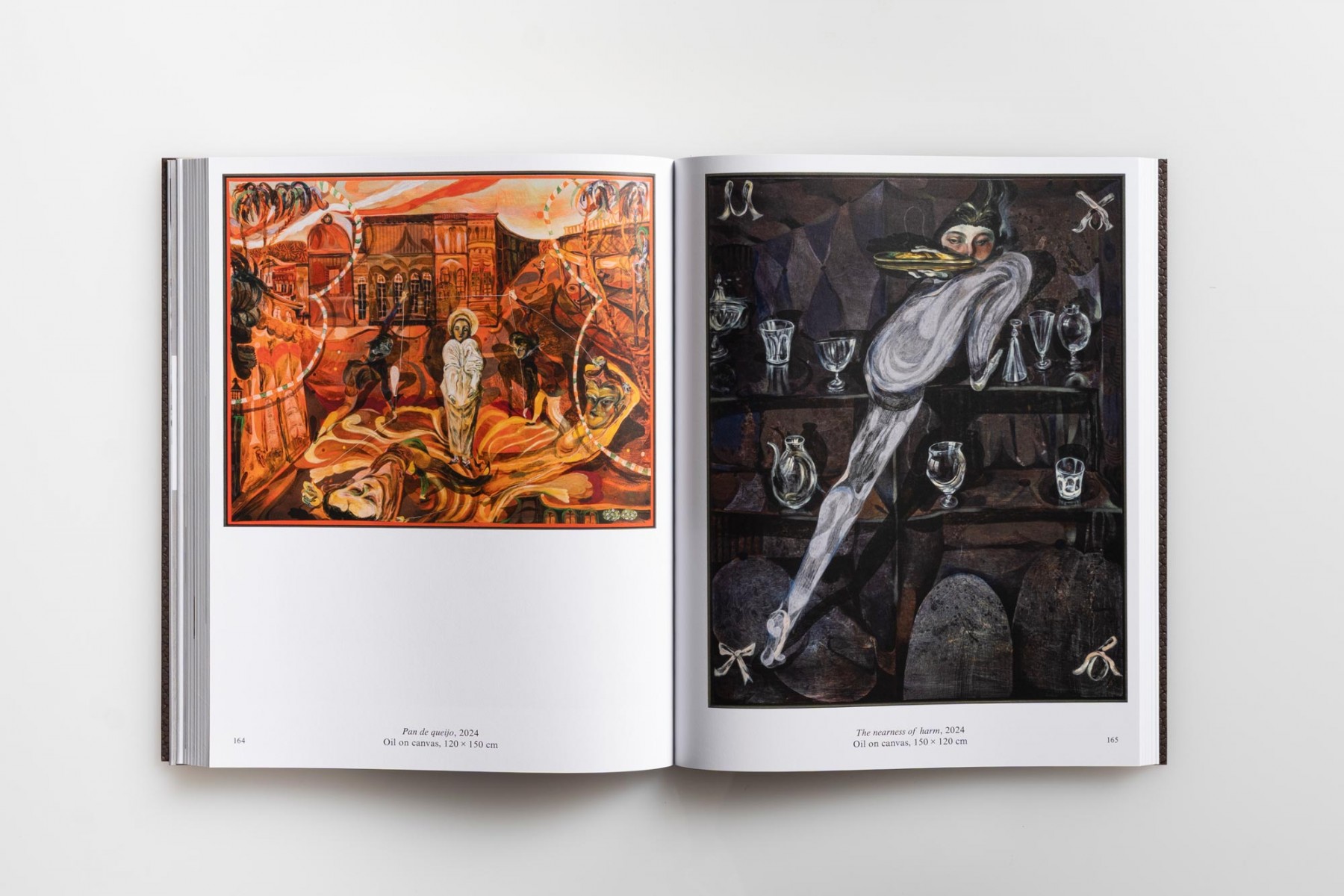
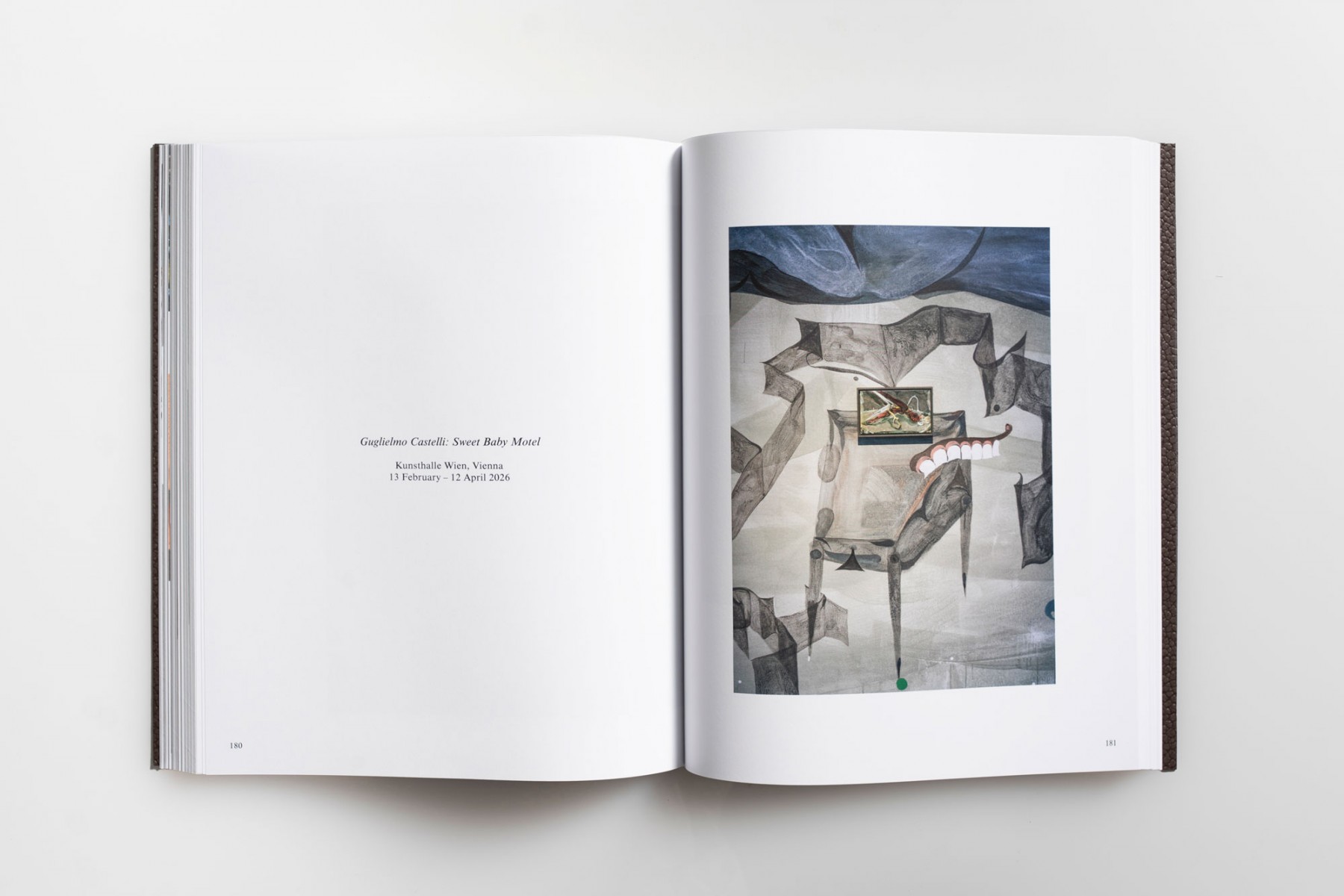
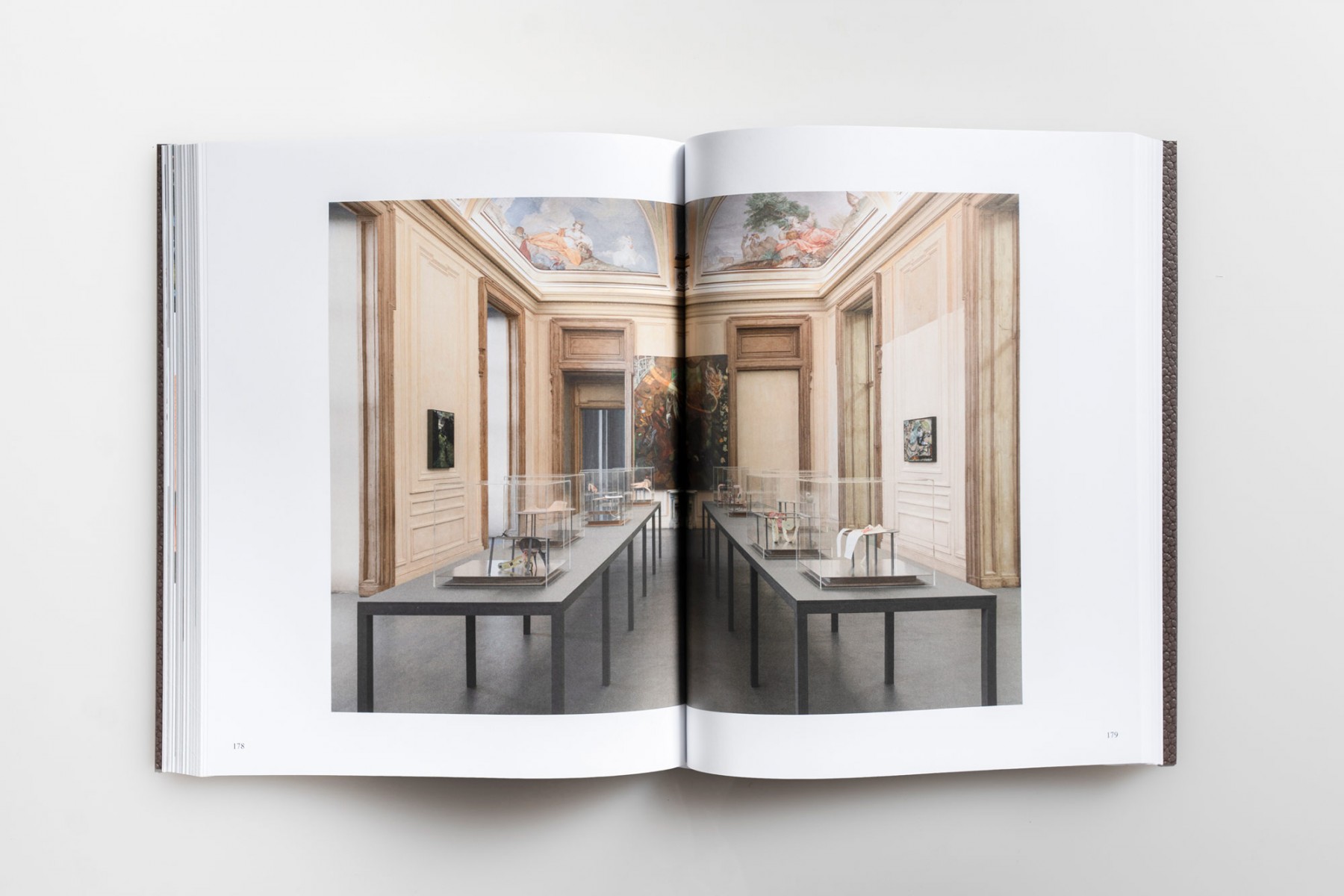
Published on the occasion of the exhibitions at Castello di Rivoli Museo d’Arte Contemporanea, Rivoli-Turin, and Kunsthalle Wien, Vienna, Guglielmo Castelli: Sweet Baby Motel is the first comprehensive monograph on the artist’s painting and sculpture. The publication conducts a wide-ranging investigation into the artist’s ethereal poetics, including newly commissioned essays by the curators of the exhibitions at Castello di Rivoli Museo d’Arte Contemporanea and Kunsthalle Wien, and by art historian and critic Lillian Davies. Davies explores the enigmatic depths of Castelli’s painting practice, and curator Sarah Crowe pays particular attention to the artist’s weightless, boneless, and genderless figures. Francesco Manacorda interviews the artist on his scenographic, filmic approach.
Castelli developed a new corpus of works for the exhibitions in Turin and Vienna that spans painting, collage, and sculpture, and culminates in a selection of his sketchbooks. Facilitating a deep understanding of process and intimate aspects of Castelli’s practice, these sketchbooks are invaluable repositories of creative trajectories, containing references from different places and times, which are then carefully selected by the artist to flow into his work.
The sketchbooks and the artistic process they embody guide the temporal structure and artistic intimacy of the publication. Castelli constellates myriad materials—from preliminary drawings and notes to poetry excerpts and fabric cutoffs—as conceptual inspiration for bodies of work that he conceives as fully fledged exhibitions. In the publication, examples of these collaged fields of associations preface documentation of individual exhibitions and their groups of work, thus bringing the artist’s practice full circle.