This richly illustrated book considers the dazzling oeuvre of choreographer and dancer Marlene Monteiro Freitas. In line with her creative methodology, Alexandra Balona unfolds an “atlas of affects” through five emblematic dance pieces that reveal the intensity, humor, and humanity of one of today’s most radical choreographic voices.
Invited to present an exhibition at the Galleria Borghese in Rome, Kenyan-American artist Wangechi Mutu has developed an innovative approach to museum space, challenging hierarchy, permanence, and fixed meanings. With in-depth essays and a rich selection of illustrations, this catalog retraces that exhibition and explores the themes and concerns that have long characterized the artist’s practice.
Invitata a concepire una mostra alla Galleria Borghese, l’artista keniota-americana Wangechi Mutu ha sviluppato un approccio innovativo allo spazio museale, confrontandosi con le gerarchie, la permanenze e le sedimentazioni del contesto. Attraverso saggi approfonditi e una ricca selezione di illustrazioni, questo catalogo ripercorre la mostra ed esplora i temi e le preoccupazioni che da tempo caratterizzano la pratica dell’artista.
A visual notebook of the screenshots taken by Yngve Holen over the past five years or so, 6G—the anticipated next phase of network technology—is a peculiarly sized artist’s book, a glossy non-linear agglomeration that reflects the intersections of production, life, and digital debris.
Conceived as a visual résumé, the book provides a comprehensive overview of Posenenske’s solo exhibitions and a record of her numerous group shows. Featuring an essay by curator Erlend Hammer on the role of documentary photographs in the circulation of works of art, it was published in conjunction with the eponymous show at the Haugar Art Museum in Tønsberg.
Edited by P. Staff with Samuele Piazza
Designed by Studio Dominik Krauss
Published with OGR, Turin
2026, English, softcover, 13 x 19 cm, 136 pages
ISBN 979-12-80579-94-2
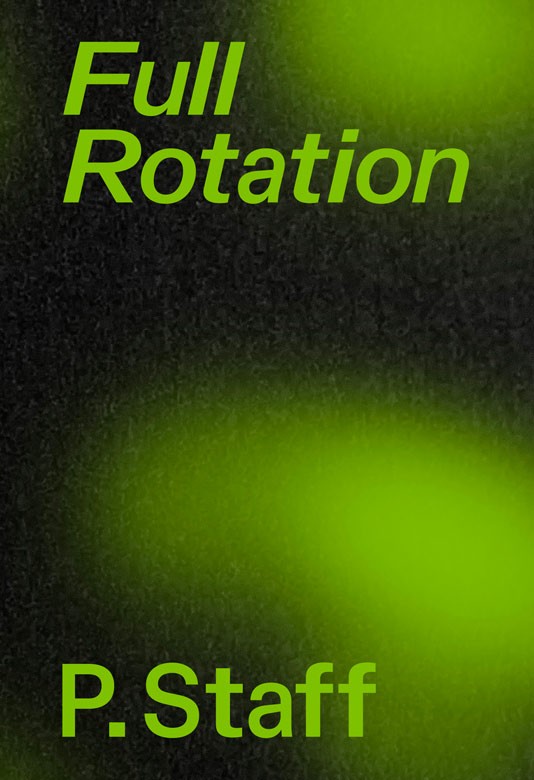
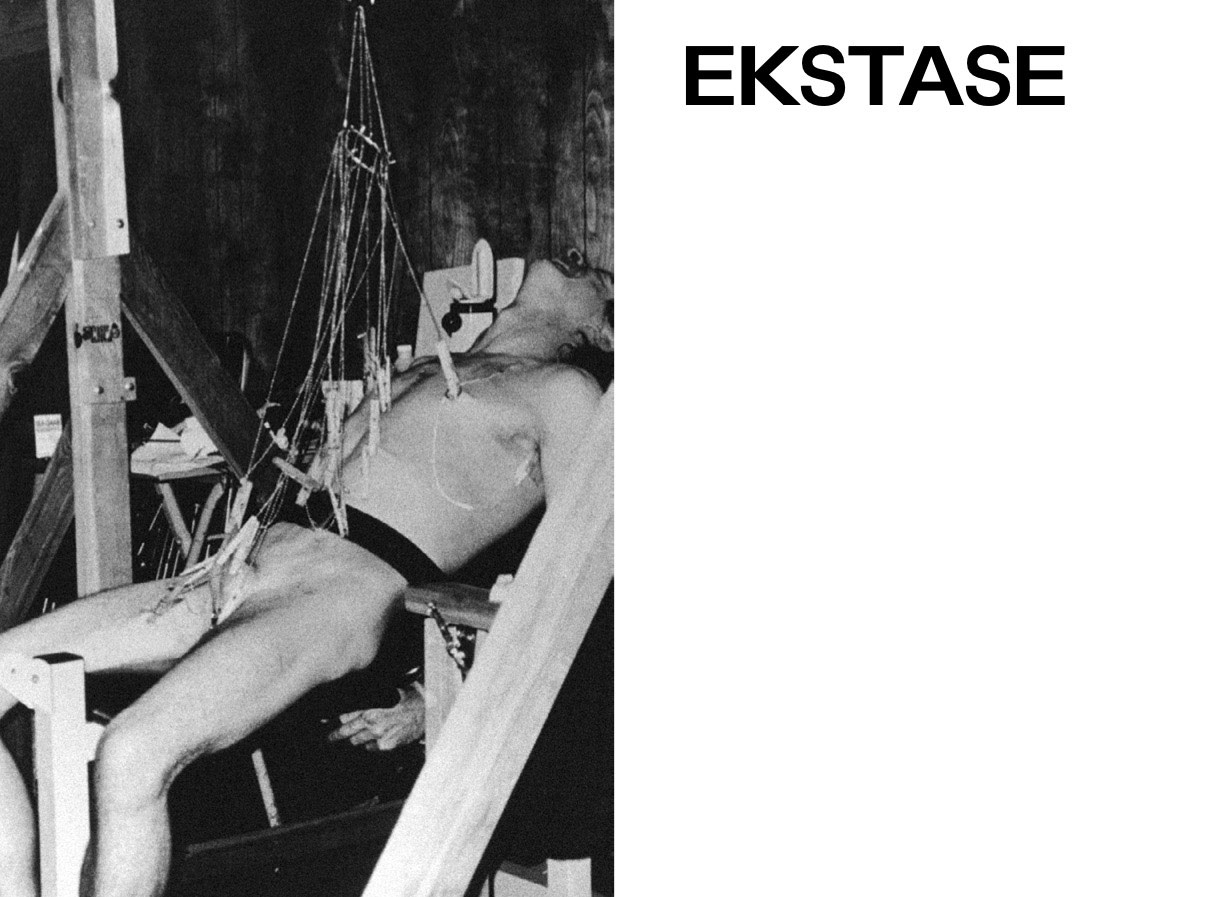
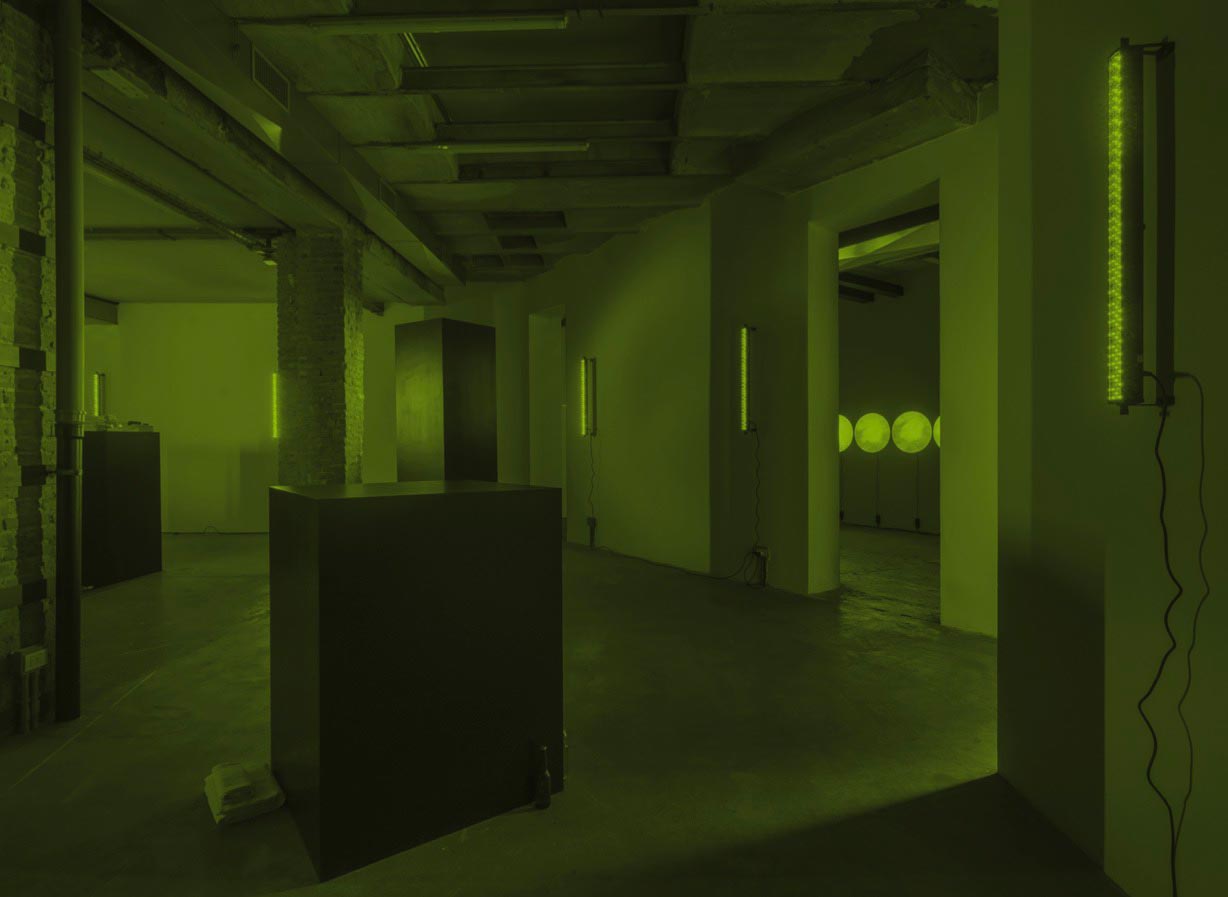
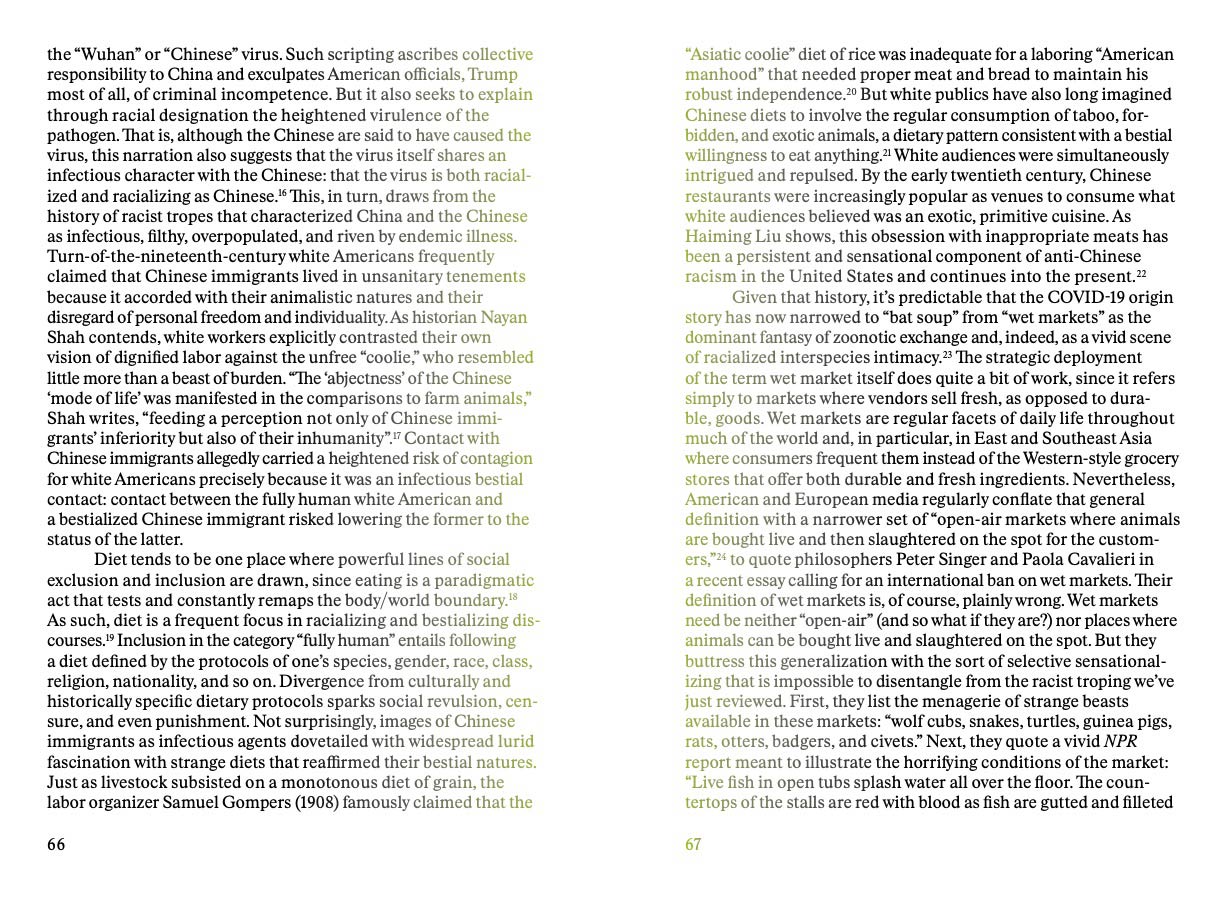
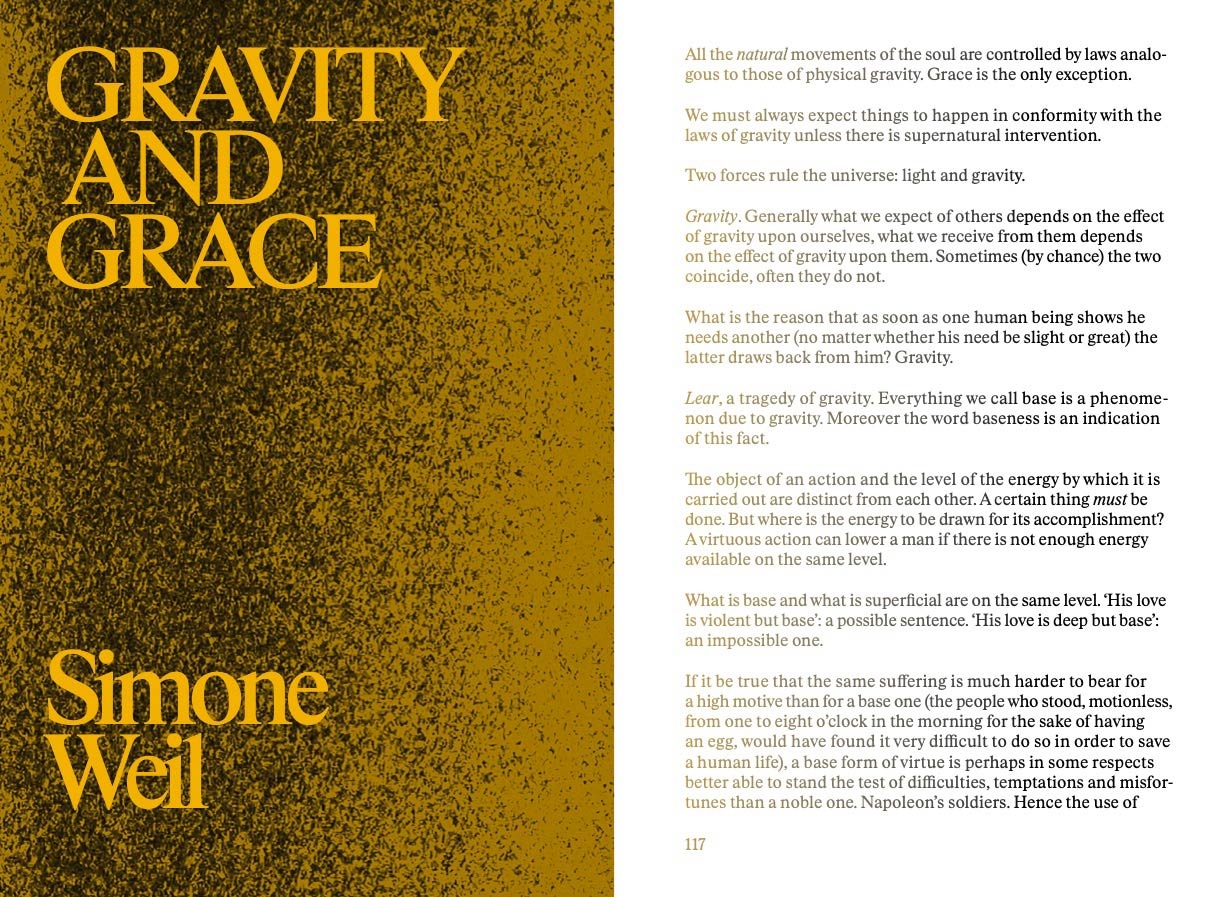
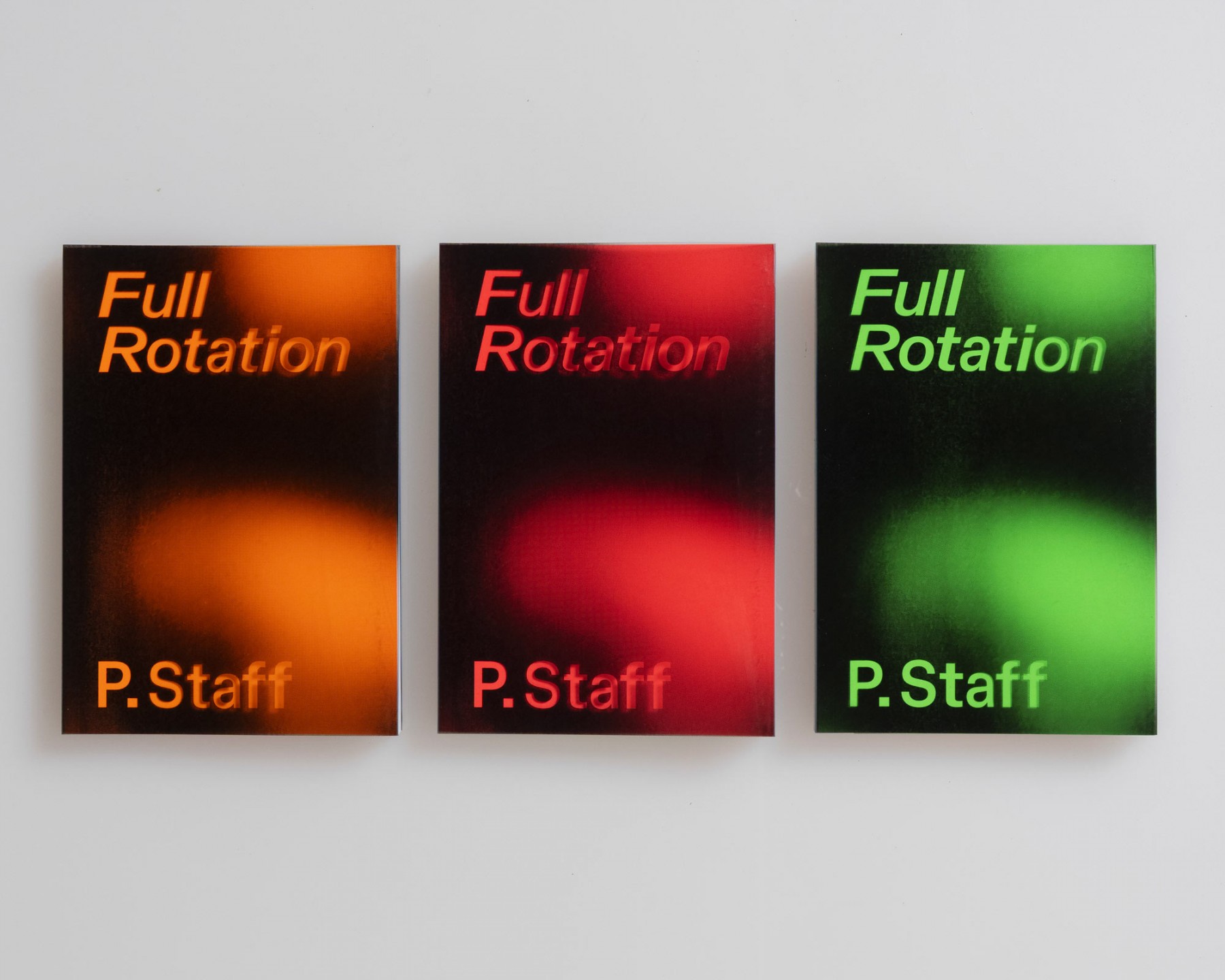
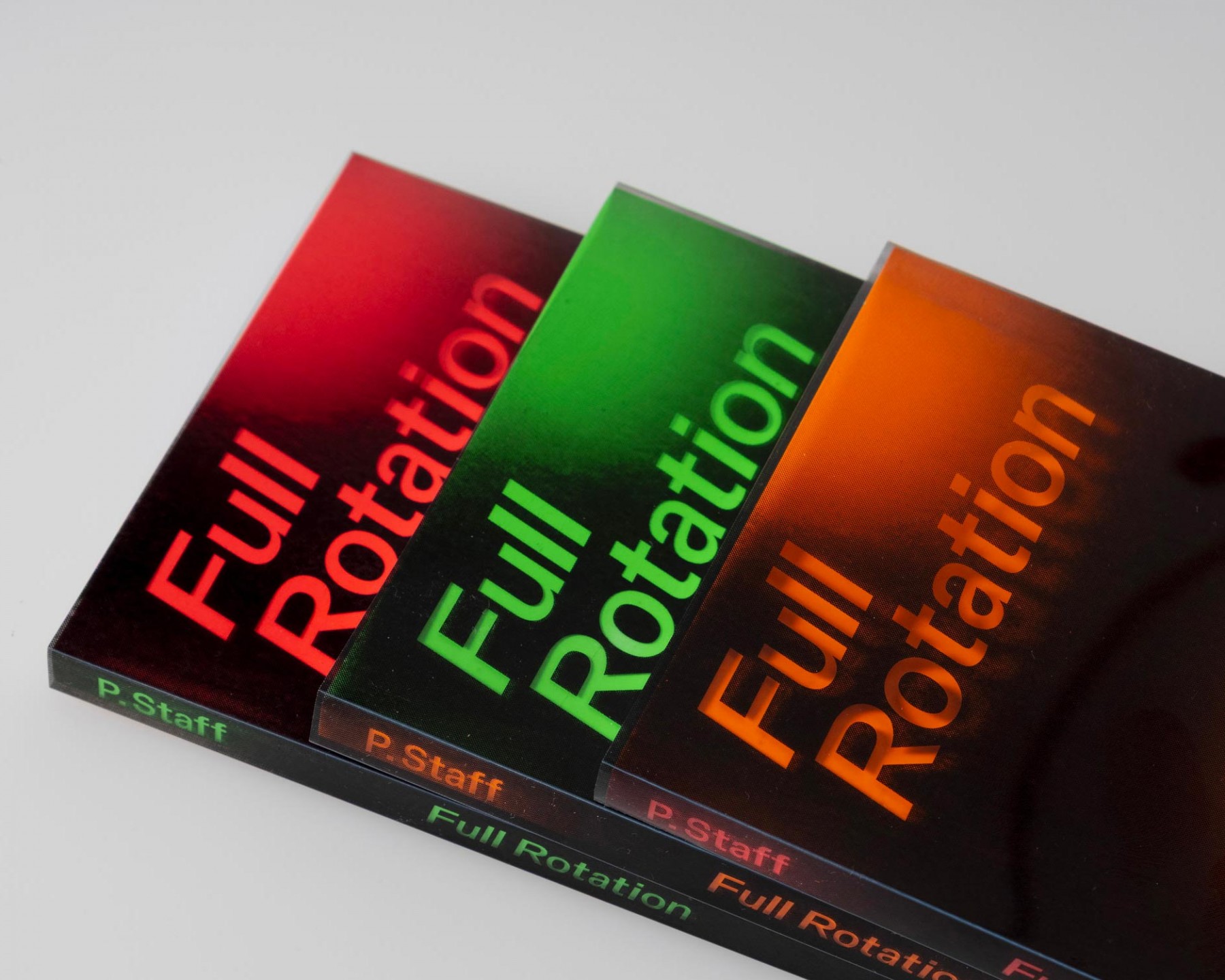
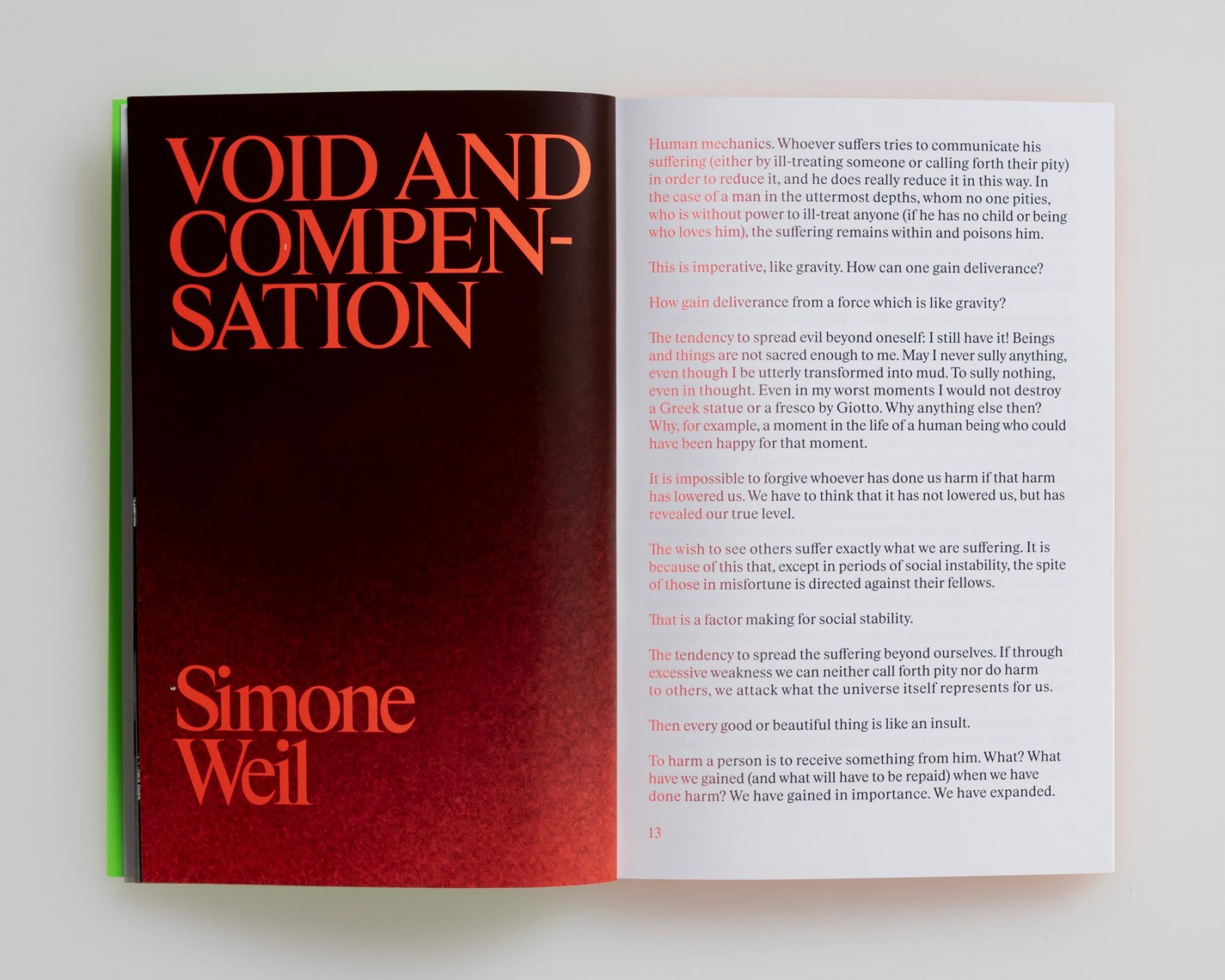
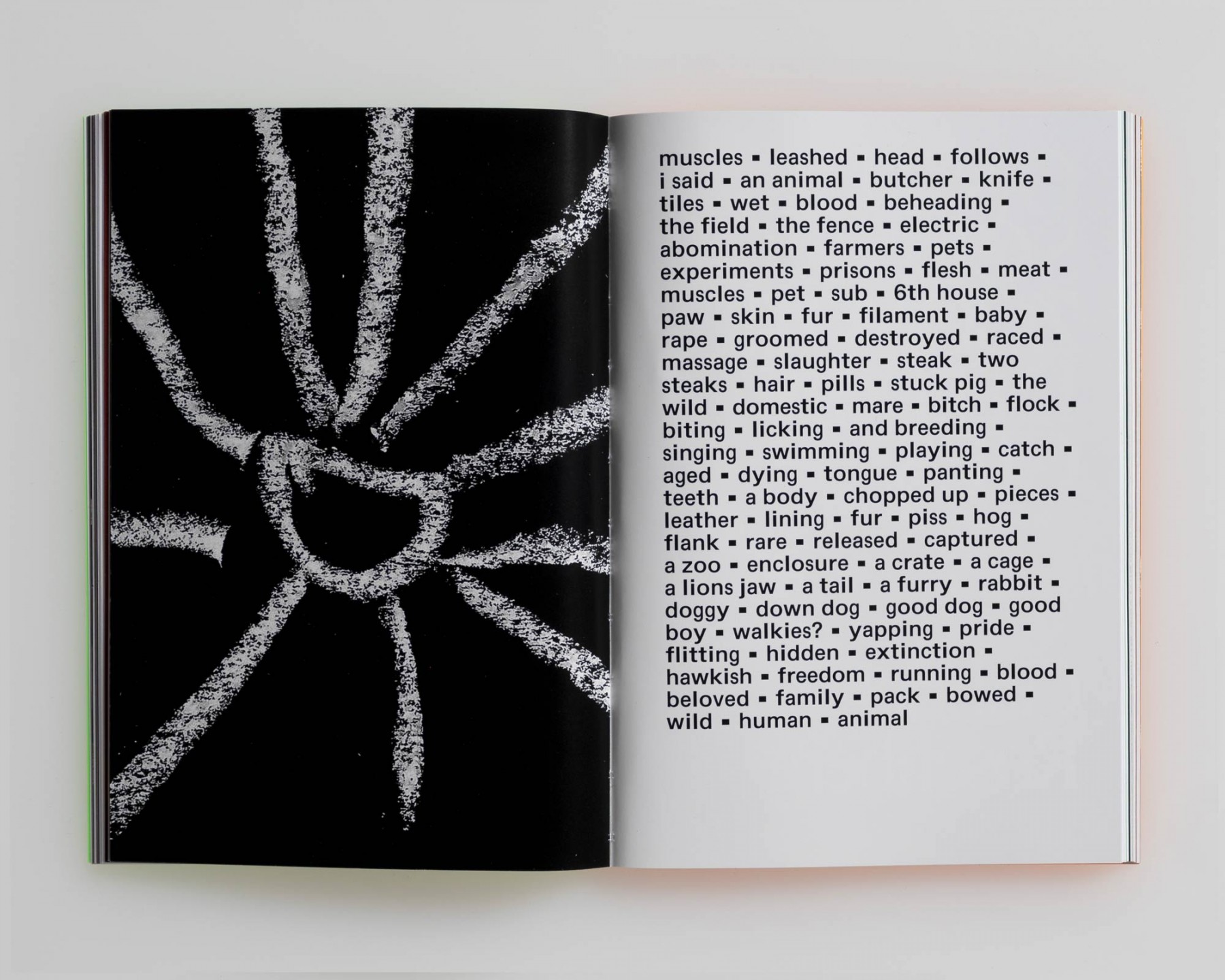
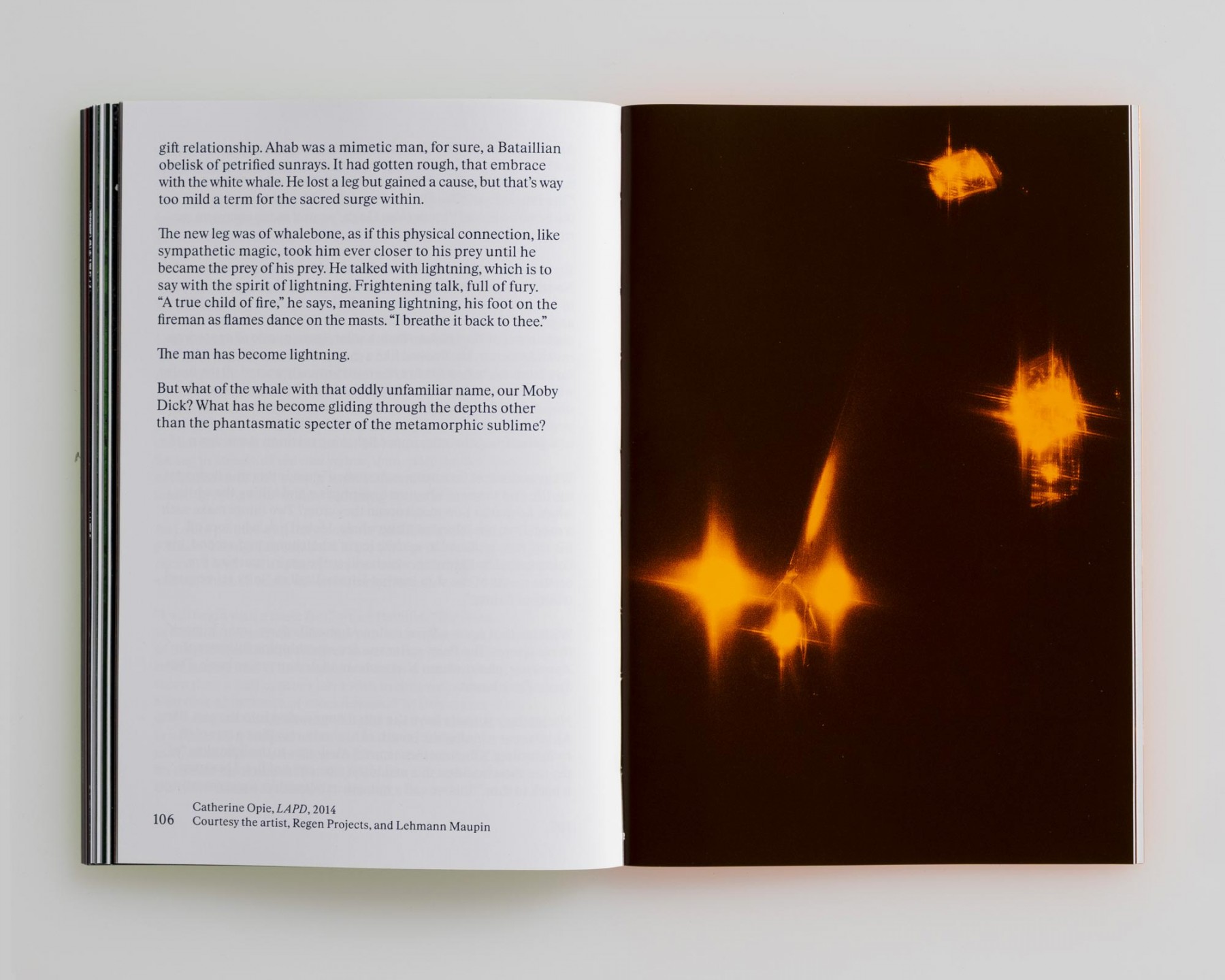
Full Rotation is an artist book by P. Staff organized around three terms: “Ekstase,” “Animals,” and “Light.” Chosen and assembled by Staff, the essays, poems and artworks move without hierarchy between the clinical, the erotic, the zoological and the cosmological, bringing different systems of knowledge into contact and allowing unexpected affinities to emerge. Rather than establishing a unified argument, the book unfolds through encounters, associations and shifts in perspective, exploring the body as a site where physical sensation, desire, vulnerability and transformation converge.
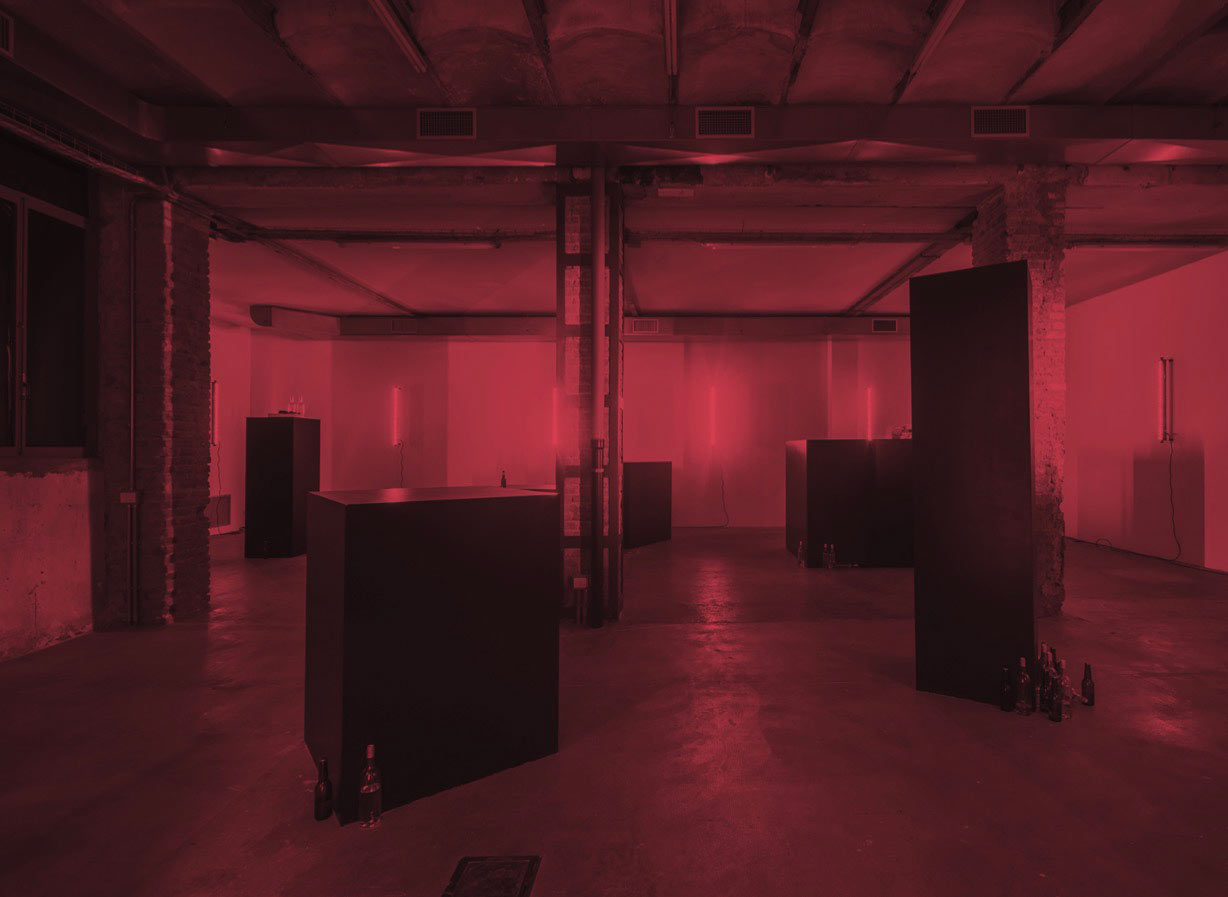
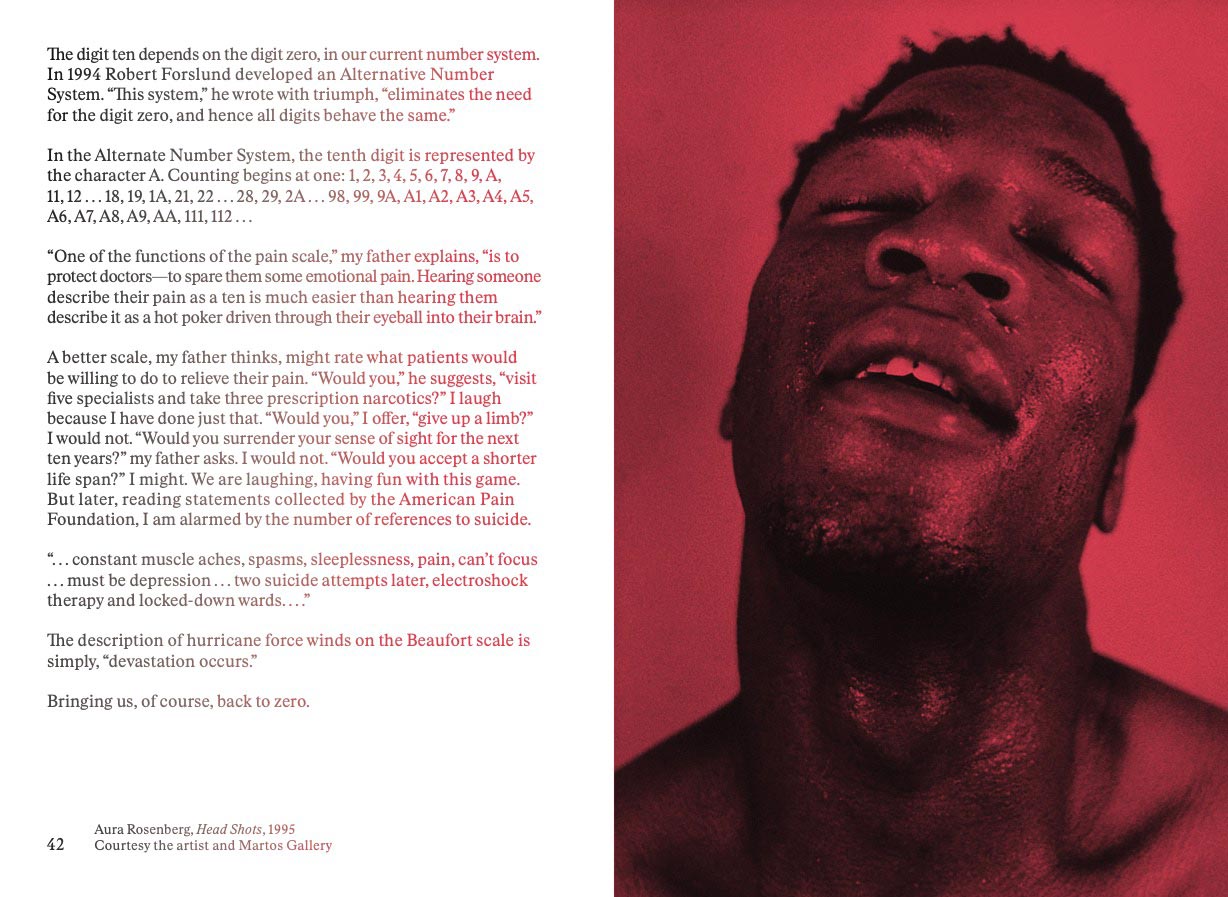
A constellation of texts spans the poem, the polemic, the letter, the elegy, hybrid verse and anthropological essay. Artworks by Käthe Kollwitz, Valie Export, Aura Rosenberg, Pati Hill, Catherine Opie and Luigi Russolo are interleaved with Staff’s own drawings and images, creating a field of correspondences across different historical moments, artistic practices and modes of representation.
Across the book, ecstasy emerges as both a bodily experience and a disruption of the self: a state in which pleasure, pain, excess and surrender unsettle the boundaries of individual identity. Animality offers a related perspective, challenging the divisions between human and nonhuman, instinct and reason, the organic and the artificial. Light, in turn, appears as a force of illumination and exposure, but also of instability and transformation—a phenomenon that makes visible while exceeding the limits of perception. Together, these three terms open onto questions of how bodies are constituted, how they encounter other forms of life, and how they are altered by forces that cannot be fully contained or understood.
The resulting structure is cyclical rather than linear, inviting connections to recur and meanings to shift as the reader moves through the book. Full Rotation treats the page as a space of circulation in which images and texts are continually reconfigured, resisting fixed distinctions between bodies and environments, sensation and knowledge, the intimate and the universal. Physical ecstasy, animality and illumination become three vantage points from which to consider what exceeds, consumes and transforms the body—and the possibility of inhabiting forms of existence beyond its presumed limits.