Maxiprocesso brings together 360 photographs by Maria D. Rapicavoli, one for each of the archival folders documenting the largest mafia trial in history, held in Palermo from 1986 to 1987. The volume explores the relationship between memory, justice, and social responsibility, examining the material element of a landmark event in contemporary Italian history.
This is the first monograph on the influential American choreographer and dancer Trajal Harrell. In an entertaining, far-reaching conversation with curator Daniel Baumann, Harrell covers all of his choreographies and performances, as well as his influences, successes, and failures, addressing how he transforms and transgresses the history of dance.
This book offers the first comprehensive overview of Anna Franceschini’s practice. Organized around recurring themes, it explores animation, the body, machines, ghosts, desire, and windows through commissioned contributions and selected writings. Its associative structure reflects her interest in repetition, transformation, and unstable images.
This book accompanies 5 Works, Lydia Ourahmane’s first institutional solo show in Italy, staged at the Nicoletta Fiorucci Foundation in Venice and curated by Polly Staple, during the 61st Venice Biennale, and includes newly commissioned texts and images that further contextualize the artist’s practice and work.
Museums of Tears extends Francesco Vezzoli’s 2024 exhibition at Museo Correr, Venice, combining historical works and new commissions to explore antiquity, emotion and illusion. Conceived as an artist’s book rather than a catalogue, it transforms the museum guide into a hybrid archive and portable museum of memory, beauty and mourning.
A project by Fondazione In Between Art Film, edited by Carla Subrizi, Paola Ugolini, and Maria Alicata, this illustrated volume investigates the cinematic, documentary, and video output of women artists and filmmakers operating in Italy in the 1960s and 1970s, situating their research at the intersection of artistic experimentation, politics, society, and technology.
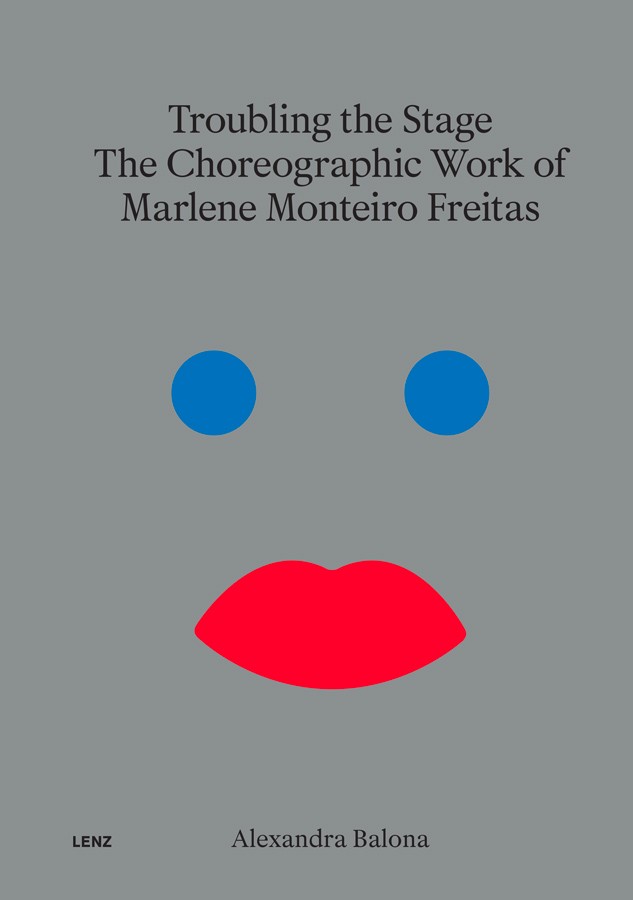
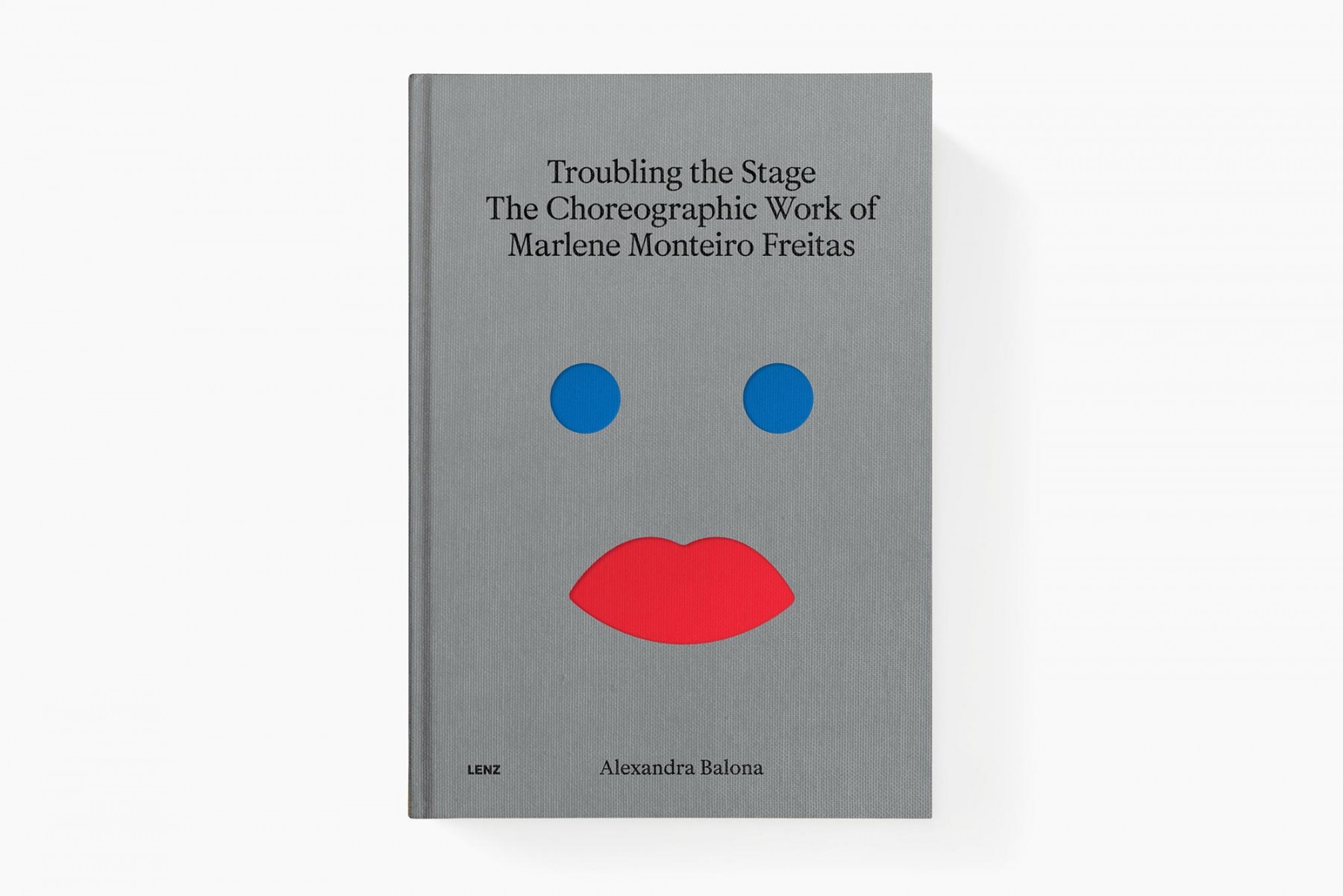
Alexandra BalonaTroubling the Stage The Choreographic Work of Marlene Monteiro Freitas
Alexandra Balona
Foreword by Gabriele Brandstetter
Designed by Studio Macedo Cannatà
2025, English, hardcover, 17 x 24 cm, 256 pages
ISBN 979-12-80579-86-7
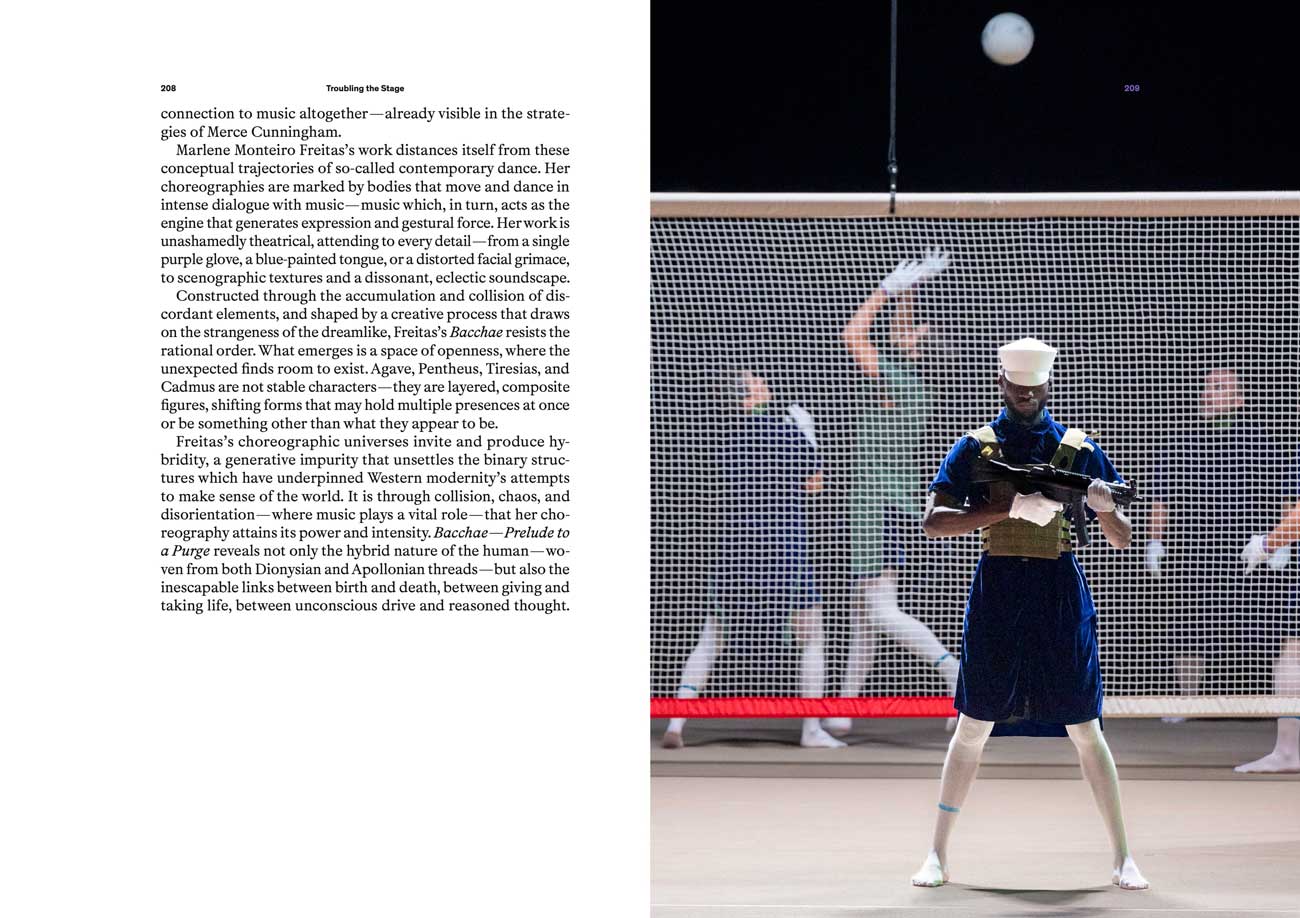
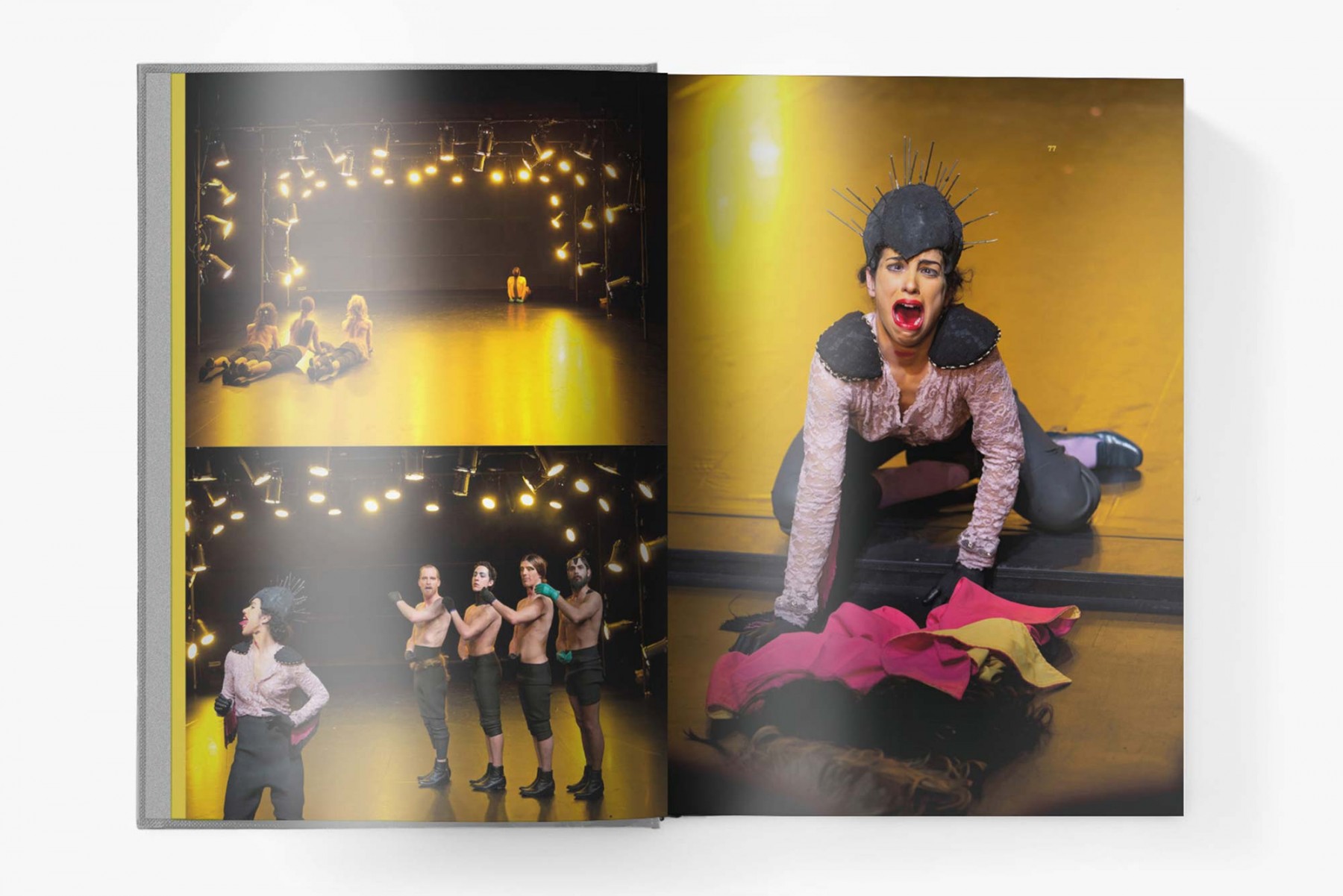
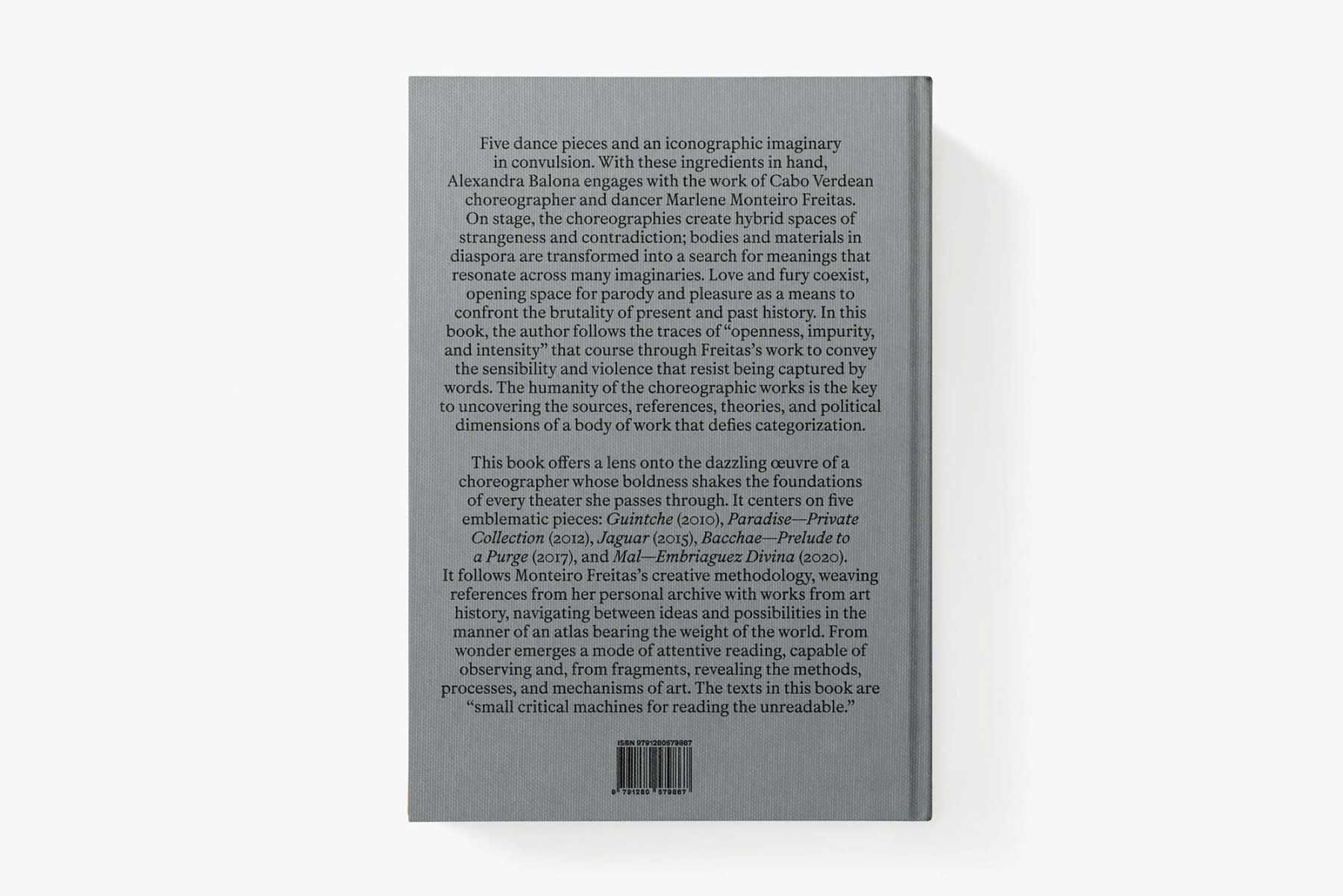
Five dance pieces and an iconographic imaginary in convulsion: making the most of these ingredients, Alexandra Balona engages with the work of Cabo Verdean choreographer and dancer Marlene Monteiro Freitas.
On stage, the choreographies create hybrid spaces of strangeness and contradiction; bodies and materials in diaspora are transformed through the search for meanings that resonate across multiple imaginaries. Love and fury coexist, opening up space for parody and pleasure to confront the brutality of present and past history. Bodies move before us, addressing the spectator, handling objects, reshaping forms, reorganizing meanings, images, and ideas. Dance is a powerful transformer of space, and Monteiro Freitas—awarded the Silver Lion at the Venice Biennale in 2018, the Chanel Next Prize in 2021, and the Evens Art Prize in the same year—expands the very limits of that experience.
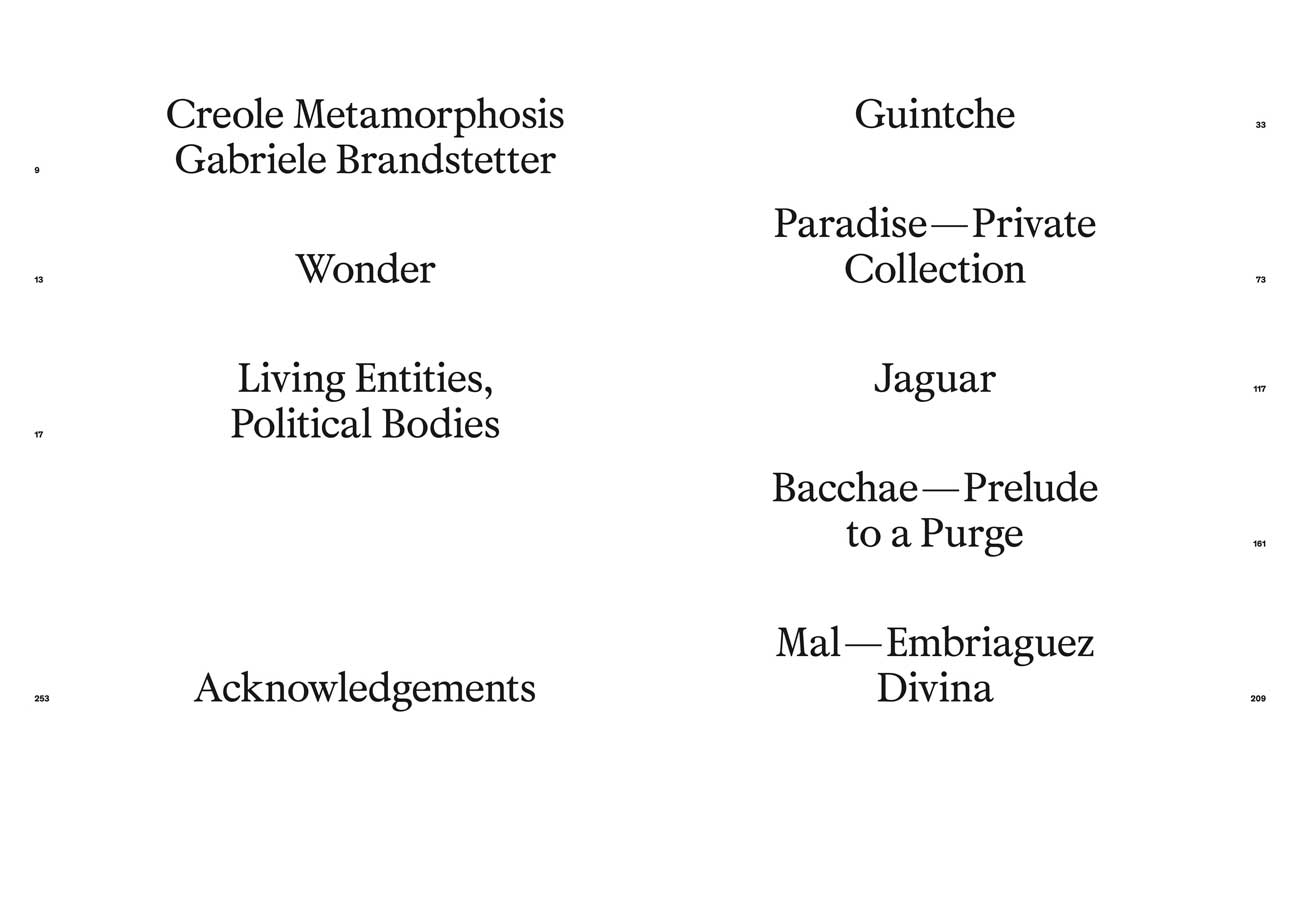
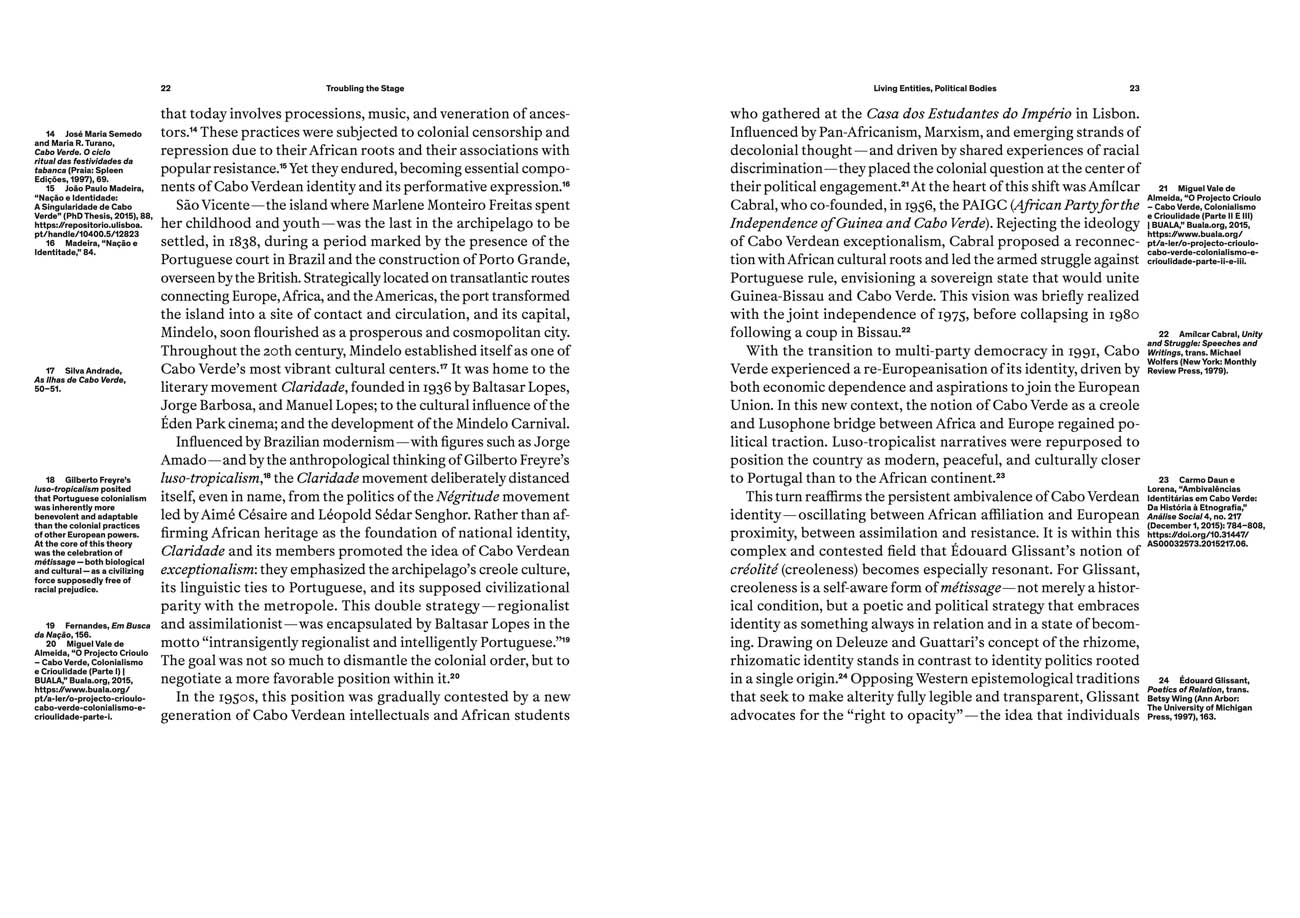
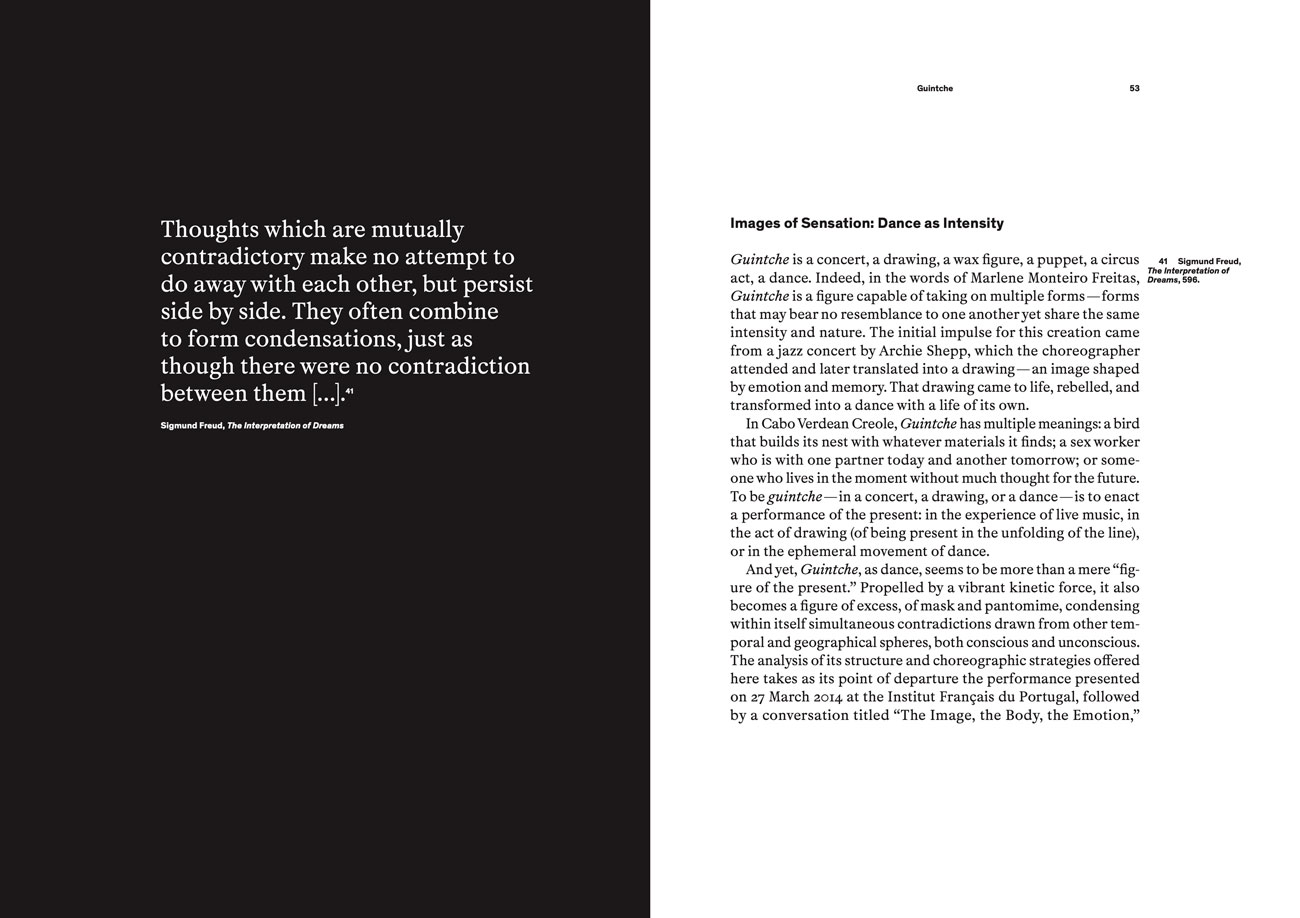
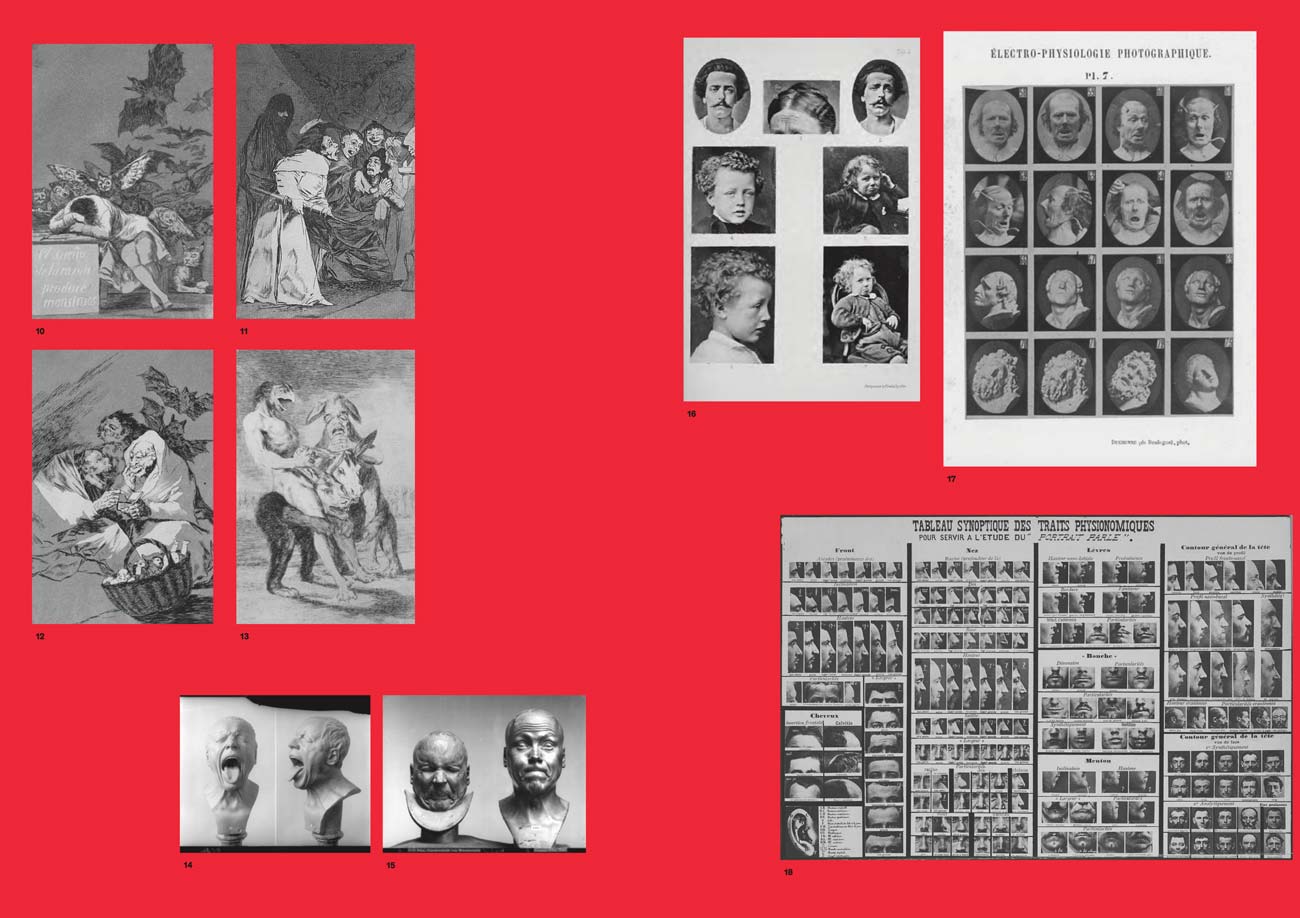
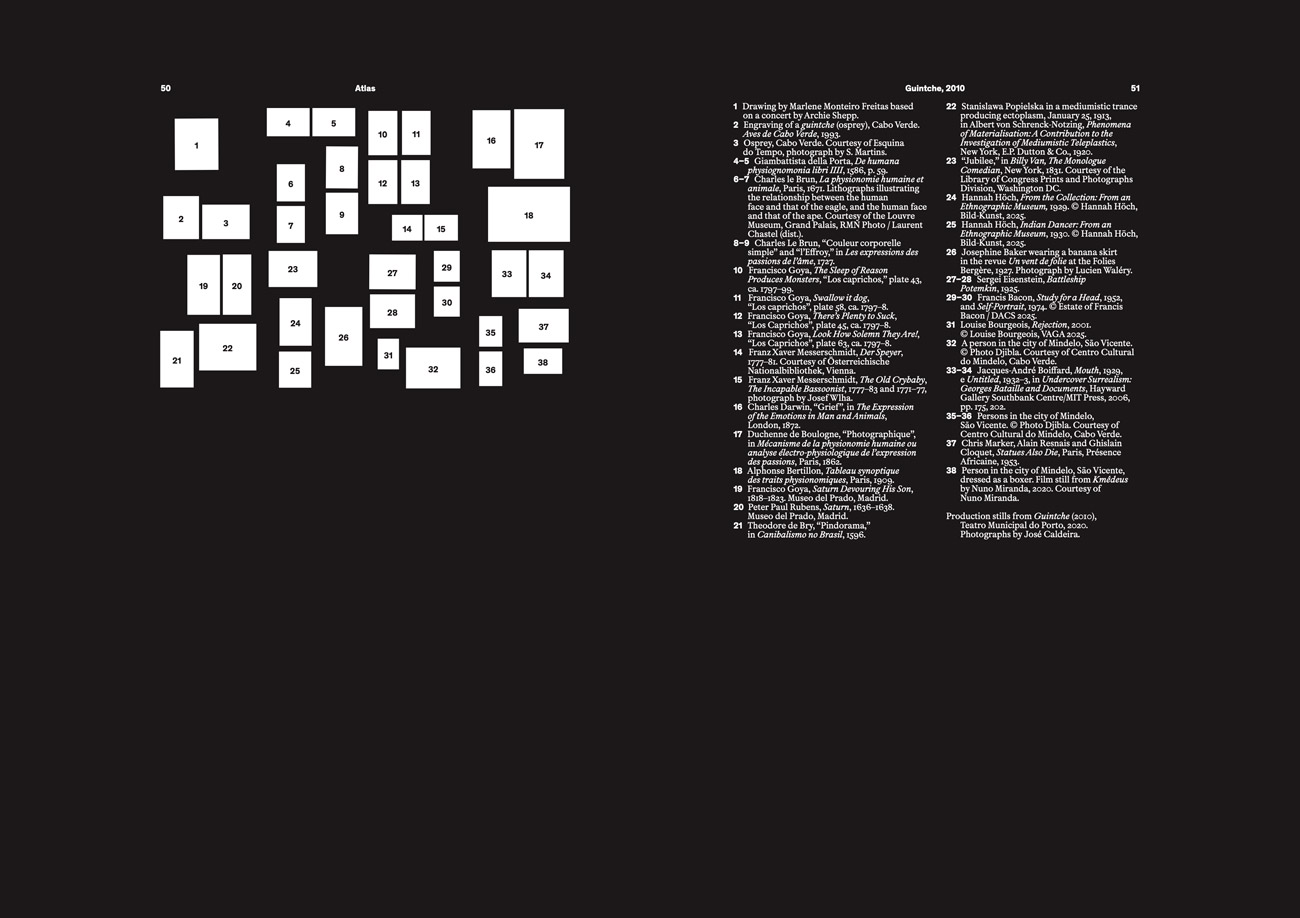
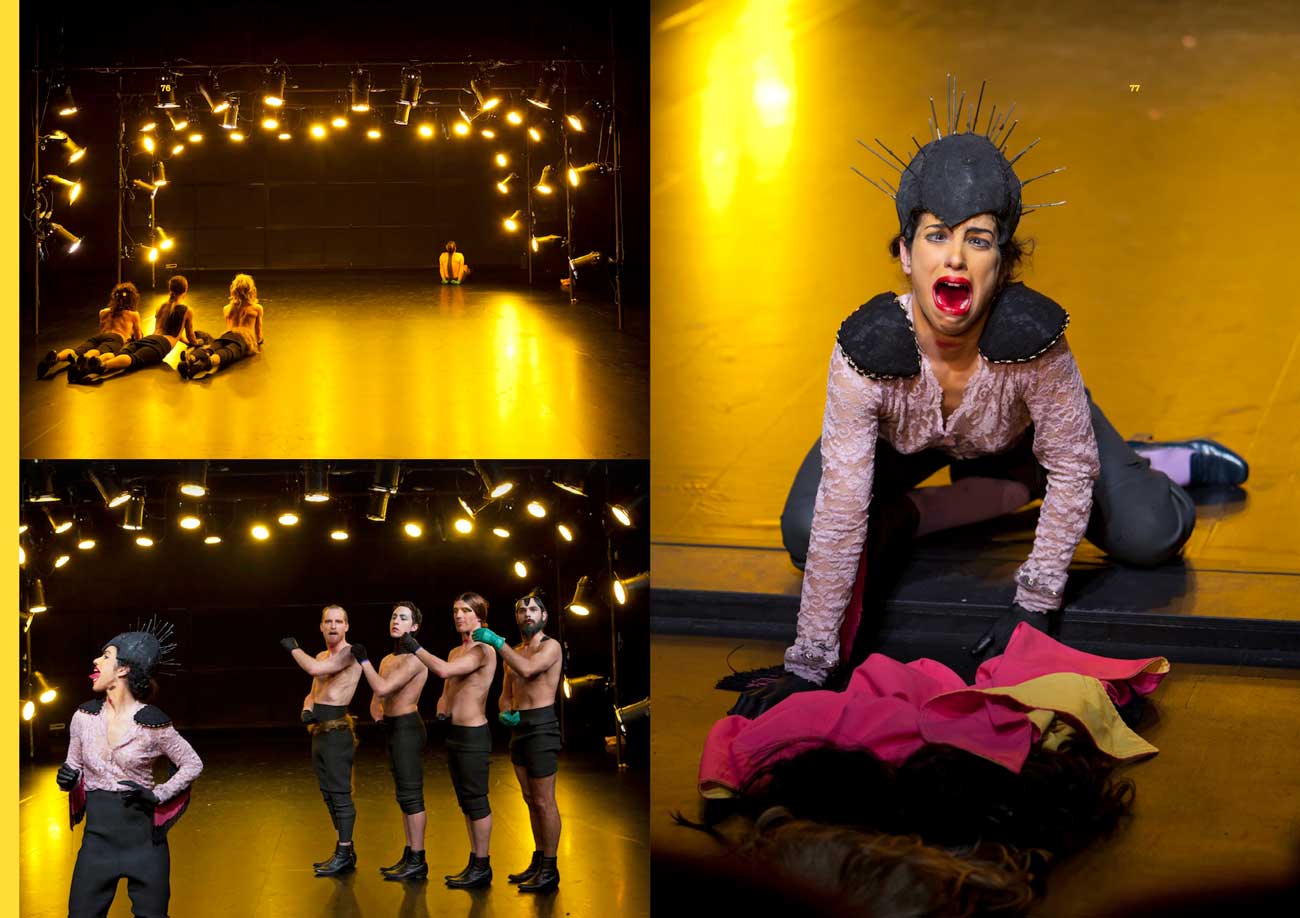
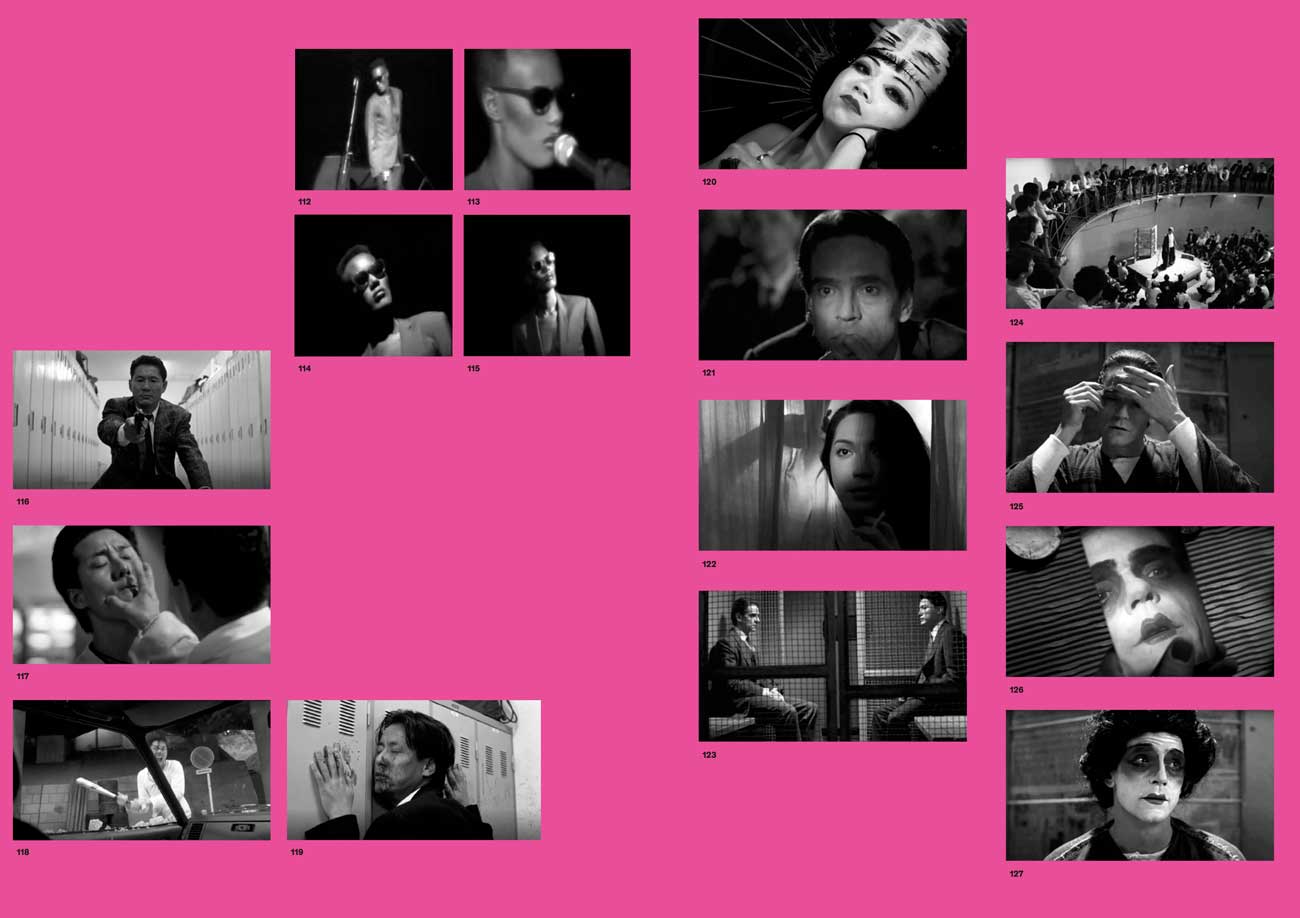
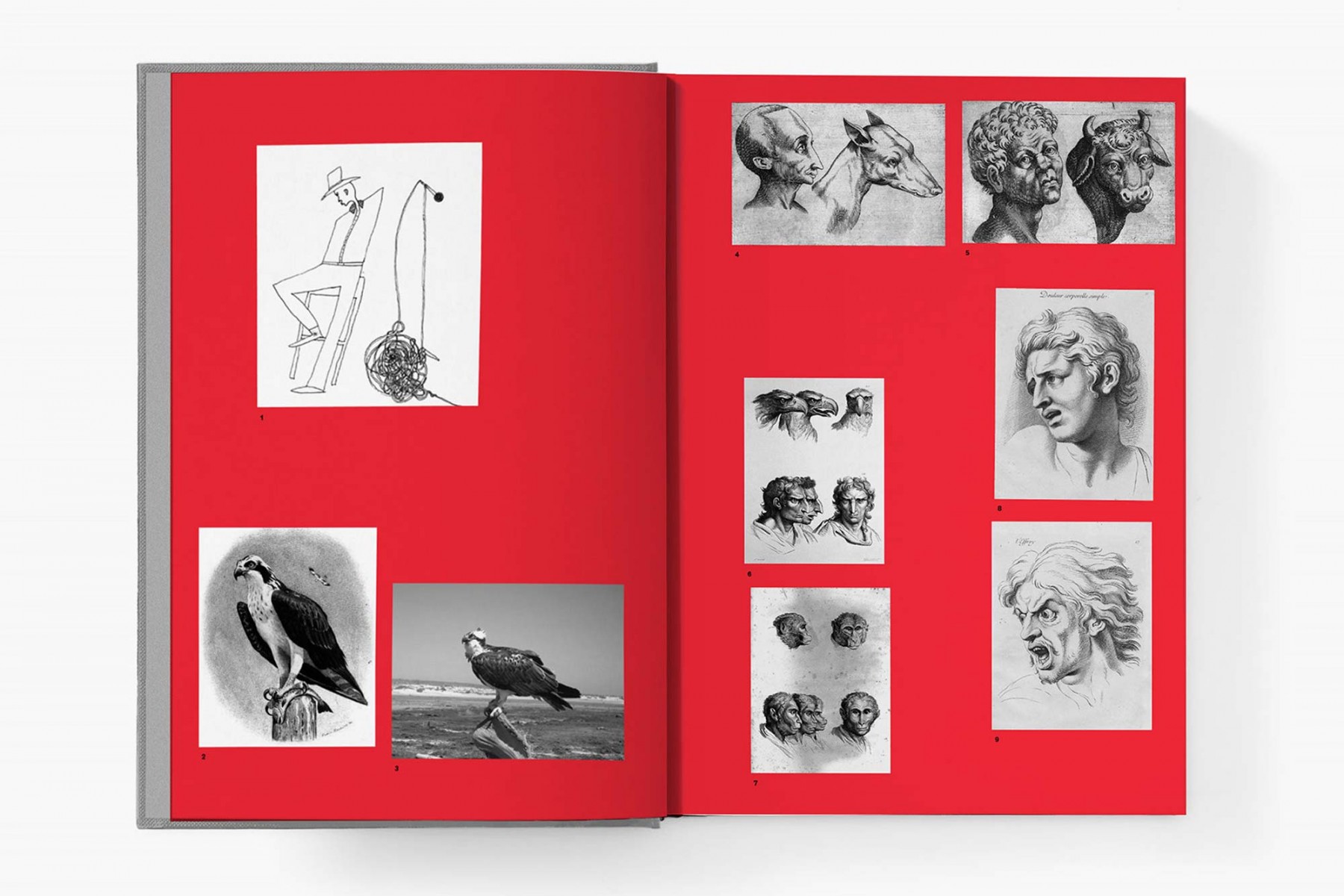
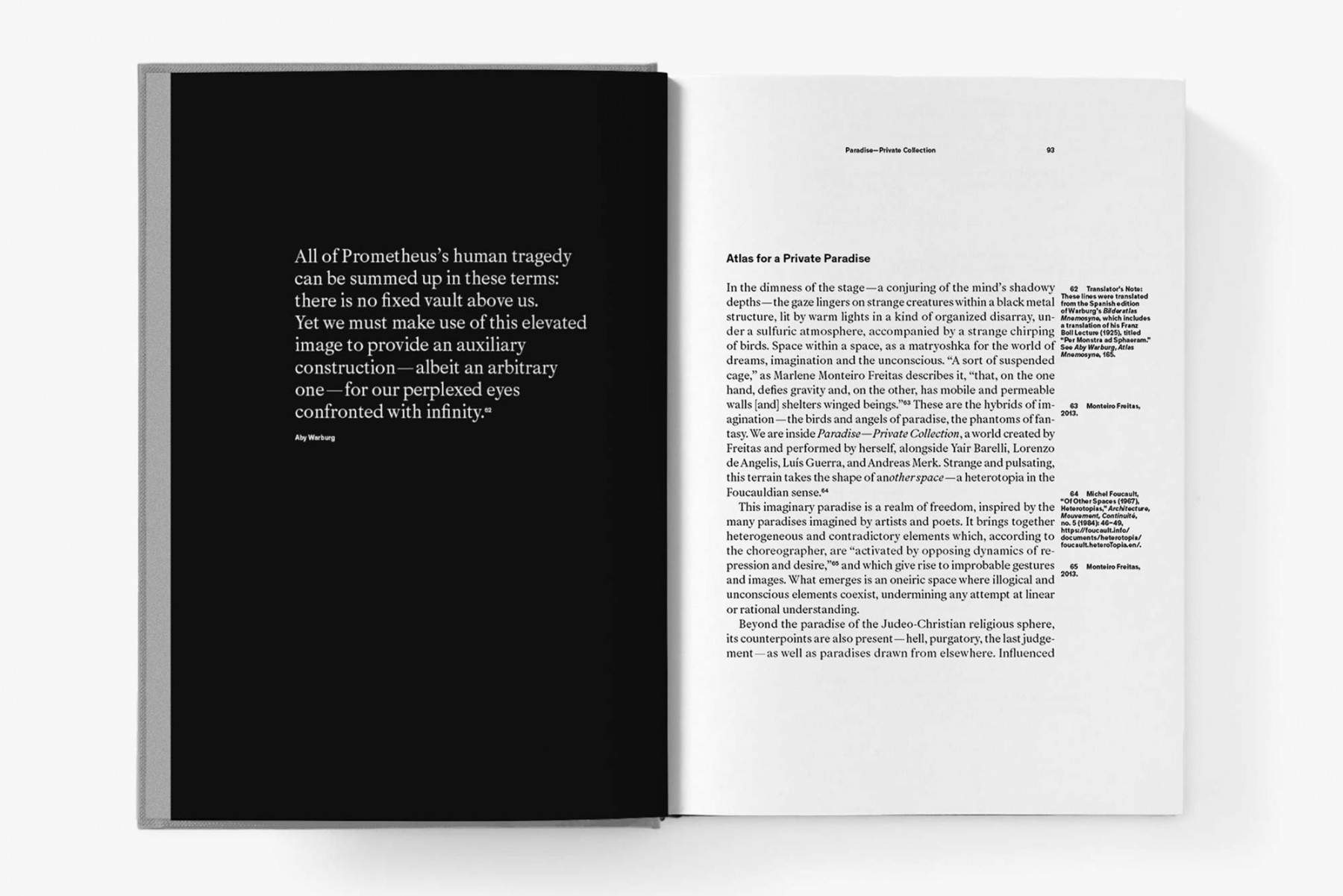
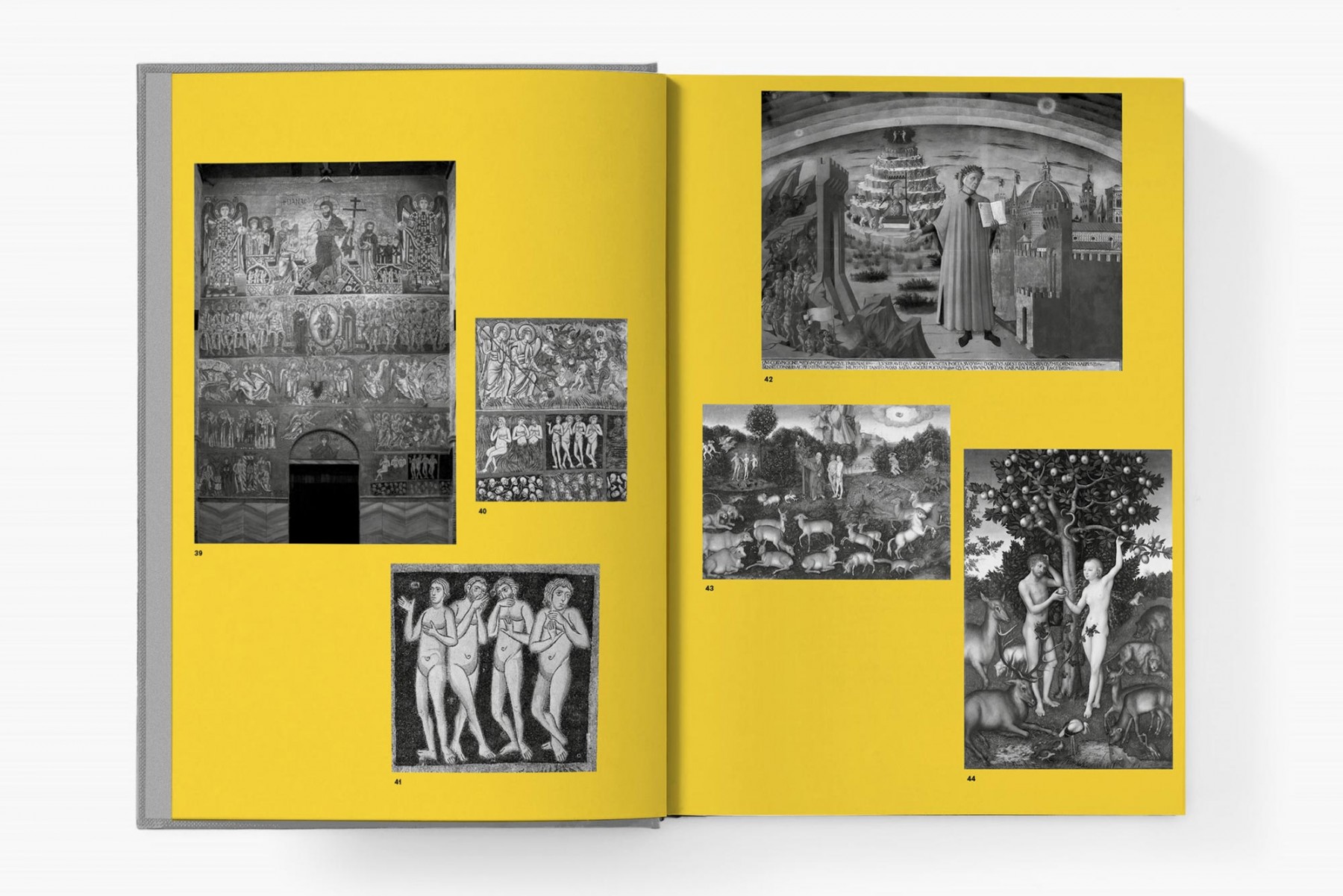
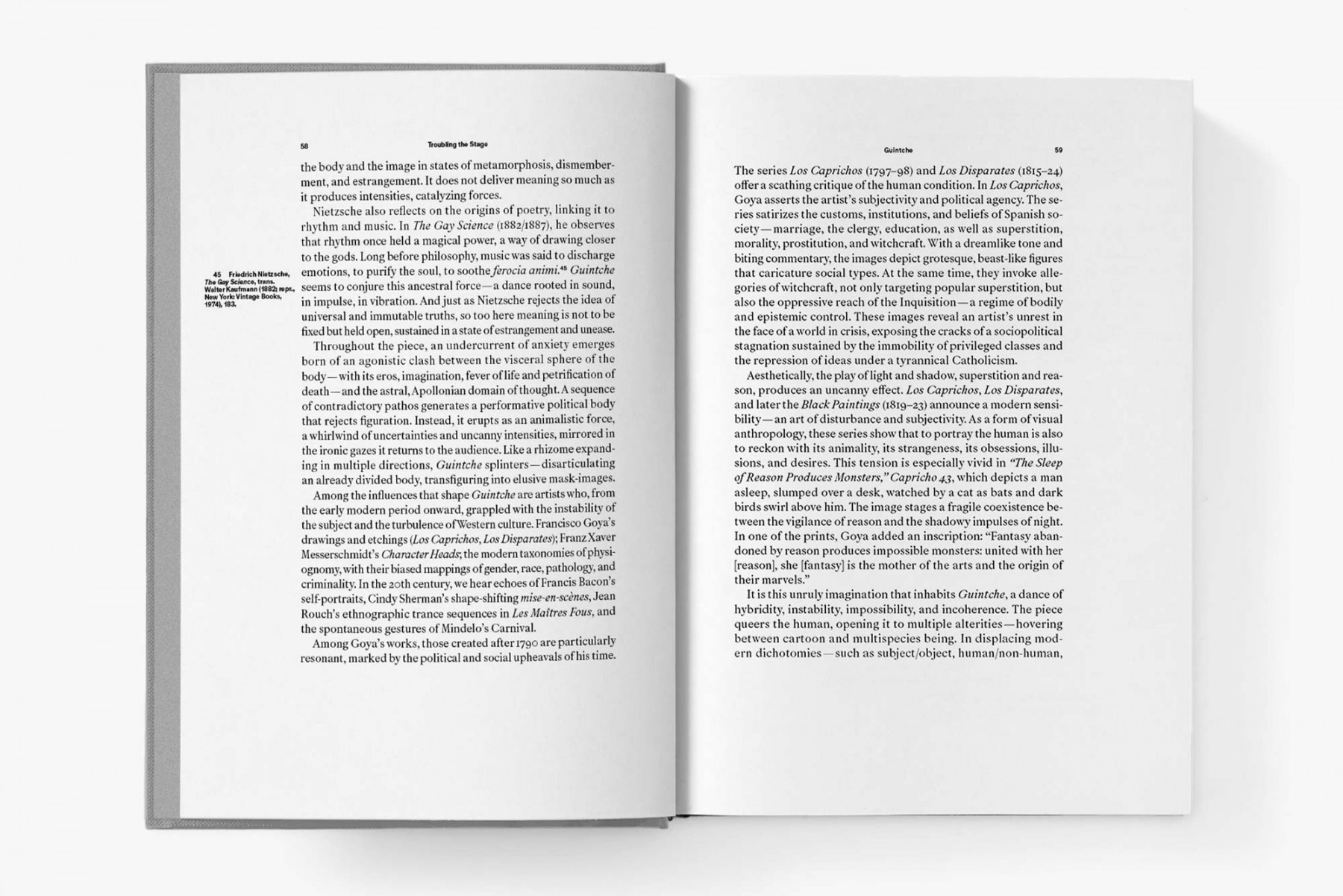
This book offers a lens onto the dazzling oeuvre of a choreographer whose boldness shakes the foundations of every theater she enters. It centers on five emblematic works: Guintche (2010), Paradise—Private Collection (2012), Jaguar (2015), Bacchae—Prelude to a Purge (2017), and Mal—Embriaguez Divina (2020). It follows Monteiro Freitas’s creative methodology, weaving references from her personal archive together with works from art history, navigating between ideas and possibilities in the manner of an atlas bearing the weight of the world. From wonder emerges a mode of attentive reading; one capable of observing and, out of fragments, revealing the methods, processes, and mechanisms of art. The texts in this book are “small critical machines for reading the unreadable.” Troubling the Stage: The Choreographic Work of Marlene Monteiro Freitas is both a study and an encounter; a powerful crossing of choreography with critical thought. It invites readers, scholars, and audiences alike to experience the intensity, violence, joy, and humanity of one of today’s most uncompromising choreographic voices.