Since the 1980s, Belgian artist Sigefride Bruna Hauman has created a highly original body of work in different media. Her installations, reliefs and videos are the subject of a much-overdue retrospective organized by M Leuven—and of this first monograph.
Rituals of Care is an extensive monograph devoted to the work of Antonio Obá, published in conjunction with his eponymous exhibition presented at the Centre d’Art Contemporain Genève, curated by Andrea Bellini. Extensively illustrated, the book immerses the reader in Obá’s multifaceted oeuvre and in the magical iconographic universe of his paintings.
Claiming that the museum is not enough means asking what a museum should be and do, eventually questioning the role of cultural institutions in society. Through conversations, stills of documentaries, responses, and reprints of archival documents that explore ideas of architecture on the ground, this volume reflects on the tools deployed by the institution to redefine its relationship to others.
Affirmer que le musée ne suffit pas, c’est interroger ce qu’un musée devrait être et faire, et réfléchir de manière critique sur le rôle des institutions culturelles dans nos sociétés. À travers des conversations, des photogrammes de documentaires, des interventions et des reproductions d’archives questionnant les conceptions de l’architecture sur le terrain, ce volume réfléchit aux outils mis en œuvre par l’institution pour redéfinir sa relation aux autres.
Semi-Nomadic Debt-Ridden Bedouins is the first monograph on the work of the Palestinian artist and filmmaker Basma al-Sharif. Spanning nearly two decades of moving-image and installation work, it combines visual documentation with texts that reflect on the charged political landscapes through which al-Sharif navigates.
This monograph marks the occasion of the first European survey of Nicola L. (1932–2018). Often discussed in the context of Pop Art, activism, feminism, and design, this is the first in-depth exploration of the multi-layered and expansive nature of her extraordinary practice, which also encompassed cosmology, environmental concerns, spirituality, political protest, and sexuality.
Edited by P. Staff with Samuele Piazza
Designed by Studio Dominik Krauss
Published with OGR, Turin
2026, English, softcover, 13 x 19 cm, 136 pages
ISBN 979-12-80579-94-2
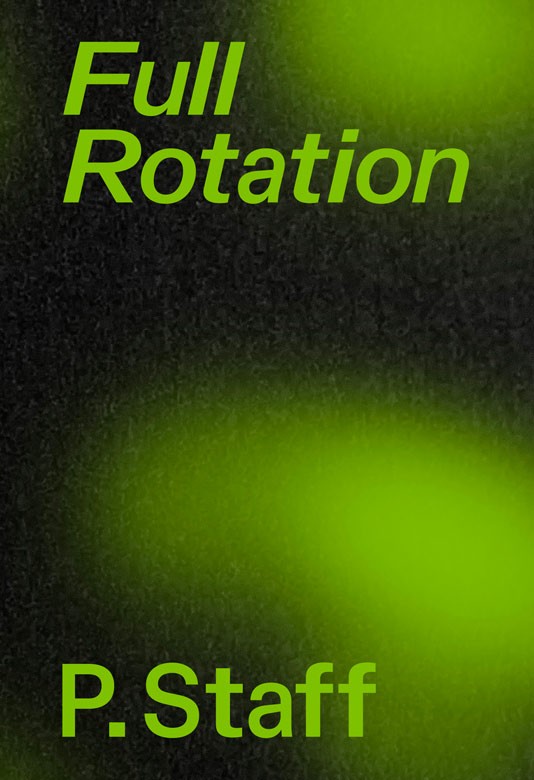
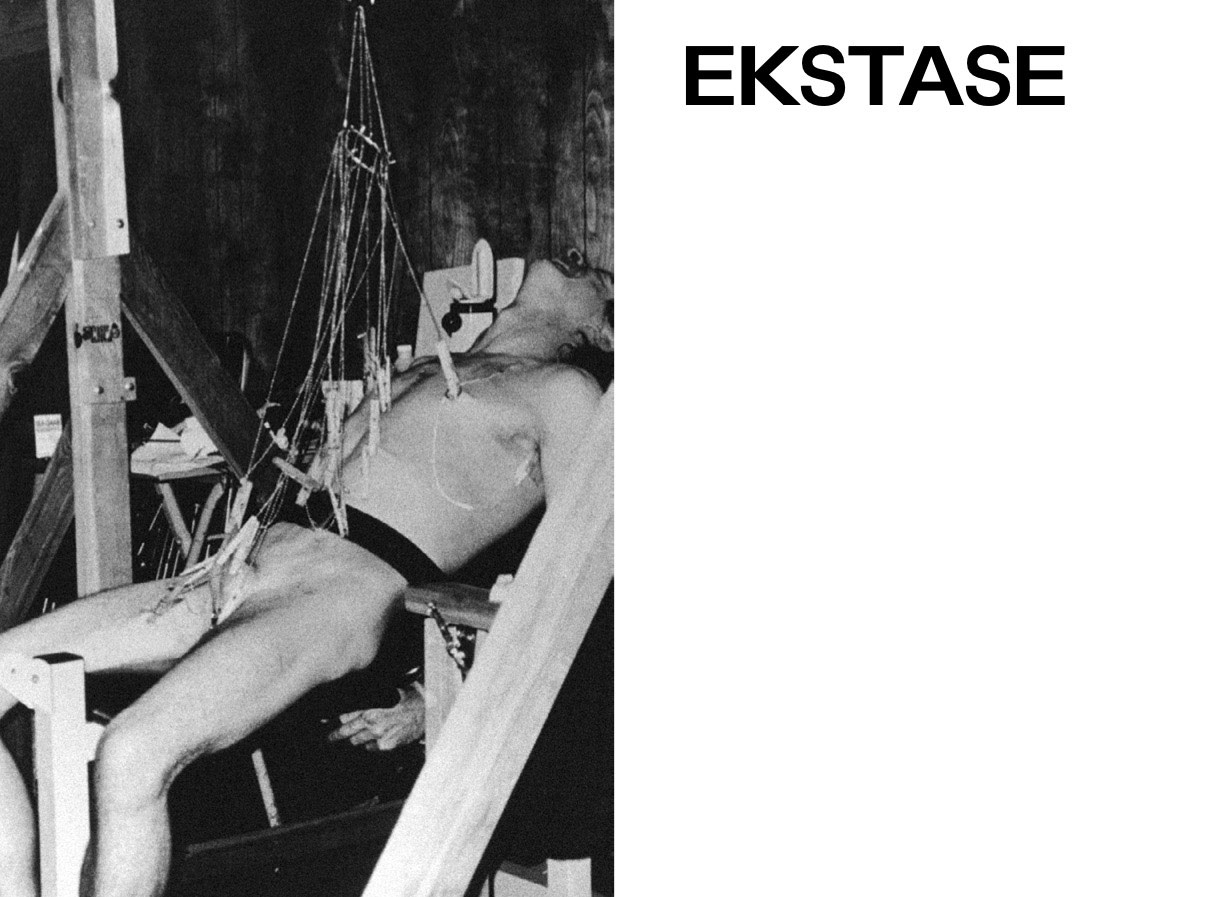
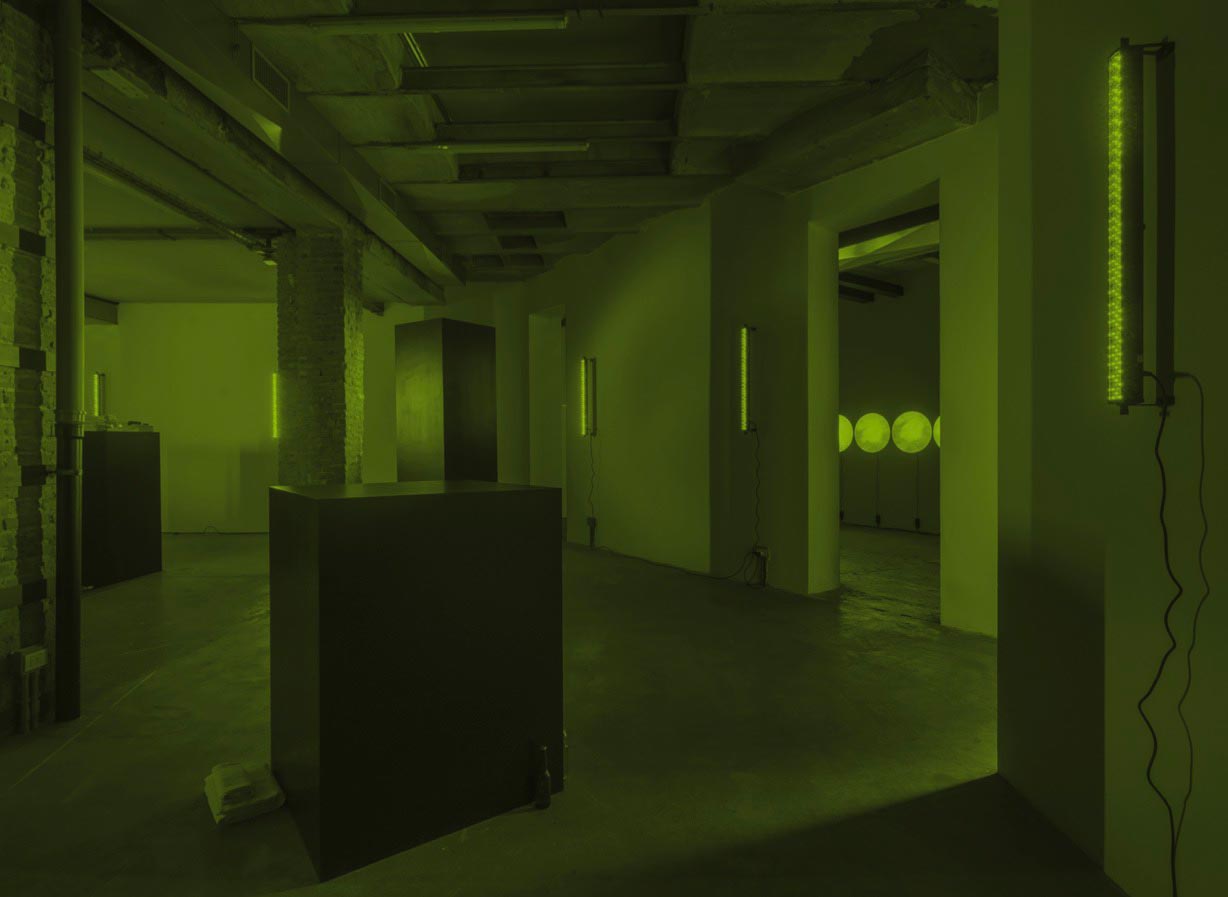
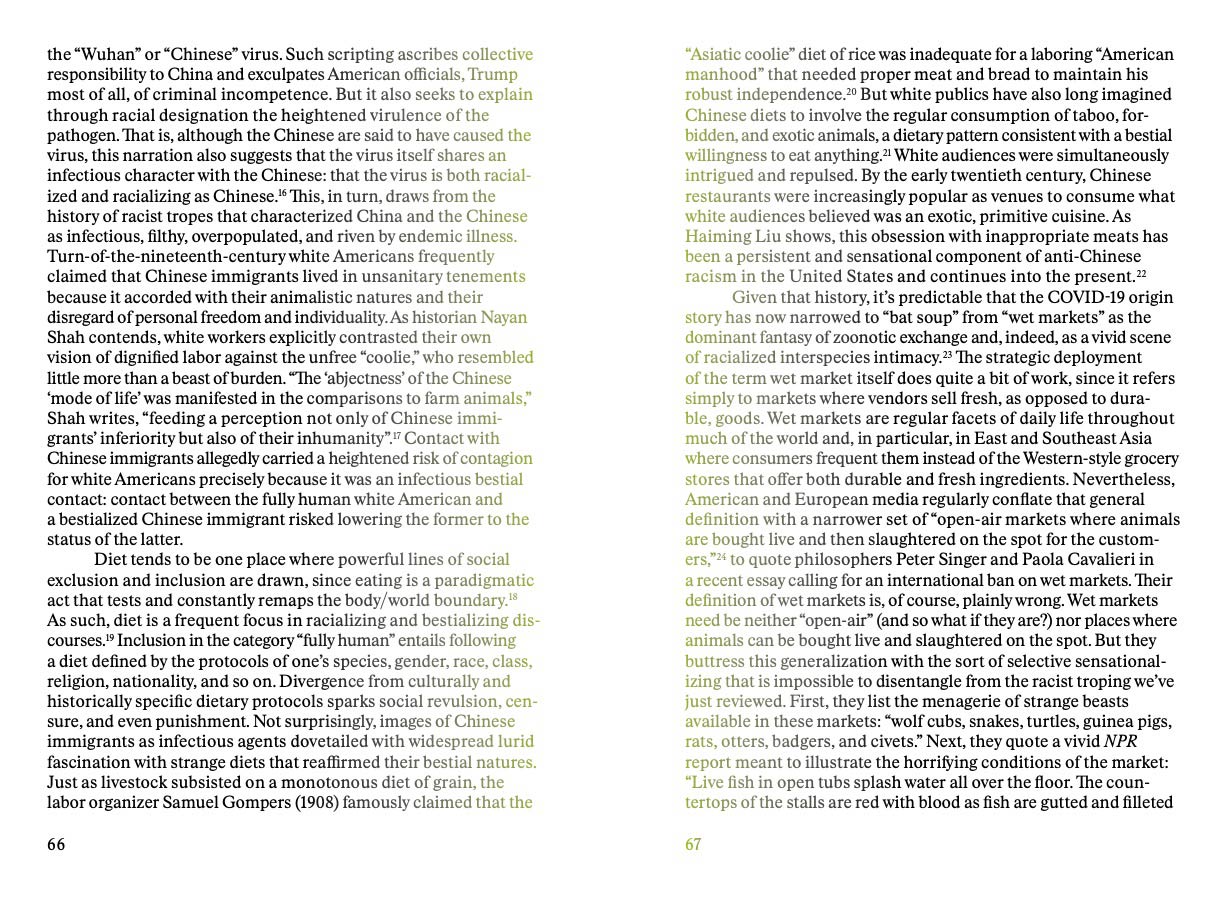
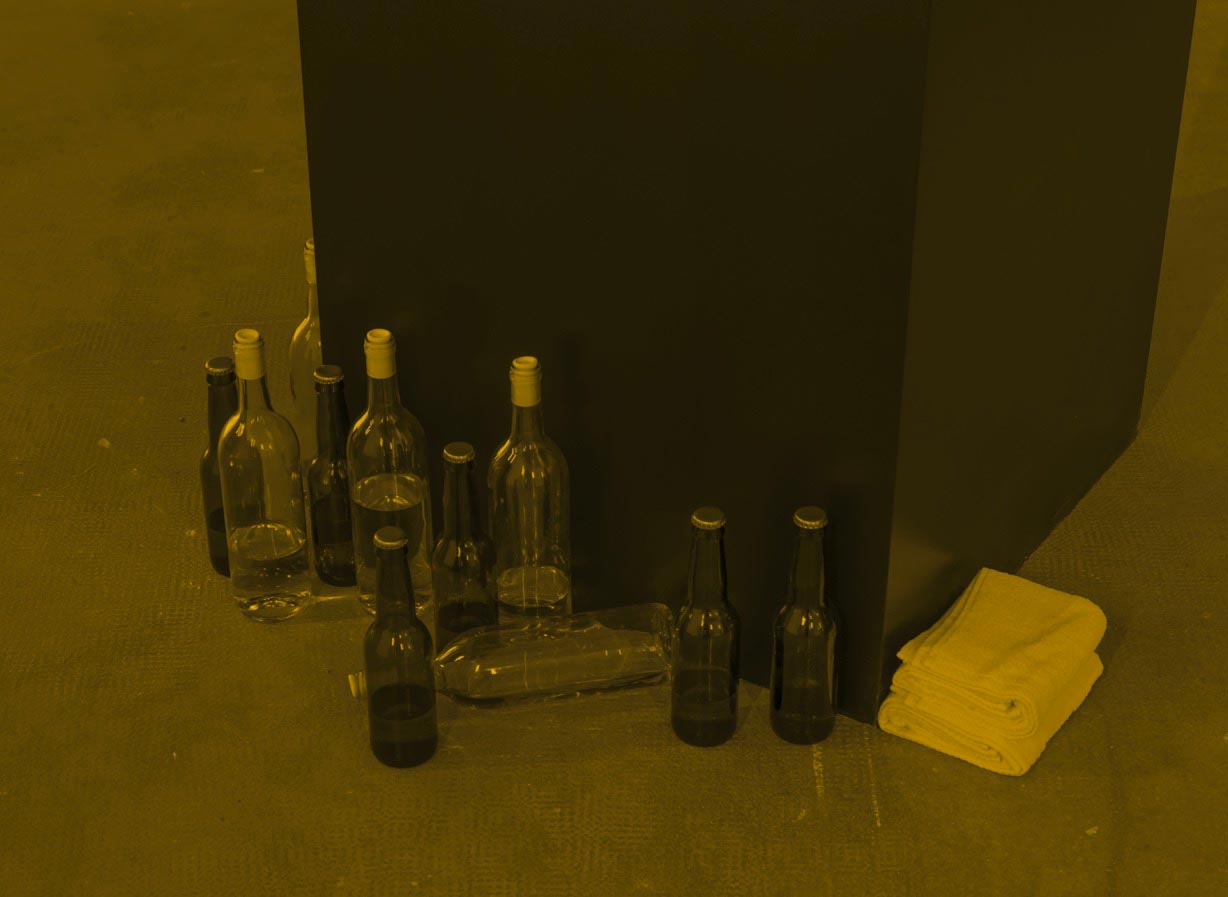
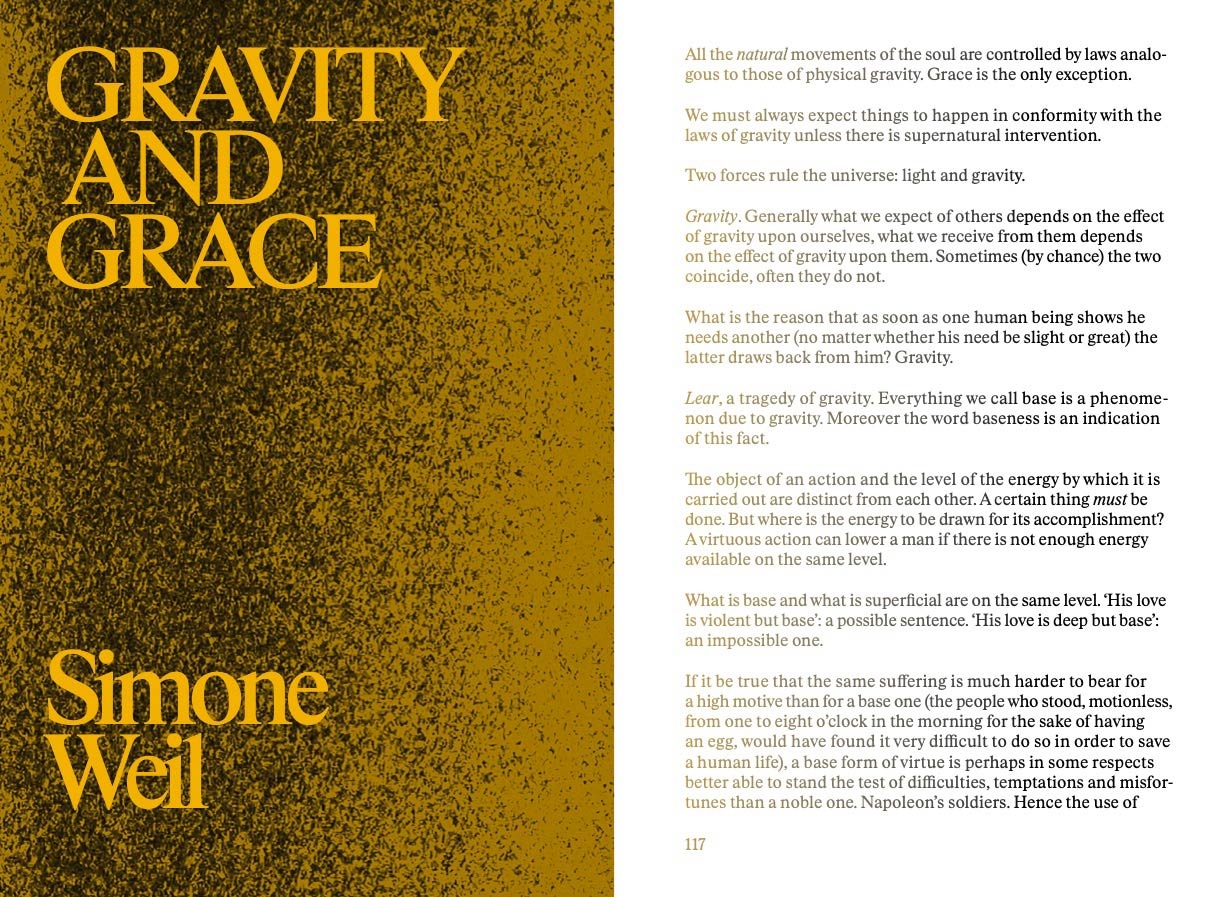
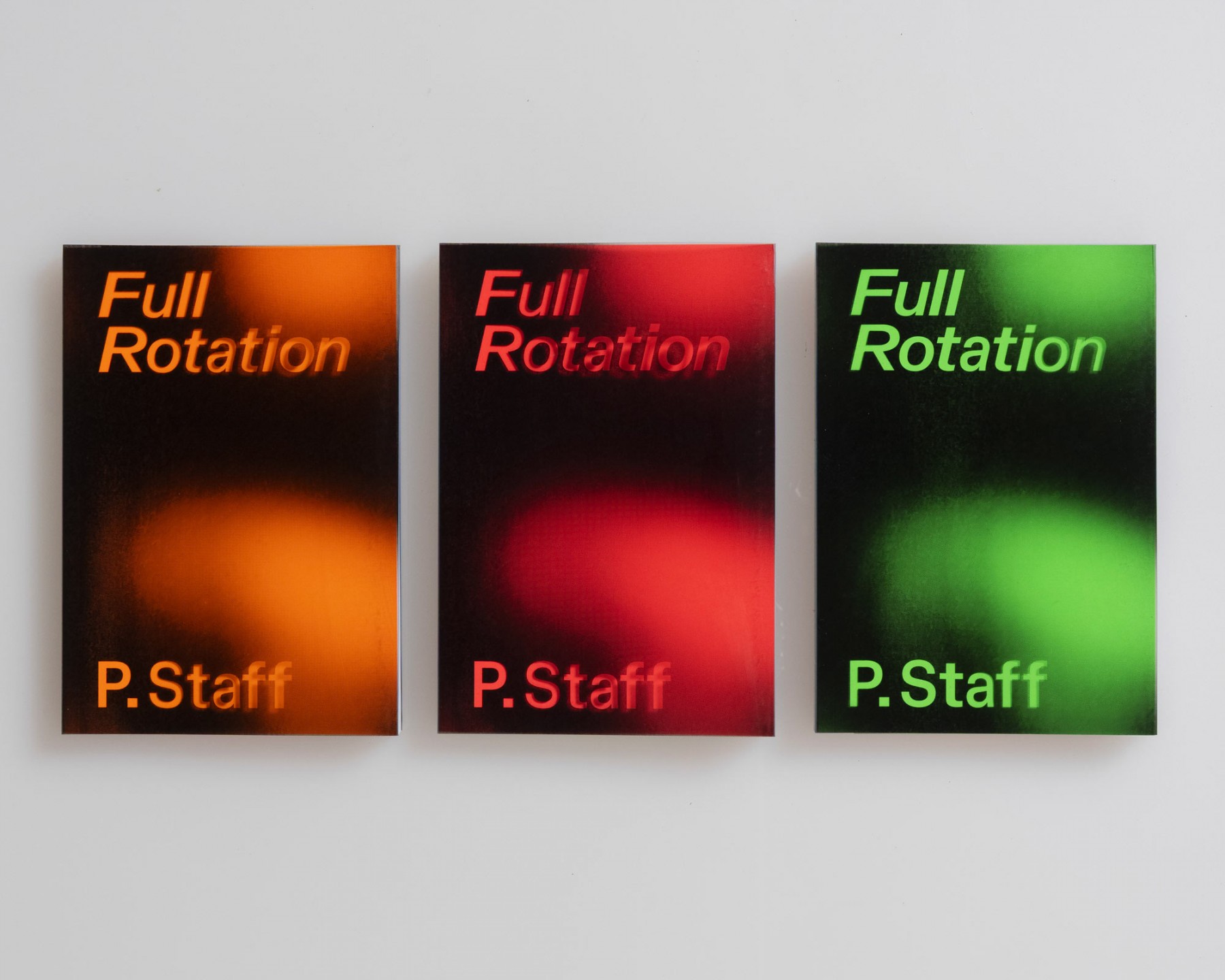
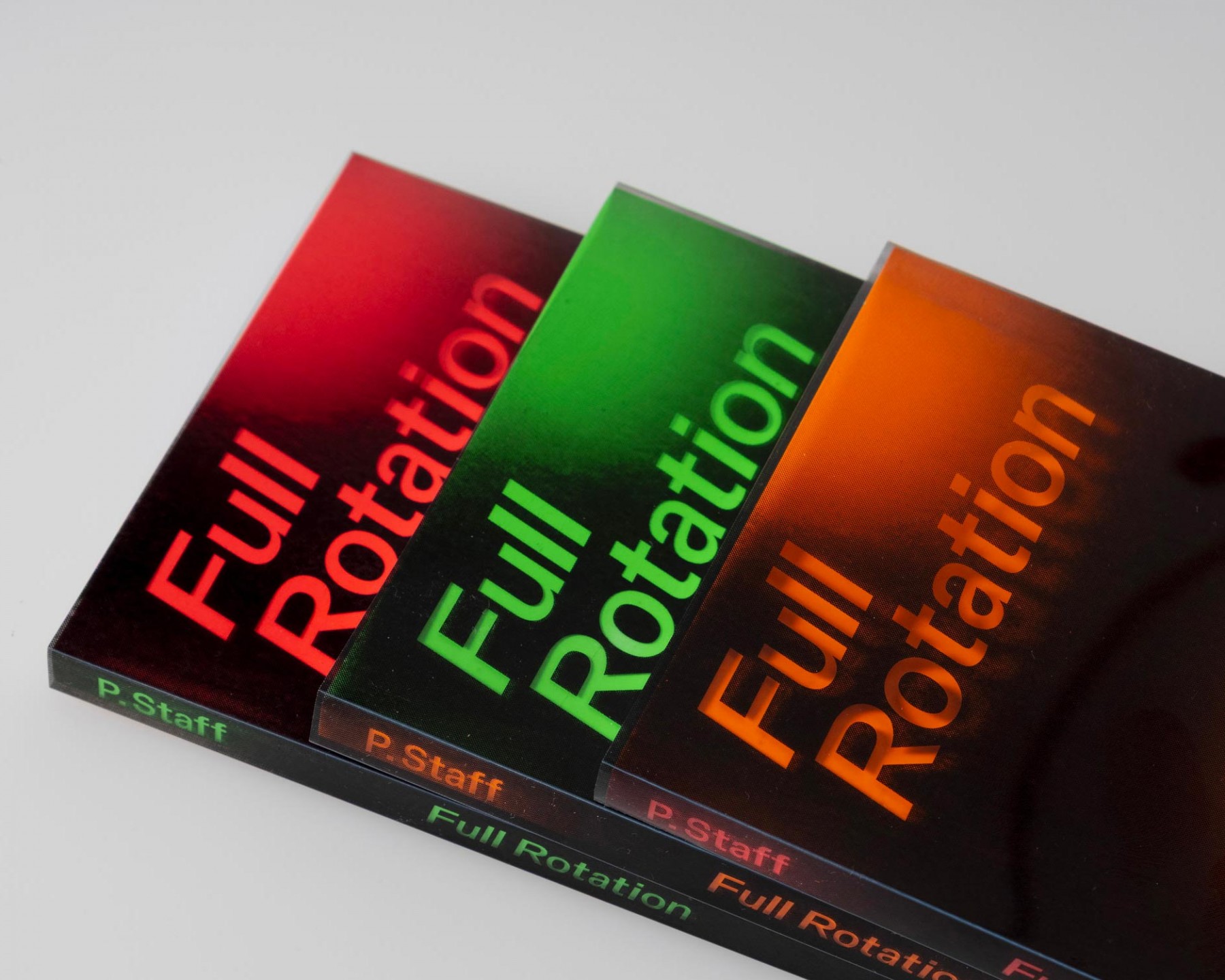
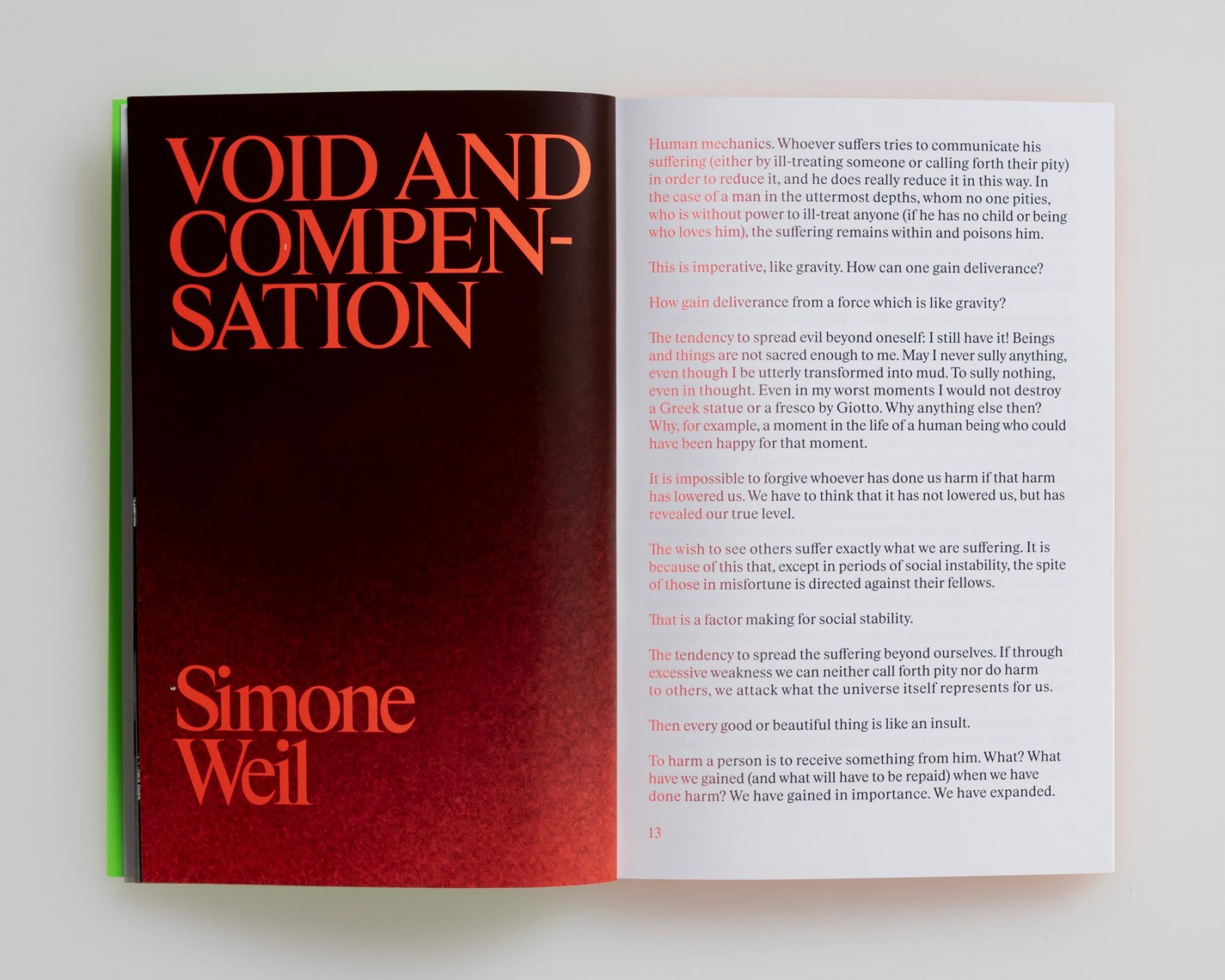
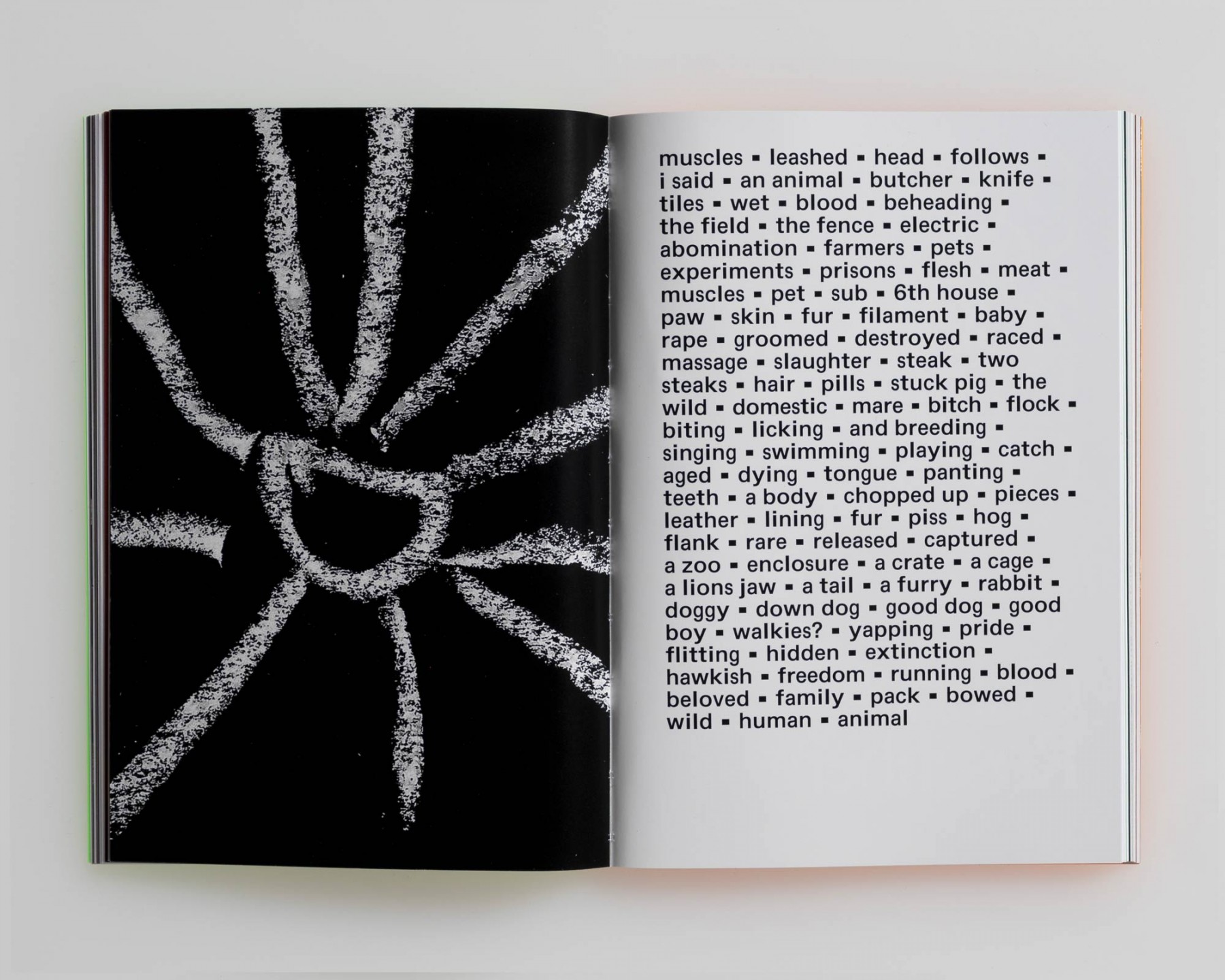
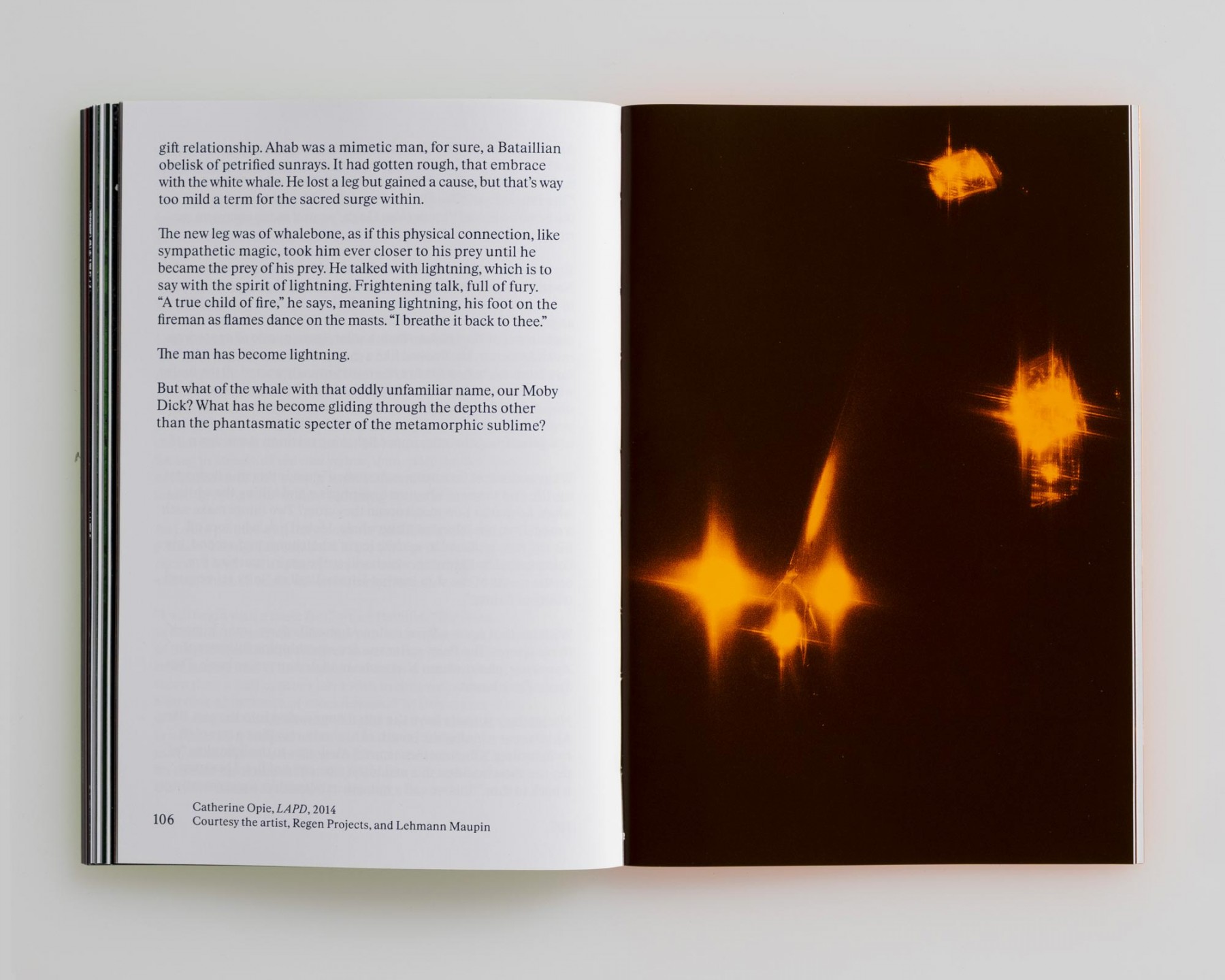
Full Rotation is an artist book by P. Staff organized around three terms: “Ekstase,” “Animals,” and “Light.” Chosen and assembled by Staff, the essays, poems and artworks move without hierarchy between the clinical, the erotic, the zoological and the cosmological, bringing different systems of knowledge into contact and allowing unexpected affinities to emerge. Rather than establishing a unified argument, the book unfolds through encounters, associations and shifts in perspective, exploring the body as a site where physical sensation, desire, vulnerability and transformation converge.
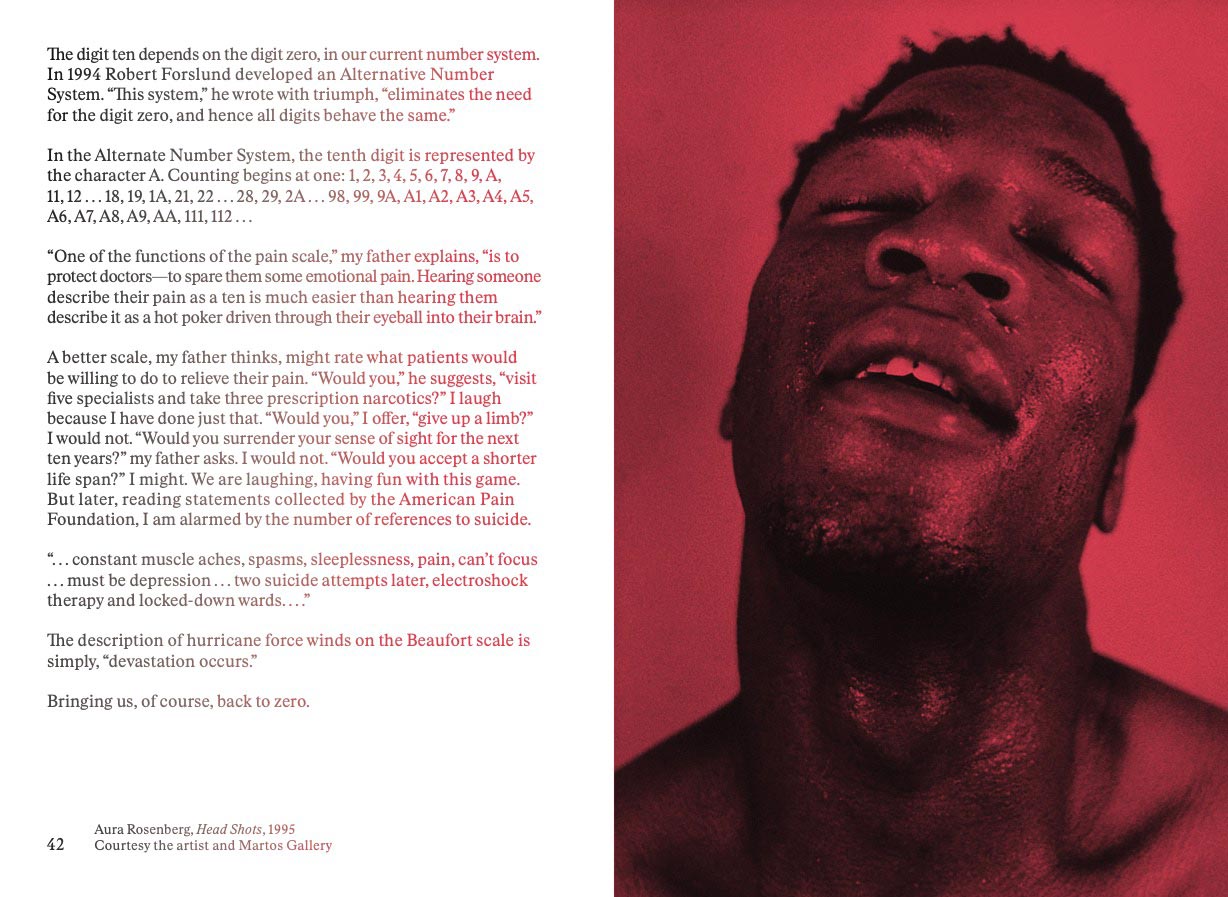
A constellation of texts spans the poem, the polemic, the letter, the elegy, hybrid verse and anthropological essay. Artworks by Käthe Kollwitz, Valie Export, Aura Rosenberg, Pati Hill, Catherine Opie and Luigi Russolo are interleaved with Staff’s own drawings and images, creating a field of correspondences across different historical moments, artistic practices and modes of representation.
Across the book, ecstasy emerges as both a bodily experience and a disruption of the self: a state in which pleasure, pain, excess and surrender unsettle the boundaries of individual identity. Animality offers a related perspective, challenging the divisions between human and nonhuman, instinct and reason, the organic and the artificial. Light, in turn, appears as a force of illumination and exposure, but also of instability and transformation—a phenomenon that makes visible while exceeding the limits of perception. Together, these three terms open onto questions of how bodies are constituted, how they encounter other forms of life, and how they are altered by forces that cannot be fully contained or understood.
The resulting structure is cyclical rather than linear, inviting connections to recur and meanings to shift as the reader moves through the book. Full Rotation treats the page as a space of circulation in which images and texts are continually reconfigured, resisting fixed distinctions between bodies and environments, sensation and knowledge, the intimate and the universal. Physical ecstasy, animality and illumination become three vantage points from which to consider what exceeds, consumes and transforms the body—and the possibility of inhabiting forms of existence beyond its presumed limits.