At 500 pages, this is the most comprehensive book yet on Norwegian artist, Ida Ekblad. Appearing three years after the artist’s show at Kunsthalle Zürich, Melted Snow took certainly a long time—all the time is takes to ponder fifteen years of the artist’s career.
On the occasion of PROVENCE’s 15th anniversary, the reader My Alphabet presents 26 texts published by PROVENCE between 2009 and 2024, either in print or digitally in the weekly newsletter. These texts are sorted alphabetically, ranging from A for Amphetamine to N for Ne travaillez jamais to Z for Gen Z.
This publication is devoted exclusively to the metal works of Sidsel Meineche Hansen. Catalogued here is every cast, forged, and fabricated metal sculpture made since 2017. Poems by the artist Diego Marcon annotate and respond to the individual pieces.
This compelling artist’s book is built around KOOL (“cabbage” in Dutch), an original font designed by Reus, somewhere between a plant alphabet and concrete poetry. The publication draws on the type specimen book tradition to present new typefaces.
Through a rich selection of images, this artist’s book, published in two editions—gold and silver—explores the birth, life and death of Francesco Gennari’s work Vorrei perdermi e non trovarmi più, 2022, exhibited for the first time at the Ciaccia Levi Gallery in Paris.
Through a rich selection of images, this artist’s book, published in two editions—gold and silver—explores the birth, life and death of Francesco Gennari’s work Vorrei perdermi e non trovarmi più, 2022, exhibited for the first time at the Ciaccia Levi Gallery in Paris.
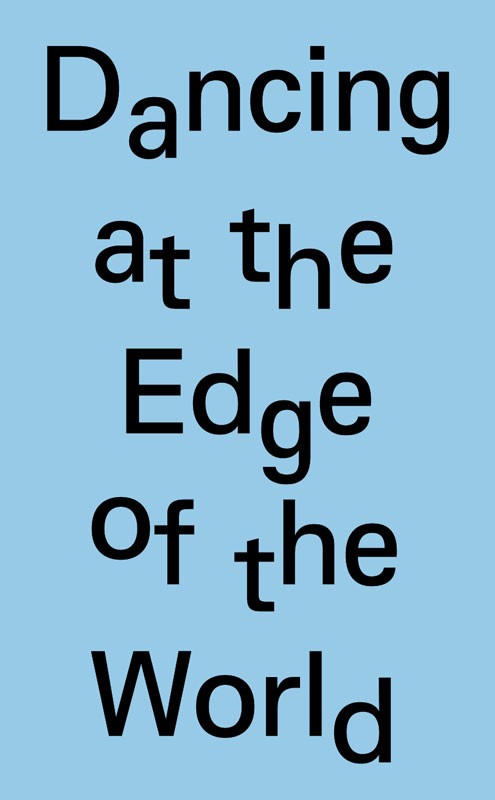
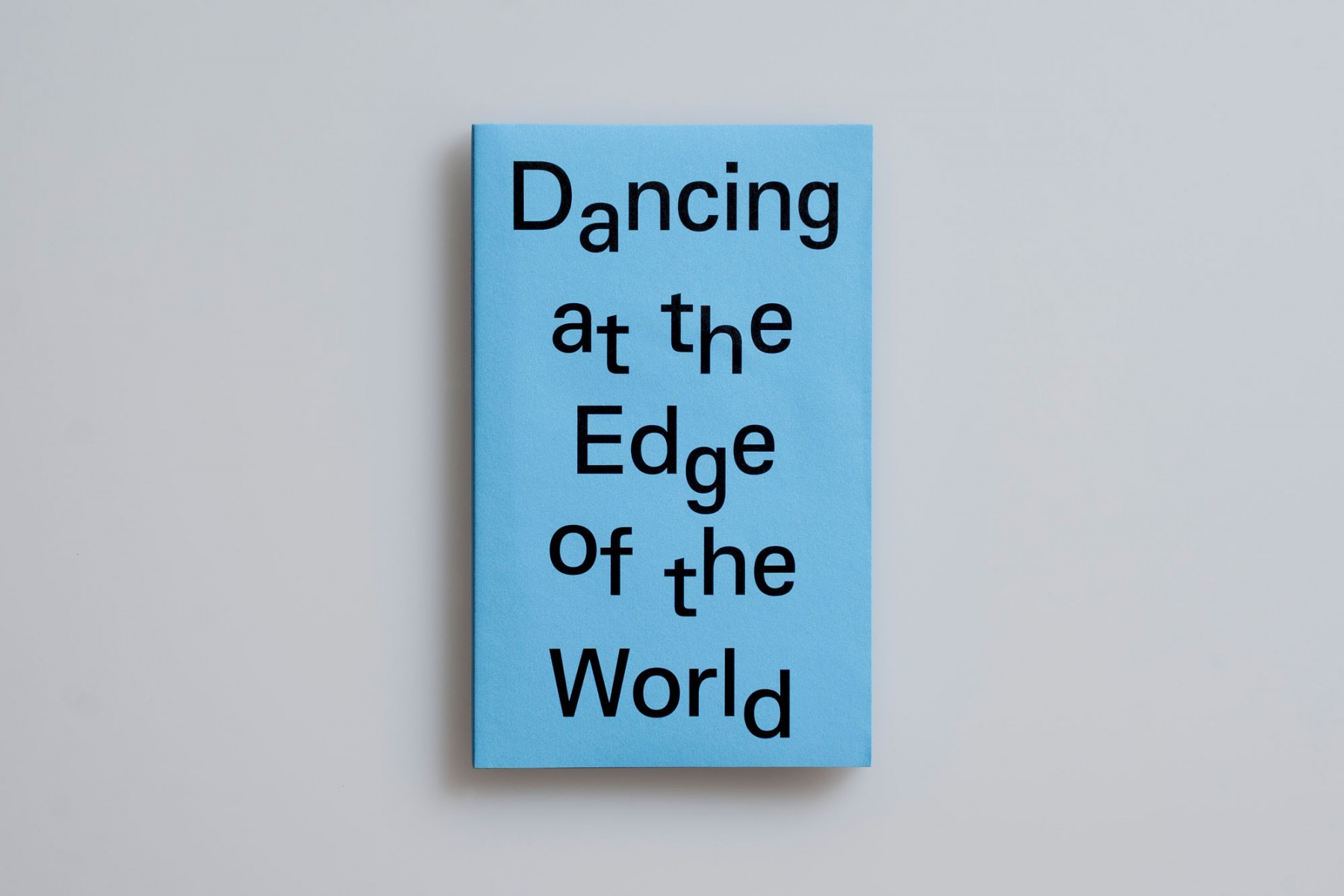
8th Arnaldo Pomodoro Sculpture PrizeDancing at the Edge of the World
Edited by Federico Giani and Chiara Nuzzi
Texts by Federico Giani, Sohrab Mohebbi, Julia Morandeira Arrizabalaga, Chiara Nuzzi, and Anne Reeve
Designed by Lorenzo Mason Studio
2026, English / Italian, 13 x 21cm, 160 pages
ISBN 979-12-80579-85-0
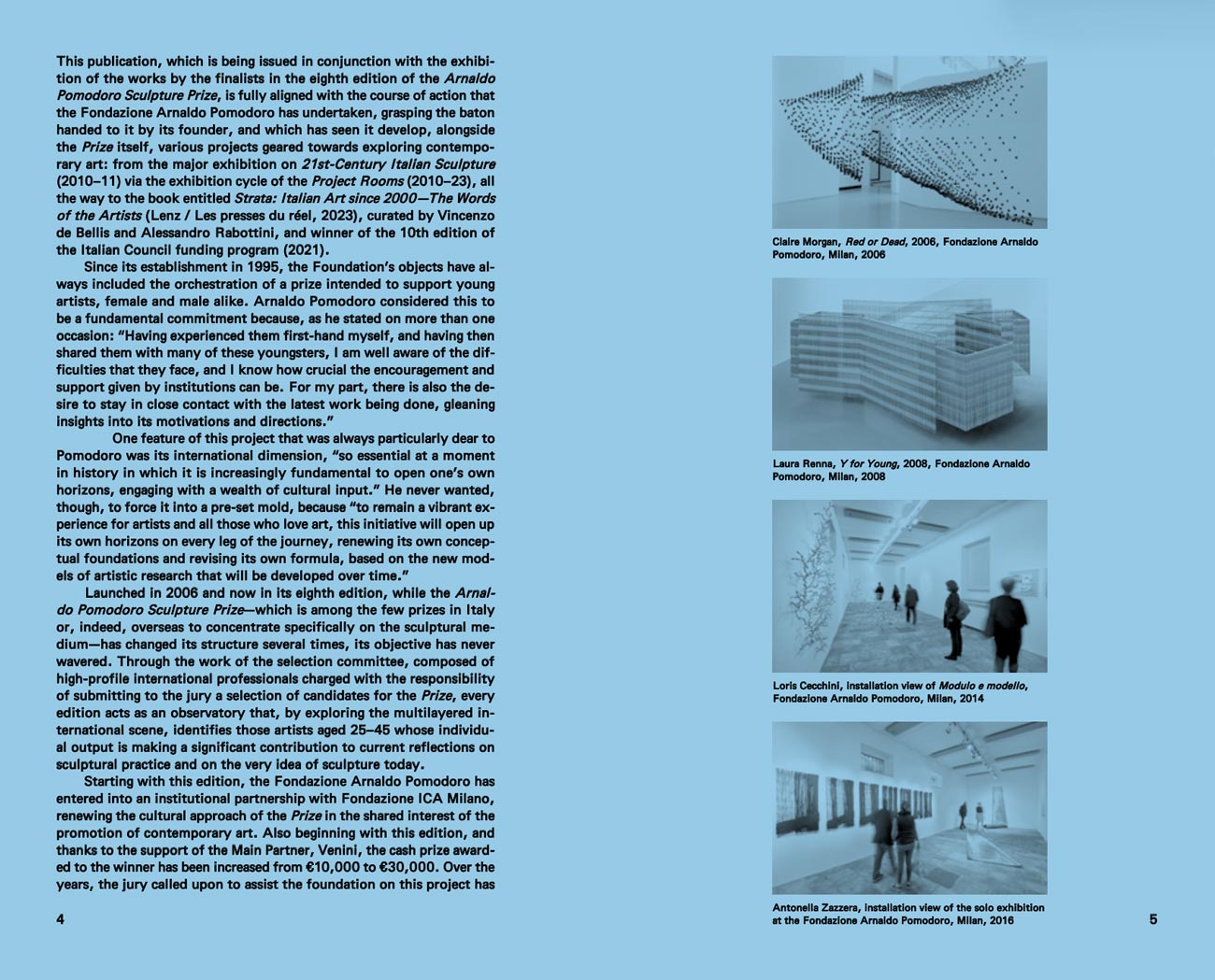
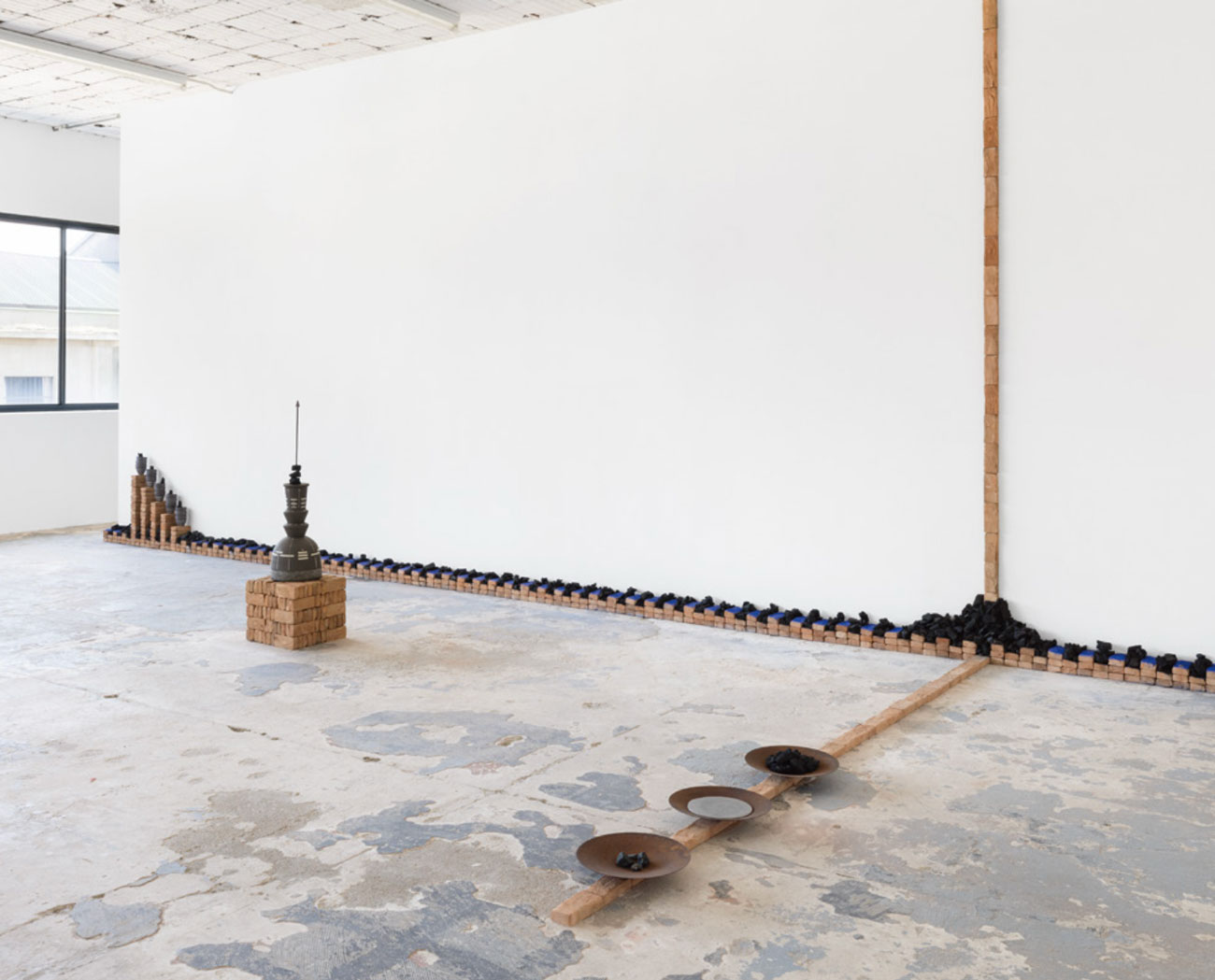
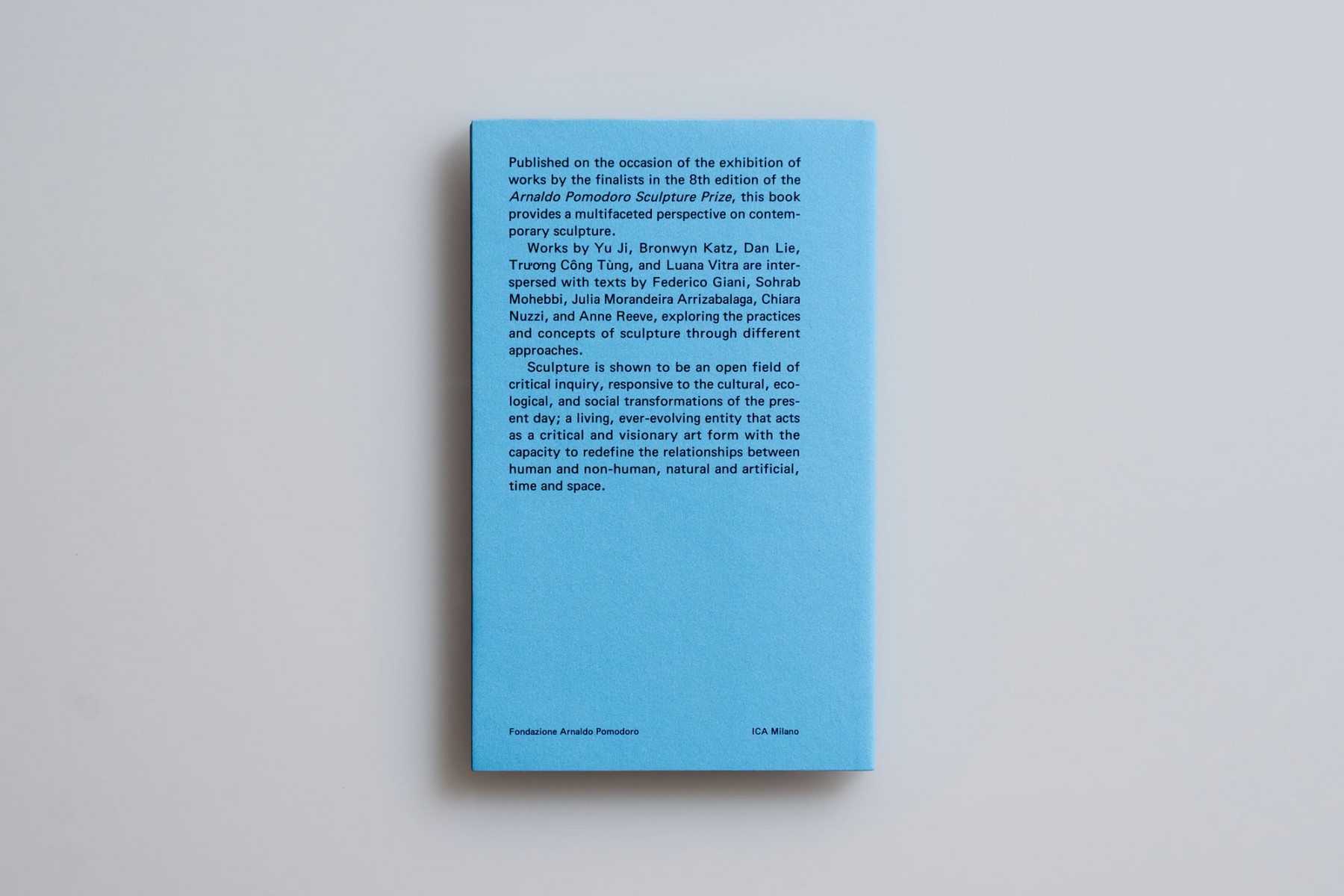
Published on the occasion of the exhibition by the finalists of the 8th Arnaldo Pomodoro Sculpture Prize, this book provides a multifaceted perspective on contemporary sculpture. Works by Yu Ji, Bronwyn Katz, Dan Lie, Trương Công Tùng, and Luana Vitra are interspersed with texts by Federico Giani, Sohrab Mohebbi, Julia Morandeira Arrizabalaga, Chiara Nuzzi, and Anne Reeve, exploring the practices and concepts of sculpture through different approaches. Sculpture is shown to be an open field of critical inquiry, responsive to the cultural, ecological, and social transformations of the present day; a living, ever-evolving entity that acts as a critical and visionary art form with the capacity to redefine the relationships between human and non-human, natural and artificial, time and space.
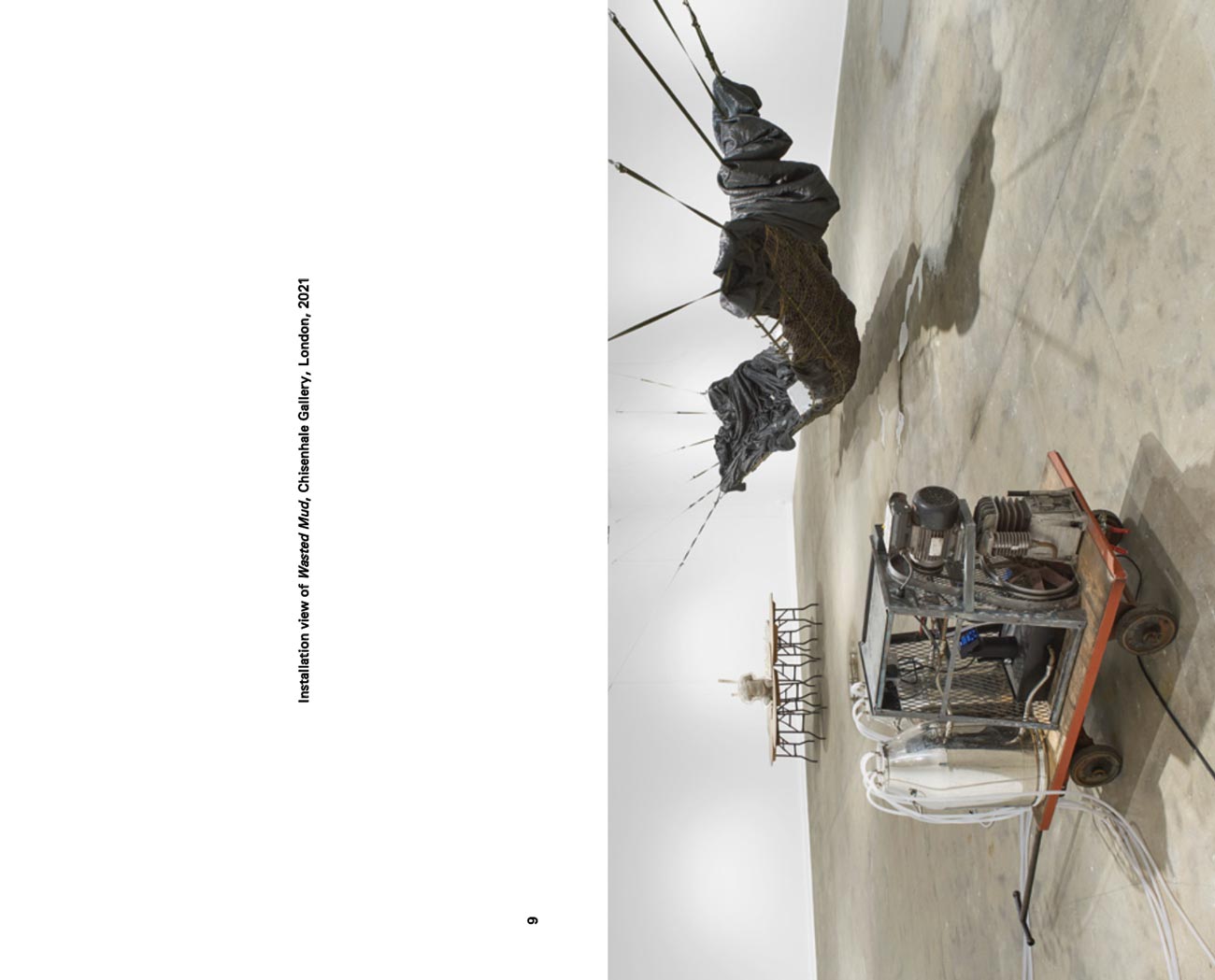
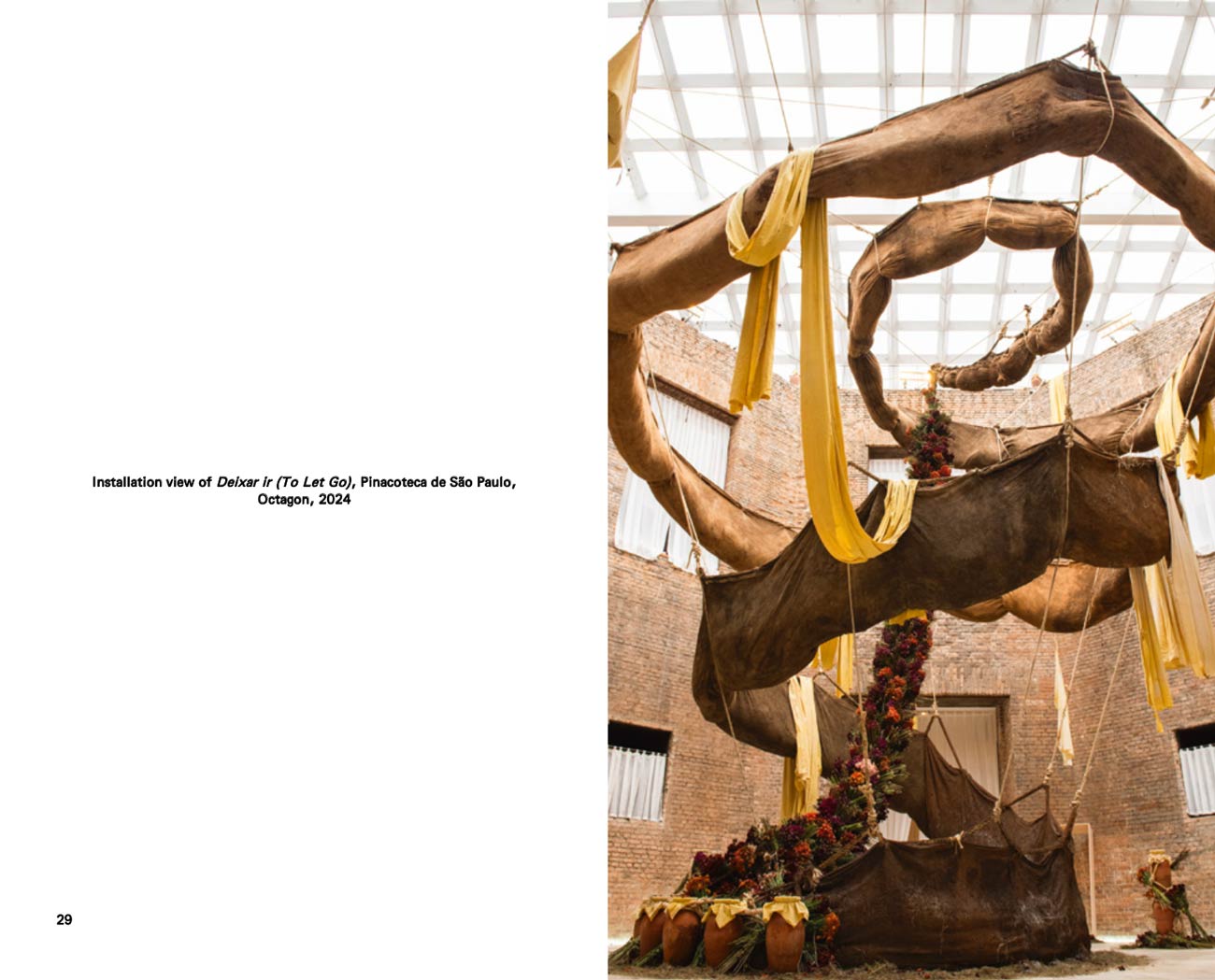
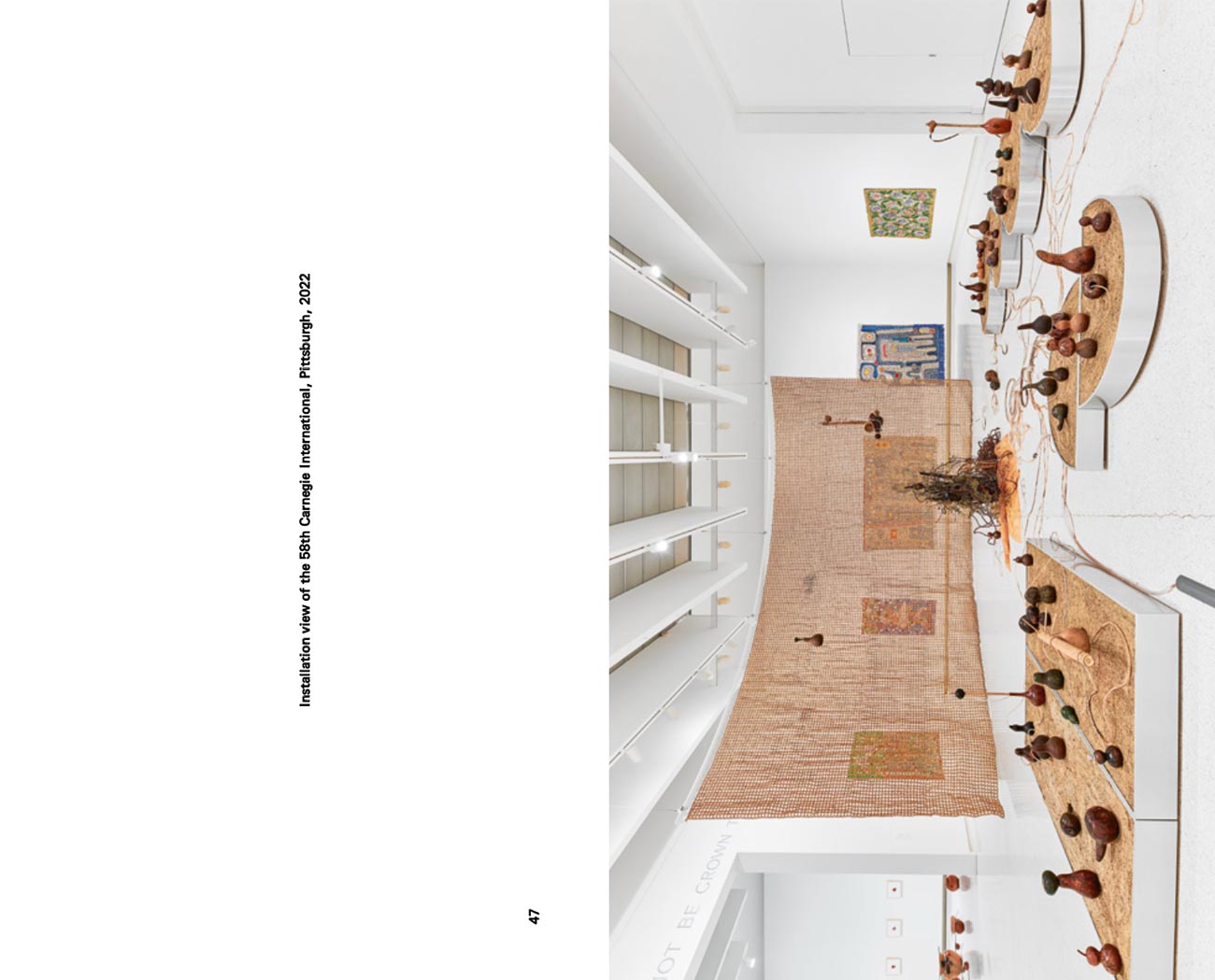
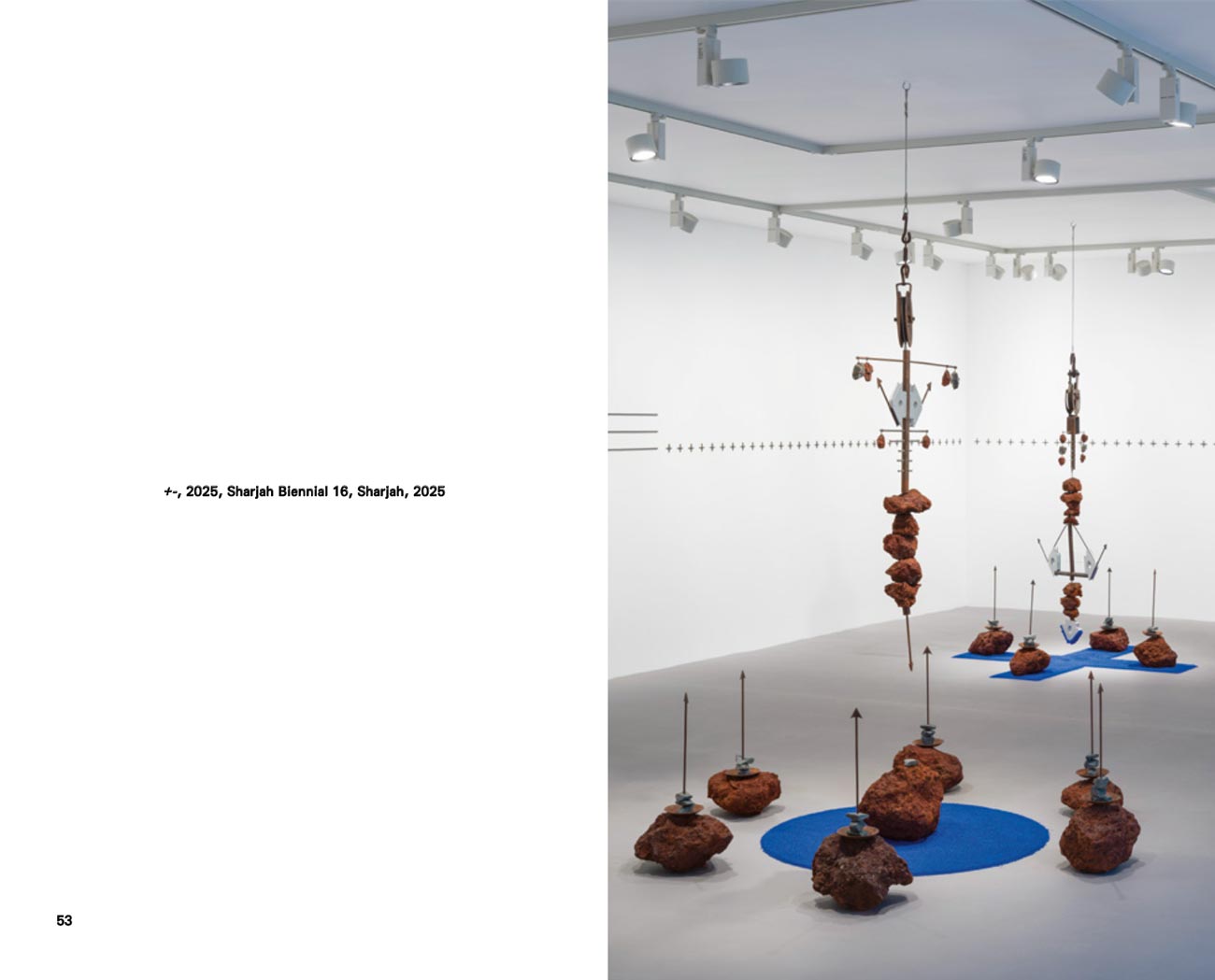
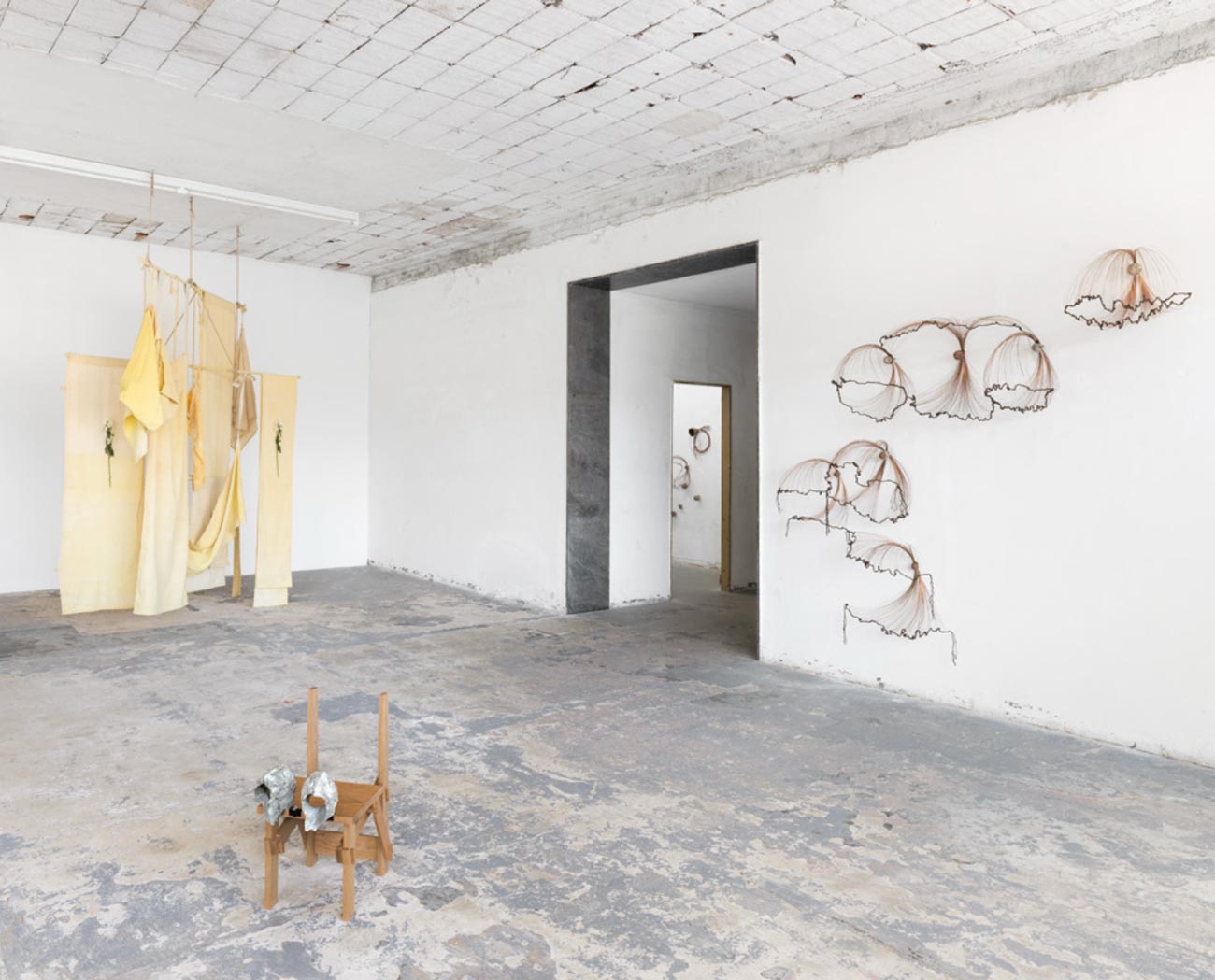
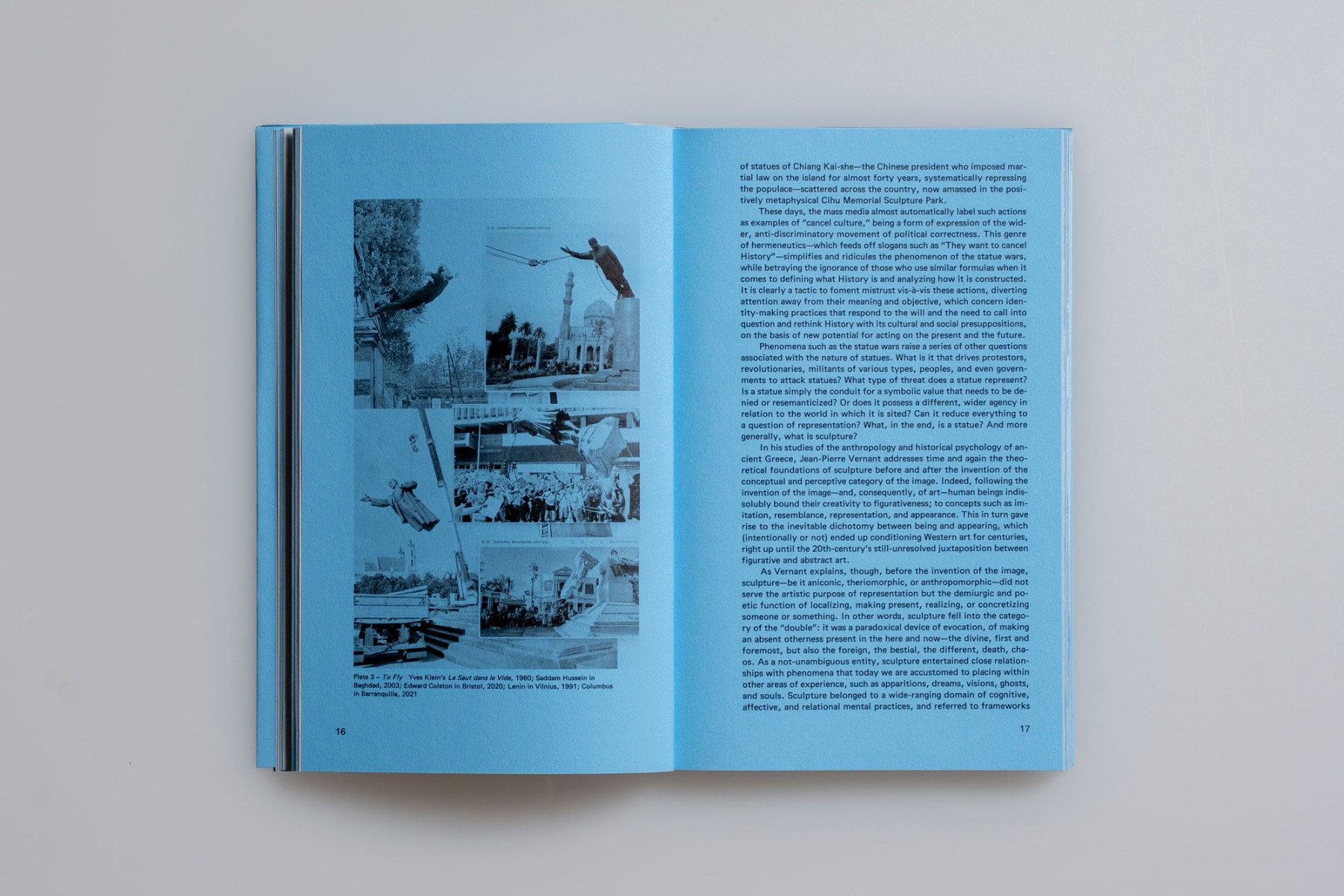
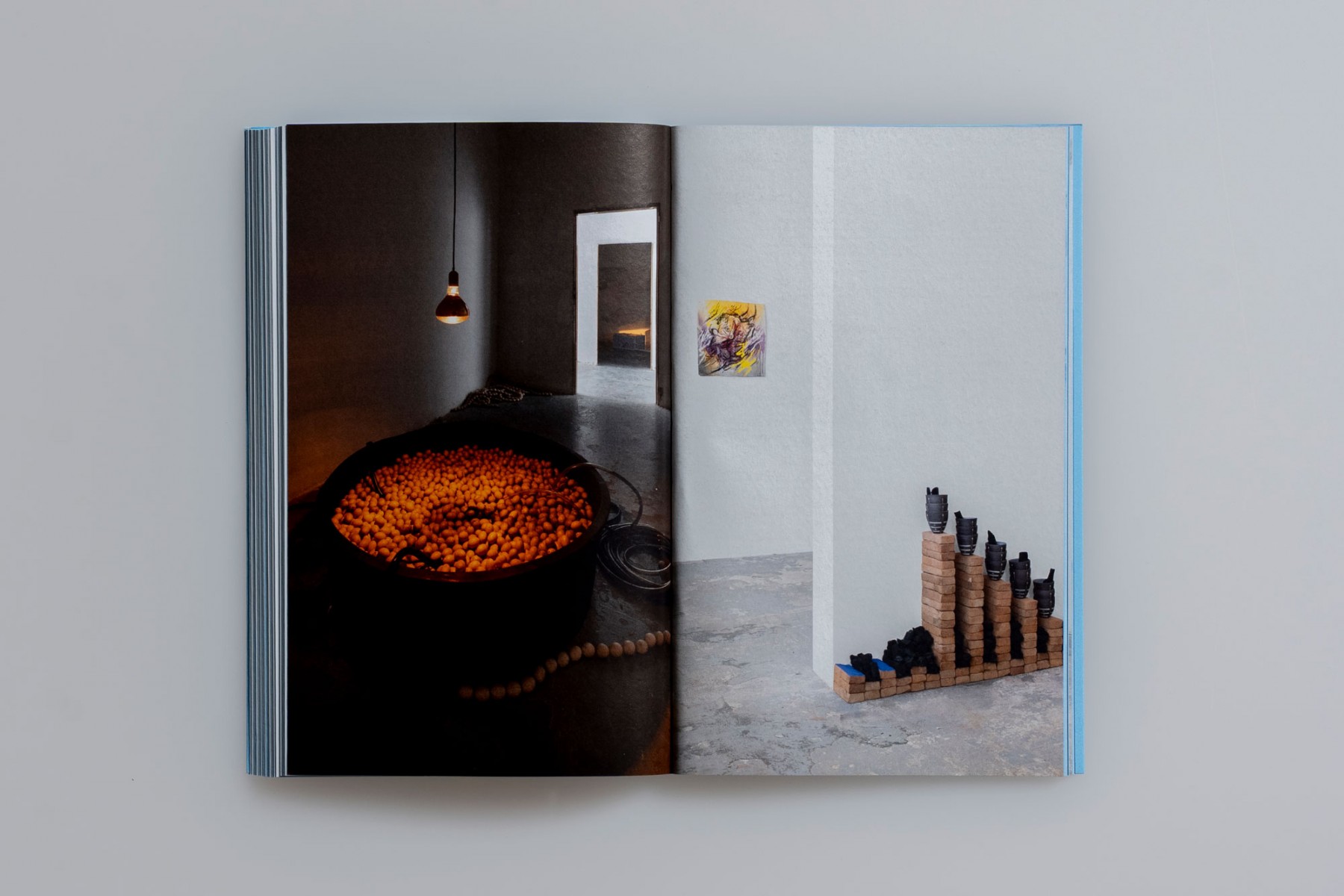
The book, edited by Federico Giani and Chiara Nuzzi, and printed on blue-black paper, is conceived as the interweaving of two independent yet simultaneous narratives, recalling the choreography of two dancers engaged in a dialogue within the same space-time. The first section, titled Gestures, focuses solely on images and consists of small portfolios by Yu Ji, Bronwyn Katz, Dan Lie, Trương Công Tùng, and Luana Vitra—finalists and joint winners of this edition of the Prize. For each of the artists, the book presents individual works and installation views from exhibitions, as well as images of works in progress in their respective workshops, thus offering a glimpse into the artists’ creative process.
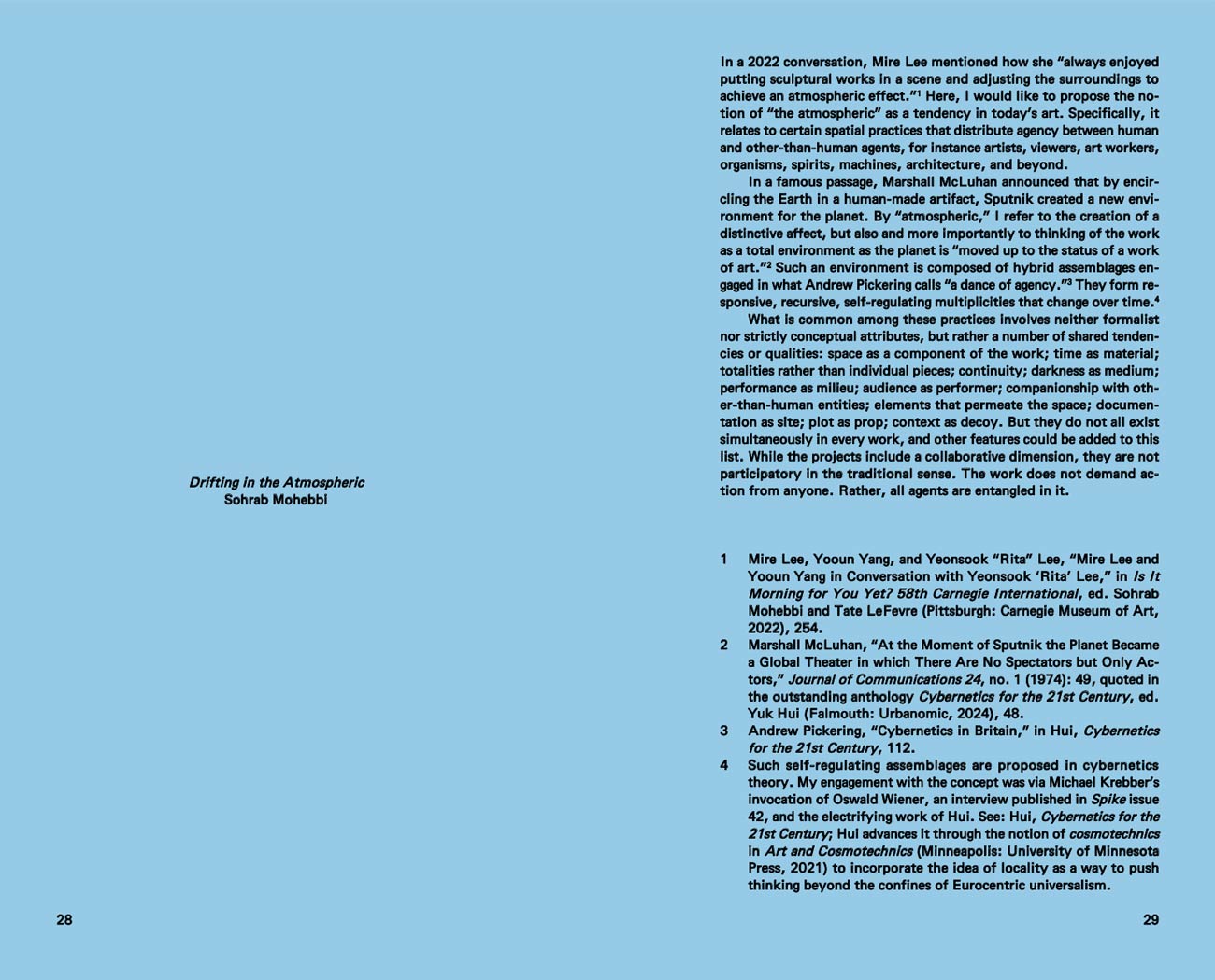
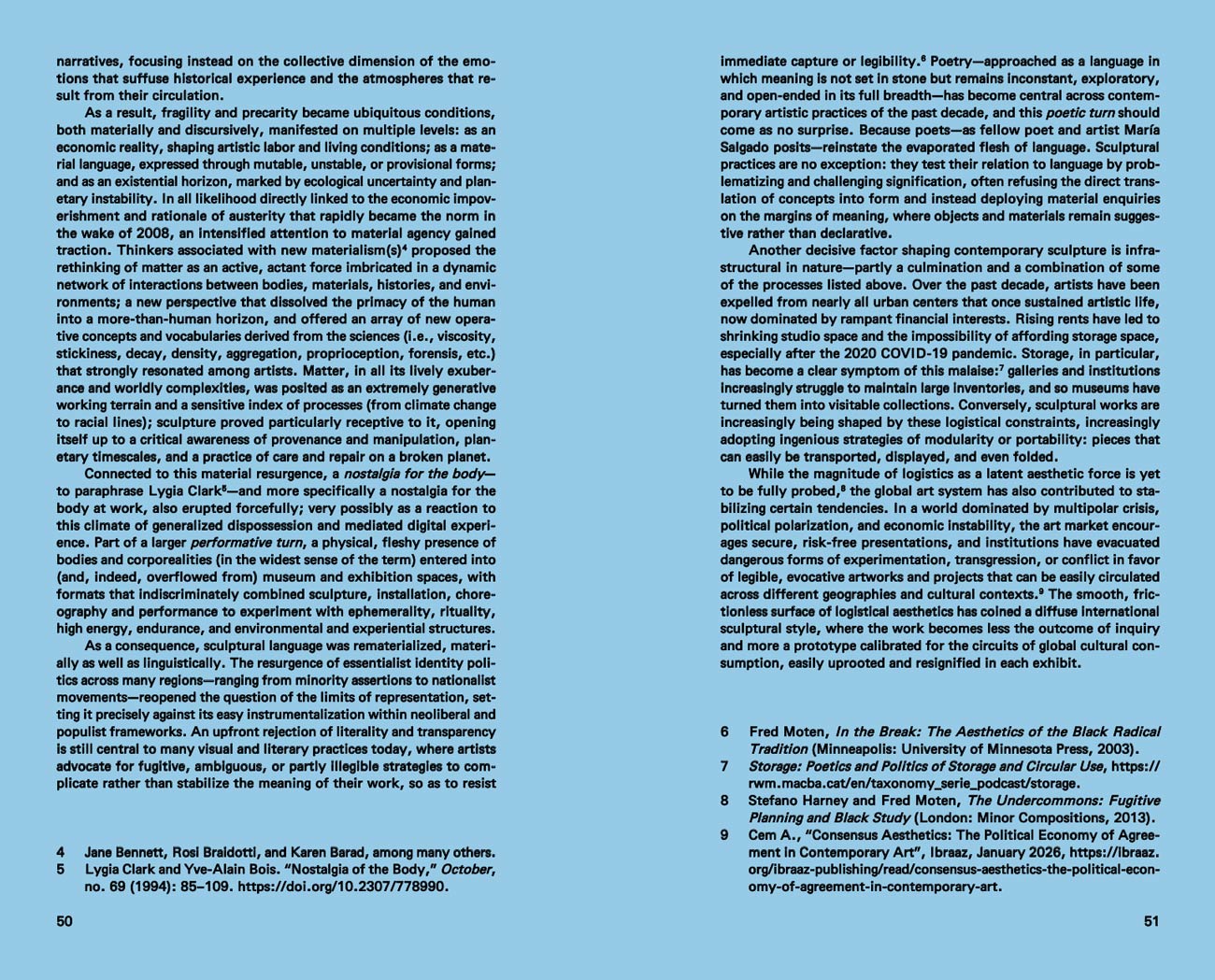
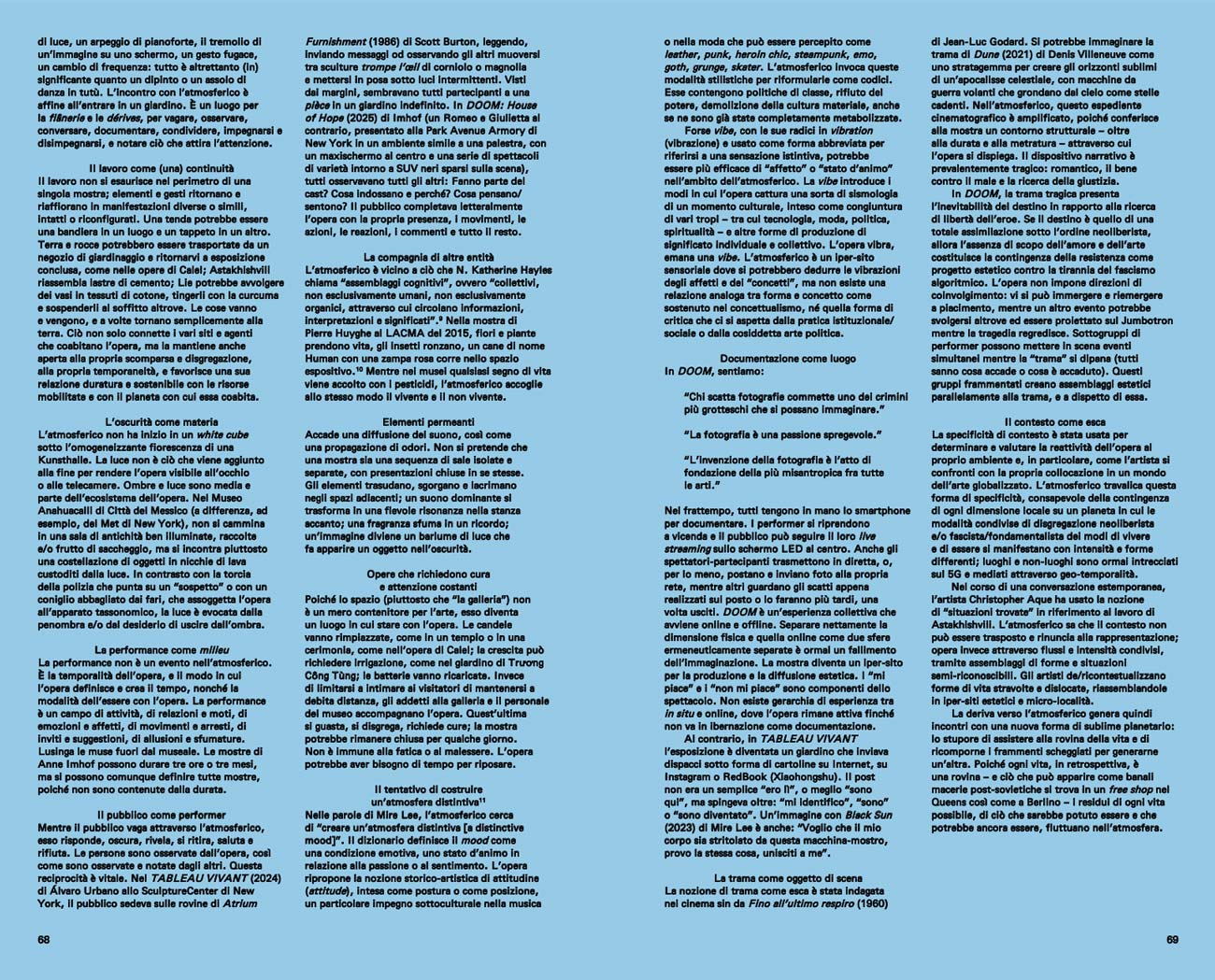
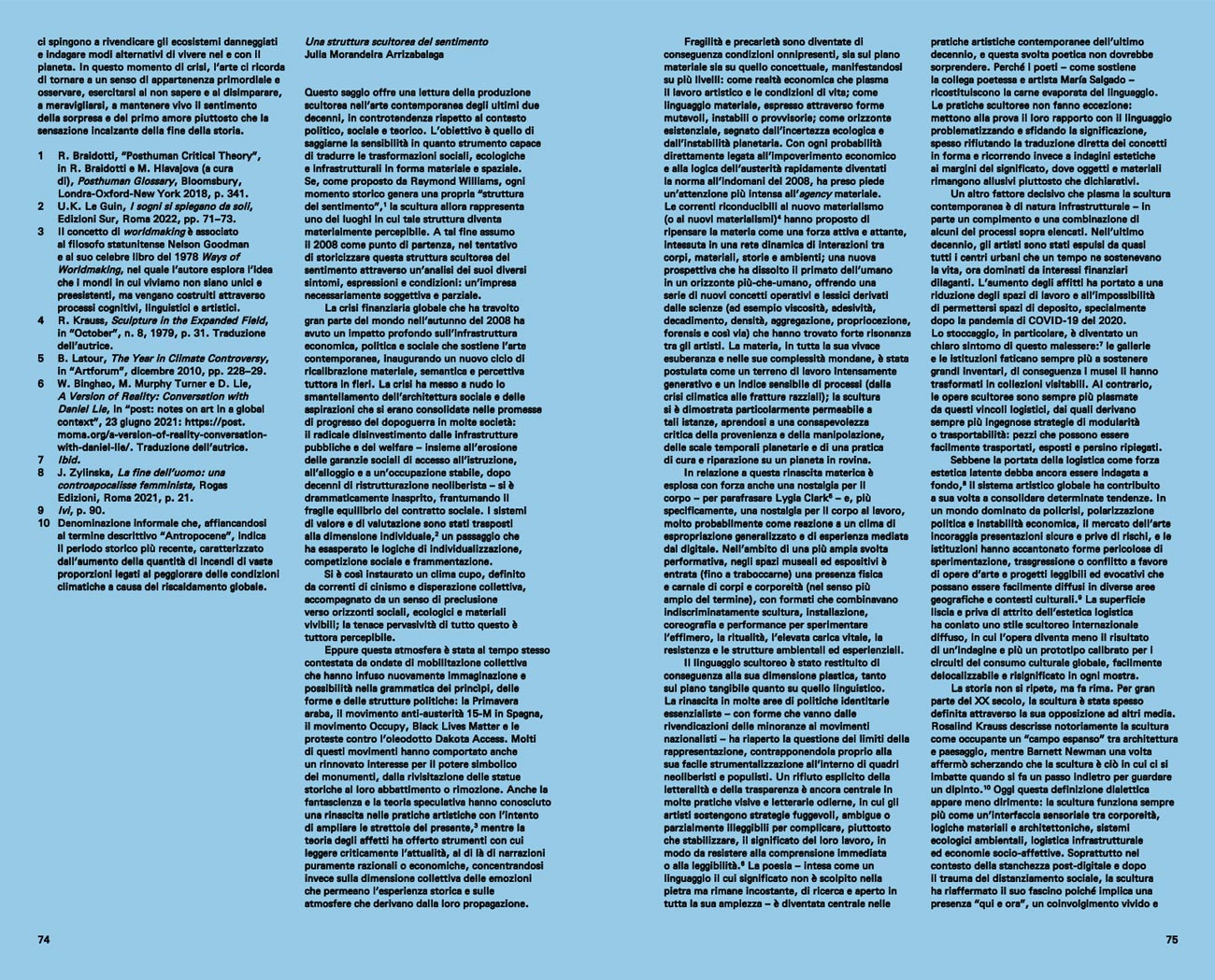
The second section is a condensed anthology of perspectives on contemporary sculpture. The five authors, who are members of the Prize jury, in addition to being directors and curators of the Sculpture Center, the Hirshhorn Museum and Sculpture Garden, the Museo Nacional Centro de Arte Reina Sofía, the Fondazione Arnaldo Pomodoro and the Fondazione ICA Milano, agreed to share their thoughts on the practices and conceptual frameworks that are driving sculpture forward today.
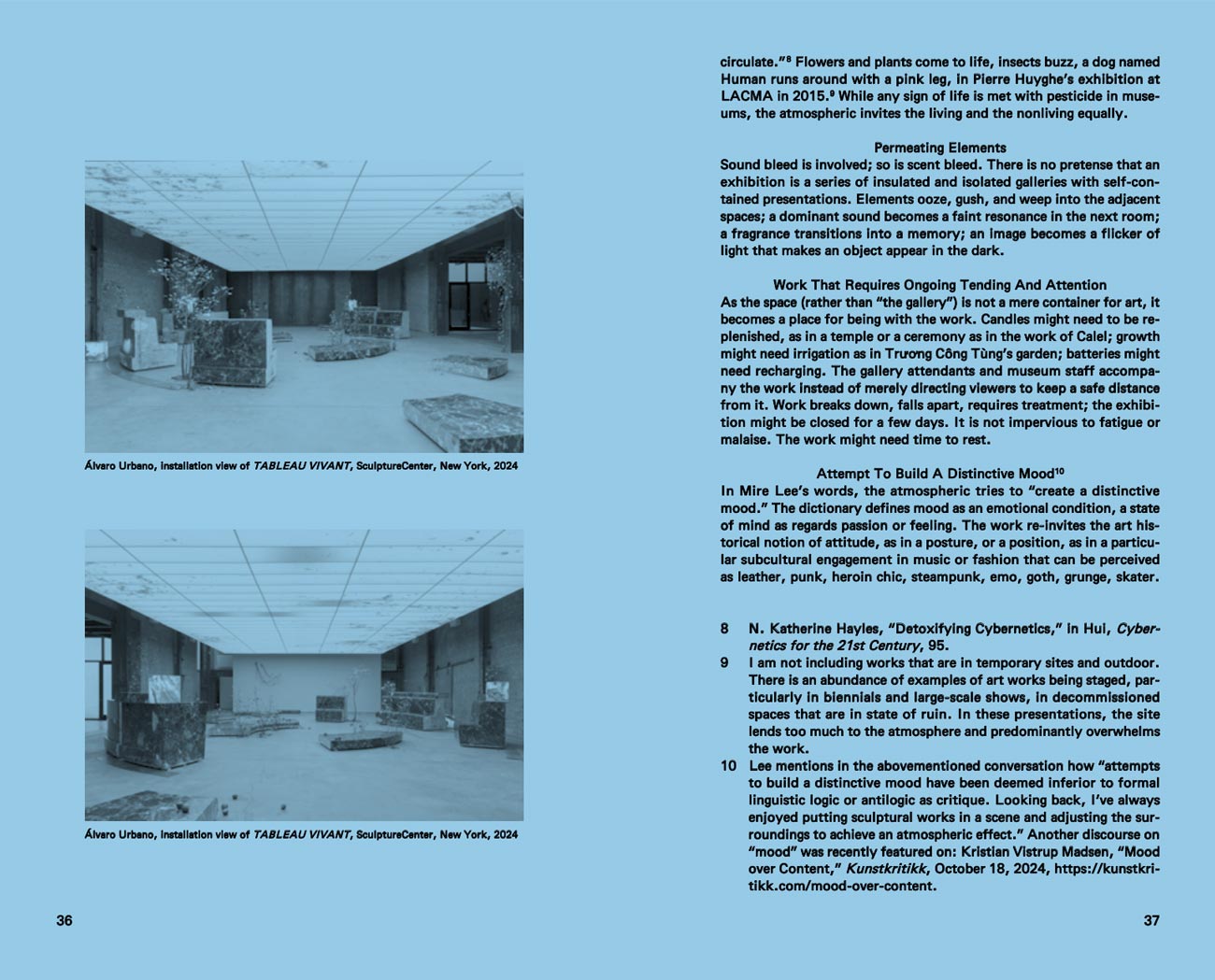
This approach gave rise to a multilayered panorama that encompasses everything from the anthropological constants linking archaic and contemporary perceptions of sculpture, to the elements that contribute to defining the “atmospheric” quality of present-day sculpture and its interpretation as, variously: a relational and transformative art form comparable to dance; a materially experiential expression of the “structure of feeling” within today’s political, social, and theoretical context; an inquiry into how sculpture—now, as before—is ultimately a site for investigation, sensation, and possible revelation; and a gathering place where we attempt to understand how things generate meaning.