The paintings and drawings by Jake Grewal draw the viewer in through stillness and ambiguity: they invite reflection on how we inhabit places—physically and emotionally—and how our inner landscapes mirror the physical world. This is the Grewal’s first book, published to accompany the artist’s exhibition at Studio Voltaire.
The transformation of the notion of monuments and the way cultural institutions choose to deal with it find in Maurizio Cattelan an interpreter capable of manipulating historical memory and shared symbols, to the point of turning them into a terrain of doubt and play. Lisa Parola and Lorenzo Giusti investigate the potential of contemporary art within the public sphere.
This is a visual archive of 12 years of developing, designing and exhibiting the House of One, a multireligious sacred space in the heart of Berlin. The architecture, conceived by Kuehn Malvezzi, has been displayed at various venues while being developed in close collaboration with three local religious communities in Berlin since 2012.
The first major monograph on artist Jill Mulleady, whose paintings thread motifs of decay, memory, history, and private myth, featuring humans and animals enacting their instinctive psychological reactions to ever-present threats of danger.
The essays in this first-ever monograph dedicated to Swiss artist Jan Vorisek, alongside image portfolios of the exhibitions they explore and an appendix that features photos and documentation of Vorisek’s performances, recordings and ephemera, grant us unprecedented access to the private fictions that the work reveals.
Since the 1990s Costa has been challenging hierarchies of art production and the fetishization of the “finished” artwork, inviting viewers to reconsider what is discarded, both materially and socially. Through over 300 artworks, accompanied by new writing, this catalogue explores Adriano Costa’s work, a meditation on transformation—of objects, meanings, and systems of value.
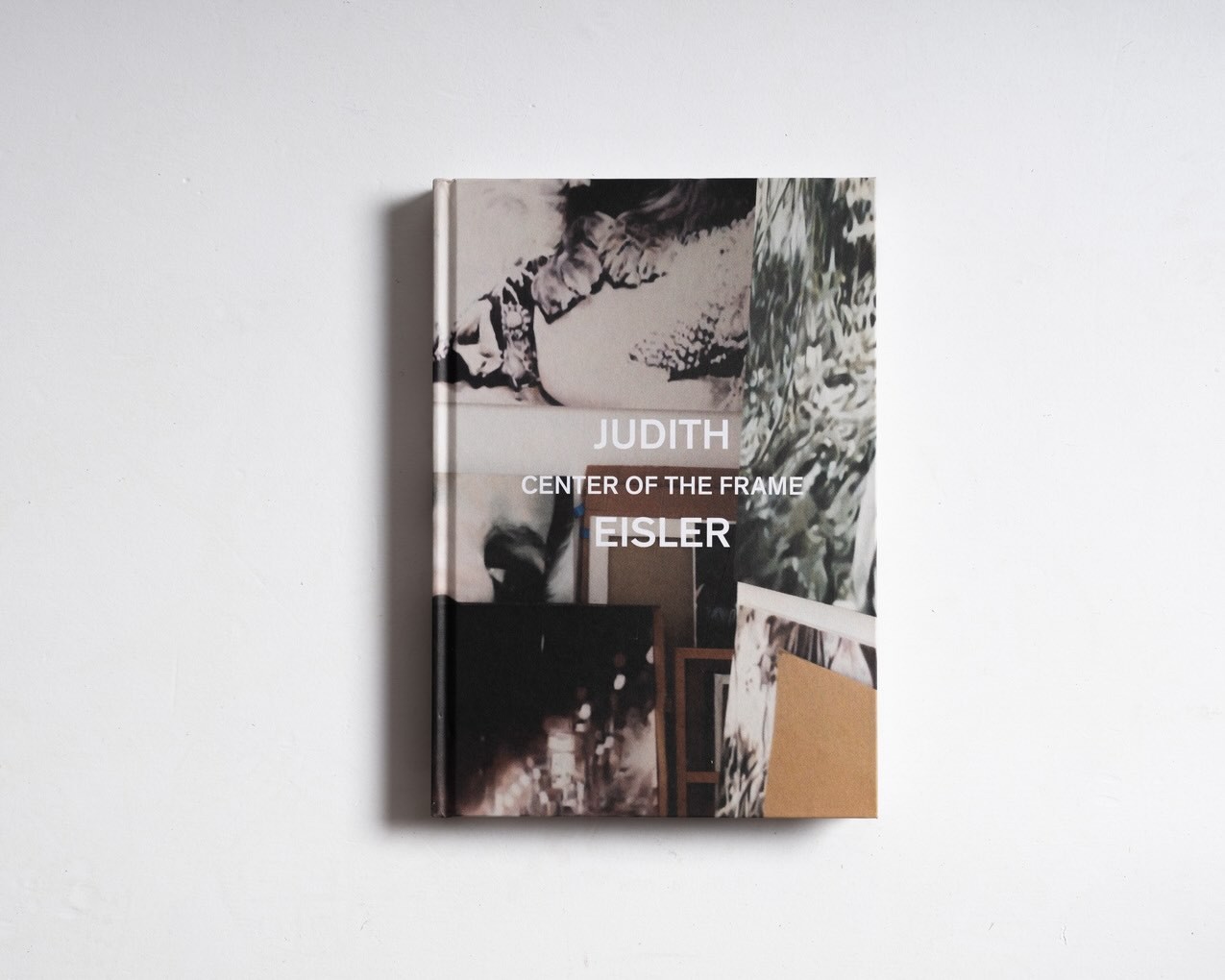
Texts by Kirsty Bell, Christopher Bollen, Judith Eisler, Wade Guyton
Design by Joseph Logan
2024, English, hardcover, 19.6 x 28.5 cm, 176 pages
ISBN 979-12-80579-56-0
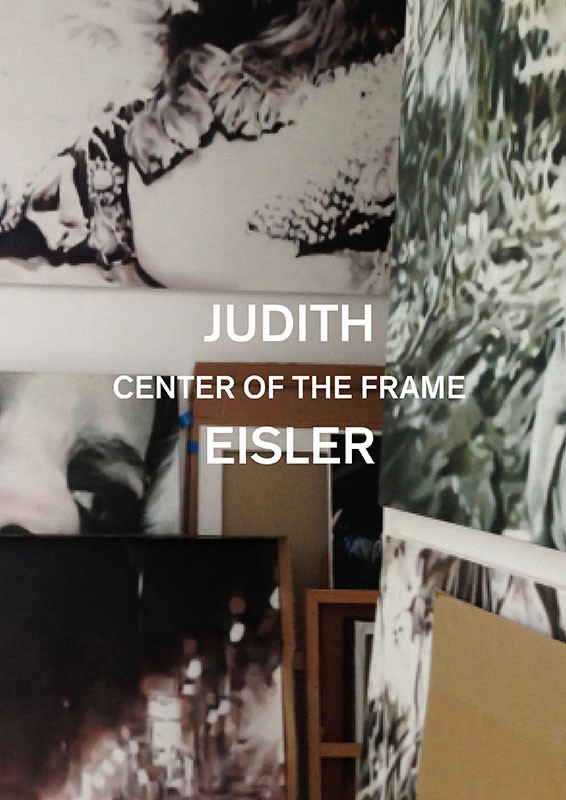
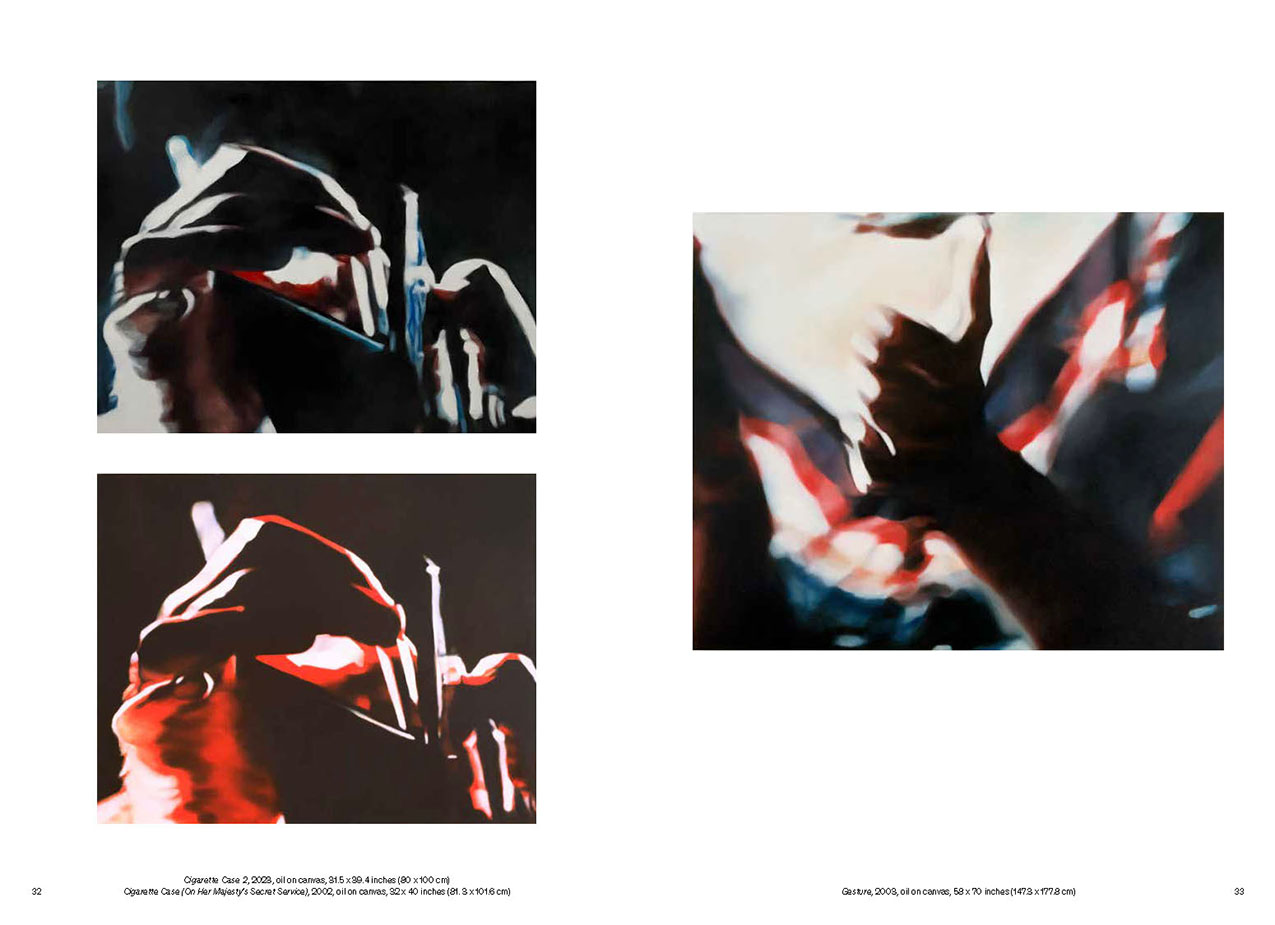
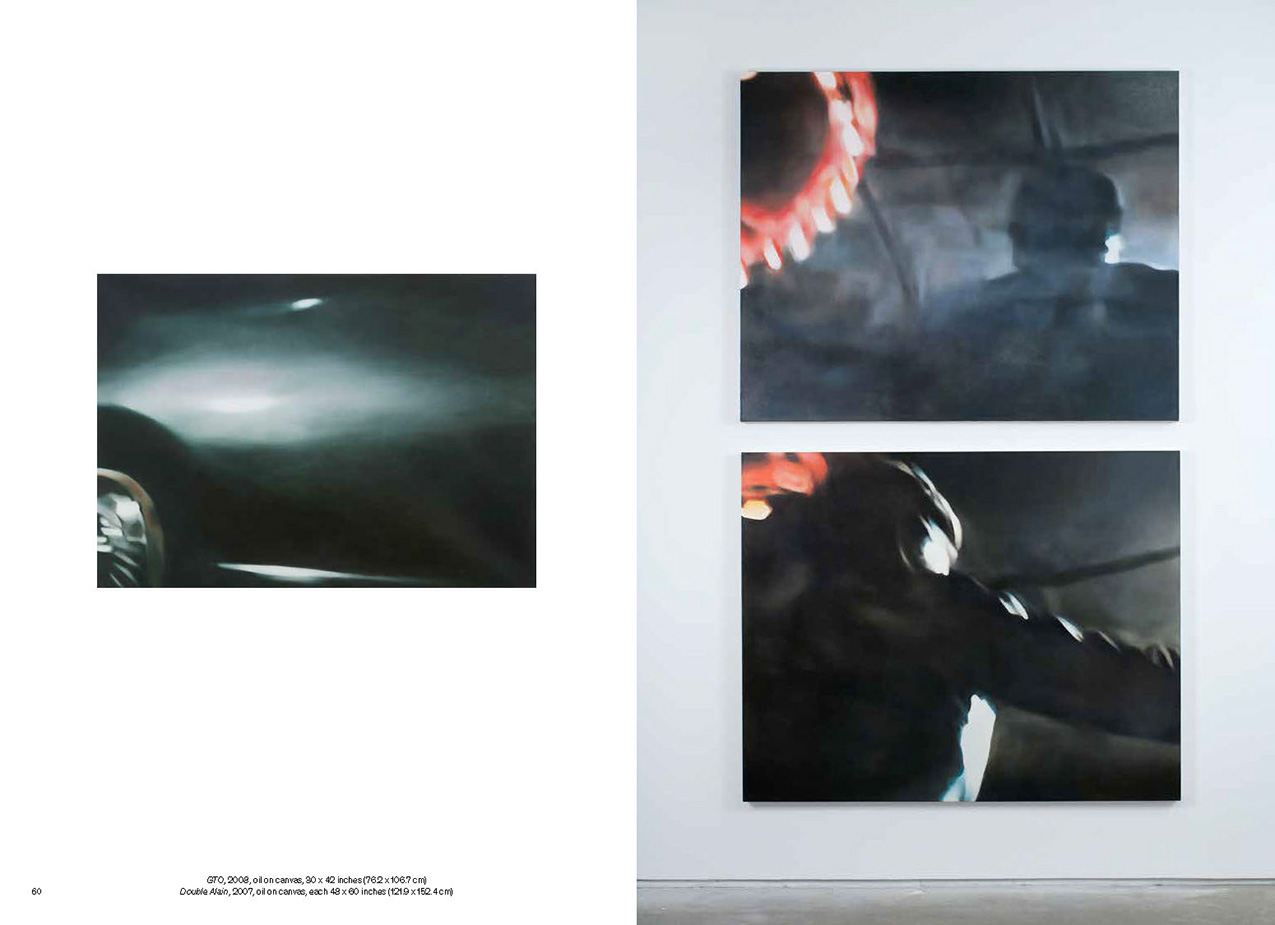
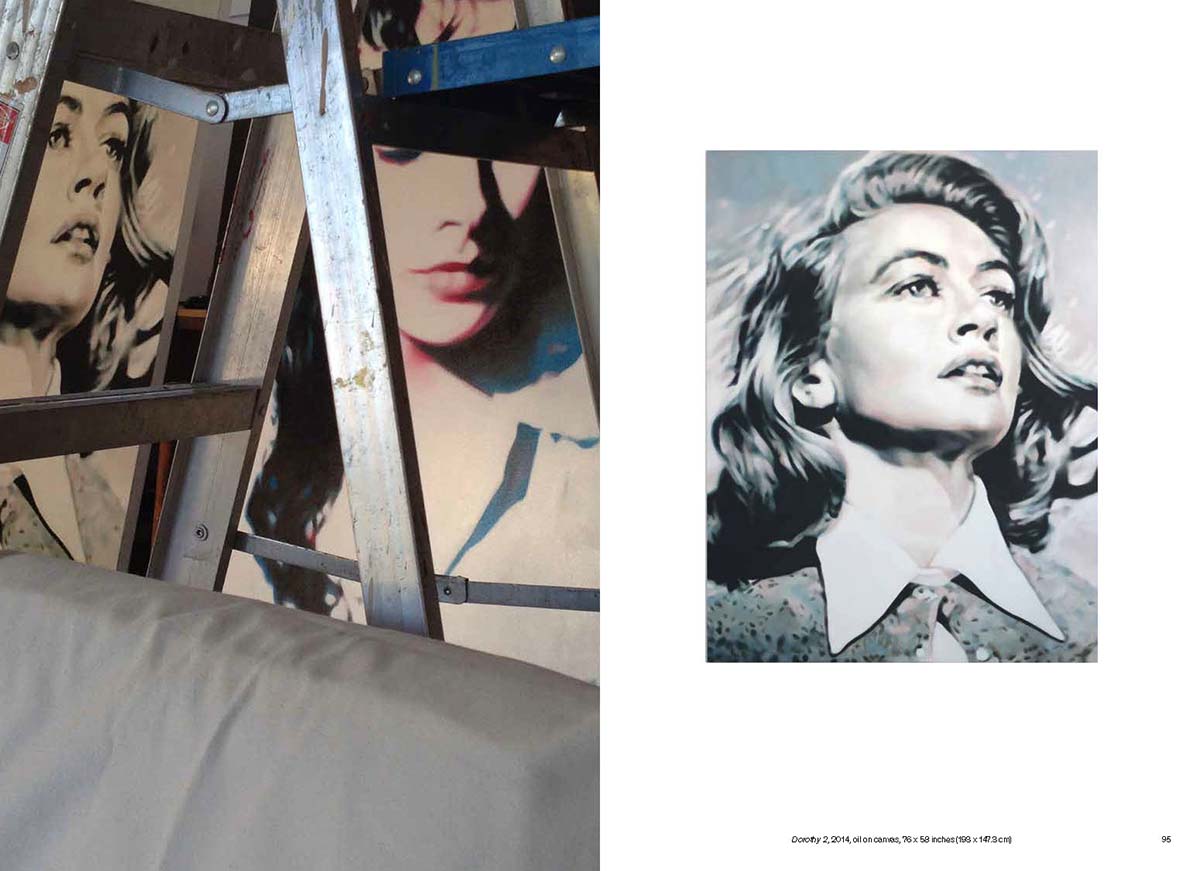
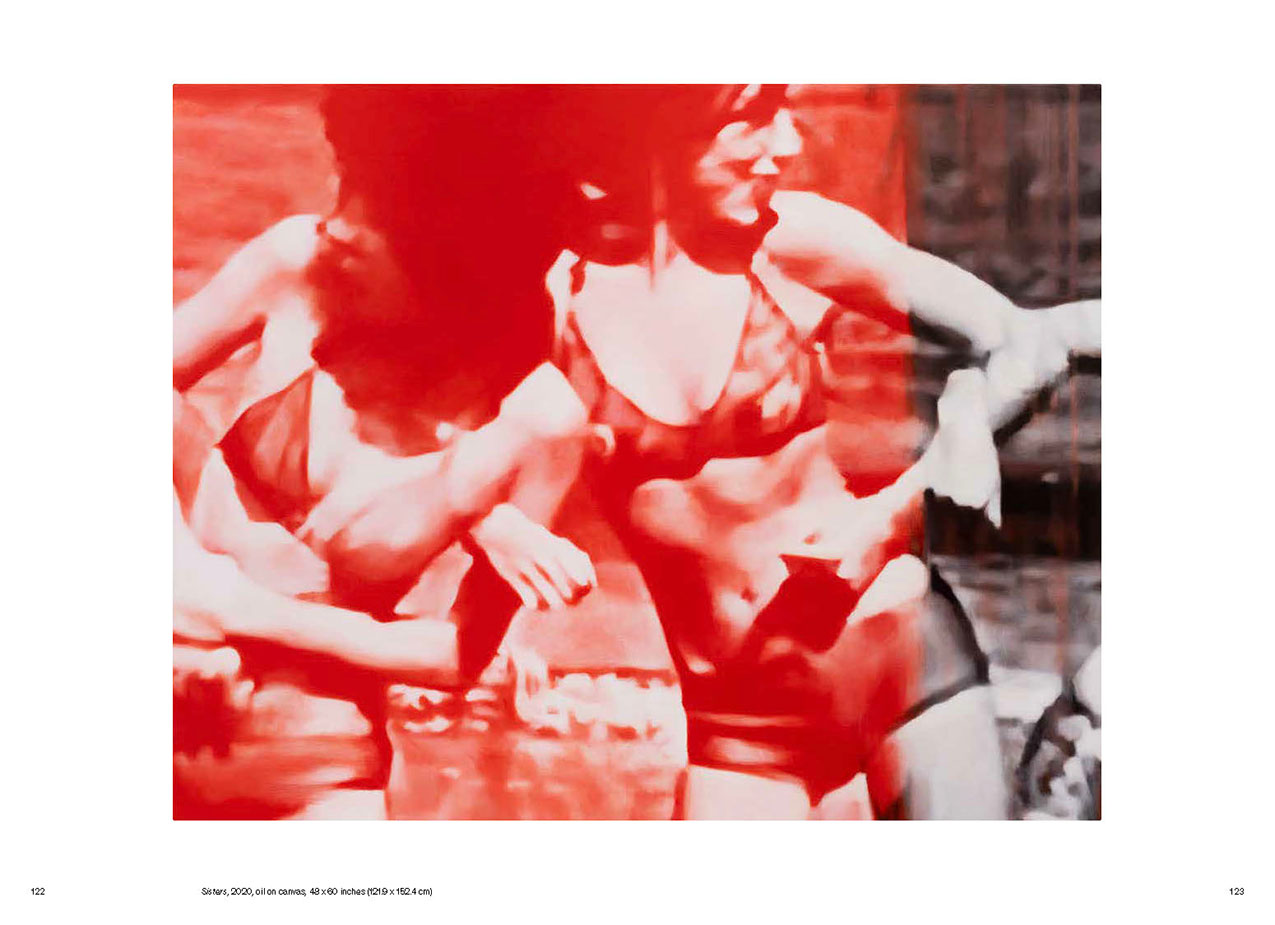
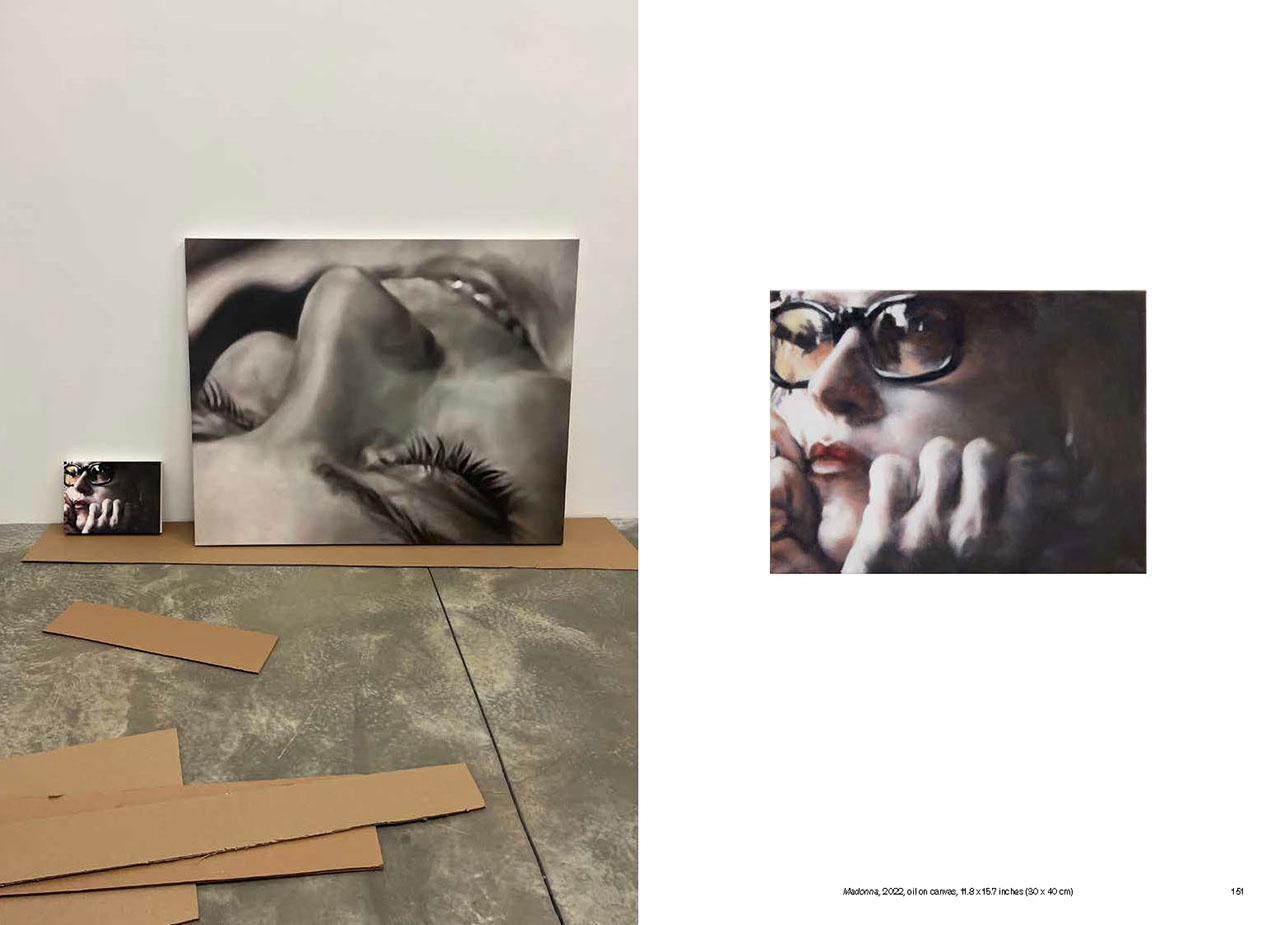
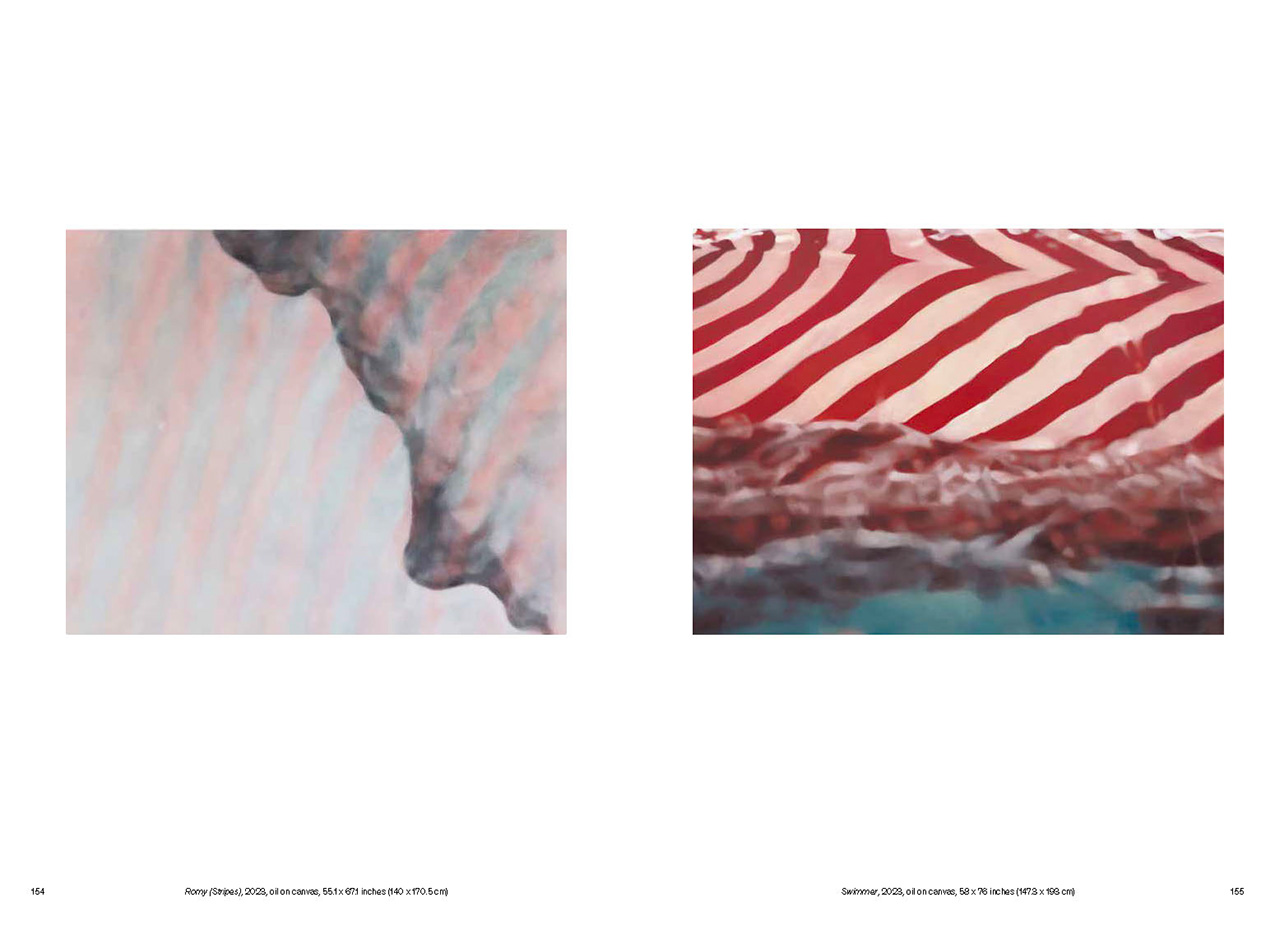
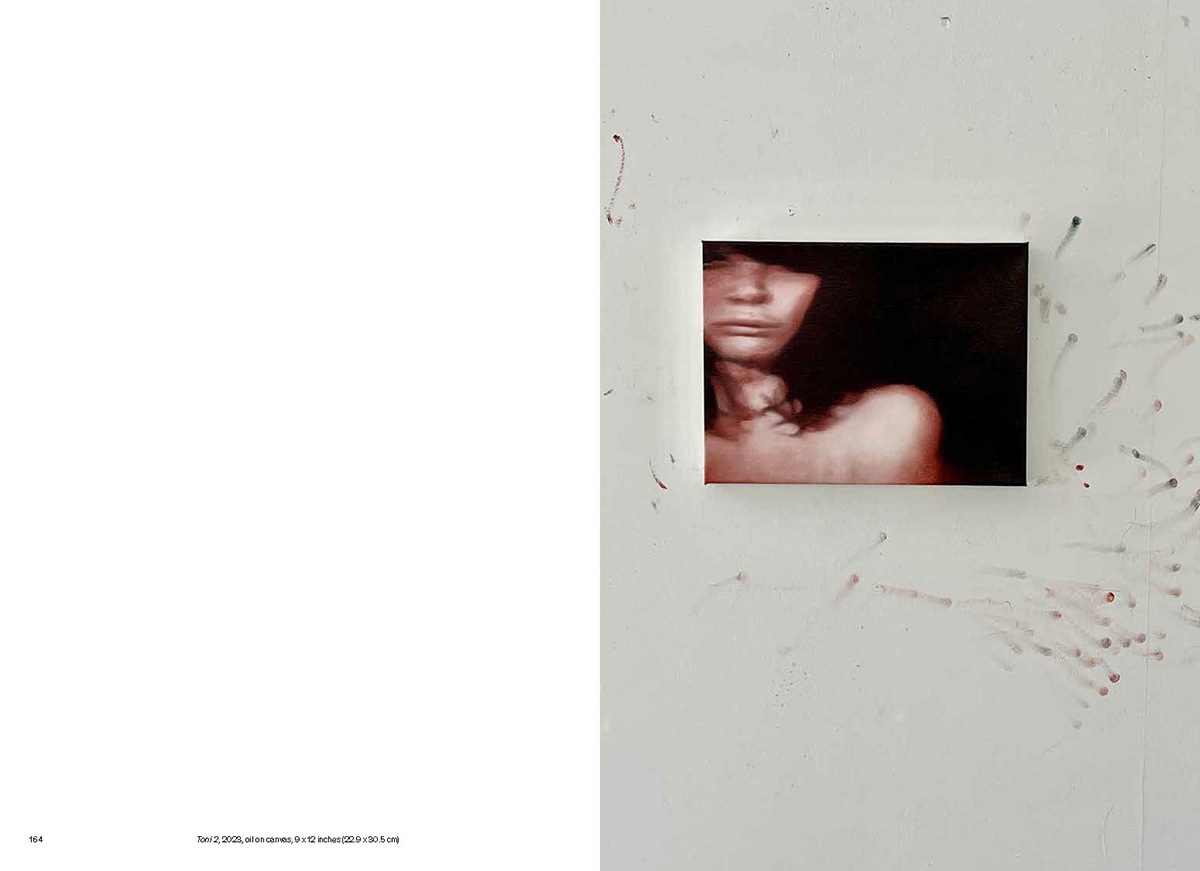
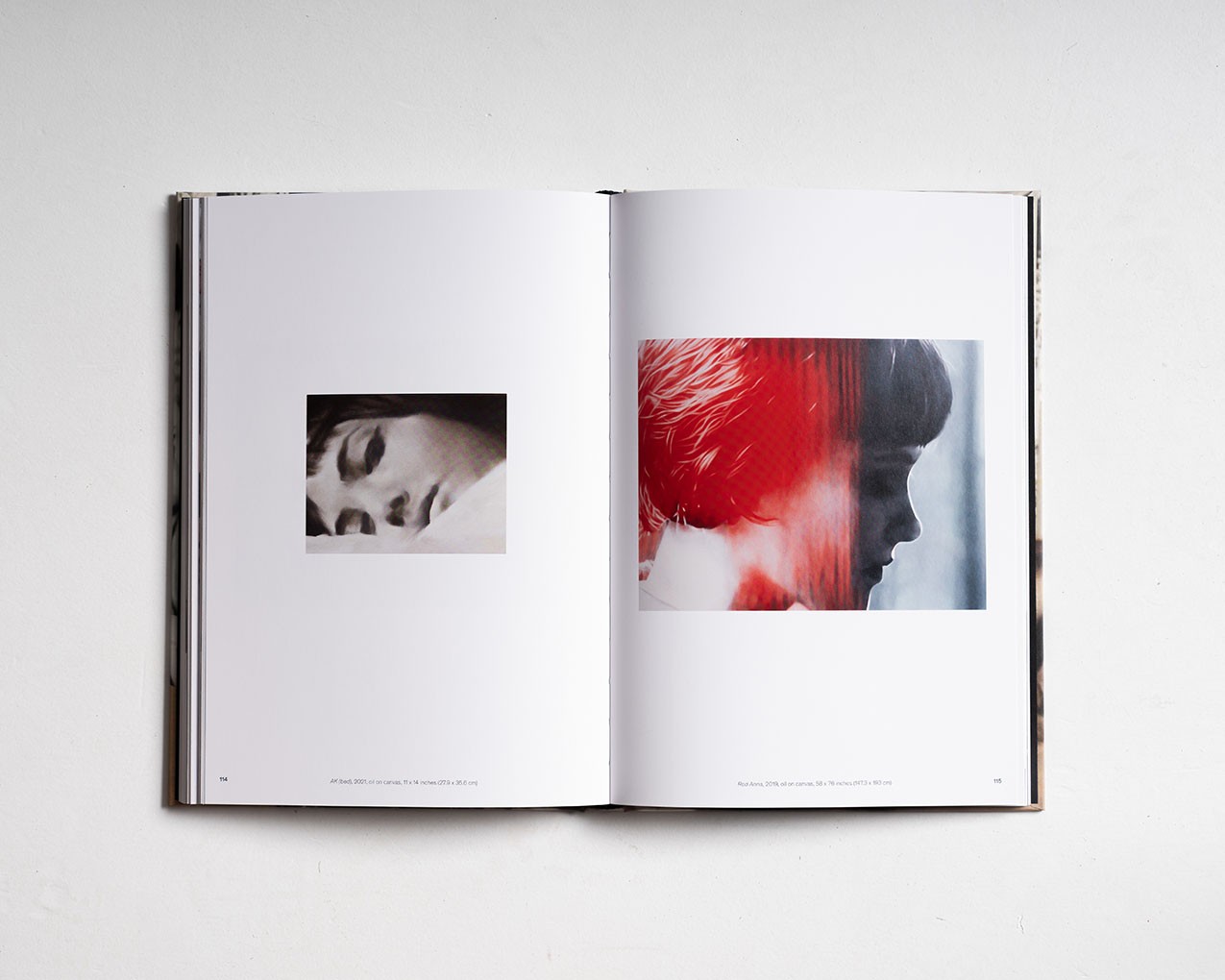
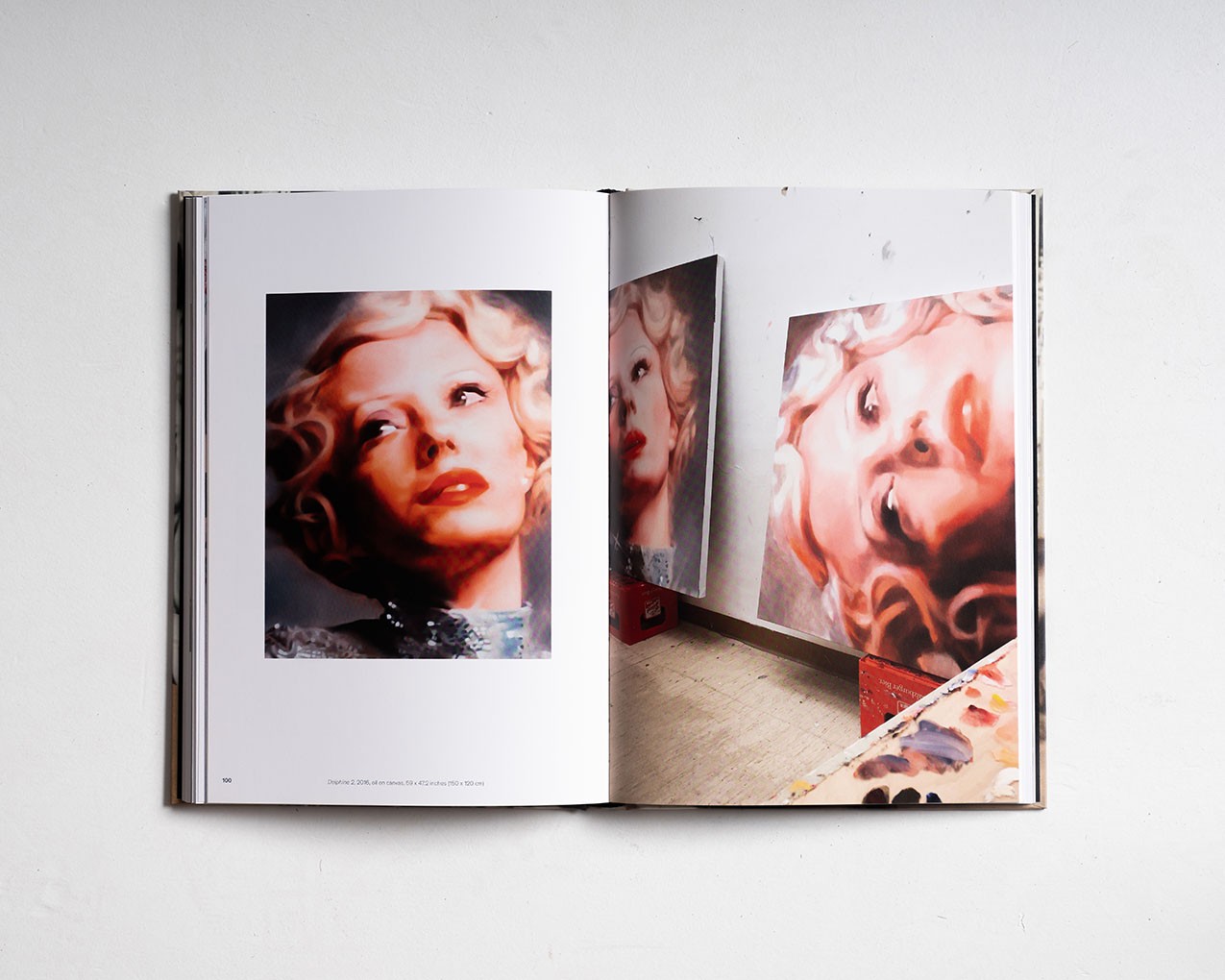
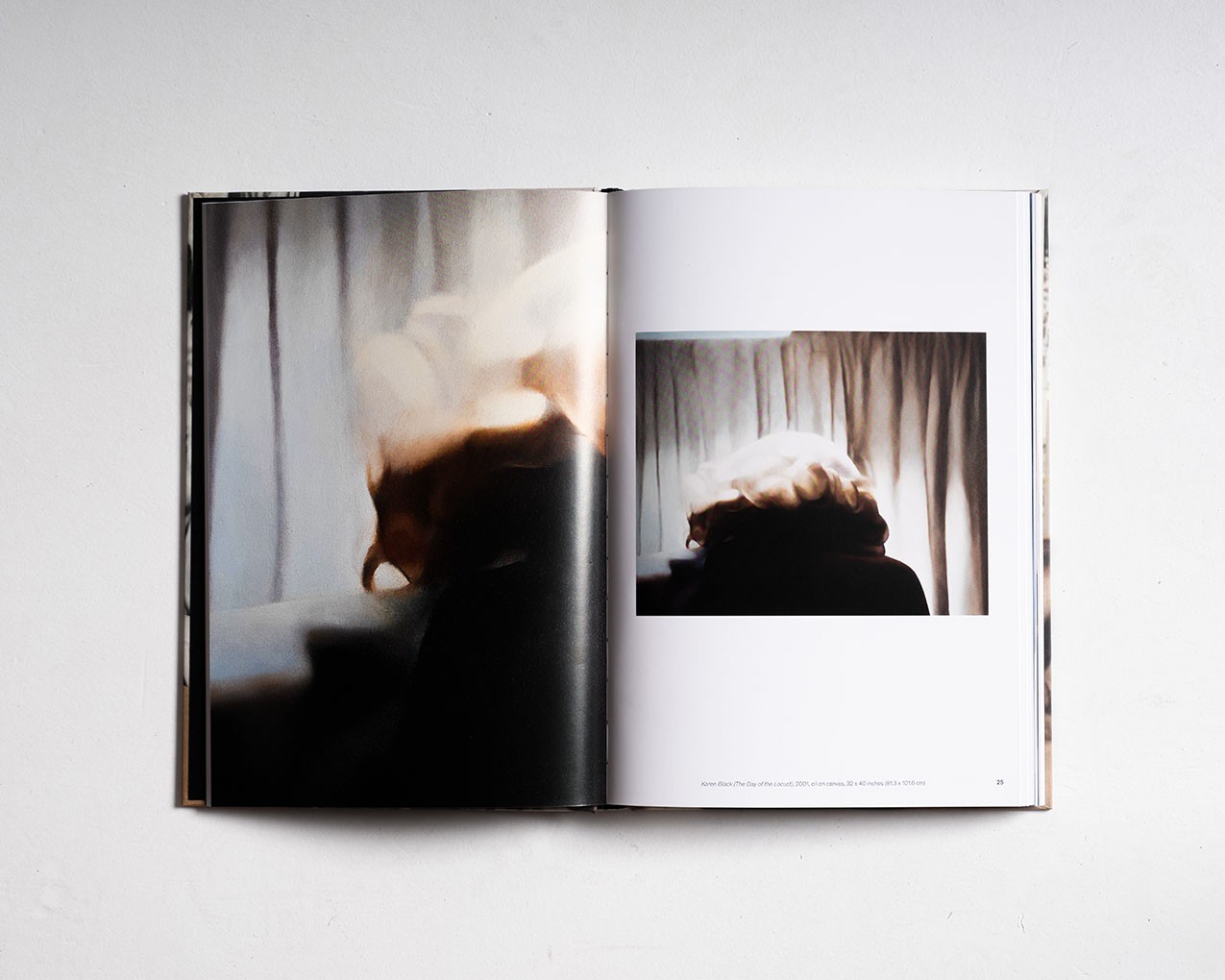
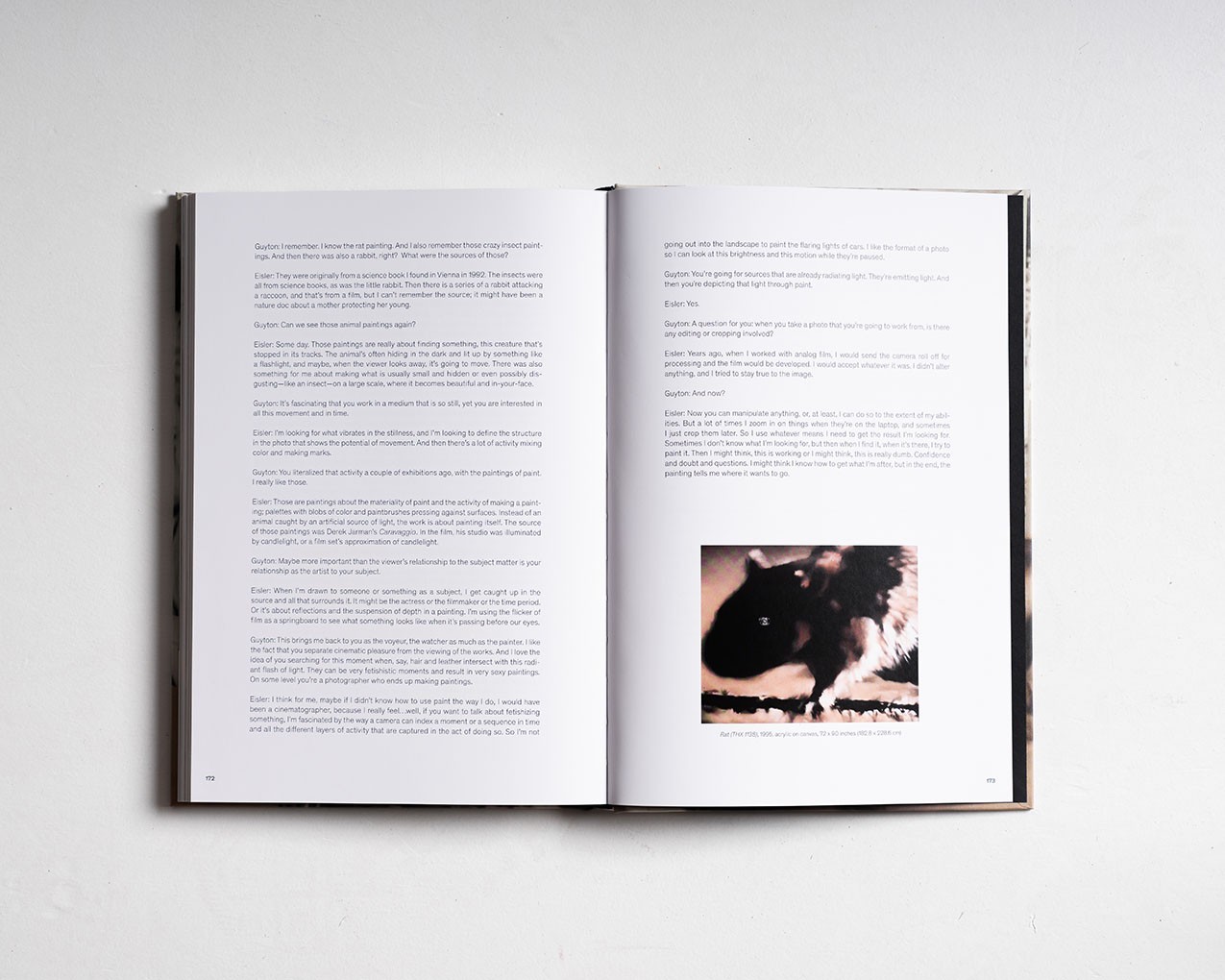
Center of the Frame, which brings together paintings made between 1997 and 2024, is Judith Eisler’s first monograph. The artist’s paintings depict paused moments in cinematic time in which predominantly female subjects are caught midnarrative, cropped, and recontextualized by the fundamental elements of painting: form, color, and light. Using preexisting material borrowed from moving images, Eisler defines the abstractions inherent in the representational image with shifting marks of paint. The structure of the painting is informed by the information in the source as well as the more intangible issues of perception, desire, and mediation.
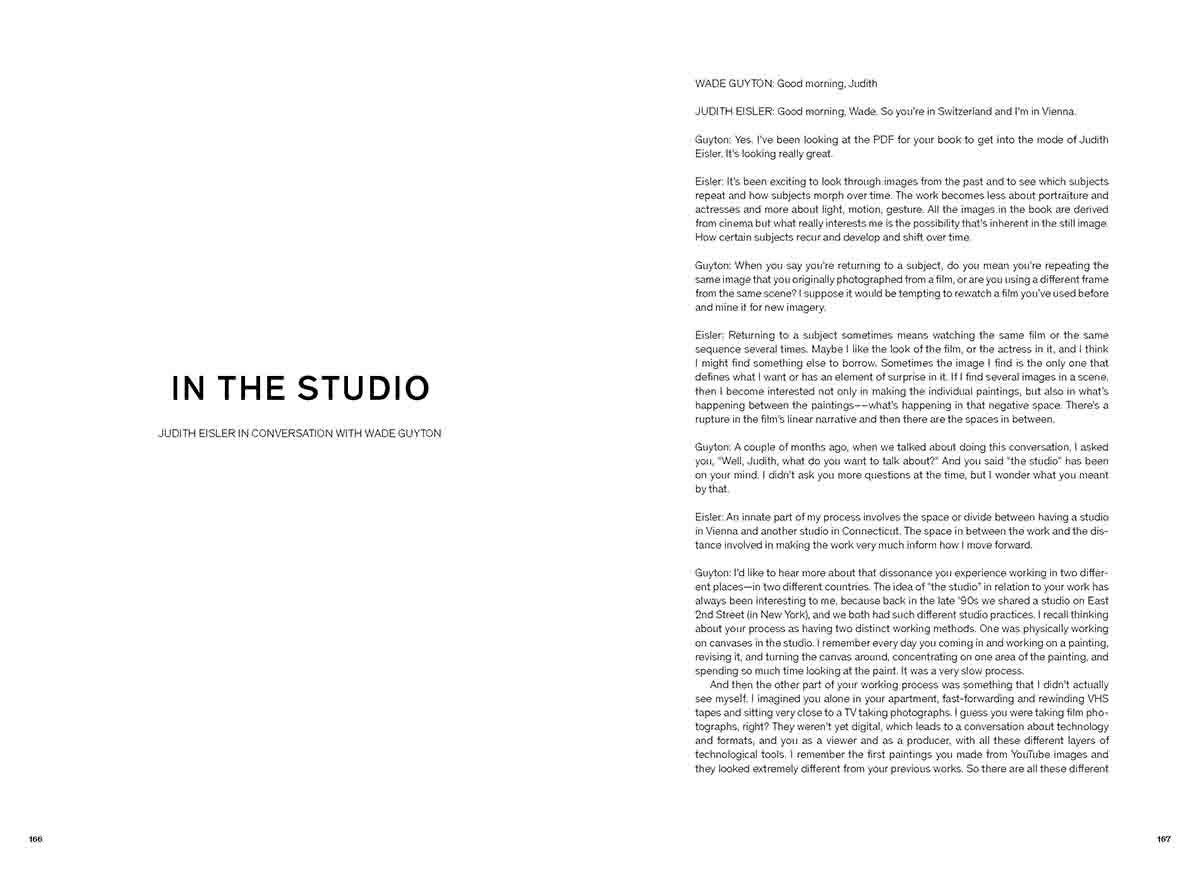
Featuring an essay by Kirsty Bell, an introduction by Christopher Bollen, and an interview with Wade Guyton, the texts delve into the artist’s fascination with cinema and the transmission of images through the various formats of analog film, television broadcasts, internet videos, and of course, the painted canvas.
“Eisler seizes on the information within the cropped still image in an entirely structural sense, beyond any cognitive meanings of expression, action, or emotion, focusing in on these differentiations as if examining the very infrastructure of vision.”
—Kirsty Bell