This richly illustrated book considers the dazzling oeuvre of choreographer and dancer Marlene Monteiro Freitas. In line with her creative methodology, Alexandra Balona unfolds an “atlas of affects” through five emblematic dance pieces that reveal the intensity, humor, and humanity of one of today’s most radical choreographic voices.
Invited to present an exhibition at the Galleria Borghese in Rome, Kenyan-American artist Wangechi Mutu has developed an innovative approach to museum space, challenging hierarchy, permanence, and fixed meanings. With in-depth essays and a rich selection of illustrations, this catalog retraces that exhibition and explores the themes and concerns that have long characterized the artist’s practice.
Invitata a concepire una mostra alla Galleria Borghese, l’artista keniota-americana Wangechi Mutu ha sviluppato un approccio innovativo allo spazio museale, confrontandosi con le gerarchie, la permanenze e le sedimentazioni del contesto. Attraverso saggi approfonditi e una ricca selezione di illustrazioni, questo catalogo ripercorre la mostra ed esplora i temi e le preoccupazioni che da tempo caratterizzano la pratica dell’artista.
A visual notebook of the screenshots taken by Yngve Holen over the past five years or so, 6G—the anticipated next phase of network technology—is a peculiarly sized artist’s book, a glossy non-linear agglomeration that reflects the intersections of production, life, and digital debris.
Conceived as a visual résumé, the book provides a comprehensive overview of Posenenske’s solo exhibitions and a record of her numerous group shows. Featuring an essay by curator Erlend Hammer on the role of documentary photographs in the circulation of works of art, it was published in conjunction with the eponymous show at the Haugar Art Museum in Tønsberg.
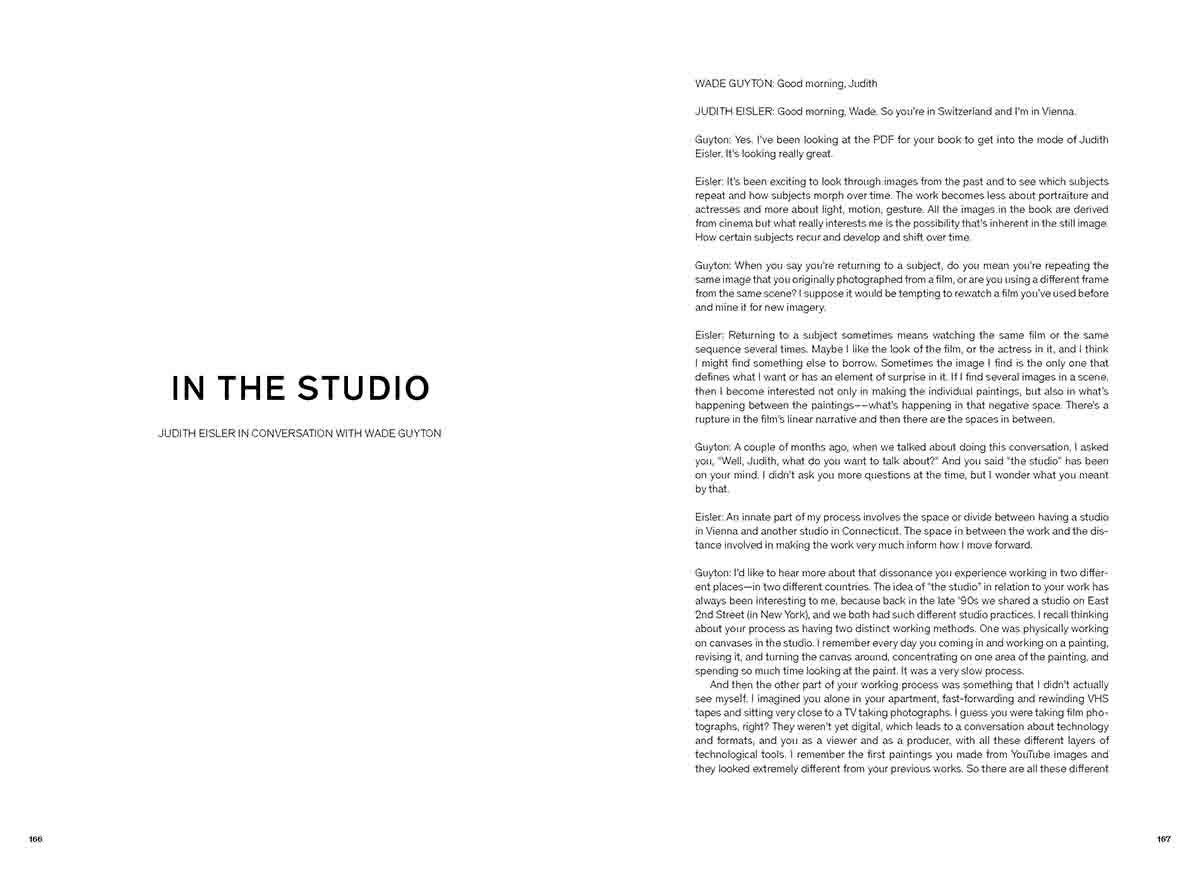
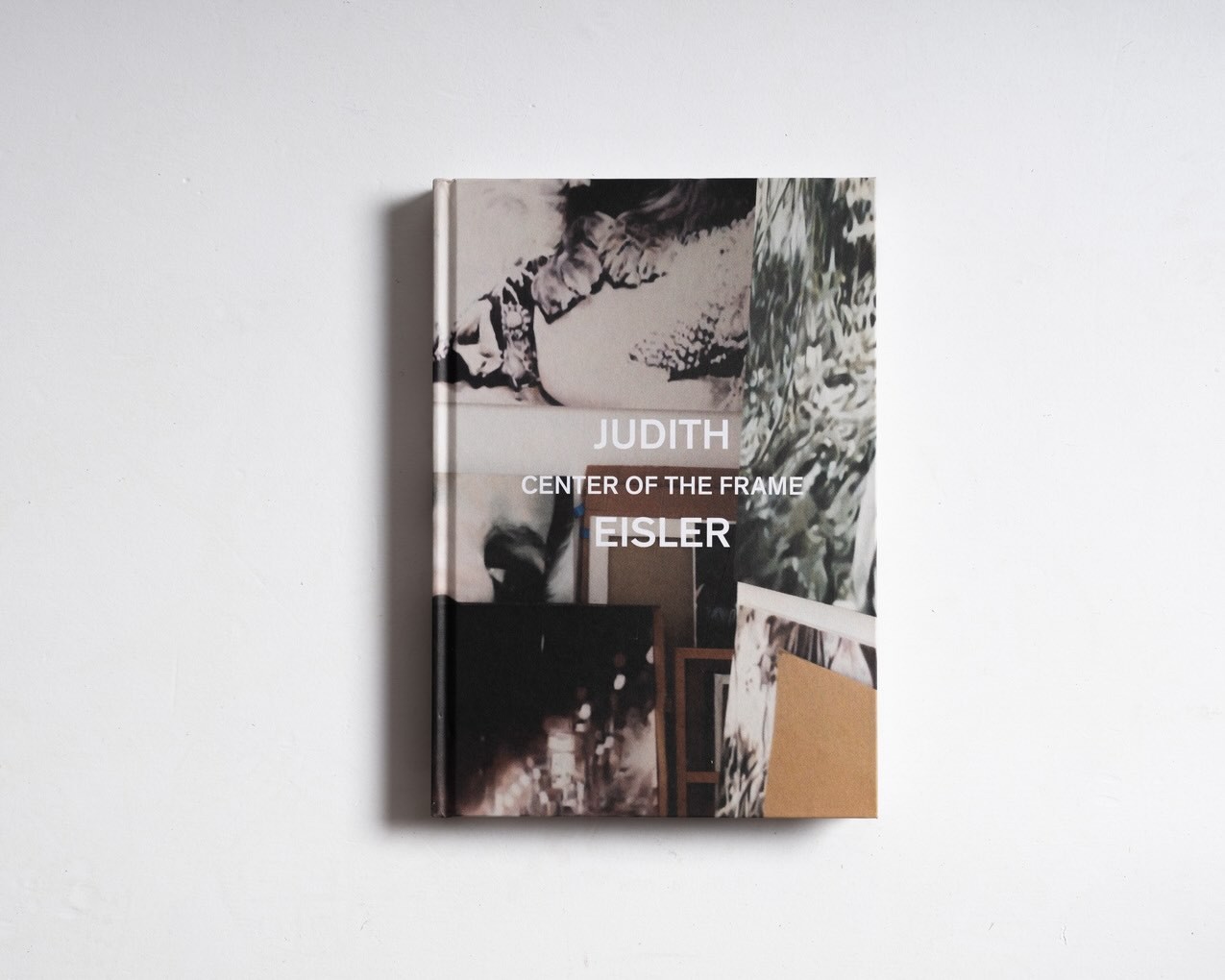
Texts by Kirsty Bell, Christopher Bollen, Judith Eisler, Wade Guyton
Design by Joseph Logan
2024, English, hardcover, 19.6 x 28.5 cm, 176 pages
ISBN 979-12-80579-56-0
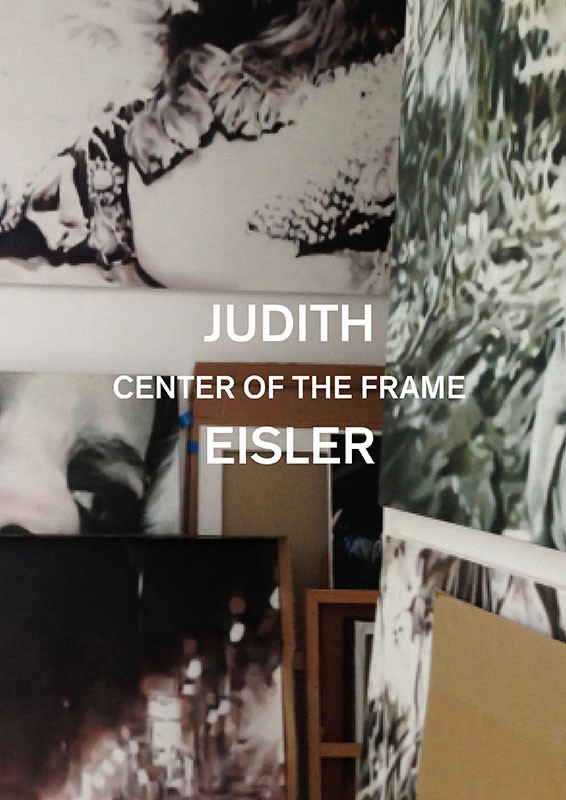
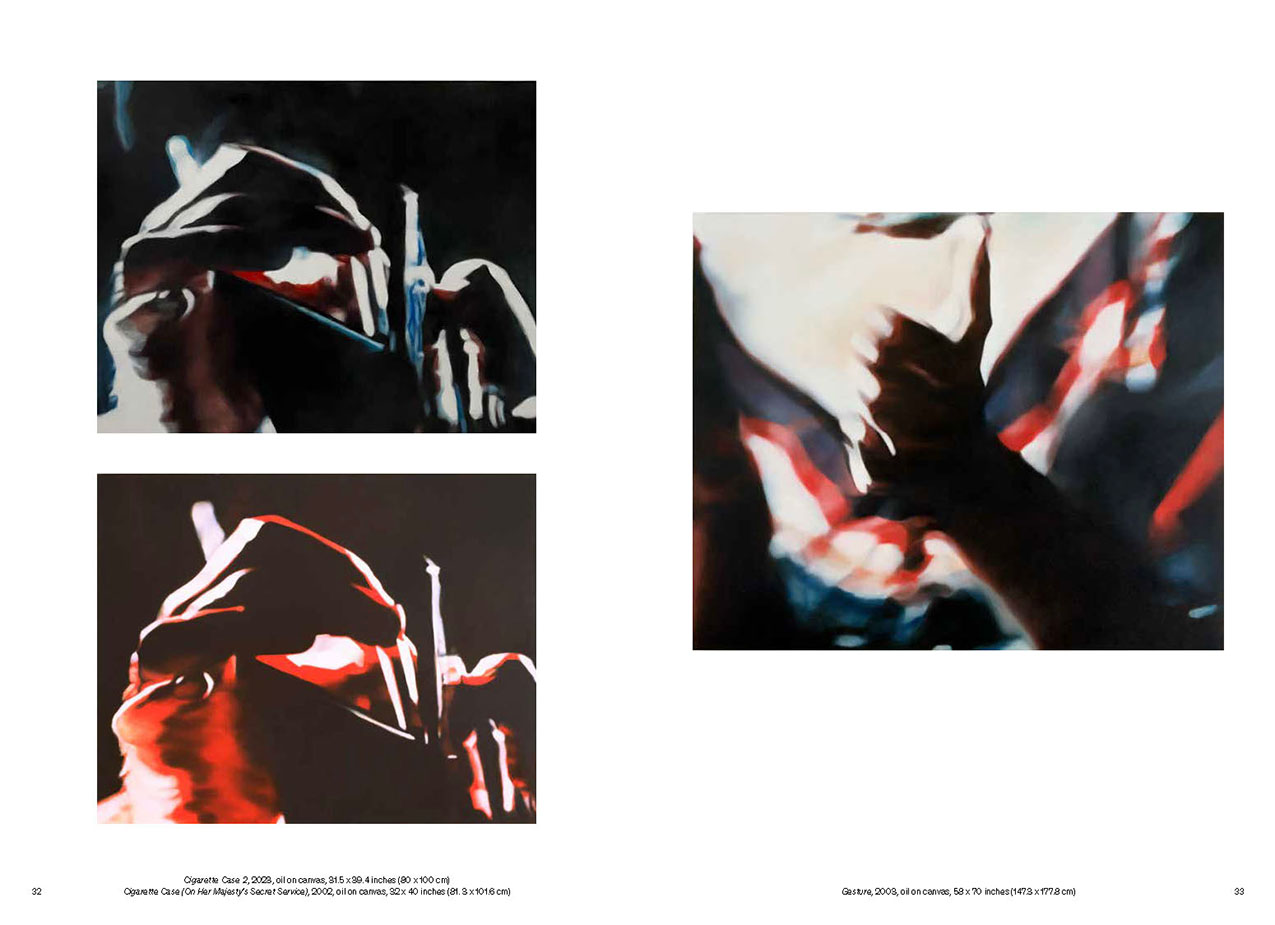
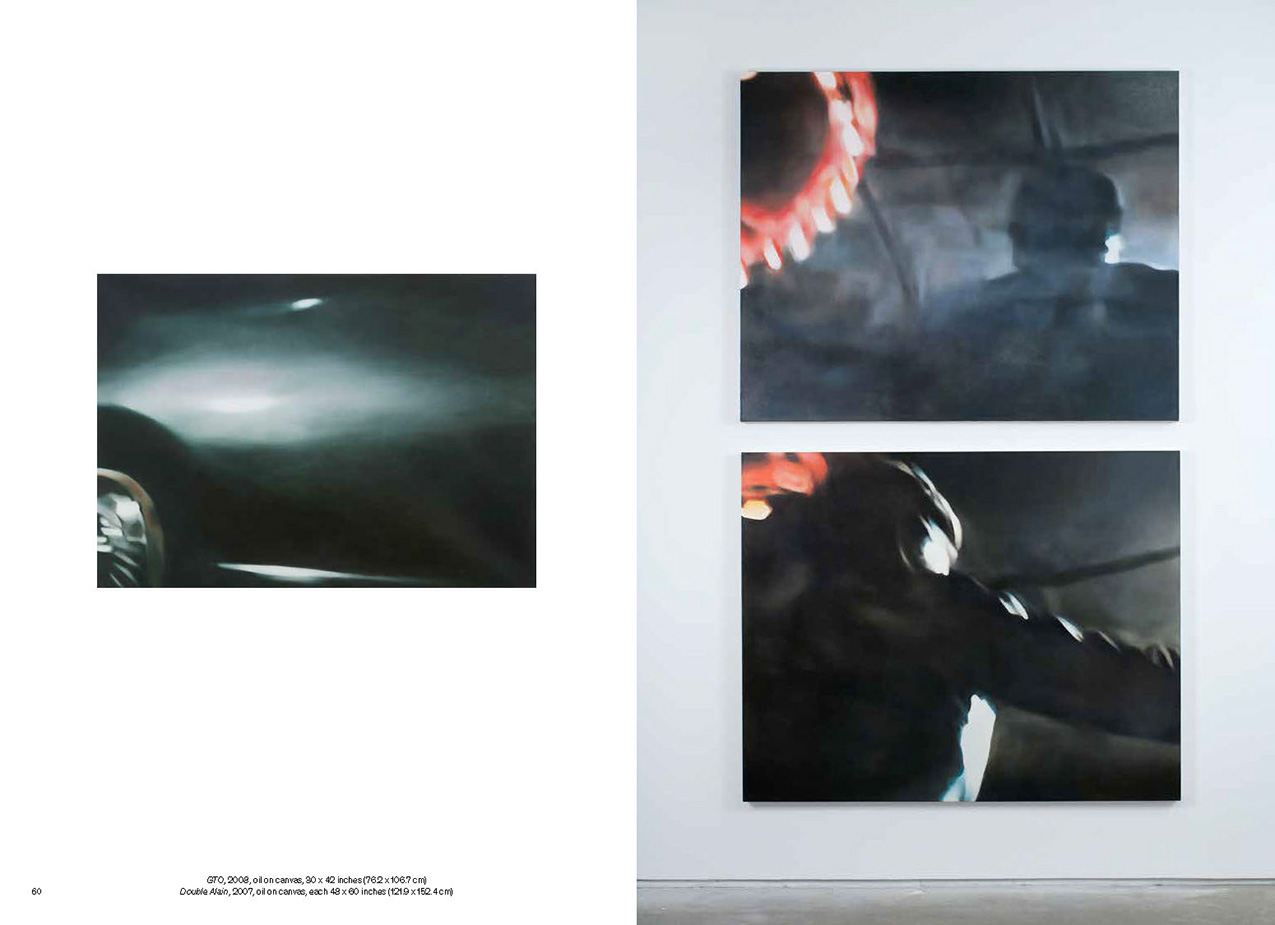
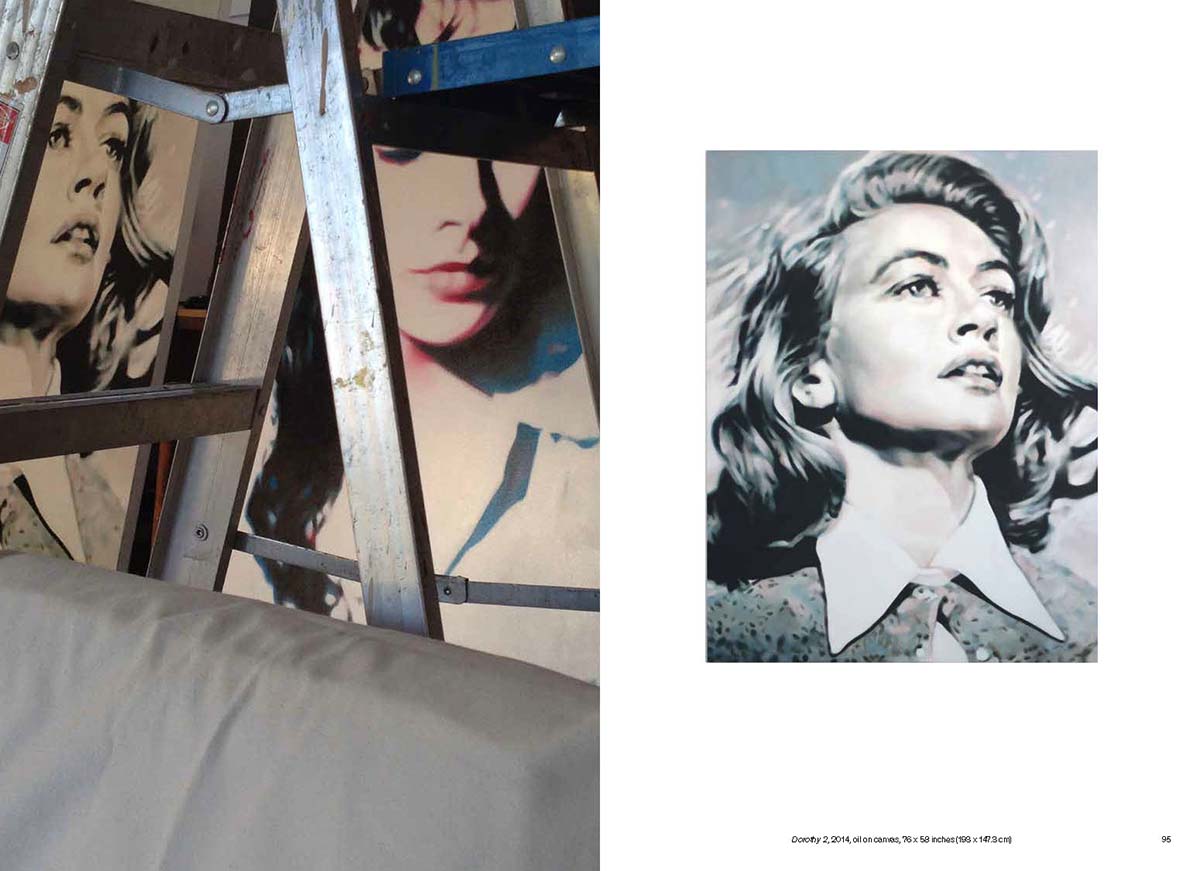
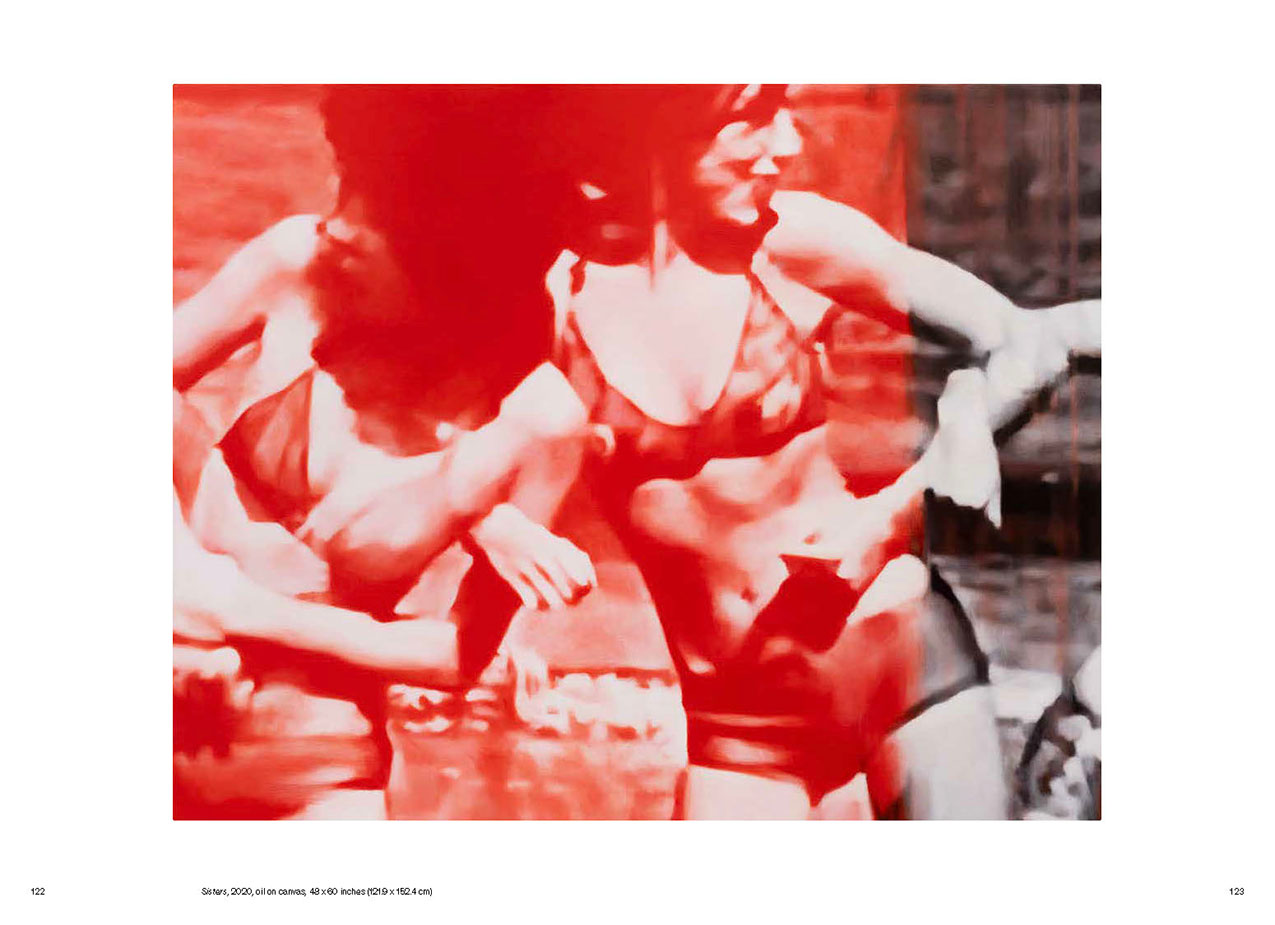
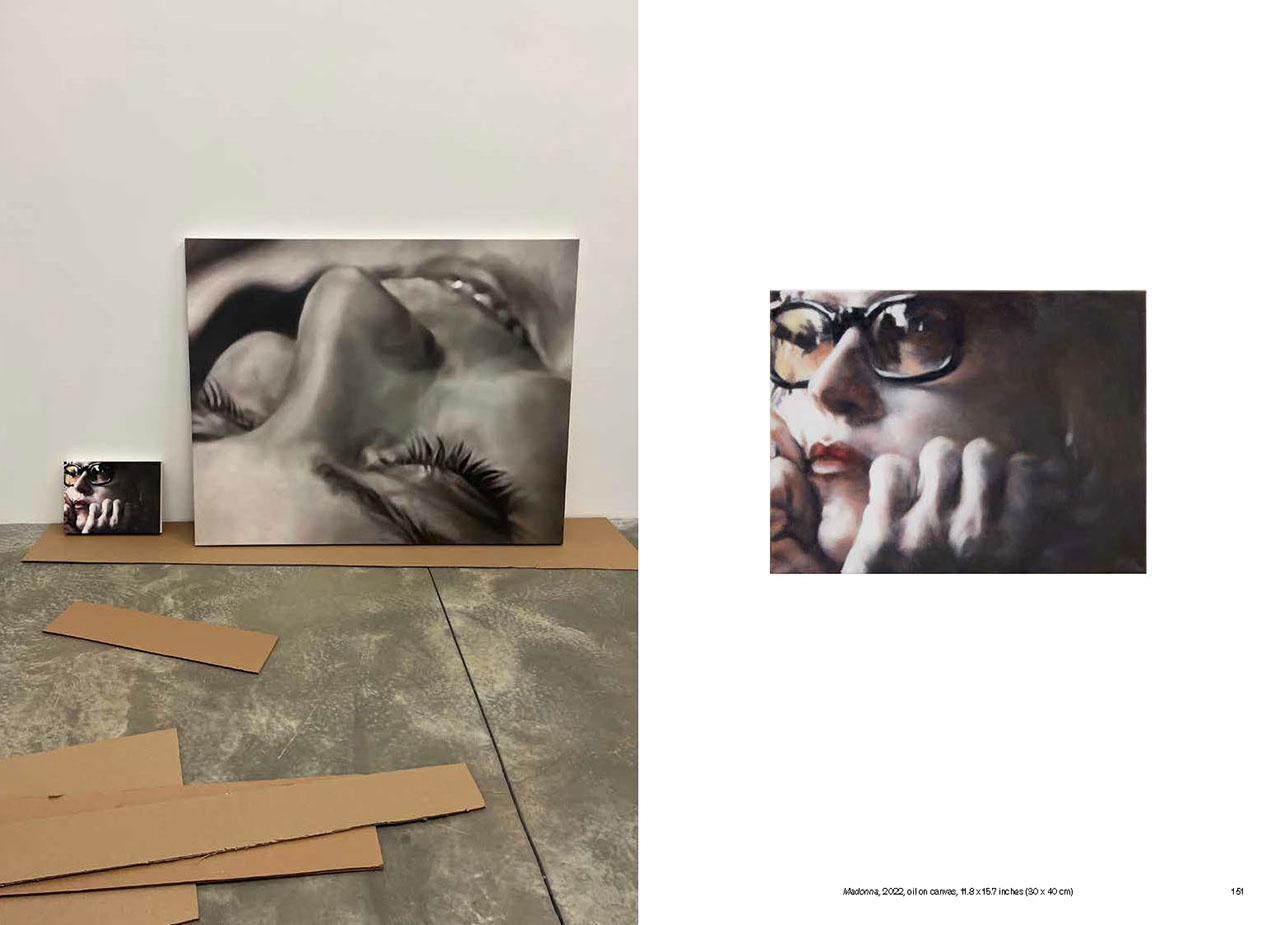
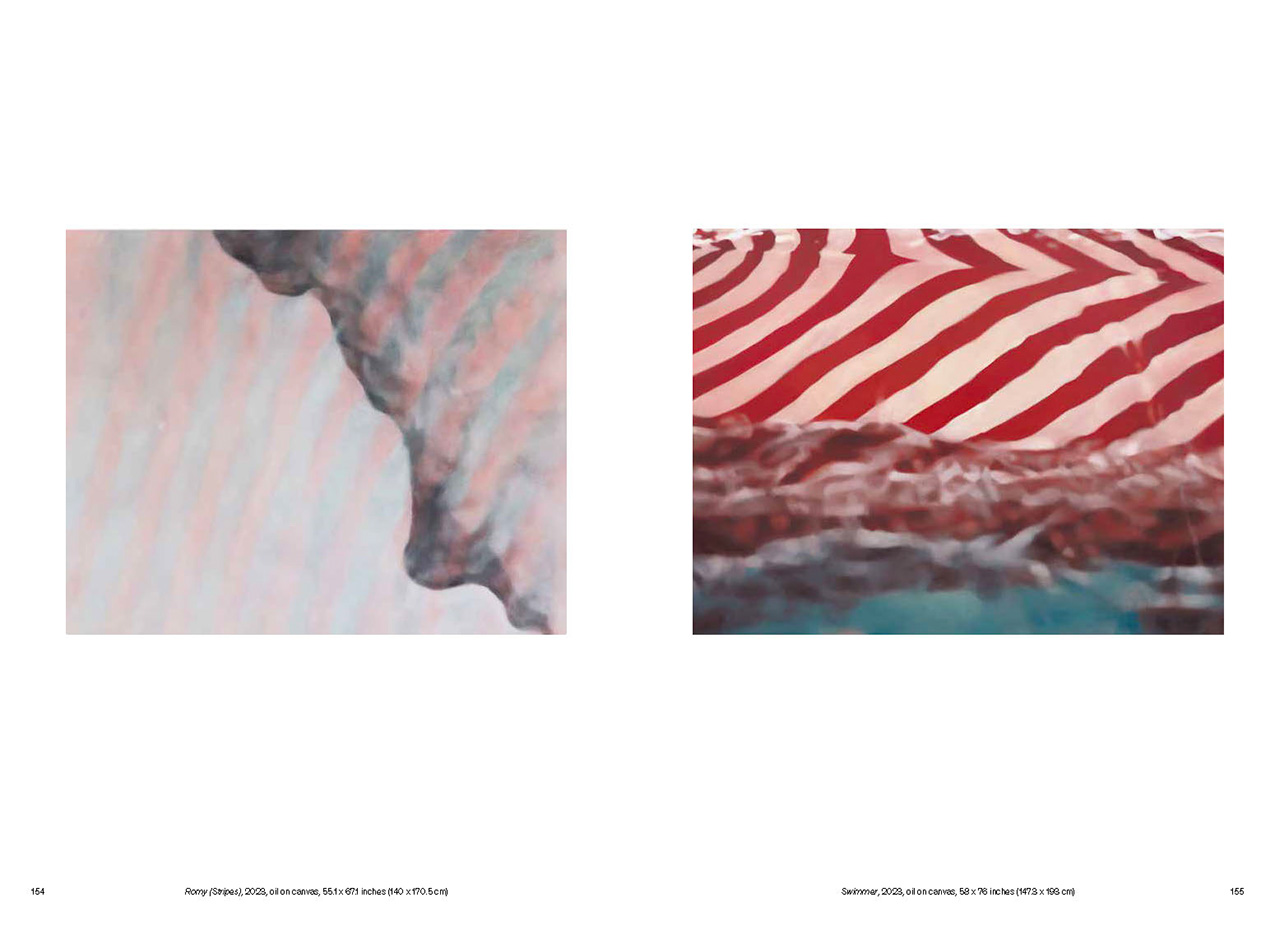
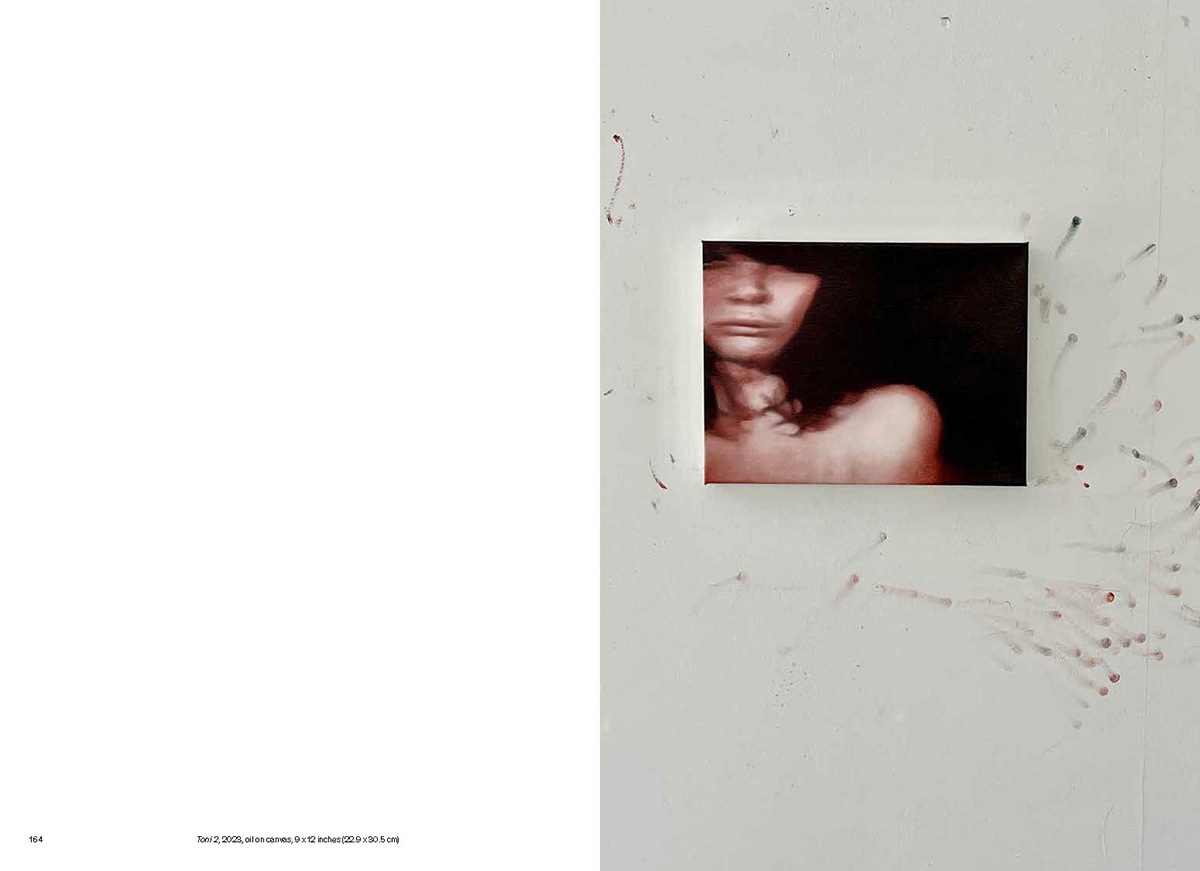
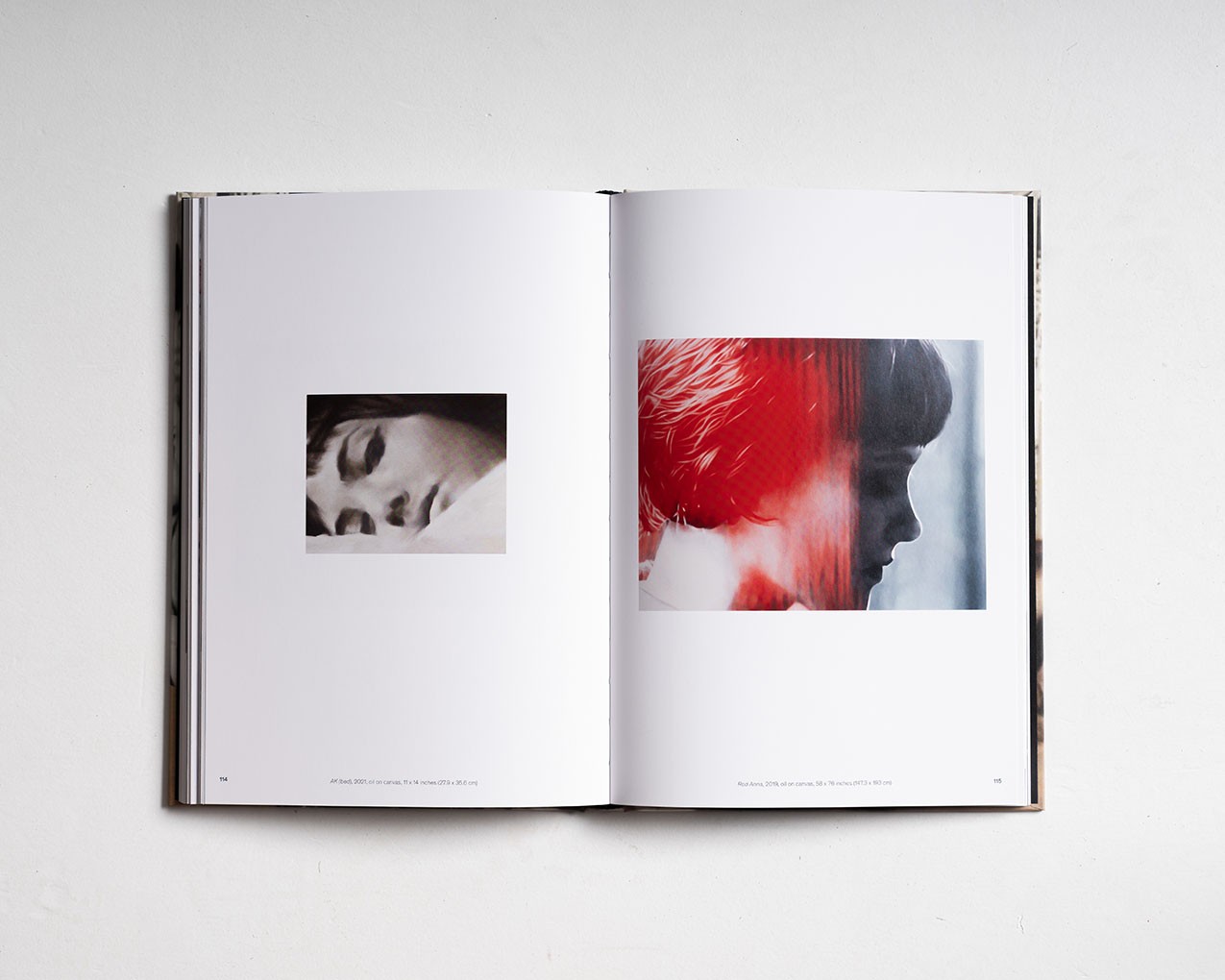
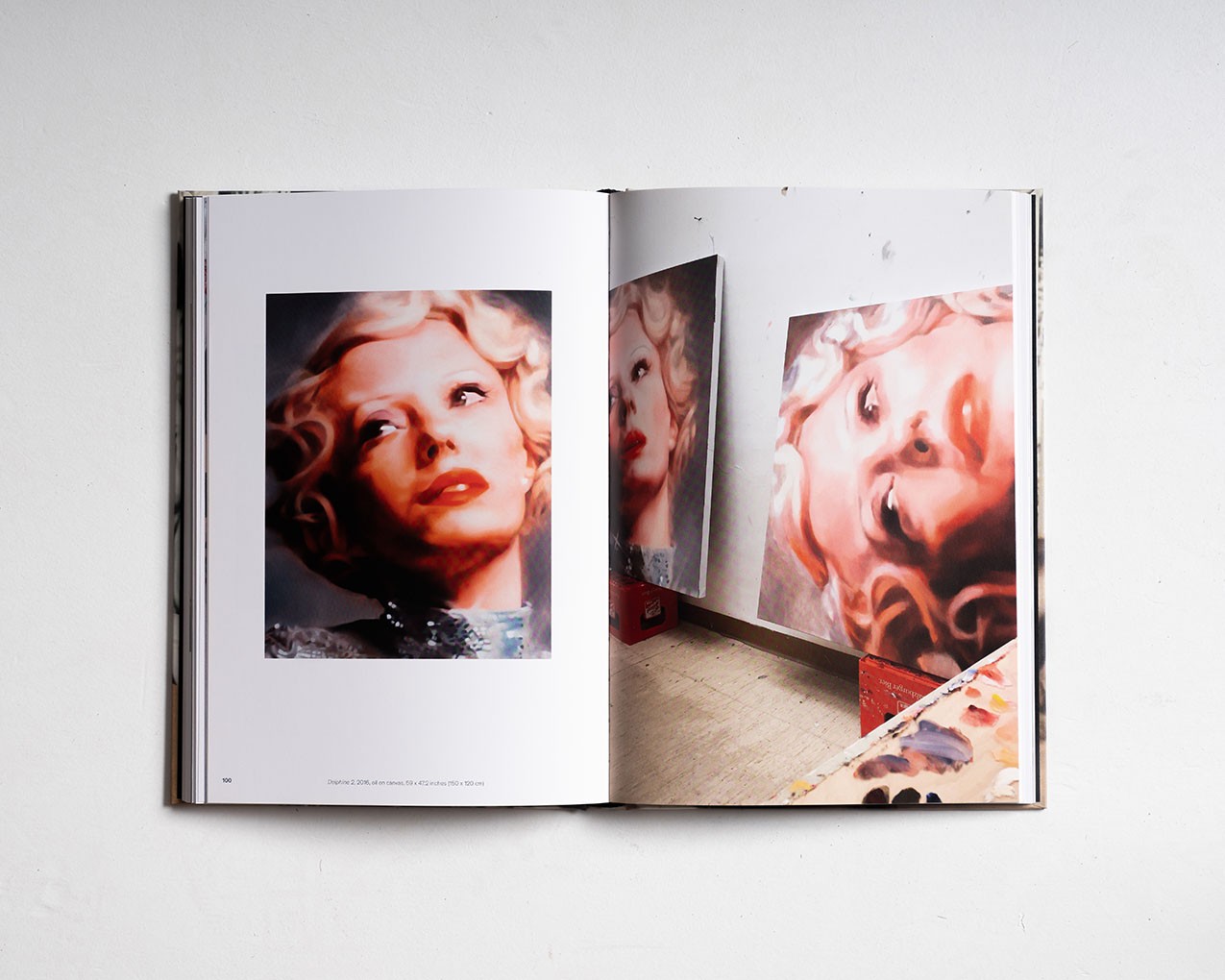
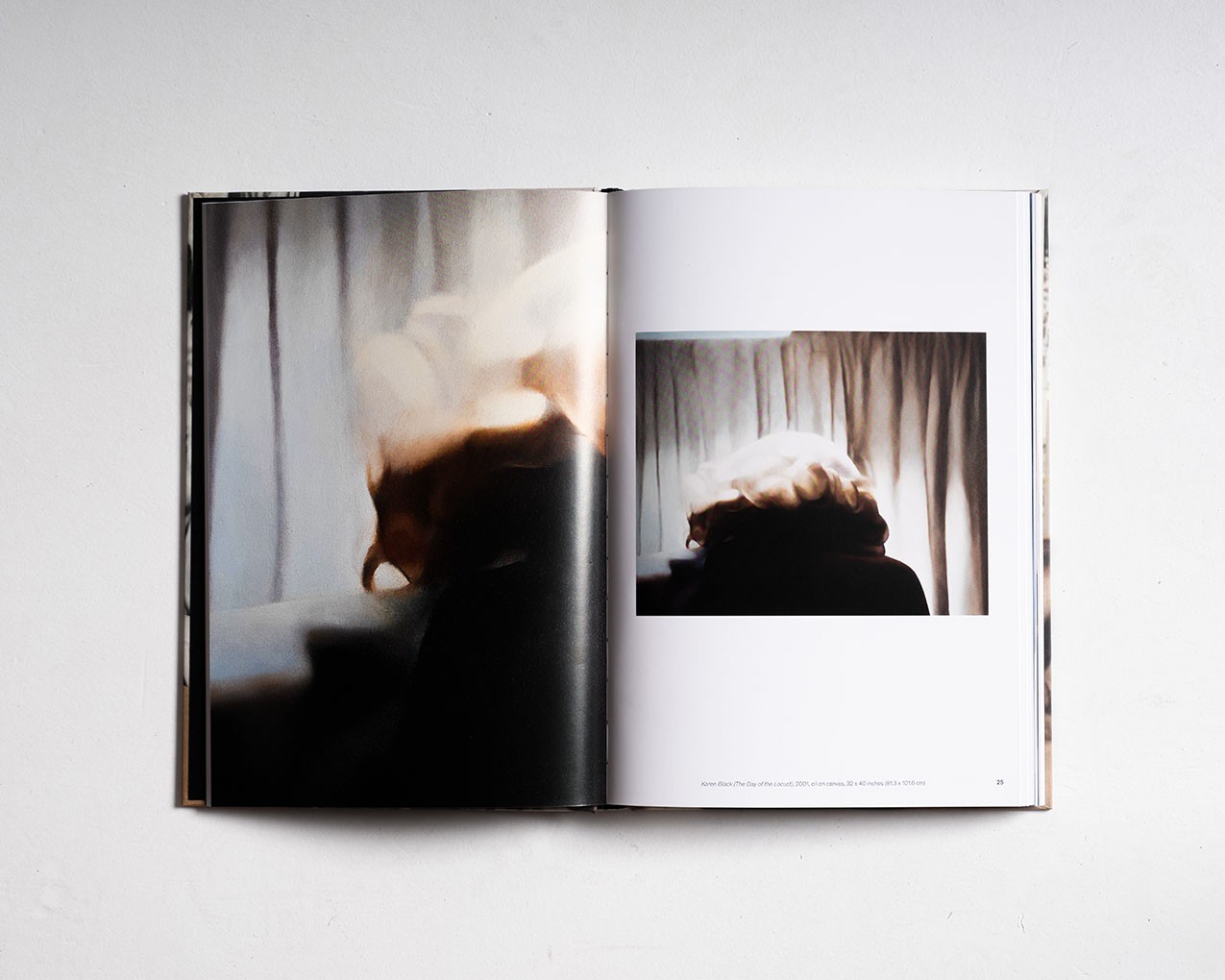
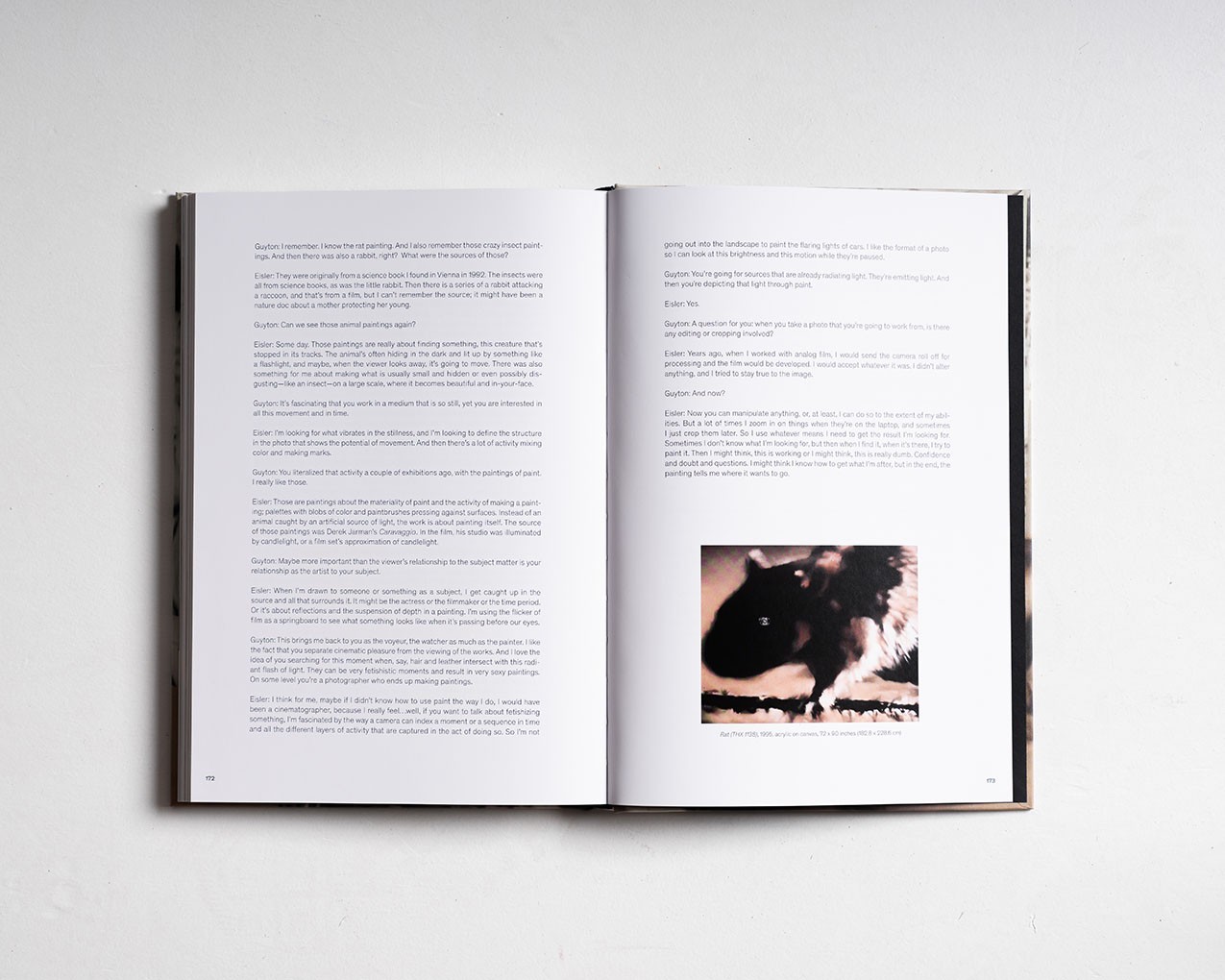
Center of the Frame, which brings together paintings made between 1997 and 2024, is Judith Eisler’s first monograph. The artist’s paintings depict paused moments in cinematic time in which predominantly female subjects are caught midnarrative, cropped, and recontextualized by the fundamental elements of painting: form, color, and light. Using preexisting material borrowed from moving images, Eisler defines the abstractions inherent in the representational image with shifting marks of paint. The structure of the painting is informed by the information in the source as well as the more intangible issues of perception, desire, and mediation.
Featuring an essay by Kirsty Bell, an introduction by Christopher Bollen, and an interview with Wade Guyton, the texts delve into the artist’s fascination with cinema and the transmission of images through the various formats of analog film, television broadcasts, internet videos, and of course, the painted canvas.
“Eisler seizes on the information within the cropped still image in an entirely structural sense, beyond any cognitive meanings of expression, action, or emotion, focusing in on these differentiations as if examining the very infrastructure of vision.”
—Kirsty Bell