A multifaceted perspective on contemporary sculpture that explores the practices and concepts of the medium through different approaches. The publication interweaves works by Yu Ji, Bronwyn Katz, Dan Lie, Trương Công Tùng, and Luana Vitra, with essays by Federico Giani, Sohrab Mohebbi, Julia Morandeira Arrizabalaga, Chiara Nuzzi, and Anne Reeve.
Suffused with specially conceived collages of the artist’s research materials, notes, and sketches, this is the first monograph on Castelli’s painting and sculpture, with essays by Sarah Crowe and Lillian Davies, and an artist interview by Francesco Manacorda. Published with Castello di Rivoli Museo d’Arte Contemporanea and Kunsthalle Wien.
What if the shadow moved first? From March through May 2026, the exhibition The Second Shadow. Dozie Kanu Mirroring Marc Camille Chaimowicz, with Shared Echoes and Kindred Spirits at Fondazione ICA Milano unfolds online through a series of voices and crossings that shift its gravity. Not an extension. A displacement.
A Cosmic Movie Camera is the title of the 18th edition of the BIM’24, which also marks the 50th anniversary of the Biennale organized by the Centre d’Art Contemporain Genève. By blending the real and the virtual, its catalogue captures the spirit of the exhibition, which explores the evolution of moving images, particularly in our algorithmic age.
The book seeks to define the contours of the obsession with the teenage years; a fixation that has shaped a significant strand of contemporary art over the last ten years. Adolescence is here understood as a state of mind, a prolonged condition that dissolves the transition into adulthood and becomes a critique of an unstable world.
In this multi-voiced book, starting from the Orobie Alpine range, the mountainside becomes an epistemological lens through which to interpret contemporaneity and address issues such as multi-species migrations, our relationship with geological time and intergenerational inheritance, and the rethinking of collective memories and rituals.
Edited by di Cloé Perrone
Texts by Adrienne Edwards, Ekow Eshun, Francesco Freddolini, Wangechi Mutu, Cloé Perrone, Ilaria Puri Purini
Designed by Lorenzo Mason Studio
2025, English, hardcover, 30 x 24 cm, 202 pages
ISBN 979-12-80579-80-5
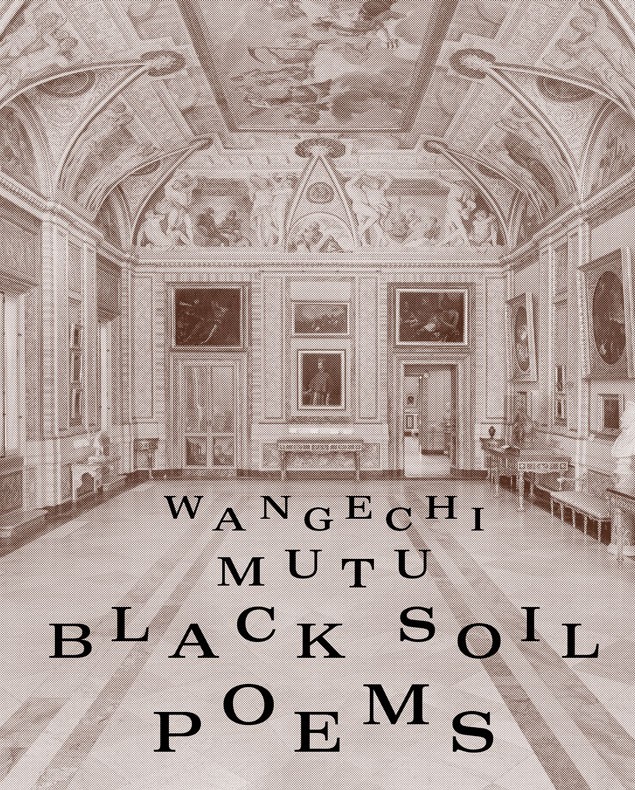
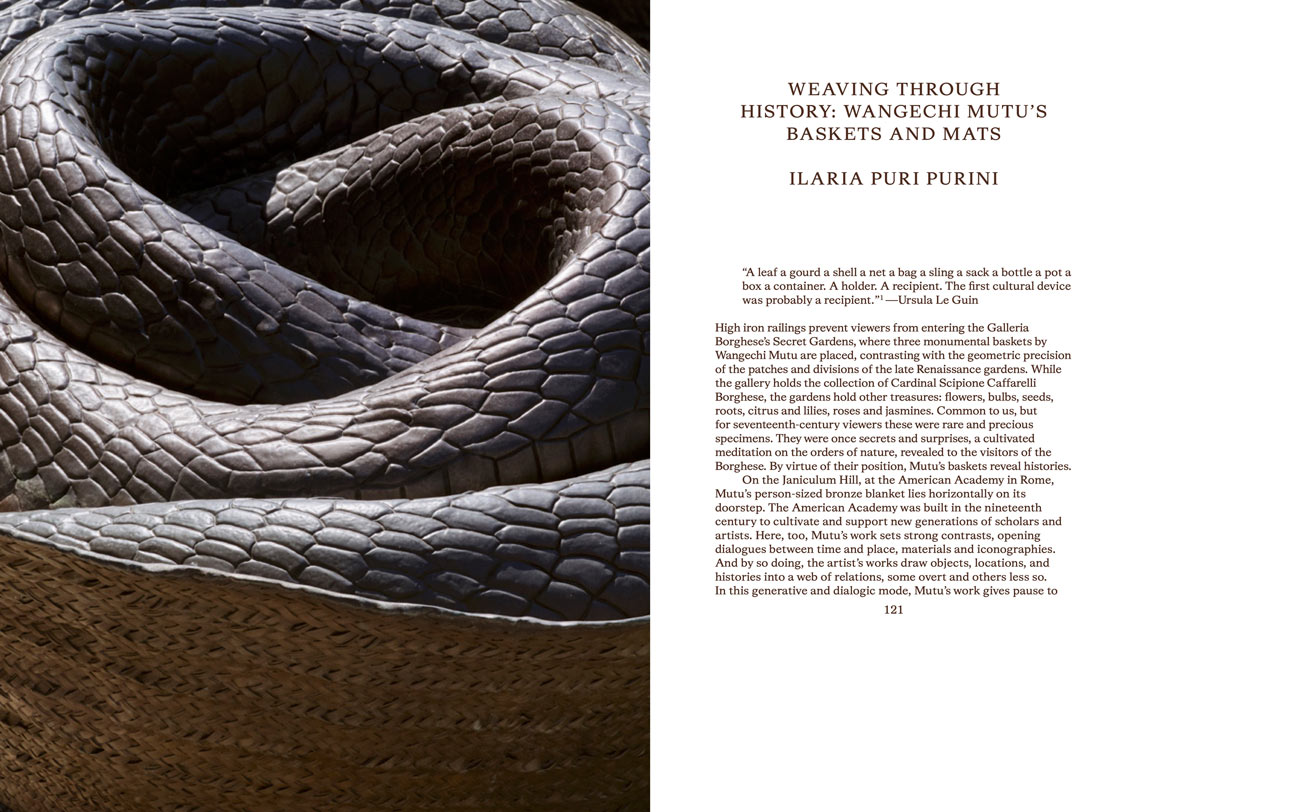
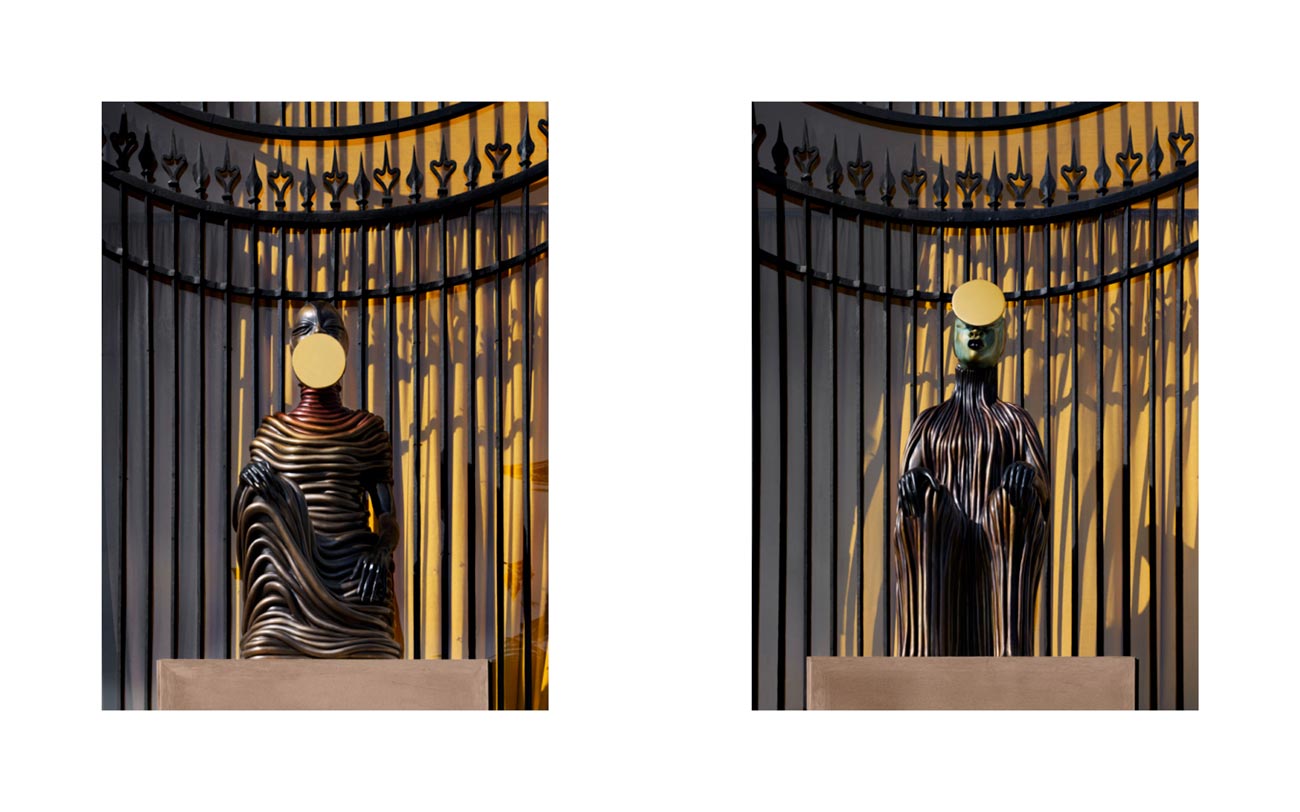
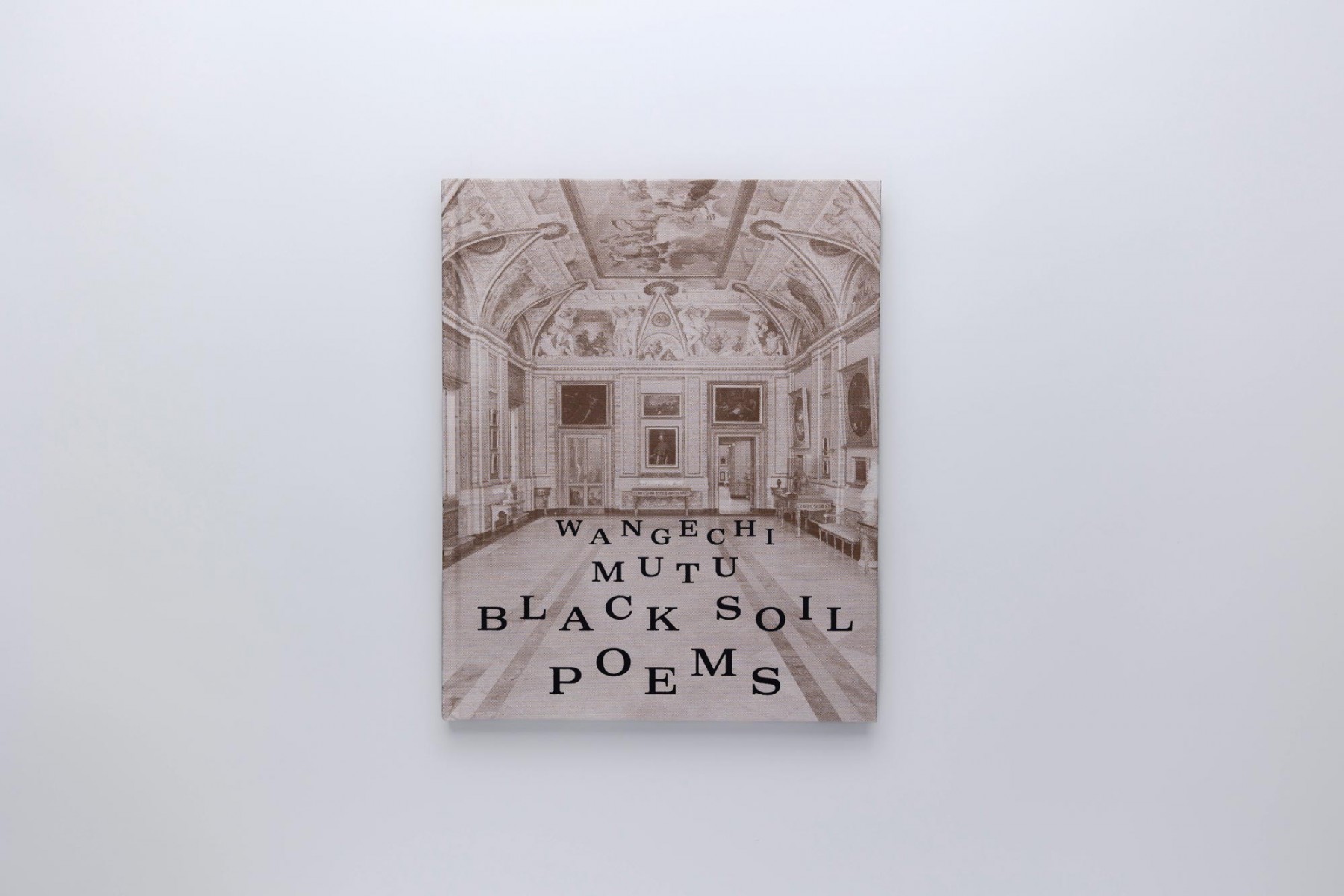
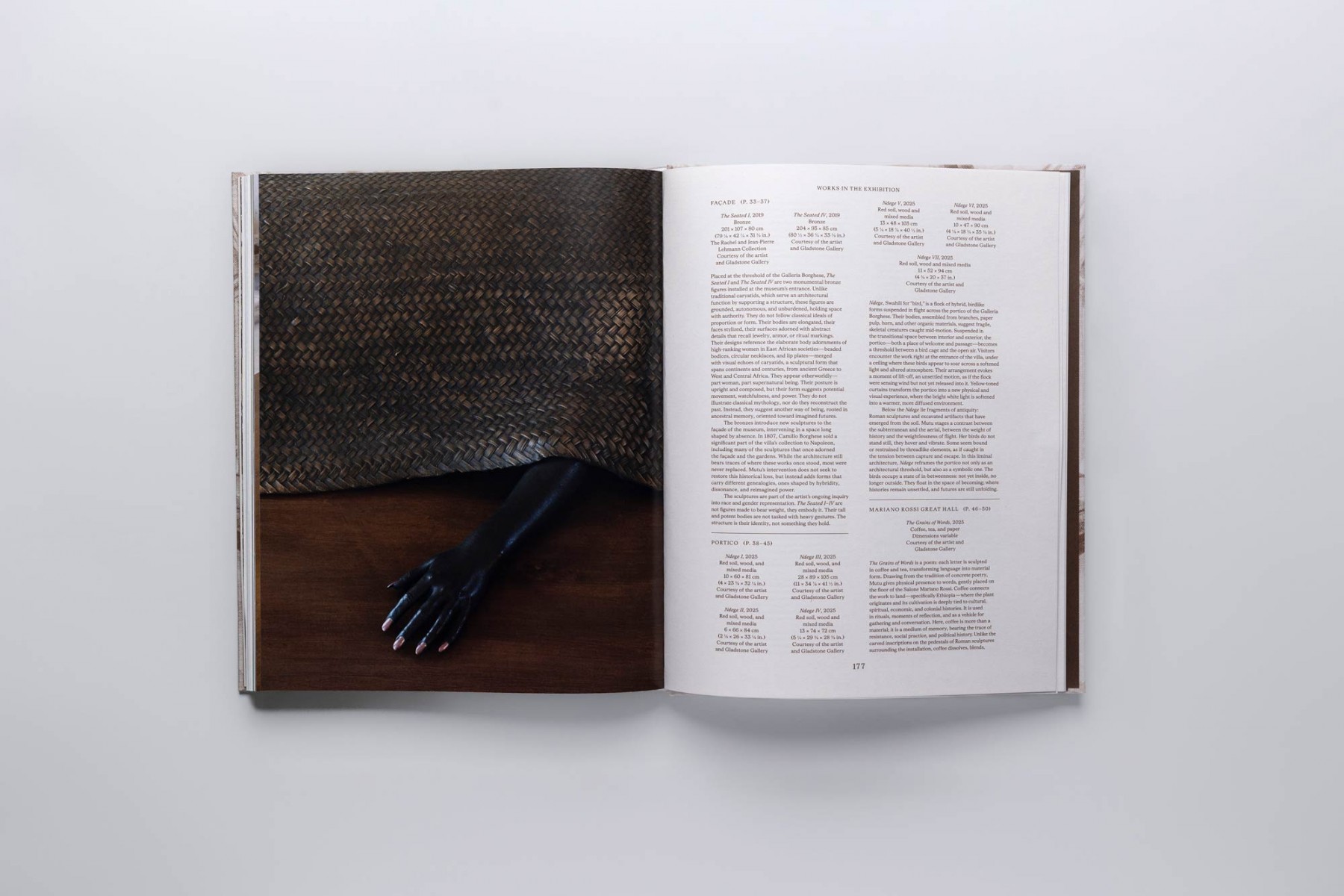
The title of this rich publication, published on the occasion of the solo exhibition of the Kenyan-American artist Wangechi Mutu at the Galleria Borghese—the first time in the century-old history of the Villa for a living female artist—evokes the dual nature of Mutu’s practice: poetic and mythological, yet deeply connected to contemporary social and material contexts. “Black soil”—rich and malleable under the rain, almost like clay—appears across multiple geographies, including the Secret Gardens of the Galleria, which resonate with the artist’s imagination. From this soil, the sculptures seem to emerge, as if molded by a primordial force, giving shape to stories, myths, memories, and poems. The metaphor underscores the generative and transformative power of her work: rooted in materiality, yet open to multiple future interpretations.
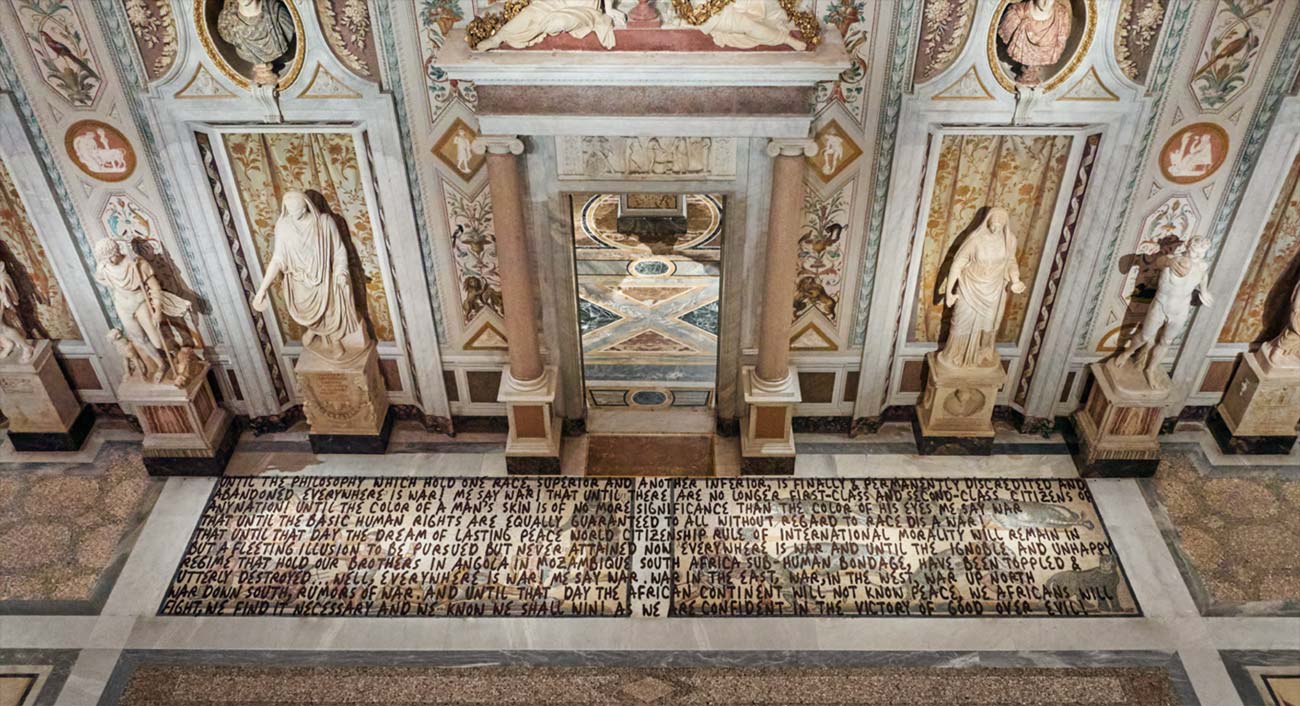
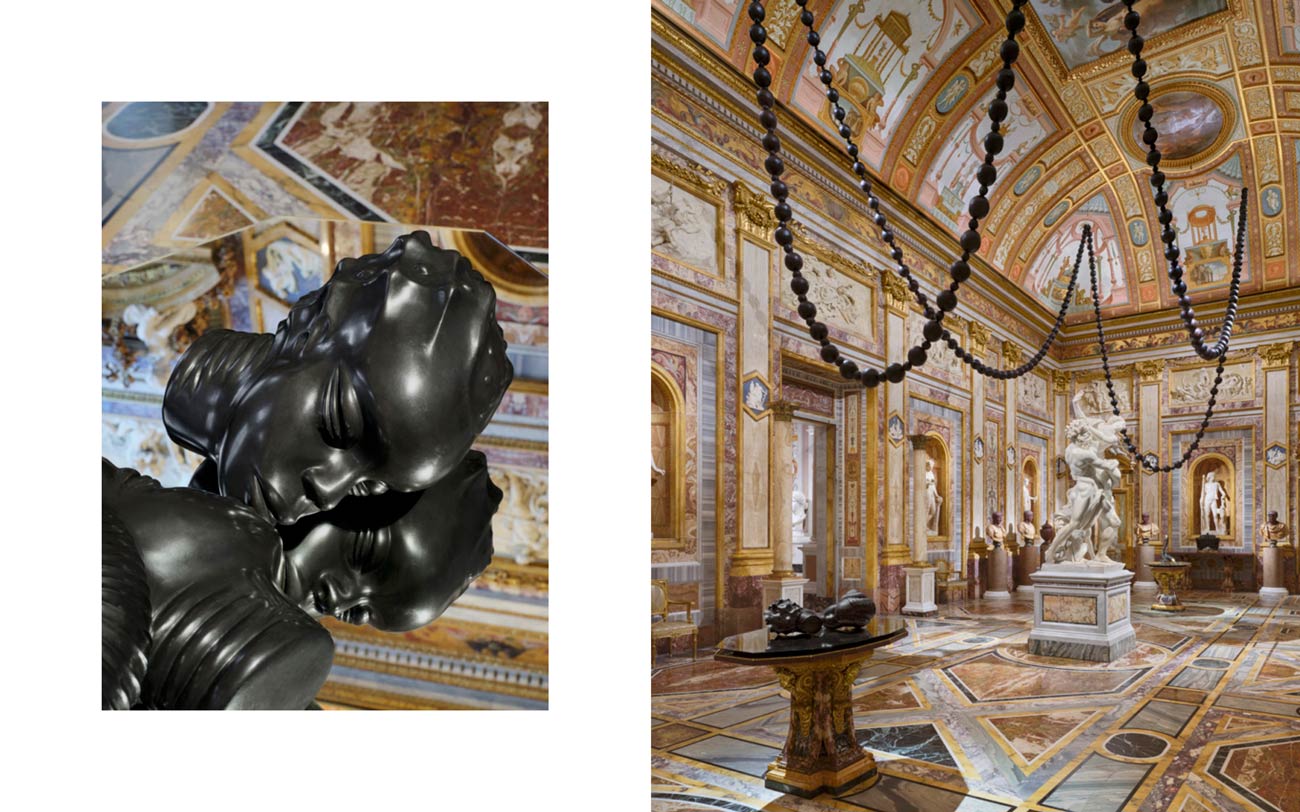
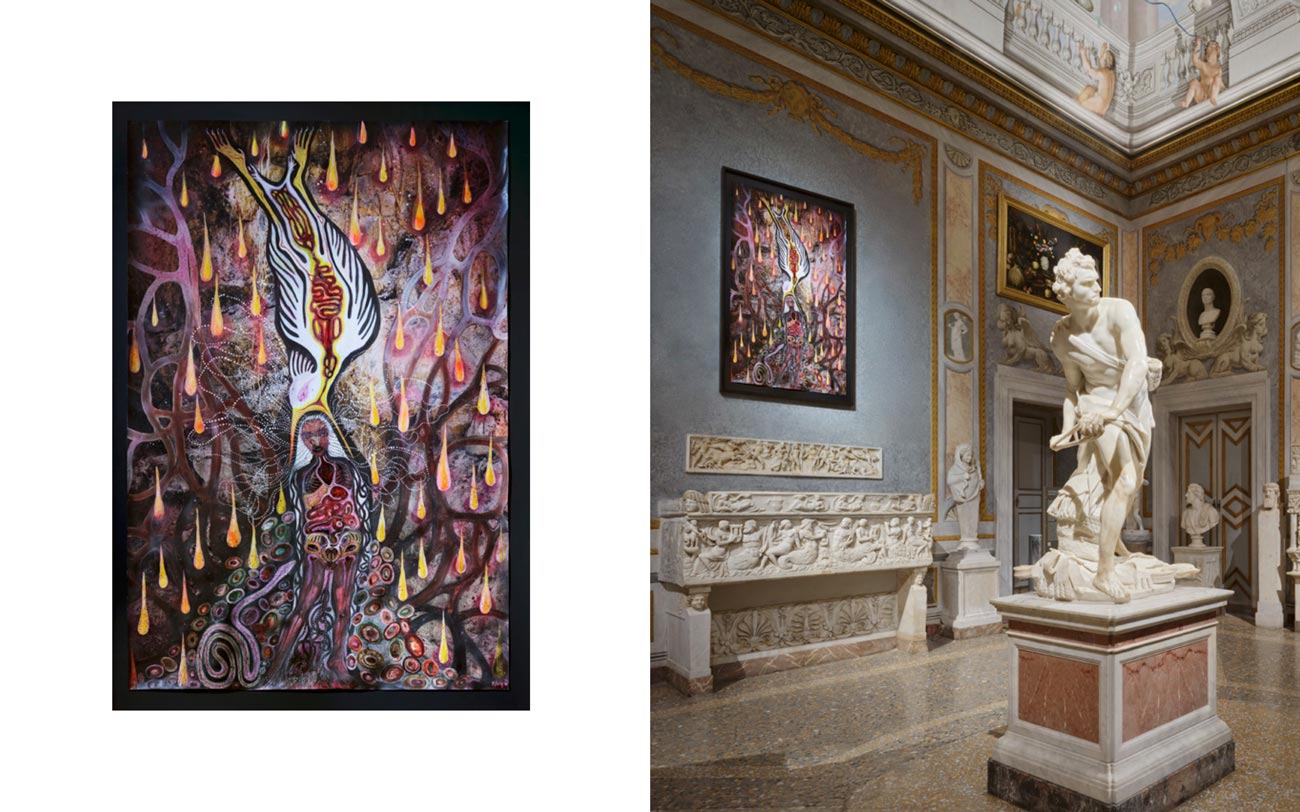
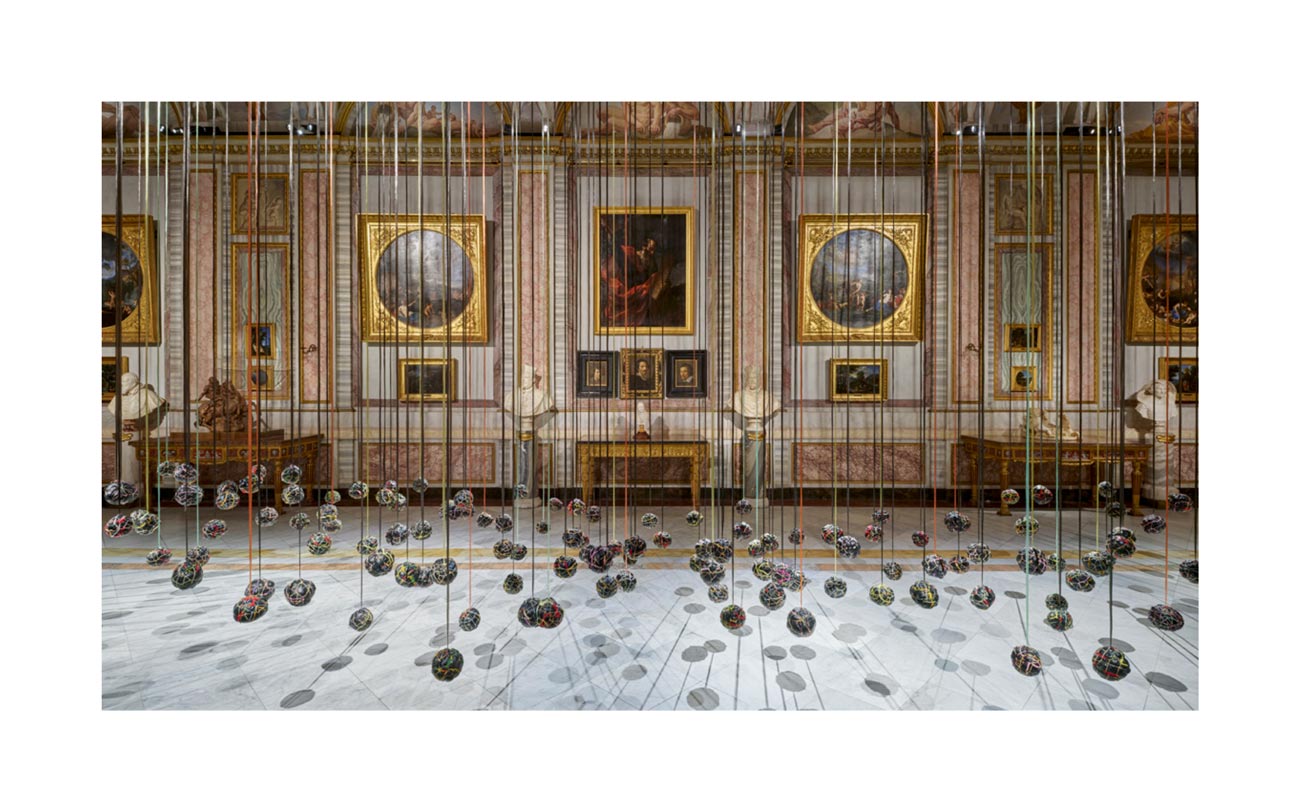
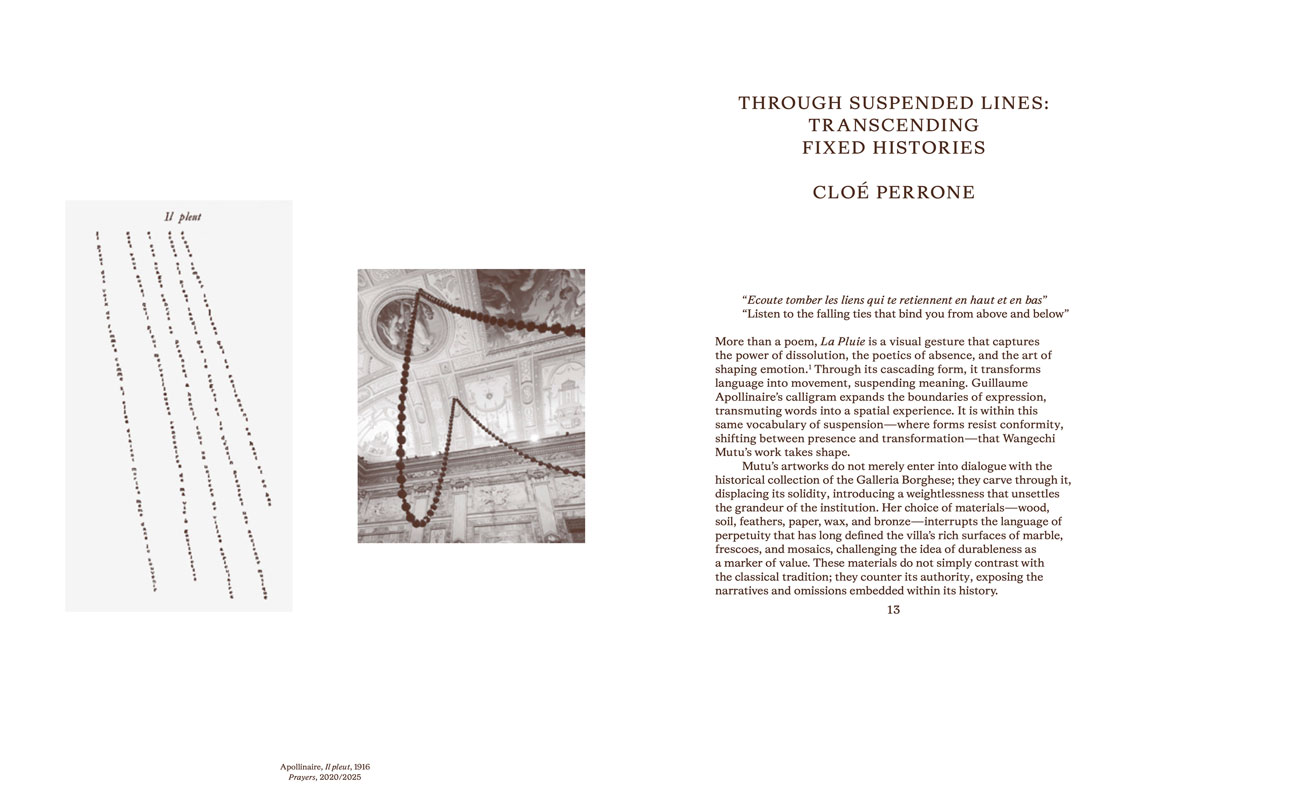
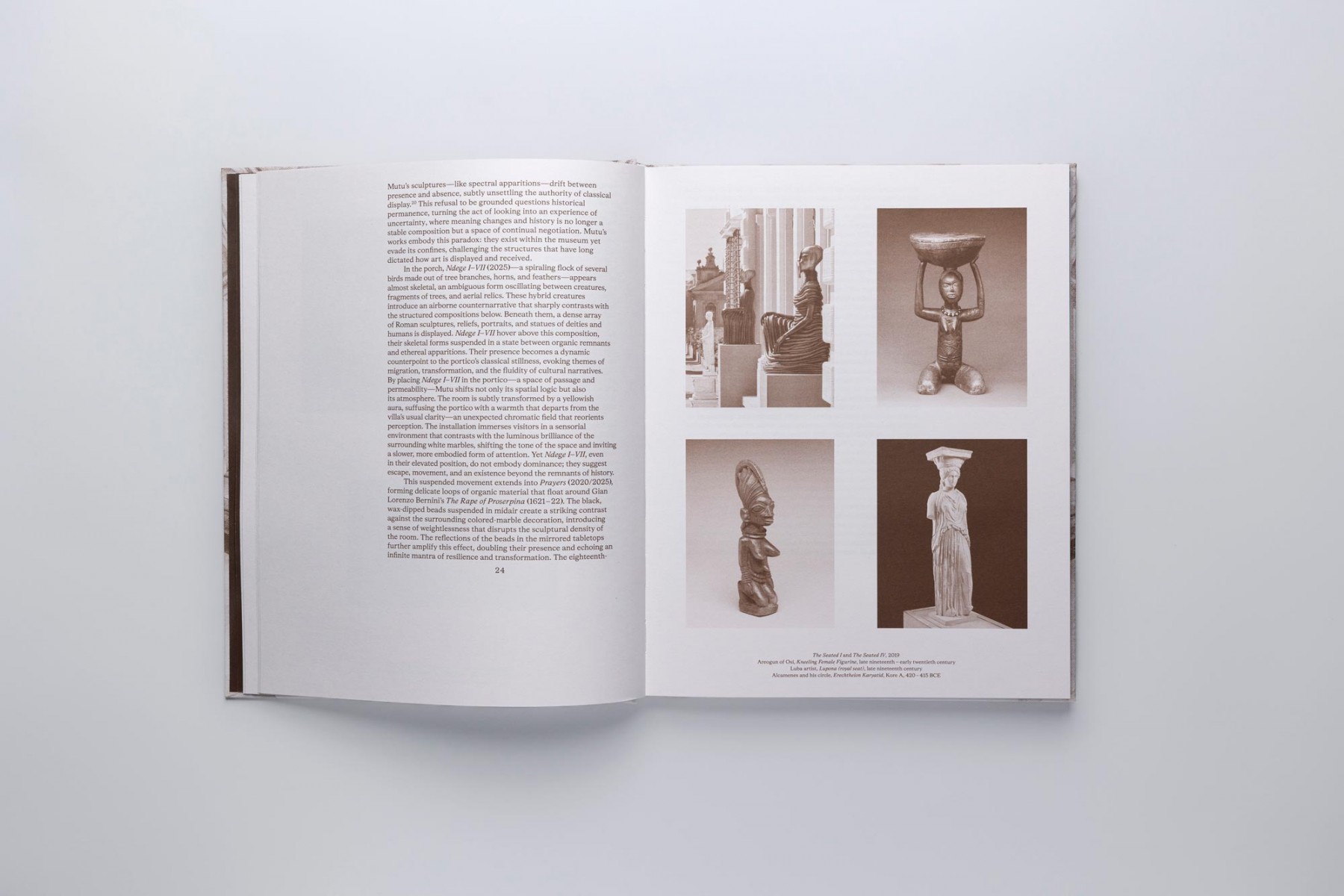
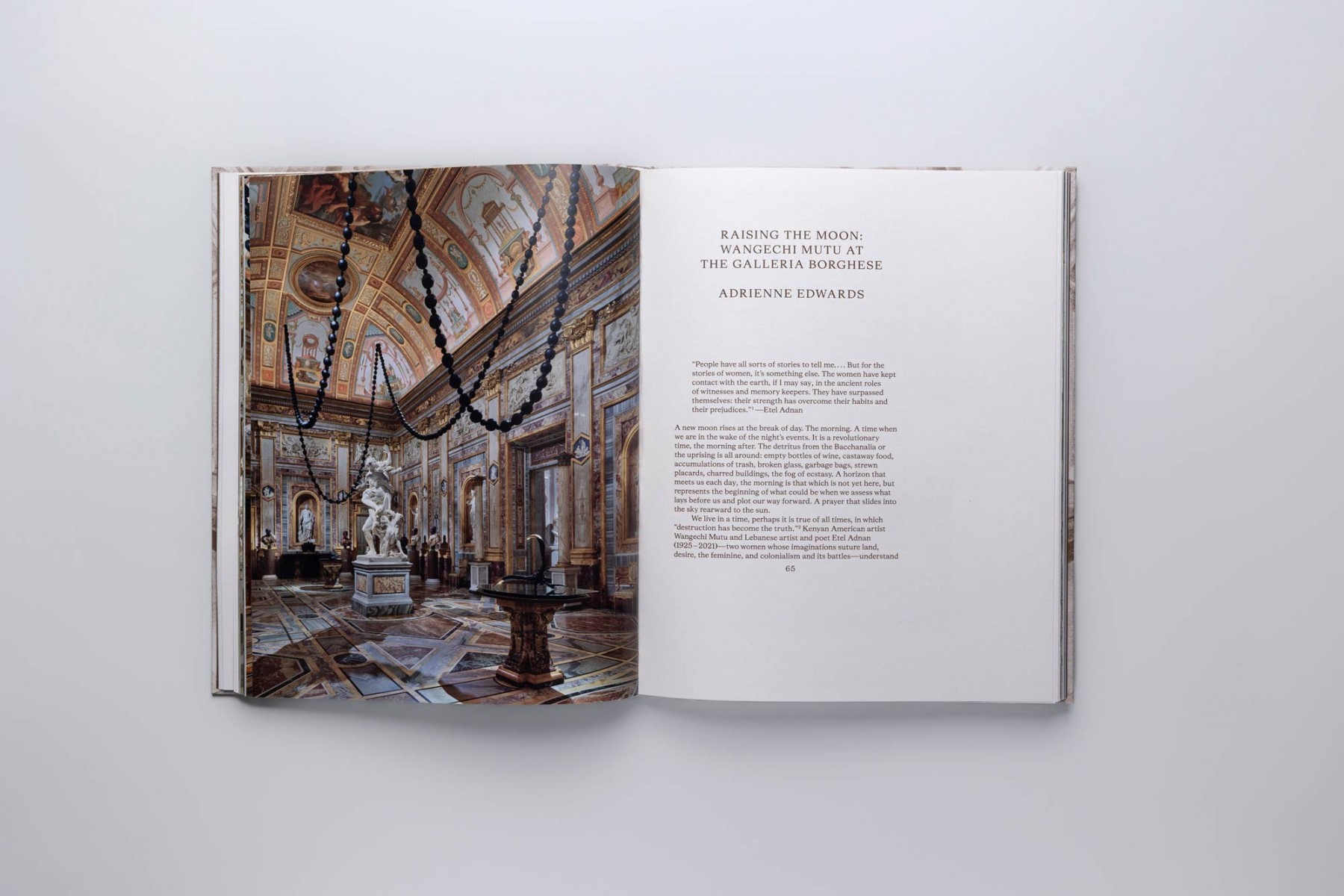
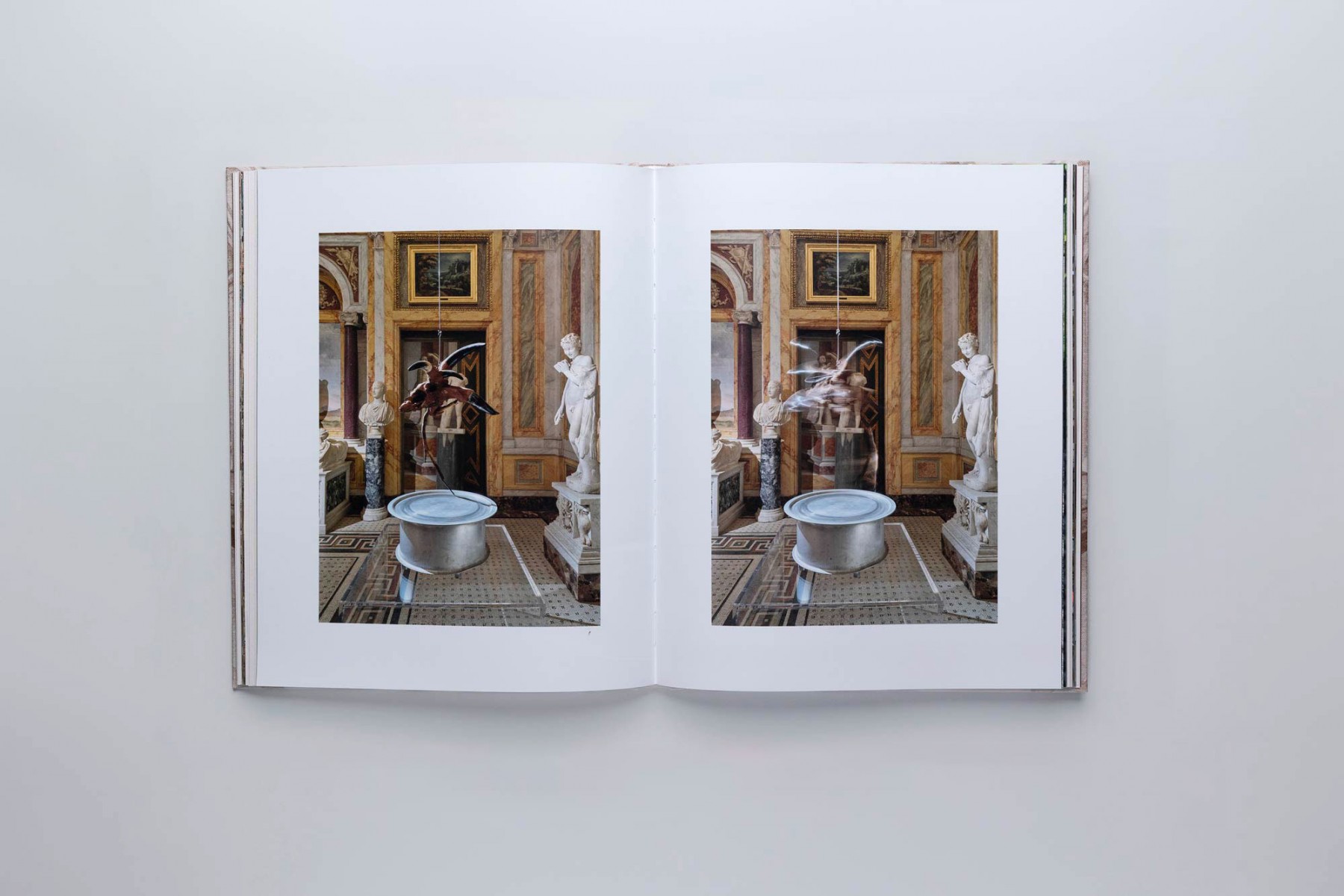
Wangechi Mutu’s intervention introduces a new vocabulary into the historical and symbolic architecture of the Galleria Borghese. Through sculpture, installation, and moving image, the artist proposes an innovative approach to the museum space—one that challenges hierarchy, permanence, and fixed meaning. Her works question the visual weight and authority of the collection through strategies of suspension, fluidity, and fragmentation. In doing so, the museum is no longer presented as a static container of objects, but as a living organism, in continuous transformation, shaped by loss, adaptation, and reconfiguration.
Accompanied by a text by curator Cloé Perrone analyzing the context and themes that informed the exhibition’s conception, the volume is enriched by four additional essays by Adrienne Edwards, Ekow Eshun, Francesco Freddolini, and Ilaria Puri Purini, as well as a conversation between Eshun and the artist. A rich selection of illustrations allows the readers to retrace the exhibition, which unfolded in the Gallery’s sumptuous rooms and gardens, all the way to its extramural presence at the American Academy.